
When Your Hearing Aids Fail And The Sirens Start
It’s the kind of moment that makes your heart drop into your shoes. You’re driving along, completely unaware of anything unusual, when suddenly red and blue lights flood your mirrors. You pull over, confused. The officer asks why you didn’t yield to the siren. Siren? What siren? Later, it hits you—your hearing aids weren’t working properly. Now you’re holding a ticket and wondering if the company that made your devices should be the one paying for it. Let’s unpack this calmly and realistically.

Start By Slowing Down—Mentally
When something like this happens, frustration comes fast. It feels unfair. You rely on your hearing aids every day, and they let you down at exactly the wrong time. But before you start googling “how to sue a manufacturer,” take a breath. Legal responsibility isn’t automatic just because something malfunctioned.

Understand What The Ticket Actually Says
Most likely, you were cited for failing to yield to an emergency vehicle. In most states, drivers must pull over when police, fire, or ambulances approach with lights and sirens activated. The key word here is “activated.” The law generally assumes drivers will notice either the siren, the flashing lights, or both.

The Law Focuses On Reasonableness
Traffic laws are written around what a “reasonable driver” would have done. That doesn’t always account for personal circumstances. A judge may ask: Were the lights visible? Were other cars pulling over? Could you have seen what was happening even if you couldn’t hear it?

Be Honest With Yourself About What Happened
This part matters. Did you see flashing lights in your mirrors? Did traffic start slowing or moving aside? Even if your hearing aids were silent, visual clues might have been present. Courts tend to expect drivers to stay visually alert at all times.

Confirm There Was A Real Malfunction
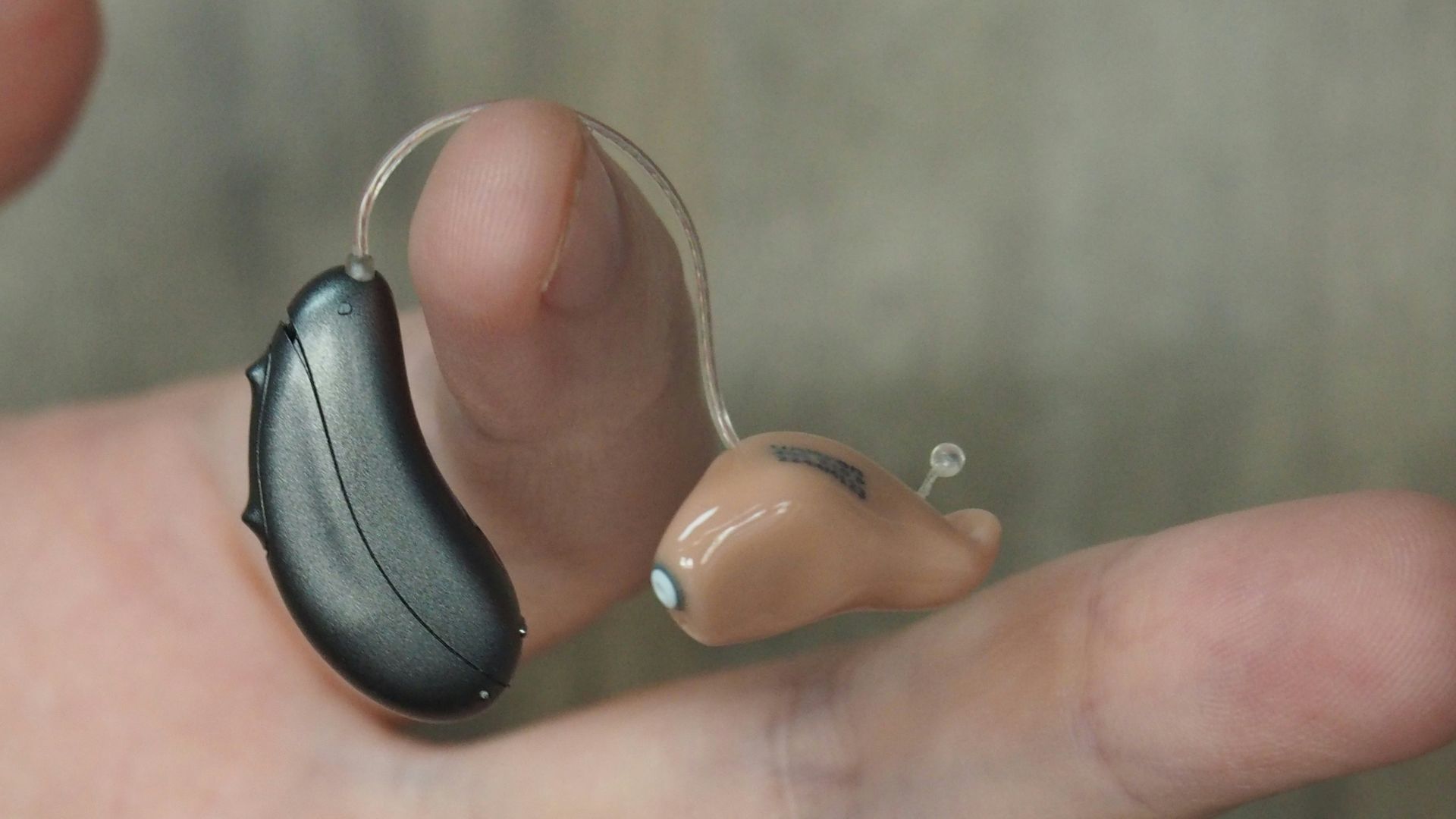
Before blaming the manufacturer, make sure the issue wasn’t something simple. Were the batteries low? Was there debris in the microphones? Had you skipped a recent maintenance appointment? A true defect is very different from routine upkeep.
Write Everything Down Immediately
Stress can scramble your memory. Sit down and write out exactly what happened. When did you realize something was wrong? Had the hearing aids been acting up earlier? The more specific you are, the more credible your explanation becomes later.

Get A Professional Evaluation
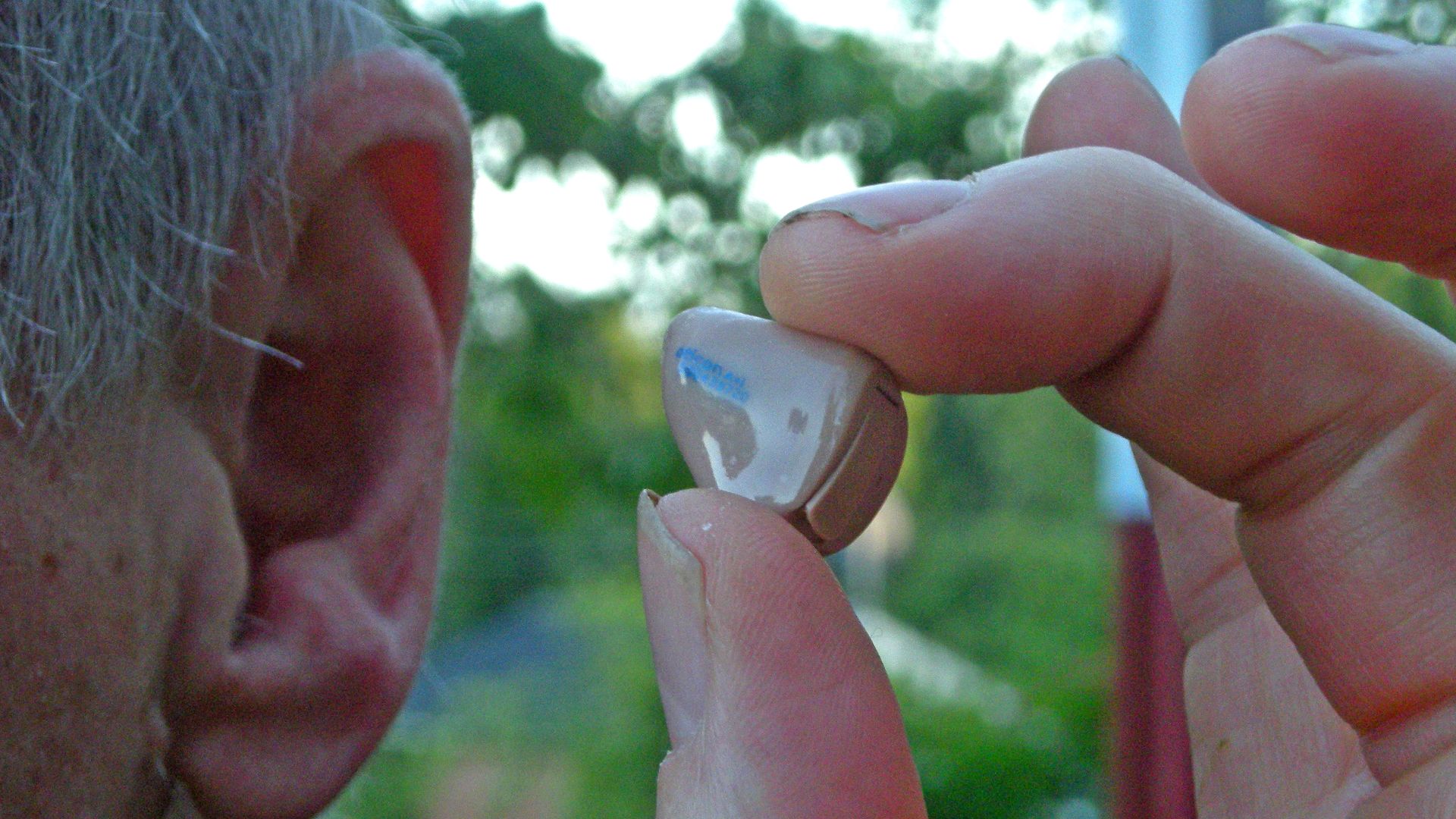
Make an appointment with your audiologist as soon as possible. Ask them to inspect the devices and provide a written summary of their findings. If there was a genuine malfunction, you’ll want that in black and white.
 Bundesinnung Hörakustiker (bundesinnung_ha), Wikimedia Commons
Don’t Repair Or Toss The Devices
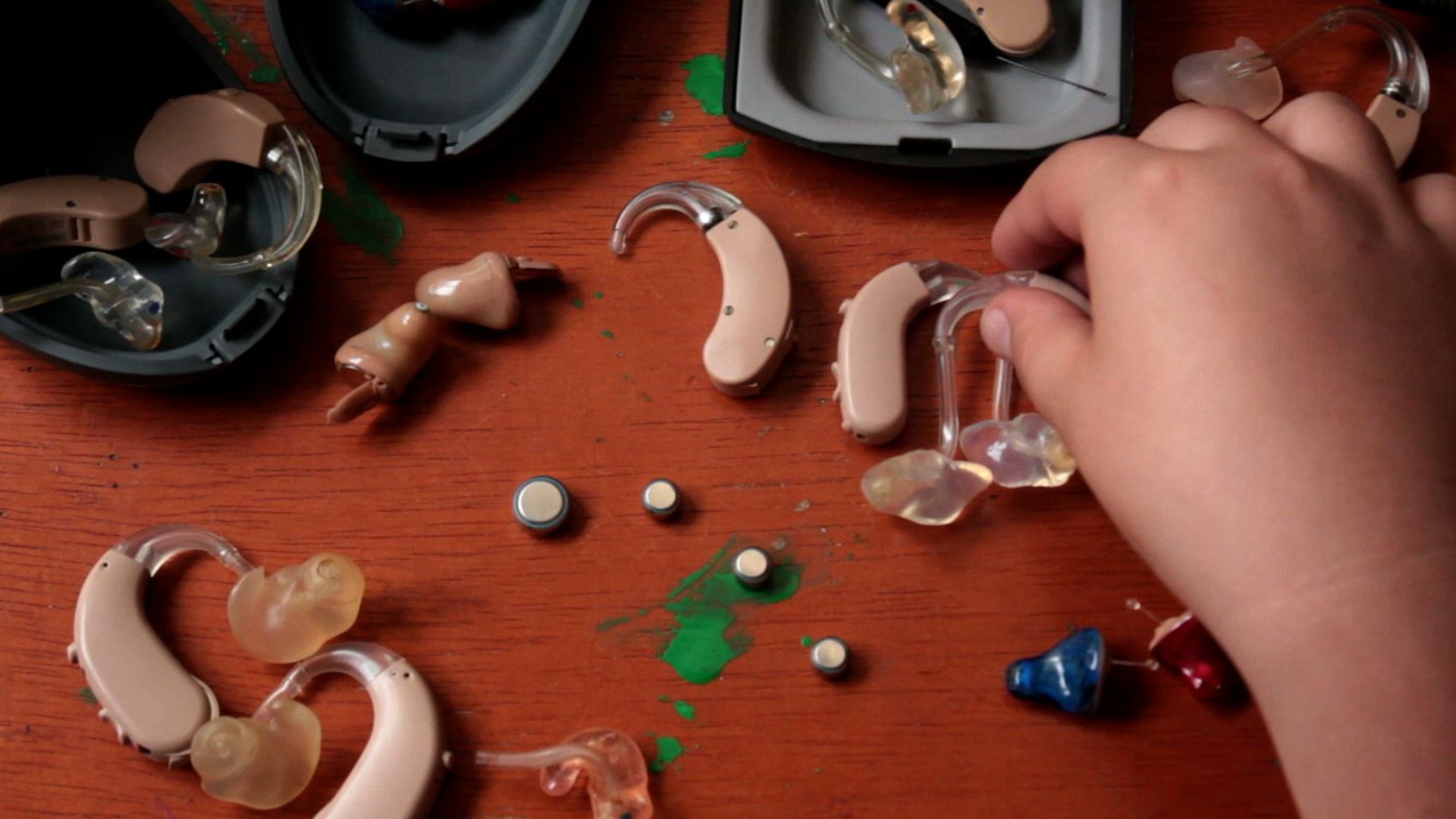
It’s tempting to fix them quickly or replace them out of frustration. But if you’re even considering legal action, preserve the devices as they are. In product liability cases, the product itself often becomes key evidence.
 Vilma Liella, Wikimedia Commons
Handle The Ticket First
Before you think about suing anyone, address the citation. You may be able to contest it in traffic court. Bring documentation of your hearing impairment and any proof of malfunction. Even if the charge isn’t dismissed, a judge might reduce the penalty.

Understand That “I Didn’t Hear It” Isn’t Always Enough
Here’s the tough truth: drivers are responsible for being aware of their surroundings. Even with hearing impairment, the court may argue you should have noticed visual signals. That doesn’t make your frustration invalid—it just means the legal bar is high.

So, Can You Sue The Manufacturer?
Technically, yes. Anyone can file a lawsuit. But to win, you’d need to prove the hearing aids were defective and that the defect directly caused your ticket or other damages. That’s not always easy.
 Jonas Bergsten, Wikimedia Commons
What Counts As A Defect?
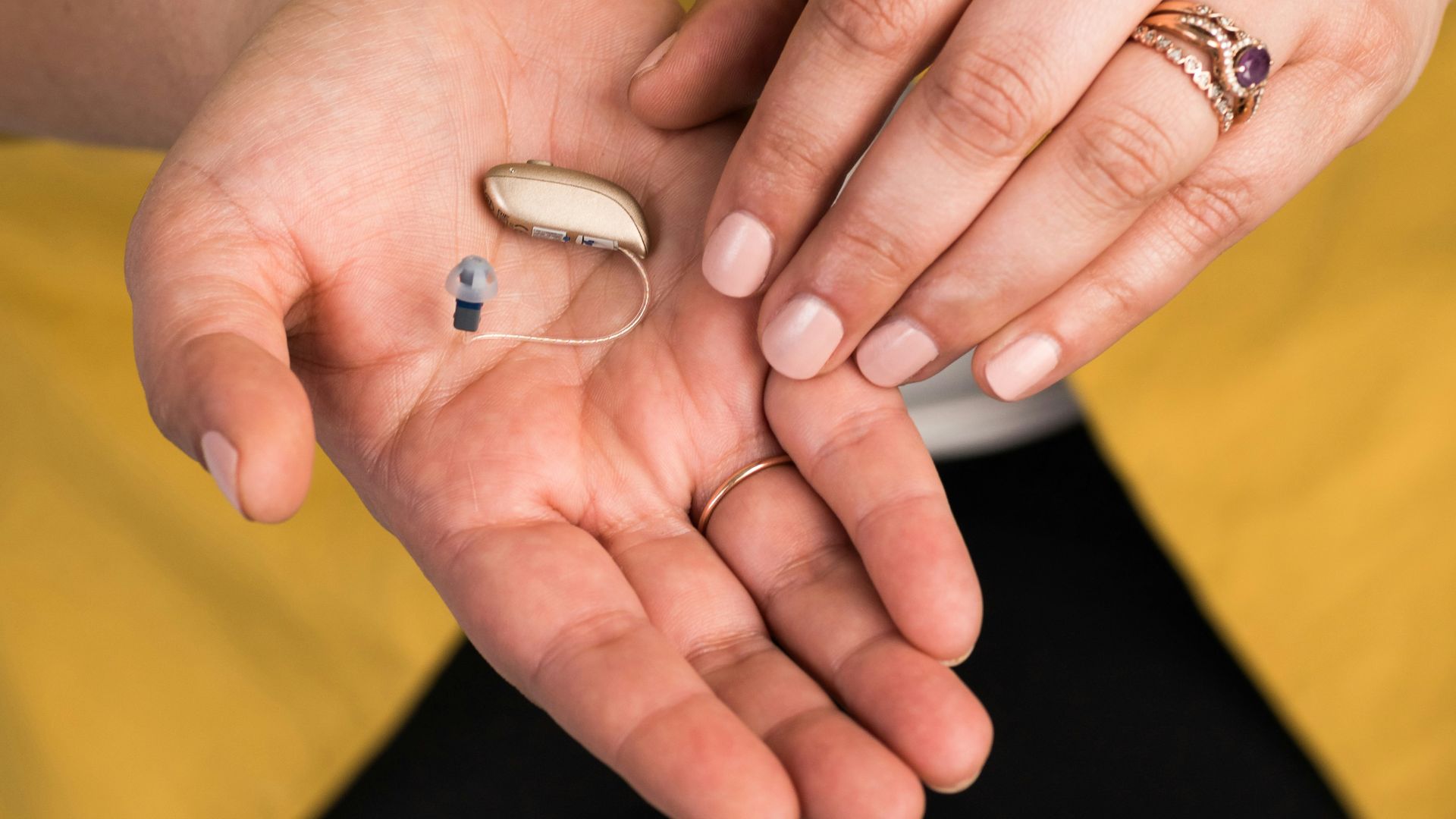
Product liability law generally covers three categories: design defects (something flawed in the overall concept), manufacturing defects (something went wrong during production), or failure to warn (insufficient instructions or safety information). You’d need evidence fitting one of those buckets.
Proving Cause And Effect Is The Challenge
Even if the hearing aids malfunctioned, you’d have to show that malfunction is what caused you to miss the emergency vehicle—and that missing it caused measurable harm. Manufacturers may argue that flashing lights alone should have alerted you.

Think About The Actual Financial Impact
If your only loss is a few hundred dollars for a ticket, a lawsuit may not make financial sense. Product liability cases can take time, require expert testimony, and become expensive quickly.

When The Stakes Are Higher
If this situation led to an accident, injuries, or significant property damage, that changes things. Larger financial losses make it more practical to consult a product liability attorney and explore your options seriously.

Check For Recalls Or Known Issues
Do a little research on your hearing aid model. Have there been recalls? Are other users reporting similar failures? A pattern of documented problems strengthens a potential case significantly.

Contact The Manufacturer First
Before filing a lawsuit, reach out to the company. Explain what happened and request a written response. Sometimes manufacturers will repair or replace devices—or offer compensation—without a courtroom battle.

Consider Filing A Regulatory Report
In the United States, hearing aids are regulated medical devices. You can report malfunctions through the FDA’s MedWatch program. While that won’t fix your ticket, it creates a record and may protect others if the issue is widespread.
 CaptJayRuffins, Wikimedia Commons
Speak With A Lawyer If Necessary
If your losses are substantial, consult a product liability attorney. Many offer free consultations. Bring all documentation: repair reports, purchase receipts, maintenance records, and the citation itself.

Be Prepared For Shared Responsibility
Even if the hearing aids were defective, courts often apply comparative fault rules. That means you could still share responsibility for not noticing visual cues, which could reduce any compensation.

Don’t Overlook Insurance Consequences
If your insurance premiums rise because of the ticket, keep records. Increased premiums can count as financial damages—but again, only if you can clearly tie them to the incident.

Courts Do Consider Context
Judges understand that medical devices are essential tools. If you’ve maintained your devices properly and acted in good faith, that context may influence how your situation is handled—even if it doesn’t fully excuse the violation.

Acknowledge The Emotional Side
It’s more than just a fine. It feels like your own equipment betrayed you. That frustration is valid. But making smart decisions requires separating emotion from strategy.

Focus On Preventing A Repeat
Regardless of legal action, prioritize safety moving forward. Stay on top of maintenance appointments, replace batteries proactively, and address any unusual device behavior immediately.

Consider Extra Safety Measures
Some drivers with hearing impairments add visual alert systems or enhanced mirror setups for added awareness. While not required by law, additional safeguards can provide peace of mind.
 Bärbel Miemietz, Wikimedia Commons
Keep Your Records Organized
If you pursue any formal action—legal or regulatory—keep everything organized. Documentation strengthens your credibility and makes any consultation far more productive.

The Bottom Line
Yes, you can sue a hearing aid manufacturer if a defect caused real harm. But winning requires proving a genuine defect, clear causation, and meaningful damages. For a simple traffic ticket, litigation may cost more than it’s worth. If the malfunction led to serious injury or financial loss, speaking with a qualified attorney is wise. Either way, address the ticket promptly, get your devices checked, and make sure both your technology and your situational awareness are working together the next time you’re on the road.

You May Also Like:
When A Detroit Designer Built A Car Entirely Out Of Soybeans
The True Origin Of The Term ‘Muscle Car’—And Who Really Invented It