Unplugged?
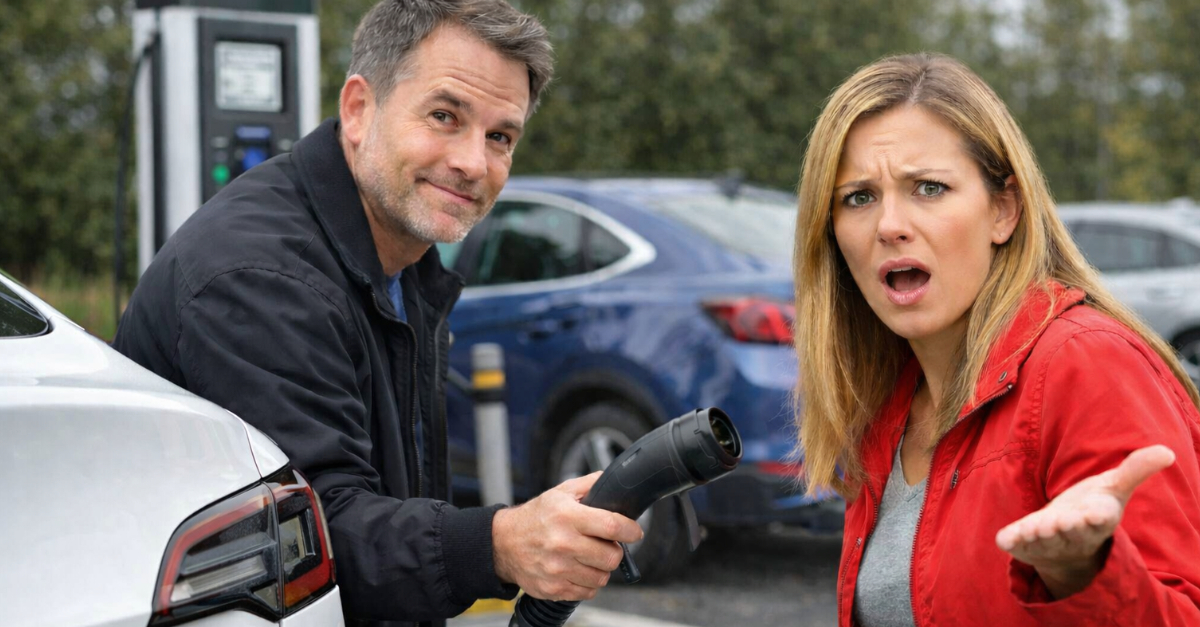
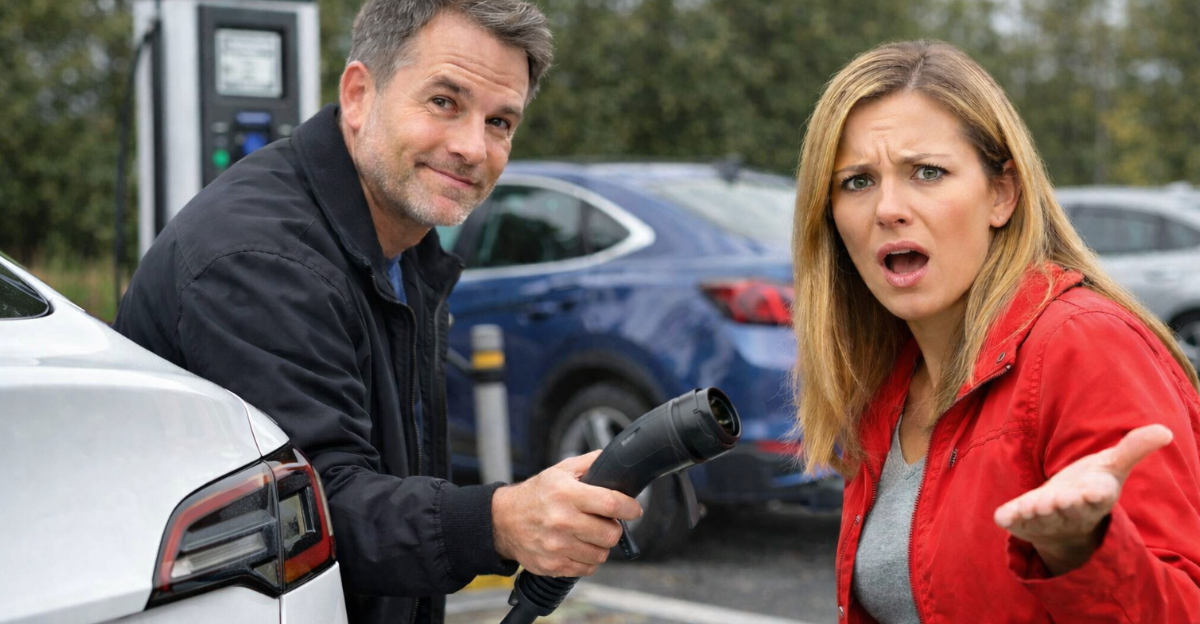
Public EV chargers can already feel stressful when multiple cars are waiting. But imagine walking back to your vehicle and discovering it’s no longer charging—because another driver unplugged it and started using the charger themselves. Situations like this are becoming more common as EV ownership grows—and they can get surprisingly heated.
So what are the actual rules here? What’s the etiquette? And what should you do if it happens to you?
Why this situation is happening more often
Electric vehicle ownership has grown quickly in the past few years. In the U.S. alone, millions of EVs are now on the road, and the number keeps rising each year. Public charging networks are expanding, but in many areas demand still outpaces available chargers. That can lead to crowded stations.
Public chargers aren’t like gas pumps
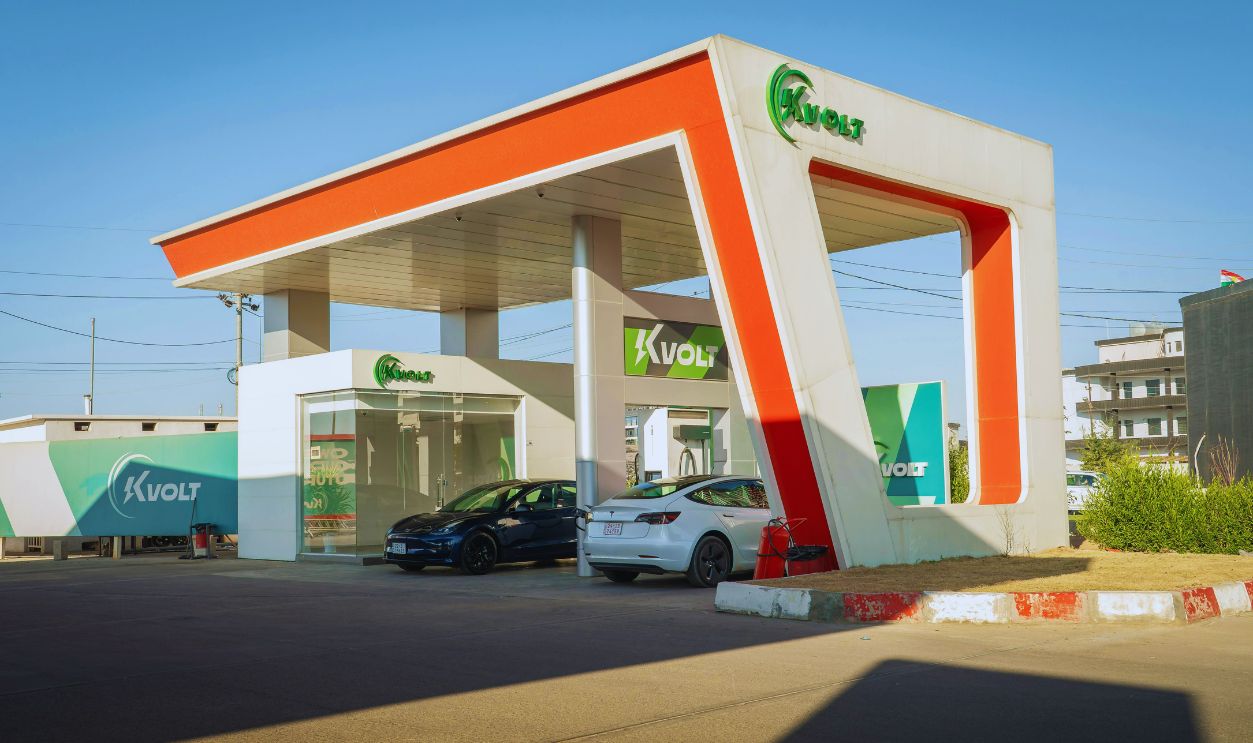
Gas stations move quickly—most drivers are done in five minutes or less. EV charging works very differently. Even high-powered DC fast chargers usually take 20–40 minutes to add significant range, while Level 2 chargers can take several hours depending on the vehicle and battery level. That longer charging time changes everything.
Charging slows dramatically after 80%
At DC fast chargers, most EV batteries charge quickly until they reach about 70–80 percent capacity. After that point, charging speeds slow dramatically to protect the battery. In many vehicles, the final 20 percent can take significantly longer than earlier charging stages.
The 80 percent courtesy debate
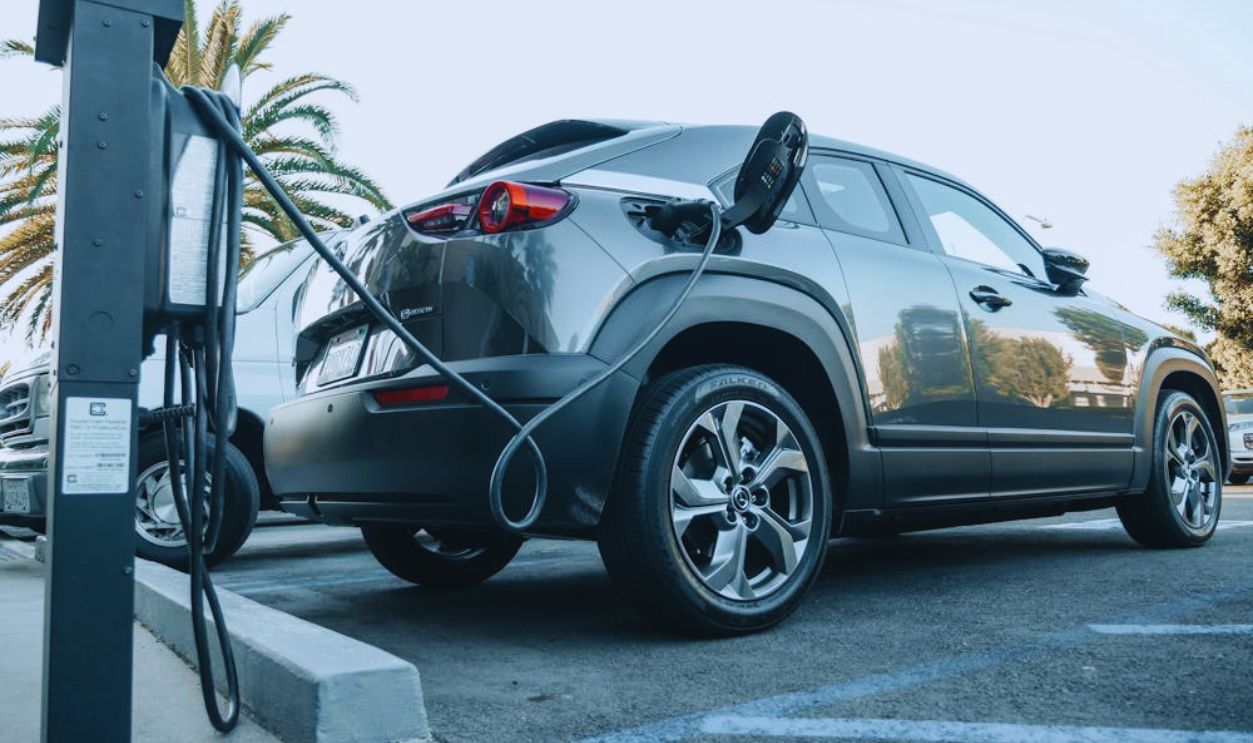
Because charging slows after about 80 percent, some EV drivers believe it’s courteous to stop charging around that level at busy fast chargers so others can use the station sooner. Others charge to 90 or even 100 percent if they need the range. For now, it’s considered etiquette—not an official rule.
What happens when all chargers are full
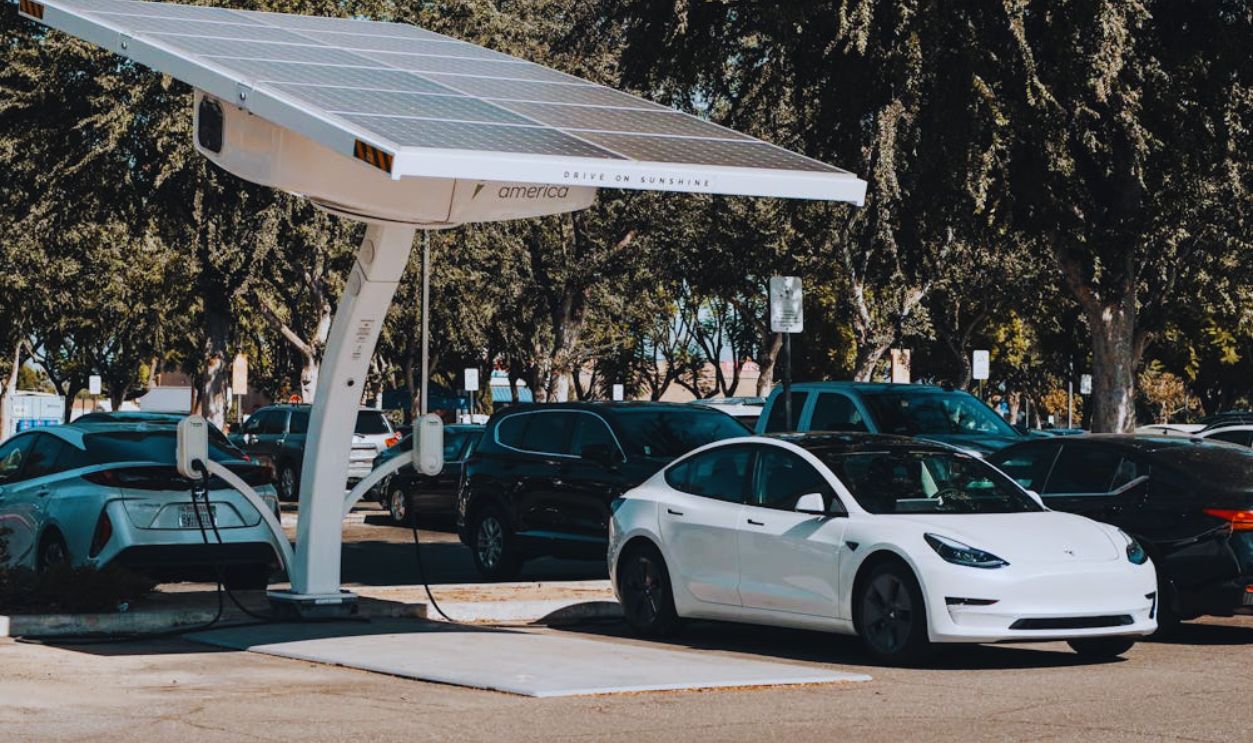
At a busy charging station, several vehicles may arrive around the same time. If all chargers are occupied, someone usually has to wait. Unlike gas stations, there’s rarely a formal queue system. Drivers often simply watch the chargers and wait for one to open.
The key question drivers start asking
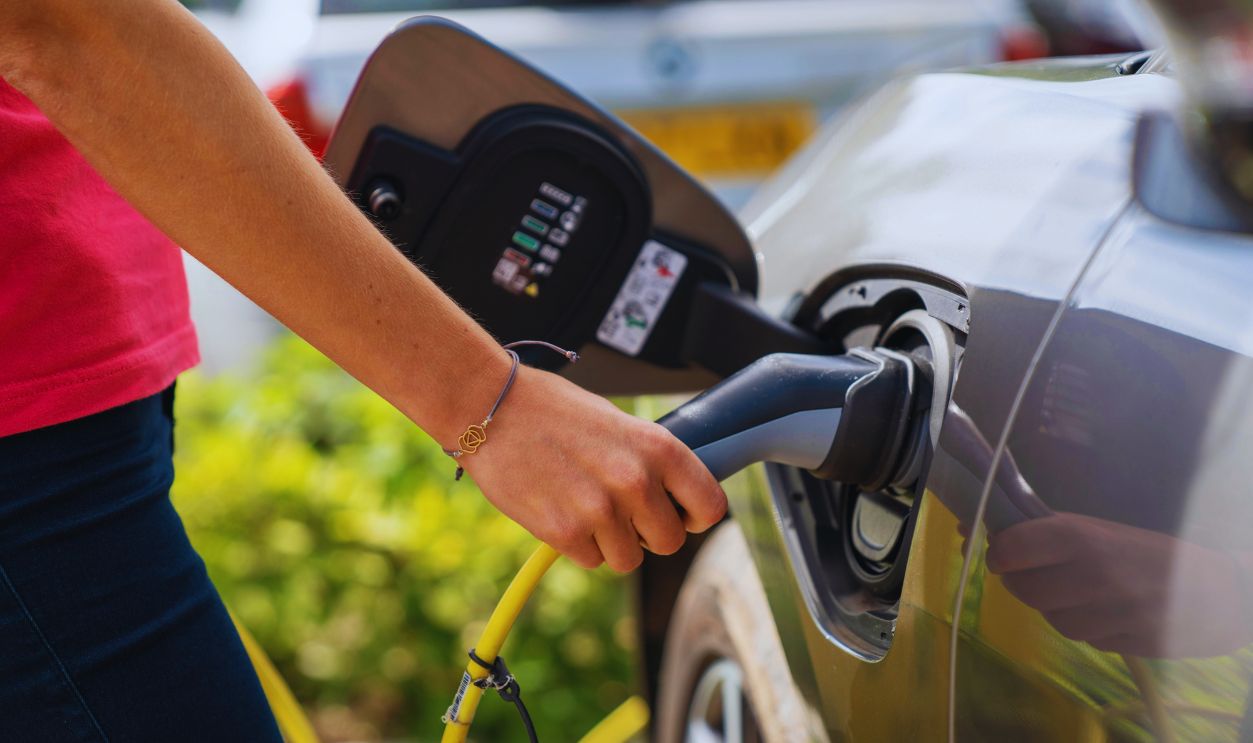
If a vehicle is plugged in but appears finished charging, is the charger still taken? Or does the charger become available for the next driver waiting in line? That gray area is where situations like unplugging another car sometimes happen.
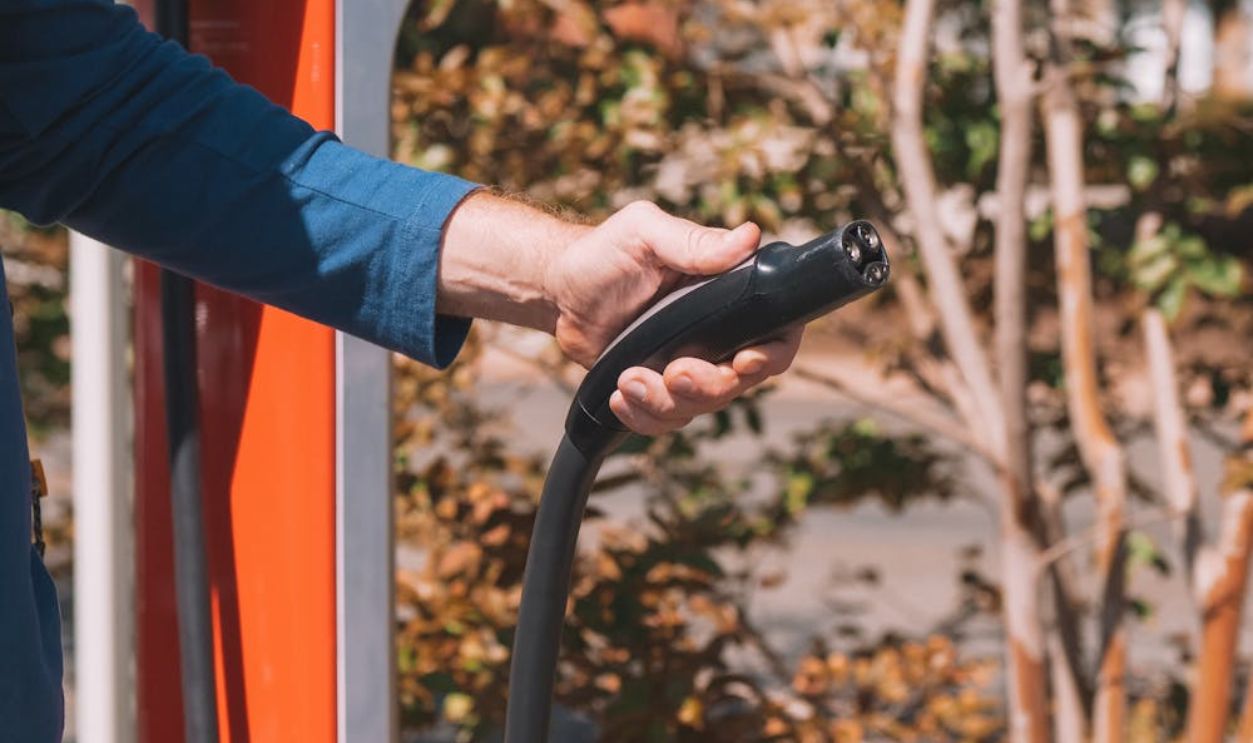
How charging cables are designed to work
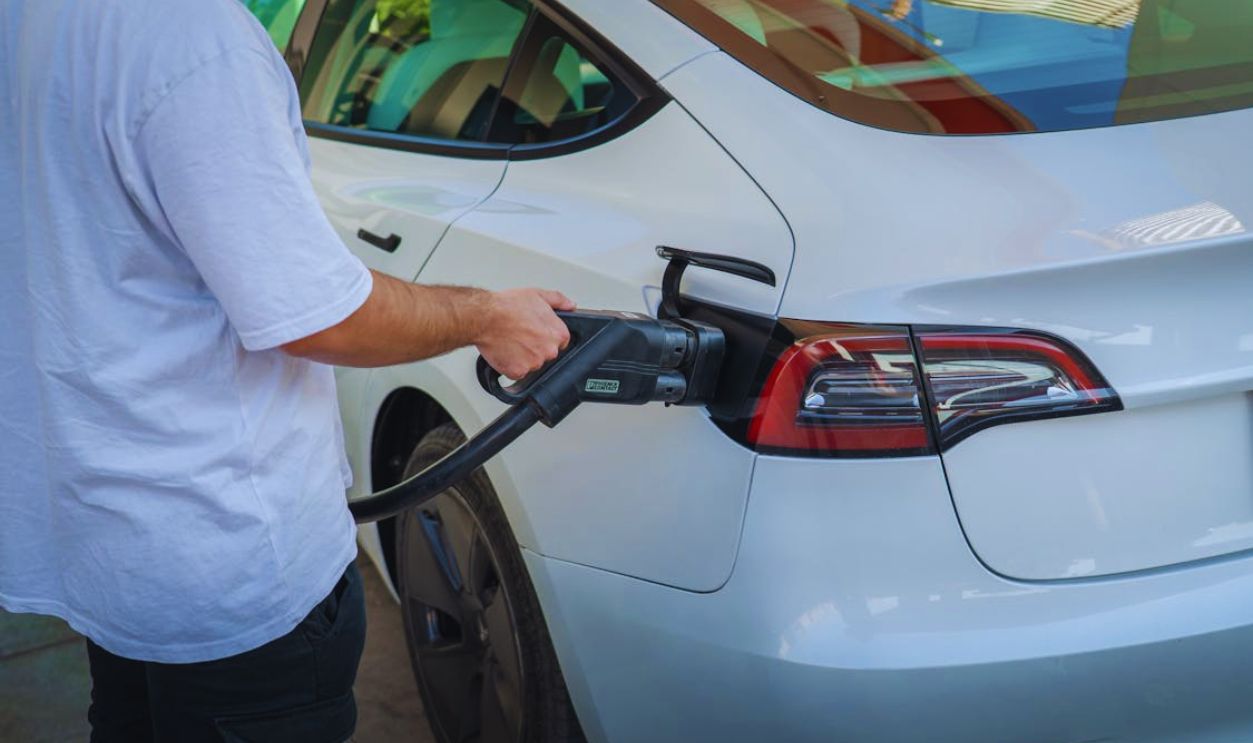
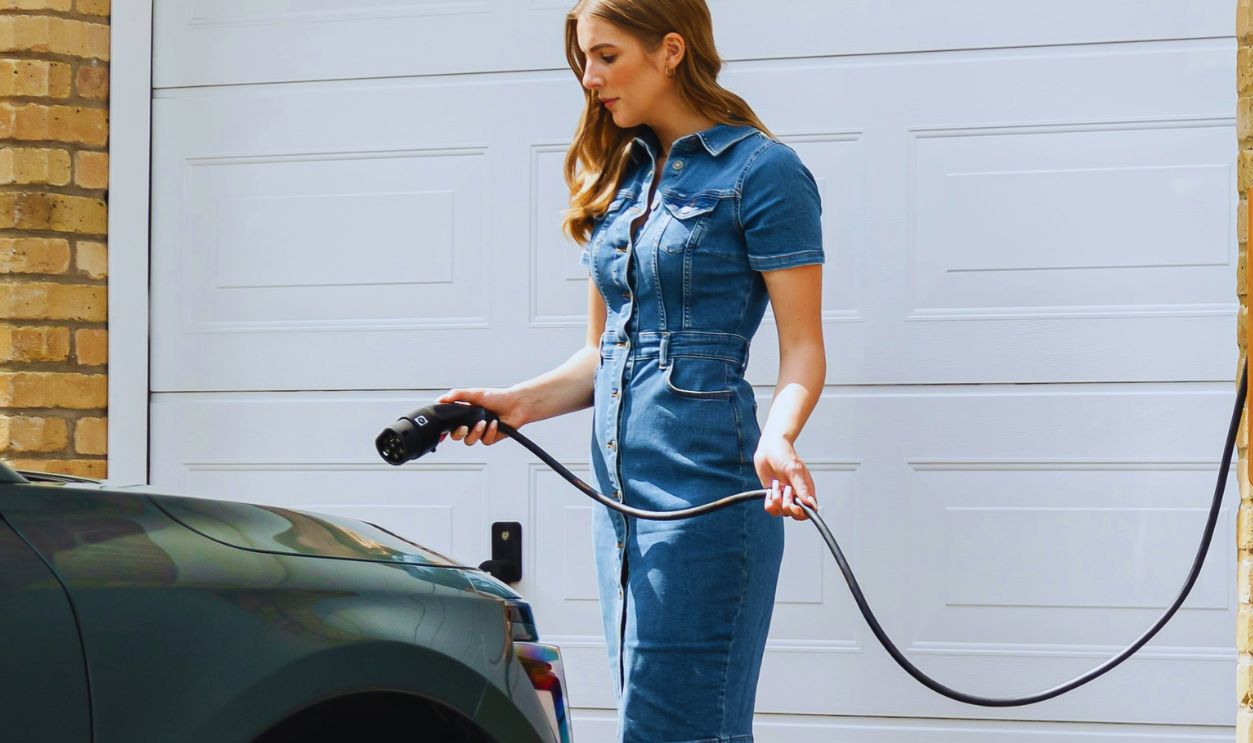
Most electric vehicles lock the charging connector while electricity is actively flowing into the battery. This prevents someone from disconnecting the cable during an active charging session. It’s a safety feature built into many modern EVs.
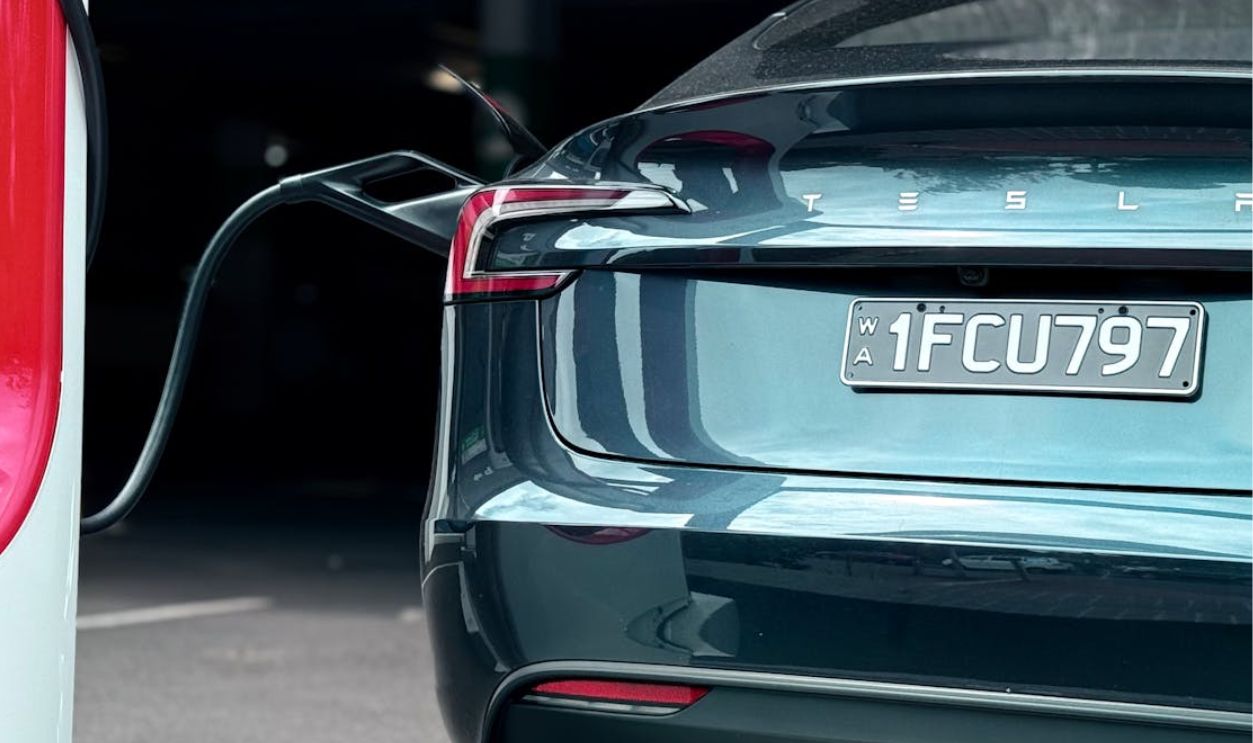
When the connector unlocks
Many vehicles unlock the charging cable once charging finishes or the driver unlocks the car. At that point the charger may no longer be delivering electricity. The cable is still attached—but technically the charging session is finished.
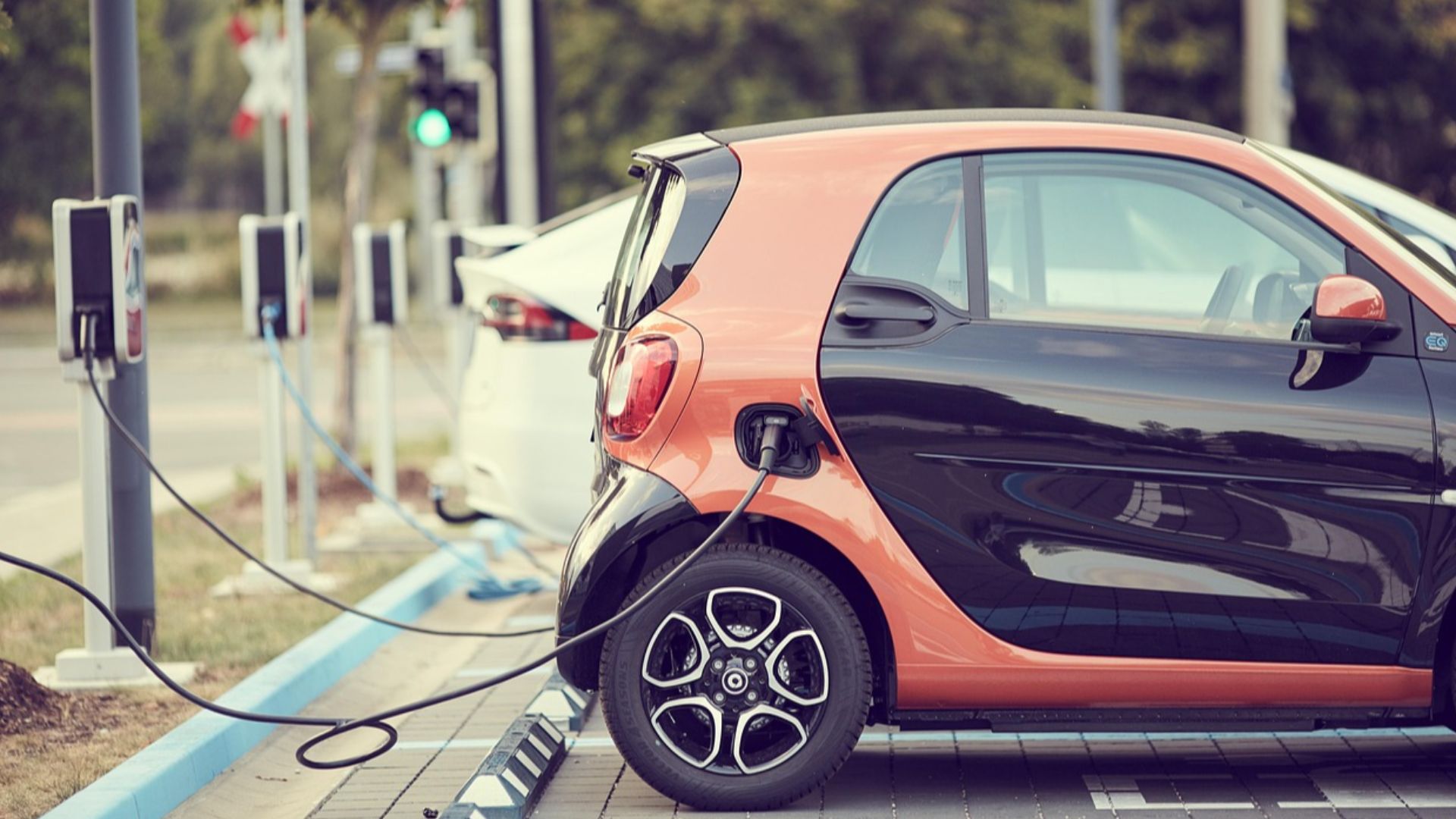
Why some drivers assume the charger is available
If the charger screen shows the session is complete and the cable is unlocked, another driver might assume the station is available. From their perspective, the equipment is no longer in use and the charger can simply be used by the next car. But etiquette doesn’t always match what’s technically possible.
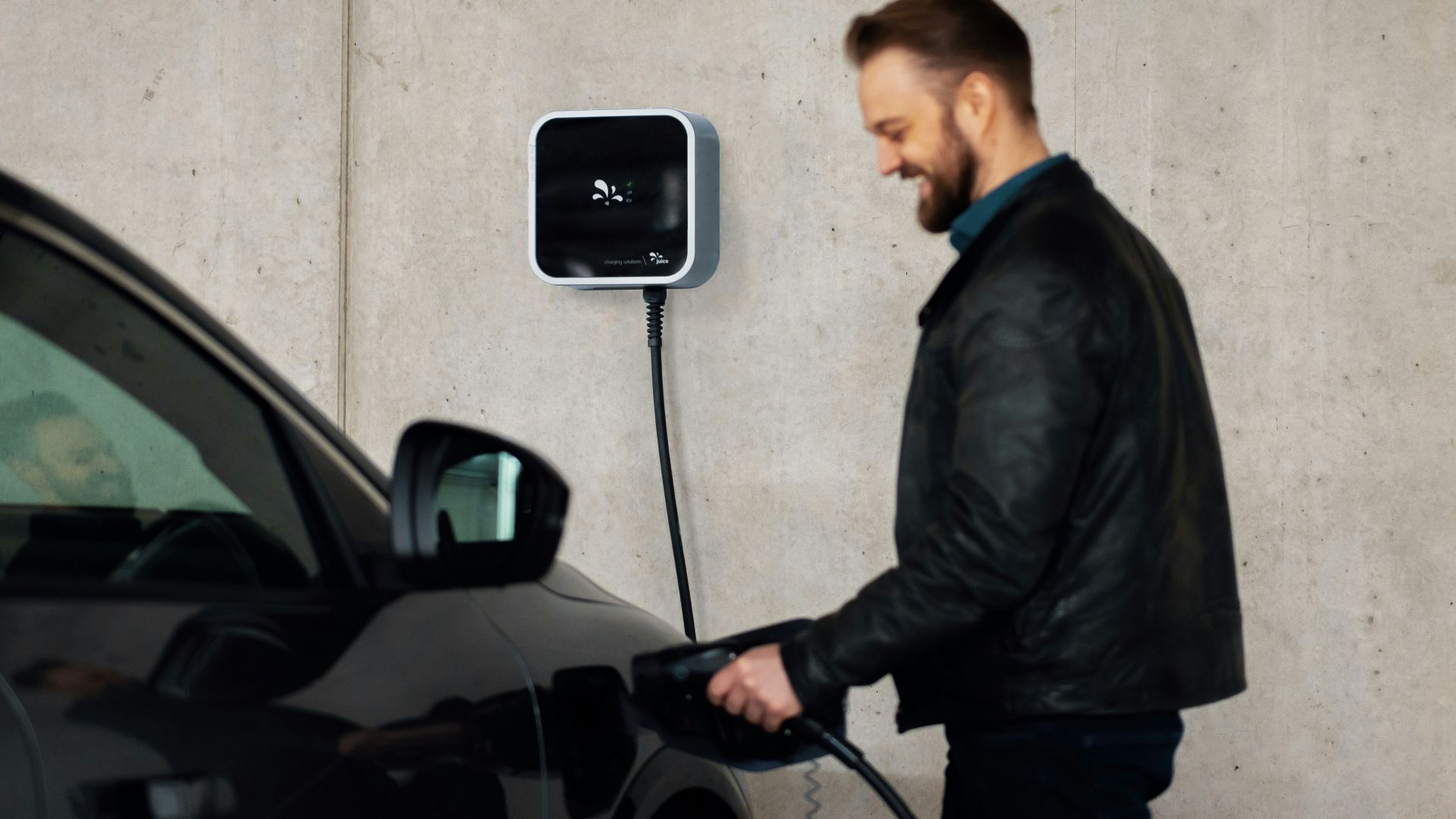
What most EV drivers consider basic etiquette
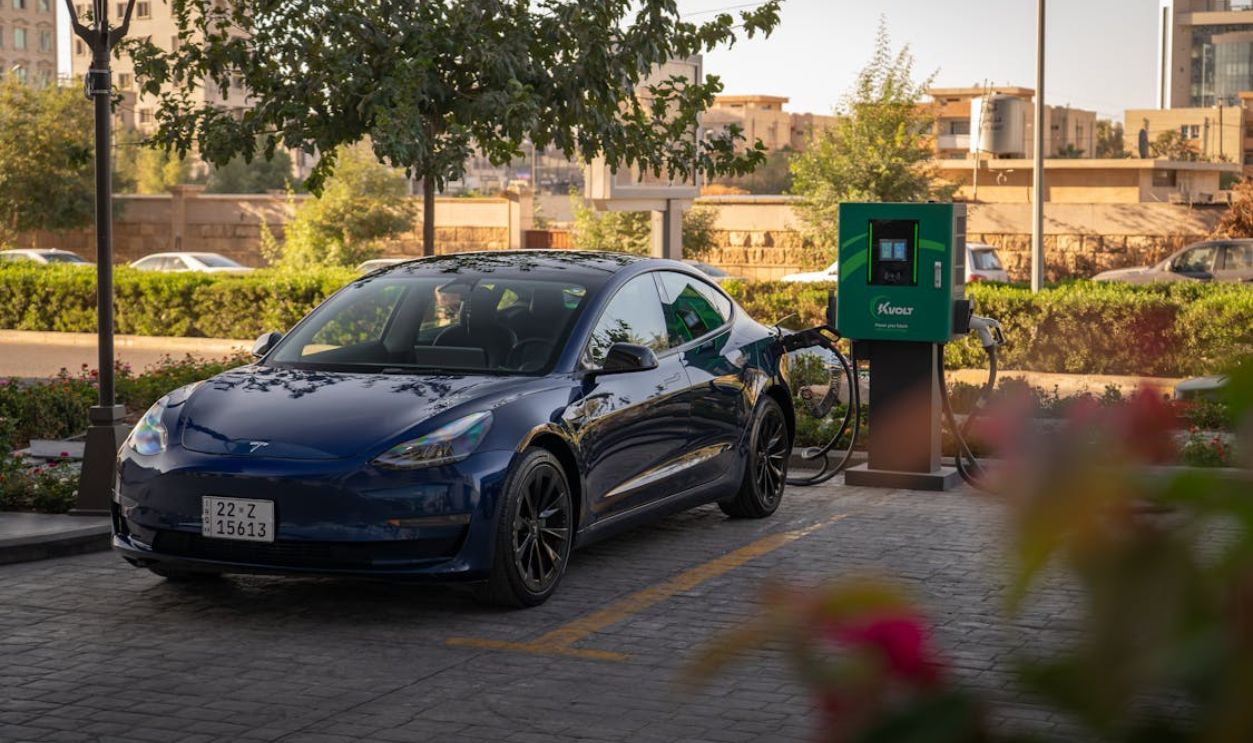
Among experienced EV owners, one guideline is widely accepted: don’t unplug another vehicle if it’s still actively charging. Interrupting an active charging session is generally considered poor etiquette, even if another driver is waiting.
When opinions start to differ
Things become less clear once a charging session is finished. Some drivers believe that if a vehicle is fully charged and still occupying the station, unplugging it is reasonable so someone else can use the charger. Others believe touching another person’s vehicle—or their charging cable—is crossing a line.
Idle fees were designed to reduce this problem
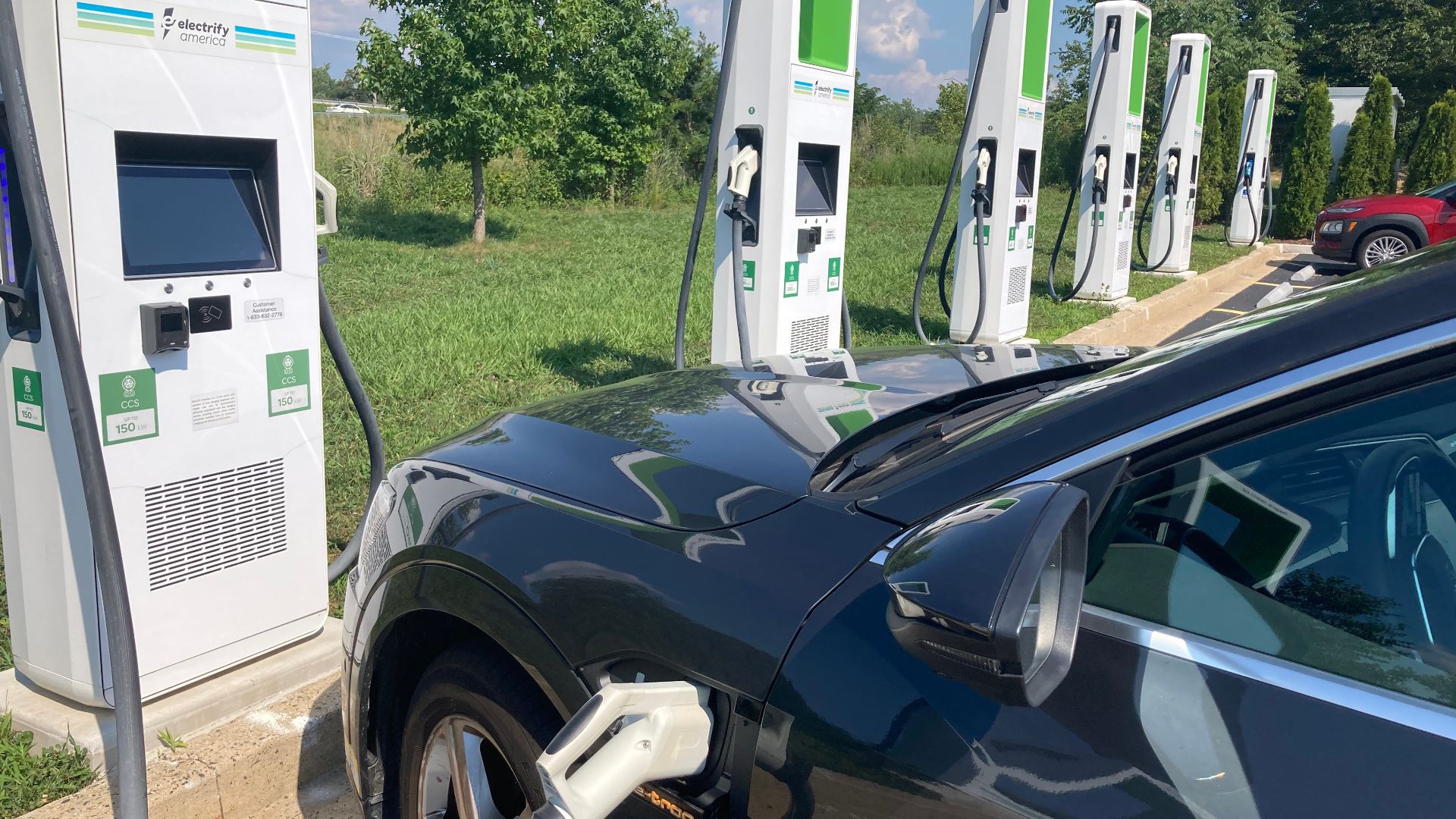
Many charging networks introduced something called an idle fee. Once a vehicle finishes charging, the driver may begin paying a per-minute fee if the car remains plugged in. Tesla Superchargers, Electrify America, and other networks use similar systems. The goal is to encourage drivers to move their vehicles quickly.
Why idle fees don’t solve everything
Idle fees help discourage people from leaving their cars too long, but they don’t eliminate conflicts. A driver may still be inside a nearby store or restaurant and simply hasn’t returned yet. Meanwhile, another EV driver arrives needing the charger. That’s when tension can build.
Tesla charging works a bit differently
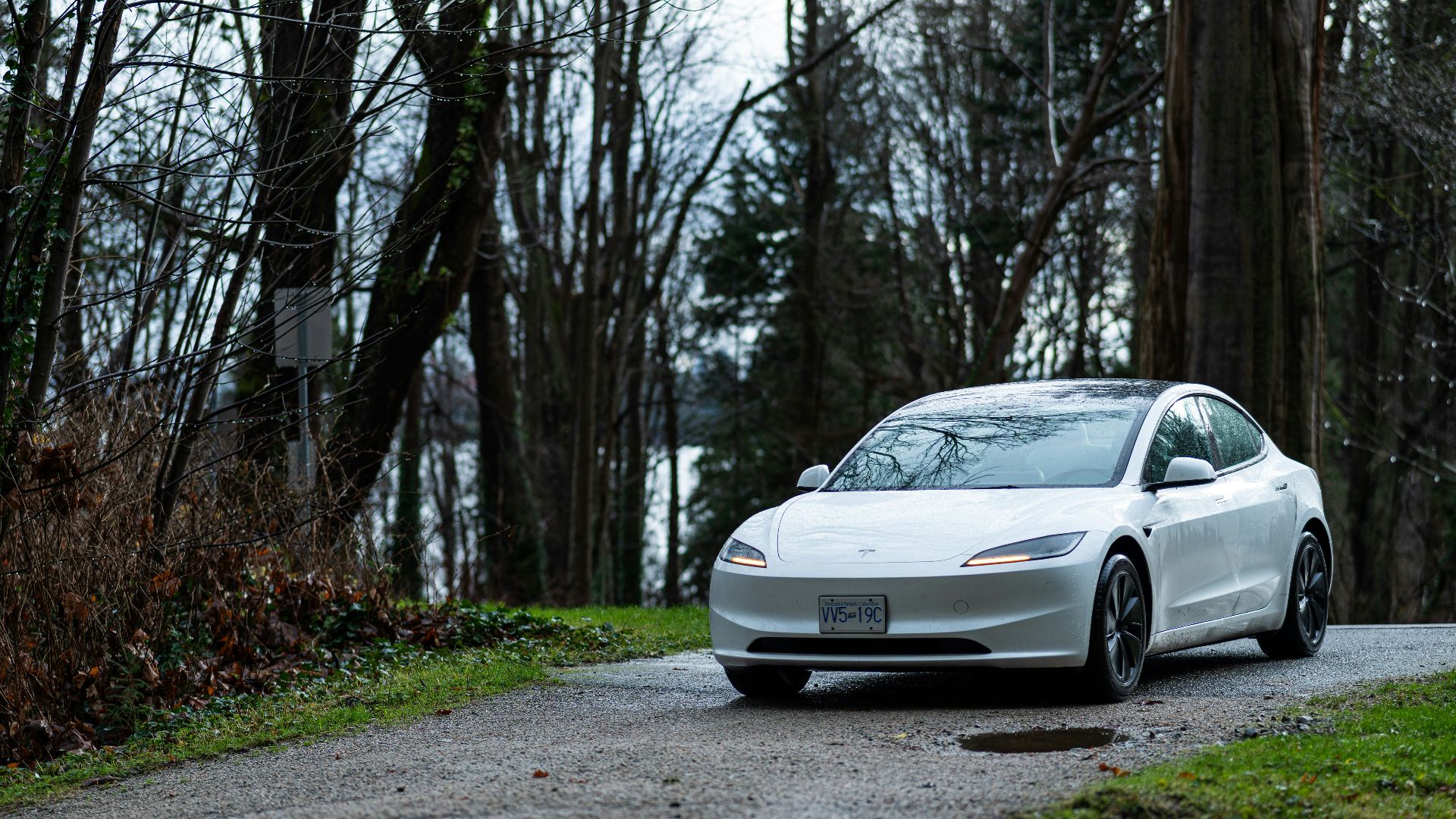
Tesla’s Supercharger network operates through tight integration between the vehicle and the charging system. Charging sessions are linked directly to the car and the owner’s account, and idle fees can start quickly once charging finishes. This helps reduce charger disputes, though it doesn’t eliminate them entirely.
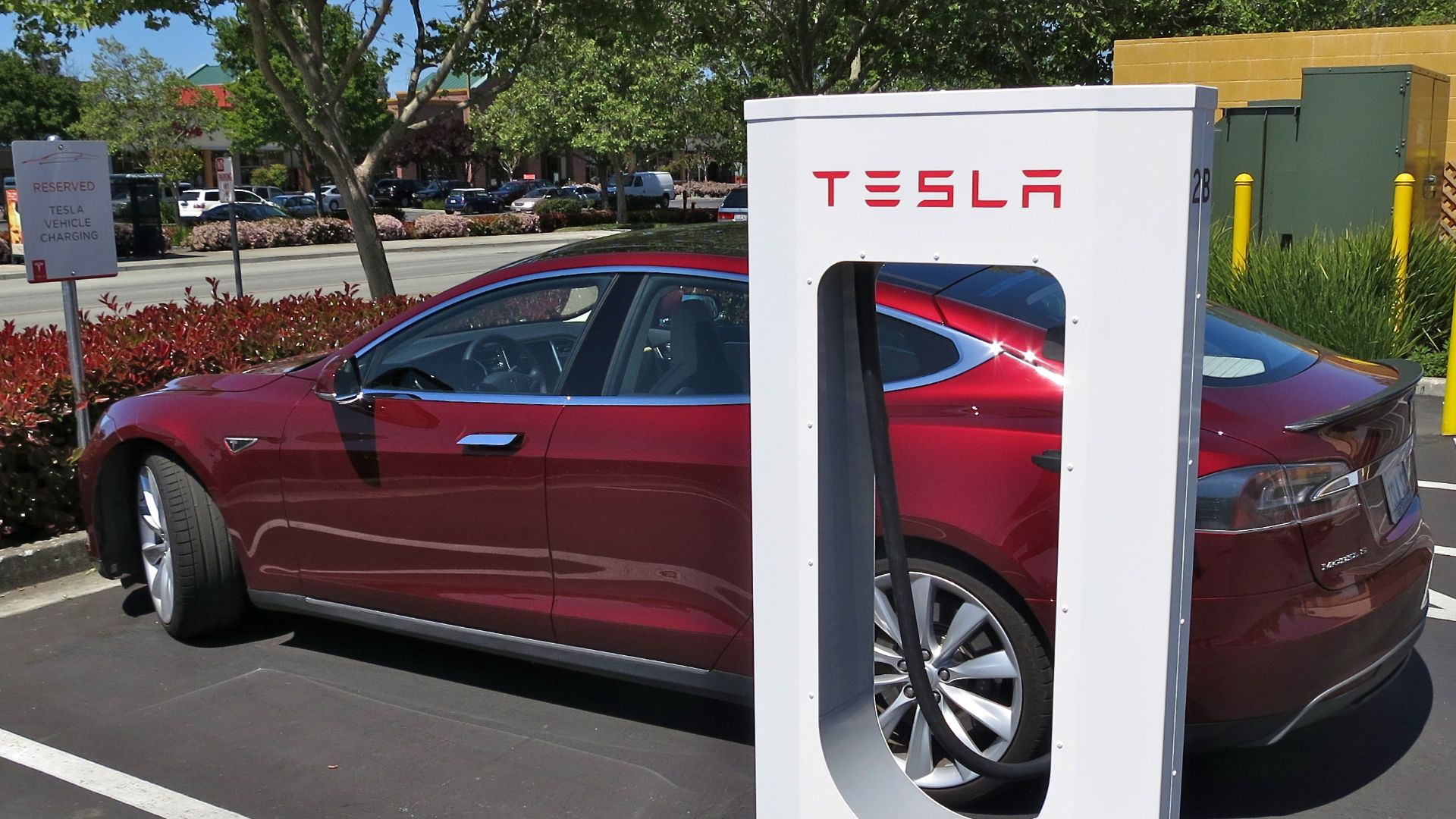 jurvetson (Steve Jurvetson), Wikimedia Commons
Third-party chargers can be less predictable
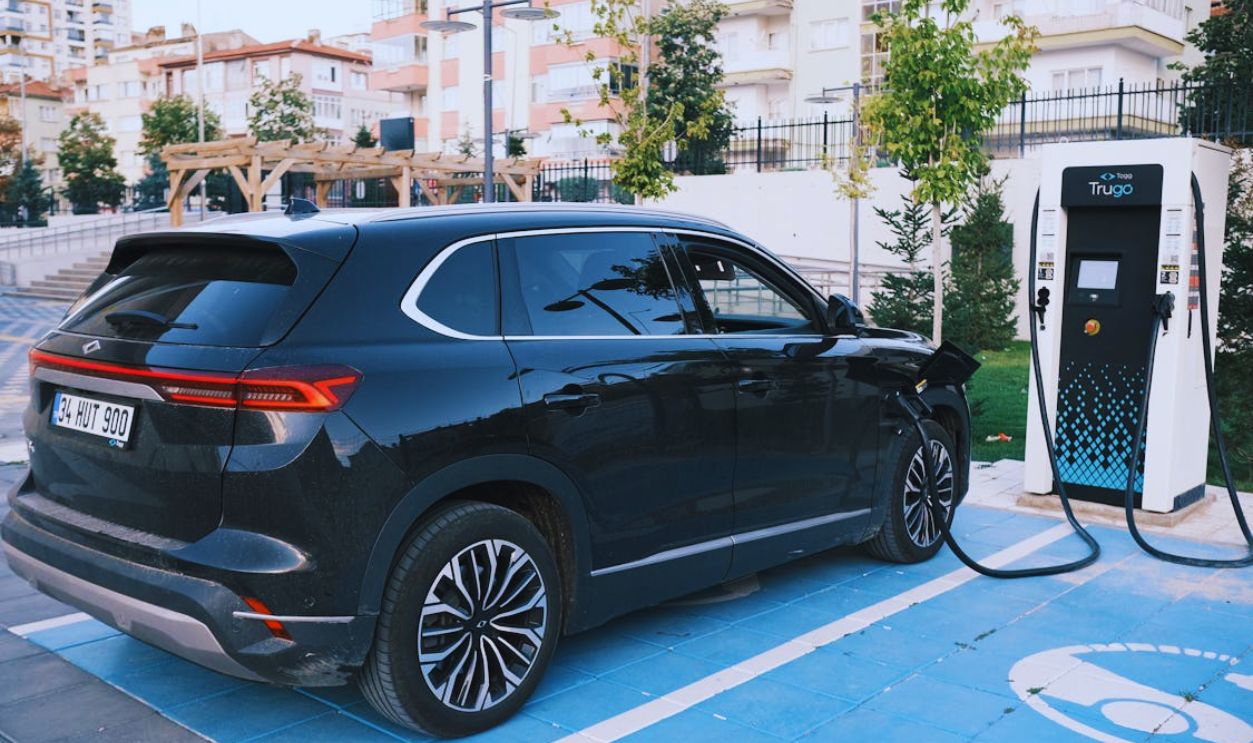
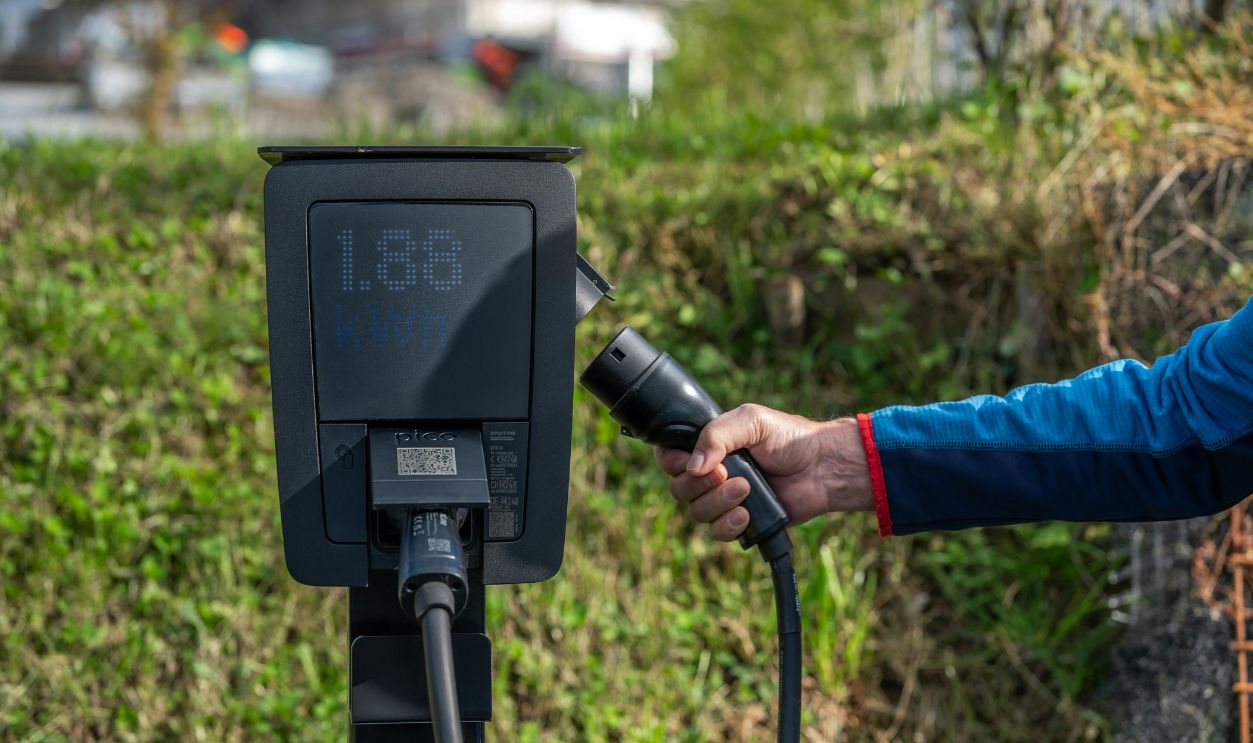
Public chargers used by multiple vehicle brands don’t always behave the same way. Different EVs lock connectors differently, unlock them at different times, and display different information on charger screens. Drivers arriving later may not know exactly what stage the previous session was in.
Why EV etiquette is still evolving
Electric vehicles are still relatively new compared with gasoline cars. Because of that, many of the social norms around public charging are still developing. Drivers are gradually learning what behavior is widely accepted—and what tends to create conflict.
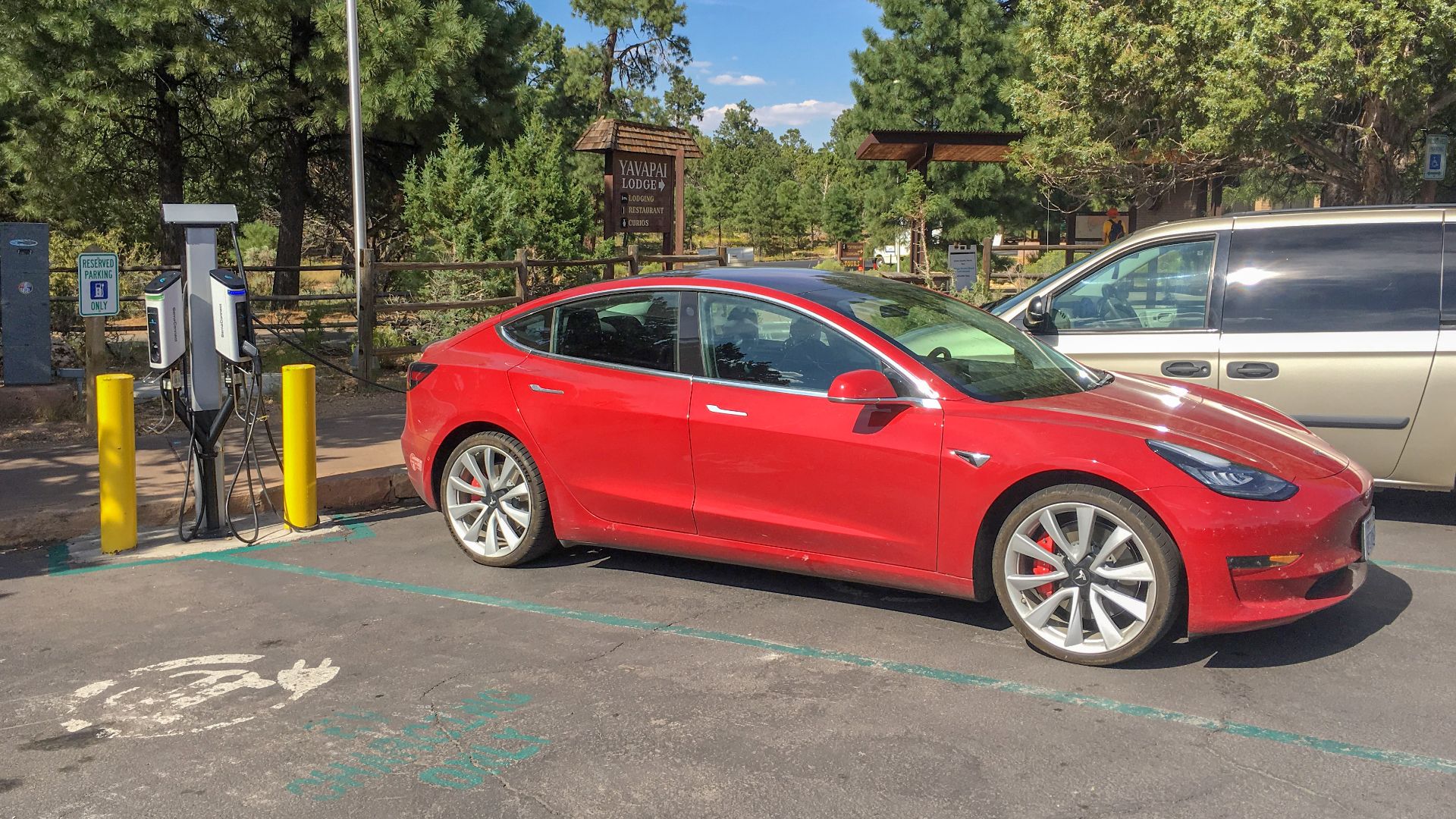 Grand Canyon NPS, Wikimedia Commons
How experienced EV drivers avoid problems
Many EV owners try to stay relatively close to their car while charging. Others rely on smartphone apps from the charging network or their vehicle, which send notifications when charging is complete so they can return quickly and move their car.
Could unplugging someone cause issues?
If someone disconnects a cable before the charging session finishes, the vehicle may end up with less range than the driver expected. While damage is unlikely, unexpectedly ending a charging session can still create frustration for the vehicle owner.
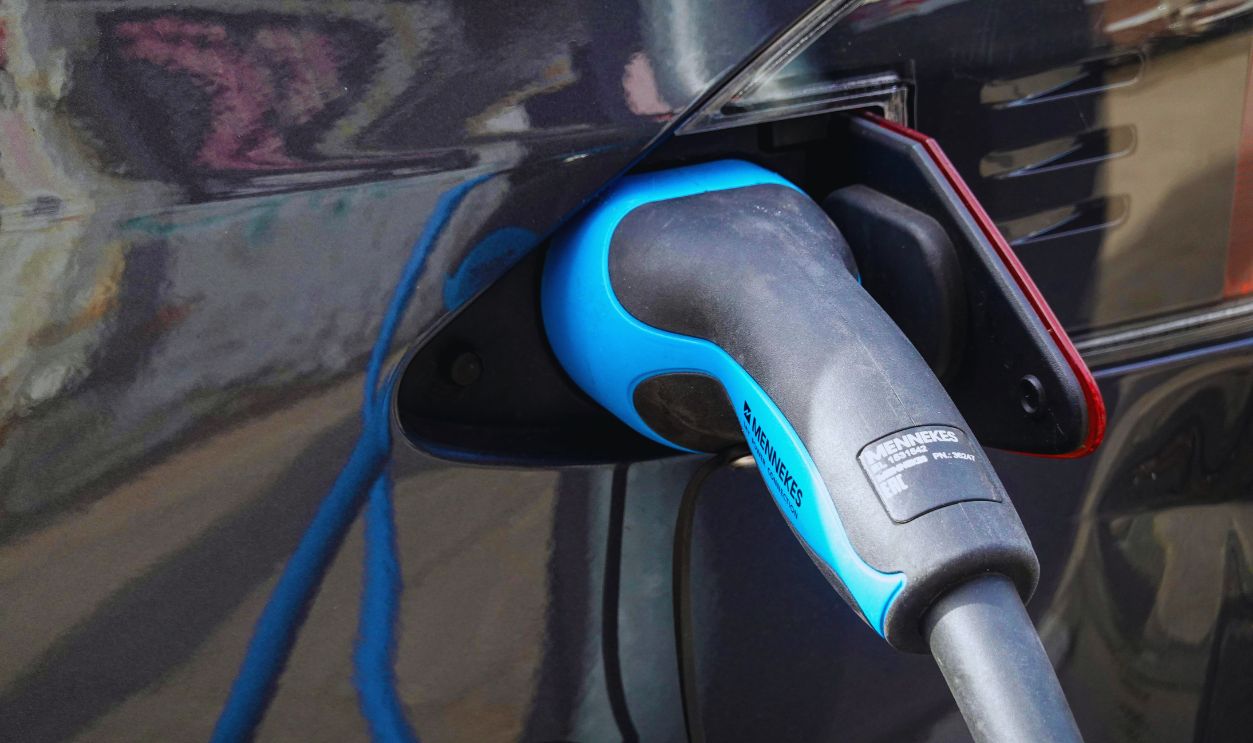
So is unplugging someone actually allowed?
In most places there isn’t a specific law preventing someone from unplugging a finished charging cable at a public charger. But that doesn’t necessarily mean it’s considered polite—or that the other driver will appreciate it.
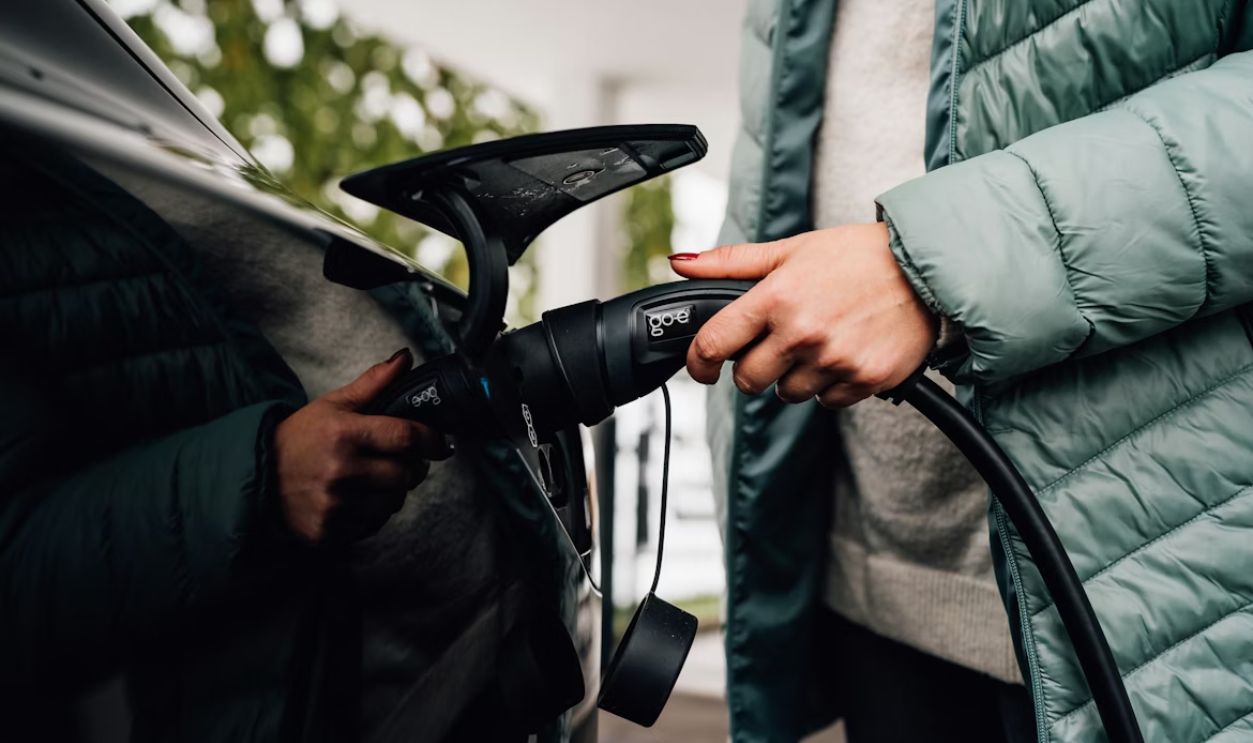
The simplest rule most EV drivers follow
If a vehicle is still actively charging, many EV owners agree it shouldn’t be unplugged. And even if charging appears finished, many drivers prefer to leave the vehicle and charger alone rather than risk an argument.
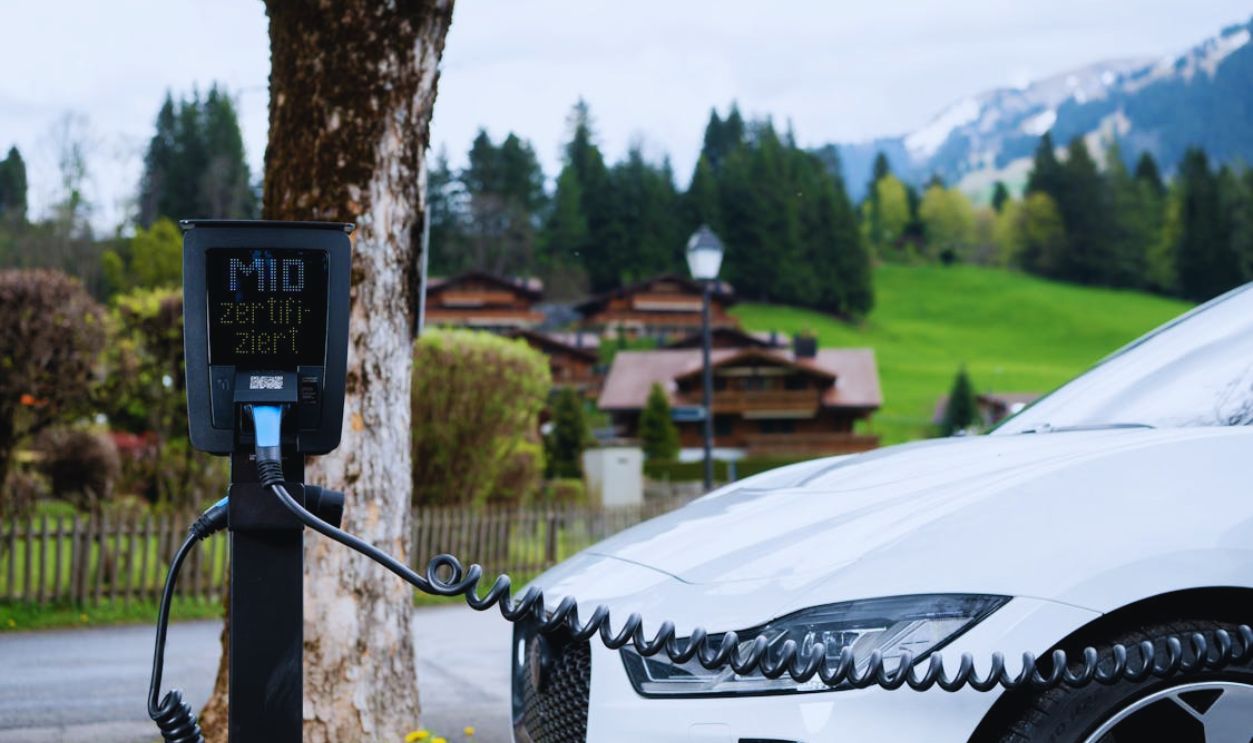
The easiest way to avoid the situation
If you’re using a busy public charger, it’s best to move your vehicle soon after charging finishes. Doing so helps keep chargers available and avoids awkward situations with other drivers—because at crowded stations, a little courtesy goes a long way.
You Might Also Like: