Is Your New Car Tracking You?
You just drove home in your brand-new vehicle. It smells like fresh plastic and financial responsibility. Then your brother says this: “You know they can track everywhere you go, right?” Suddenly your dream car feels like a rolling spy device. Is every new car really watching your every move? You might be surprised with the answer.

First: What Is A Telematics System?
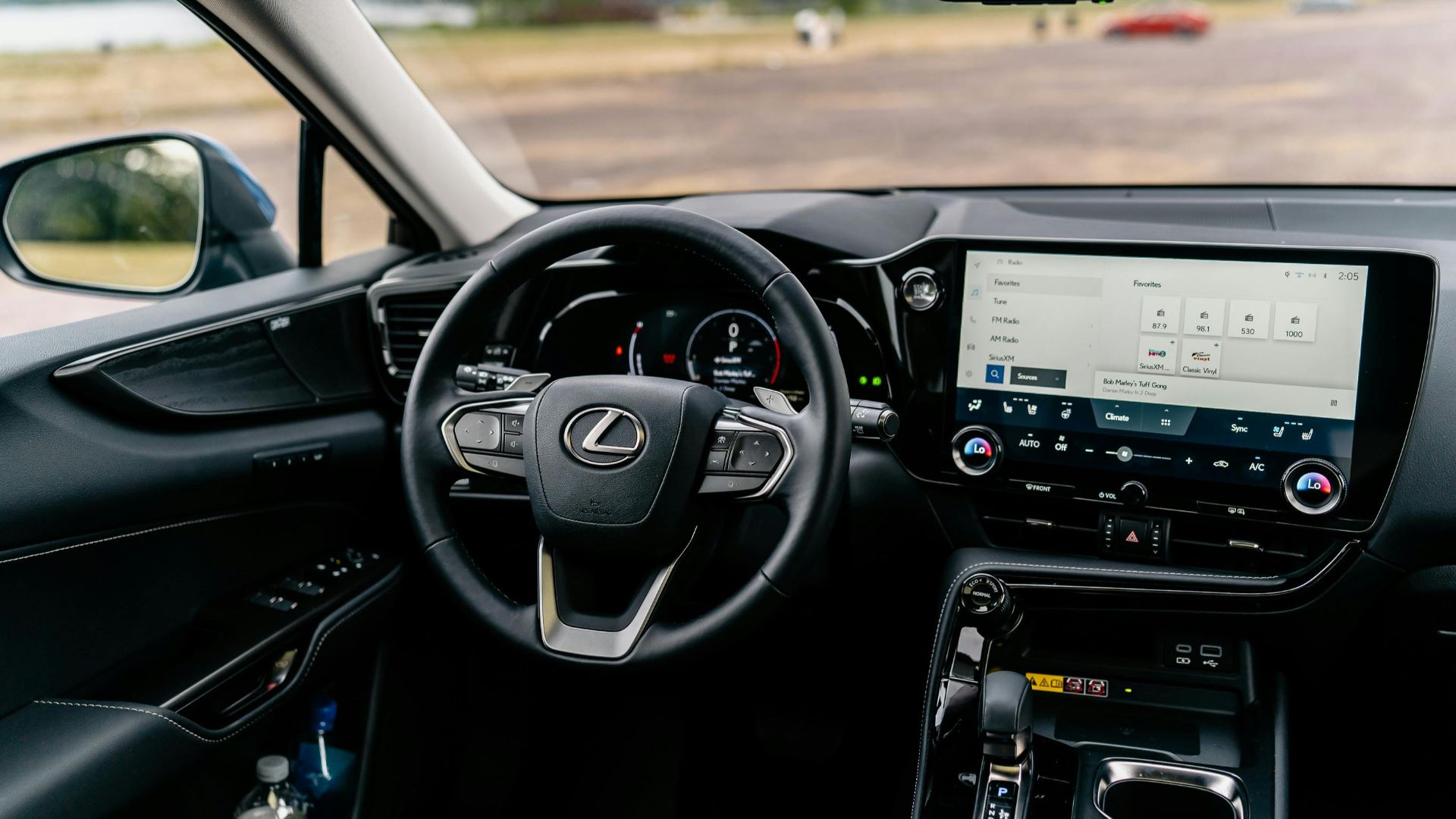
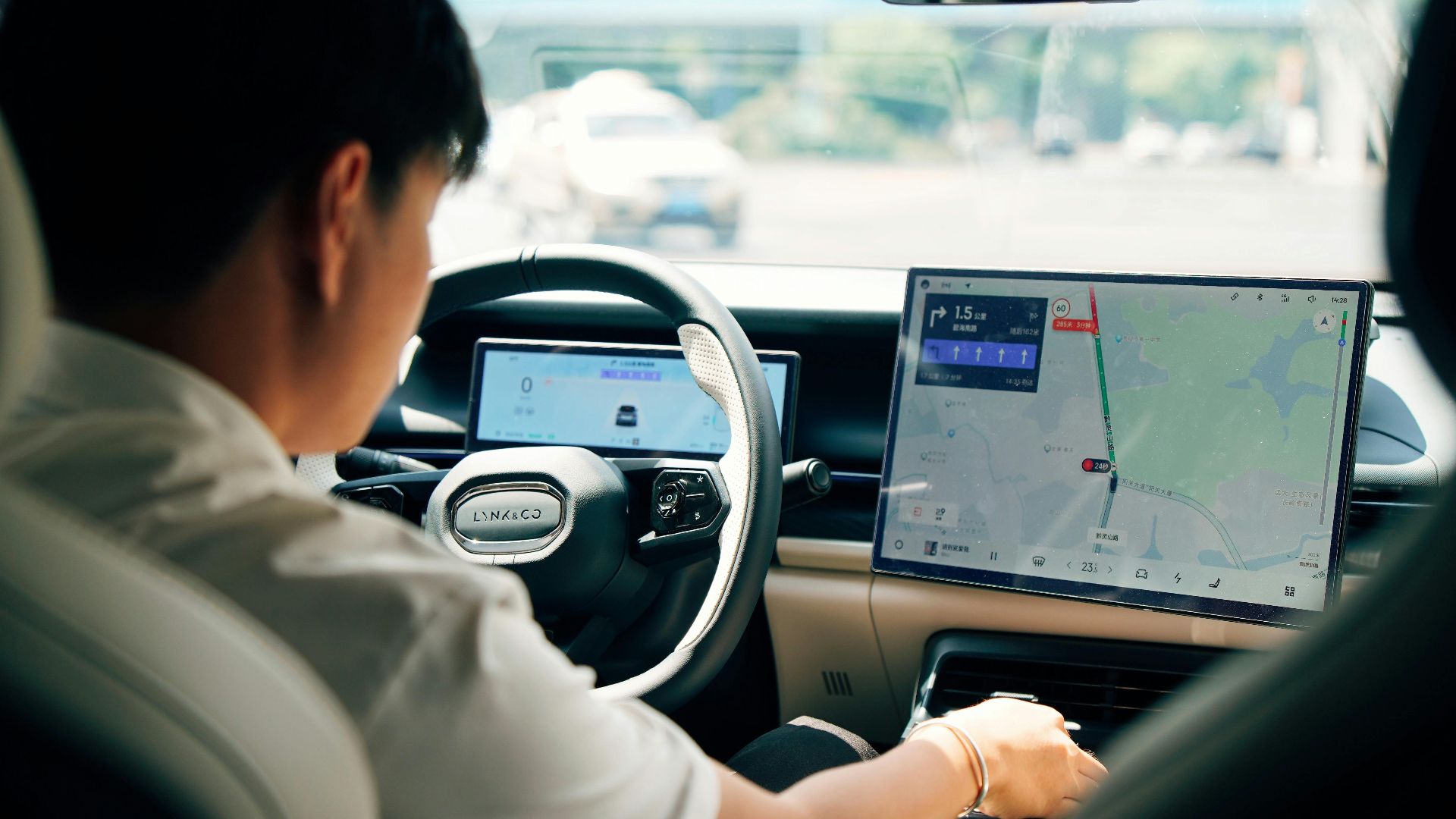
Telematics is basically your car’s built-in communication system. It connects your vehicle to cellular networks so it can send and receive data. Think features like emergency assistance, remote start apps, vehicle diagnostics, and navigation updates. It’s less “spy satellite” and more “smartphone on wheels.”
Do Most New Cars Have It?
Yes — most new vehicles sold today include some form of telematics. Systems like OnStar, FordPass, Toyota Connected Services, and similar platforms are common. They allow remote lock/unlock, vehicle health reports, and crash notifications. So your brother isn’t totally making this up.
Does That Mean They Track “Every Move”?
Not exactly. The car can transmit location data, but that doesn’t automatically mean someone is actively watching you drive to Taco Bell at midnight. Location data is typically used for specific services — like roadside assistance or stolen vehicle recovery.
When Is Location Data Used?
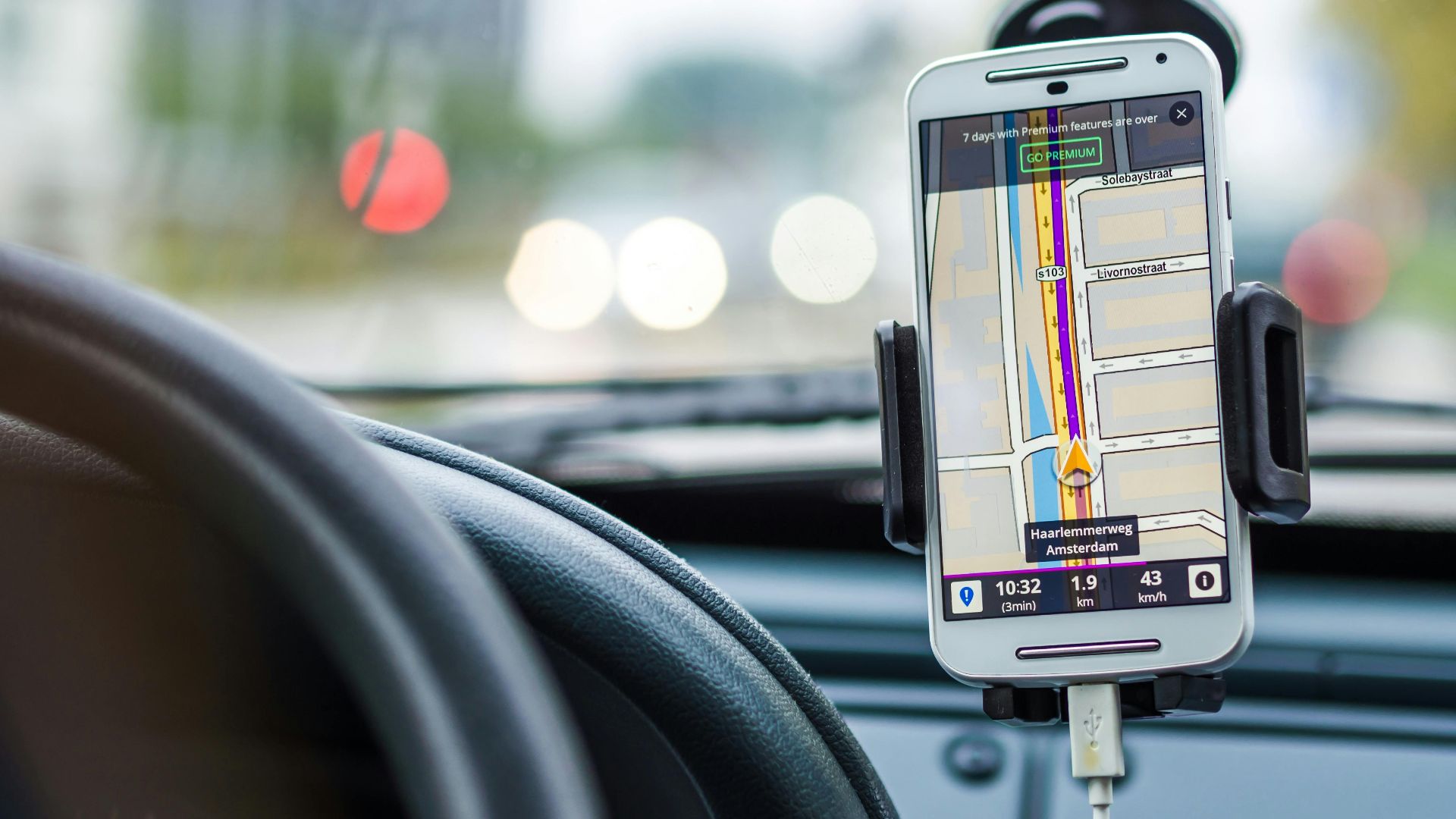
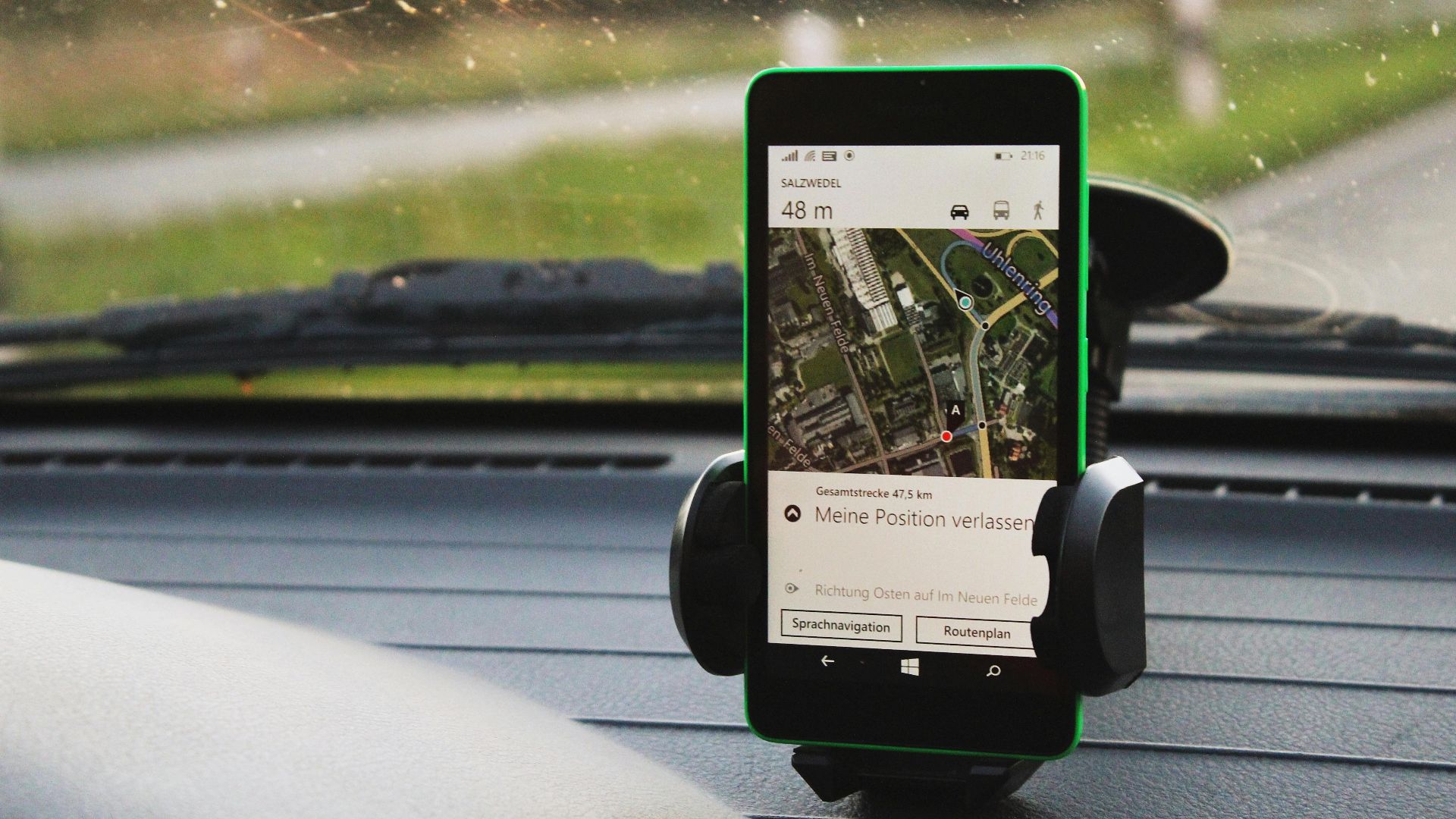
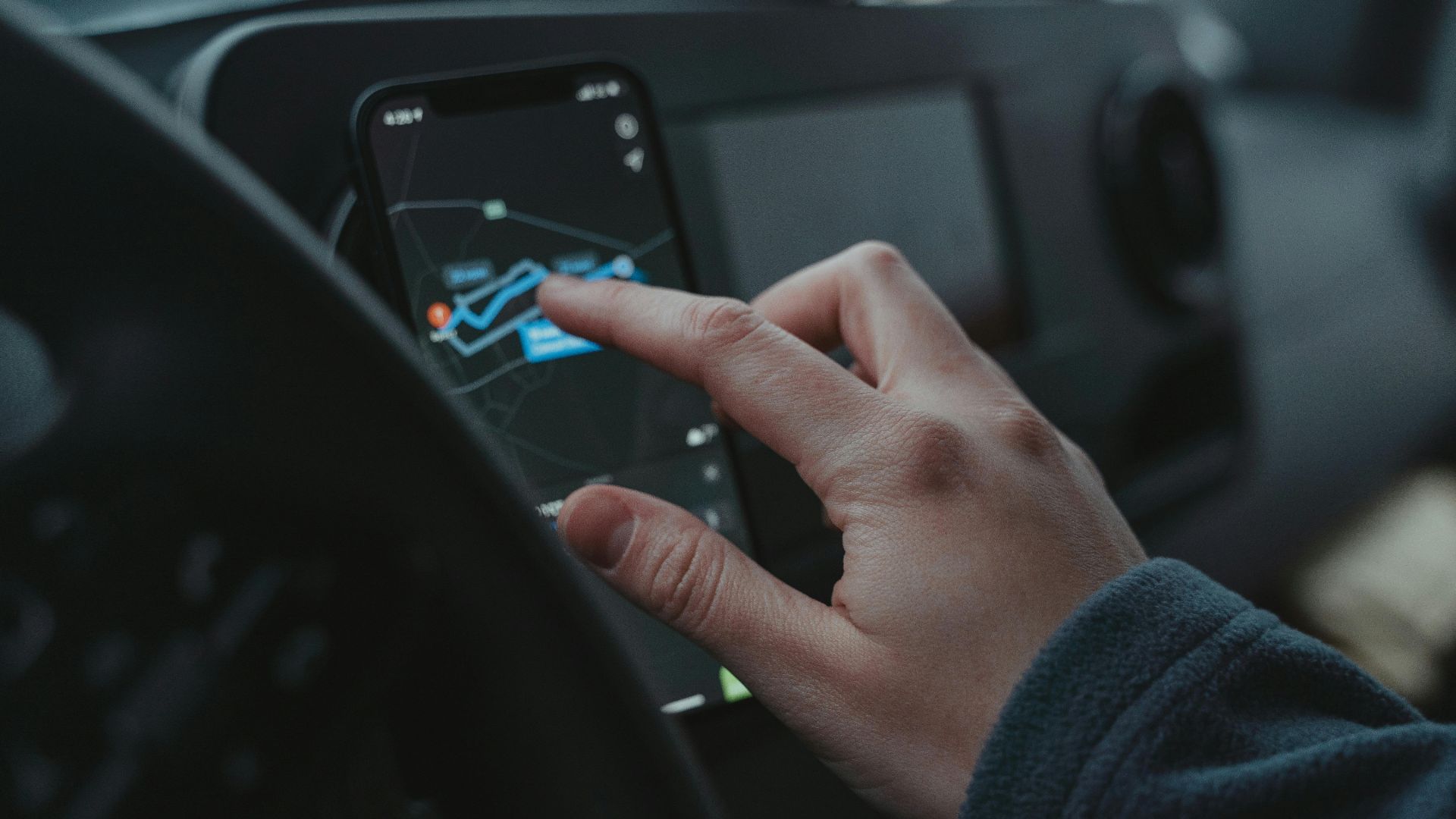
If you activate navigation services, use a mobile app to find your parked car, or request roadside help, the system uses location data. Some systems also record trip data for driving insights. But that’s usually tied to user accounts and service agreements.
Can Manufacturers Access Your Data?
Manufacturers can collect certain vehicle data under their privacy policies. This may include location, driving behavior, diagnostics, and system usage. However, it’s governed by user agreements you accept when activating the services. It’s not a live-feed surveillance room (despite how dramatic that sounds).
What About Law Enforcement?
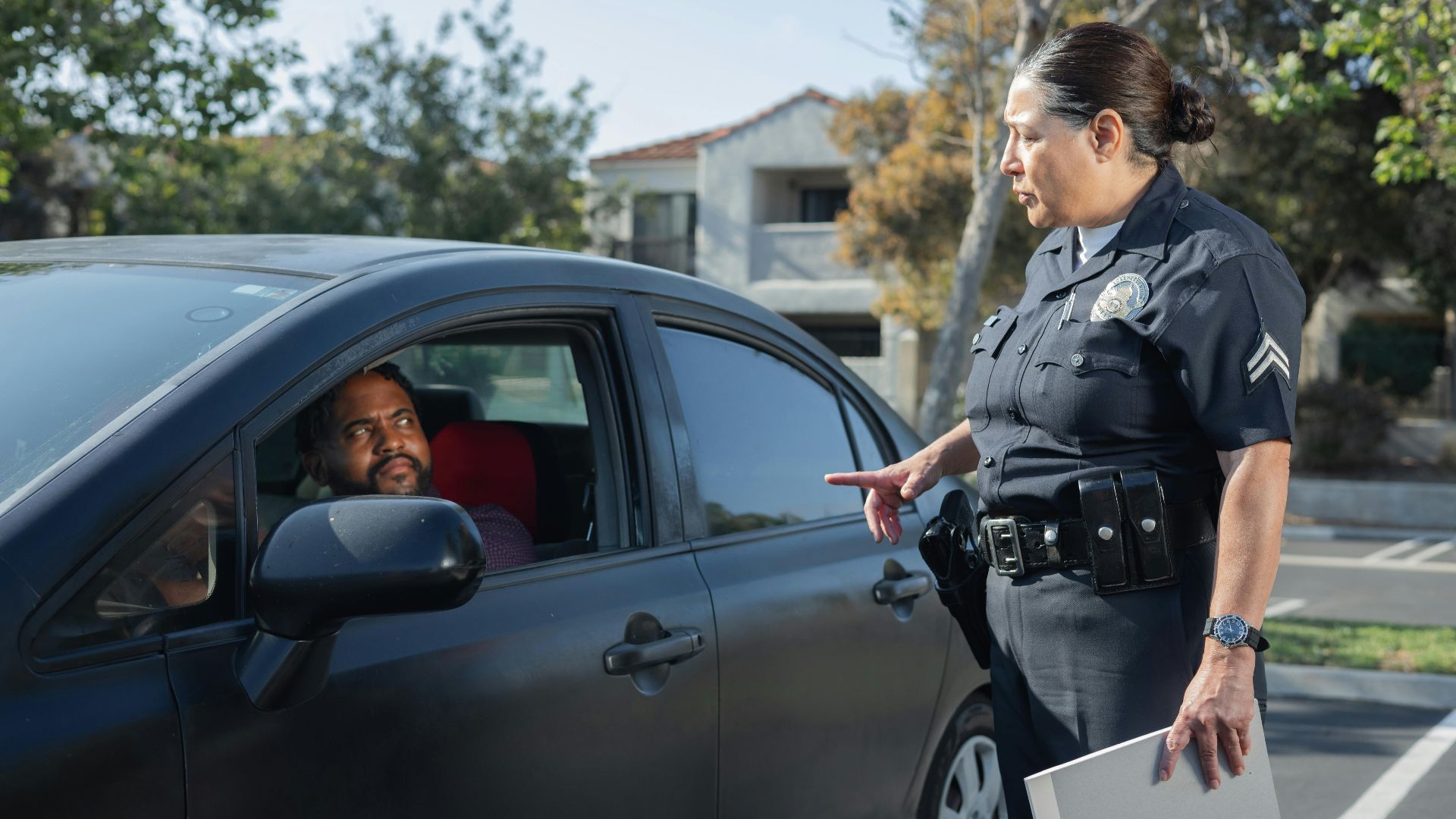
In certain situations, law enforcement can request vehicle telematics data. This typically requires legal process like a warrant or subpoena. It’s not automatic or constant monitoring.
Do You Have To Activate It?
Here’s something important: many telematics systems require activation. If you never enroll or subscribe, some connected features simply won’t function. That means reduced data transmission in many cases.
Can You Turn It Off?
Sometimes. You can often disable app-based tracking or decline certain data-sharing agreements. However, some safety features (like automatic crash notification) may remain active unless fully deactivated at the dealership.

What Data Is Actually Collected?
Common data includes GPS location (when services are used), vehicle speed, braking events, engine diagnostics, and system performance. Some vehicles also log infotainment usage and voice command data. It sounds intense, but much of it is tied to improving performance and safety.
Is This Just A “New Car” Thing?
Mostly, yes. Older vehicles without built-in cellular connectivity don’t have native telematics. However, insurance plug-ins and aftermarket devices can also collect driving data if installed.

What About Insurance Tracking?
If you enroll in usage-based insurance programs, your insurer may track mileage, braking, speed, and driving habits. That’s separate from manufacturer telematics — but it adds another layer of data collection.

Are They Selling Your Every Move?
Automakers state that data is often anonymized or aggregated. However, some consumer privacy advocates argue that vehicle data practices are still evolving and not always crystal clear. Reading the privacy policy (yes, actually reading it) matters.

Why Manufacturers Include Telematics
Emergency response systems save lives. Stolen vehicle tracking helps recover cars. Remote diagnostics can warn you before something expensive breaks. The system exists largely for convenience and safety — not because someone cares about your grocery route.

Can Hackers Access It?
Like any connected system, telematics isn’t immune to cybersecurity risks. Automakers invest heavily in security, but no system connected to the internet is completely invincible. That said, widespread hacking of individual drivers is extremely rare.

So… Is Your Brother Right?
He’s partially right. Most new cars do have telematics systems that can transmit location and driving data. But the idea that manufacturers are tracking “every move” in real time for fun? That’s a bit dramatic.

Should You Be Worried?
Concerned about privacy? That’s fair. Panicked that your car is actively stalking you? Probably not necessary. The key is understanding what services you activate and what data you consent to share.

What You Can Do Right Now
Review your vehicle’s privacy settings in the infotainment system. Check the manufacturer’s connected services agreement. Ask your dealer what can be disabled if privacy is a top priority.

The Bottom Line
Yes, most new cars come with telematics systems that can collect and transmit data — including location in certain situations. No, that doesn’t mean someone is tracking your every mile in real time. Your brother isn’t wrong… but he’s definitely oversimplifying it. Your car is smart — not secretly plotting against you.

You May Also Like: