The Sales Pitch Sounds Good
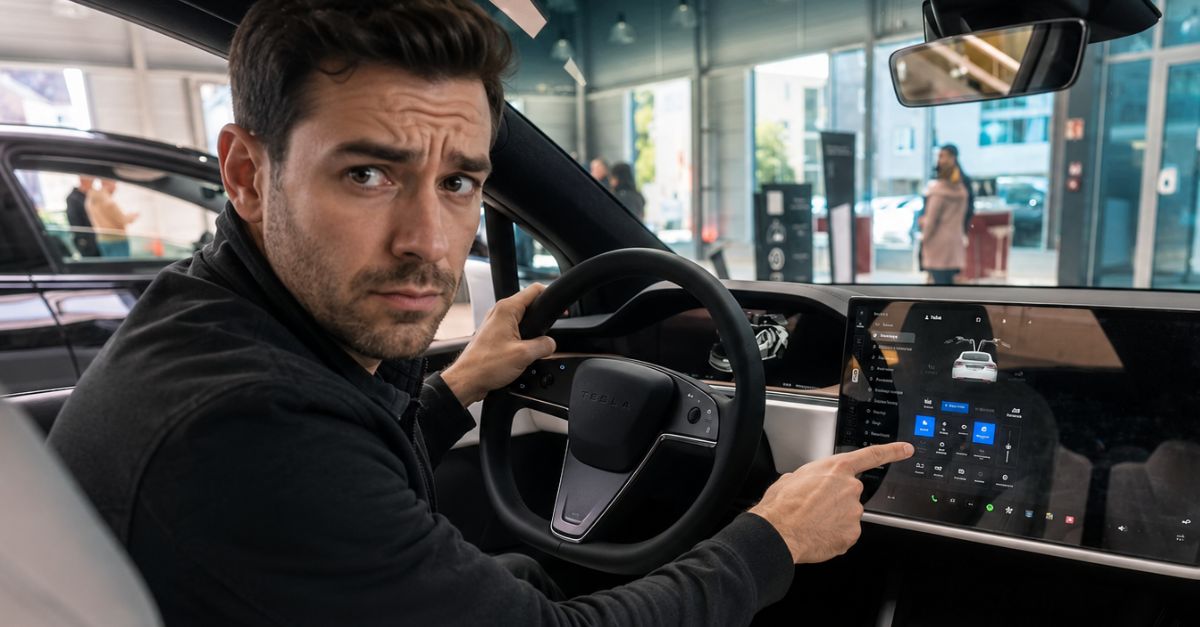
“Fewer buttons” has become one of the easiest lines in the modern showroom. The pitch is simple: If the dashboard looks cleaner, the car must be safer and easier to use. That sounds reasonable until you look at what researchers, safety testers, and even some automakers have been saying for years.
What Dealers Usually Mean
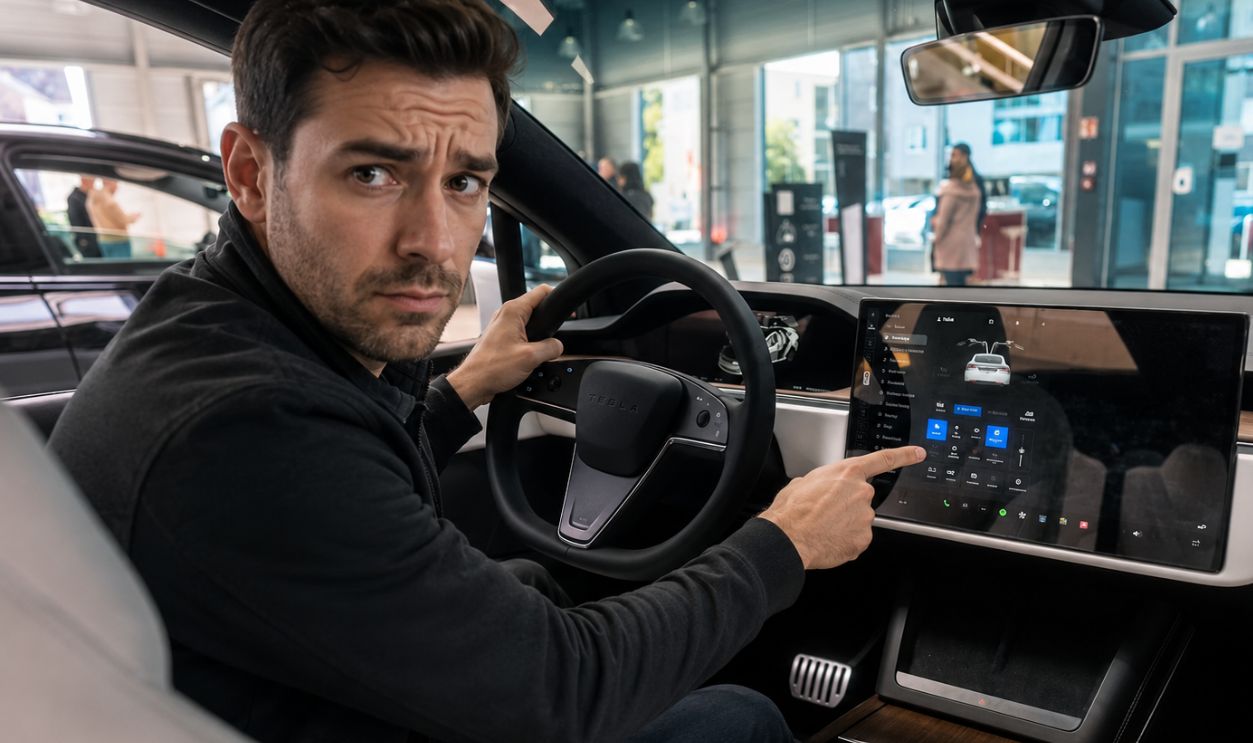
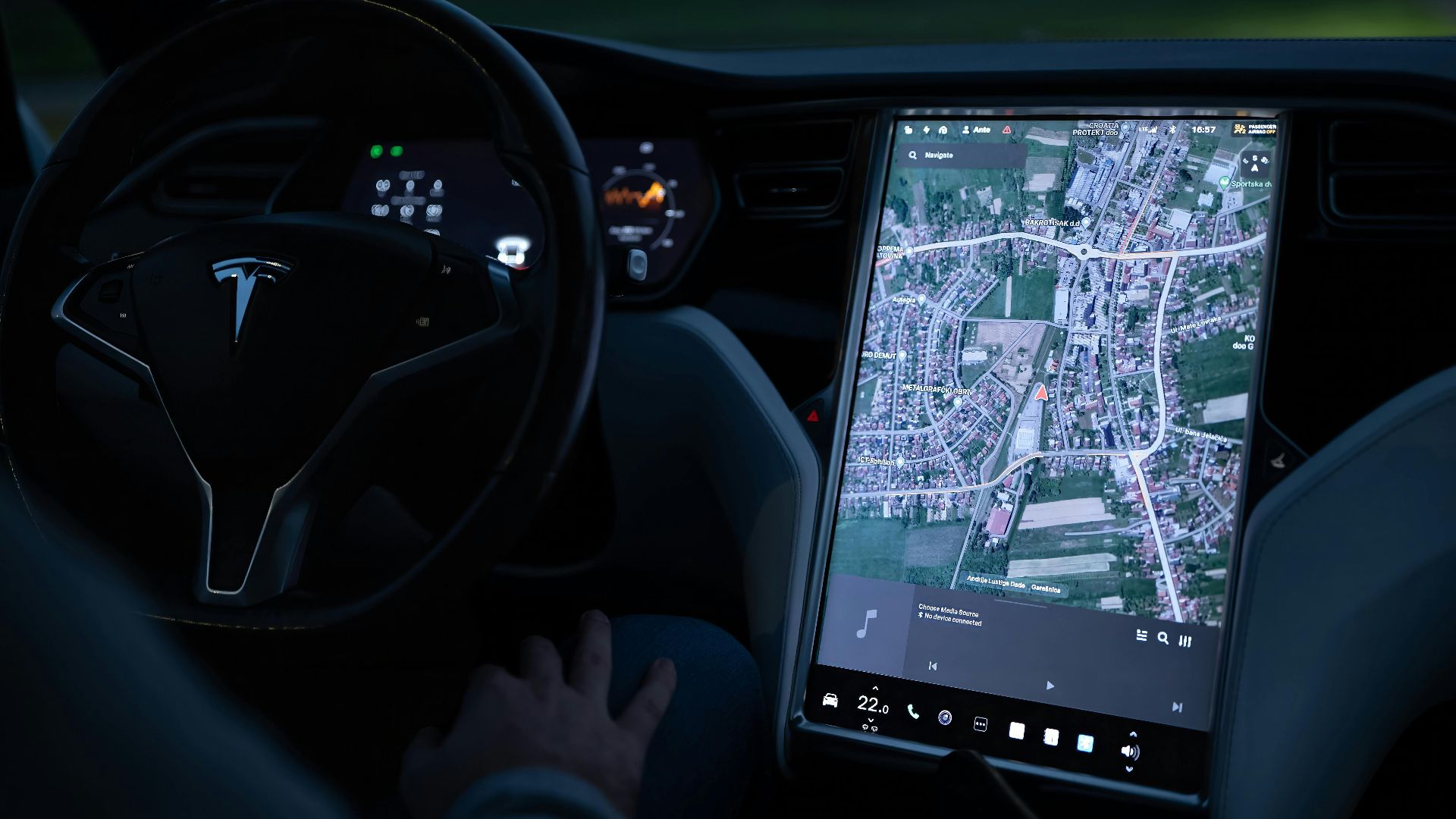
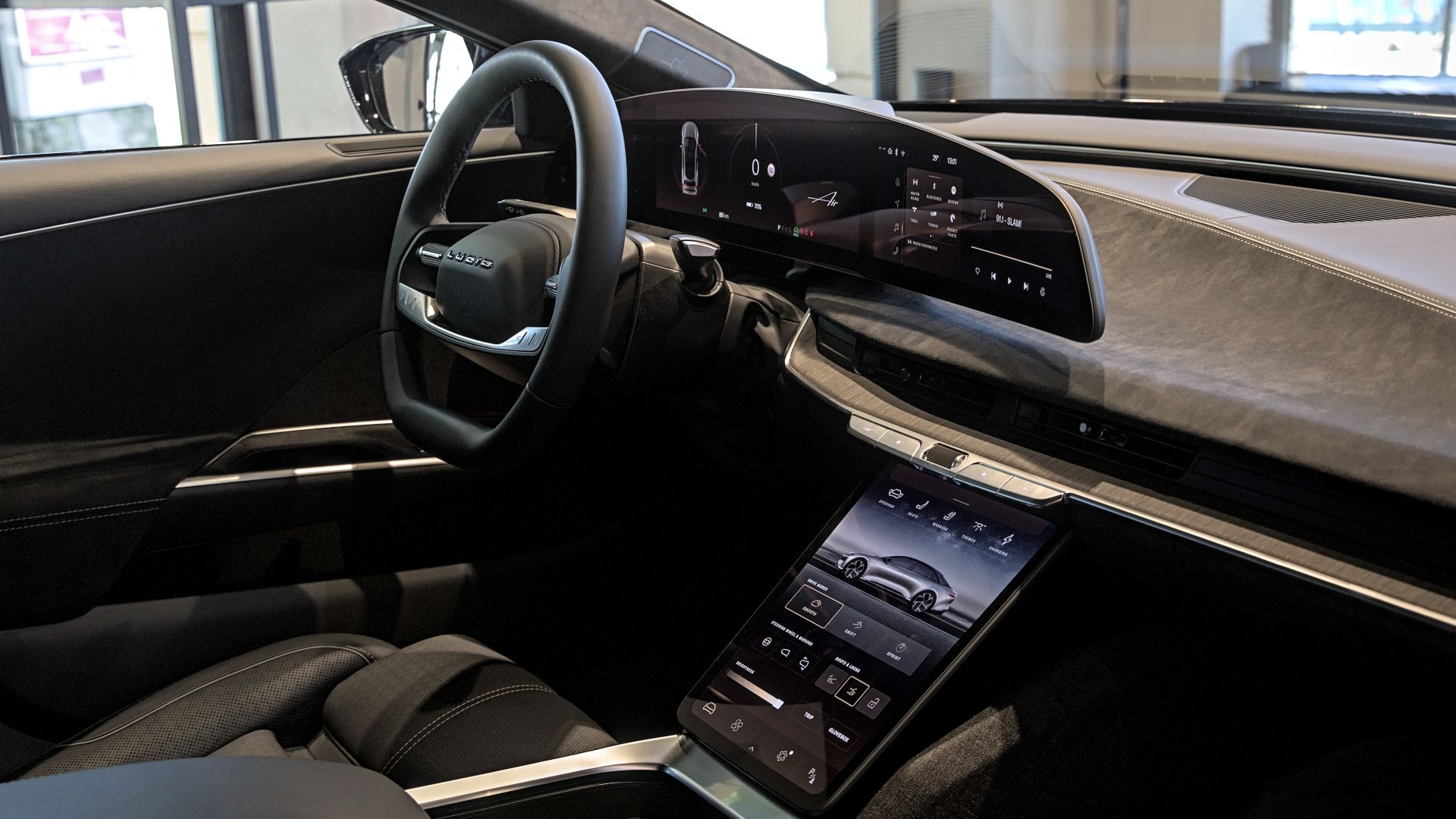
When a dealer praises touchscreen controls, they usually mean a minimalist interior with fewer physical switches and more functions moved into one central display. That setup can cut down on parts and create a look people connect with phones and tablets. But the safety claim is much harder to back up.
The Real Issue Is Eyes Off The Road
In actual driving, the key question is not how many buttons a car has. It is how long a driver has to look away from the road to do something. Safety groups and researchers have focused on glance time again and again, because even a short lapse matters at highway speed.

AAA Raised Early Warnings
AAA’s Foundation for Traffic Safety spent years testing in-car infotainment systems and published several major studies in the 2010s. In a 2017 report with the University of Utah, AAA found that common tasks like entering navigation or sending a text by voice could create high or very high levels of demand on the driver’s attention. The message for the industry was clear: newer interfaces were not automatically easier or safer.
Touchscreens Were Not The Solution
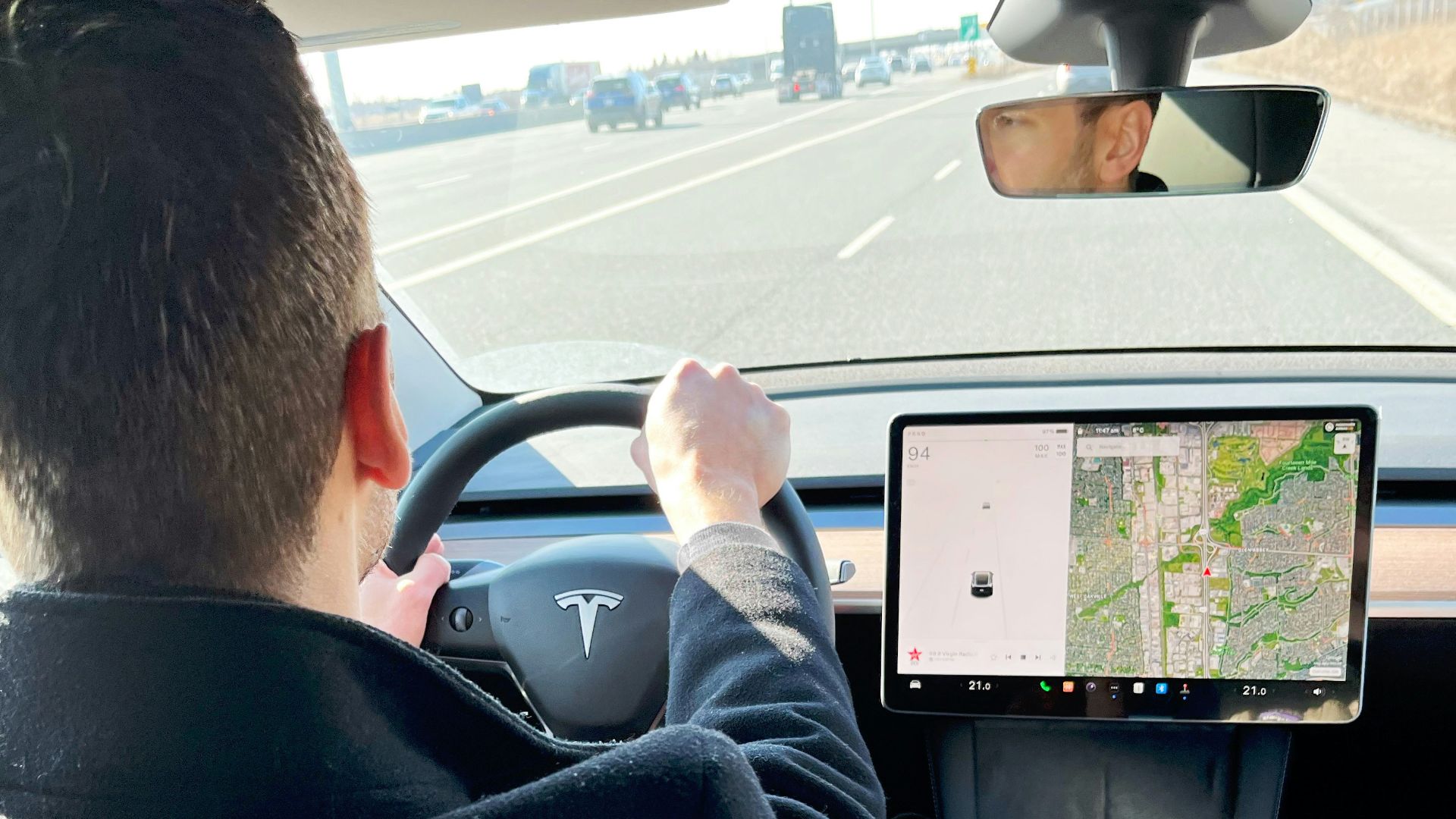
AAA’s research did not say every physical button is good or every touchscreen is bad. What it did show was that many infotainment tasks stayed distracting, especially as systems added more features and deeper menus. A sleek screen can hide complexity, but it does not make that complexity disappear.
Swedish Testers Delivered A Sharp Reality Check
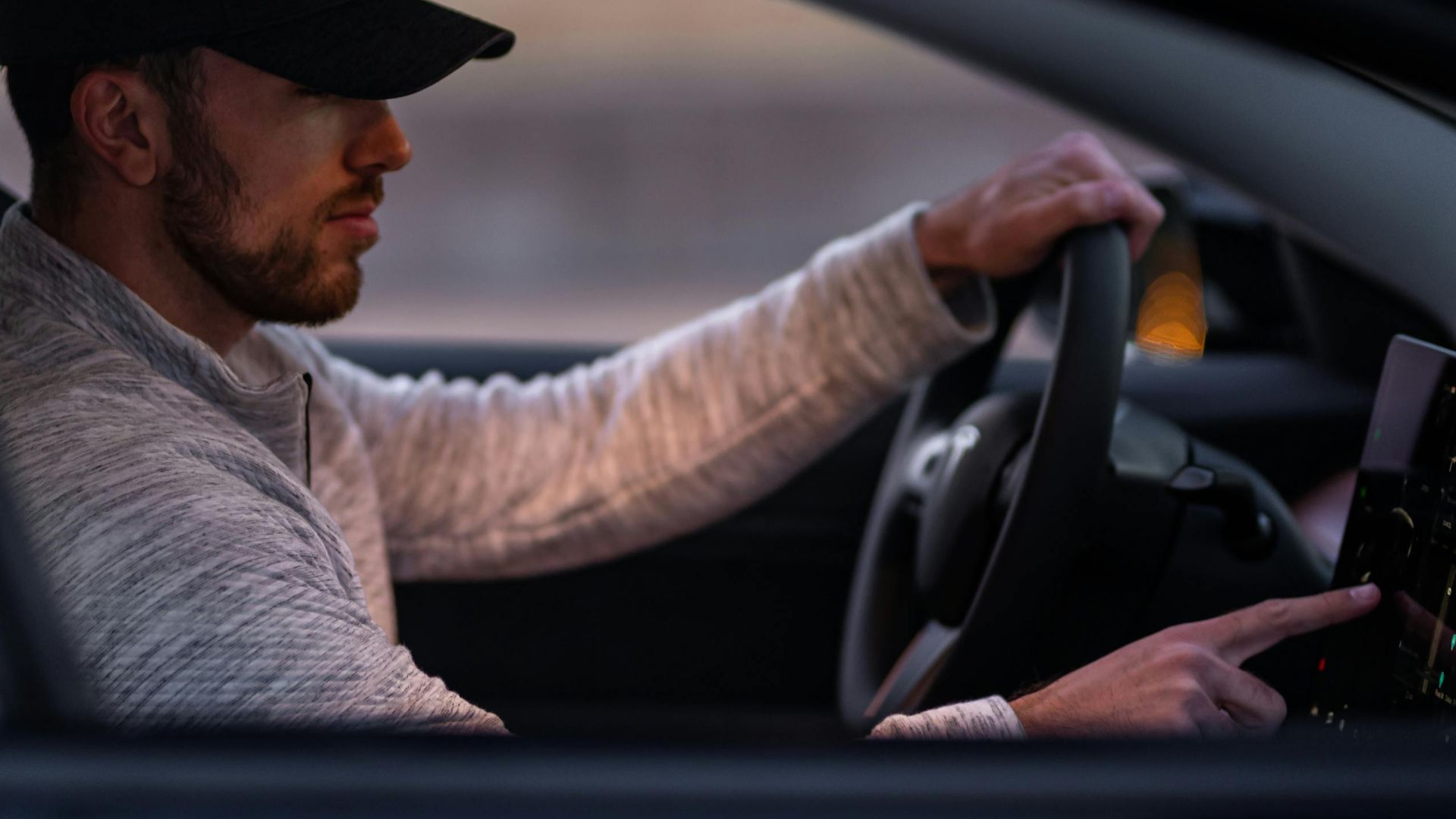
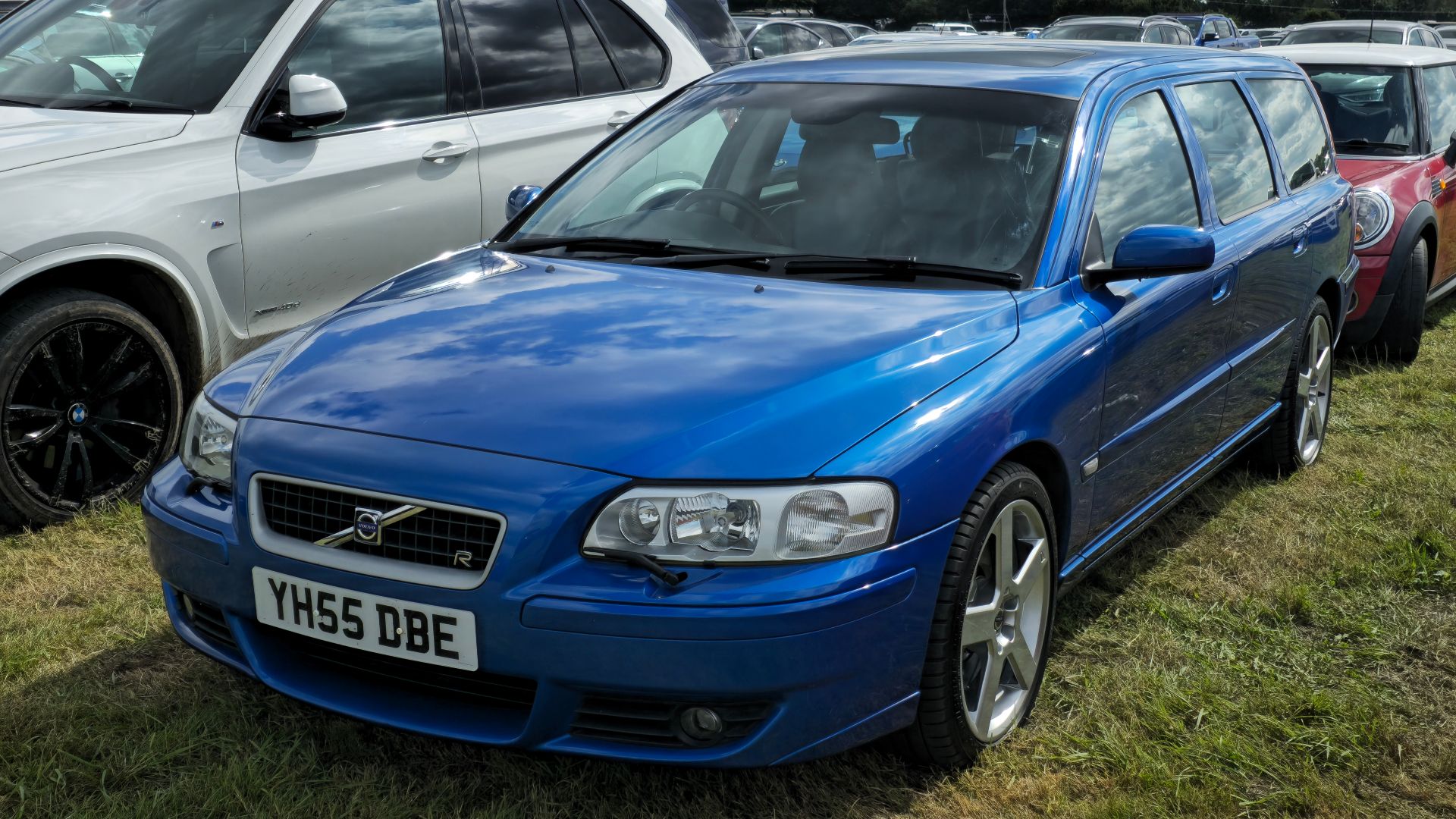
One of the most talked-about comparisons came from the Swedish car magazine Vi Bilägare in 2022. Testers asked drivers to handle basic tasks, like changing climate settings or turning on seat heaters, in newer touchscreen-heavy cars and in an older Volvo V70 with physical controls. The result got attention for a reason: the old Volvo often let drivers finish those tasks faster and with less distance traveled while distracted.
The Older Volvo Stood Out
In the Vi Bilägare test, the 2005 Volvo V70 with regular physical controls stood out because drivers could complete common actions quickly. Some newer vehicles took much longer and demanded more visual attention because key functions were buried in screens. That did not prove every old dashboard is safer, but it did punch a hole in the idea that removing buttons is always progress.
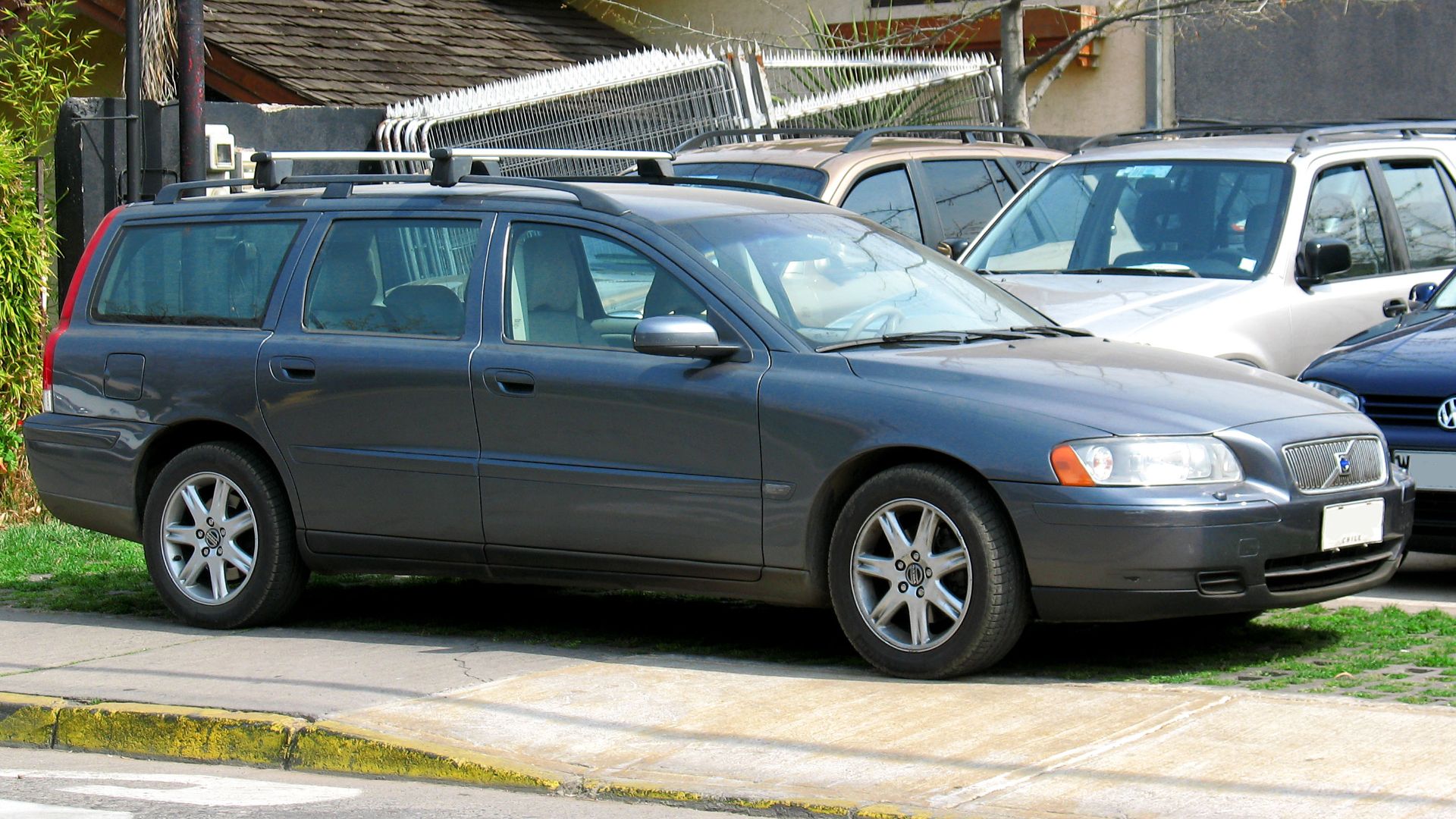 order_242 from Chile, Wikimedia Commons
Euro NCAP Stepped In
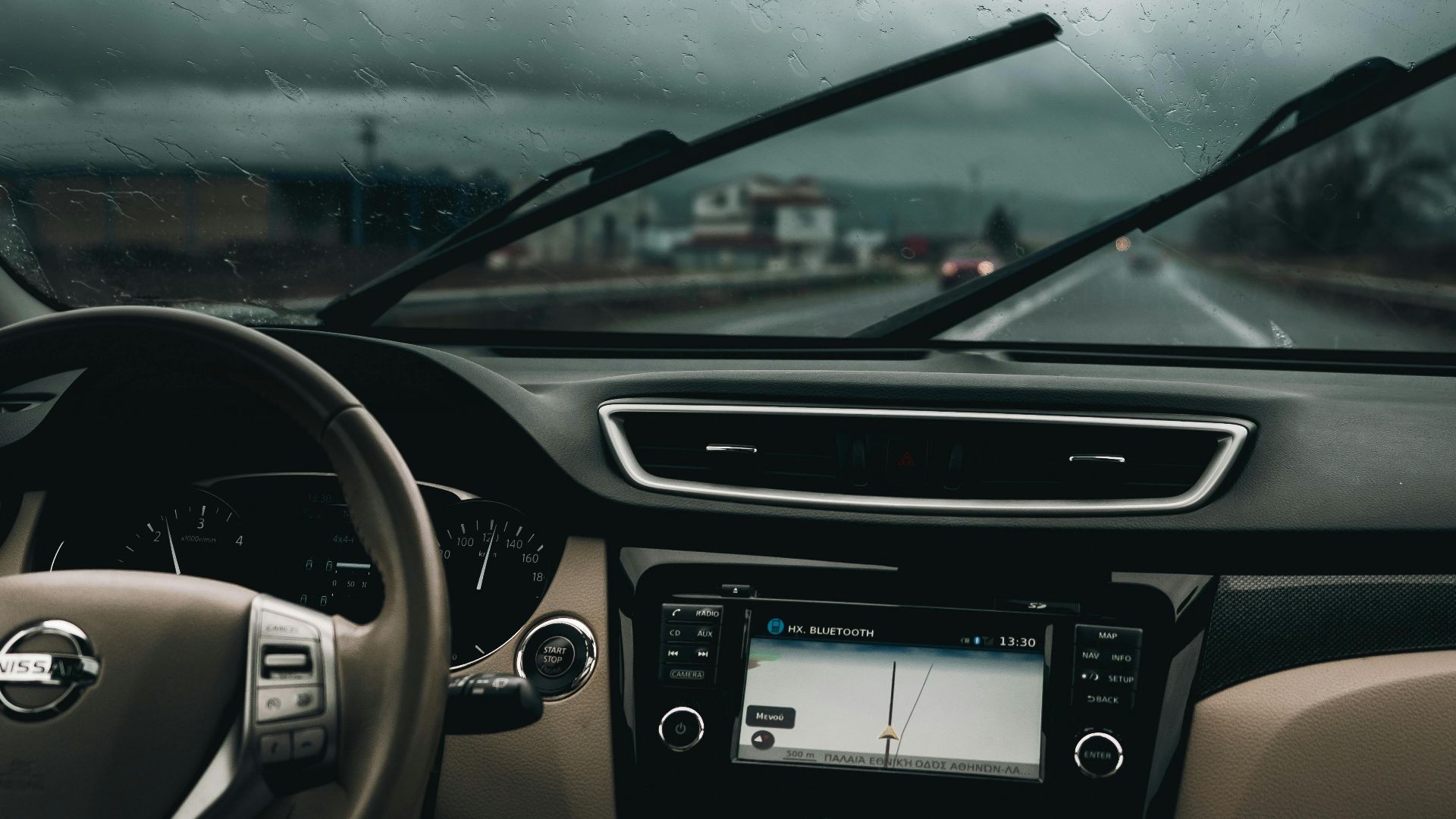
By 2024, the concern had grown enough that Euro NCAP announced a change in how it would approach safety ratings. The group said that from January 2026, cars will need certain important functions to work through physical controls to earn the highest safety ratings. Those functions include turn signals, hazard lights, windshield wipers, the horn, and SOS features.
That Sent A Strong Message
Euro NCAP is not some fringe voice on the sidelines. It is one of the most influential vehicle safety programs in the world. When it says physical controls for essential functions matter enough to affect top scores starting in 2026, that is a direct challenge to the claim that fewer buttons are naturally safer.
Why Physical Controls Still Matter
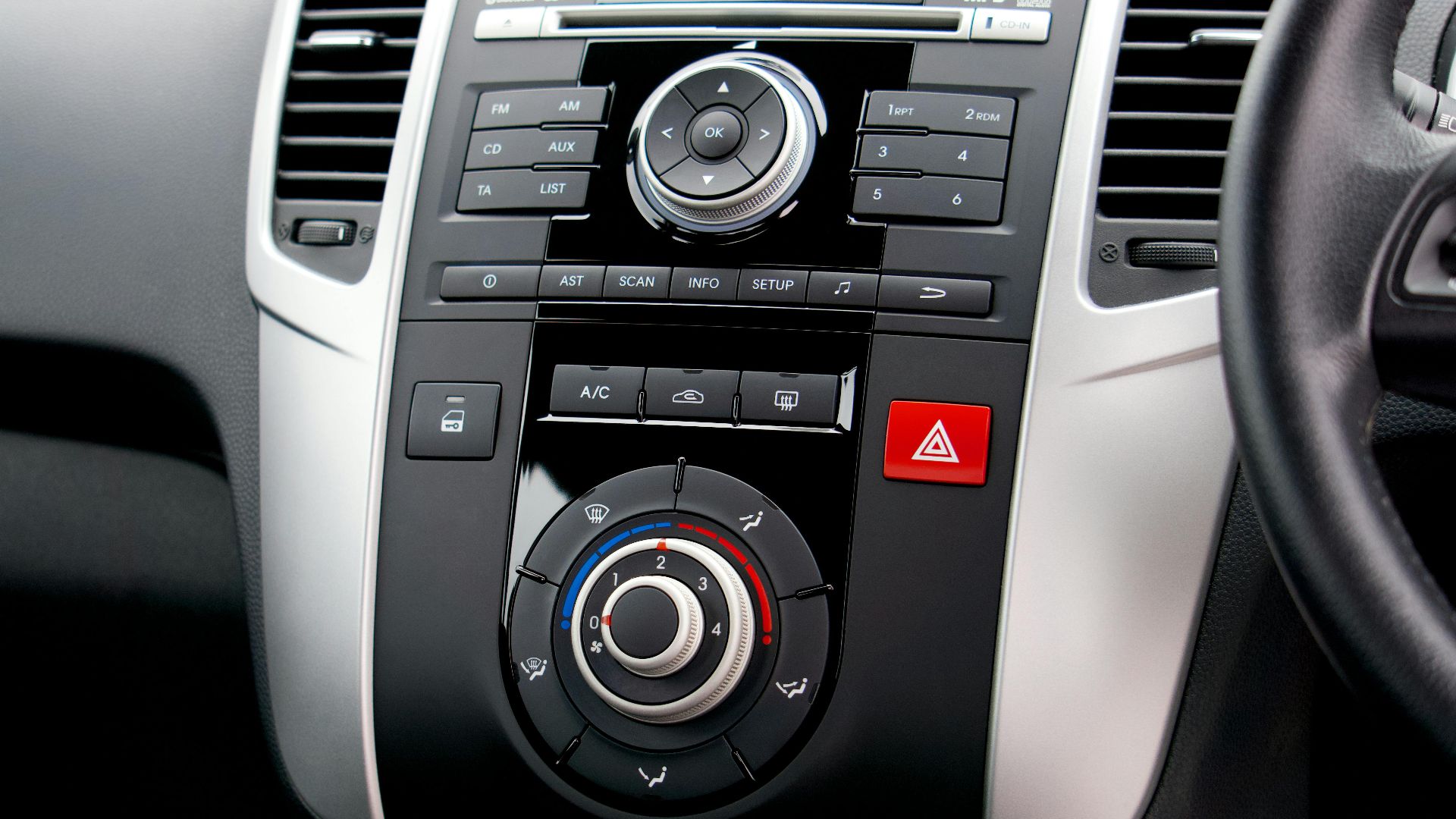
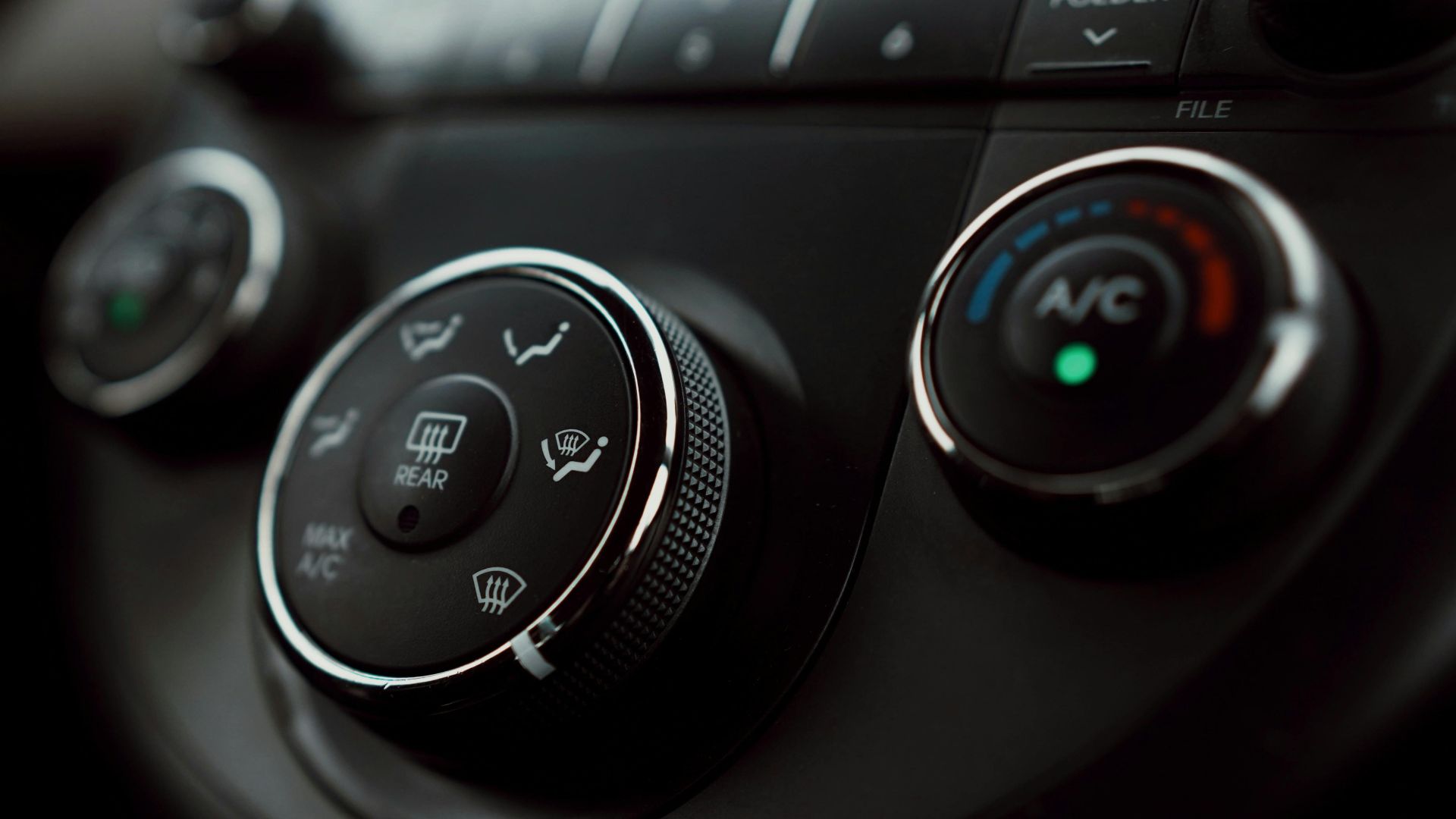
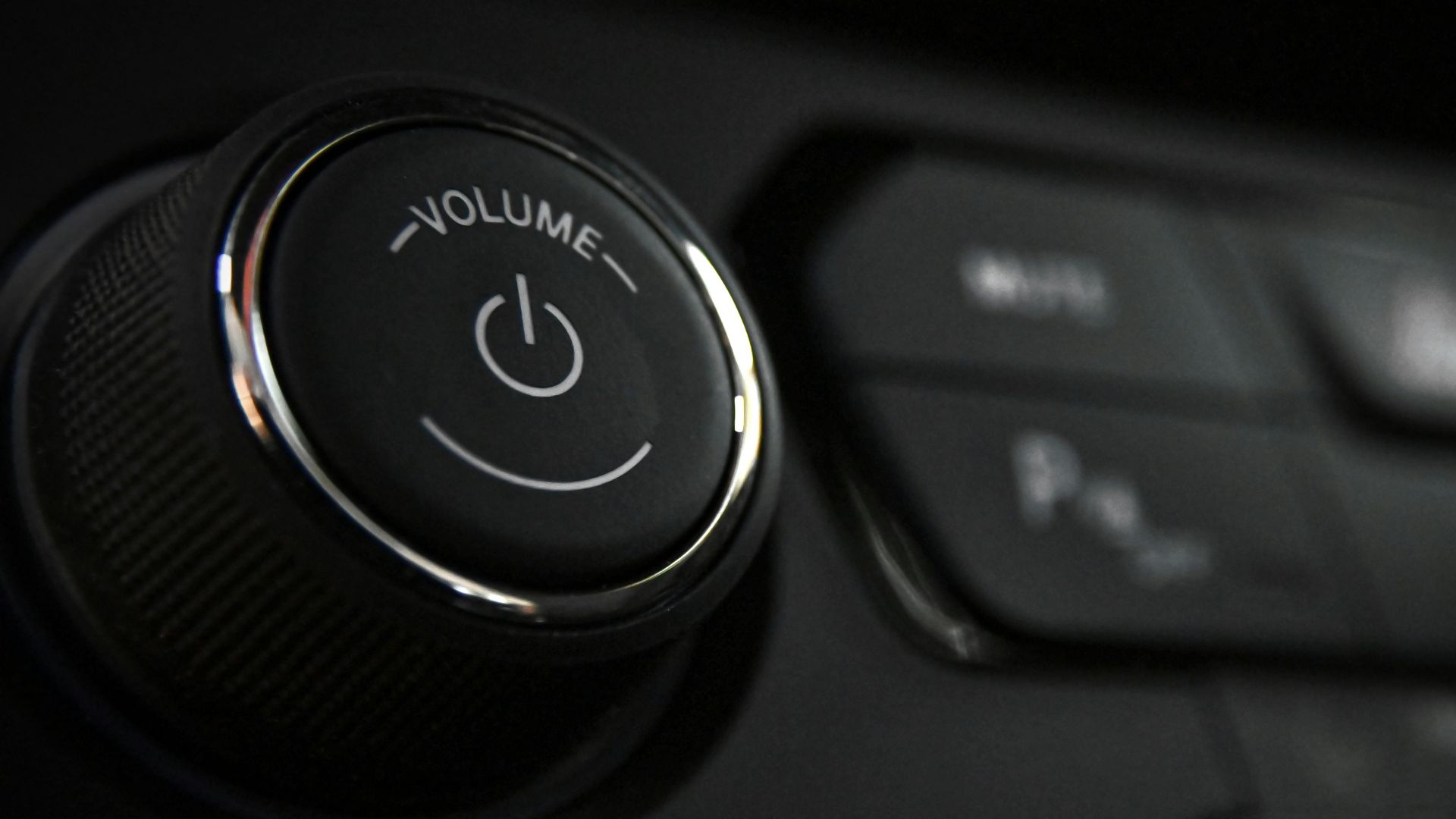
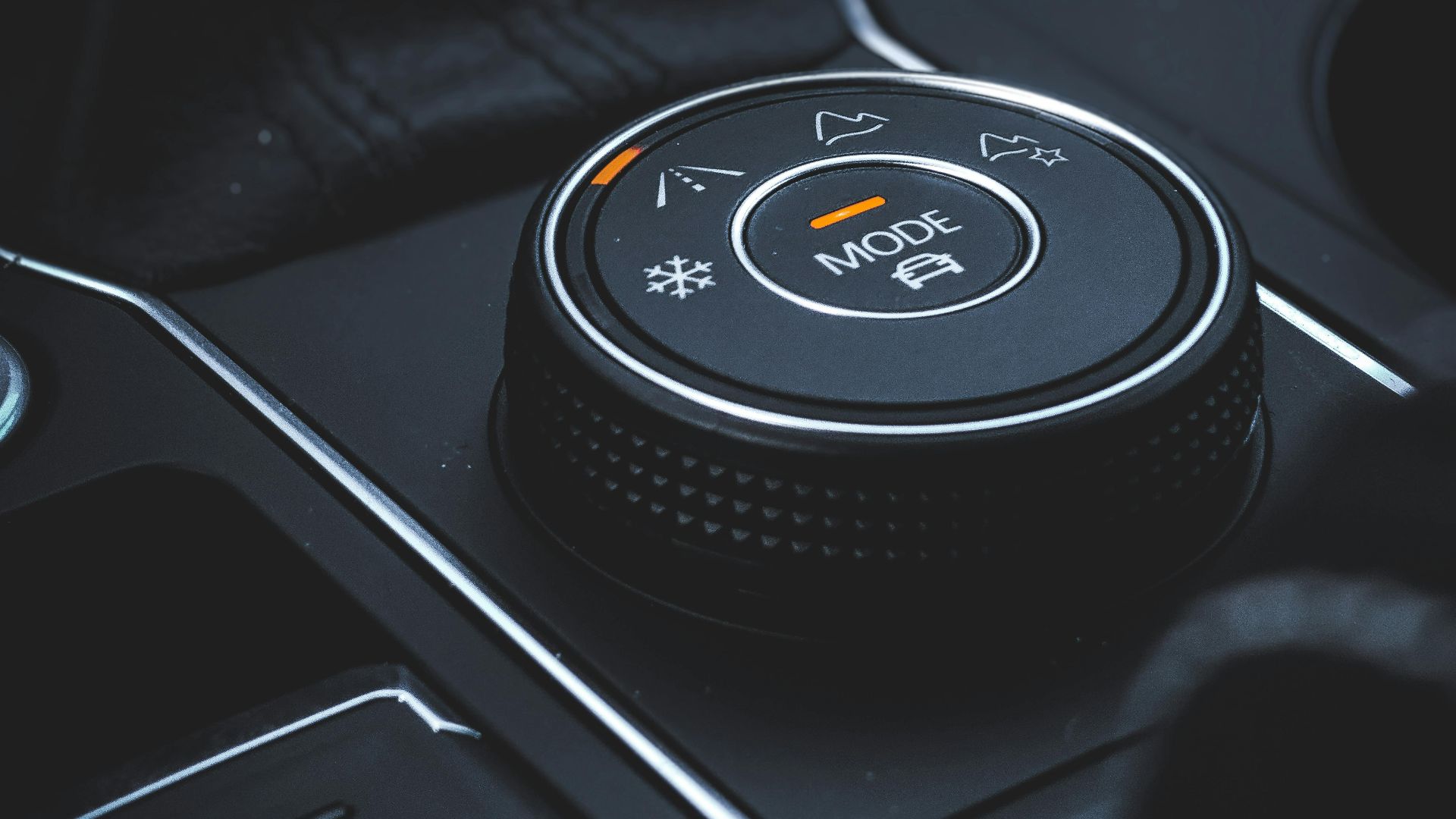
A real button or knob can often be found by feel. That lets a driver build muscle memory and make changes with a shorter glance, or sometimes no glance at all. Flat glass screens usually do not offer that same tactile map, so drivers often need to look down to make sure they are pressing the right thing.
Researchers Have Been Saying This For Years
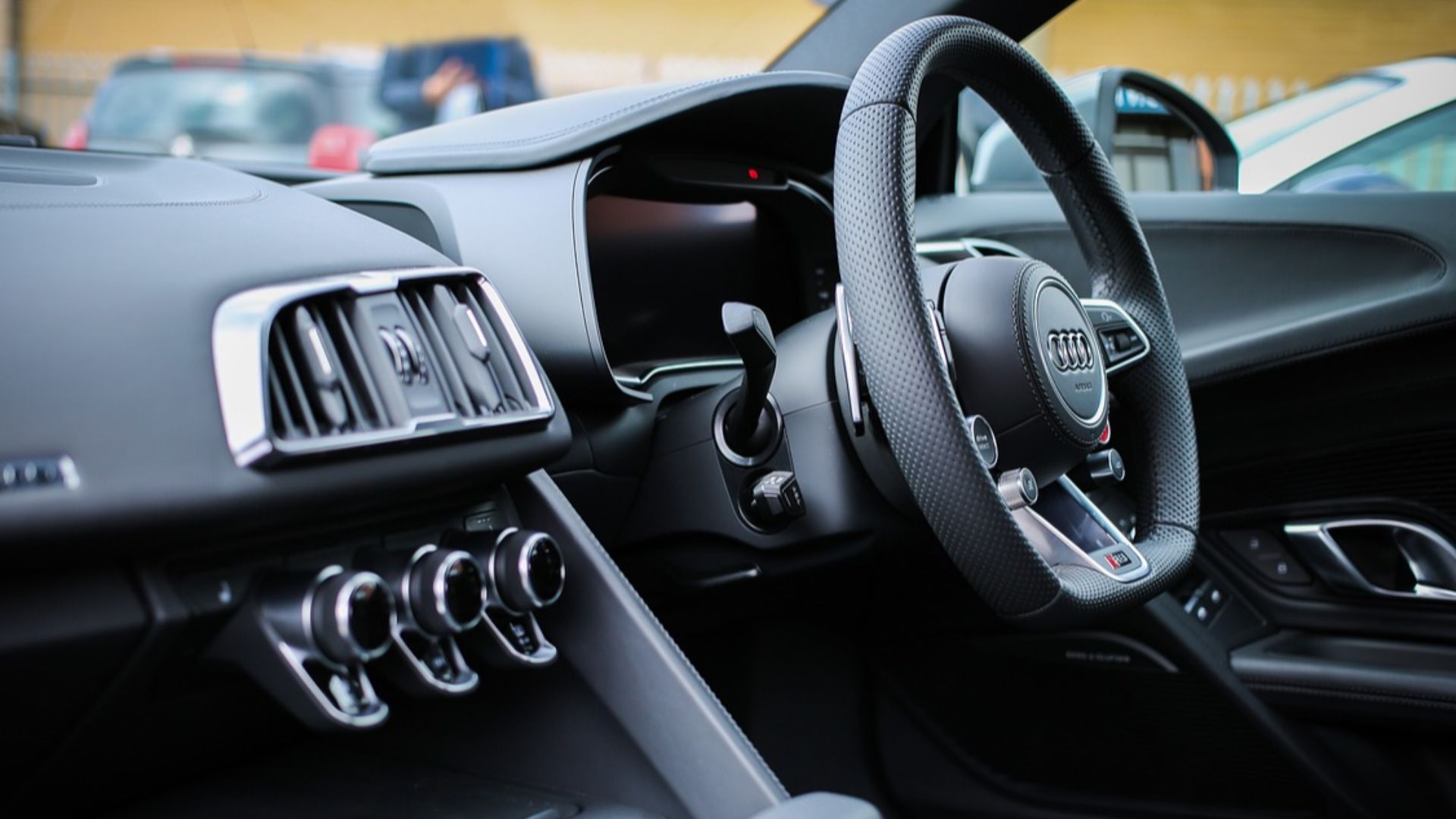
Human factors experts have spent a long time studying how drivers interact with in-car tech. The problem is not just total task time, but how that task pulls attention away in repeated glances. A control layout that looks clean in a parked demo can be much harder to use at 70 mph.
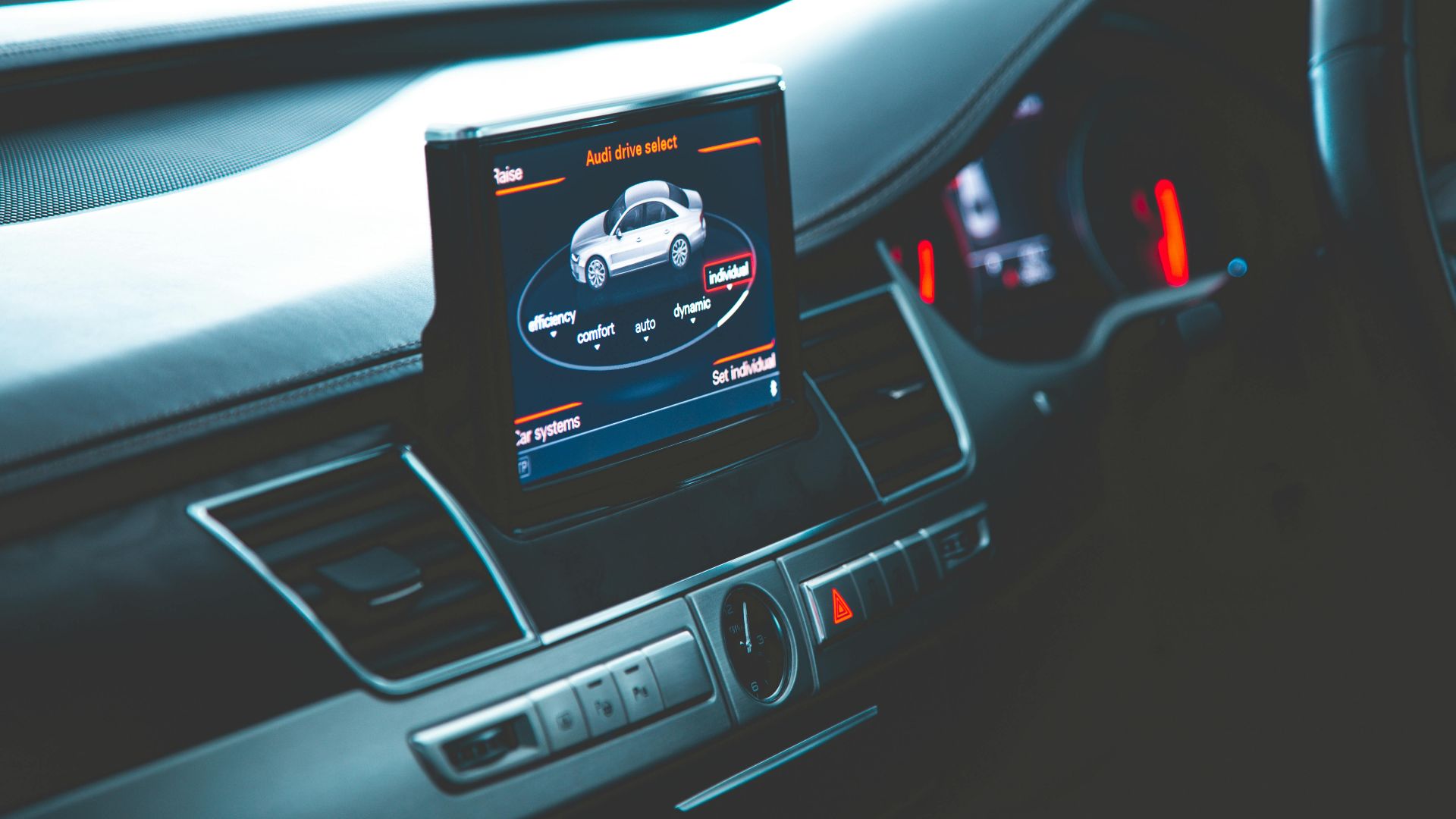
Government Guidance Has Also Focused On Distraction
The National Highway Traffic Safety Administration has issued visual-manual distraction guidelines meant to reduce how much attention in-vehicle devices demand from drivers. The guidance focuses on limiting tasks that pull a driver’s eyes and hands away from driving. It does not ban touchscreens, but it also does not support burying every function inside them.
 AgnosticPreachersKid, Wikimedia Commons
Buttons Are Not Perfect Either
To be fair, a dashboard covered in tiny identical buttons can be a mess. Bad physical design is still bad design. The strongest takeaway from the evidence is not “more buttons no matter what,” but that important and often-used controls should be easy to understand, easy to feel, and quick to reach.
The Cost Question Is In The Background
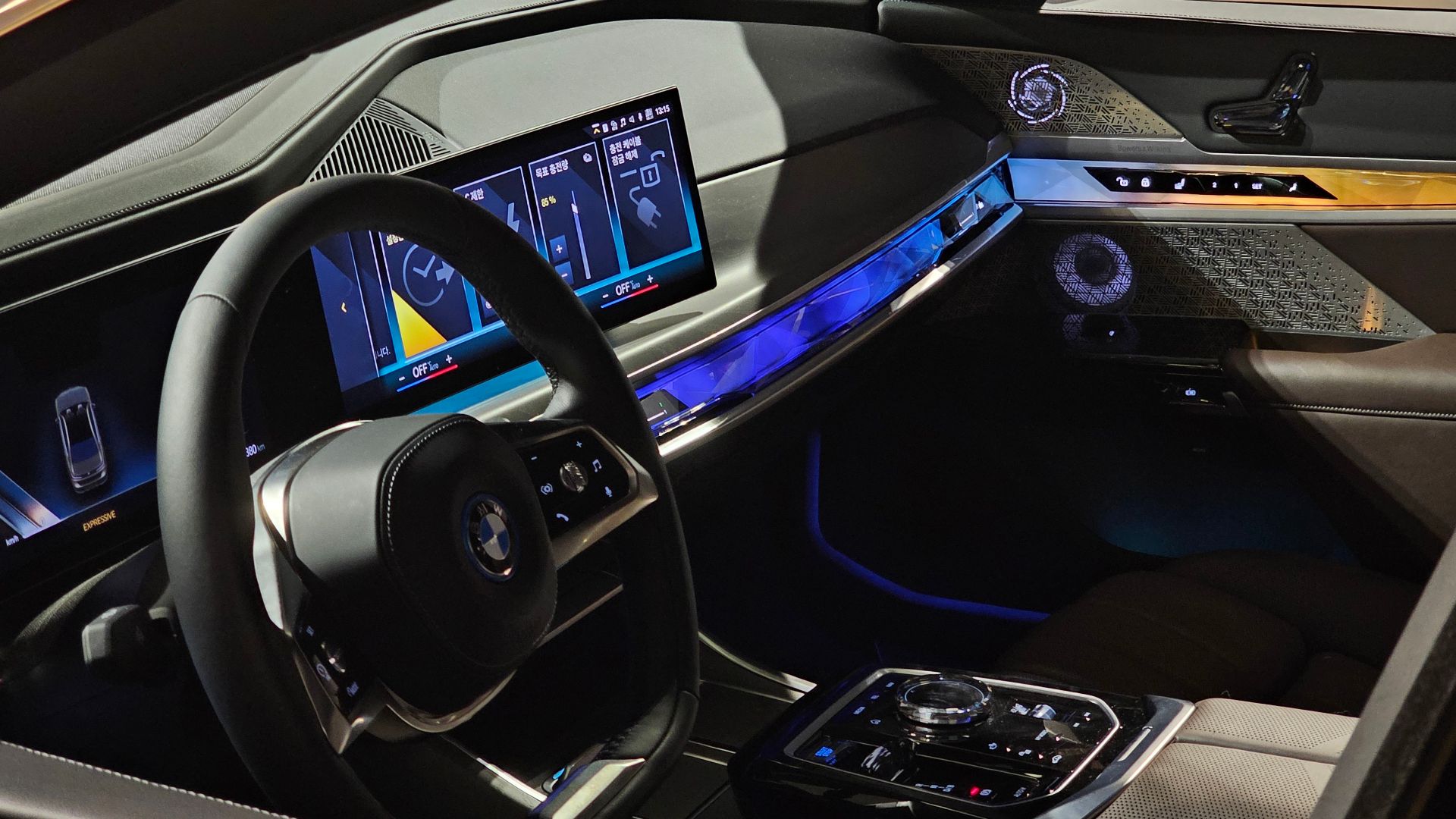
There is another reason touchscreens spread so quickly, and it is not just safety or style. One large central screen can replace many separate switches, modules, and trim pieces, which can simplify manufacturing. Software updates can also change features without redesigning hardware, and that is appealing to automakers.
 Damian B Oh, Wikimedia Commons
Minimalism Sells
Clean interiors photograph well and look futuristic on a showroom floor. Buyers have been trained by consumer electronics to connect large screens with modern design. That makes it easy to market the loss of physical controls as innovation, even when day-to-day usability is up for debate.
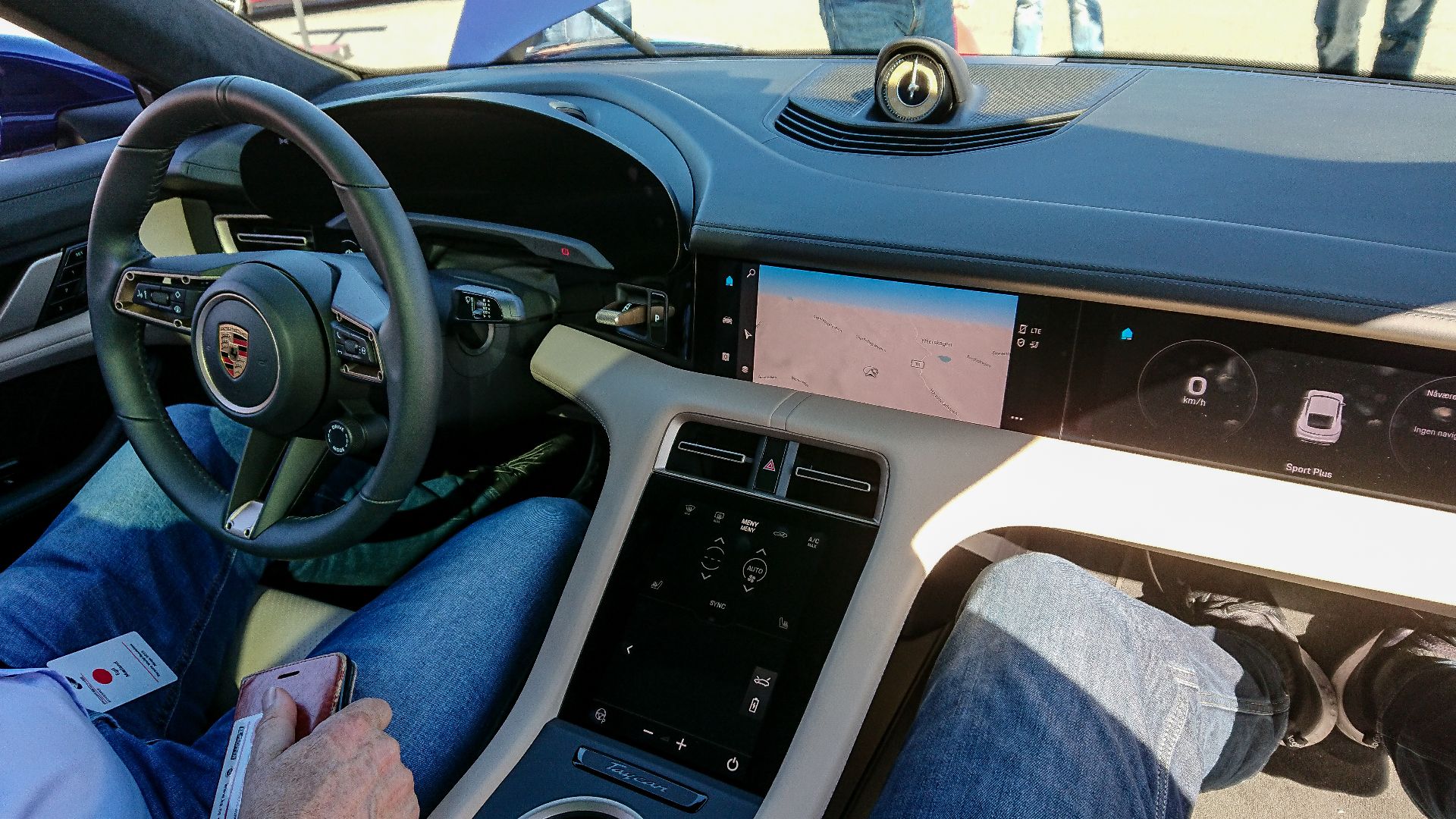 L.C. Nøttaasen from Sandnes, Norway, Wikimedia Commons
Even Automakers Are Backtracking
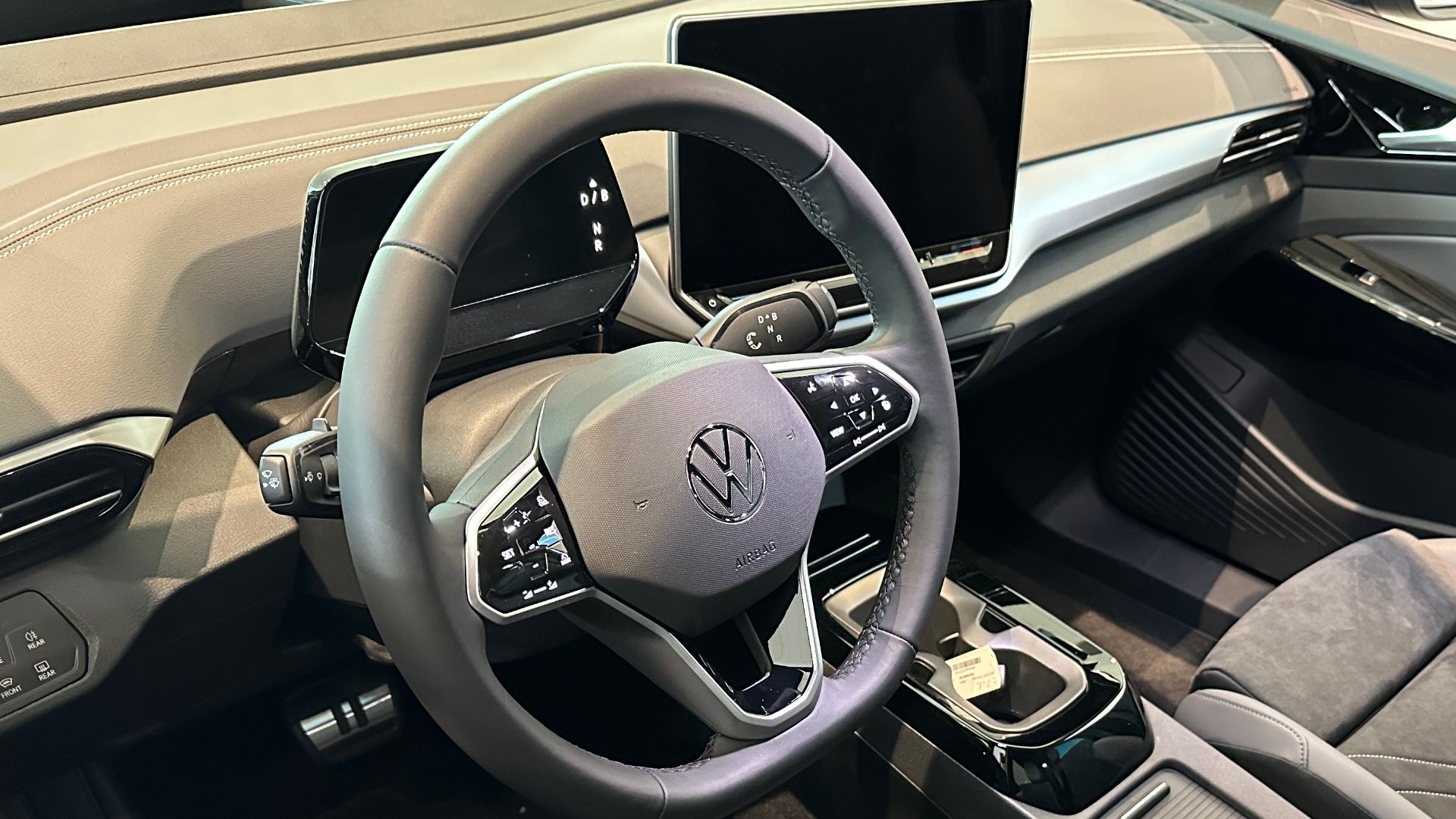
The industry has started showing signs of second thoughts. Volkswagen, for example, has publicly acknowledged criticism of touch-sensitive and screen-heavy controls and said it would bring back more physical buttons for key functions in future models. When a major manufacturer changes course, it suggests the complaints are more than just nostalgia.

Volkswagen’s Admission Was Telling
In 2024, Volkswagen design leadership said certain essential functions would return to physical controls in upcoming vehicles. That move followed years of owner frustration over hard-to-use sliders and touch controls for things like climate and volume. It was a rare moment of honesty in an industry that usually prefers to call every trend progress.
Drivers Know This Instinctively
Most people do not need a lab study to feel the difference between turning a temperature knob and digging through climate menus. One can often be done by feel. The other usually means a glance, a tap, another tap, and maybe a little irritation.
Voice Control Is Not A Full Fix
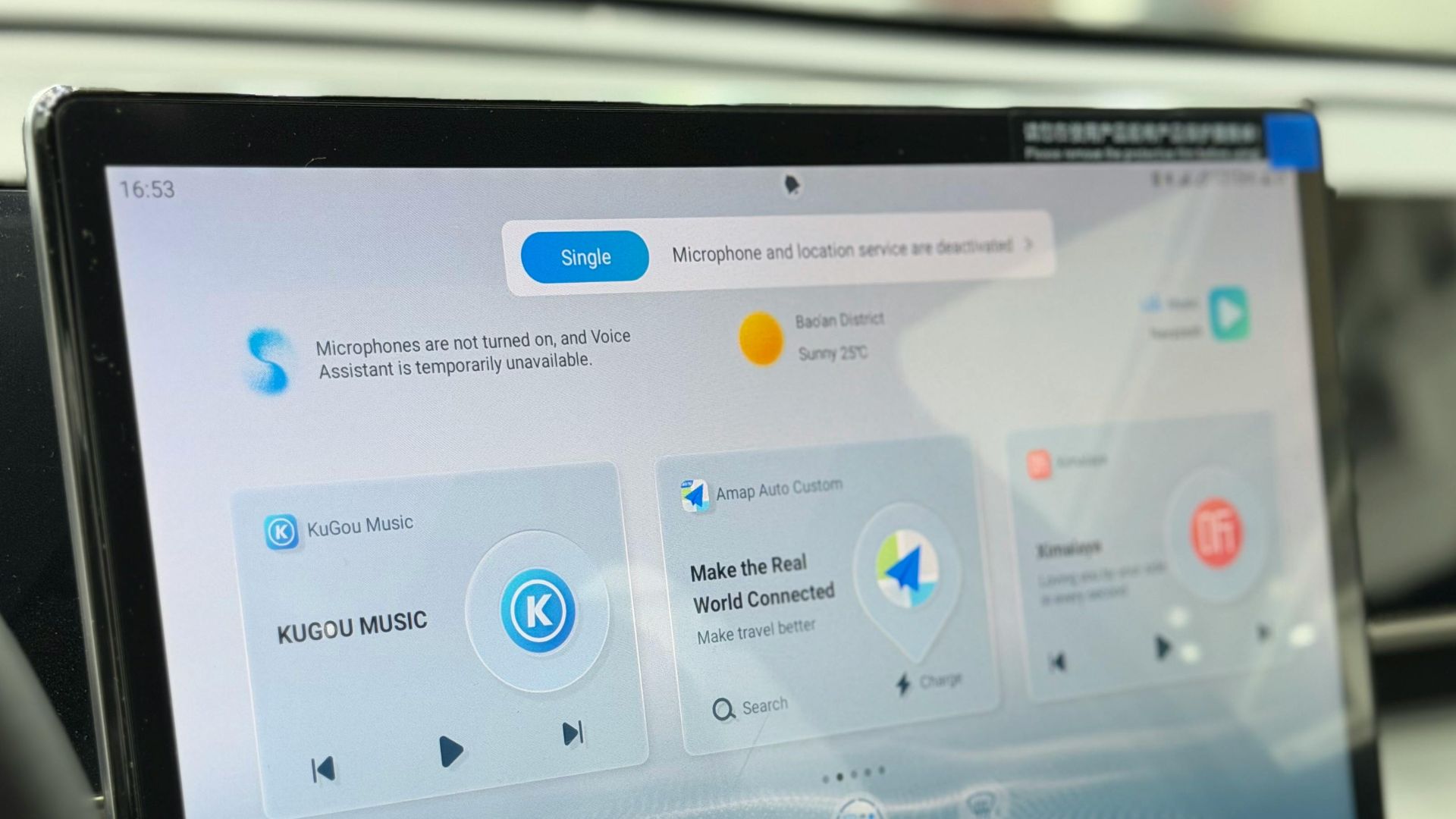
Automakers often answer this criticism by saying drivers can just use voice commands. In theory, that helps. In practice, AAA’s research found that voice-based systems can still create a heavy mental workload, especially when commands are misunderstood or take several steps.
Cognitive Load Is The Hidden Problem
A driver can appear to be looking straight ahead while still spending too much mental effort on the car’s interface. That is why distraction is not only about hands and eyes. If the system is confusing, slow, or inconsistent, it is still taking attention away from driving.

Simple Tasks Should Stay Simple
The strongest agreement among safety advocates is that routine, high-frequency actions should be immediate and obvious. Adjusting cabin temperature, clearing the windshield, changing audio volume, or turning on hazard lights should not feel like working through a phone app. Those are exactly the moments when tactile controls prove their value.
So Is The Dealer’s Claim True
As a blanket statement, no, it is not well supported by the evidence. There is no broad body of safety research showing that removing buttons and moving functions into touchscreens makes cars safer overall. In several high-profile tests and policy decisions, the trend points the other way for key functions.

The Better Answer Is More Nuanced
A well-designed touchscreen can work fine for secondary tasks, settings, and information display. A well-designed physical layout can make essential actions faster and less distracting. The smartest interiors use both, instead of forcing everything through one glossy panel.
 Alexander-93, Wikimedia Commons
What To Ask Before You Buy
If you are shopping for a car, test it the way you will really use it. While parked, try adjusting fan speed, temperature, defrost, audio volume, and navigation entry. If those tasks already feel fussy on the lot, they probably will not feel better in traffic.
Try The Glove Test
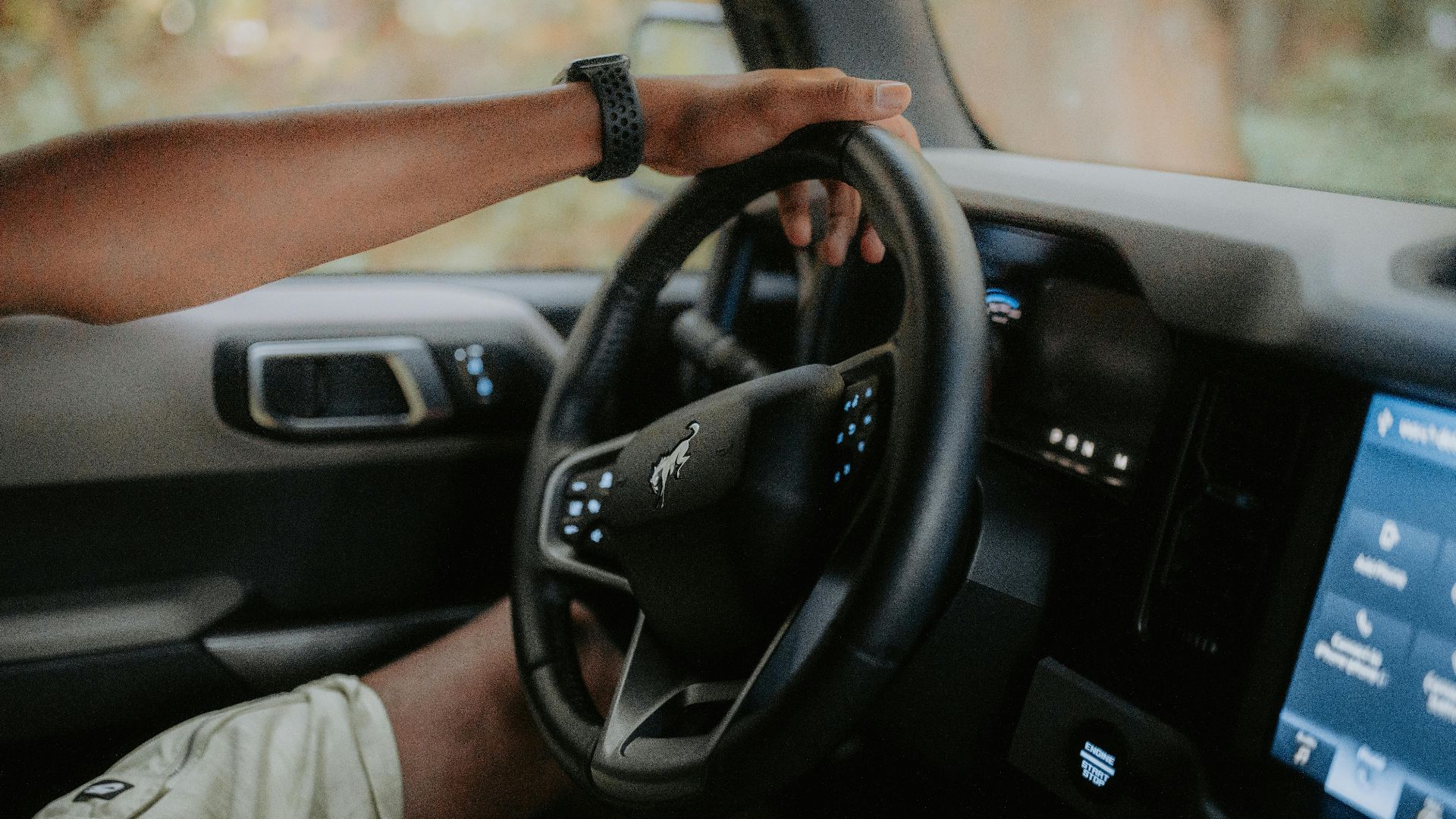
If you live in a cold climate, bring gloves when you test the controls. Physical knobs and real buttons often stay usable when touchscreens become more annoying. It is a simple way to see whether the design was made for drivers or for brochure photos.
Check What Happens At Night
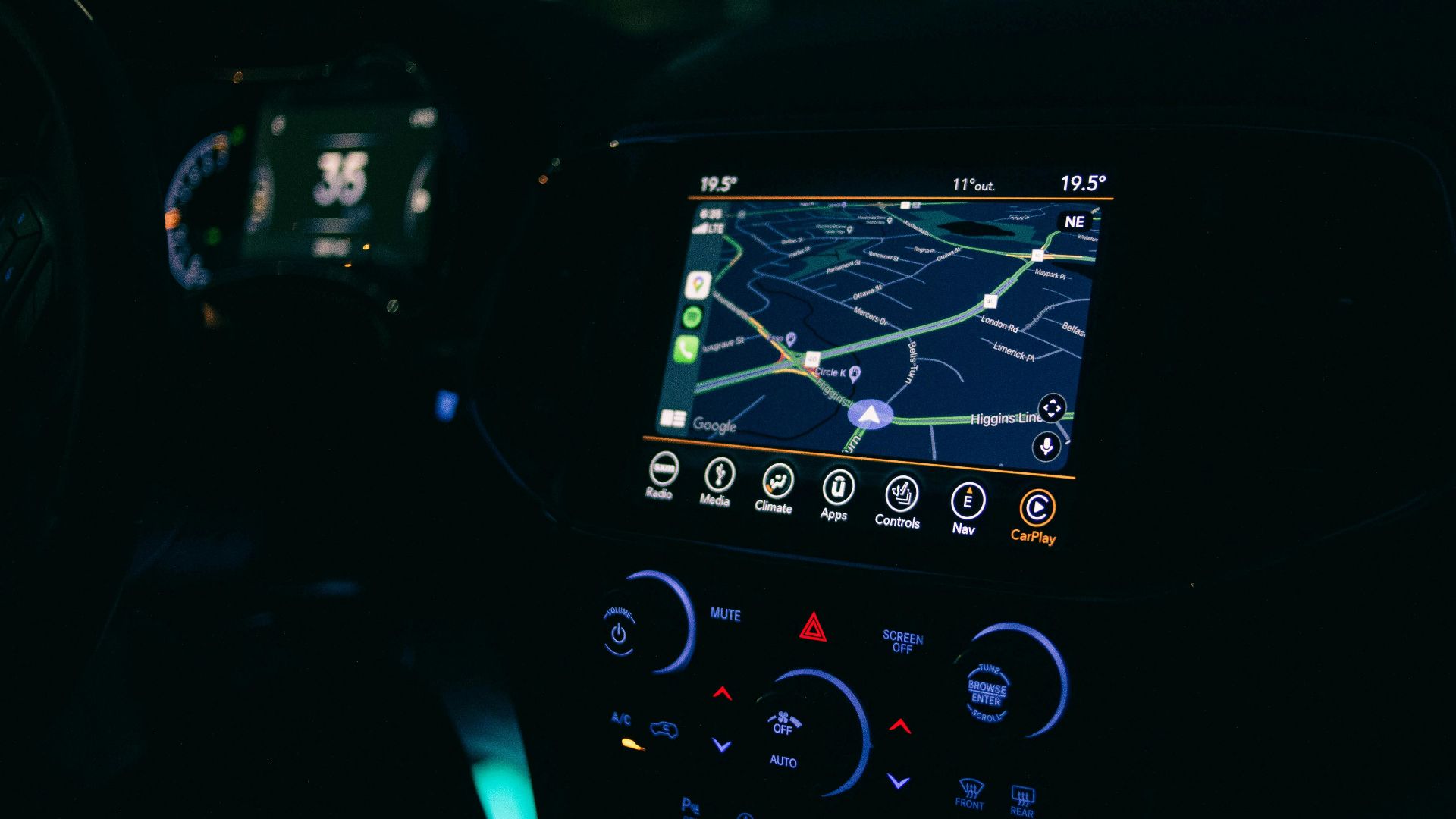
Also pay attention to visibility after dark. Bright displays, hidden icons, and multi-step menus can become more frustrating at night or in bad weather. The best safety tech in the world does not help much if a basic control turns into a scavenger hunt.
The Bottom Line For Drivers
Are touchscreens safer because drivers use fewer buttons? The evidence says drivers should be skeptical. Research from AAA, testing from Vi Bilägare, NHTSA guidance, Euro NCAP’s 2026 rating change, and automaker backtracking all point to the same conclusion: for important functions, fewer physical controls do not automatically mean a safer car.