You Just Bought It… and It’s Already Breaking?
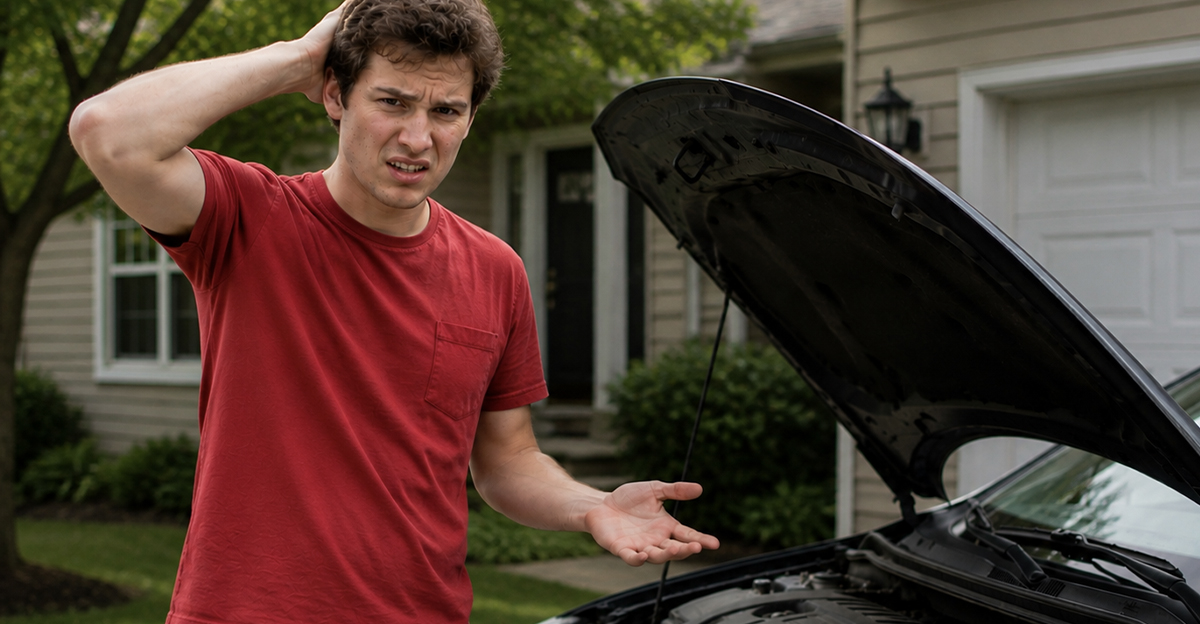
You finally drove off the lot, feeling pretty good about your purchase. Then—within days, maybe even hours—something goes wrong. Weird noises, warning lights, or worse. Now you’re thinking… shouldn’t the dealership have to fix this? Or are you stuck with the bill already?
Is This a Common Situation?
More than you’d think. Used cars can sometimes come with hidden issues that don’t show up during a test drive. It’s one of the biggest risks buyers take when going the pre-owned route, especially if the vehicle wasn’t thoroughly inspected.

What Does “As-Is” Actually Mean?
This phrase is everything. If you bought the car “as-is,” it usually means the dealership is not legally responsible for repairs after the sale. Once you sign, the car—and its problems—becomes your responsibility.

Wait… Did You Agree to That?
Most likely, yes. “As-is” terms are often included in the paperwork you sign. It’s easy to overlook in the moment, especially when you’re focused on getting the deal done, but legally, it carries serious weight.

Are All Used Cars Sold “As-Is”?
No. Some dealerships offer limited warranties or certified pre-owned (CPO) vehicles that come with coverage. These options usually cost more, but they offer some protection if problems pop up early.

What If the Dealer Gave You a Warranty?
Then you may have a case. If your car came with a written warranty, the dealership may be required to cover certain repairs—depending on what’s included. Always check the details of that warranty carefully.

What Is a “Dealer Warranty” vs. Manufacturer Warranty?
A dealer warranty is offered by the dealership itself and usually covers a short period. A manufacturer warranty, on the other hand, comes from the car’s original maker and may still apply if the vehicle is newer.

Could Lemon Laws Help You?
Maybe—but probably not. Lemon laws typically apply to new cars, not used ones. Some states extend limited protections to used vehicles, but the rules vary widely depending on where you live.
 Anatoliy Cherkas, Shutterstock
What If the Dealer Knew About the Problem?
Now things change. If the dealership knowingly sold you a car with hidden defects and failed to disclose them, that could be considered fraud or misrepresentation—and they may be legally responsible.

How Would You Prove That?
That’s the tough part. You’d need evidence—like inspection reports, mechanic statements, or documentation showing the issue existed before you bought the car. Without proof, it becomes much harder to challenge.

What About a Pre-Purchase Inspection?
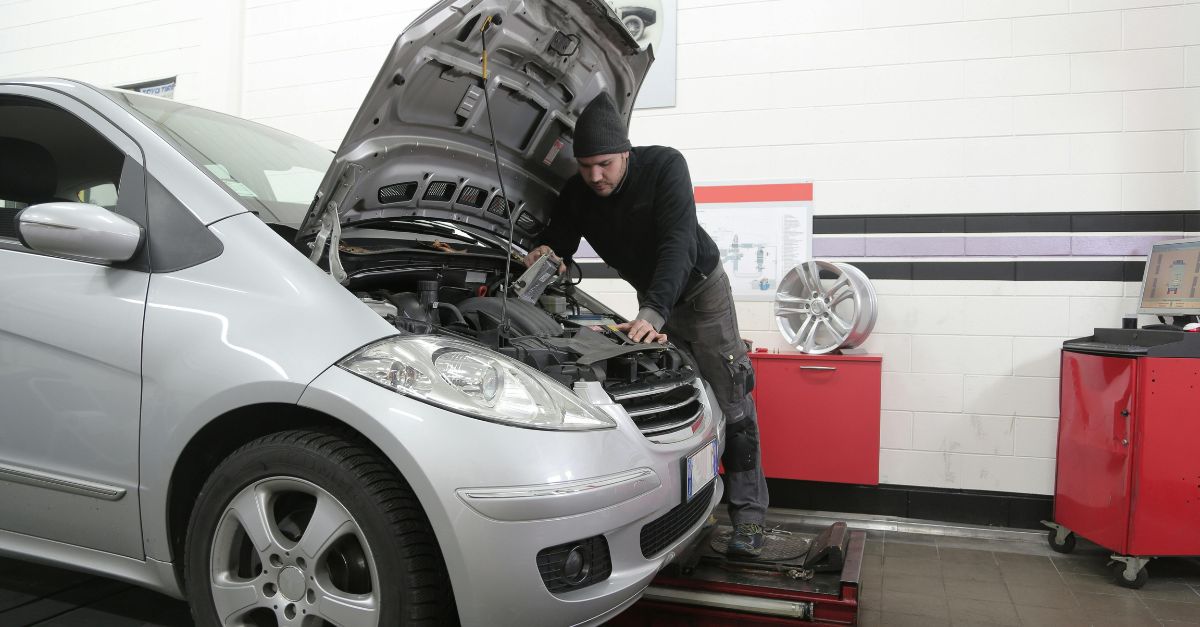
If you didn’t get one, you’re not alone—but it’s one of the best ways to protect yourself. A mechanic can spot issues before you buy, which can save you from situations like this.

Can You Take the Car Back?
In most cases, no. There’s usually no “cooling-off period” for car purchases. Once the deal is done, it’s done—unless the dealership has a specific return policy.

Should You Still Call the Dealership?
Yes—it’s worth trying. Some dealerships may offer goodwill repairs or partial assistance, especially if the issue shows up immediately. It’s not guaranteed, but it never hurts to ask.

What If You Paid with Financing?
Financing doesn’t change much about responsibility for repairs. You still owe the loan, even if the car has problems. That’s why these situations can feel especially frustrating.

Could Extended Warranties Help?
If you purchased one, possibly. Extended warranties (or service contracts) can cover certain repairs—but they often have limitations, deductibles, and exclusions you’ll need to understand.

Why This Feels So Unfair
Because it is—at least emotionally. You expect a car to last more than a few days without issues. But legally, the system often favors the terms of the sale over expectations.
 Alexandra Rotanova, Shutterstock
Is There Any Way to Fight Back?
If you believe there was deception or a violation of consumer protection laws, you can file a complaint with your state’s consumer protection office or consider legal action. Just know it may take time and evidence.

So… Should the Dealership Pay for Repairs?
Sometimes—but not always.
If the car was sold “as-is,” the dealership usually isn’t required to cover repairs. However, if there was a warranty or clear misrepresentation, you may have grounds to pursue compensation.
The Bottom Line Before You Buy Used Again
Used cars can be a great deal—but they come with risks. Always check the warranty, read the fine print, and consider a pre-purchase inspection. A little extra effort upfront can save you a lot of stress later.

One Last Thought Before Your Next Purchase
That excitement of driving off the lot is real—but so is the fine print. Next time, you might ask yourself one simple question before signing: what happens if something goes wrong tomorrow?

You May Also Like: