The Car That Was Supposed To Handle Any Weather
When I bought my car, I felt pretty confident about my choice. The seller told me it was all-wheel drive, which sounded perfect for snowy roads and bad weather. Living where winters can get rough, that extra traction seemed like a smart feature to have. But a few weeks later, a mechanic friend of mine took one look underneath the car and said something I didn’t expect: “You know this isn’t all-wheel drive, right?” Suddenly I had a new question on my mind—was front-wheel drive good enough after all?

Why I Thought AWD Was So Important
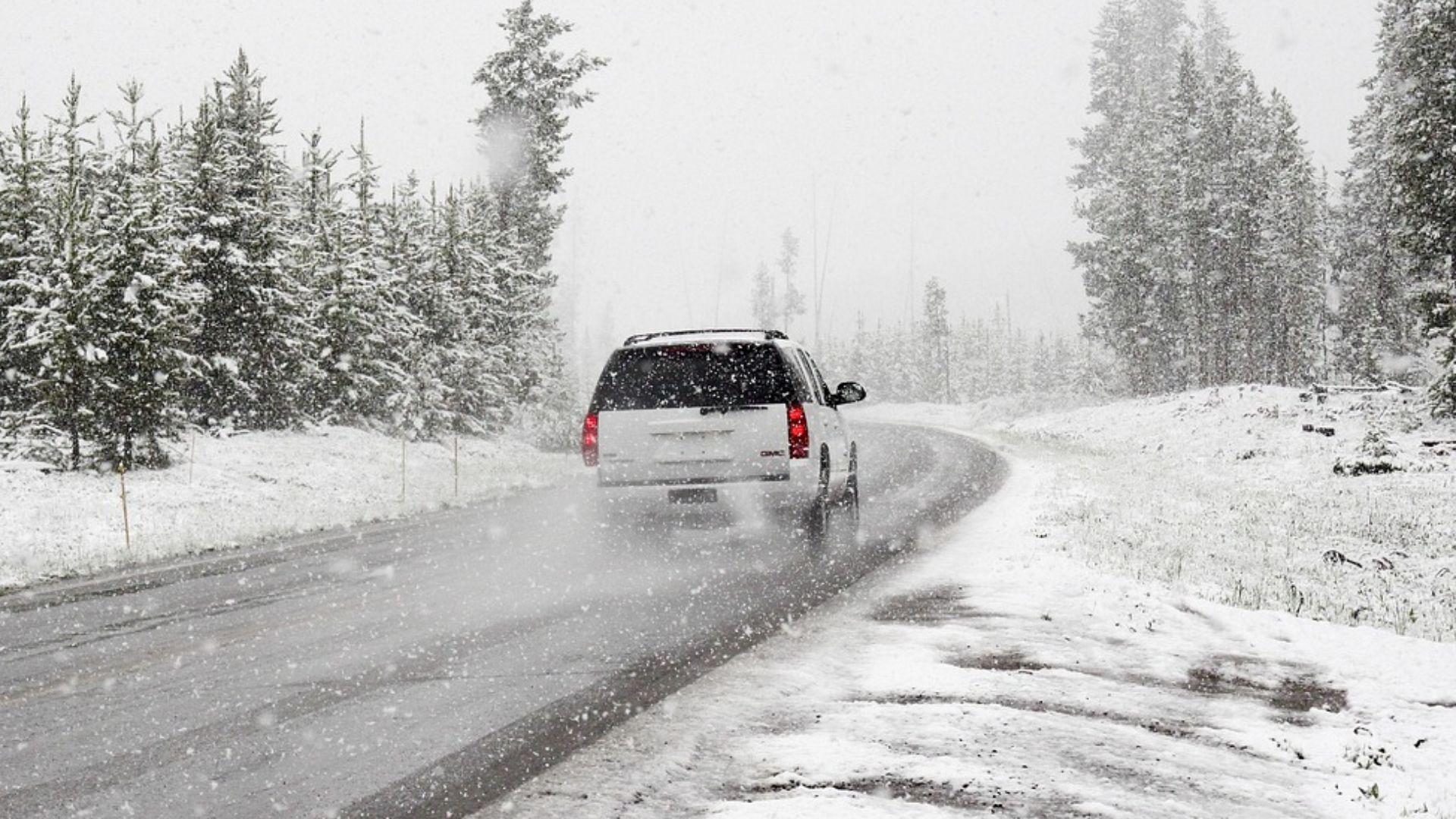
All-wheel drive (AWD) is often advertised as a big advantage, especially if you live somewhere with snow or heavy rain. The idea is simple: instead of only two wheels pushing the car forward, all four wheels can help move it. That can make the car feel more stable when roads are slippery.
 Pablo Sanchez Cuesta, Unsplash
The Appeal Of Extra Traction
A lot of people want AWD because it sounds safer. If the road is icy or covered in snow, having four wheels working instead of two feels like a big benefit. It gives drivers the feeling that the car will grip the road better and handle bad weather more easily.
The Mechanic’s Quick Reality Check
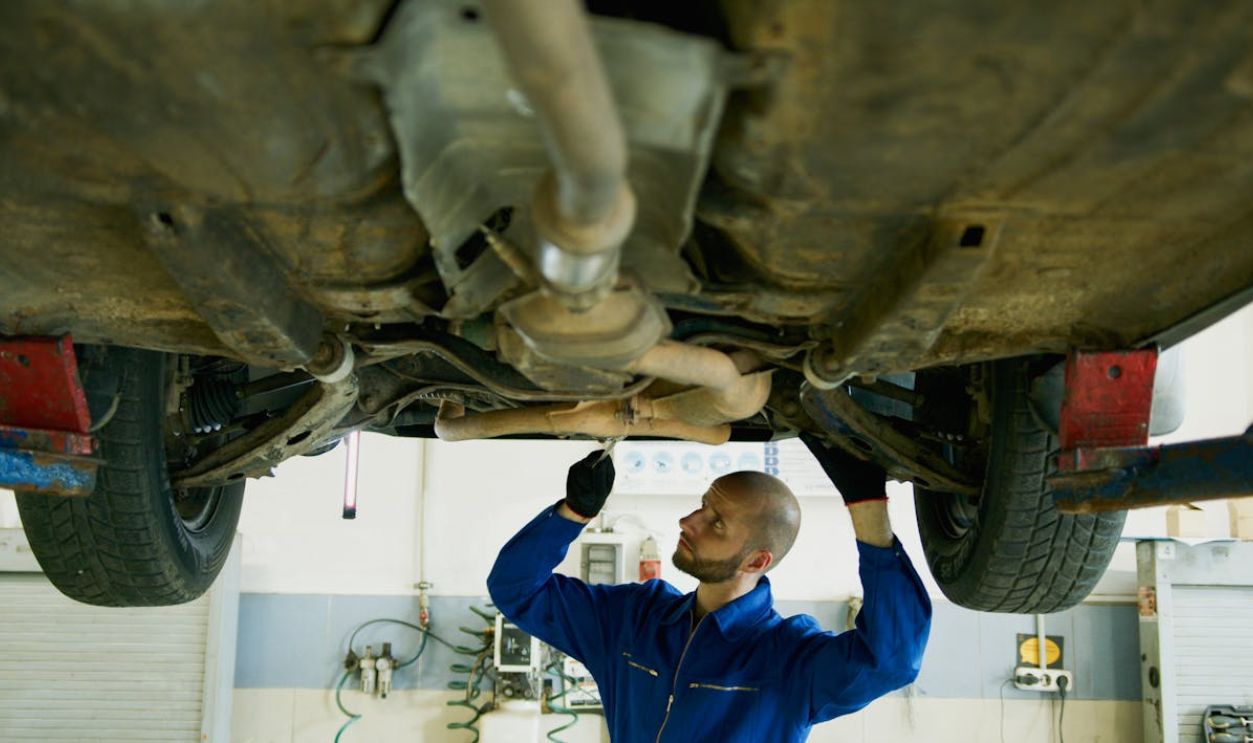
My mechanic friend didn’t even need to crawl under the car for long. After a quick look, he pointed out something important. The parts needed to power the rear wheels simply weren’t there. There was no driveshaft and no rear differential, which meant the back wheels weren’t doing any driving at all.
How AWD Actually Works
A real AWD system needs several extra parts. Power from the engine is split so it can reach both the front and rear wheels. This usually involves a driveshaft running to the back of the car and a rear differential that turns that power into movement for the rear wheels.
Why The Mix-Up Happens
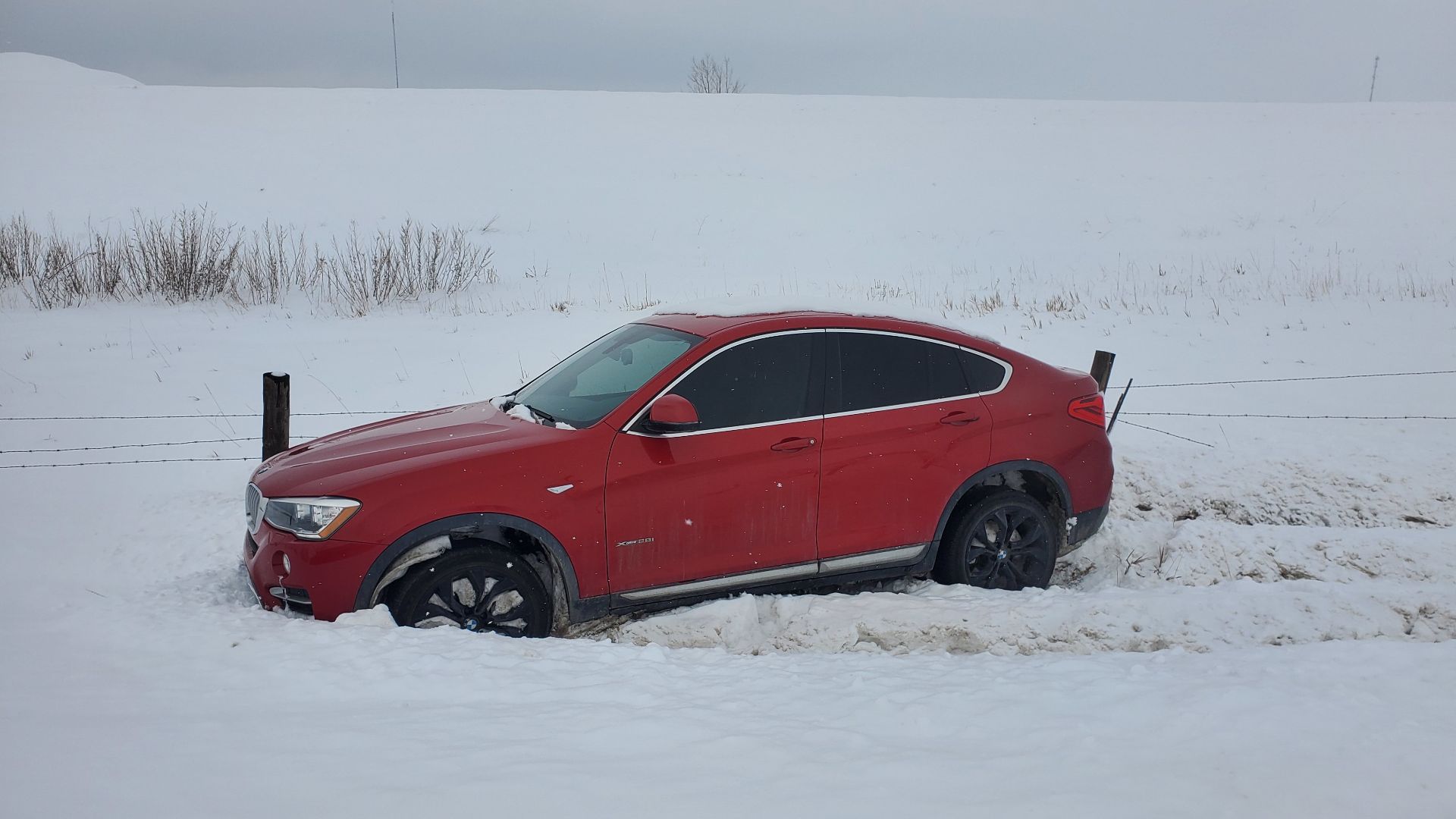
Mistakes like this happen more often than people think. Many vehicles are sold in both front-wheel drive (FWD) and AWD versions that look exactly the same. If someone isn’t careful, they might assume they’re buying the AWD model when they’re not.
 293.xx.xxx.xx, Wikimedia Commons
Marketing Can Be Confusing
Sometimes the wording used to describe cars doesn’t help either. Terms like “advanced traction control” or “stability system” can make a vehicle sound more capable than it really is. Those features help keep the car stable, but they don’t mean the car is AWD.
 Benjamin Child bchild311, Wikimedia Commons
Front-Wheel Drive Isn’t As Bad As People Think
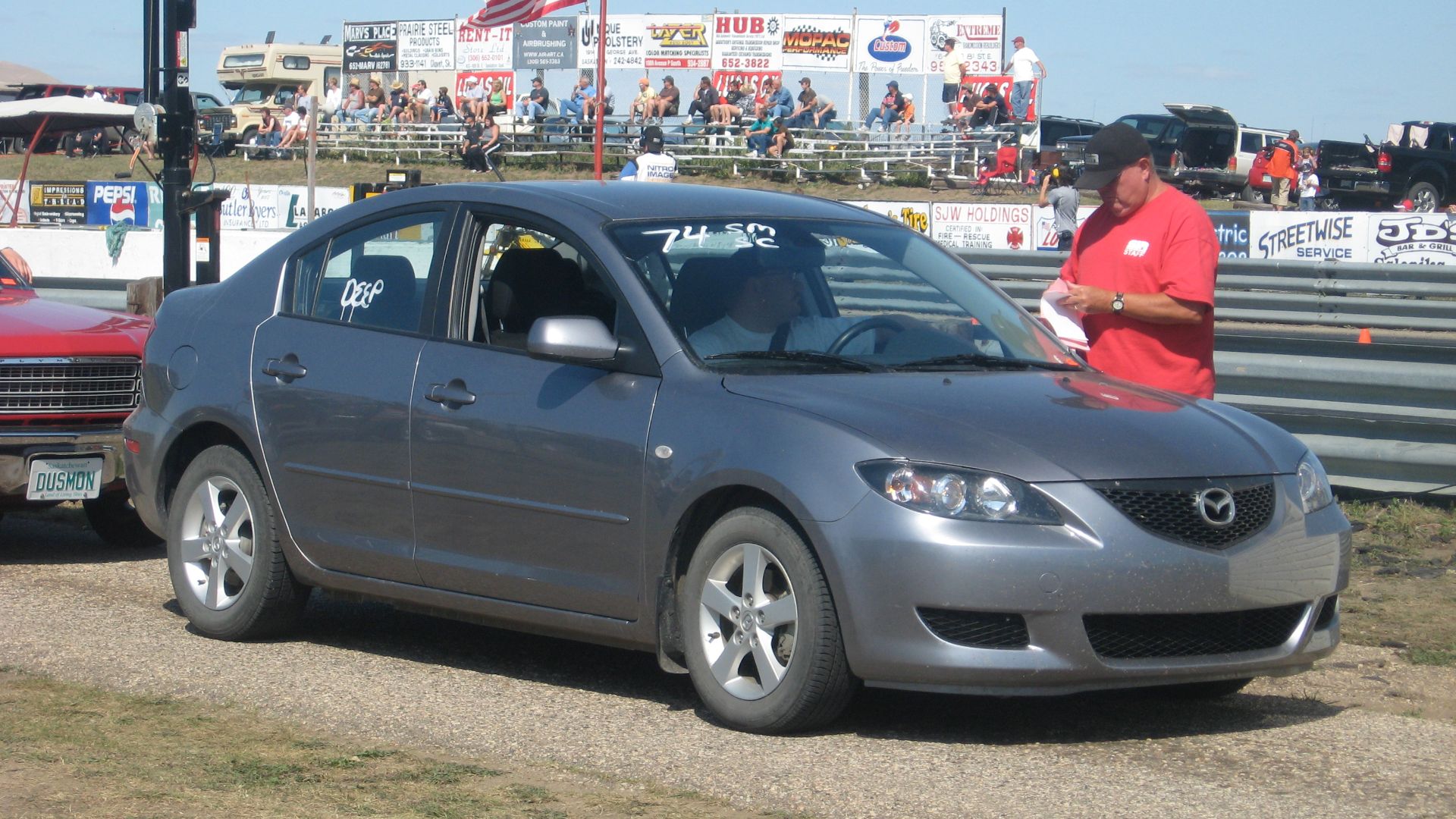
Front-wheel drive sometimes gets a bad reputation, especially from people who swear by AWD. But the truth is that most cars on the road today are front-wheel drive, and they work perfectly well for everyday driving.
Why So Many Cars Use FWD
Car companies use front-wheel drive because it’s simple and efficient. The engine and transmission sit at the front of the car and power the front wheels directly. That setup is easier to build and usually helps improve fuel economy.
 Pedro Simoes from Lisboa, Portugal, Wikimedia Commons
Weight Helps With Traction
There’s another benefit to FWD that people often forget. The engine sits right above the front wheels, which puts extra weight on them. That weight actually helps those tires grip the road better in slippery conditions.

Driving In Winter With FWD
A lot of drivers get through winter just fine with front-wheel-drive cars. While AWD can help in certain situations, FWD vehicles often perform better in snow than people expect.
 dejankrsmanovic, Wikimedia Commons
The Tire Factor
If you really want better traction in winter, the most important upgrade isn’t AWD—it’s good tires. The type of tires on your car can make a bigger difference than the drivetrain itself.
Why Winter Tires Matter
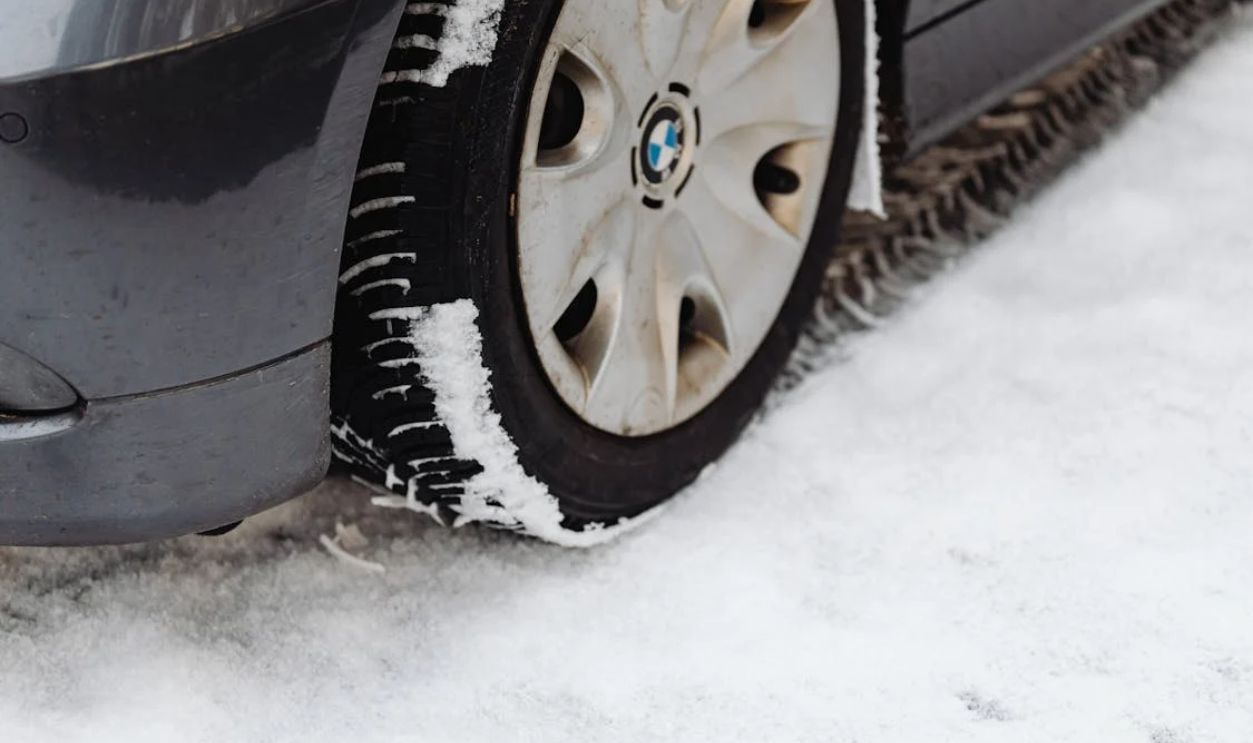
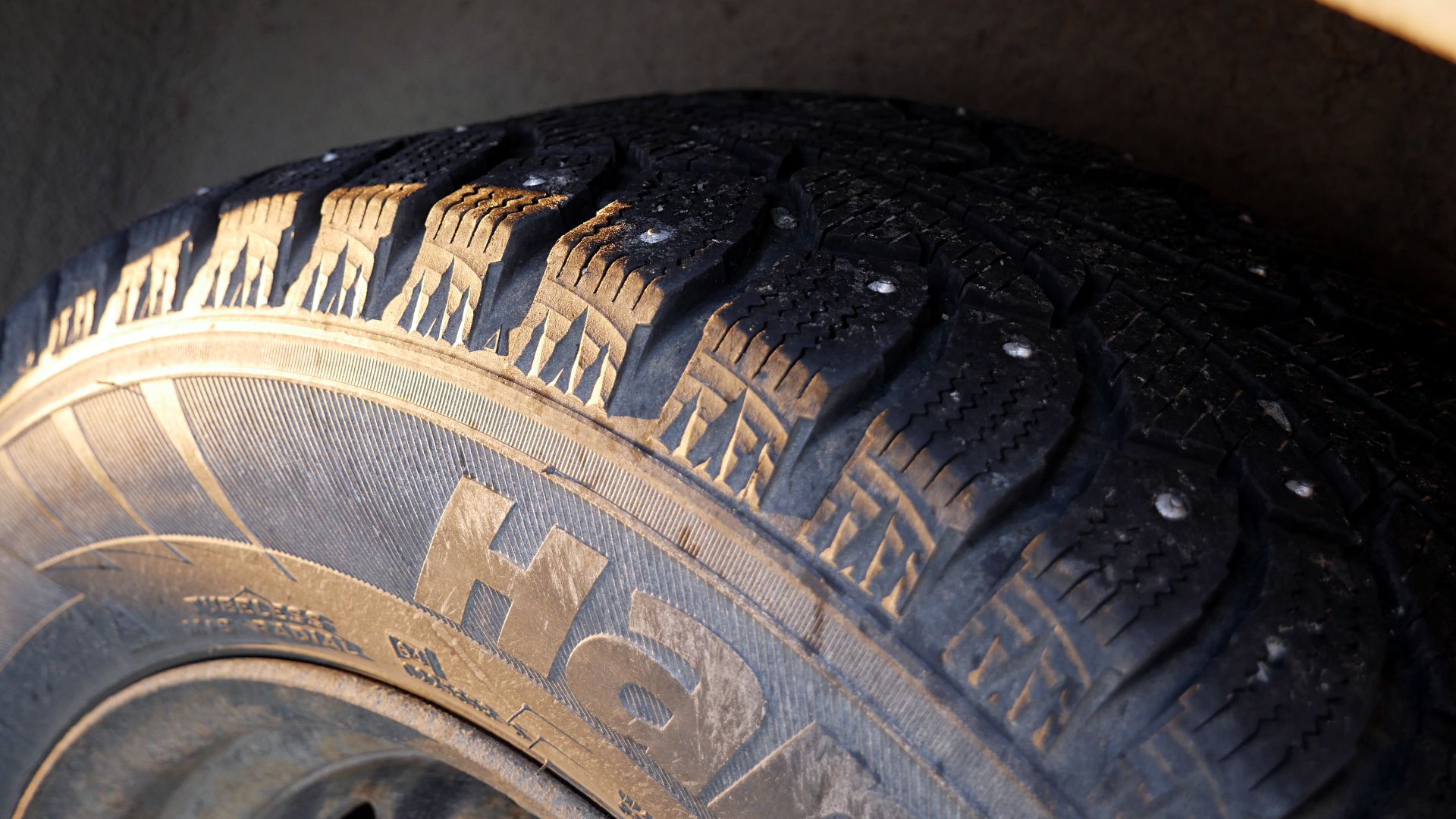
Winter tires are designed to stay soft in cold temperatures. They also have deeper grooves that grip snow and ice better. This means better traction when starting, stopping, and turning.
 Santeri Viinamaki, Wikimedia Commons
FWD With Winter Tires Can Be Impressive
In many cases, a front-wheel-drive car with proper winter tires can perform better than an AWD vehicle using regular all-season tires. That surprises a lot of people, but it’s something mechanics and driving experts often point out.

AWD Doesn’t Fix Everything
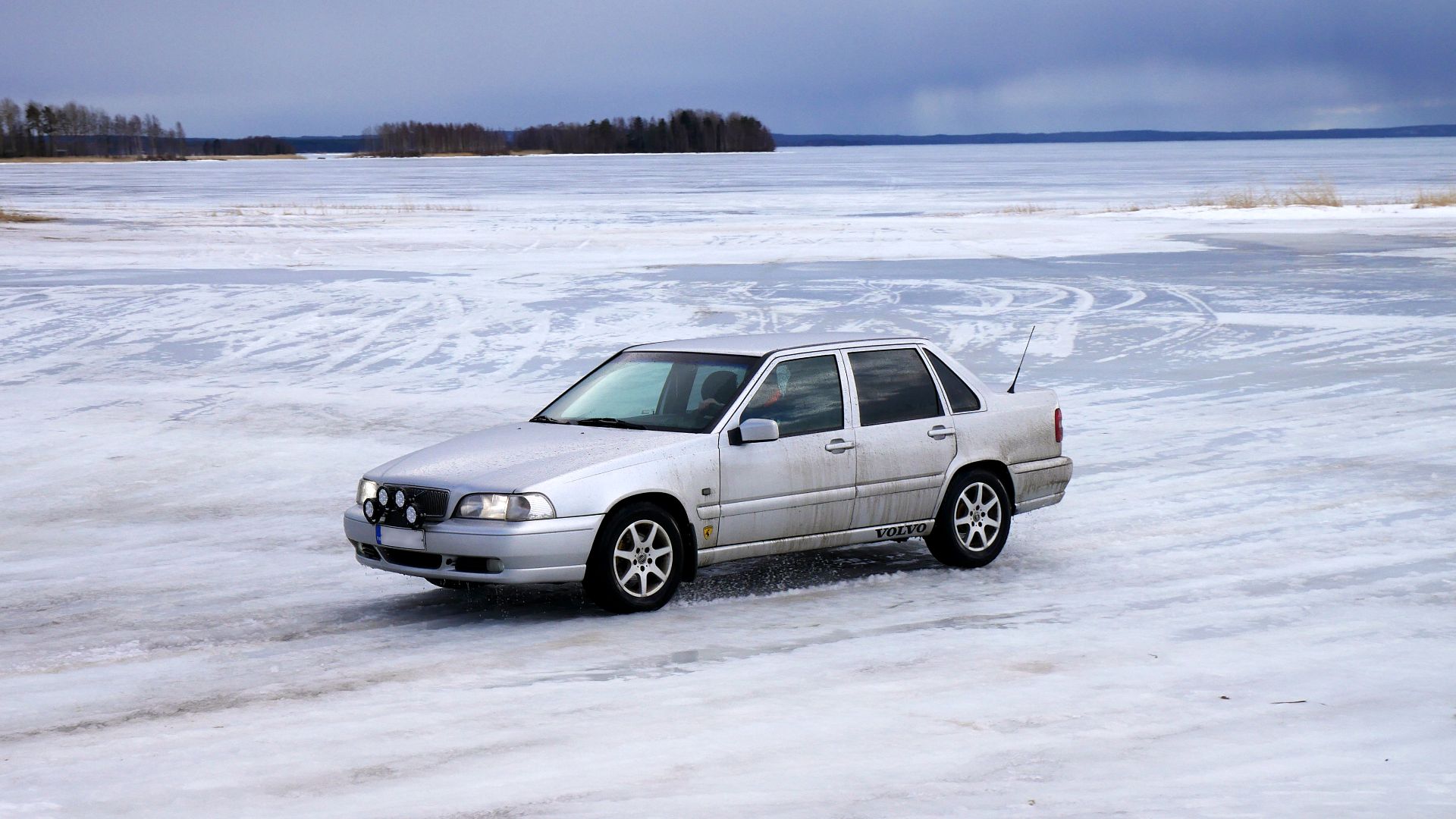
One common misunderstanding is that AWD makes a car unstoppable in winter. In reality, AWD mostly helps the car get moving from a stop. It doesn’t help nearly as much when you’re trying to brake or steer on ice.
 Santeri Viinamaki, Wikimedia Commons
Slippery Roads Are Still Slippery
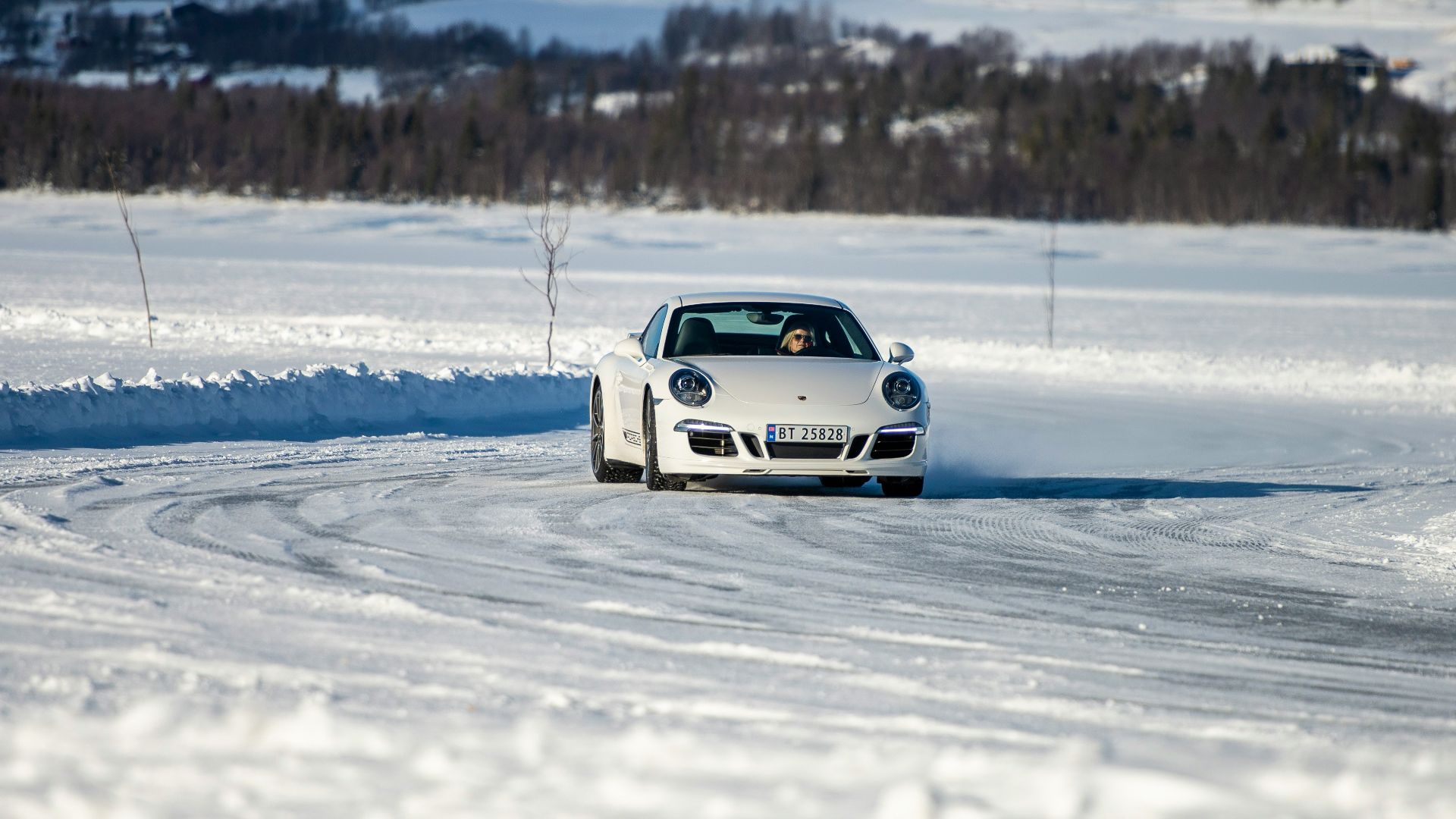
If your tires lose grip on ice, it doesn’t matter whether your car has two driven wheels or four. The car can still slide. That’s why careful driving is always important when conditions are bad.
Daily Driving Differences Are Small
For everyday driving, the difference between AWD and FWD isn’t always noticeable. Both systems work well for commuting, grocery runs, and highway trips.

Fuel Economy Advantages
Front-wheel-drive vehicles usually get better fuel economy. AWD systems add extra weight and moving parts, which can make the engine work a little harder.
Fewer Parts To Maintain
Another benefit of FWD is that it’s mechanically simpler. AWD systems include more components that can wear out or break over time. With fewer parts, FWD vehicles are often cheaper to maintain.
 Chevanon Photography, Wikimedia Commons
A Lesson For Used-Car Buyers
This situation also highlights an important lesson when buying a used car: always double-check the specs. Listings and conversations with sellers aren’t always accurate.

How To Confirm The Drivetrain
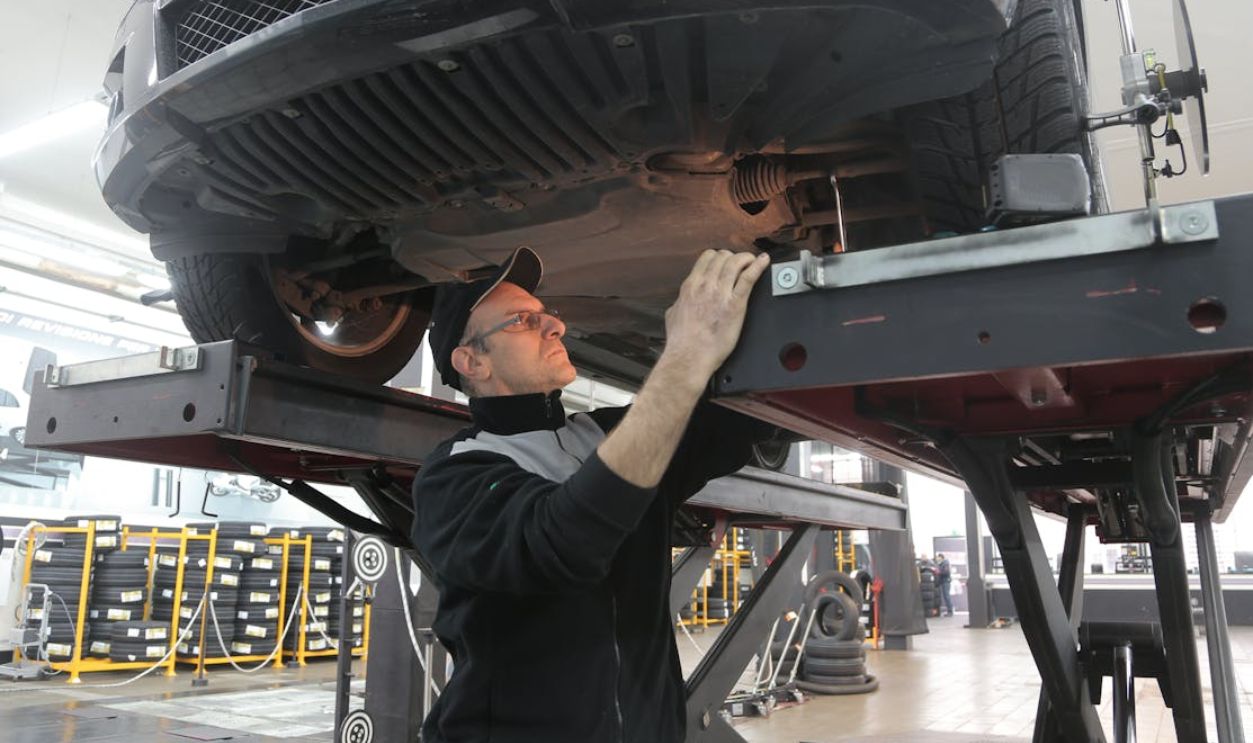
One of the easiest ways to confirm a car’s drivetrain is by checking underneath for a driveshaft or rear differential. You can also look up the vehicle’s VIN to see its original factory configuration.
When AWD Really Helps
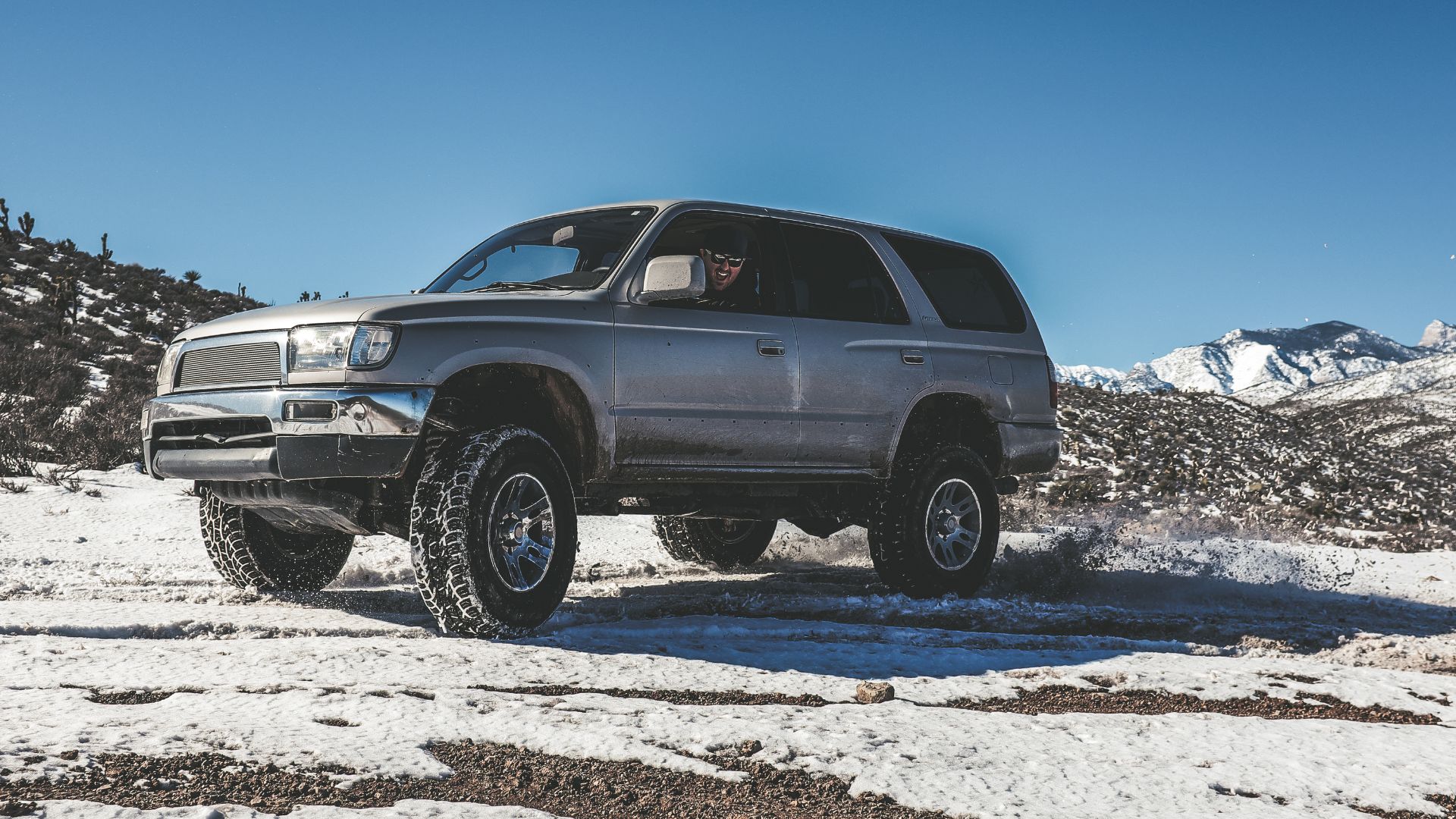
AWD can be very helpful in certain situations. If you live in an area with steep hills, deep snow, or rough dirt roads, having power sent to all four wheels can improve traction.
 NeONBRAND neonbrand, Wikimedia Commons
When FWD Is Perfectly Fine
For many drivers, though, front-wheel drive is more than enough. Most people spend their time on paved roads where FWD handles the job without any issues.
Adjusting Your Driving Habits
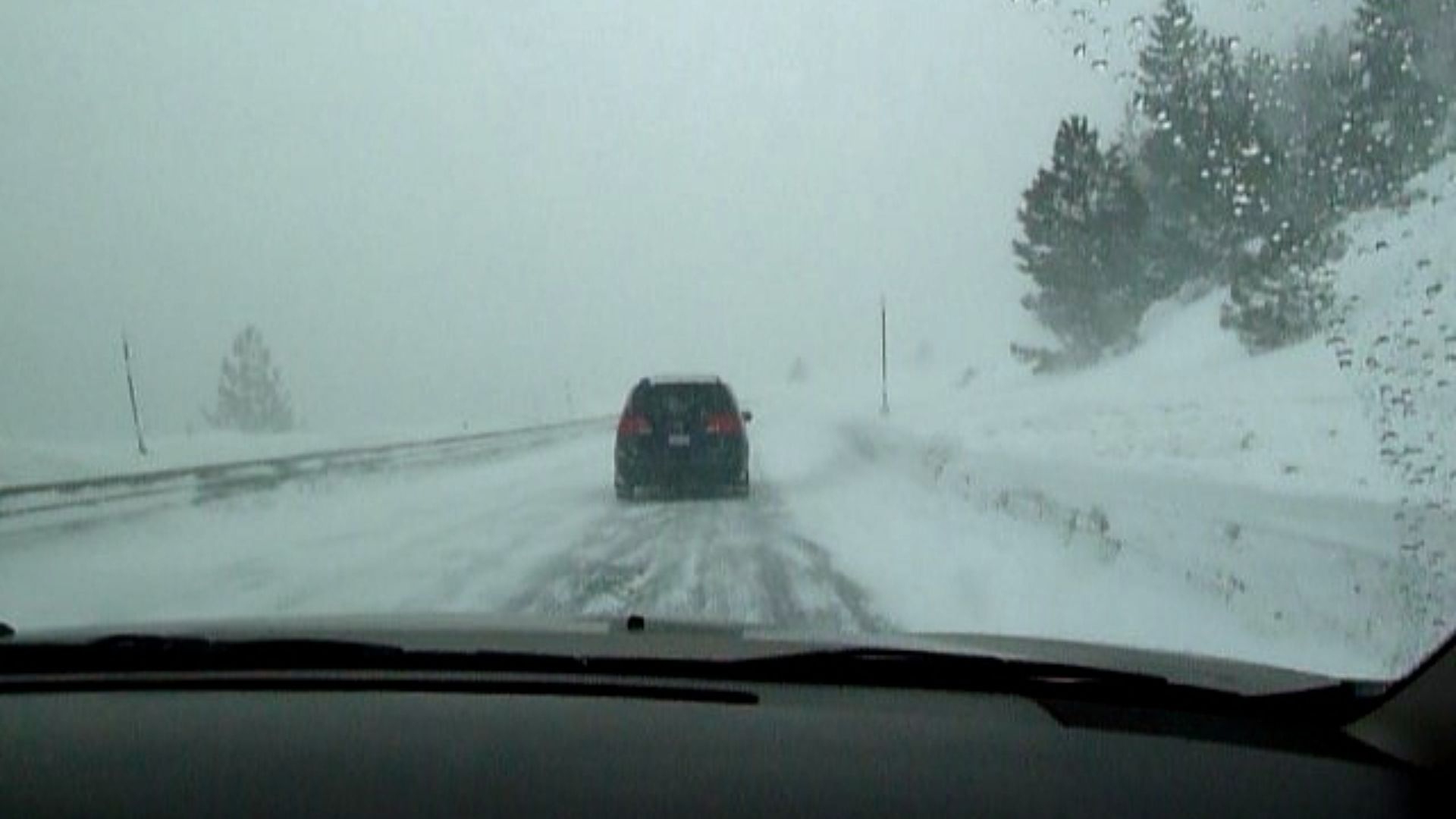
Regardless of the drivetrain, good driving habits make a huge difference. Accelerating slowly, braking gently, and leaving extra space between cars all help keep you safe on slippery roads.
 Daniela Cuevas danielacuevas, Wikimedia Commons
Confidence Vs Reality
Sometimes AWD makes drivers feel more confident in bad weather. But confidence shouldn’t replace caution. Even the best traction systems can’t overcome physics on icy roads.
Making The Best Of Your Car
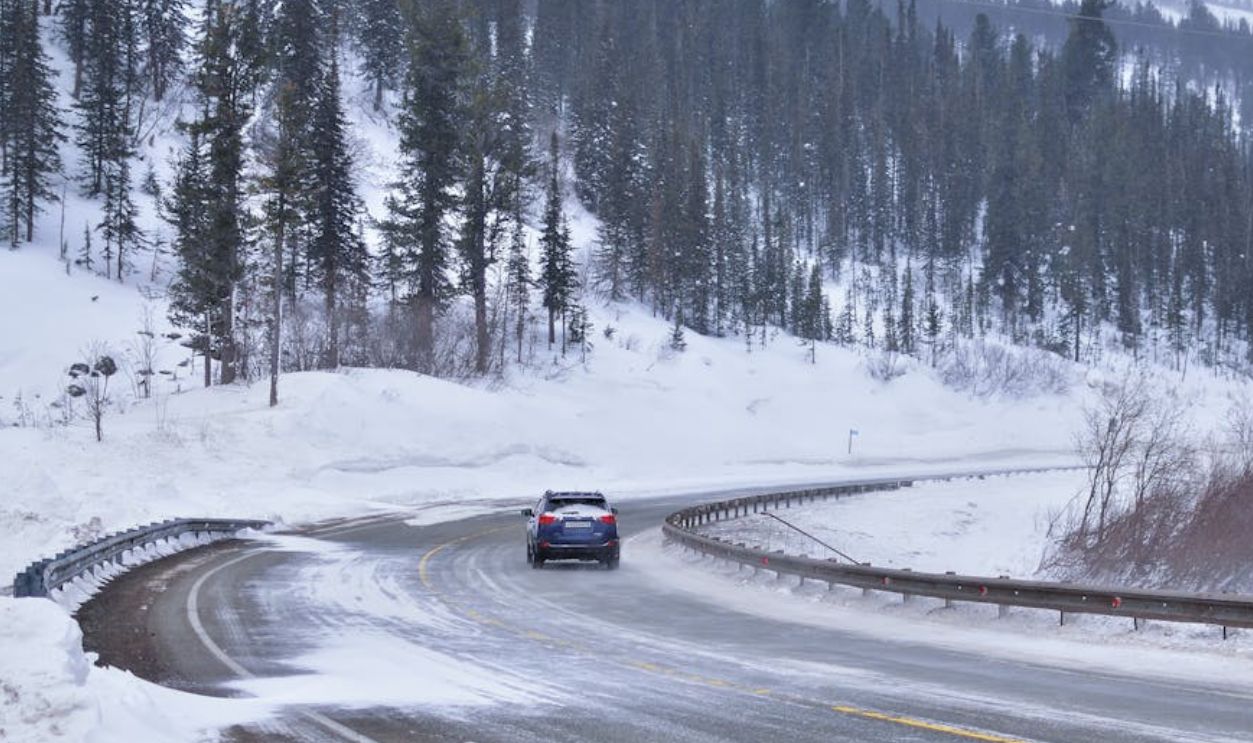
If you discover your car is FWD instead of AWD, it doesn’t mean you made a terrible purchase. With the right tires and careful driving, a front-wheel-drive car can still handle most conditions very well.
The Surprise That Changed My Perspective
Finding out my car wasn’t AWD was definitely a surprise. But after learning more about how cars actually work, I realized front-wheel drive isn’t nearly as limiting as I first thought.

The Bottom Line
So can you make do with front-wheel drive? For most drivers, the answer is yes. FWD cars are efficient, reliable, and capable in many conditions—especially with good tires and sensible driving. In the end, understanding your car matters more than simply assuming it has a certain feature.

You May Also Like:
The Dodge Challenger SRT Demon 170 Made Every Other Muscle Car Look Tame