The Moment That Makes Your Stomach Drop
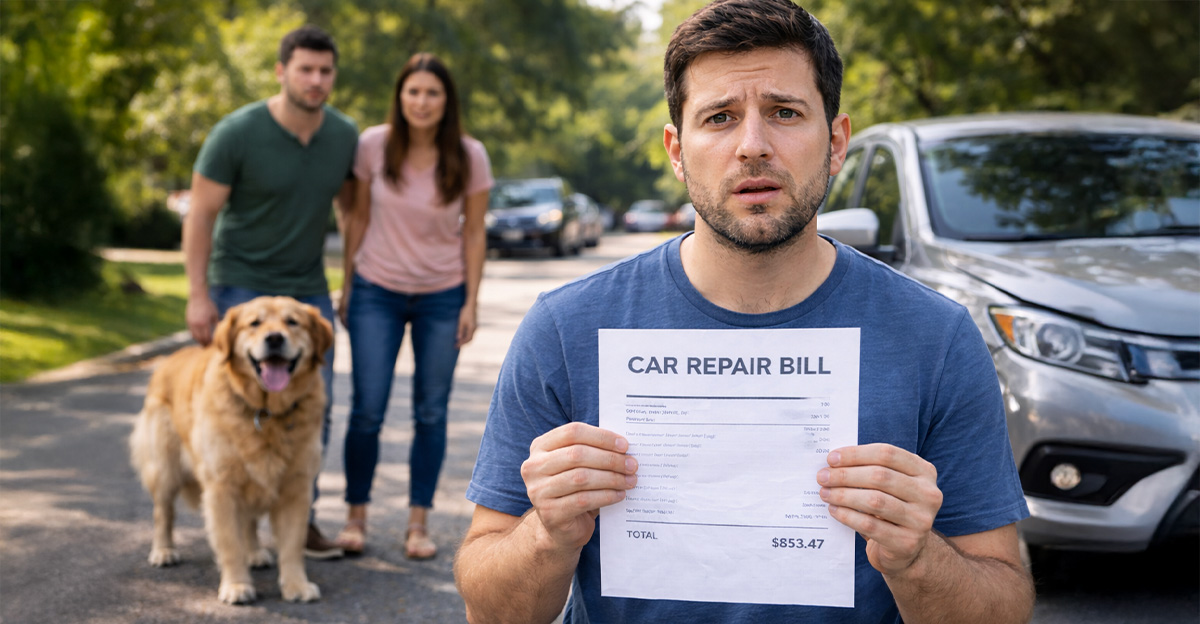
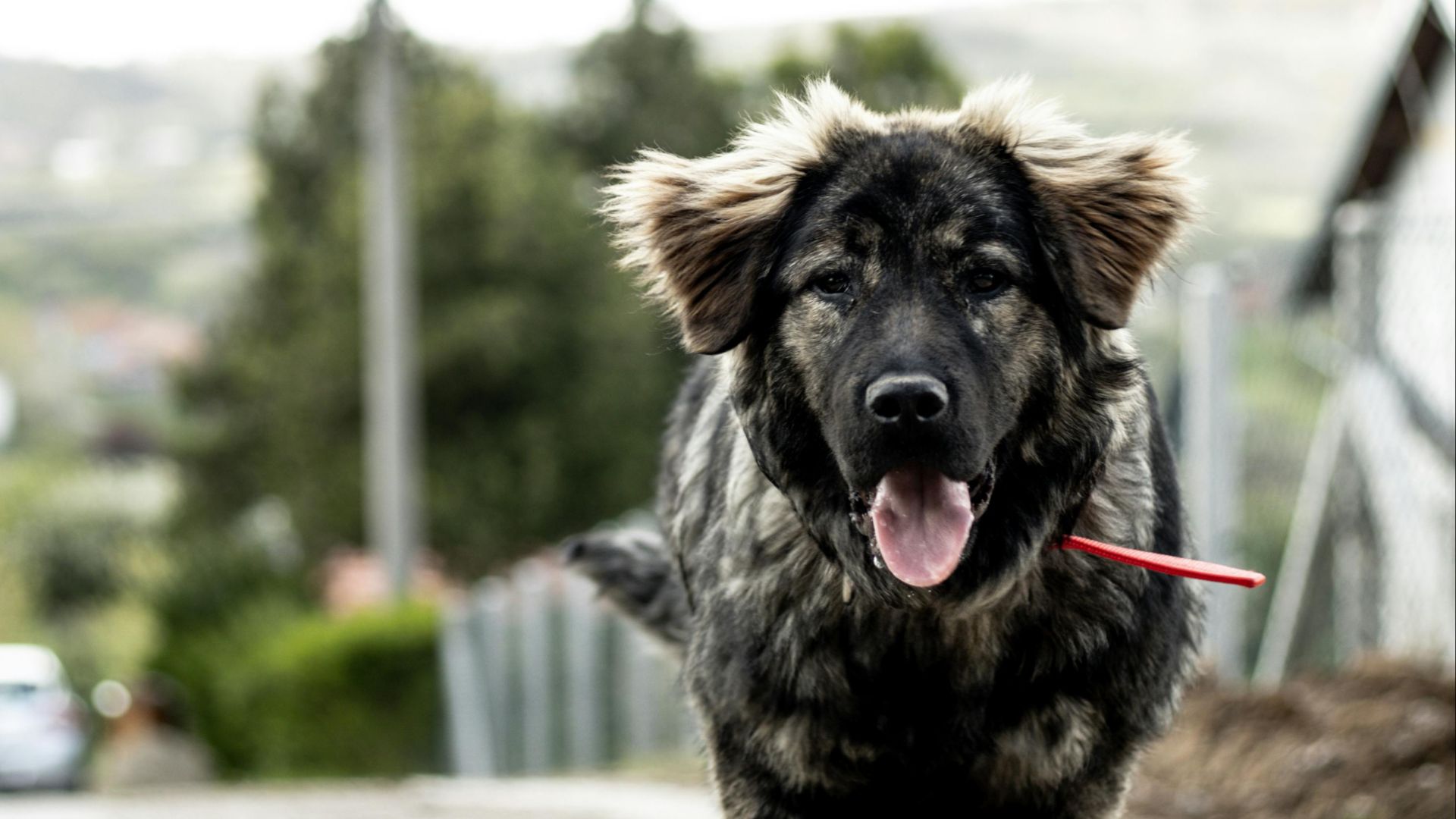
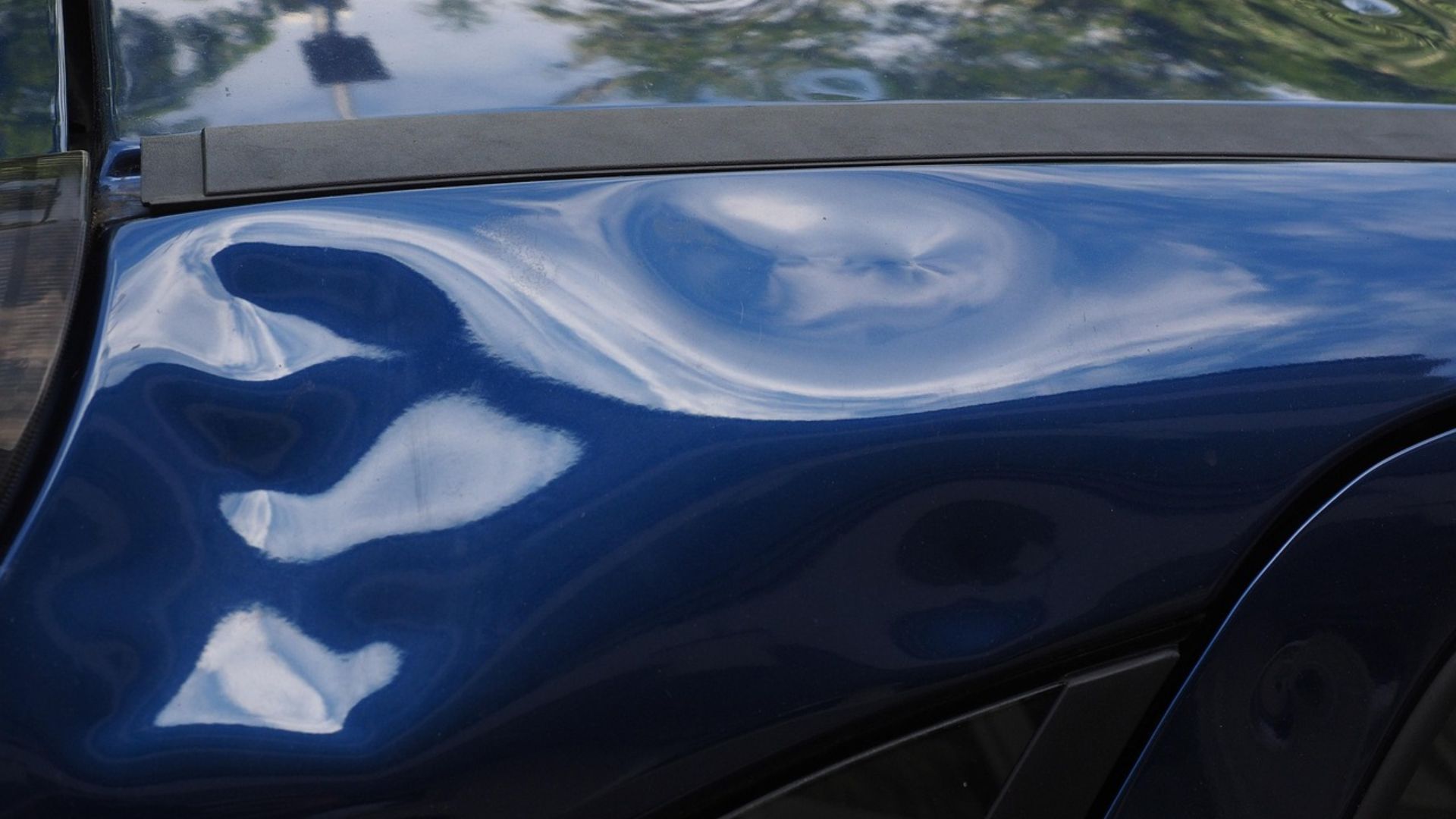
You’re driving along, minding your business, maybe thinking about dinner or half-listening to a podcast, when suddenly it happens. There’s a thump, a blur of fur, and that awful sinking feeling that hits your chest before your brain can fully catch up. You’ve hit a dog. Thankfully, the dog stands up, shakes it off, and runs back to its owner. Everyone is shaken but relieved. The dog is okay. No blood. No yelping. Then you look at your car and see the damage staring back at you in the sunlight. A dent. Maybe a cracked grille. Definitely not nothing. Once the initial adrenaline fades, a new question creeps in—quietly at first, then louder. Do you send the dog’s owner the bill?
First, Take A Breath And Be Grateful
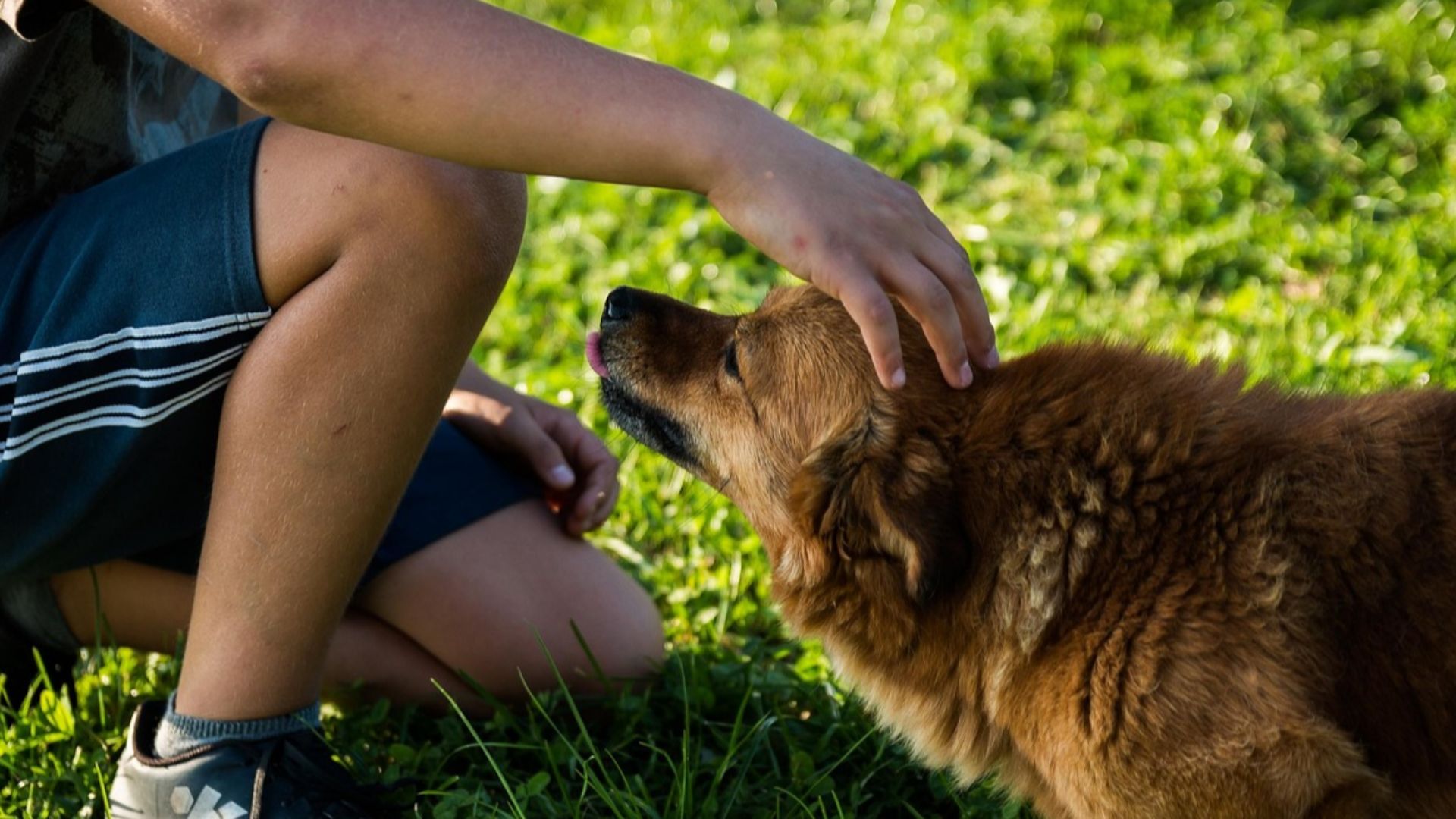
Before you think about money, fault, or awkward conversations, take a breath. This could have ended very differently. Cars can be repaired. Pets cannot always be. The fact that a living animal walked away unharmed matters more than any repair estimate you’ll get later.
That gratitude doesn’t magically erase the financial problem, but it does set the tone. You’re not arguing over a scratched bumper in a parking lot. You’re dealing with a situation that came dangerously close to tragedy.
Why This Situation Feels So Uncomfortable
Car accidents come with a script. You exchange information, maybe call insurance, and move on. Hitting a dog doesn’t follow that script at all. It’s emotional, personal, and socially awkward in a way most fender benders aren’t.
Pets live in a strange legal and emotional gray zone. They’re beloved family members, but the law often treats them like property. That disconnect is why this situation feels so hard to navigate. You’re trying to balance empathy with fairness, and there’s no obvious path.

Who Is Actually At Fault Here
At the heart of the issue is responsibility. In many places, dog owners are legally required to keep their pets under control, usually through leash laws. When a dog is off-leash and runs into traffic, responsibility often points back to the owner, not the driver, as long as the driver was operating their vehicle reasonably.
If you weren’t speeding, distracted, or driving recklessly, the law in many jurisdictions would likely consider the owner at fault for the damage. That doesn’t make the conversation easier, but it does matter when deciding what’s fair.
The Owner’s Emotional Reality
Even if the law is on your side, the dog’s owner is probably flooded with emotion. Fear, guilt, relief, and embarrassment all tend to show up at once. In that emotional state, being presented with a repair bill can feel overwhelming or even cruel.
Recognizing that emotional reality doesn’t mean you have to absorb the cost yourself, but it does suggest that timing and tone matter more than being technically correct.

What The Law Usually Says About Pets And Damage
In many jurisdictions, pets are considered property under the law. That means if someone’s property causes damage, the owner can be held financially responsible. Translated into plain language, if an off-leash dog damages your car, the owner may legally owe you for repairs.
Of course, laws vary by location, and local leash ordinances, traffic conditions, and prior rulings can all influence the outcome. That’s why there’s rarely a one-size-fits-all answer.
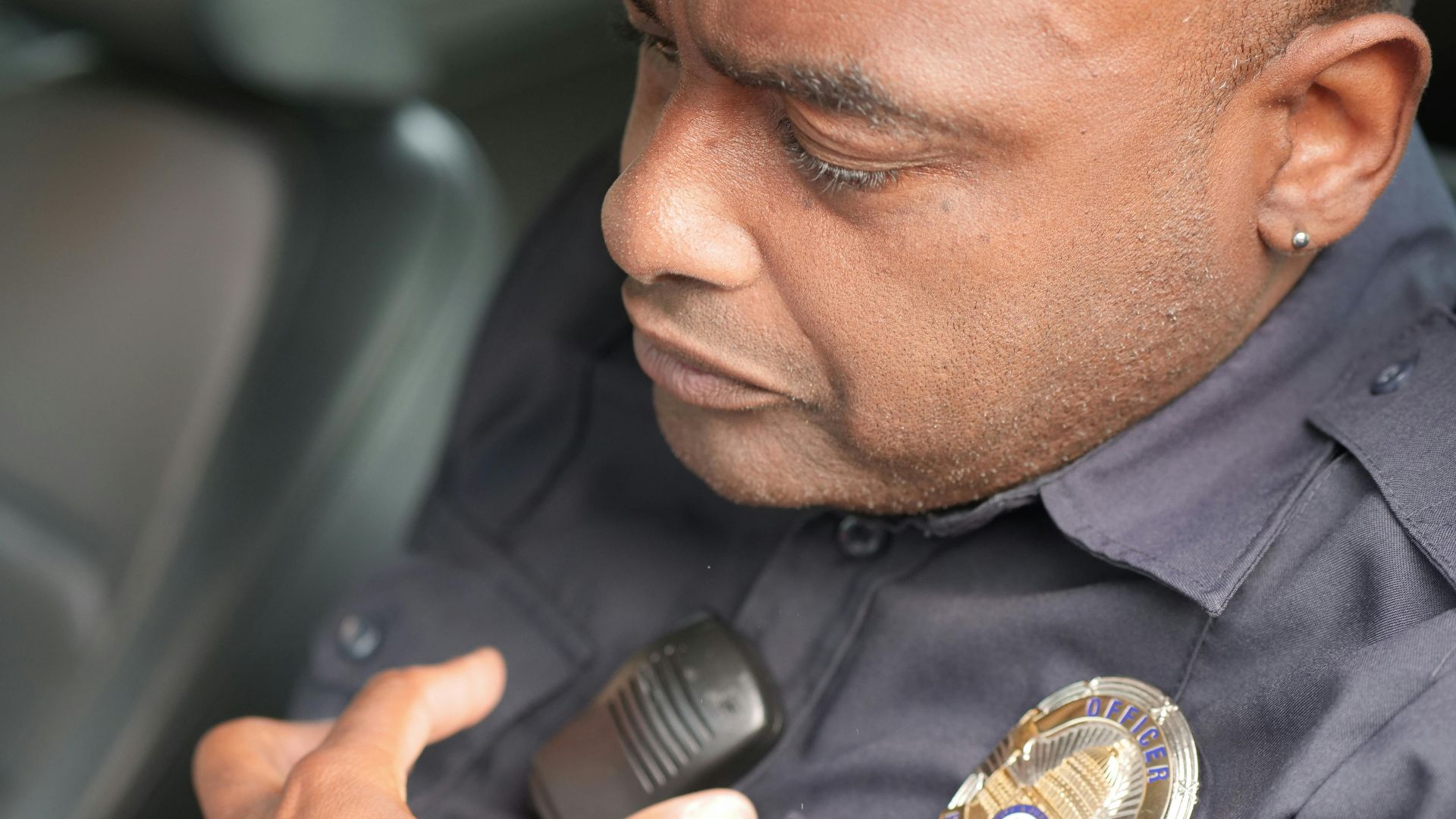
Whether You Should Call The Police
In cases where no one is injured and the damage is relatively minor, calling the police often isn’t necessary. It can escalate a situation that might otherwise be resolved calmly.
However, a police report can be helpful if there’s significant damage, disagreement about what happened, or resistance to sharing contact information. If you do involve law enforcement, framing it as documentation rather than punishment can help keep emotions in check.
How Insurance Fits Into This
Auto insurance can take some of the pressure off. If you have collision coverage, your insurer may pay for the repairs minus your deductible. If they believe the dog owner is responsible, they may later attempt to recover that money through subrogation.
The tradeoff is that you’ll likely pay the deductible upfront, and there’s always a risk of higher premiums down the road. Insurance solves the immediate problem, but it isn’t free of consequences.

The Pet Owner’s Insurance Option
Many homeowners and renters insurance policies include liability coverage for damage caused by pets. A surprising number of people don’t realize this until something goes wrong.
If the owner is cooperative, suggesting they check their policy can turn a tense personal issue into a straightforward insurance claim, which often feels easier for everyone involved.
The Social Cost Of Sending A Bill
Even when you’re justified, asking for money can feel uncomfortable, especially if this happened in your neighborhood or involves someone you’ll likely see again. Money has a way of lingering in relationships long after dents are fixed.
It’s worth acknowledging that you’re not just making a financial decision. You’re making a social one, too.

Imagining The Roles Reversed
One helpful exercise is flipping the scenario. If your dog had gotten loose and dented someone else’s car, would you expect to contribute to repairs? Many people, when they’re honest with themselves, would say yes.
That perspective doesn’t dictate your choice, but it often clarifies what feels reasonable.
Shared Responsibility Is Still Responsibility
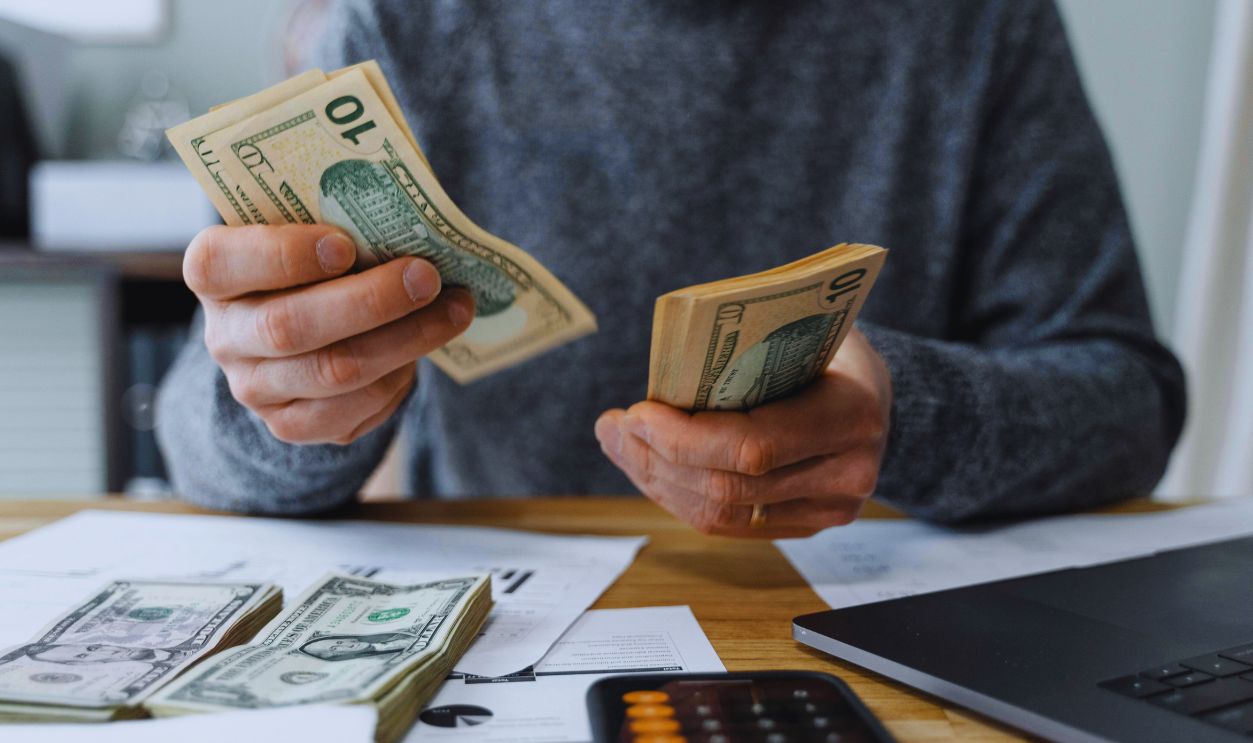
Not every situation has to end with a winner and a loser. Some people choose to split costs, especially when both sides recognize that accidents are rarely black and white. Covering part of the repair or sharing a deductible can feel more human than drawing a hard line.
Compromise isn’t a failure. Sometimes it’s the most practical outcome.
How To Bring Up The Cost Without Starting A Fight
The way you raise the issue matters more than the words themselves. Leading with empathy and relief sets a different tone than leading with an invoice.
Acknowledging that you’re glad the dog is okay before mentioning the damage helps frame the conversation as collaborative rather than confrontational.
When Paying Yourself Might Make Sense
There are times when absorbing the cost is the right choice. Minor damage, shared fault, or a desire to preserve peace can all outweigh the money involved. Personal finance isn’t just about maximizing dollars; it’s about minimizing regret.
 Karolina Grabowska www.kaboompics.com, Pexels
When Asking For Payment Is Reasonable
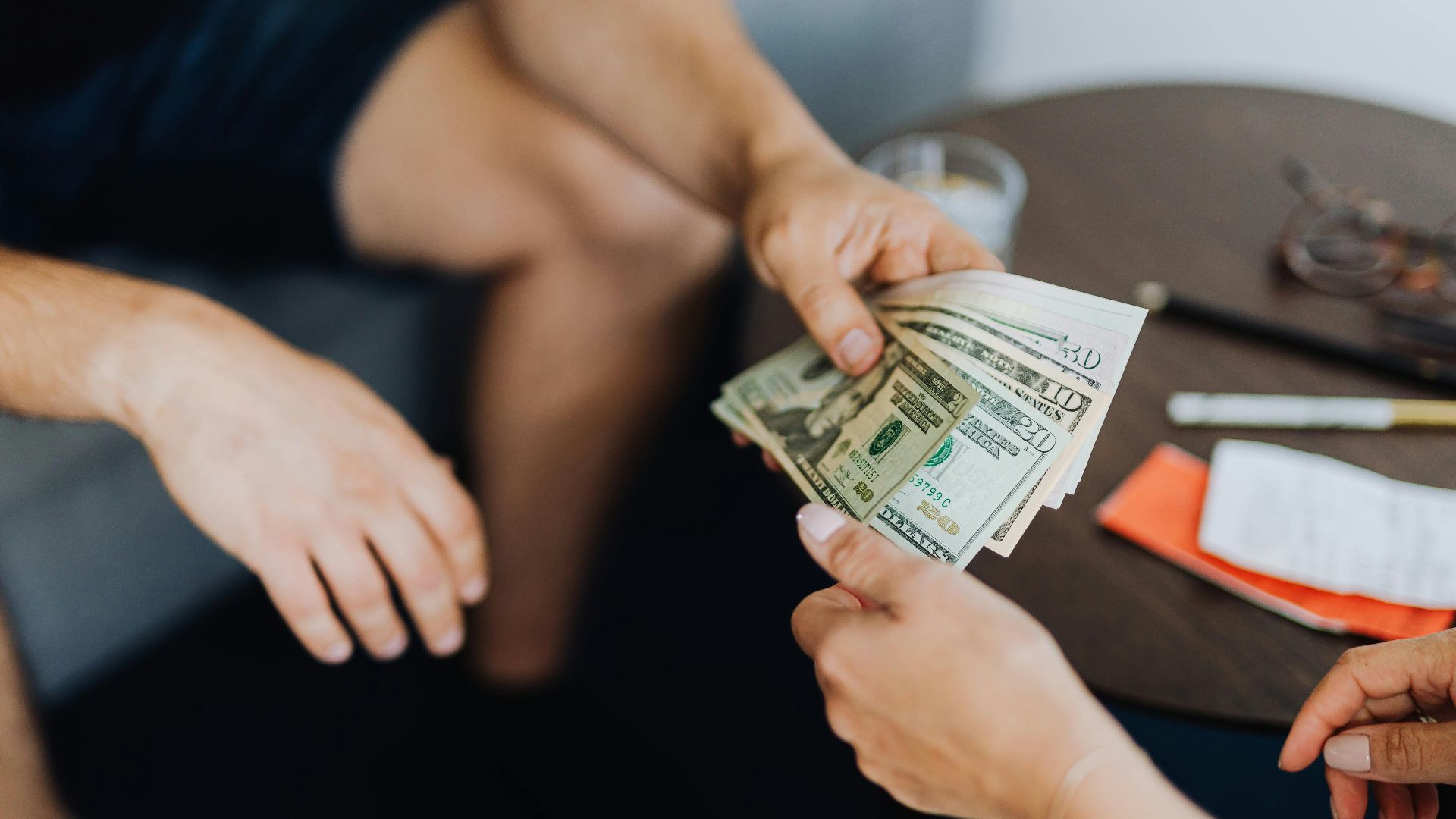
On the other hand, if the damage is significant, the dog was clearly off-leash illegally, or covering repairs would strain your finances, asking the owner to pay is not unreasonable. Protecting your financial stability doesn’t make you heartless.
 Helena Jankovicova Kovacova, Pexels
The Small Claims Court Option
If conversations stall and the money involved is substantial, small claims court exists for exactly these kinds of disputes. It’s relatively inexpensive and designed for everyday people.
Often, simply knowing that this option exists encourages both sides to reach an agreement without going that far.
What You Should Document
Photos of the damage, the scene, and any relevant details can be invaluable. Witness statements, repair estimates, and written communication all help protect you if the situation escalates.
Documentation isn’t about being petty. It’s about being prepared.

The Hidden Cost Of Letting It Go
Paying out of pocket can feel like the easiest route, but it isn’t always the cheapest in the long run. If the repair wipes out savings or creates ongoing stress, resentment can linger far longer than the dent ever would have.
Why Emergency Funds Exist
This kind of bizarre, emotionally charged expense is exactly why emergency funds matter. Life doesn’t just throw predictable problems at you. It throws dogs, dents, and awkward conversations.
Having cash available turns chaos into inconvenience.

A Reminder For Dog Owners
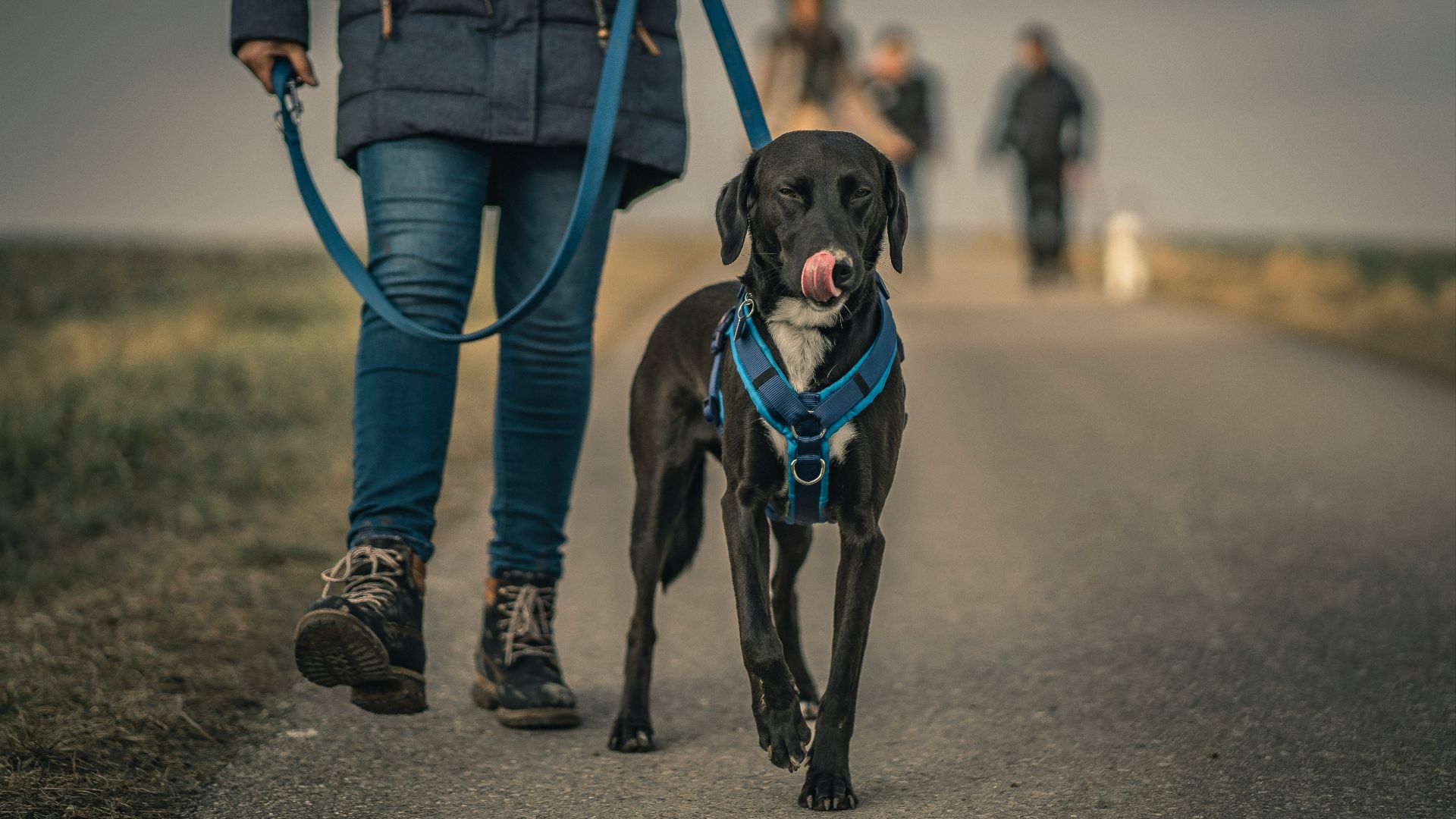
For pet owners, this scenario is a reminder that leash laws aren’t just about obedience. They’re about safety and financial risk. One moment of freedom can lead to vet bills, car repairs, or worse.
A Reminder For Drivers
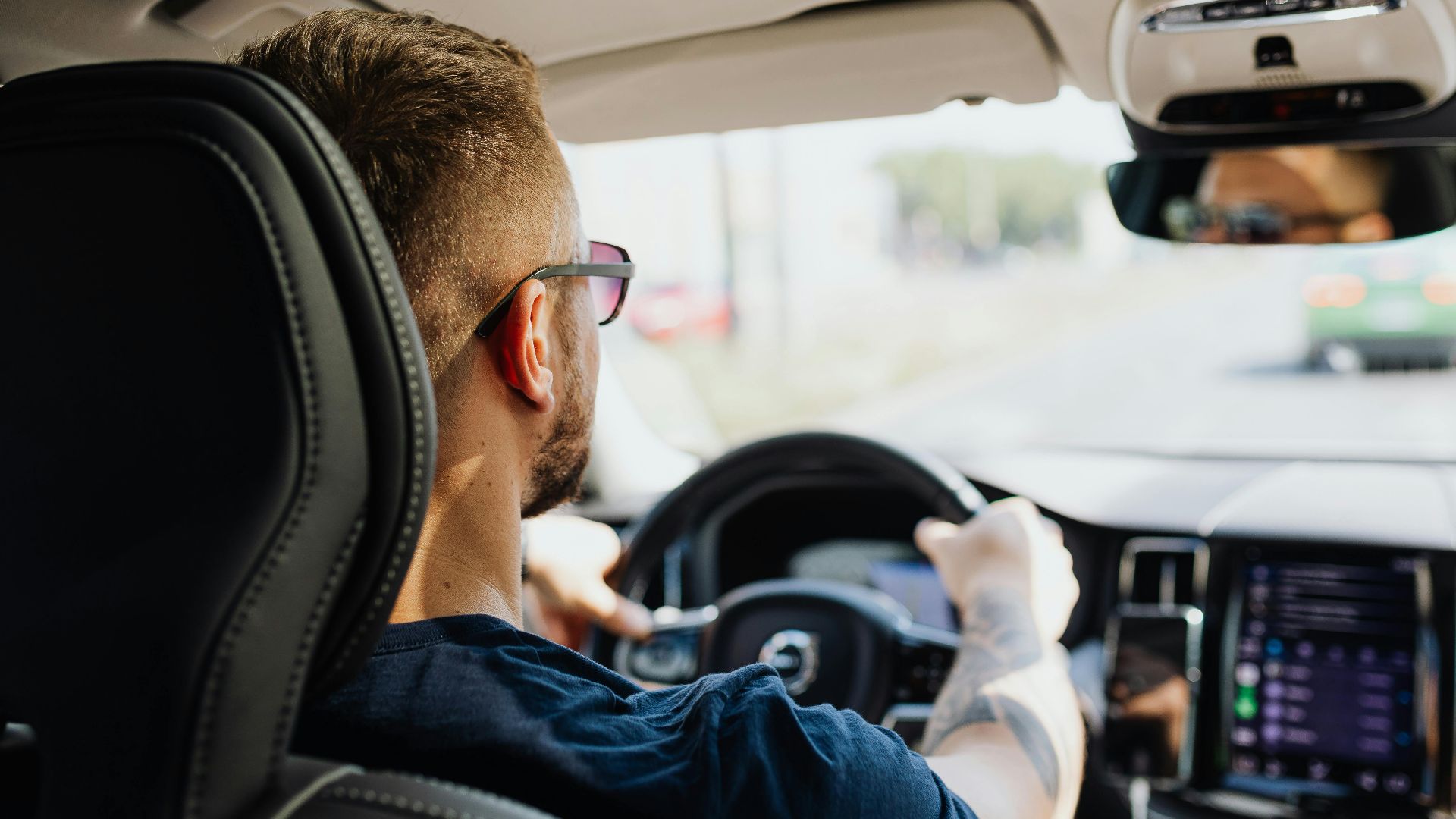
Drivers also play a role. Slowing down in residential areas, staying alert near parks, and expecting unpredictability can reduce risk. Defensive driving isn’t only about avoiding other cars.
 Karolina Grabowska www.kaboompics.com, Pexels
Ignoring Extreme Internet Advice
Online advice tends to swing toward extremes. You’ll find people insisting you should never pay or always sue. Real life rarely fits into those boxes.
Context matters, and your situation deserves a thoughtful response.

The Ethical Layer Of The Decision
The law can tell you what you’re allowed to do. Ethics help you decide what you want to do. Sometimes those answers align neatly, and sometimes they don’t.
That tension is part of adulthood.

A Simple Script If You Need One
If you’re unsure how to start the conversation, focusing on relief first and solutions second can help. Expressing that you’re glad the dog is okay while explaining that the repair cost is difficult to manage keeps the discussion grounded and human.

If You’re On The Other Side Of The Bill
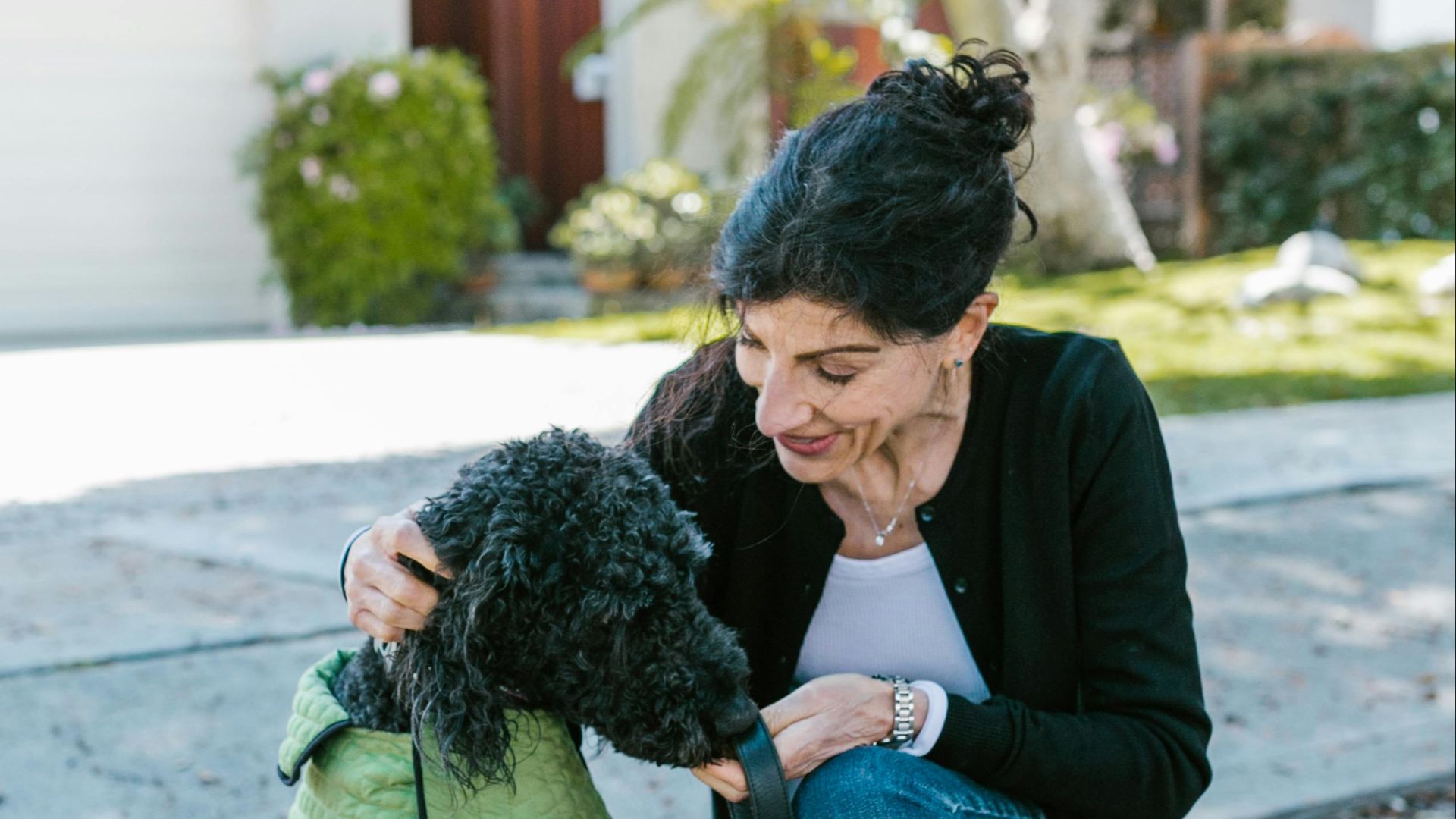
If you’re the pet owner in this situation, taking responsibility—even partial responsibility—often costs less than conflict. Accountability tends to defuse tension rather than escalate it.
So, Do You Send The Owner The Bill
The honest answer is that it depends. It depends on fault, cost, empathy, finances, and how much conflict you’re willing to tolerate. There’s no universal rule, only the decision you can live with later.
The Real Win In All Of This
At the end of the day, cars can be repaired. Animals can’t always be. If everyone walks away a little more careful, a little kinder, and a little wiser, that’s a better outcome than any perfectly argued invoice.
You May Also Like:
Driving These Vehicles Every Day Is Actually Harmful To Them
How To Get The Best Gas Mileage In 2026, According To Experts