Pickup Trucks: More Than Just Vehicles
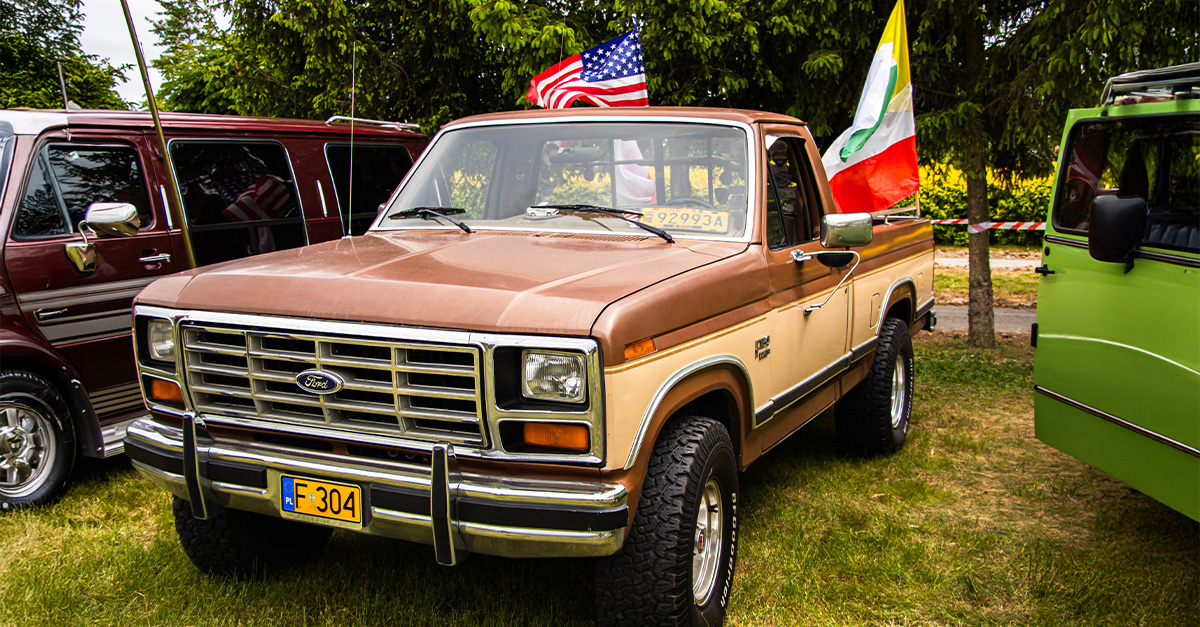
Pickup trucks are more than sheet metal, torque figures, and bed lengths. Around the world, they represent wildly different ideas—tools of labor, symbols of toughness, lifestyle accessories, or even status objects. Nowhere is this clearer than when you compare global pickup cultures side by side. From American highways to Australian outback tracks, pickups reflect the people who drive them. And when you zoom out globally, one truth becomes hard to ignore: America doesn’t just like pickup trucks—it lives them.
America: The Pickup As A Way Of Life
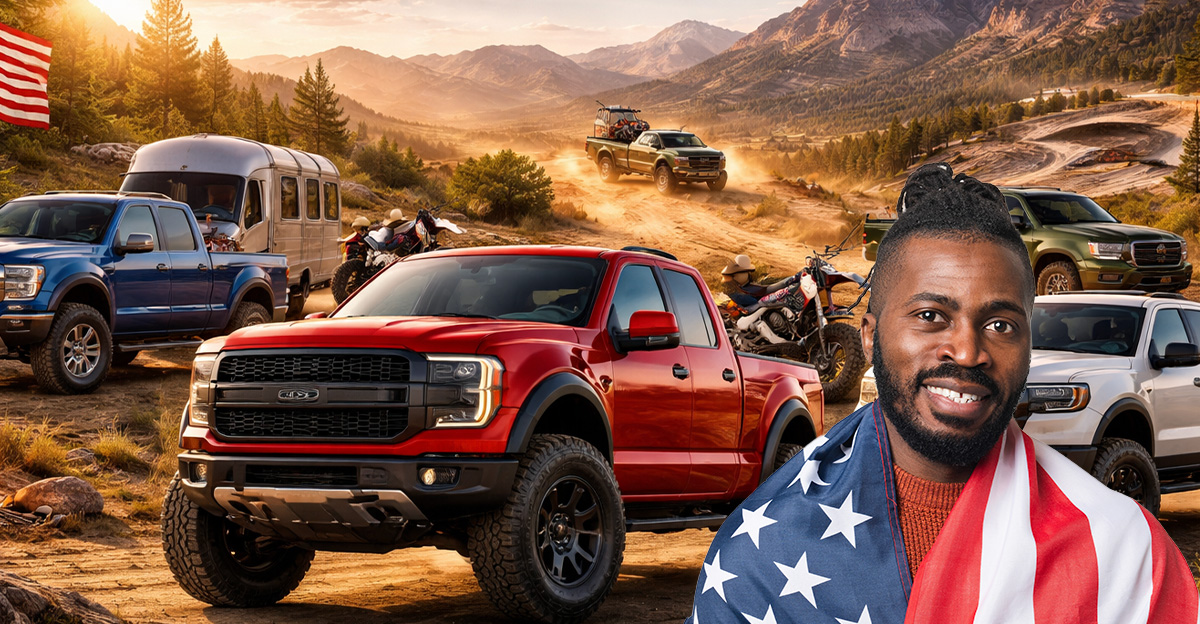
In the United States, pickups aren’t niche vehicles. They’re cultural pillars. Trucks dominate sales charts, suburban driveways, rural job sites, and even luxury garages. They’re daily drivers, workhorses, family haulers, and weekend toys all at once. The American pickup isn’t just accepted everywhere—it’s expected. No other country has integrated pickups so completely into everyday life.
Why America Fell In Love With Trucks
America’s vast geography, agricultural roots, and blue-collar history created the perfect environment for pickup trucks to thrive. Long distances, rugged terrain, and a culture of self-reliance demanded vehicles that could haul, tow, and survive abuse. Over time, pickups became associated with freedom, independence, and hard work—values deeply embedded in American identity.
The Full-Size Truck Advantage
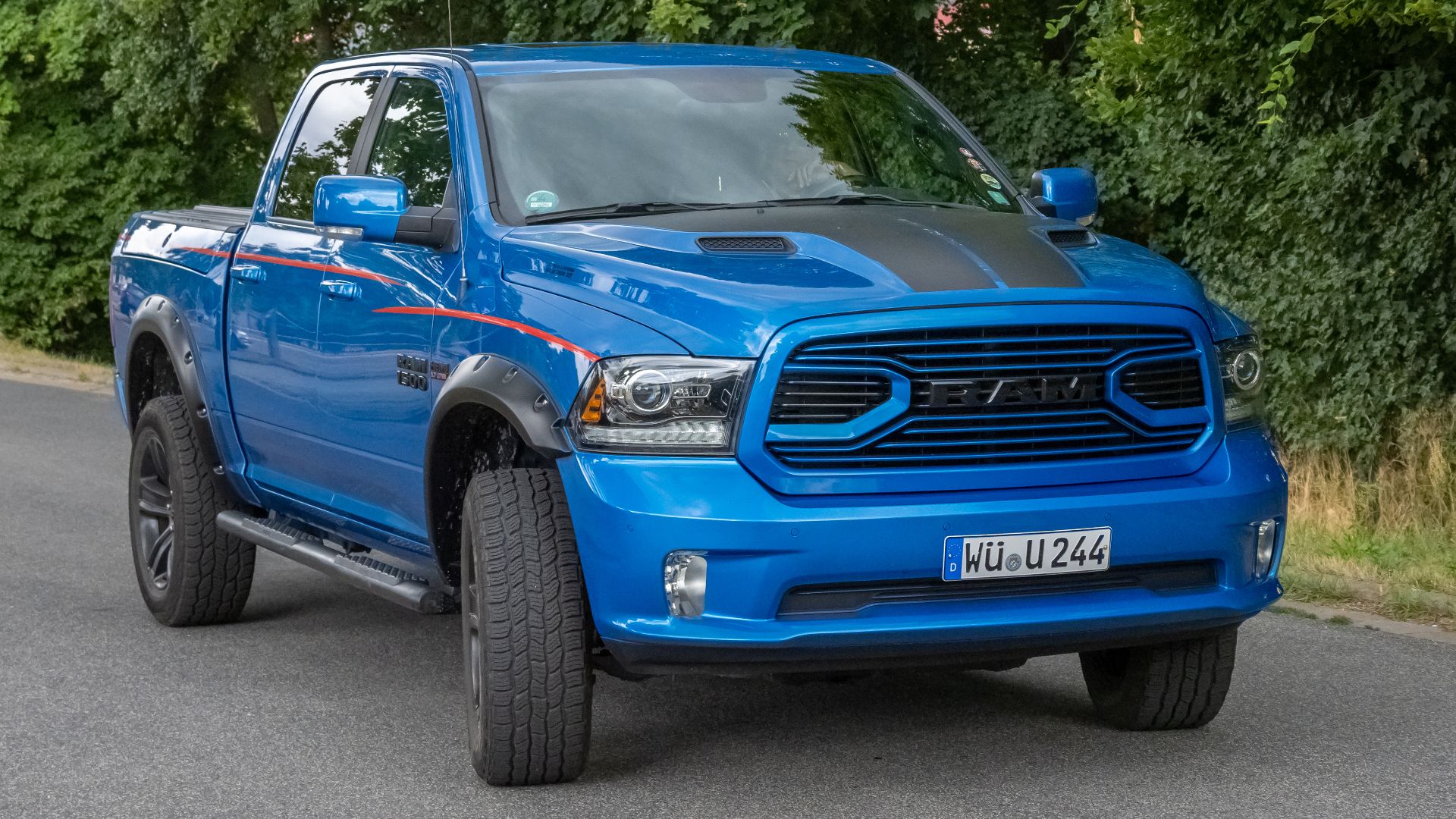
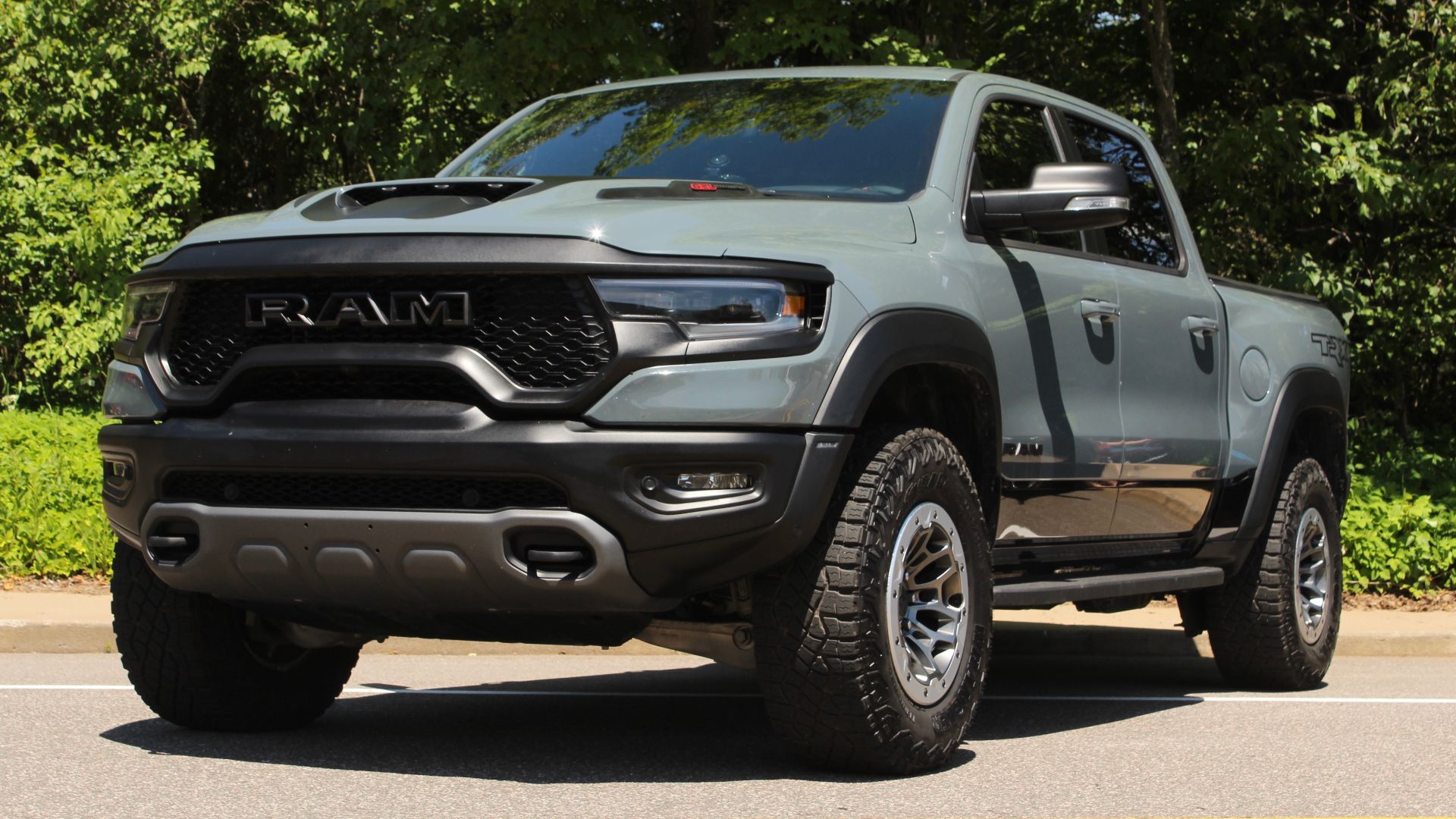
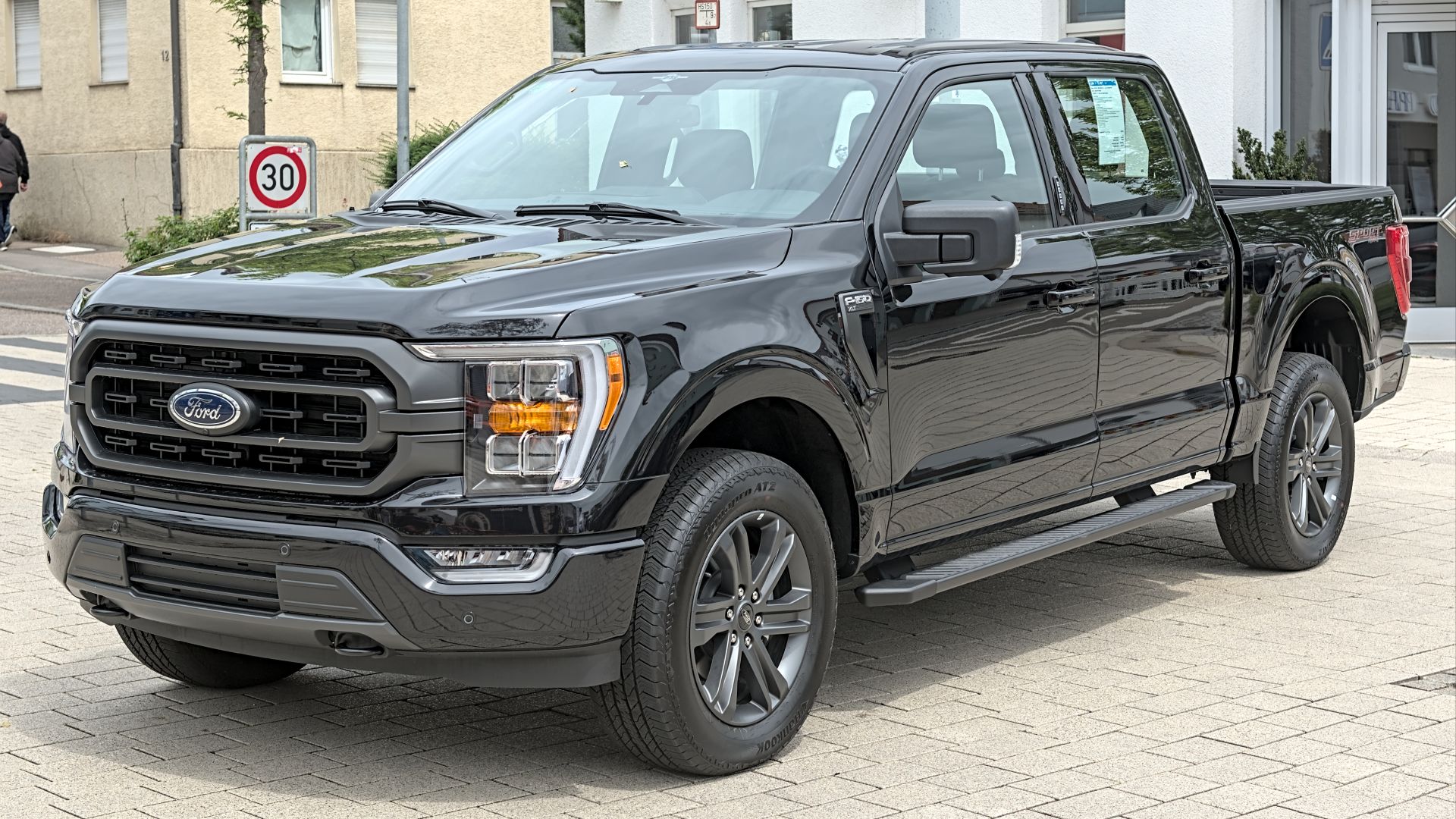
One major reason American truck culture stands apart is size. Full-size pickups like the Ford F-150, Chevrolet Silverado, and Ram 1500 are far larger than what’s common elsewhere. These trucks are engineered for serious towing, massive payloads, and long-distance comfort. In most other markets, trucks remain compact and utilitarian. In America, bigger is better—and culturally celebrated.
 Alexander Migl, Wikimedia Commons
Trucks As Status Symbols In The U.S.
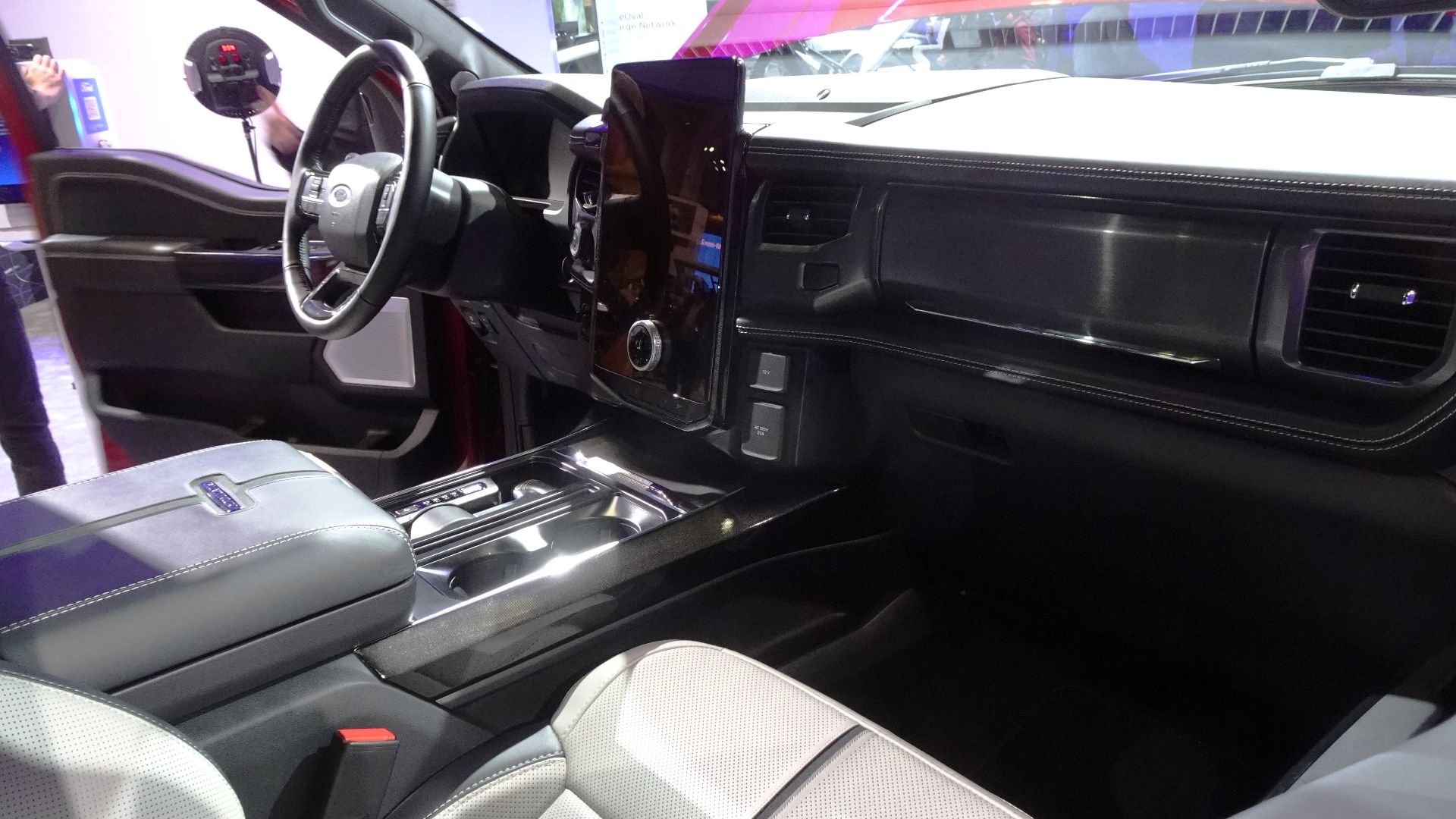
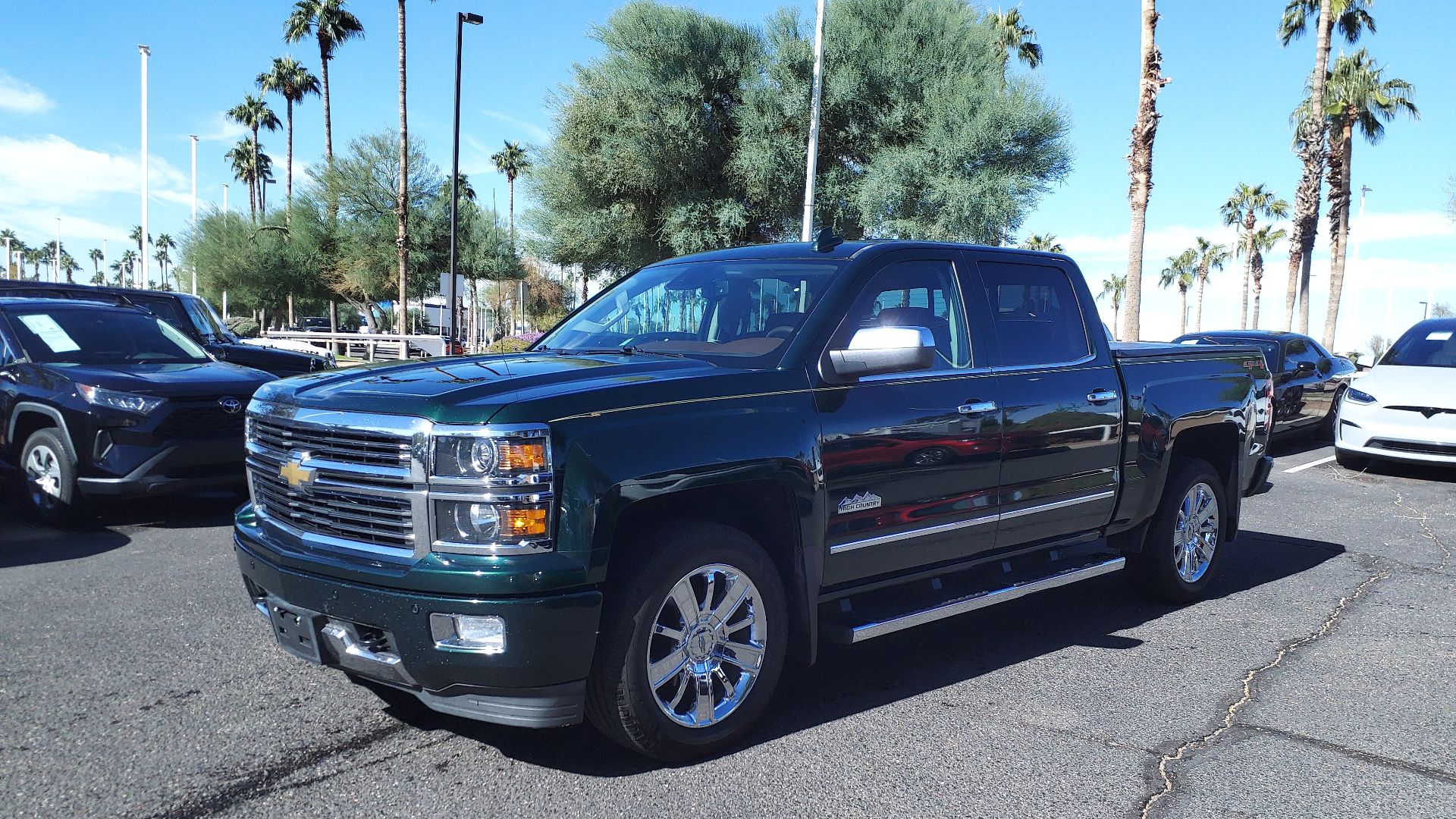
In many countries, luxury and trucks don’t mix. In America, they absolutely do. High-trim pickups feature leather interiors, massive infotainment screens, premium sound systems, and price tags north of $80,000. Owning a top-spec truck signals success just as clearly as a luxury sedan or SUV—sometimes more so.
 Charles from Port Chester, New York, Wikimedia Commons
The Customization Obsession
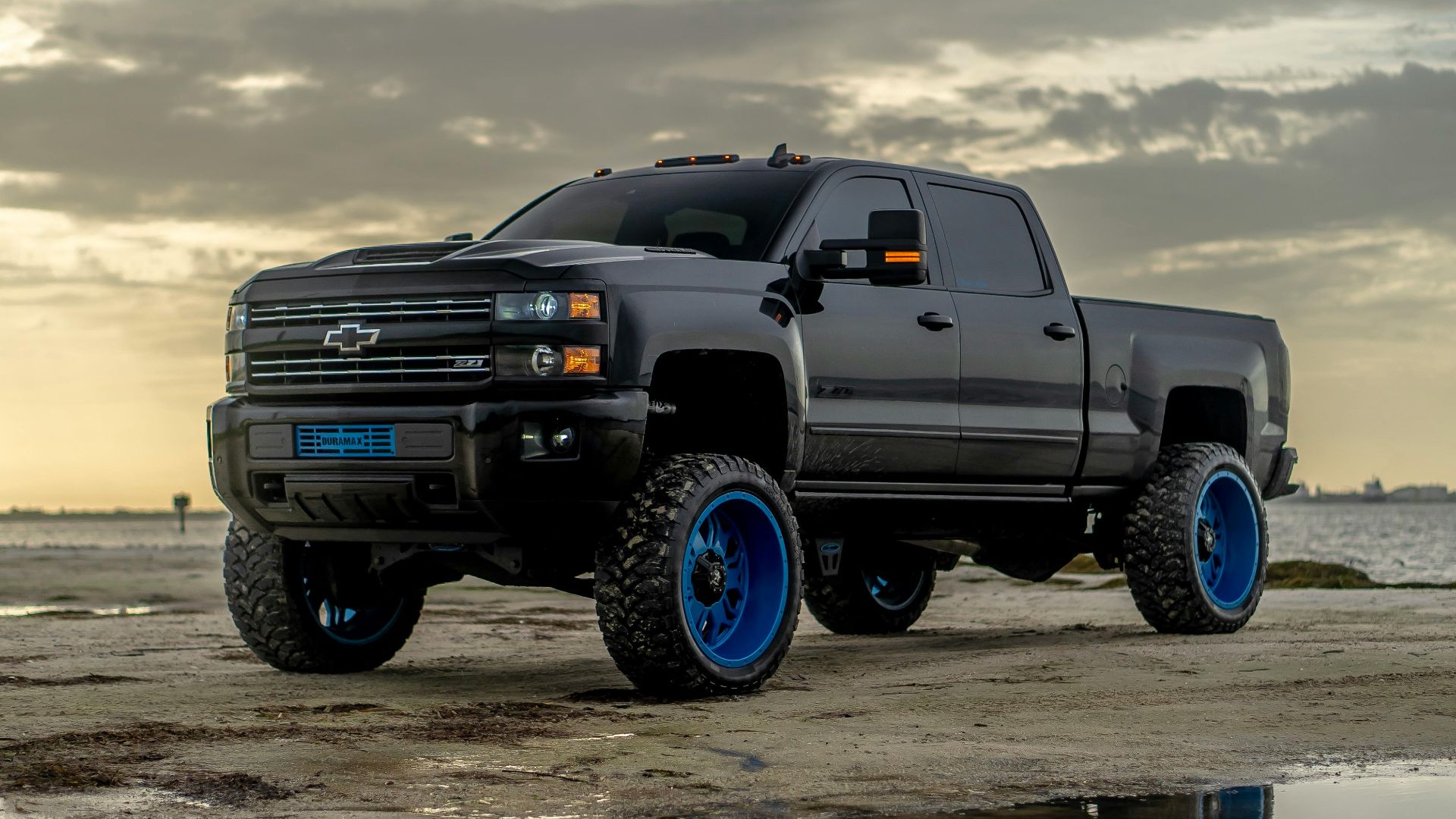
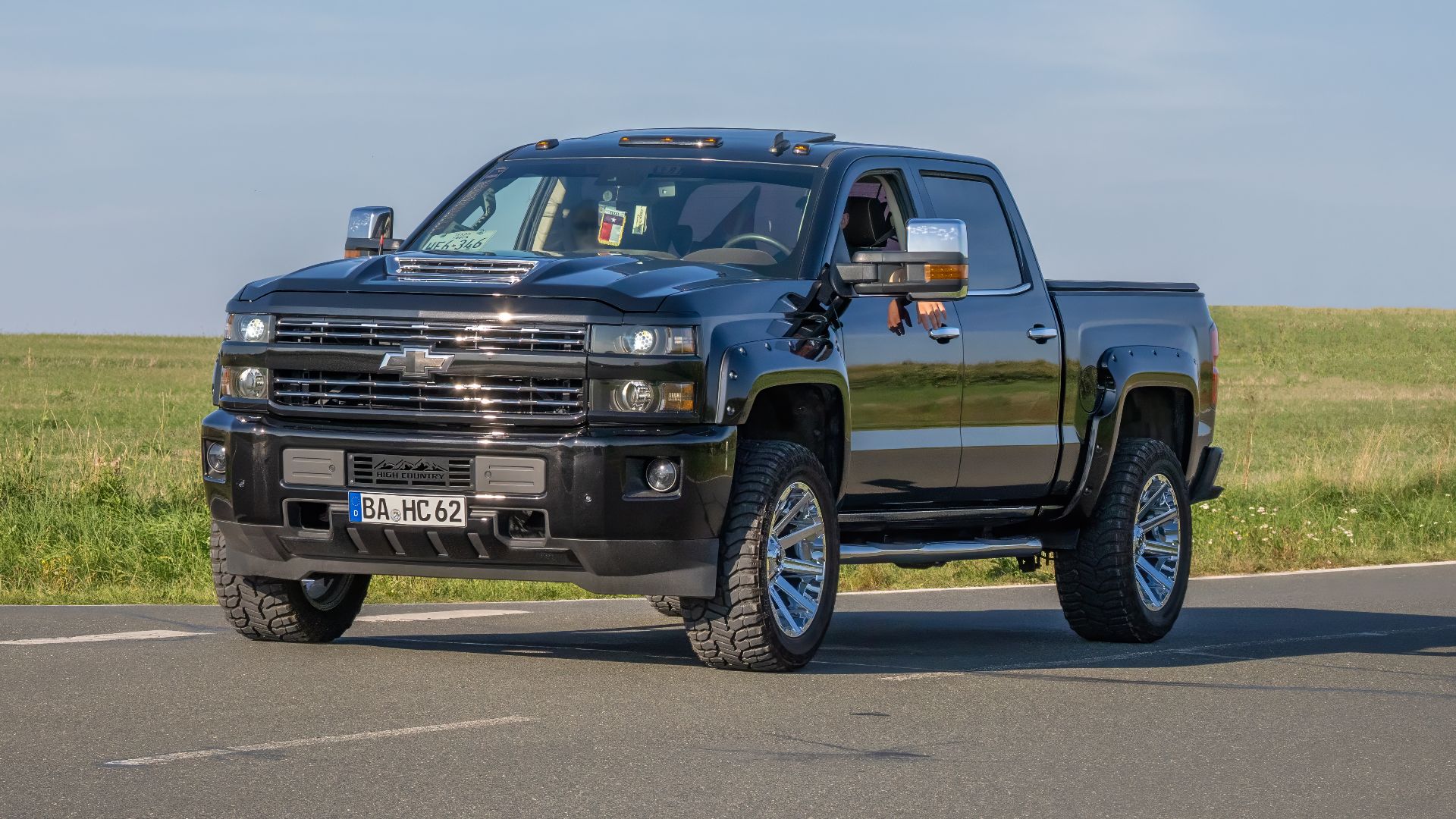
American pickup owners personalize their trucks like no one else. Lift kits, oversized tires, aftermarket exhausts, custom lighting, bed racks, wraps, and performance tunes are all part of the scene. Entire industries exist solely to modify pickups. This culture of customization turns trucks into rolling expressions of personality rather than simple tools.
Australia: Utes And Outback Toughness
Australia has one of the strongest pickup cultures outside the U.S., but it’s fundamentally different. Aussie “utes” are built for harsh environments and remote travel. Reliability and durability matter more than luxury. Trucks like the Toyota Hilux and Ford Ranger dominate because they can survive brutal heat, endless dirt roads, and long distances between towns.
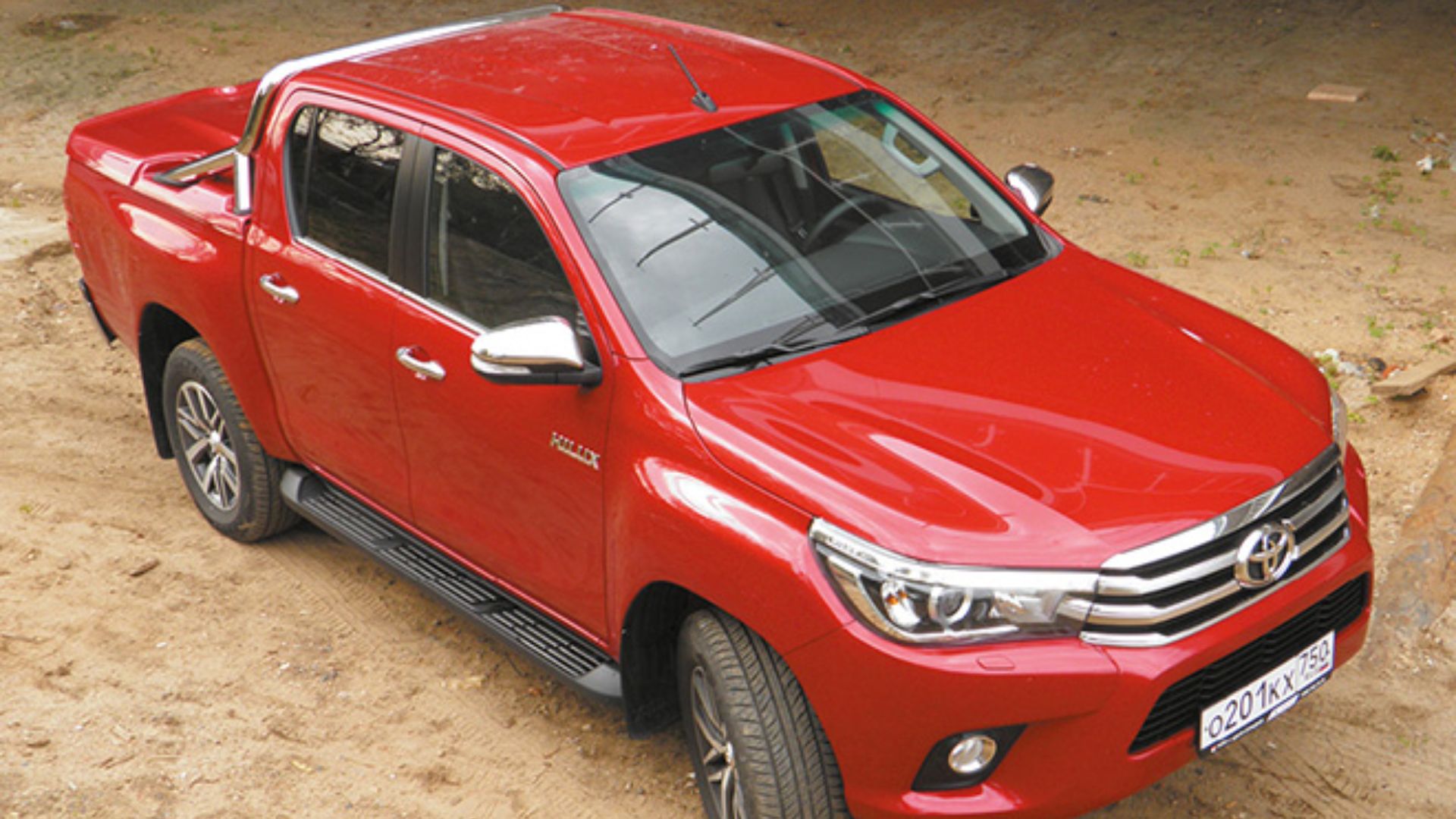 Andrey Moskalenko, Wikimedia Commons
Why Australian Trucks Stay Smaller
Australia’s roads, cities, and fuel costs discourage massive full-size pickups. While American trucks feel at home on wide highways, they can feel oversized in Australian urban areas. As a result, mid-size trucks rule the landscape, emphasizing function over flash.
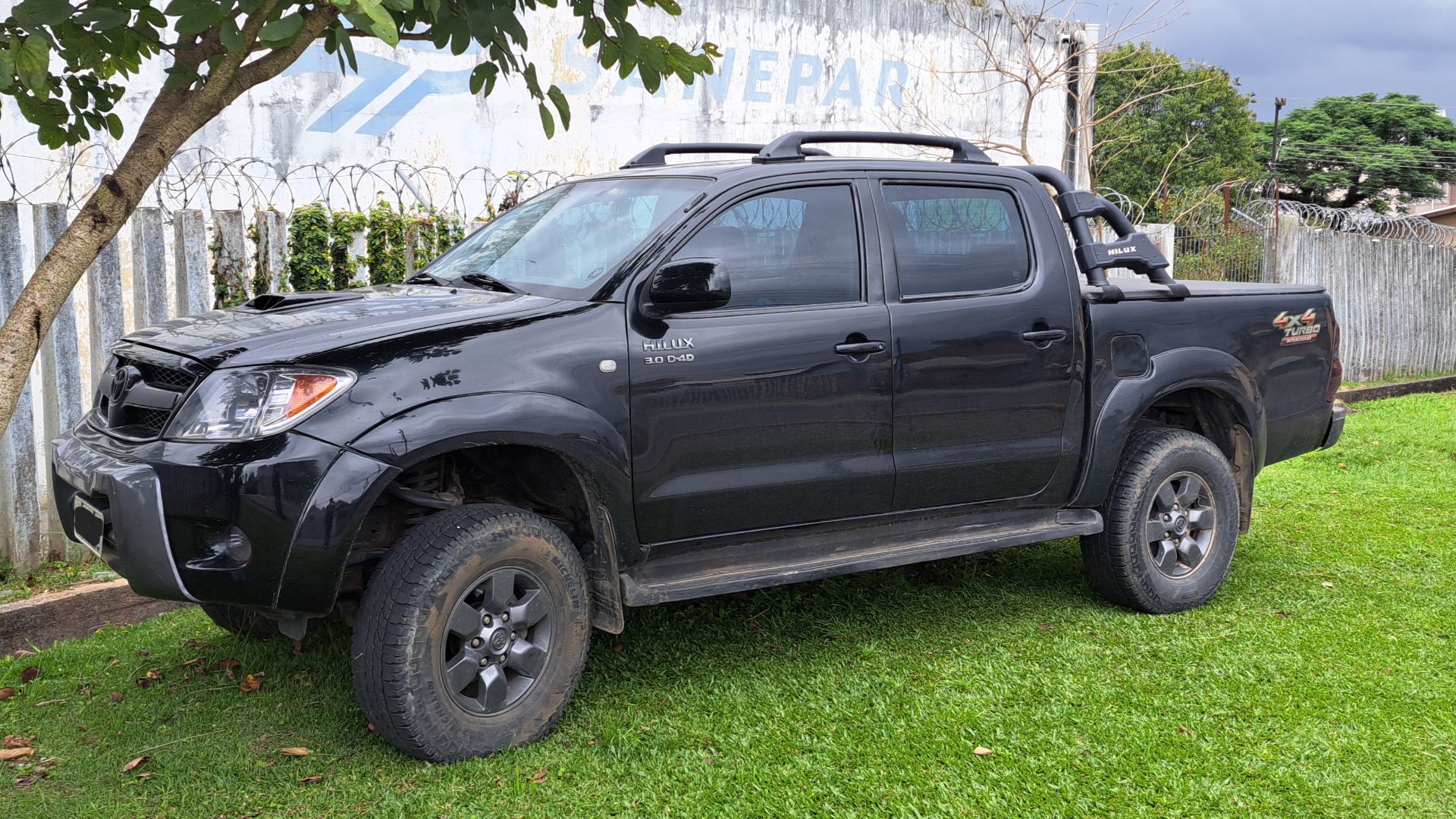 Mateusmatsuda, Wikimedia Commons
Europe: Pickups As Niche Tools
In Europe, pickup trucks occupy a small, specialized corner of the market. Tight streets, high fuel prices, and strict emissions regulations make large trucks impractical. Pickups are mostly work vehicles for tradespeople, farmers, and utility companies. Lifestyle truck ownership remains rare.
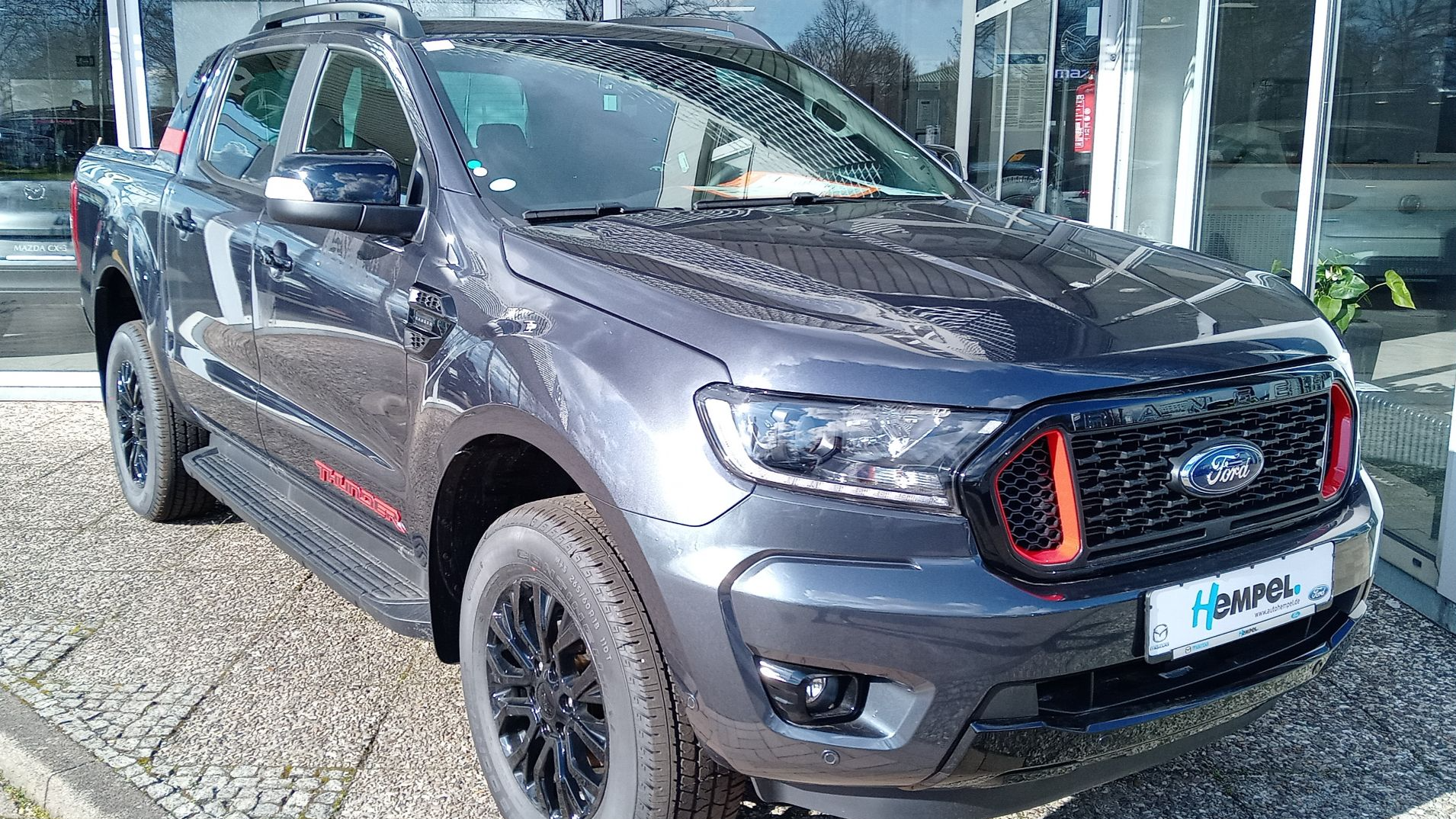 Matchboxler, Wikimedia Commons
European Priorities Favor Efficiency
European buyers prioritize efficiency, maneuverability, and compact dimensions. Diesel engines dominate, payload ratings matter more than horsepower, and creature comforts take a back seat. Pickups are tools first and foremost—not cultural icons.
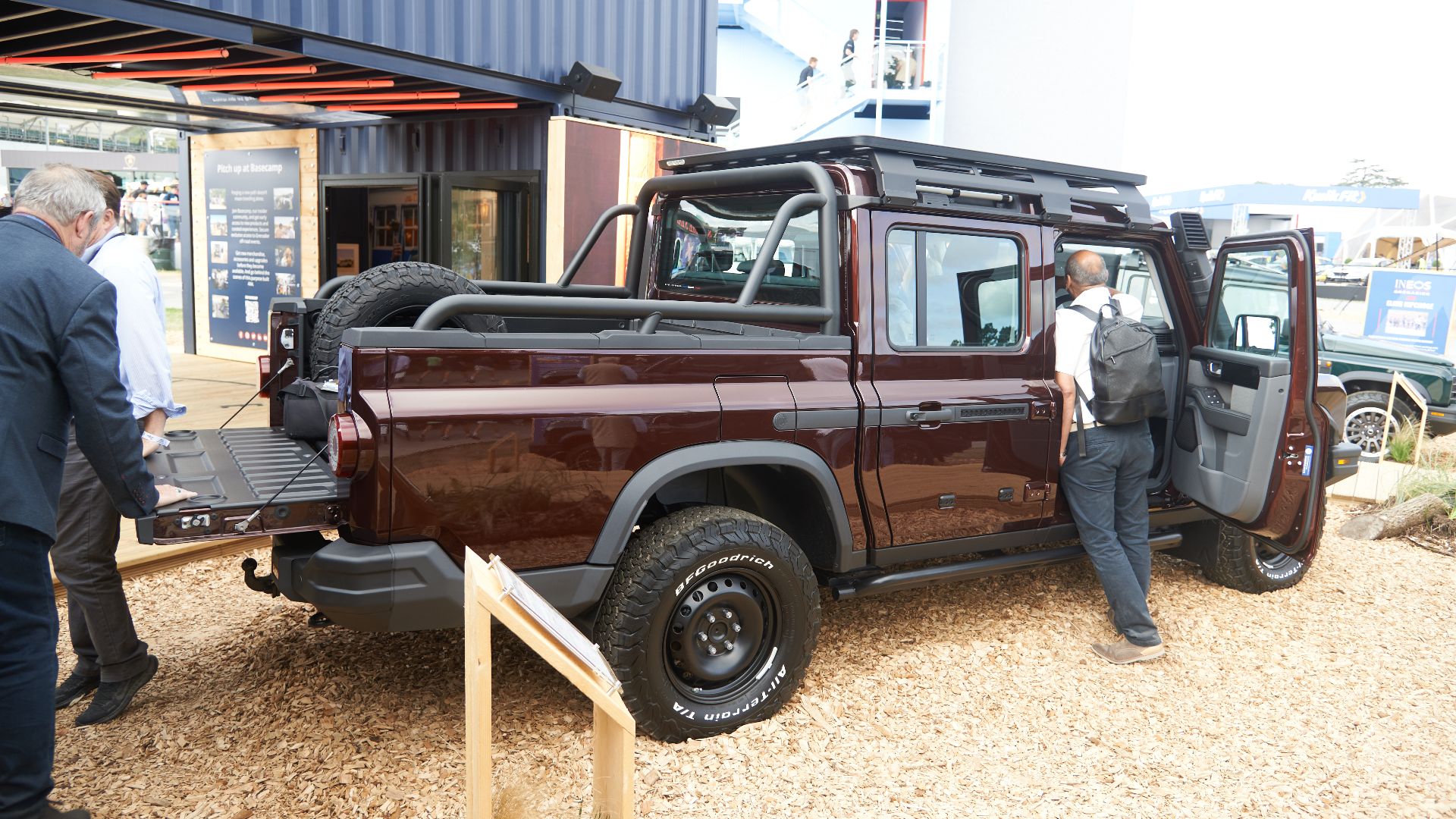 Andrew Basterfield, Wikimedia Commons
Japan: Compact And Purpose-Built
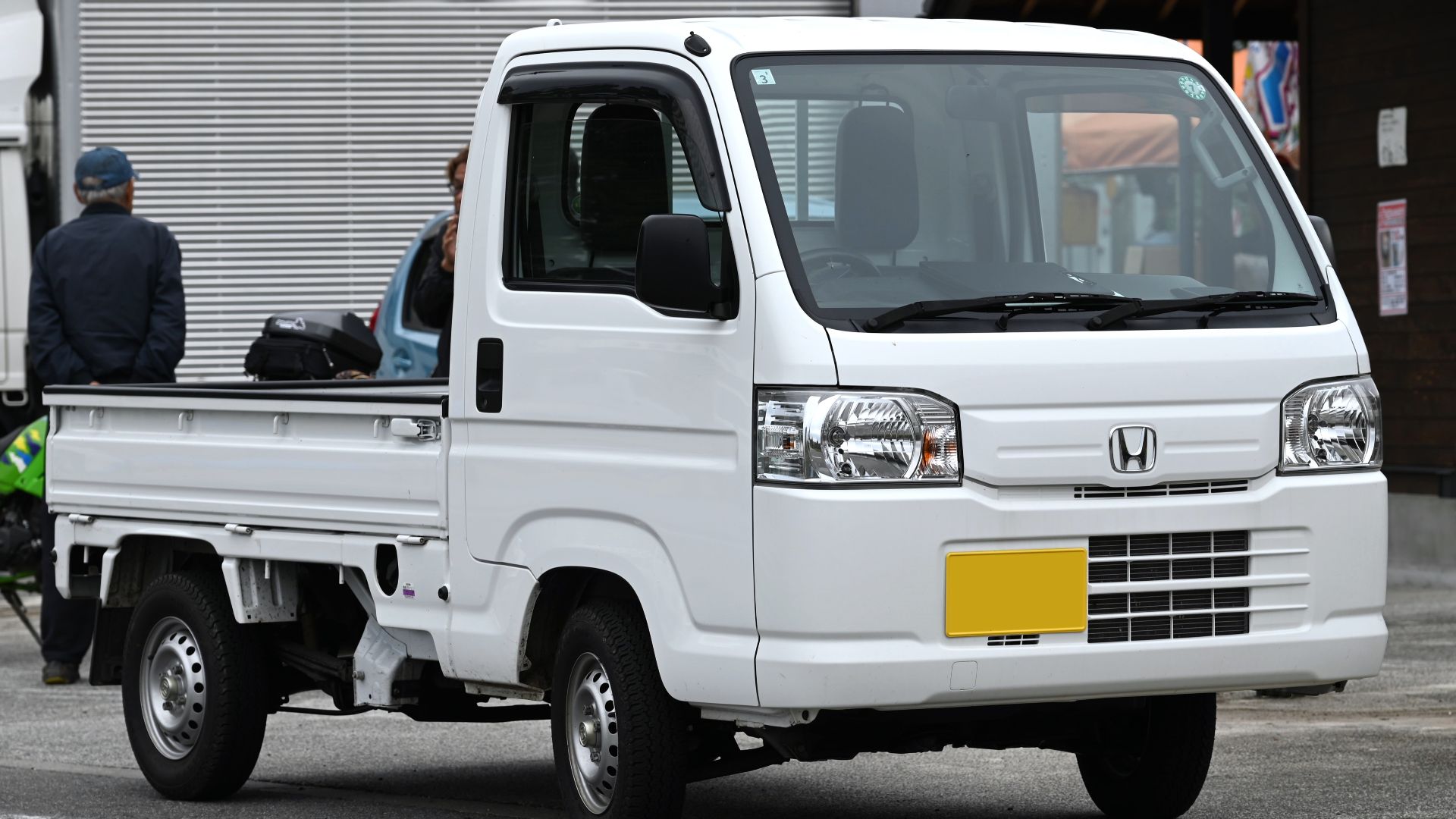
Japan’s pickup culture is extremely limited. Kei trucks and compact utility vehicles handle most hauling duties. Space constraints and taxation rules discourage large vehicles. Trucks like the Toyota Hilux exist mainly for export markets rather than domestic popularity.
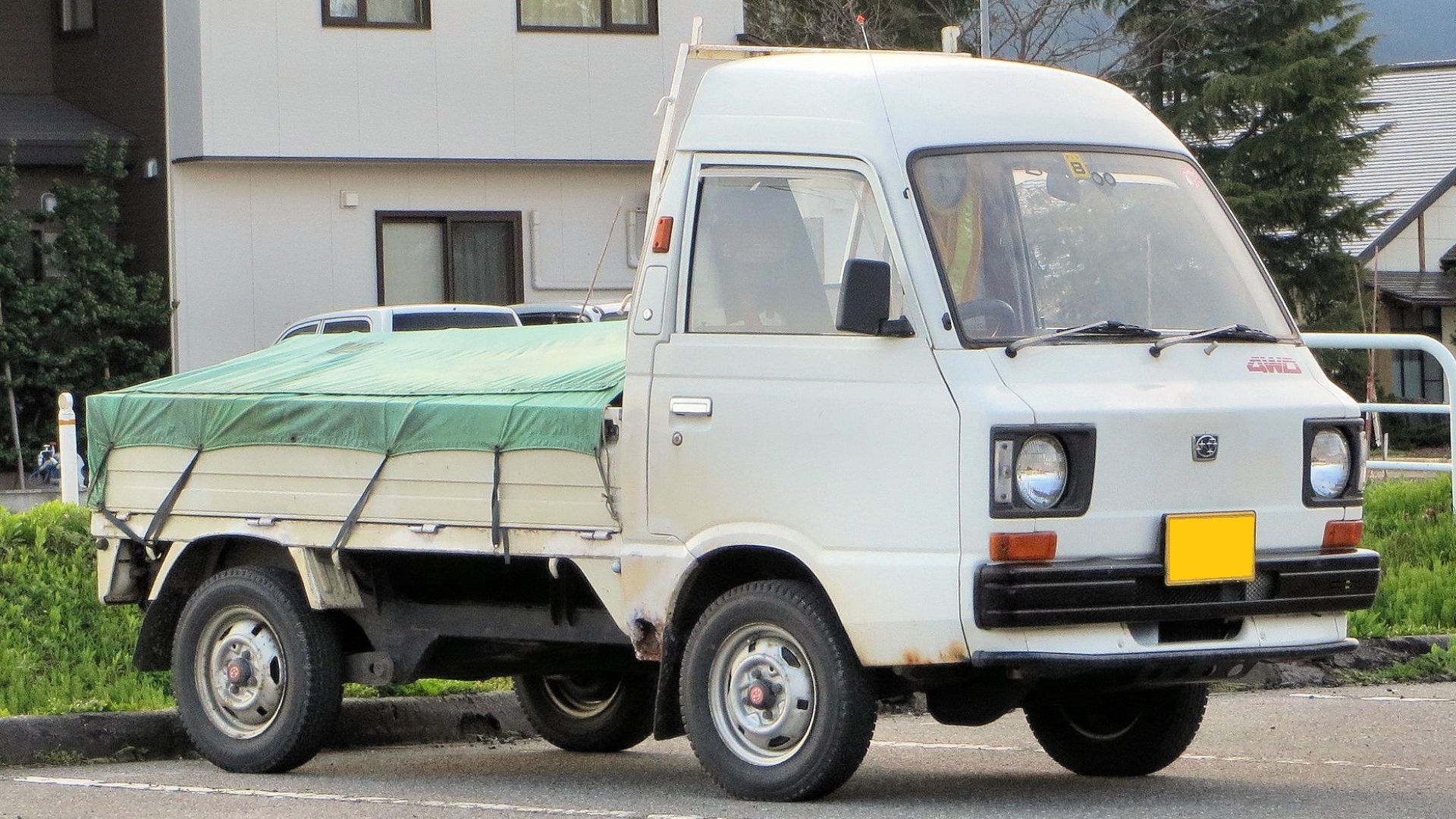
Why Japanese Trucks Feel Understated
Japanese truck design focuses on reliability, longevity, and efficiency. There’s little emphasis on aggressive styling or brute force. Compared to American trucks, Japanese pickups feel restrained—but they’re legendary for durability.
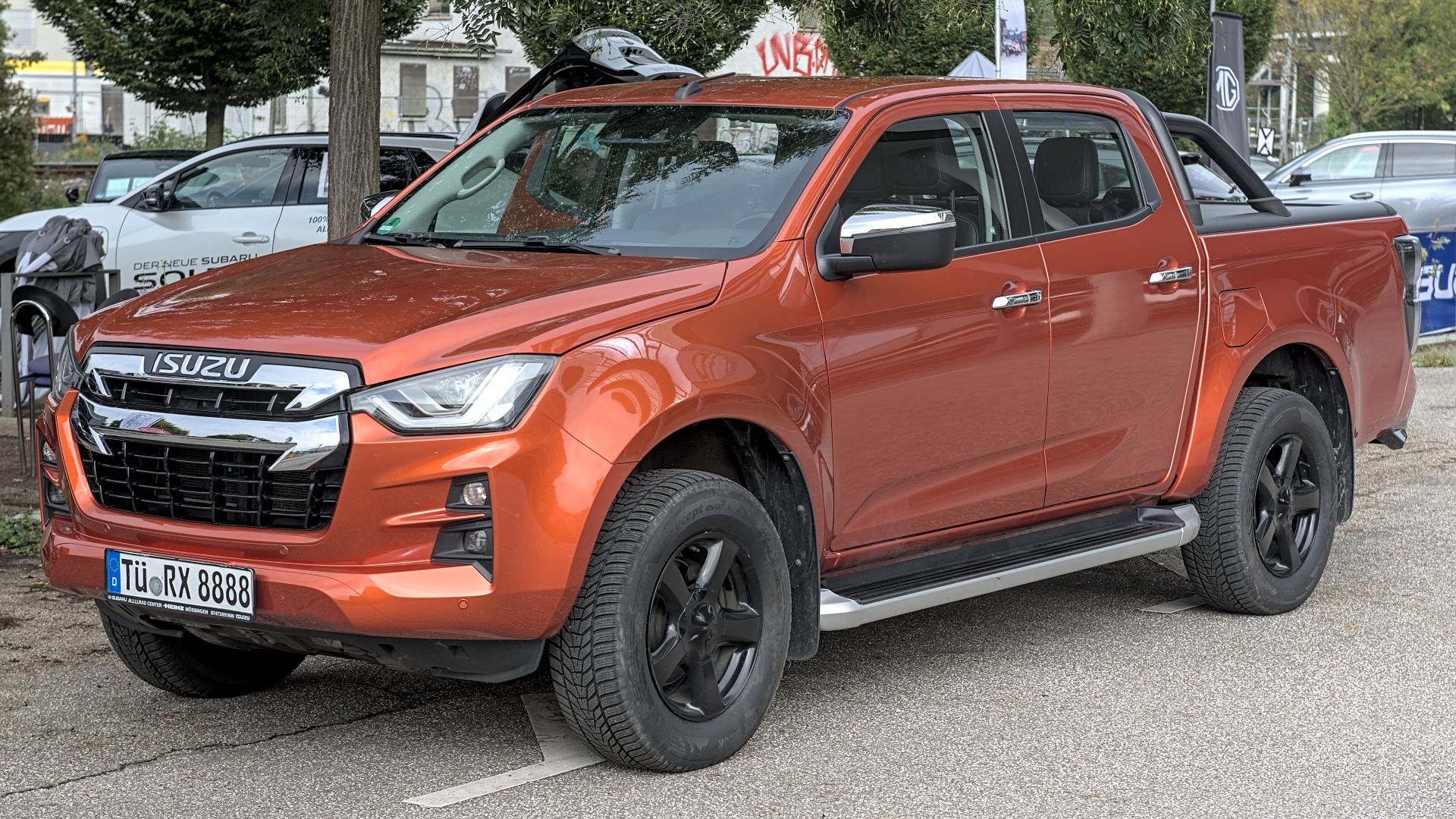 Alexander Migl, Wikimedia Commons
Southeast Asia: Trucks As Workhorses
In Thailand, the Philippines, and Indonesia, pickups are everywhere—but for practical reasons. They serve as taxis, cargo haulers, family vehicles, and business tools. Trucks are modified for function, not aesthetics, often carrying loads far beyond what manufacturers recommend.
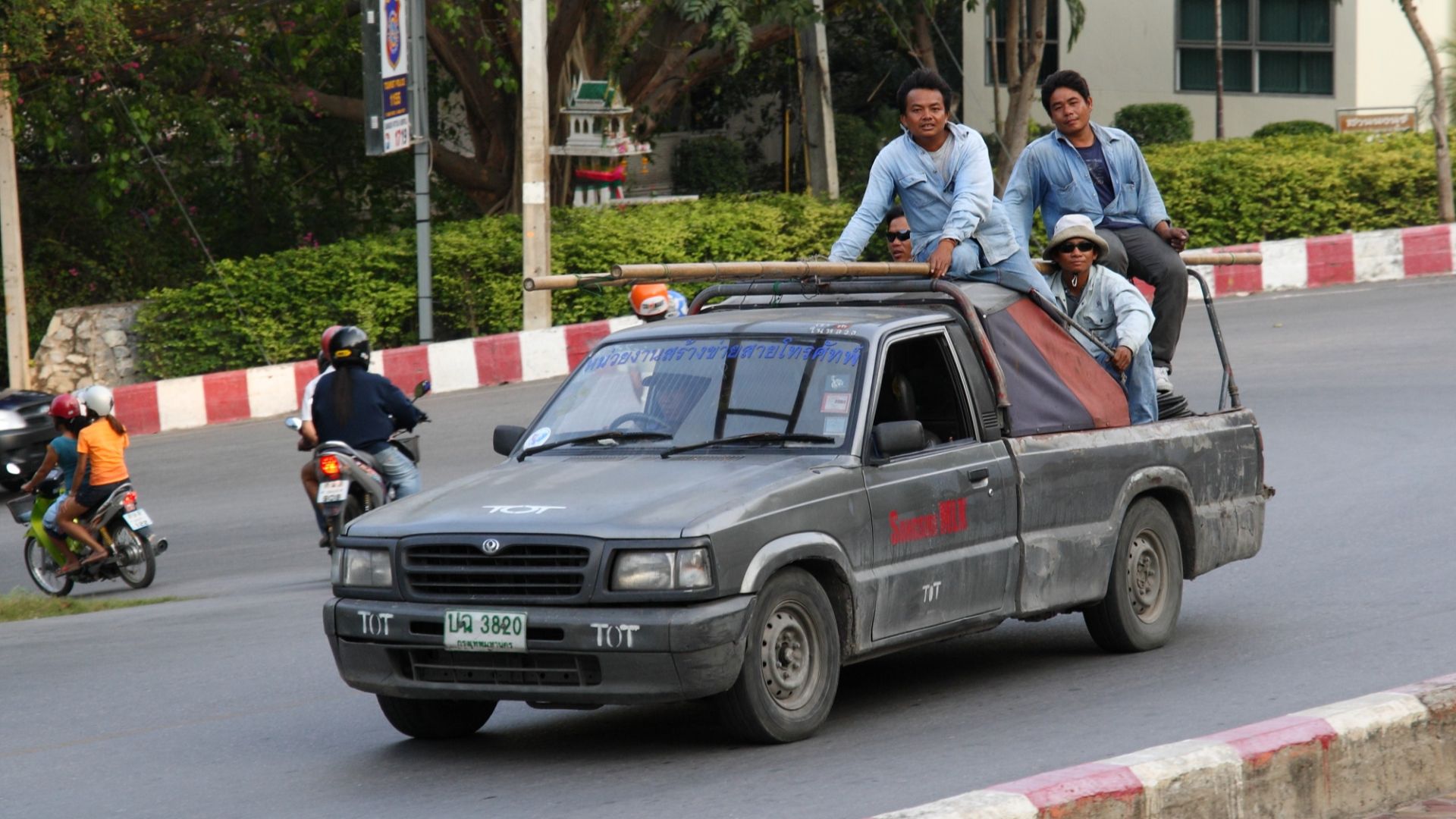 Ilya Plekhanov, Wikimedia Commons
The Utility-First Mindset
In Southeast Asia, trucks are valued for versatility and affordability. Luxury trims and high horsepower aren’t priorities. A pickup’s worth is measured by how much it can carry and how cheaply it can be maintained.
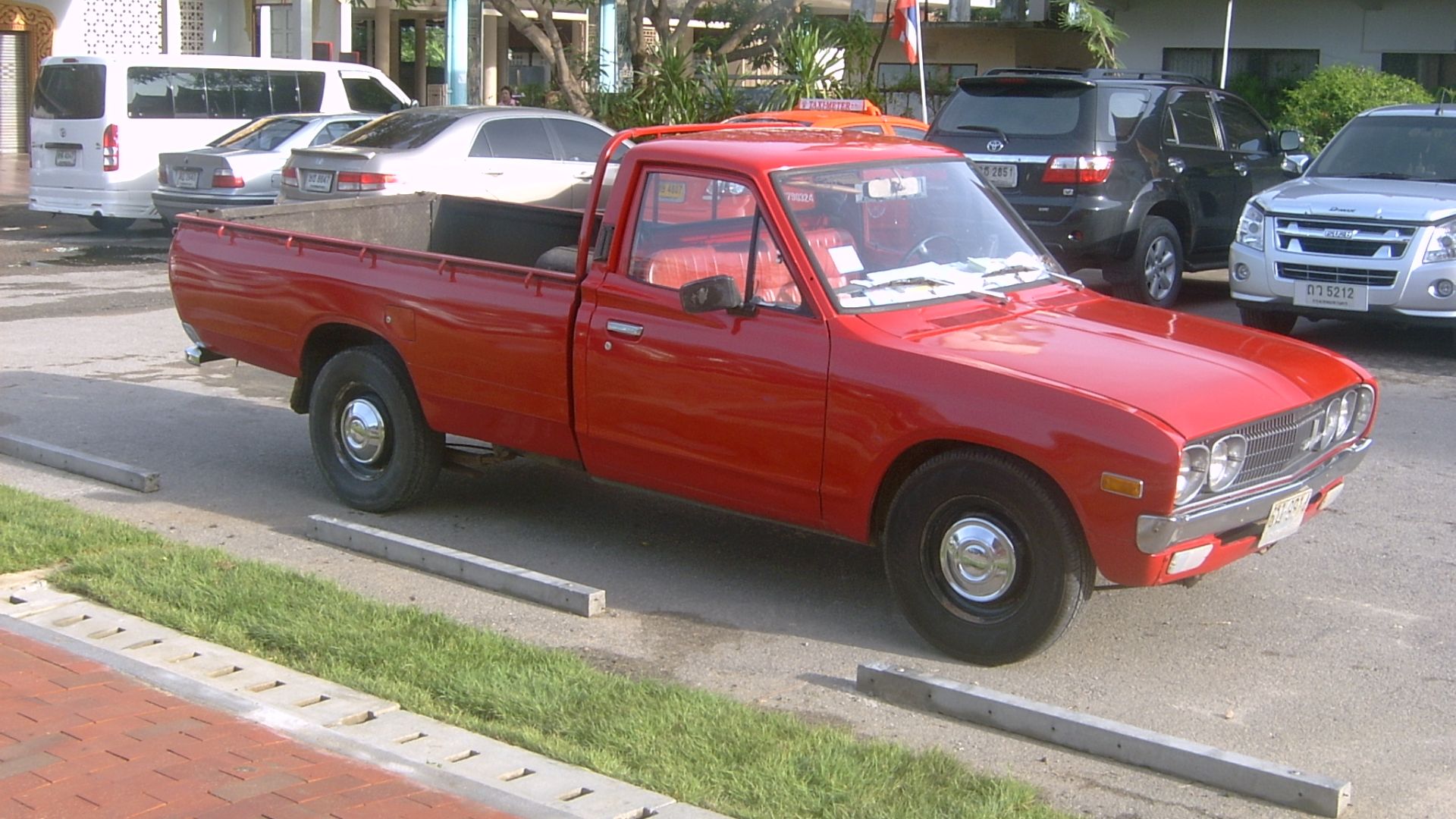
The Middle East: Power And Prestige
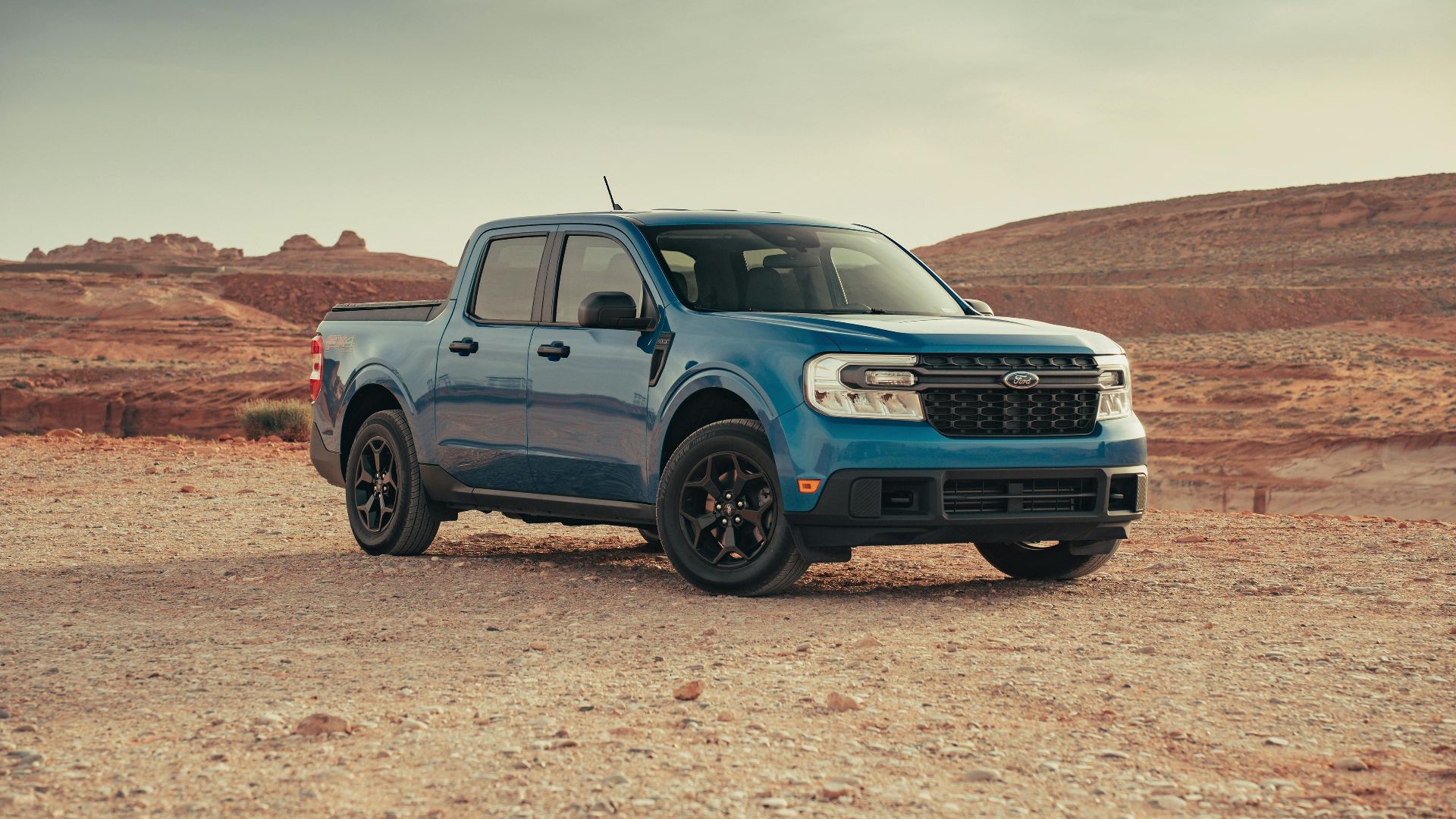
In the Middle East, pickup culture blends American influence with local needs. Desert driving demands power, cooling capacity, and rugged suspension. Trucks are popular for both work and recreation, especially dune driving and desert racing.
Where American Trucks Make An Impact Abroad
American pickups enjoy cult status in the Middle East. Their size, power, and presence align well with wide-open desert landscapes. Even so, they remain aspirational rather than mainstream due to fuel costs and infrastructure.
South America: Trucks For Work, Not Play
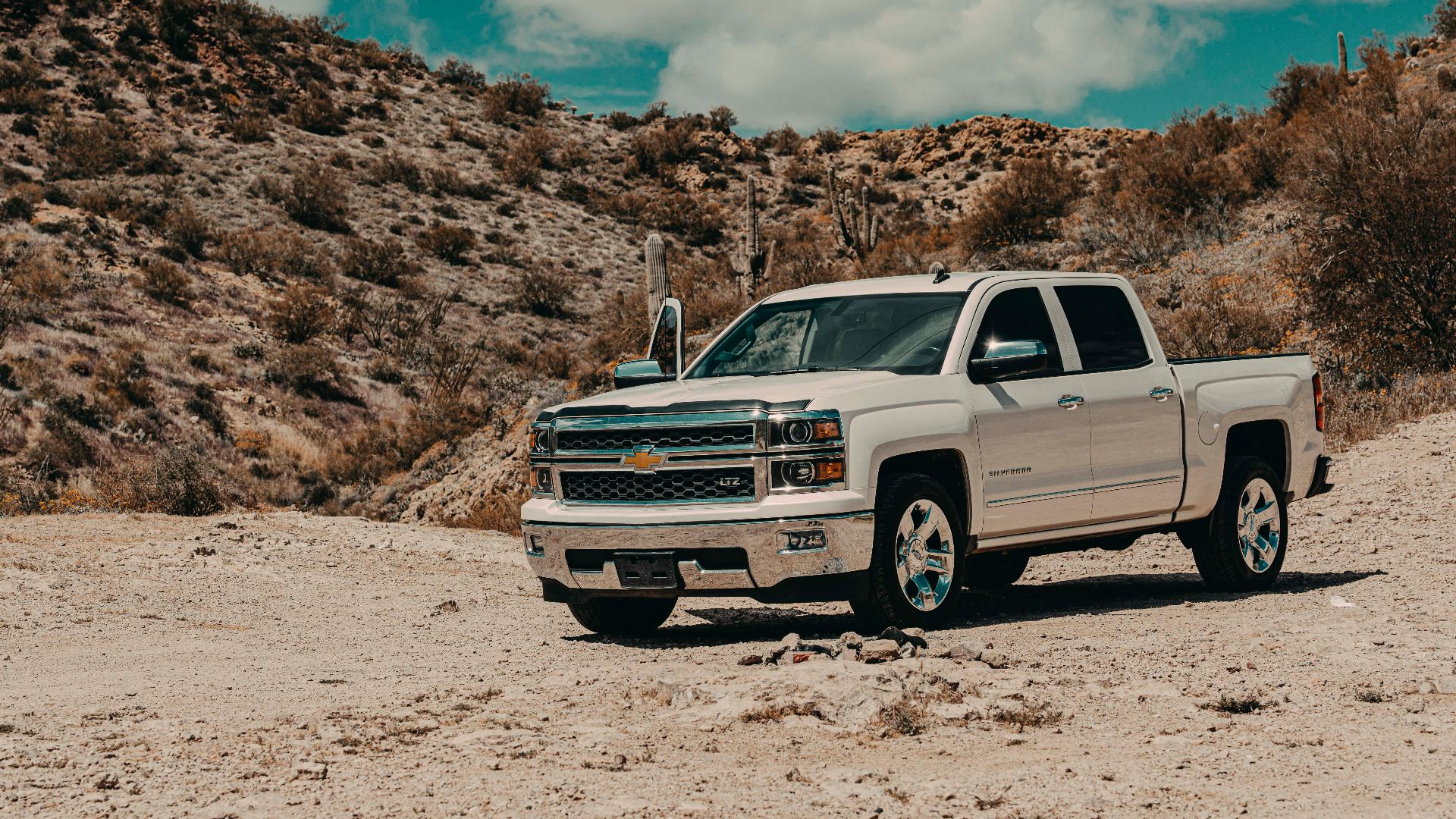
In South America, pickups are essential in agriculture, mining, and construction. Brands focus on durability and affordability. Trucks are respected tools, not weekend toys. The idea of a lifted, chrome-covered show truck feels foreign in most regions.
 Dwight Sipler from Stow, MA, USA, Wikimedia Commons
Why Lifestyle Trucks Are Rare Globally
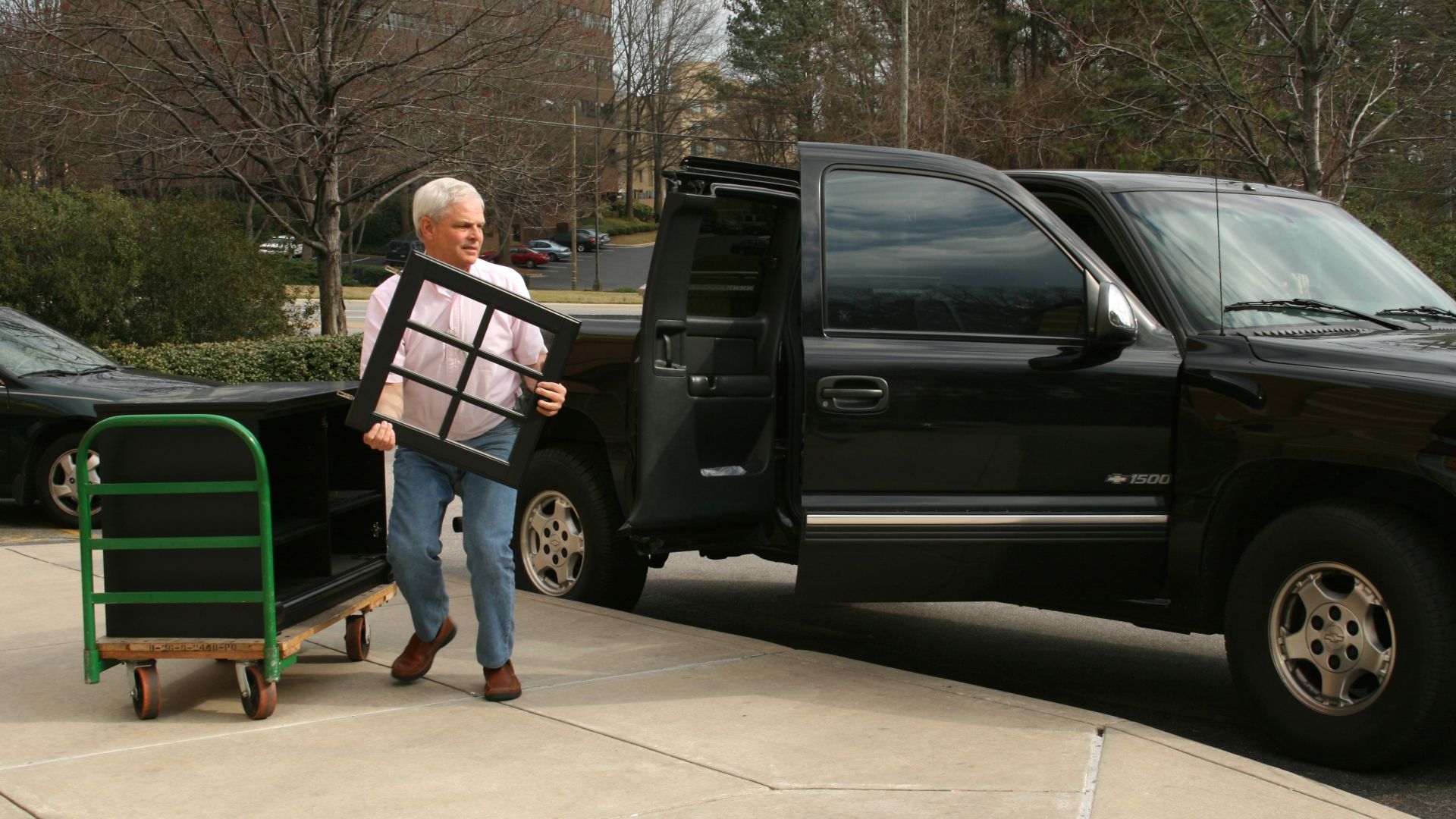
Outside the U.S., trucks are judged by necessity rather than identity. If a vehicle isn’t required for work, it’s often seen as inefficient or excessive. This practical mindset limits the emotional connection many Americans have with their trucks.
 Ildar Sagdejev (Specious), Wikimedia Commons
The Role Of American Media And Motorsports
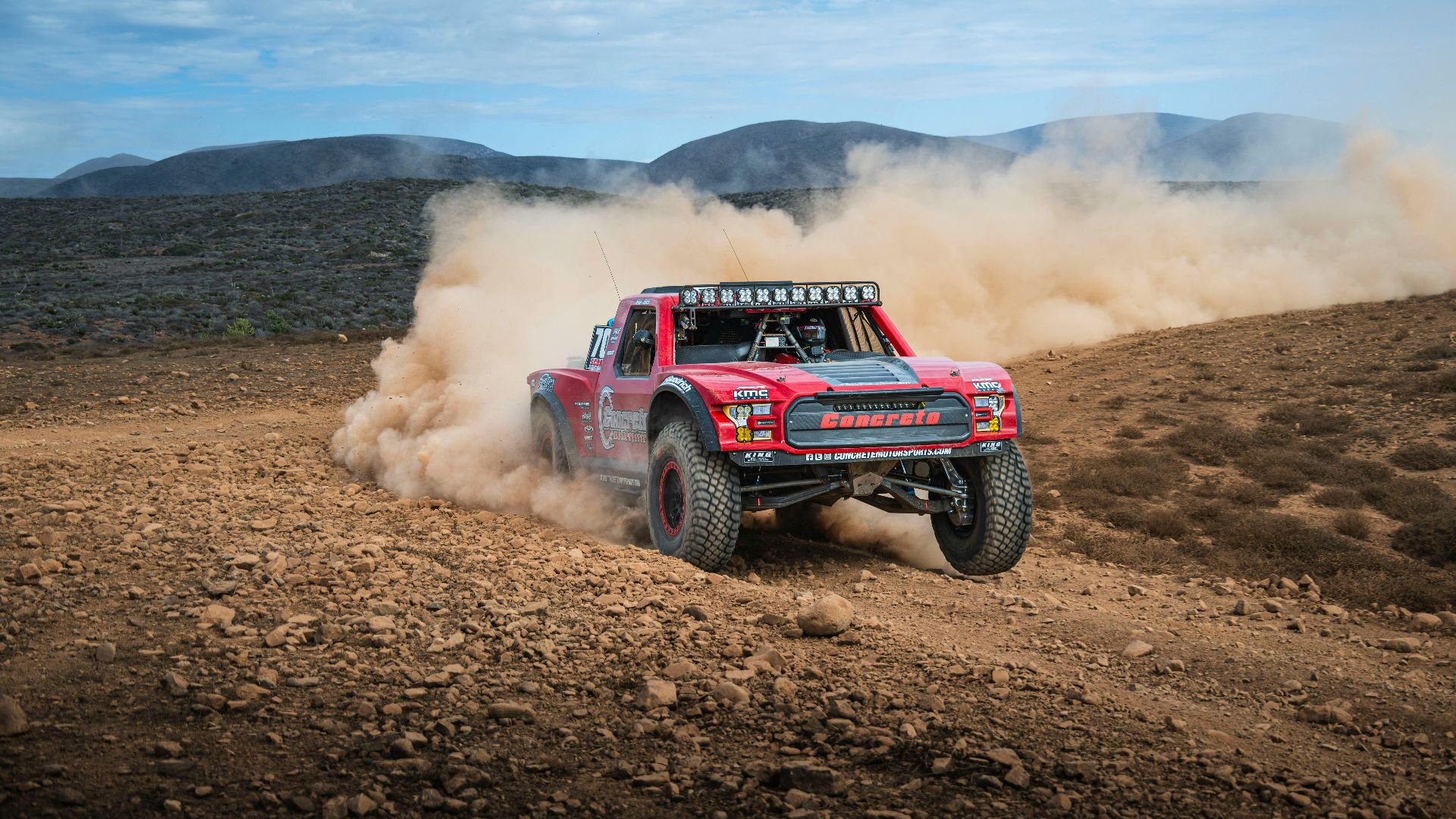
American truck culture is fueled by advertising, motorsports, and pop culture. NASCAR truck racing, off-road competitions, country music, and Hollywood all reinforce the truck’s heroic image. No other country markets pickups with the same emotional intensity.
Trucks As Family Vehicles In America
In the U.S., it’s normal for pickups to serve as family cars. Child seats, grocery runs, road trips, and daily commuting all happen in trucks. Elsewhere, pickups rarely replace sedans or SUVs for family duties.
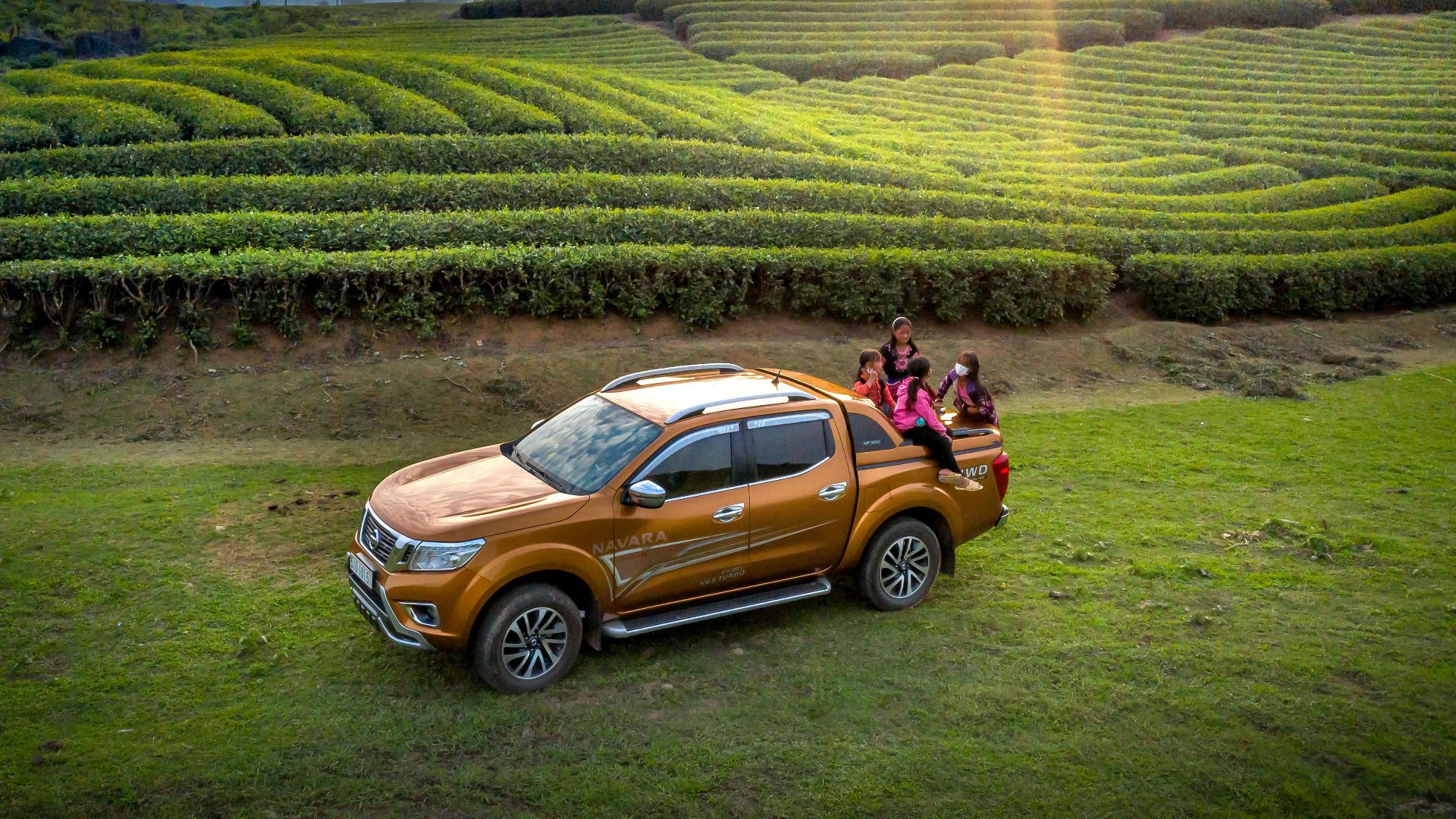
The Power Of Choice In The U.S. Market
American buyers enjoy an unmatched variety of pickups. Full-size, mid-size, heavy-duty, electric, off-road, luxury, and performance variants coexist. This diversity allows buyers to find a truck that fits their exact lifestyle—not just their job.
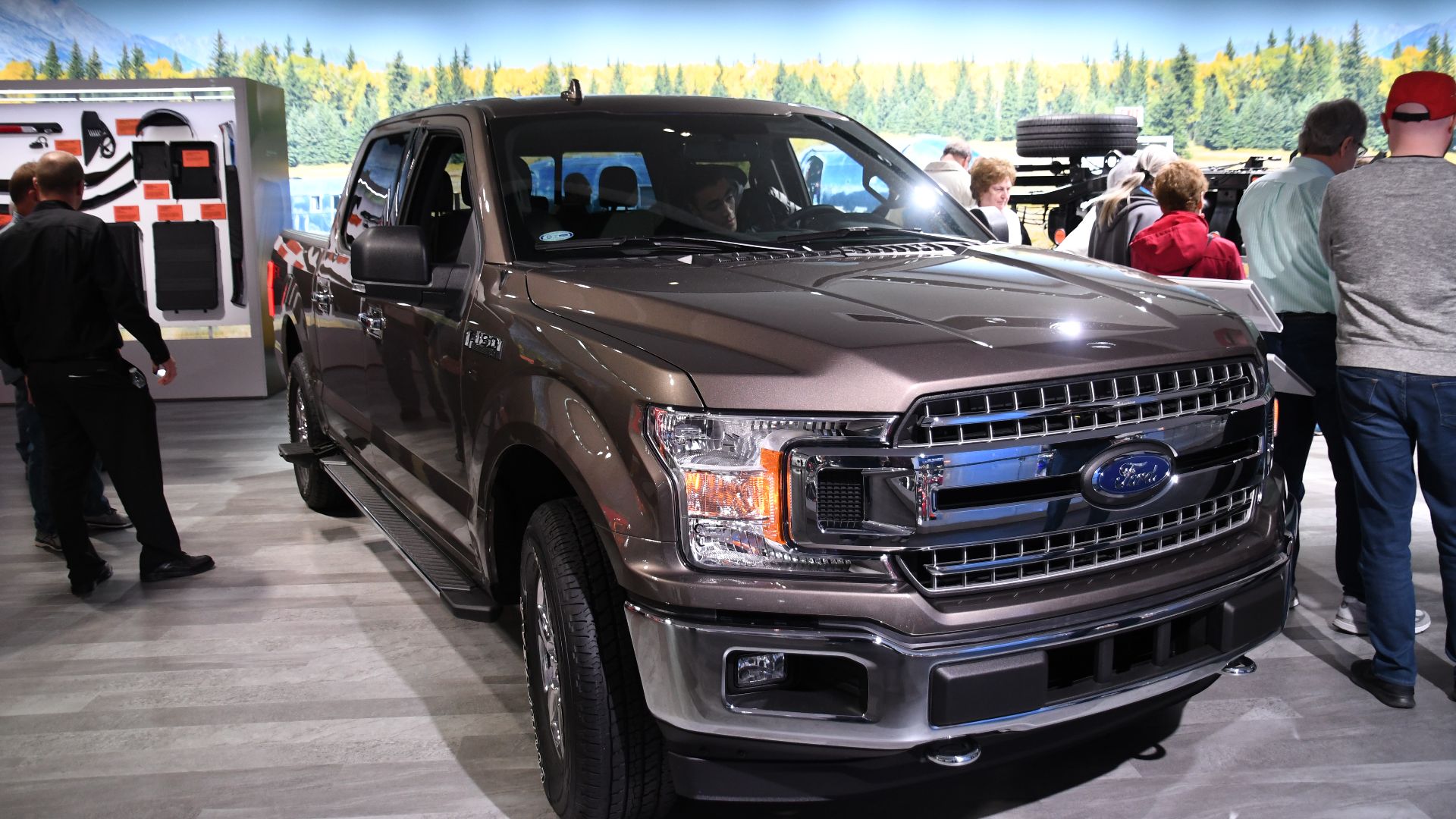 Joe Ross from Lansing, Michigan, Wikimedia Commons
Electric Trucks And The Next Chapter
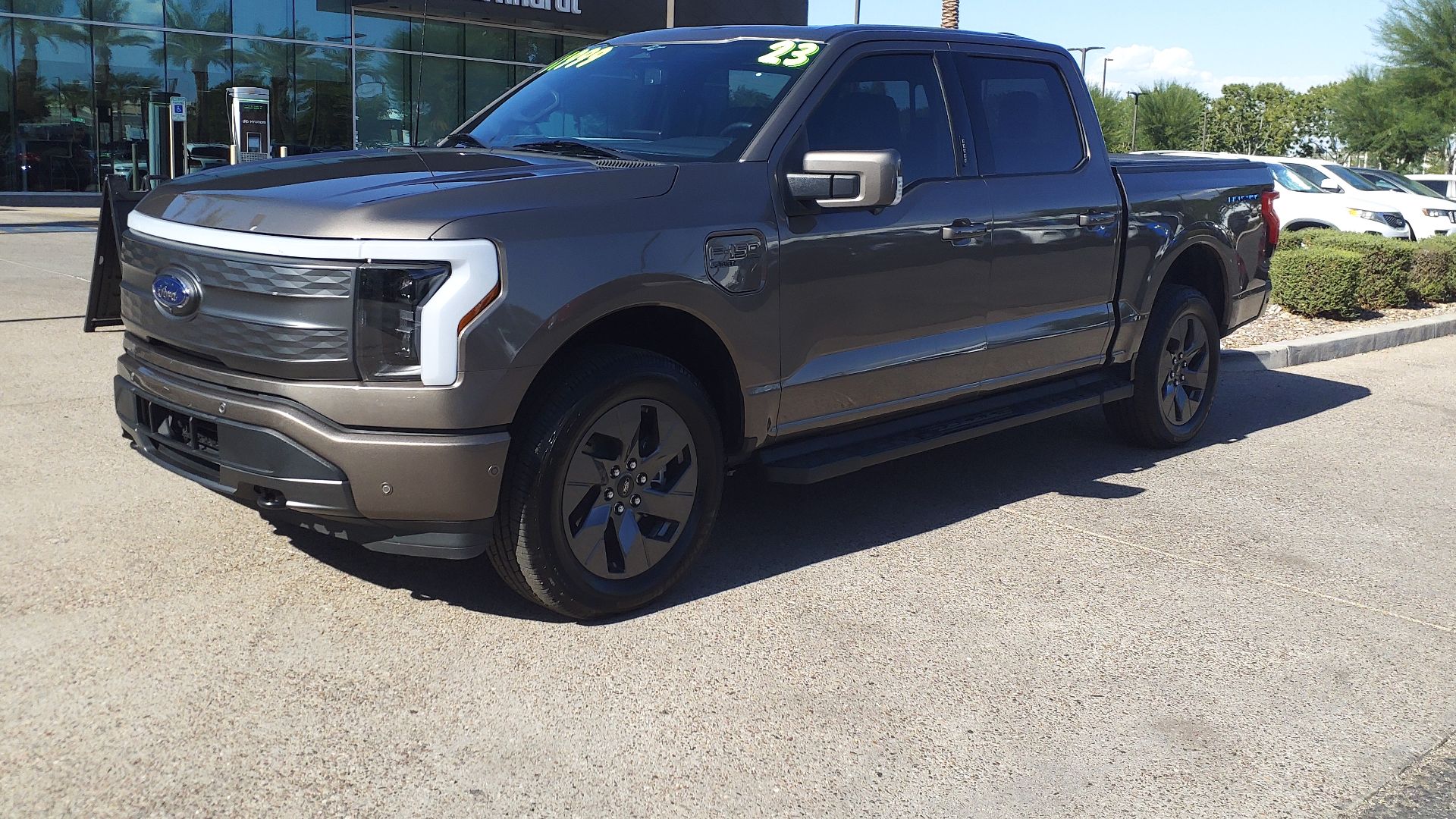
Even the electric revolution looks different in America. Electric pickups emphasize towing, range, and performance rather than minimalism. The idea that an electric truck should still feel like a “real truck” reflects how deeply embedded truck culture is in the U.S.
Why America’s Pickup Culture Stands Alone
America’s pickup culture isn’t about necessity alone—it’s about identity. Trucks represent freedom, individuality, strength, and independence. They’re celebrated, customized, raced, and loved in ways that simply don’t exist elsewhere.
The Global Verdict
Every region uses pickup trucks differently, shaped by geography, economy, and culture. Australia values toughness, Europe values efficiency, Asia values utility, and the Middle East values power. But only America turns pickups into a full-blown lifestyle.
Why America Still Has The Best Pickup Culture
No other country blends scale, passion, variety, and cultural significance the way America does. Pickups aren’t just vehicles here—they’re statements. And that’s why, when it comes to pickup truck culture, America doesn’t just participate. It leads.
You May Also Like:
Driving These Vehicles Every Day Is Actually Harmful To Them
How To Get The Best Gas Mileage In 2026, According To Experts