
Forgotten Boomer Favorites
Before crossovers took over the world and before muscle cars became collectible gold, there was an entire generation of cars that quietly came and went. Baby Boomers grew up surrounded by vehicles that promised freedom, style, and sometimes questionable engineering—but many of them have disappeared into the mists of history. Today, we’re dusting off the memory books and revisiting these wonderfully weird, ambitious, or surprisingly influential cars Boomers once knew well… even if they rarely get talked about anymore.
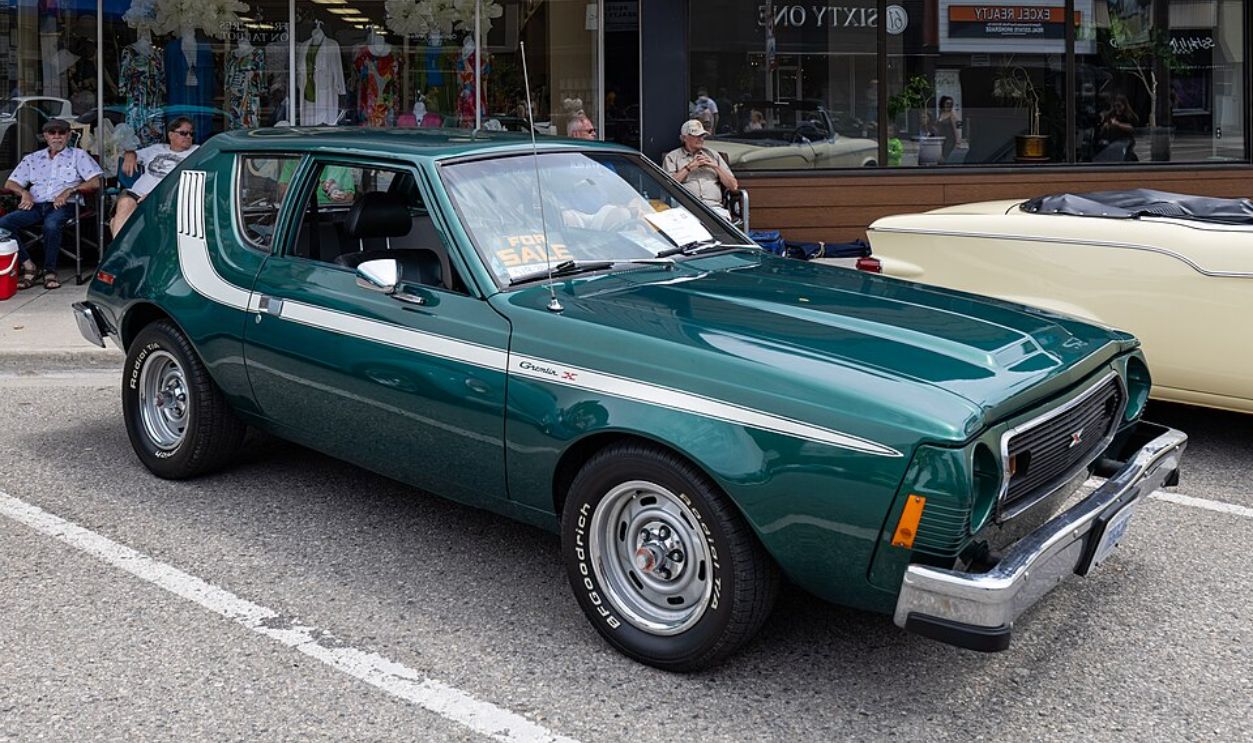
AMC Gremlin
The AMC Gremlin was the quirky little hatchback that arrived on April Fool’s Day in 1970—a fact that forever cemented its reputation. With its chopped-off rear end, bargain price, and surprising variety of colors, it became a cult icon. Still, as the decades rolled on, it became the punchline more than the star. Today it’s a retro oddball worth celebrating.
 Crisco 1492, CC BY-SA 4.0, Wikimedia Commons
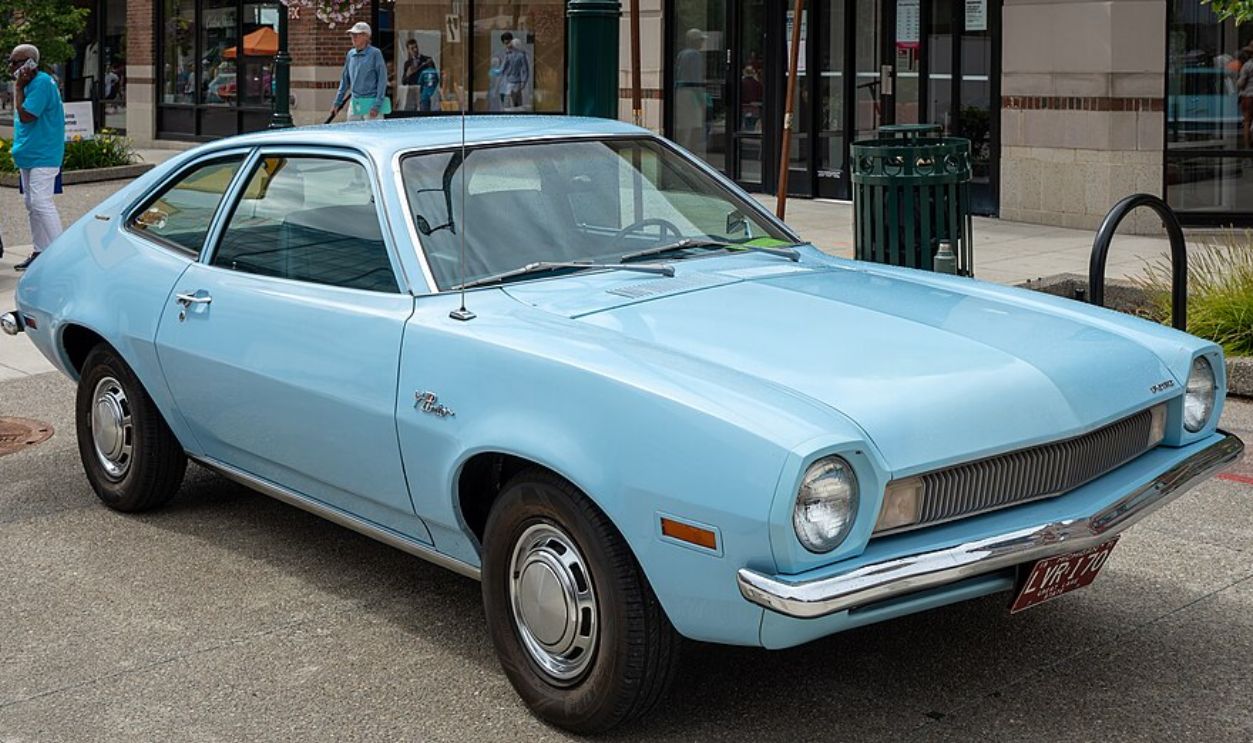
Ford Pinto
A car overshadowed by infamy, the Pinto was actually designed to give Americans a lightweight, economical ride at a time when imports were making waves. It sold incredibly well—over three million units—but its explosive reputation (literally) eventually pushed it into obscurity. Still, Boomers can’t forget seeing these everywhere.
 Mustang Joe, CC0, Wikimedia Commons
Chevrolet Vega
The Chevy Vega was GM’s big bet on the compact future. It had cutting-edge aluminum engines, crisp styling, and a featherlight body. Unfortunately, it also had rust issues that could make a cast-iron bridge blush. Despite its flaws, the Vega was a bold experiment that deserves its place in forgotten-car lore.
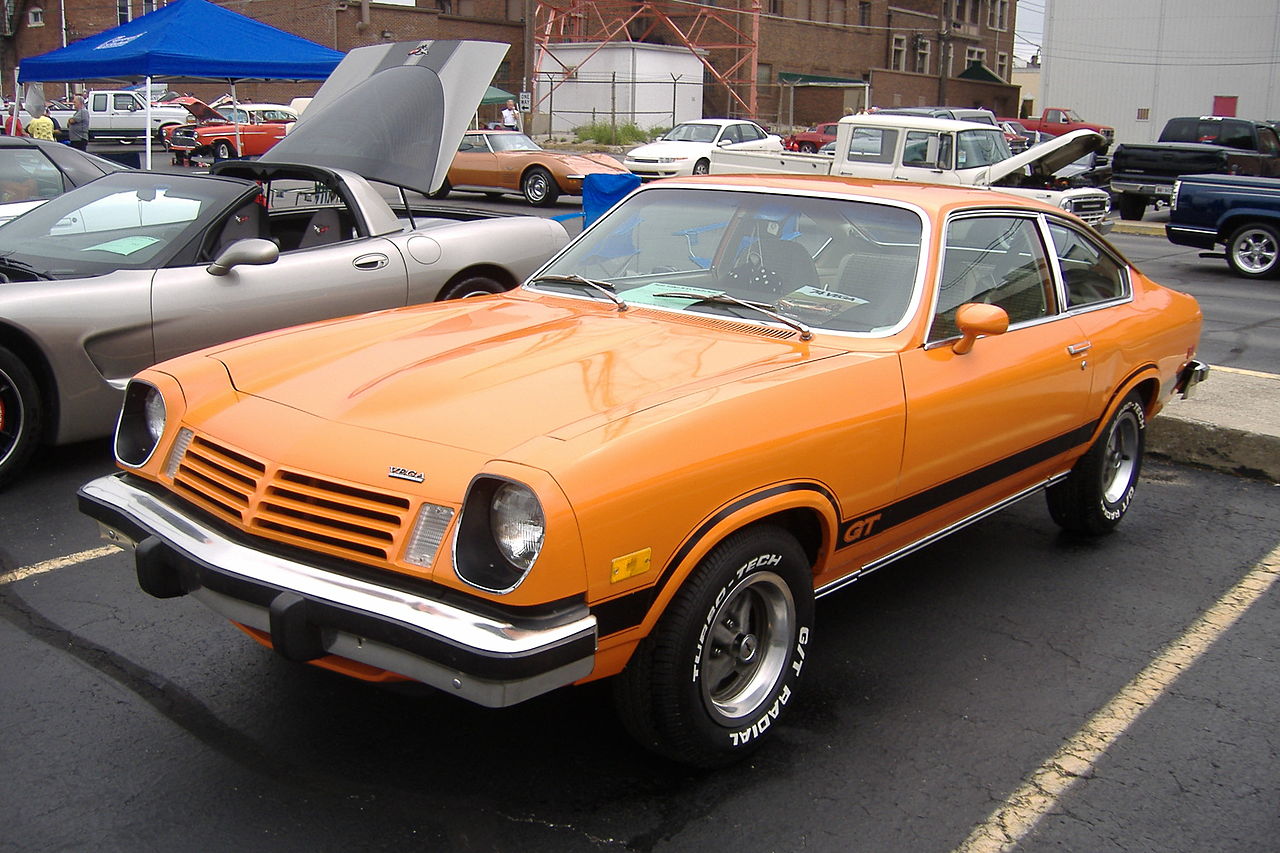 Vegavairbob, CC BY-SA 3.0,Wikimedia Commons
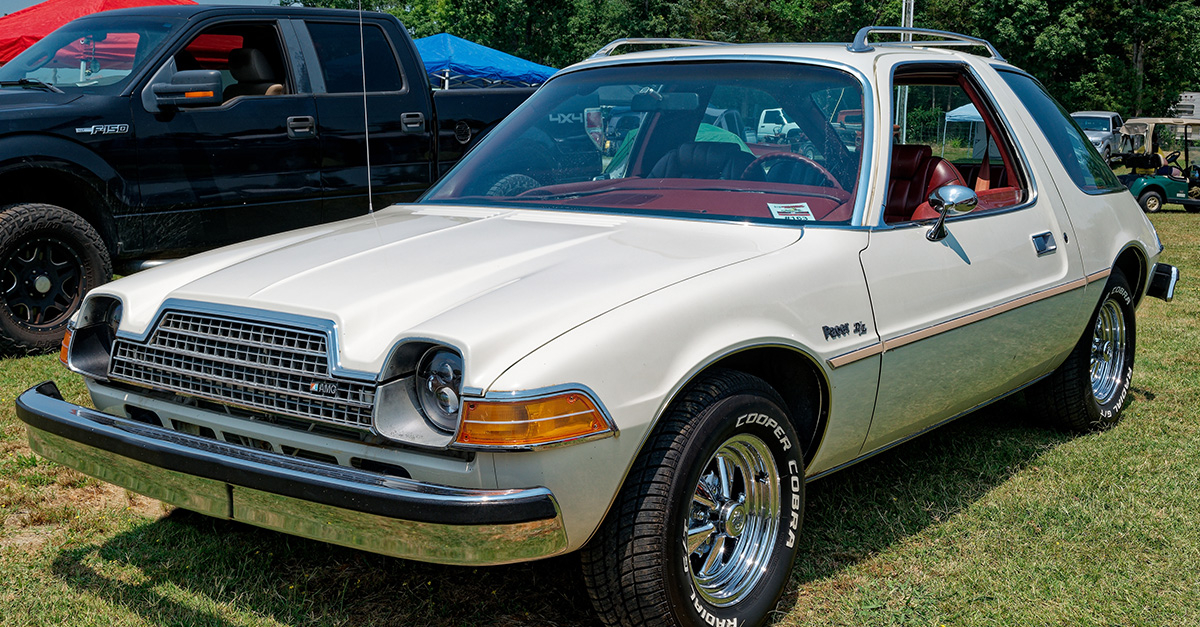
AMC Pacer
The Pacer was billed as the “wide small car,” a bubble-shaped rolling aquarium long before the age of modern crossovers. Stylish in its own eccentric way, the Pacer offered huge visibility, an equally huge greenhouse, and a vibe unlike anything else on the road. Love it or hate it, it was unforgettable—and then somehow forgotten.
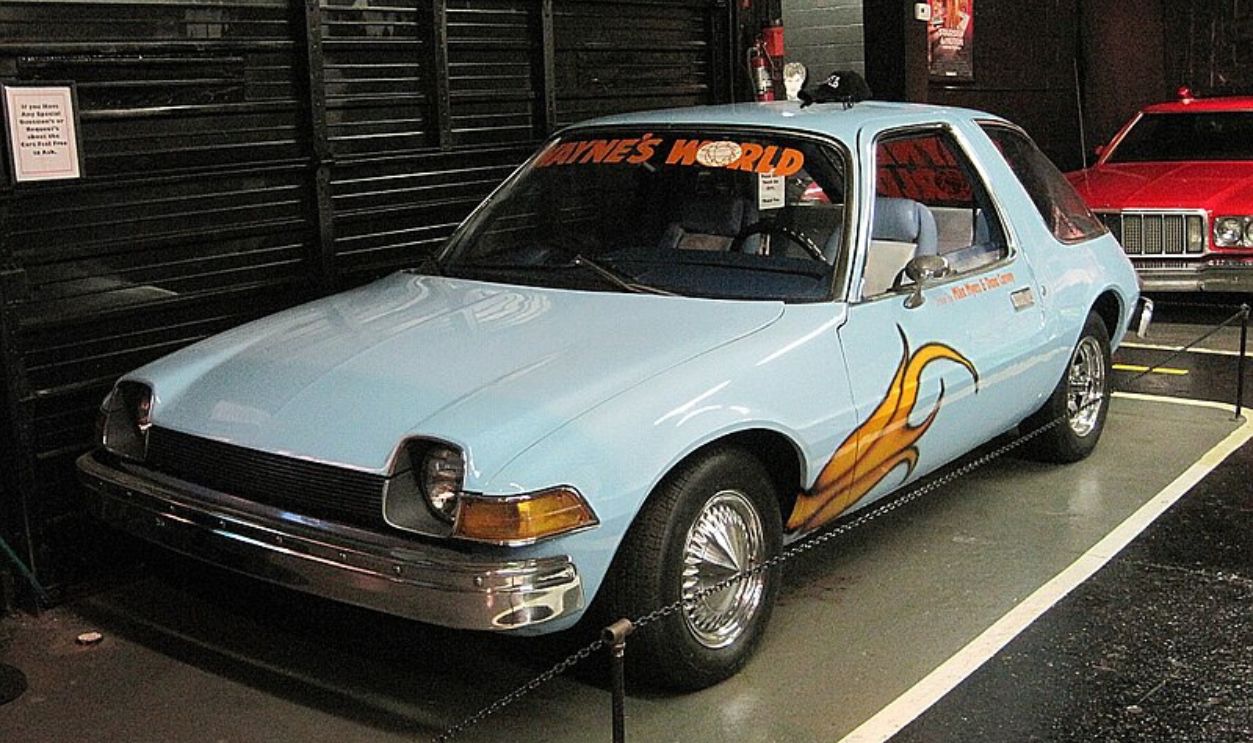 Thomas R Machnitzki, CC BY 3.0, Wikimedia Commons
Pontiac Astre
Essentially Pontiac’s version of the Vega, the Astre tried to bring some Firebird flair to the compact segment. While it never made a huge impact, it briefly gave Pontiac a foothold in the small-car market. Today it’s a rarity that most younger enthusiasts have never even heard of.
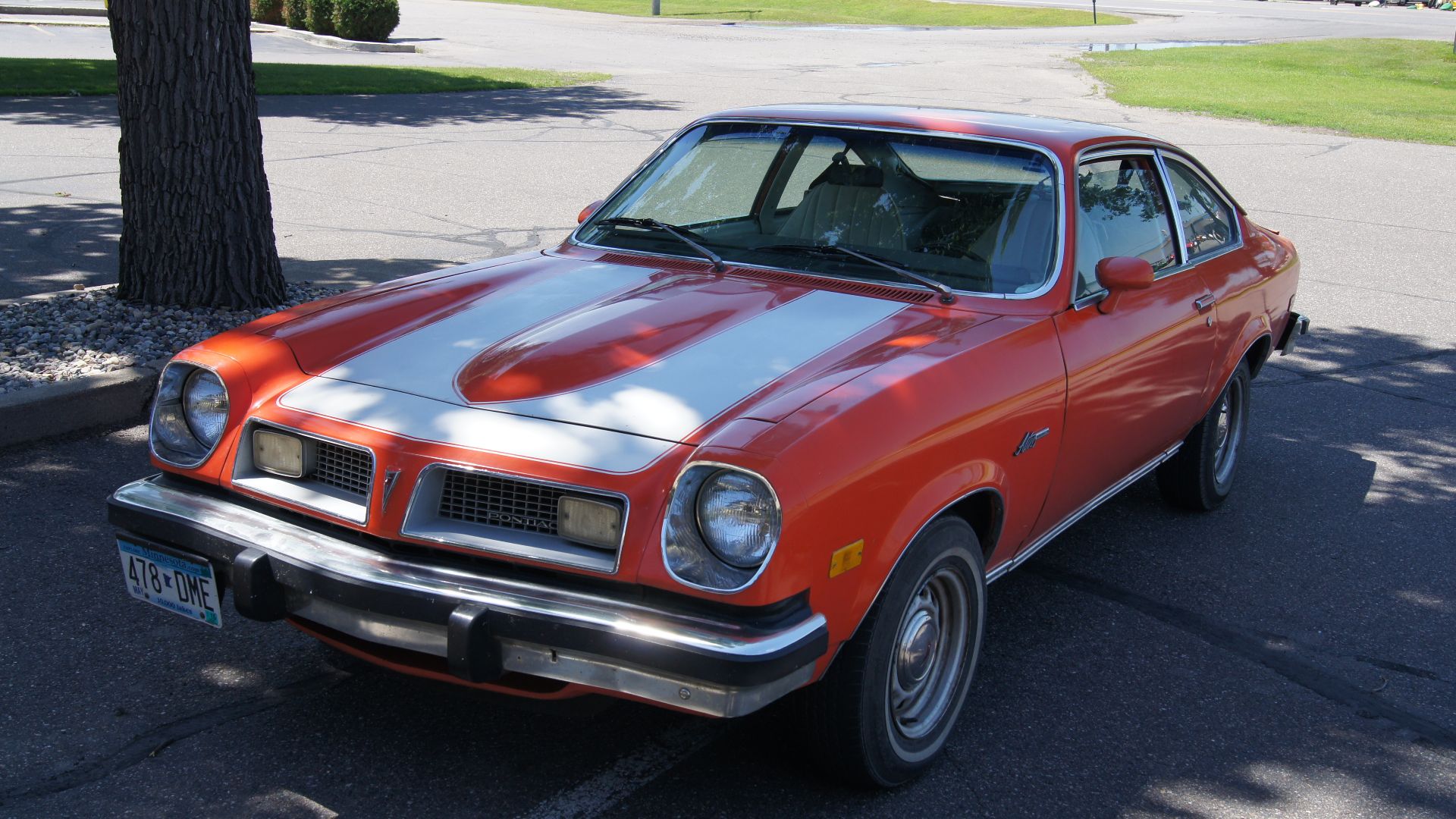 Greg Gjerdingen from Willmar, USA, Wikimedia Commons
Dodge Colt
Before “Colt” meant a budget rental car, it was Chrysler’s ticket to the world of Japanese imports—built by Mitsubishi, sold by Dodge. Light, efficient, and surprisingly fun, the Colt was a gateway to the sporty compacts that would define later decades. Boomers remember them fondly… if faintly.
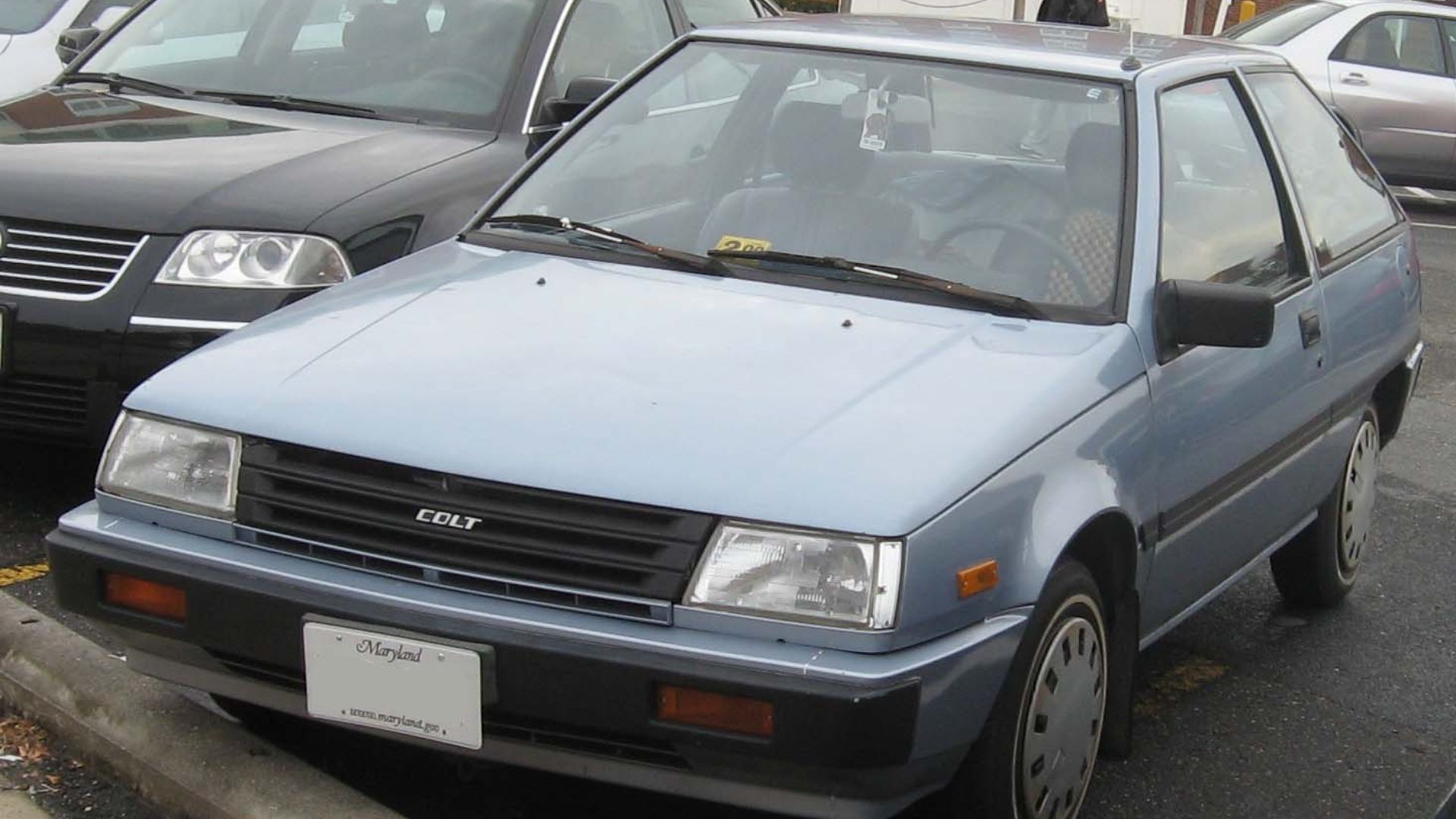
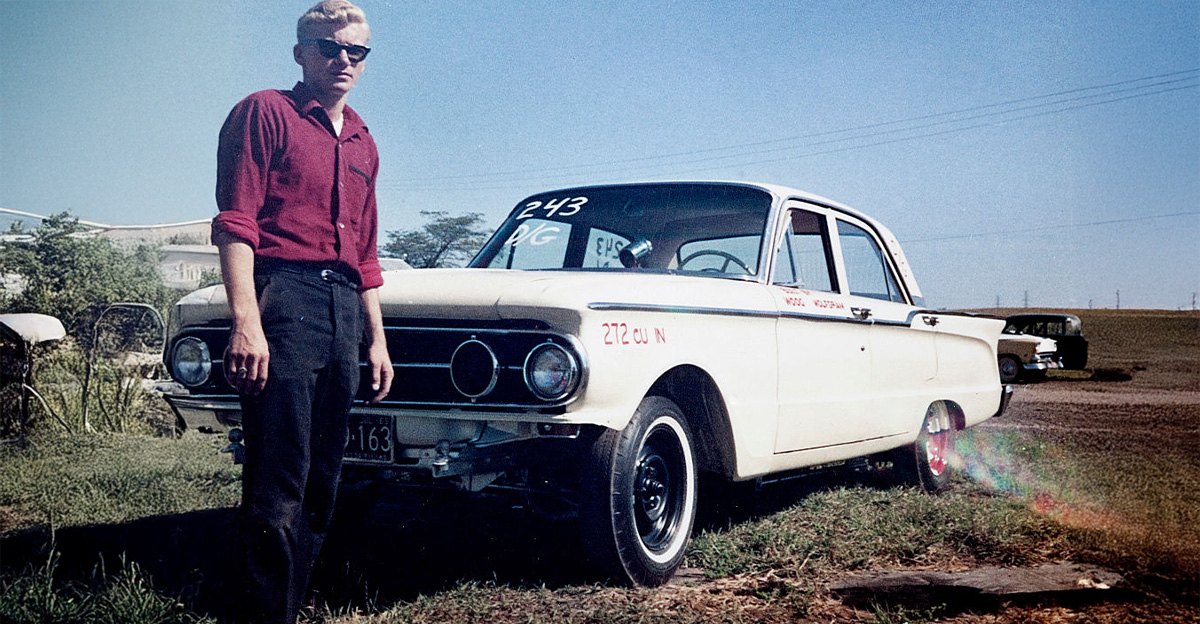
Mercury Comet
The Comet existed in many forms—compact, midsize, muscle-adjacent, and everything in between. It never got the Mustang’s glory or the Cougar’s swagger, but it was a dependable, stylish bridge across changing automotive eras. Today it’s overshadowed, but never irrelevant.
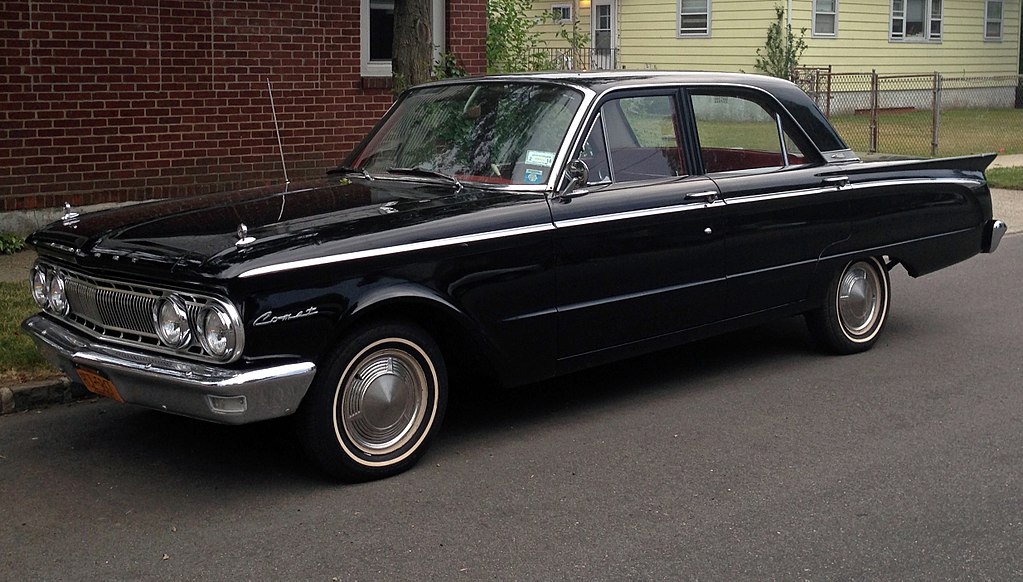 Mr.choppers, CC BY-SA 3.0, Wikimedia Commons
Rambler American
The Rambler American was simple, sensible transportation before that idea became a cliché. Roomy and easy to maintain, it offered exactly what 1950s and ’60s families needed. While rarely glamorous, it was a beloved companion during a time of rapid cultural change.
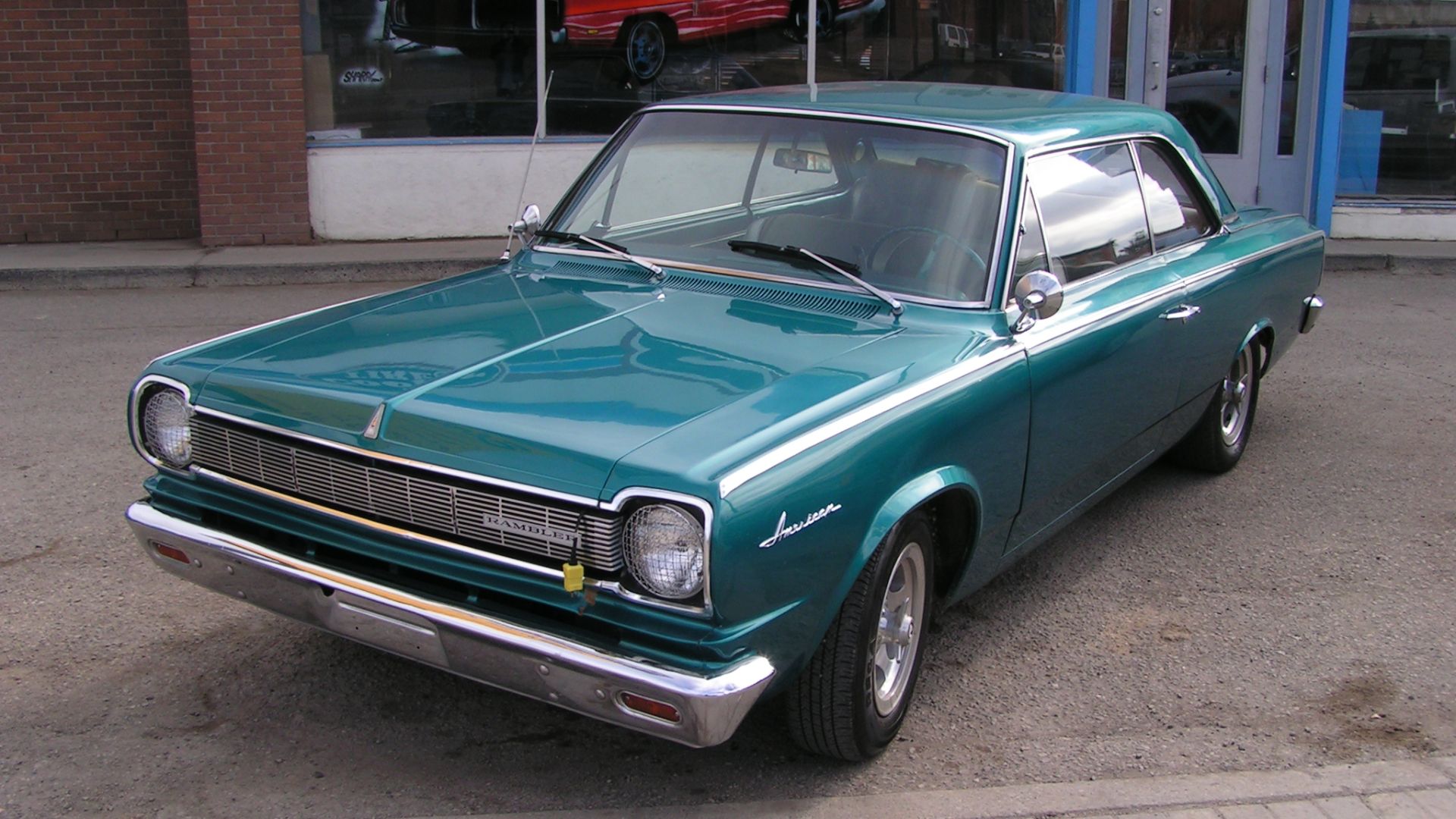 dave_7 from Lethbridge, Canada, Wikimedia Commons
Plymouth Valiant
Chrysler’s compact hero, the Valiant was rugged, durable, and wildly underrated. It even spawned the legendary Slant-Six engine, one of the toughest powerplants ever built. Yet outside of Mopar circles, the Valiant barely gets mentioned today.
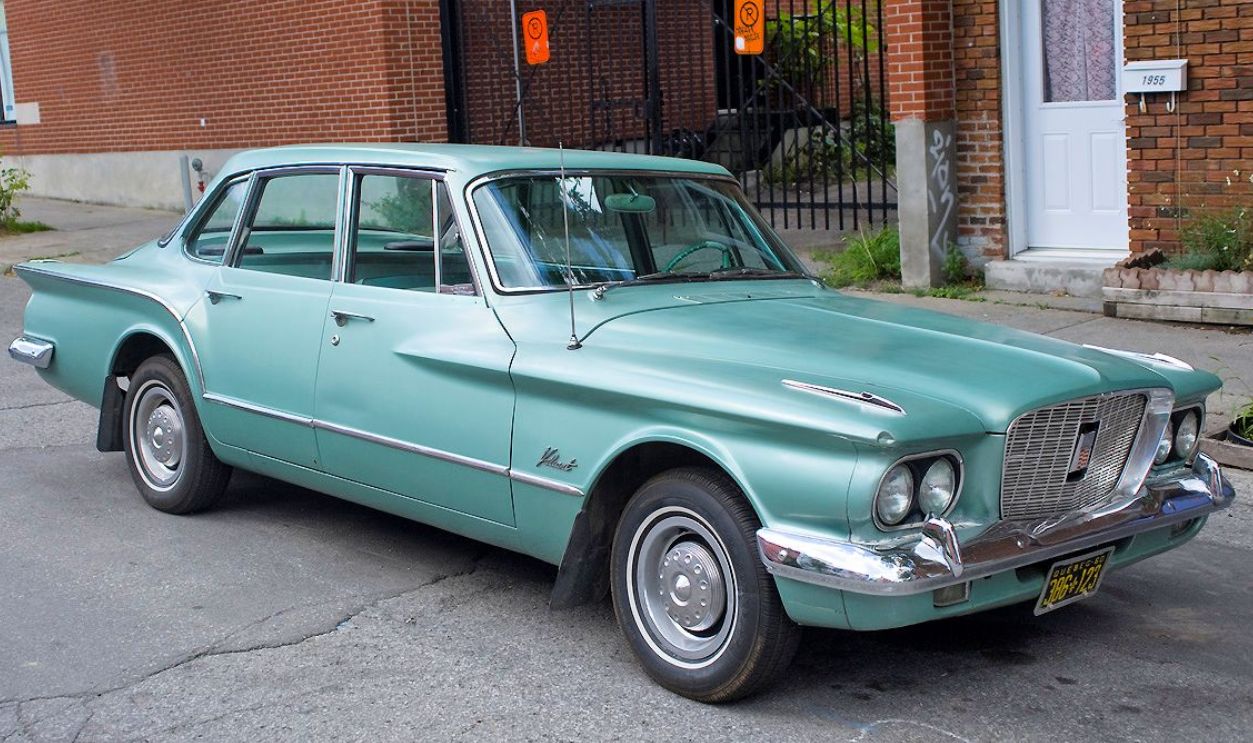 Emdx, CC BY-SA 3.0, Wikimedia Commons
AMC Eagle
Decades before crossovers conquered suburbia, AMC built the Eagle: a lifted, four-wheel-drive station wagon that basically invented the concept. It was ahead of its time—so ahead, in fact, that most people forgot it existed until Subaru built an empire on the same idea.
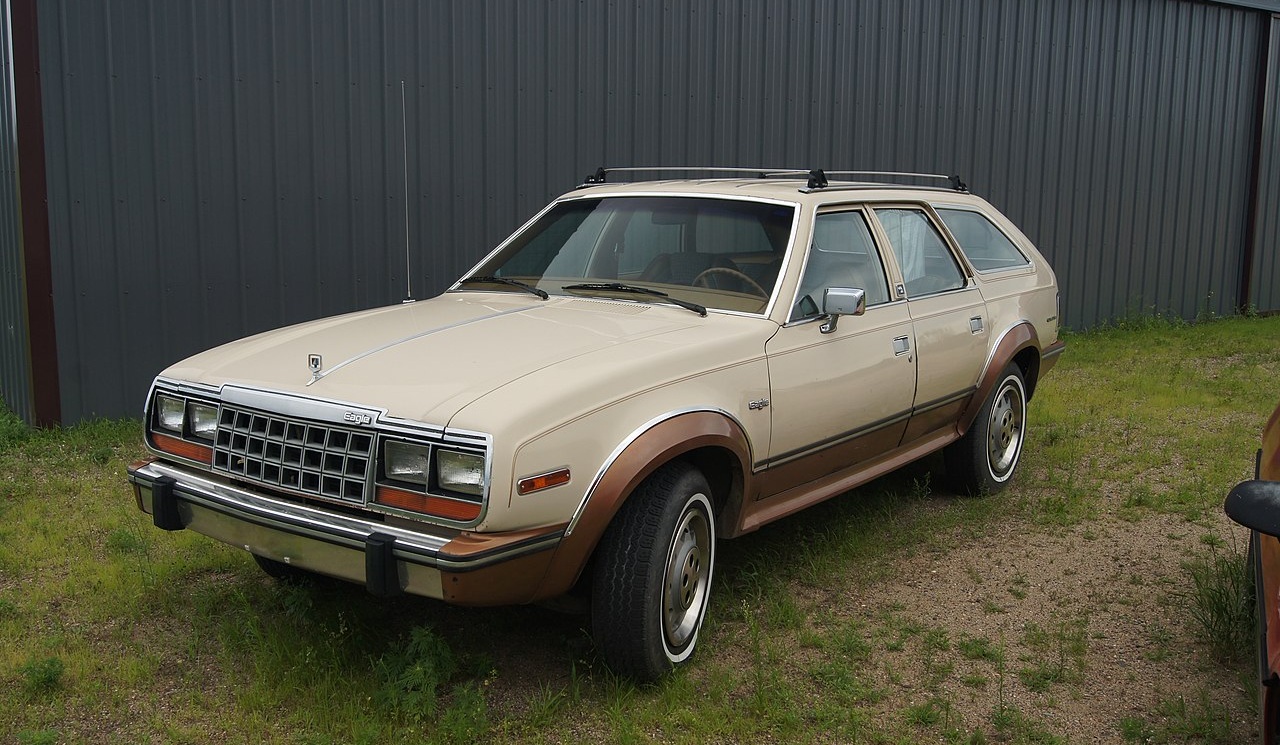 Greg Gjerdingen, CC BY 2.0, Wikimedia Commons
Studebaker Lark
Studebaker’s last burst of energy before fading from existence, the Lark was compact, affordable, and creatively marketed. It proved that American companies could build small cars—just not always profitably. It’s a relic of a bygone automotive era.
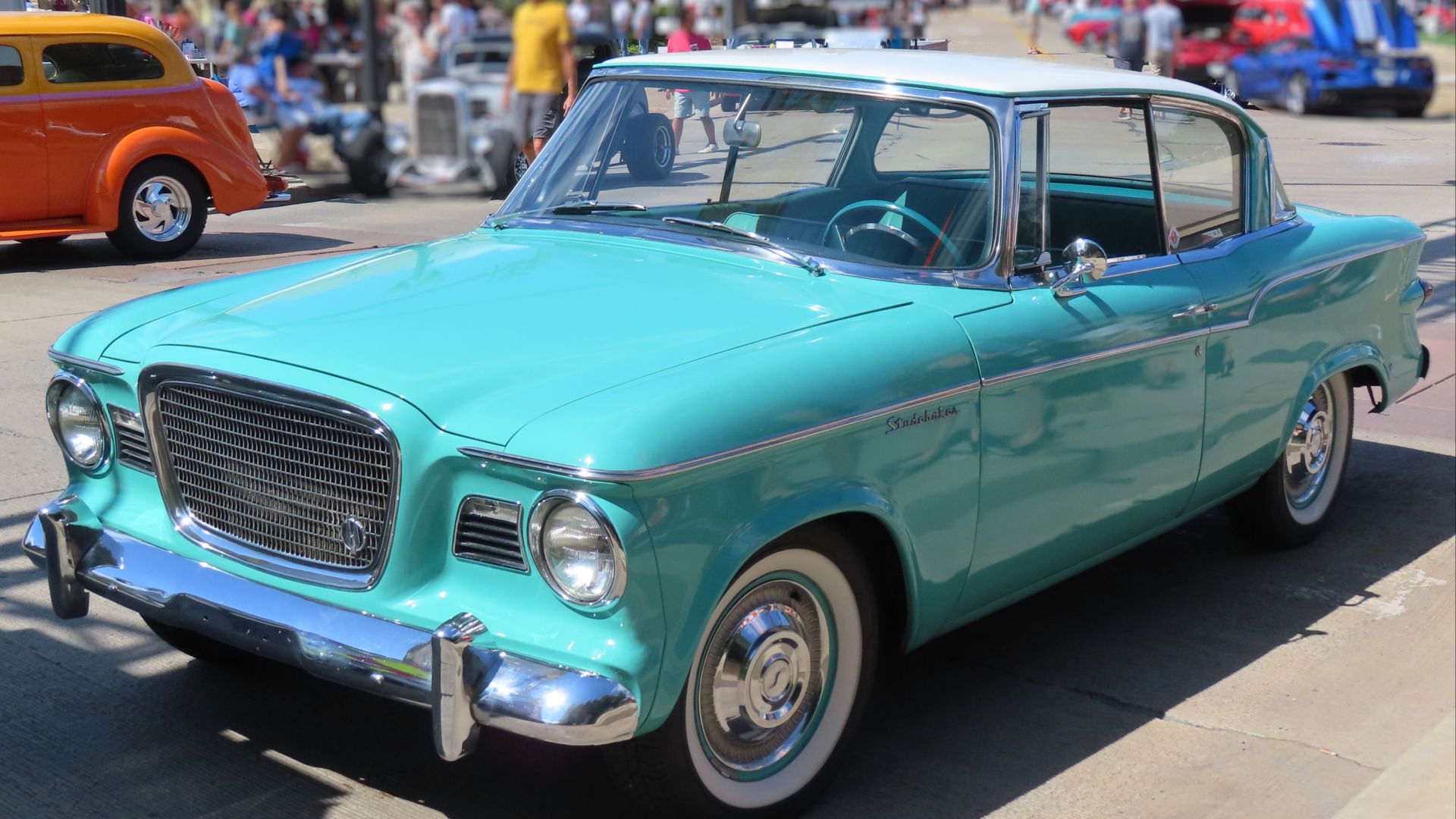 MercurySable99, Wikimedia Commons
Ford Maverick
Cheap, cheerful, and everywhere in the 1970s, the Maverick filled the gap between the Mustang’s glory days and America’s compact-car awakening. While overshadowed by Ford icons, it provided stylish transportation for millions and even came in a Grabber performance trim.
 dave_7 from Lethbridge, Canada, Wikimedia Commons
Chevrolet Chevette
If you learned to drive in the ’80s, there’s a good chance it was in a Chevette. This tiny hatchback was as basic as a car could be, offering simplicity and thrift over thrills. What it lacked in excitement, it made up for in ubiquity—at least for a while.
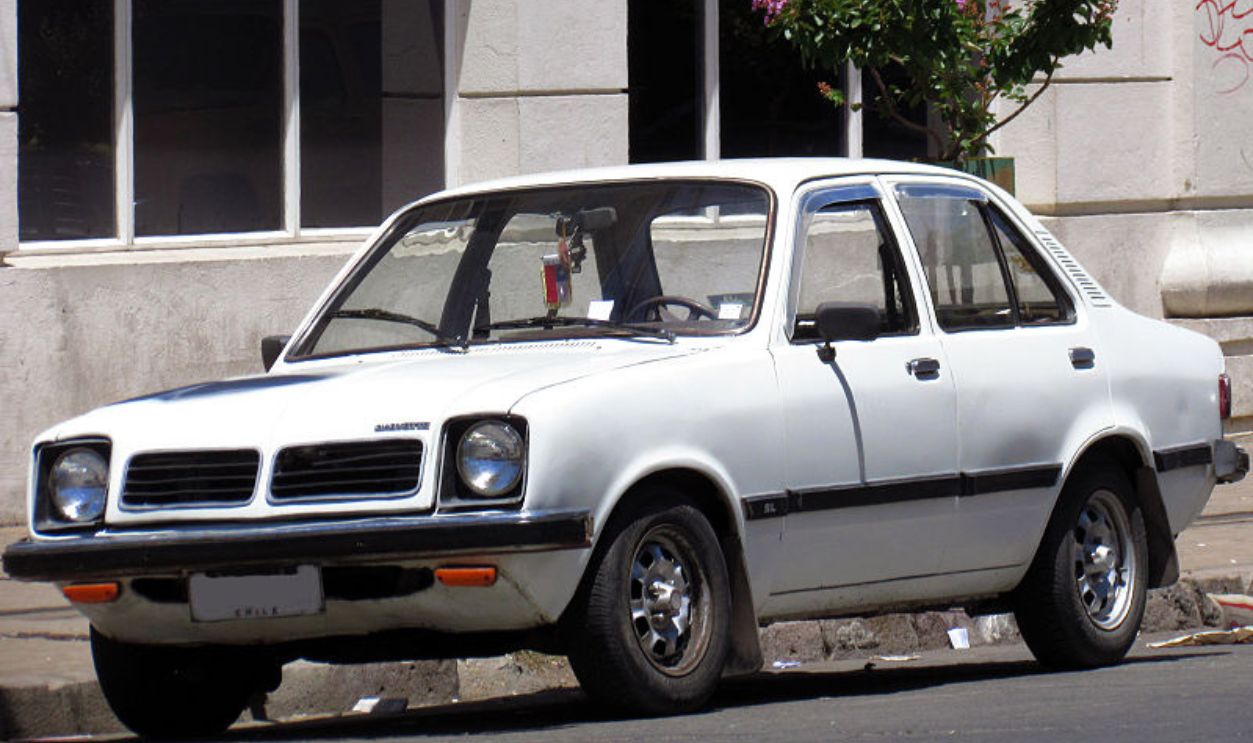 order_242, CC BY-SA 2.0, Wikimedia Commons
Opel GT
Sold through Buick dealerships, the German-built Opel GT was a miniature Corvette in spirit. With its pop-up headlights (manually operated via a lever) and flowing lines, it was a stylish alternative to British roadsters. But once Opel retreated from the U.S., the GT faded from memory too.
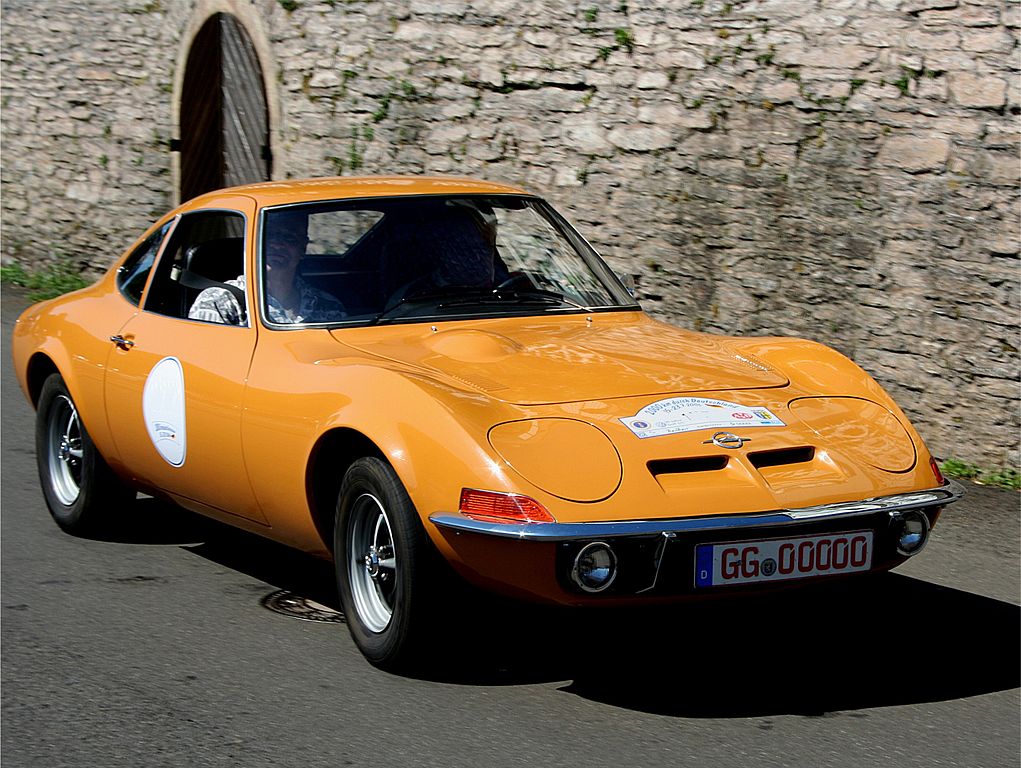 Lothar Spurzem, CC BY-SA 2.0, Wikimedia Commons
AMC Matador
Part muscle car, part cruiser, part “What exactly is this?”—the Matador was AMC’s bold attempt to stand out. Its NASCAR success proved it had real chops, though its styling remains a matter of debate. Today it’s one of the most interesting forgotten classics of the era.
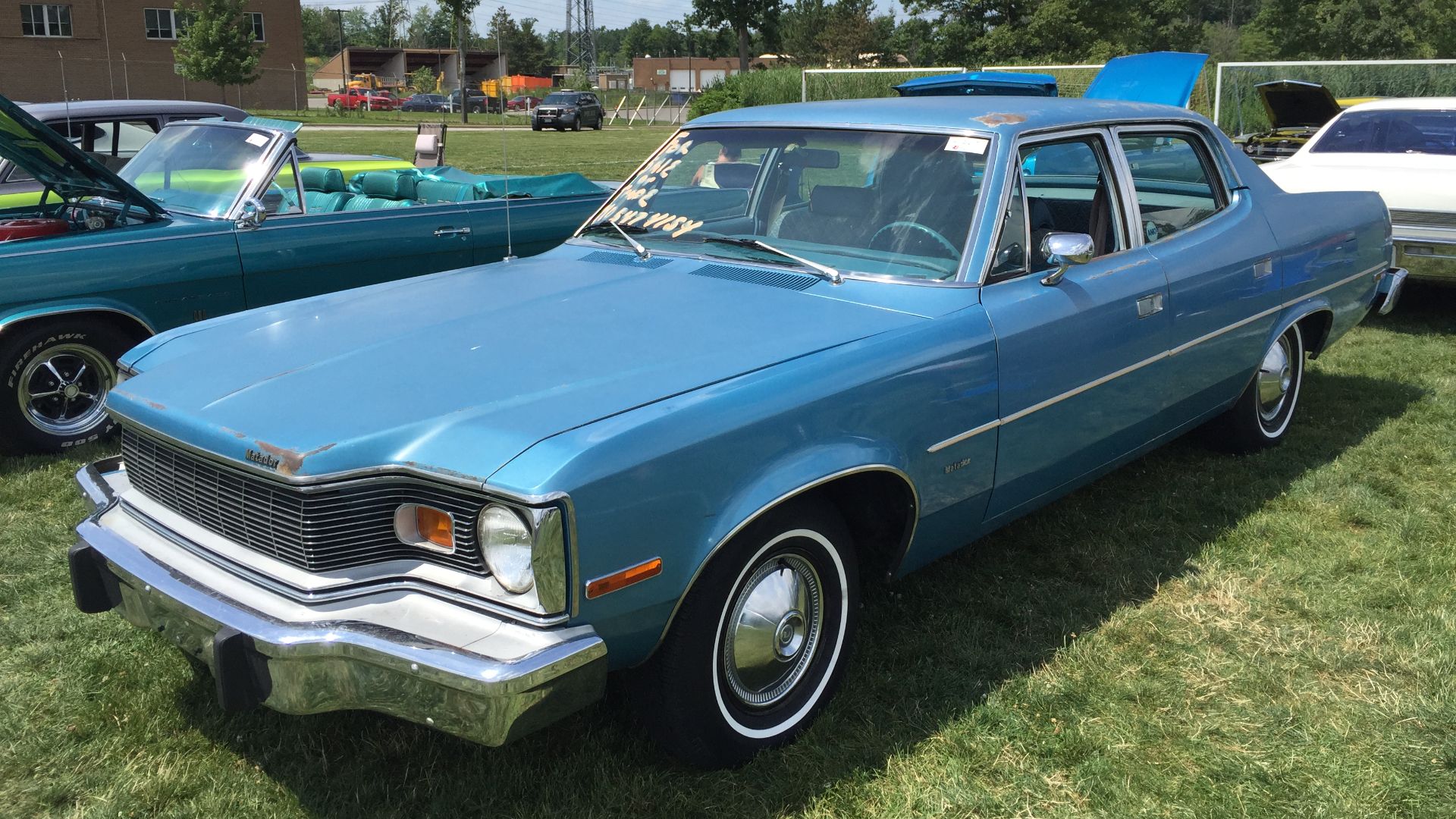 CZmarlin — Christopher Ziemnowicz, Wikimedia Commons
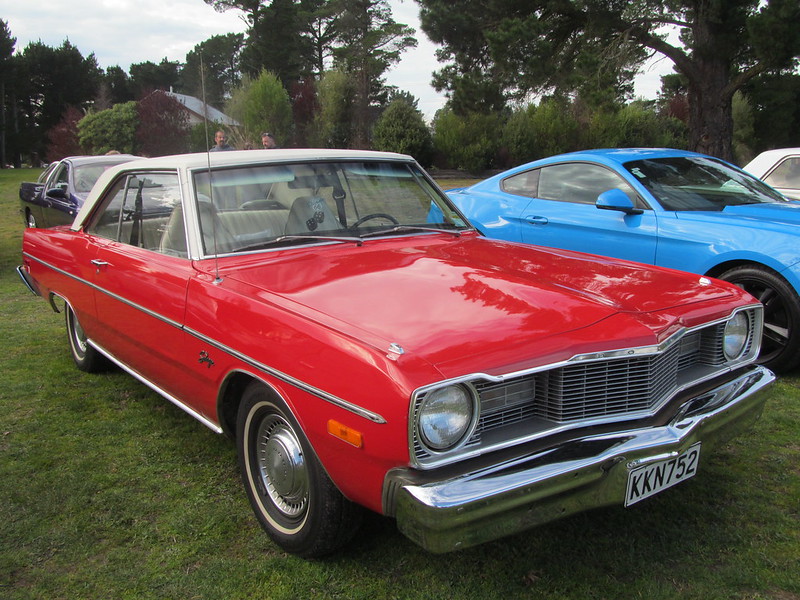
Dodge Dart Swinger
The Dart was wildly popular, but the Swinger trim—complete with funky graphics—embodied pure ’70s swagger. Durable, practical, and cooler than people remember, the Dart Swinger now sits in that sweet spot between nostalgia and obscurity.
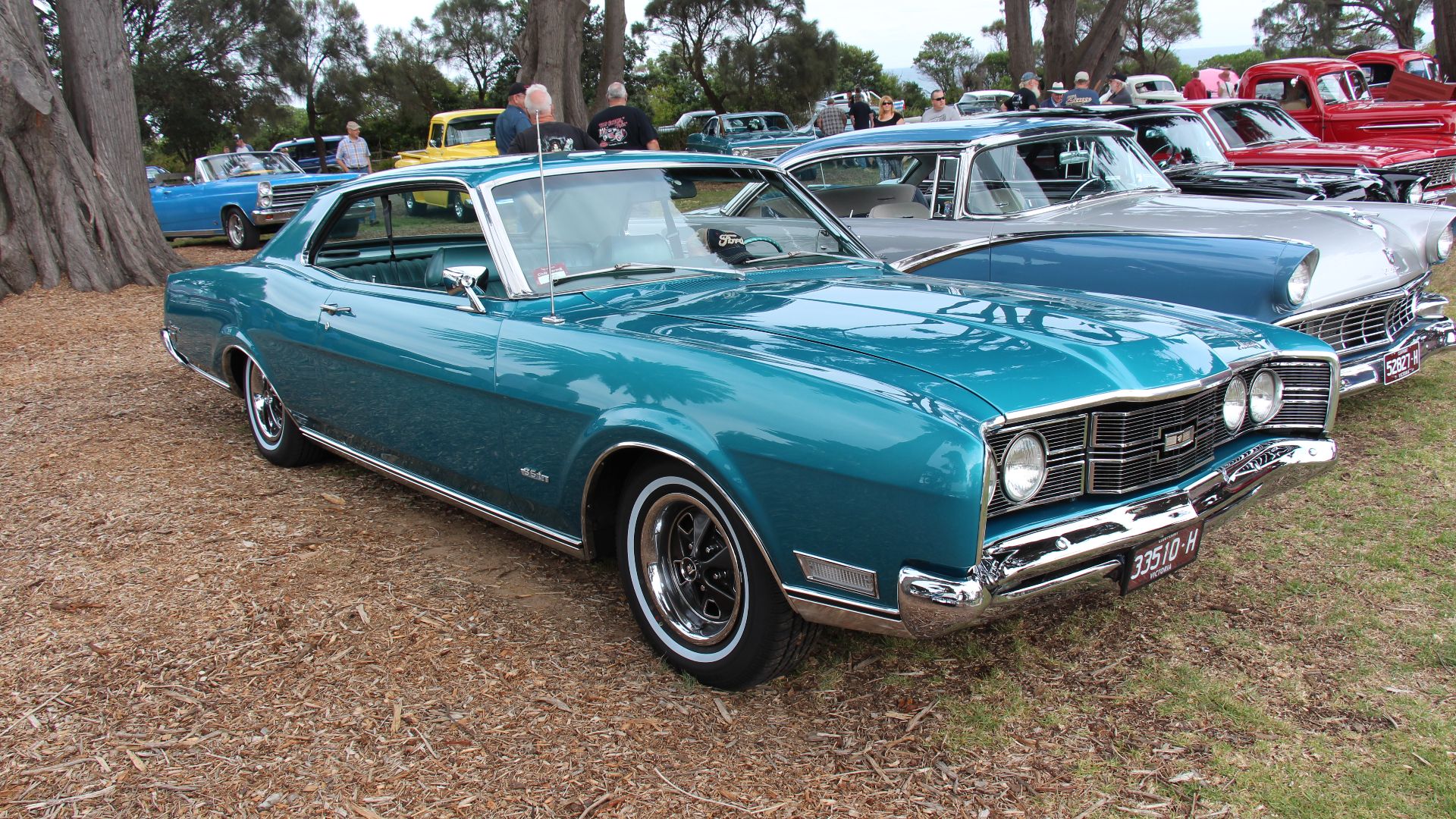
Mercury Montego
A cousin to the Ford Torino, the Montego offered clean lines and solid performance but never hit superstar status. It existed in the shadows of flashier siblings and eventually disappeared altogether, leaving behind only scattered memories.
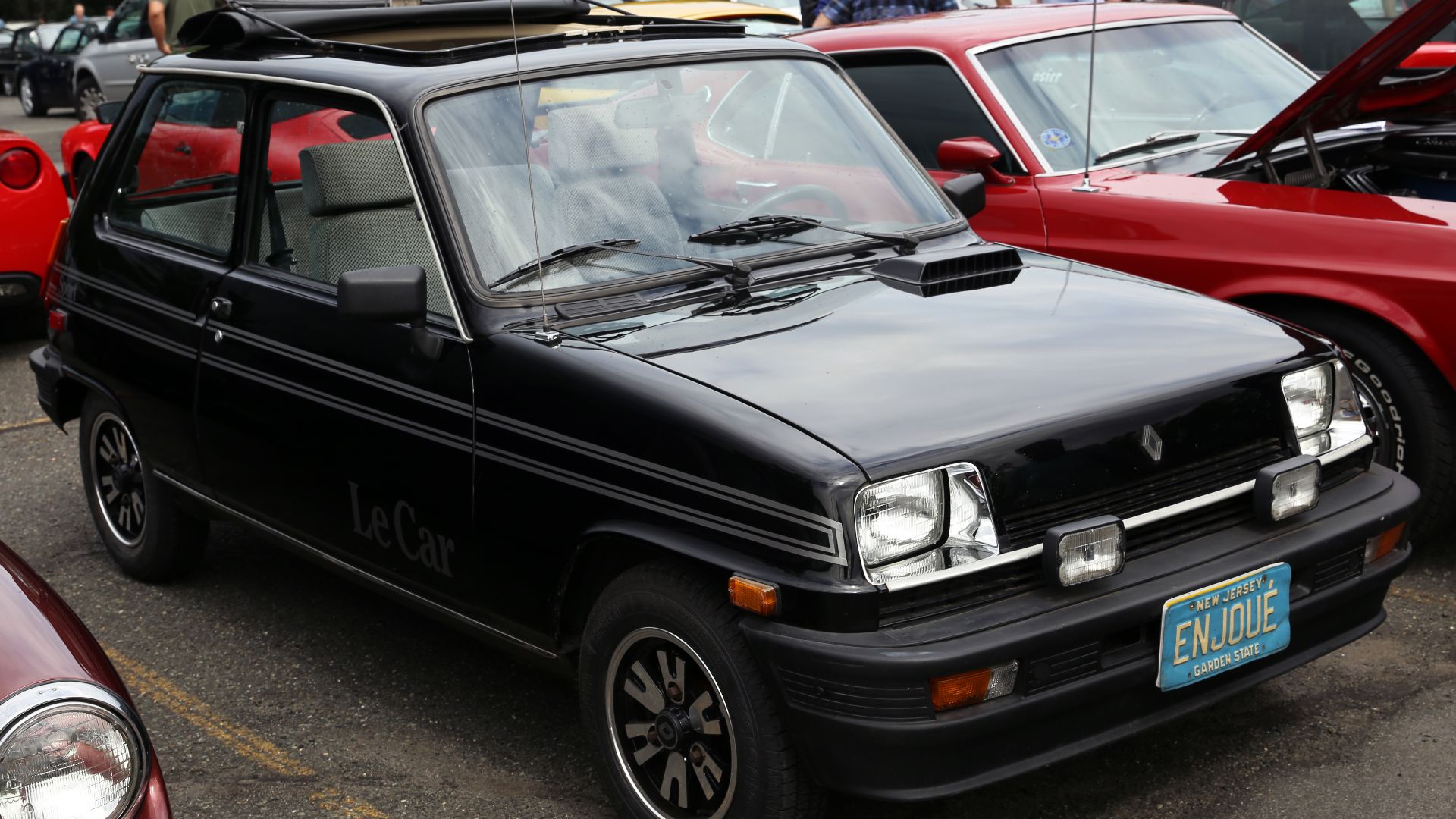
Renault Le Car
Imported by AMC, the Le Car tried to bring French economy-car charm to the U.S. It had personality, efficiency, and a devoted cult following—but in a land of V8s, it never really stood a chance. Today it’s a quirky footnote in transatlantic automotive history.
 Mr.choppers, Wikimedia Commons
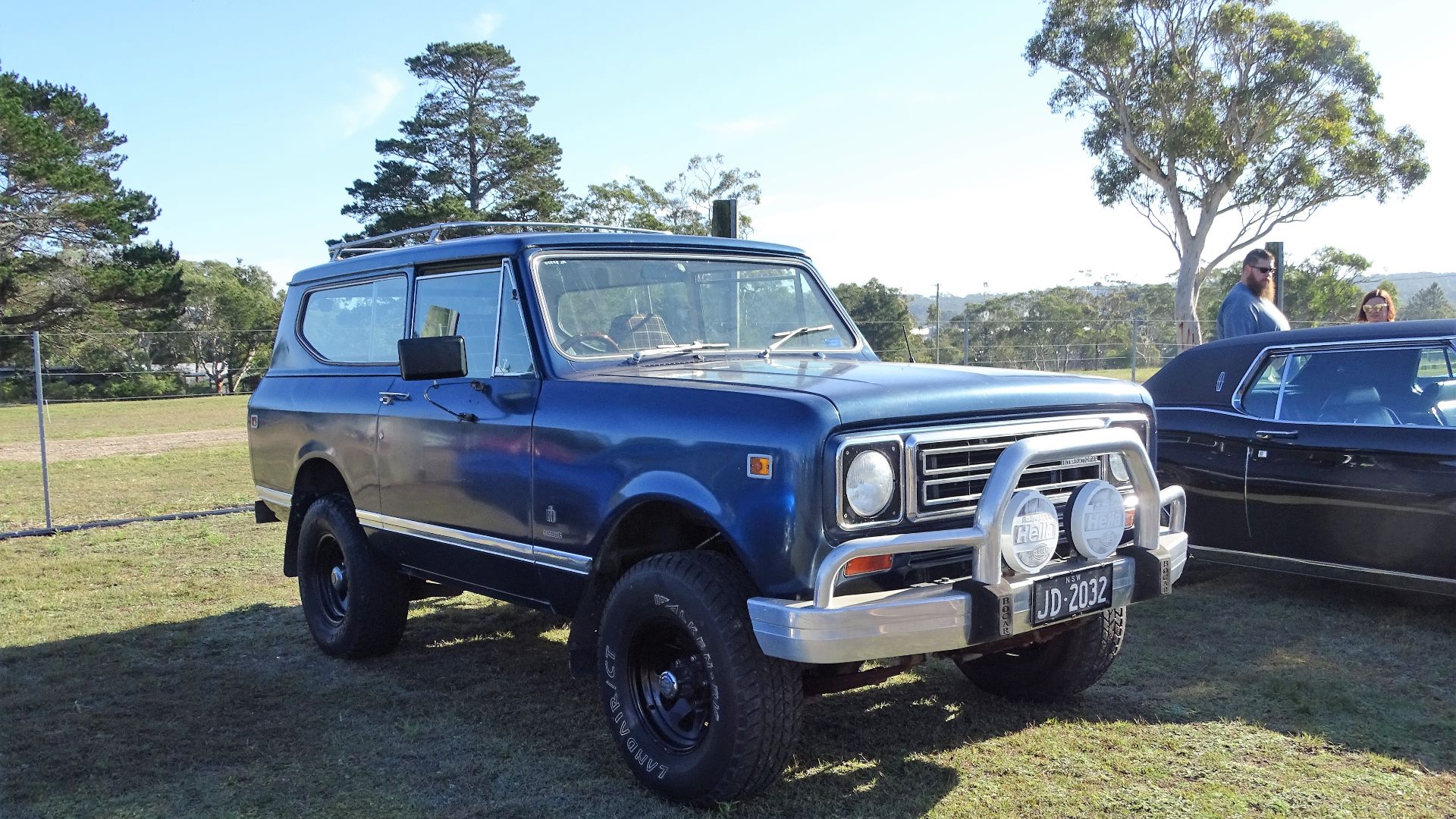
International Harvester Scout II
Before “bronco restorations” became a billion-dollar trend, the Scout II was the rugged, go-anywhere 4x4 of choice. Tough and charismatic, it simply arrived too early to ride the wave of SUV mania. Boomers remember these from camping trips and farm life, but many younger enthusiasts have never seen one in person.
Ford Fairlane
The Fairlane was once a staple of American roads, bridging practicality and style with ease. It offered everything from mild family cruisers to hulking V8 performance variants. Yet it faded into the background as Ford’s lineup evolved.
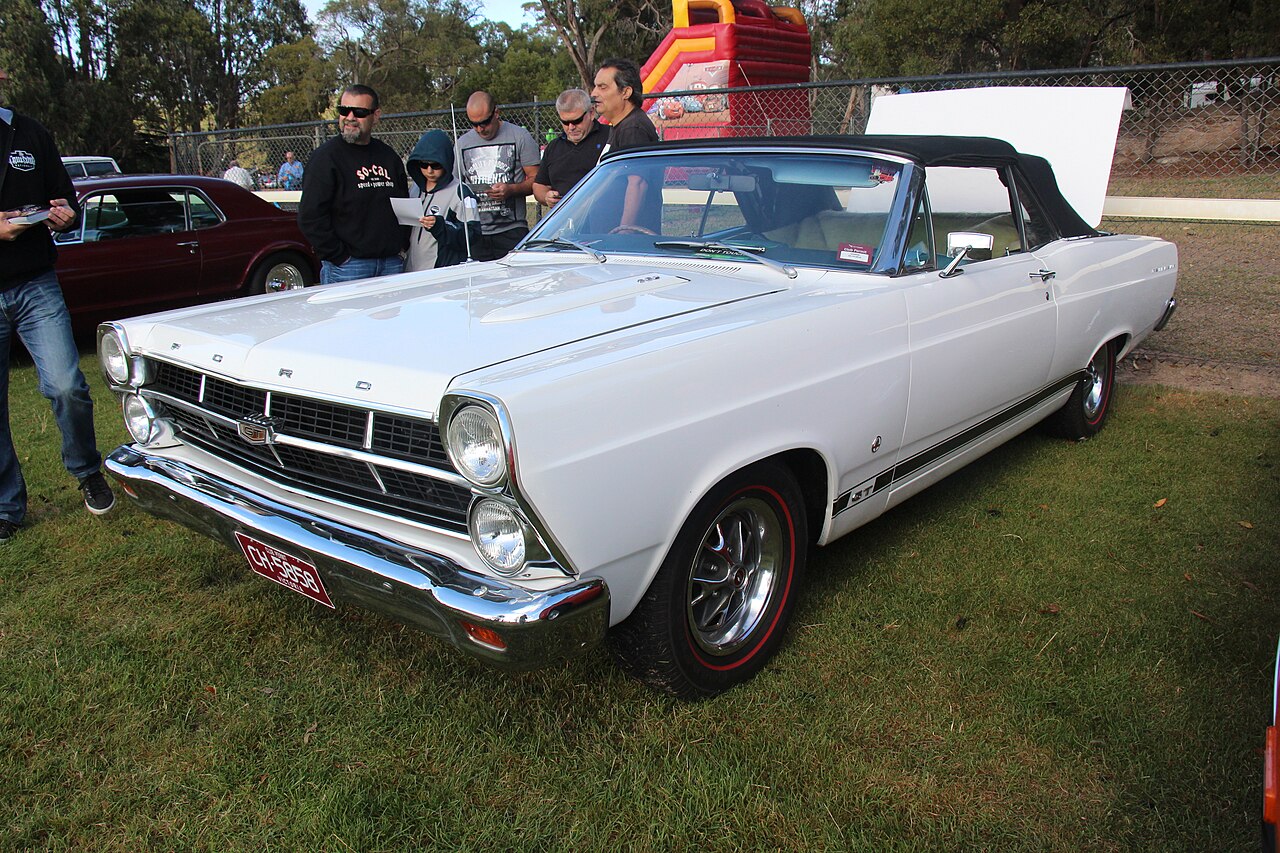 Sicnag, CC BY 2.0, Wikimedia Commons
Plymouth Fury
Famous for everything from police duty to a starring role in Christine, the Fury was once a household name. Spacious, bold, and authoritative, it embodied Chrysler's confidence. Today, though, the Fury has mostly slipped out of public consciousness.
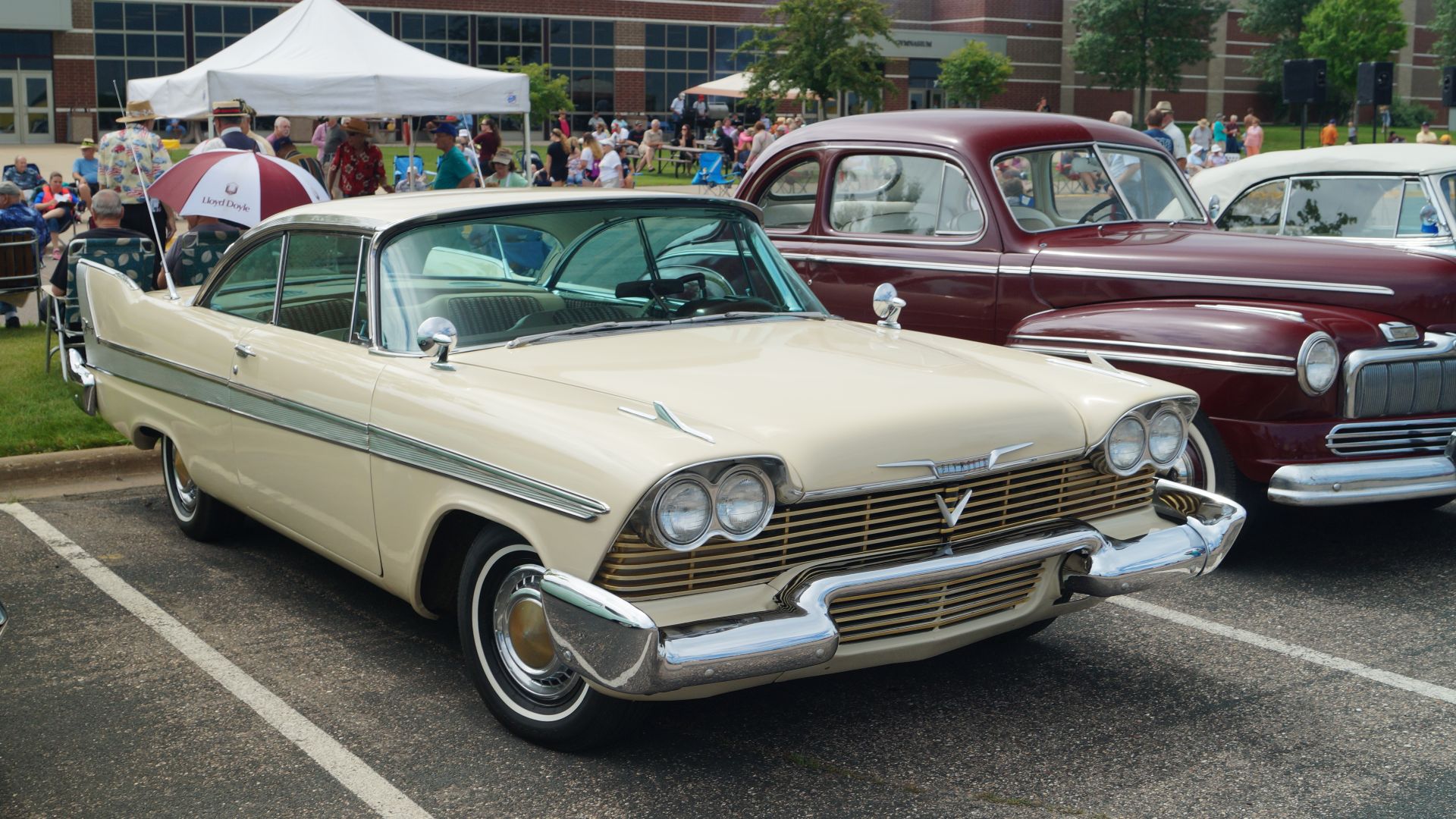 Greg Gjerdingen from Willmar, USA, Wikimedia Commons
Buick Skylark (’60s–’70s)
Overshadowed by its muscle-car cousin, the GS, the everyday Skylark was the quietly stylish car of choice for countless American households. Comfortable and composed, it rarely gets the appreciation it deserves.
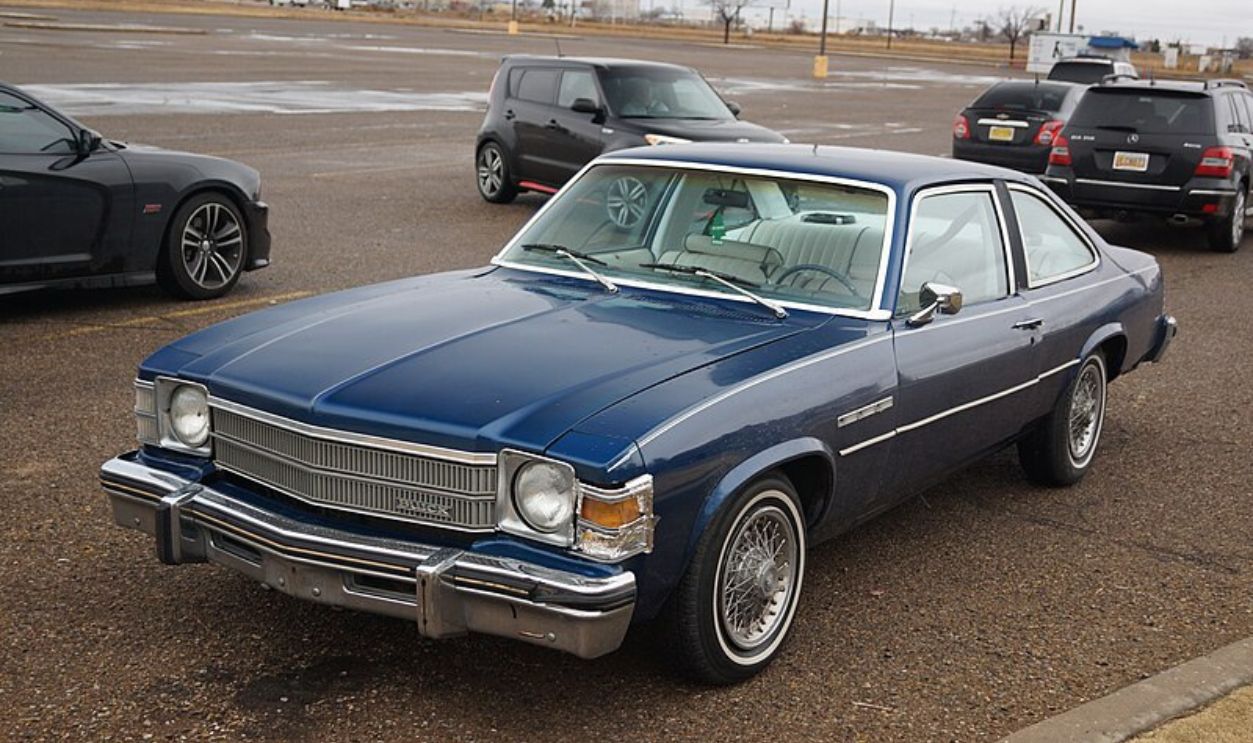 Greg Gjerdingen, CC BY 2.0, Wikimedia Commons
Nash Metropolitan
Small, cute, and imported before importing was cool, the Metropolitan was decades ahead of the subcompact boom. With pastel colors and toy-like styling, it looked like something out of a cartoon—but it sold surprisingly well. Today it's a forgotten pioneer.
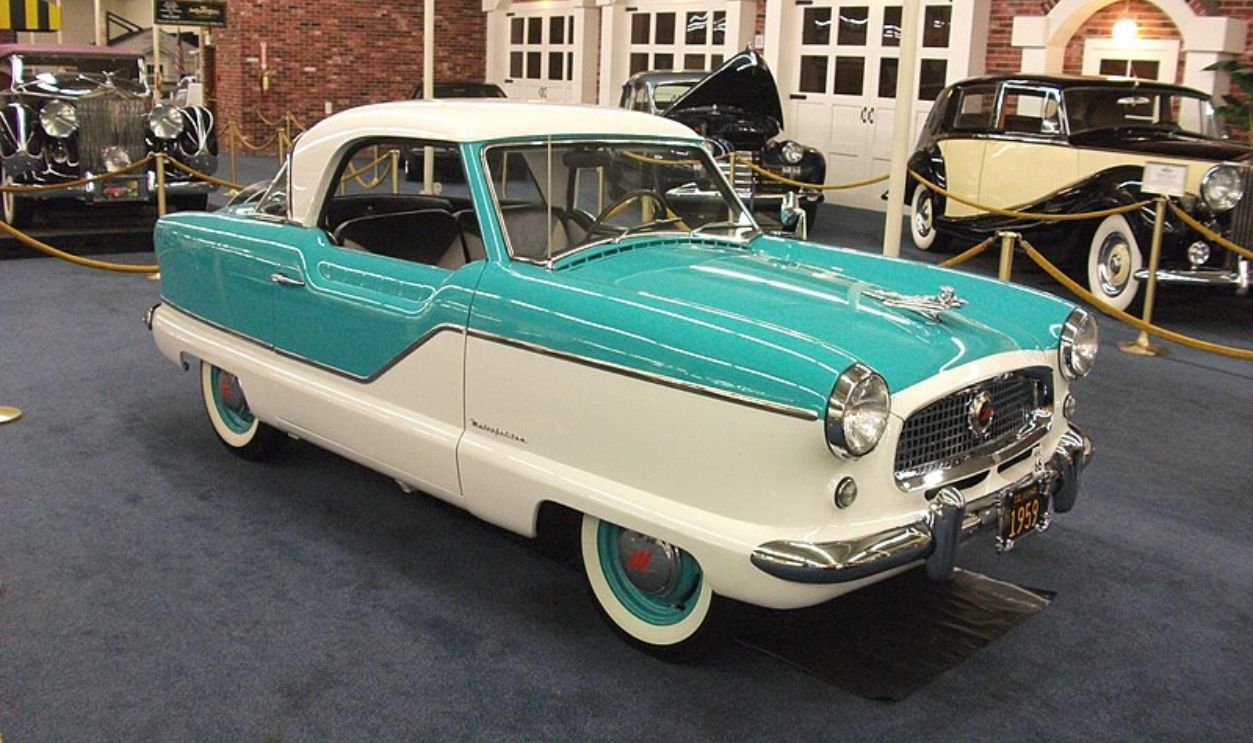 dave_7, CC BY 2.0, Wikimedia Commons
Plymouth Barracuda (Early Generations)
Before the ’Cuda became a tire-shredding legend, the early Barracuda was a compact fastback based on the humble Valiant. Its massive rear glass window was groundbreaking, but it didn’t gain fame until later muscle-bound versions stole the spotlight.
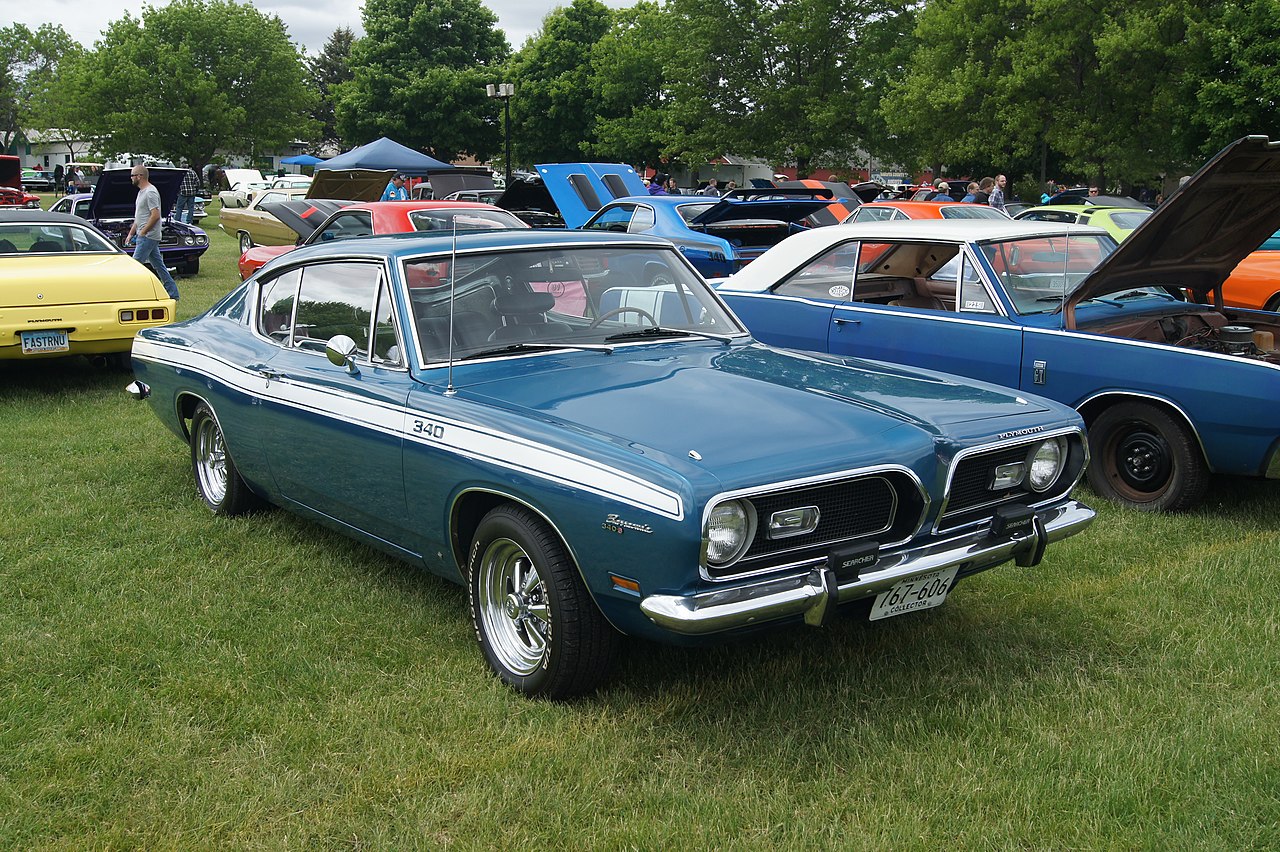 Greg Gjerdingen, CC BY 2., Wikimedia Commons
Kaiser Darrin
A fiberglass sports car with sliding doors? Absolutely. The Kaiser Darrin was a glamorous experiment with looks straight out of a dream sequence. Sadly, its short production run and high price kept it from mainstream success, leaving it to be rediscovered by enthusiasts decades later.
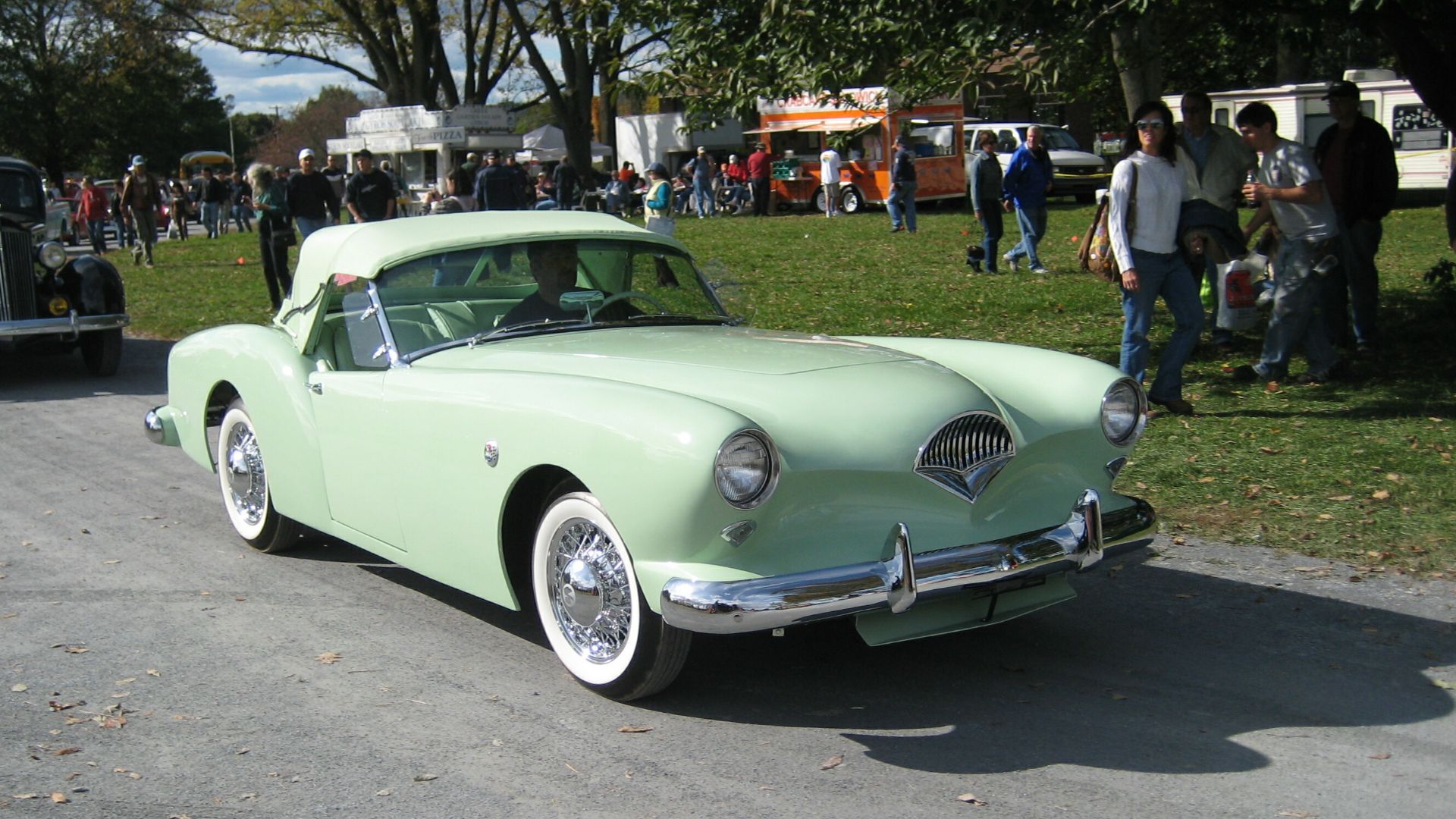 JOHN LLOYD from Concrete, Washington, United States, Wikimedia Commons
The Road Back To Memory Lane
Baby Boomers grew up in a golden age of automotive diversity—big cruisers, tiny imports, early SUVs, bizarre experiments, and everything in between. Many cars from that era have become icons, but just as many slipped quietly into the background, overshadowed by flashier, faster, or more reliable machines. Yet these forgotten cars tell their own story of innovation, risk-taking, and cultural change.
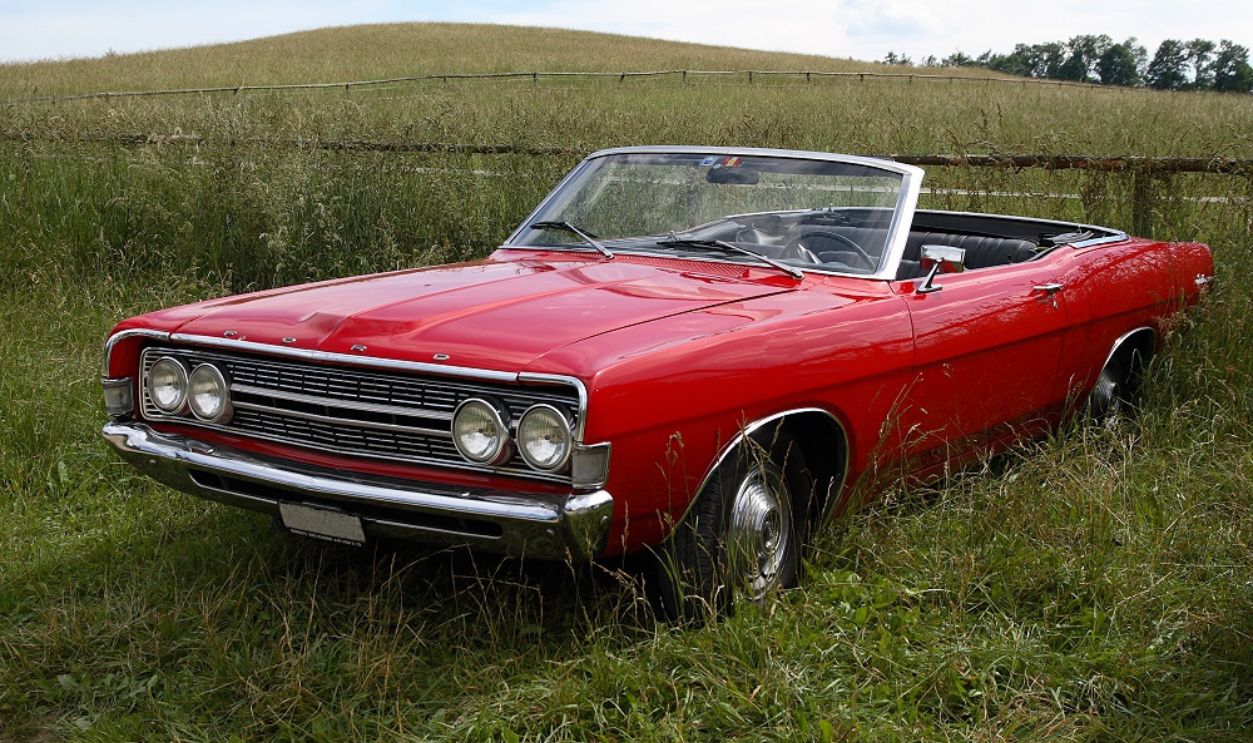 Peter Schmenger, CC BY-SA 3.0, Wikimedia Commons
You May Also Like:
Christmas Gift Ideas For The Mechanic In Your Life
Pickup Trucks That Were Built To Survive The Apocalypse—Or At Least Look Like It






.jpg)


.jpg)

.jpg)


.jpg)


.jpg)
