The Curious Case Of Chrysler’s Secret German Car
When the Chrysler Crossfire arrived in 2004, car enthusiasts scratched their heads in fascination. Here was a Chrysler—an American badge through and through—that drove, felt, and behaved suspiciously like a German sports coupe. And for good reason: beneath its angular sheet metal lived the bones of a Mercedes-Benz SLK. Born from the short-lived “merger of equals” between Daimler and Chrysler, the Crossfire became one of the most intriguing automotive mashups of the 2000s. This is the story of how it came to be, why people loved it, and how it briefly shone before fading away.
A Merger That Promised The Moon
The late 1990s brought the ambitious union of Daimler-Benz and Chrysler. The plan? Combine German engineering with American creativity. While that didn’t work out so smoothly on the corporate side, one of the most fascinating byproducts of this relationship was the Crossfire—built on the first-generation Mercedes SLK platform.

A Sports Car Born From Spare Parts
Car enthusiasts love a good parts-bin special, and the Crossfire was exactly that. It used around 80% of the previous-gen SLK’s components, from the chassis to the suspension to the transmission. This wasn’t Chrysler reverse-engineering a Mercedes. This was Chrysler literally using a Mercedes.
Styled Like Nothing Else On The Road
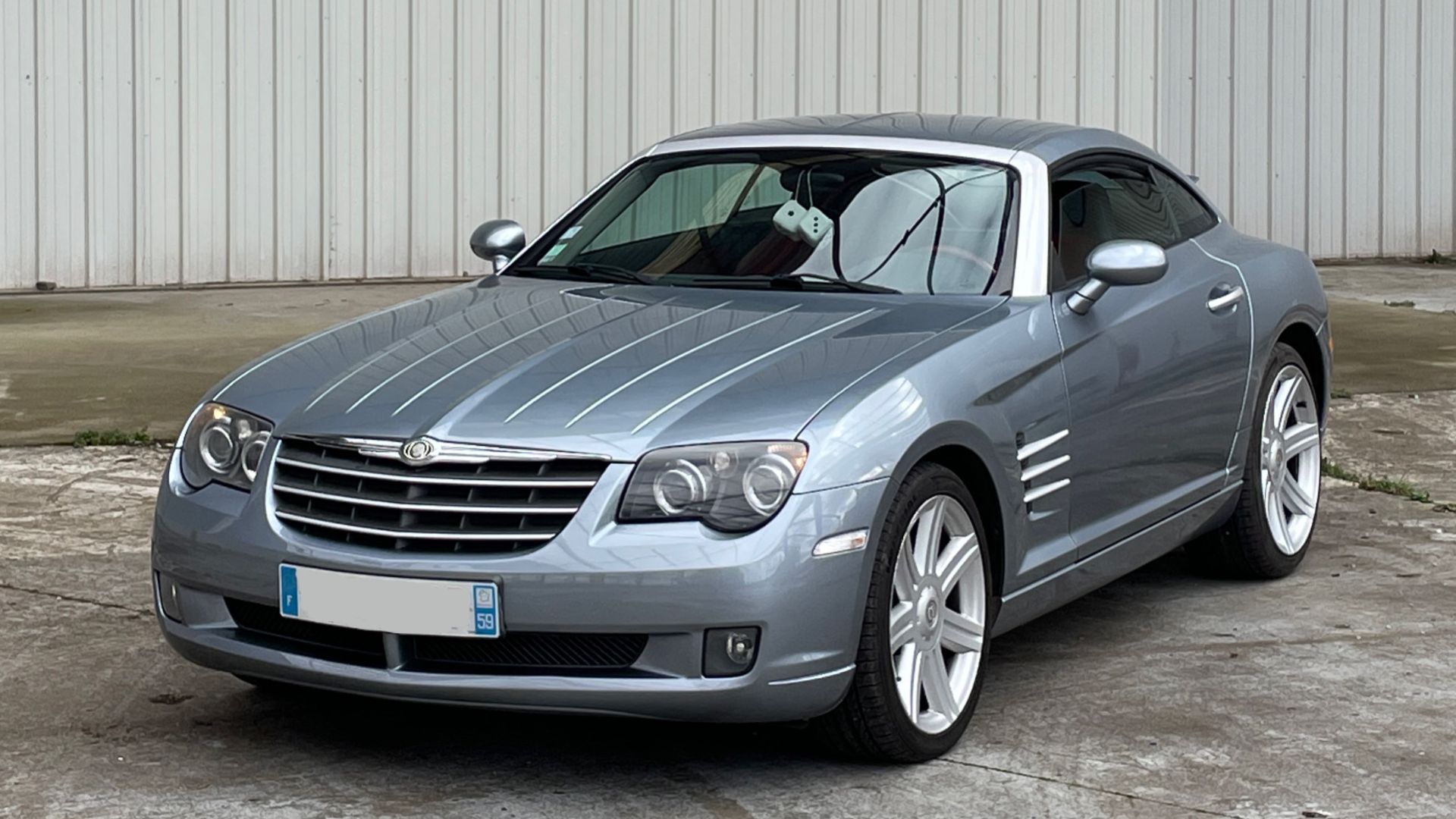
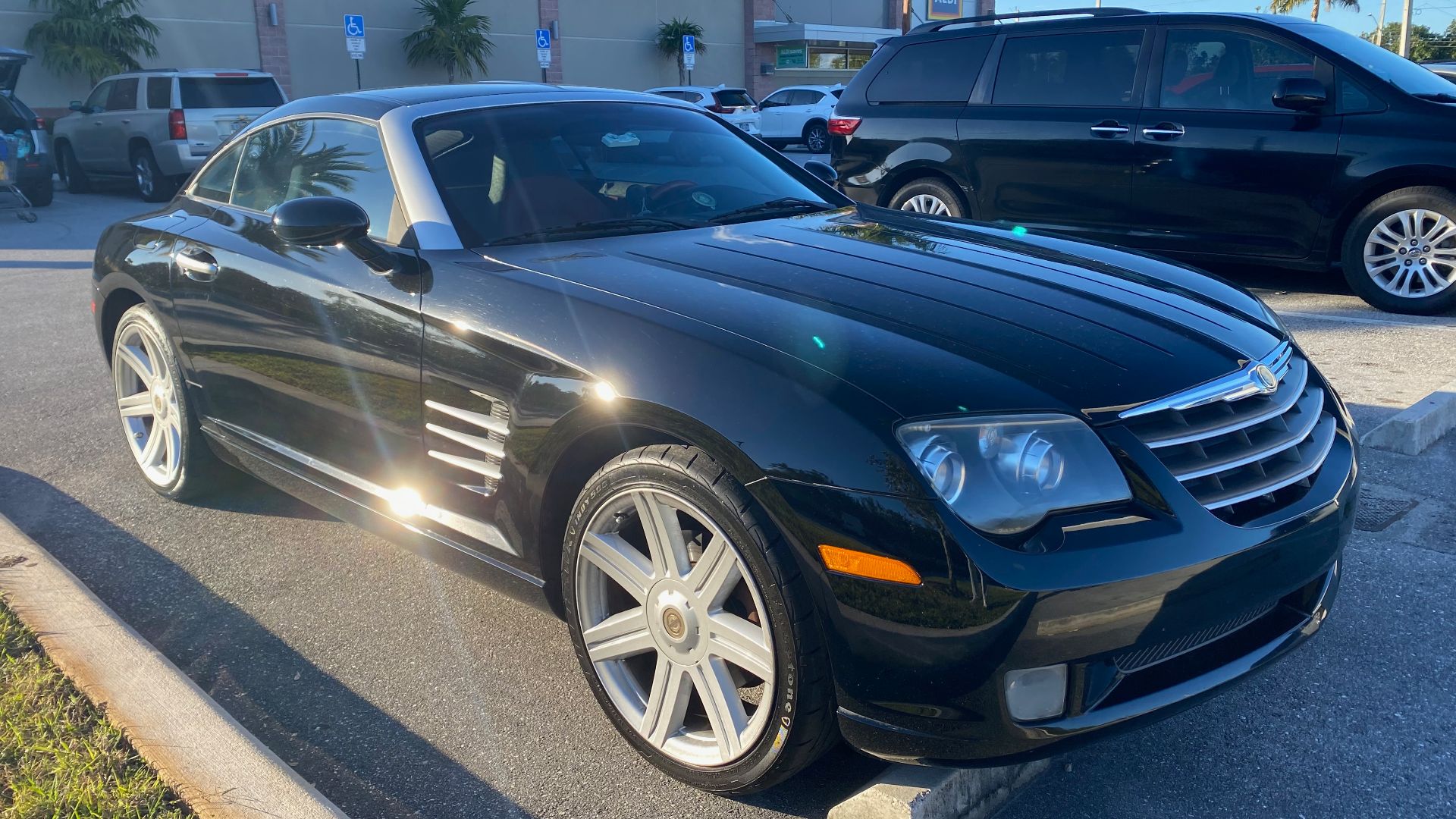
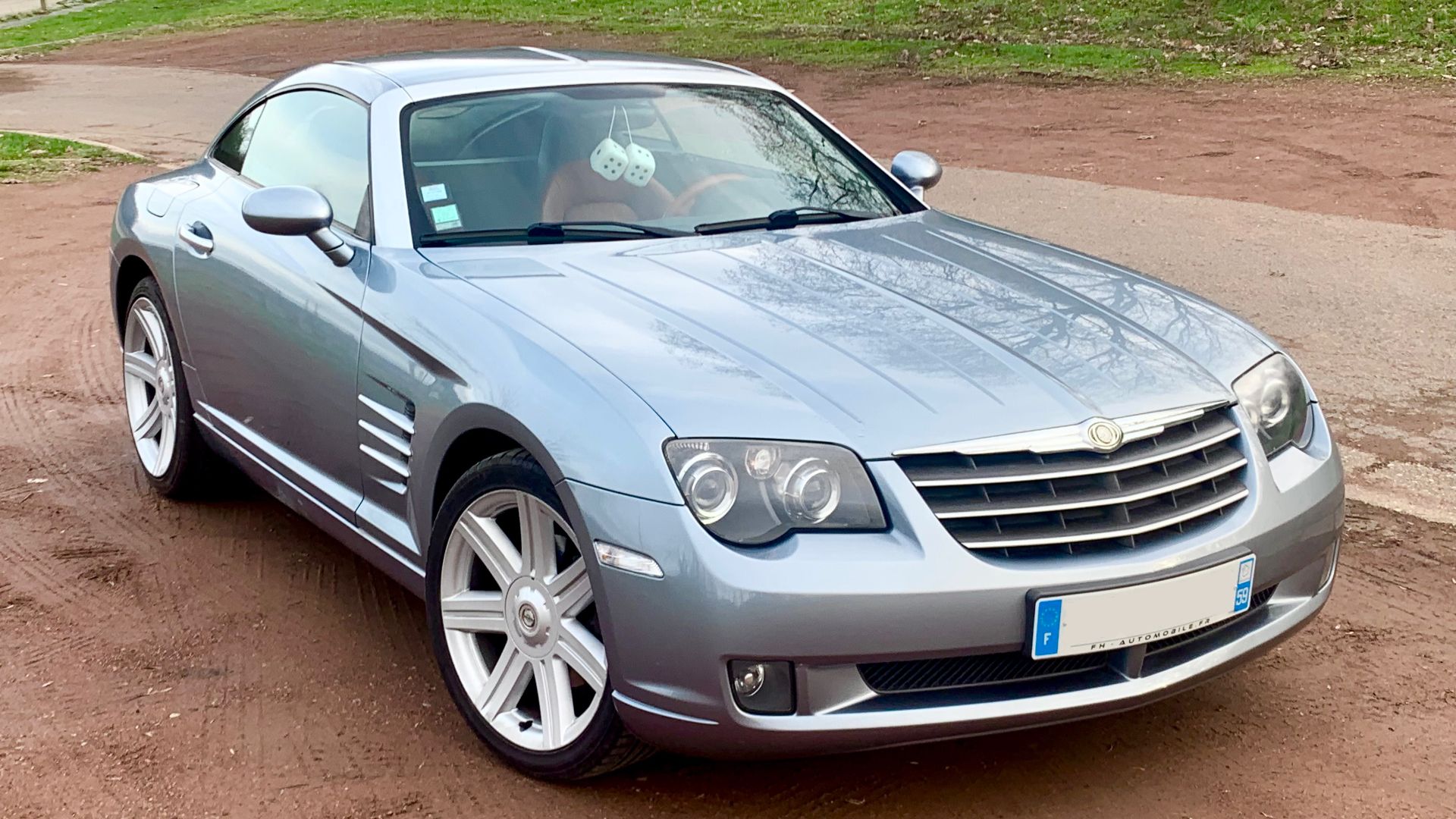
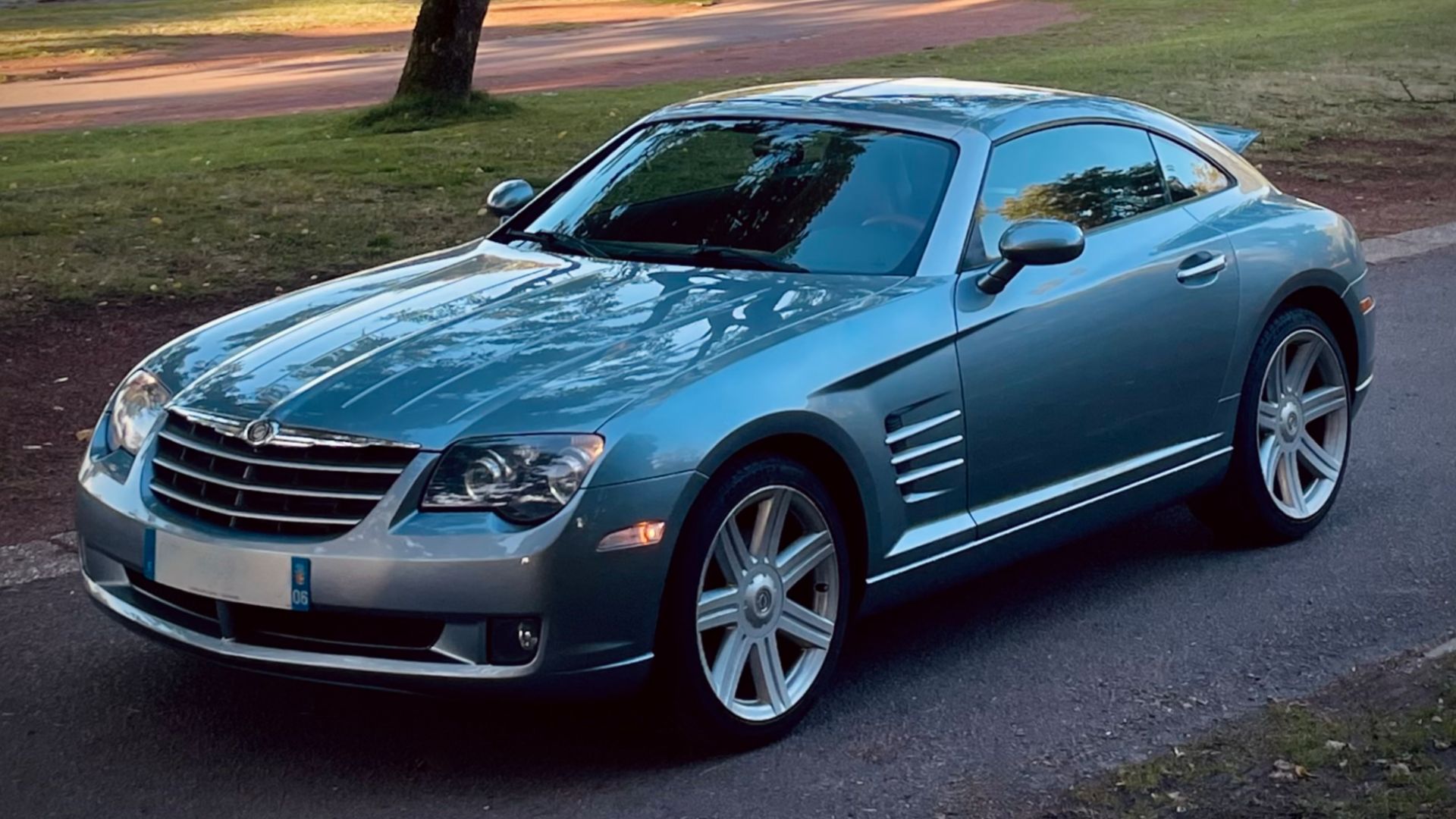
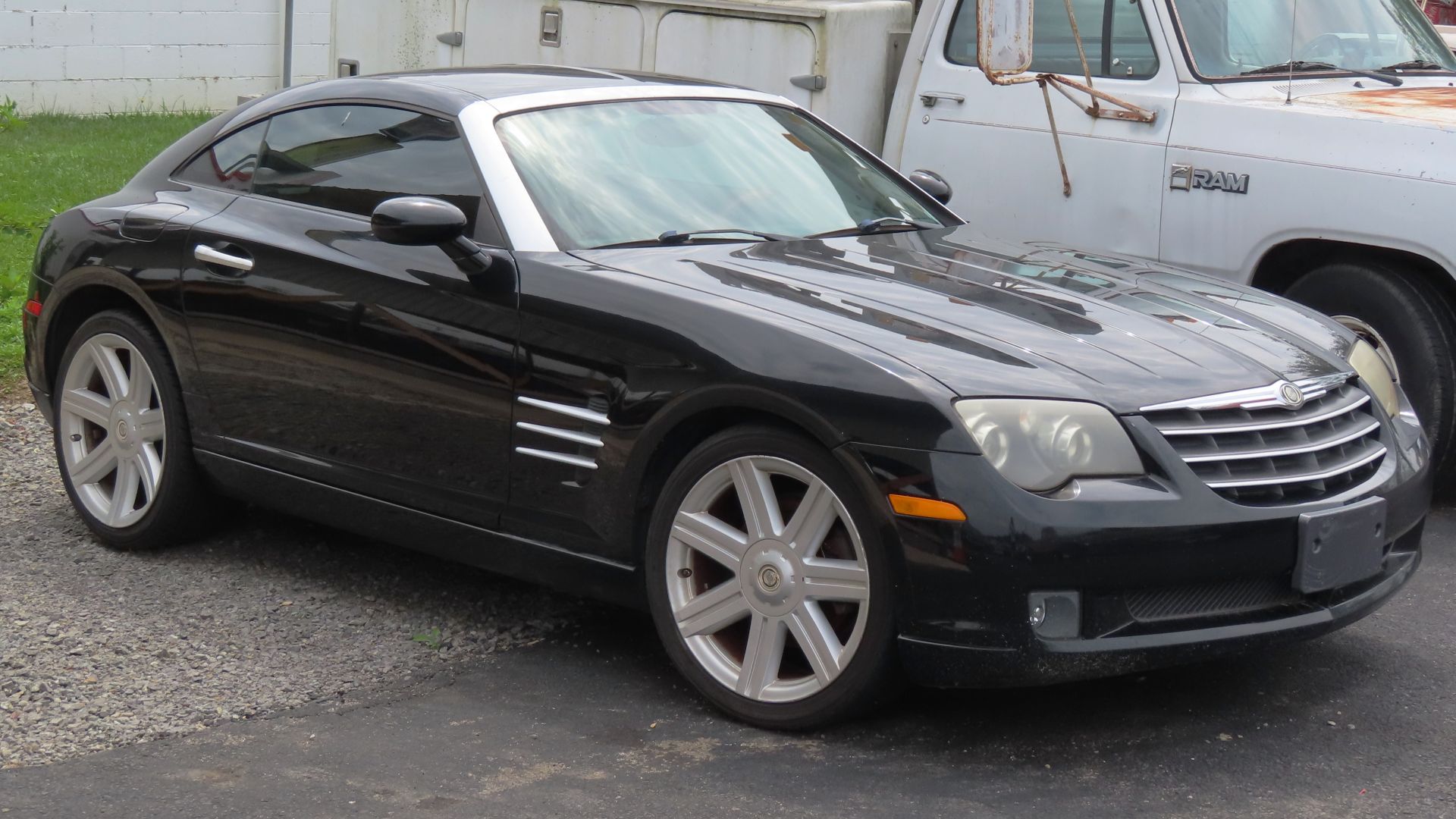
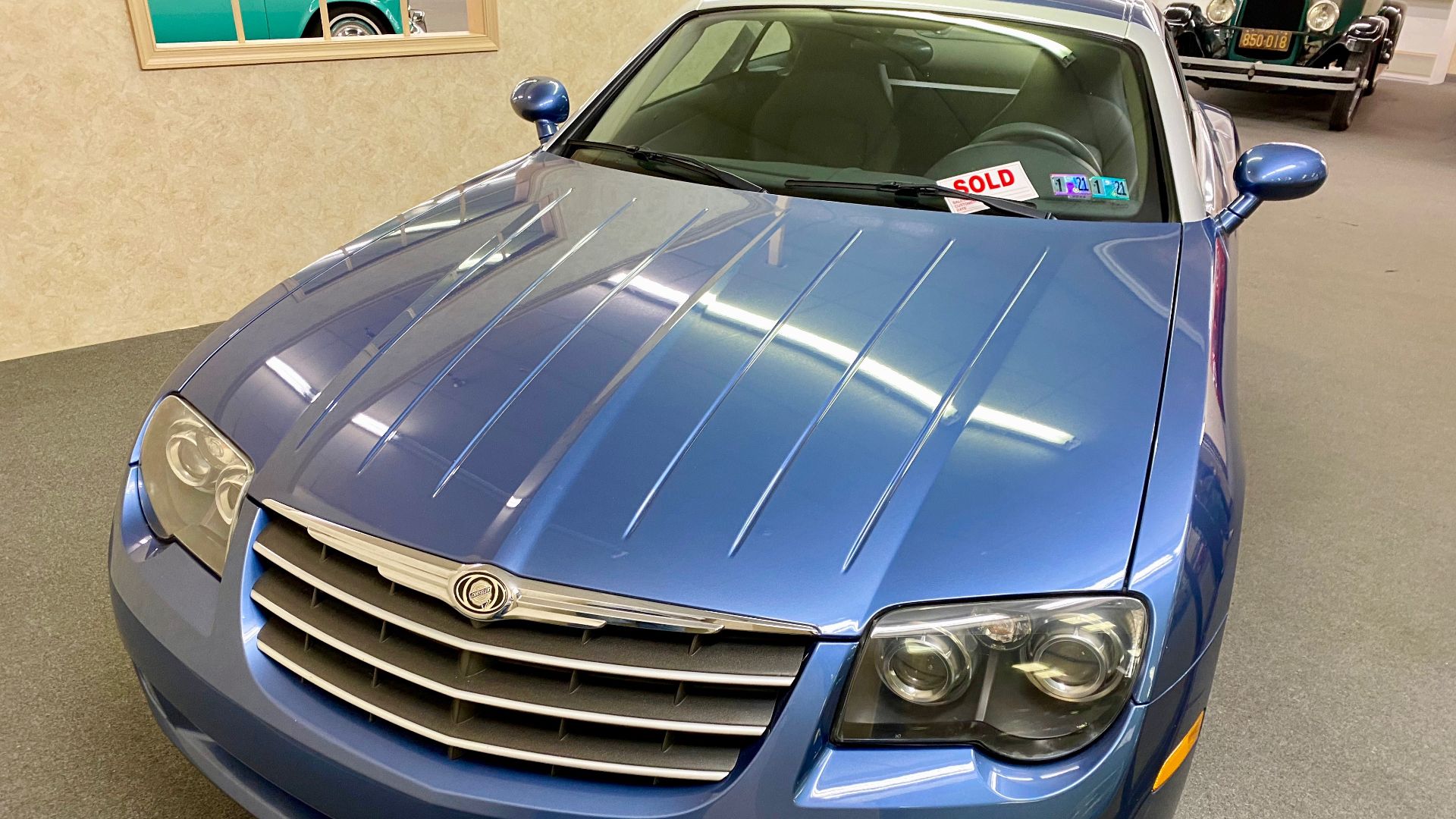
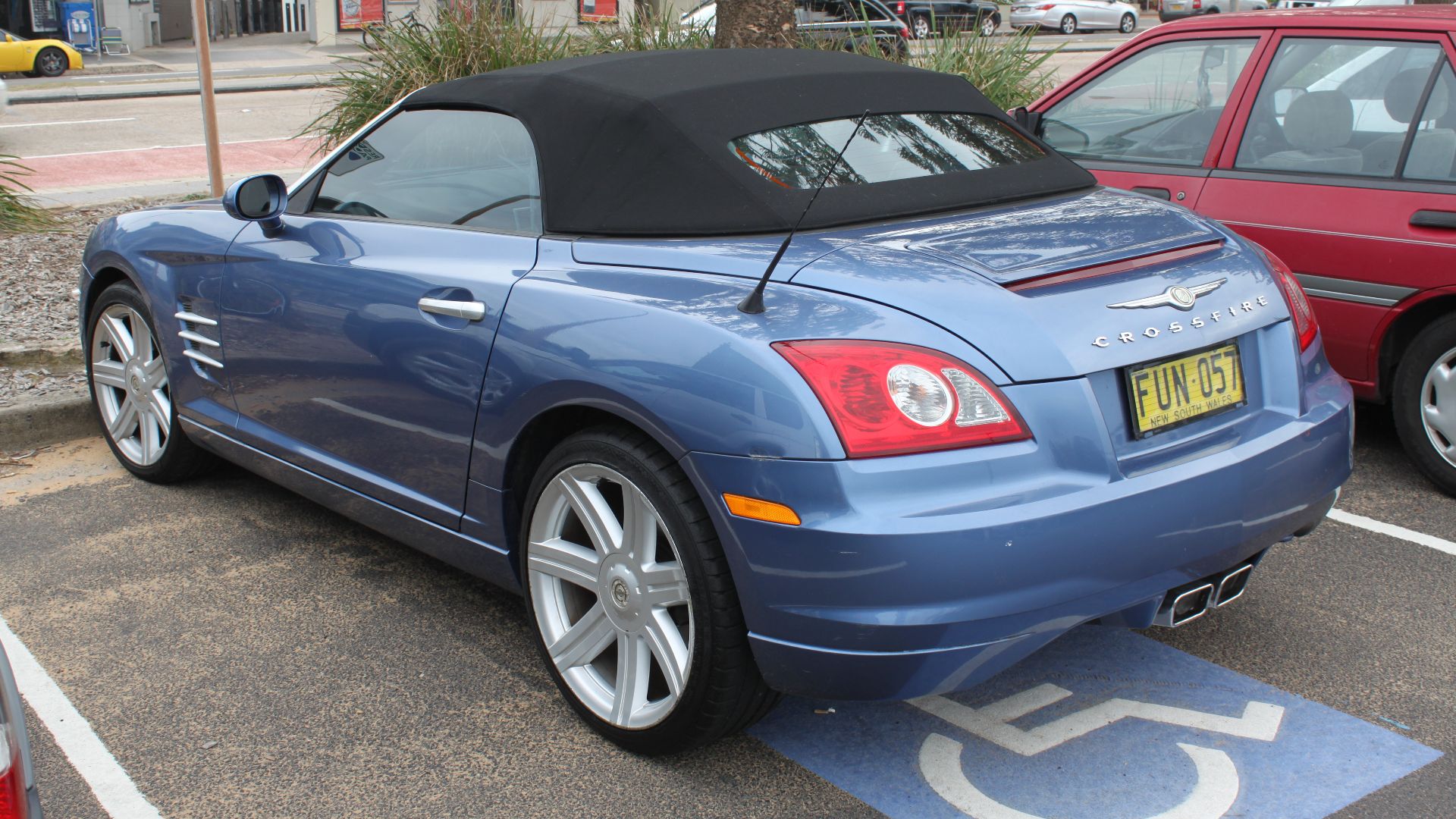
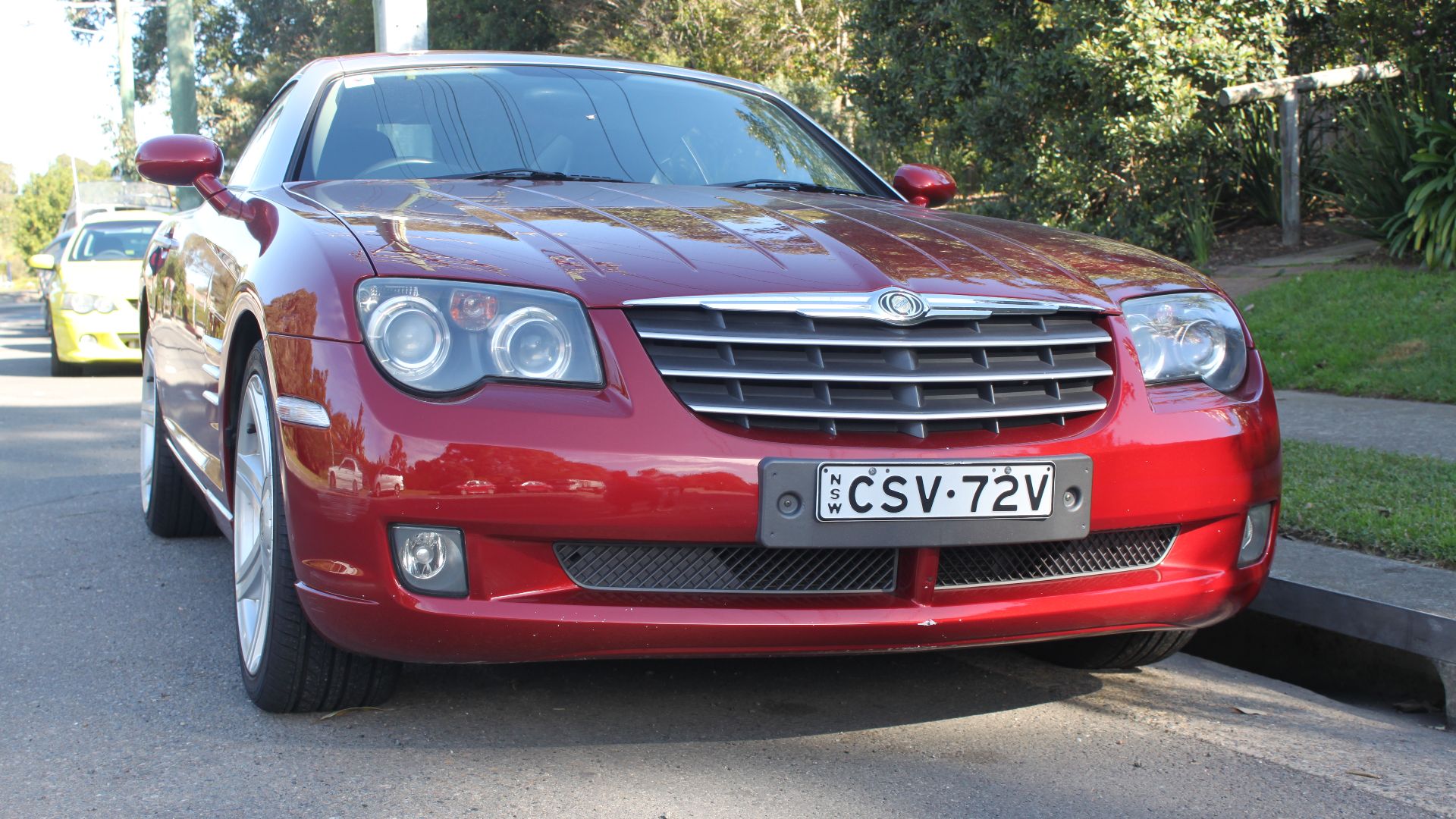
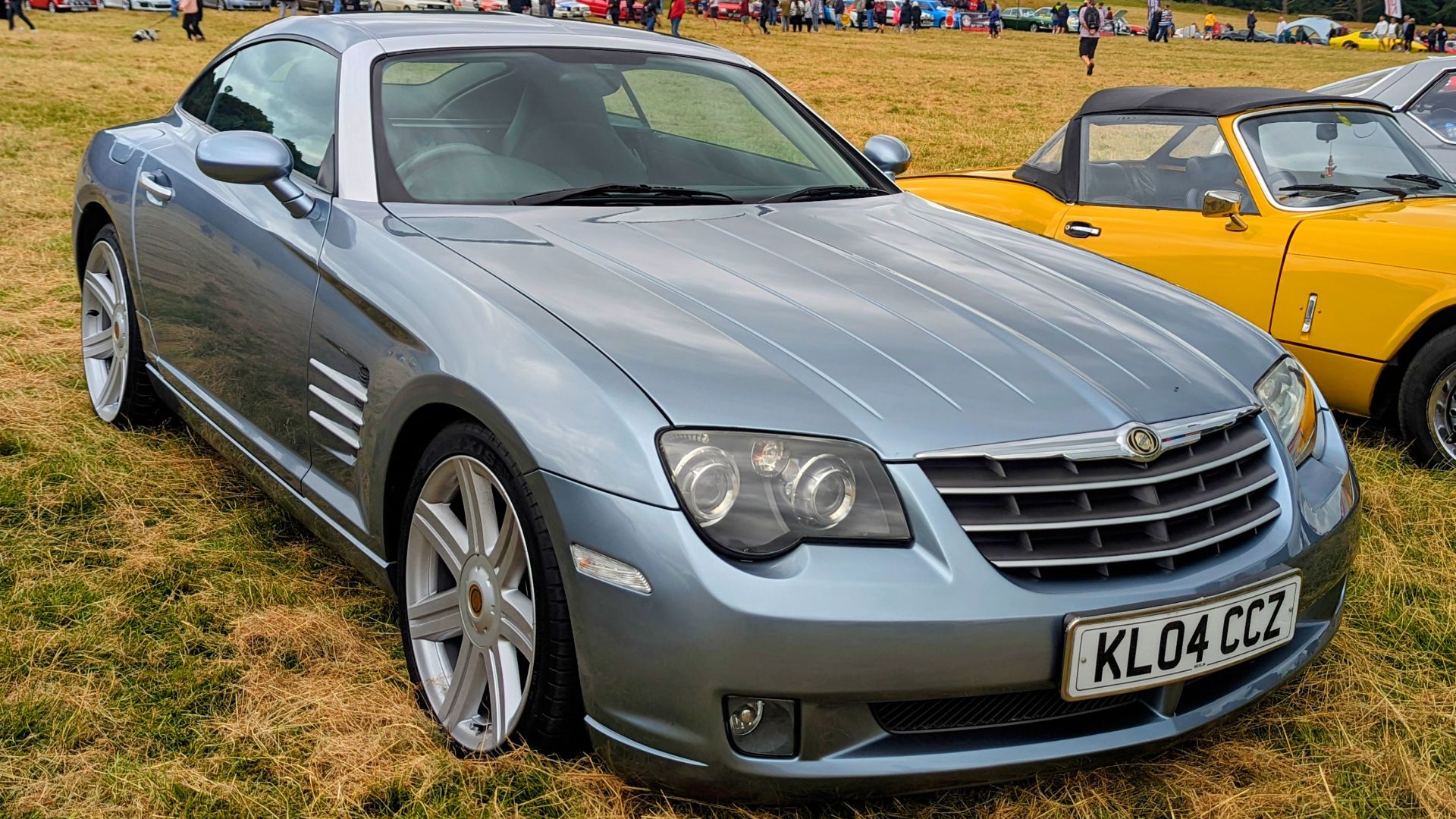
Love it or hate it, you couldn’t ignore the Crossfire’s design. Chrysler leaned hard into concept-car drama: a razor-sharp roofline, massive boat-tail rear end, ribbed hood strakes, and wheels pushed way out to the corners. It had proportions that made people stare—even if they weren’t quite sure what they were staring at.
The Iconic Boat-Tail Rear
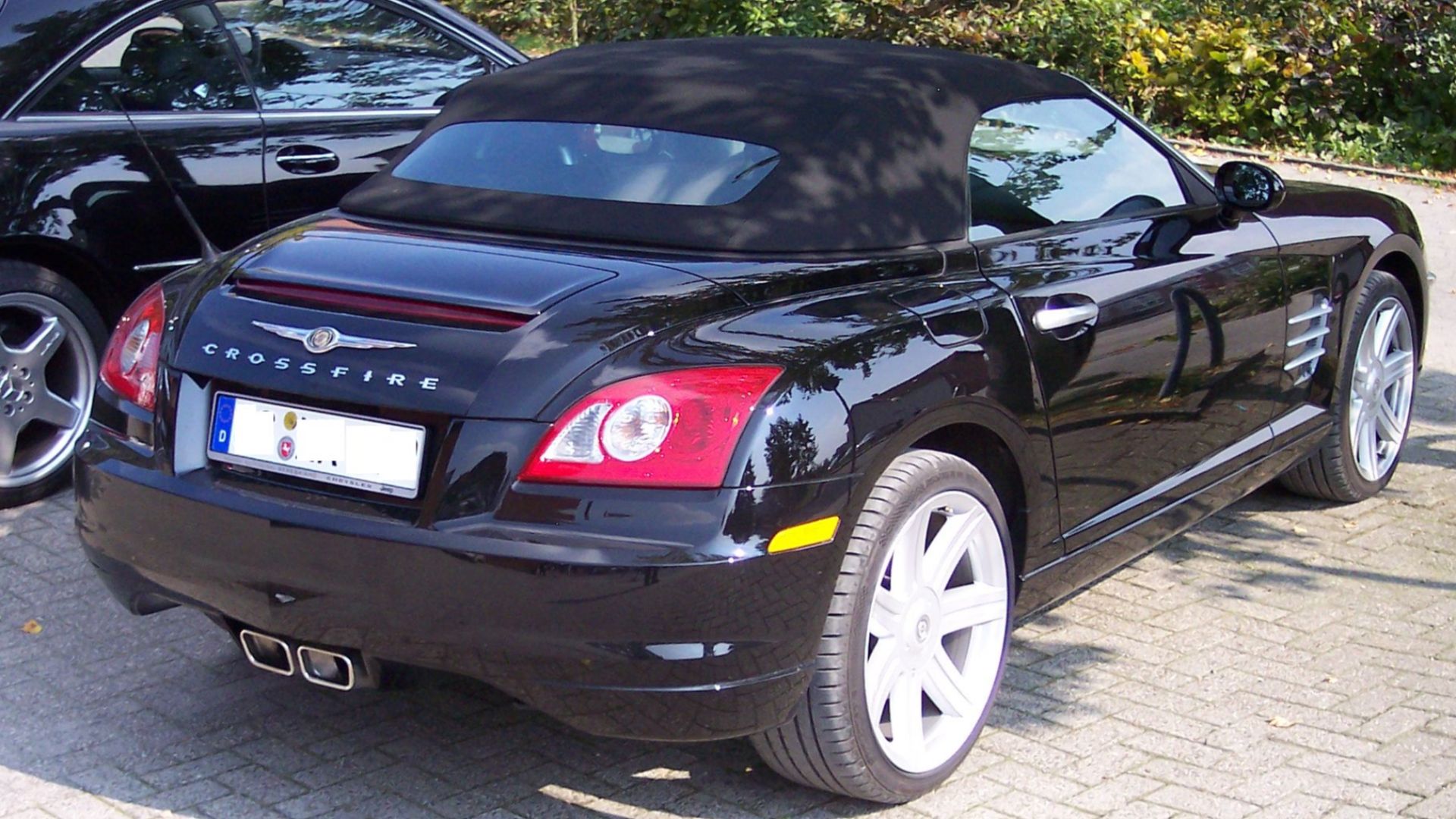
One of the defining features of the Crossfire was its tapered rear end, reminiscent of classic speedsters. It wasn’t just for show—Chrysler wanted the car to look exotic, almost like a sculpture. Park a Crossfire next to a contemporary Mustang or 350Z and it looked like it came from an entirely different universe.
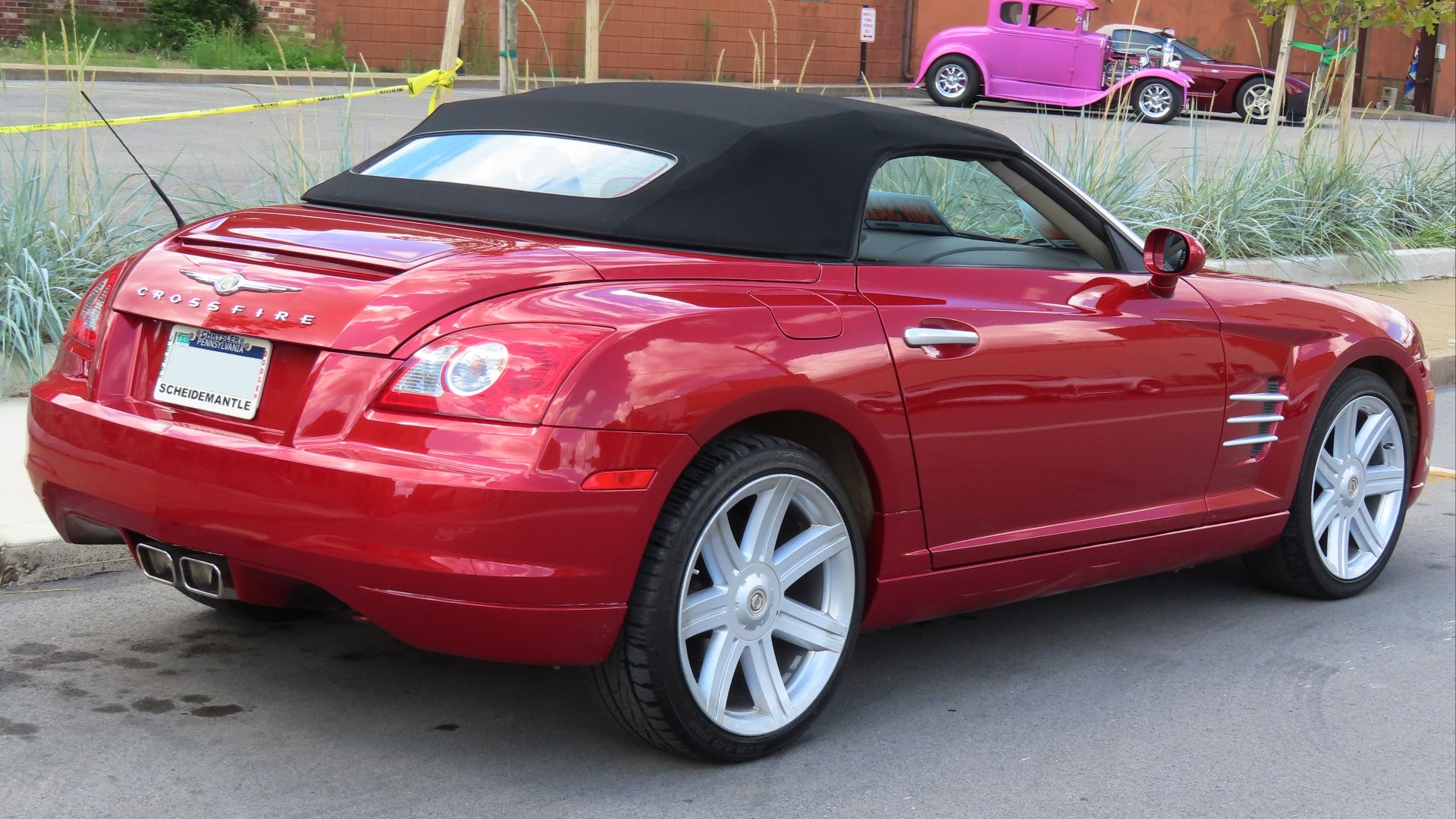 MercurySable99, Wikimedia Commons
Interior: A Little Mercedes, A Little Chrysler
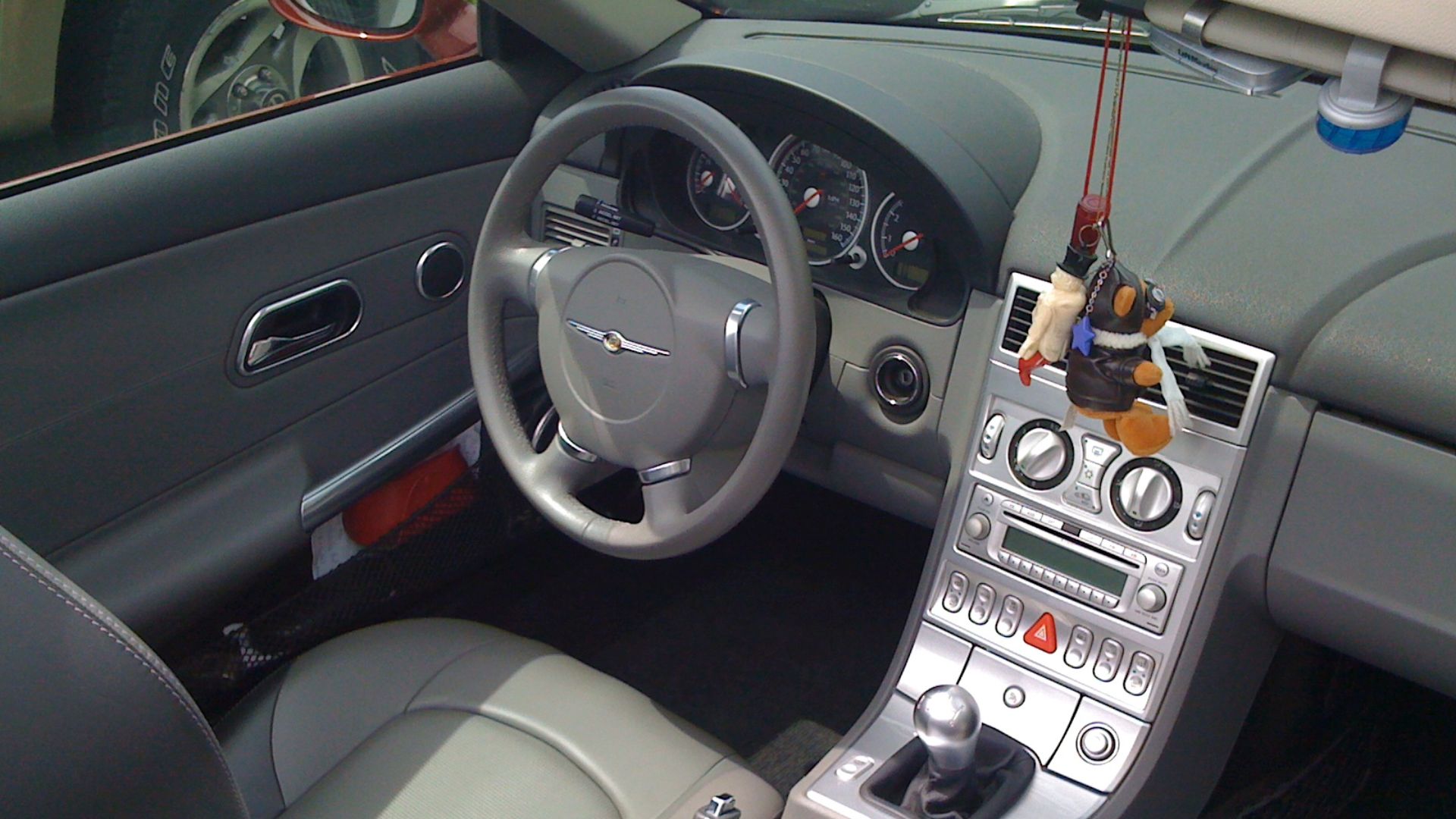
Inside, the Crossfire had the unmistakable layout and switchgear of a Mercedes SLK, with Chrysler-badged touches sprinkled in. While some criticized its dated look, owners loved the blend of German ergonomics and American flair.
Performance That Surprised People
Base models packed a 3.2-liter V6 making 215 hp—not earth-shattering, but paired with the relatively light Mercedes chassis, the Crossfire hustled with surprising athleticism. It wasn’t a track monster, but it was a confident, composed grand-tourer with German manners.
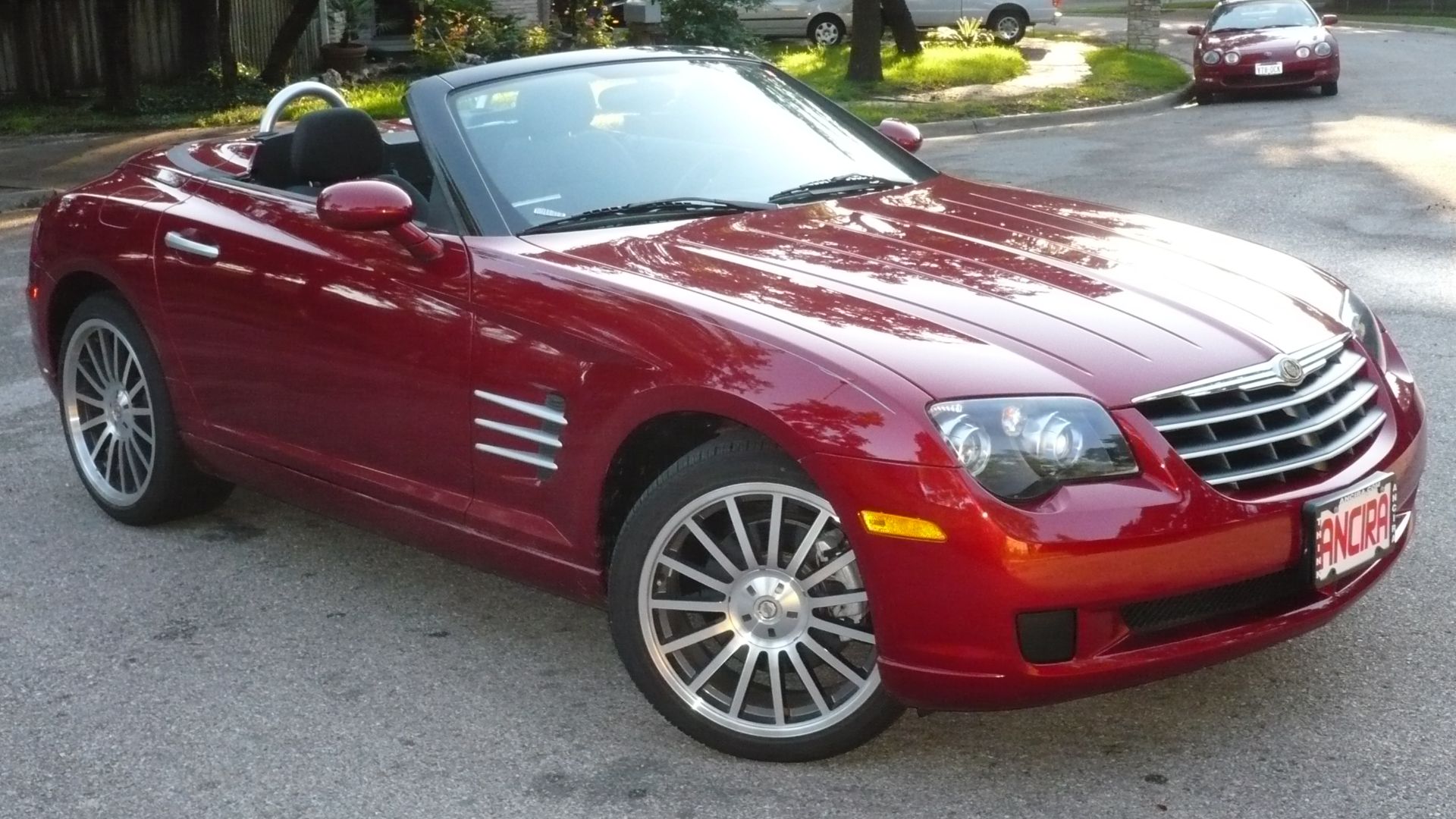 Alwaysru at English Wikipedia, Wikimedia Commons
Enter The SRT-6: Chrysler Gets Serious
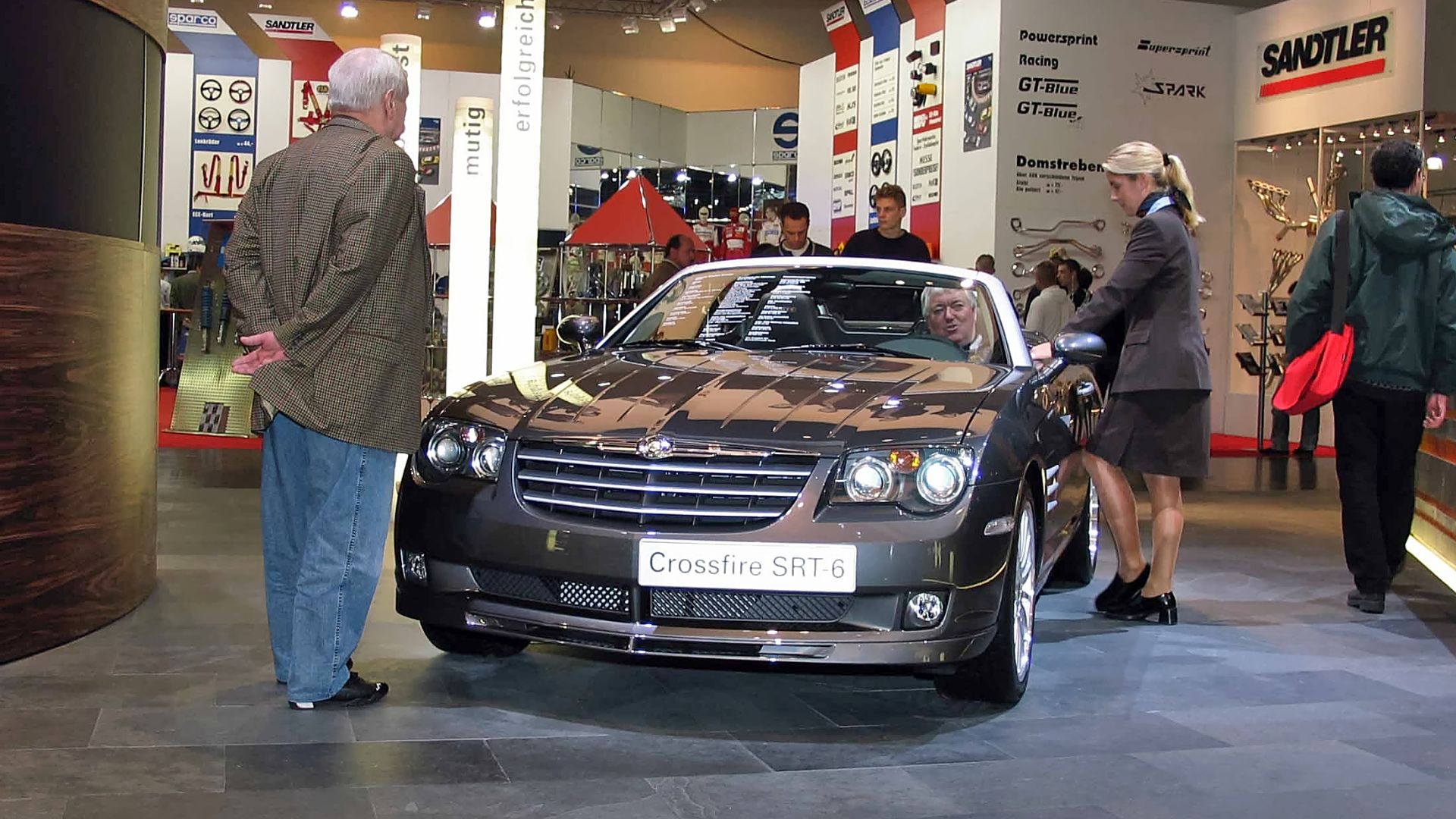
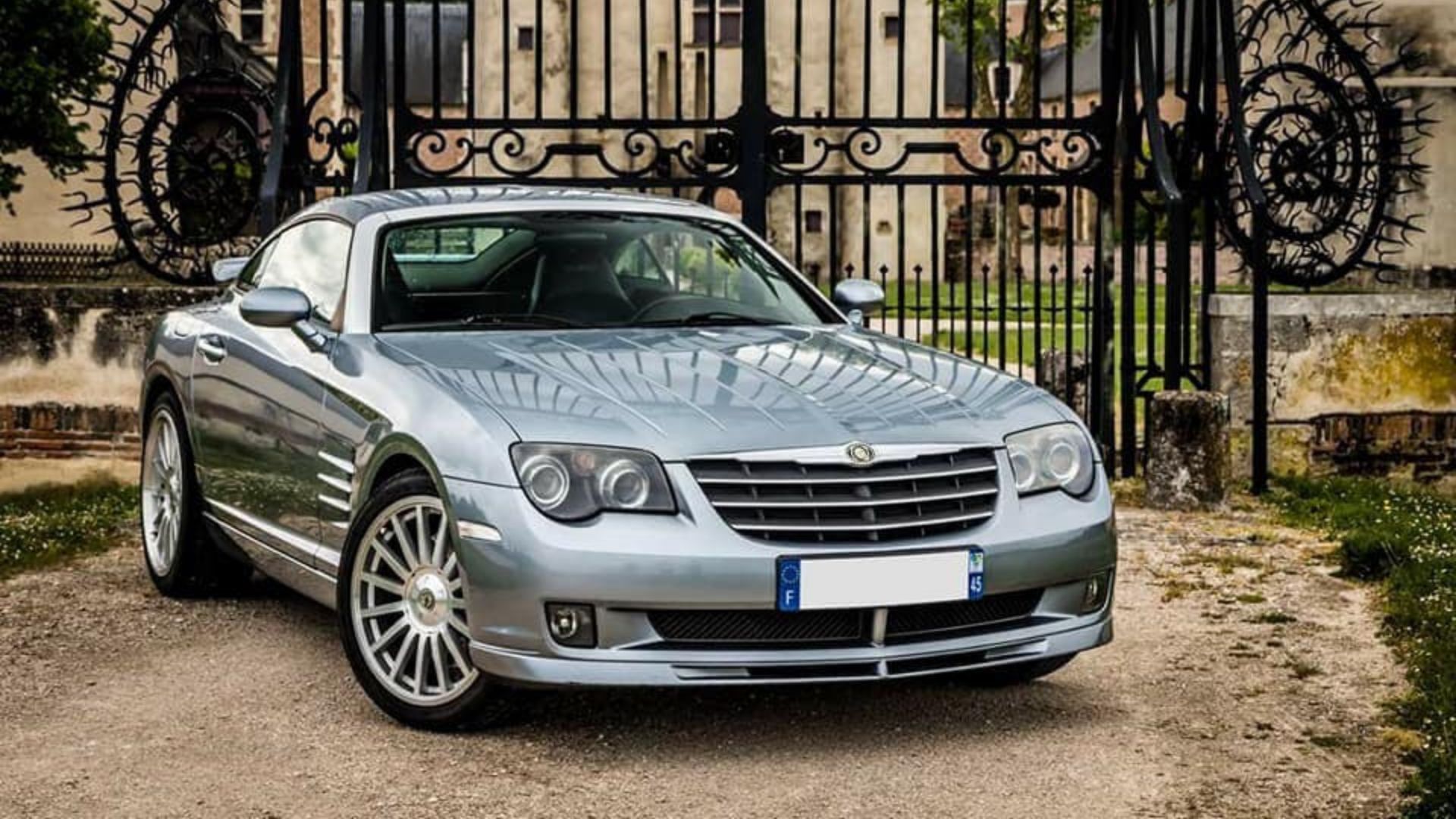
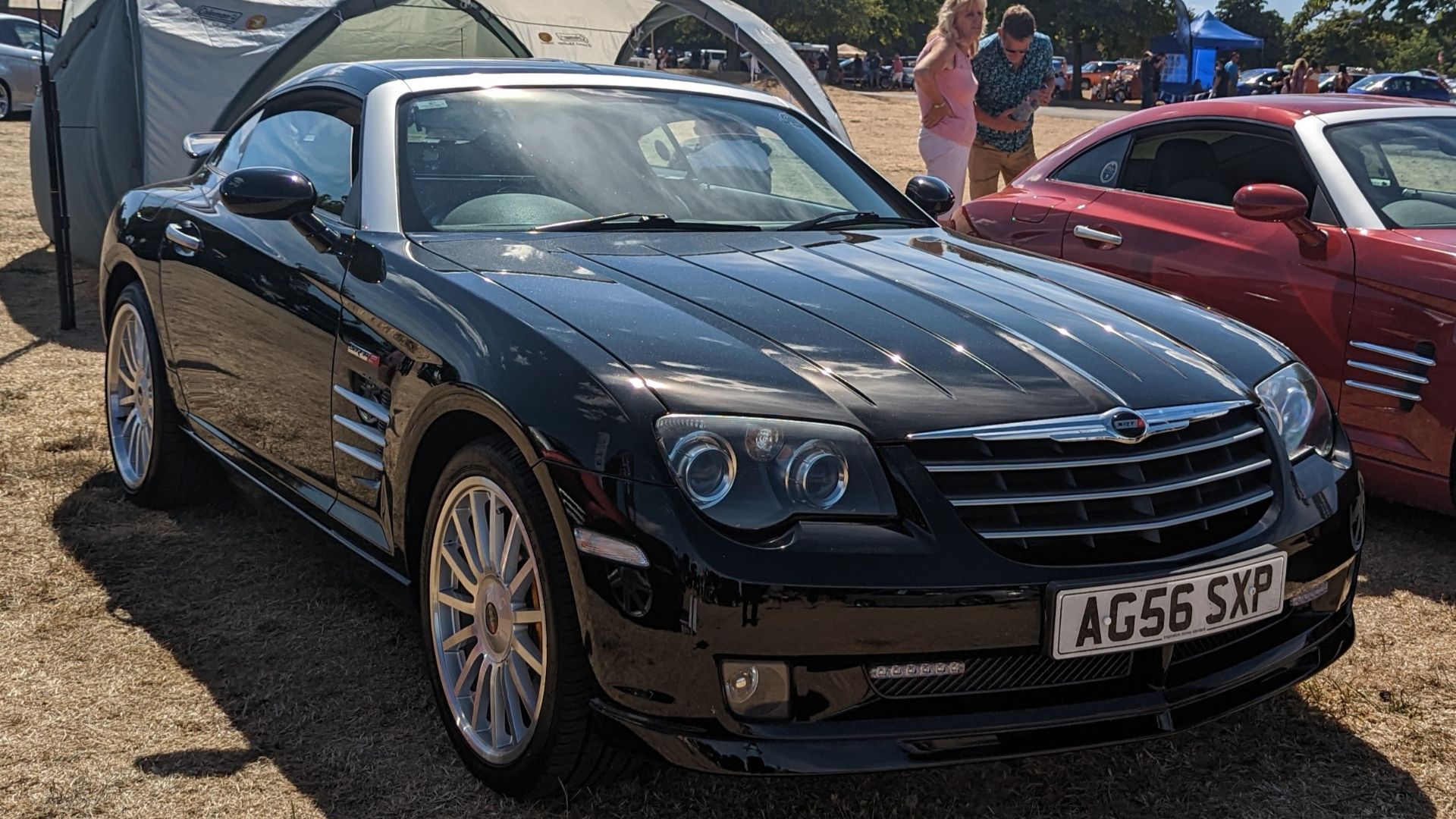
The real magic arrived with the SRT-6, a supercharged version sourced straight from AMG’s playbook. Making 330 hp, it turned the Crossfire into a legitimately quick machine. Zero to 60 in about 5 seconds put it nose-to-nose with the Porsche Boxster of the day.
 Thomas Vogt from Paderborn, Deutschland, Wikimedia Commons
The Wing That Knew When To Party
A fun fact: the Crossfire had an electronically controlled rear spoiler that automatically deployed around 60 mph. It wasn’t just for aero—it was a party trick that made owners giggle every time it popped up in the rearview.
 Stahlkocher, Wikimedia Commons
The Coupe And Roadster Twins
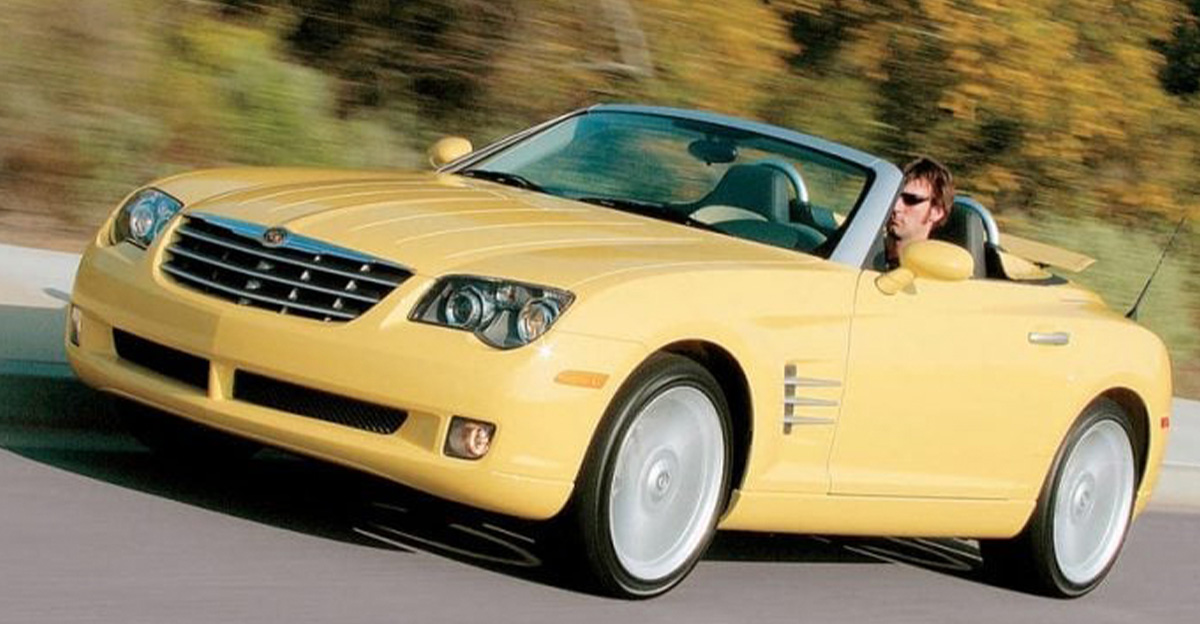
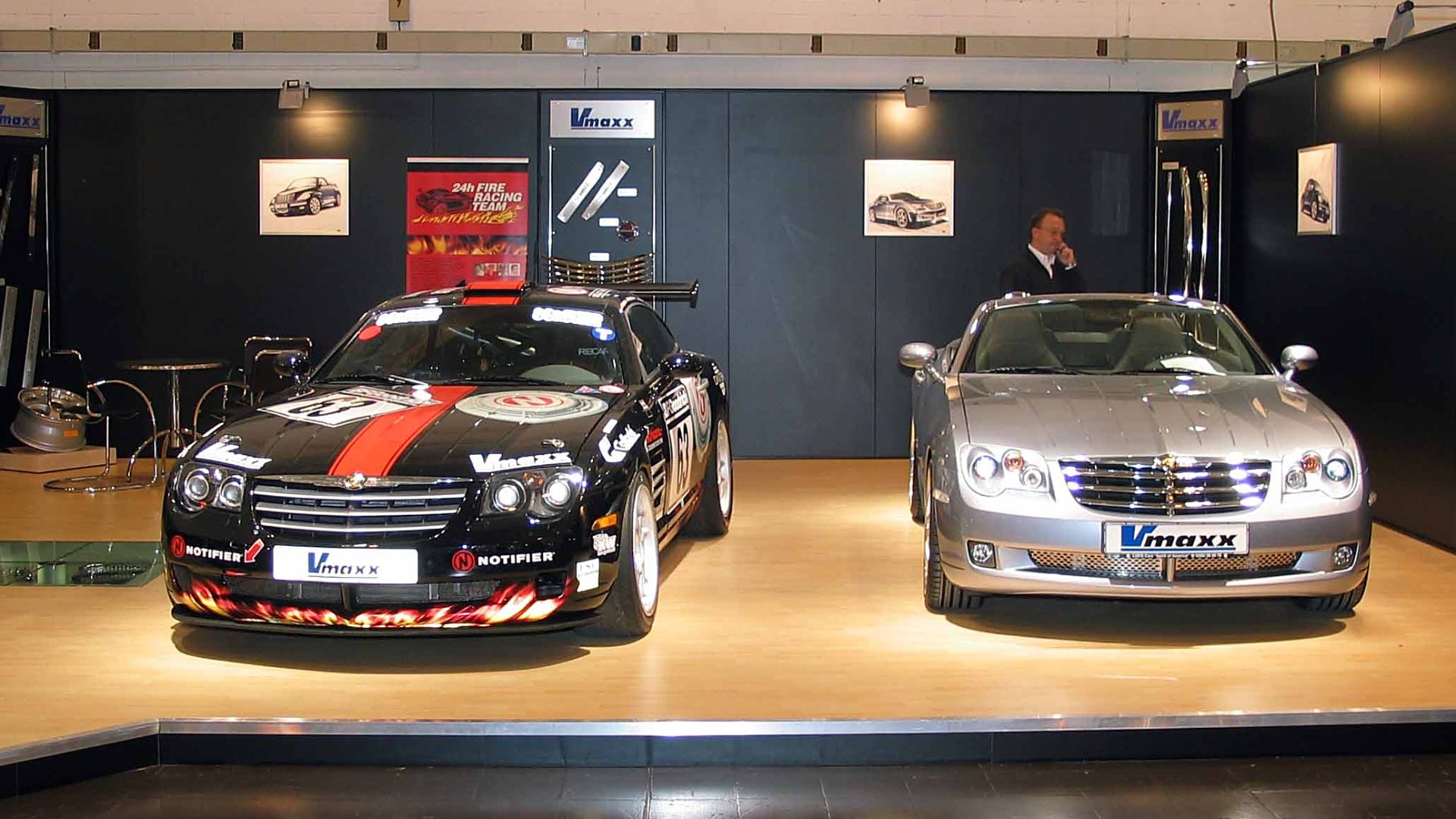
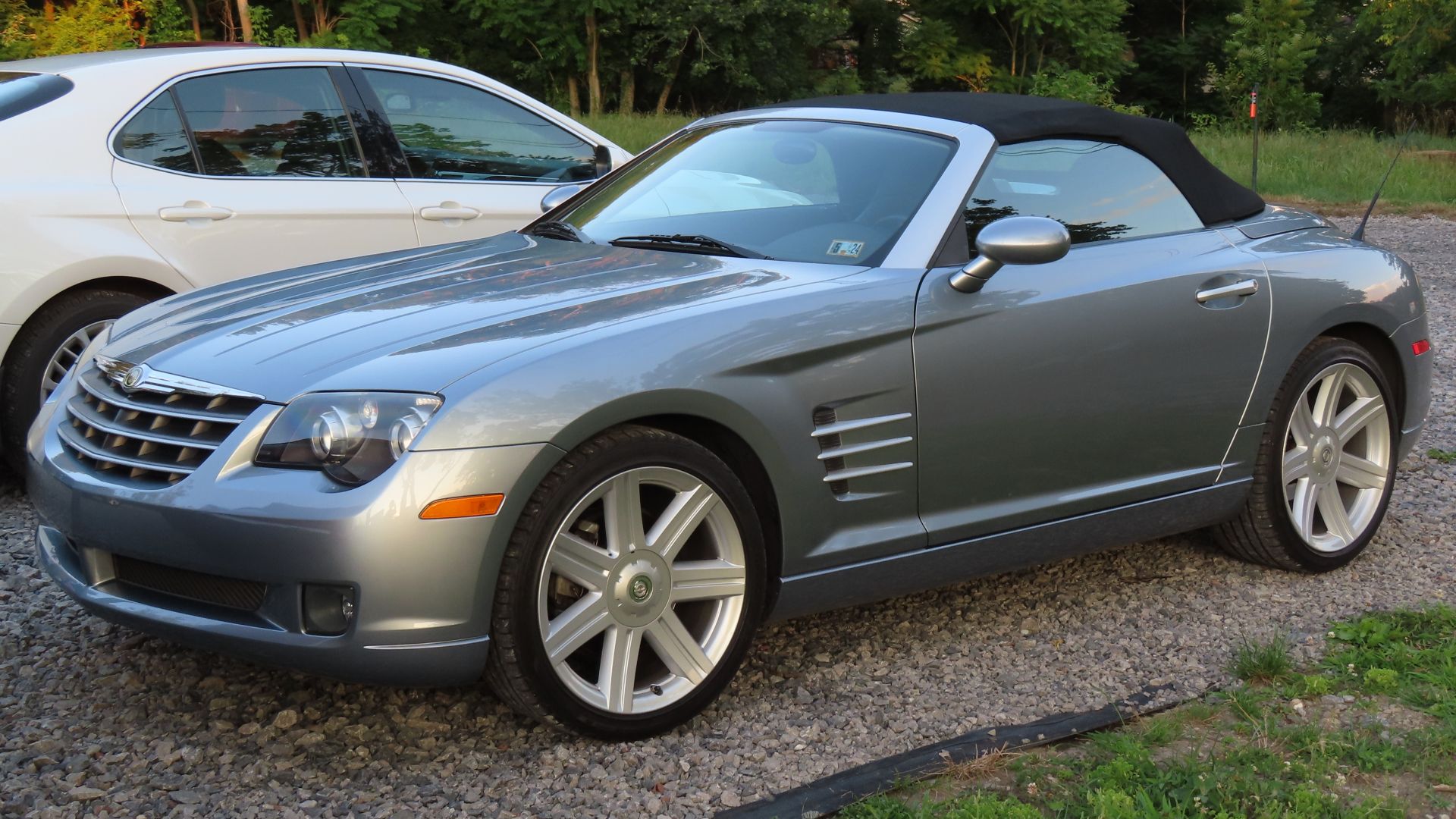
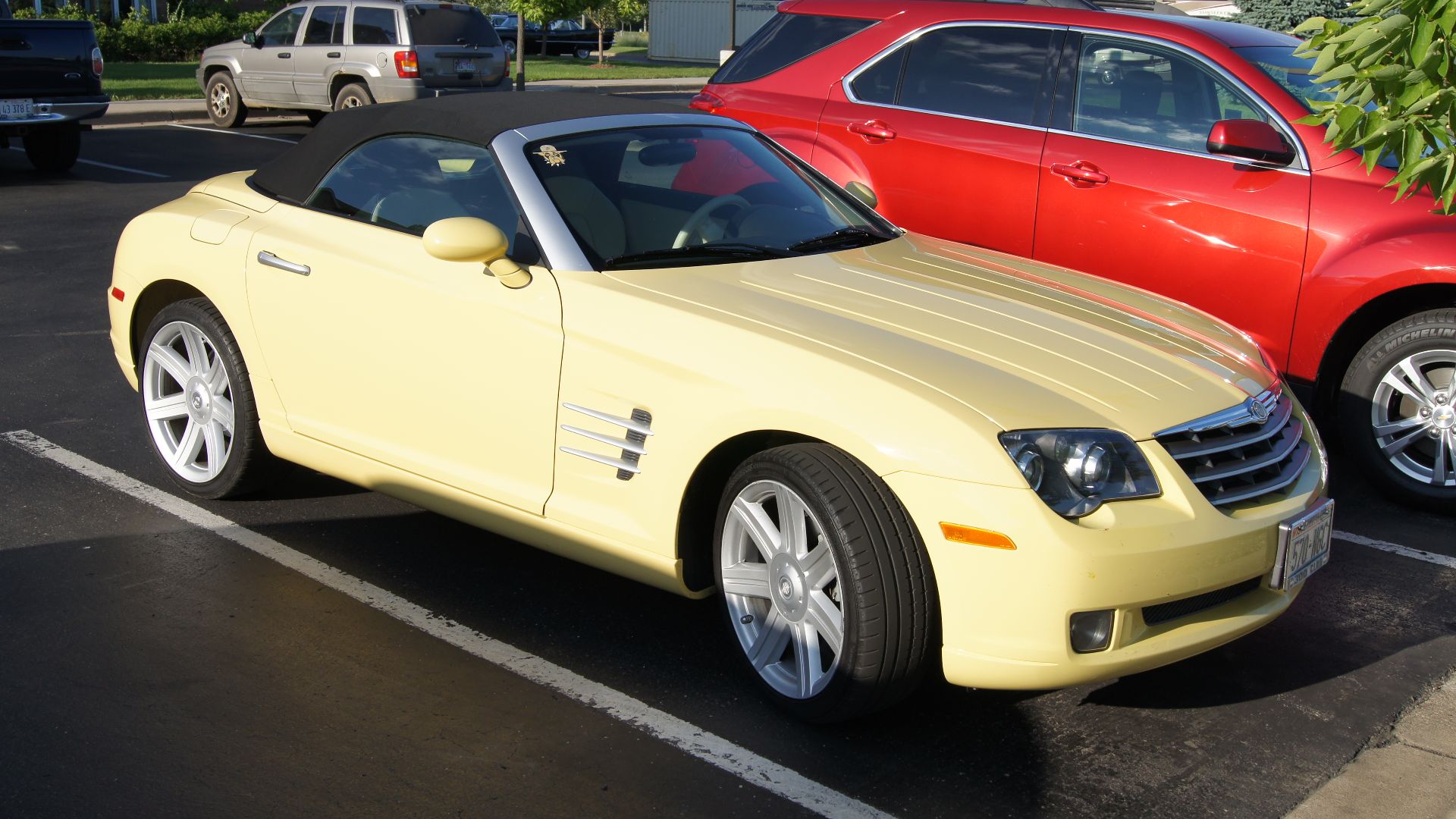
Chrysler offered both a long-roof coupe and a roadster. While the coupe had the more polarizing styling, the roadster softened the Crossfire’s visual aggressiveness, becoming a charismatic alternative to the SLK and BMW Z4.
 Thomas Vogt from Paderborn, Deutschland, Wikimedia Commons
A Car That Turned Heads Everywhere
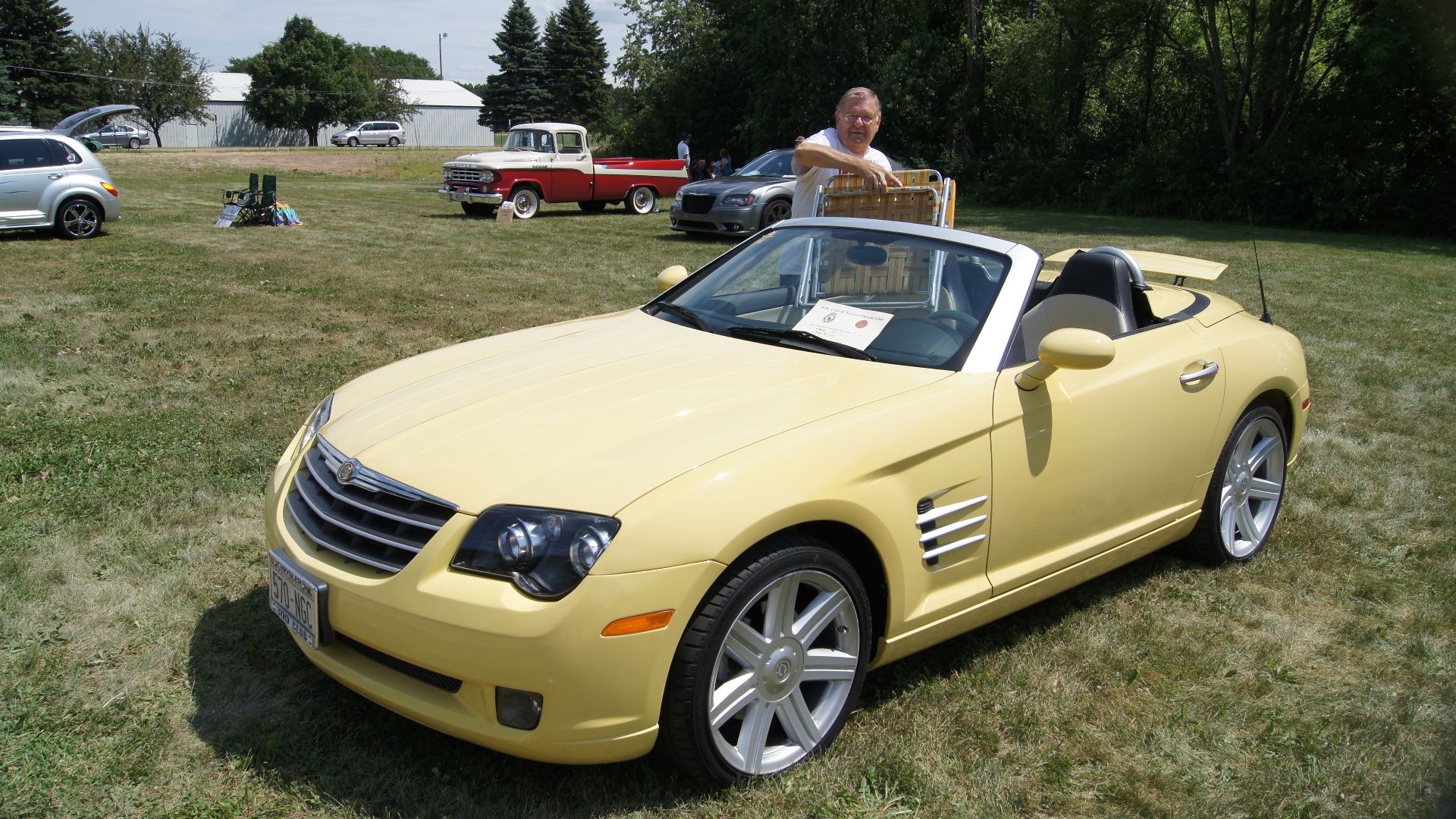
Even critics admitted that the Crossfire had presence. Whether painted in bright yellow or understated silver, it carried an attitude that made people ask, “What is that?” For many buyers, that uniqueness was a selling point—not a drawback.
 Greg Gjerdingen from Willmar, USA, Wikimedia Commons
Marketing A Misfit
Chrysler struggled to market the Crossfire. It wasn’t as cheap as other Chrysler models, yet many shoppers didn’t realize how much Mercedes engineering it hid. Meanwhile, European buyers weren’t exactly clamoring for an American-badged roadster that was secretly German underneath.
Built In Germany, Not Detroit
Adding to the confusion was the fact that the Crossfire wasn’t just inspired by Mercedes—it was built in Germany by Karmann, the same firm that produced the early SLKs. The car had more German fingerprints on it than American ones.
Priced Too High For Chrysler Fans
Despite its quality, the Crossfire was expensive for the Chrysler brand. Many shoppers simply weren’t willing to pay premium-sports-coupe money for something wearing a Pentastar badge. Brand identity became one of the car’s biggest obstacles.
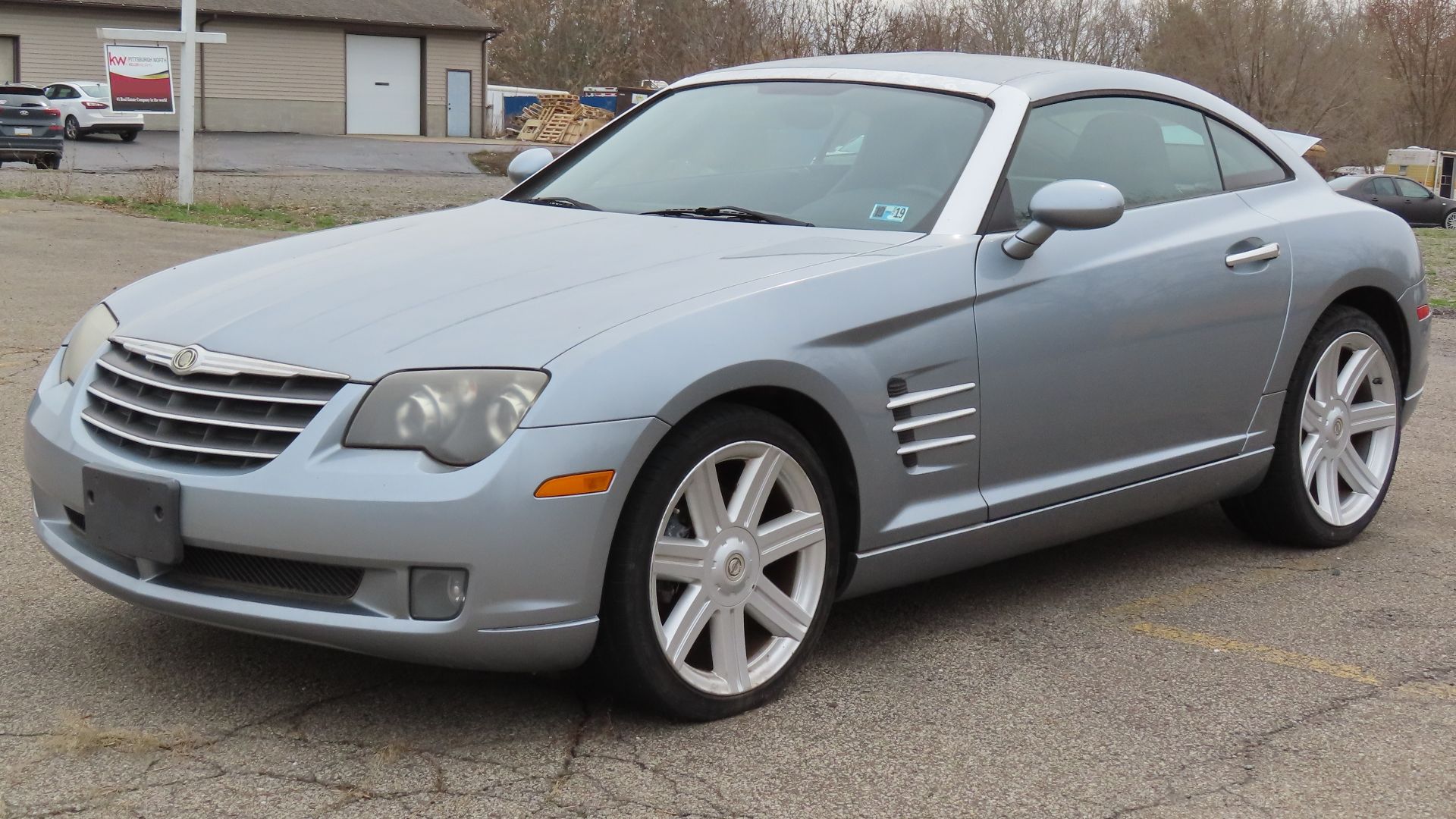 MercurySable99, Wikimedia Commons
The Sports Car Market Was Crowded
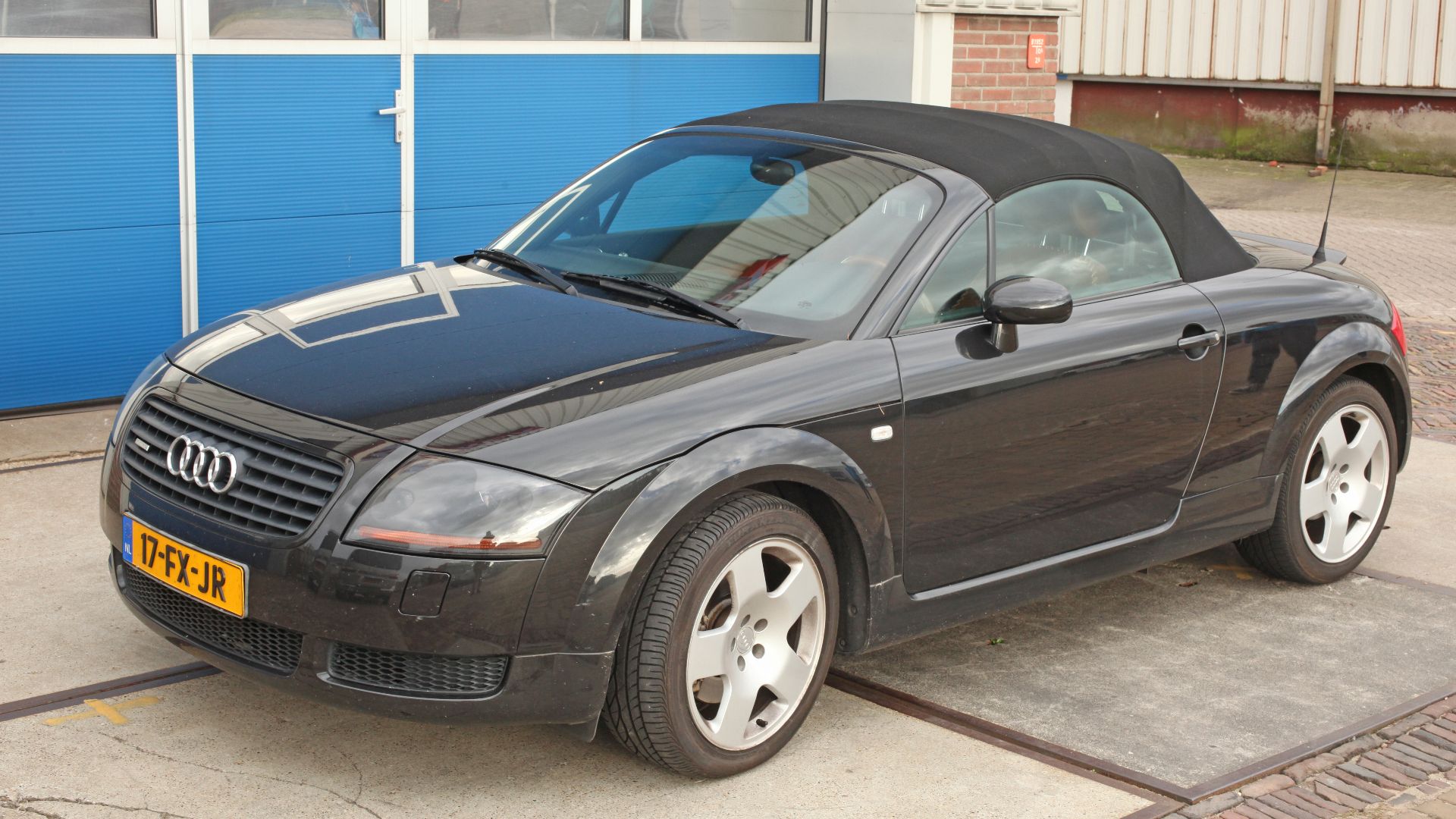
The early 2000s offered stiff competition: the Nissan 350Z, Mazda RX-8, Audi TT, BMW Z4, and Ford Mustang were all fighting for the same audience. Against them, the Crossfire felt like an oddball. Cool, but odd.
 free photos & art, Wikimedia Commons
The Recession Begins To Loom
Economic pressures started to build in the mid-2000s. As Chrysler’s financial struggles heightened, niche products like the Crossfire became harder to justify—even if they were passion projects for the design team.
 MercurySable99, Wikimedia Commons
Sales Start Strong, Then Drop Hard
The Crossfire had an enthusiastic debut, but demand tapered off quickly. Once the novelty wore off, Chrysler struggled to keep dealers excited. Production slowed, and inventory piled up.
 MercurySable99, Wikimedia Commons
Discontinued Too Early—or Just In Time?
By 2008, the Crossfire was gone. Some enthusiasts argue it died too young, before Chrysler had a chance to evolve it. Others say its sunset was inevitable given the company’s money troubles and the car’s niche appeal.
Why Enthusiasts Still Love It
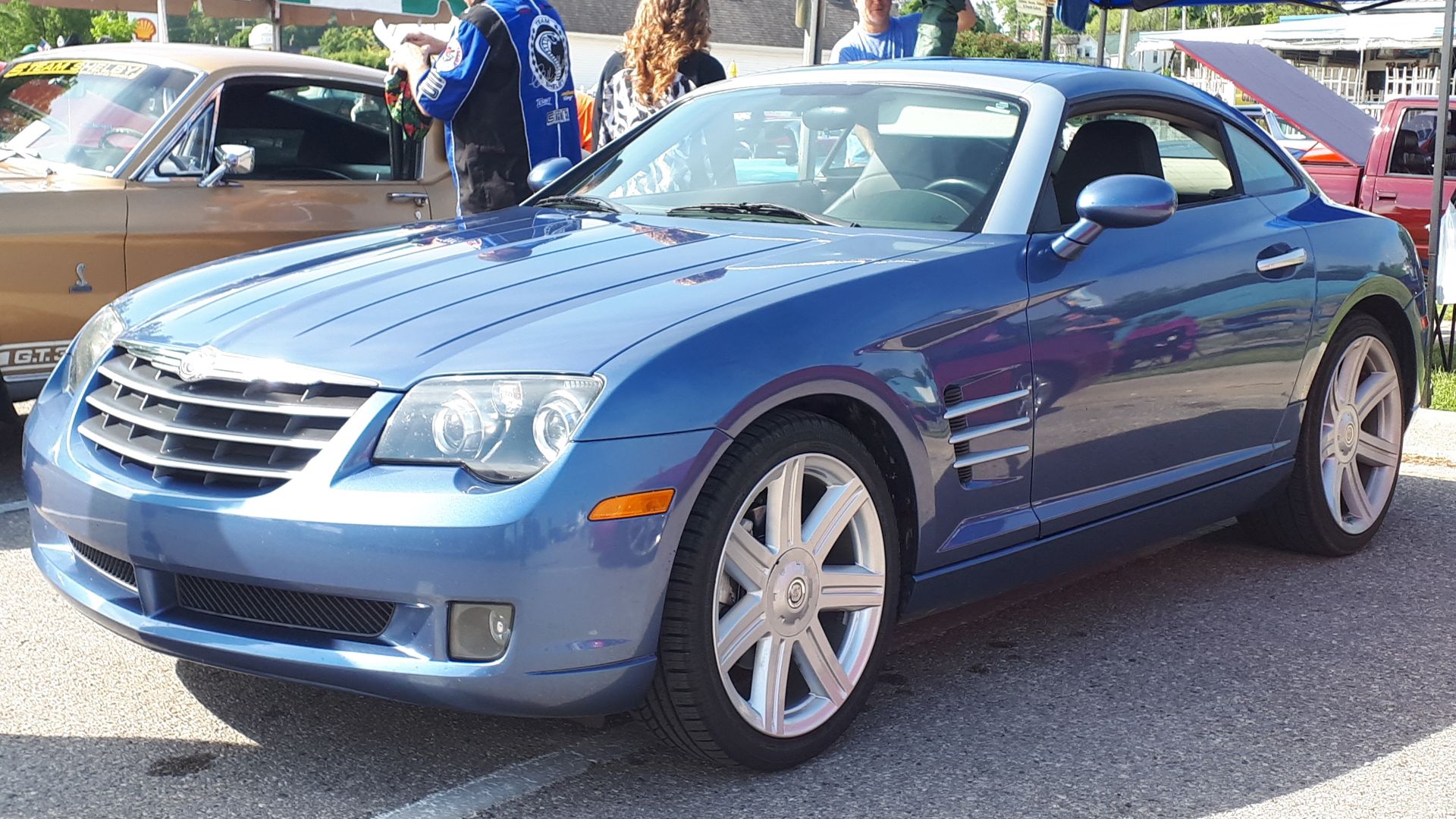
Despite its short run, the Crossfire has a loyal fan base. Its rarity, bold styling, and Mercedes DNA make it a compelling modern classic. It’s a head-turner that doesn’t require supercar money to maintain.
 SsmIntrigue, Wikimedia Commons
A Mercedes In Every Way That Matters
Slide under a Crossfire and you’re practically looking at an SLK 320. Same suspension geometry. Same powertrain. Same electronics. Owners often joke that they bought a Mercedes for Chrysler money—and they’re not wrong.

Affordable Performance In Today’s Market
Used Crossfires (even SRT-6s) are shockingly affordable today. Few cars offer the same blend of German engineering, American flair, and exotic looks for the price. For automotive enthusiasts, it’s one of the best-kept secrets in the market.
 Jeremy from Sydney, Australia, Wikimedia Commons
The SRT-6: A True Sleeper
Among collectors, the SRT-6 has become the hero. Its AMG-supplied supercharger and understated styling give it a sleeper persona that has aged beautifully. It’s the kind of car that surprises modern sports coupes without breaking a sweat.
A Future Collector’s Gem?
The Crossfire’s rarity—fewer than 90,000 units total—combined with its unique origin story gives it strong future classic potential. As automotive mashups go, this one is both historic and quirky.
Design That Aged Better Than Anyone Expected
What once looked strange now feels daring and nostalgic. In an era where many new cars share similar shapes, the Crossfire’s design stands out as refreshingly unconventional.
 Jeremy from Sydney, Australia, Wikimedia Commons
A Reminder Of What DaimlerChrysler Could Have Been
The Crossfire remains a symbol of the ambitious, messy DaimlerChrysler experiment. While the corporate marriage failed, the Crossfire showed that creative cross-pollination could produce something genuinely exciting.
The Crossfire’s Legacy Endures
The Chrysler Crossfire may have been a commercial oddity, but it left a lasting mark on car culture. It blended German bones with American bravado and delivered a driving experience that was far better than most people expected. Today, the Crossfire stands as a reminder that sometimes the best cars come from unlikely partnerships—and that great design, great engineering, and a bit of audacity can produce something unforgettable.
 Greg Gjerdingen from Willmar, USA, Wikimedia Commons
You May Also Like:
The Cars That Are The Most Frequently Targeted In America Today
My car insurance doubled but I'm locked into a long loan. How do I budget for this?