When Cars Had A Little More Personality
Remember when headlights actually moved? Back in the 1960s, 1970s, and 1980s, pop-up headlights made ordinary cars look futuristic and sports cars look downright dangerous. One flick of a switch, and your car seemed to wake up. Unfortunately, changing regulations, technology, and styling eventually brought these mechanical marvels to an end.
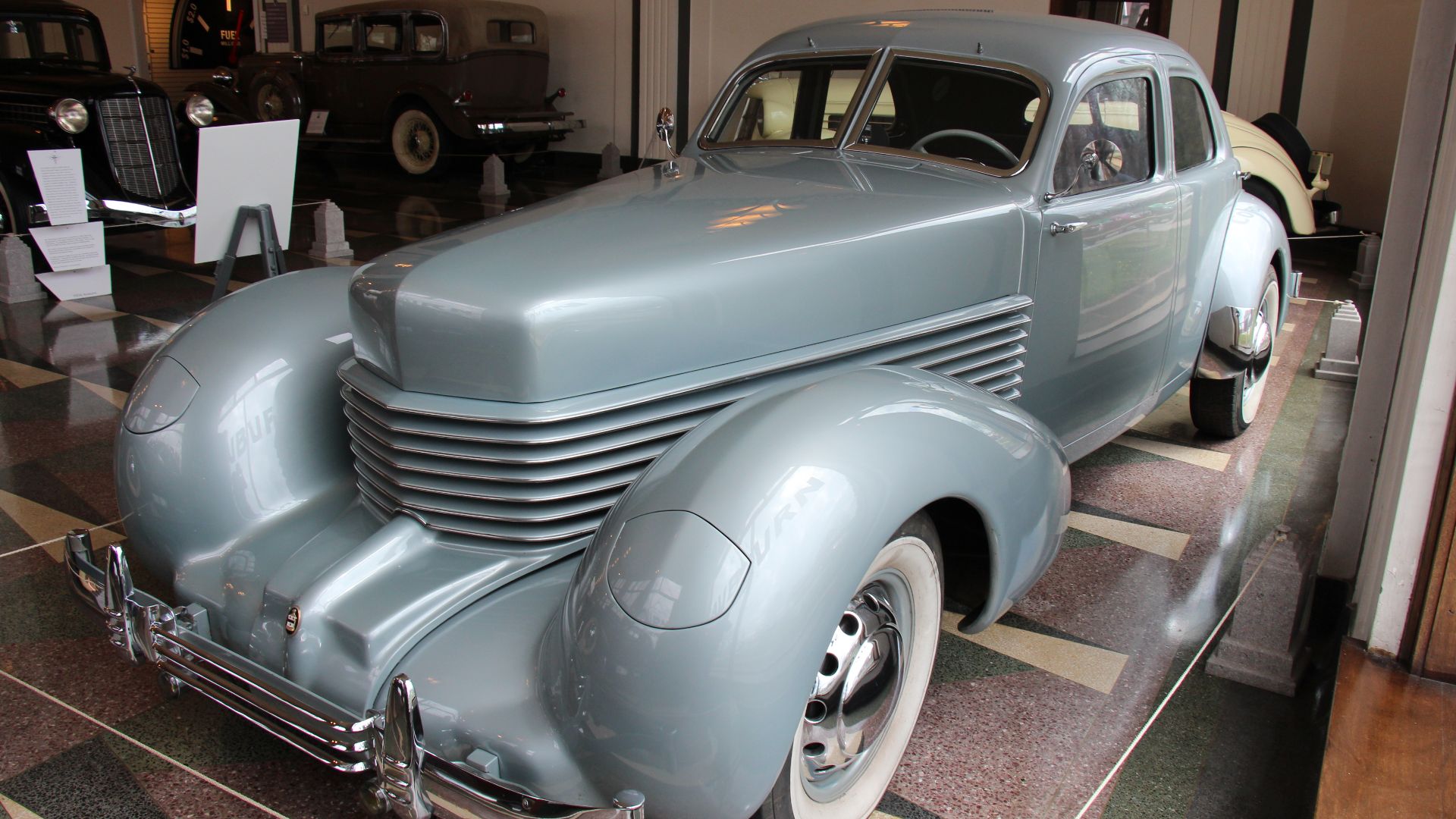
1936 Cord 810: The Car That Started Everything
Long before pop-up headlights became fashionable, the 1936 Cord 810 was already showing the world how it was done. Its manually operated headlights disappeared into the fenders, creating an incredibly clean appearance. At the time, this American luxury car looked like something from the future. It was decades ahead of its competition.
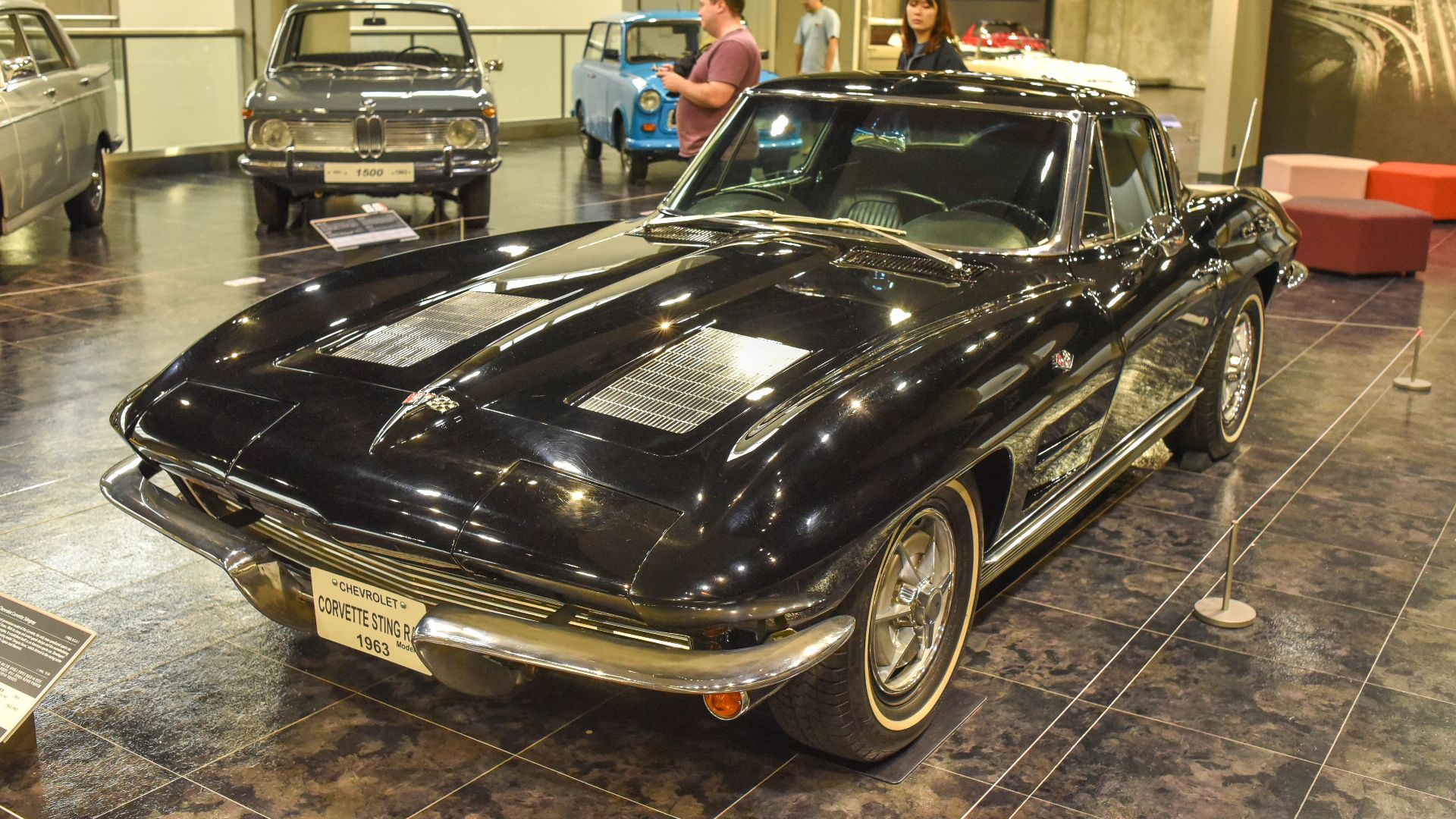
1963 Chevrolet Corvette Sting Ray: America's Sports Car Gets Serious
The second-generation Corvette arrived with a dramatic new appearance, including headlights that rotated into position. Suddenly, America's favorite sports car looked like it belonged on a racetrack. Those hidden lights became a Corvette trademark, surviving through several generations and helping define the car's unmistakable personality.
 Coolalabright, Wikimedia Commons
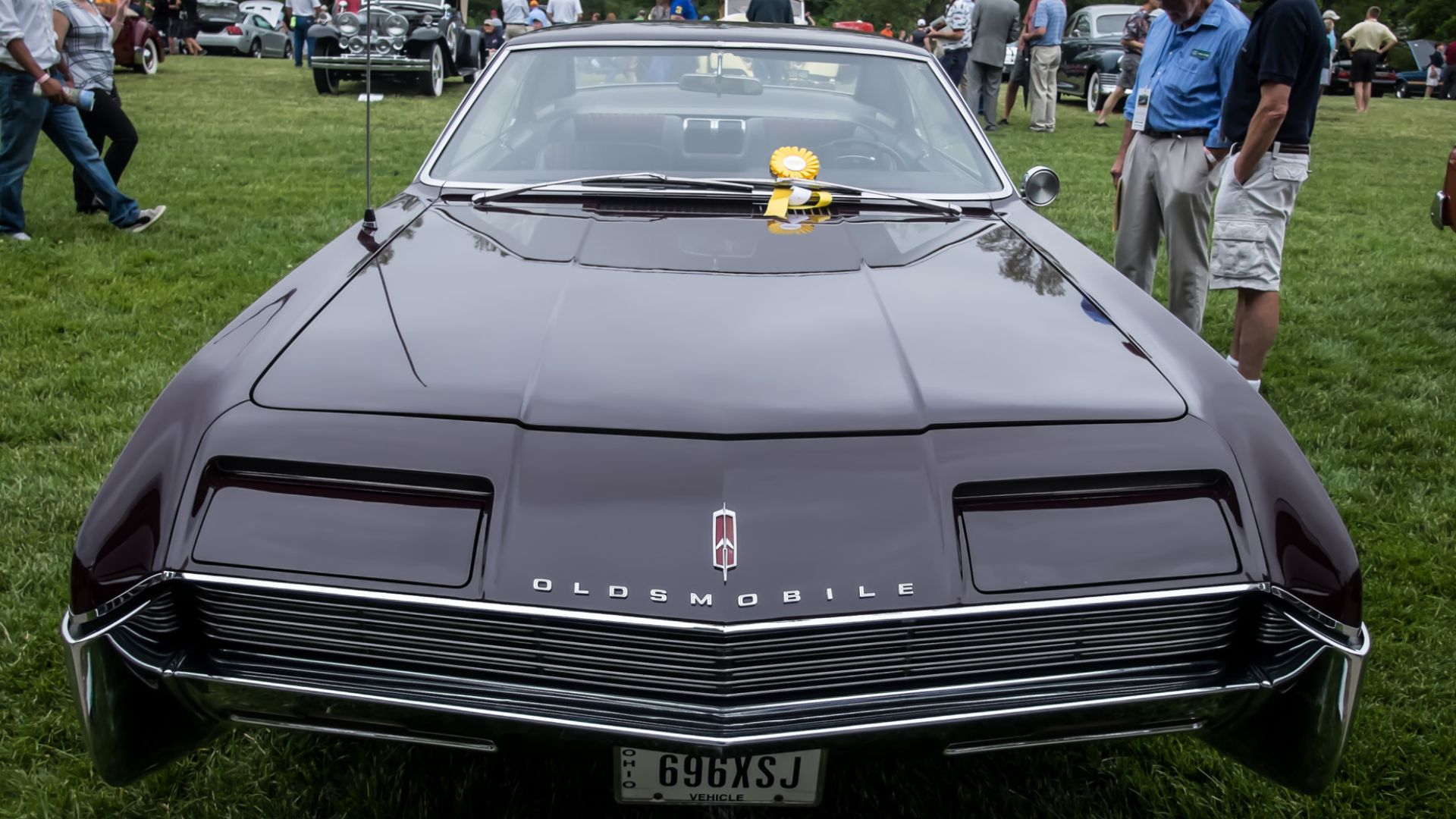
1966 Oldsmobile Toronado: Luxury With A Secret
When Oldsmobile introduced the Toronado in 1966, its front-wheel-drive engineering wasn't the only unusual feature. Hidden headlights tucked behind rotating panels gave the enormous personal luxury coupe a surprisingly sleek appearance. It was big, powerful, and unmistakably American. Even today, that distinctive front end makes a restored Toronado difficult to ignore.
 Doug Fawley, Wikimedia Commons
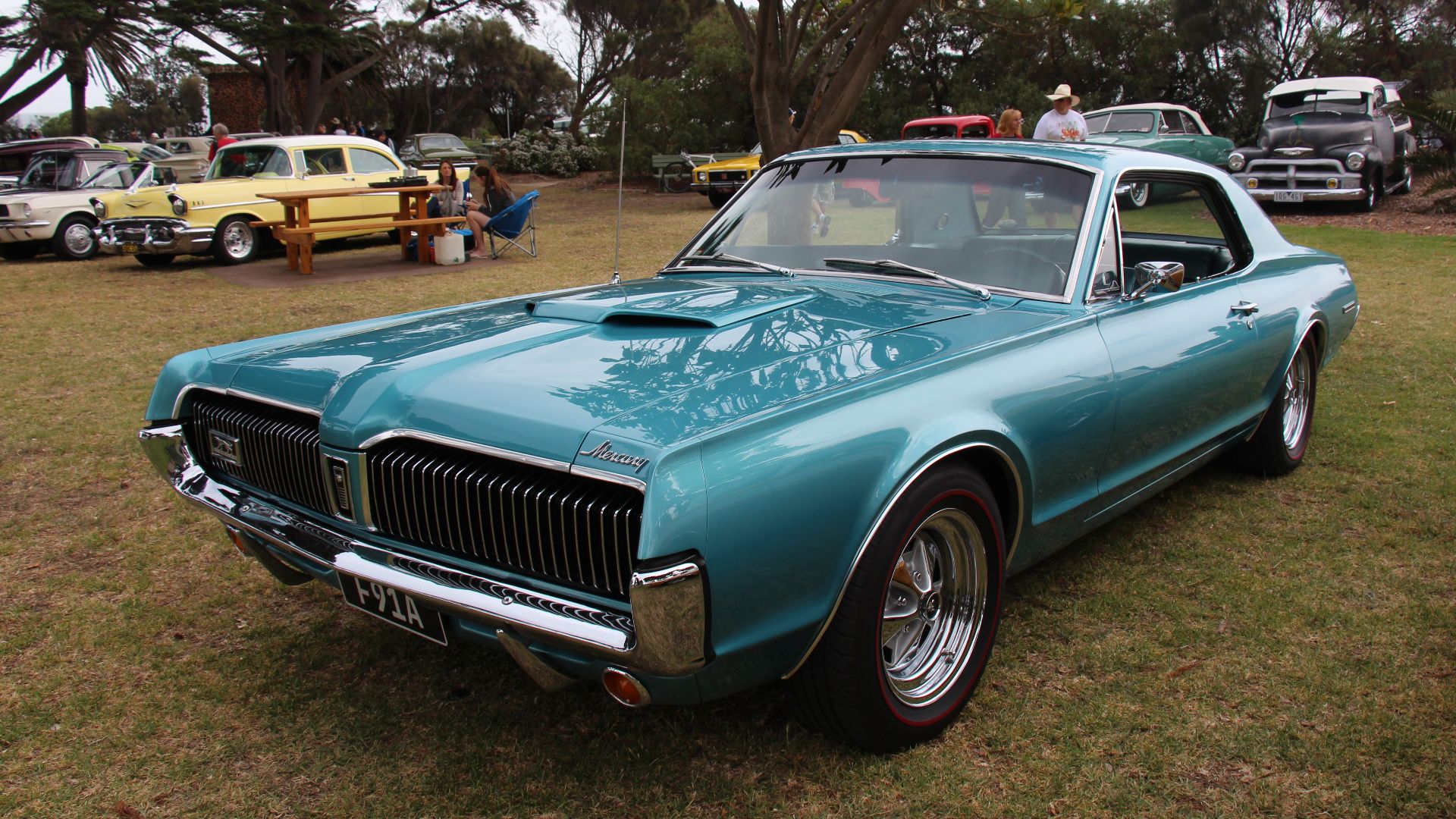
1967 Mercury Cougar: A Mustang With A Mysterious Stare
The original Mercury Cougar offered something slightly more sophisticated than the Mustang: hidden headlights behind its distinctive front grille. Although these weren't traditional pop-up units, they delivered that same dramatic disappearing act. Combined with sequential rear turn signals, the Cougar proved that clever lighting could give an affordable muscle car genuine character.
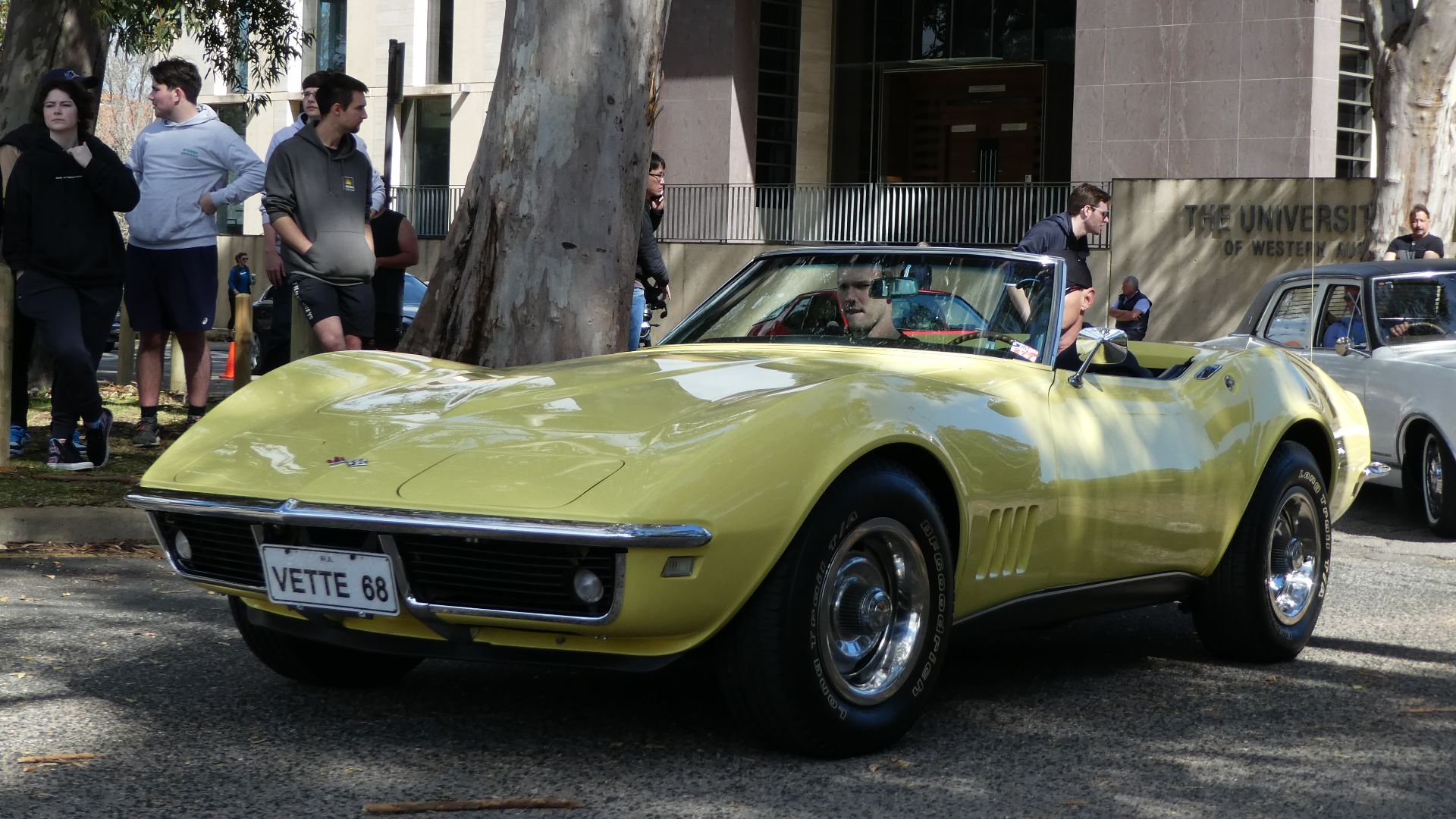
1968 Chevrolet Corvette C3: The Shark Takes Over
Few American sports cars looked as aggressive as the third-generation Corvette. Its sweeping fenders, pointed nose, and concealed headlights created the impression of a mechanical predator. Produced from 1968 through 1982, the C3 became a familiar sight on American roads, and those rising headlights were central to its appeal.
 ZidaneHartono, Wikimedia Commons
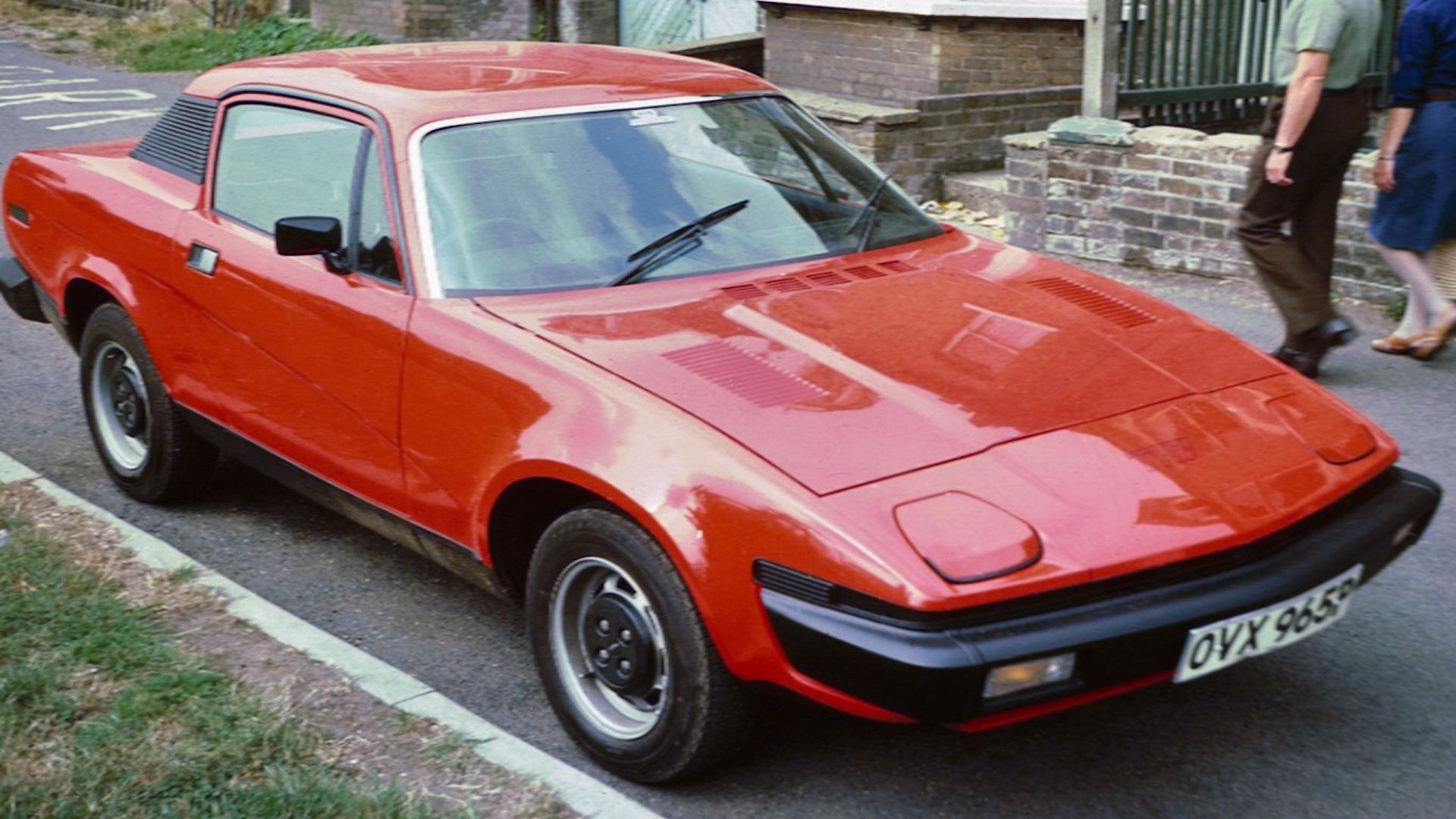
1970 Triumph TR7: The British Wedge
Introduced in 1975, the Triumph TR7 embraced the wedge-shaped styling that became fashionable during the decade. Its pop-up headlights helped maintain that sharply pointed nose. While the car received mixed reviews, its appearance was unforgettable. For many enthusiasts, the TR7 remains one of Britain's most recognizable sports cars of the era.
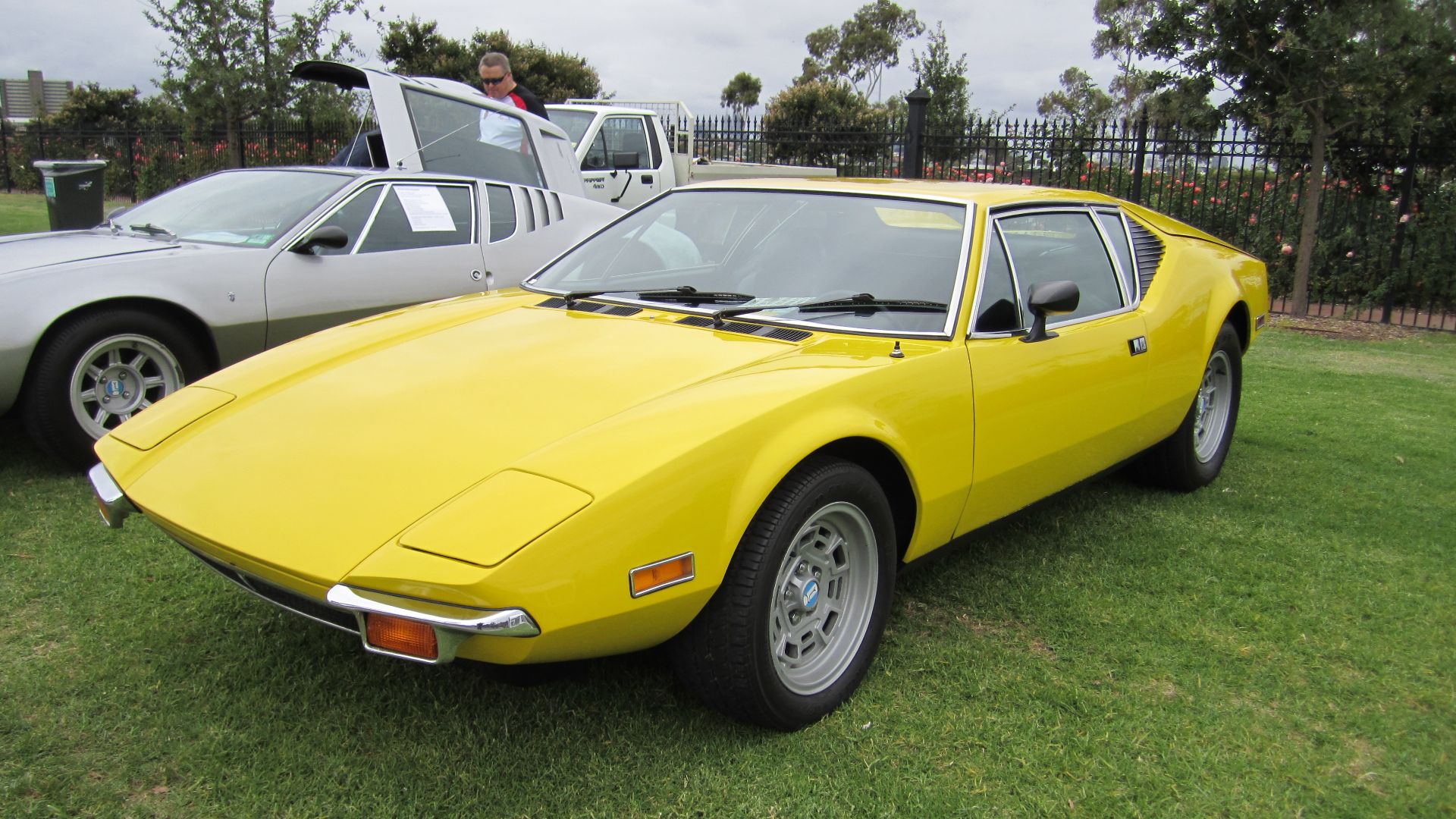
1971 De Tomaso Pantera: Italian Styling, American Muscle
Imagine Italian exotic-car styling combined with a powerful Ford V8. That's exactly what the De Tomaso Pantera delivered. Its low nose featured retractable headlights, completing a dramatic appearance that could rival far more expensive supercars. Sold through Lincoln-Mercury dealerships in America, the Pantera offered something genuinely unusual for adventurous buyers.
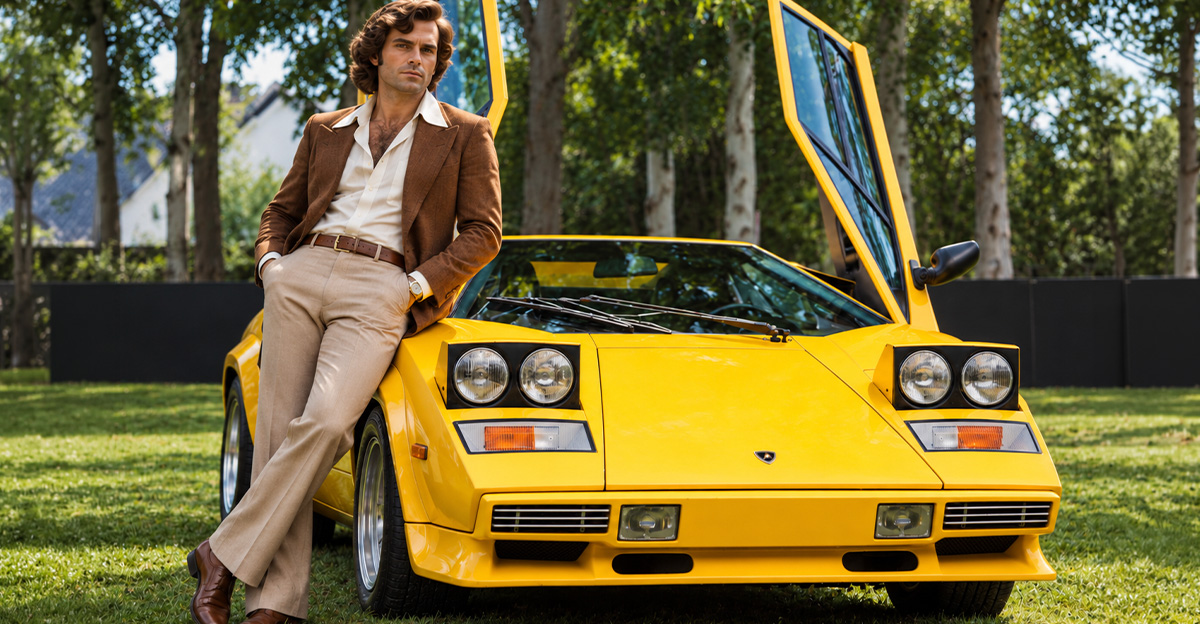
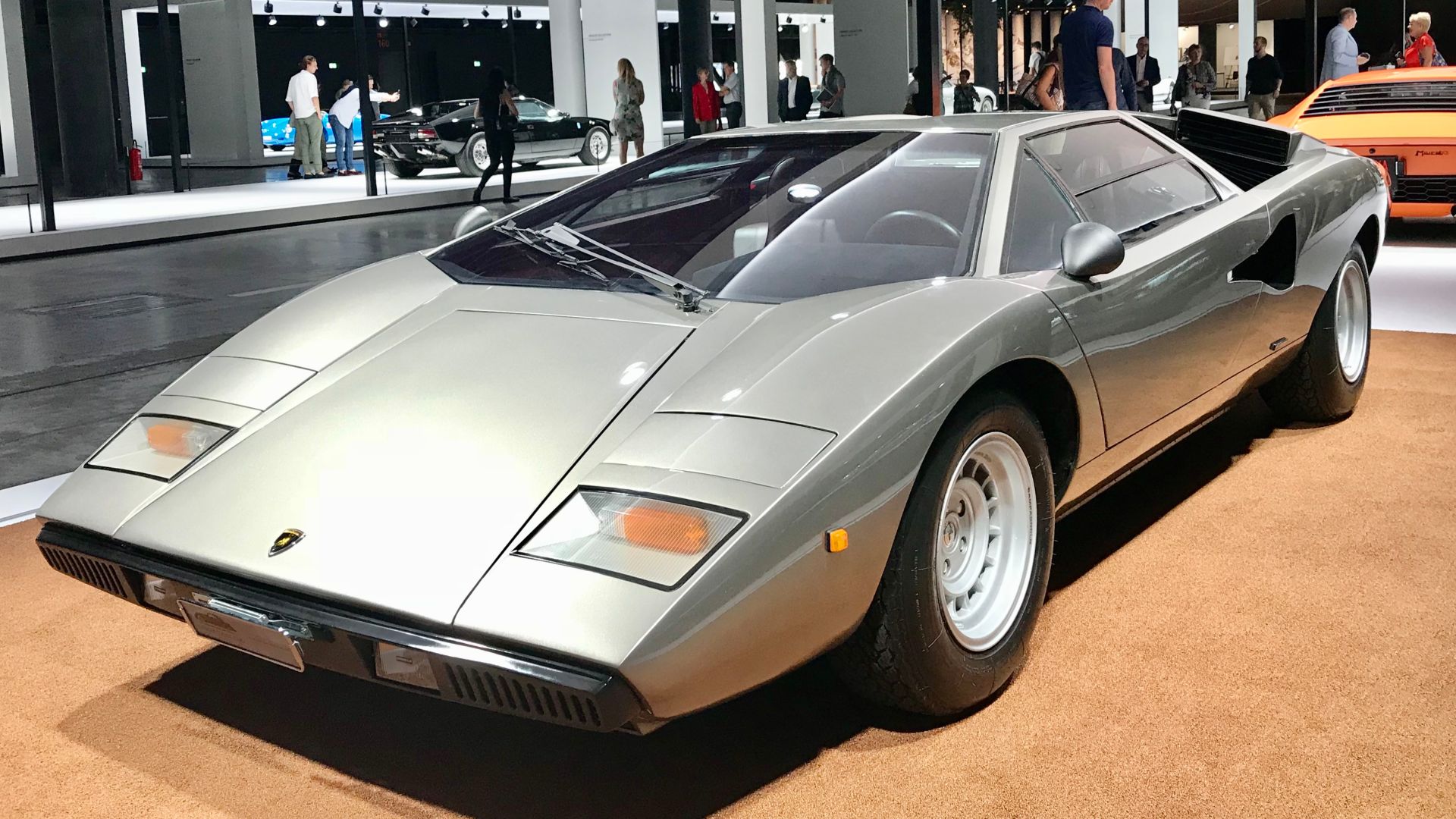
1974 Lamborghini Countach: The Ultimate Bedroom Poster
The Lamborghini Countach looked like a spaceship when it debuted in production form in 1974. Its angular body, scissor doors, and pop-up headlights created one of the most recognizable supercar designs ever. For countless teenagers growing up during the 1970s and 1980s, a Countach poster represented the ultimate automotive dream.
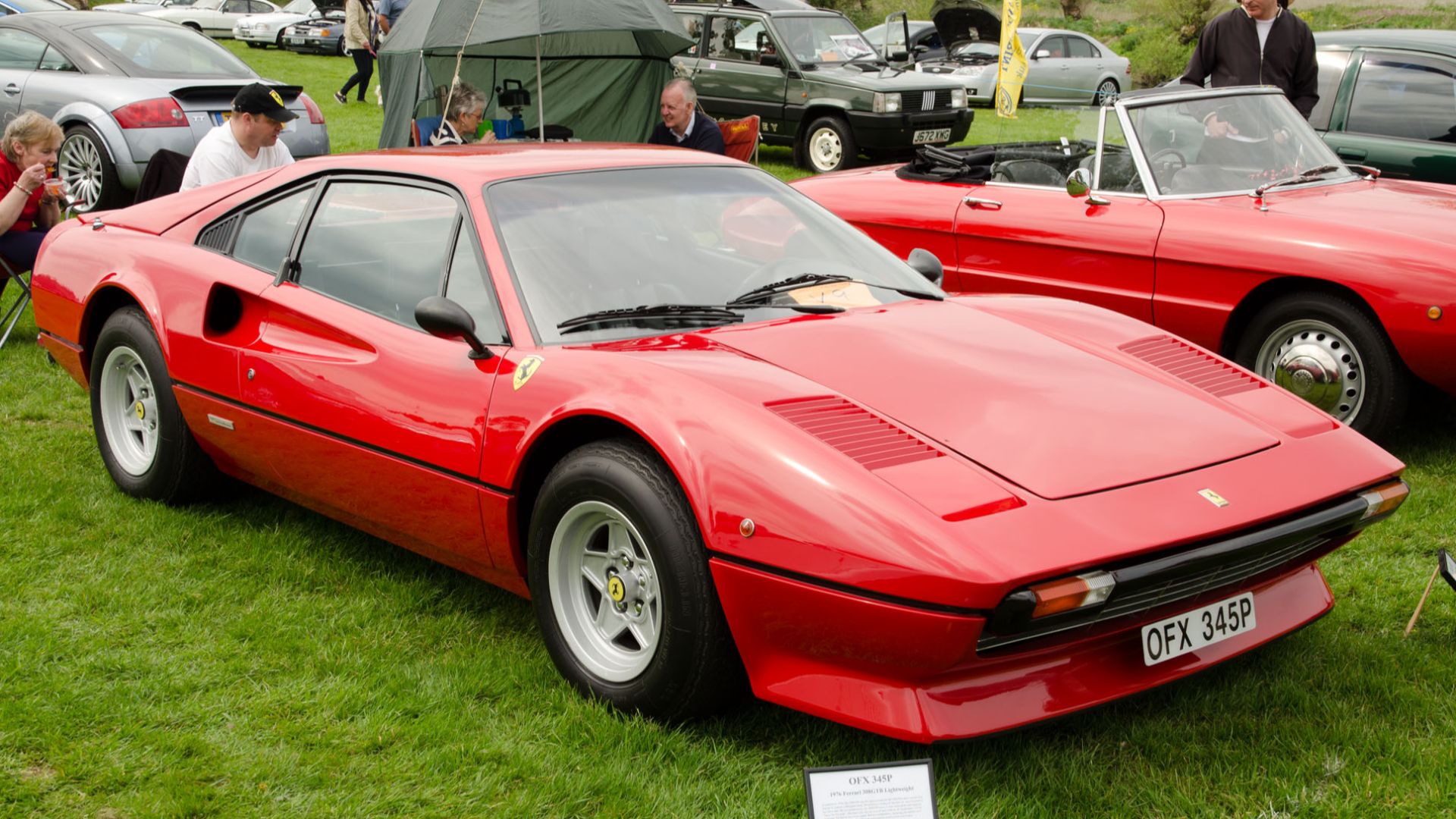
1975 Ferrari 308 GTB: The Magnum P.I. Favorite
The Ferrari 308 became a television legend thanks to Magnum, P.I., where Tom Selleck famously drove a red 308 GTS. Its beautifully sculpted body and retractable headlights made it instantly recognizable. Whether you watched the television series or admired Ferraris from afar, the 308 represented everything glamorous about 1980s sports cars.
 Steve Glover from Bolton, Lancs., England, Wikimedia Commons
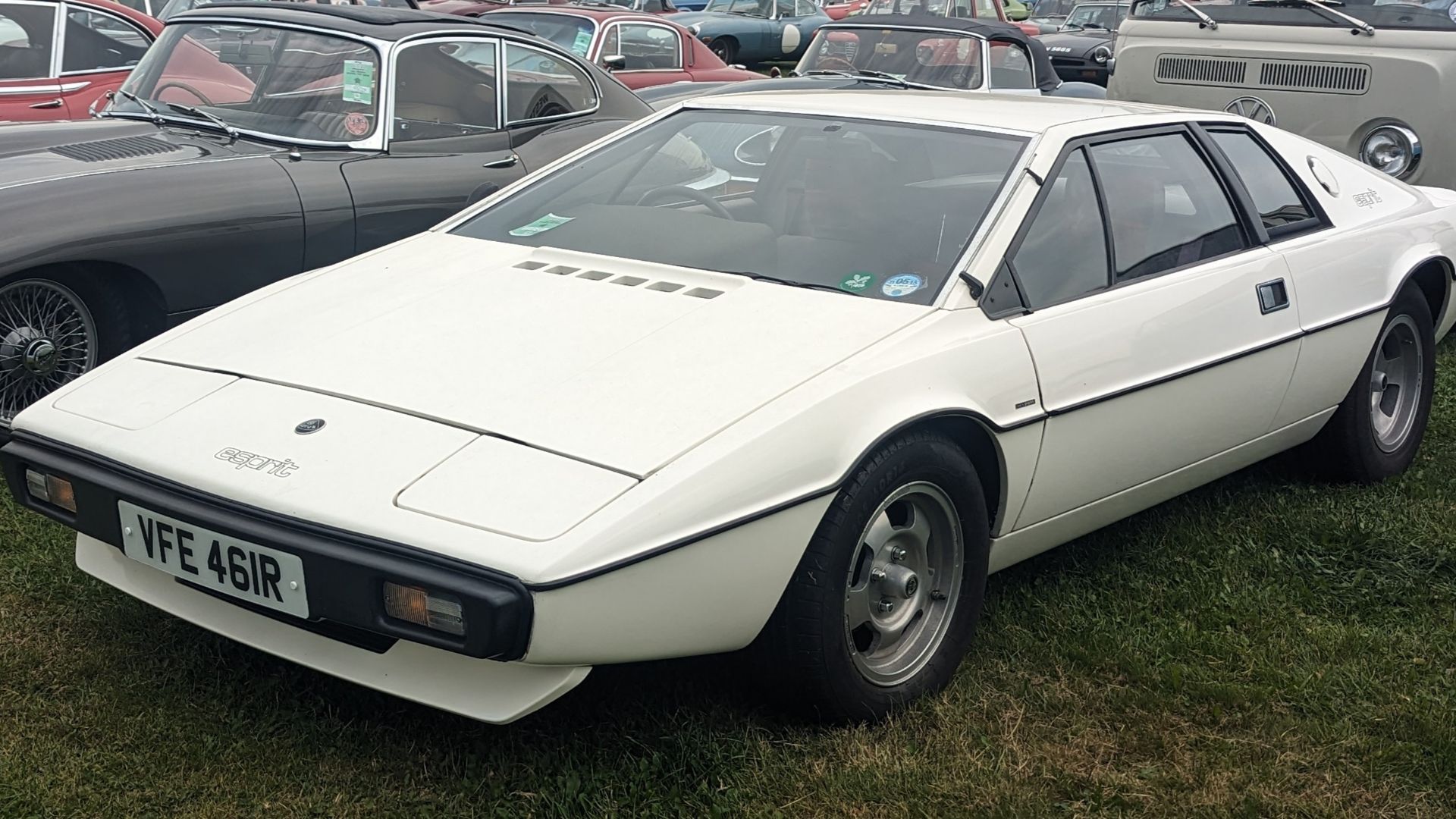
1976 Lotus Esprit: A British Supercar With Hollywood Credentials
The Lotus Esprit combined razor-sharp styling with dramatic retractable headlights. Its appearance in the 1977 James Bond film The Spy Who Loved Me made it internationally famous. The Esprit would remain in production for decades, becoming one of the last cars to retain traditional pop-up headlights before production ended in 2004.
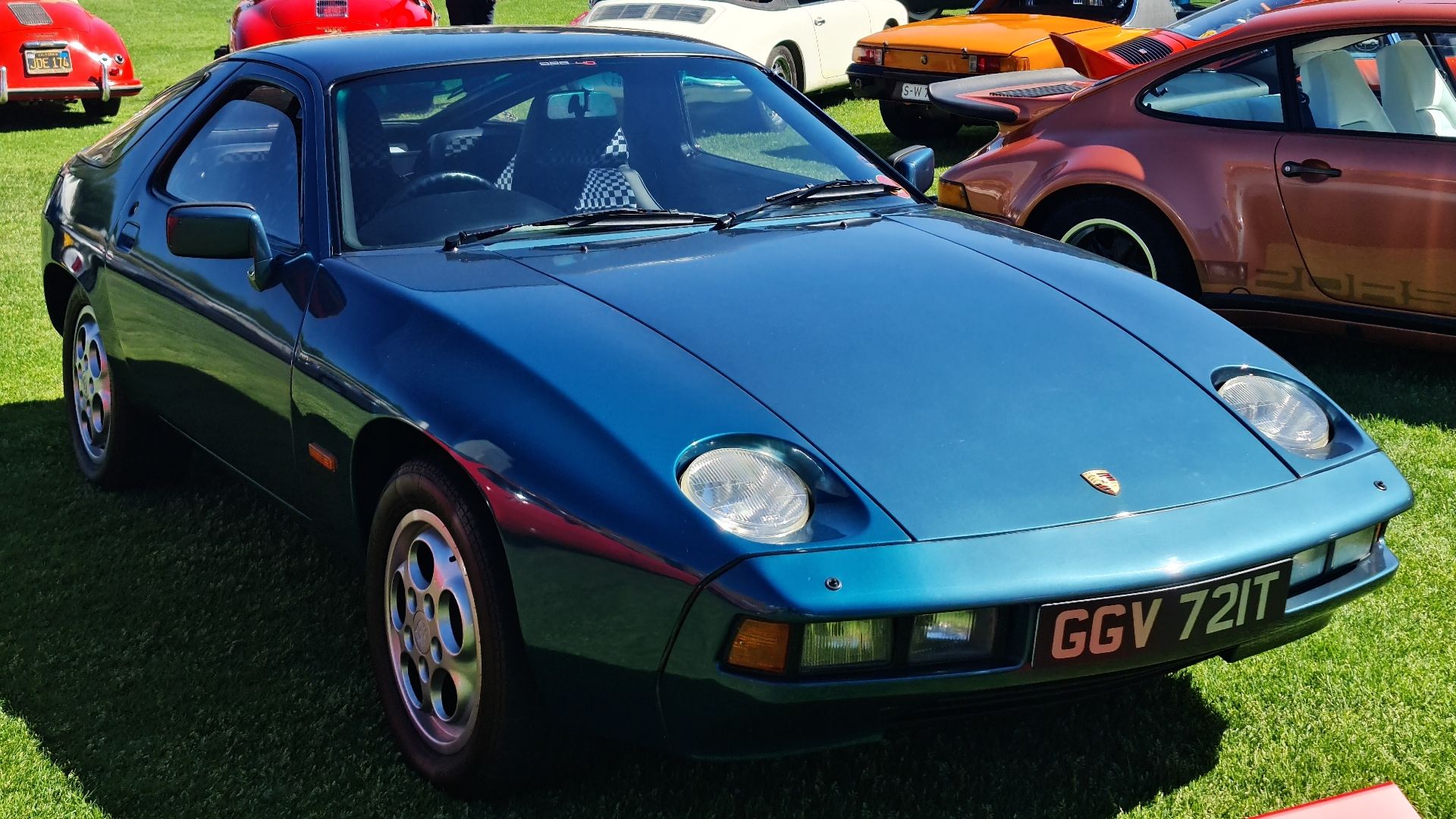
1978 Porsche 928: Headlights With A Different Twist
The Porsche 928 didn't have conventional pop-up headlights. Instead, its distinctive round lamps rotated upward from their resting position. The result gave this luxurious German grand tourer an almost cartoonish personality. Porsche intended the front-engined 928 to represent its future, but enthusiasts still remember those unusual headlights most fondly.
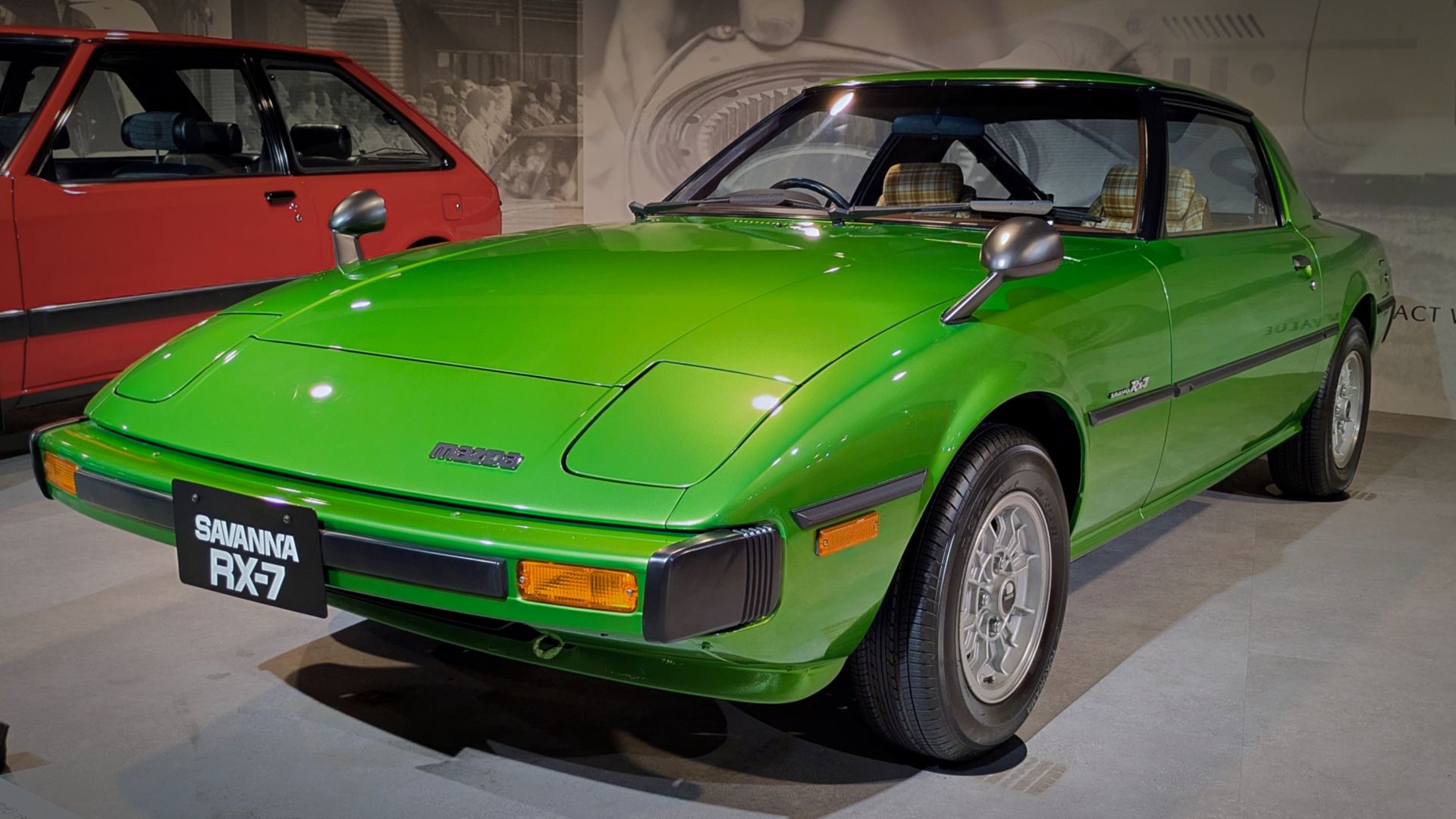
1978 Mazda RX-7: Rotary Power Meets Sharp Styling
When Mazda introduced the RX-7 in 1978, it offered sports-car excitement without an exotic price tag. The lightweight coupe combined its unusual rotary engine with a sleek nose and pop-up headlights. It became a favorite among driving enthusiasts, proving that dramatic styling didn't have to be reserved for wealthy collectors.
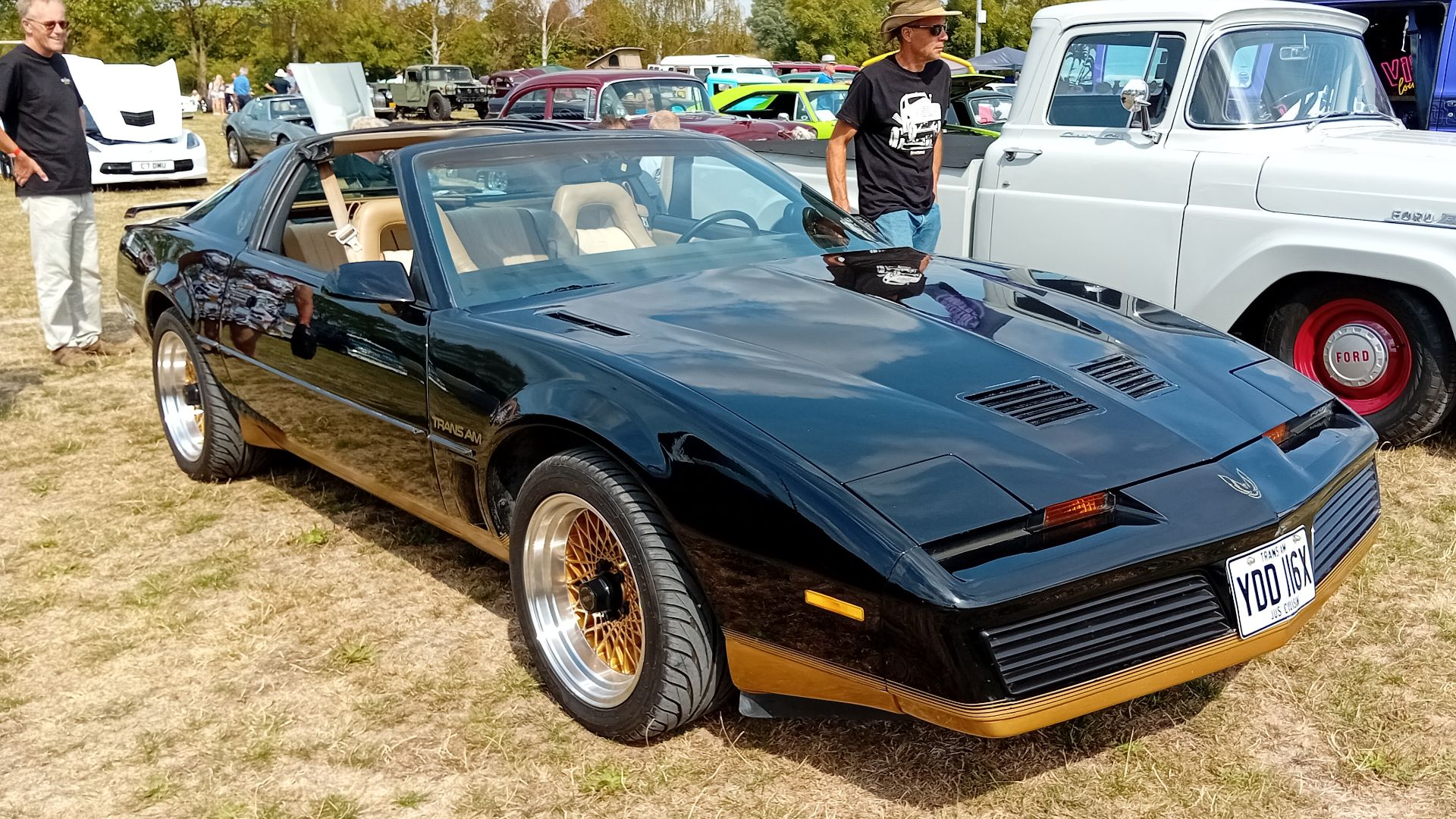
1982 Pontiac Firebird Trans Am: The Knight Rider Legend
The third-generation Pontiac Firebird arrived in 1982 with retractable headlights and an aerodynamic new body. That same year, Knight Rider introduced television audiences to KITT, the talking Trans Am. Suddenly, pop-up headlights weren't just stylish. They were part of a futuristic machine that millions of viewers dreamed about owning.
 hugh llewelyn, Wikimedia Commons
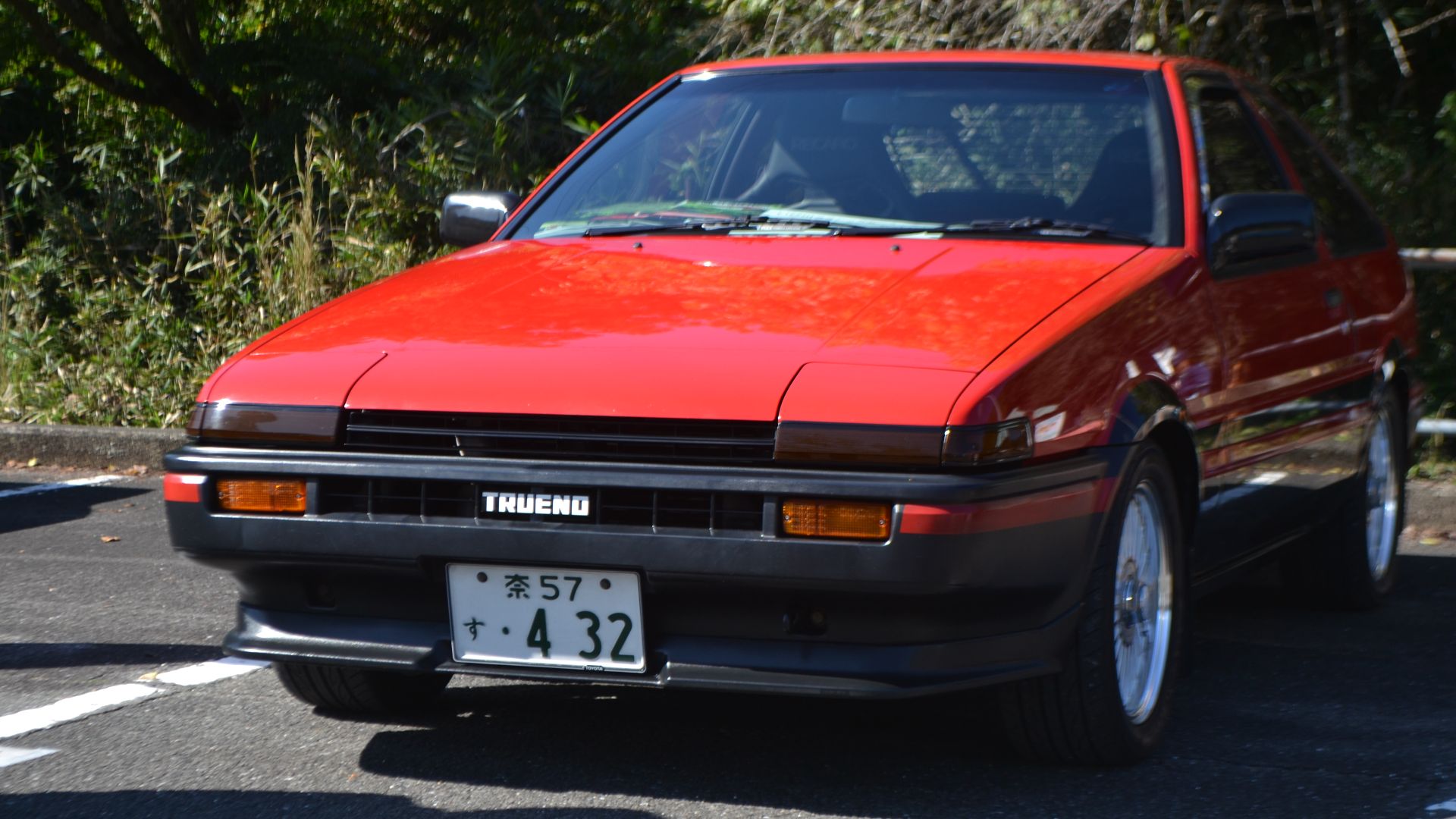
1983 Toyota AE86 Sprinter Trueno: The Little Drifting Legend
The Toyota Sprinter Trueno version of the AE86 featured pop-up headlights that gave this compact coupe a distinctive personality. Although modestly powered, its lightweight, rear-wheel-drive layout made it popular with driving enthusiasts. Its later connection to Japanese drifting culture and Initial D helped turn this unassuming Toyota into a collector favorite.
 Beginning with the simplest steps, Wikimedia Commons
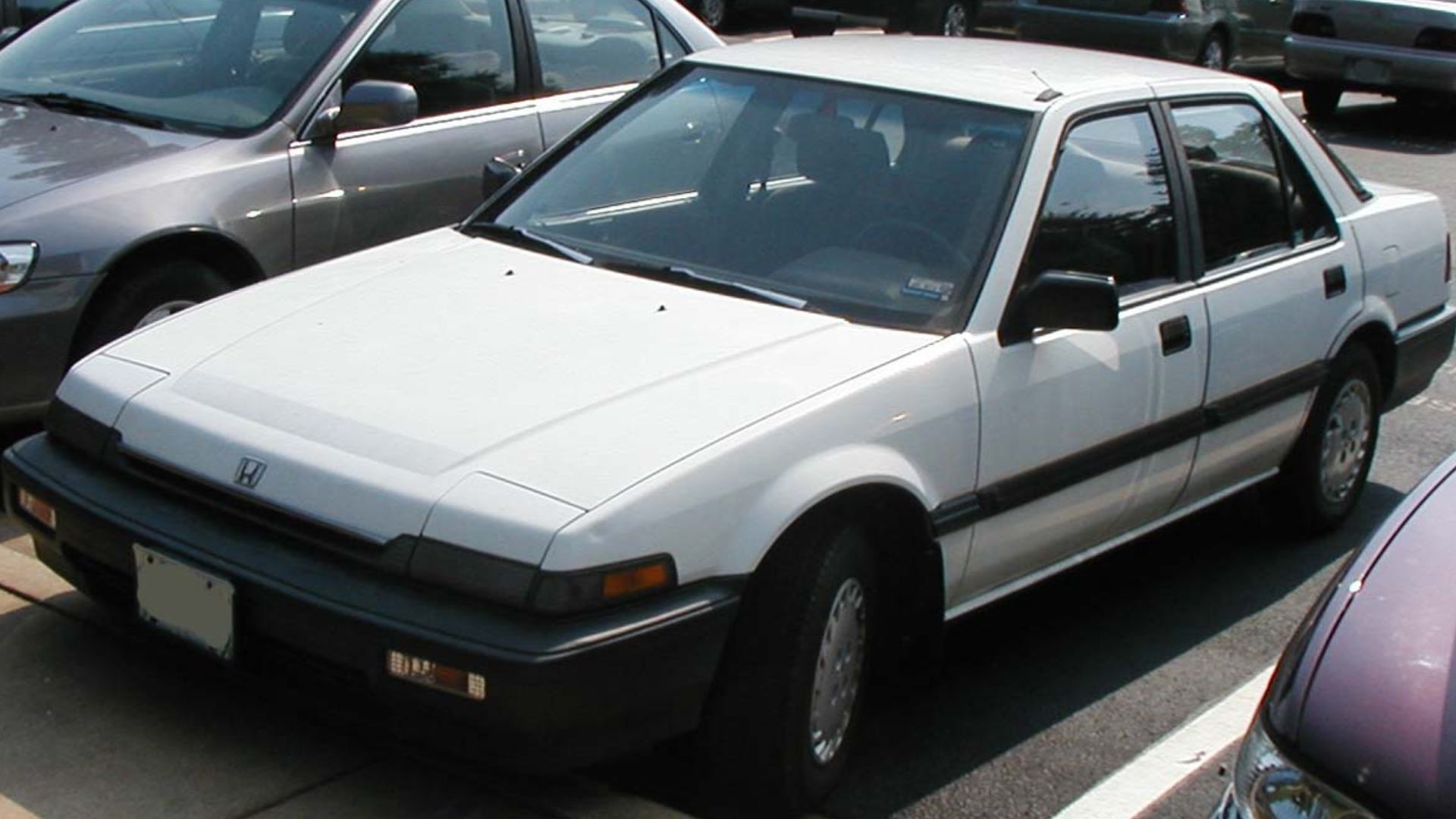
1984 Honda Accord: Even Family Cars Had Pop-Ups
Believe it or not, pop-up headlights weren't limited to expensive sports cars. The third-generation Honda Accord, introduced for the 1986 model year in North America, featured retractable headlights on sedan and hatchback models. It gave an otherwise practical family car a surprisingly futuristic look. Imagine your everyday commuter having a little sports-car flair.
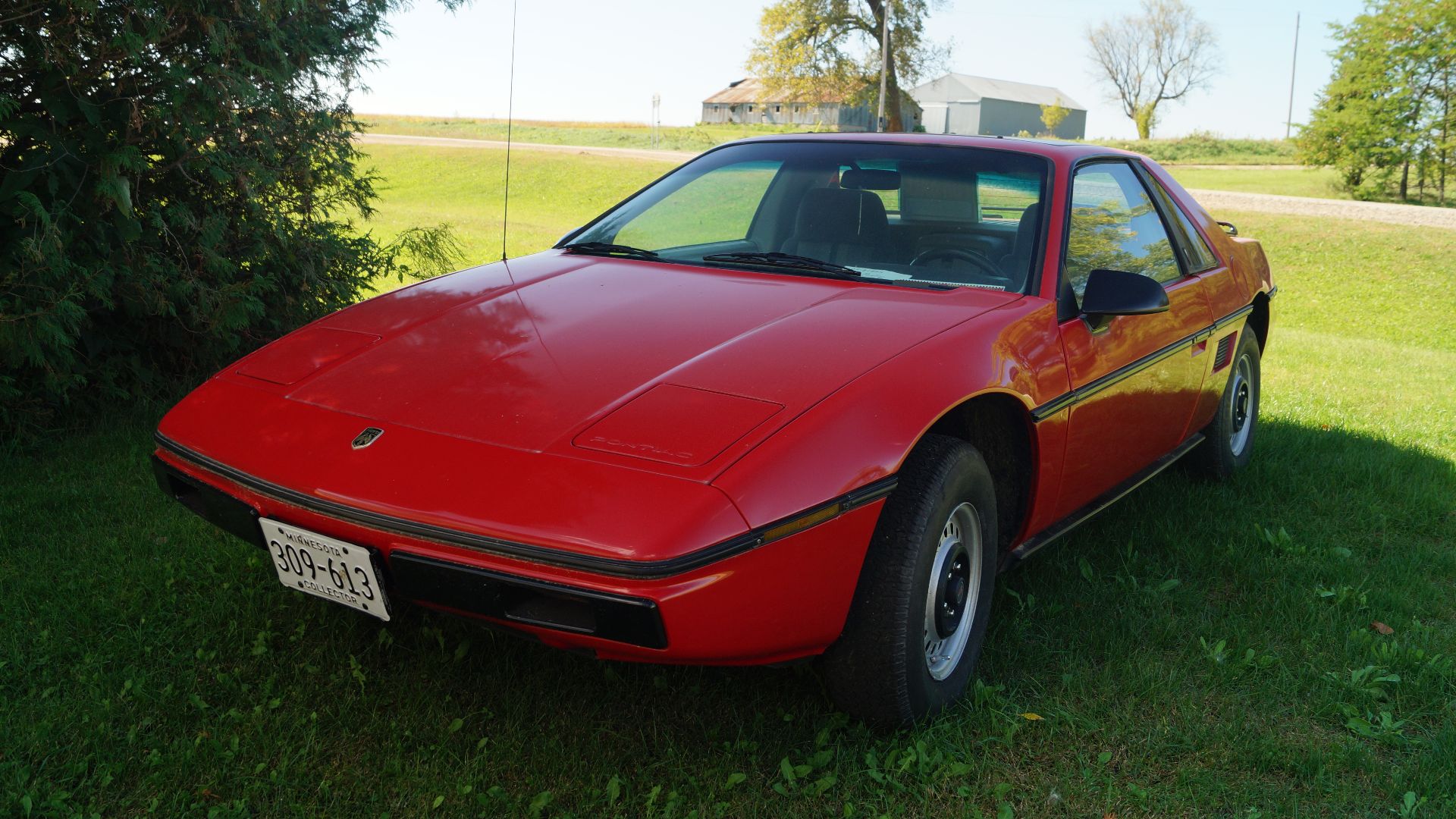
1984 Pontiac Fiero: America's Affordable Mid-Engine Sports Car
The Pontiac Fiero arrived for the 1984 model year with mid-engine styling, a low nose, and distinctive pop-up headlights. It looked far more exotic than its price suggested. Although early models struggled with performance expectations and reliability concerns, the Fiero developed a loyal following that continues to appreciate its unusual design.
 Greg Gjerdingen from Willmar, USA, Wikimedia Commons
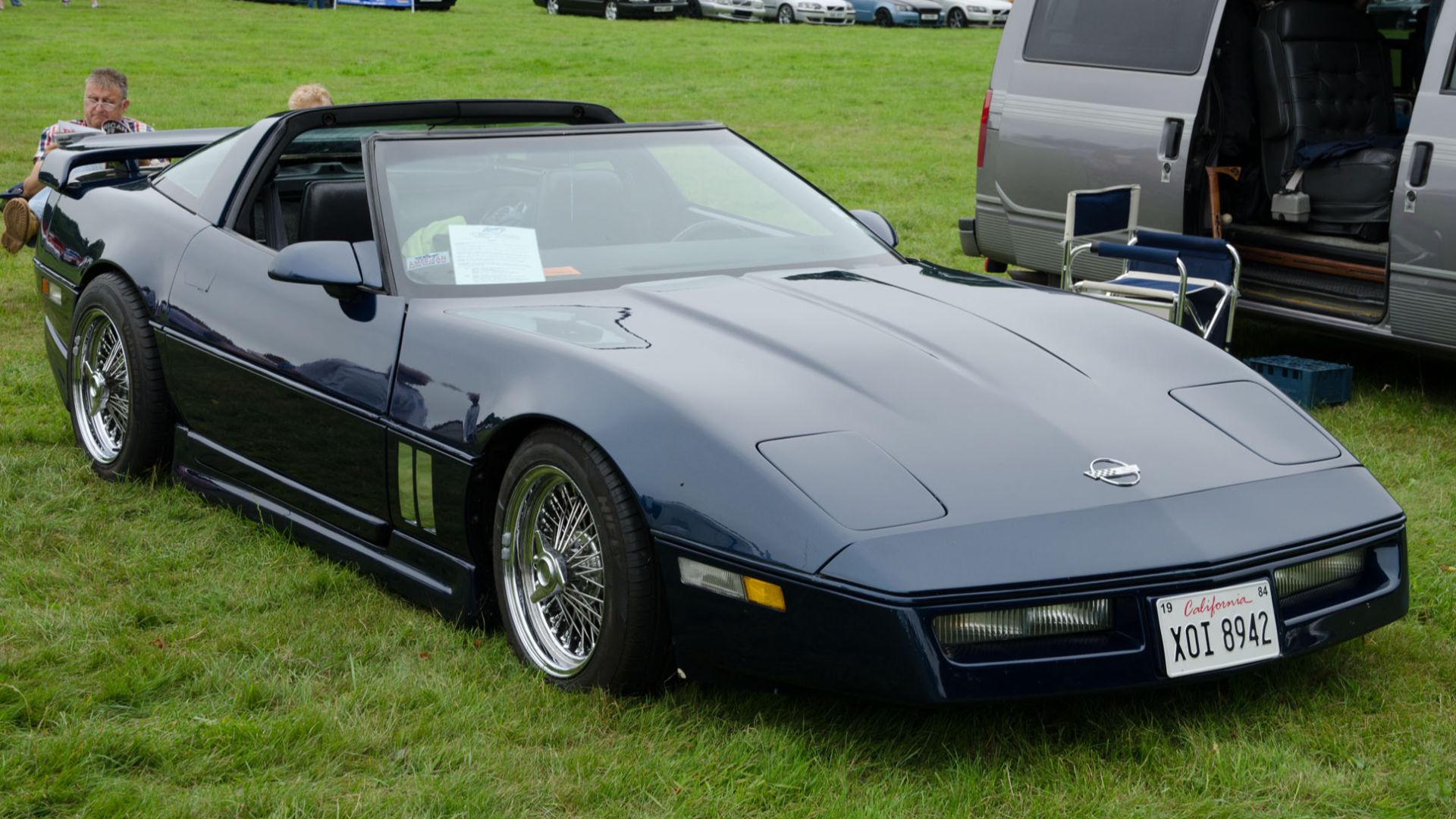
1984 Chevrolet Corvette C4: A New Generation Of American Performance
The fourth-generation Corvette debuted for the 1984 model year with a thoroughly modern appearance. Its headlights rotated dramatically into position, creating a distinctive mechanical display. Combined with digital instrumentation and an aerodynamic body, the C4 felt wonderfully futuristic. For many Baby Boomers, this was the Corvette they dreamed of finally owning.
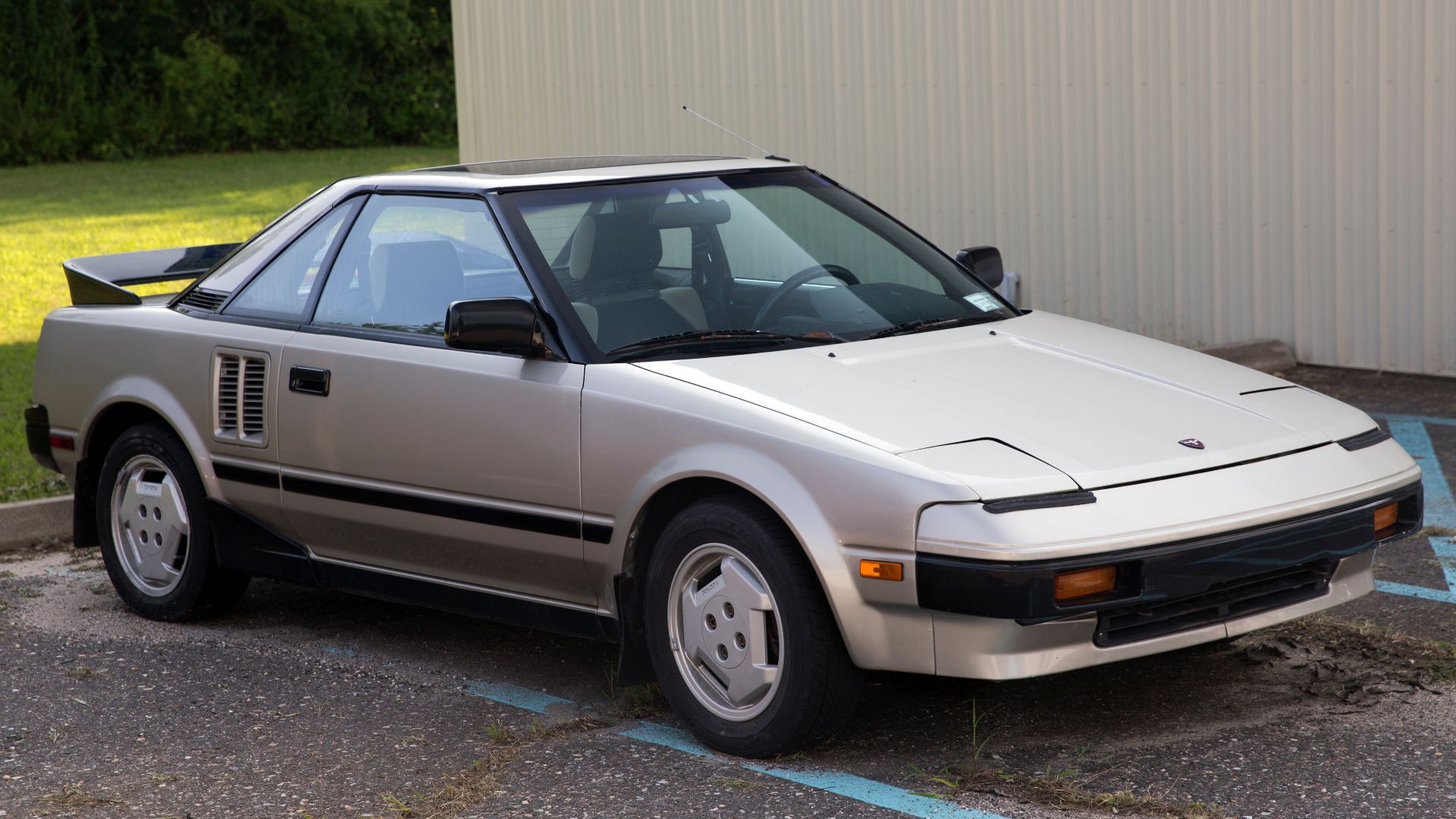
1985 Toyota MR2: The Affordable Mid-Engine Wonder
Toyota's first-generation MR2 offered an unusual combination: mid-engine handling, everyday dependability, and pop-up headlights. Its compact wedge-shaped body looked like a miniature exotic car. Yet it remained practical enough for regular driving. The MR2 became proof that you didn't need Ferrari money to enjoy something genuinely exciting.
 Mr.choppers, Wikimedia Commons
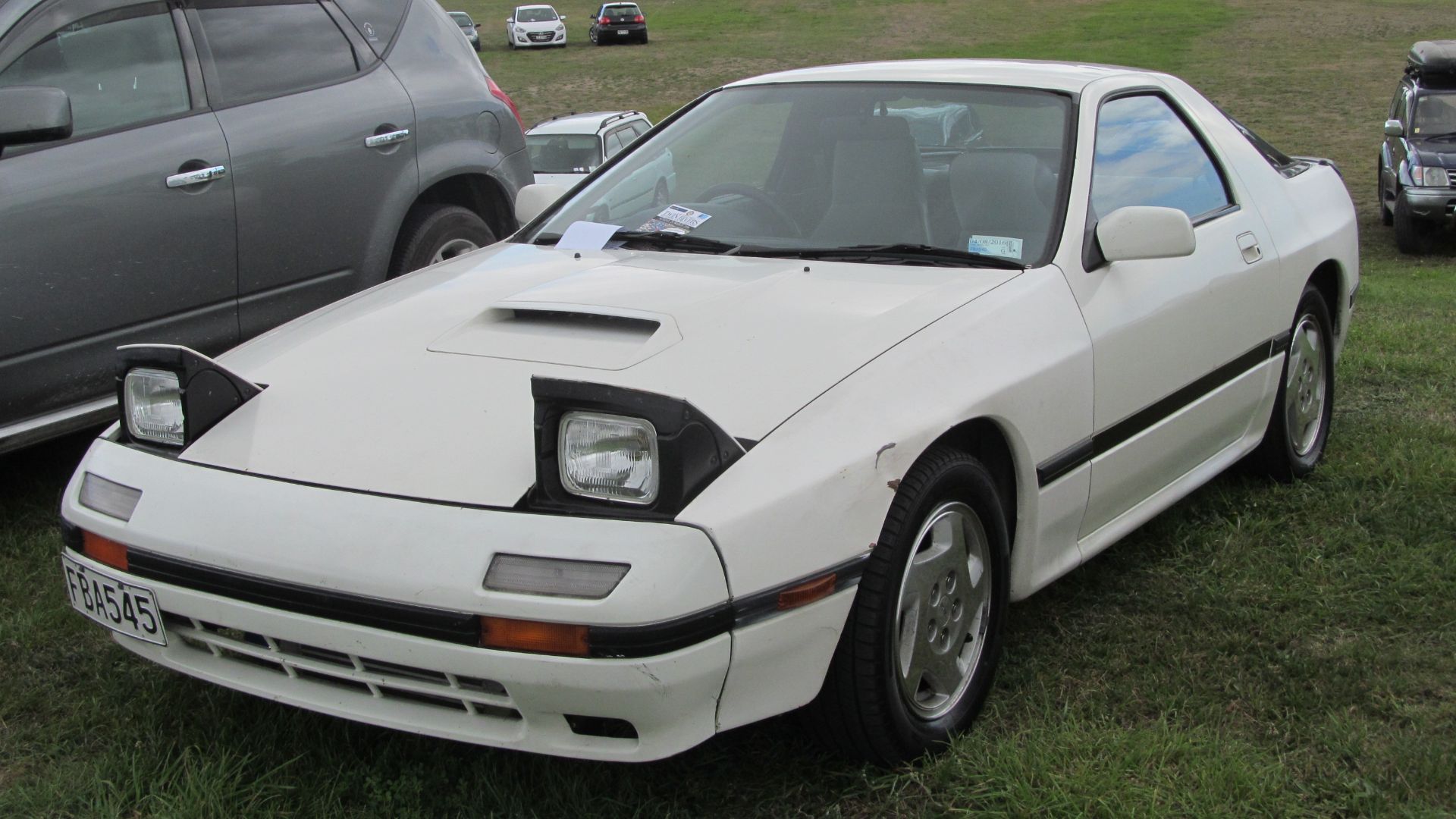
1986 Mazda RX-7 FC: A Japanese Porsche Rival
The second-generation RX-7 adopted smoother styling when it arrived for the 1986 model year. Its pop-up headlights complemented a low, rounded nose that reminded some observers of contemporary Porsches. Turbocharged versions added serious performance. For enthusiasts who wanted something different from traditional American muscle, the RX-7 was an intriguing alternative.
 Riley from Christchurch, New Zealand, Wikimedia Commons
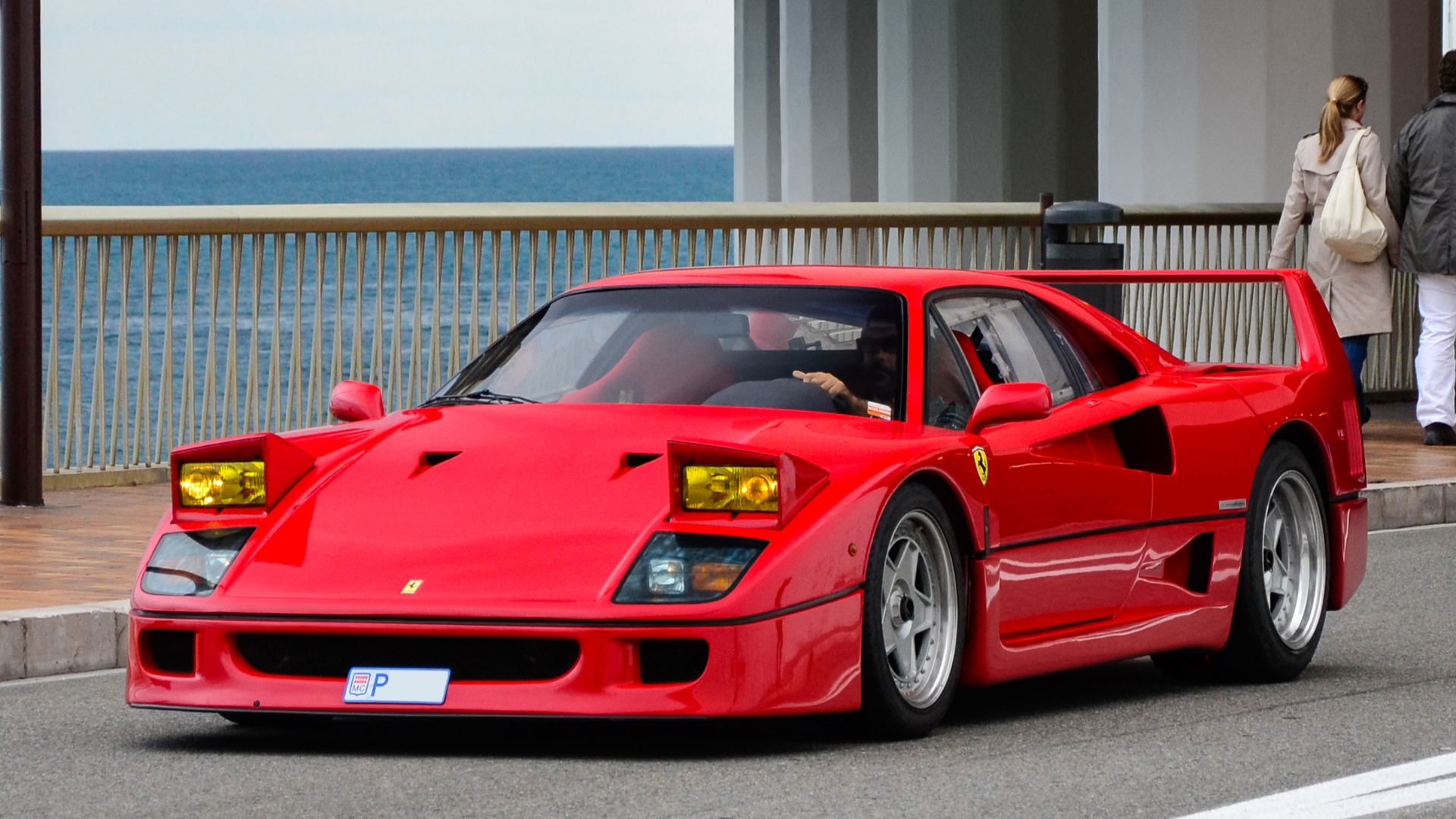
1987 Ferrari F40: The Supercar That Needed No Introduction
Built to celebrate Ferrari's 40th anniversary, the F40 became one of the most recognizable supercars ever produced. Its enormous rear wing, aggressive bodywork, and pop-up headlights made it unforgettable. With twin-turbocharged V8 power and a famously uncompromising driving experience, the F40 represented a thrilling chapter in Ferrari's history.
 Alexandre Prévot from Nancy, France, Wikimedia Commons
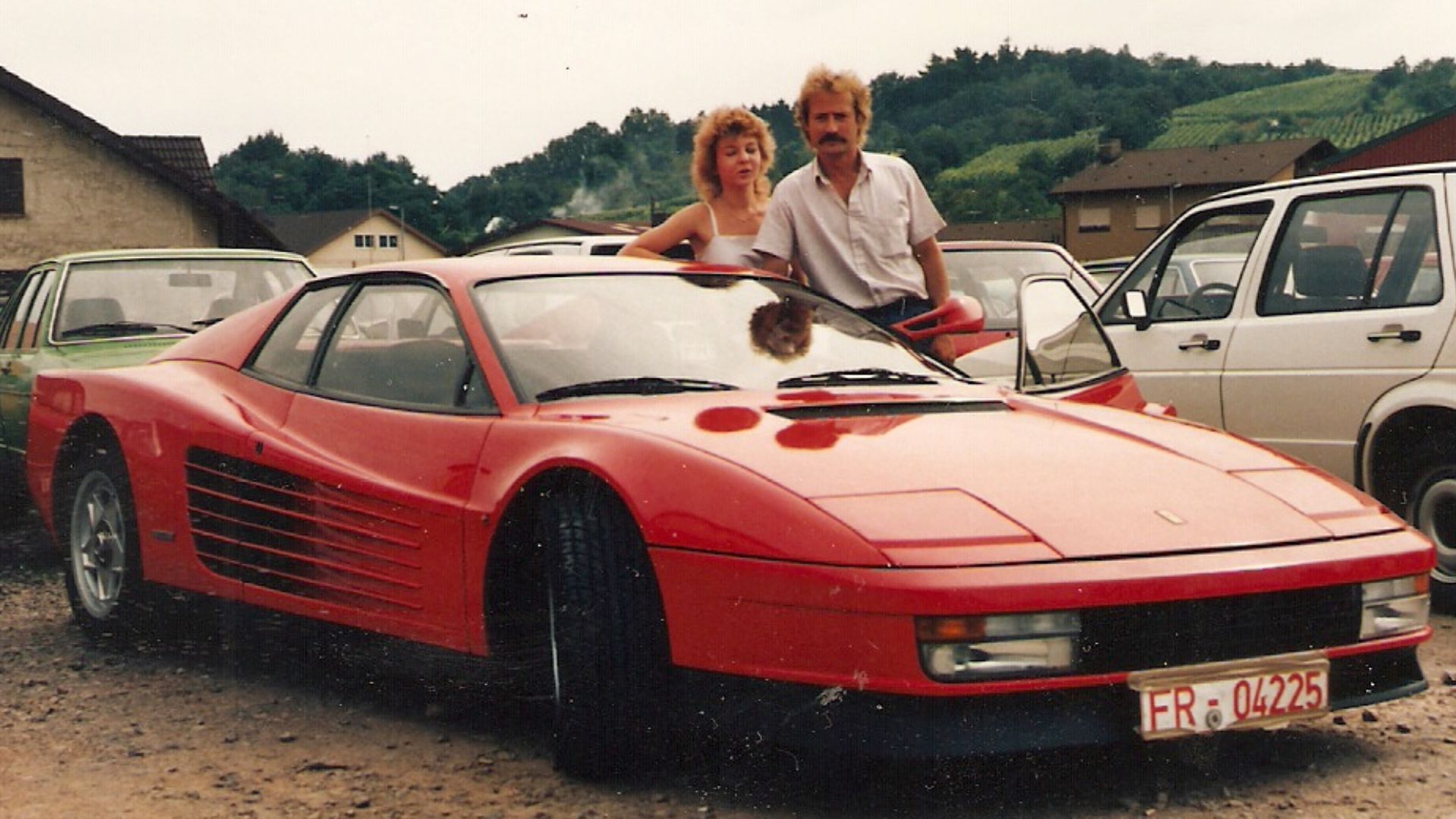
1988 Ferrari Testarossa: The Ultimate 1980s Status Symbol
Few cars captured the excess of the 1980s quite like the Ferrari Testarossa. Its wide body, dramatic side strakes, and retractable headlights made it instantly recognizable. Television appearances, including Miami Vice, helped cement its celebrity status. For anyone who remembers the decade, this Ferrari practically defines exotic-car glamour.

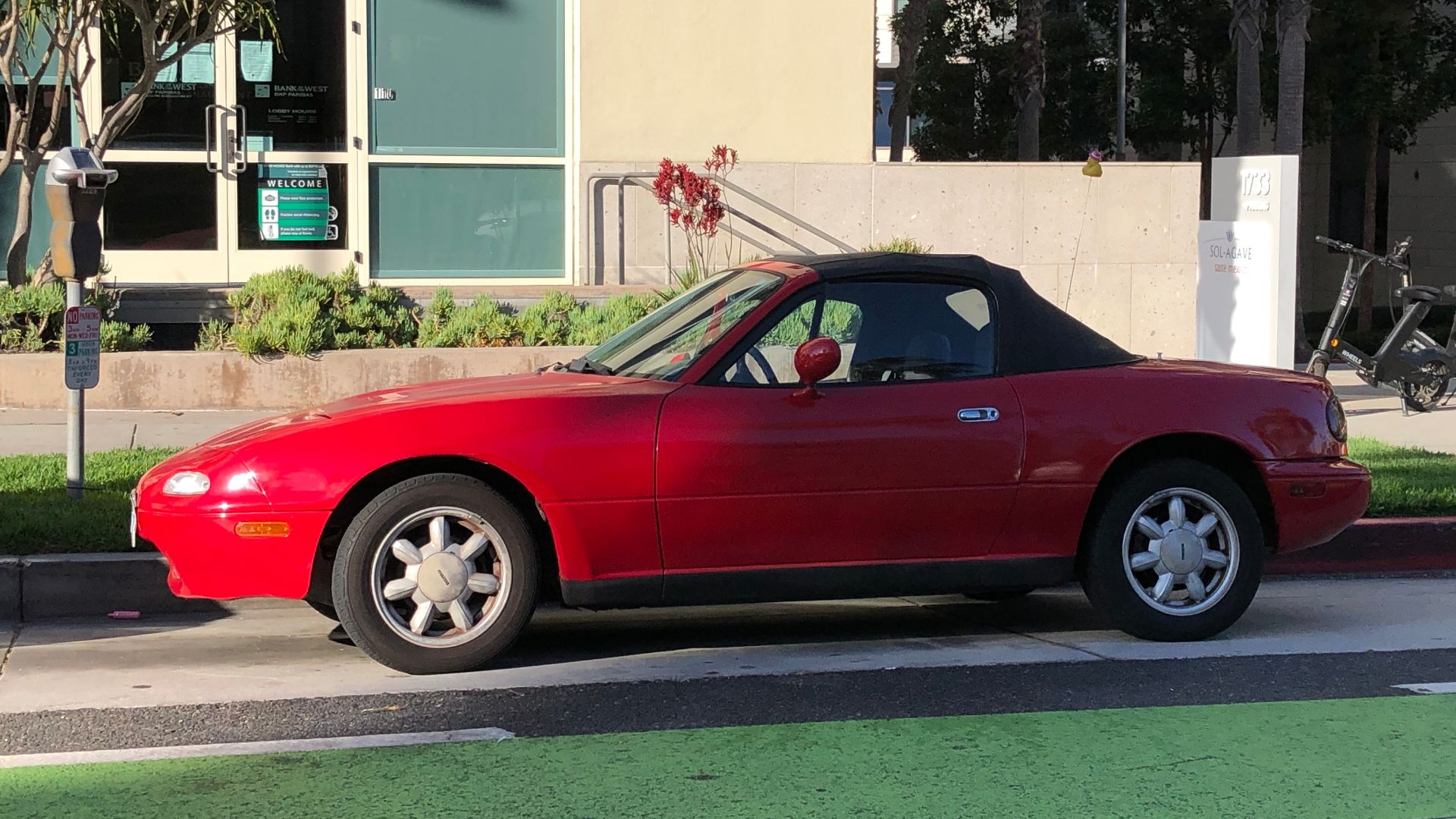
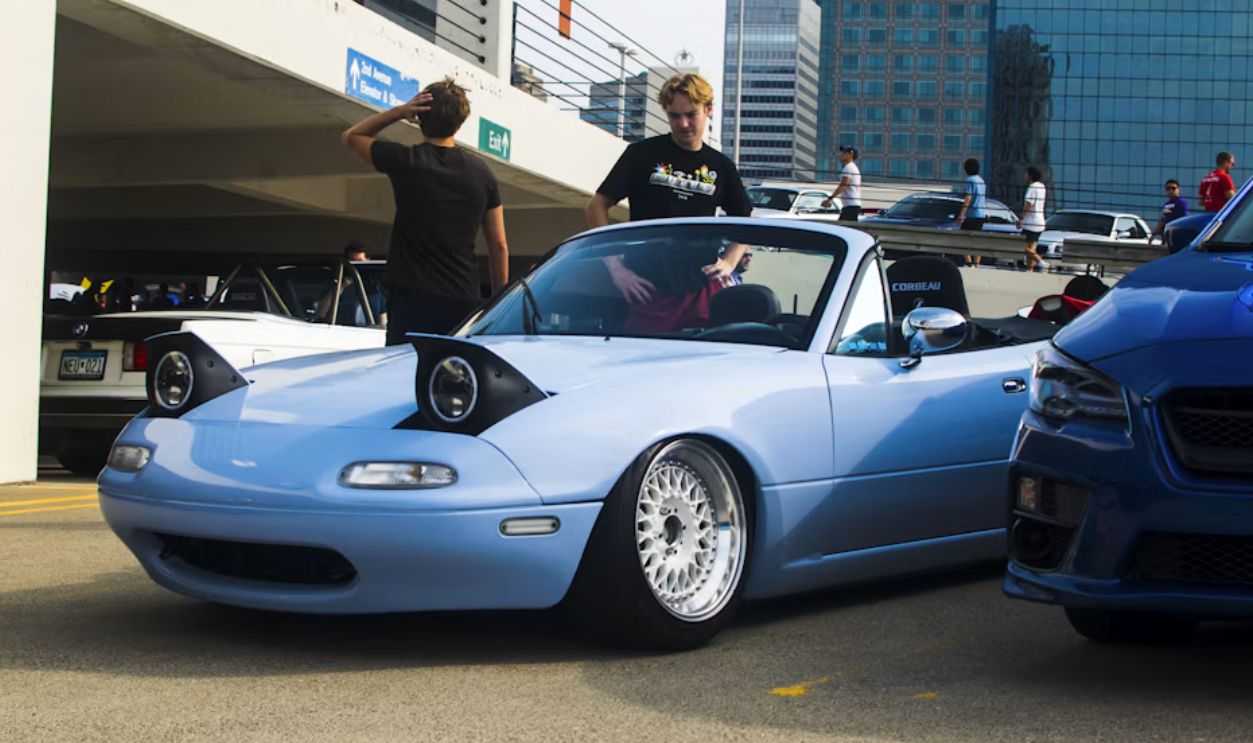
1989 Mazda MX-5 Miata: The Sports Car That Smiled
When the original Mazda Miata debuted in 1989, its cheerful face and pop-up headlights immediately won admirers. Affordable, lightweight, and wonderfully enjoyable to drive, it revived interest in traditional British-style roadsters. Those headlights even gave the little Mazda something resembling eyebrows, making it one of the friendliest-looking sports cars ever built.
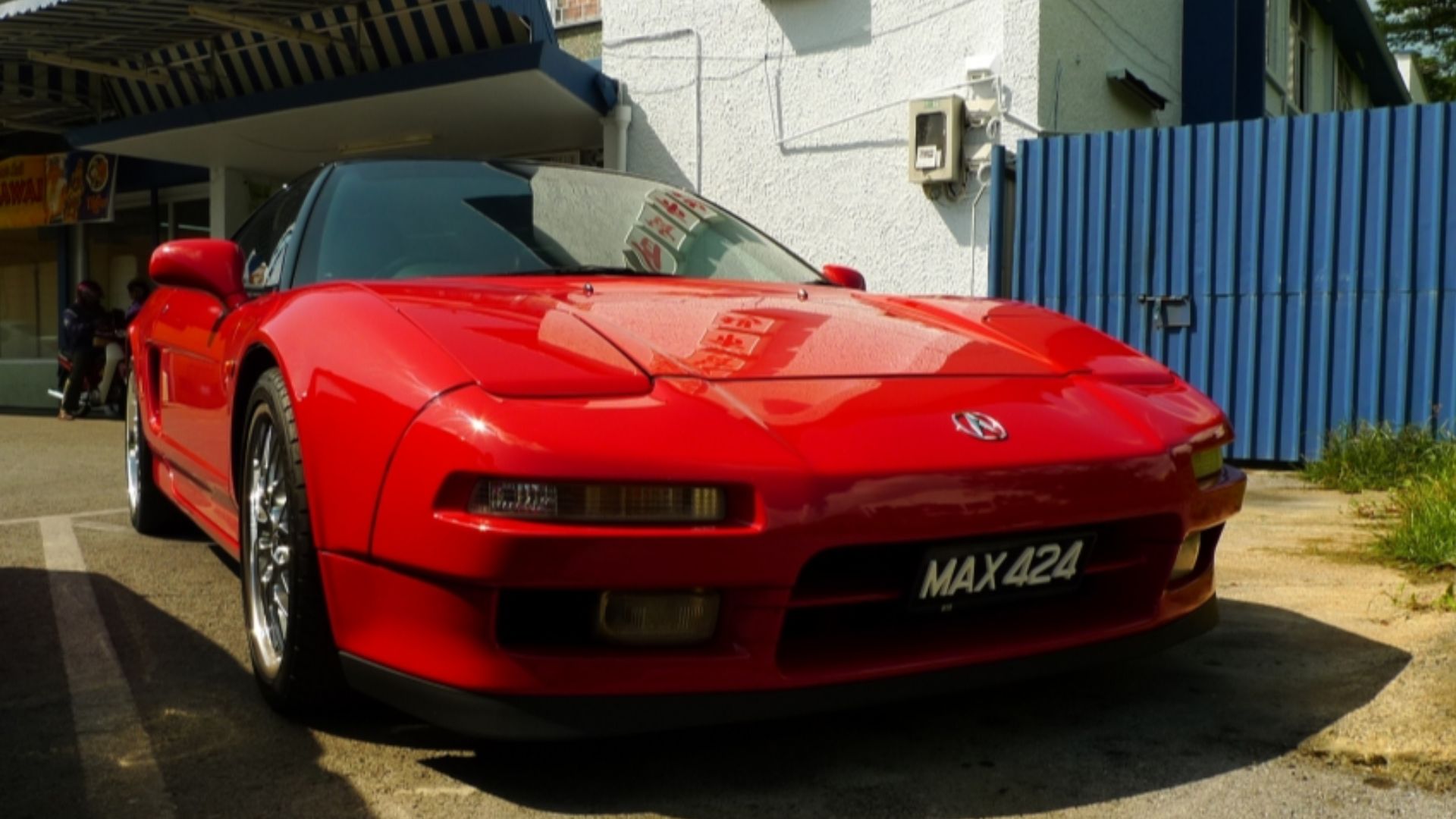
1990 Acura NSX: Japan Challenges The Supercar Establishment
The original Honda NSX, sold as the Acura NSX in North America, arrived with Ferrari-rivaling ambitions and surprisingly everyday usability. Its retractable headlights contributed to its low, elegant silhouette. With advanced aluminum construction and mid-engine handling, the NSX helped demonstrate that a supercar could be both thrilling and remarkably dependable.
 Rafiq Mirza, Wikimedia Commons
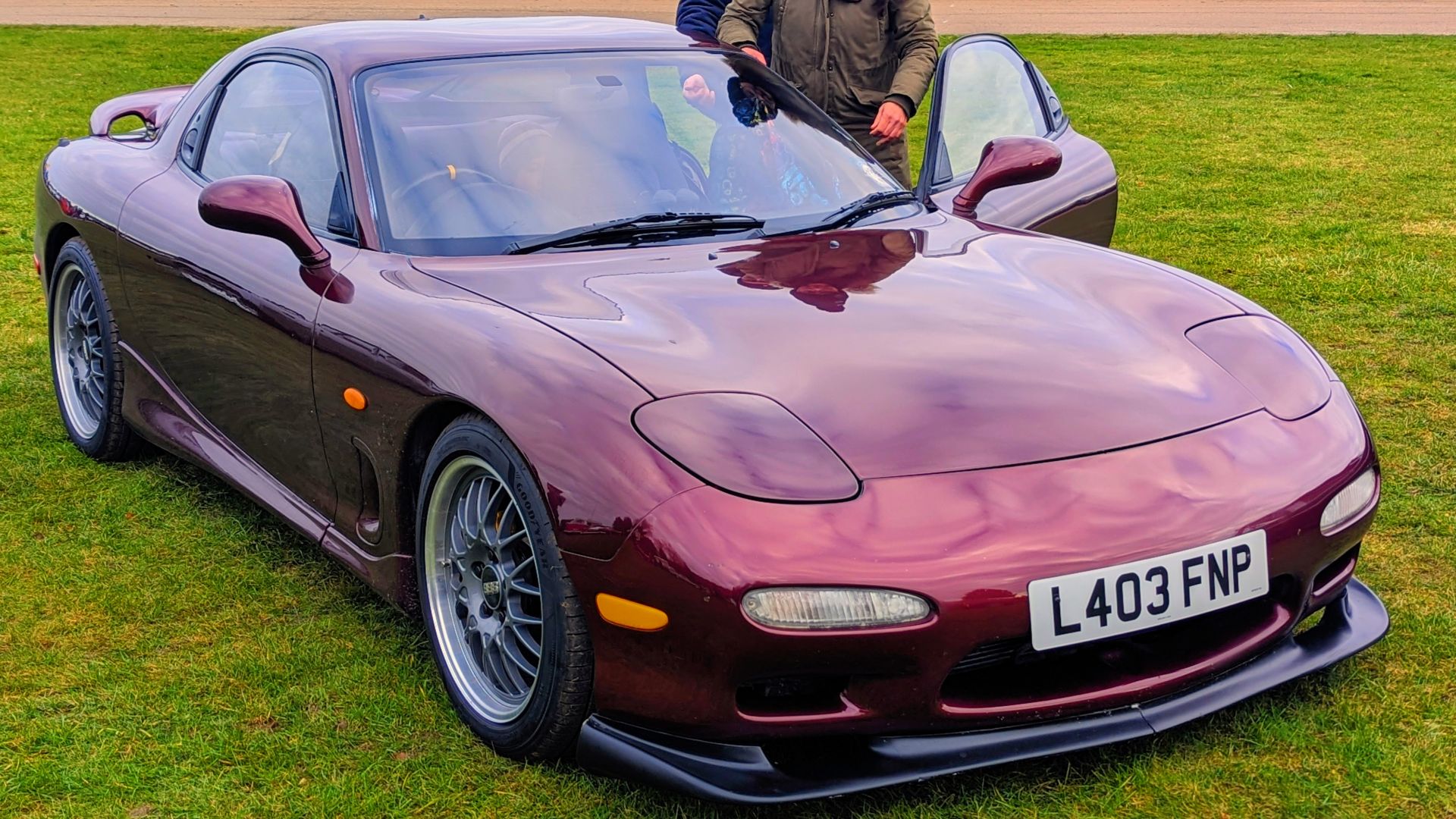
1993 Mazda RX-7 FD: The Pop-Up Design Reaches Its Peak
The third-generation Mazda RX-7 combined flowing curves with traditional pop-up headlights, creating one of the most beautiful Japanese sports cars of the 1990s. Its twin-turbocharged rotary engine offered impressive performance. Even decades later, the FD remains highly desirable, with its distinctive headlights playing an important part in its lasting appeal.
Why Did Pop-Up Headlights Disappear?
Despite their charm, pop-up headlights were expensive, mechanically complicated, and vulnerable to failure. New lighting technology allowed designers to integrate sleek, fixed headlights directly into bodywork. Changing pedestrian-safety requirements also made retractable designs less attractive. They weren't universally banned, but by 2004, the Corvette C5 and Lotus Esprit had marked the end of an era.
Should Pop-Up Headlights Make A Comeback?
Modern cars offer incredible lighting technology, but something has arguably been lost along the way. Pop-up headlights gave cars personality, turning a simple nighttime necessity into a little mechanical performance. From the Corvette to the Countach, they helped create automotive legends. So, if manufacturers could bring them back safely, wouldn't you love to see them again?
You May Also Like:
Things Drivers Think Will Improve Their Gas Mileage But Can Actually Make It Worse