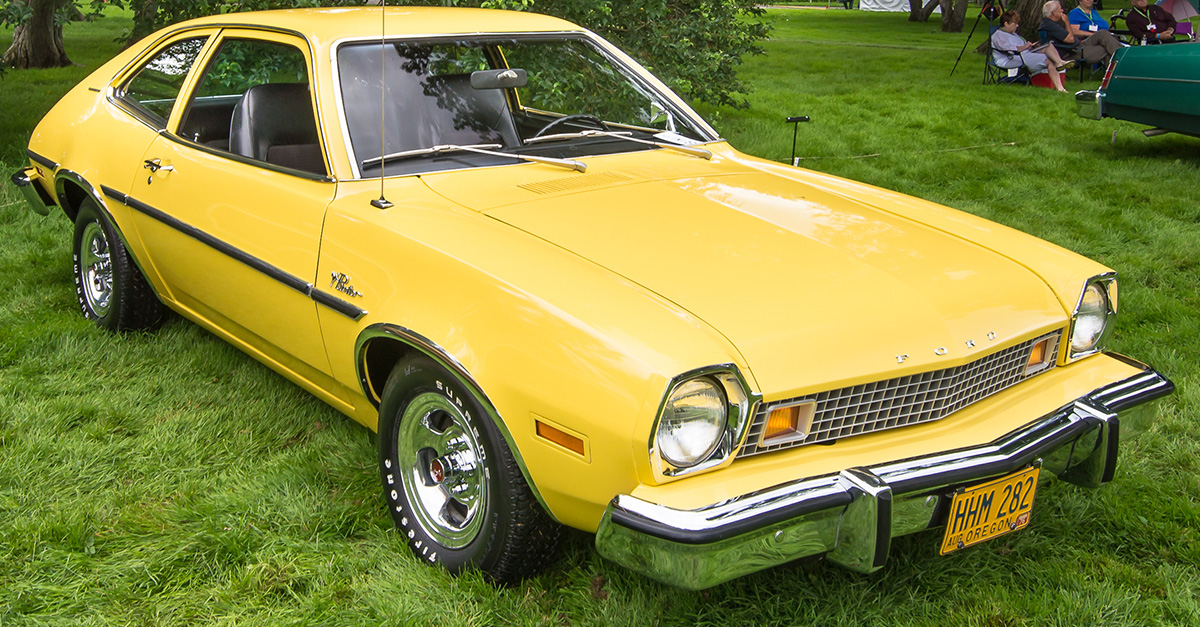
A Tiny Car With A Very Big Promise
In the late 1960s, America wanted small cars, cheap gas bills, and something—anything—that could take on the wave of efficient imports flooding in from Japan and Europe. Ford’s answer was bold, fast, and aggressively affordable. It was called the Pinto, and it was supposed to be a triumph of American ingenuity. Instead, it would become one of the most infamous cautionary tales in automotive history.
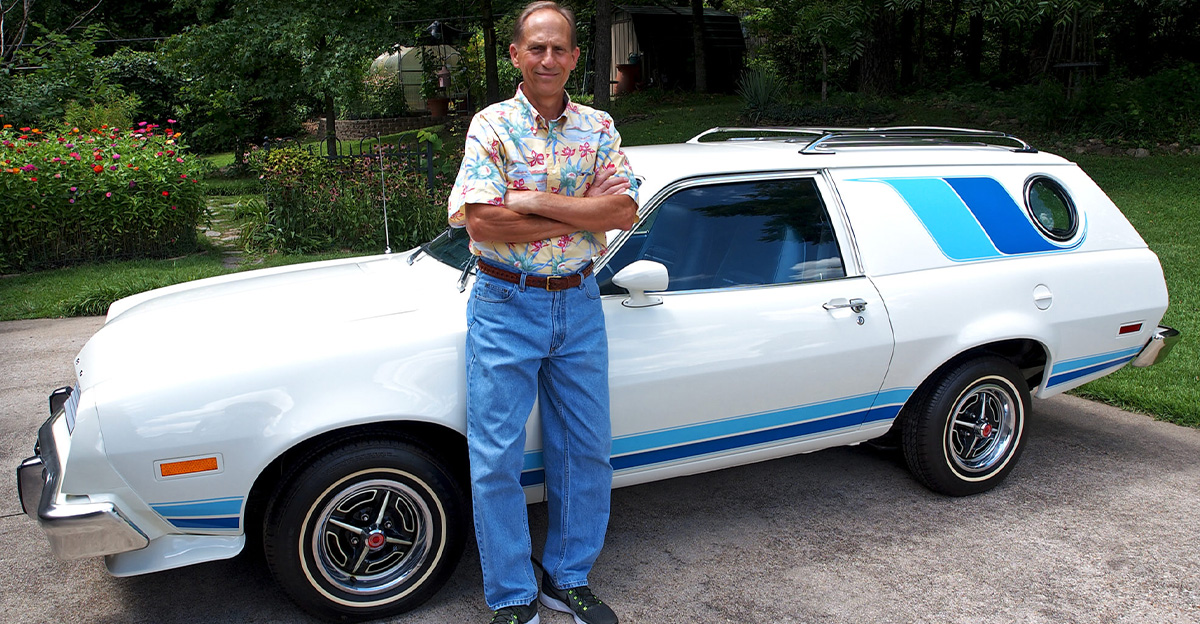
America’s Small-Car Panic
By the end of the 1960s, Detroit was sweating. Volkswagen Beetles were everywhere, Datsuns were gaining traction, and gas prices were creeping upward. Big V8 land yachts suddenly looked out of step with the times. Ford needed a small car, and it needed one yesterday.
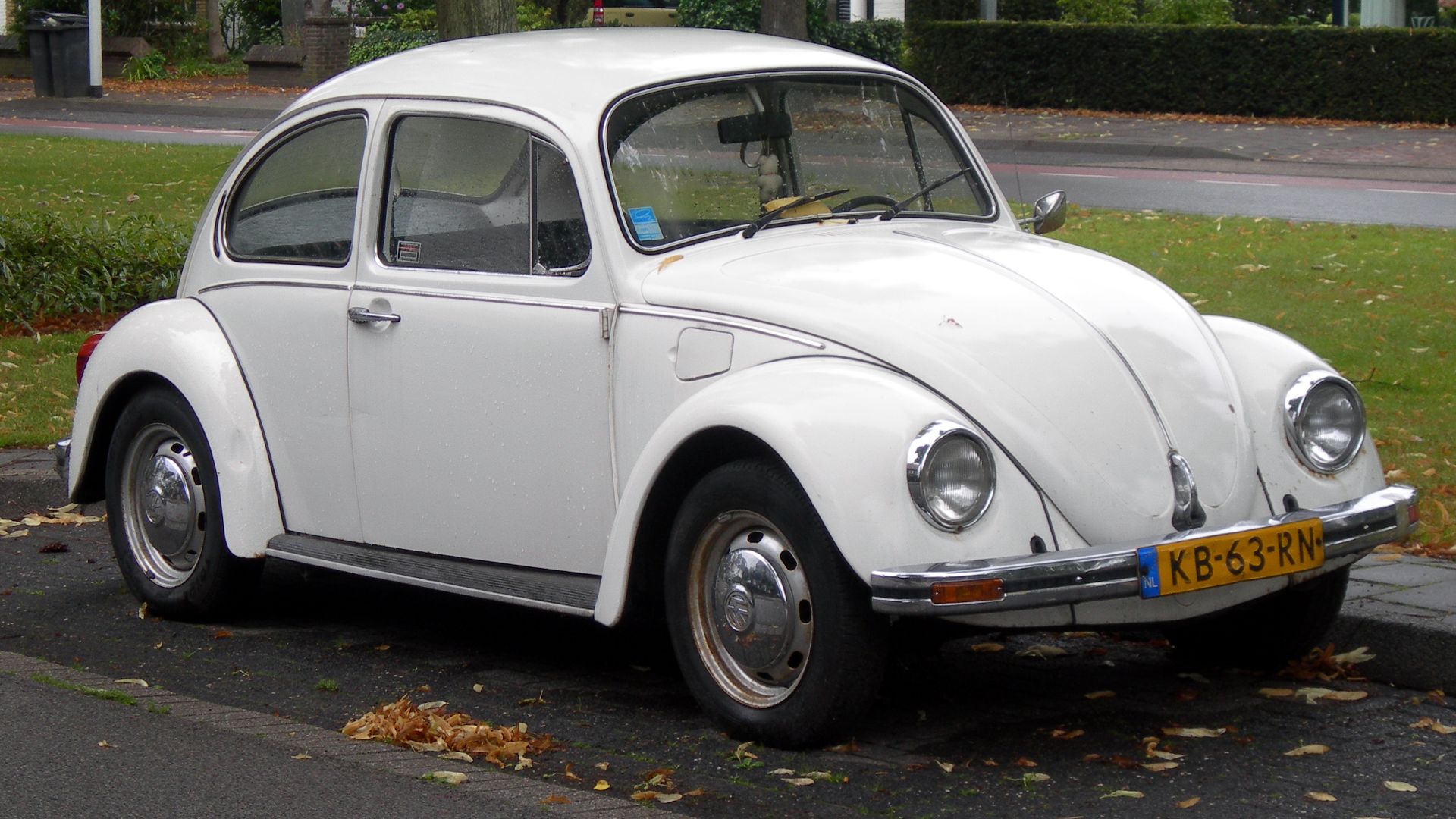 allen watkin from London, UK, Wikimedia Commons
Lee Iacocca’s $2,000 Challenge
Ford executive Lee Iacocca set an audacious goal: a subcompact car that weighed under 2,000 pounds and cost under $2,000. It was catchy, simple, and brutally unforgiving. Engineers would later joke that the slogan mattered more than almost anything else—including safety margins.
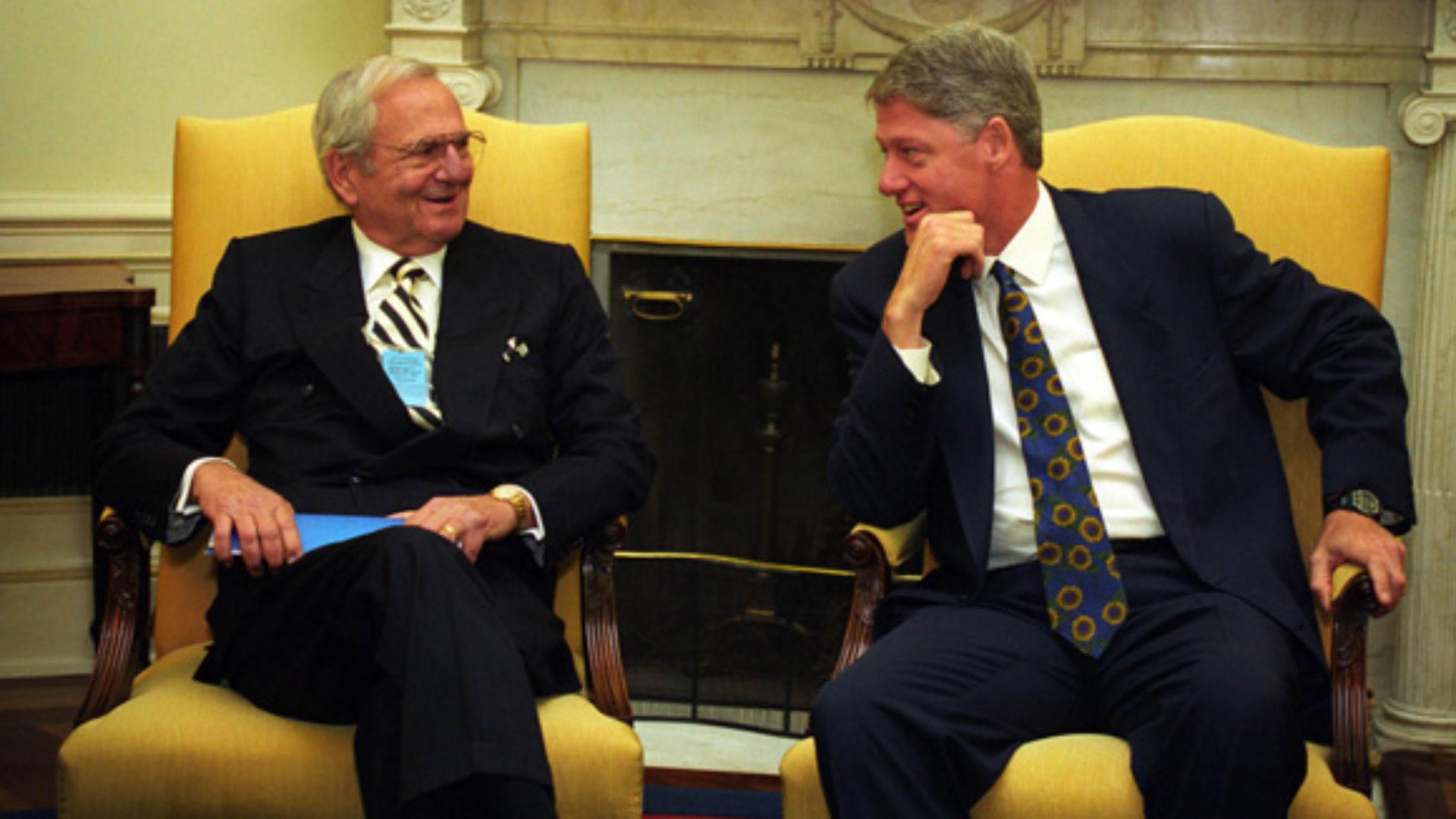 Ralph Answang for the White House; photo archived in Clinton Presidential Library, Wikimedia Commons
The Pinto Is Born In Record Time
Most cars take four to five years to develop. The Pinto was rushed from concept to showroom in about 25 months. Corners were cut, testing was compressed, and internal debates were often settled by deadlines rather than data.
 Mustang Joe, Wikimedia Commons
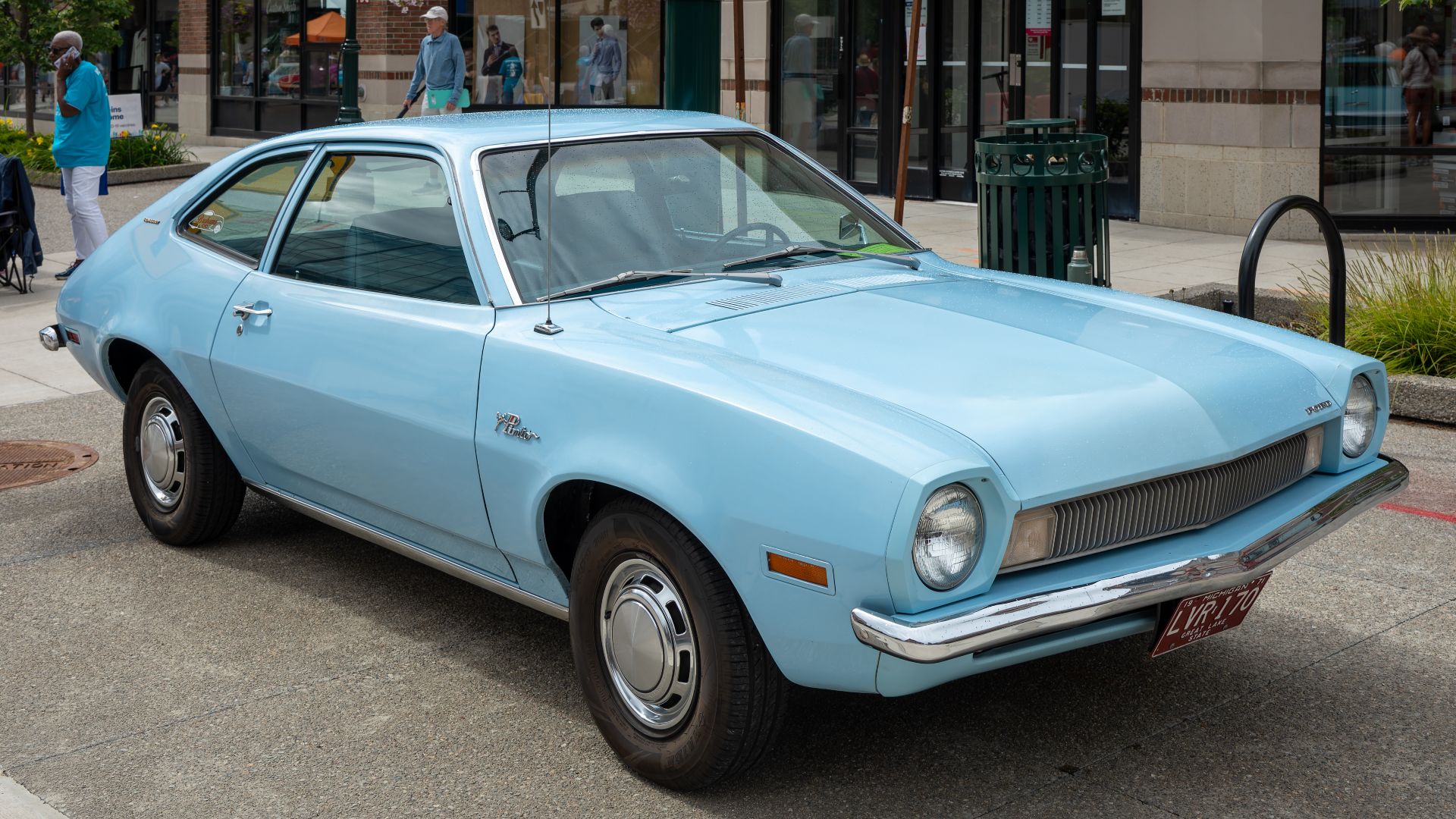
Cheap, Cheerful, And Everywhere
When the Pinto launched in 1971, it was an instant hit. It was affordable, stylish enough, and perfect for first-time buyers. Ford sold more than 350,000 Pintos in its first year alone. On paper, the gamble looked like a massive win.
 Captainpisslord, Wikimedia Commons
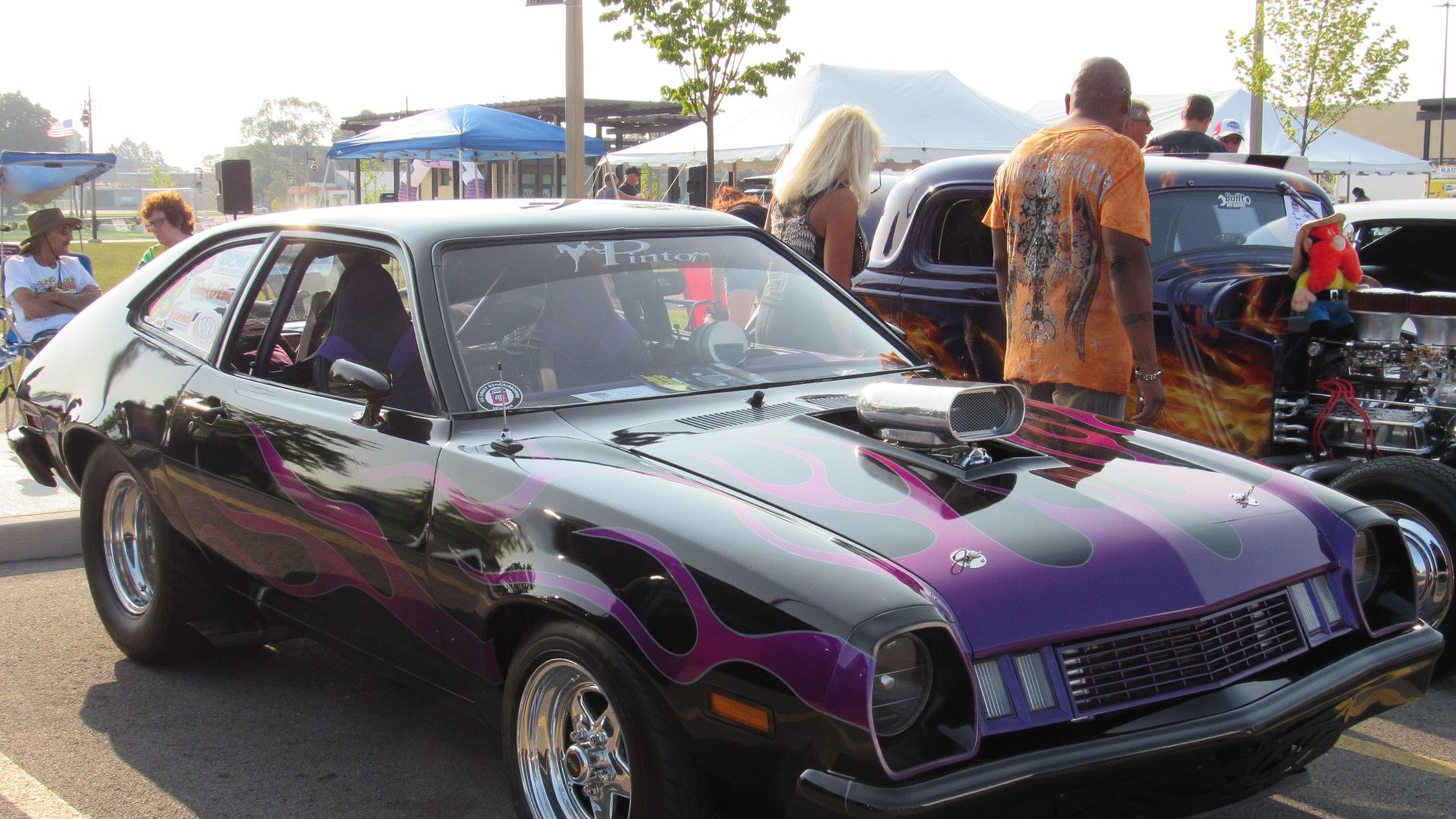
The Gas Tank Design That Changed Everything
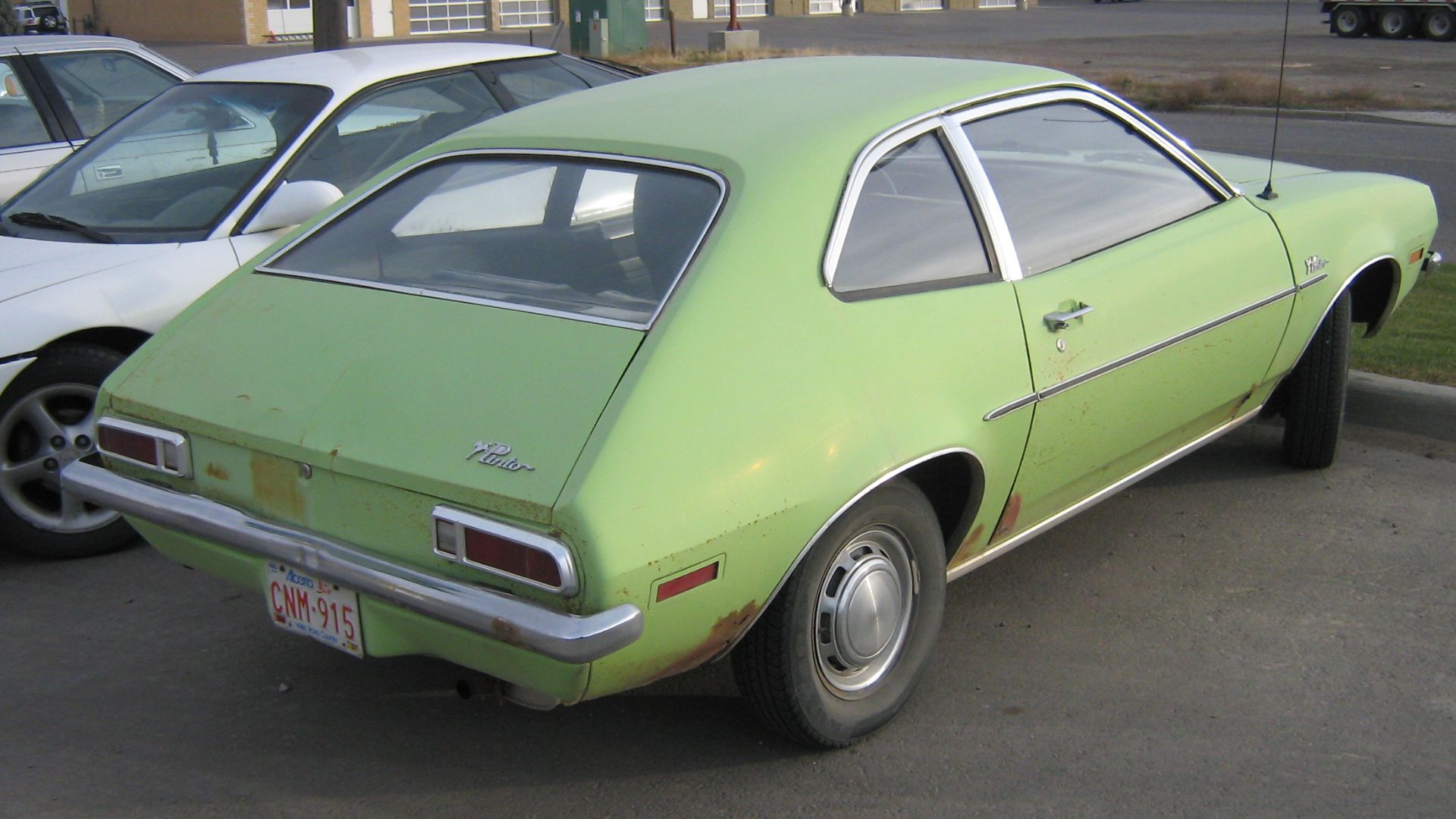
The Pinto’s fatal flaw was hiding in plain sight. Its fuel tank sat behind the rear axle, perilously close to the back bumper. In a rear-end collision, even at relatively low speeds, the tank could rupture.
 dave_7 from Canada, Wikimedia Commons
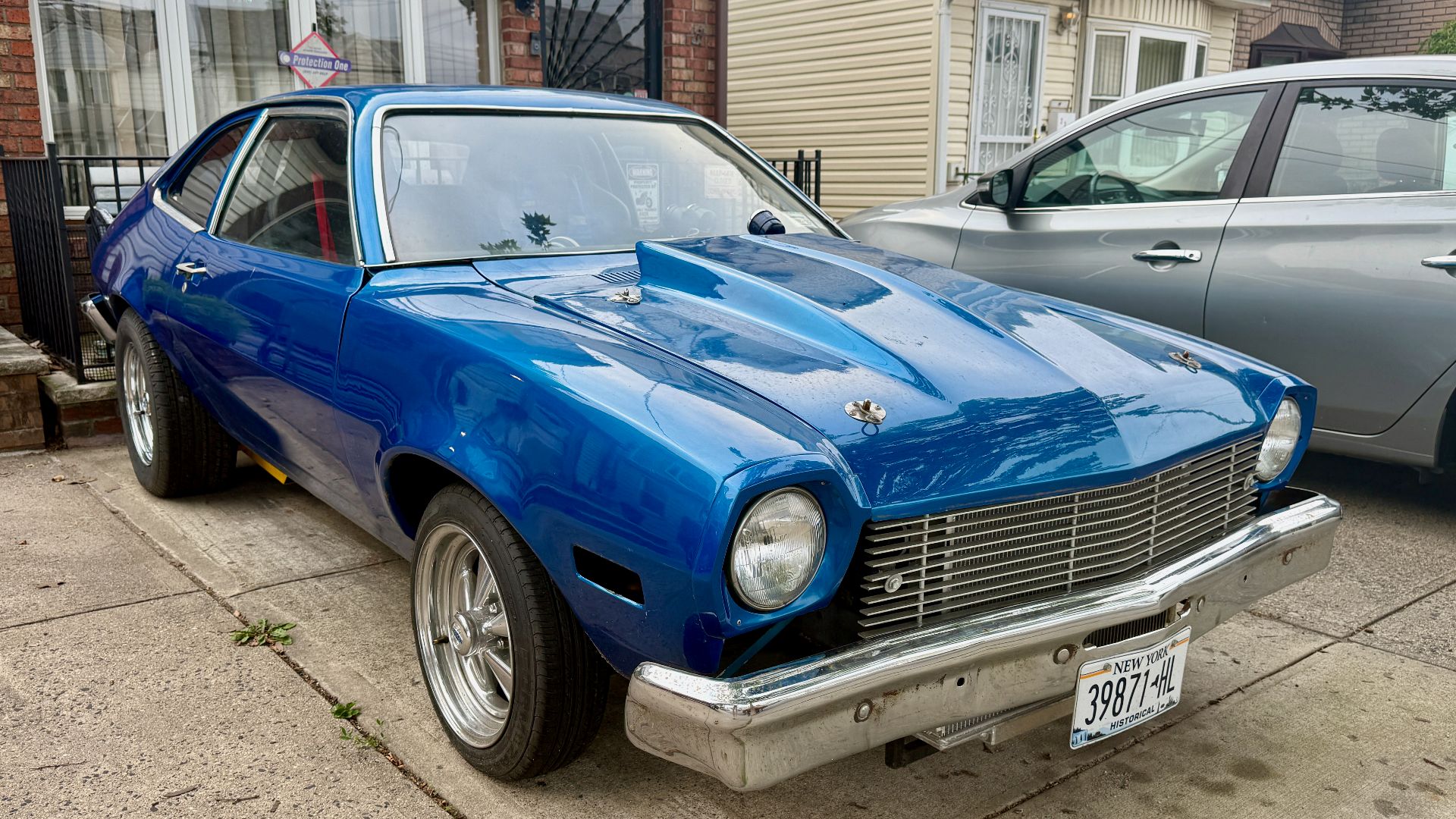
A Dangerous Chain Reaction
When the fuel tank ruptured, gasoline could spill forward into the passenger compartment. Exposed bolts and sharp edges near the tank could puncture it, while the filler neck could tear loose. All it took was a spark—and Pintos had plenty.
 Oleg Yunakov, Wikimedia Commons
Early Crash Tests Raised Red Flags
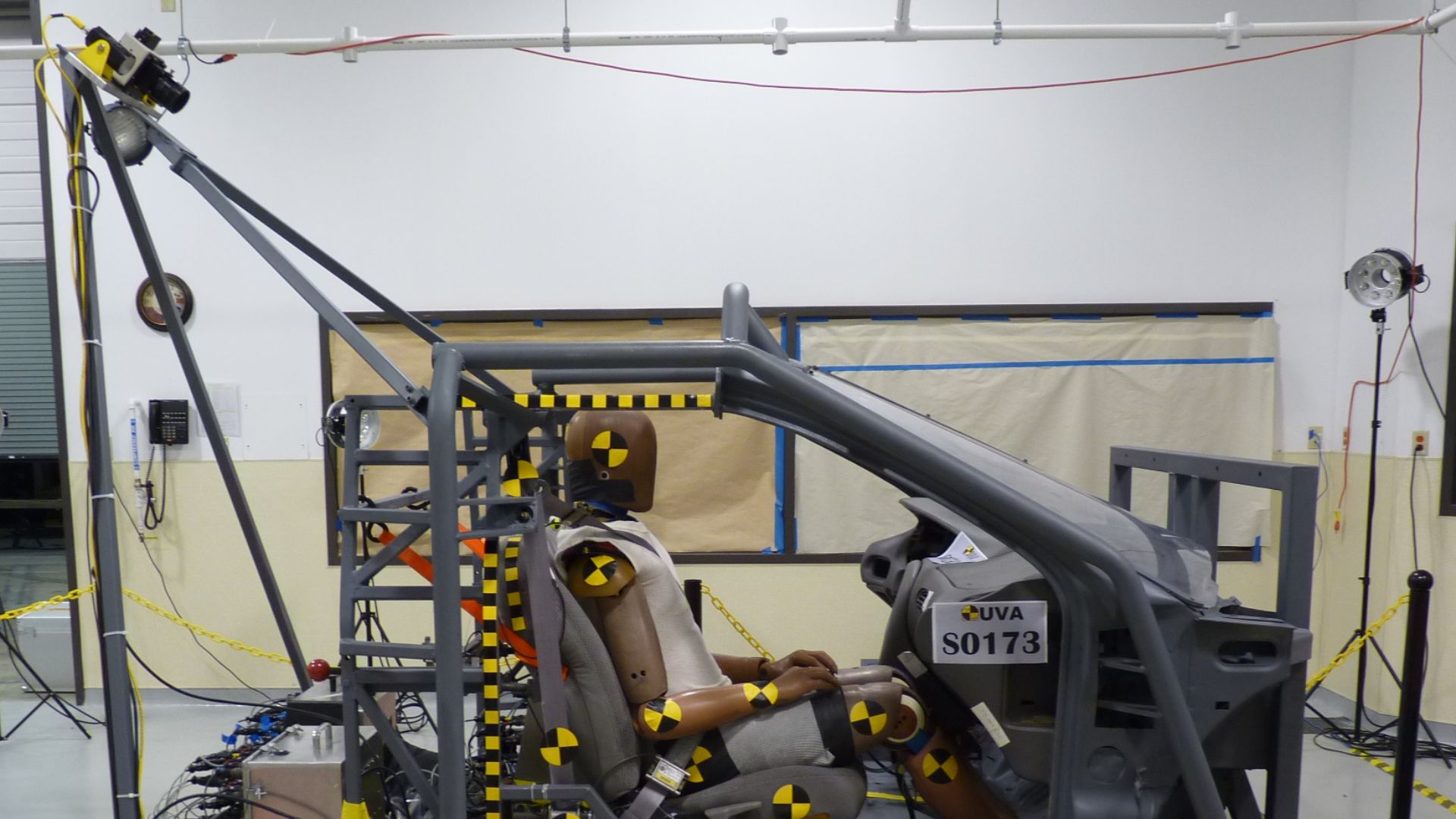
Ford’s own internal crash tests revealed disturbing results. Rear-end impacts sometimes caused fuel leaks, fires, and explosions. Engineers proposed fixes. Management listened—and then moved on.
 University of Virginia, National Highway Traffic Safety Administration., Wikimedia Commons
The Infamous $5 Fix
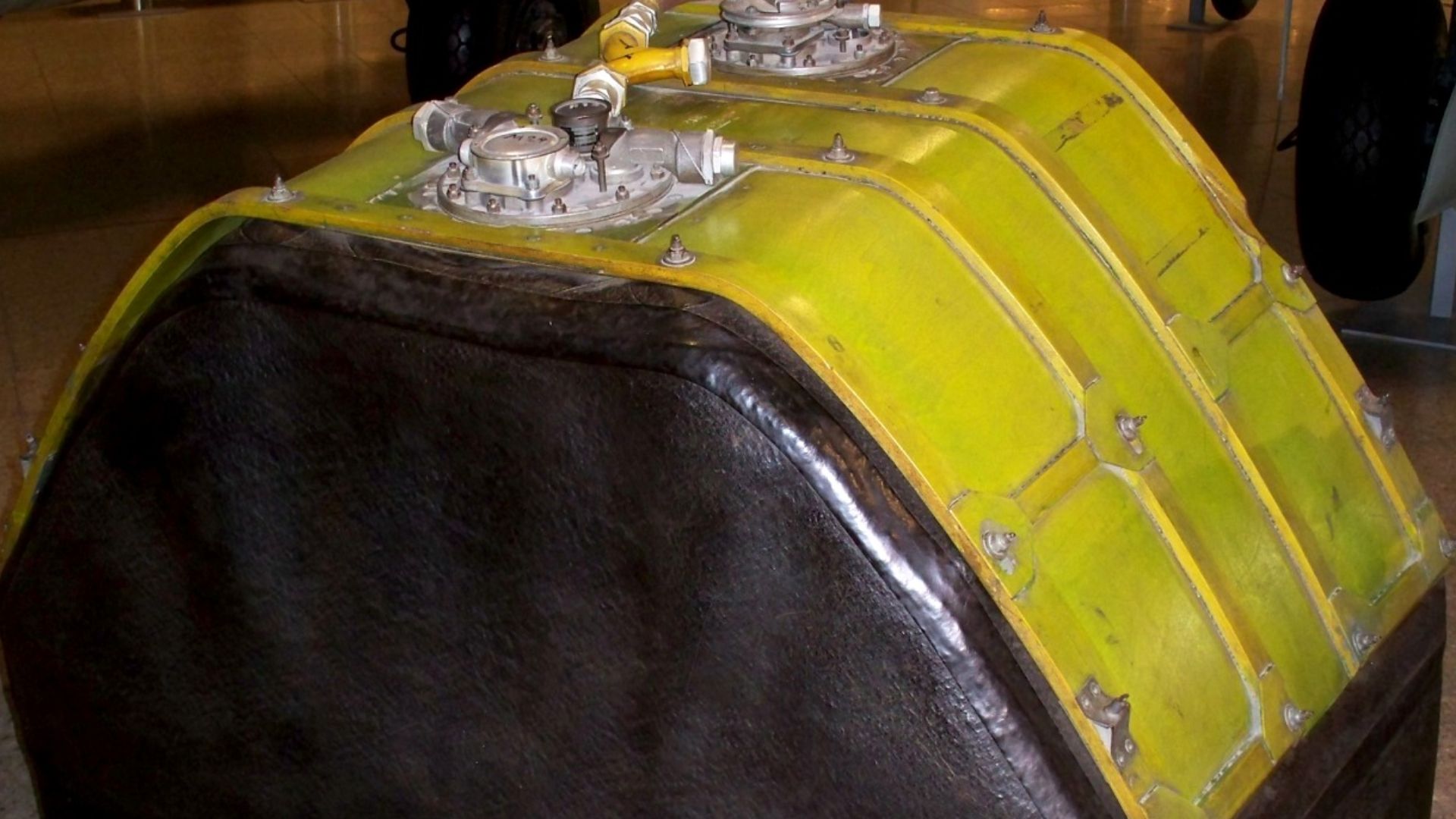
One proposed solution was shockingly simple: a rubber bladder, a reinforced fuel tank, or a protective metal shield. Cost per car? About $5 to $11. In the context of mass production, it was pocket change.
 High Contrast, Wikimedia Commons
When Accounting Overruled Engineering
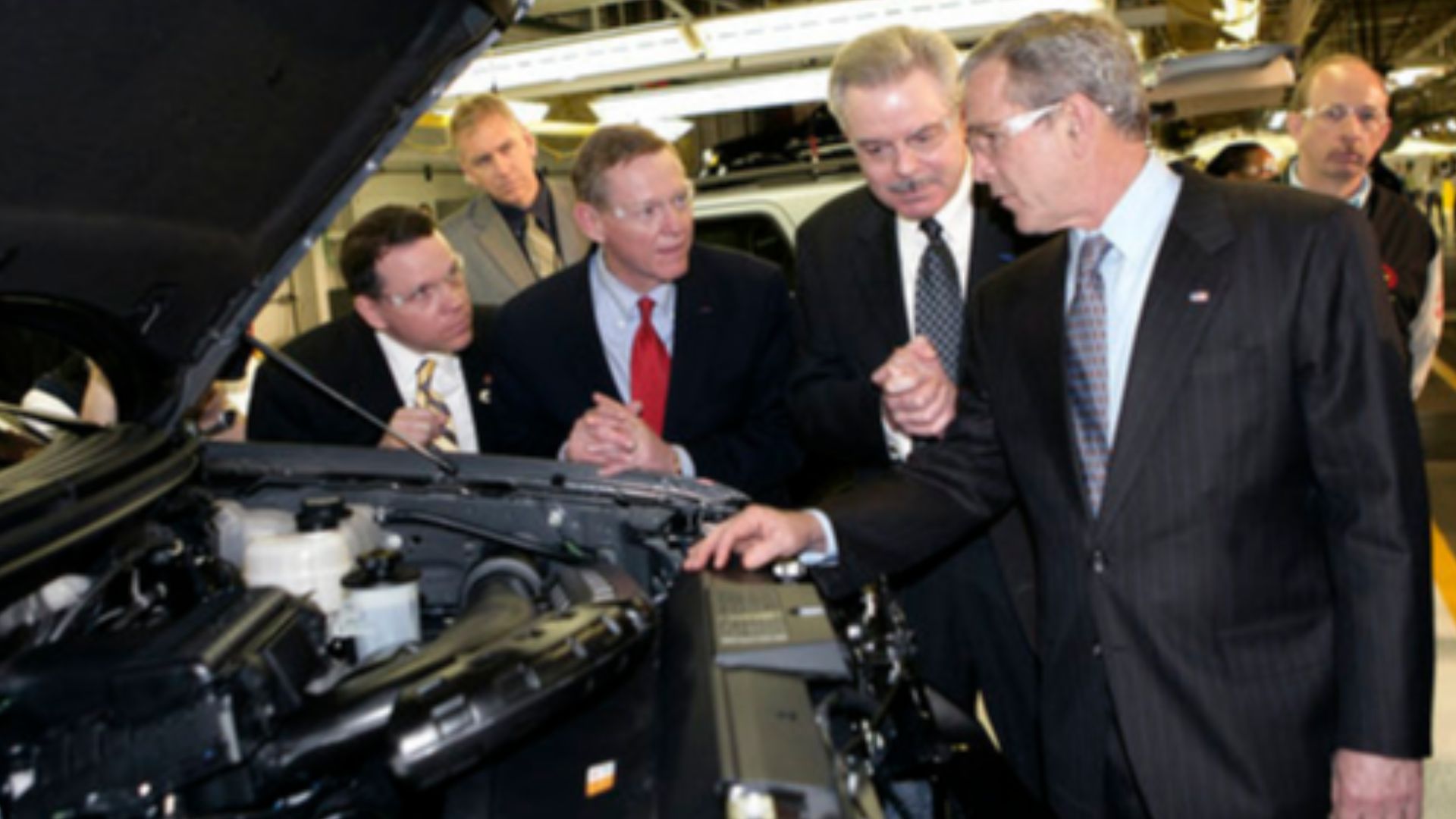
Ford conducted a cost-benefit analysis that would later become legendary. The math suggested it was cheaper to pay for lawsuits and settlements than to fix every car. Human lives were reduced to line items on a spreadsheet.
 Eric Draper, Wikimedia Commons
The Pinto Hits The Road Anyway
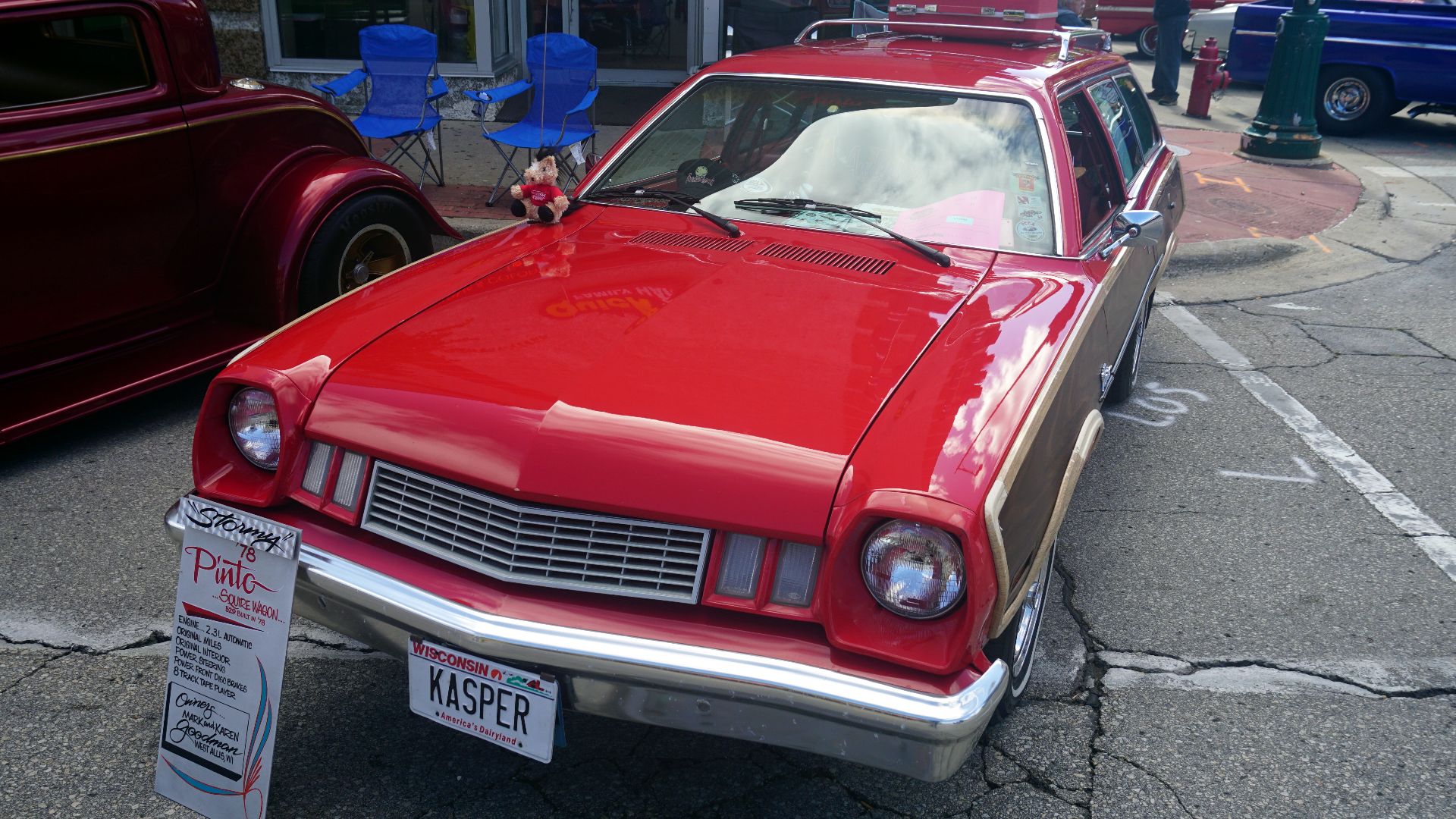
Despite internal warnings, Ford pushed the Pinto into full production without redesigning the fuel system. Millions of cars went to customers with a known vulnerability. The ticking time bomb was officially on sale.
 Michael Barera, Wikimedia Commons
Accidents That Couldn’t Be Ignored
As Pintos accumulated miles, horrifying stories began to surface. Low-speed rear-end collisions resulted in massive fires. Occupants were burned alive. Survivors suffered life-altering injuries.

Media Attention Turns Up The Heat
Investigative journalists started digging. The phrase “rolling firebomb” entered the public lexicon. Ford’s once-friendly economy car became a symbol of corporate indifference.

The Lawsuits Begin To Pile Up
Families of victims sued Ford, alleging negligence and reckless disregard for safety. Internal memos surfaced. The $5 fix became public knowledge. The narrative shifted from accident to betrayal.

The Grim Math Goes Public
When the cost-benefit analysis was revealed, public outrage exploded. The idea that a major automaker had weighed human lives against profits was chilling—and unforgettable.

A Criminal Case Breaks New Ground
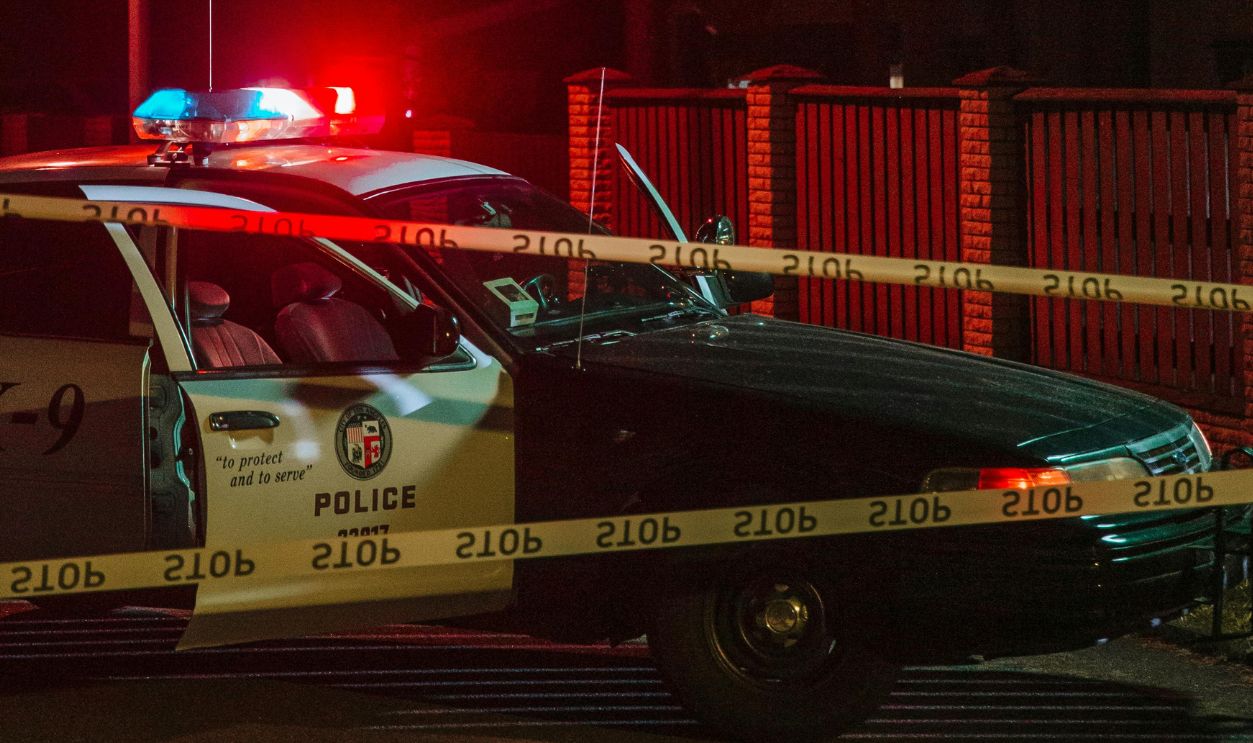
In 1978, Ford was charged with criminally negligent homicide after a deadly Pinto crash in Indiana. It was one of the first times a corporation faced criminal charges for a defective product.
Ford’s Courtroom Defense
Ford argued that the Pinto met all federal safety standards at the time. Technically, this was true. Morally, the public wasn’t buying it.

The Verdict That Shocked Everyone
Ford was ultimately acquitted of criminal charges, but the damage was done. The trial cemented the Pinto’s reputation as a corporate failure of conscience.
 Joe Ross from Lansing, Michigan, Wikimedia Commons
The Recall Comes Too Late
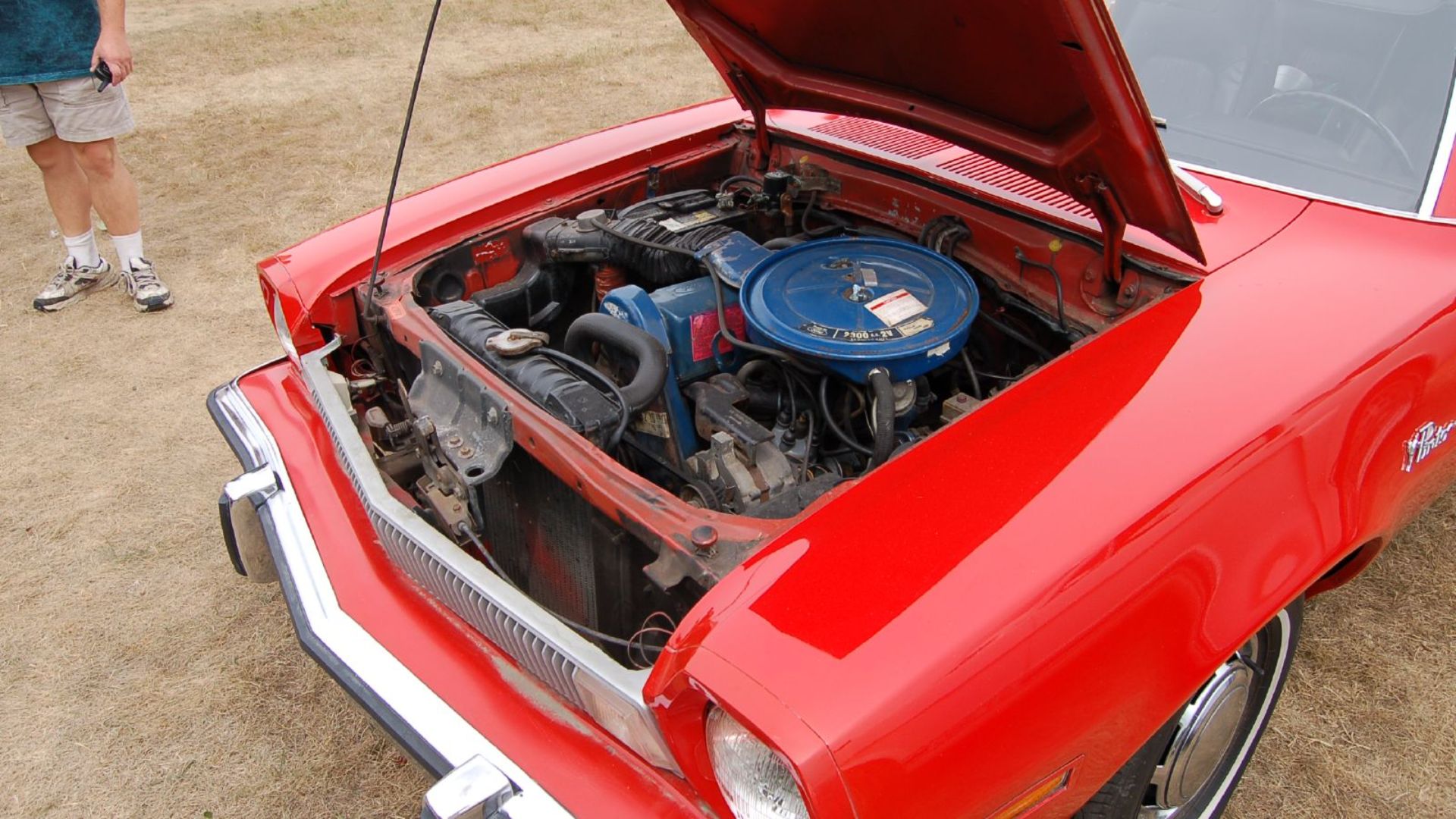
That same year, Ford finally recalled 1.5 million Pintos to modify the fuel system. By then, dozens of people had died, hundreds were injured, and the Pinto name was radioactive.

Counting The True Cost
Between lawsuits, settlements, recalls, lost sales, and brand damage, the Pinto fiasco cost Ford well over a billion dollars. That $5 fix had become one of the most expensive non-decisions in automotive history.

How The Pinto Changed Auto Safety
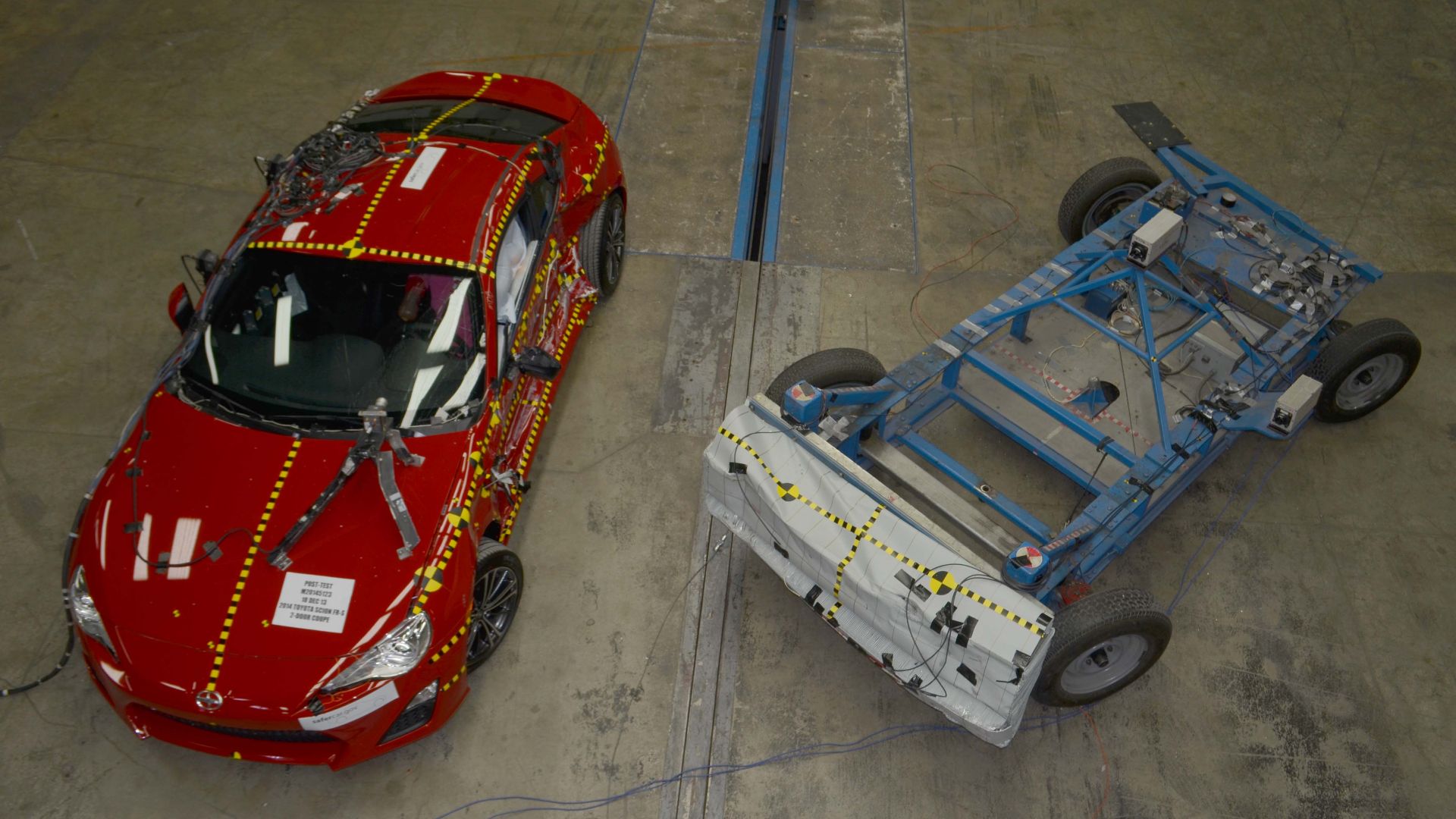
The Pinto disaster helped reshape how safety was viewed in the industry. Regulators toughened standards, crash testing became more rigorous, and internal ethics became harder to ignore.
 Medical College of Wisconsin, NHTSA, Wikimedia Commons
Business Schools Still Teach This Story
Today, the Ford Pinto is a staple case study in business ethics courses. It’s not about engineering—it’s about decision-making, accountability, and what happens when numbers replace values.

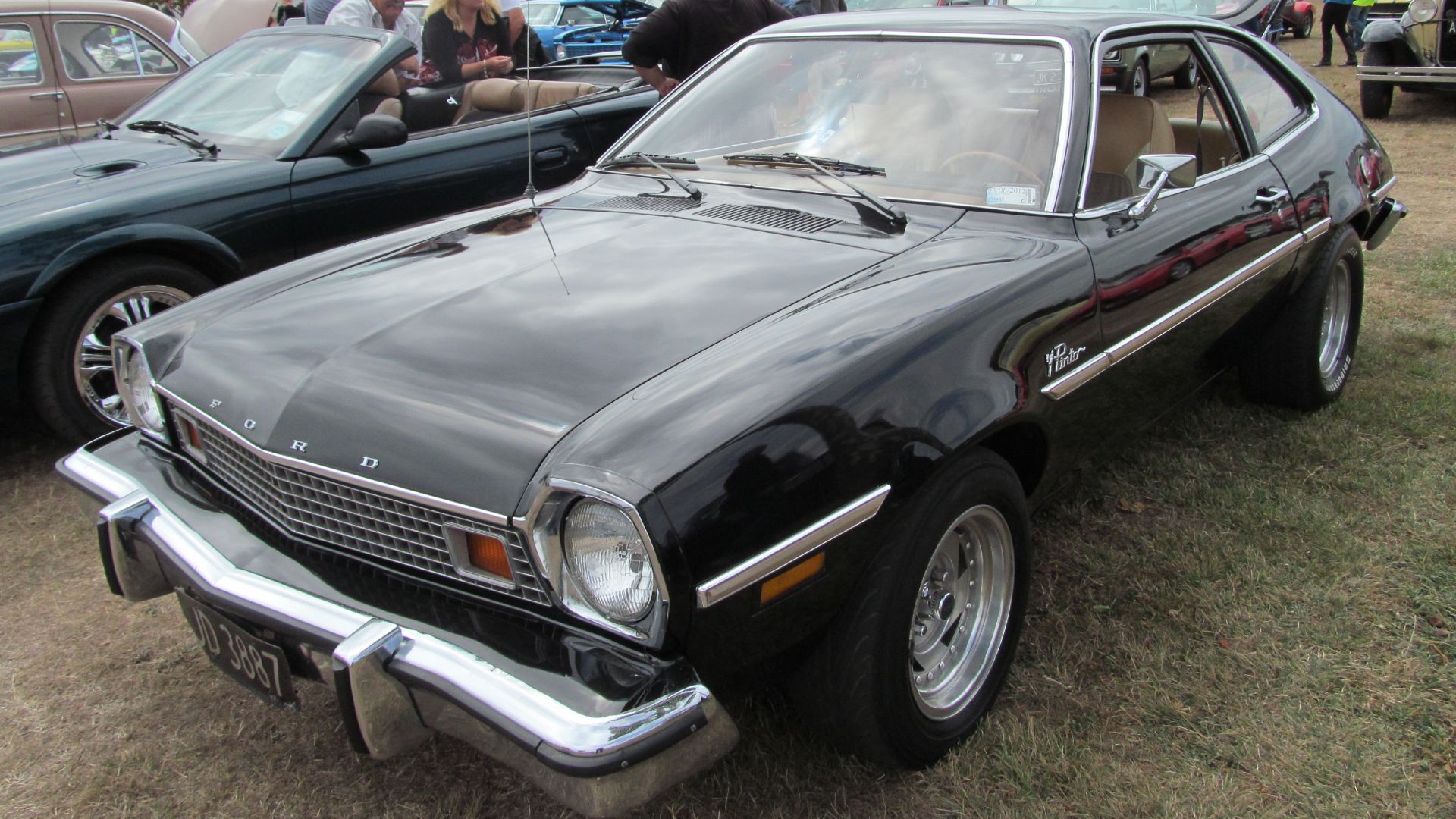
The Pinto Wasn’t Always A Bad Car
It’s worth noting that many Pintos ran reliably for years and never experienced issues. But history doesn’t remember averages—it remembers worst-case scenarios.
 Riley from Christchurch, New Zealand, Wikimedia Commons
A Symbol Ford Could Never Escape
The Pinto became shorthand for corporate greed and flawed priorities. Even decades later, the name still sparks jokes, memes, and uneasy laughs.
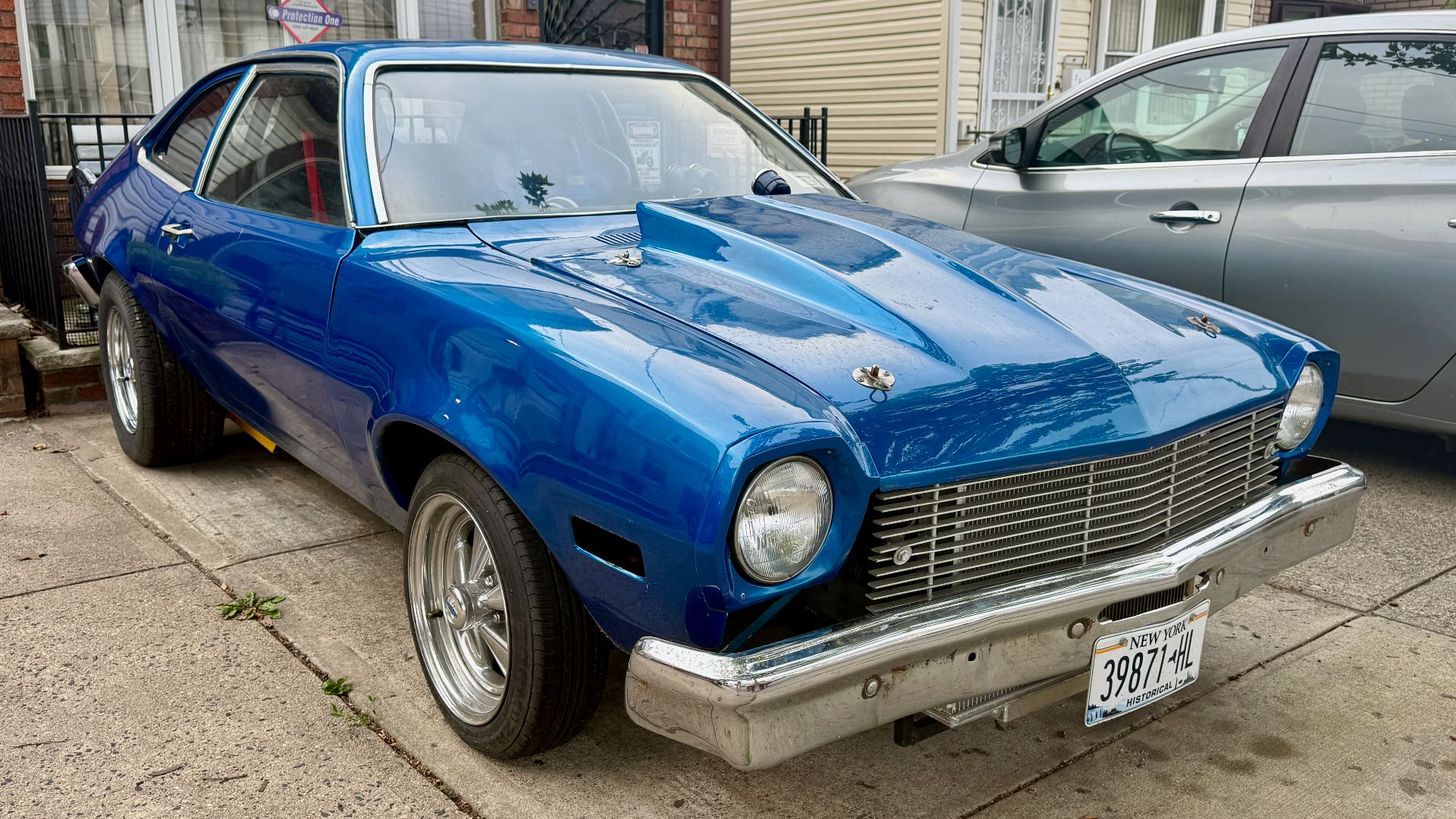 Oleg Yunakov, Wikimedia Commons
Lessons Written In Fire
The Pinto proved that meeting minimum standards isn’t the same as doing the right thing. It showed how small savings can lead to catastrophic consequences when multiplied at scale.
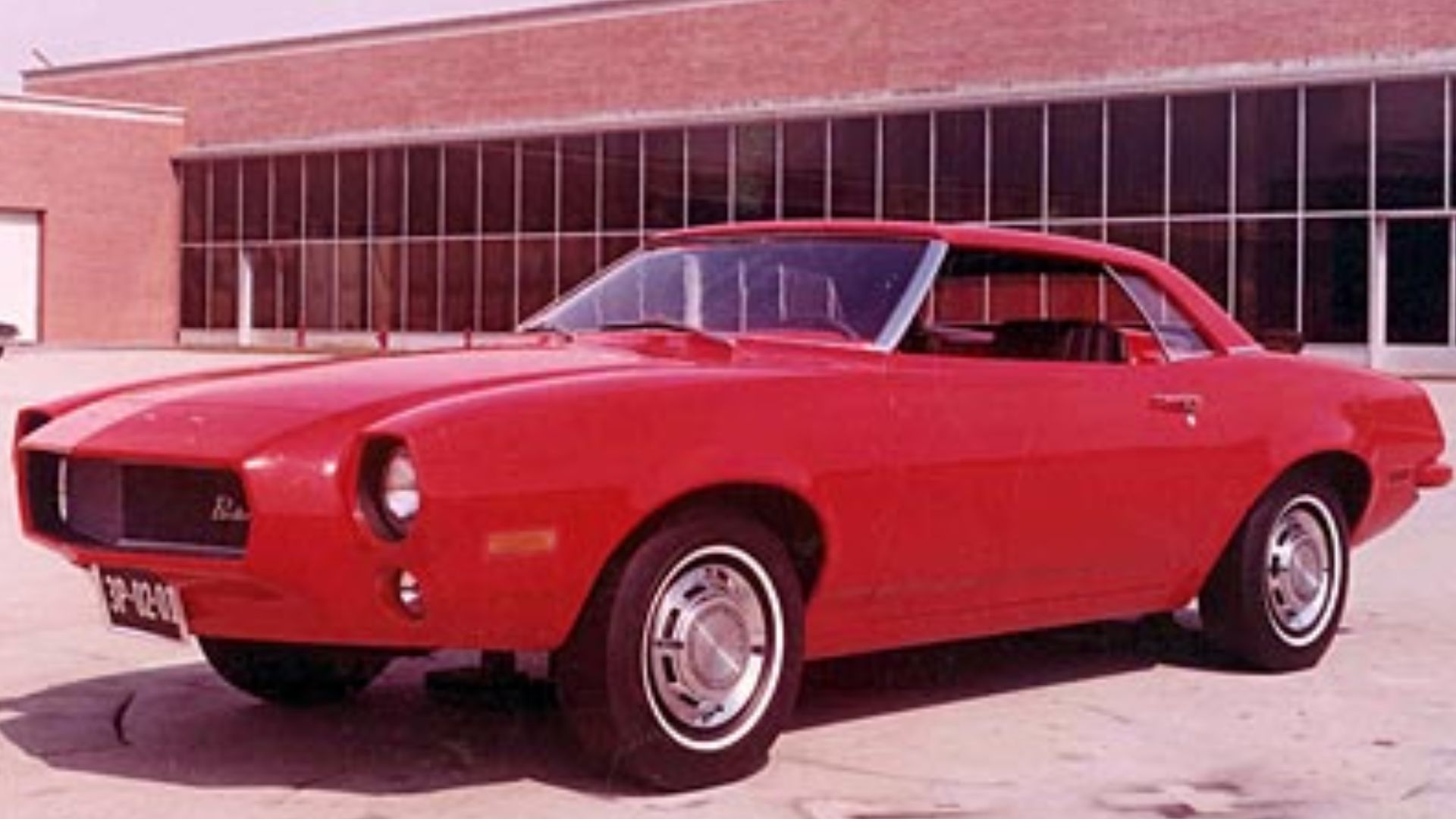 JOHN LLOYD from Concrete, Washington, United States, Wikimedia Commons
Why The Story Still Matters Today
Modern cars are safer than ever, but the pressures of cost-cutting and speed haven’t disappeared. The Pinto reminds us that safety decisions always have human faces.
 Dinkun Chen, Wikimedia Commons
The Ford Pinto’s Lasting Legacy
What began as a cheap, cheerful commuter ended as a billion-dollar disaster—and a permanent stain on Ford’s history. The Ford Pinto isn’t just a car; it’s a warning. A $5 fix can save lives. Ignoring it can cost everything.
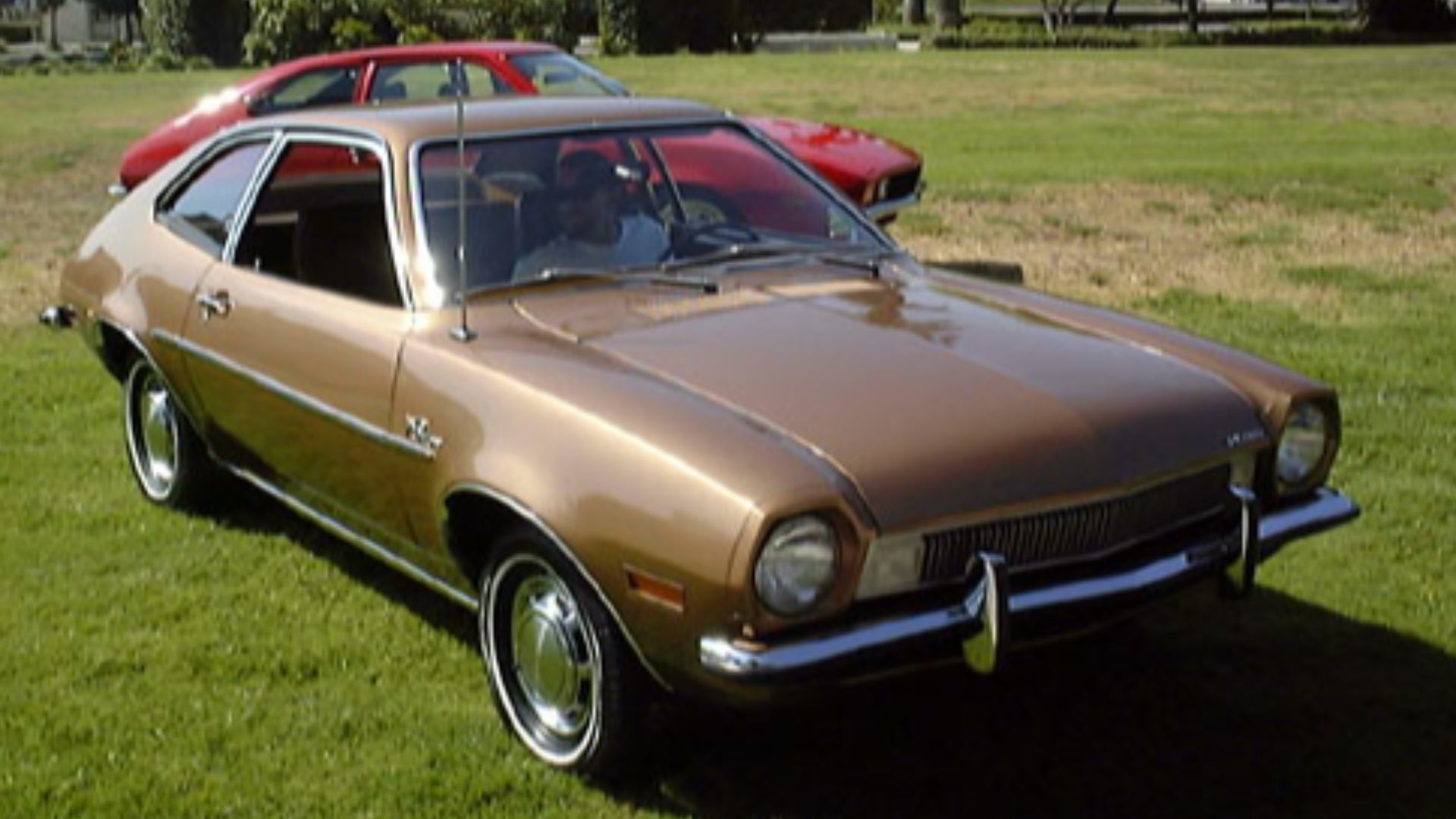 User Morven on en.wikipedia, Wikimedia Commons