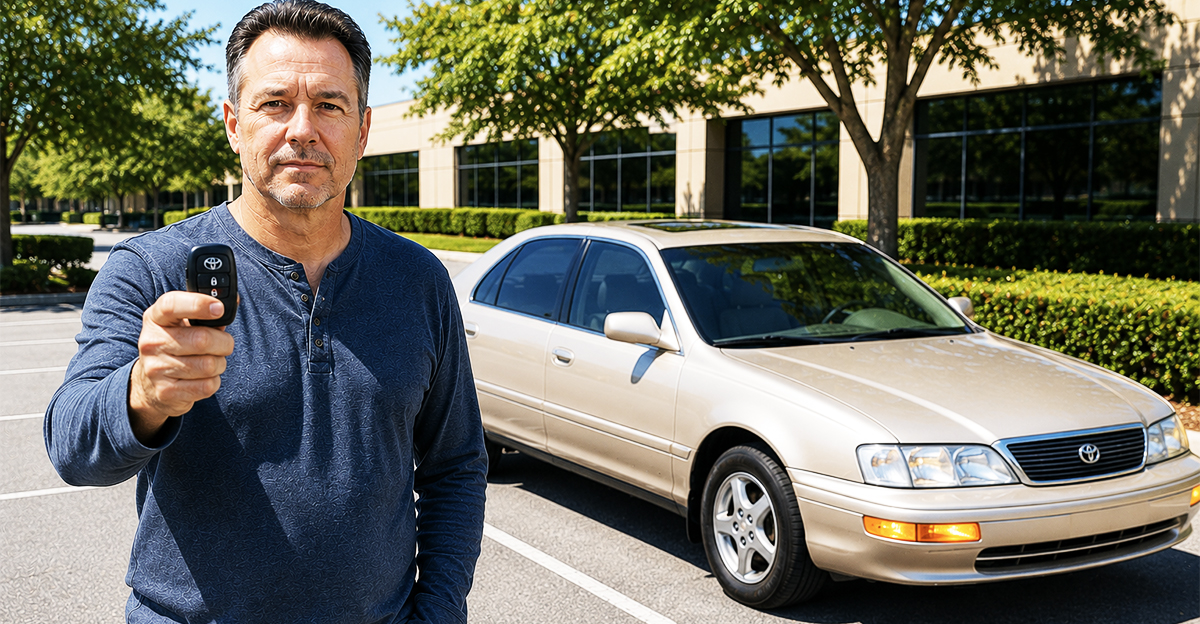
Driving Into The Future
The 1990s were a remarkable decade for automotive innovation. Electronics rapidly transformed ordinary cars into machines packed with technology that once seemed reserved for luxury models or science fiction. Many of these groundbreaking features eventually became everyday equipment, while others quietly disappeared.
Airbags Everywhere
Driver airbags became increasingly common during the early 1990s, and passenger airbags soon followed. What had once been an expensive luxury quickly became a major selling point as buyers began expecting enhanced crash protection in virtually every new vehicle.
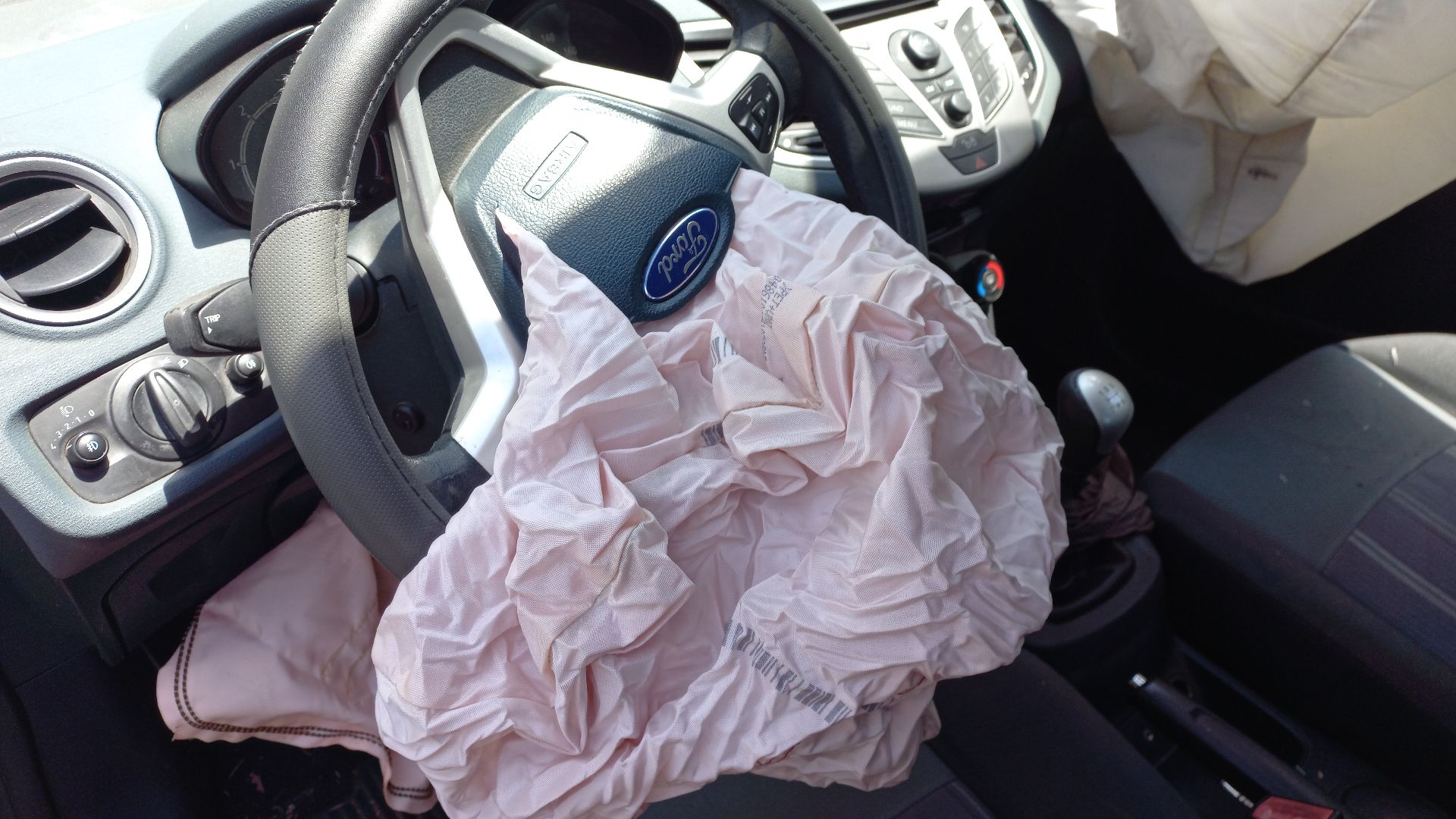 StomboyCarGeek, Wikimedia Commons
Anti-Lock Brakes
ABS had existed previously, but the 1990s brought it into the mainstream. Drivers no longer had to pump the brakes during emergency stops, allowing steering control while braking hard and making panic stops much safer on slippery roads.
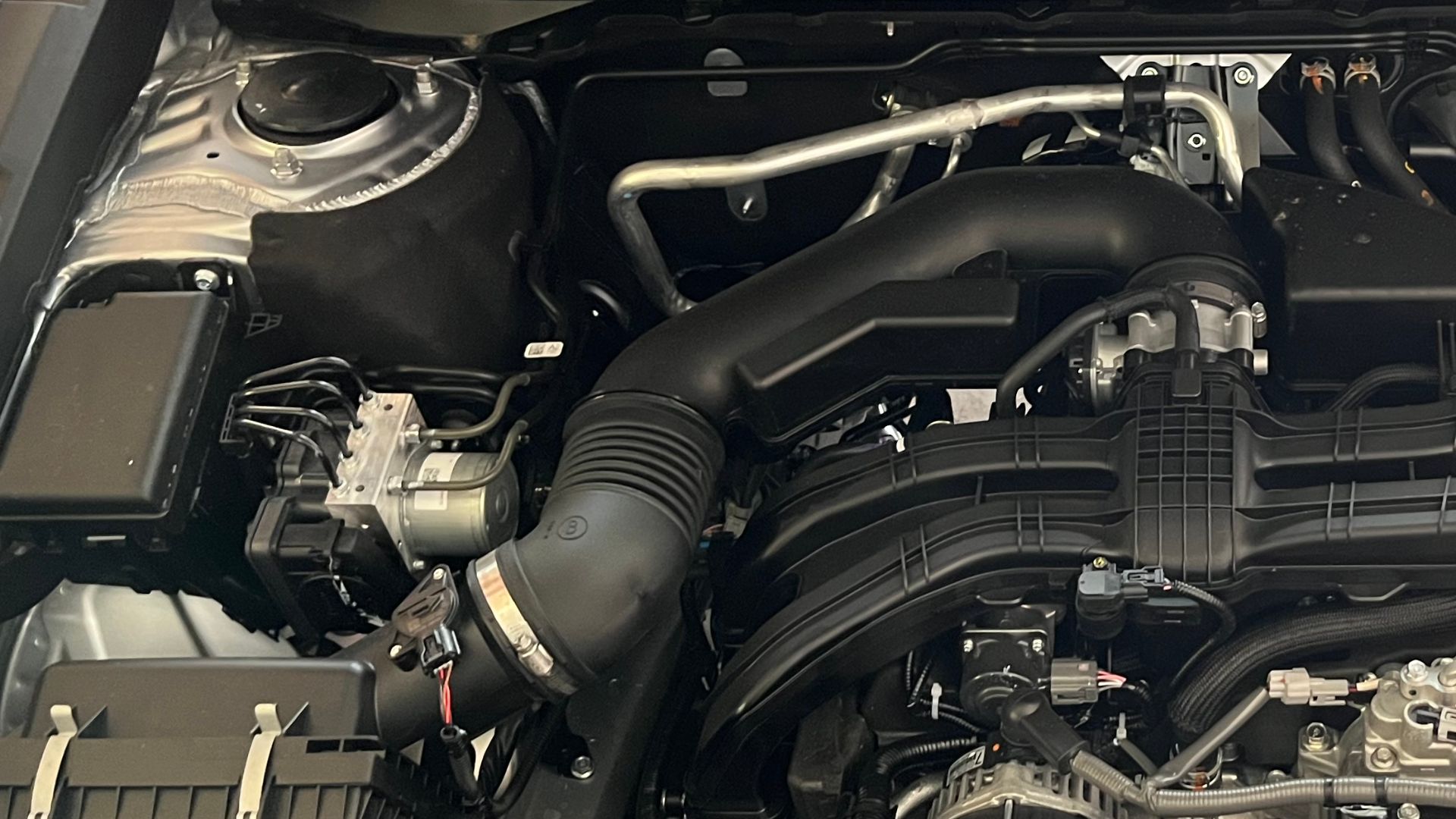 Colin Venable, Wikimedia Commons
Keyless Entry
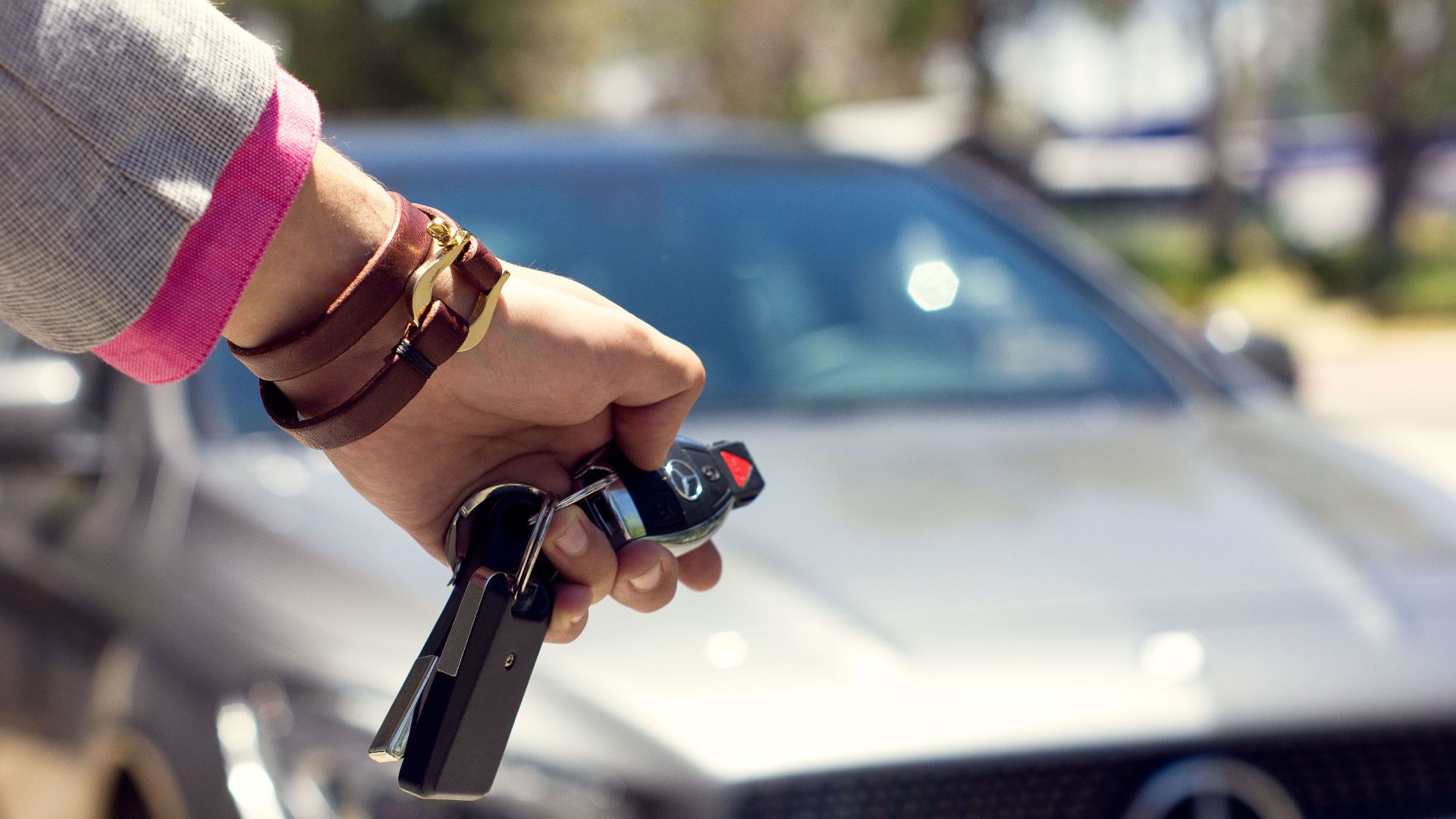
Unlocking your car with a button instead of a key felt incredibly futuristic. Remote key fobs quickly became one of the decade's most appreciated conveniences, especially during bad weather or when carrying groceries across a parking lot.
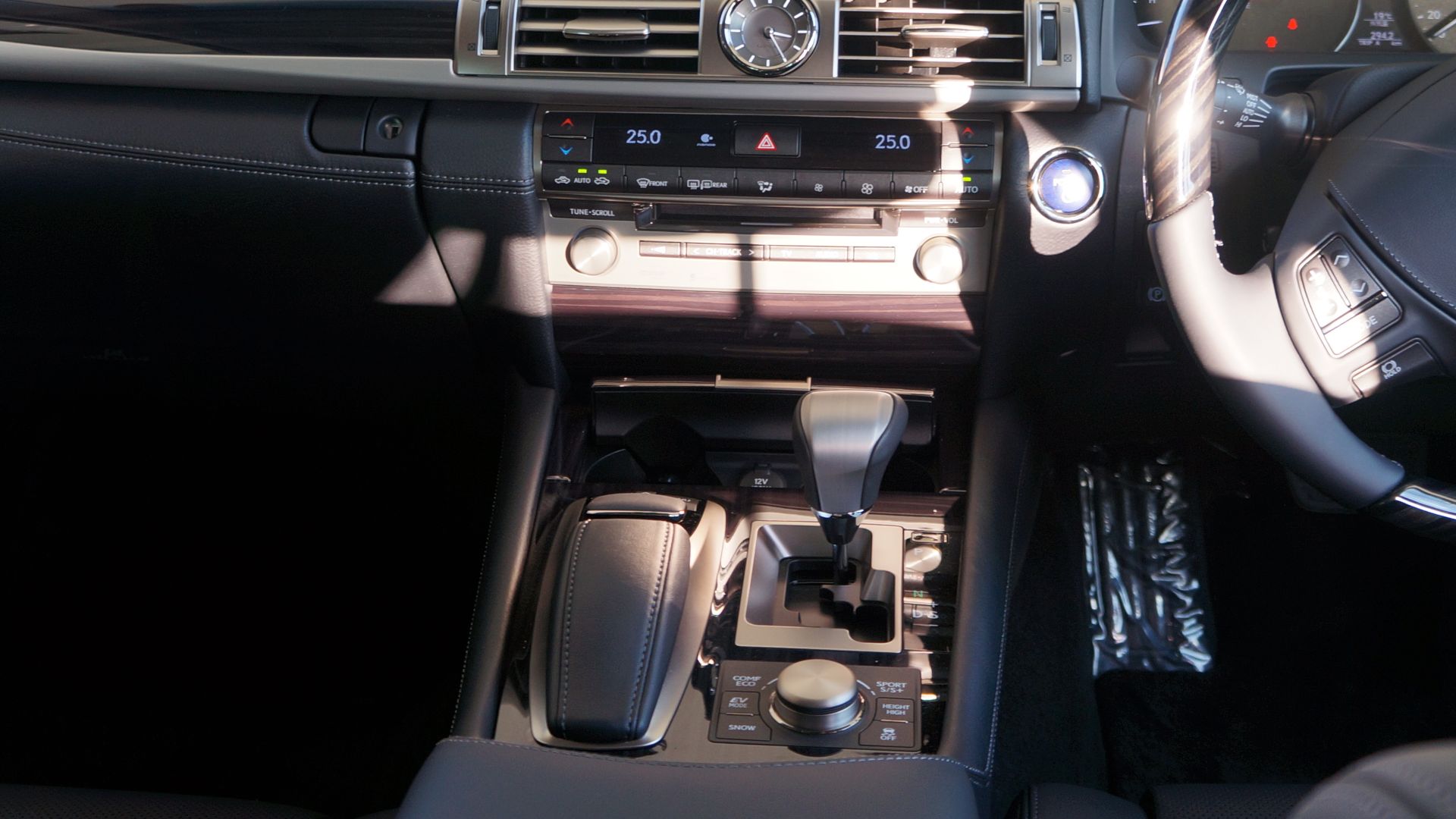
Automatic Climate Control
Instead of constantly adjusting temperature knobs, drivers could simply choose a desired cabin temperature. Luxury models such as the Lexus LS 400 automatically managed the heating, air conditioning, fan speed, and airflow, making every trip feel surprisingly effortless. Before long, the feature spread well beyond premium sedans.
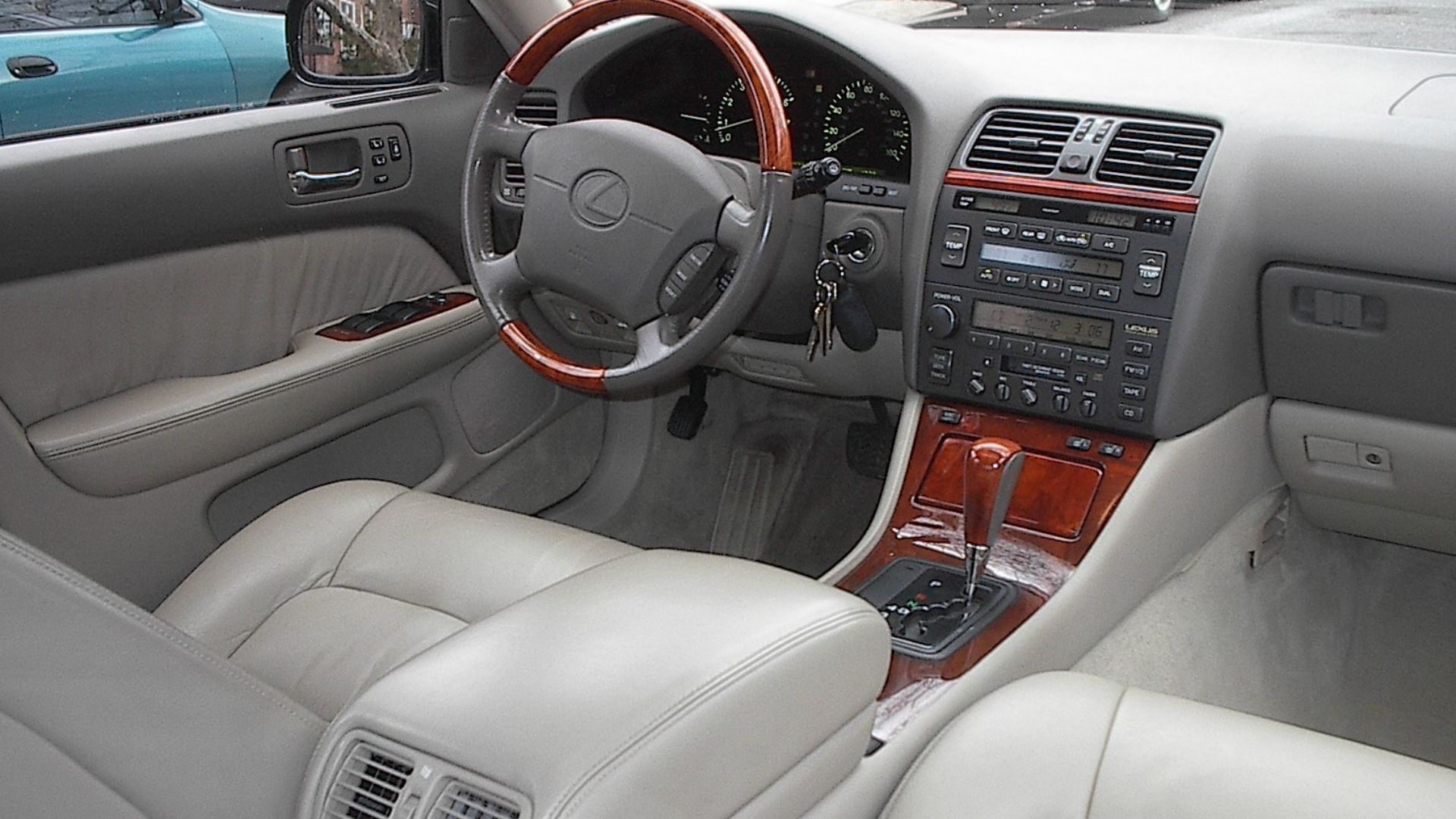 S. Williams, Wikimedia Commons
CD Players
Cassette decks rapidly gave way to in-dash CD players during the decade. Crystal-clear digital audio transformed road trips, and carefully organized CD binders soon became essential accessories in millions of American vehicles.
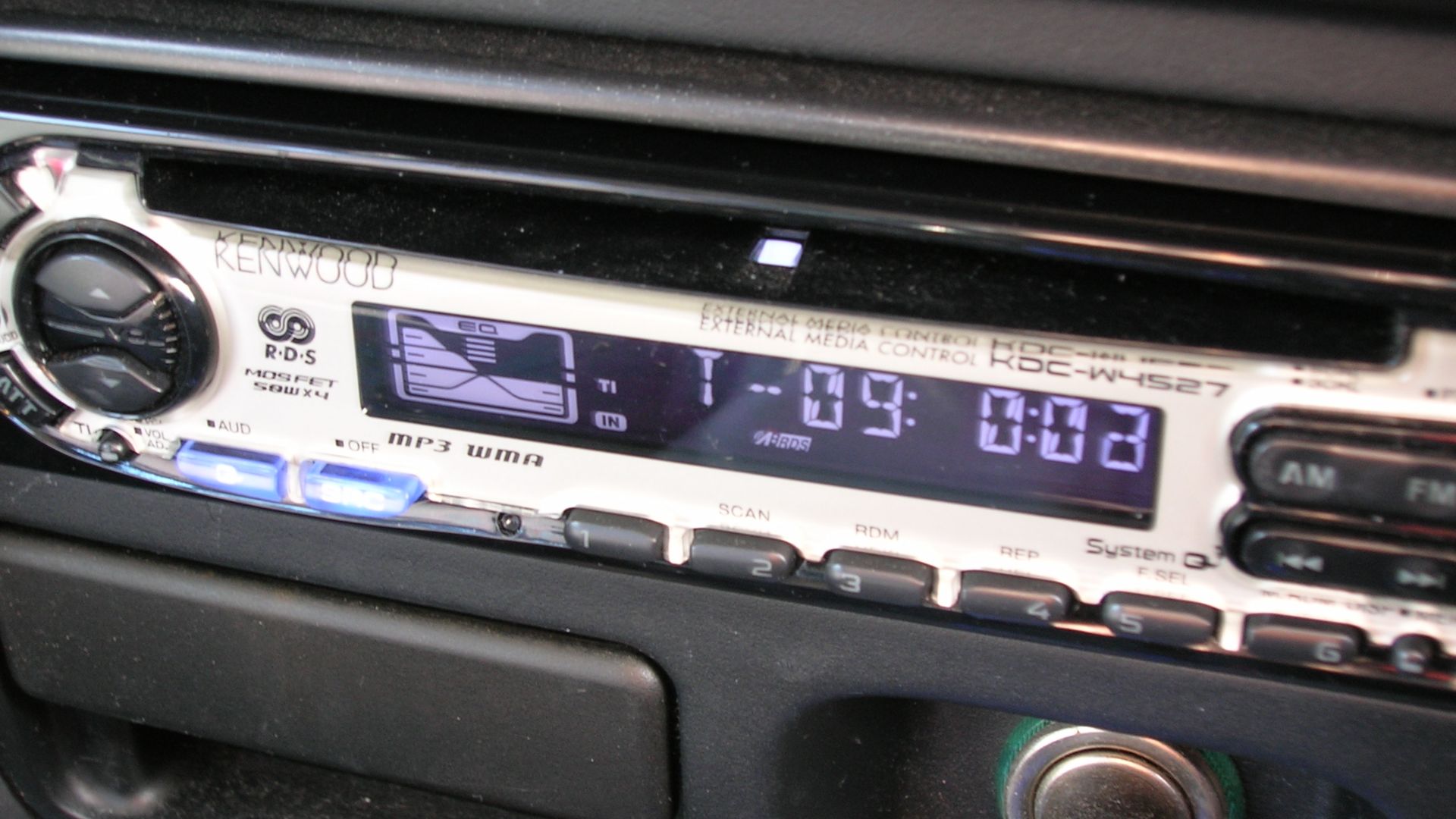
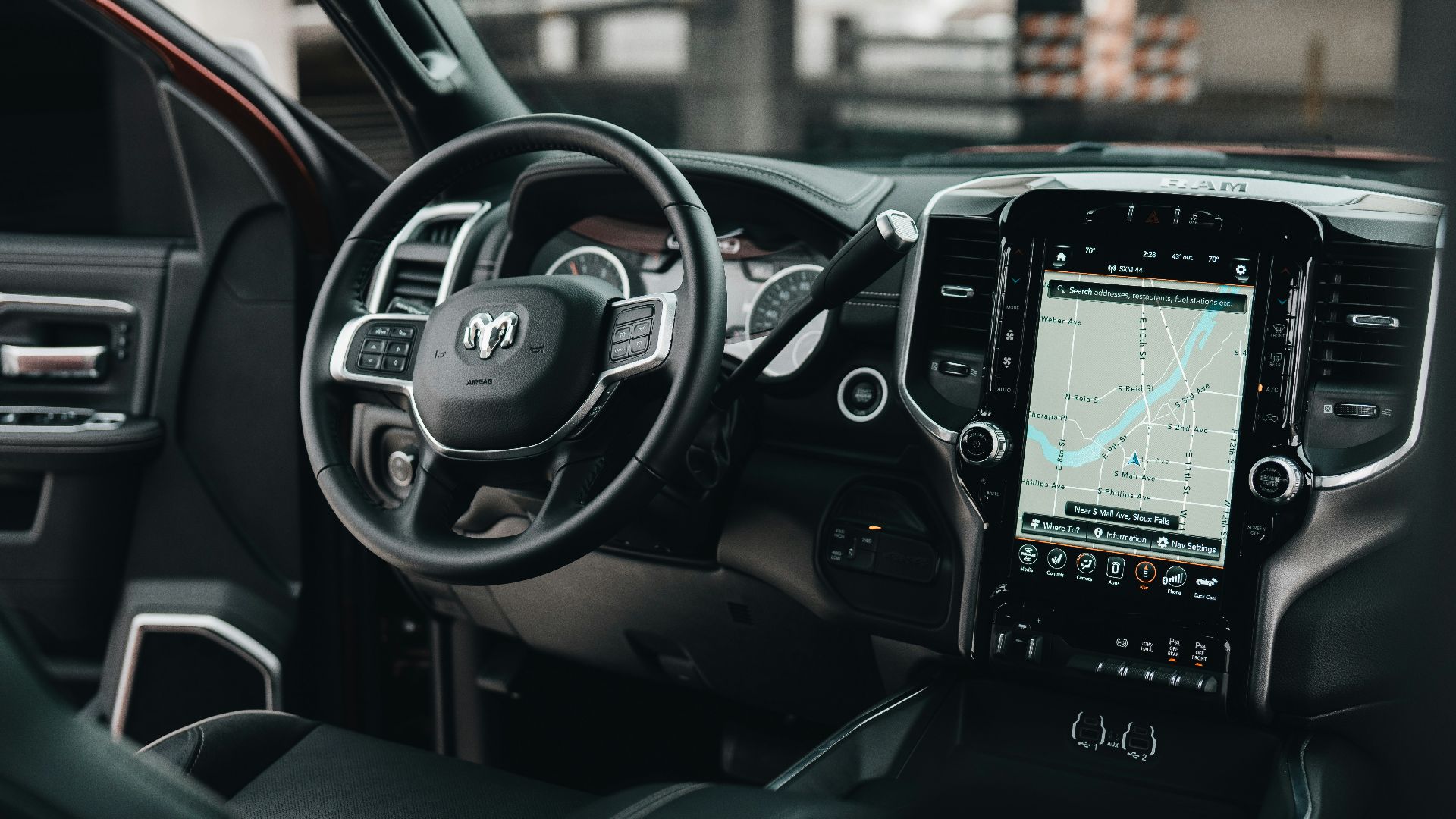
Built-In Navigation
Factory navigation systems first appeared in high-end luxury cars during the 1990s. Although primitive by today's standards, having a digital map inside your dashboard seemed astonishingly advanced long before smartphones existed.
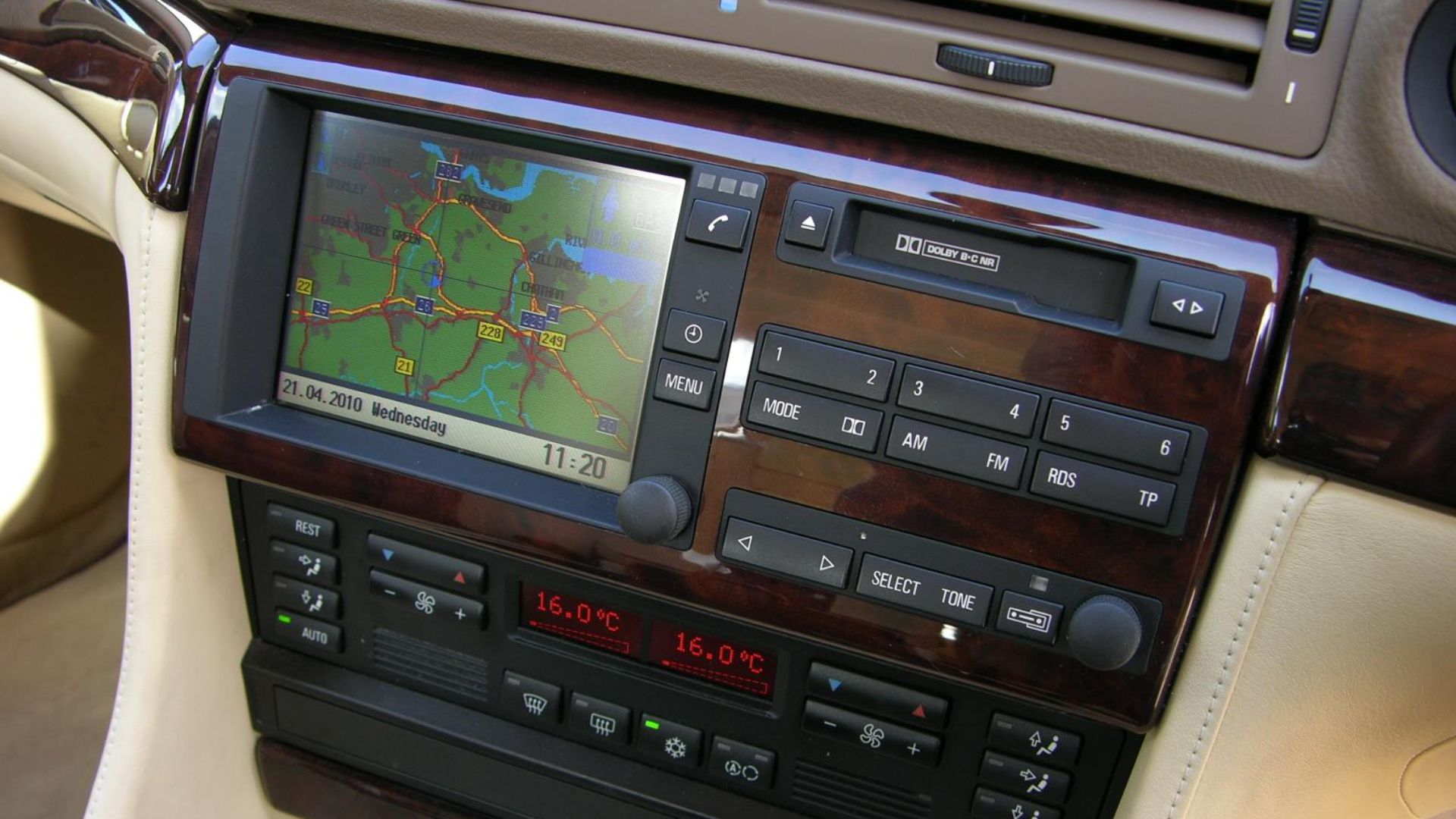 The Car Spy, Wikimedia Commons
Memory Seats
Luxury sedans introduced seats that automatically returned to personalized positions at the push of a button. Families sharing one vehicle no longer needed to spend several minutes readjusting every seating position.
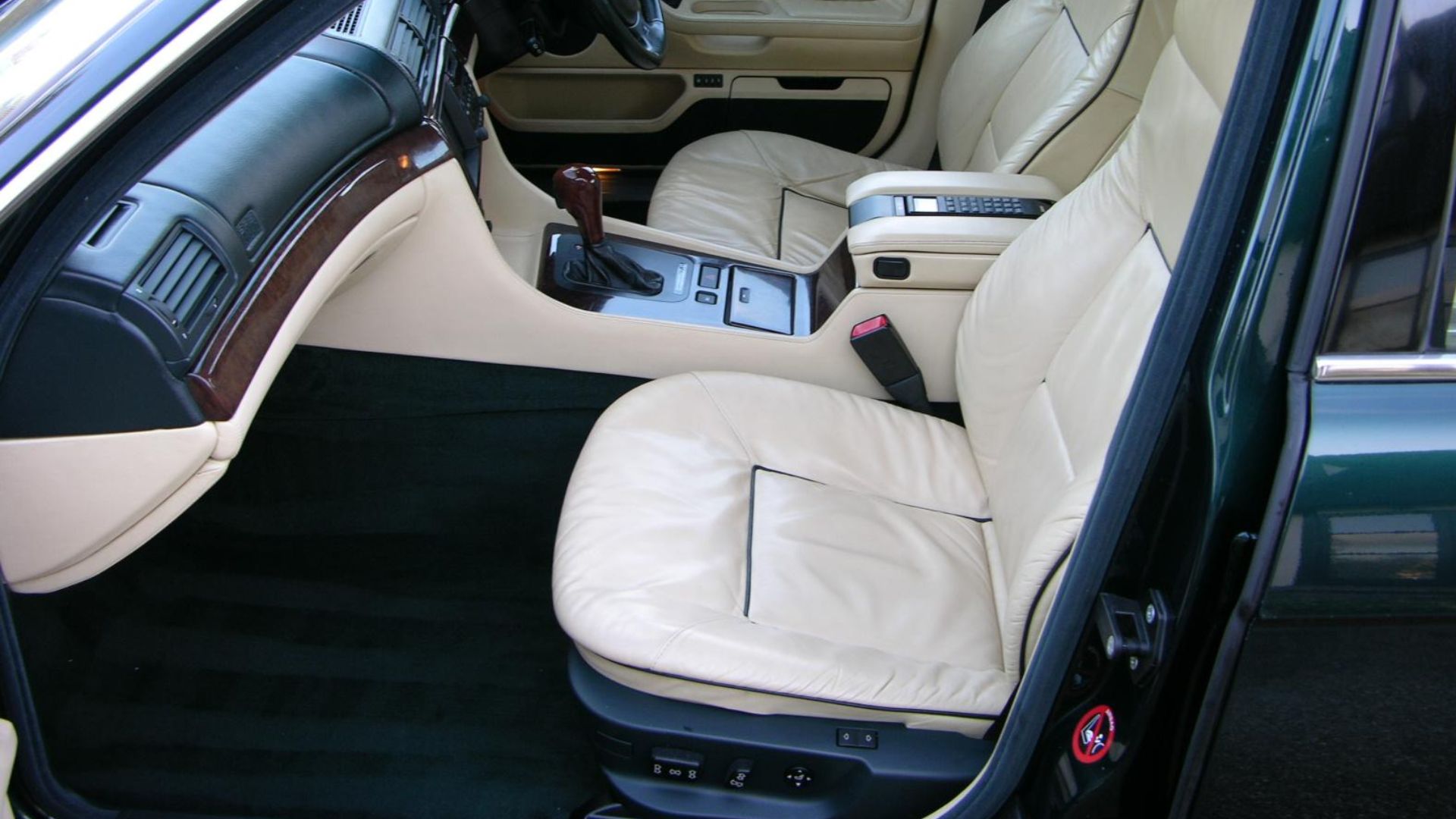 The Car Spy, Wikimedia Commons
Heated Seats
Cold winter mornings became much more comfortable thanks to heated seats. Once found only in premium European luxury cars, the feature gradually spread to more mainstream vehicles and quickly developed a devoted following.
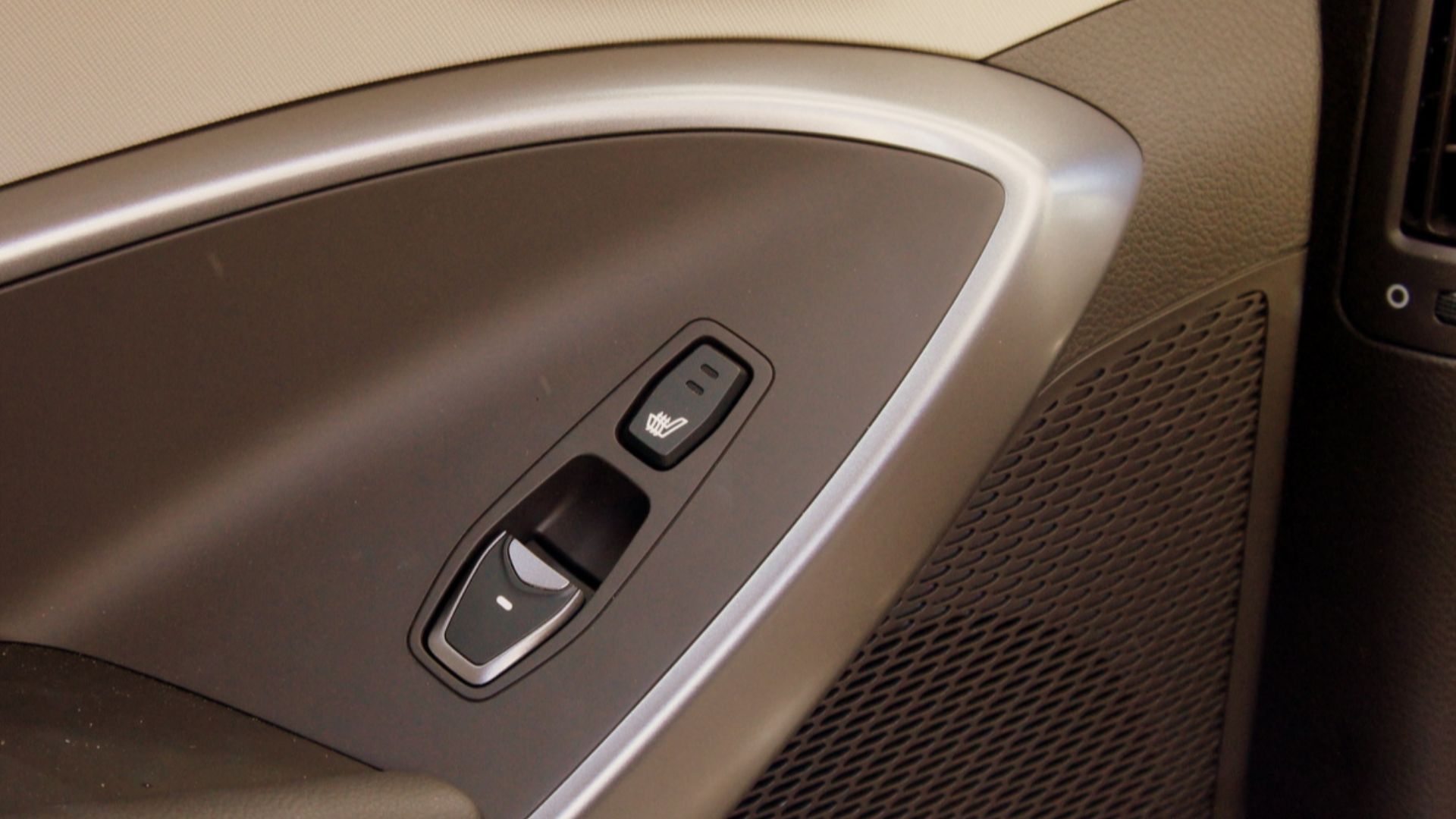 Michael Sheehan, Wikimedia Commons
Rain-Sensing Wipers
Sensors could automatically detect rainfall and activate the windshield wipers without driver input. It seemed like magic at the time and offered a glimpse of the automated driving technologies that would continue developing.
 Joegoodfriend, Wikimedia Commons
Rear Parking Sensors
Parking sensors warned drivers when obstacles were hidden behind the vehicle. The audible beeps helped prevent low-speed collisions and made parking large SUVs and luxury sedans considerably less stressful.
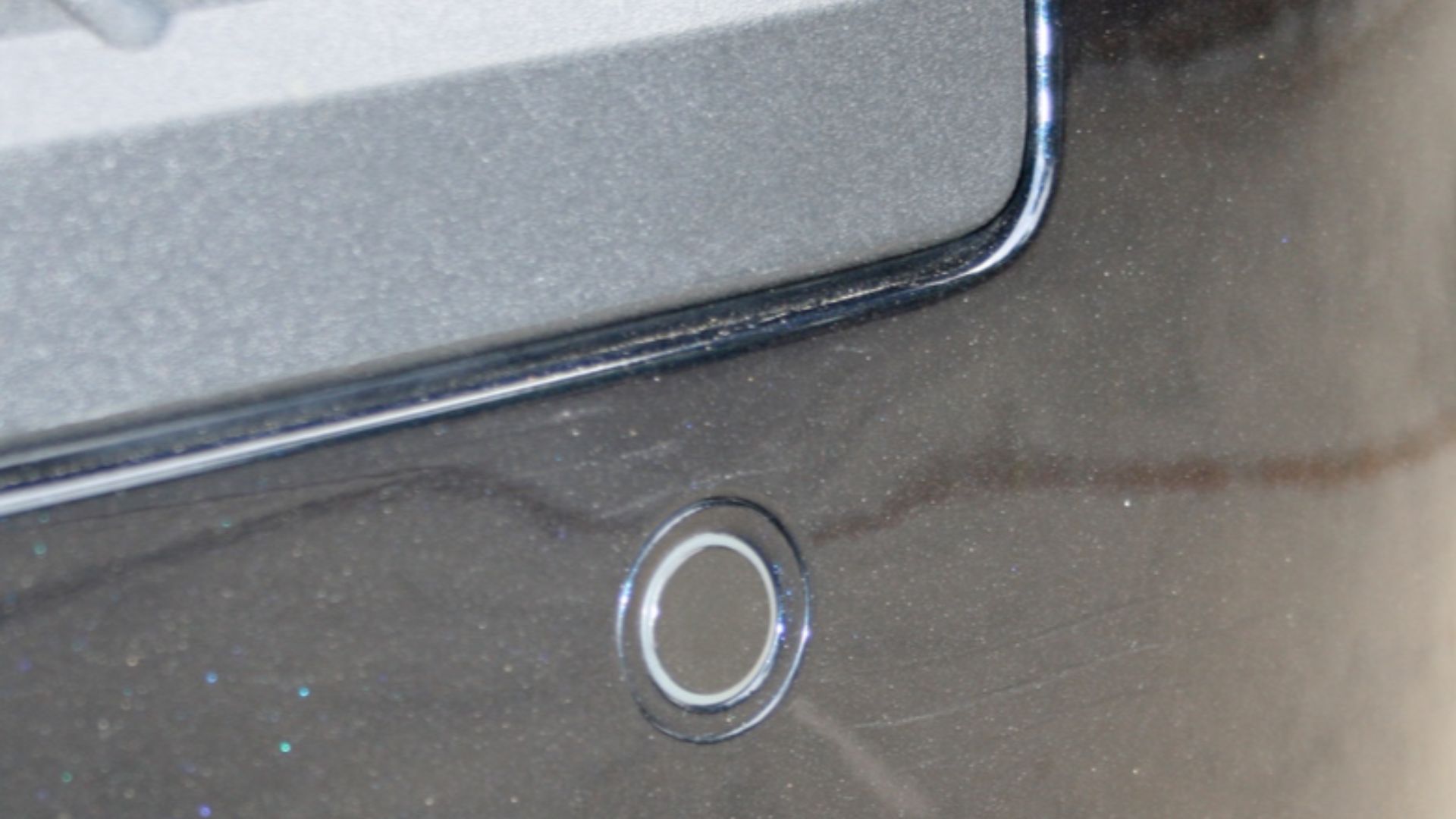 Michael Sheehan, Wikimedia Commons
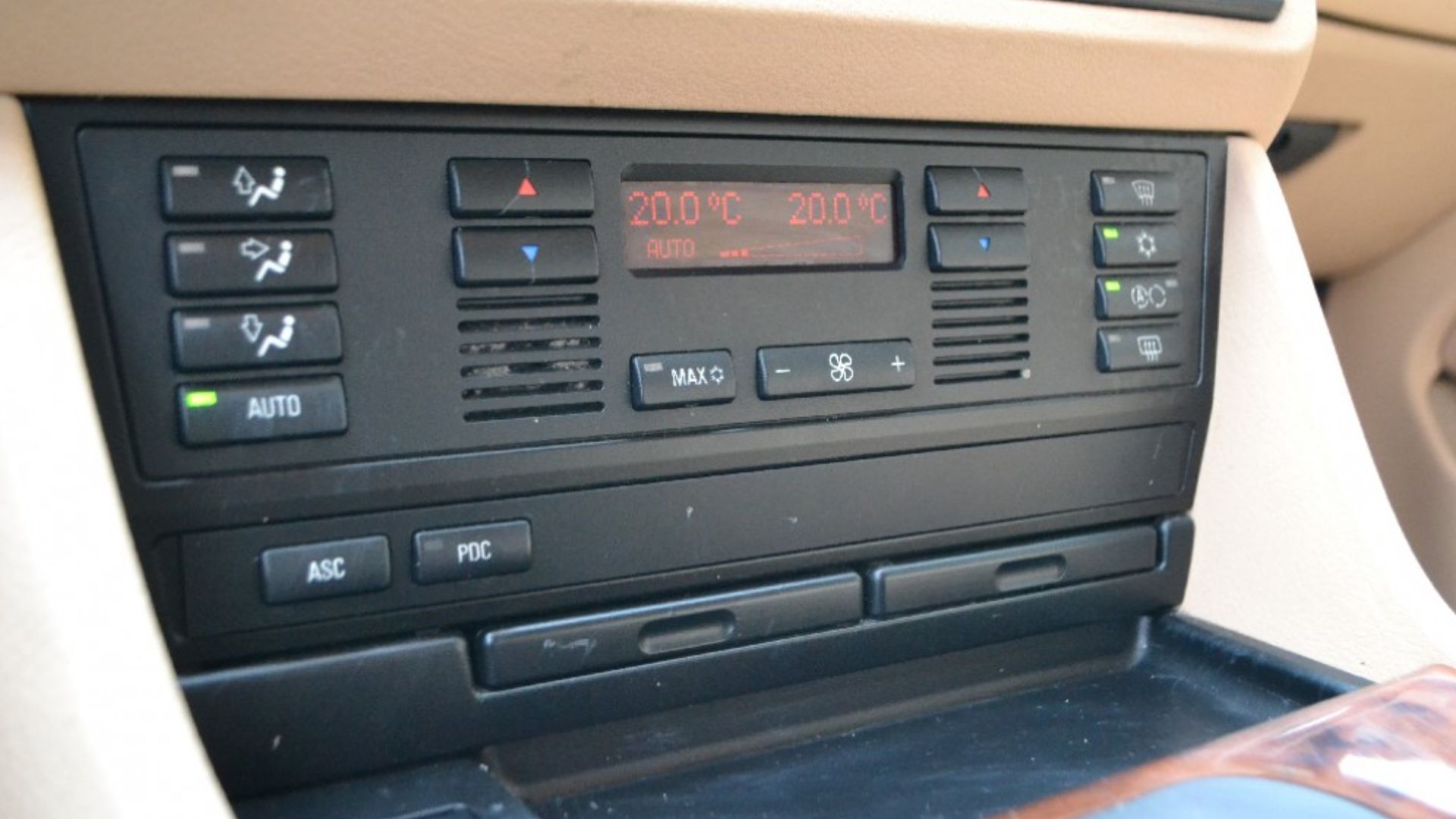
Traction Control
Traction control represented another major electronic safety breakthrough. By reducing wheelspin during acceleration, these systems improved stability on snow, rain, and ice while helping drivers maintain better control in slippery conditions.
Electronic Stability Control
The earliest versions of stability control debuted during the late 1990s. By selectively applying brakes to individual wheels, these systems could help prevent dangerous skids before many drivers even realized they were losing control.
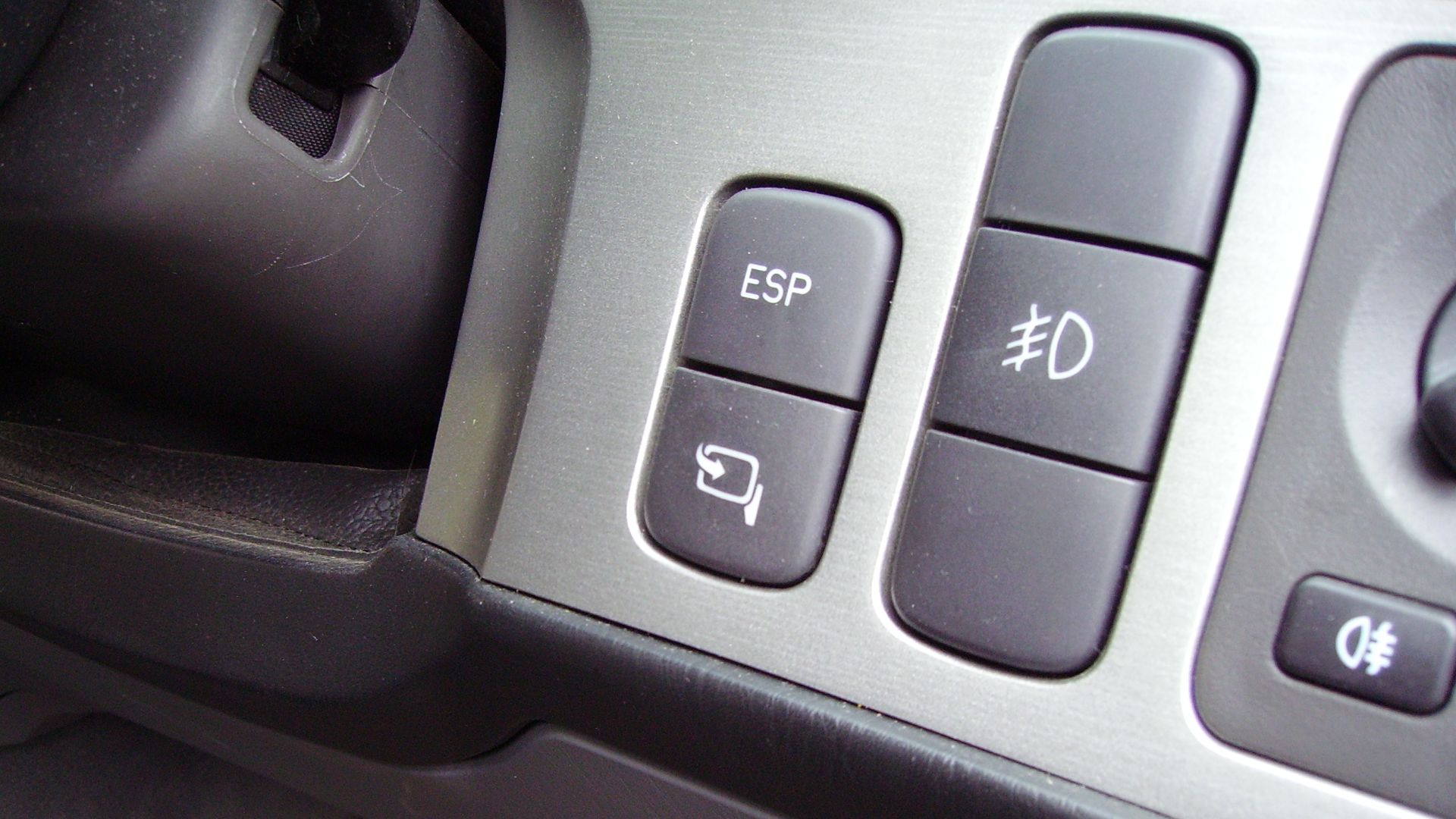 User Ballista on en.wikipedia, Wikimedia Commons
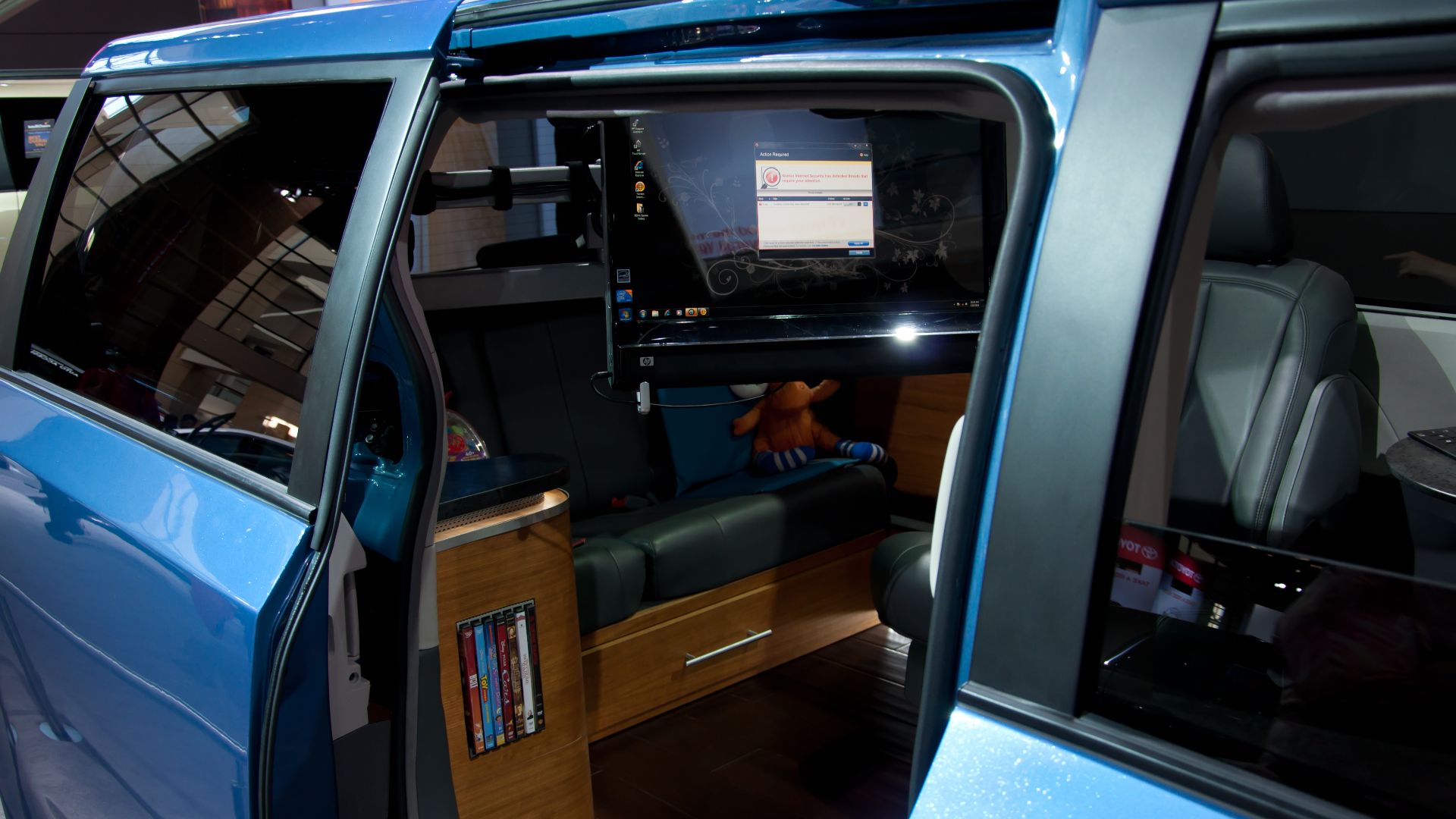
Power Sliding Doors
Minivans embraced technology with electrically operated sliding doors. Parents juggling groceries, children, and diaper bags could simply press a button instead of wrestling with heavy doors in crowded parking lots.
Automatic Dimming Mirrors
Rearview mirrors that darkened automatically when struck by bright headlights made nighttime driving much more comfortable. The feature eliminated the need to manually flip the mirror while reducing glare from vehicles behind.

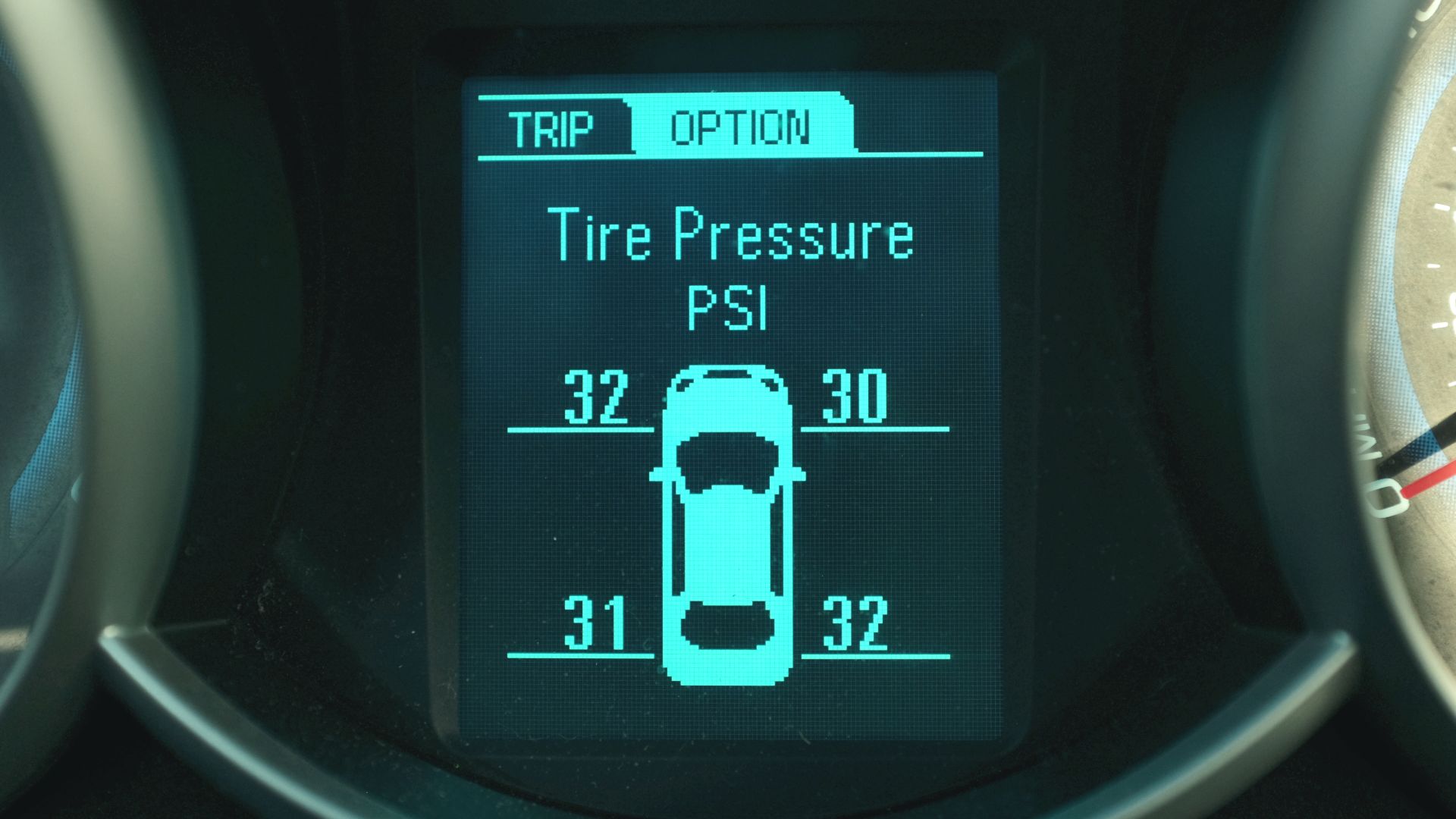
Tire Pressure Monitoring
Some manufacturers began experimenting with tire pressure monitoring systems during the late 1990s. Early warnings about underinflated tires improved safety while also helping drivers maximize tire life and fuel economy.
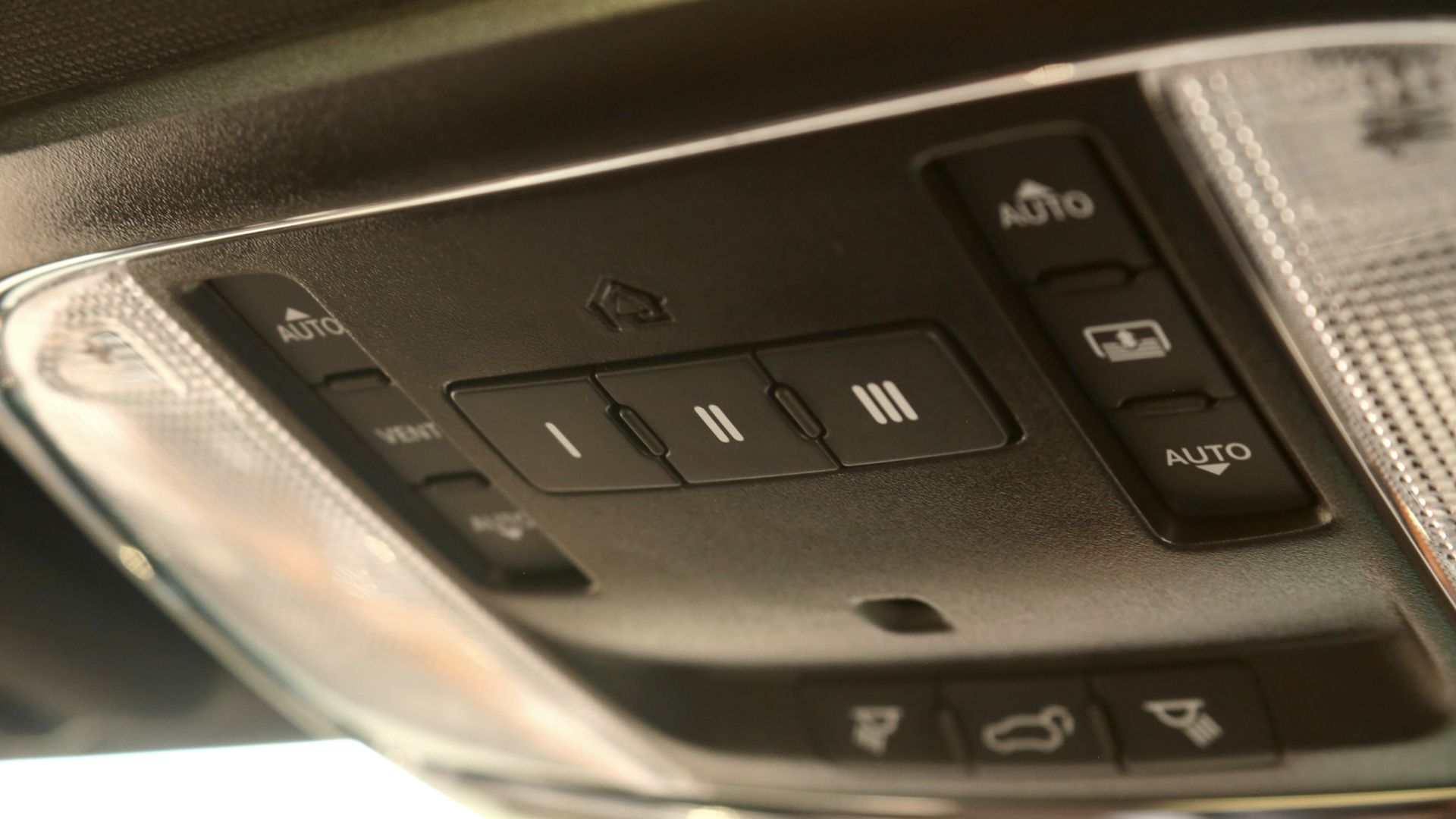
Integrated Garage Openers
Built-in garage door transmitters eliminated bulky remote controls clipped to sun visors. The clean integration looked impressively sophisticated and reduced clutter inside the cabin.
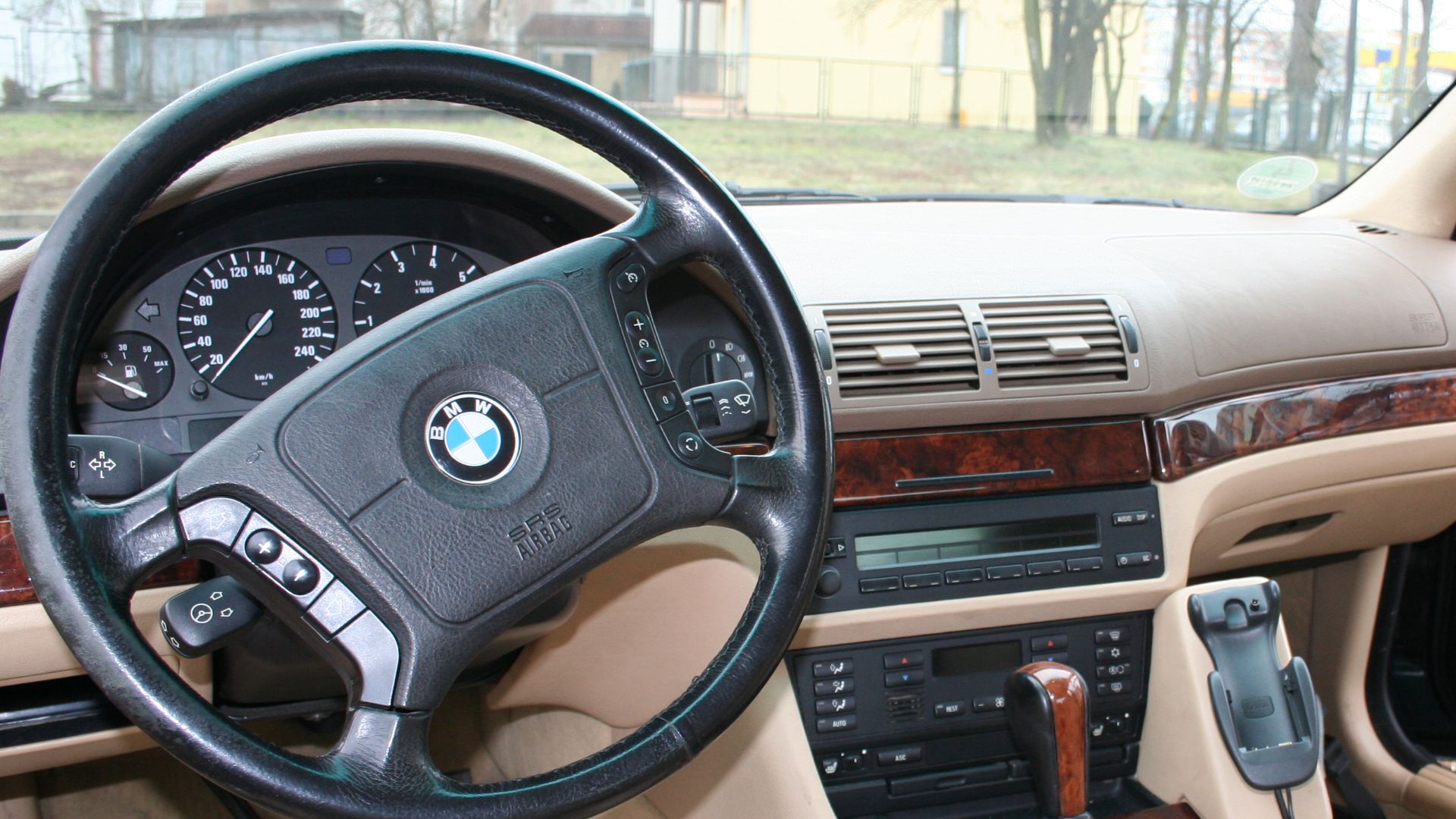
Steering Wheel Controls
Audio controls migrated onto steering wheels, allowing drivers to change volume or radio stations without taking their hands off the wheel. It was an early example of improving both convenience and driver safety simultaneously.
Self-Leveling Suspension
Luxury manufacturers introduced suspension systems capable of automatically adjusting ride height to compensate for passengers or cargo. Regardless of the load, the vehicle maintained a consistent stance and more predictable handling.
 Kirakiraouji, Wikimedia Commons
HID Headlights
High-Intensity Discharge headlights produced dramatically brighter, whiter light than traditional halogen bulbs. Although initially reserved for expensive luxury cars, they significantly improved nighttime visibility and became highly desirable.
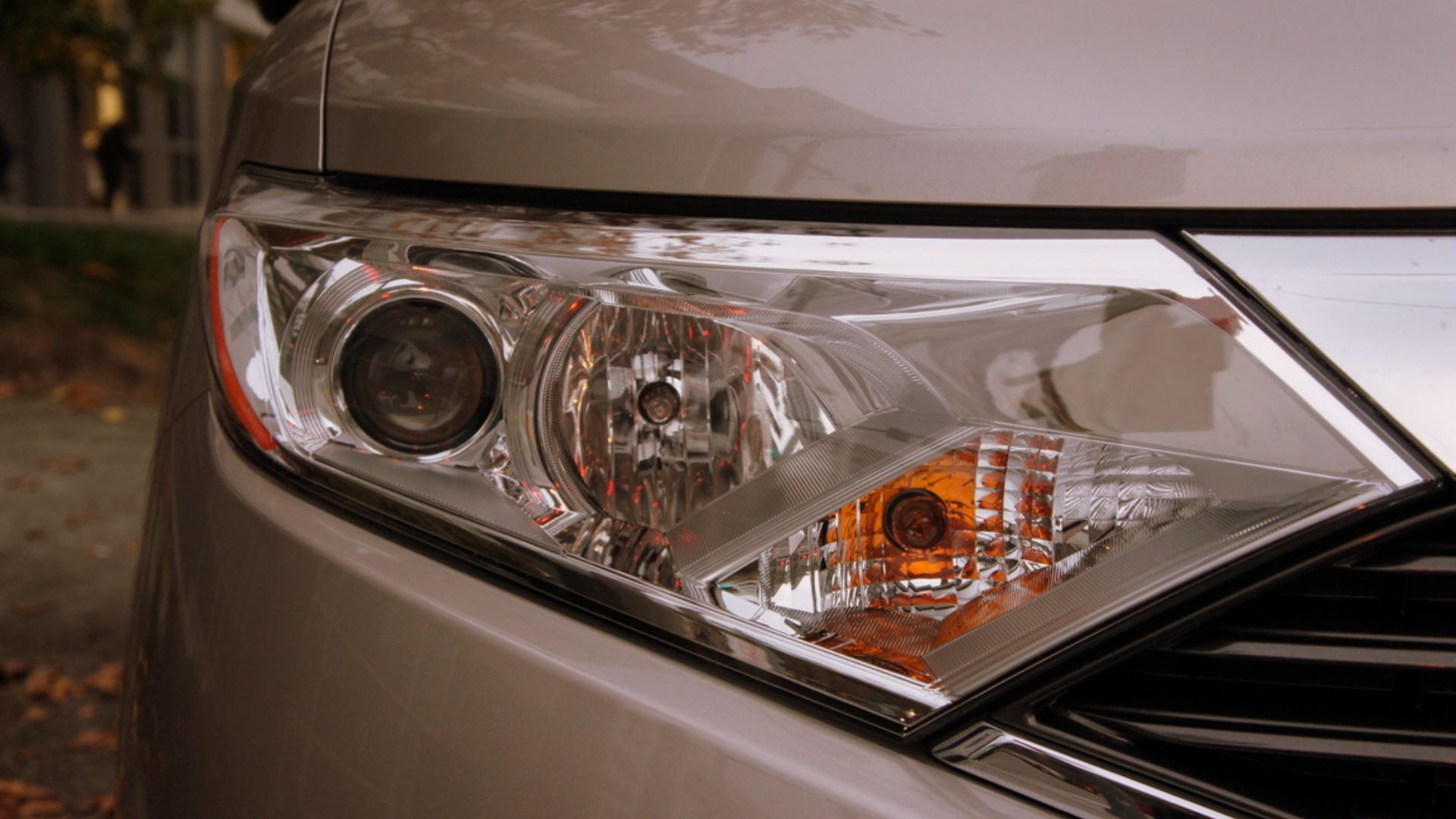 Michael Sheehan, Wikimedia Commons
OnStar Arrives
General Motors introduced OnStar in 1996, connecting drivers with emergency assistance, navigation support, and remote services through built-in cellular technology. The concept of a permanently connected automobile felt decades ahead of its time.
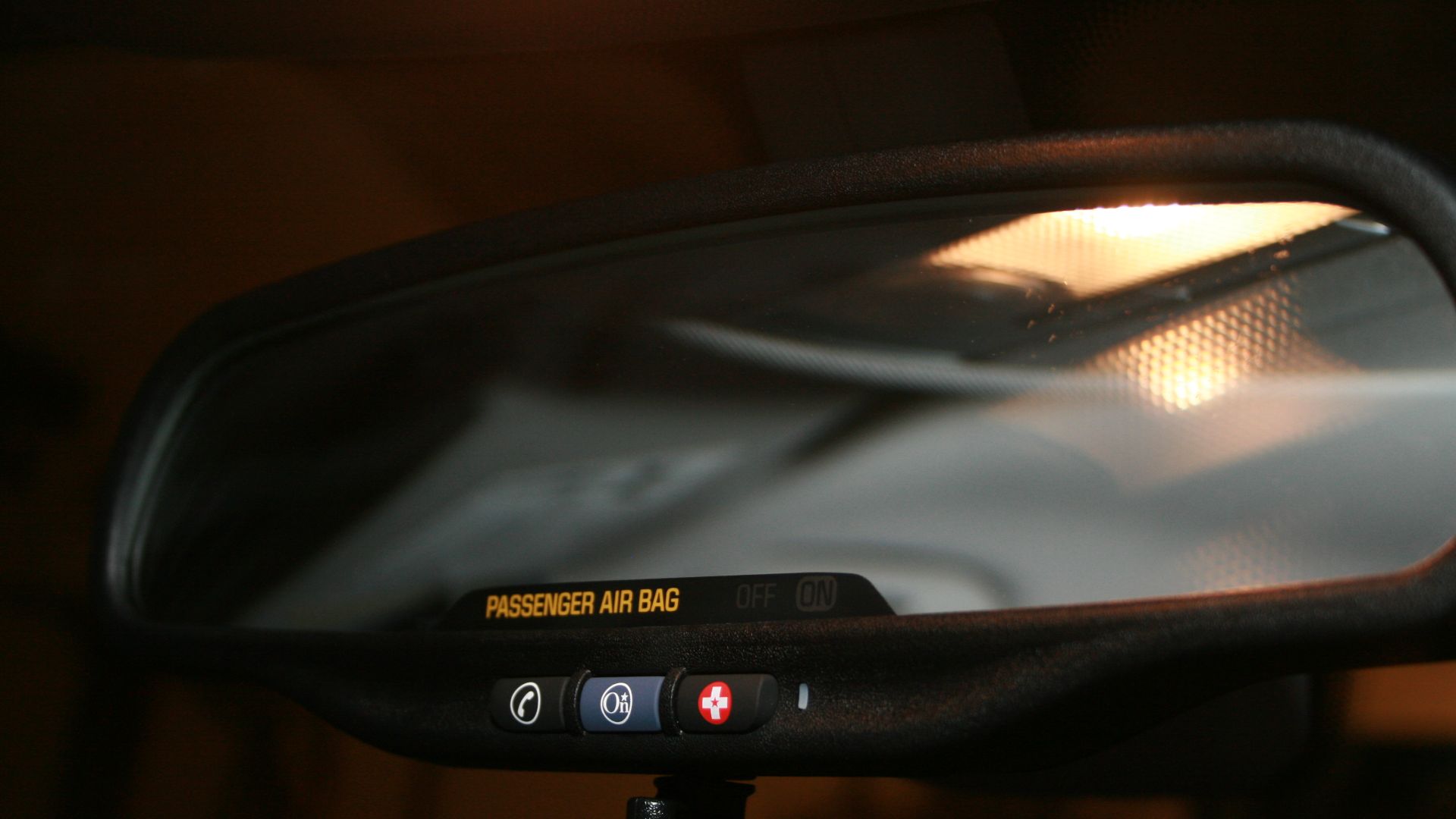 Tyler from Riverside, USA, Wikimedia Commons
Yesterday's Luxury, Today's Standard
Many innovations that amazed buyers during the 1990s have become standard equipment in today's vehicles. Looking back reminds us just how quickly automotive technology evolved—and how revolutionary yesterday's luxuries can become today's everyday expectations.
You May Also Like:
Before SUVs, These Minivans From The 80s And 90s Defined American Family Life
Cars From The 90s and 2000s That Have Now Become Classics
Car Features Baby Boomers Used All The Time That Millennials Have Never Even Heard Of