The Daily Reality Of Driving A School Bus
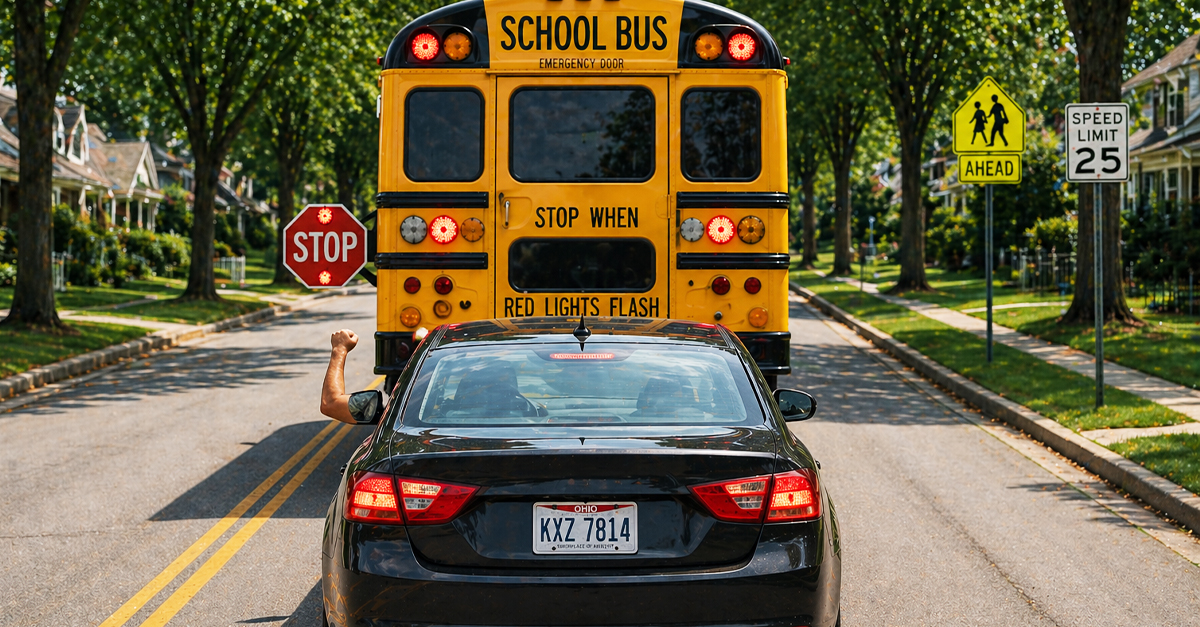
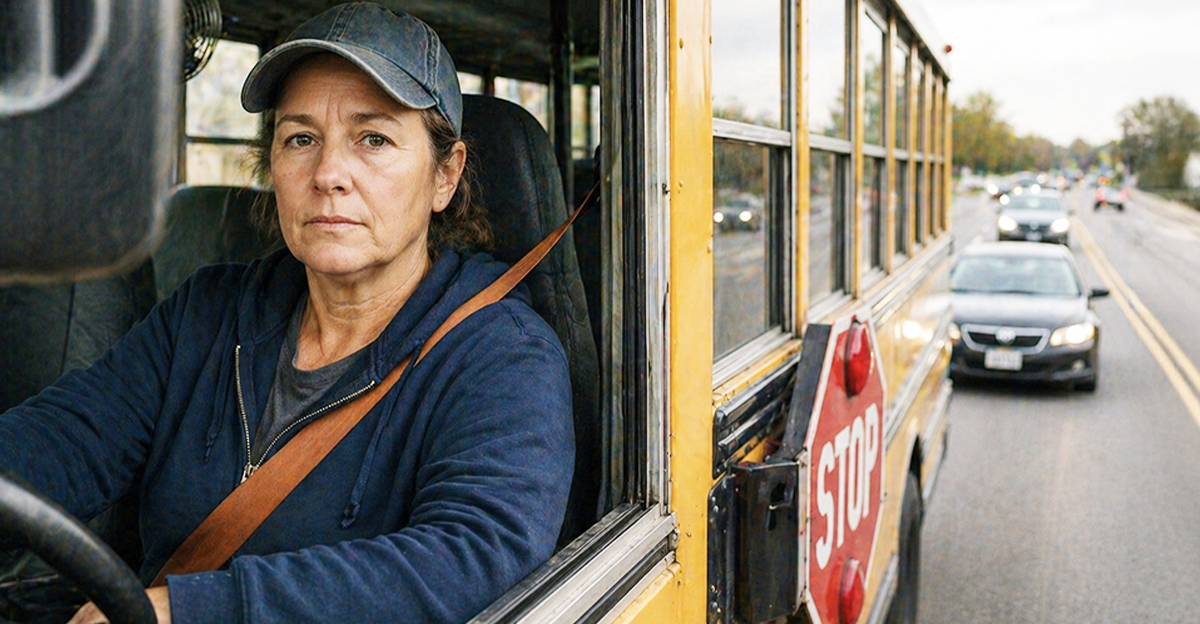
You expected a challenging job, but not this level of chaos. Drivers blow past your stop sign, tailgate your bus, cut you off, and treat your routes like you’re personally inconveniencing them. You’re responsible for the safety of the youngsters on your bus, yet other drivers act unpredictably and treat you as if you're some kind of nuisance. It’s stressful, frustrating, and sometimes downright dangerous.
You’re Not Imagining The Problem
What you’re going through is extremely common. Surveys show that tens of thousands of illegal passings happen in a single day across the U.S., adding up to tens of millions annually. This isn’t a personal issue. It’s a widespread safety problem affecting school bus drivers everywhere.
Why Drivers Ignore School Buses
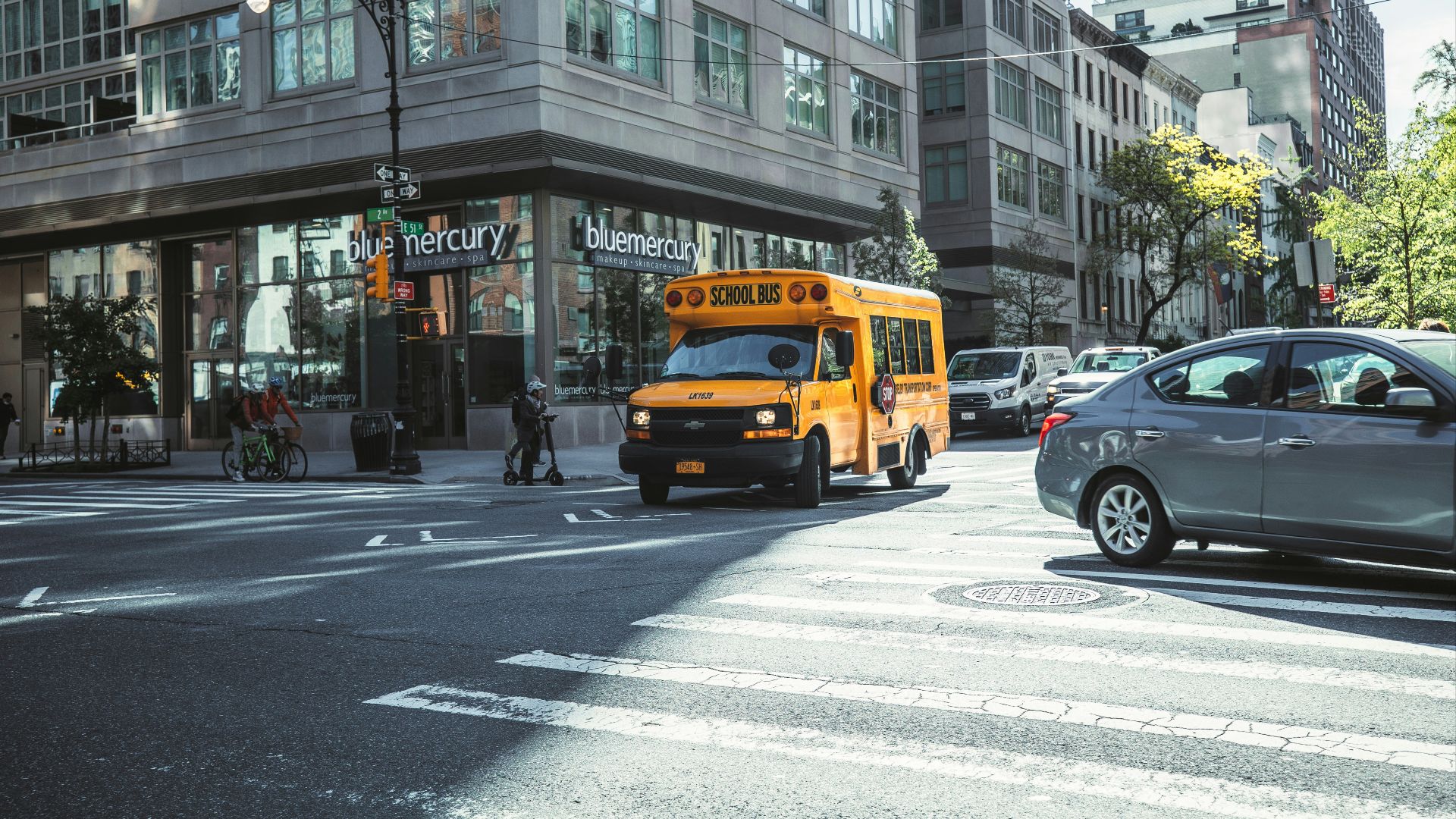
Many drivers are impatient, distracted, or unaware of the law. Others take risks to save time. Unfortunately, your bus now becomes a big slow-moving target for aggressive driving behaviors because it’s perceived to slow traffic. That doesn’t make these actions acceptable, but it explains why you’re seeing it so often.

The Law Is On Your Side
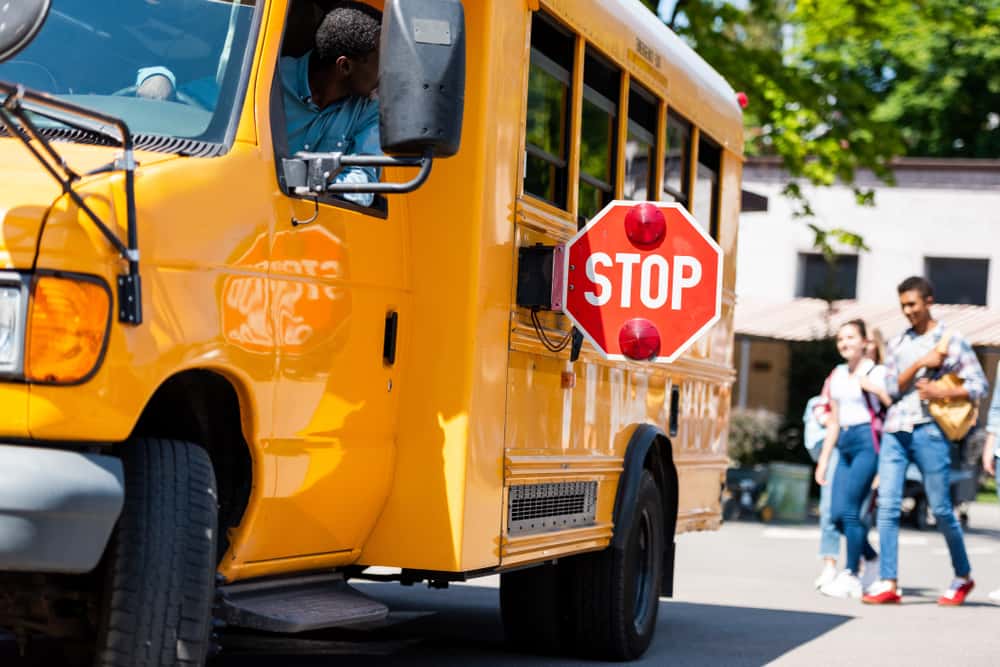
In every U.S. state, drivers are required by law to stop when your stop arm is out and red lights are flashing. Violations can lead to fines, license points, or even criminal charges depending on the situation. You always are operating under strict legal protection, even if other drivers ignore it.
The Risk Is Very Real
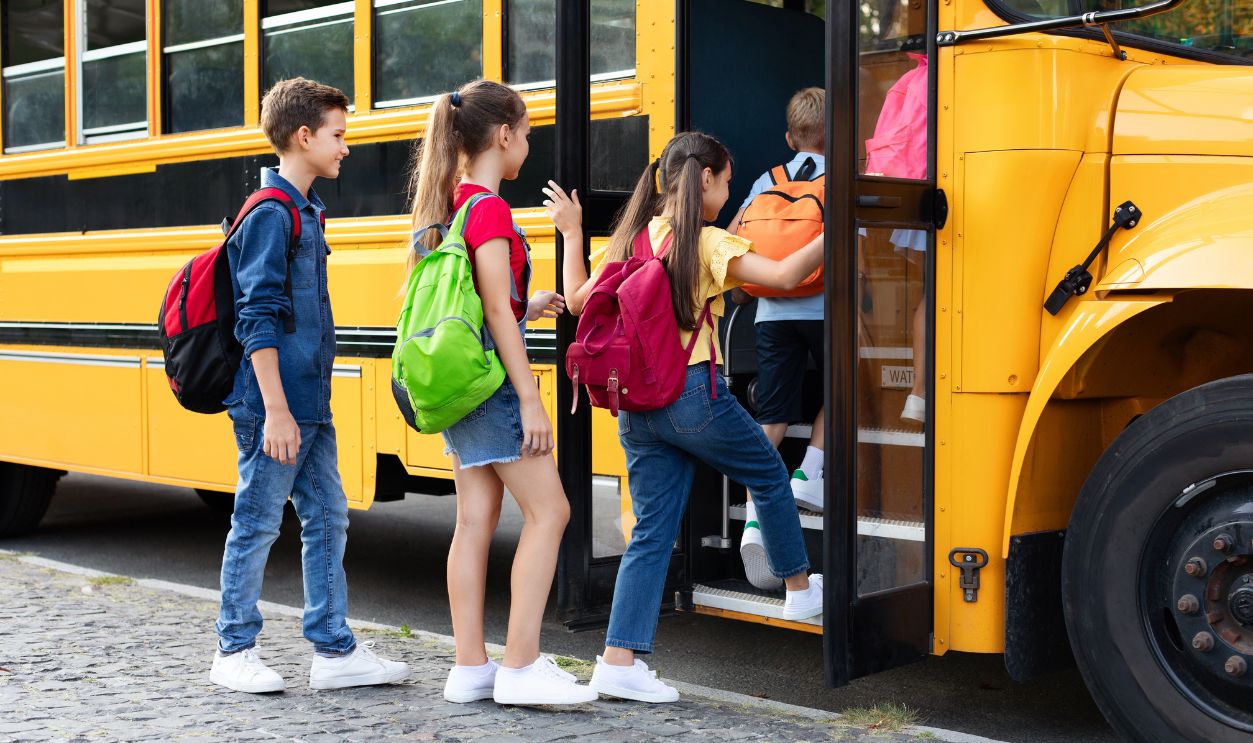
Even though serious incidents are relatively rare, the consequences can be severe. Children are most vulnerable when getting on or off the bus. A single reckless driver can create a life-threatening situation in seconds.
Stay Calm And Focused
Your first priority is to remain calm behind the wheel. Aggressive drivers want reactions, but reacting emotionally can escalate situations. Keeping your cool helps you make better decisions and keeps your passengers safe.
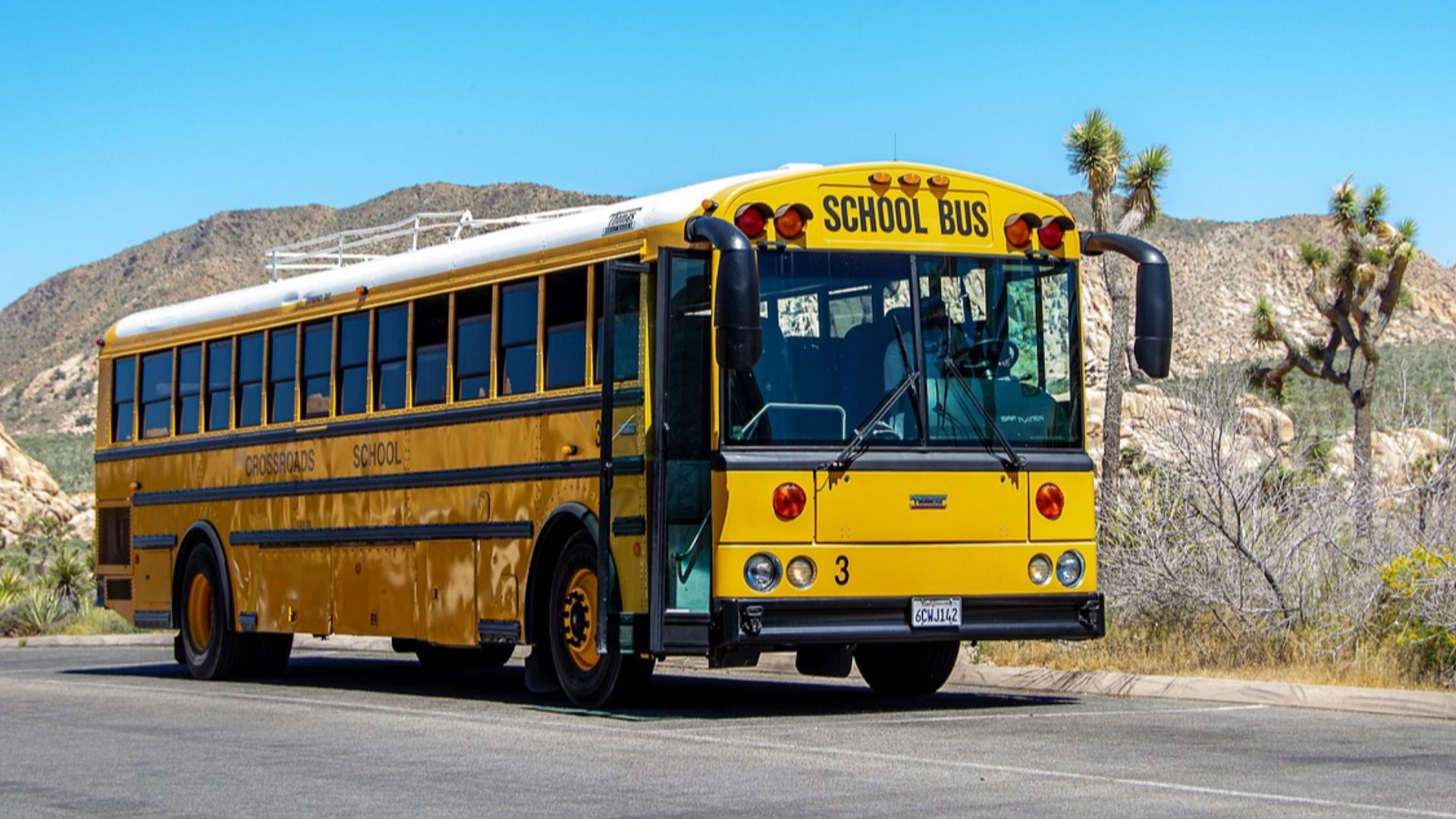
Use Defensive Driving Techniques
Always assume that other drivers will make mistakes or make aggressive moves. Give yourself extra stopping distance, anticipate sudden lane changes, and keep scanning your mirrors. Defensive driving is your best tool for dealing with unpredictable behavior around your bus.
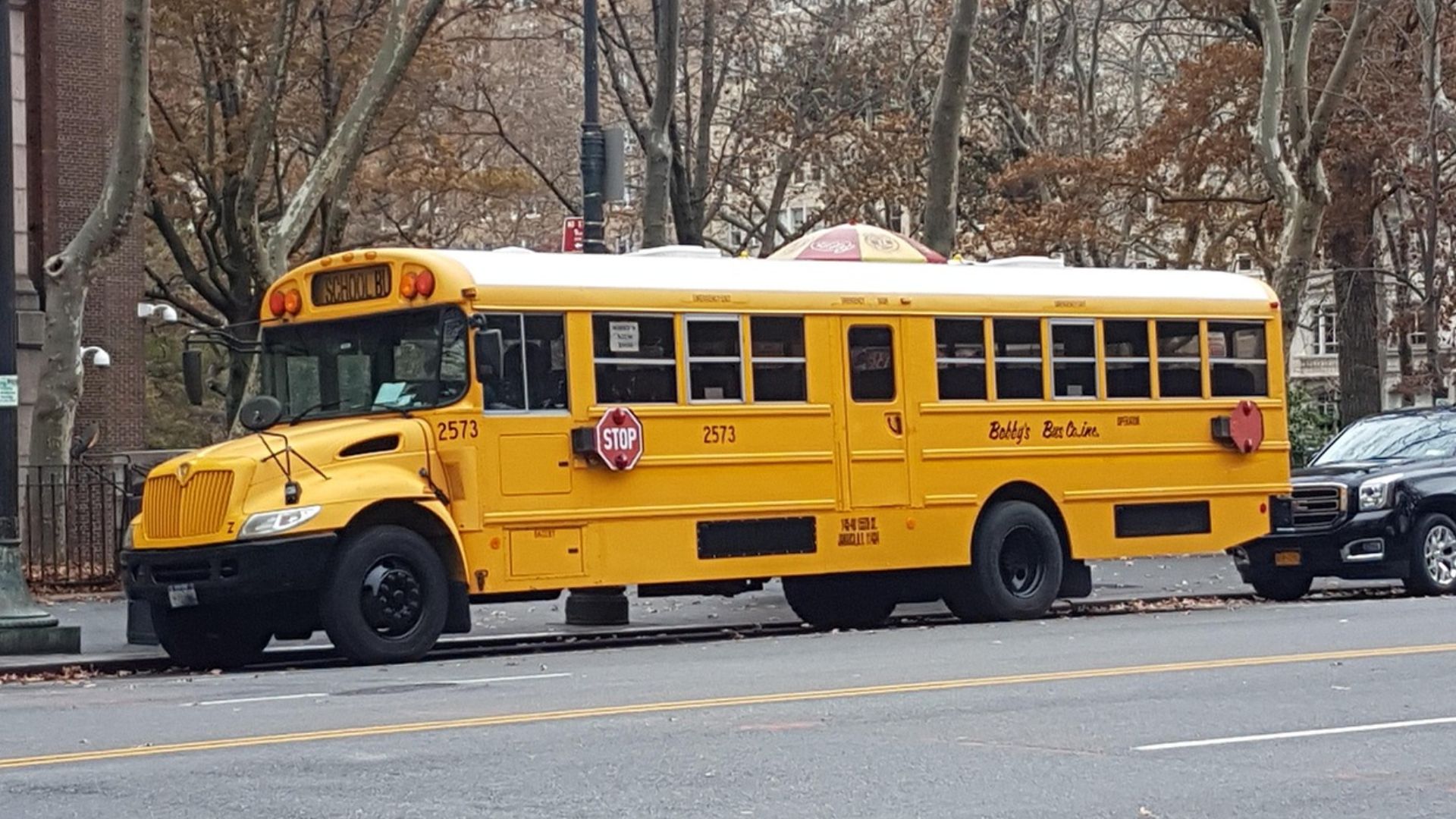
Be Extra Careful At Stops
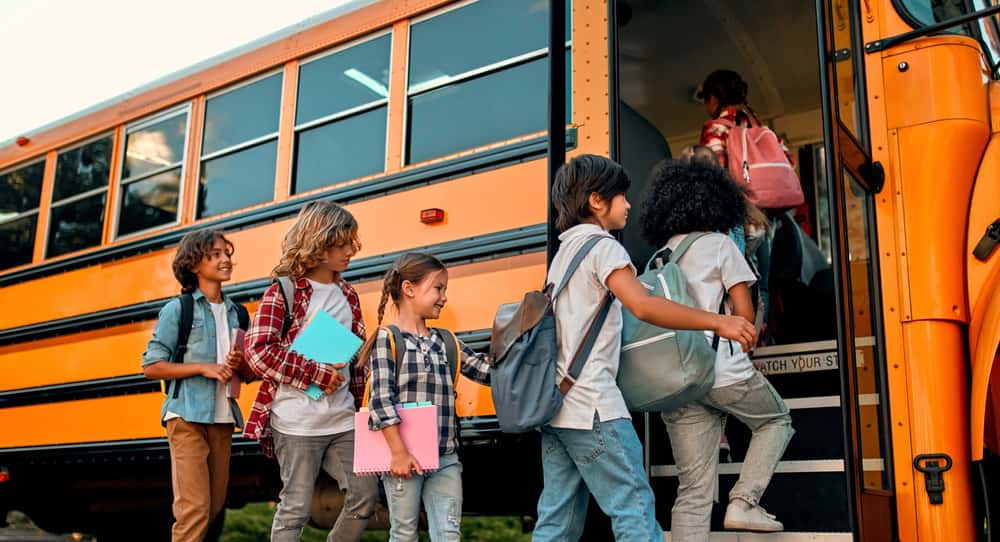
Your most dangerous moments are when students are boarding or exiting. Double-check mirrors, count students, and watch for late crossers. Never assume traffic will stop just because your lights are flashing.
Position Your Bus Strategically
When possible, position your bus in a way that makes it harder for drivers to pass illegally. Use your lane effectively and be mindful of road layout. Even small positioning adjustments can discourage risky behavior. Once you know your route like the back of your hand, this’ll become more natural.
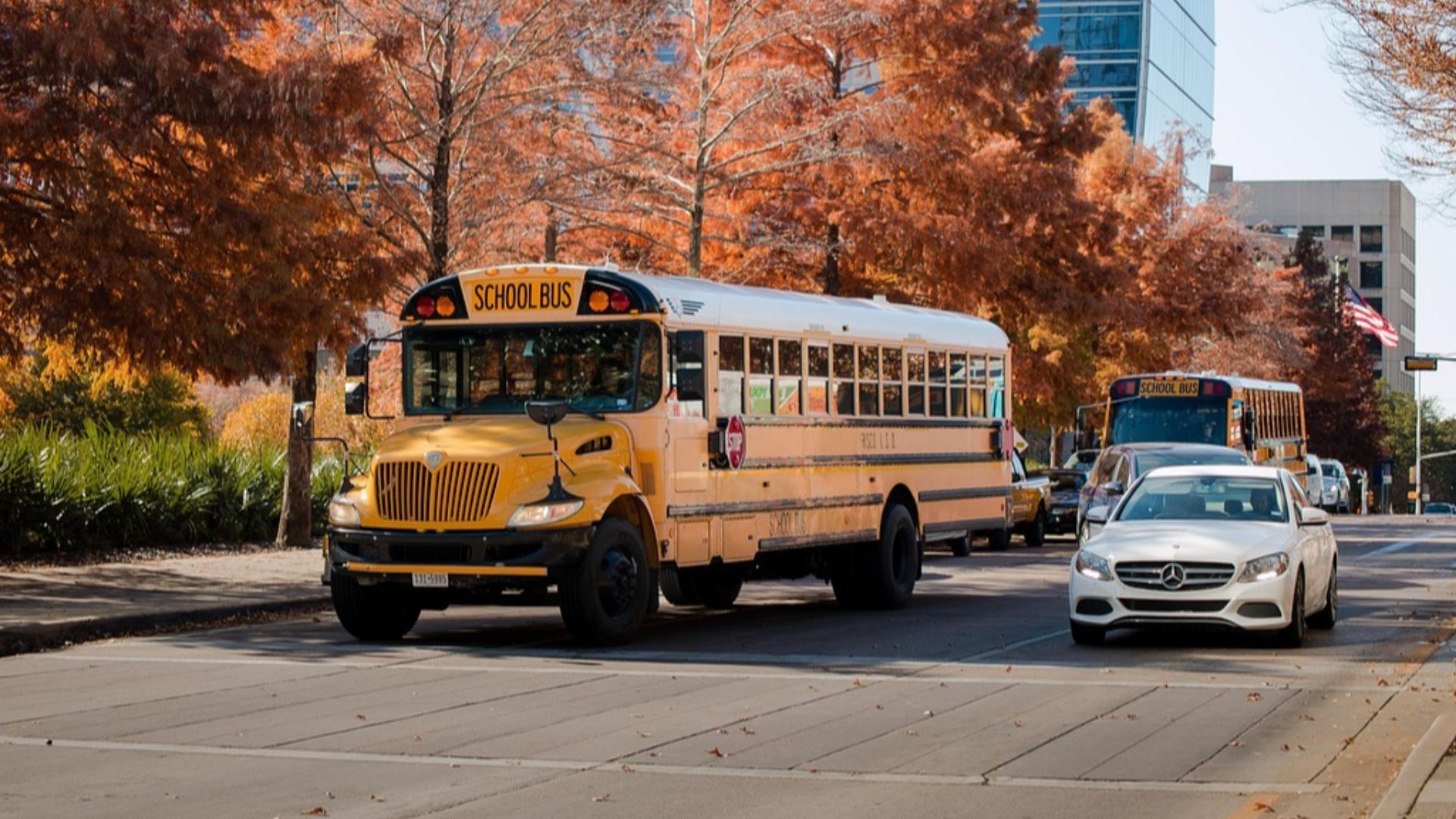
Use Your Lights And Signals Early
Activate your yellow warning lights well before you come to a complete stop. This gives drivers more time to react and reduces sudden braking behind you. Clear signaling can prevent confusion and improve compliance.
Communicate With Your Students
Teach students safe habits. Remind them to wait for your signal before crossing and to stay out of the danger zone near the bus. Their awareness is just as important as yours in preventing accidents.

Report Dangerous Drivers
If you notice repeat offenders or especially dangerous behavior, report it. Many districts and law enforcement agencies track complaints and can take action. Documentation can make a difference.

Understand Camera Systems
Many buses now have stop-arm cameras that capture violations. These systems can help enforce the law and deter reckless drivers. Even if your bus doesn’t have one, awareness is growing.
Expect Inconsistent Enforcement
Not all violations lead to penalties. Enforcement varies widely depending on location and resources. That can be frustrating, but it isn’t something you can control directly.

Build A Routine That Works For You
Consistency helps you manage stress. Get into the habit of scanning mirrors, checking surroundings, and managing stops. A strong routine makes your reactions more automatic and reliable.
 Upsidedownimac, Wikimedia Commons
Protect Your Own Stress Levels
This job can wear on you mentally. Constant exposure to risky driving can build tension. Take breaks whenever possible, talk to other drivers, and find ways to unwind and decompress after your shift.
 Frame Stock Footage, Shutterstock
Know When To Speak Up
If certain routes or stops feel especially dangerous, bring it up with your supervisor. Route adjustments, better signage, or enforcement efforts can sometimes improve conditions.

You Are Doing Important Work
It may not feel like it in the moment, but your role is critical. School buses are still one of the safest ways to transport children. Your vigilance is a big reason why.
The Problem Is Bigger Than Any Of Us
This is not something you can fix alone. It is a systemic issue involving driver behavior, enforcement, and public awareness. Understanding that can help you avoid taking it personally.

The Bottom Line
You can’t control how other drivers behave, but you can control how you respond. Focus on defensive driving, clear communication, and consistent routines. The roads may be unpredictable, but your approach does not have to be.
You May Also Like: