
Two Kinds Of Boomer Drivers
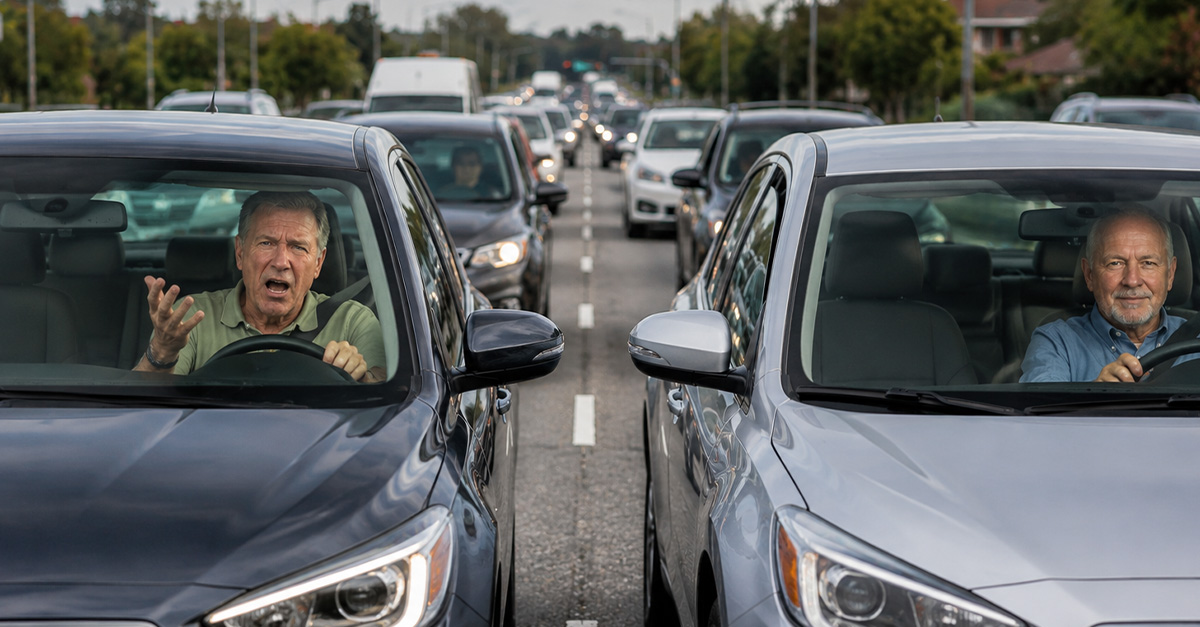
Boomers are not one big driving club with matching sunglasses and identical glove boxes. Older Boomers, now deep into their 70s, often drive differently than younger Boomers in their early to late 60s. The data shows a clear pattern: still mobile, still independent, but more selective behind the wheel.
They Drive Fewer Miles
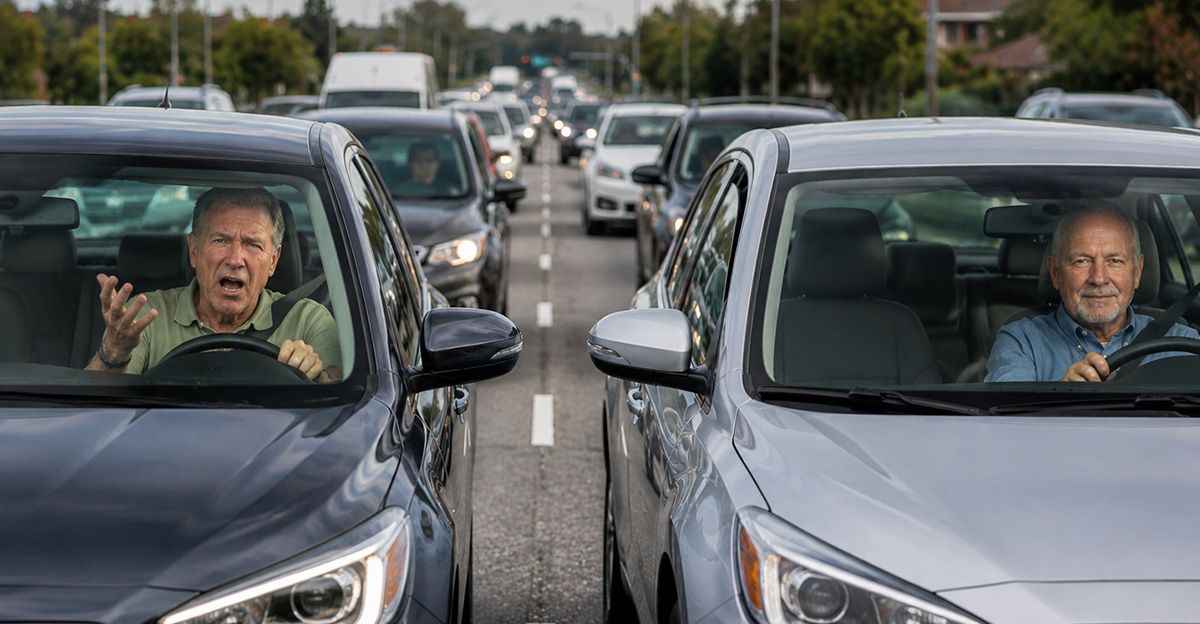
Older Boomers are more likely to trim their yearly mileage. Younger Boomers may still commute, take longer weekend drives, or run packed errand routes. Older Boomers tend to keep trips shorter, closer to home, and more purposeful. The car stays important, but the odometer gets a little less dramatic.
They Avoid Night Driving
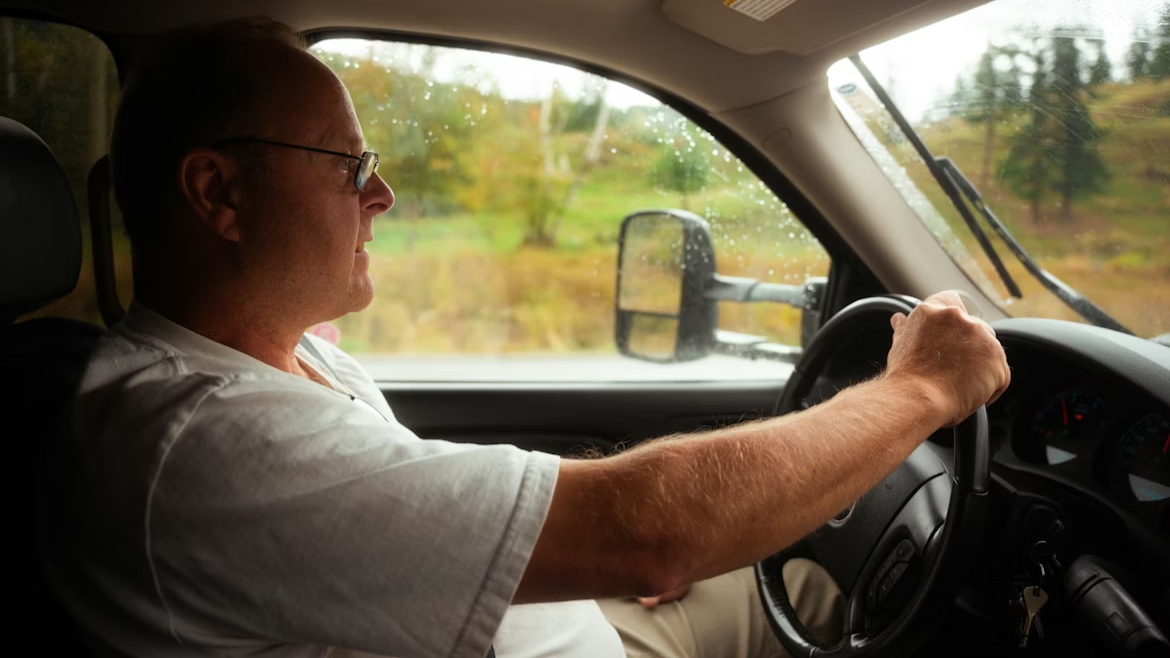
The classic “let’s leave before dark” habit is not just a family joke. Older drivers are more likely to avoid nighttime driving because glare, contrast, and reaction time become bigger issues. Younger Boomers may still handle evening dinners and late returns more comfortably, while older Boomers often prefer daylight.

They Plan Errands Like Missions
Older Boomers often turn errands into carefully planned loops. Pharmacy first, grocery store second, bank third, home before traffic gets weird. Younger Boomers are more likely to wing it. Older Boomers know the best parking lot entrance, the quietest checkout time, and exactly which road has the least nonsense.

They Skip Rush Hour
Rush hour is no one’s idea of a spa day, but older Boomers are especially likely to avoid it. They often have more schedule flexibility and less appetite for bumper-to-bumper chaos. Younger Boomers, especially those still working, may be stuck in the daily grind whether they like it or not.
They Prefer Familiar Routes
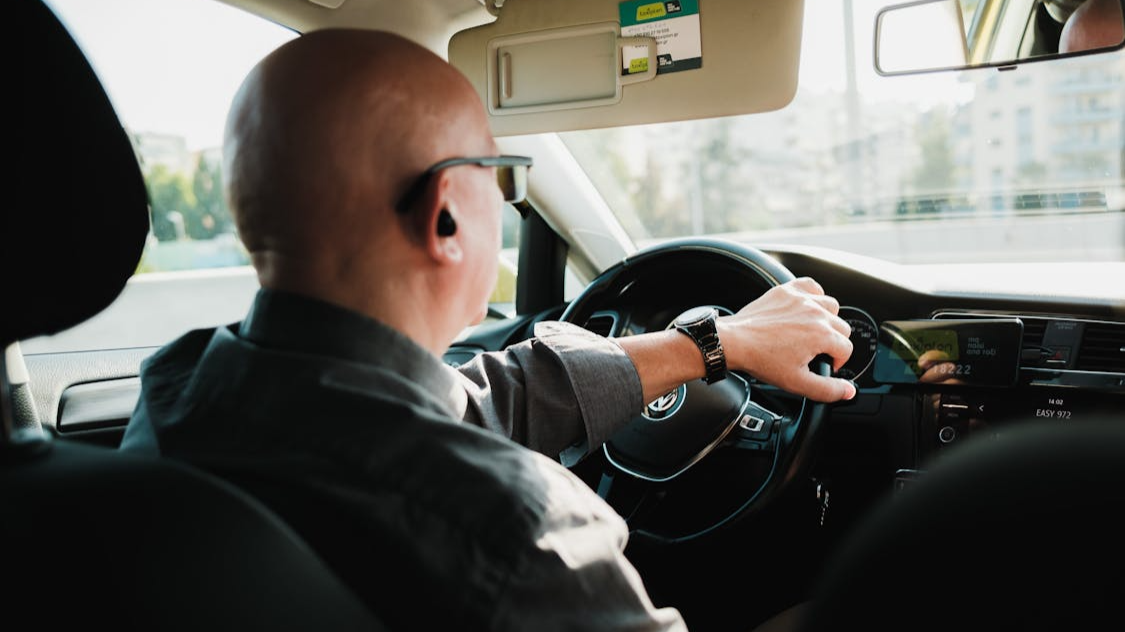
Older Boomers tend to stick with roads they know. That means familiar turns, predictable traffic lights, and intersections that do not require a full committee meeting. Younger Boomers are usually more willing to try a new shortcut, trust a navigation app, or improvise through a construction detour.
They Drive More In Daylight Hours
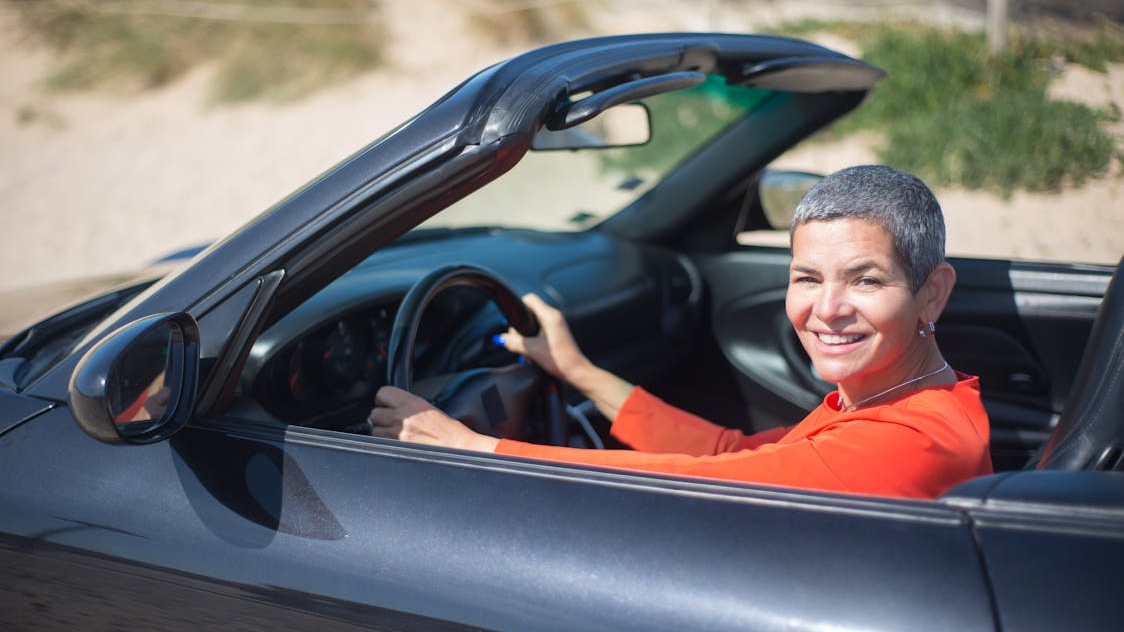
The older Boomer driving day often has a sweet spot: after the morning rush, before the afternoon rush, and definitely before sunset. Younger Boomers are more likely to drive across a wider span of the day. Older Boomers often treat daylight as the best driving feature on the car.
They Use Highways More Selectively
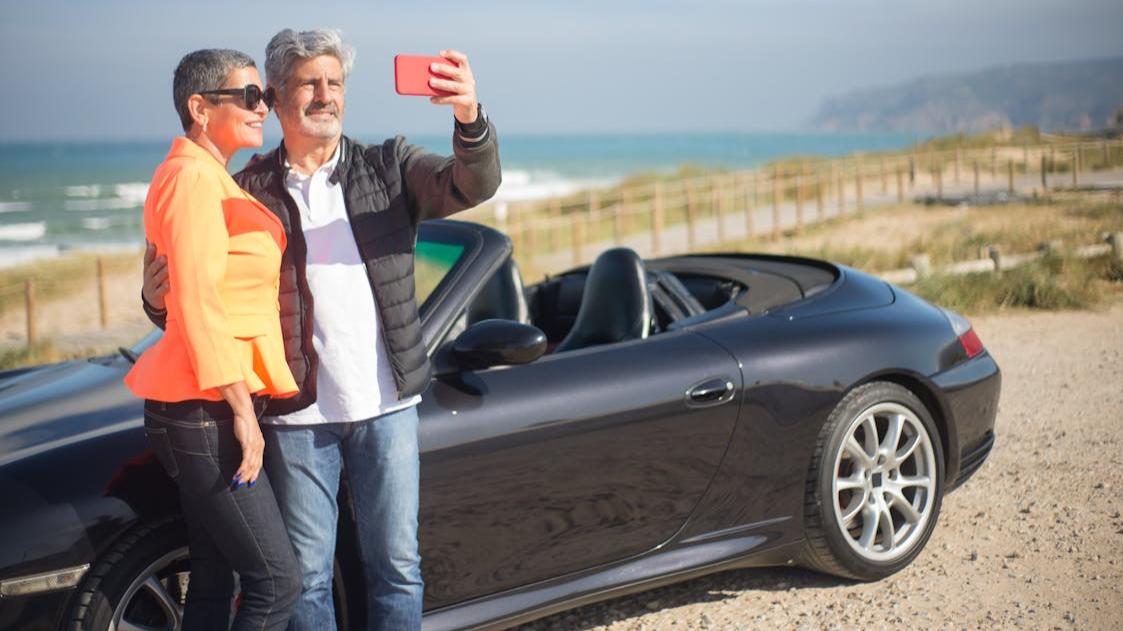
Older Boomers may still use highways, but they are more selective about when and where. Heavy merges, fast lane changes, and impatient tailgaters can make freeway driving feel less appealing. Younger Boomers generally remain more comfortable with longer highway runs and faster-moving traffic patterns.
They Keep More Distance
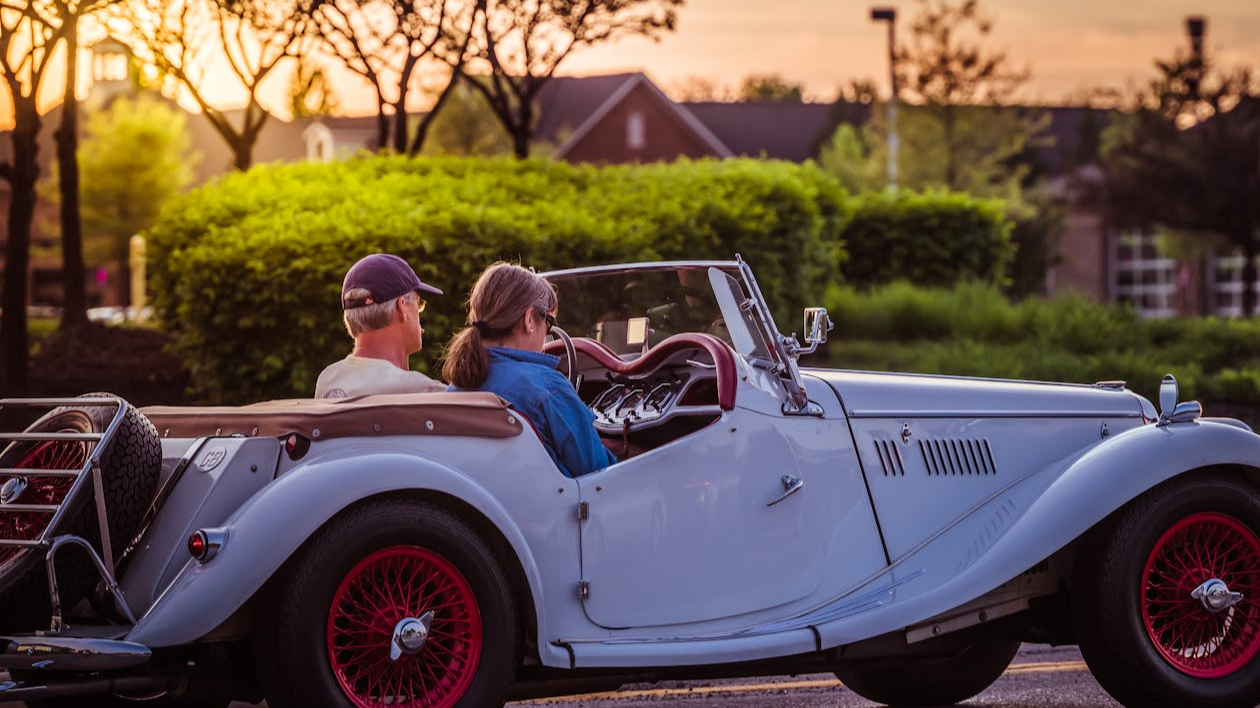
Many older Boomers leave a generous following distance, sometimes enough for a small parade to sneak in. That habit has a safety logic: more space means more reaction time. Younger Boomers may drive more like they did in middle age, while older Boomers increasingly choose caution over closeness.
They Brake Earlier
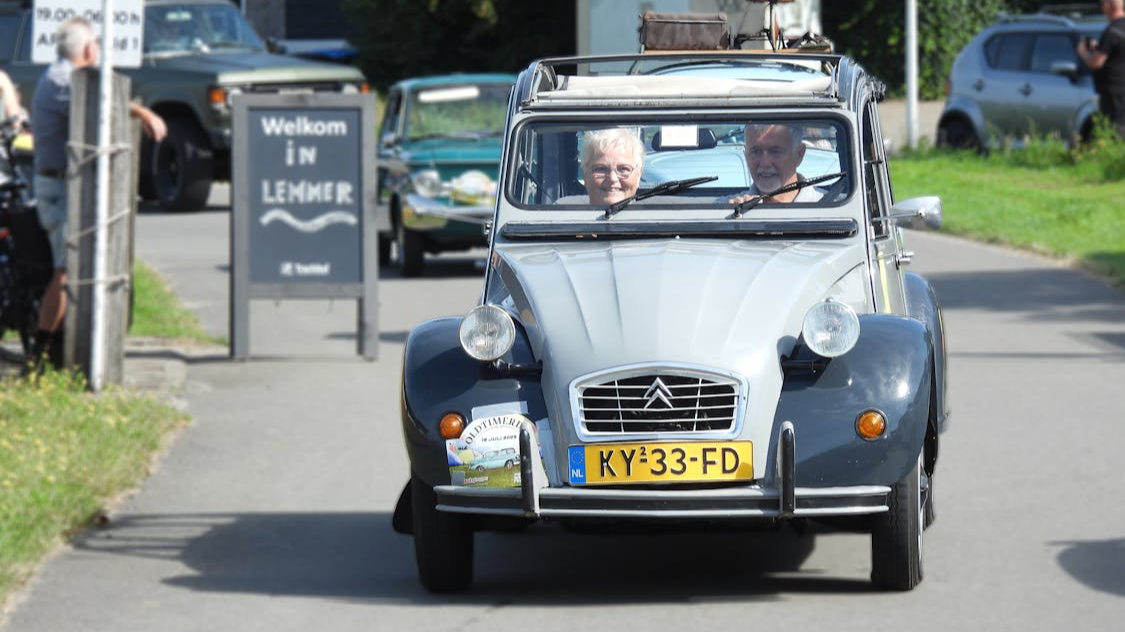
Younger Boomers might roll smoothly into a stop, but older Boomers are more likely to brake earlier and more gradually. It can annoy impatient drivers behind them, but it also reflects a practical style: fewer surprises, less last-second decision-making, and more time to read what everyone else is doing.
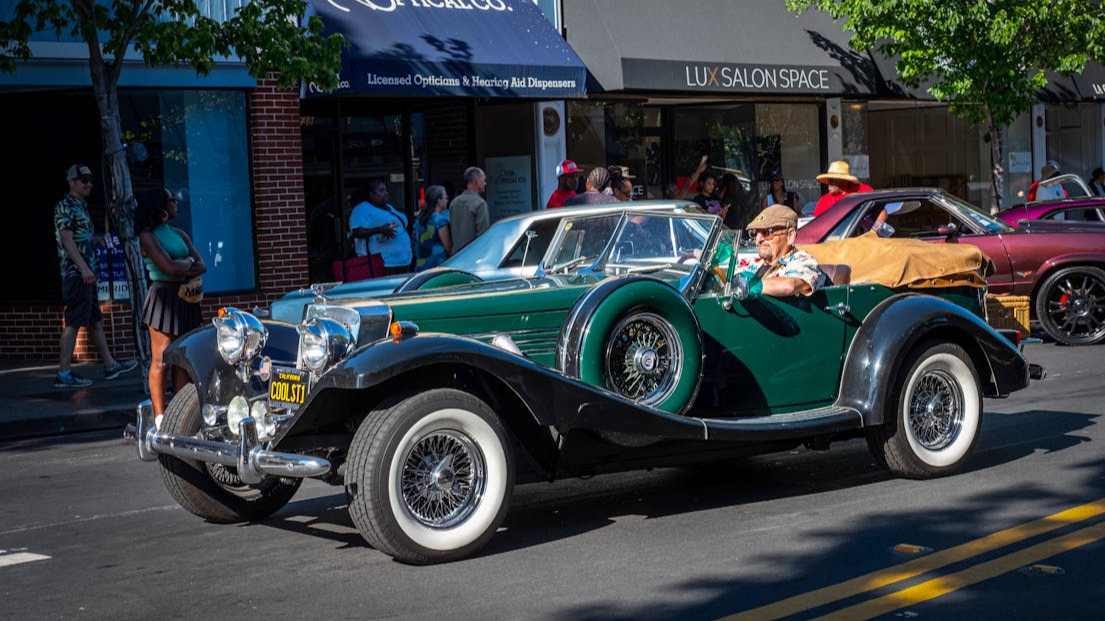
They Avoid Bad Weather
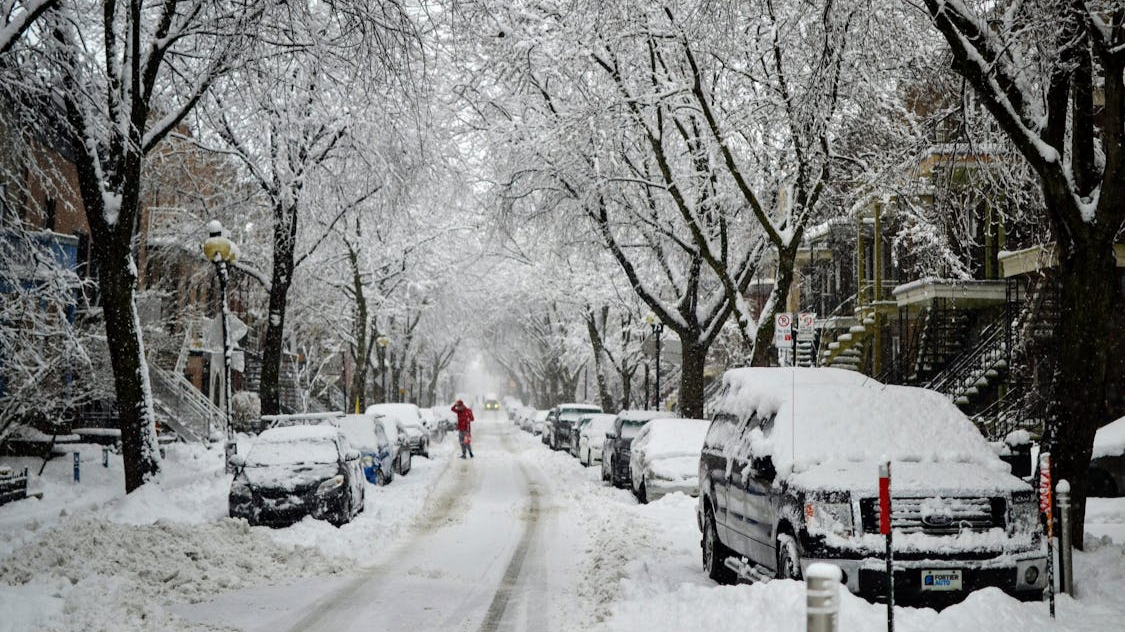
Rain, snow, fog, and icy roads are much less attractive to older Boomers. Many would rather reschedule than white-knuckle their way through a storm. Younger Boomers may still power through bad weather for work, family, or habit. Older Boomers often decide the appointment can wait.
They Take Fewer Spontaneous Trips
Older Boomers are less likely to jump in the car just because the mood strikes. Their driving often becomes more intentional: appointments, groceries, family visits, church, clubs, or lunch with friends. Younger Boomers may still treat the car as a go-anywhere tool, not just a daily utility.
They Choose Easier Parking
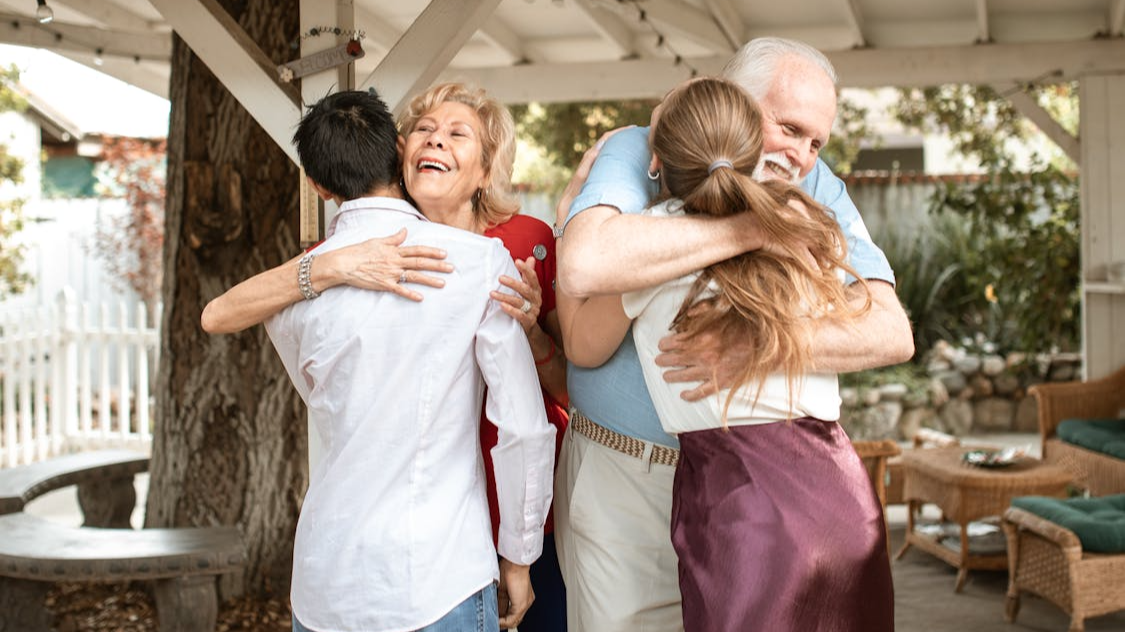
Older Boomers often have a sixth sense for good parking. They may choose wider spaces, lots with fewer shopping carts, or spots near exits. Younger Boomers might squeeze into tight spaces without much thought. Older Boomers know that the real battle begins after the car is parked.
They Avoid Complicated Intersections
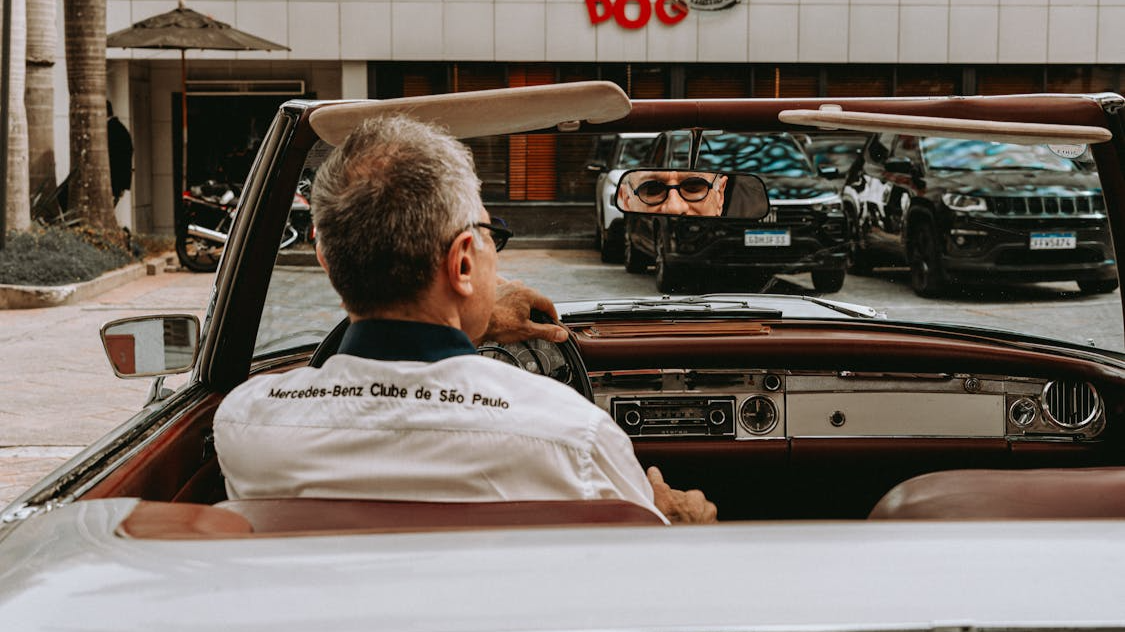
Busy left turns, multi-lane roundabouts, and confusing intersections are more likely to be avoided by older Boomers. They may choose a calmer route even if it takes longer. Younger Boomers are typically more willing to deal with complicated traffic patterns, especially if the navigation app says it saves four minutes.
They Drive Slower On Local Roads
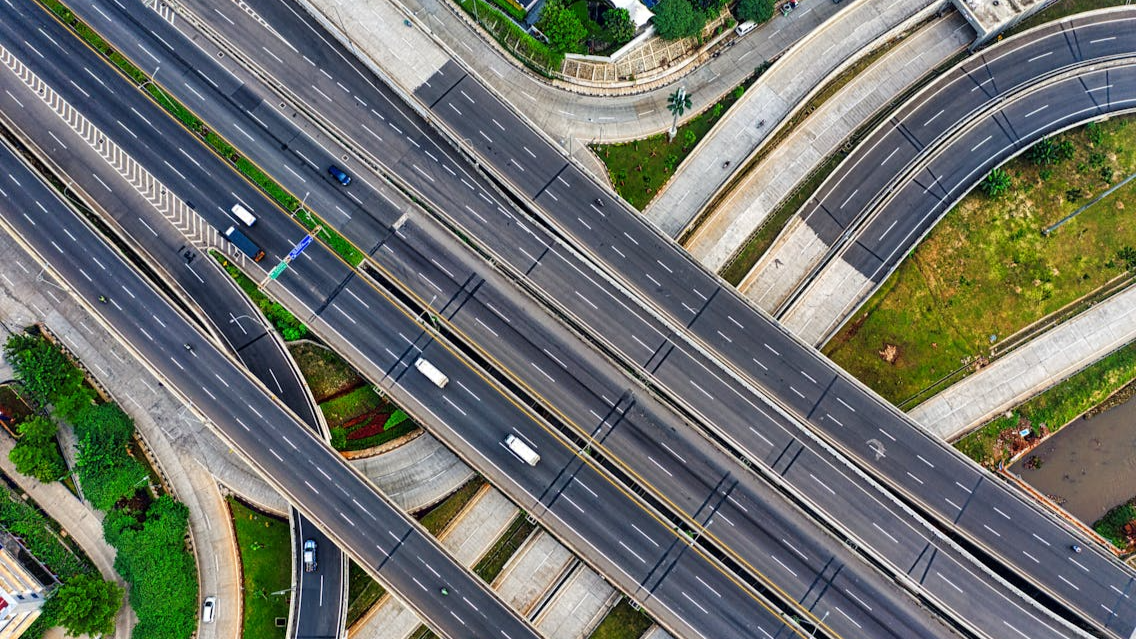
Older Boomers are often more comfortable driving at a measured pace, especially on local streets. They may watch pedestrians, parked cars, cyclists, and side streets more carefully. Younger Boomers usually maintain a slightly brisker rhythm. For older Boomers, arriving safely beats arriving with racing-driver confidence.
They Rely More On Routine Maintenance
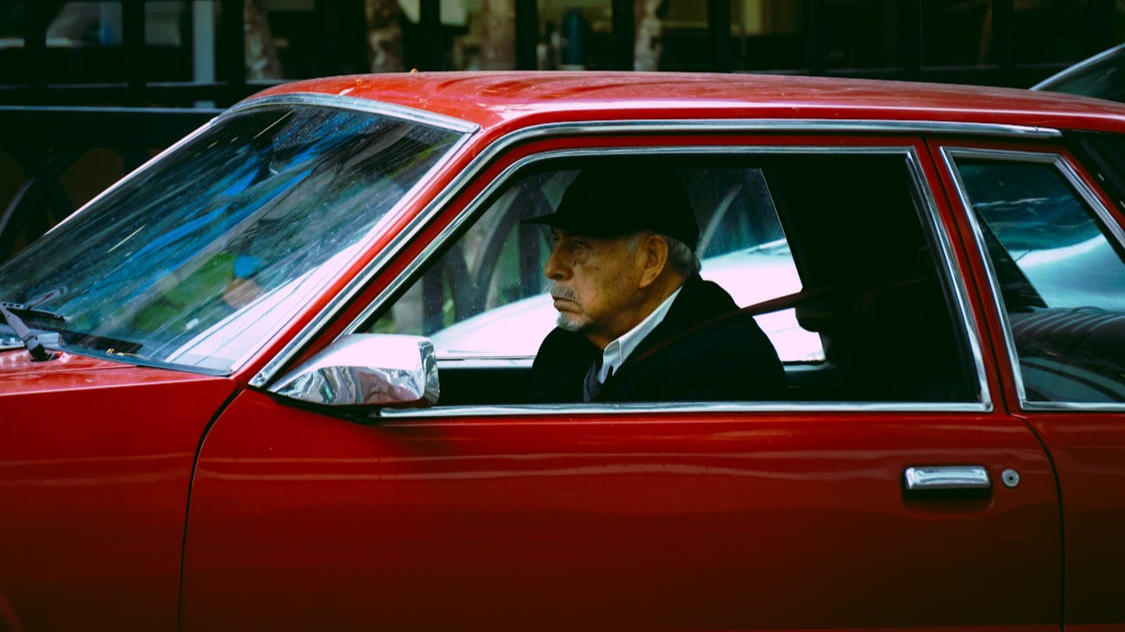
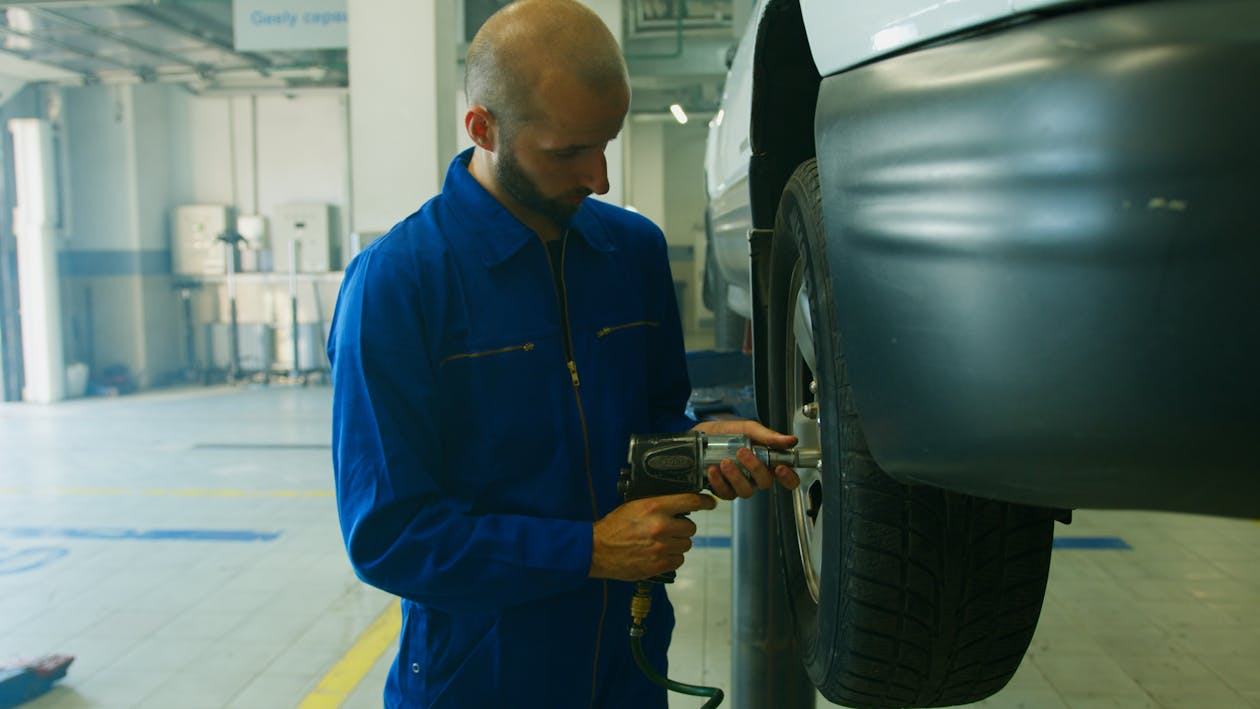
Older Boomers often grew up with a strong “take care of the car and it’ll take care of you” mindset. Oil changes, tire checks, wiper blades, and service records matter. Younger Boomers care too, but older Boomers are more likely to treat maintenance like a sacred ritual.
They Keep Cars Longer
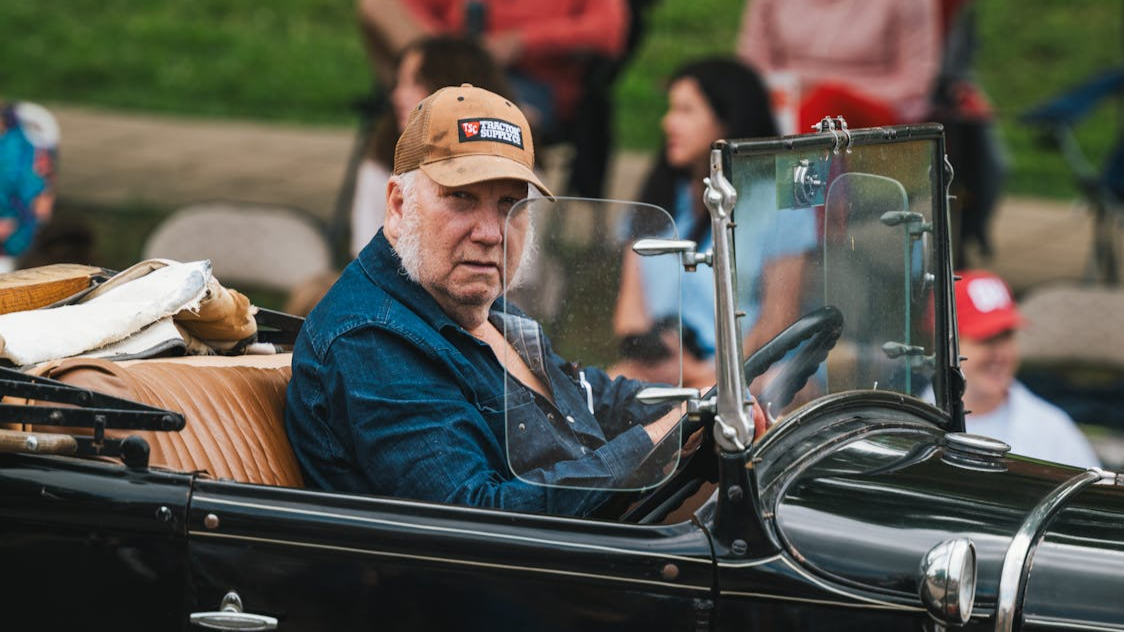
Older Boomers may be less eager to swap vehicles every few years. If the seat feels right, the controls are familiar, and the car starts every morning, why change? Younger Boomers may be more tempted by technology, fuel economy, or newer safety features. Older Boomers value familiarity.
They Prefer Simple Controls
Touchscreens can be wonderful until they hide the fan speed behind three menus. Older Boomers often prefer knobs, buttons, and layouts they can use without taking their eyes off the road. Younger Boomers tend to adapt more easily to digital dashboards, voice controls, and app-connected features.
They Are More Careful With Medication Timing
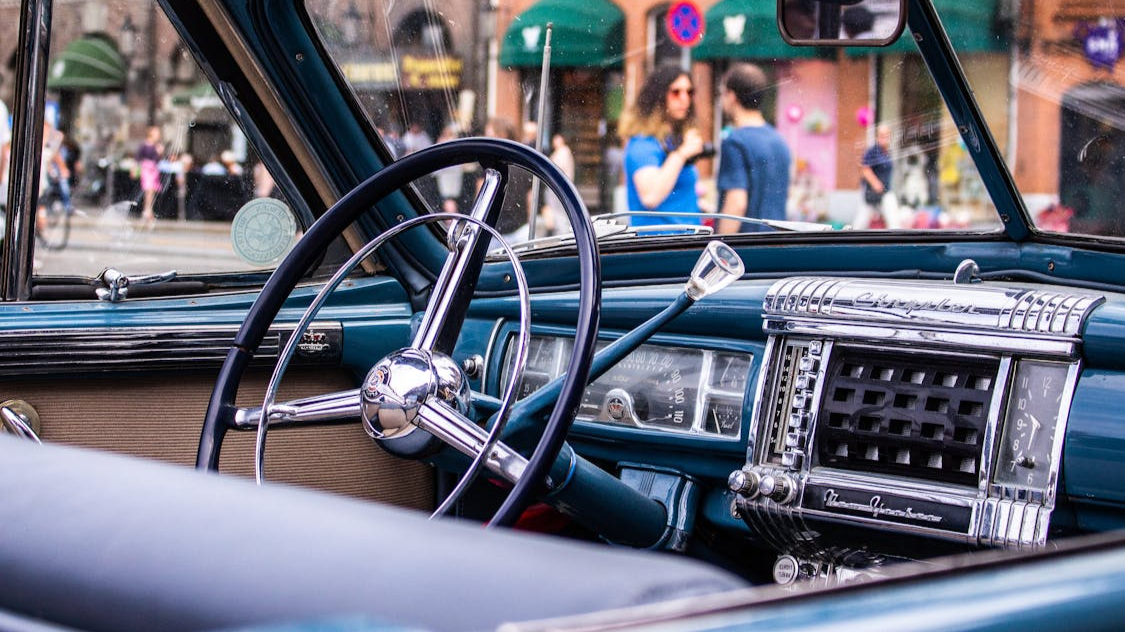
Older Boomers are more likely to manage prescriptions, and that can affect driving decisions. Many become cautious about driving after taking medicine that may cause drowsiness or dizziness. Younger Boomers may face this less often. For older Boomers, safe driving sometimes starts before the keys leave the counter.

They Limit Long Solo Drives
Older Boomers may still love road trips, but they are more likely to split driving duties, stop more often, or avoid very long solo hauls. Younger Boomers may still push through bigger mileage days. Older Boomers increasingly understand that fatigue is not a badge of honor.
They Watch For Glare
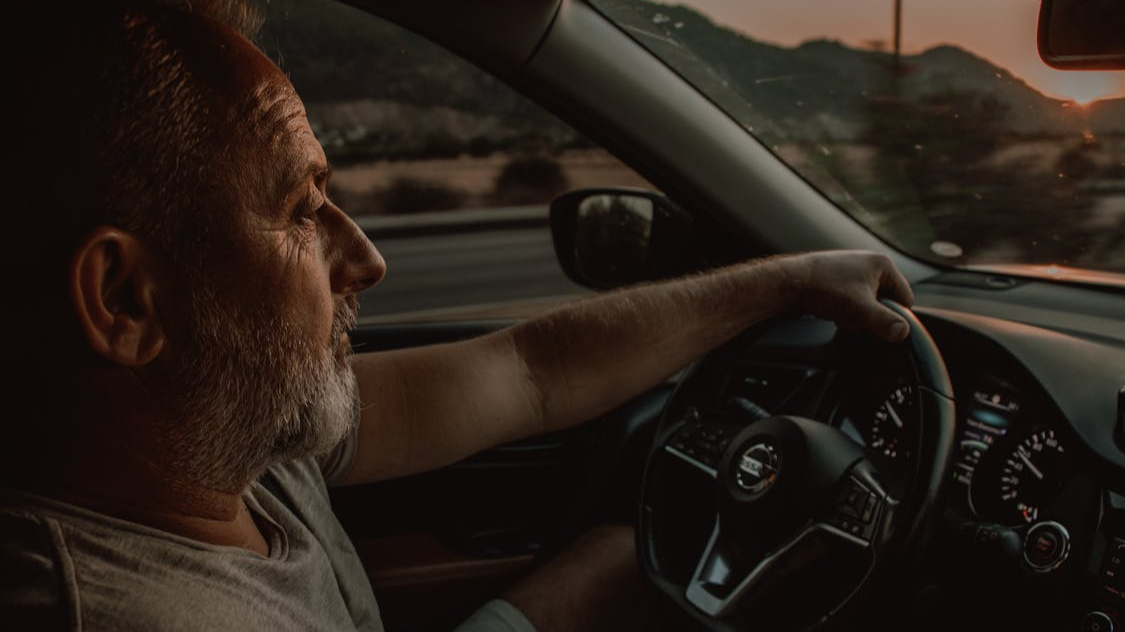
Sun glare, headlight glare, wet-road reflections, and low-contrast lane markings can become bigger annoyances with age. Older Boomers often time drives to avoid harsh lighting conditions. Younger Boomers may complain about glare too, but older Boomers are more likely to plan around it.
They Use Passenger Feedback More
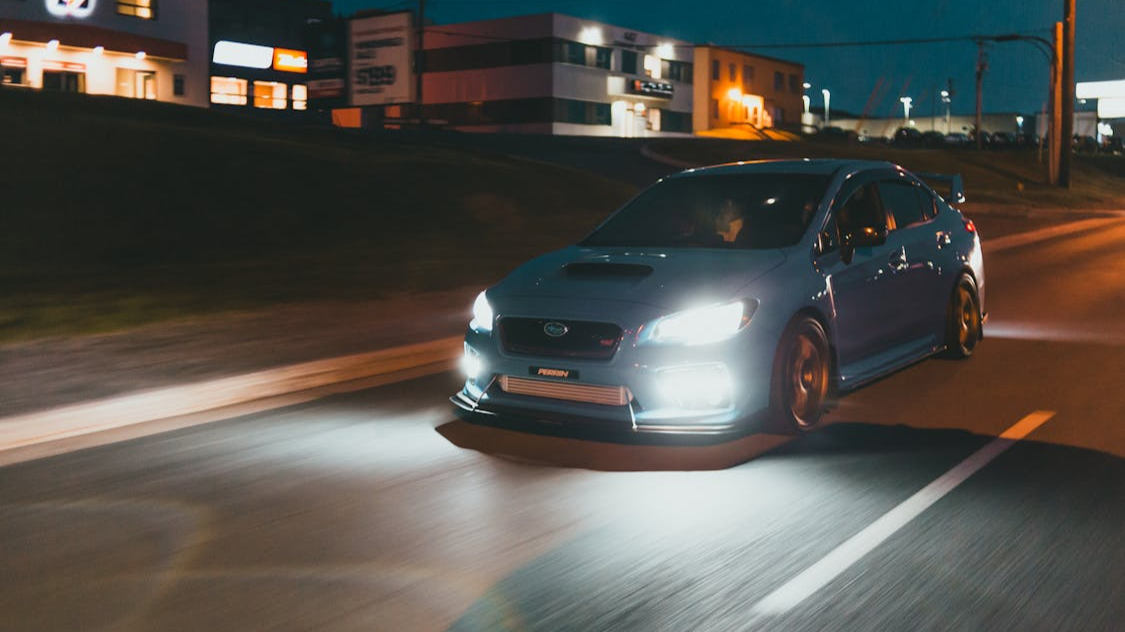
Older Boomers may be more open to a spouse, friend, or adult child saying, “Maybe take the other road.” Not always, of course. Pride still rides shotgun. But driving comfort often becomes a shared conversation. Younger Boomers are more likely to view driving choices as their own business.
They Avoid Unfamiliar Downtowns
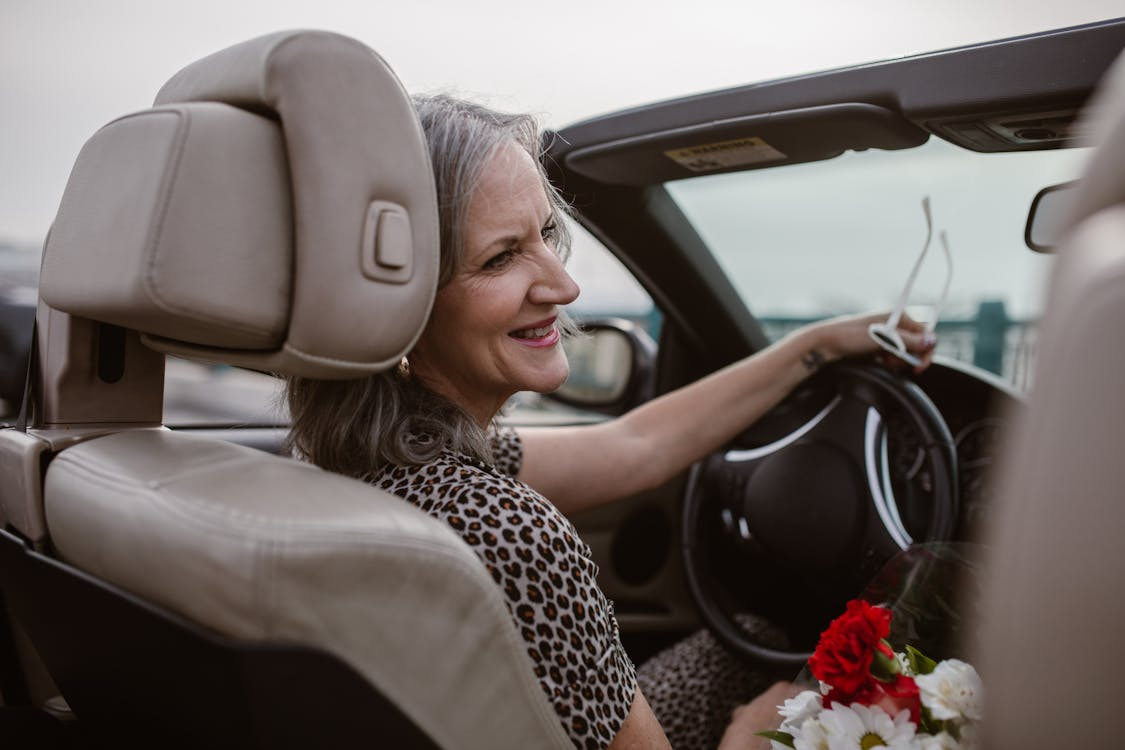
Dense downtown driving can be a puzzle box of cyclists, buses, one-way streets, delivery trucks, and surprise turn lanes. Older Boomers are more likely to park outside the chaos, take a familiar approach, or let someone else drive. Younger Boomers usually tolerate urban driving more readily.
They Choose Comfort Over Speed
Older Boomers often prioritize a calm cabin, good visibility, easy entry, and smooth handling over raw speed. Younger Boomers may still care more about acceleration, styling, or road-trip performance. For older Boomers, the best car is often the one that makes every mile feel less stressful.
They Self-Regulate More
The biggest difference is not that older Boomers stop driving. It is that they self-regulate. They adjust when, where, and how they drive. Younger Boomers often keep broader driving habits. Older Boomers are more likely to quietly edit the hardest parts out of the driving day.
They Still Value Independence
Even with fewer miles and more selective habits, older Boomers still see driving as freedom. The car means groceries, friends, doctors, hobbies, and control over the day. Younger Boomers may take that freedom for granted. Older Boomers often protect it by making smarter, calmer driving choices.
The Boomer Driving Split
The data does not paint older Boomers as bad drivers. It paints them as different drivers. Compared with younger Boomers, they tend to drive less, avoid tougher conditions, and lean into routine. In true Boomer fashion, they are not giving up the keys—they are just choosing the road more carefully.
You May Also Like:
10 Of The Rarest Pickup Trucks Ever Made
I was charged for partial damages when I wasn't at fault in the accident. Is that really legal?


