The Dealership Fixed One Problem And Created Another
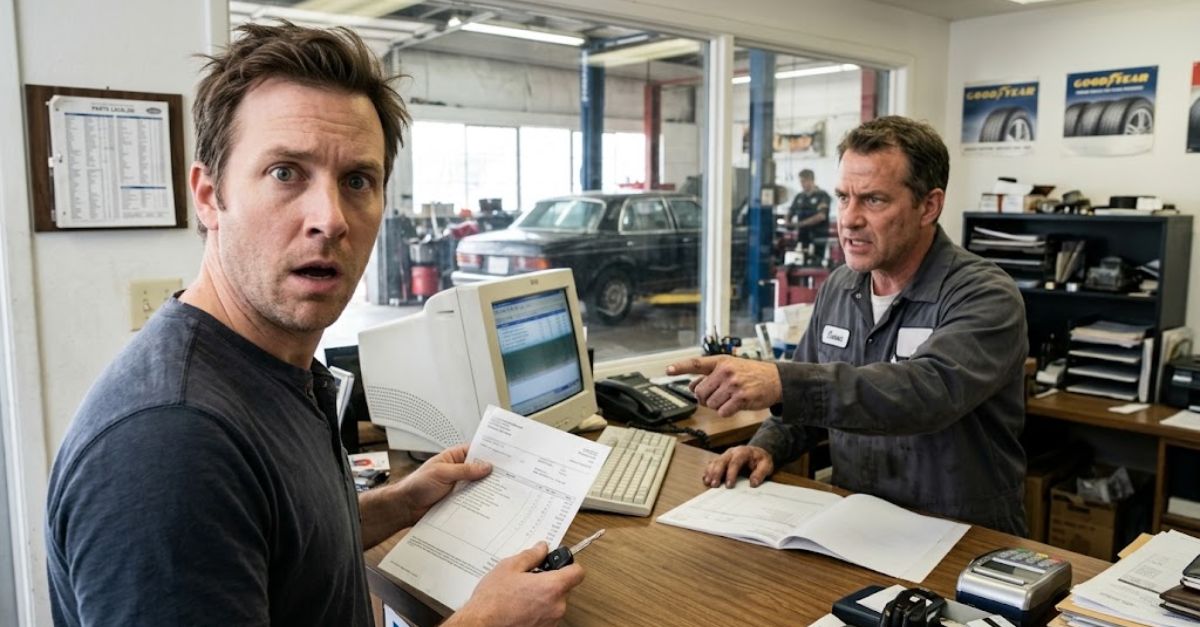
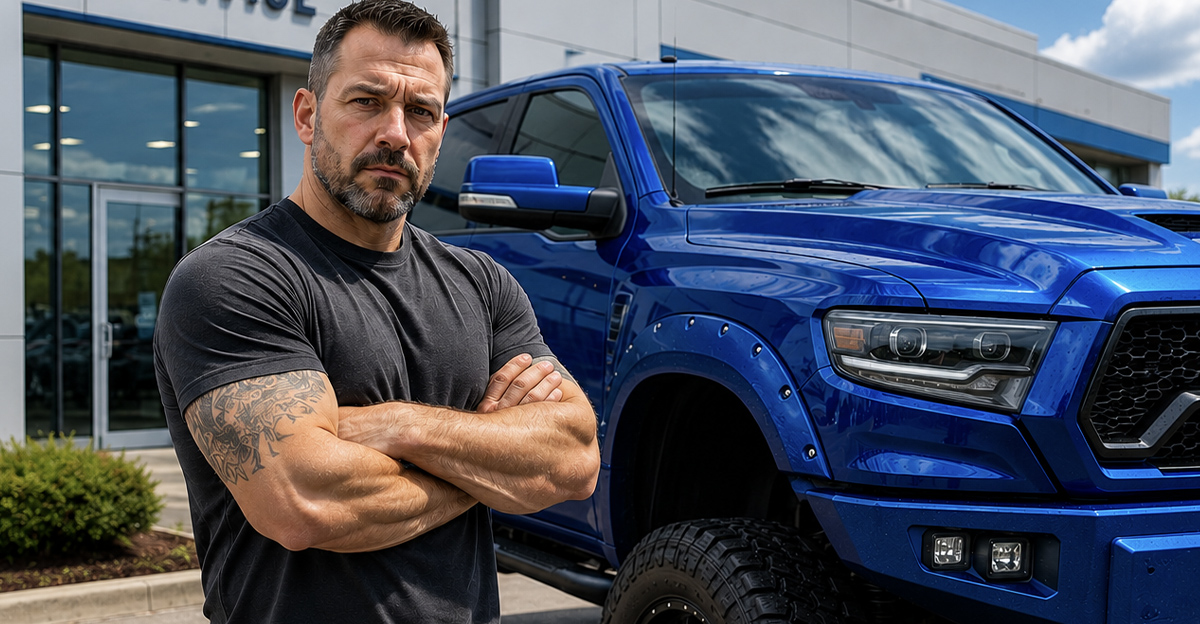
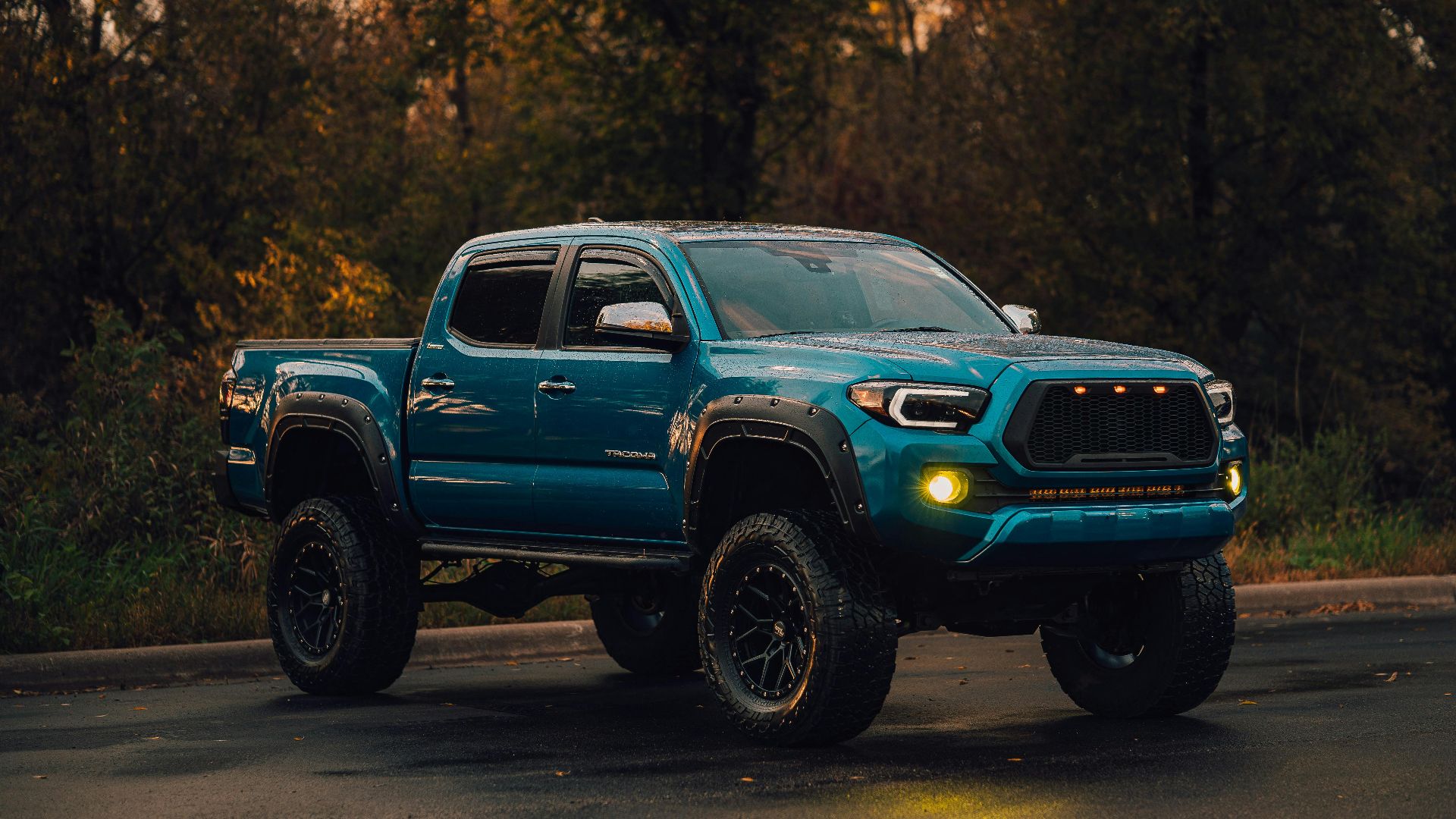
Few things are more frustrating than taking your truck to the dealership for service and leaving with a completely different problem. It gets even worse when the dealership points to your lift kit, oversized tires, suspension upgrades, or other modifications and suddenly claims your warranty no longer applies. Many truck owners assume the dealership has complete control over warranty decisions, but the reality is often much more complicated than that.
A Lifted Truck Does Not Automatically Lose Its Warranty
One of the biggest myths in the automotive world is that any modification immediately voids the entire factory warranty. In the United States, that is generally not how warranty law works. Simply installing a lift kit, aftermarket wheels, larger tires, or other modifications does not automatically erase all warranty coverage on the vehicle. Manufacturers and dealerships typically must show a connection between the modification and the specific failure being claimed.
The Magnuson-Moss Warranty Act Matters Here
A federal law called the Magnuson-Moss Warranty Act provides important protections for consumers dealing with warranty disputes. The law generally prevents manufacturers from voiding warranty coverage simply because aftermarket parts or modifications exist. If a dealership wants to deny a warranty claim, it usually needs to demonstrate that the modification actually caused or contributed to the problem. That burden of proof becomes a major factor in many disputes.

The Type Of Problem Makes A Huge Difference
The specific repair being requested often determines how strong the dealership's argument is. If a lifted truck develops a suspension, steering, axle, or drivetrain issue, the dealership may argue that the modifications contributed to the failure. On the other hand, it becomes much harder to blame a lift kit for an unrelated problem involving electronics, air conditioning, infotainment systems, or power window motors. The connection between the modification and the failure is often the key issue.
Dealerships And Manufacturers Are Not Always The Same Thing
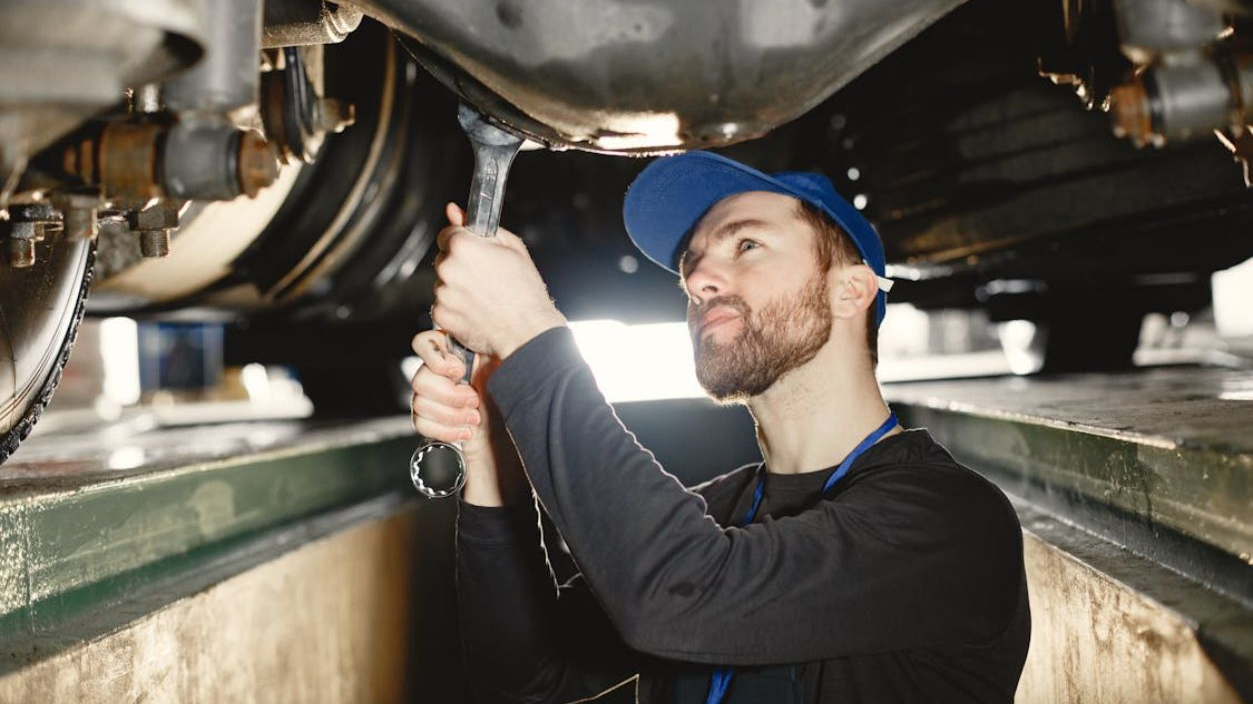
Many consumers assume the dealership and the vehicle manufacturer are making the same decisions. In reality, dealerships often act as intermediaries when handling warranty claims. A service advisor may initially deny coverage, but the manufacturer may ultimately have its own review process and standards. That distinction becomes important because a dealership's first answer is not always the final answer.

Service Records Become Extremely Important
Whenever a warranty dispute develops, documentation becomes one of the most valuable tools an owner has. Keep repair orders, inspection reports, invoices, modification receipts, and any written communication with the dealership. If the dealership originally serviced the truck and then later blamed the modifications for new problems, that timeline may become particularly relevant. Detailed records can make it much easier to challenge inconsistent explanations later.

Some Lift Kits Create Stronger Arguments Than Others
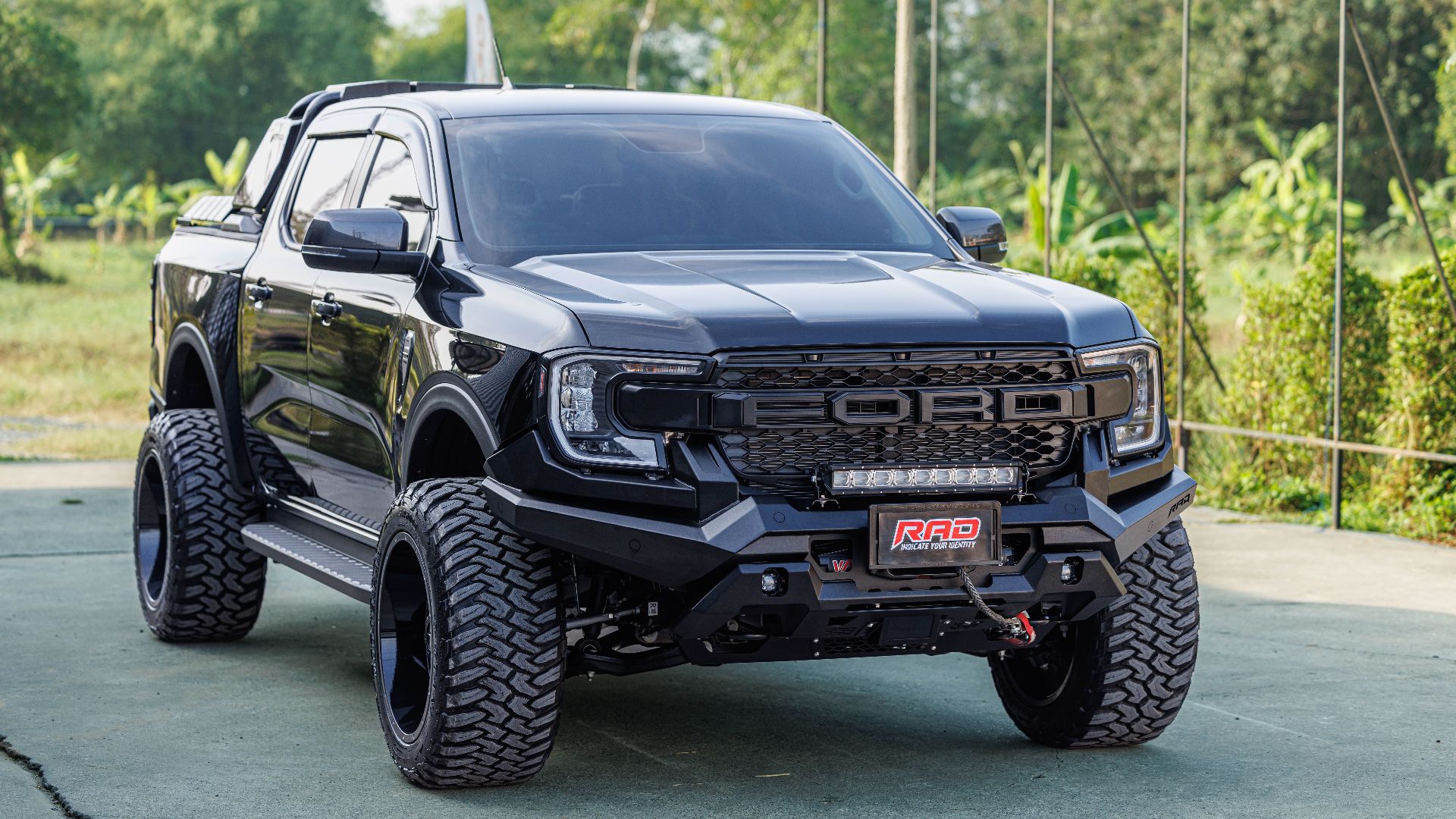
Not all modifications carry the same level of risk. A modest professionally installed leveling kit may attract far less scrutiny than an aggressively lifted truck running oversized tires, aftermarket steering components, and heavily modified suspension geometry. The more extensive the modifications become, the easier it often is for a dealership to argue that those changes placed additional stress on factory components.

The Dealer Cannot Simply Say "Modified" And Walk Away
Many truck owners are surprised to learn that a dealership generally cannot deny a claim with nothing more than a vague reference to modifications. If warranty coverage is denied, the dealership should be able to explain specifically how the modification contributed to the failure. A blanket statement that the truck is lifted may not be enough if the failed component has no reasonable connection to the aftermarket parts.

Sometimes The Dealership Did The Modification
Things become especially complicated when the dealership itself installed the lift kit or sold the truck already modified. In those situations, consumers often argue that the dealer knew about the modifications from the beginning and cannot suddenly act surprised when warranty issues arise. The exact legal outcome depends on the contracts, disclosures, and specific circumstances, but dealership-installed modifications can create very different arguments than owner-installed ones.

Aftermarket Warranties Can Add Another Layer
Some lifted trucks are covered by aftermarket warranties in addition to factory coverage. Those warranties often have their own terms, exclusions, and claims procedures. In some situations, a factory warranty may deny coverage while an aftermarket warranty provider becomes responsible for the repair instead. Understanding which warranty applies is critical before assuming all coverage has disappeared.

Independent Inspections Can Be Helpful
When a dispute becomes serious, some owners seek independent inspections from qualified mechanics, engineers, or specialty shops. A third-party expert may be able to evaluate whether the modification actually caused the failure. If the independent opinion directly contradicts the dealership's explanation, that evidence can become extremely valuable during appeals or legal disputes.

Suspension Problems Create The Most Disputes
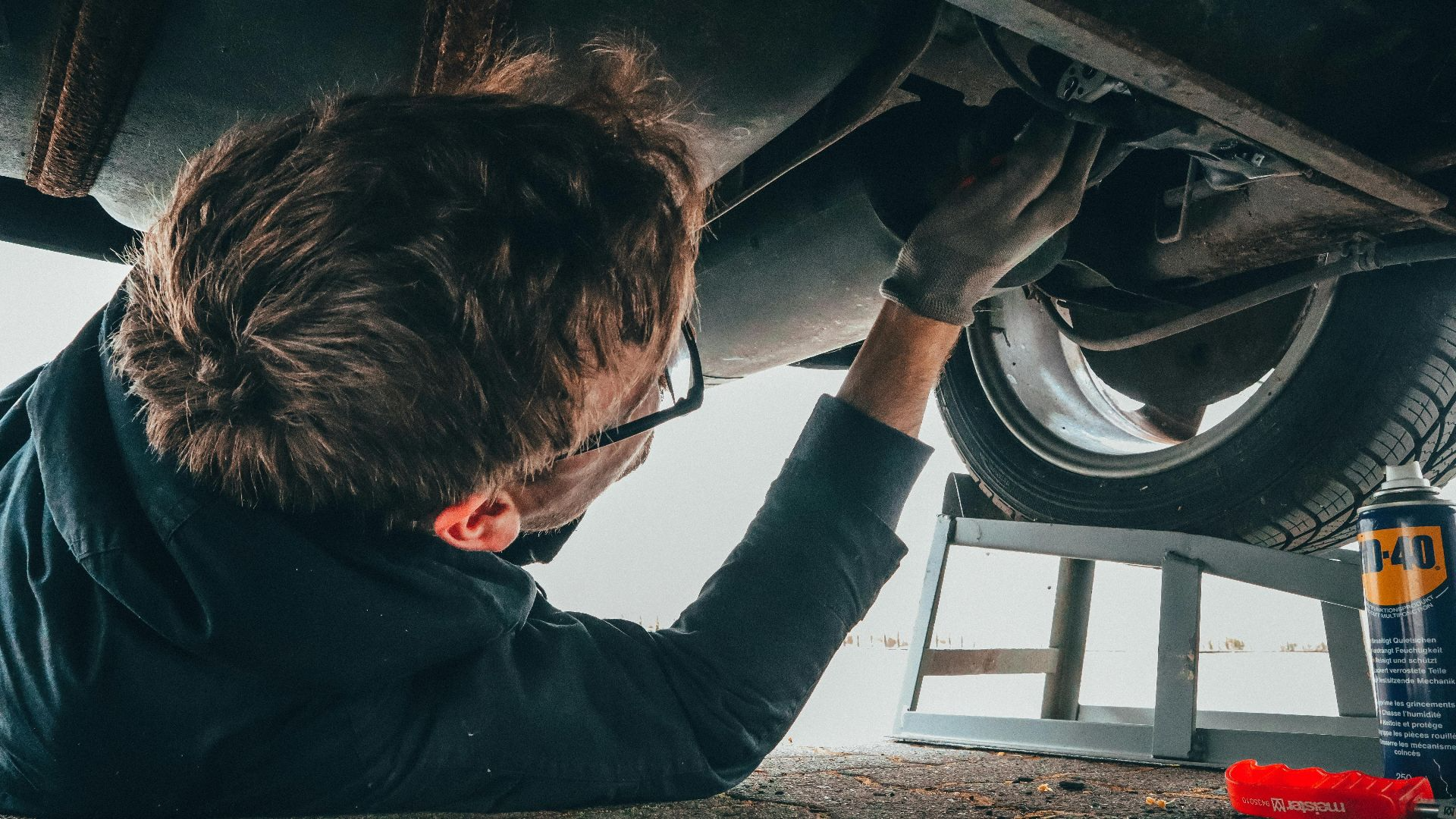
Many warranty battles involving lifted trucks center on suspension-related failures. Ball joints, tie rods, steering components, wheel bearings, CV axles, and driveline parts are commonly discussed because lifting a truck can change operating angles and increase stress on certain components. Dealerships often focus on these areas when trying to establish a connection between modifications and failures.
Some Problems Are Clearly Unrelated
Not every repair has an obvious connection to a lift kit. If the issue involves a radio failure, malfunctioning backup camera, faulty touchscreen, defective seat motor, or leaking sunroof, the dealership may have a much harder time arguing that suspension modifications caused the problem. That is why the specific failed component matters so much in these situations.
Manufacturer Guidelines Often Exist
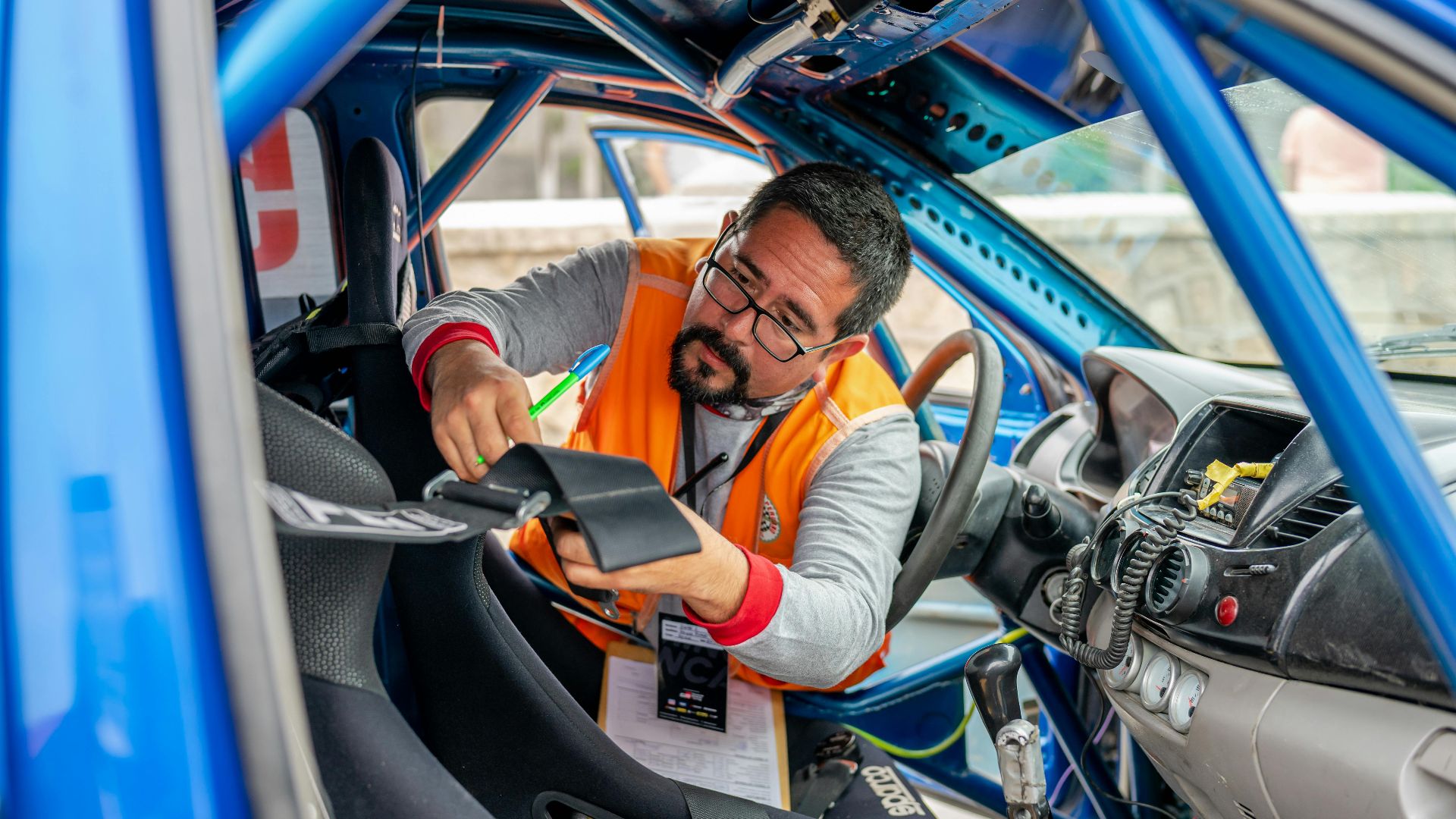
Many manufacturers provide internal guidance to dealerships regarding modified vehicles and warranty claims. These guidelines may explain how service departments should evaluate aftermarket parts and determine whether a modification contributed to a failure. While consumers do not always have direct access to these documents, they often influence how warranty decisions are made behind the scenes.

Escalating The Issue Sometimes Works
The service advisor handling the claim is not always the final authority. Many owners choose to escalate disputes to service managers, dealership general managers, manufacturer customer service departments, or regional representatives. A denial that seems final at one level sometimes gets reconsidered once additional review occurs higher up the chain.

Social Media And Online Forums Are Full Of Similar Stories
Warranty disputes involving lifted trucks are extremely common in truck-owner communities. Many owners report situations where dealerships blamed modifications for problems they believed were unrelated. While every case is different, the sheer number of similar complaints shows how frequently these disagreements arise between truck owners and service departments.

State Consumer Protection Laws May Help
In addition to federal warranty protections, some states have consumer protection laws that may apply when disputes arise. These laws vary considerably from state to state, but they sometimes provide additional remedies when consumers believe warranty coverage was denied improperly. Understanding local laws can be just as important as understanding the warranty itself.

Legal Action Is Sometimes Necessary
Most warranty disputes never reach a courtroom, but some eventually do. When repairs are expensive and the parties cannot agree, consumers occasionally pursue arbitration, small claims actions, or larger legal proceedings. The strength of the evidence often becomes the deciding factor, which is another reason documentation is so important from the very beginning.

The Modification Industry Has Adapted
The popularity of lifted trucks has created a massive aftermarket industry. Many lift kit manufacturers now advertise products designed to preserve factory ride quality, minimize component stress, and maintain compatibility with warranty requirements. Some even provide supplemental warranties covering certain parts affected by the modifications.
Prevention Is Easier Than Fighting Later
One of the best ways to avoid future disputes is researching modifications carefully before installation. Using reputable products, professional installers, and keeping detailed documentation can help reduce the chances of problems later. Asking the dealership about warranty implications before making major changes may also provide valuable information, even if the answers are not always perfectly clear.

The Warranty May Not Be Gone After All
Hearing that your warranty has been denied can make it feel like all coverage has vanished overnight. In reality, many disputes come down to whether the dealership can actually connect the modification to the failure being claimed. A lifted truck does not automatically lose every warranty protection simply because aftermarket parts were installed. If the dealership serviced your truck, blamed new problems on modifications, and denied coverage, it may be worth digging deeper before accepting that answer as final.

You May Also Like:
I got a ticket from a camera I never even saw and didn't have a sign. Can I get out of it?