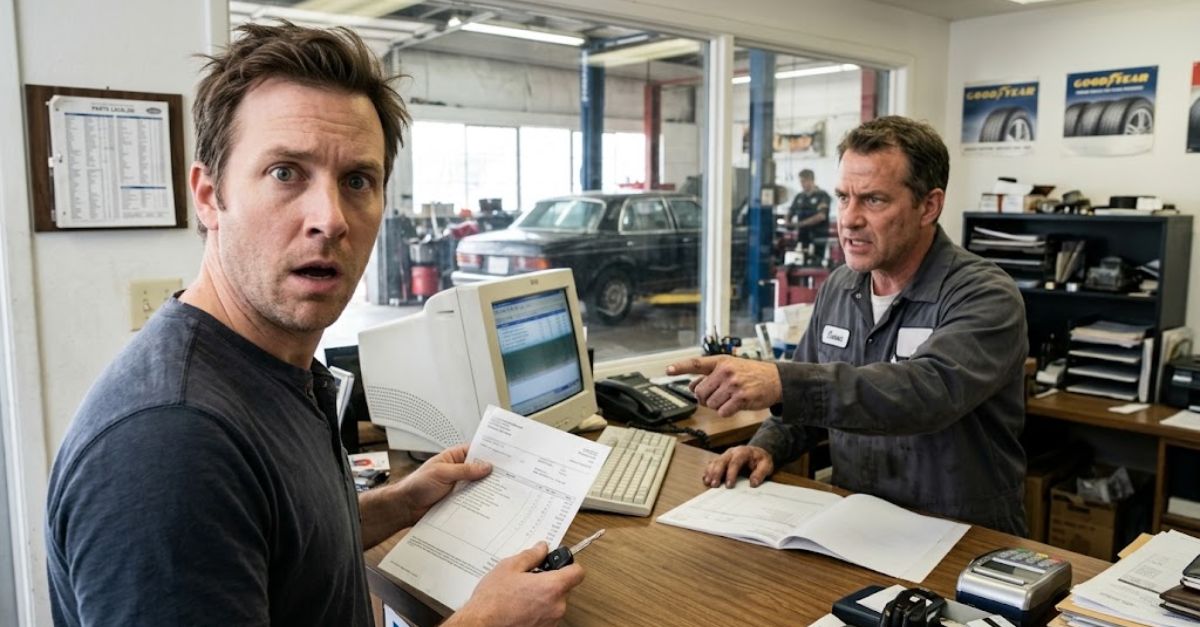
The $4,000 Surprise Nobody Wants
You thought your warranty was the safety net. Then the service advisor slid over a repair estimate that looked more like a used-car down payment. Before you panic, breathe. A denied warranty claim is not always the end of the road. Sometimes it is just the first lap.

First, Don’t Authorize Everything Yet
If the car is already on the lift, pressure can build fast. Still, avoid approving the whole repair until you understand why coverage was denied. Ask whether diagnosis, teardown, storage, or reassembly fees apply. You want facts before your wallet starts doing donuts in an empty parking lot.

Get The Denial In Writing
A verbal “not covered” is about as useful as a spare tire with no air. Ask for the denial in writing, including the exact reason, failed component, diagnostic findings, and warranty clause used. A written denial gives you something concrete to challenge instead of chasing dealership fog.

Read The Warranty Like A Detective
Yes, warranty booklets are dull enough to cure insomnia. Read it anyway. Look for covered parts, excluded parts, time limits, mileage limits, maintenance rules, and claim procedures. The FTC notes that warranties and auto service contracts are different things, so confirm which document actually applies.

Figure Out What Kind Of Coverage You Had
Factory warranty? Certified pre-owned warranty? Powertrain warranty? Extended service contract? Third-party protection plan? These are not interchangeable. A bumper-to-bumper warranty may still exclude wear items. A powertrain warranty may ignore electronics. An “extended warranty” may really be a service contract with its own rulebook.

Ask What Failed First
The most important question is not “What costs $4,000?” It is “What caused the failure?” A warranty might cover a turbocharger defect but not damage caused by oil starvation. It might cover a transmission part but not abuse, neglect, flood damage, or modifications. Cause matters.

Check For Misdiagnosis
Dealerships are good, but they are not magical. If the diagnosis feels thin, ask for test results, photos, codes, technician notes, and damaged parts. A vague “needs engine” estimate is not enough. You are entitled to understand the road between symptom and invoice.

Get A Second Opinion
A trusted independent mechanic can be your best co-driver. Have them inspect the vehicle, review the diagnosis, and explain whether the failed part should reasonably be covered. A second opinion can reveal a cheaper repair, a stronger appeal, or a dealership diagnosis that needs a serious alignment.

Gather Your Maintenance Records
Warranty denials often lean on maintenance gaps. Pull oil-change receipts, dealer service invoices, tire rotations, inspection reports, and parts receipts. If you performed maintenance yourself, gather dated receipts and notes. The goal is simple: prove you held up your end of the bargain.

Don’t Let Modifications Take The Blame Automatically
Modified your car? That does not automatically vaporize every warranty claim. In the U.S., warranty rules generally do not allow blanket denials just because aftermarket parts exist; the issue is whether the modification caused the failure. Still, tunes, lifts, oversized tires, and hard-use parts can complicate the fight.

Call The Warranty Administrator
The dealership may not be the final boss. If the warranty is through the manufacturer or a third-party company, call the administrator directly. Ask for the claim number, adjuster notes, appeal process, required documents, and timeline. Be polite, calm, and relentlessly organized.

Escalate To The Service Manager
Start at the service advisor, then move up. Ask for the service manager, fixed operations director, or general manager. Explain that you are not trying to dodge a legitimate bill; you are asking for a clear review of a costly denial. Calm customers often get farther than volcanic ones.

Contact The Manufacturer
If this is a factory or certified pre-owned warranty, open a case with the automaker’s customer care line. Manufacturers sometimes authorize goodwill repairs, partial coverage, or dealer reimbursement even when the written warranty is fuzzy. Goodwill is not guaranteed, but $4,000 is absolutely worth the phone call.

Ask About Goodwill Assistance
Goodwill assistance is the automotive world’s “we’ll meet you halfway.” You might get parts covered, labor discounted, or a percentage paid. Your odds improve if you bought the car new, service it at the dealer, are barely outside coverage, or the failure is unusual for the mileage.

Check For Technical Service Bulletins
A technical service bulletin, or TSB, is not the same as a recall. But it can show the manufacturer knows about a pattern. Ask the dealer whether any TSBs apply to your issue. If the repair matches a known problem, your appeal suddenly has more horsepower.

Search For Recalls And Warranty Extensions
Some problems later become recalls, campaigns, or extended coverage programs. Search your VIN through the manufacturer and official recall tools. If the failed part is covered by a special program, the repair may be paid even outside the original warranty. Timing can be everything.
 Vodafone x Rankin everyone.connected, Pexels
Look For Class Action Settlements
Certain engine, transmission, infotainment, battery, and emissions problems end up in class action settlements. These may offer reimbursement for past repairs or extended coverage. Search your year, make, model, failed component, and “settlement.” Keep receipts, because reimbursement programs usually love paperwork.

Review The Sales Pitch
Think back to when you bought the car or service contract. Did someone say it covered “everything”? Did the brochure imply the failed system was protected? Misleading warranty advertising and unclear terms can matter. The FTC warns consumers to compare service-contract coverage against existing warranties before buying.

Put Your Appeal In Writing
Write a short, factual appeal. Include your VIN, mileage, claim number, repair estimate, denial reason, maintenance proof, second opinion, and why you believe coverage applies. Avoid drama. No “your dealership ruined my life.” Go with “Based on the attached documents, I request reconsideration.”

Ask For A Partial Settlement
Sometimes the clean win is not available, but a compromise is. Ask whether they will cover parts, labor, diagnostic fees, or a percentage of the repair. A 50% goodwill split still turns a $4,000 punch in the face into a $2,000 slap.

Consider Your State’s Consumer Protection Office
If the denial feels unfair or misleading, your state attorney general, consumer protection agency, or motor vehicle board may offer complaint channels. These agencies will not instantly fix your car, but a formal complaint can motivate a company to review the file more carefully.

Check Lemon Law Possibilities
Lemon laws usually focus on repeated defects, serious safety issues, or vehicles still within certain age and mileage windows. They vary by state. One denied repair does not automatically make a lemon, but if this is part of a pattern, it may be worth asking a lemon law attorney.

Use Small Claims Court Strategically
For a $4,000 repair, small claims court may be an option depending on your state’s limit. Bring documents, not vibes: warranty terms, denial letters, estimates, service records, photos, and expert opinions. Even before court, a well-supported demand letter can wake people up.

Be Careful With Credit Card Disputes
A chargeback can be tempting if you paid under protest, but it is not a magic eject button. Use it only when the facts fit: unauthorized charges, billing errors, or services not performed as promised. A warranty disagreement alone may not qualify.

Keep The Old Parts
Ask the shop to save the failed parts before repairs begin. Parts can support your case, especially if another mechanic reviews them. Some warranty companies require parts inspection before approval. Once the old component disappears into the scrap bin, your evidence may disappear with it.

Decide When To Repair Anyway
If the car is unsafe, immobile, or racking up storage fees, you may need to approve repairs while continuing the dispute. Write “paid under protest” on paperwork if appropriate, keep every receipt, and document who said what. Fixing the car does not always mean surrendering the claim.

How To Avoid This Next Time
Before buying any warranty or service contract, ask for the full terms, not just the glossy brochure. Check deductibles, exclusions, labor caps, maintenance requirements, claim approval steps, and who pays the shop. The best warranty is the one you understand before something expensive explodes.

The Bottom Line
A denied warranty claim is frustrating, but it is not game over. Get the denial in writing, read the terms, gather records, escalate politely, and ask for goodwill or reconsideration. You may not erase the whole $4,000 bill, but you might shrink it dramatically.

You May Also Like:
The Chevy Vega Disaster That Ended In Engines Melting Down
Chrysler’s 440 was bigger, cheaper—and oftentimes faster than the legendary Hemi.