How Low Can You Go?
They look incredible. You’d love to own one. But before you picture yourself behind the wheel, take a look at your driveway. These cars sit so close to the pavement that getting home could be more nerve-racking than driving them.
Porsche Carrera GT
The Carrera GT’s owner’s manual lists just 3.4 inches of ground clearance, or 86 millimeters. That’s very little breathing room beneath a car enthusiasts already treat like treasure. You might dream about finding one in your garage. First, you’d need to figure out how to get it inside.
 Alexandre Prévot from Nancy, France, Wikimedia Commons
McLaren 600LT
McLaren gave the 600LT just 3.6 inches of clearance, or 92 millimeters. Its performance-focused design included dramatic bodywork and exhaust pipes exiting above the engine. Plenty to admire while walking around it. Once you’re driving, however, the pavement deserves some of that attention too.
 Tokumeigakarinoaoshima, Wikimedia Commons
KTM X-Bow GT-XR
The X-Bow GT-XR looks like something that escaped from a racing paddock, but KTM designed it for the street. Its published clearance is just 3.5 inches beneath the front splitter. An available hydraulic lift suddenly sounds like an excellent addition to the shopping list.
 Alexander-93, Wikimedia Commons
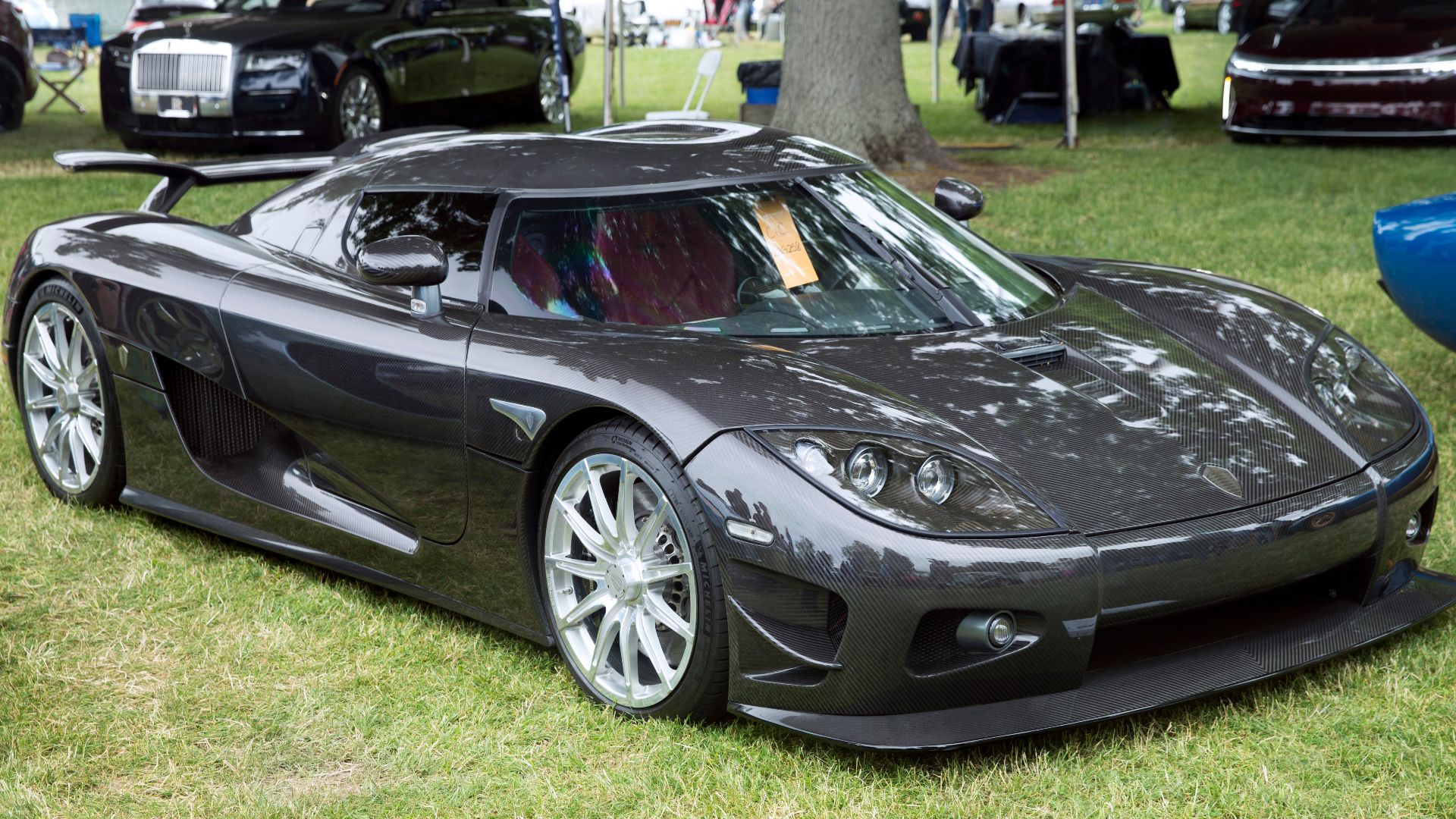
Koenigsegg CCX Edition
The CCX Edition’s official specifications list approximately 3.6 inches of clearance at the front and 3.7 at the rear. They also list a hydraulic lifting system. When your car comes with a large front splitter and so little space underneath, being able to raise it sounds pretty useful.
 Mr.choppers, Wikimedia Commons
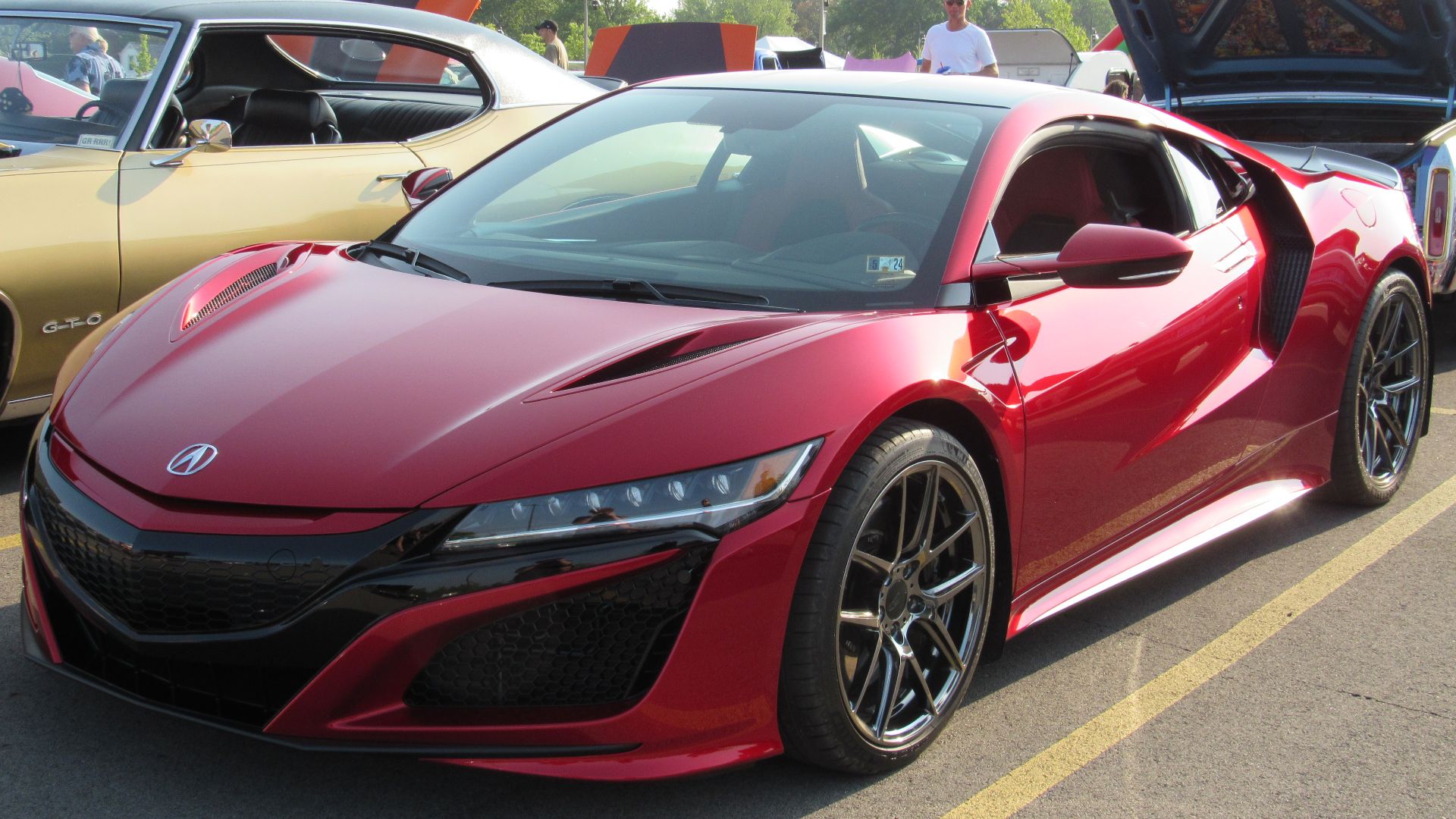
Acura NSX
The 2021 NSX had just 3.7 inches of ground clearance when unladen. Its twin-turbo V6 and three electric motors delivered plenty of sophisticated engineering, but the underside still sat surprisingly close to the road. All-wheel drive might help with traction. It doesn’t make a steep entrance disappear.
 Captainpisslord, Wikimedia Commons
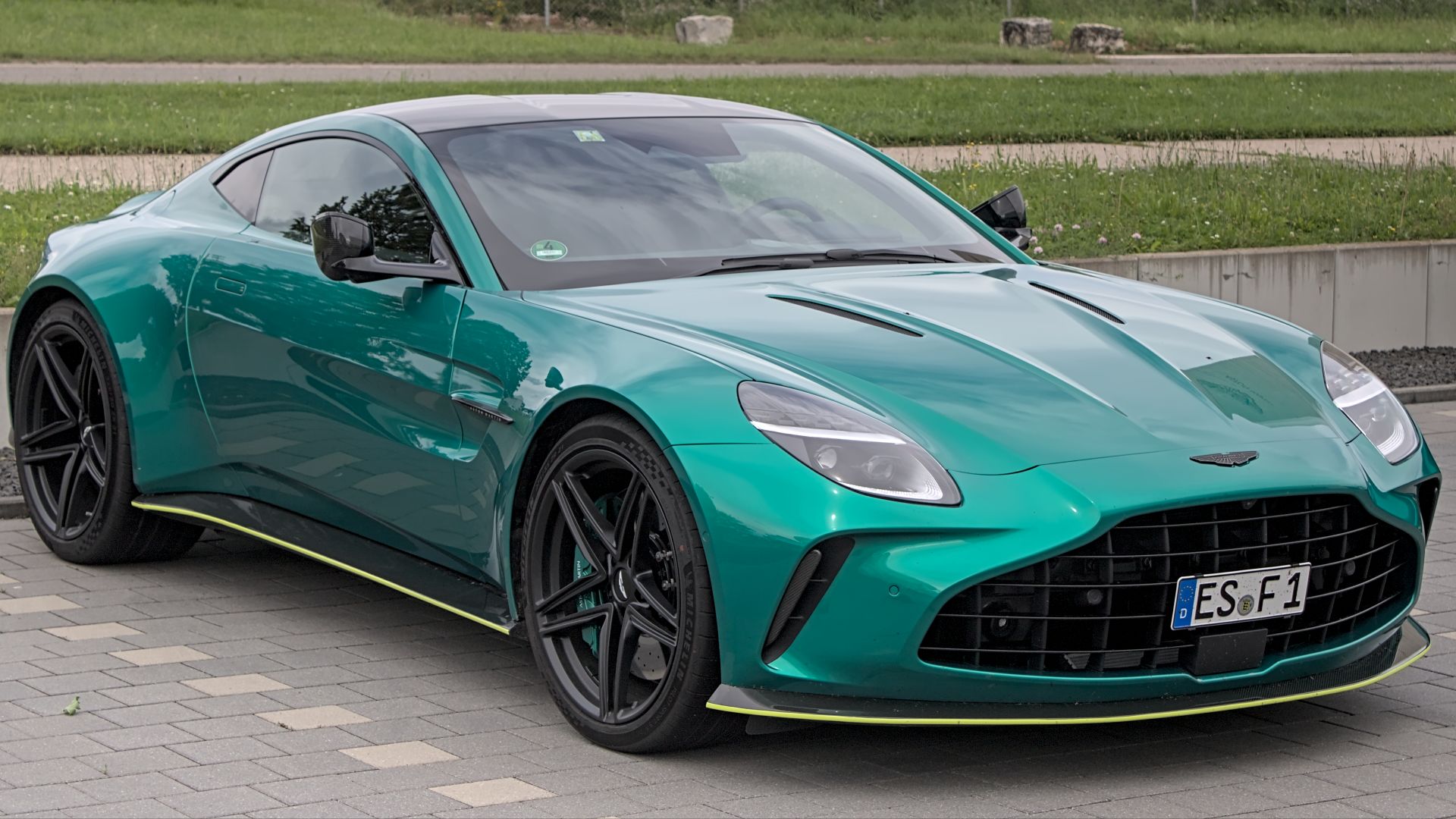
Aston Martin Vantage
The updated Vantage coupe’s official specifications list 94 millimeters of ground clearance, approximately 3.7 inches. It certainly looks ready for an impressive arrival. Whether the entrance cooperates is another question. Apparently, buying a gorgeous Aston Martin can also give you a new interest in the shape of parking ramps.
 Alexander-93, Wikimedia Commons
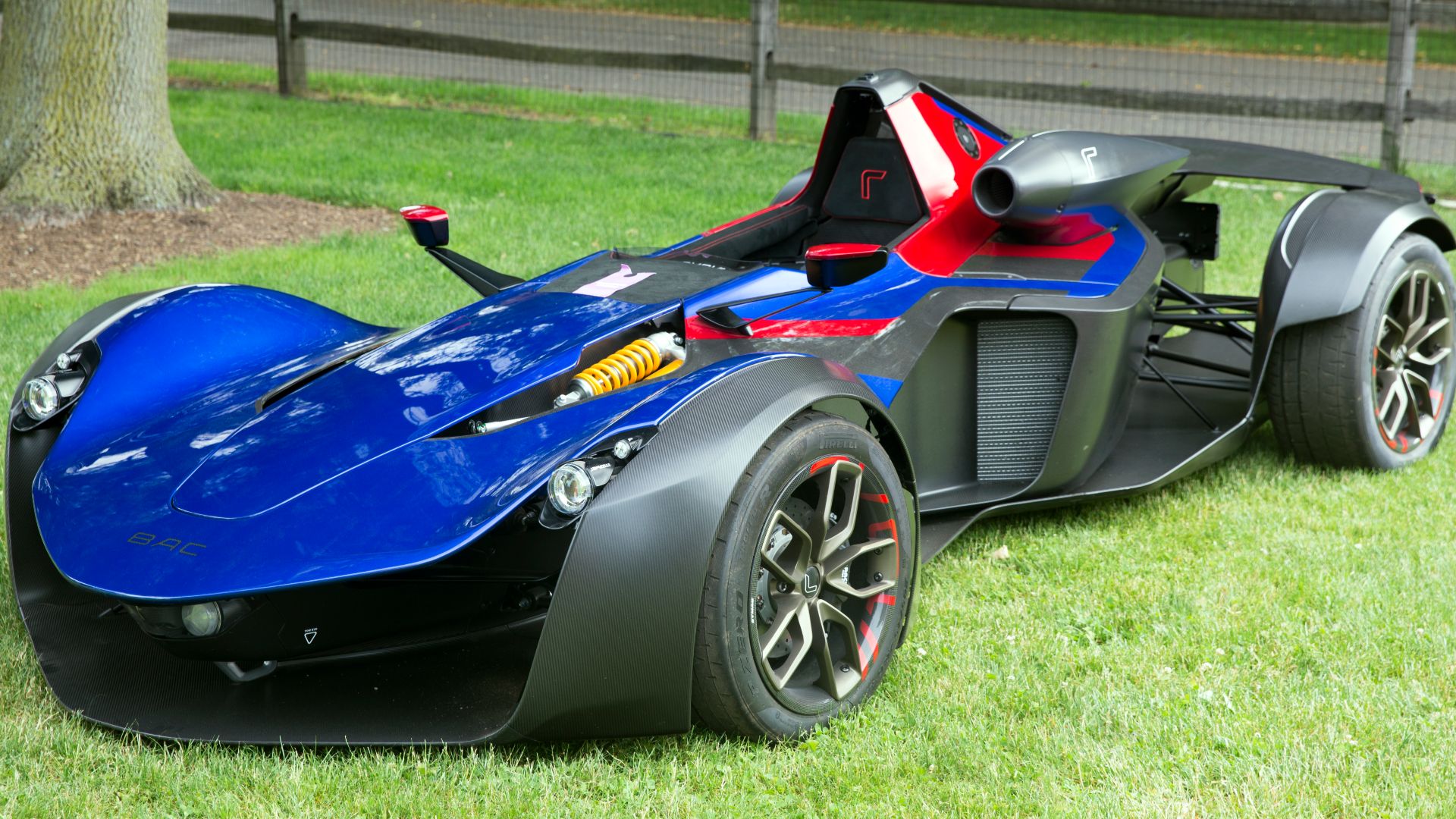
BAC Mono R
BAC’s Mono R specifications list approximately 3.7 inches of clearance at the front and 4.5 at the rear. This road-legal single-seater takes the idea of a personal sports car quite literally. You won’t have a passenger commenting on your driving, although a scraping sound could provide its own criticism.
 Mr.choppers, Wikimedia Commons
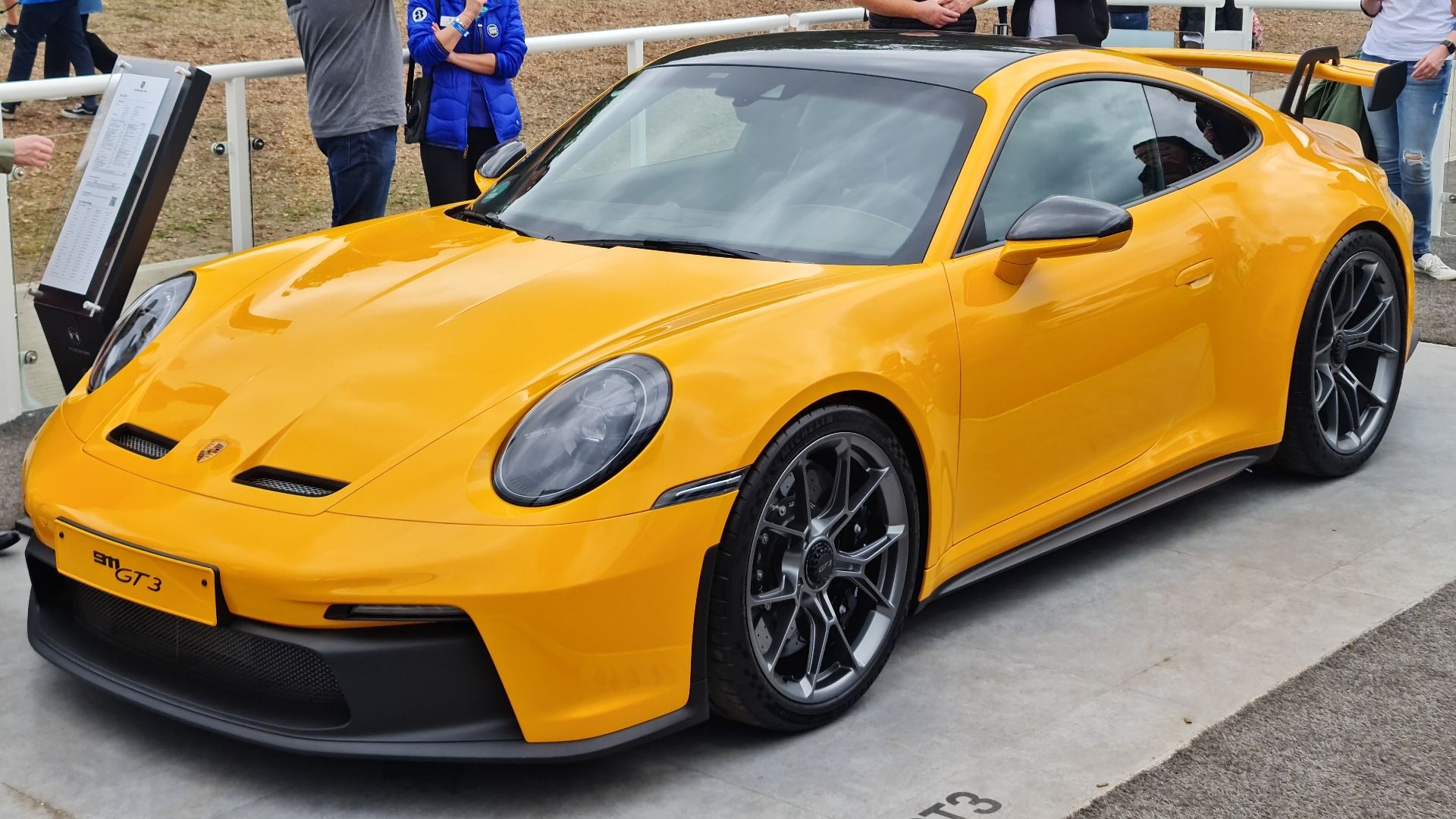
Porsche 911 GT3
For the updated 992-generation GT3, Porsche lists a maximum ground clearance of 76 millimeters with steel suspension, approximately three inches. That’s Porsche’s published maximum figure, rather than a minimum measurement. Either way, it helps explain why the available front-axle lift deserves serious consideration before you bring one home.
Koenigsegg Agera
The Agera’s official specifications list approximately 3.9 inches of clearance at both ends. Its equipment includes a hydraulic lifting system, along with a removable roof and climate control. You could enjoy some fresh air and stay comfortable. You’d still want to take a good look at that speed bump.

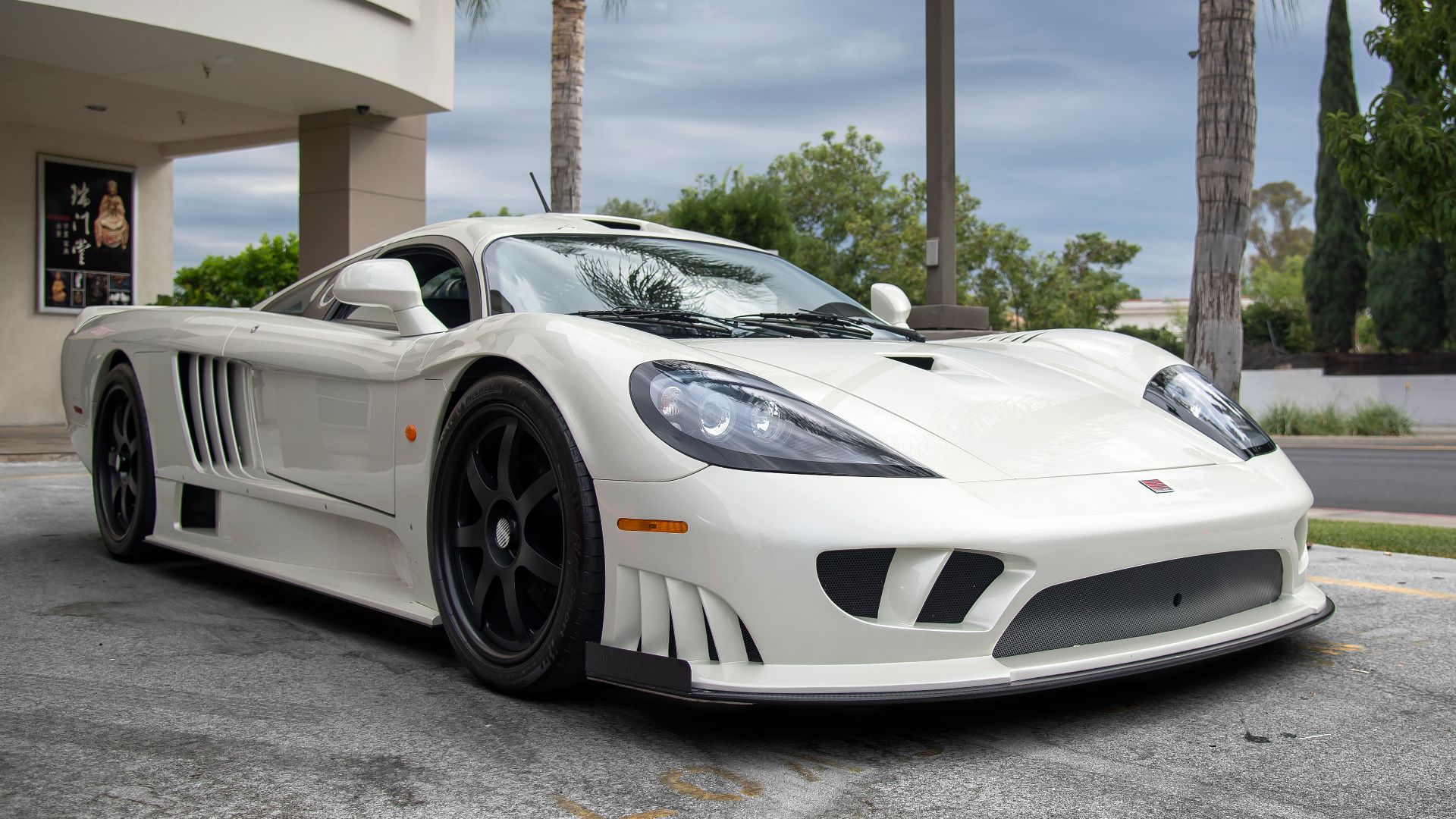
Saleen S7 Twin Turbo
The 2005 Saleen S7 Twin Turbo combined 750 horsepower with just four inches of ground clearance. That low, wide shape wasn’t simply for show. The published dimensions leave little room underneath, which makes the humble parking-lot entrance a surprisingly important detail beside those enormous performance figures.
Mercedes-Benz SLS AMG Roadster
The SLS AMG Roadster’s owner’s manual lists approximately 3.9 inches of ground clearance, or 99 millimeters. The open roof and long hood certainly made an impression. But before enjoying a glamorous arrival, an owner might have to slow everything down and carefully negotiate the decidedly unglamorous entrance.
 Tokumeigakarinoaoshima, Wikimedia Commons
Koenigsegg CC8S
Koenigsegg’s first production model already left little space beneath it. The CC8S’s official specifications list 100 millimeters of ground clearance, approximately 3.9 inches, together with electronically adjustable ride height. The removable hardtop offered some flexibility above your head. The suspension offered a little flexibility closer to the pavement.
 Andrew Basterfield, Wikimedia Commons
Porsche 718 Cayman GT4 RS
Porsche lists approximately four inches of maximum ground clearance with steel suspension for the Cayman GT4 RS. Its available front lift increases clearance beneath the spoiler lip by around 1.6 inches. That might be a more useful number to remember than the acceleration time when you reach your garage.

Porsche 911 GT3 RS
For the 2024 GT3 RS, Porsche lists approximately 3.9 inches of maximum ground clearance with steel suspension. Its published front approach angle is only 6.2 degrees, too. The enormous wing gets plenty of attention, but the much less dramatic entrance to your driveway could become an equally memorable ownership detail.
 Alexandre Prevot, Wikimedia Commons
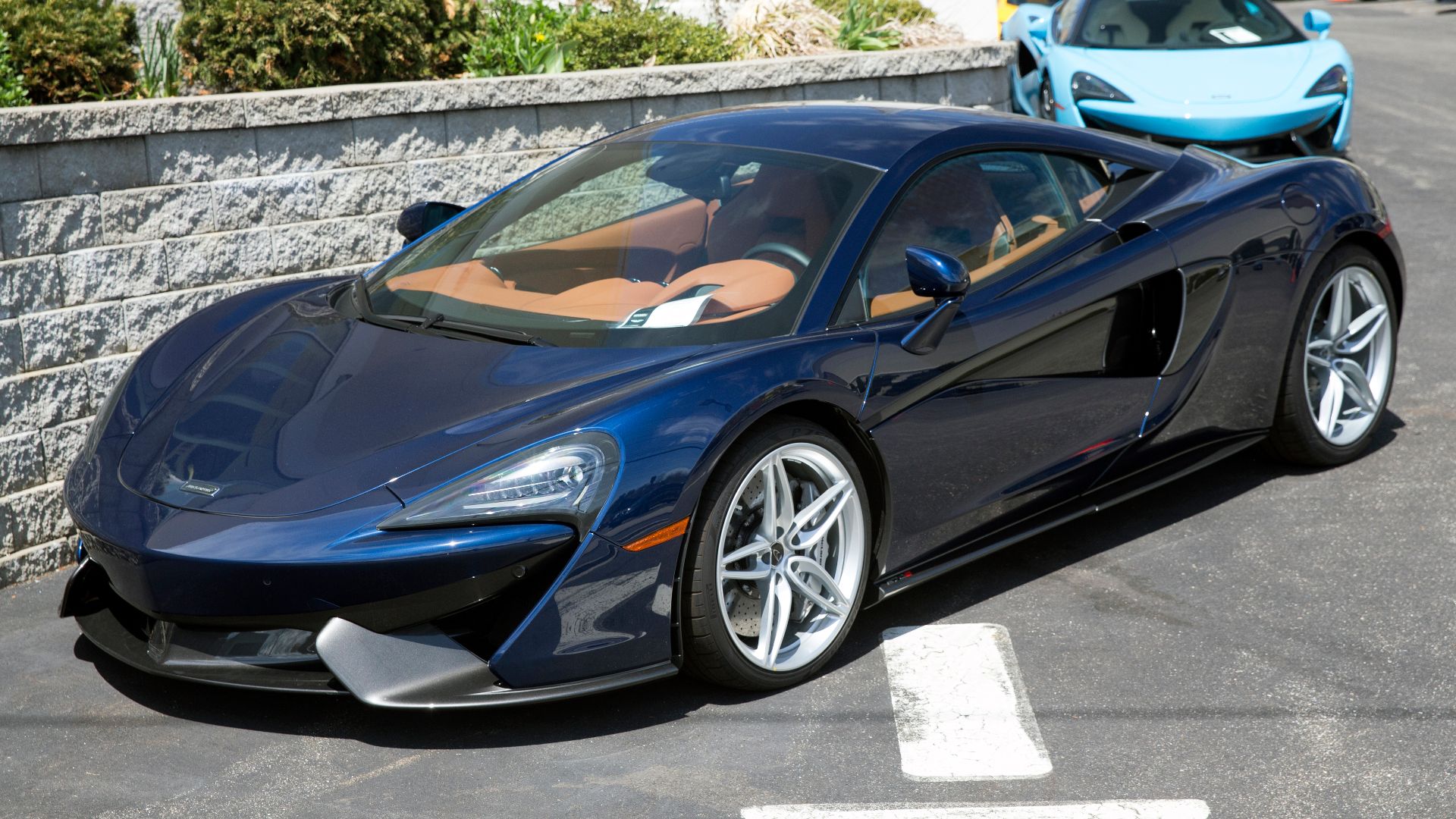
McLaren 570S
The 570S’s factory specifications list 93 millimeters of ground clearance, approximately 3.7 inches. This was a road-going model in McLaren’s Sports Series, rather than a racing car someone managed to register. Even so, its measurements make it clear that everyday driving still calls for a little extra attention.
 Mr.choppers, Wikimedia Commons
Bugatti Veyron
The Veyron’s Top Speed setting lowered clearance to approximately 2.6 inches at the front and 2.8 at the rear. Normal driving provided about 4.9 inches at both ends. That dramatic low setting was built for extraordinary speed, rather than squeezing into an ordinary garage.

Bugatti Chiron
The Chiron’s factory specifications list approximately 3.1 inches at the front and 3.3 at the rear in Top Speed mode. Its usual EB setting provides about 4.5 inches. The difference matters: that exceptionally low figure describes a special performance configuration, rather than the height you’d normally use around town.
 Mr.choppers, Wikimedia Commons
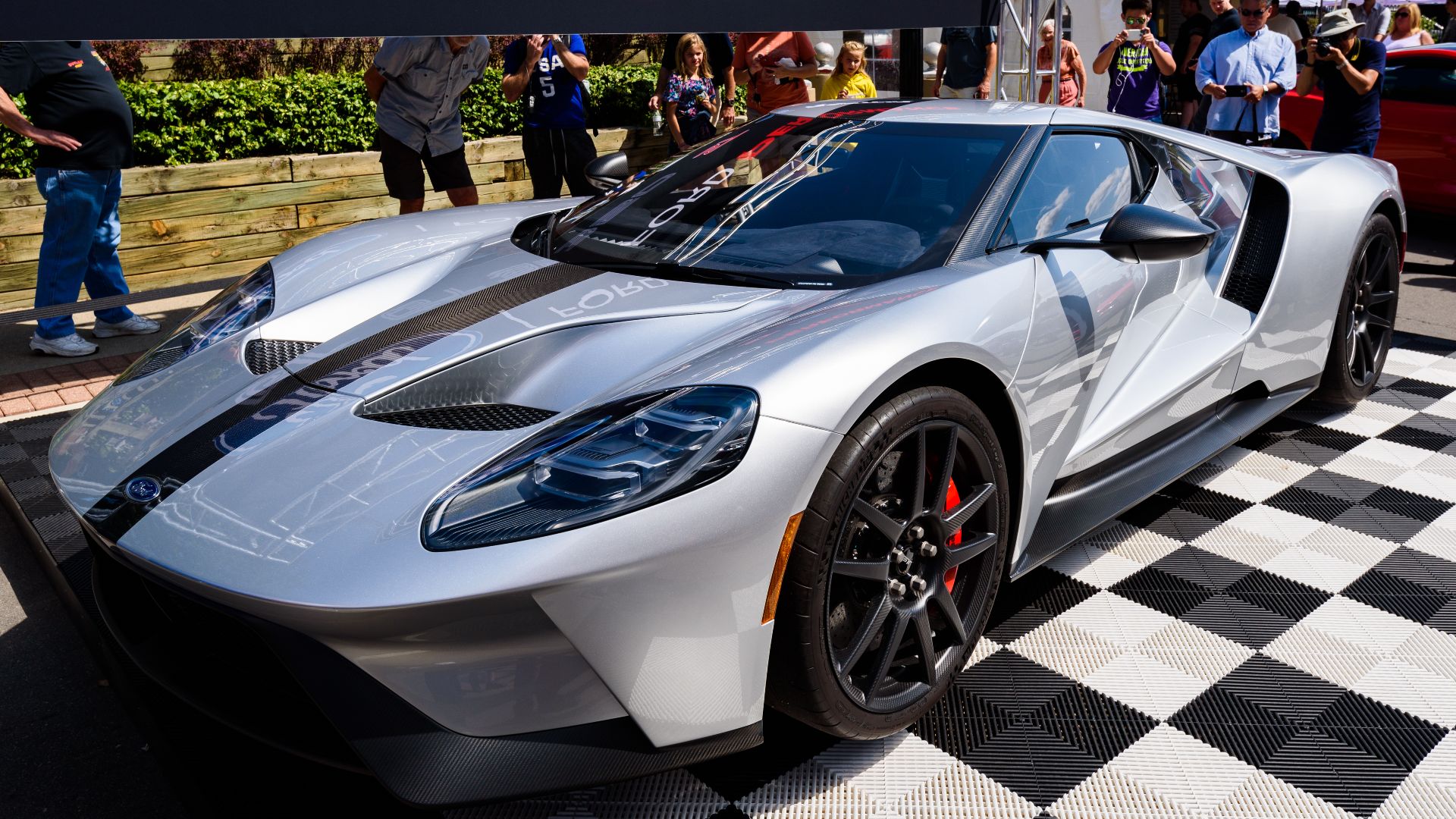
Ford GT
The second-generation Ford GT had approximately 4.7 inches of normal clearance, dropping to just 2.8 inches in Track and V-Max modes. Ford restricts both low configurations to a track environment. Consumers could buy the car, but its most extreme stance wasn’t intended for the drive home.
 Mustang Joe, Wikimedia Commons
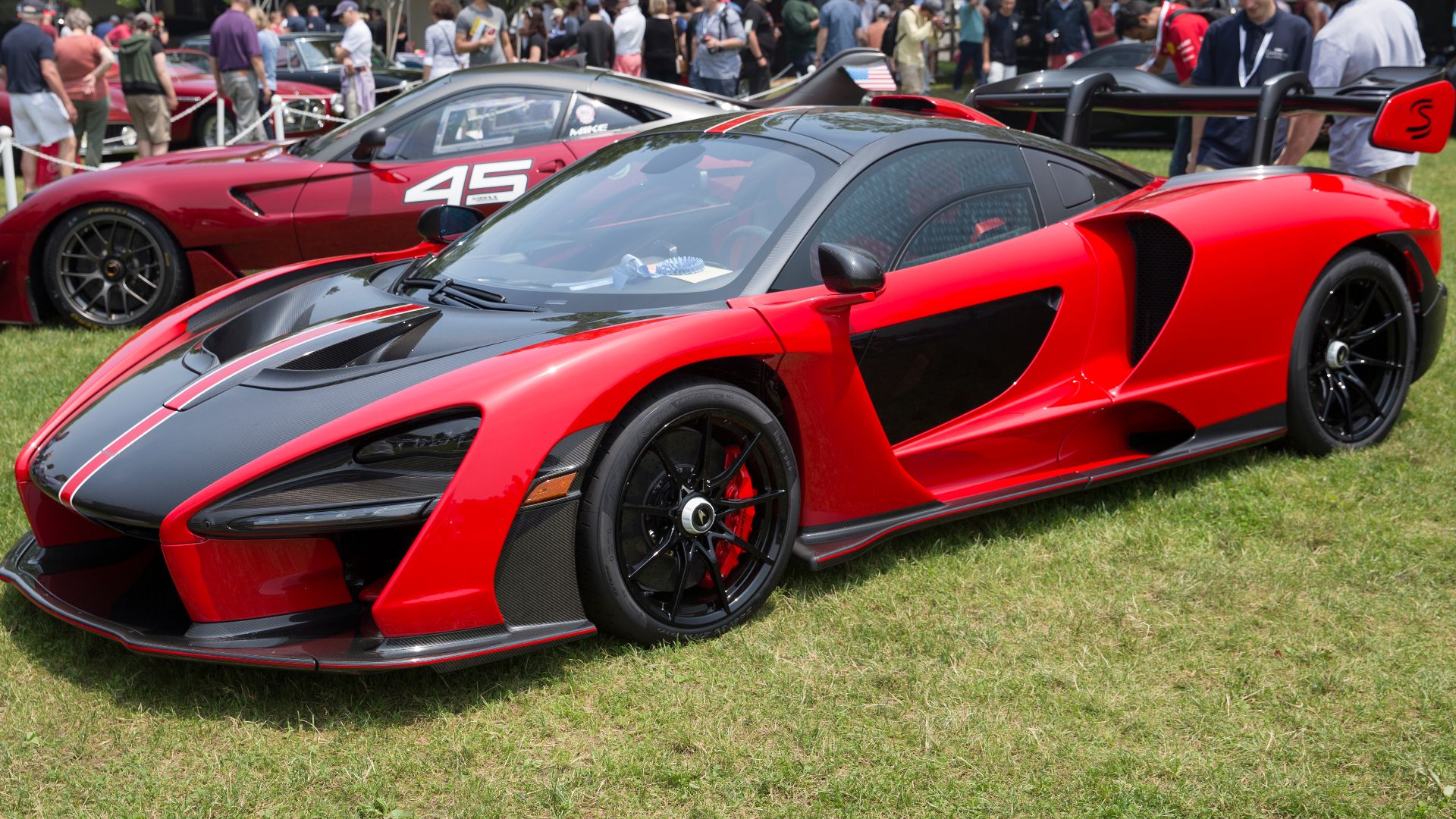
McLaren Senna
The Senna had approximately 4.5 inches of normal clearance, dropping to just 2.6 inches in Race mode. McLaren’s handbook specifically restricts that mode to track use. It’s a road-legal consumer car with an exceptionally low factory setting, but that setting wasn’t intended for a trip to the supermarket.
 Mr.choppers, Wikimedia Commons
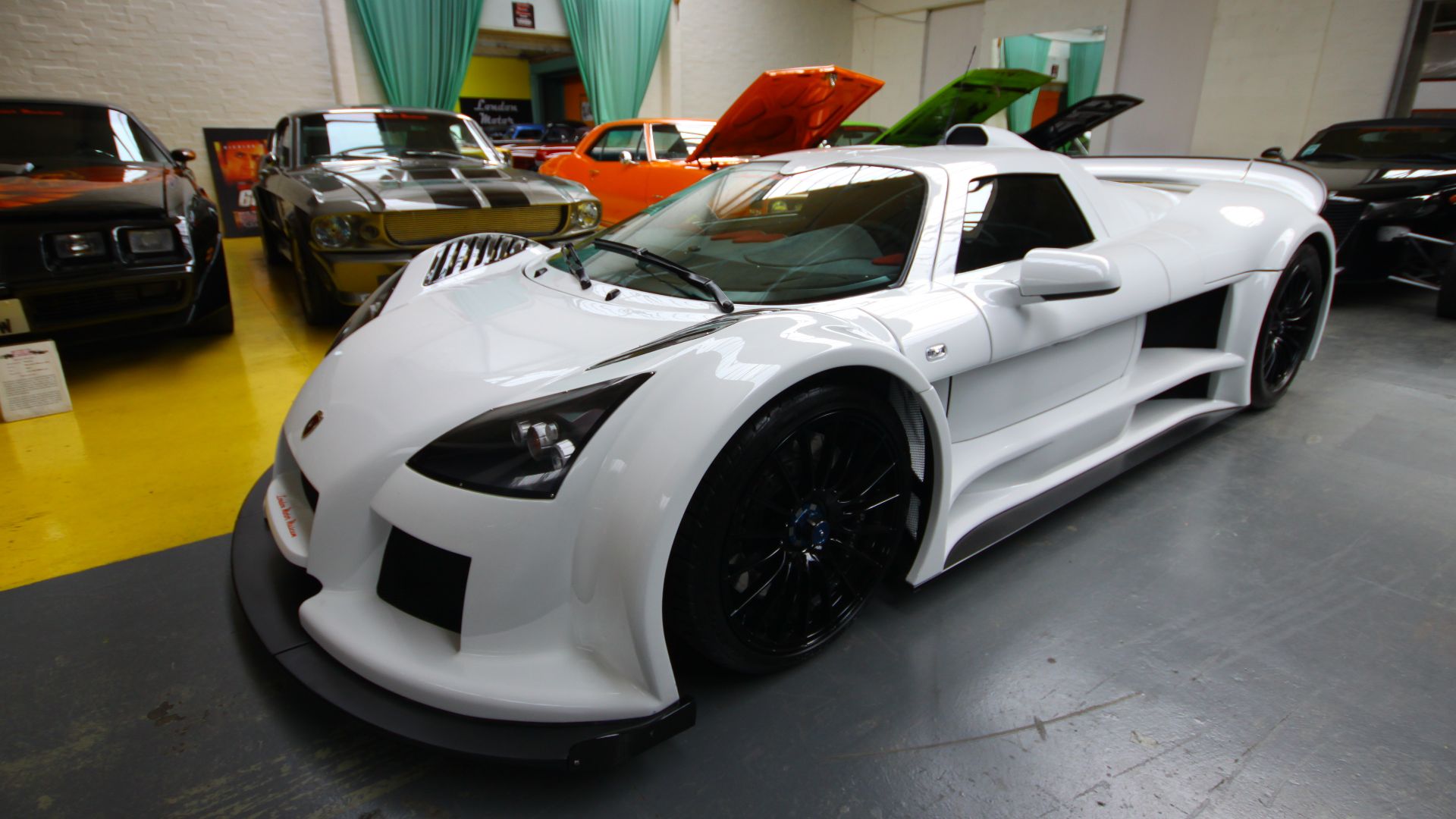
Gumpert Apollo
Gumpert’s published description of the Apollo specified adjustable ground clearance ranging from approximately 1.6 to 4.7 inches. That astonishing bottom figure was the lowest suspension adjustment, rather than a universal street-driving height. Still, a road-going car offering just 40 millimeters underneath takes “watch that bump” to another level.
The Nose Can Be The Real Problem
The number underneath the car doesn’t tell you everything. A long front overhang can meet a steep ramp before the wheels start climbing it. The Senna’s handbook lists a normal approach angle of just 5.6 degrees. Suddenly, that ordinary garage entrance deserves a much closer look.
 Mr.choppers, Wikimedia Commons
Would You Still Want One?
You’ve pictured the car. You’ve picked the color. You’ve probably imagined what the neighbors would say. Now picture yourself stopping at the bottom of your own driveway because the nose won’t clear it. Now what?
 Tristan Surtel, Wikimedia Commons
You Might Also Like: