Why Some Cars Become Classics Faster Than Others
Not all cars need decades to earn classic status, but many begin to stand out once they reach the 20 to 30 year mark. Vehicles from the late 1990s through the 2010s are now entering that window. As nostalgia builds and production numbers shrink, certain models begin to attract collectors and enthusiasts in meaningful numbers.
 Calreyn88, Wikimedia Commons; Factinate
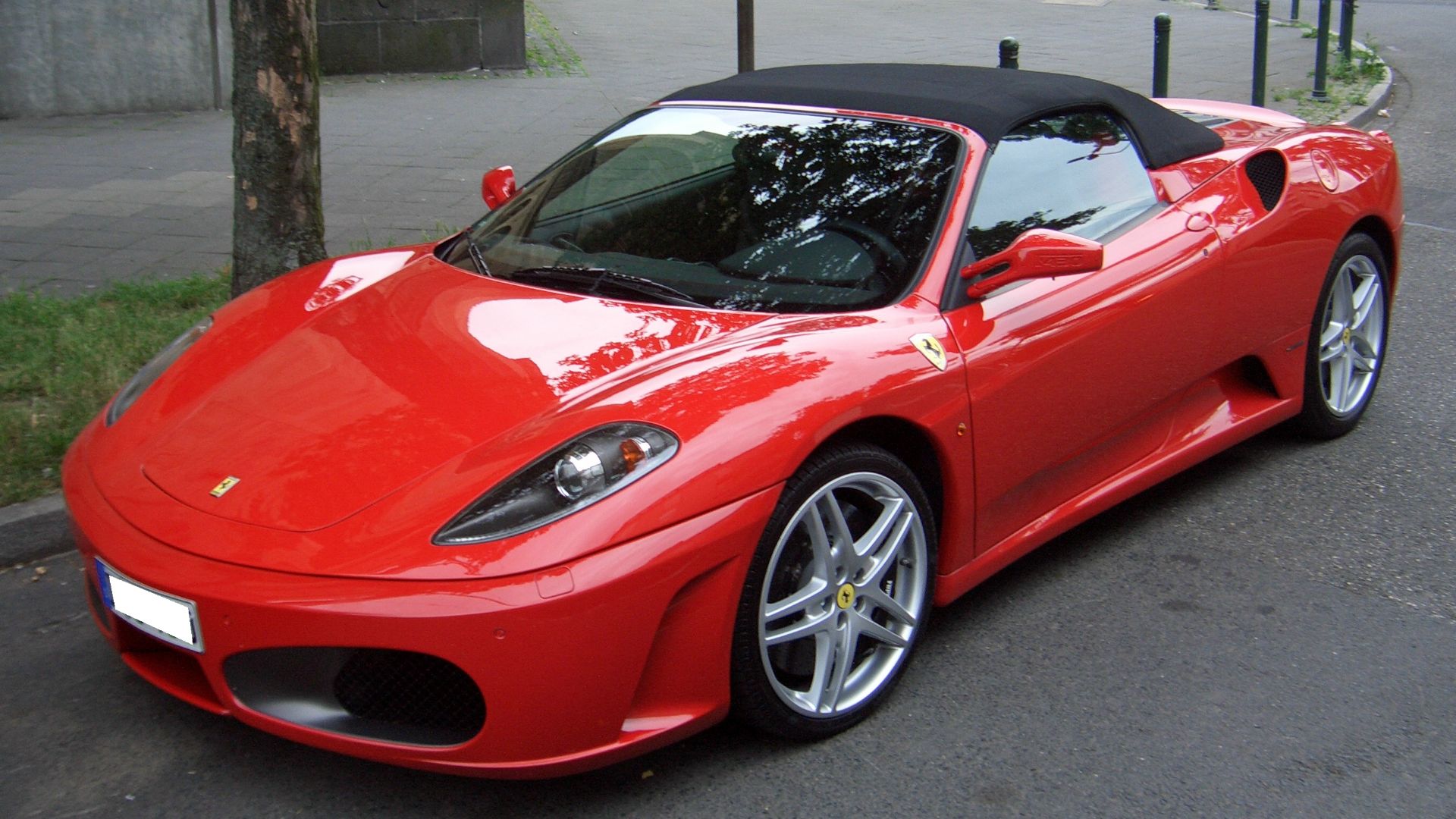
Ferrari F430 (2004–2009)
Manufactured between 2004 and 2009, the Ferrari F430 is often seen as one of the last analog-feeling Ferraris before the brand ramped up its embrace of more digital systems. Its naturally aspirated V8 engine and timeless design have already made it desirable, and it continues to gain popularity as a collectible performance car.
 Detectandpreserve, Wikimedia Commons
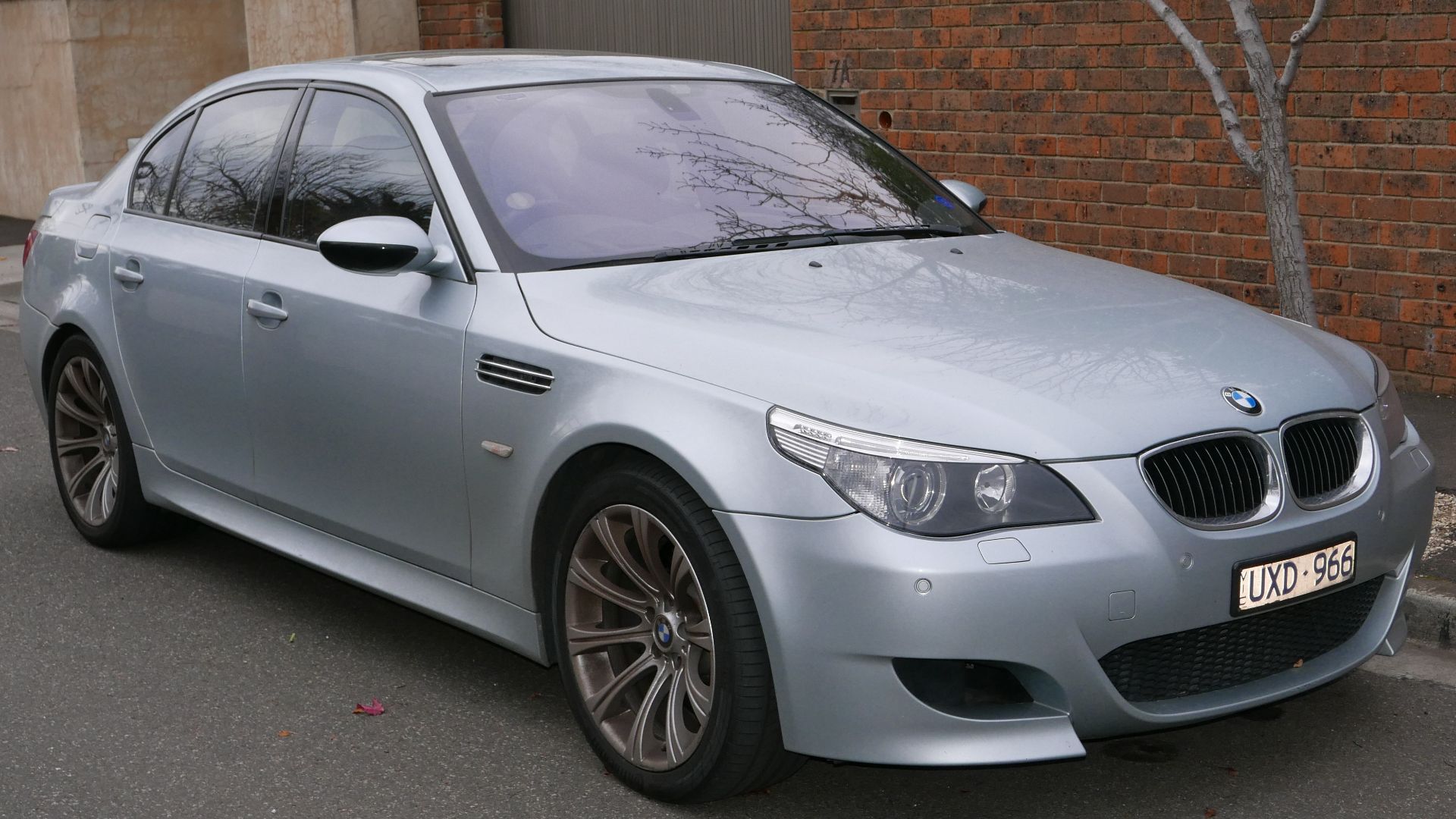
BMW M5 E60 (2005–2010)
The E60-generation BMW M5, built from 2005 to 2010, is famous for its Formula One-inspired V10 motor. This unique powertrain, combined with its understated sedan design, make it stand out from other performance cars of its era. Its rarity and complexity have made it more and more appealing to collectors as the years go by.
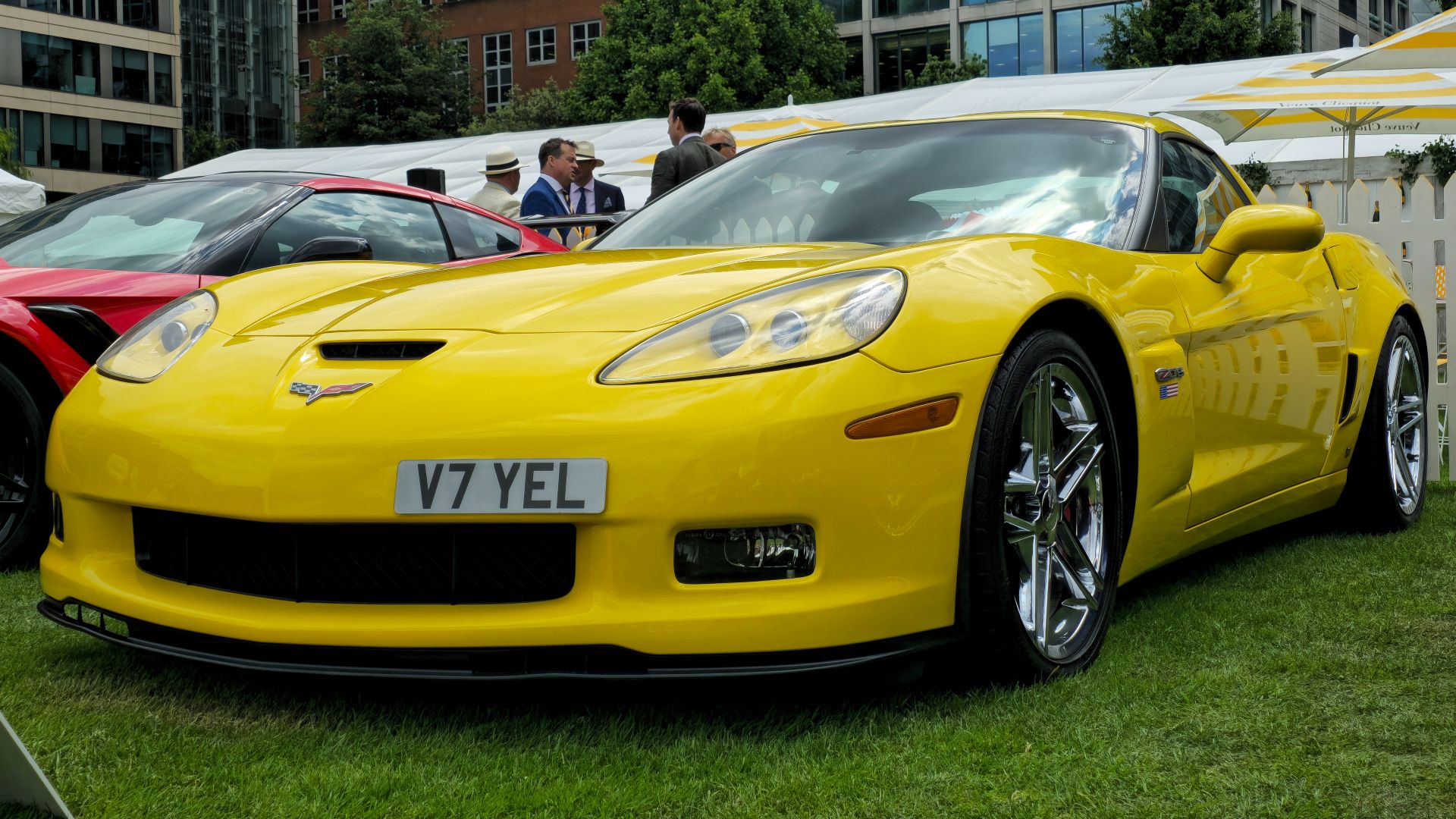
Chevrolet Corvette Z06 (C6, 2006–2013)
The C6 Corvette Z06, produced between 2006 and 2013, delivered amazing performance thanks to its naturally aspirated V8 engine and lightweight construction. With supercar-level capabilities at a more accessible price point, its analog driving experience still brings those seeking a raw, engaging ride.
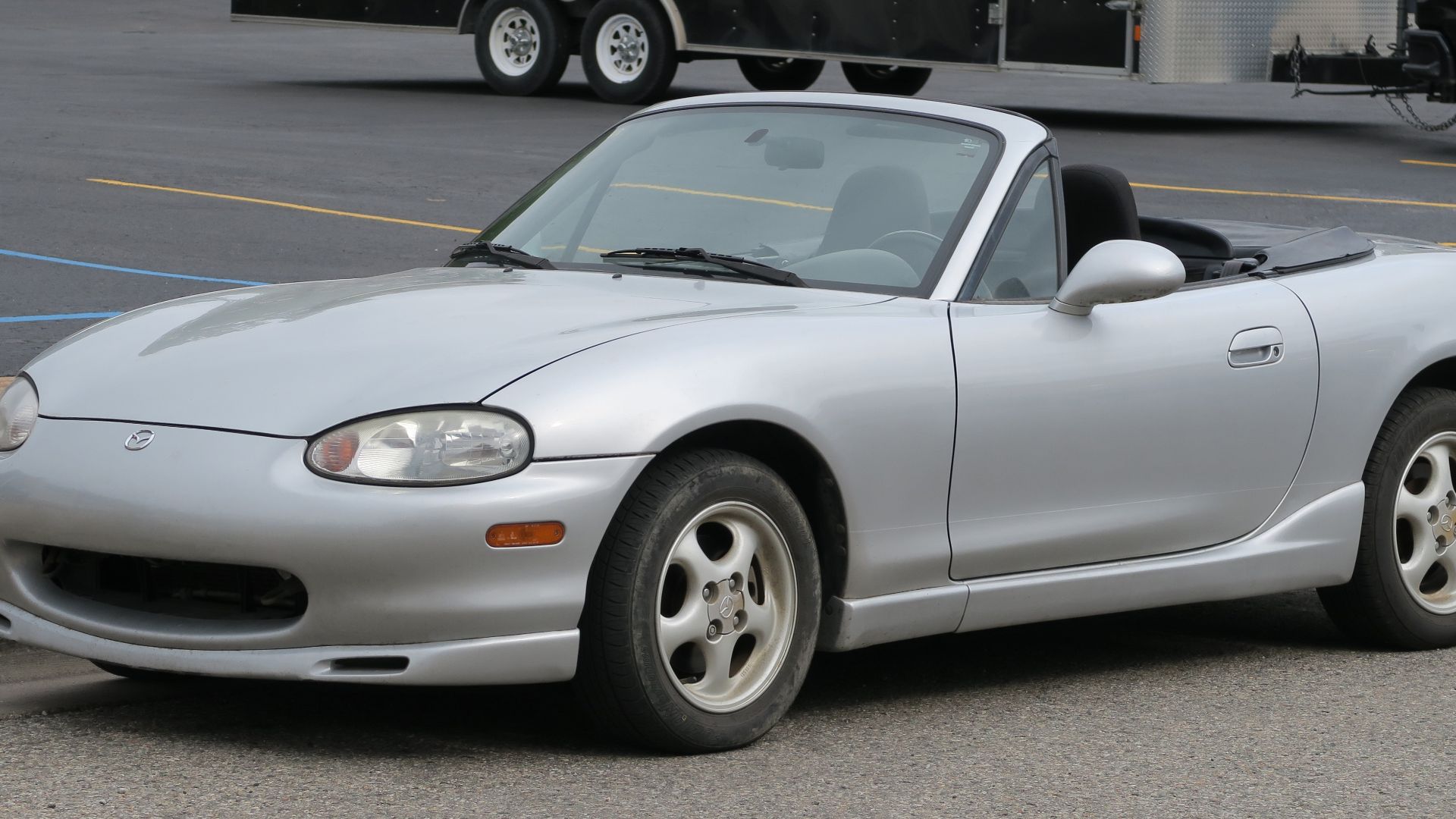
Mazda MX-5 Miata NB (1998–2005)
The NB-generation Mazda MX-5 Miata, built from 1998 to 2005, is a textbook example of a simple, lightweight sports car. Its affordability and reliability have made it popular for years, but as clean examples become harder to find, its reputation as a future classic is growing steadily.
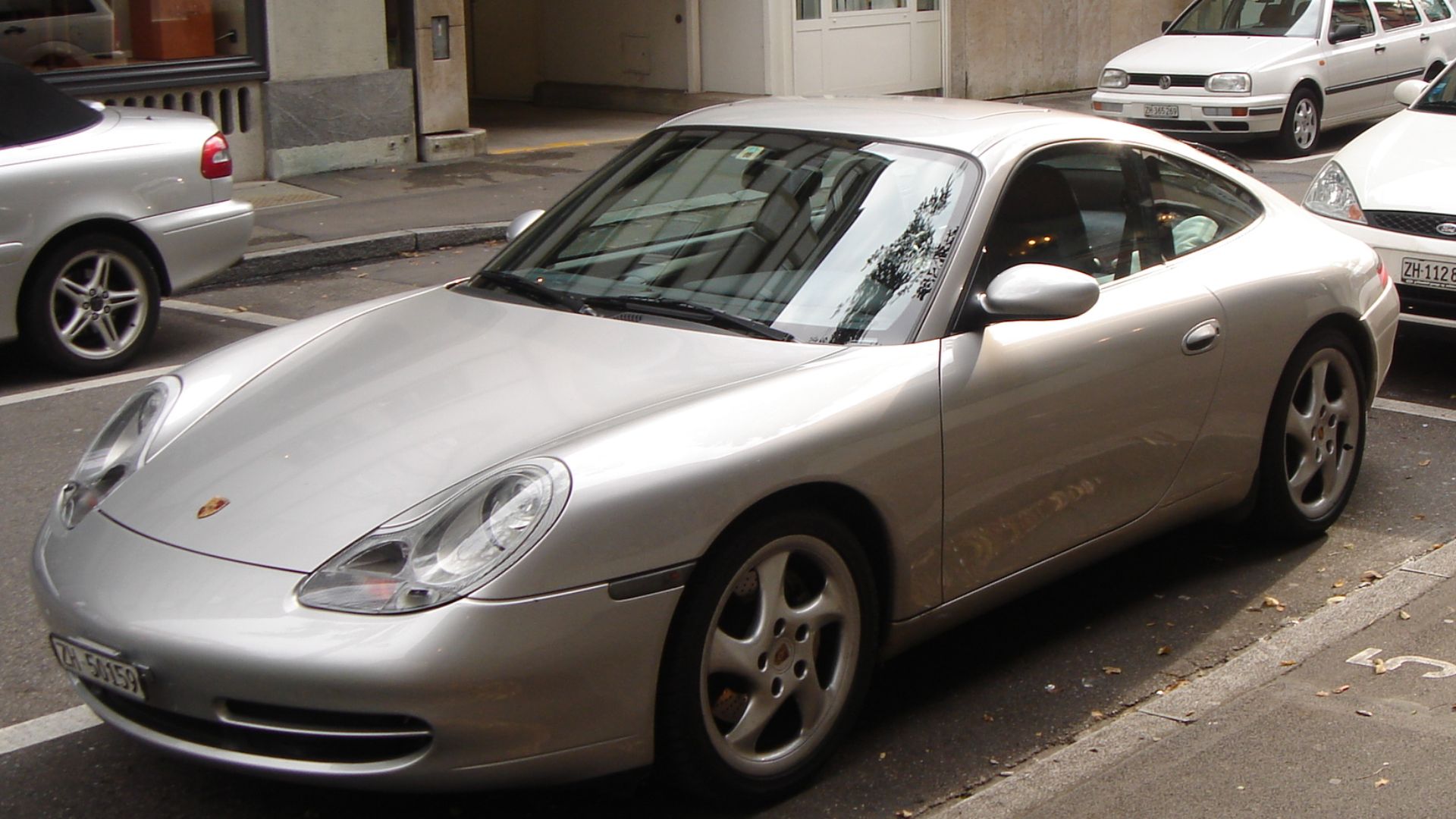
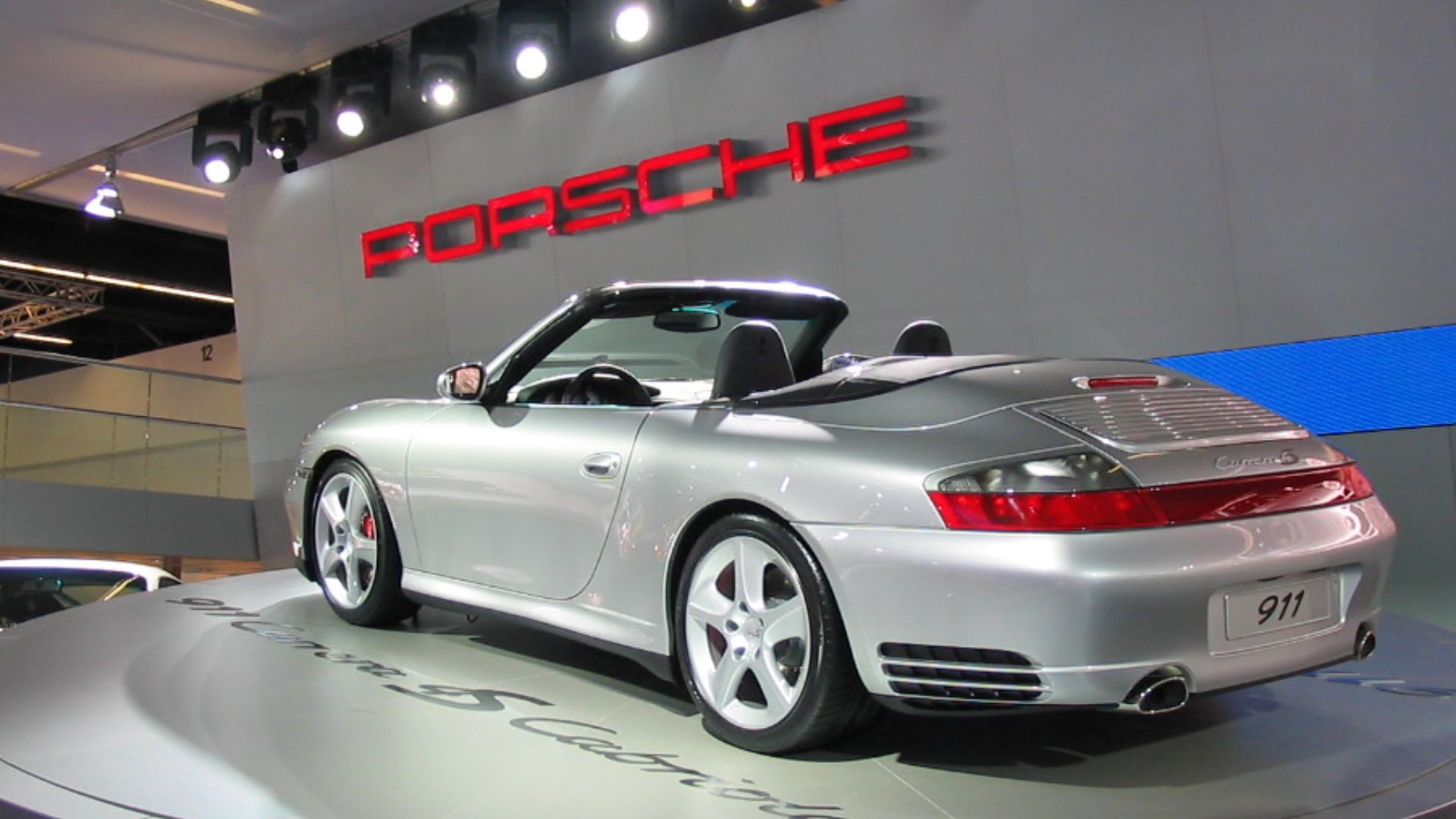
Porsche 911 (996, 1997–2006)
Produced from 1997 to 2006, the Porsche 996 was once overlooked due to some of its controversial styling choices including the updated headlight-turn signal configuration. However, the 996 represents one of the most affordable entry points into 911 ownership. As appreciation grows and supply shrinks, the 996 is being recognized as a modern classic.
![2006 Porsche 911 Carrera 4 [996]](https://www.factinate.com/storage/app/media/driversdaily/2026/4/21/17767897712fa8c36f26d52cd674f49c743e65c2dcd6337745.jpg) Spanish Coches, Wikimedia Commons
Spanish Coches, Wikimedia Commons
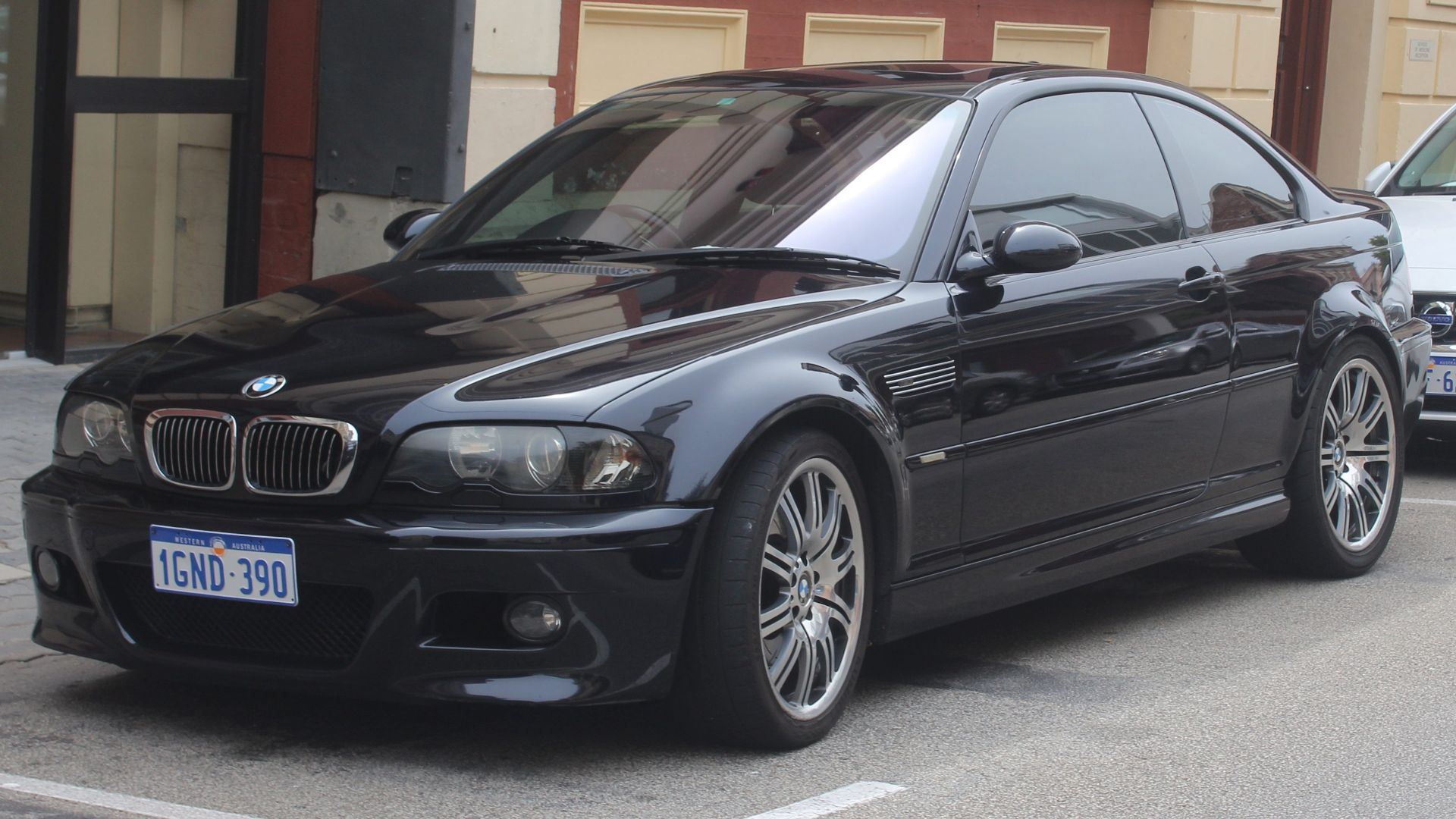
BMW M3 E46 (2000–2006)
The BMW M3 E46, manufactured from 2000 to 2006, is gaining recognition as one of the most balanced performance cars ever made. Its 3.2L naturally aspirated inline-six engine and precise chassis tuning offer a driving experience that remains highly sought after. The increasing value of this car is a reflection of its growing status as a modern classic.
 EurovisionNim, Wikimedia Commons
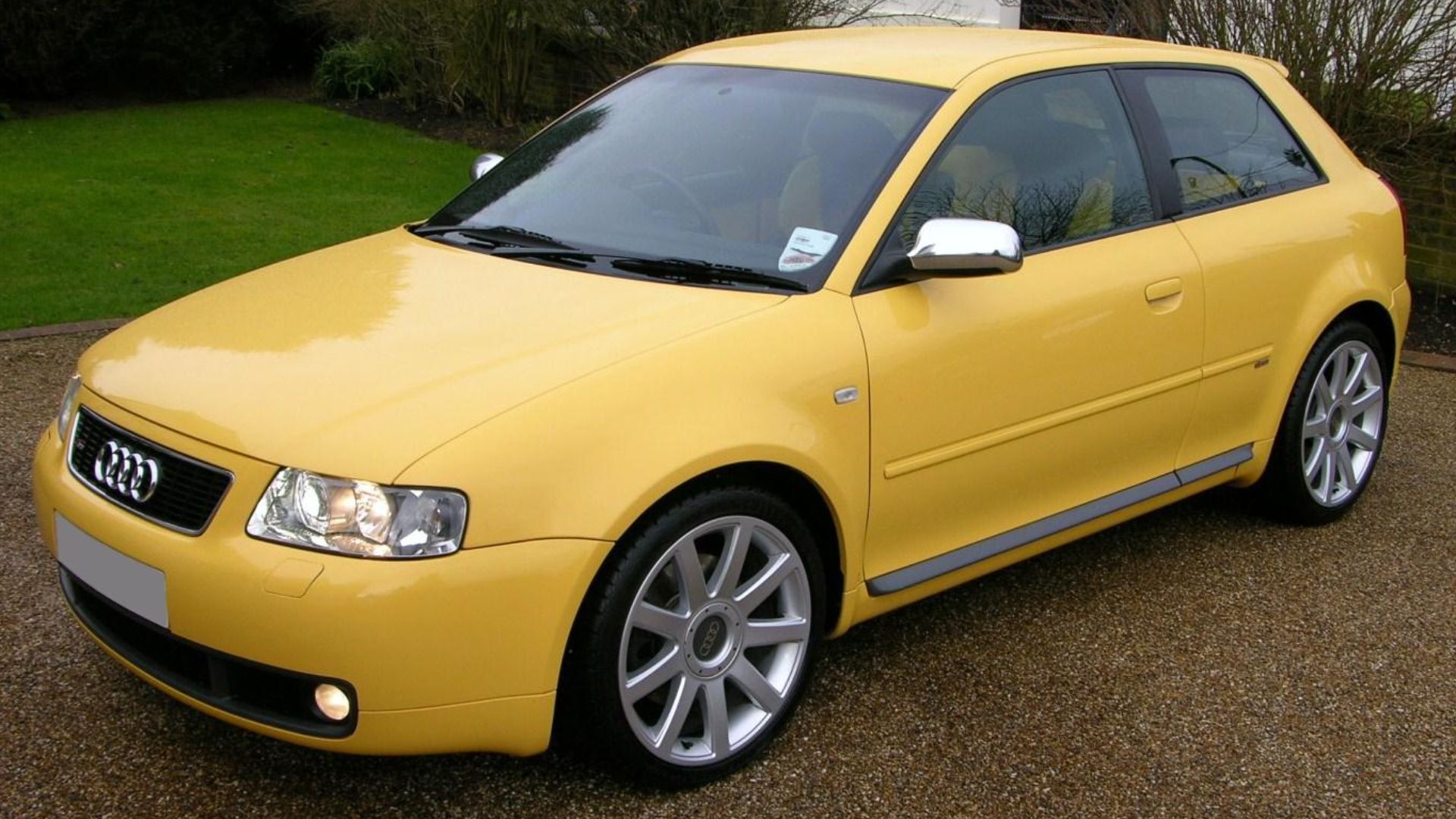
Audi S3 (8L, 1999–2003)
The original Audi S3, produced from 1999 to 2003, helped define the premium hot hatch segment. Its combination of all-wheel drive and turbocharged performance made it stand out in its day. Today, its rarity and historical significance are driving increased desire among the world’s canniest collectors.
 The Car Spy, Wikimedia Commons
Maserati Quattroporte V (2003–2012)
Built between 2003 and 2012, the Maserati Quattroporte V blends luxury and performance with a Ferrari-derived 4.2 or 4.7L V8 engine. Its distinctive Italian styling and relatively low production numbers make it a promising candidate as a future classic, especially for those aficionados who appreciate its character and uniqueness.
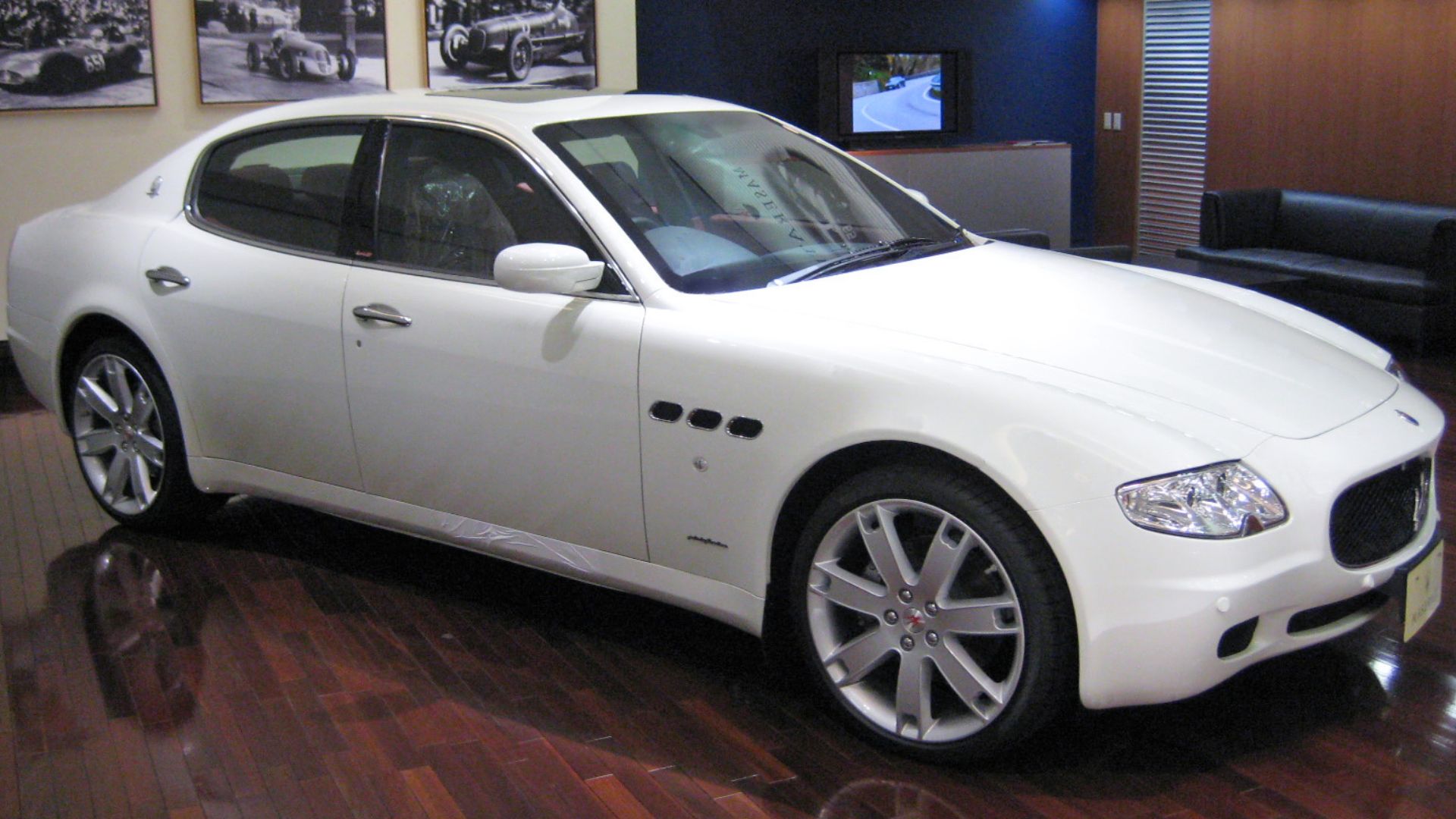 Hatsukari715, Wikimedia Commons
BMW M5 Touring E60 (2007–2010)
The E60 M5 Touring, produced in limited numbers from 2007 to 2010, is one of the rarest high-performance wagons ever made. Combining practicality with a V10 engine, it offers a unique market positioning that is unlikely to be repeated any time soon. All of these credentials are certain to whet the appetites of collectors.
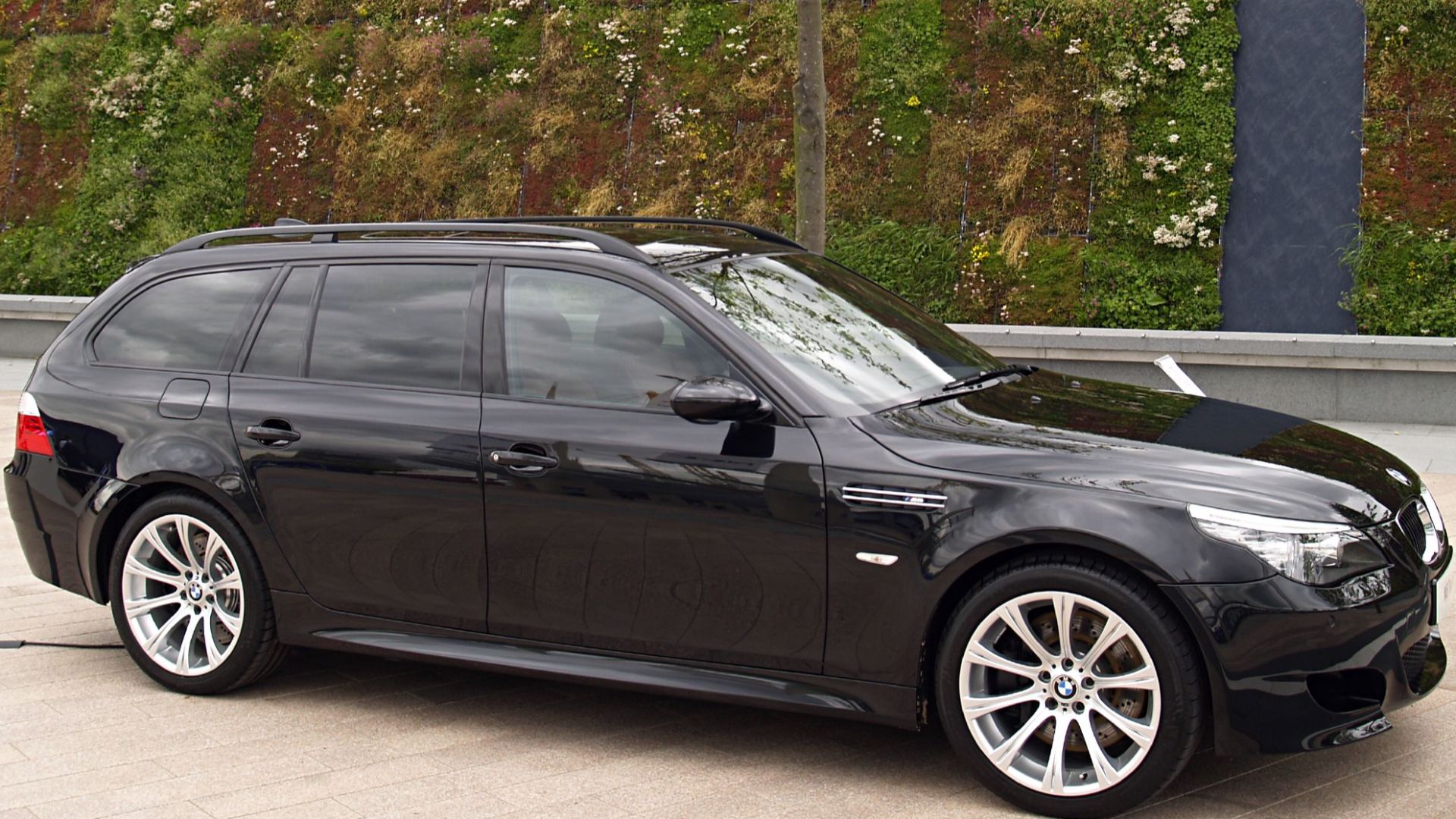 Khedara Ariyaratne from London, UK, Wikimedia Commons
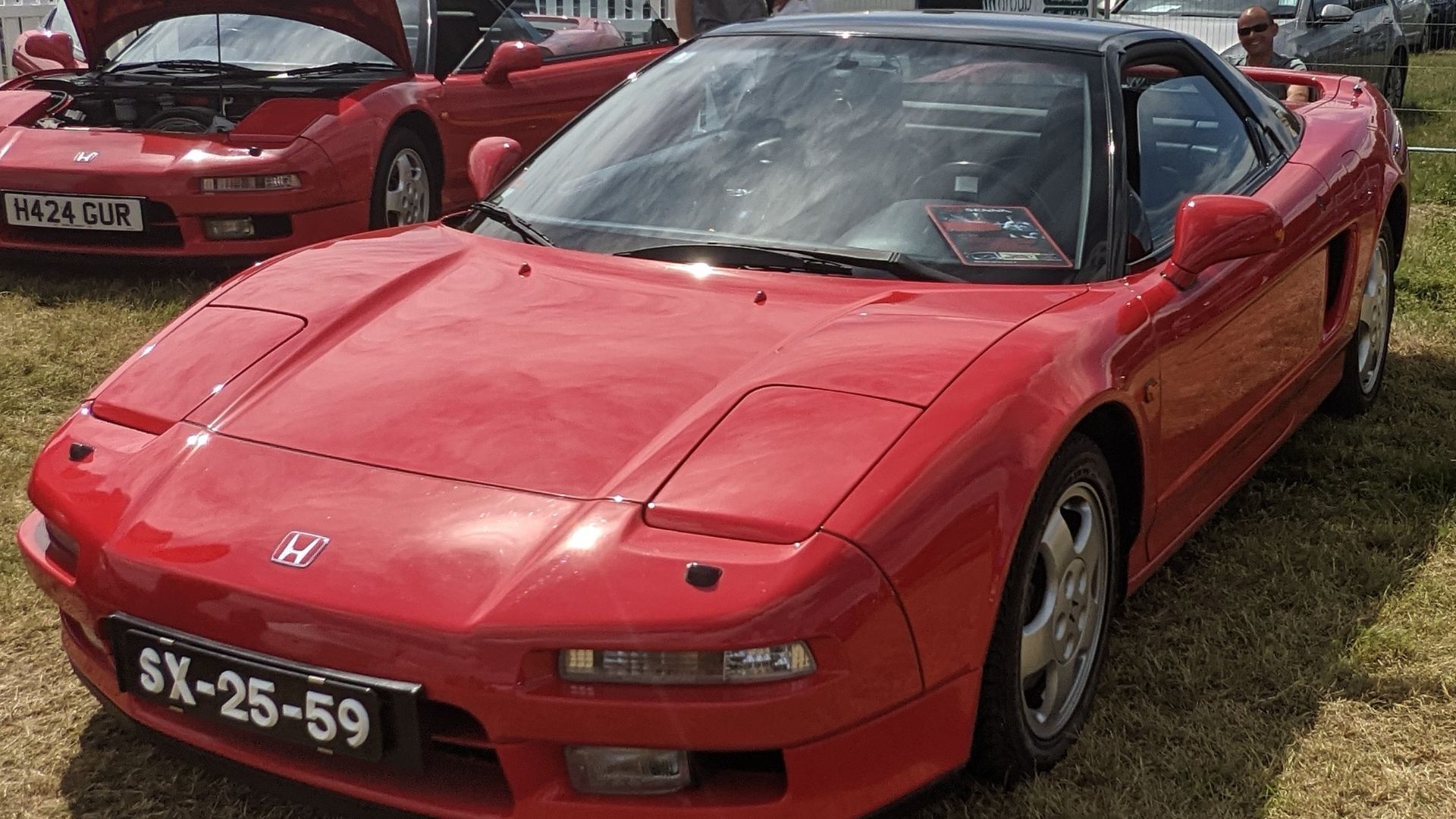
Honda NSX (First Generation, 1990–2005)
The first-generation Honda NSX, built from 1990 to 2005, revolutionized the supercar segment with its reliability and usability. Its aluminum construction and driver-focused engineering helped set new standards. It’s already viewed by many as a classic, with values continuing to climb.
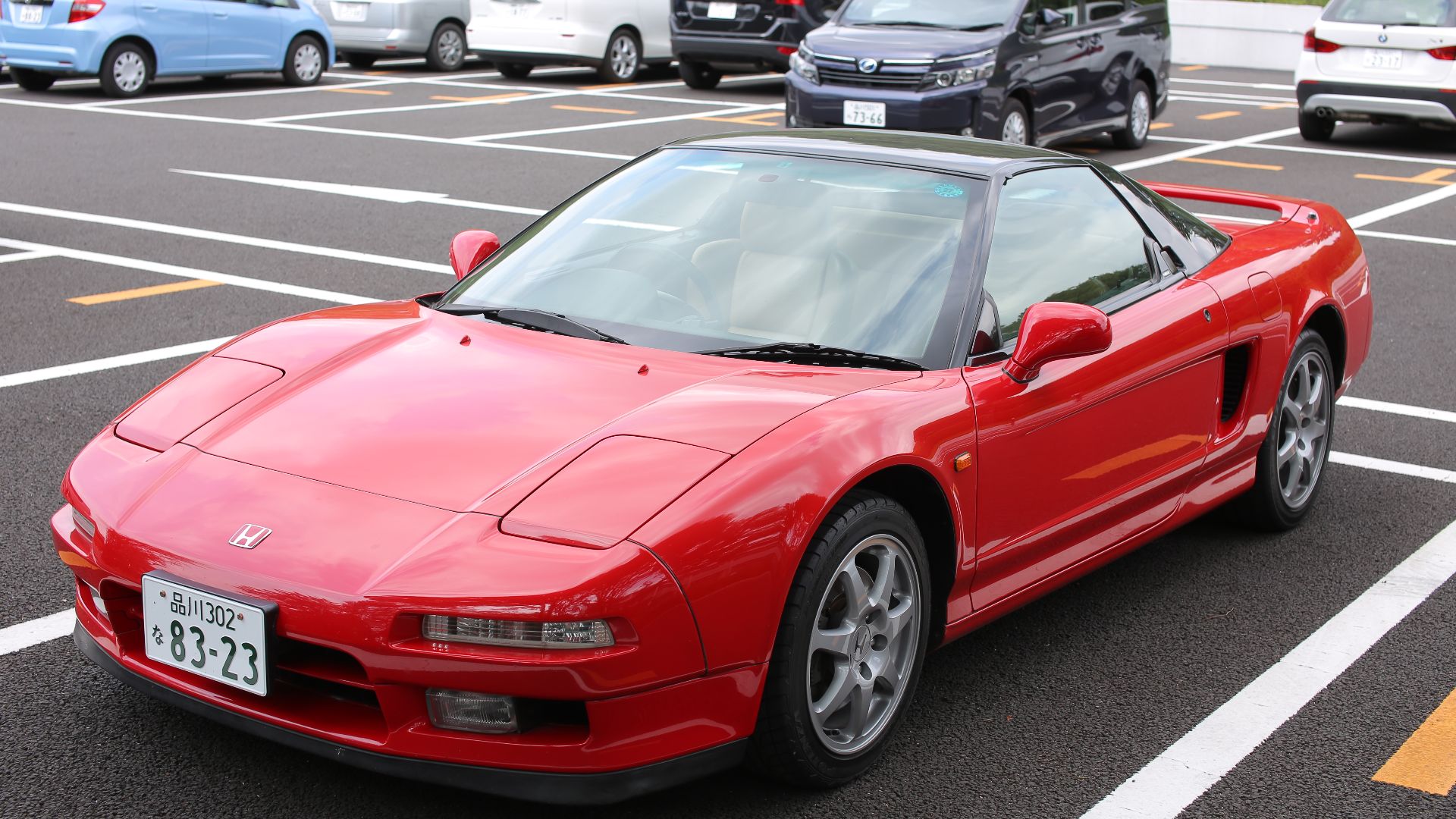
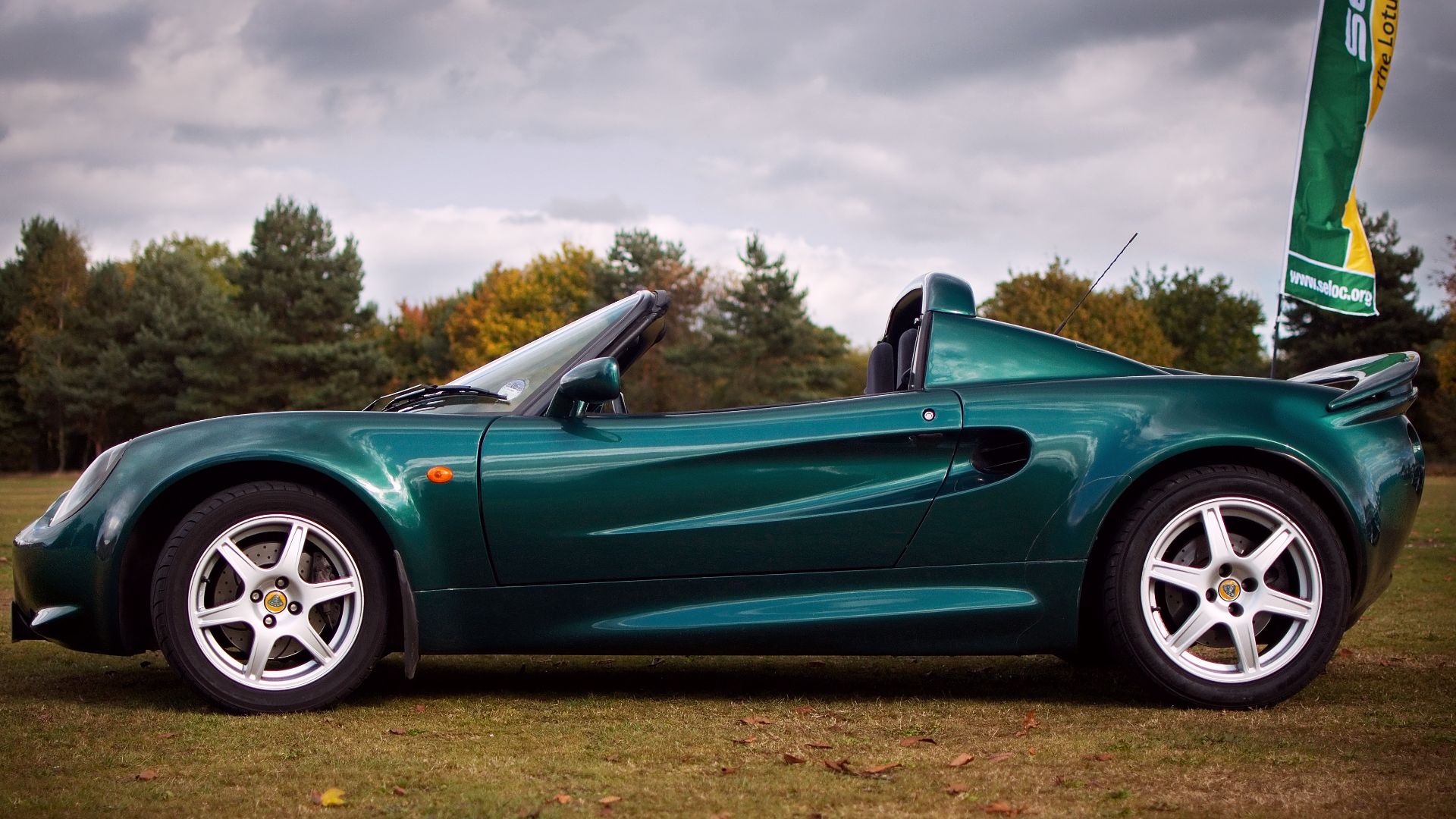
Lotus Elise S1 (1996–2001)
Produced between 1996 and 2001, the Lotus Elise S1 is renowned for its lightweight design and purist-level experience. It represents a philosophy that put simplicity and engagement as the top design priority in a car for those who just love driving. It’s a favorite among enthusiasts and a strong candidate for long-term collectability.
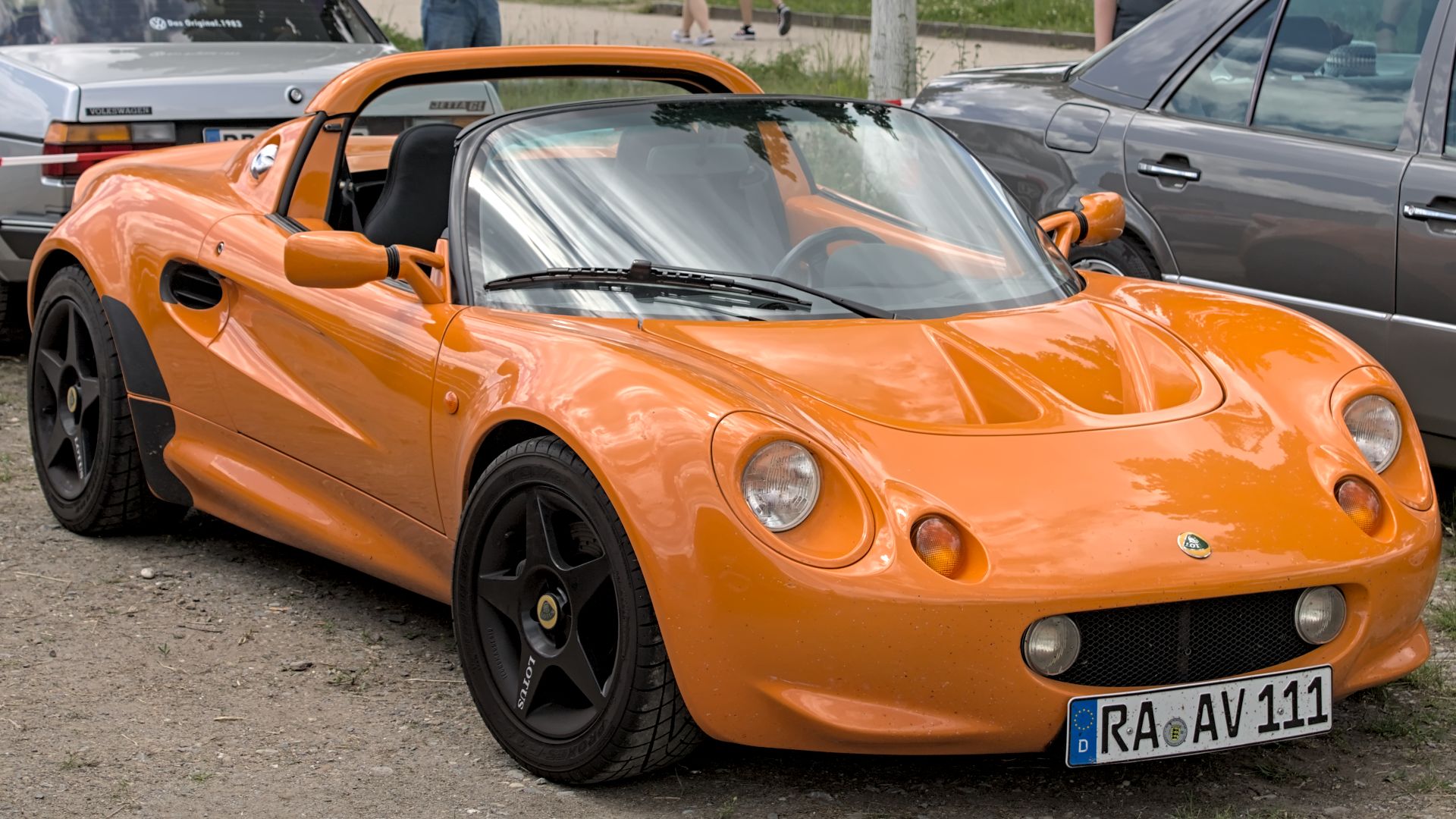 Alexander-93, Wikimedia Commons
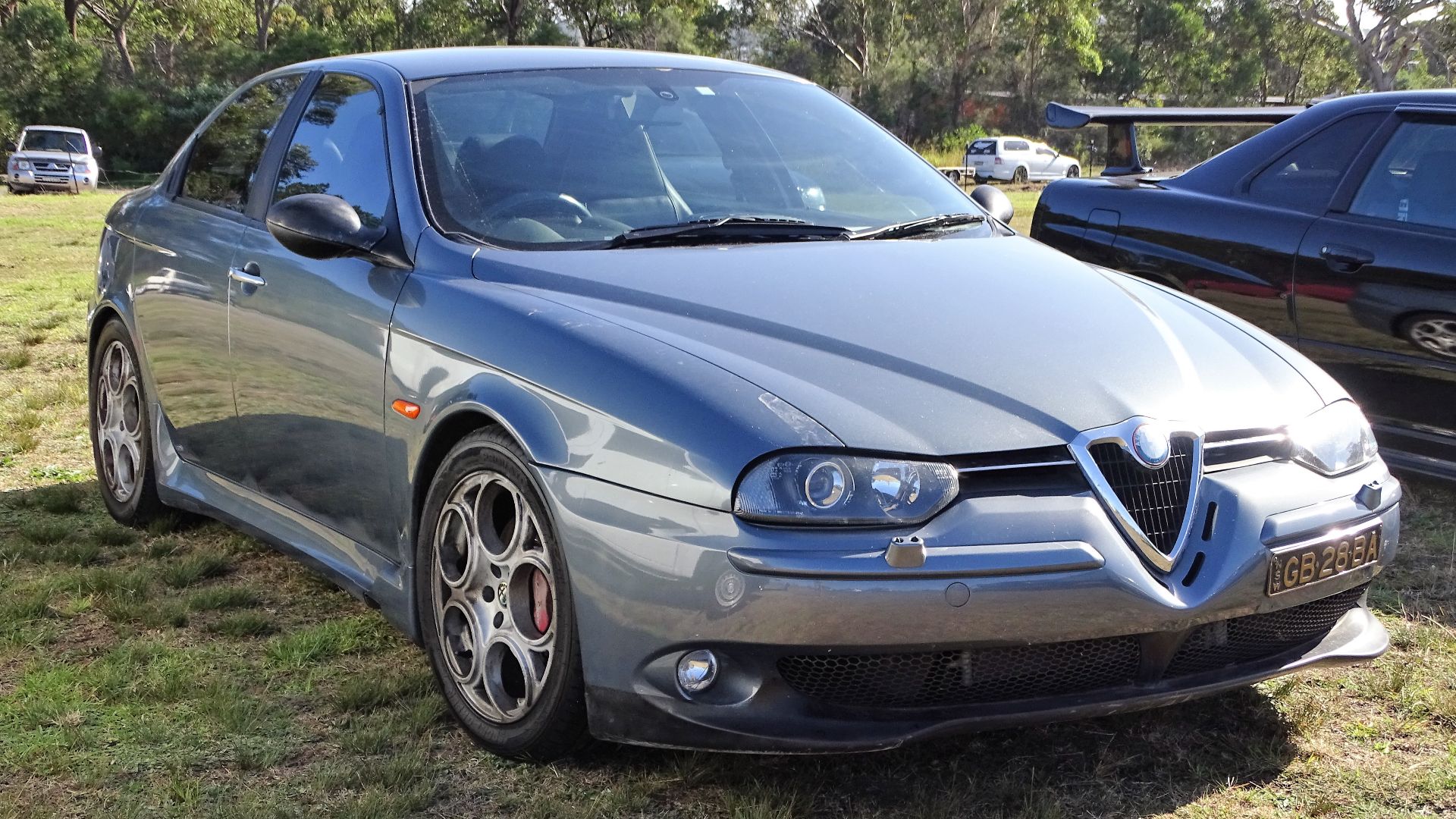
Alfa Romeo 156 GTA (2001–2005)
The Alfa Romeo 156 GTA, built from 2001 to 2005, combines striking Italian design with a charismatic V6 engine. Its outstanding handling, limited production, and passionate following have helped elevate its status, and it continues to gain recognition as a future classic among European performance sedans.
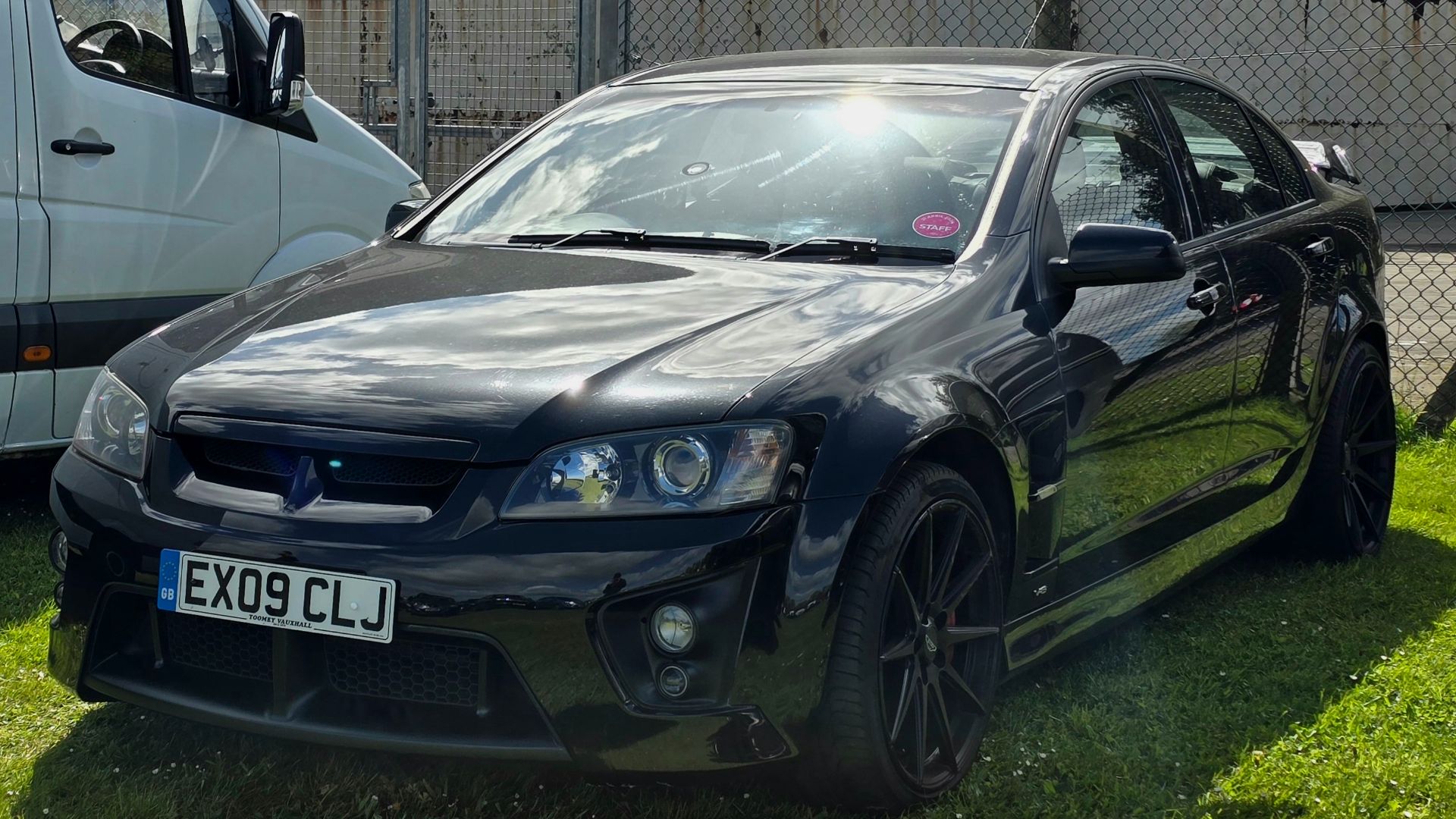
Vauxhall VXR8 (2007–2017)
The Vauxhall VXR8, produced from 2007 to 2017, offers muscle car performance in a practical sedan format. Its limited availability and unique appeal in certain markets make it increasingly collectible, especially as large-displacement engines like the VXR8’s 6.0L V8 become less and less common.
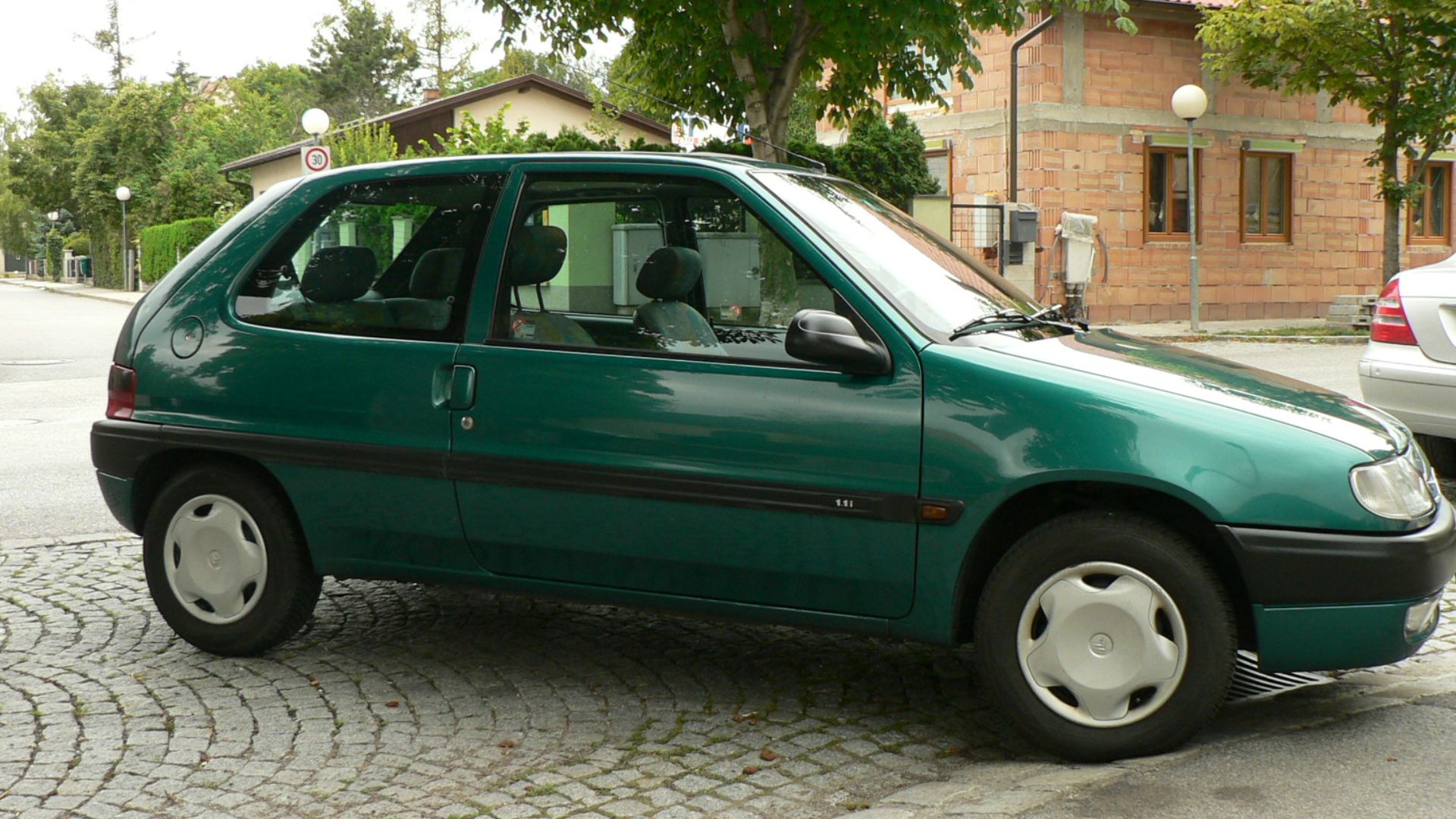
Citroën Saxo (1996–2003)
Built between 1996 and 2003, the Citroën Saxo became a cultural icon for a generation of drivers. This compact’s affordability and popularity have led to many examples being modified or lost, making original versions increasingly rare. This has attracted the roving eyes of alert enthusiasts, assuring classic status for the Saxo.
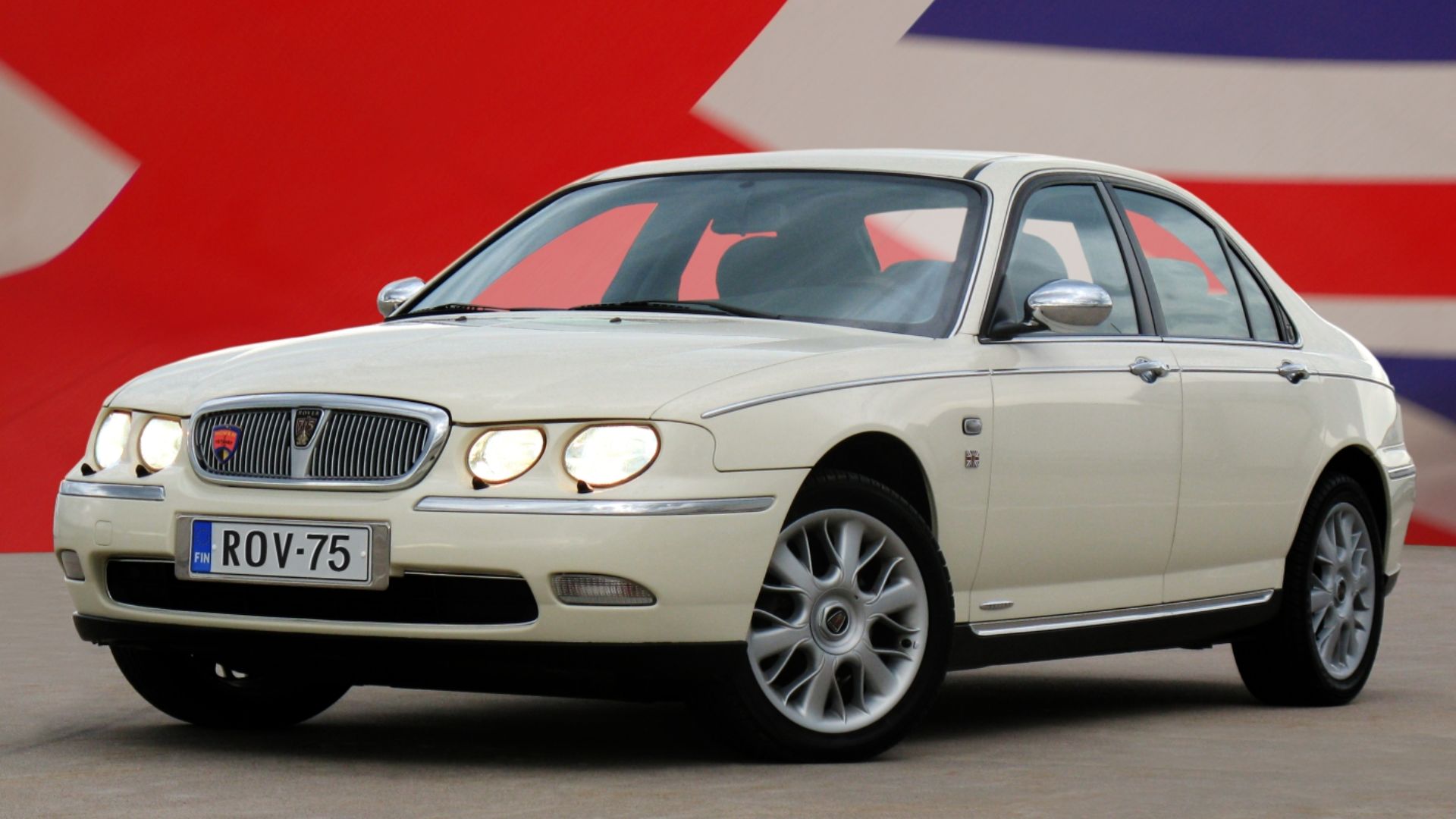
Rover 75 (1999–2005)
The Rover 75, produced from 1999 to 2005, represents one of the final chapters of British automotive manufacturing under Rover. Its distinctive design and limited number of surviving examples are generating renewed interest, putting it in a solid position as an emerging modern classic.
 Samuli Silvennoinen, Wikimedia Commons
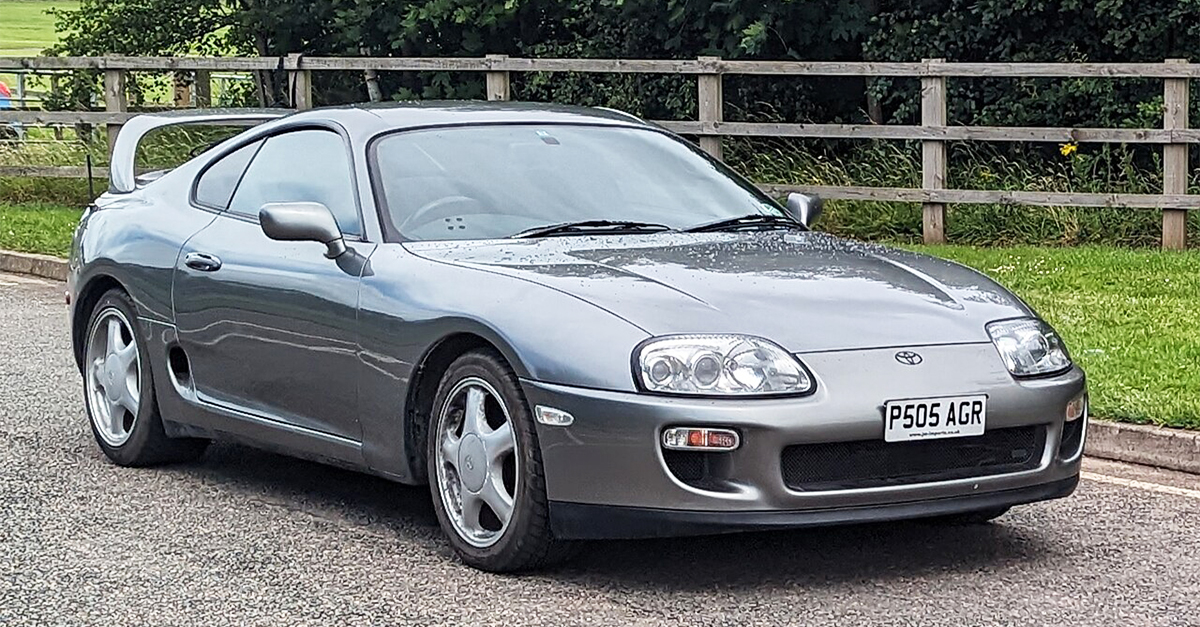
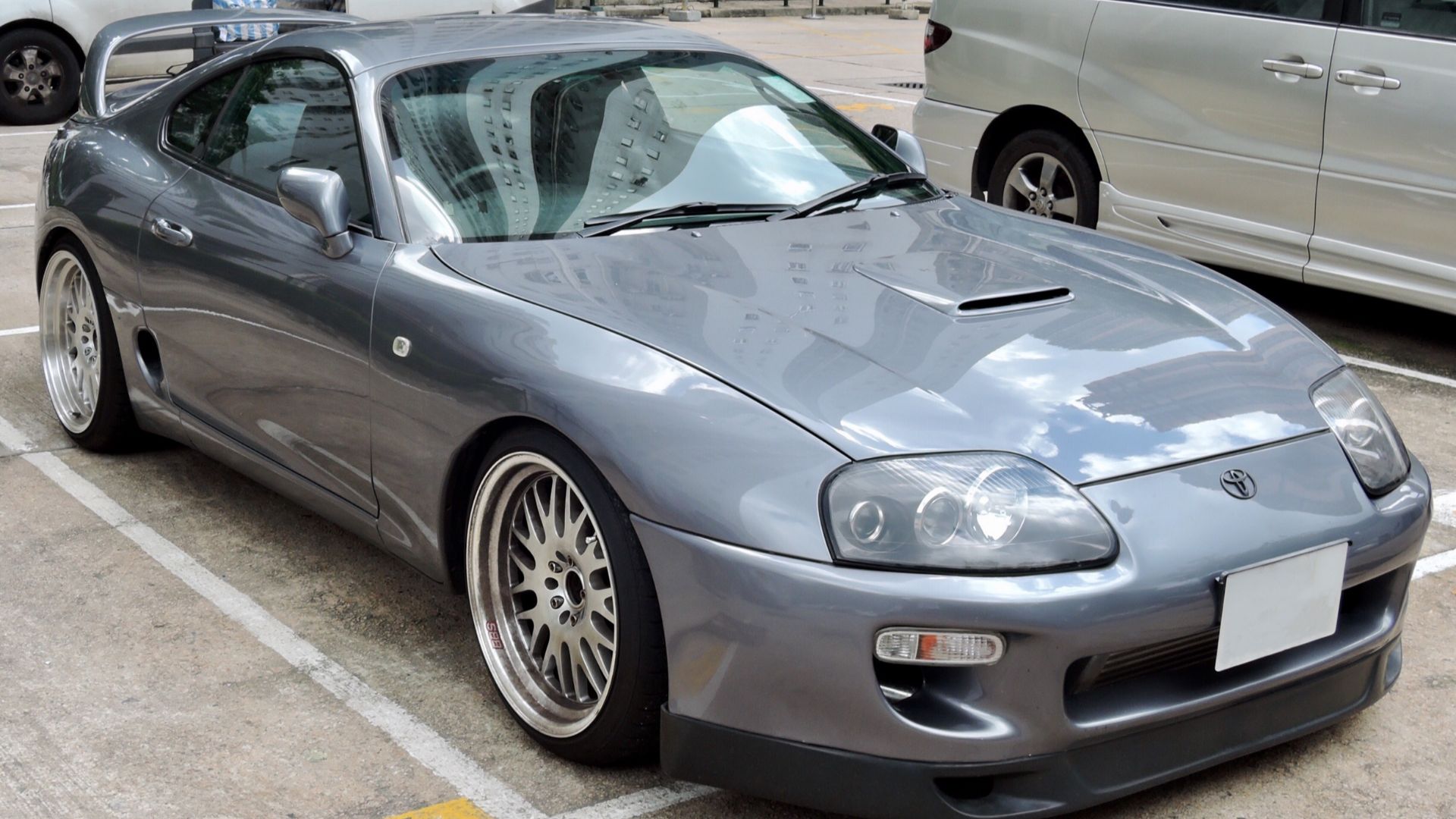
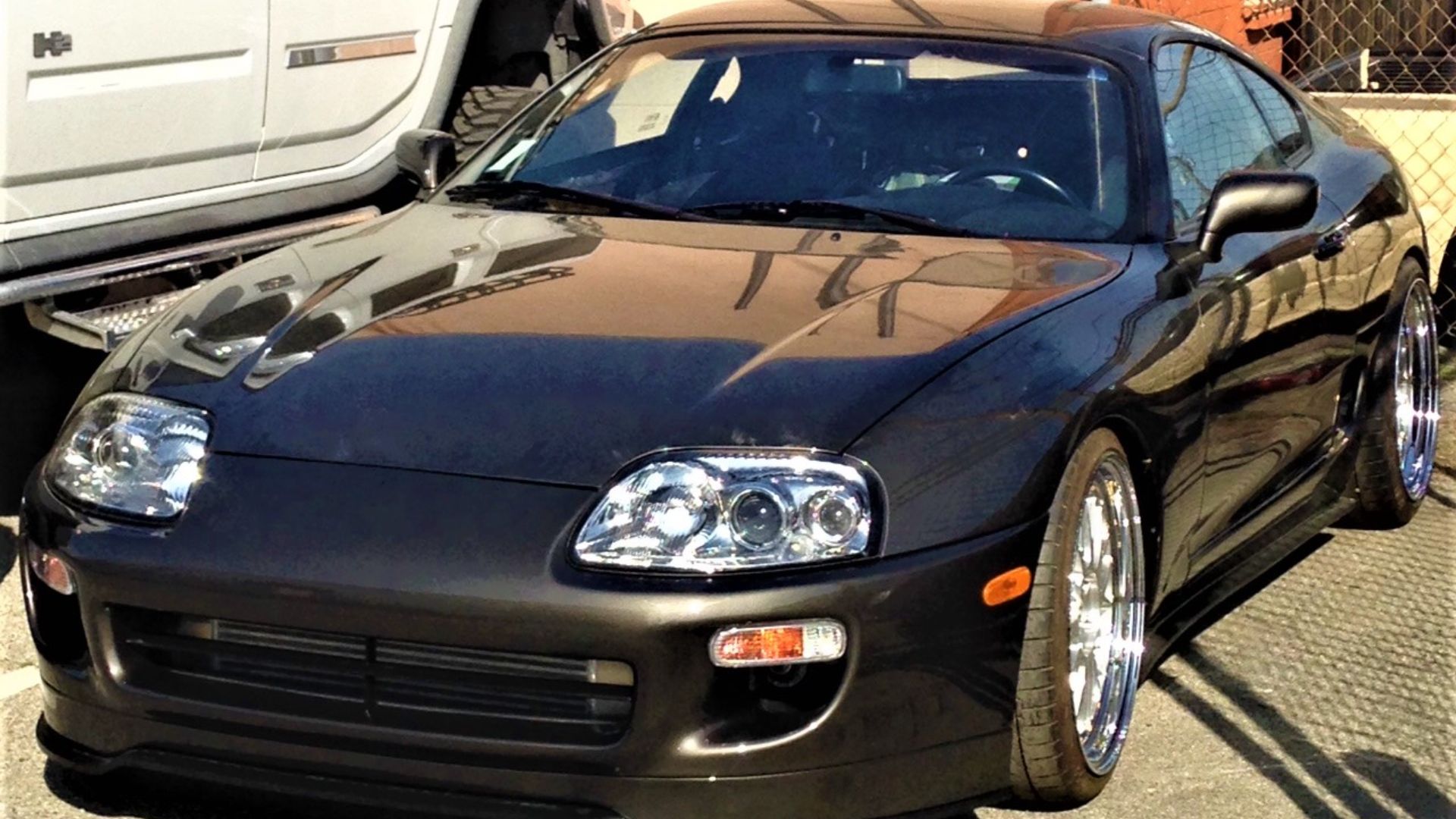
Toyota Supra A80 (1993–2002)
The fourth-generation Toyota Supra, produced from 1993 to 2002, has become one of the most recognizable performance cars of its era. Its twin-turbocharged inline-six engine and strong aftermarket support helped cement its reputation with drivers. Plenty of cultural visibility along with limited surviving examples have only increased demand, making it a hands-down modern classic.
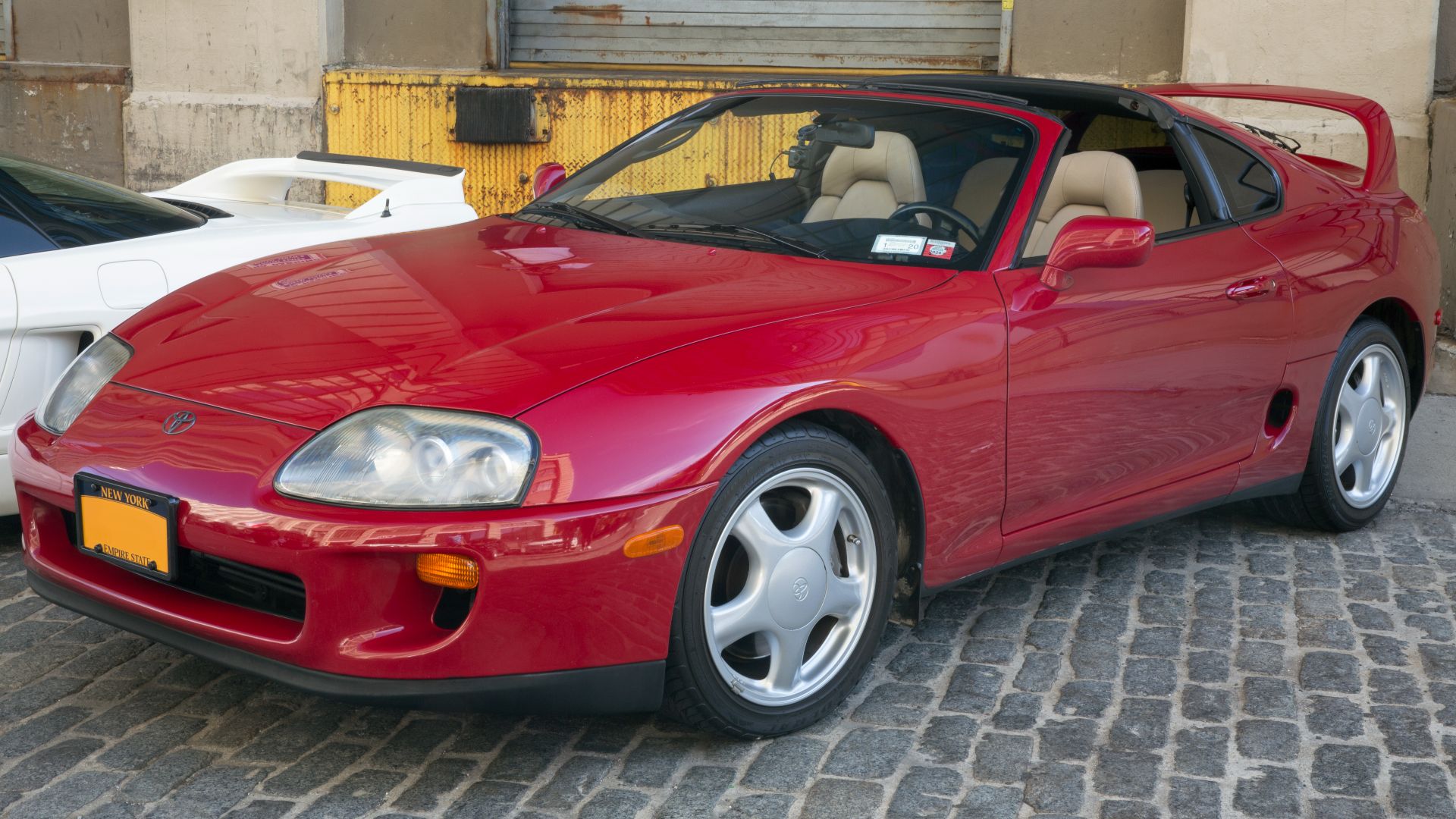 Mr.choppers, Wikimedia Commons
Mazda RX-7 FD (1992–2002)
The Mazda RX-7 FD, built from 1992 to 2002, is renowned for its lightweight design and unique rotary engine. Its sleek styling and precise handling made it a standout sports car in its time. As rotary-powered vehicles are getting increasingly rare, the FD’s distinctive engineering confirms its long-term appeal among collectors.
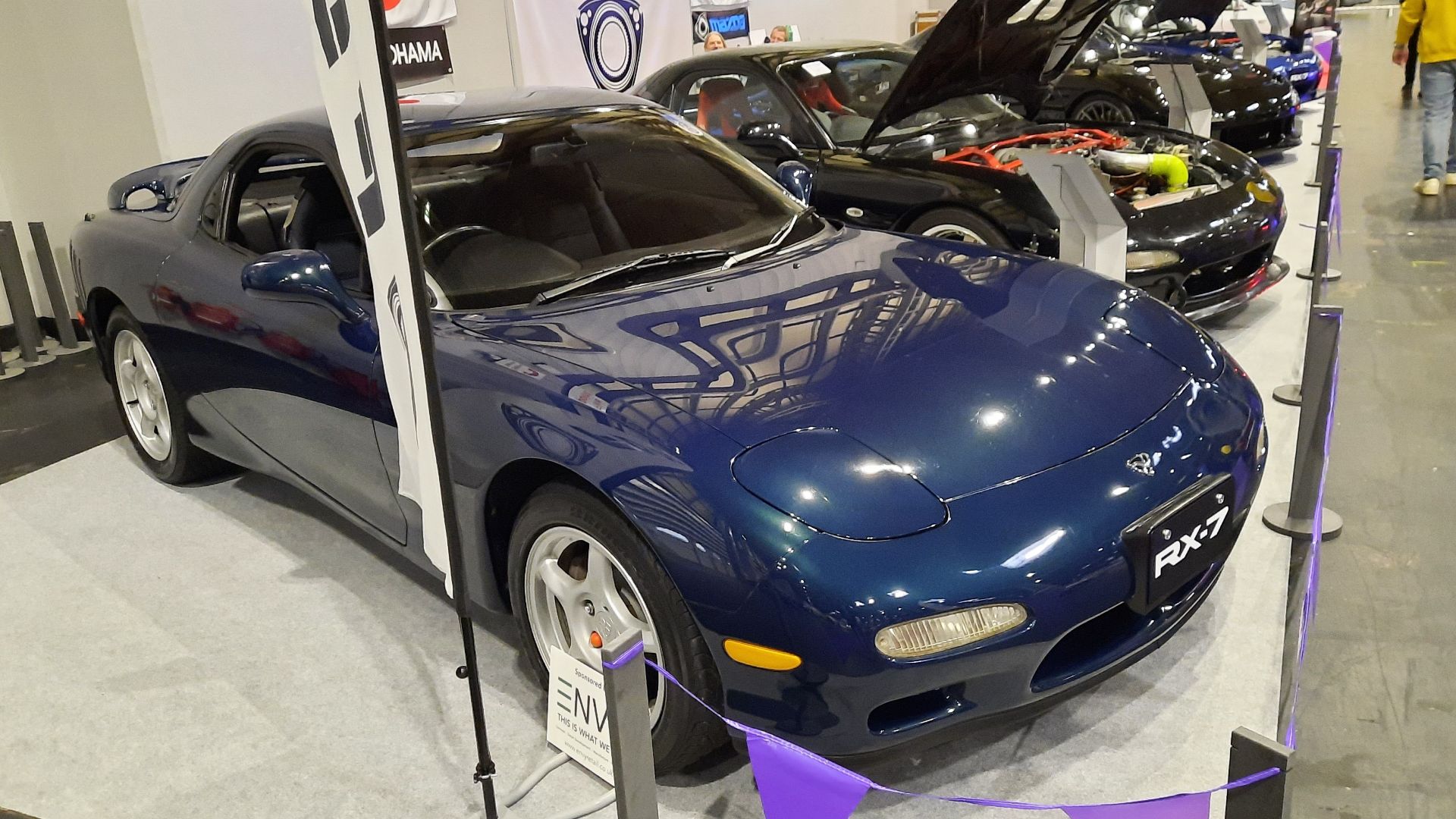 Kieran White from Manchester, England, Wikimedia Commons
Mitsubishi Lancer Evolution IX And X (2005–2015)
Produced between 2005 and 2015, the Mitsubishi Lancer Evolution IX and X represent the final chapters of an iconic performance lineage. Known for their turbocharged engines and rally-inspired all-wheel drive systems, these cars have accumulated a loyal following. With production now ended, clean unmodified examples are getting harder to come by and more sought after.
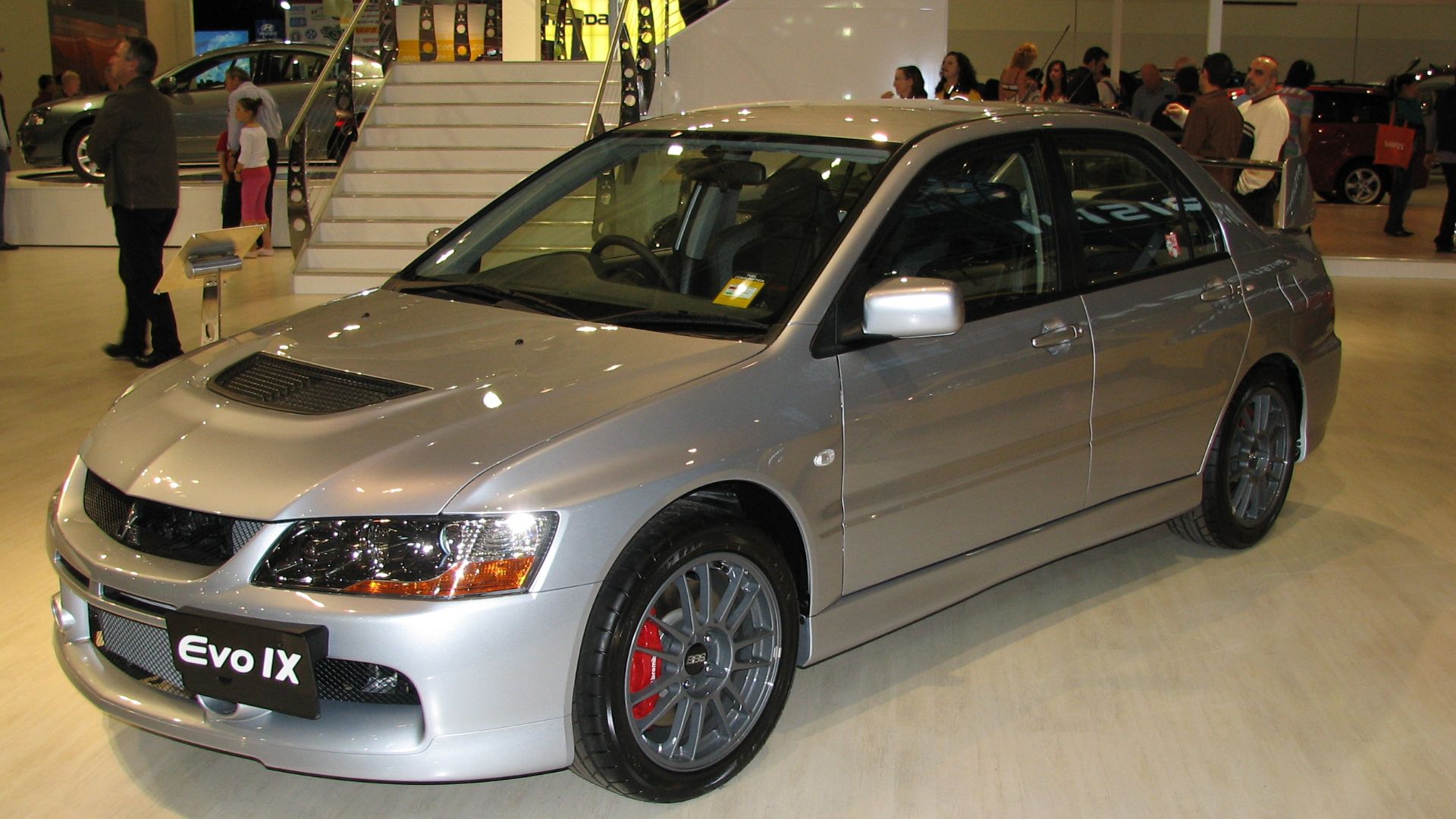 Jeremy from Sydney, Australia, Wikimedia Commons
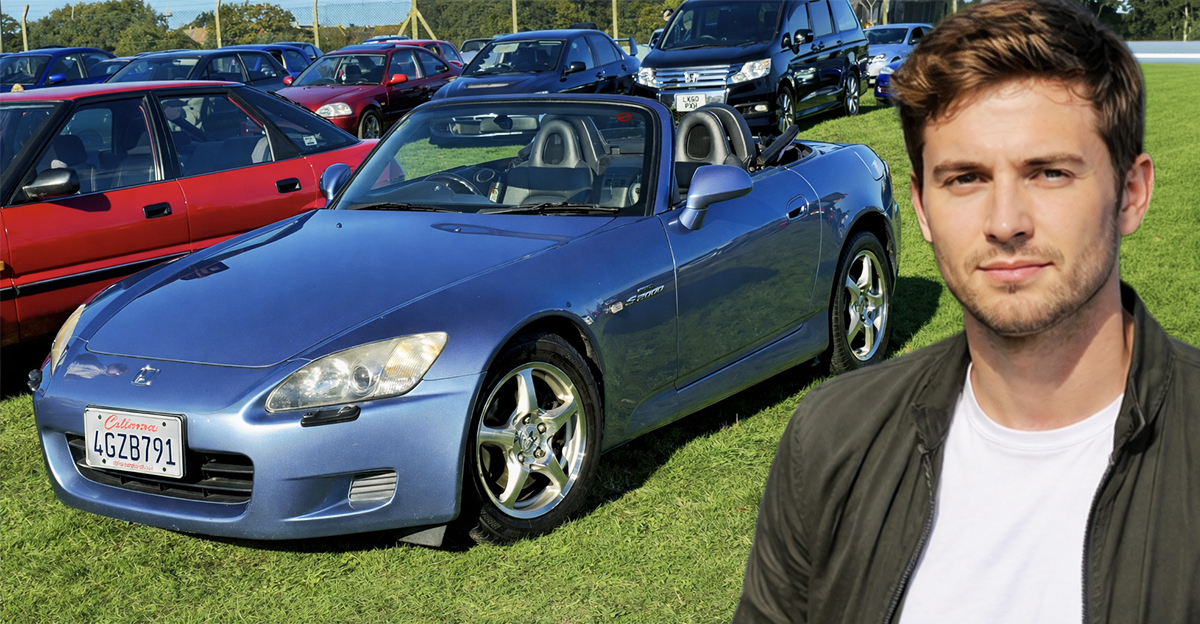
Honda S2000 (1999–2009)
The Honda S2000, produced from 1999 to 2009, is known for its high-revving engine and exceptional handling balance. Designed as a pure driver’s car, it offers a rare level of engagement compared with most other modern vehicles. Limited production numbers and strong collector demand are pushing it squarely into the landscape where only classics dwell.
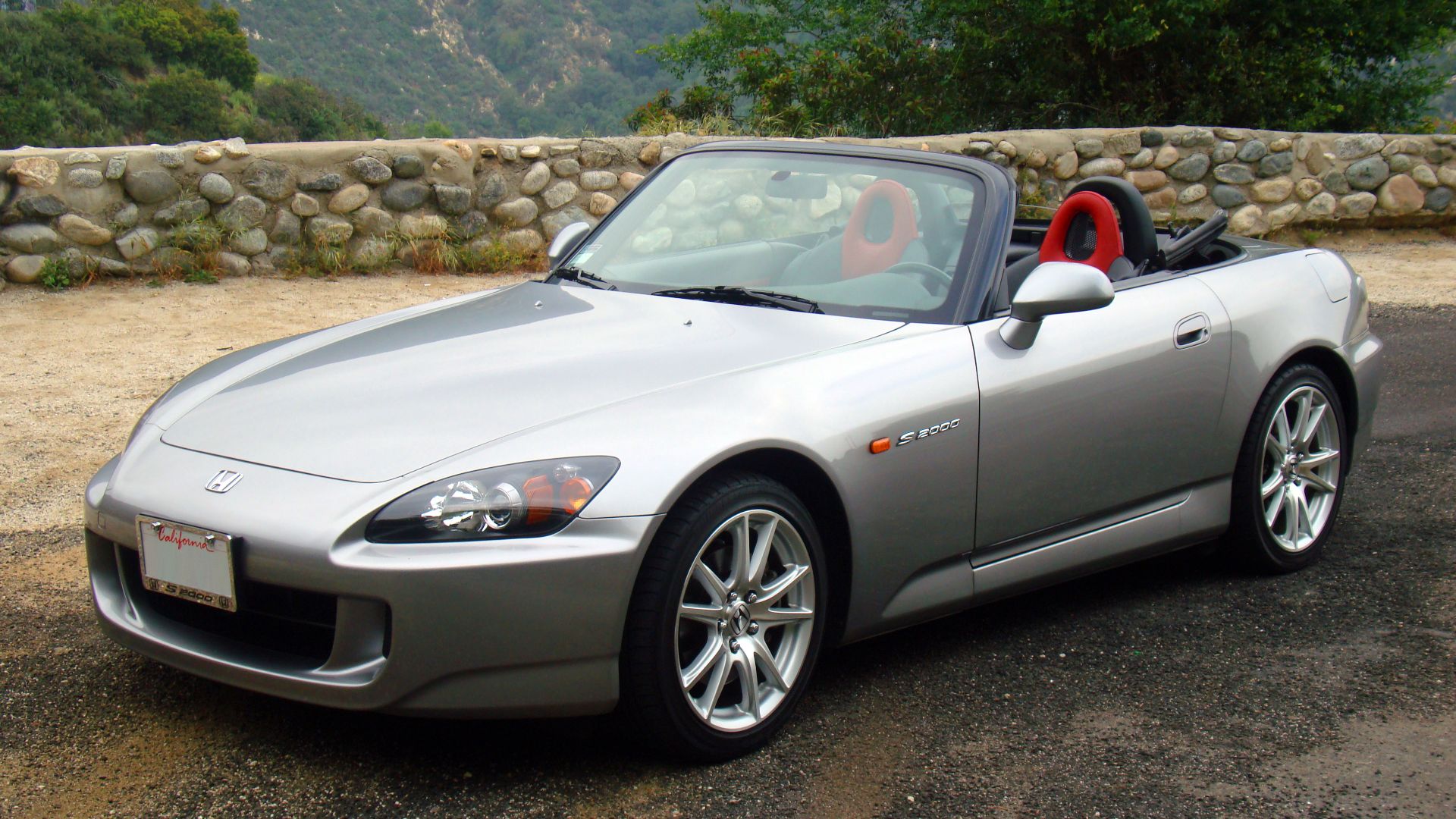 Rich Niewiroski Jr., Wikimedia Commons
What Makes A Car Become A Classic?
Most organizations consider a car a classic once it reaches 20 to 25 years of age. This time span gives enough distance for enough perspective to develop on which models stand out the most based on their design, performance, and historical importance.
Rarity And Production Numbers
Cars produced in limited quantities or for only a short period often become more desirable over time. As fewer examples remain on the road, collectors start to seek out well-preserved versions, driving up both interest and value.
Cultural And Emotional Impact
Vehicles that resonate with a particular generation tend to become classics as those buyers gain purchasing power. Cars from the late 1990s and early 2000s are now coming into this phase, benefiting from the nostalgia factor and renewed appreciation.
Driving Experience And Engineering
Notice that many if not most of the cars listed above offer a unique or engaging driving experience that stands the test of time. Features like manual transmissions, naturally aspirated engines, and analog controls are getting rarer, increasing their appeal among enthusiasts.

Design And Aesthetic Appeal
Timeless design is a key factor in figuring out whether a car becomes a classic. Models that remain visually appealing decades after their release are more likely to be preserved, celebrated, and collected.
Historical Significance
Cars that introduced new technology or marked some kind of turning point in automotive history often gain classic status more quickly. Early electric vehicles, groundbreaking performance models, and industry firsts all fall into this category.
Market Trends And Collector Demand
When all is said and done, a car becomes a classic when collectors decide it is worth preserving. Auction results, enthusiast communities, and market demand all play a role in figuring out which vehicles rise in value and recognition over time.
You May Also Like:
The El Camino never made much sense, but it became an unforgettable classic anyway.