A Different Era Of Car Safety
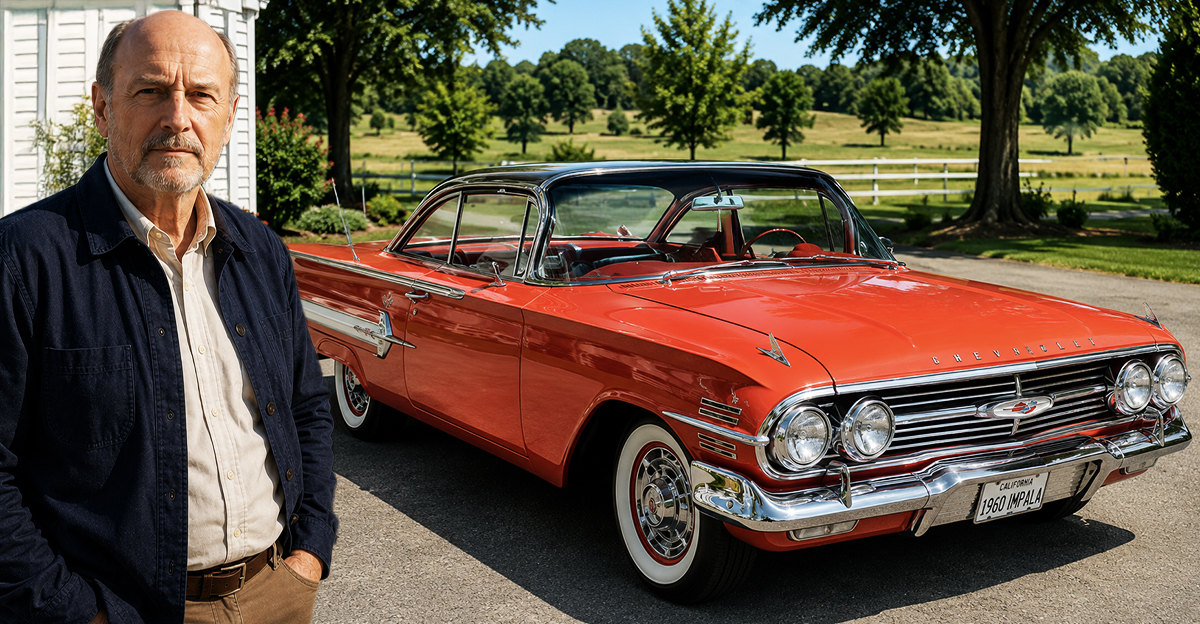
American cars of the 1960s emphasized style, power, and comfort a lot more than crash protection. Many features that buyers accepted without question would be considered unacceptable today. As crash research advanced and safety regulations tightened, these once-common designs gradually disappeared from new vehicles.
Metal Dashboards
Many early-1960s cars featured painted steel dashboards with minimal padding. During a collision, occupants could strike unforgiving metal surfaces, increasing the likelihood of serious head and facial injuries. Today's dashboards are carefully engineered with energy-absorbing materials to reduce impact forces.
Thin Steering Columns
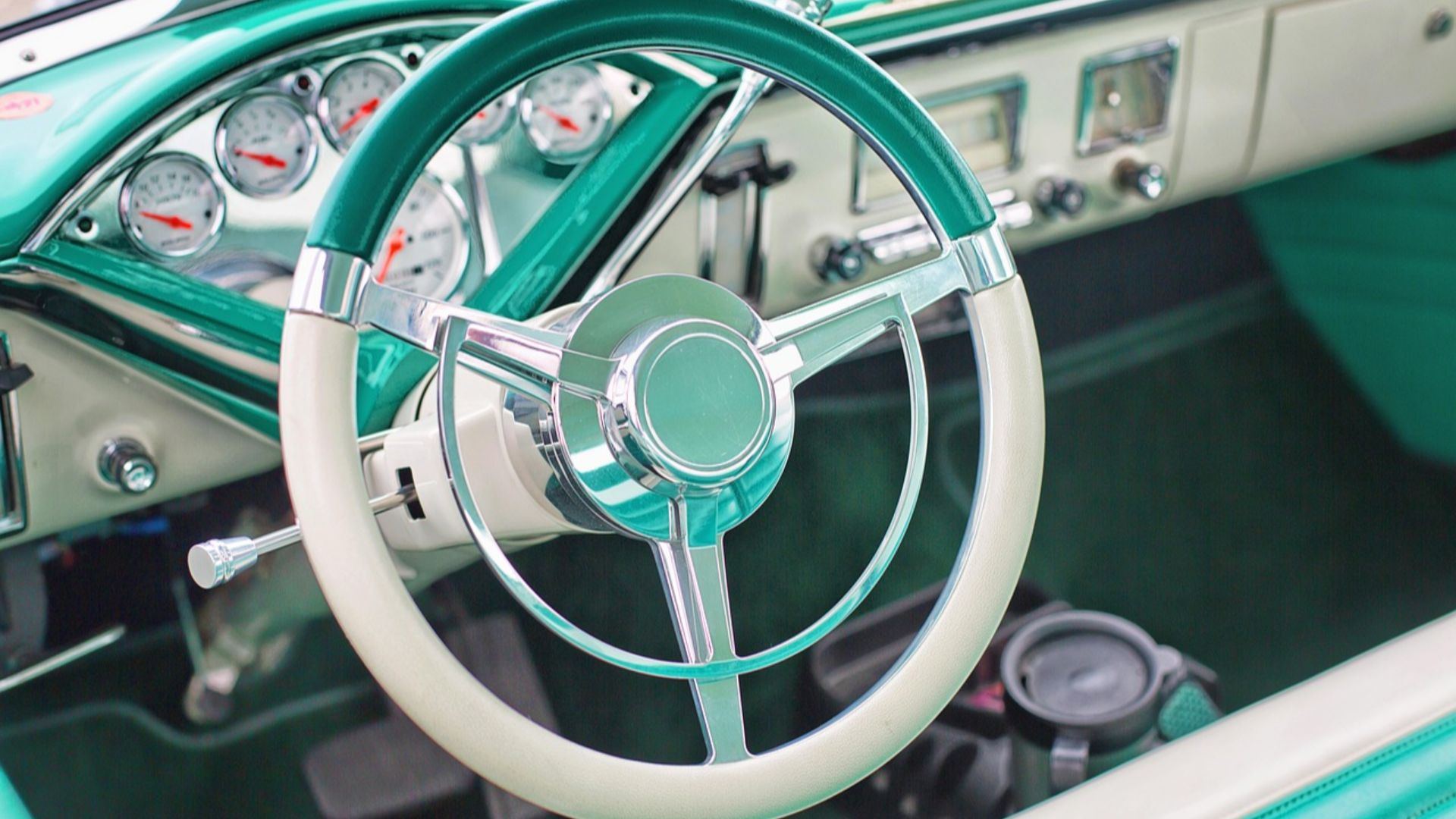
Rigid steering columns often acted like spears during severe frontal crashes. Before collapsible steering columns became common, the steering shaft could be driven rearward toward the driver. Modern collapsible designs dramatically reduce this danger during frontal impacts.
Large Steering Wheels With Hard Centers
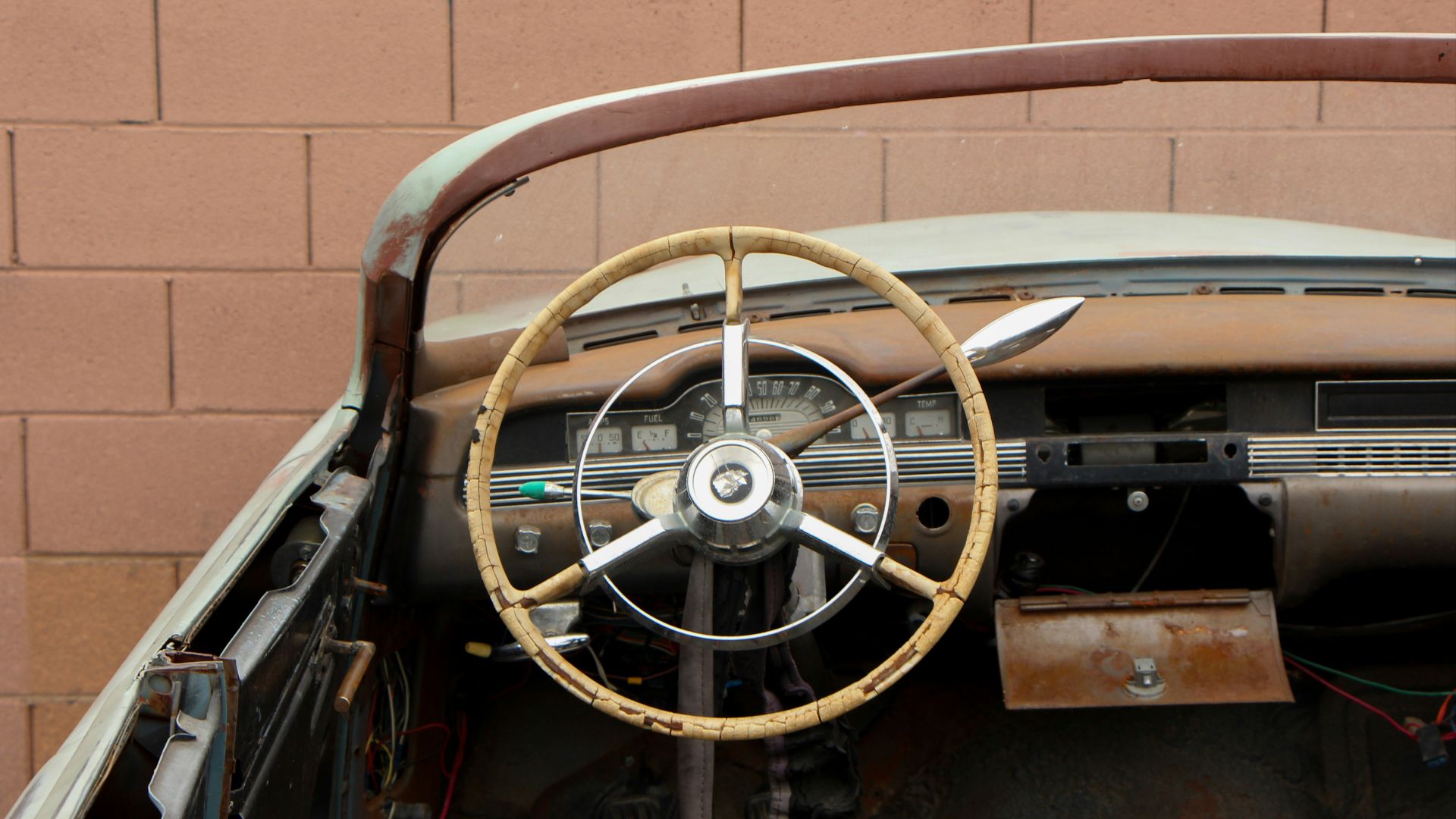
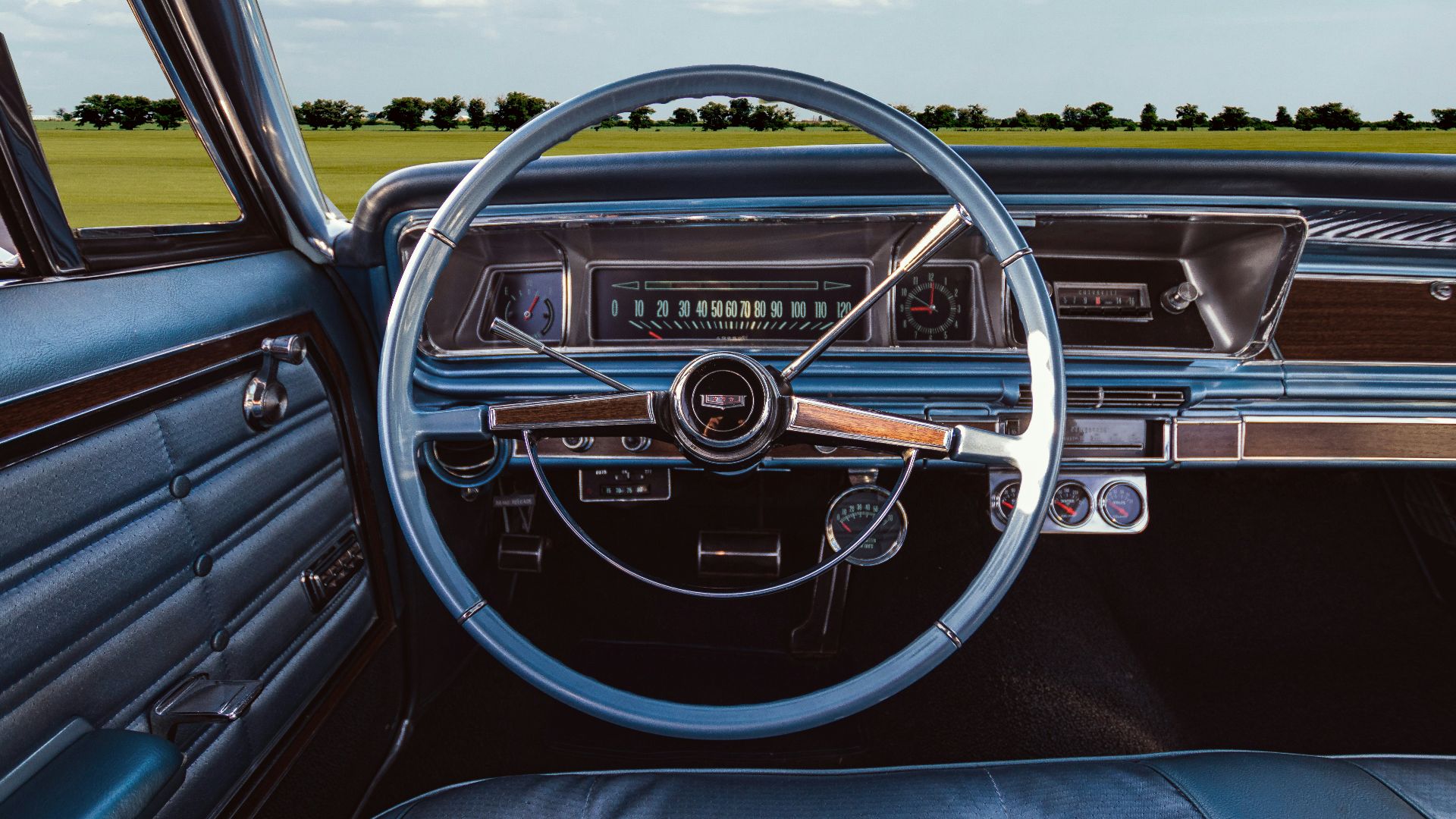
Oversized steering wheels usually featured rigid metal hubs with little or no energy absorption. Drivers thrown forward during collisions frequently struck these unforgiving centers before airbags existed to provide additional protection.
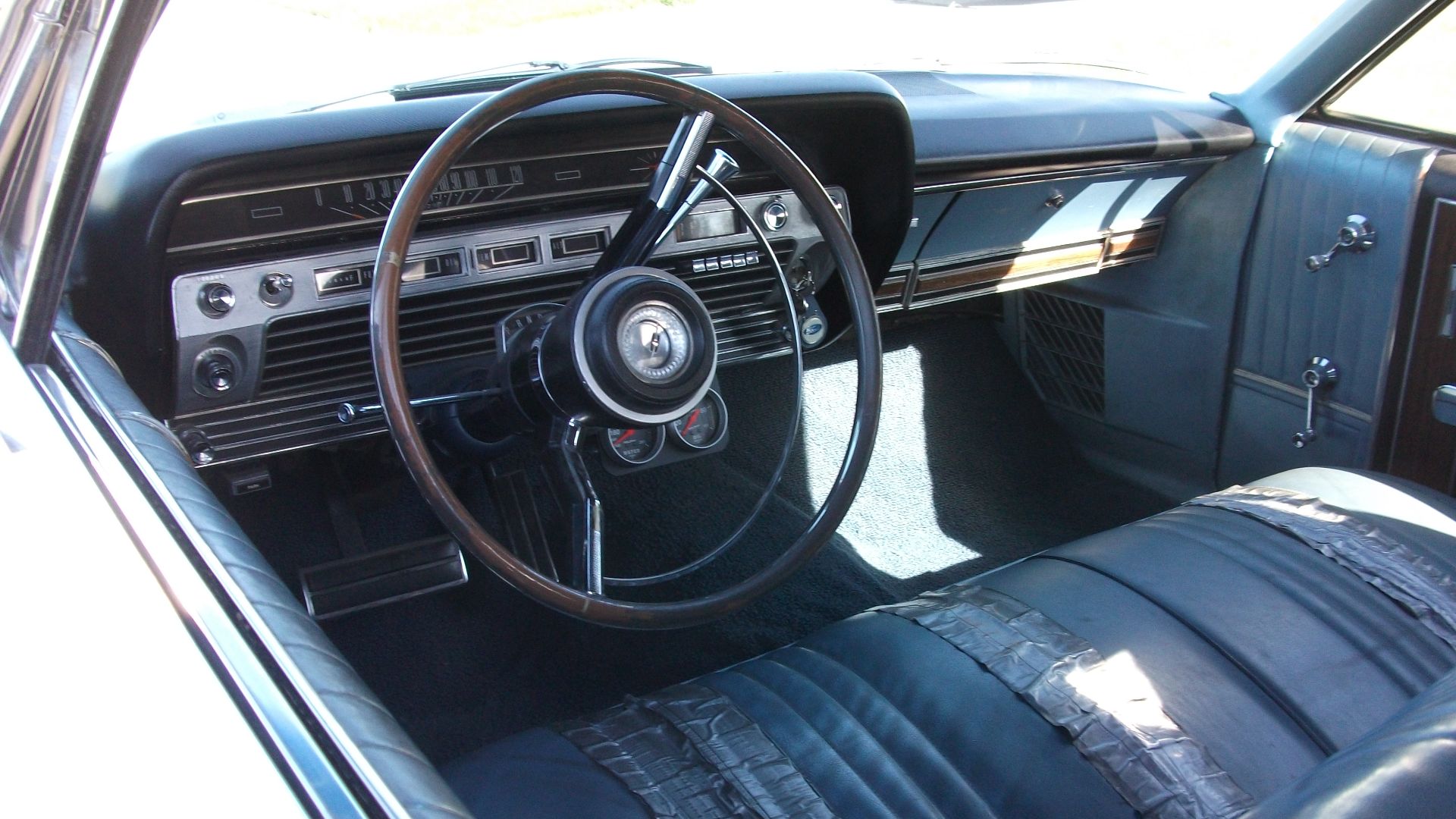 dave_7 from Lethbridge, Canada, Wikimedia Commons
Decorative Hood Ornaments
Sharp metal hood ornaments were once considered symbols of prestige. Unfortunately, they also posed a serious hazard to pedestrians during collisions. Modern pedestrian-safety standards have largely eliminated fixed ornaments or replaced them with retractable designs.
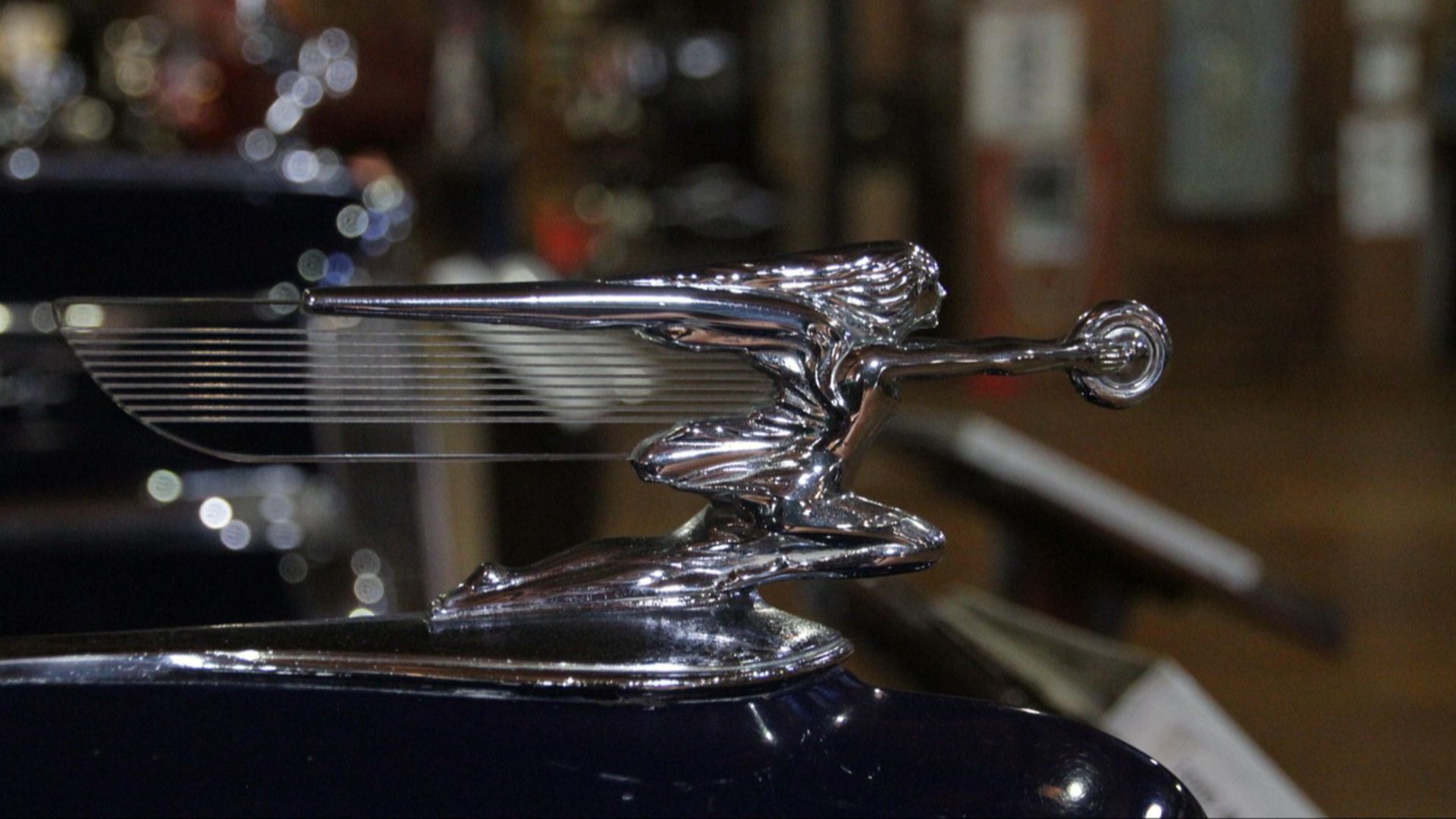
Chrome Dashboard Knobs
Radio controls, lighter knobs, and ventilation levers often protruded several inches from dashboards. These hard projections created additional injury risks during crashes, leading manufacturers to adopt recessed or collapsible controls later in the decade.

Non-Collapsible Windshield Frames
Many windshield frames were extremely rigid. During severe impacts, occupants could strike these structures with tremendous force. Improvements in body design and roof structures gradually reduced the hazards associated with windshield openings.
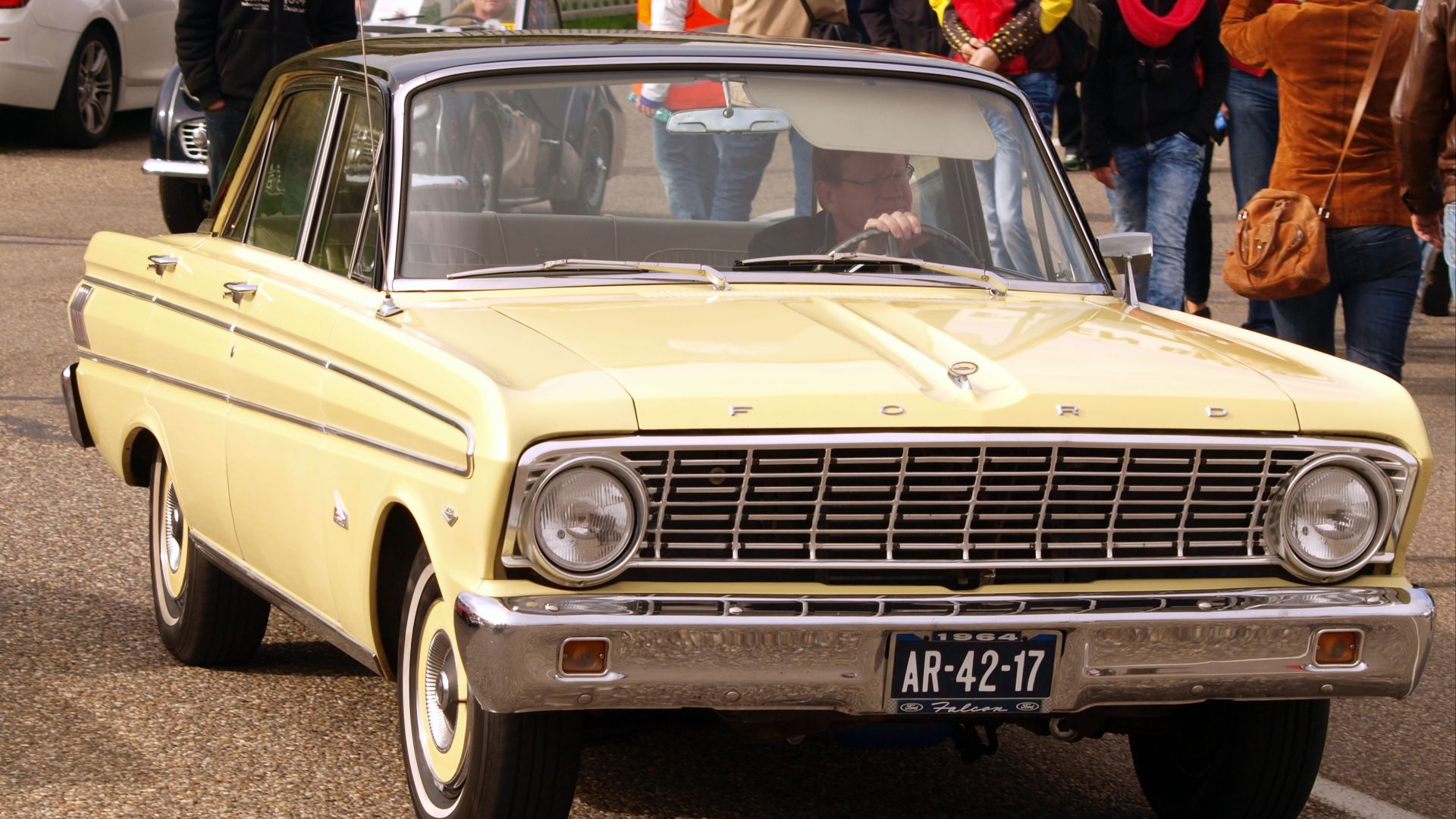 Alf van Beem, Wikimedia Commons
Single-Circuit Brakes
Many 1960s vehicles relied on a single hydraulic braking system. A single leak could result in complete brake failure. Dual-circuit brake systems later became standard, allowing partial braking capability even if one circuit failed.
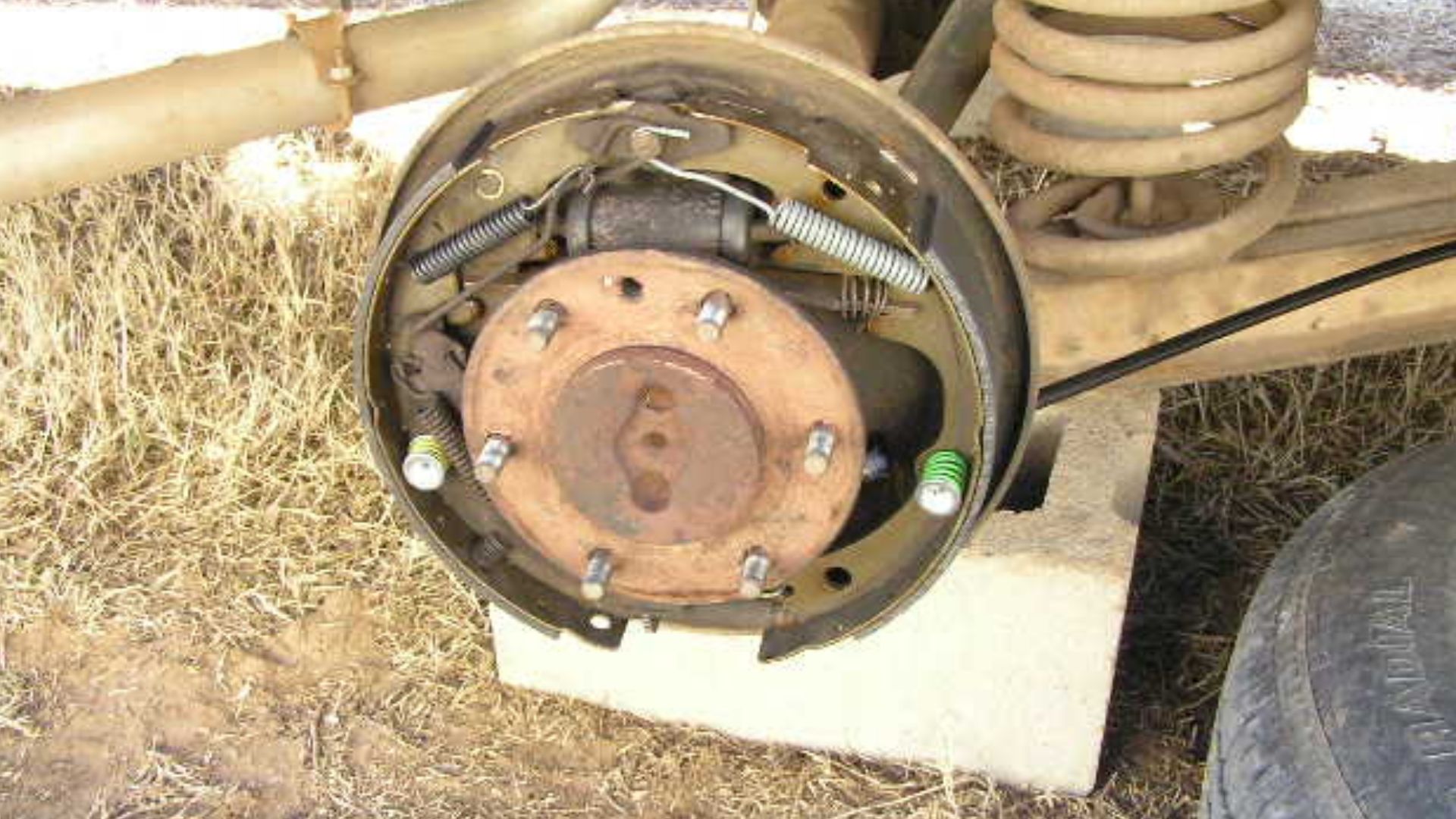 Original uploader and author was -WesK- at English Wikipedia, Wikimedia Commons
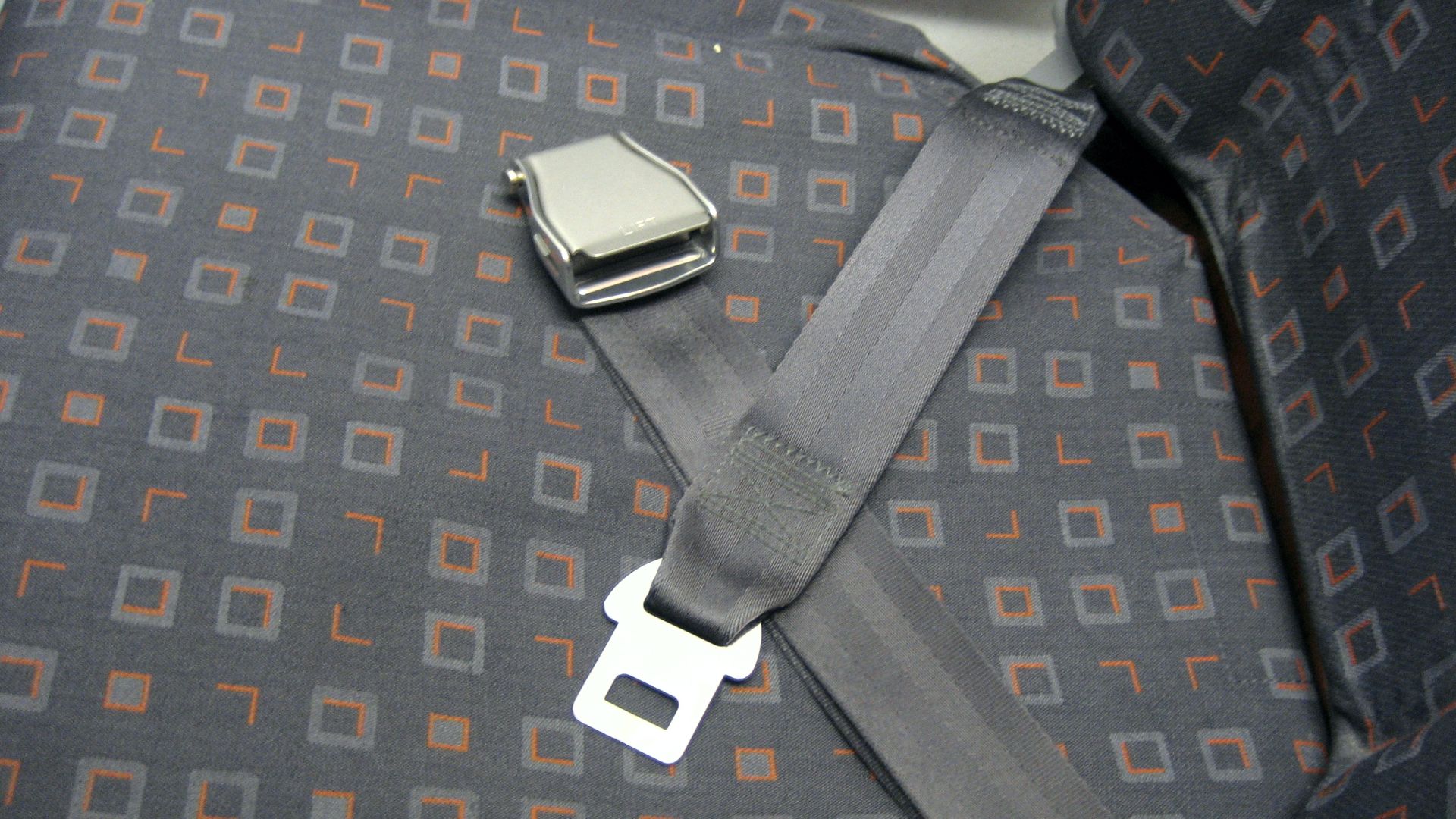
Lap Belts Instead Of Three-Point Belts
When seat belts were installed, many consisted only of lap belts. While they reduced ejection risk, they offered limited upper-body protection and sometimes contributed to abdominal injuries during severe crashes. Three-point belts represented a major improvement.
 Christopher Doyle from Horley, United Kingdom, Wikimedia Commons
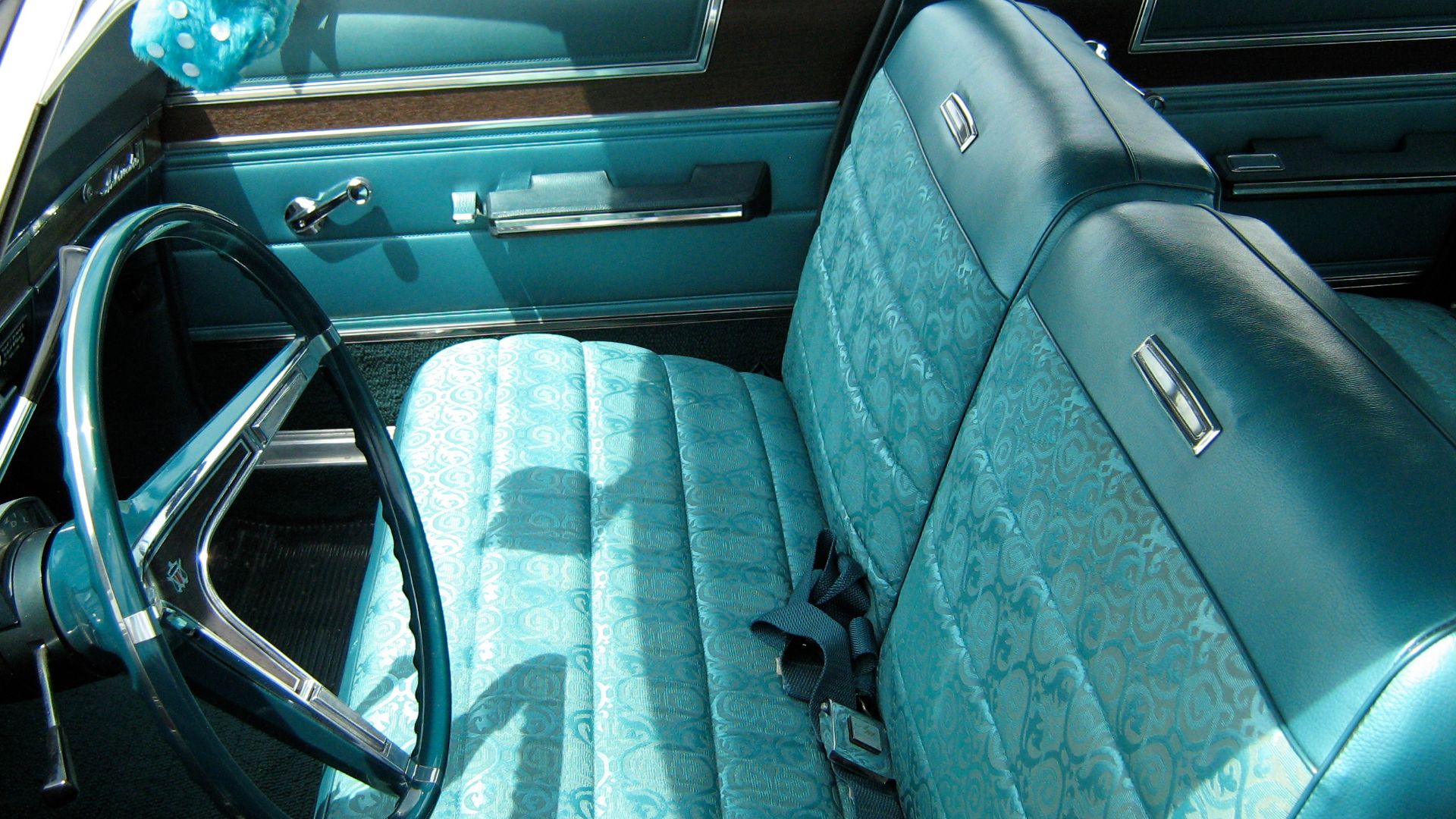
Seat Belts As Optional Equipment
Early in the decade, many buyers had to pay extra for seat belts or simply declined to order them. Today, federally mandated seat belts are among the most effective lifesaving devices ever installed in automobiles.
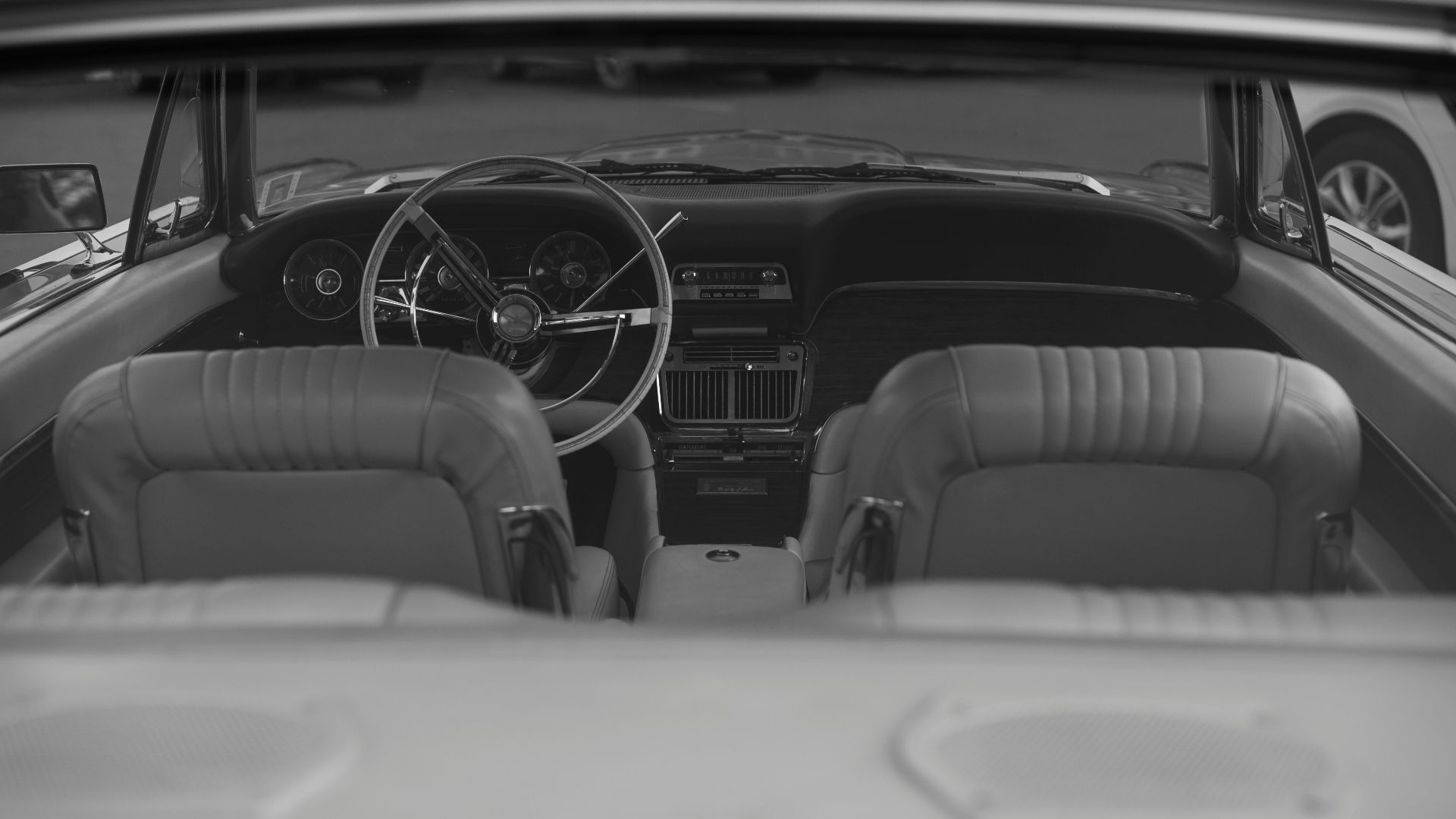
No Head Restraints
Many front seats lacked adjustable head restraints. Rear-end collisions could easily produce severe whiplash injuries. Modern head restraints are carefully designed to reduce neck movement and minimize cervical spine injuries.
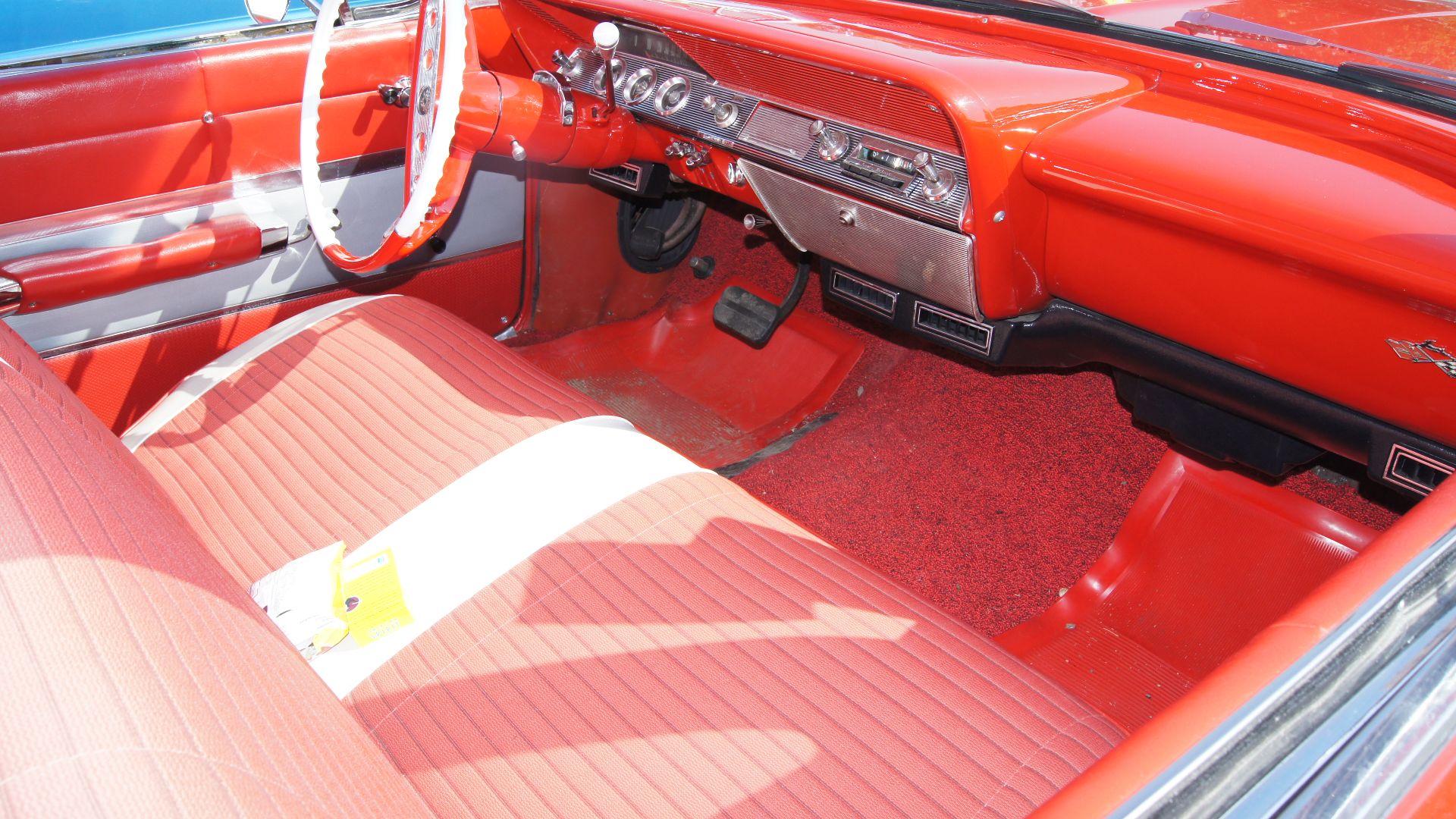
Hard Bench Seats
Full-width bench seats remained common throughout much of the decade. Although comfortable, they provided little lateral support and offered minimal assistance in keeping occupants properly positioned during sudden maneuvers or collisions.
 Greg Gjerdingen from Willmar, USA, Wikimedia Commons
Unsafe Door Latches
Earlier door-latch designs sometimes flew open during crashes, increasing the risk of occupant ejection. Improved safety door latches became standard after engineers recognized this potentially deadly weakness.
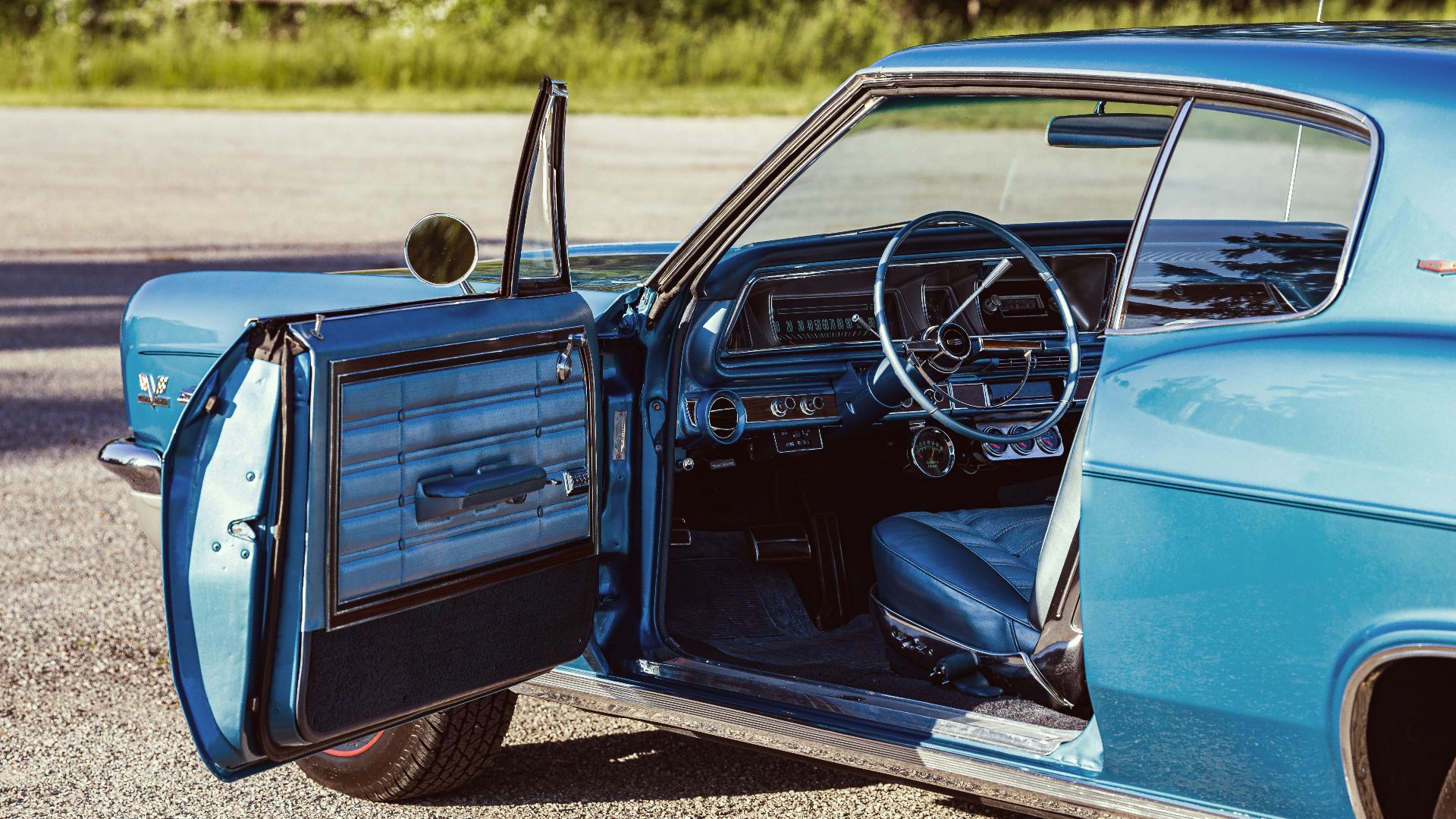
Minimal Side-Impact Protection
Doors of the era generally lacked reinforced side-impact beams. Occupants had relatively little protection from intruding vehicles or objects during side collisions compared with today's heavily reinforced passenger compartments.
 Tony Traverso, Wikimedia Commons
Thin Roof Structures
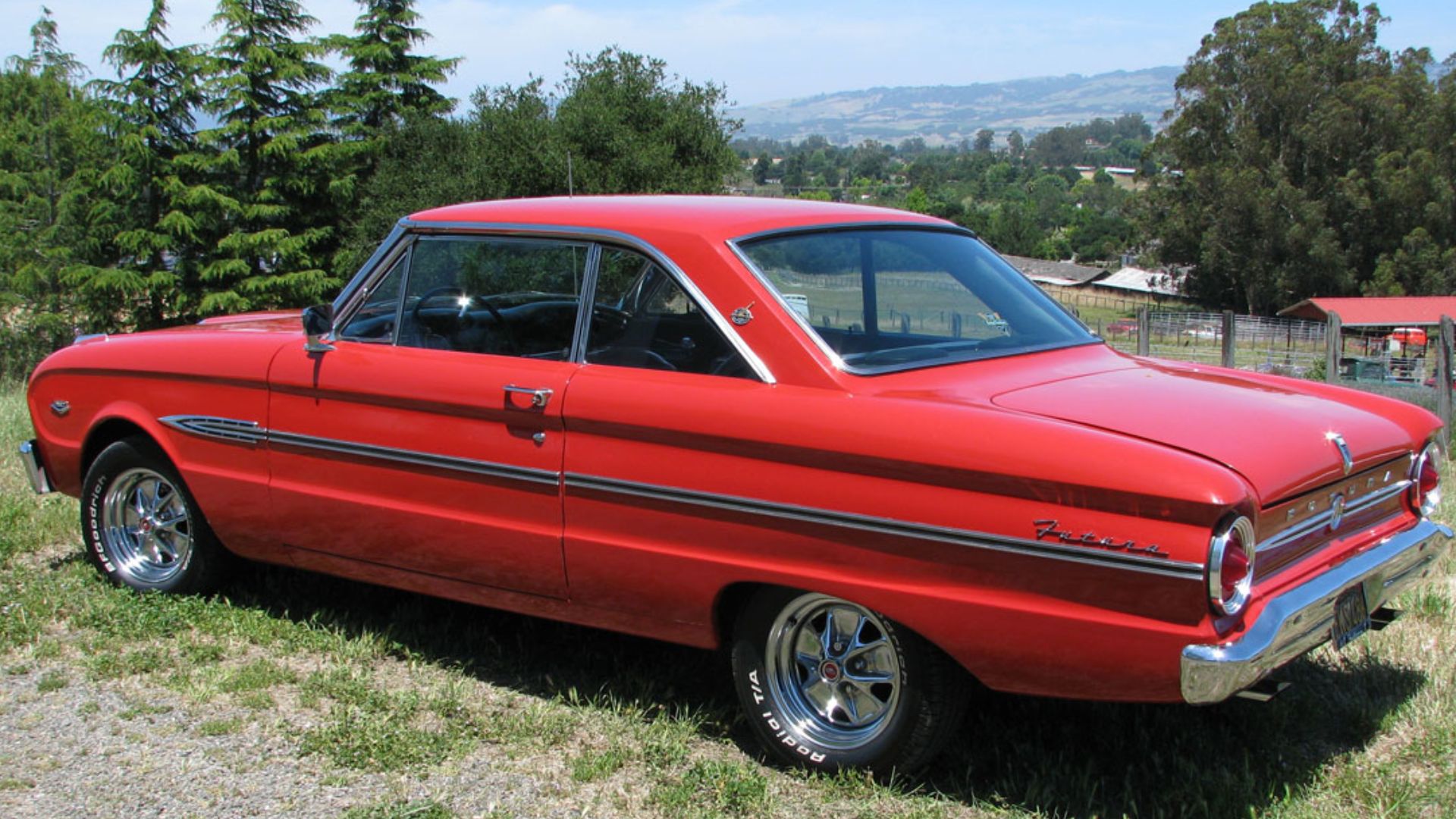
Roof strength standards were relatively modest during much of the 1960s. Rollovers could lead to substantial roof collapse, increasing the likelihood of severe injuries. Modern roof-crush standards require dramatically stronger passenger compartments.

Fuel Tanks In Vulnerable Locations
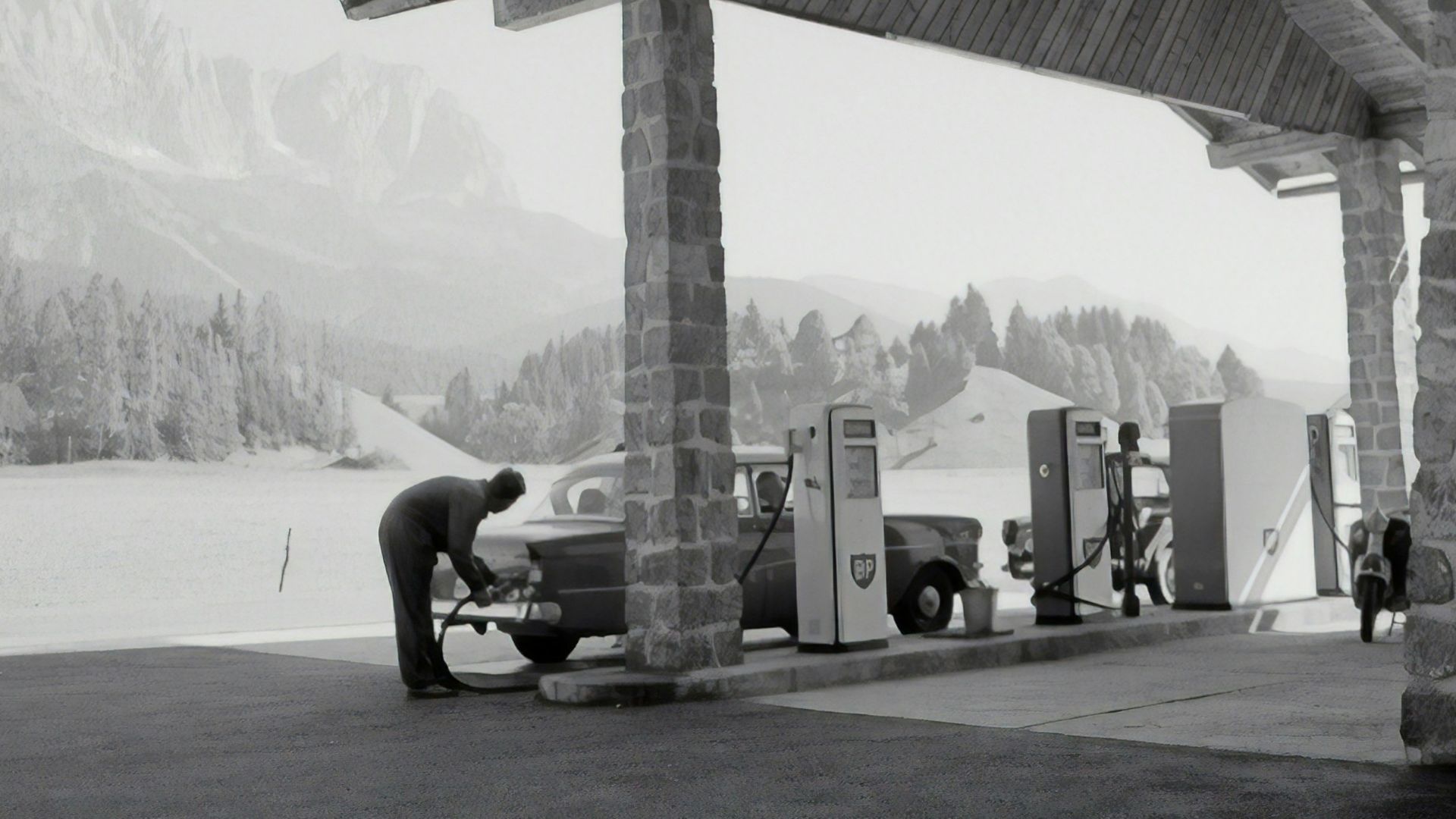
Some vehicles placed fuel tanks where rear-end collisions could more easily damage them. Later engineering improvements relocated tanks or surrounded them with better structural protection to reduce post-crash fire risks.
 Austrian National Library, Unsplash
Sharp Interior Trim
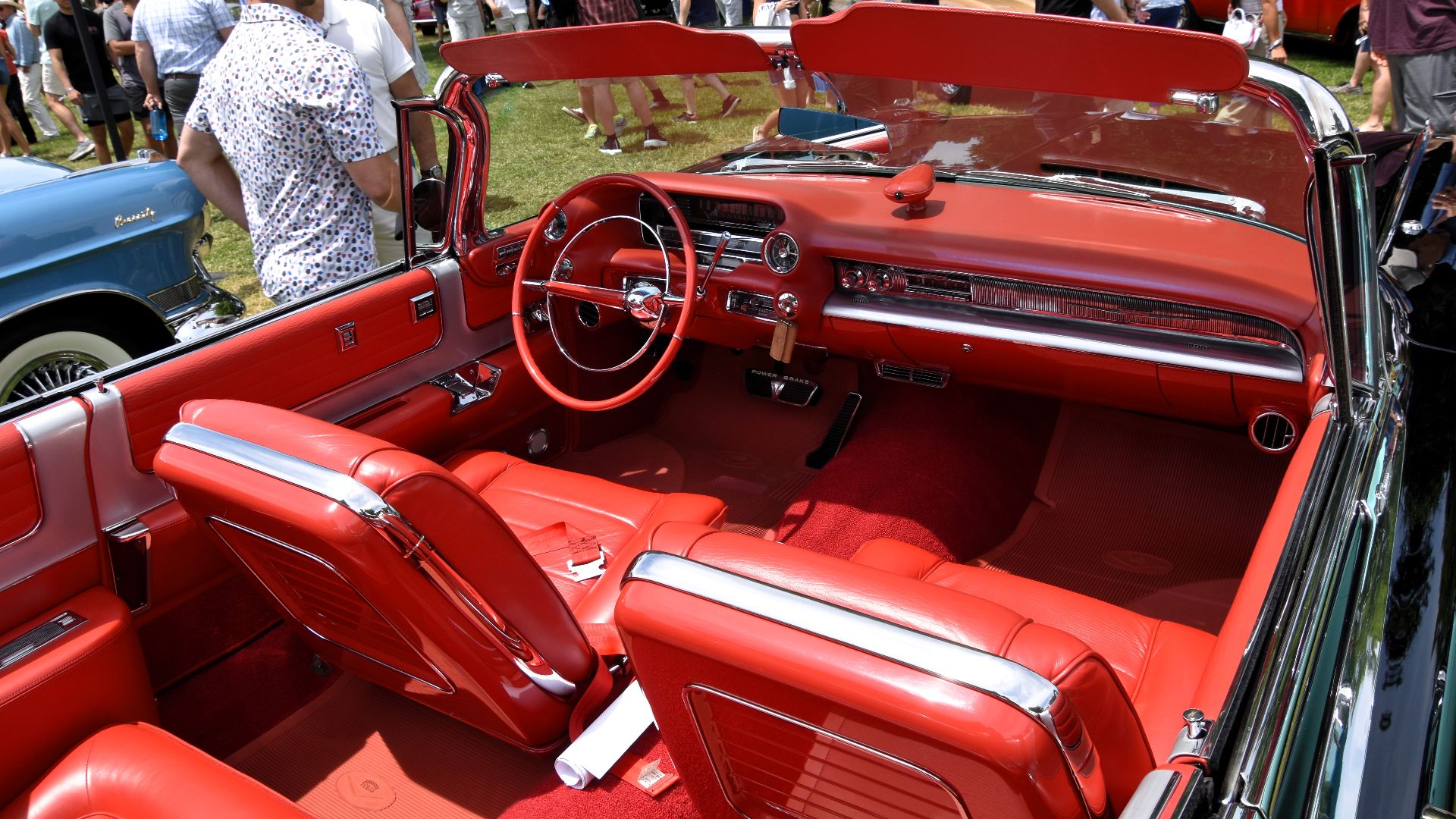
Chrome trim, pointed handles, decorative emblems, and exposed metal edges decorated many interiors. While visually attractive, these features created additional injury hazards during crashes and gradually disappeared from passenger compartments.
 Charles from Port Chester, New York, Wikimedia Commons
Glass That Didn't Protect Occupants
Although laminated windshields had become common, side and rear windows often shattered into dangerous fragments or allowed occupants to be ejected. Modern tempered glass and laminated side glass provide much greater protection.
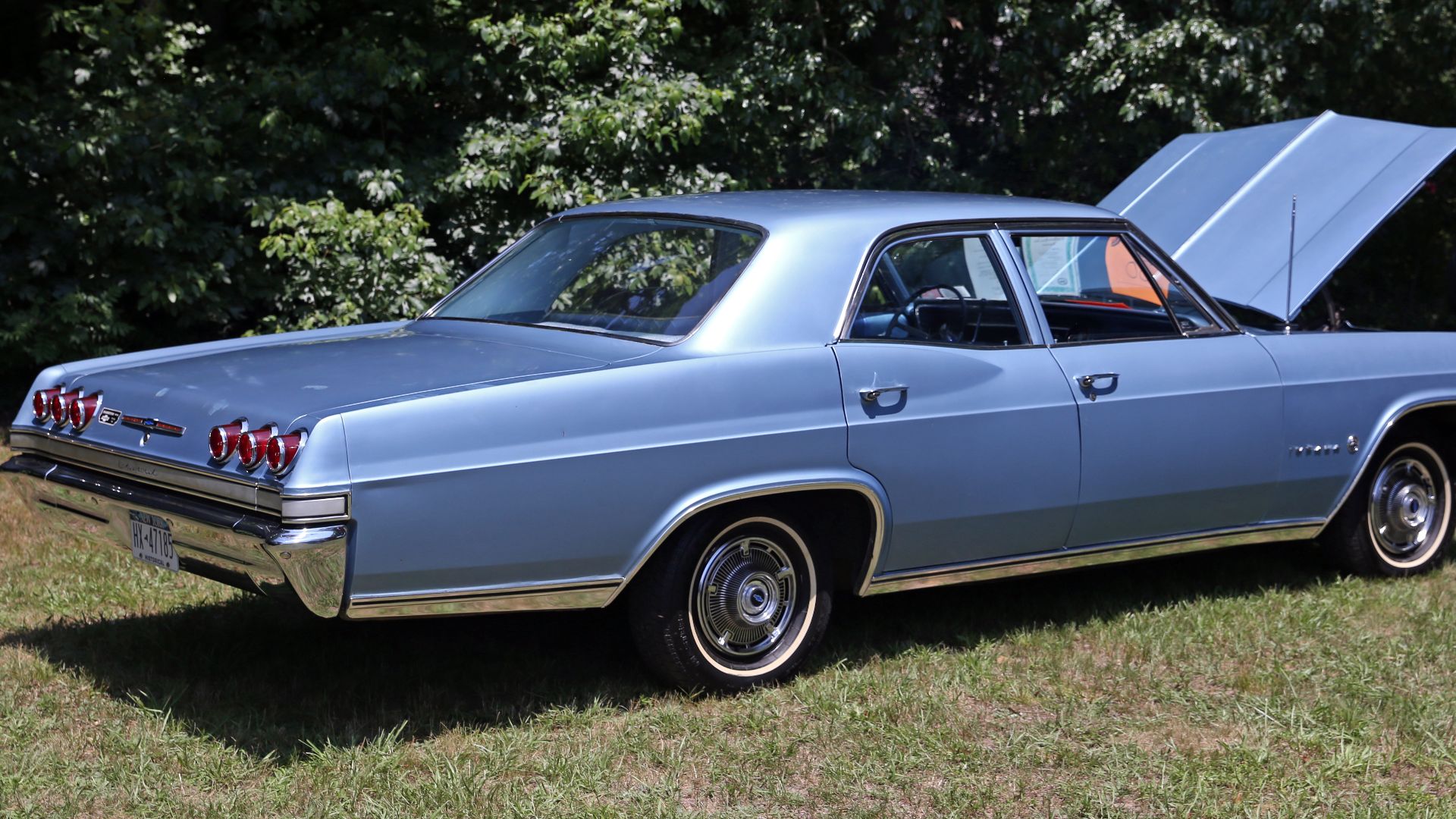 Mr.choppers, Wikimedia Commons
No Airbags
Airbags remained years away from widespread production. Drivers depended almost entirely on steering wheels and seat belts for protection, leaving occupants far more vulnerable in moderate and severe frontal collisions.
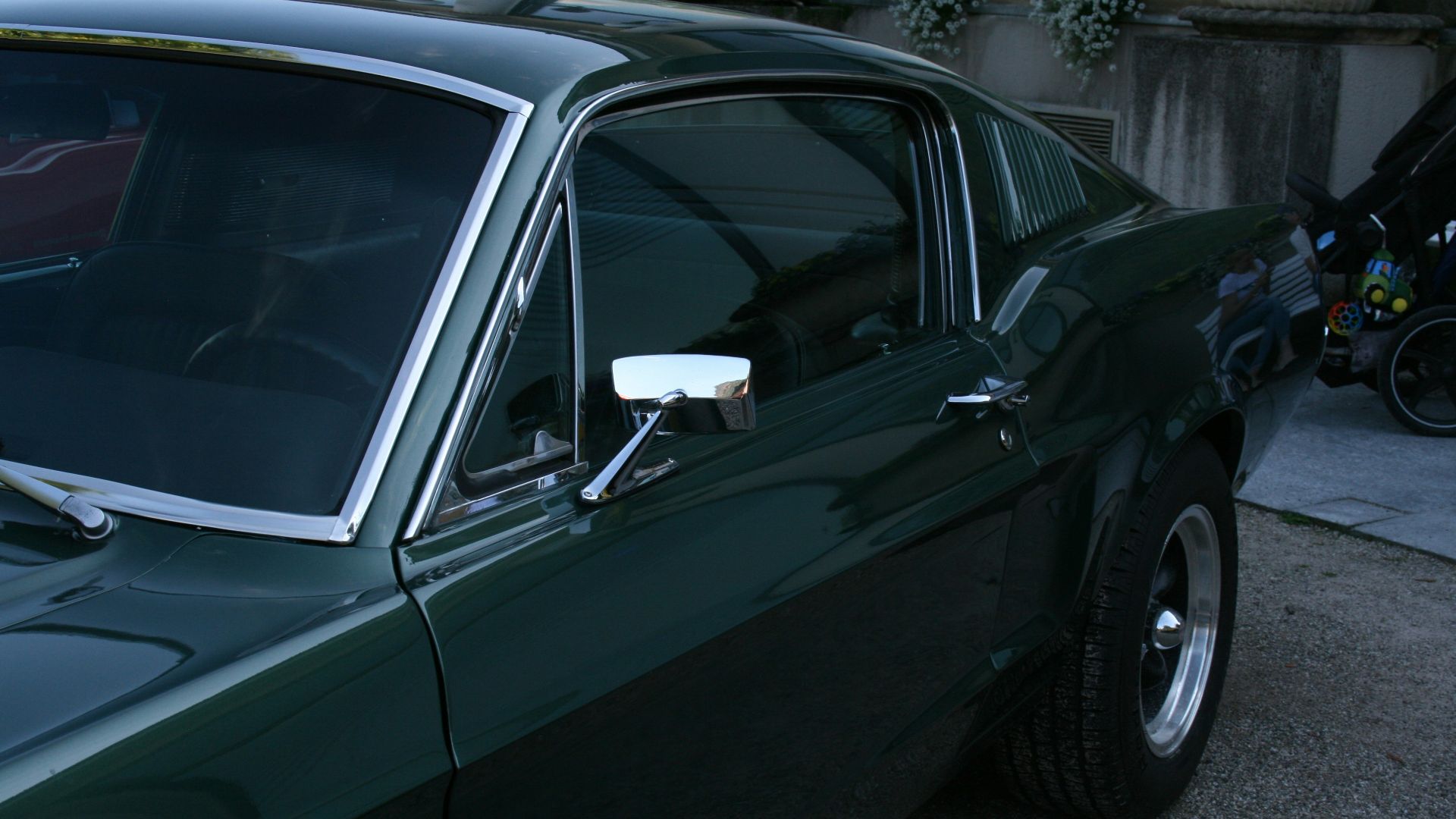
Tiny Side Mirrors
Many cars used small exterior mirrors that left substantial blind spots. Modern mirrors provide significantly better visibility while additional technologies such as blind-spot monitoring further reduce collision risks.
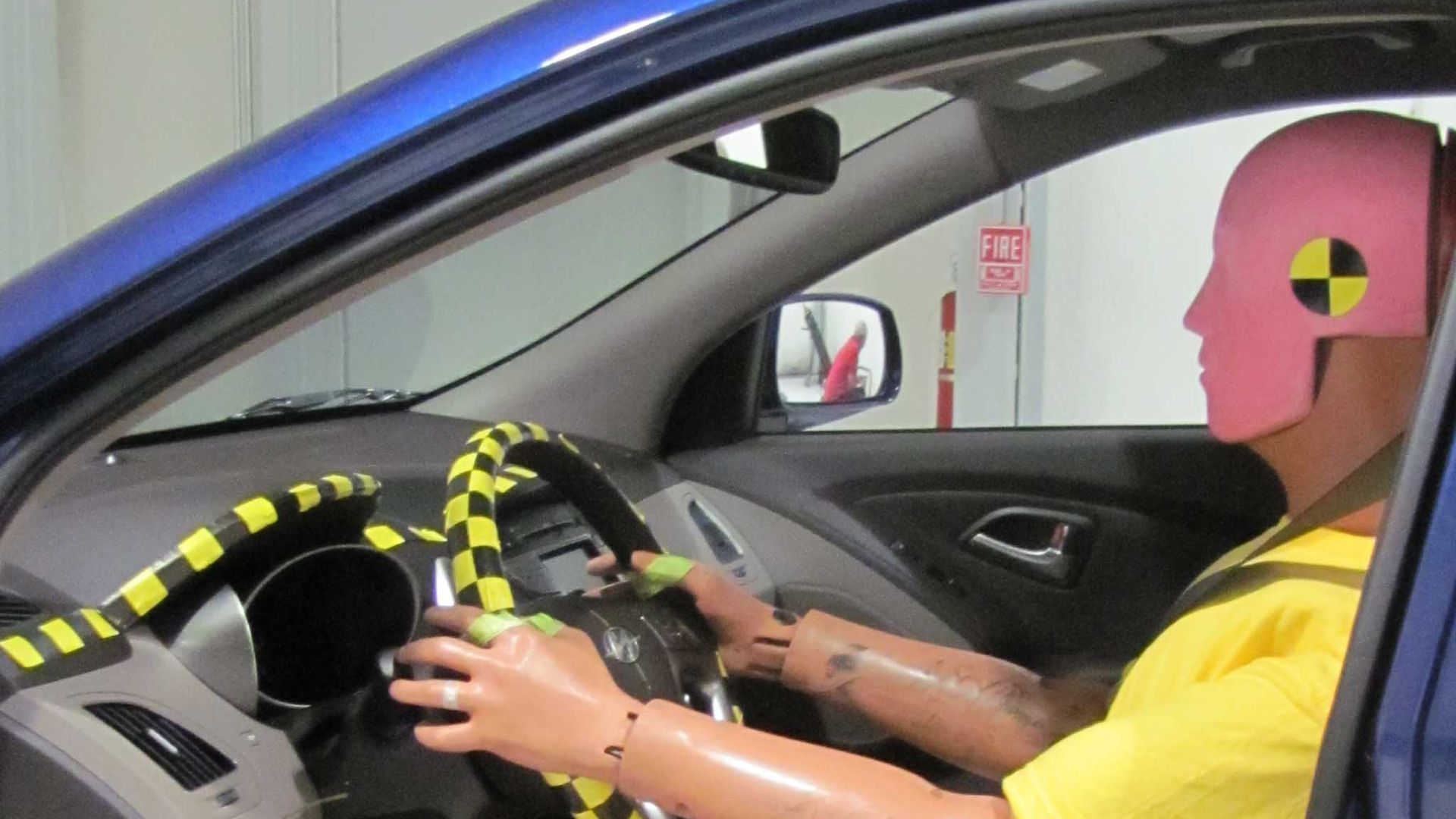
Poor Crash Testing
Automakers conducted relatively little standardized crash testing compared with today's rigorous programs. Modern vehicles undergo extensive frontal, side, rear, rollover, pedestrian, and small-overlap testing before reaching customers.
Rear Seats With Few Safety Features
Rear-seat passengers often had no seat belts, head restraints, or other meaningful occupant protection. Today's rear seating positions are designed with integrated restraint systems comparable to those protecting front occupants.
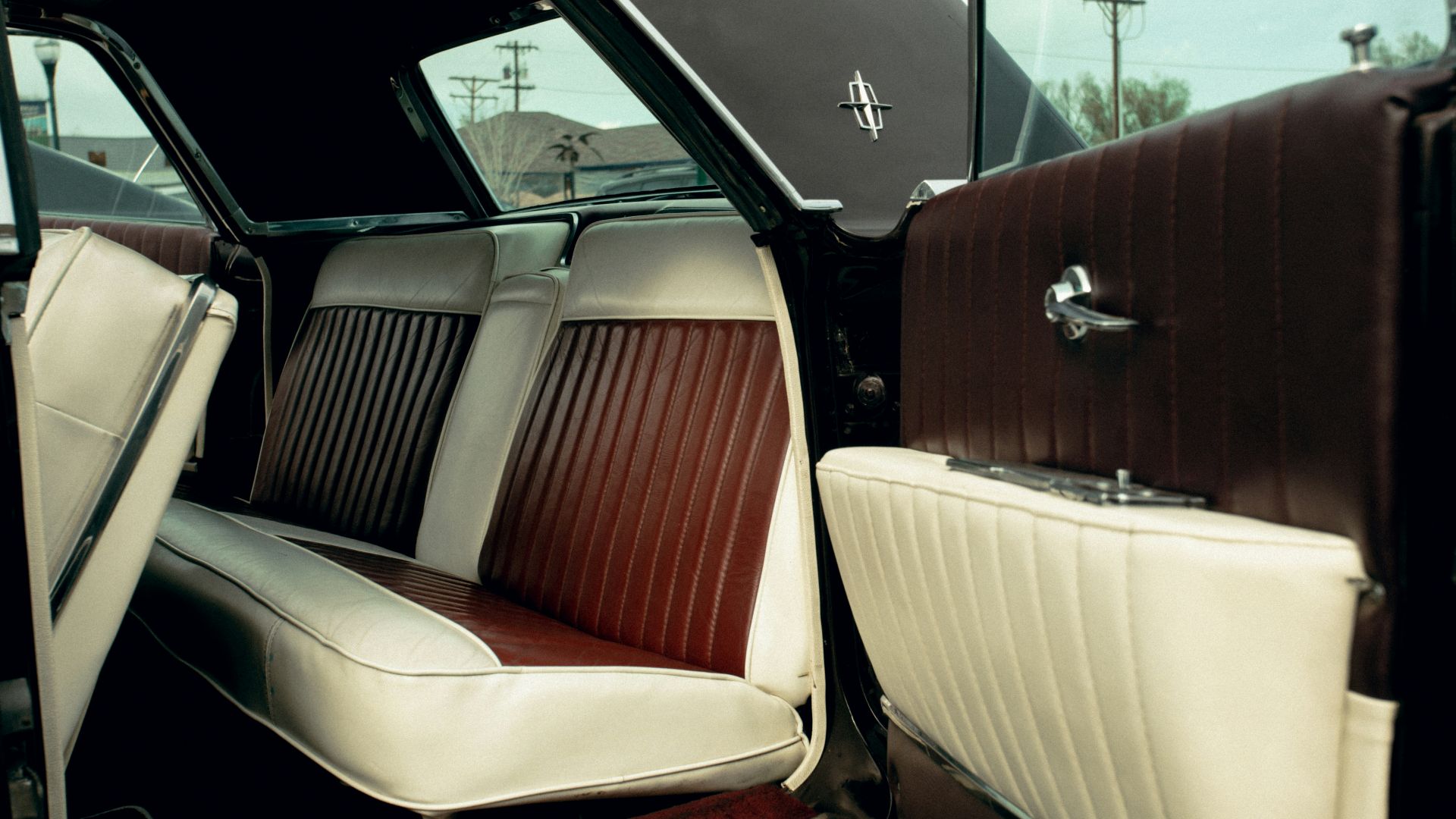
Styling Often Came Before Safety
Detroit competed fiercely through chrome, tailfins, horsepower, and dramatic styling. Crashworthiness frequently received less attention because consumers generally prioritized appearance, performance, and comfort over occupant protection during the early 1960s.
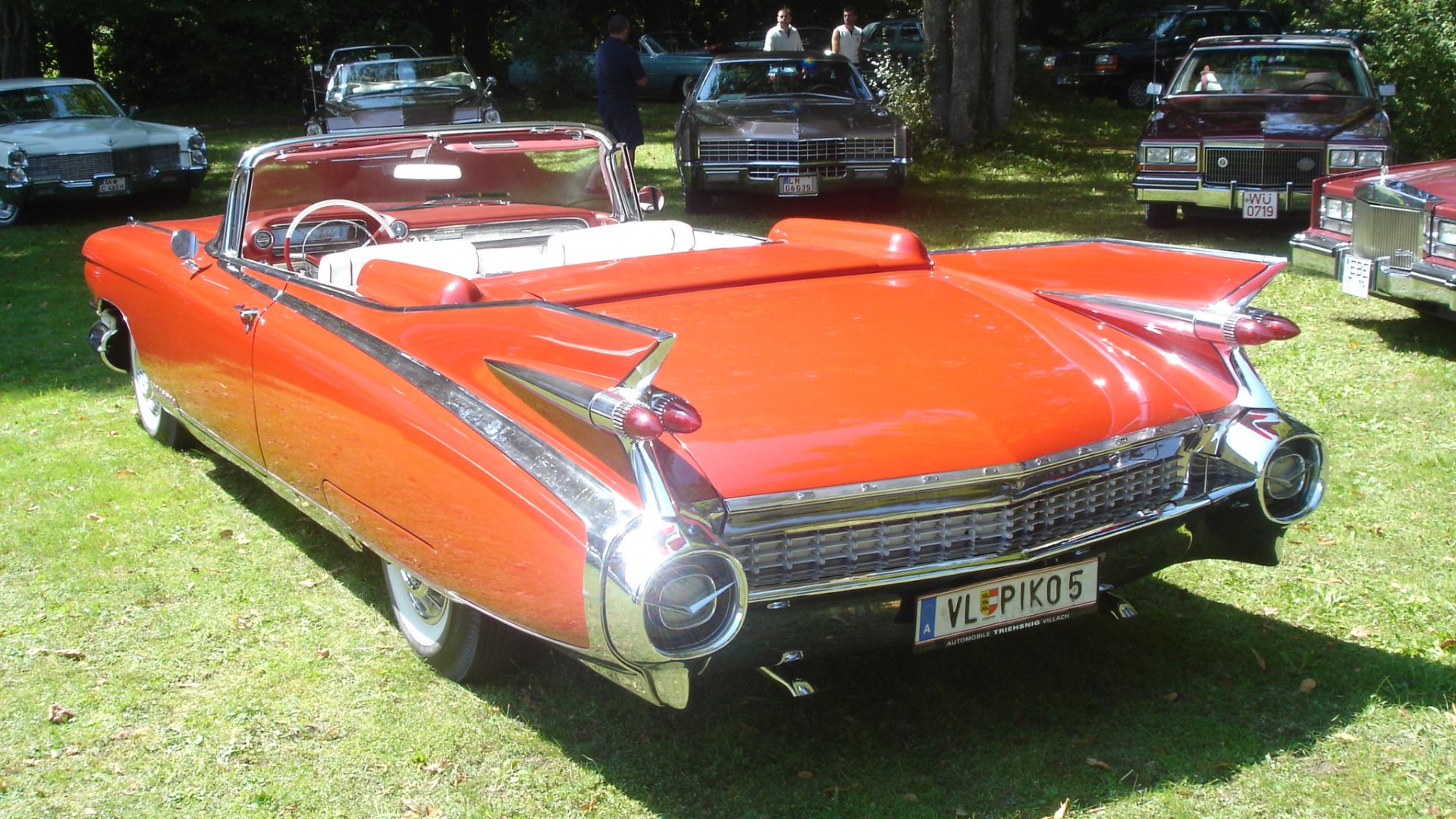
Ralph Nader Changed The Conversation
The publication of Ralph Nader's book Unsafe at Any Speed in 1965 fundamentally changed public discussion about automobile safety. Rather than blaming drivers alone, Nader argued manufacturers should build vehicles that better protected occupants during crashes.
 Thomas J. O'Halloran, photographer, Wikimedia Commons
The Federal Government Stepped In
Public concern helped lead to the National Traffic and Motor Vehicle Safety Act of 1966 and the Highway Safety Act. These laws established federal authority over vehicle safety standards and accelerated the development of safer automobiles.

Safety Became A Selling Point
By the 1970s and beyond, manufacturers increasingly competed on crash protection rather than simply horsepower and styling. Features such as collapsible steering columns, stronger bodies, improved restraints, and later airbags became major selling points.

Today's Cars Are Worlds Apart
Modern vehicles still face new safety challenges, but they offer levels of crash protection unimaginable during the 1960s. Decades of engineering, regulation, and real-world crash research have transformed automobiles into some of the safest machines ever built.
 Dinkun Chen, Wikimedia Commons
You May Also Like:
Car Features From The 1980s That Felt Like The Future—Then Completely Disappeared By The 2000s
Car Features From The 1970s That Disappeared And Should Definitely Never Come Back