When Cars Could Stop You In Your Tracks
There are cars you buy because they’re practical, and then there are cars you remember seeing once in a parking lot 50 years ago.
For a generation of car-loving men, these were the second kind. Some became legends. Others somehow disappeared from the conversation. But beautiful? That’s one thing they all have in common. How many do you remember?
Studebaker Avanti
Nothing else in an American showroom looked quite like an Avanti in 1963. The grille was basically missing, the body seemed pulled forward by the headlights, and the whole thing looked years ahead of everyone else. Studebaker was struggling, but Raymond Loewy’s design team certainly wasn’t playing it safe.
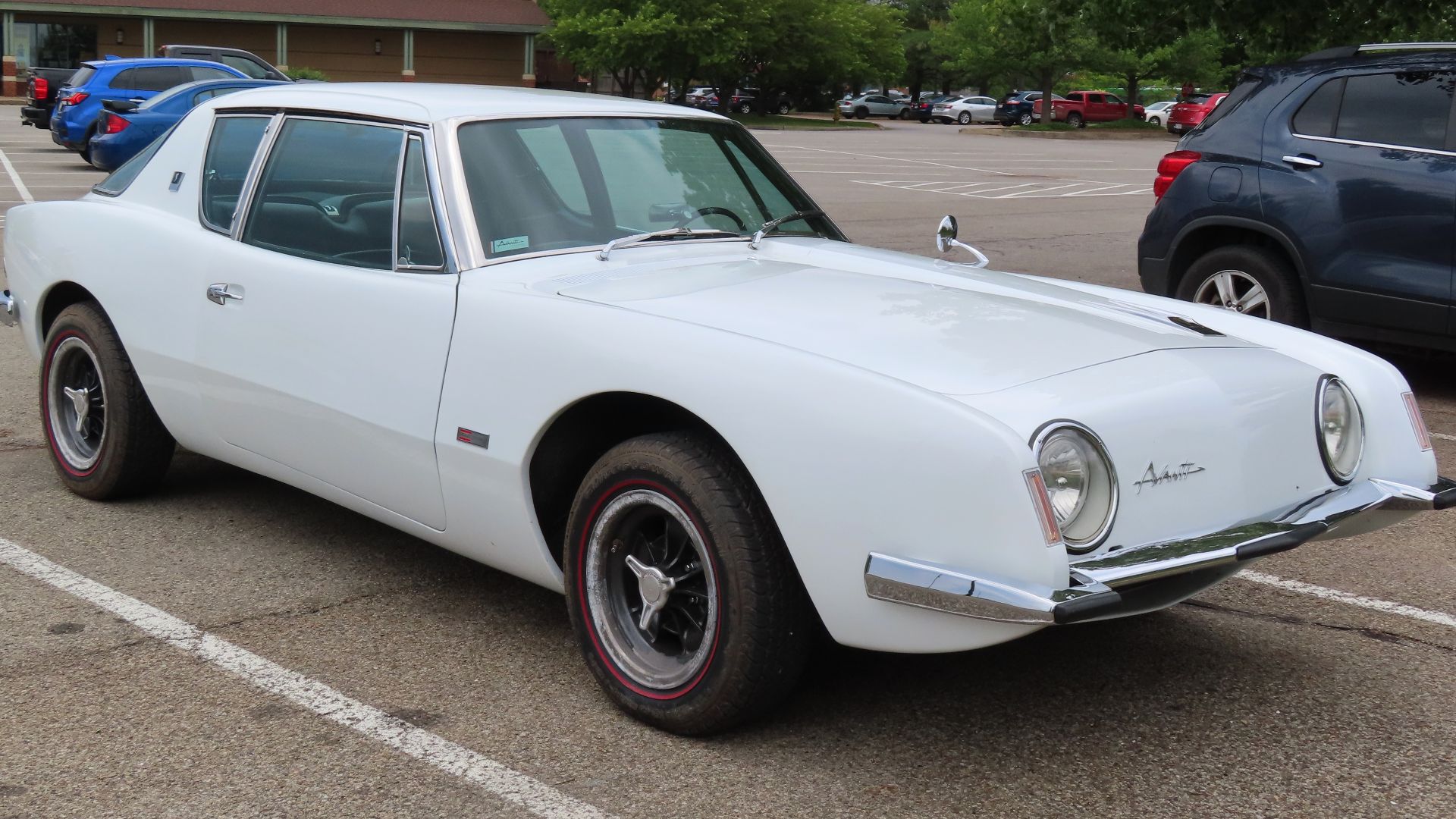 MercurySable99, Wikimedia Commons
Buick Riviera
Park a first-generation Riviera beside almost anything else from 1963 and the Buick still looks expensive. Long hood, low roof, clean sides and none of the chrome overload Detroit sometimes loved. Buick intentionally limited first-year production to 40,000, which only made the Riviera feel more special.
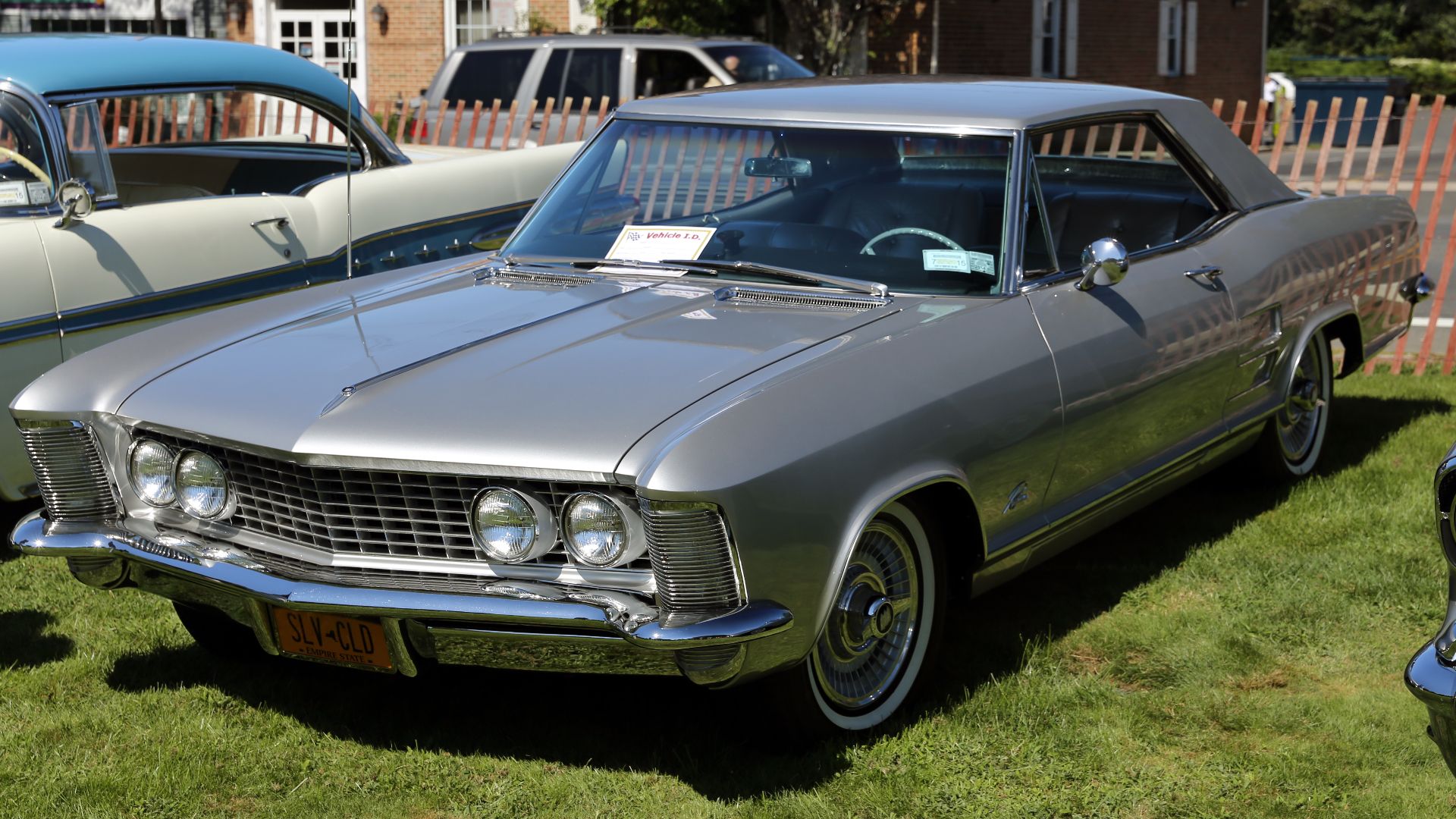 Vetatur Fumare, Wikimedia Commons
Volvo P1800
Yes, Volvo made this. Before the brand became synonymous with sensible square wagons, it produced one of the prettiest coupes of the 60s. The P1800 even became Simon Templar’s car on The Saint, giving millions of viewers a weekly reminder that sensible Swedes could apparently flirt a little, too.
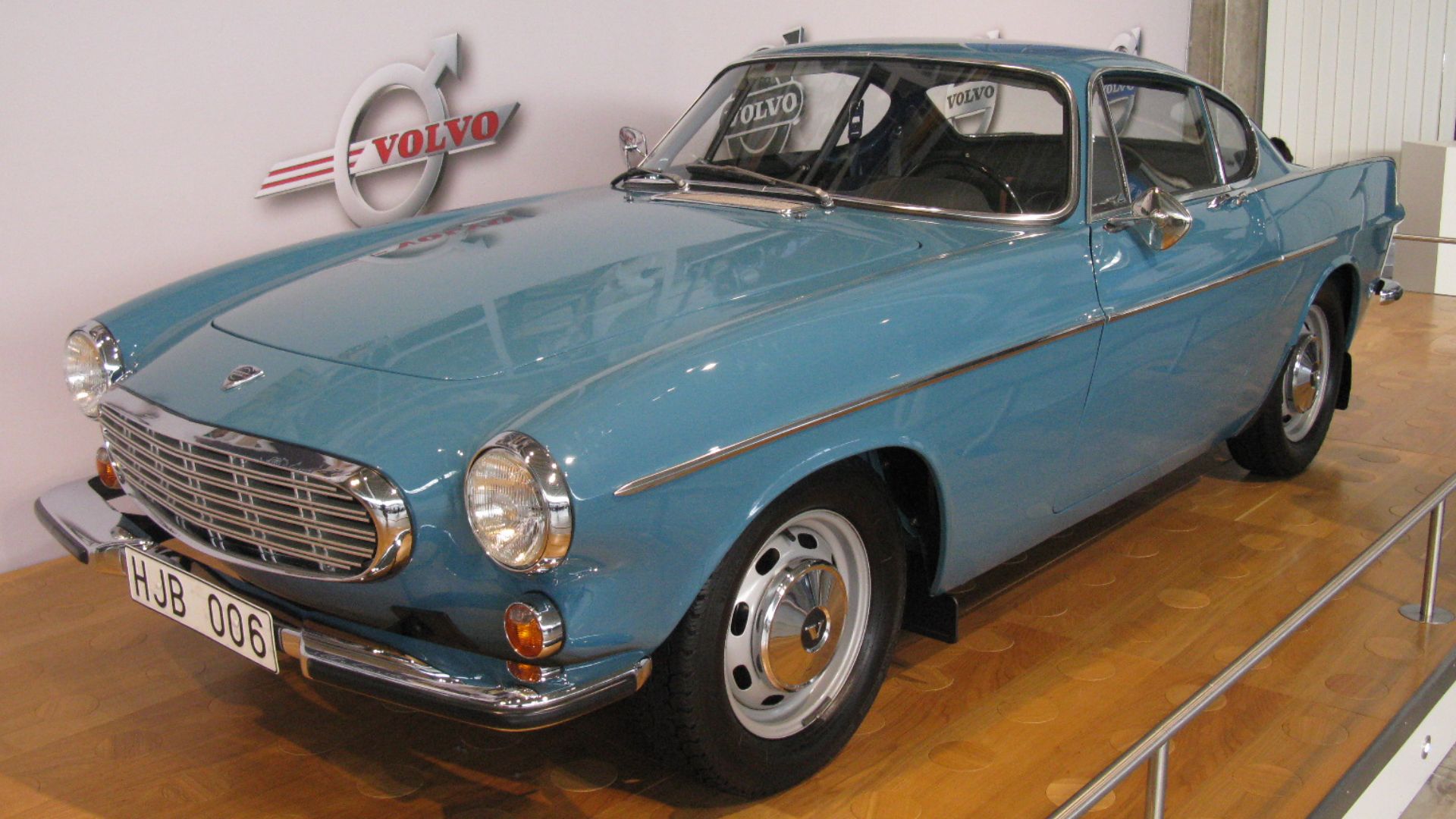
Opel GT
This is usually where somebody under 40 asks, “Wait, what kind of Corvette is that?” It isn’t one. The Opel GT was a tiny German sports car with curvy bodywork and wonderfully strange rotating headlights. Buick dealers sold them in America, making this little thing one of GM’s more unexpected showroom attractions.
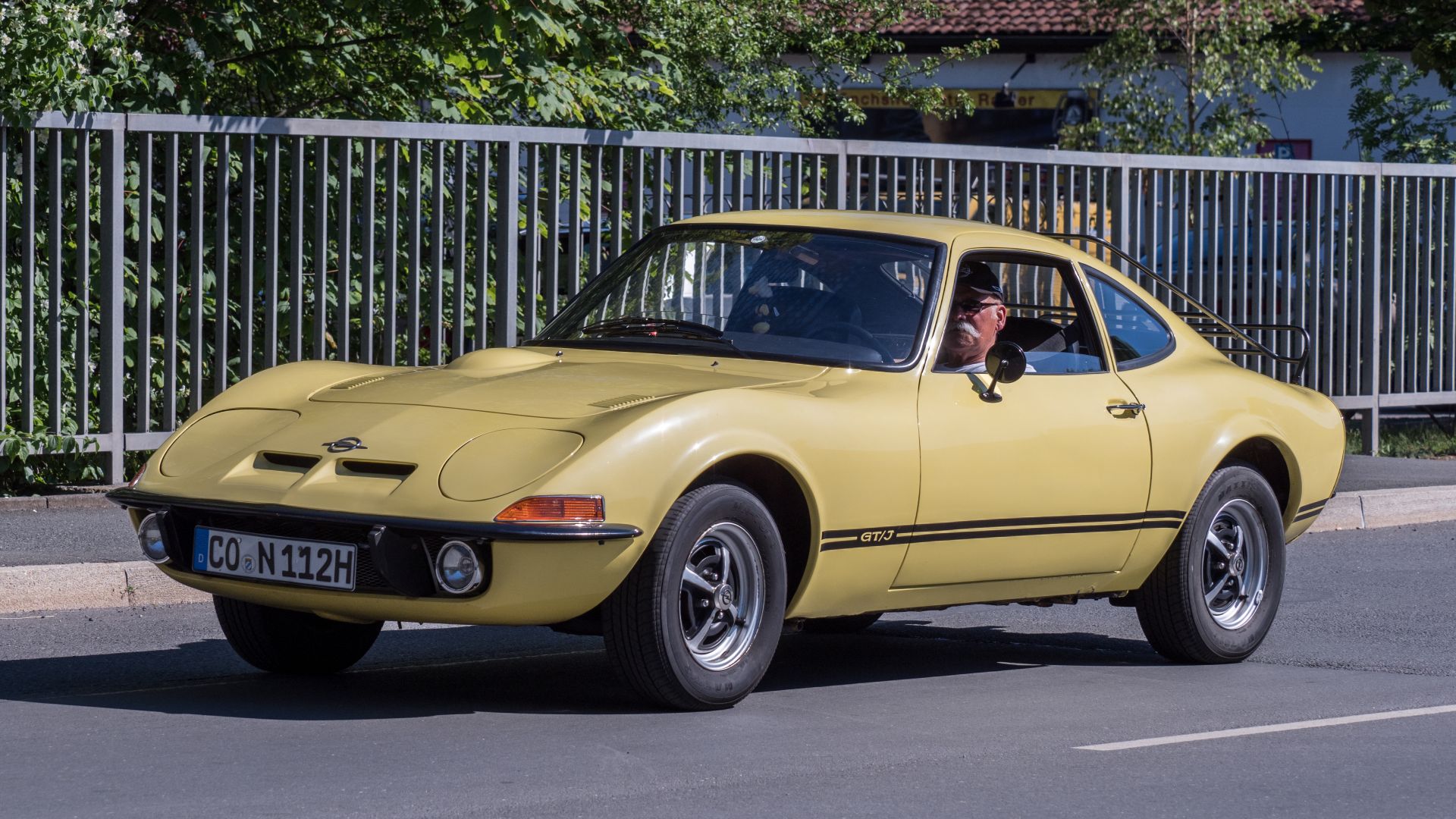
Sunbeam Tiger
At first glance, it looked like a polite little British roadster. Then somebody had the excellent idea of putting a Ford V8 under the hood. Carroll Shelby and Ken Miles were involved in developing prototypes, turning the humble Sunbeam Alpine into the Tiger. Cute suddenly had a very different soundtrack.
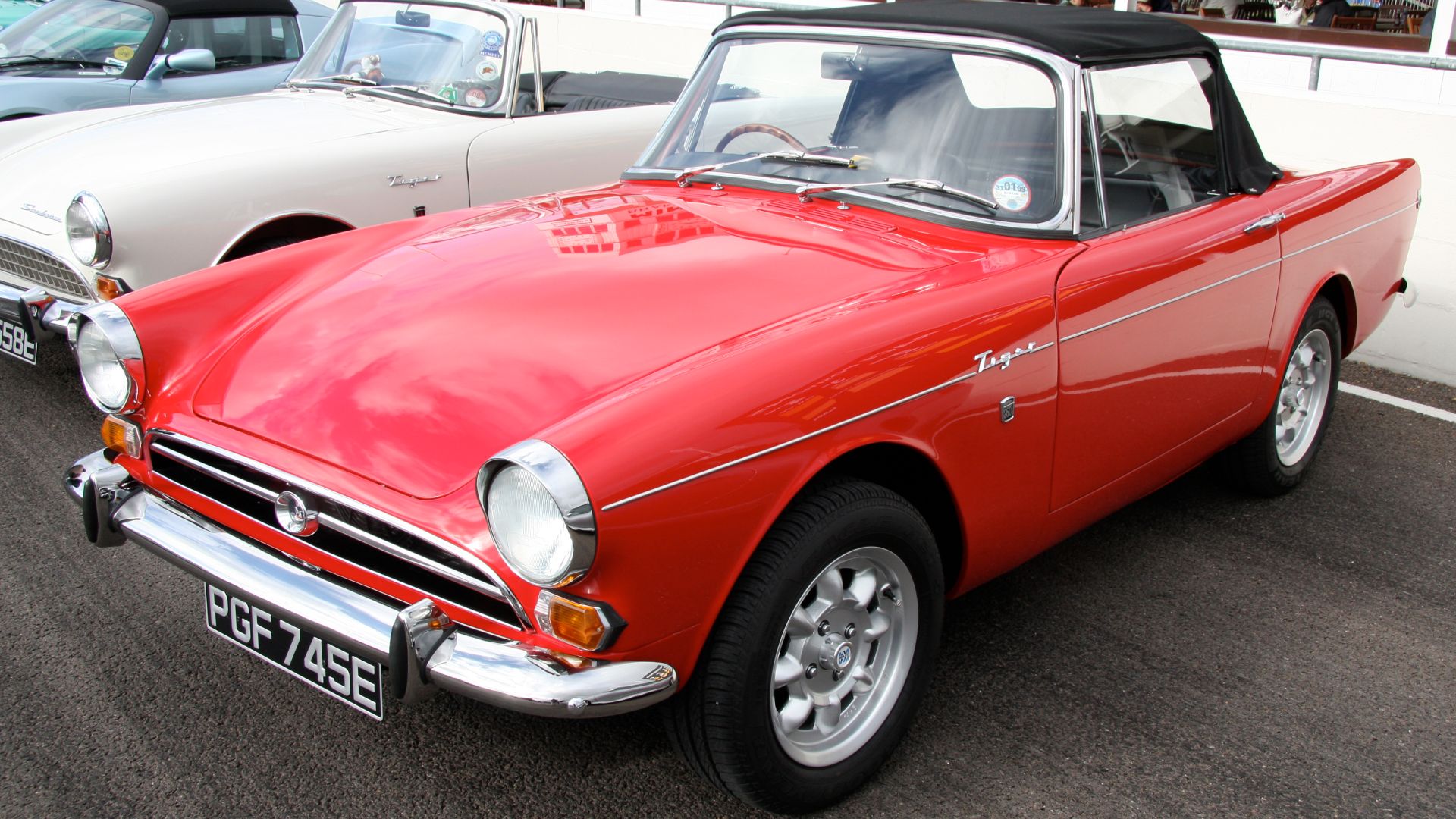 Brian Snelson from Hockley, Essex, England, Wikimedia Commons
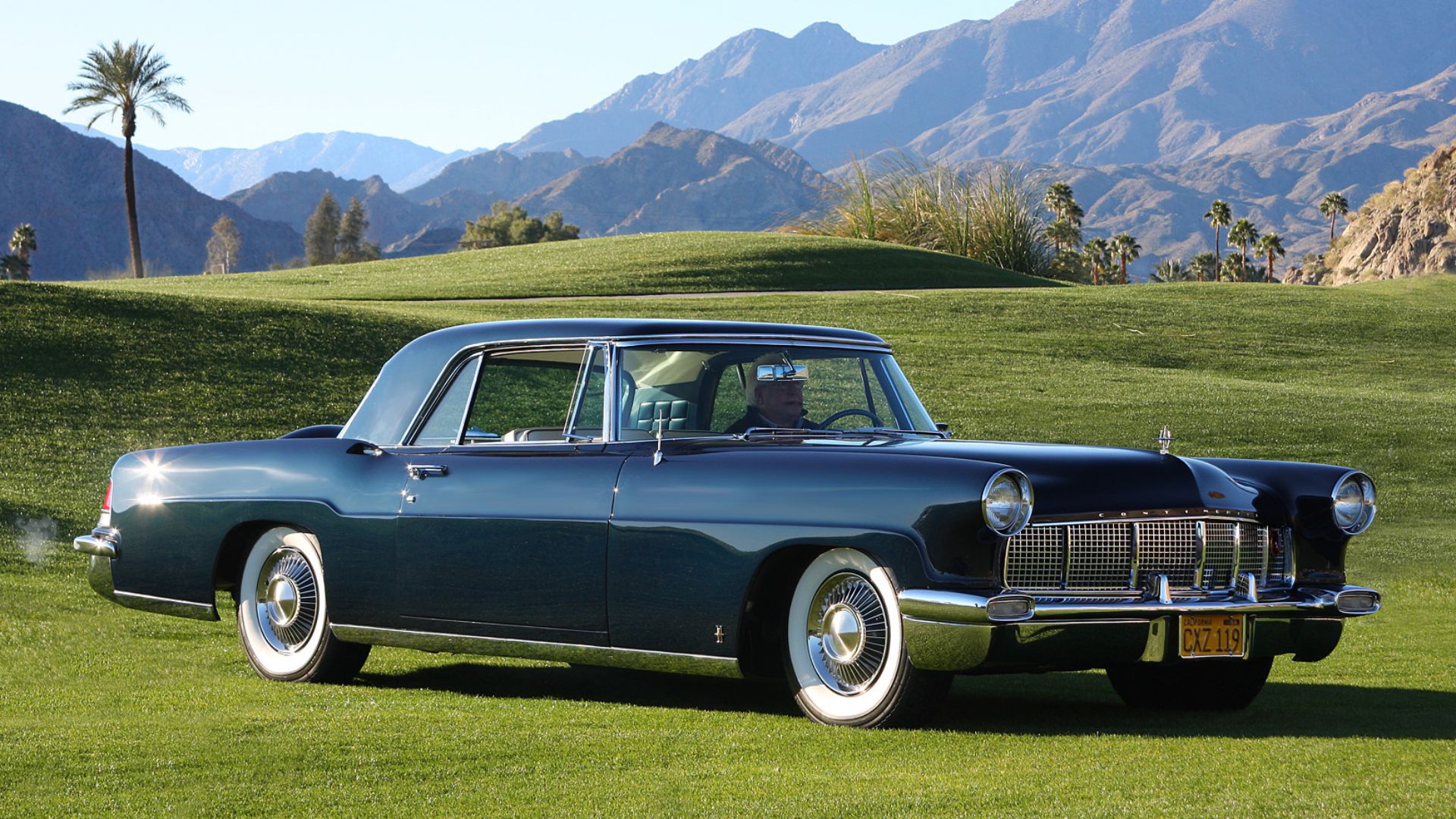
Continental Mark II
Technically, the Mark II was sold under Continental as its own make, not Lincoln. More importantly, it was gorgeous. While the rest of Detroit was discovering increasingly enormous fins, the Mark II stayed remarkably restrained. That simple, elegant shape is probably why it still looks expensive 70 years later.
 Rex Gray from Southern California, Wikimedia Commons
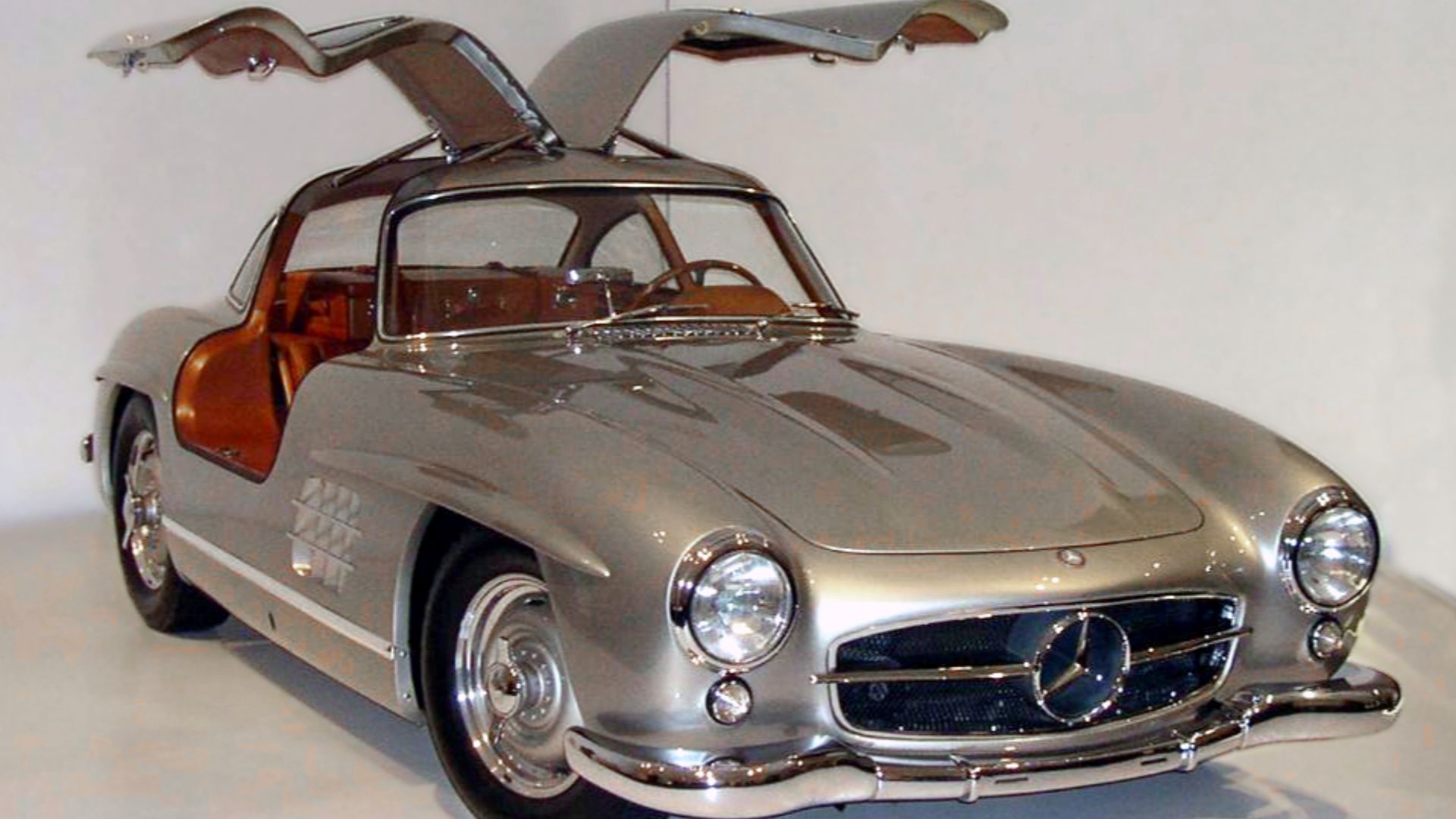
Mercedes-Benz 300 SL Gullwing
Even people who don’t know the name usually recognize the doors. Introduced in the 50s, the 300 SL looked unlike almost anything else on the road, with its impossibly low body, long hood and those famous gullwing doors. Mercedes-Benz calls it a design icon, and nearly 70 years later, that feels like an understatement.
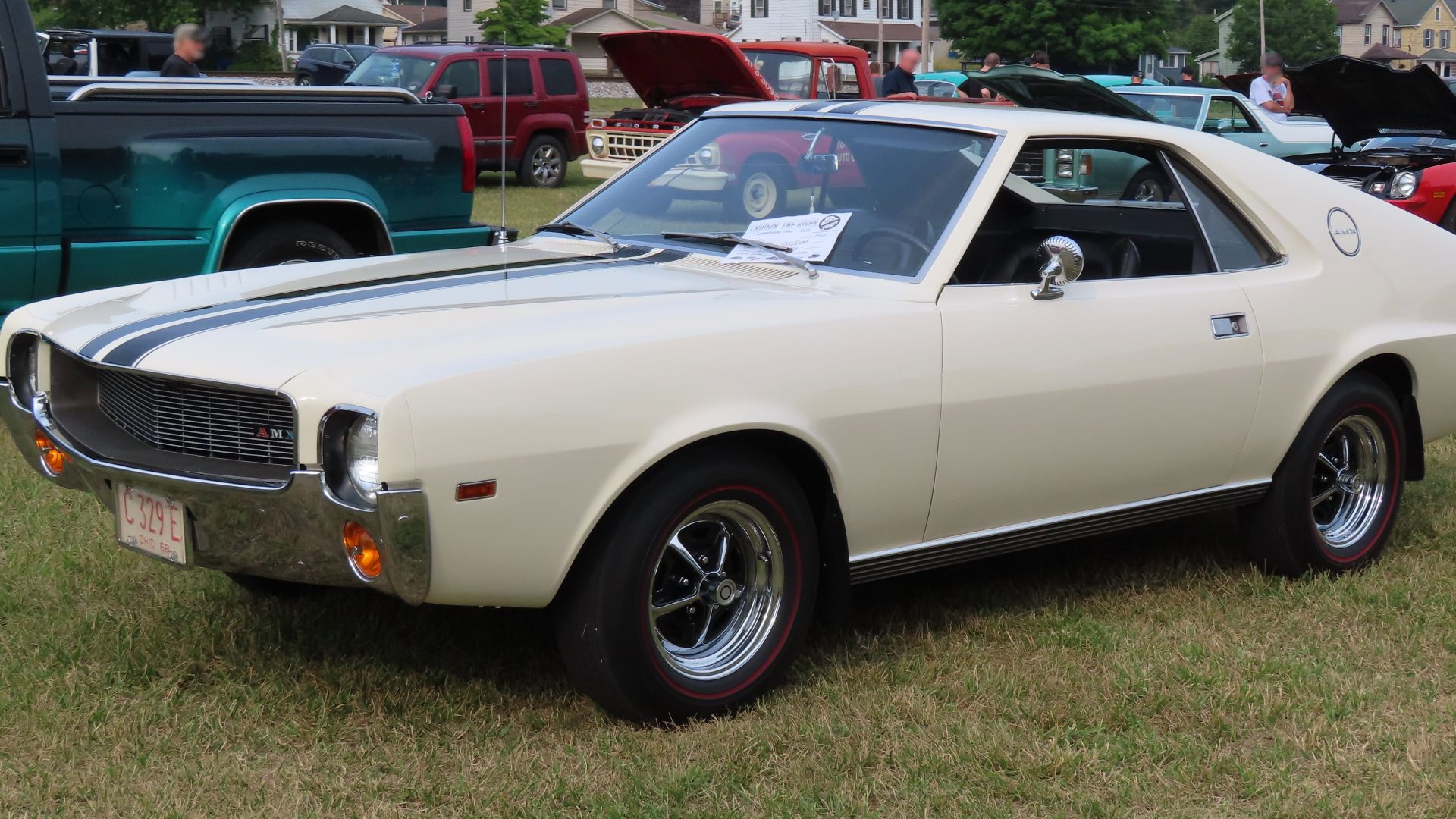
AMC AMX
AMC rarely gets invited into conversations about beautiful American cars, which is exactly why the AMX belongs here. Introduced for 1968, it was a short-wheelbase two-seater related to the Javelin, with muscular proportions that looked fantastic from almost every angle. Somehow, the name barely registers with younger drivers today.
 MercurySable99, Wikimedia Commons
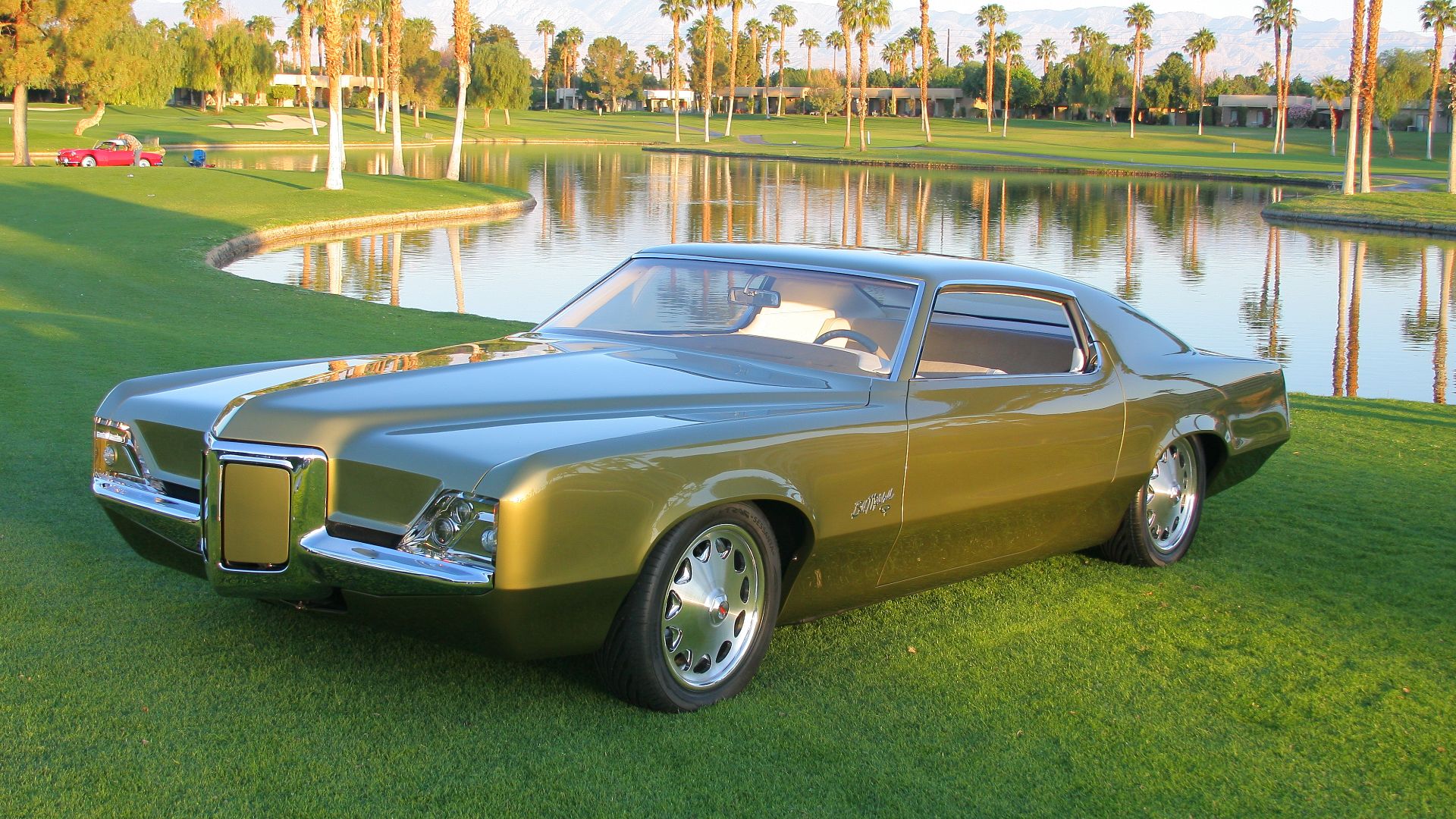
Pontiac Grand Prix
The 1969 Grand Prix looked like somebody started drawing a hood and forgot to stop. The completely redesigned Pontiac paired that endless nose with a driver-focused cockpit and just enough aggression to keep it from becoming another cushy personal-luxury coupe. Pontiac built more than 112,000 that first year.
Oldsmobile Toronado
Front-wheel drive is rarely the first thing anybody mentions when discussing beautiful cars. The 1966 Toronado is the exception. Its enormous hood, hidden headlights, flared wheel openings and fastback roof made Oldsmobile look wildly adventurous. Underneath, the engineering was nearly as unconventional as the styling.
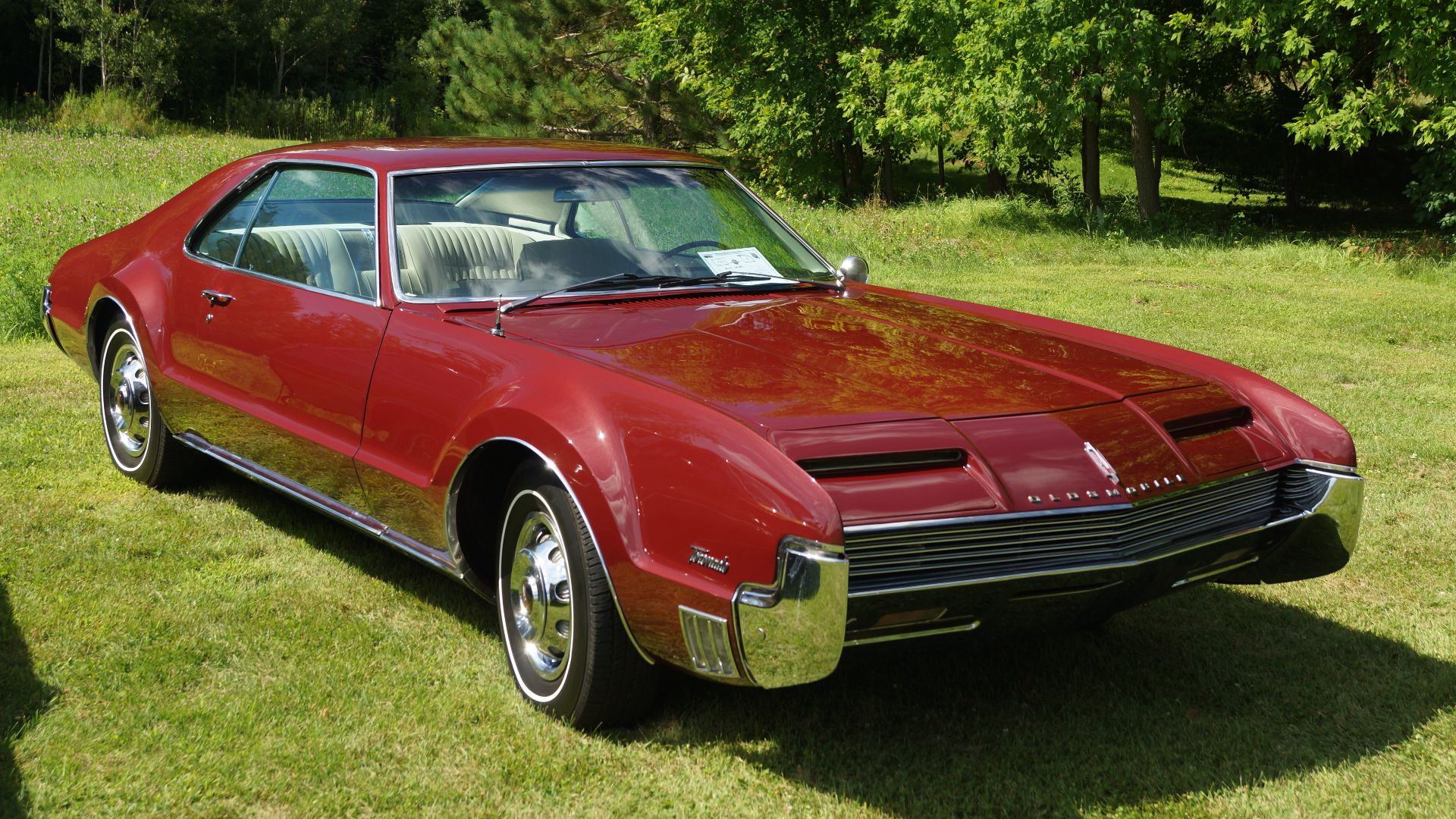 Greg Gjerdingen from Willmar, USA, Wikimedia Commons
Mercury Cougar
Mustang gets remembered. Cougar gets forgotten. That feels a little unfair when you look at an early one. Introduced for 1967 as Mercury’s Mustang-based entry, the Cougar brought hidden headlights, sequential rear signals and a more upscale personality. It was the pony car that showed up wearing a nicer jacket.
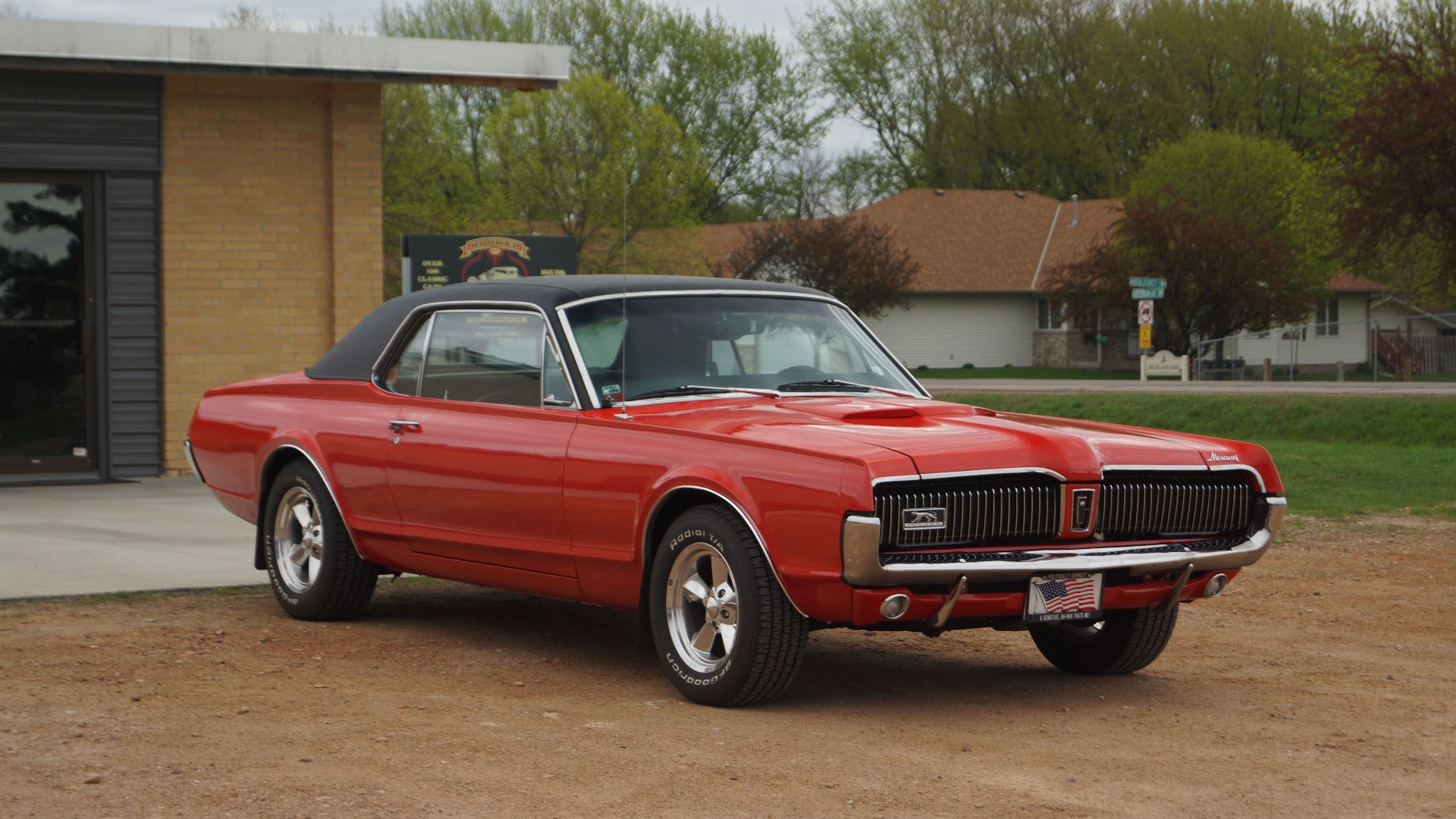 Greg Gjerdingen, Wikimedia Commons
BMW 507
If your idea of an old BMW is a boxy sedan driven by somebody wearing driving gloves, meet the 507. BMW itself describes it as one of the most beautiful cars in its history. BMW Group Classic lists just 251 built by the time production ended in 1959, and Elvis Presley famously owned one. Not exactly your neighbor’s 3 Series.
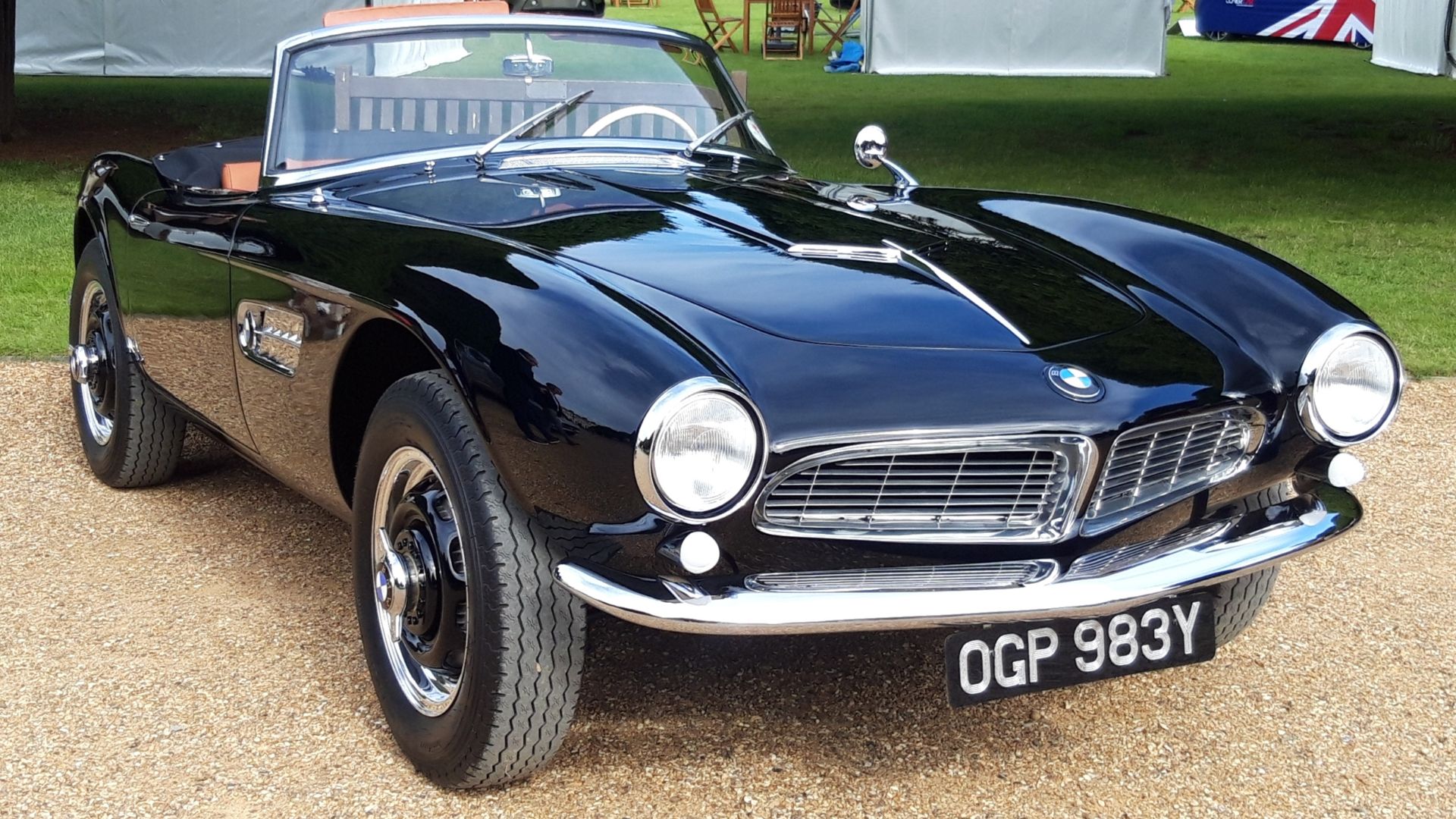
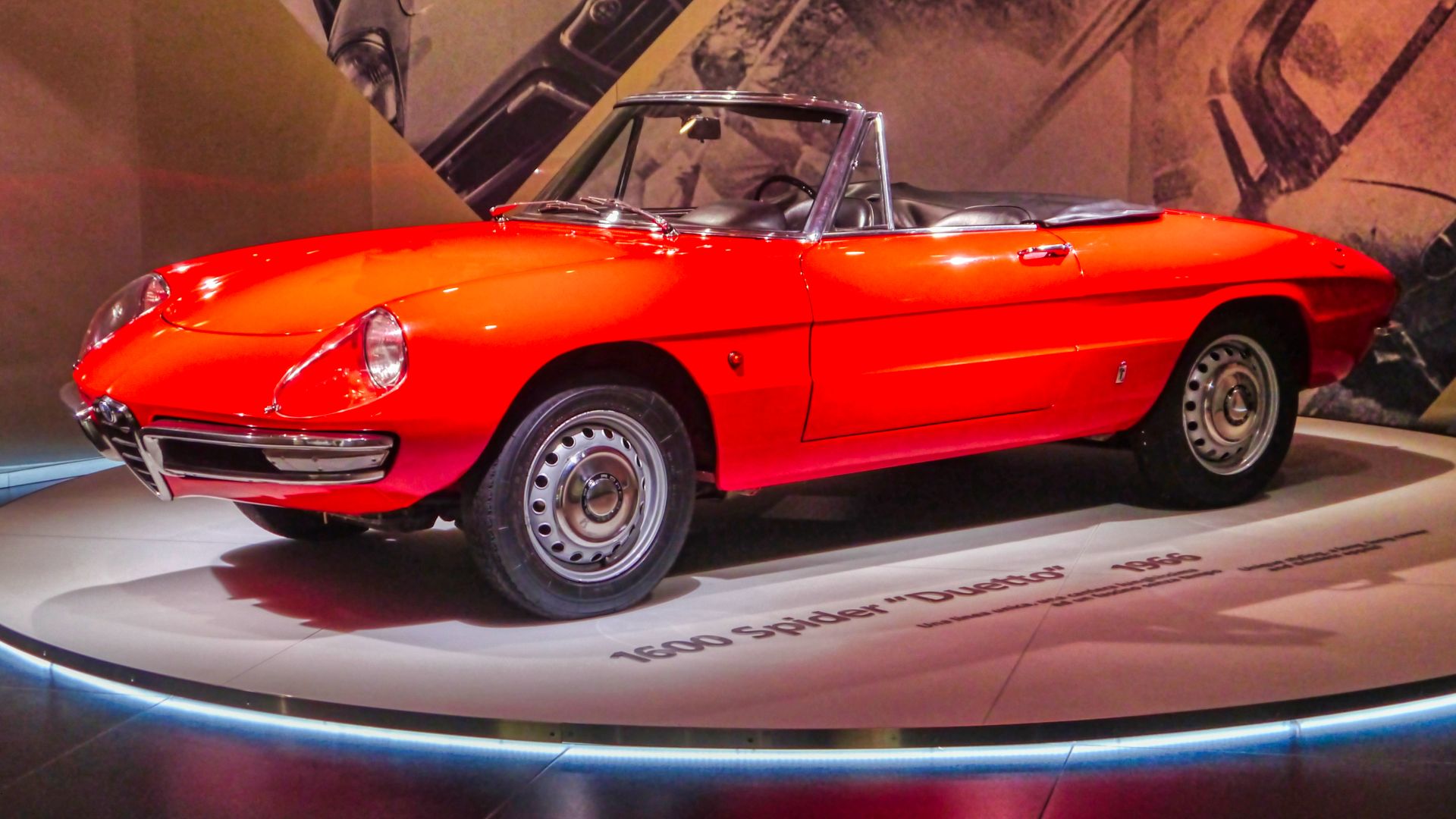
Alfa Romeo 1600 Spider “Duetto”
Before seemingly every romantic movie needed a convertible Alfa, there was the original 1600 Spider, better known as the Duetto. Introduced in 1966, its rounded nose and tapered tail looked almost impossibly delicate next to contemporary American cars. Then The Graduate arrived, and suddenly Dustin Hoffman wasn’t the only thing getting noticed.
Mercedes-Benz 230 SL “Pagoda”
The 230 SL wasn’t trying to look angry. That was part of its charm. Introduced at Geneva in 1963, the W113 combined beautifully simple bodywork with its distinctive slightly concave removable hardtop, which inspired the “Pagoda” nickname. It looked elegant parked, moving or sitting outside a very expensive restaurant.
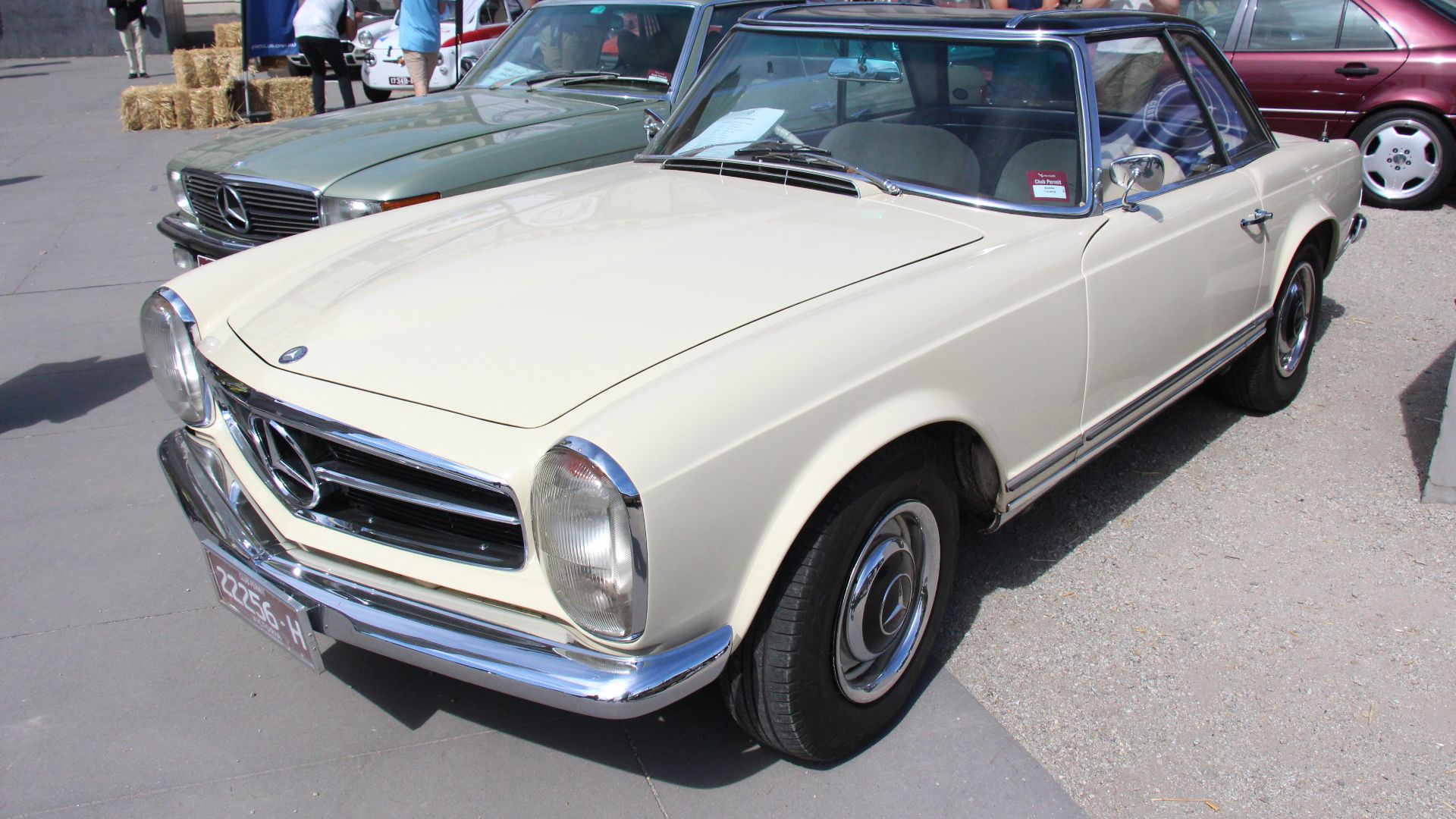
Jensen Interceptor
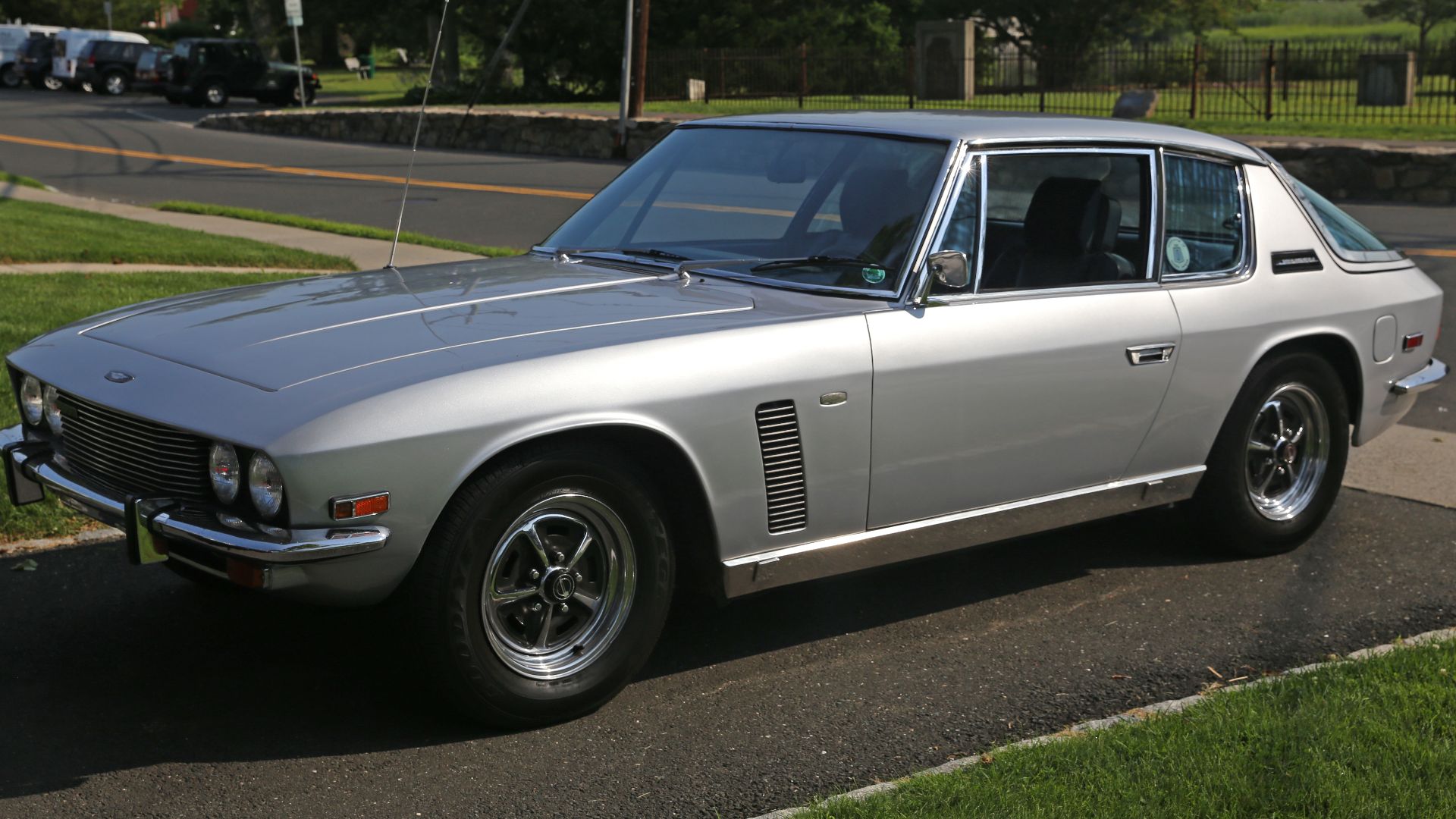
The name sounds like something the British government would send after James Bond. The car looked the part. Introduced in the 60s, the Interceptor combined Italian-influenced GT styling, that huge curved rear glass and big Chrysler V8 power. Today, plenty of people recognize the shape without having the slightest clue what it is.
 Mr.choppers, Wikimedia Commons
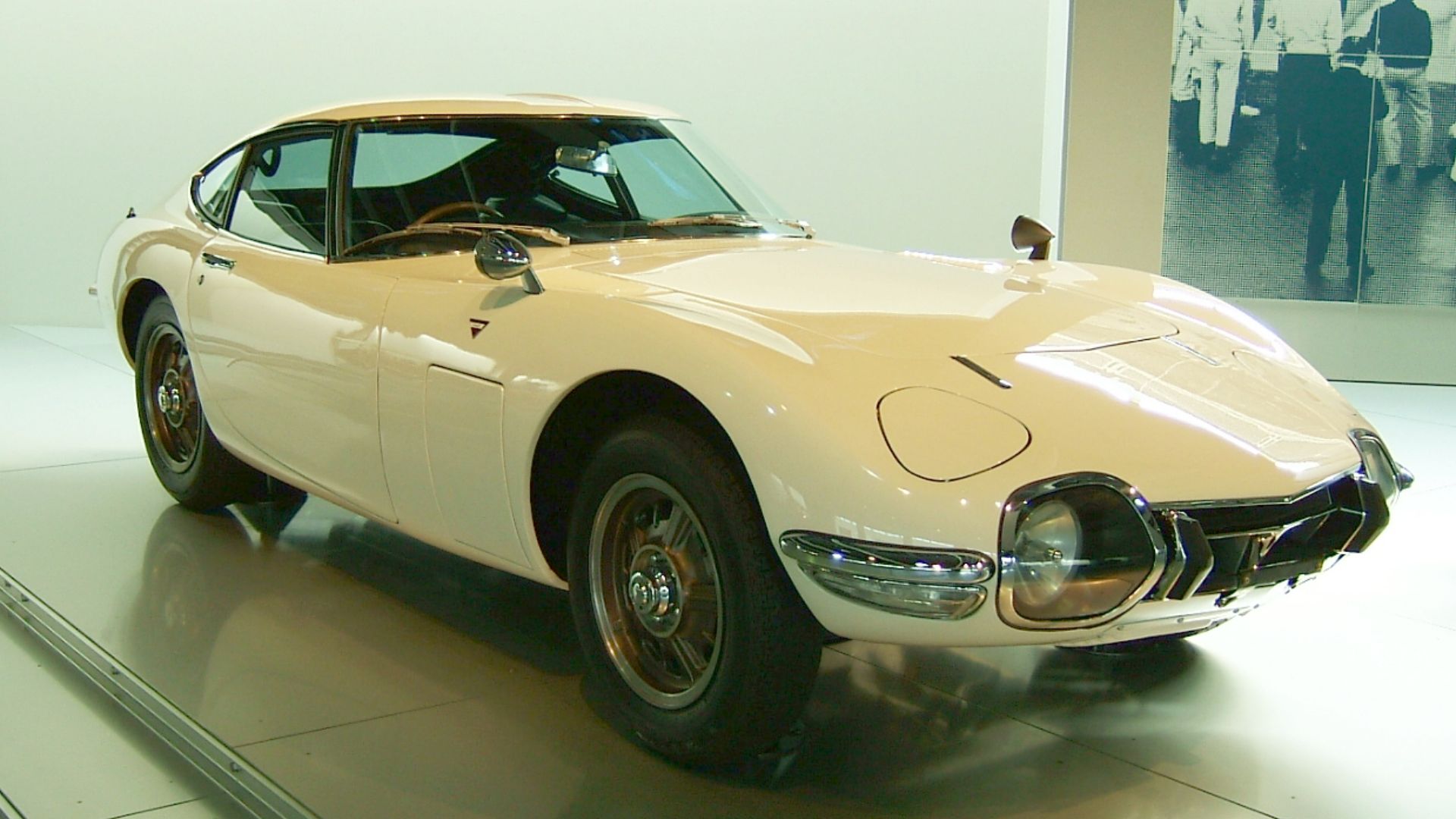
Toyota 2000GT
Long before Supra became Toyota’s poster car, there was this. Toyota developed the 2000GT to show the world exactly what it could build when practicality wasn’t the main concern. Low, sleek and genuinely exotic, it helped change perceptions of Japanese cars almost overnight.
 Gnsin~commonswiki, Wikimedia Commons
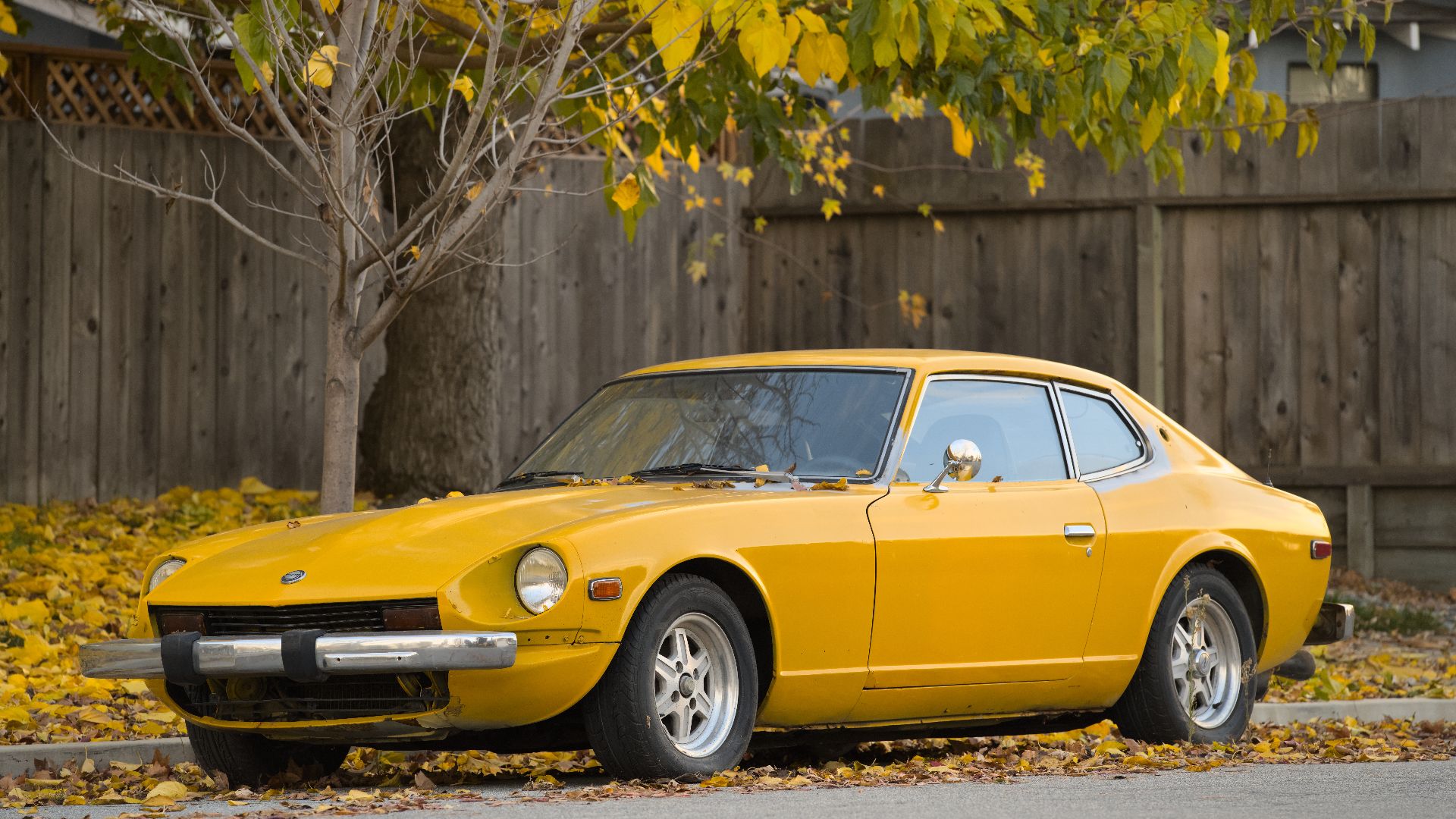
Datsun 240Z
You didn’t need Ferrari money to get a long hood, short rear deck and one seriously good-looking sports car. Introduced around the turn of the 70s, the 240Z gave American buyers Japanese reliability wrapped in styling that looked far more expensive than the badge suggested. Then it started winning rallies, too.
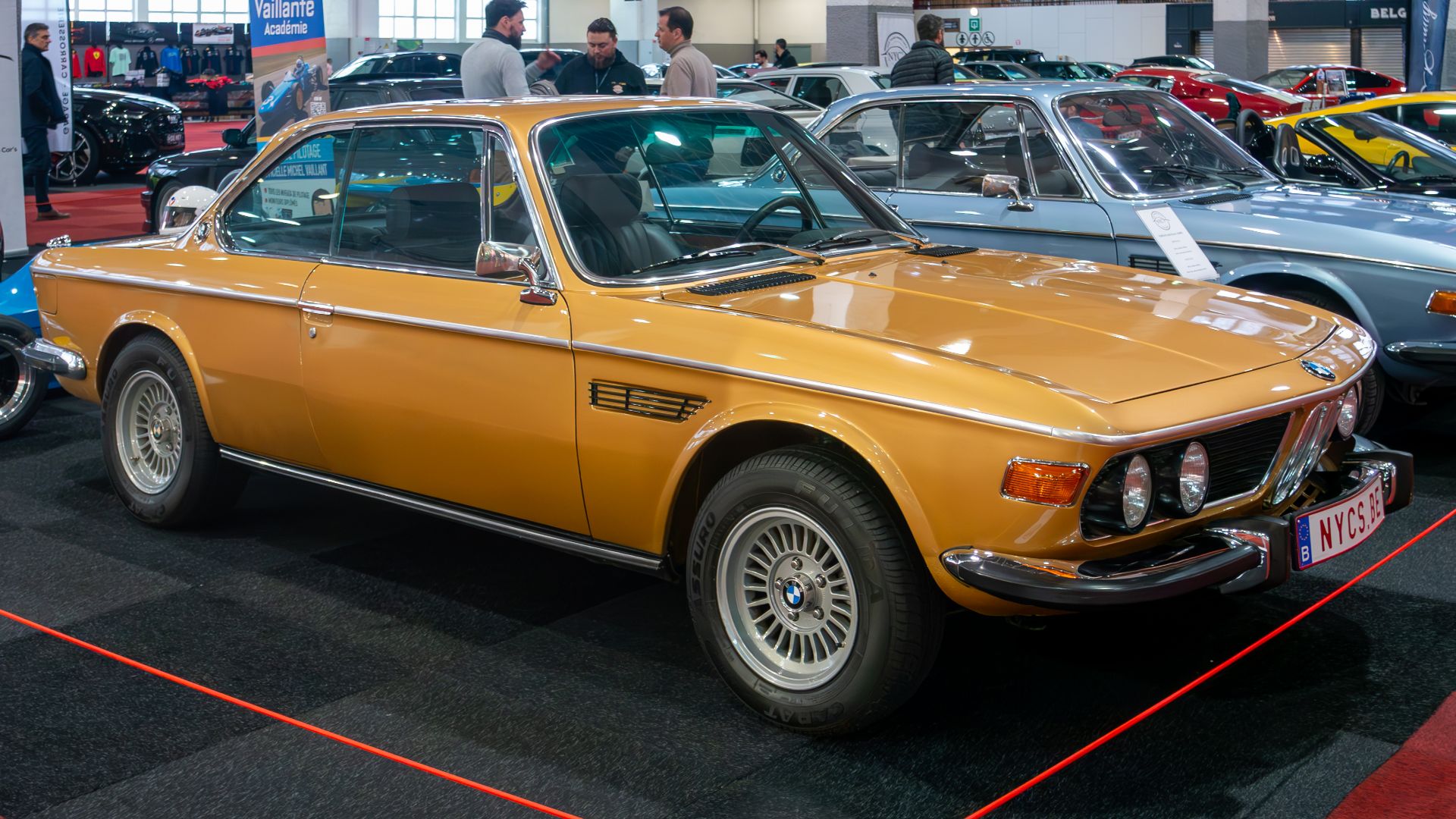
BMW 3.0 CS
Before BMW grilles started entering the room five minutes before the rest of the car, there was the E9 coupe. The 3.0 CS arrived in 1971 with a silky straight-six and wonderfully thin pillars surrounding that airy cabin. It was restrained, elegant and unmistakably European without trying too hard.
 Matti Blume, Wikimedia Commons
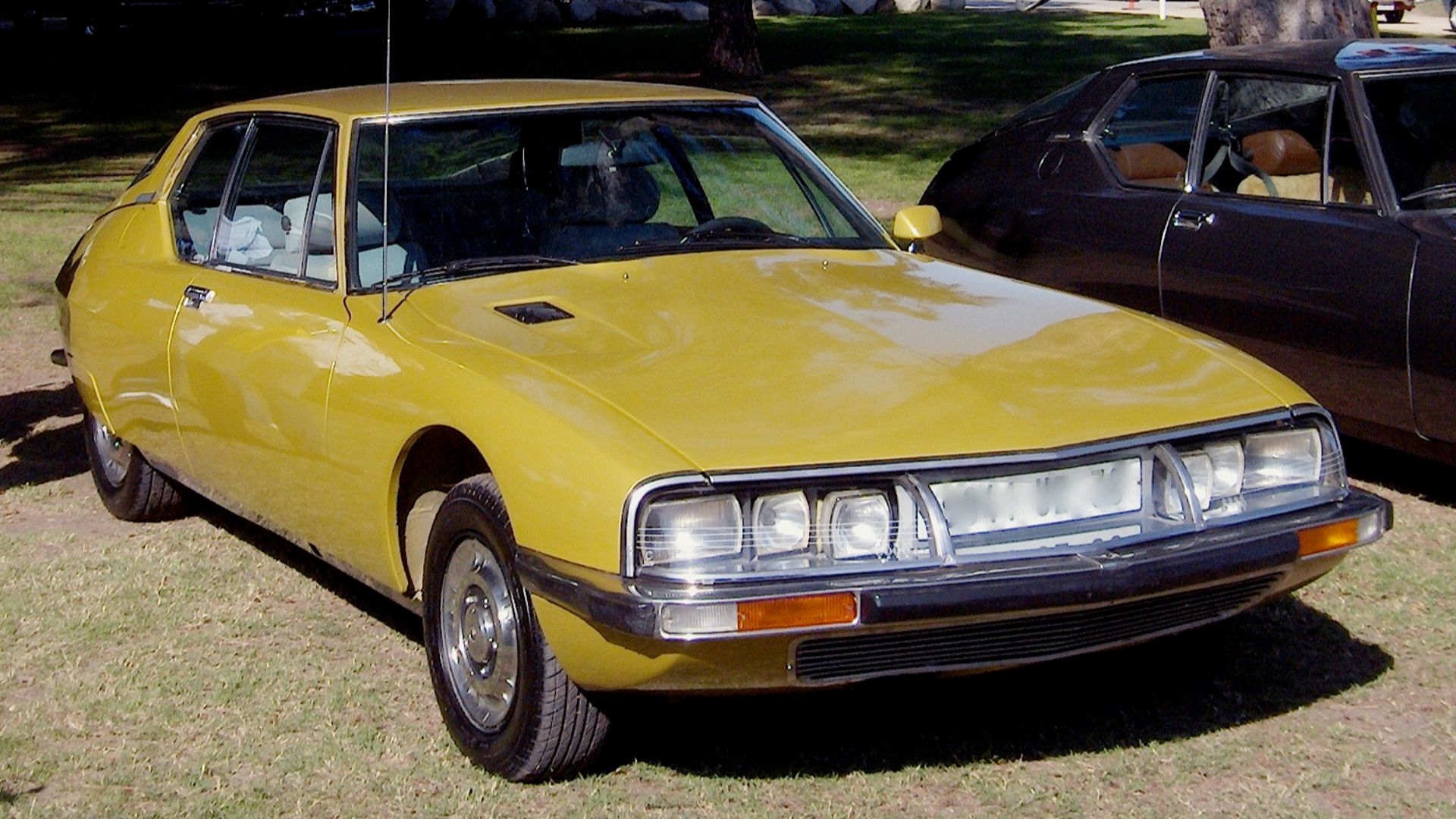
Citroën SM
This one looked like the future had arrived early and decided to speak French. Introduced in 1970, the SM combined Citroën’s hydropneumatic suspension and unusual technology with a Maserati V6. Even today it looks strange, sleek and slightly impossible, which is probably exactly what makes it so interesting.
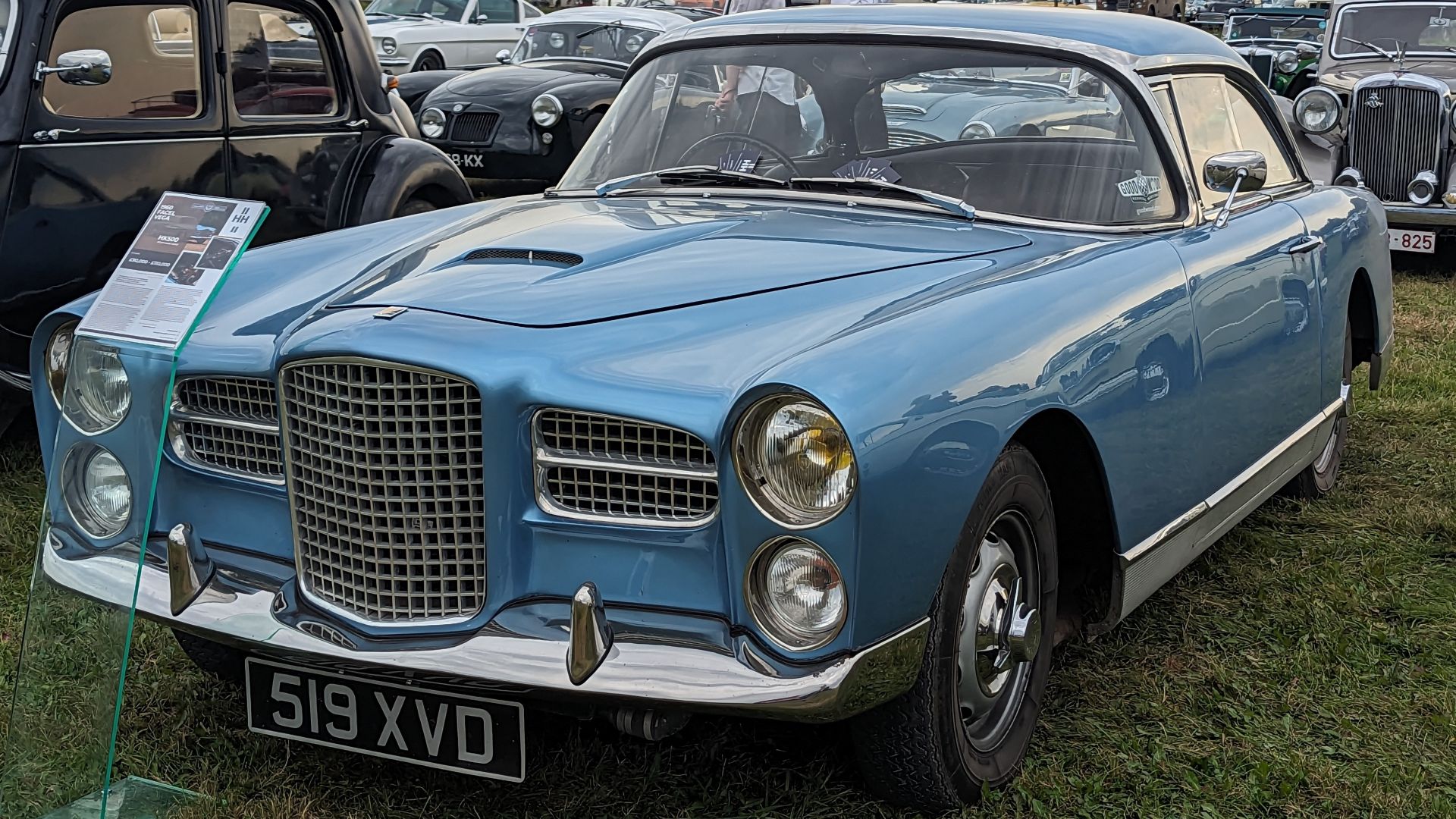
Facel Vega HK500
Here’s one that can still stump serious car people. Facel Vega was French, the HK500 was outrageously glamorous, and big American V8 power lived under that elegant European body. Its owners included famous actors, musicians and racing personalities. Somehow, the name mostly vanished while the car stayed beautiful.
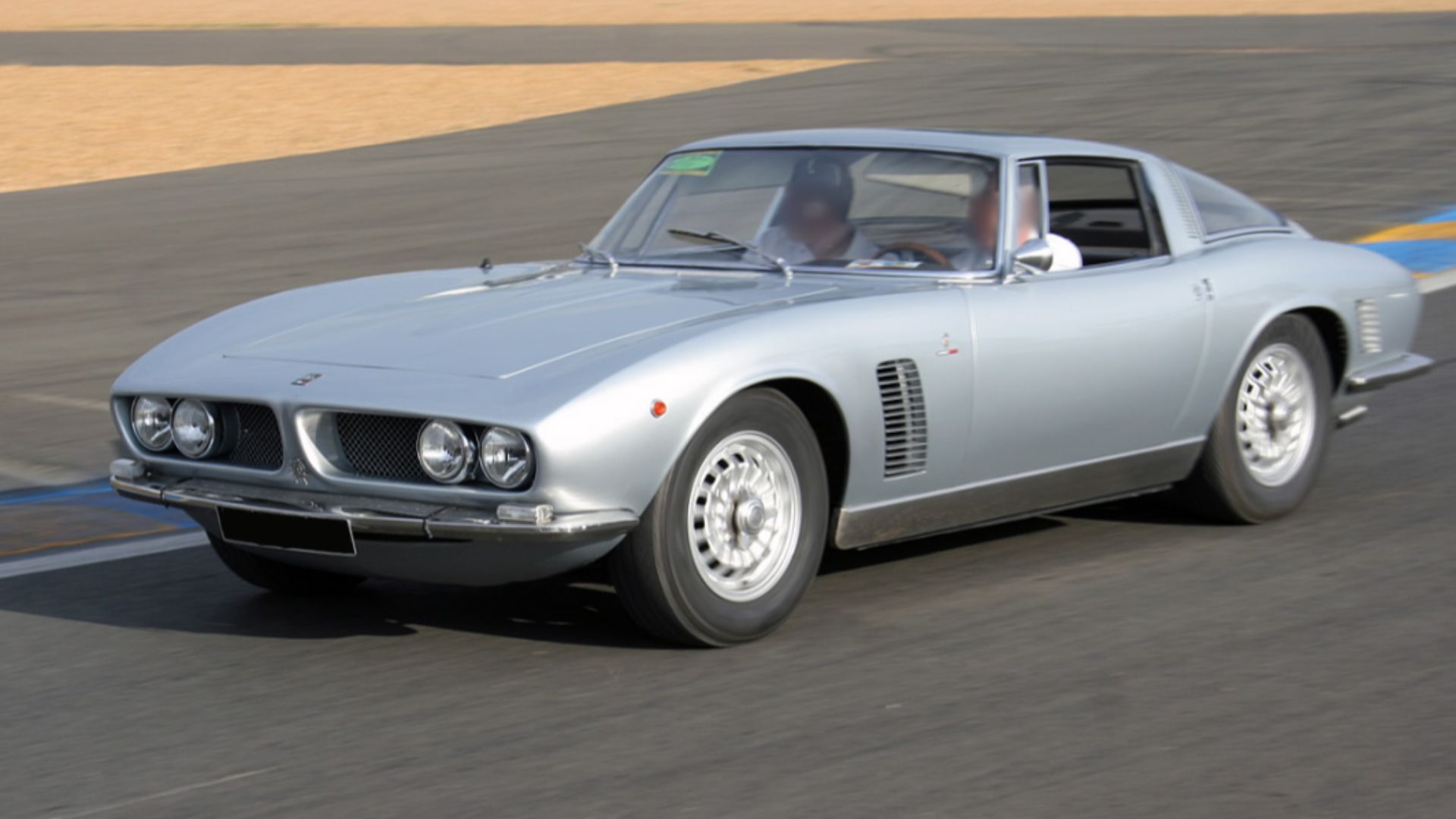
Iso Grifo
An Italian body, engineering talent connected to Ferrari and American V8 muscle underneath. That recipe should have made the Iso Grifo a household name. Instead, it became one of those cars that makes people at modern shows stare for 30 seconds before finally asking, “Okay...what is that?”
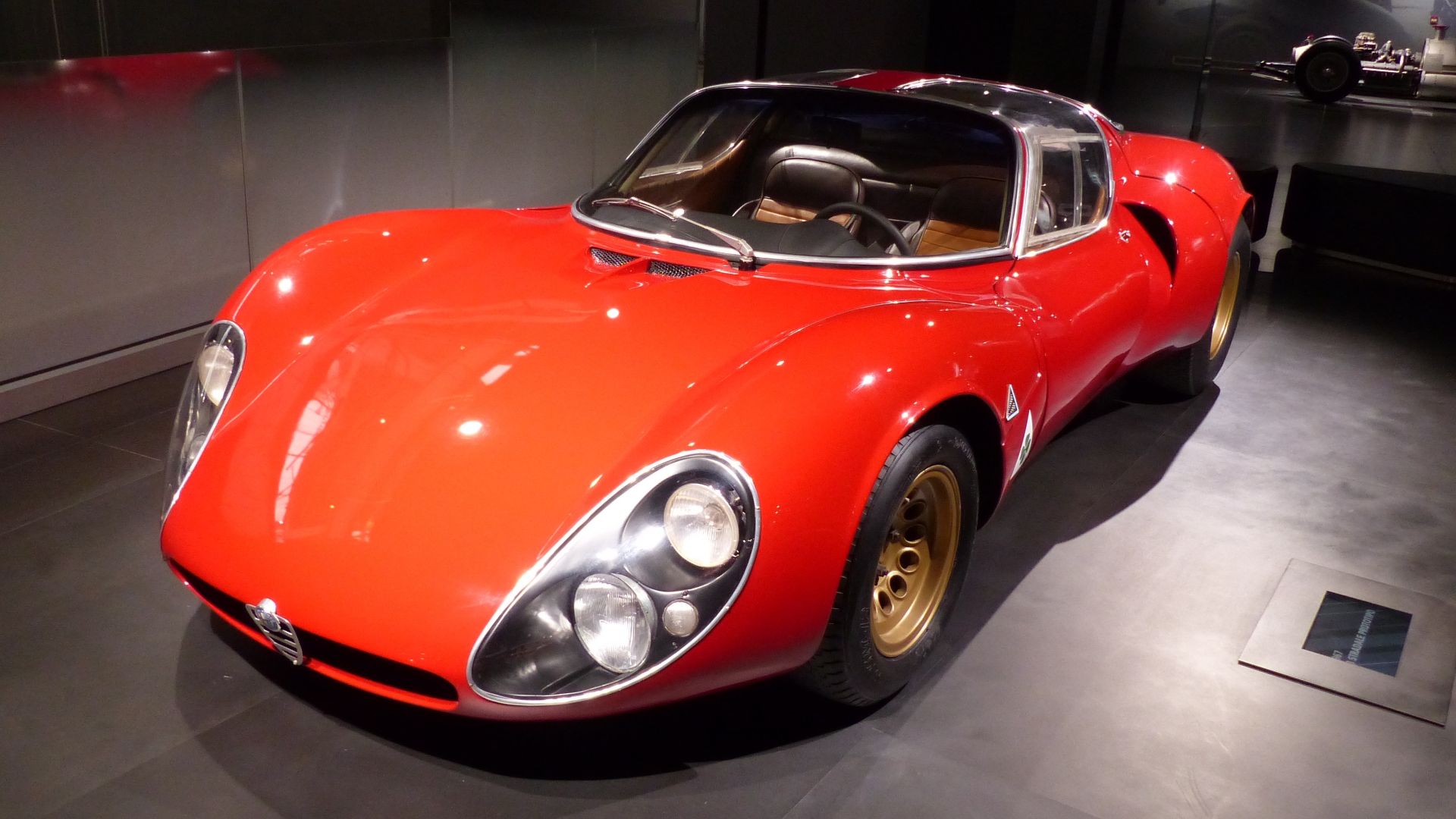
Alfa Romeo 33 Stradale
This is the sort of car that makes “beautiful” feel almost too mild. Introduced in 1967, the 33 Stradale wrapped race-bred mechanicals in a tiny, curving body that looked more like sculpture than transportation. Alfa Romeo says many consider it the most beautiful car ever made. It’s difficult to argue once you see one.
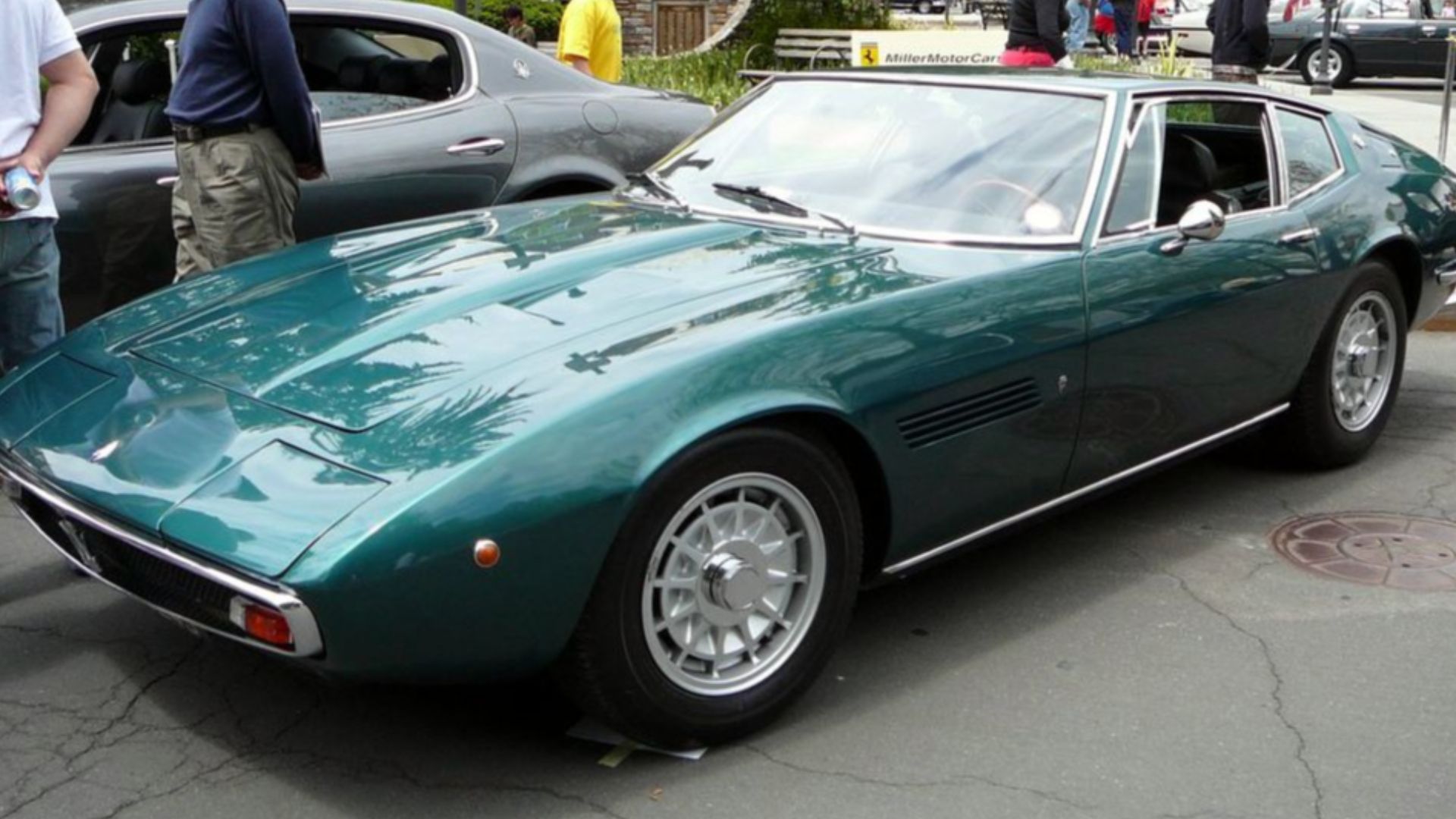
Maserati Ghibli
Forget the later four-door Ghibli for a second. The original was a low, dramatic Italian GT designed by Giorgetto Giugiaro and introduced at the 1966 Turin Motor Show. Henry Ford II liked his enough to put one in Ford’s Product Development Center as inspiration. That feels like a pretty solid endorsement.
 Brett Weinstein (Wikipedia User: Nrbelex), Wikimedia Commons
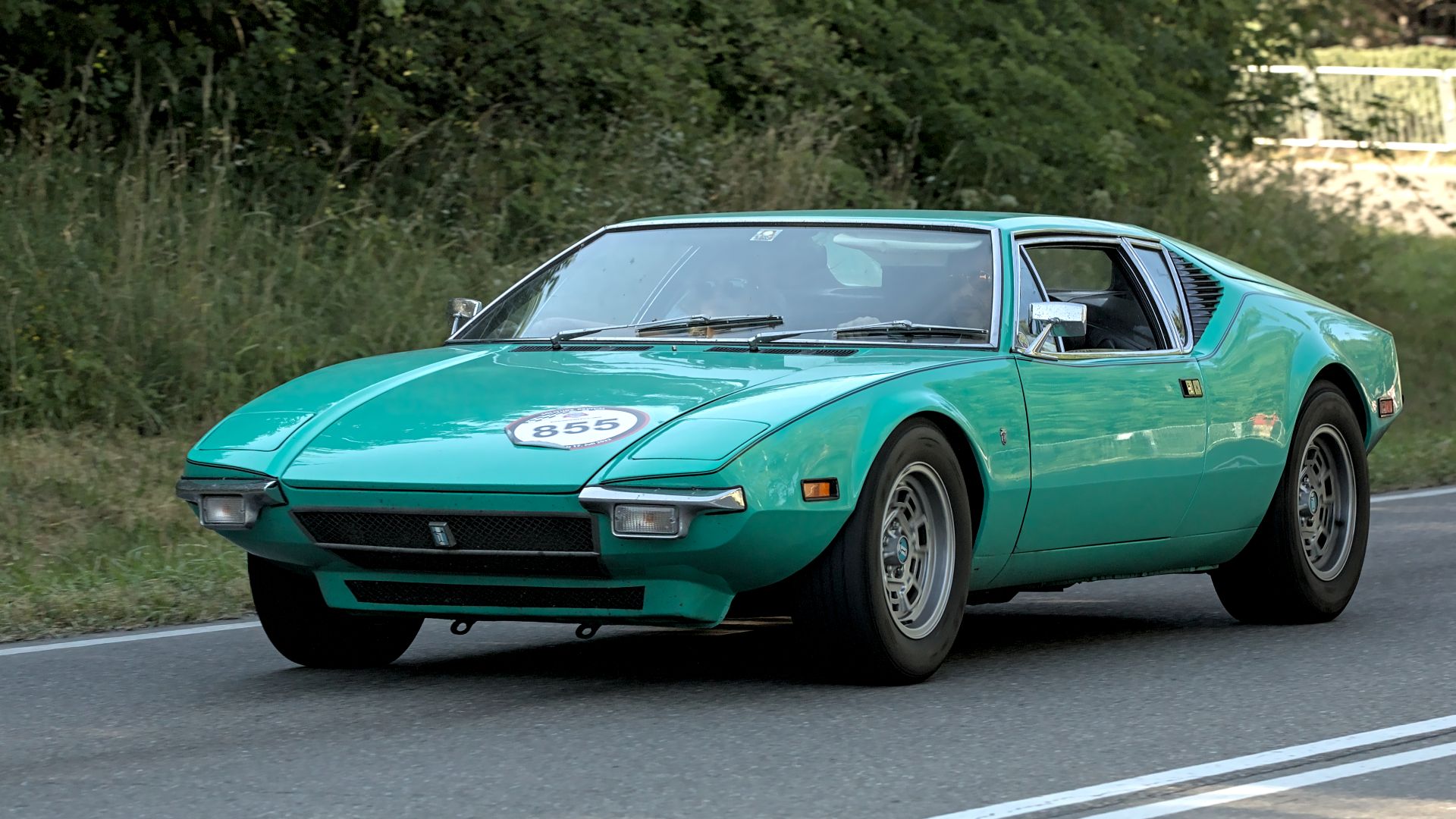
De Tomaso Pantera
This was the exotic car you could buy through Lincoln-Mercury dealers, which still sounds ridiculous in the best possible way. The Pantera combined a mid-engine Italian shape with Ford V8 power. For American kids staring at car magazines in the early 70s, it was basically forbidden fruit with a parts counter nearby.
 Alexander Migl, Wikimedia Commons
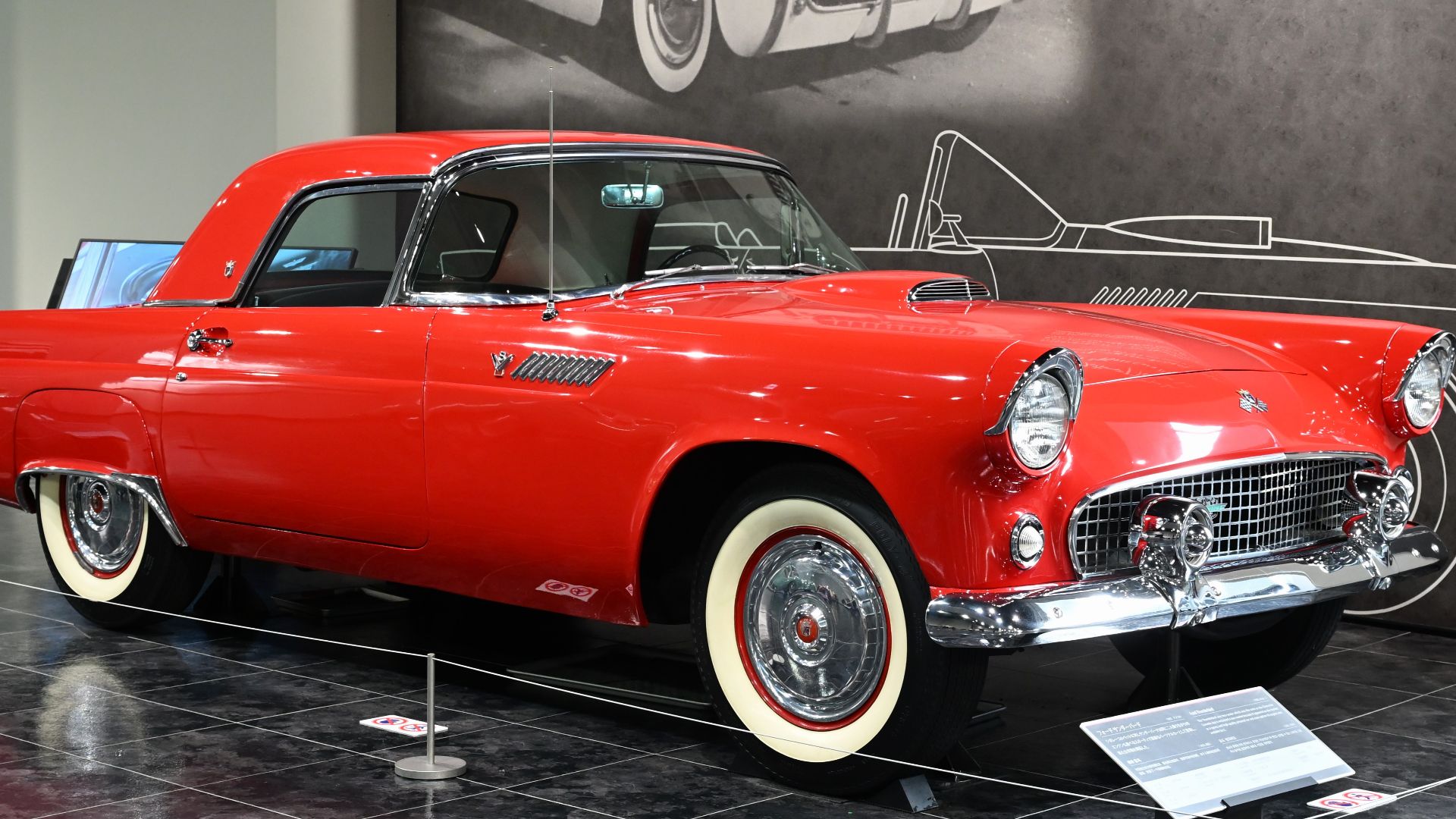
Ford Thunderbird
The original Thunderbird is hardly forgotten, but younger drivers often know the name better than the car that made it famous. Ford’s 1955 two-seater mixed sports-car proportions with American comfort and V8 power. It wasn’t really chasing European purists. It was too busy looking terrific cruising past them.
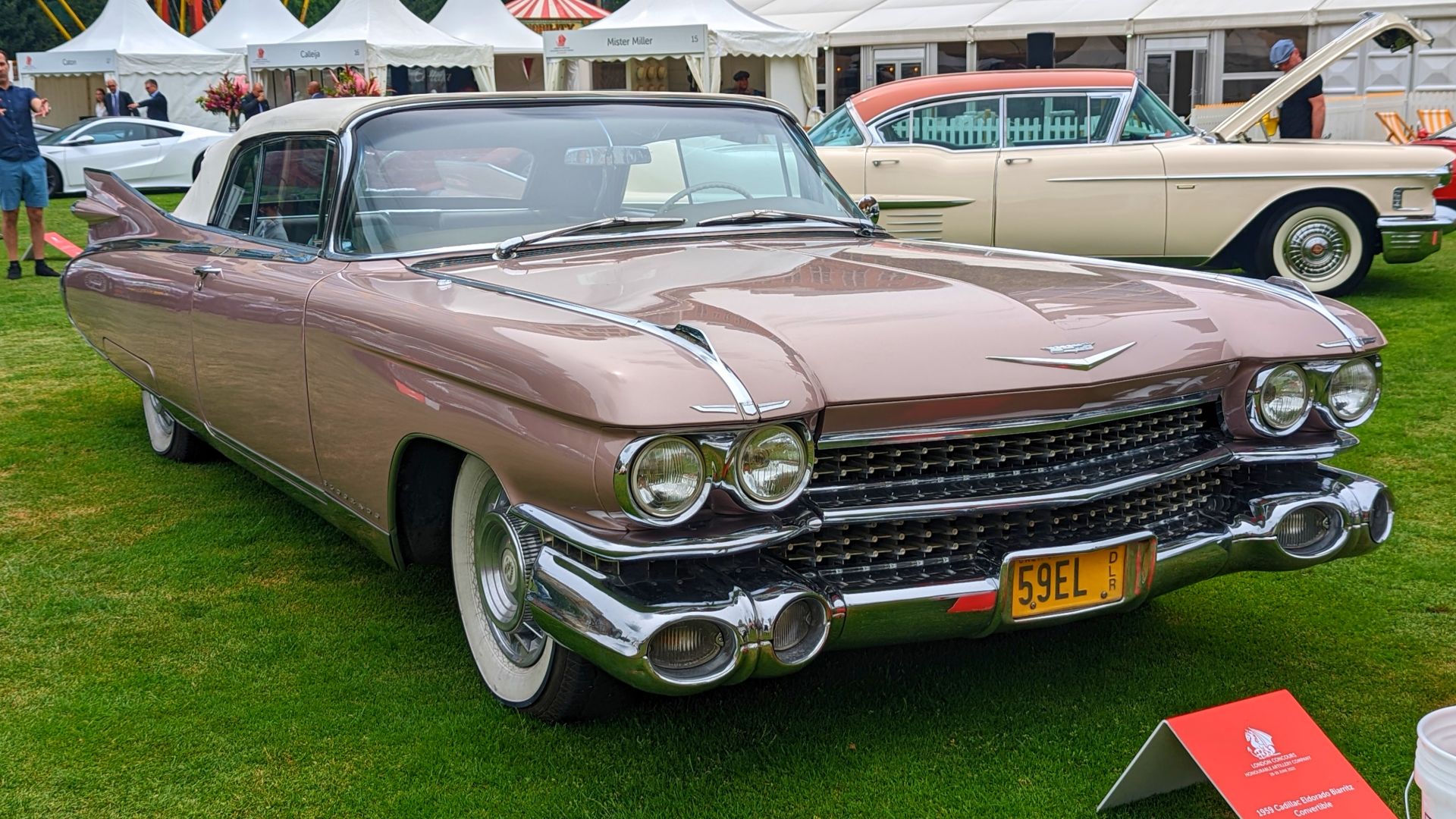
Cadillac Eldorado Biarritz
Subtle? Absolutely not. Beautiful? That argument could last all weekend. The 1959 Eldorado Biarritz took tailfins, chrome and jet-age styling about as far as Cadillac could push them. GM Heritage considers it the quintessential big-fin convertible. You certainly weren’t losing this thing in a parking lot.
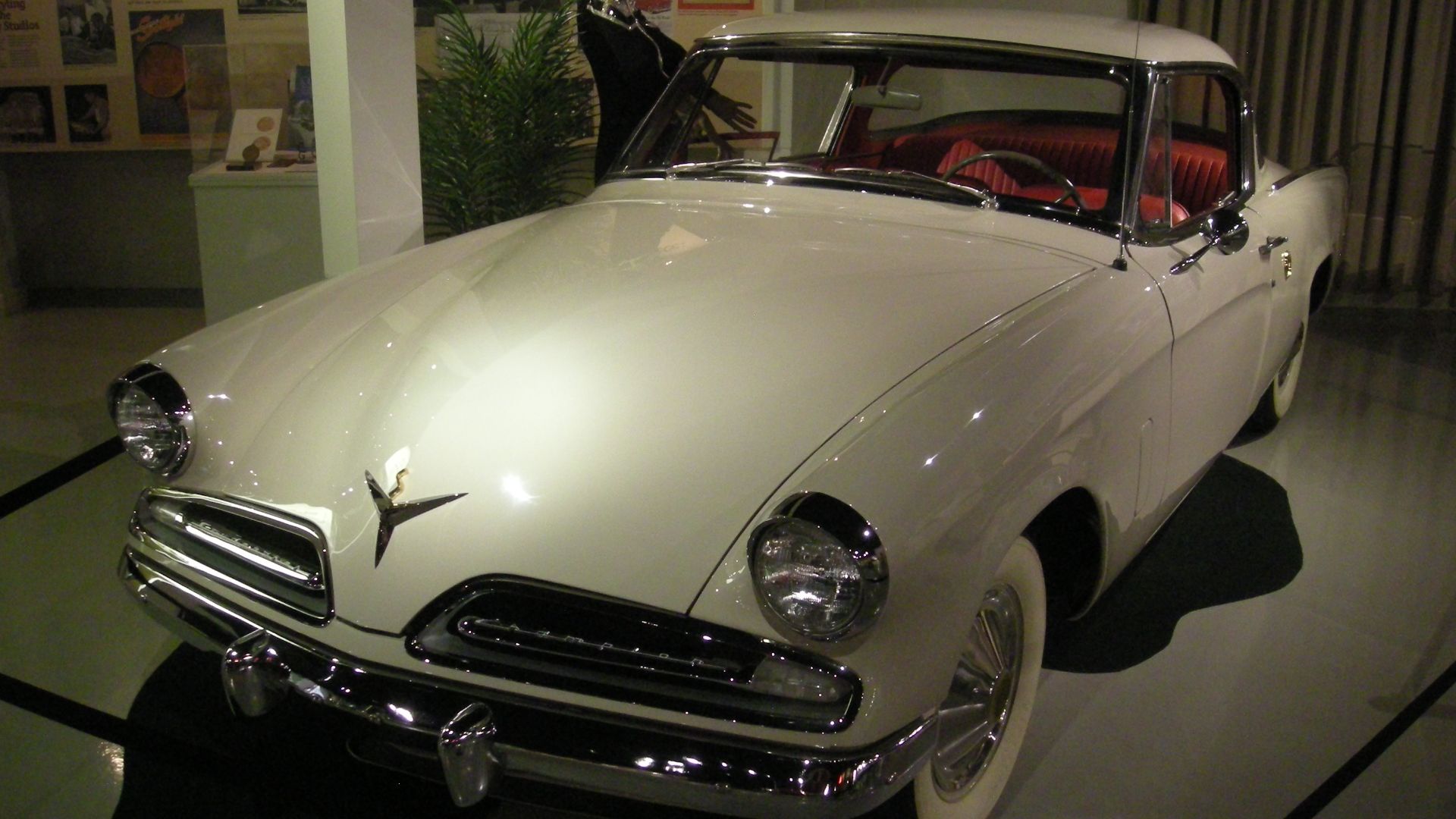
Studebaker Starliner
Ten years before the Avanti, Studebaker was already proving Detroit didn’t need to follow the crowd. The 1953 Starliner came from Raymond Loewy Associates, with Robert Bourke leading the styling work. Its low, clean European-inspired shape was so striking that it still barely looks like a 1953 American car.
 Michael Barera, Wikimedia Commons
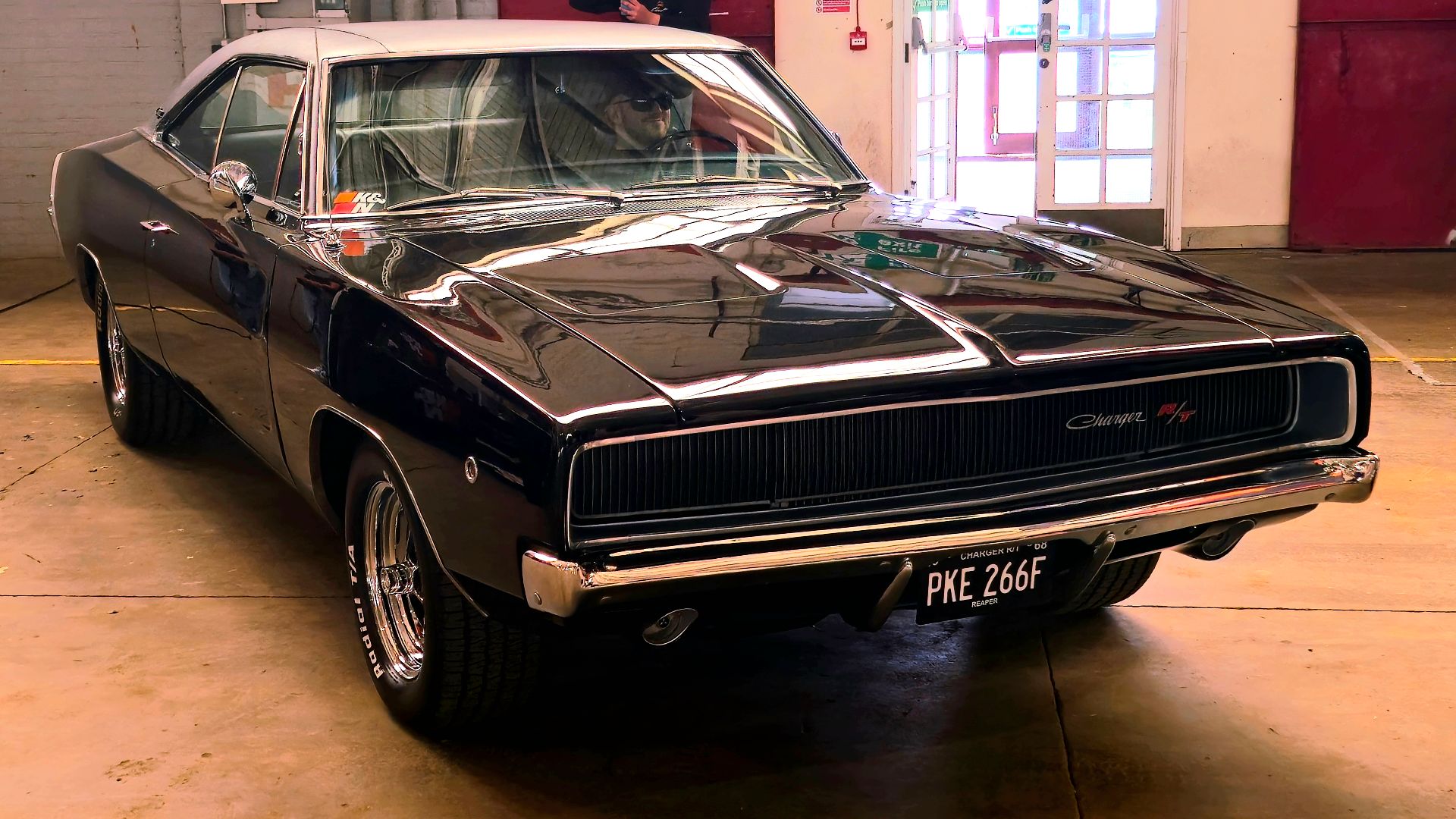
Dodge Charger
Okay, Millennials probably know this one. But plenty don’t realize just how gorgeous the second-generation Charger was before movie and TV fame turned it into a pop-culture prop. The 1968 redesign brought the famous flying-buttress roof and sculpted body sides. Dodge absolutely nailed the proportions.
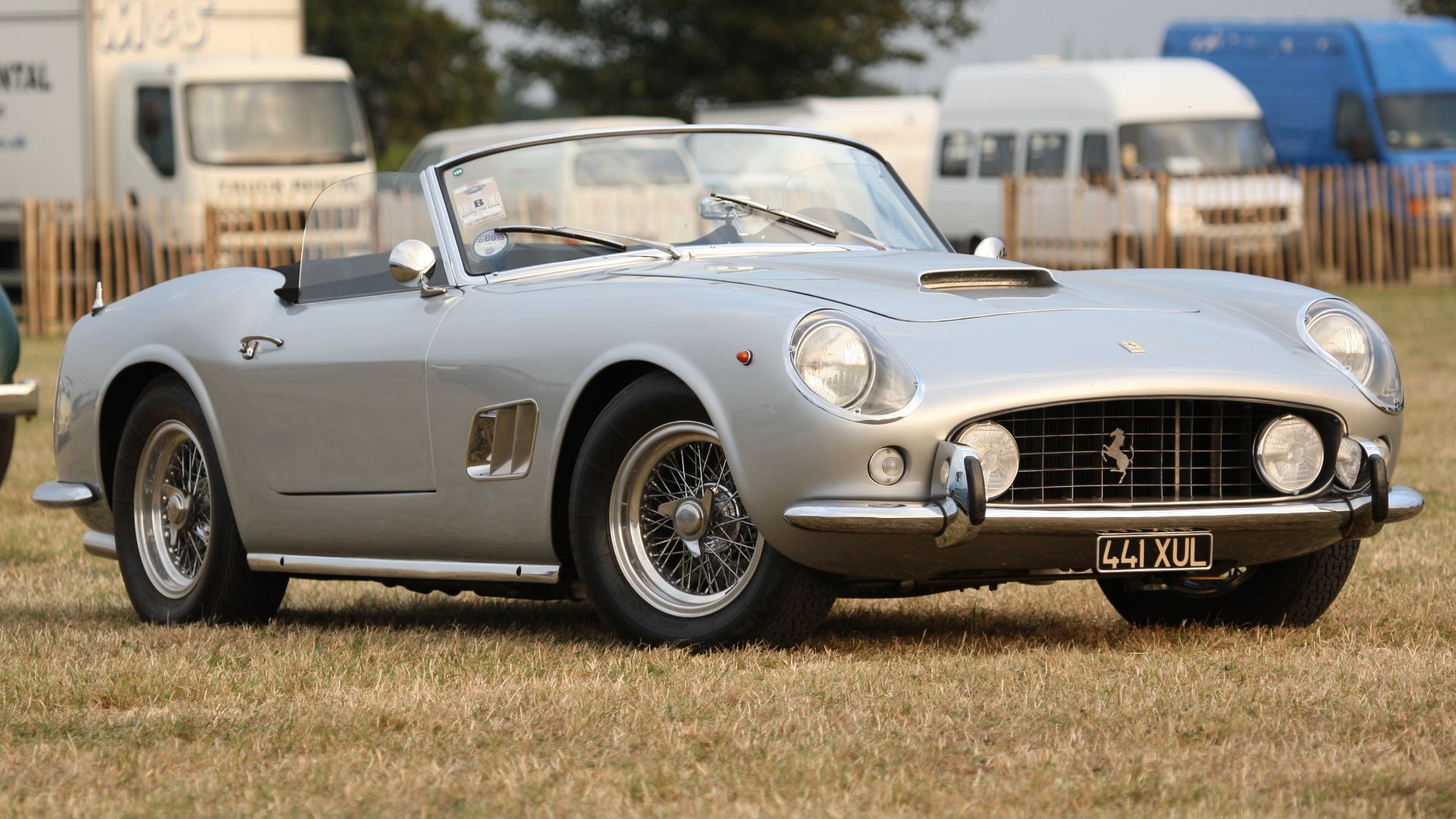
Ferrari 250 GT California Spider
This is the Ferrari people picture even when they don’t know its name. Long hood, tiny windshield, wire wheels and proportions that somehow looked elegant and slightly dangerous at the same time. The 250 GT California Spider was created with open-air driving in mind, and Ferrari still describes it as one of its great icons.
Dino 246 GT
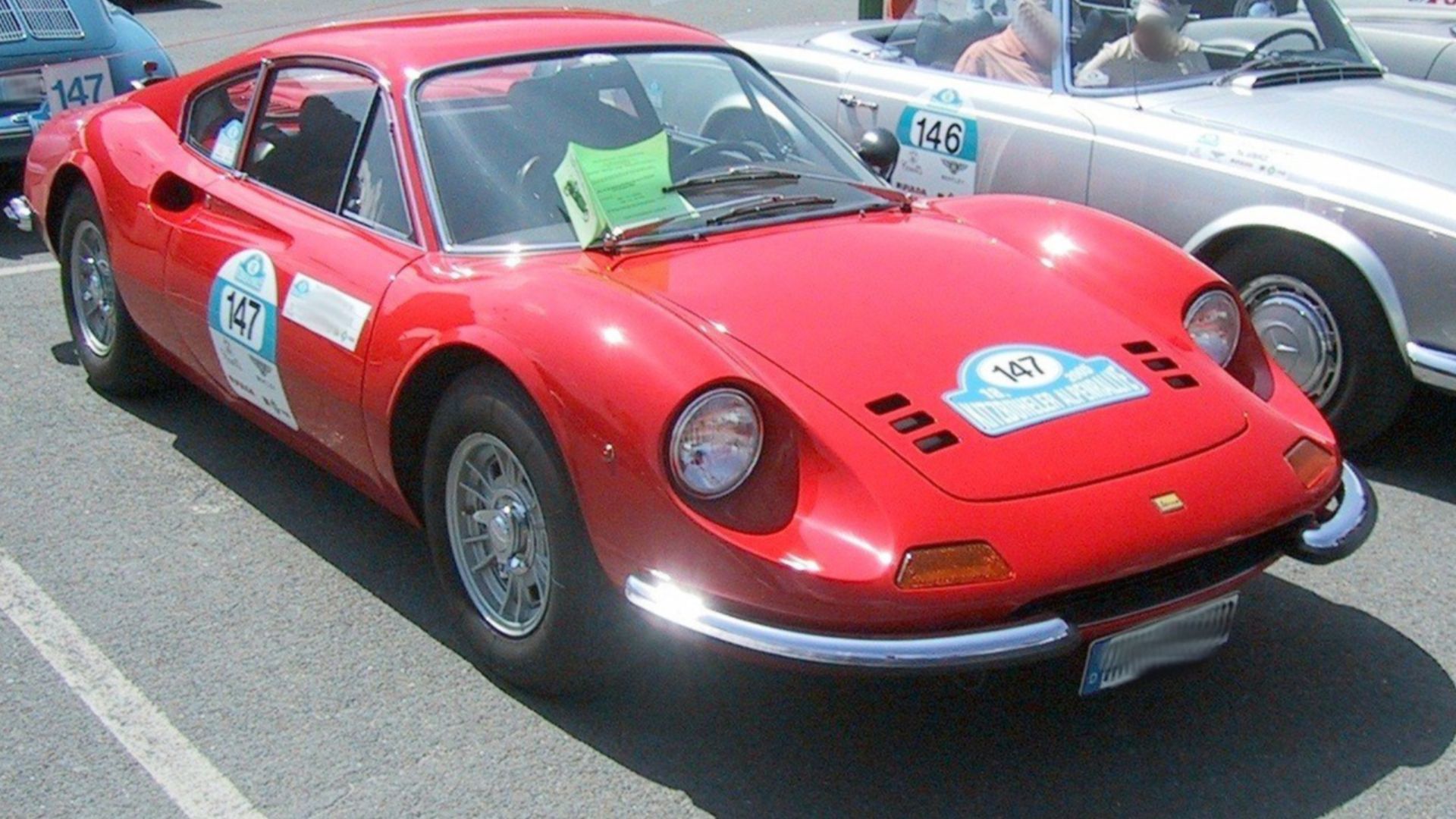
Mention vintage Ferrari and everyone immediately starts naming 250s and Daytonas. The Dino deserves its own moment. Introduced in 1969 as an evolution of the 206 GT, the 246 GT combined a mid-mounted V6 with bodywork so perfectly proportioned that it almost looks too delicate to have an engine inside.
Lamborghini Miura
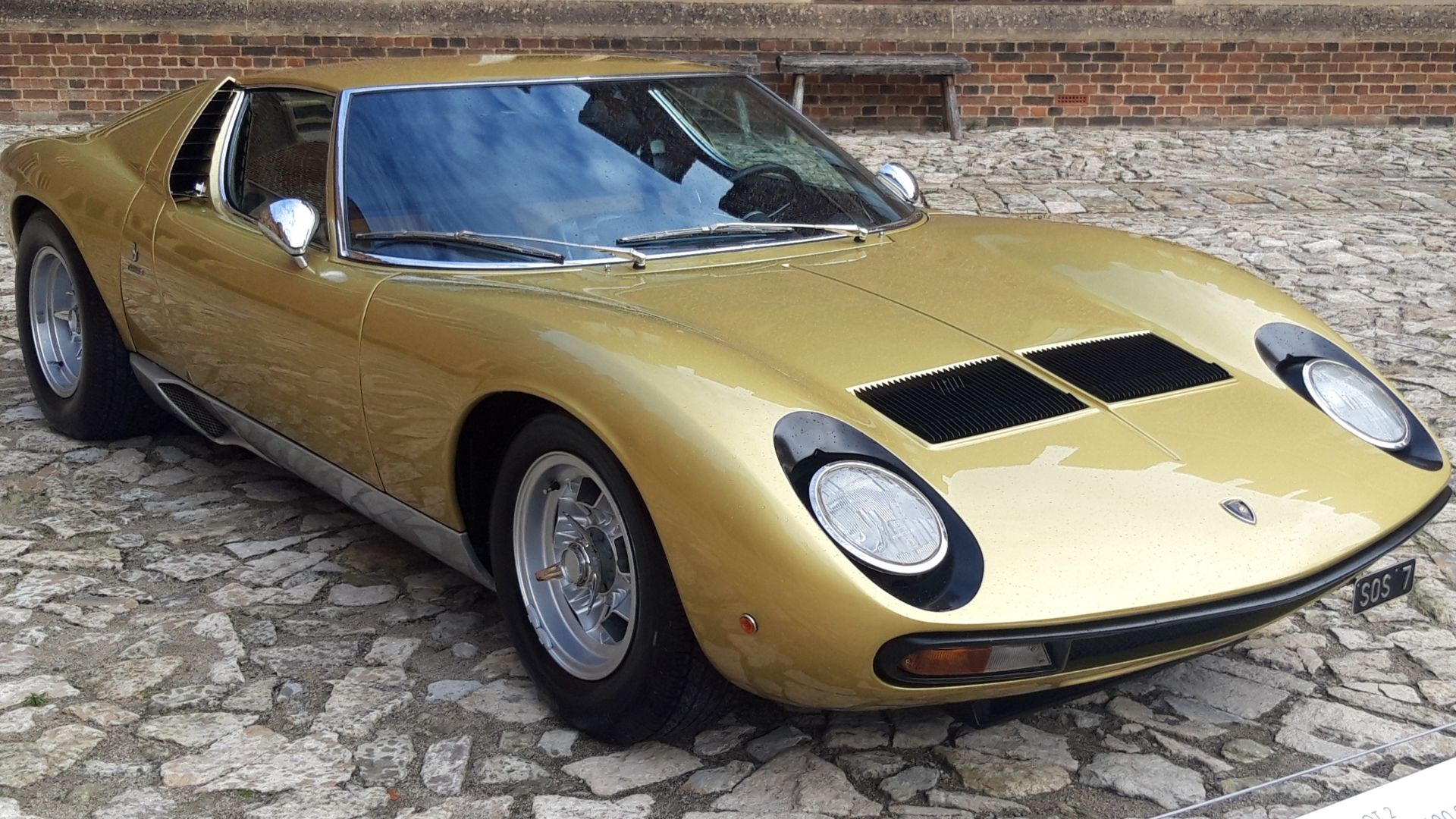
Before bedroom walls had Countaches, they had Miuras. Lamborghini unveiled the finished P400 in 1966, putting its V12 behind the passengers and wrapping everything in one of the most outrageous shapes anyone had seen. Lamborghini says the Miura was the first car the media began calling a “Supercar.” Looking at it, you understand why.
Jaguar E-Type
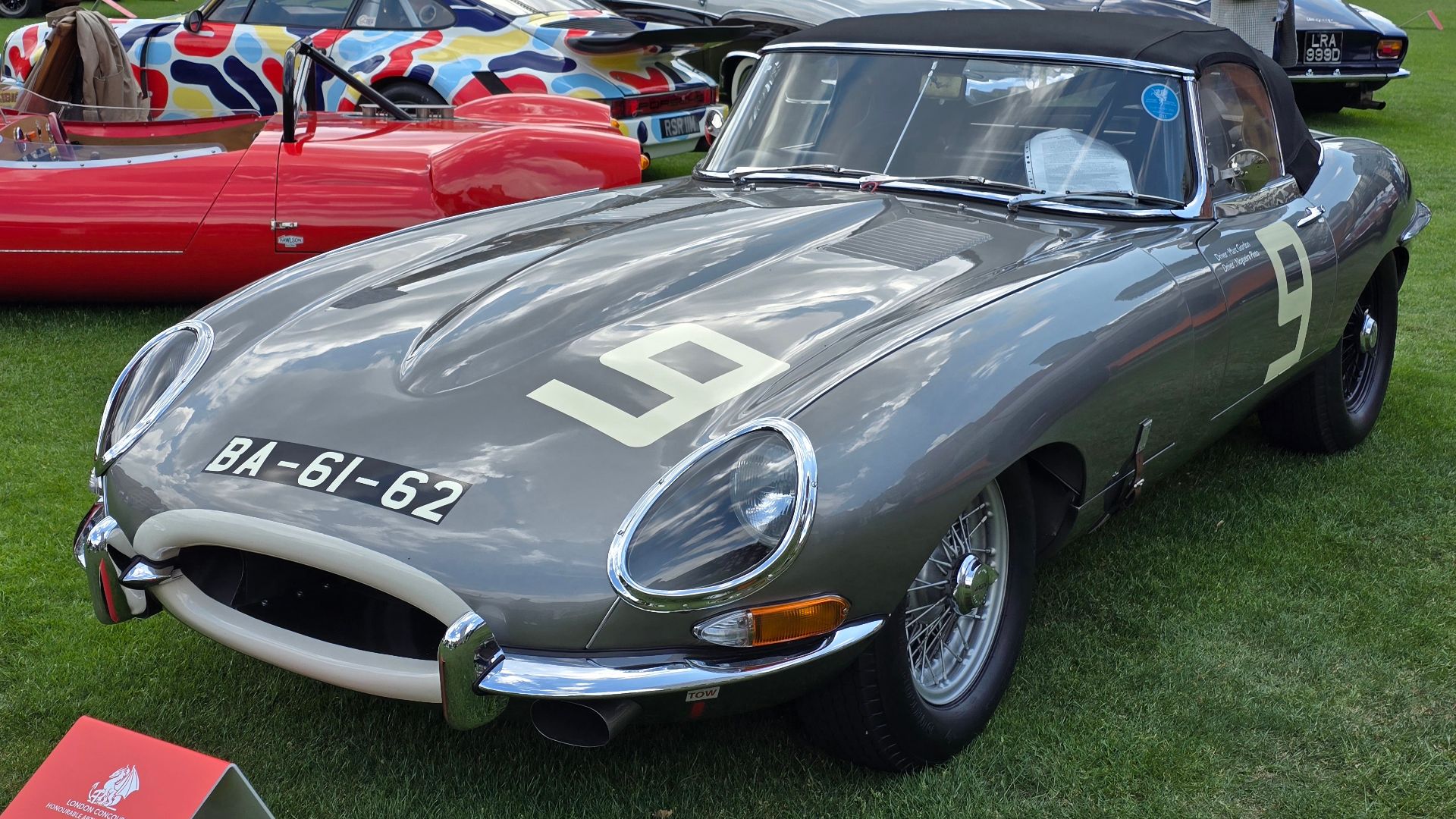
Even people who don’t know old cars often recognize this shape. The E-Type exploded onto the scene at Geneva in 1961 with that impossibly long hood, tiny cockpit and racing-influenced engineering underneath. Jaguar says the launch immediately created automotive history. More than six decades later, the shape still doesn’t need much explaining.
You Might Also Like:
Once-Affordable Classics That Used To Be Everywhere And Are Suddenly Hard To Find