
A Costly Formula
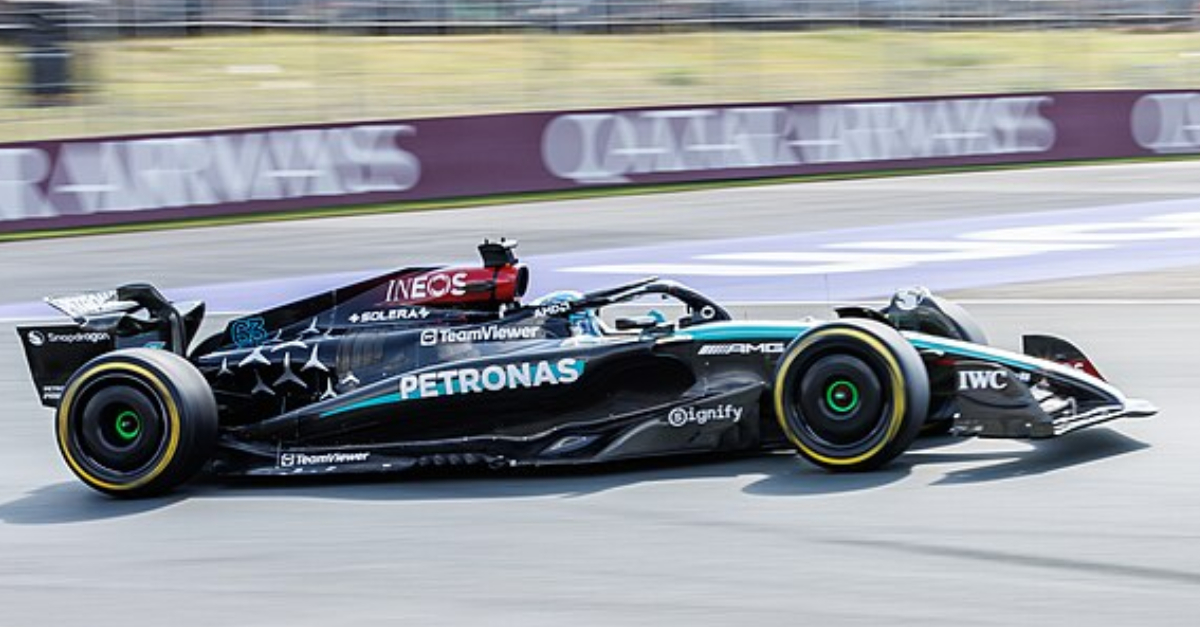
Formula One racing is one of the most popular sports in the world and those F1 cars are some of the fastest. But how much do they cost? And how does that cost breakdown to all the different parts of these automotive marvels? Well, let's find out.
How Much Does An F1 Car Cost?
We should probably start there. Before we get into all the various parts of the car, how about we look at how much one of these machines costs. Well, we should first mention that not all F1 cars cost the same, and determining the exact cost of one is not easy.
However, according to Red Bull, you're looking at around $15 million for a top-notch Formula One vehicle. Although, other reputable sources have put that number closer to $20 million.
 Morio, CC BY-SA 3.0, Wikimedia Commons
Spending Limit
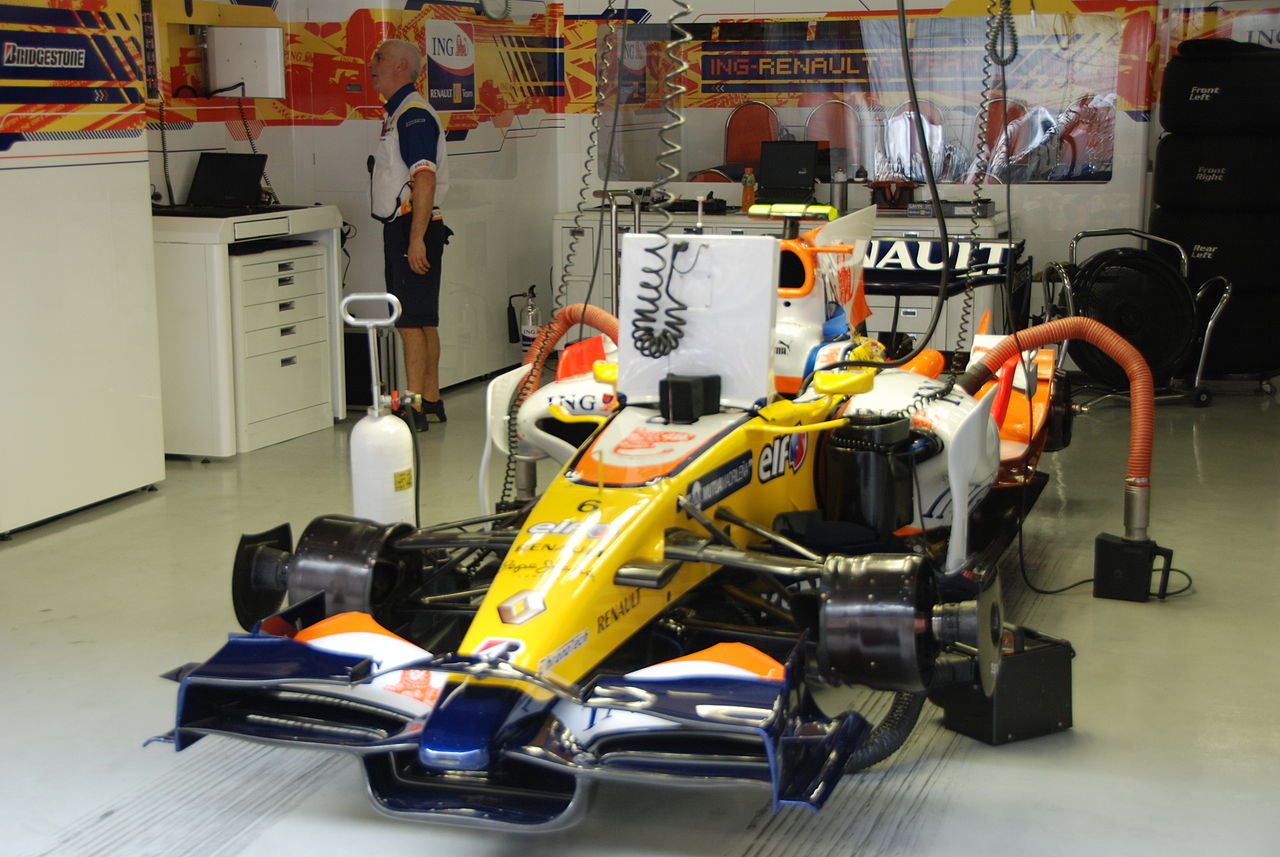
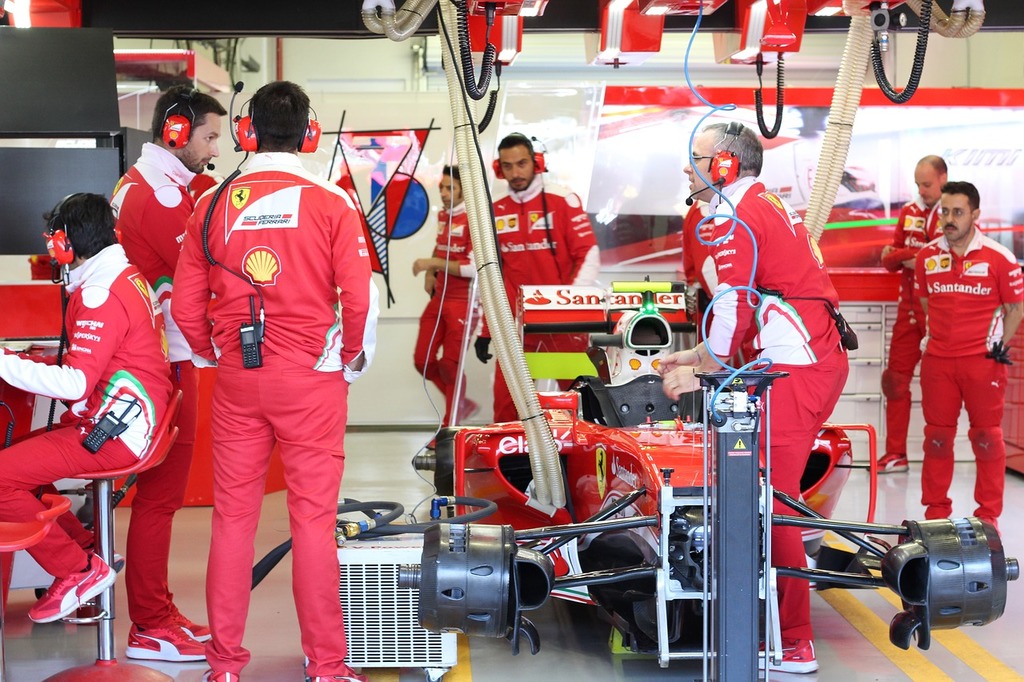
We should also mention the new cost cap that’s been implemented by Formula One over the last few years—limiting the amount of spending a team can do in terms of materials and activities related to car performance.
 Bert van Dijk, CC BY-SA 2.0, Wikimedia Commons
Spending Limit
While some teams were spending upwards of $400 million on their cars and development, that number was capped at $145 million in 2021. For the 2024 season, that number was down to $135 million.
Engine
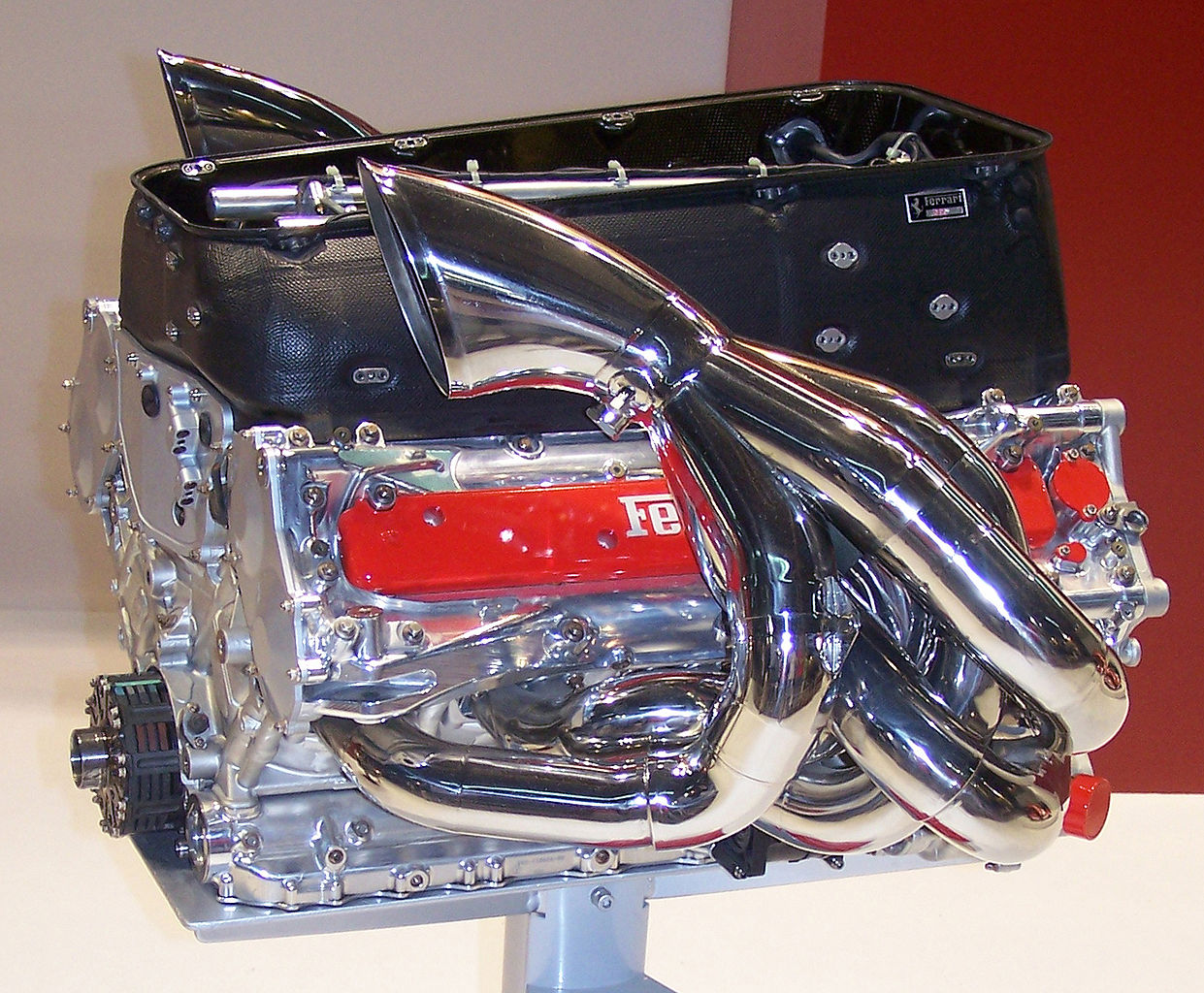
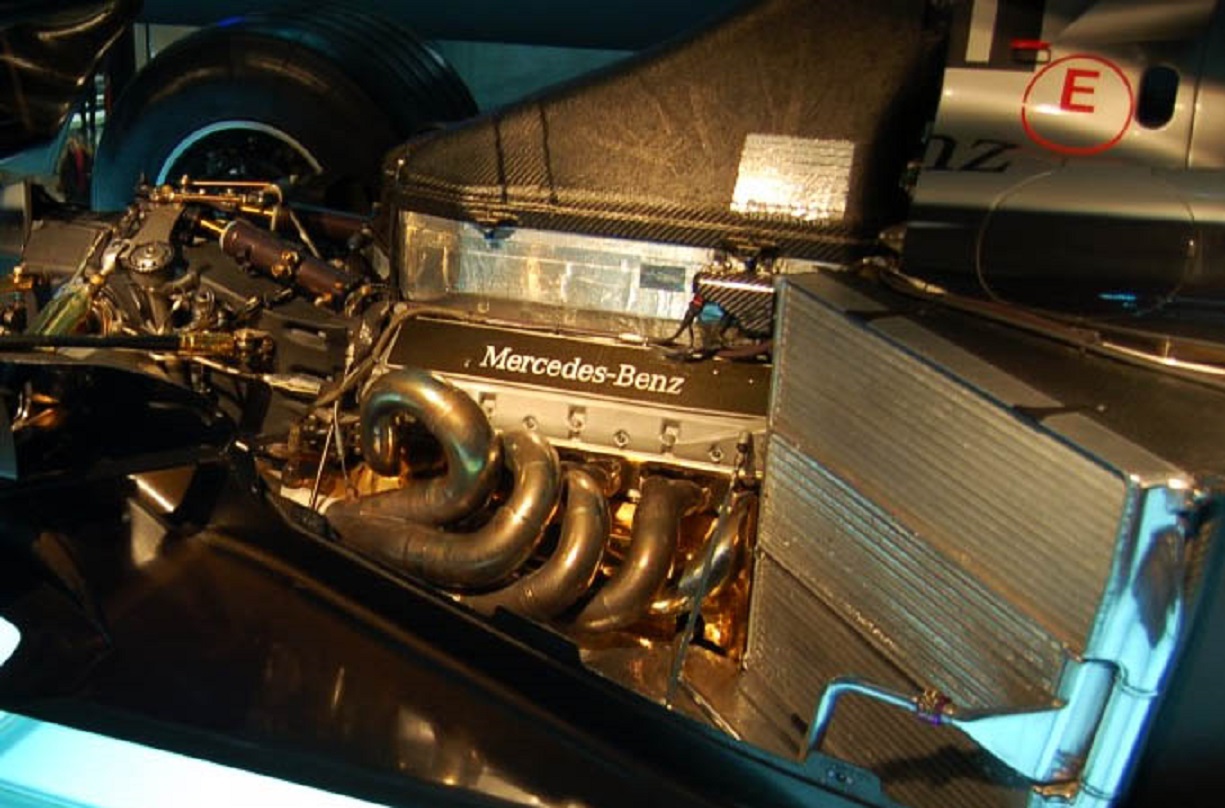
The engine, as many of you may have guessed, is the most expensive component of these cars. And while engines in our own cars are expensive, they seem downright cheap compared to the turbocharged 1.6-liter V6 engines F1 teams use. They're looking at about $10.5 million per engine—although, that's on the low-end of some estimates...
 Pex Cornel, Morio, CC BY 2.0, Wikimedia Commons
Engine
Pat Symonds (a designer of F1 cars) has said the price—with all the various components—is probably closer to $18 million.
 stephenhanafin, Morio, CC BY-SA 2.0, Wikimedia Commons
Chassis
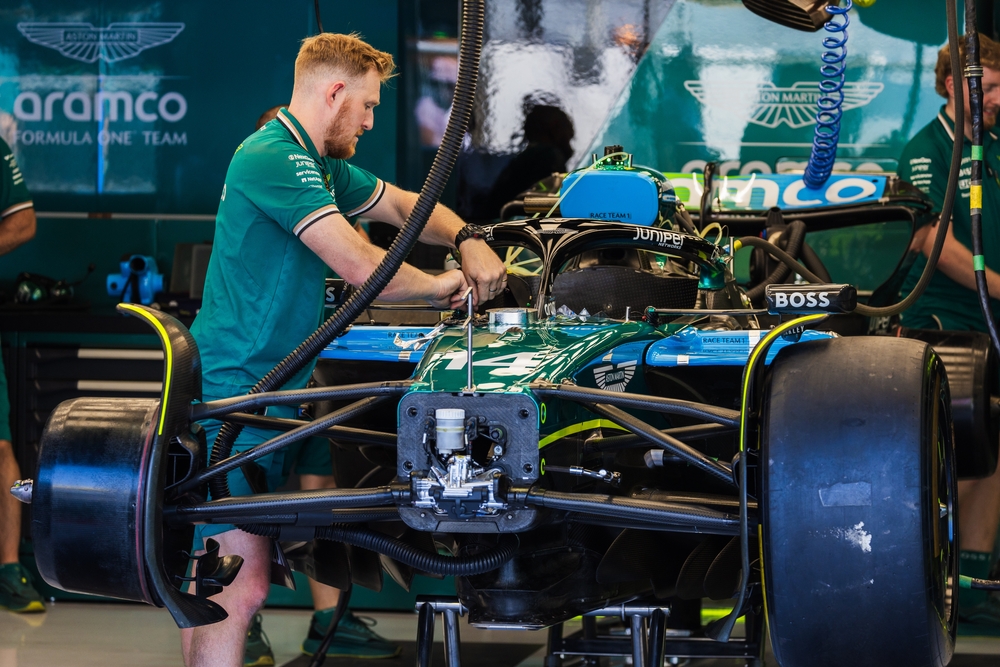
The chassis is a one piece structure that must be light, but must also be strong enough to protect the precious cargo inside (the driver). Usually made from 12 layers of carbon fibre mats, they are five times lighter than steel, while also being twice as strong. They can run a team around $700,000 to produce.
And attached to that chassis we have the...
Rear Wing And DRS
It's just a wing, right? Wrong! It's a key component in creating that oh-so-important downforce—and can cost anywhere between $85,000-$150,000.
 Maggot666PL, CC BY-SA 4.0, Wikimedia Commons
Front Wing/Nose Cone
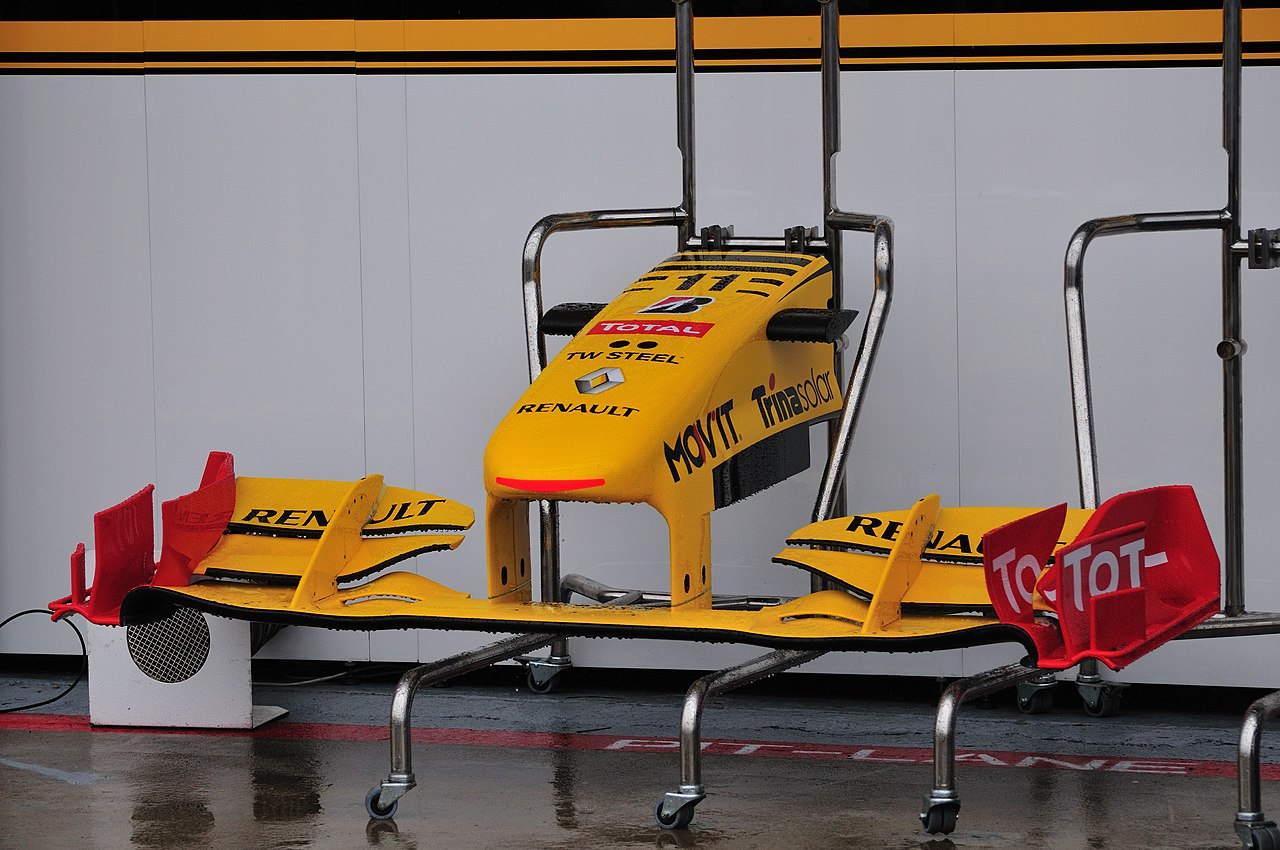
From the back of the car we move to the very front. Again we have that all-important downforce factor. But there's also the new aerodynamic rules that came into effect in 2017, which have made the front wing and nose cone designs even more intricate and complicated. Which, in turn, has seen the price tag go up as well—up to $100,000, according to some.
 https://www.flickr.com/photos/gregory-moine/, CC BY 2.0, Wikimedia Commons
Gearbox
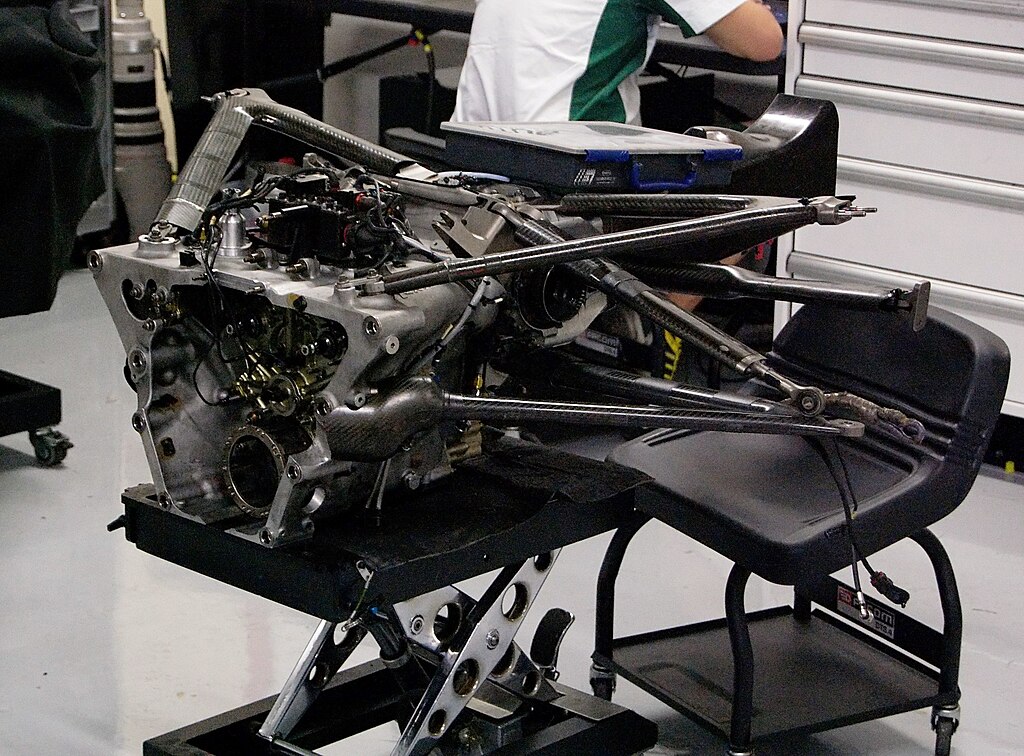
These ain't your typical gearboxes. F1 gearboxes have eight forward gears and one reverse gear. Some teams buy gearboxes from other teams while some build them for themselves in house. These paddle-controlled gearboxes will set a team back about $350,000.
 John O'Nolan, CC BY 2.0, Wikimedia Commons
Fuel Tank
Again, these aren't your typical fuel tanks. The fuel tanks in an F1 car are made from polyurethane and Kevlar and are pretty much indestructible (obviously, leaking fuel could be a very bad thing). They go for about $31,000.
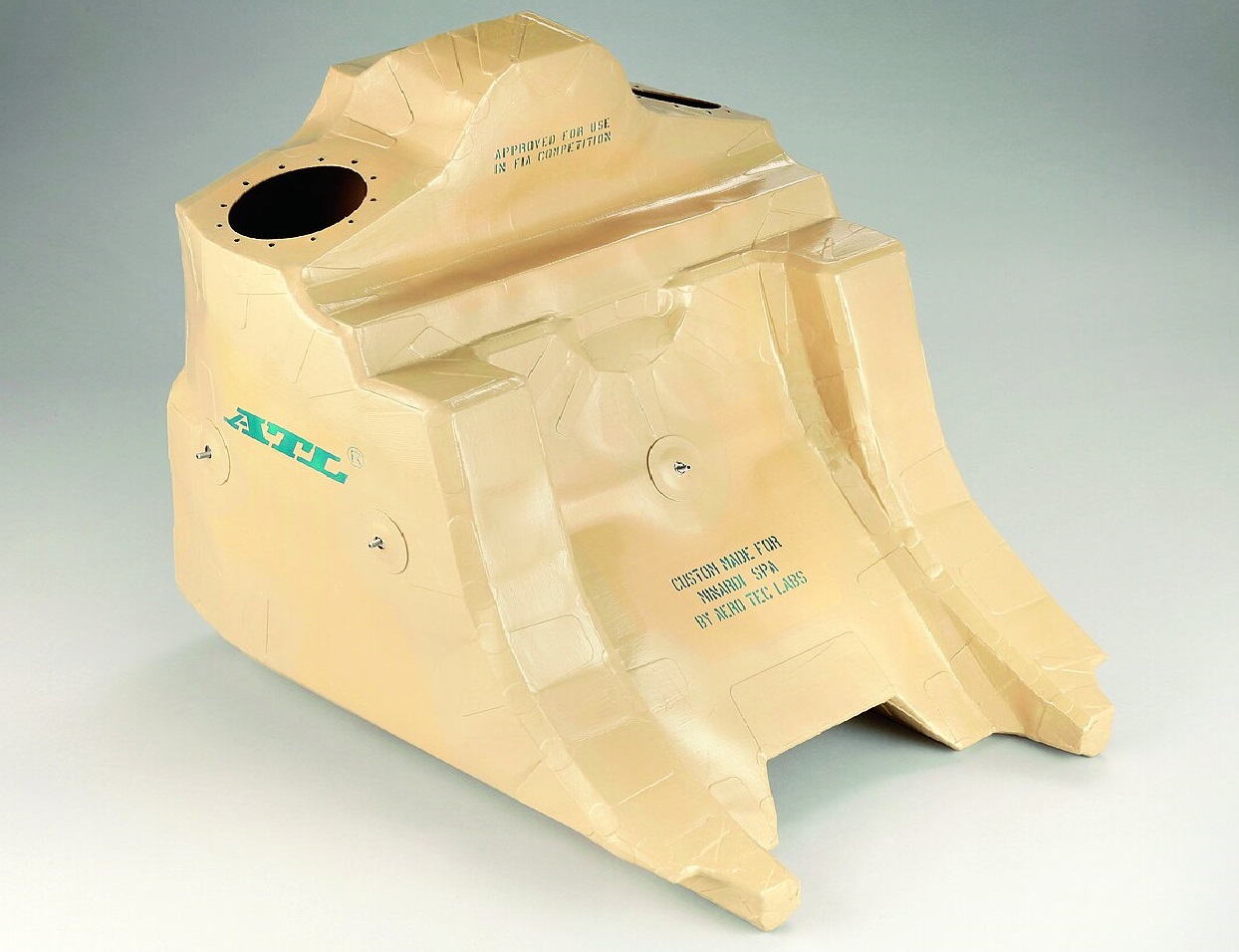 ATLFuelCells, CC BY-SA 4.0, Wikimedia Commons
Steering wheel
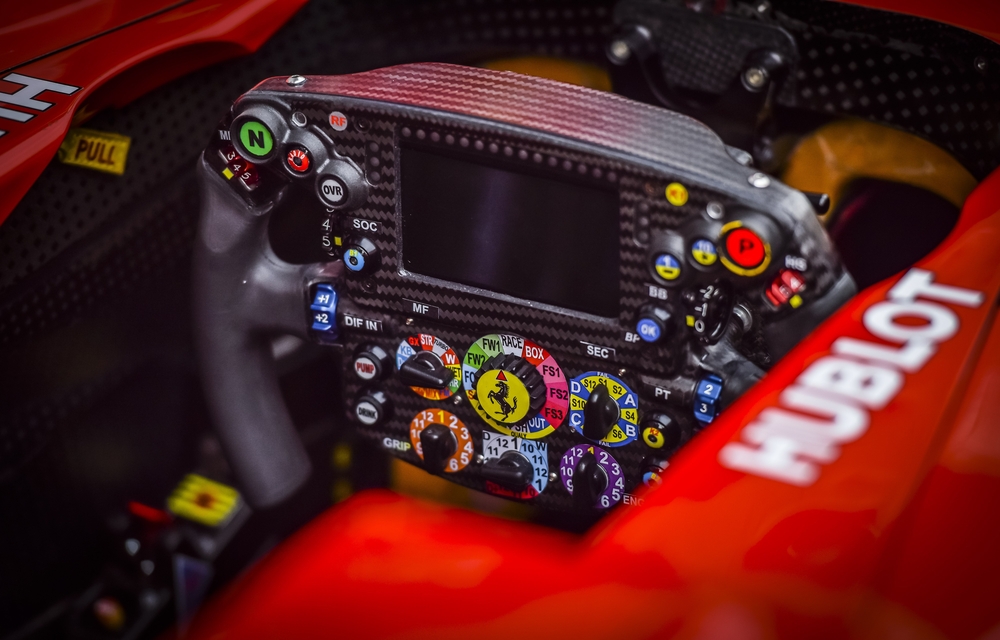
Even the steering wheels in these cars are technological wonders. To go along with the carbon fiber-built wheel, there is also the Engine Control Unit (ECU) with its 20 customizable buttons and nine rotary switches, as well as the six paddles. All this for a mere $50,000.
Tires
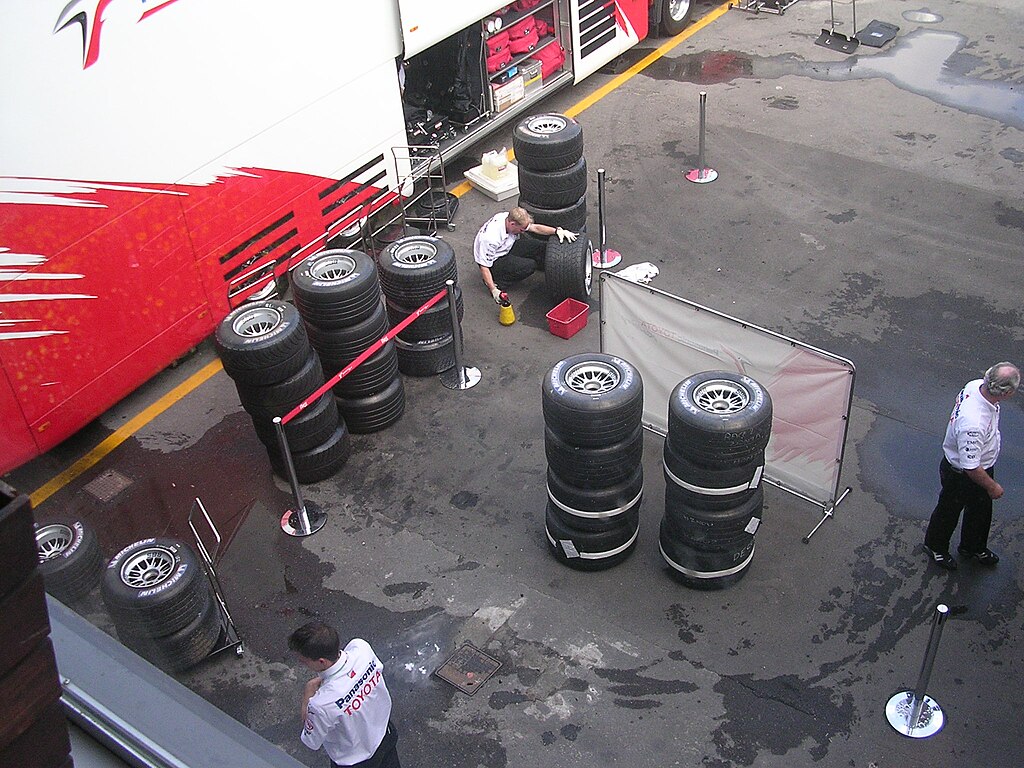
We all know how expensive it can be when it's time to buy a new set of tires for our cars. However, that's nothing compared to what F1 teams pay for theirs. You're looking at about $3,000 for a set. But teams don't just need one set per season, of course...
 Fabio Alessandro Locati, CC BY-SA 3.0, Wikimedia Commons
Tires
In fact, a team needs 13 sets per driver per Grand Prix weekend. Doing the math, that's almost $40,000 per weekend just on tires.
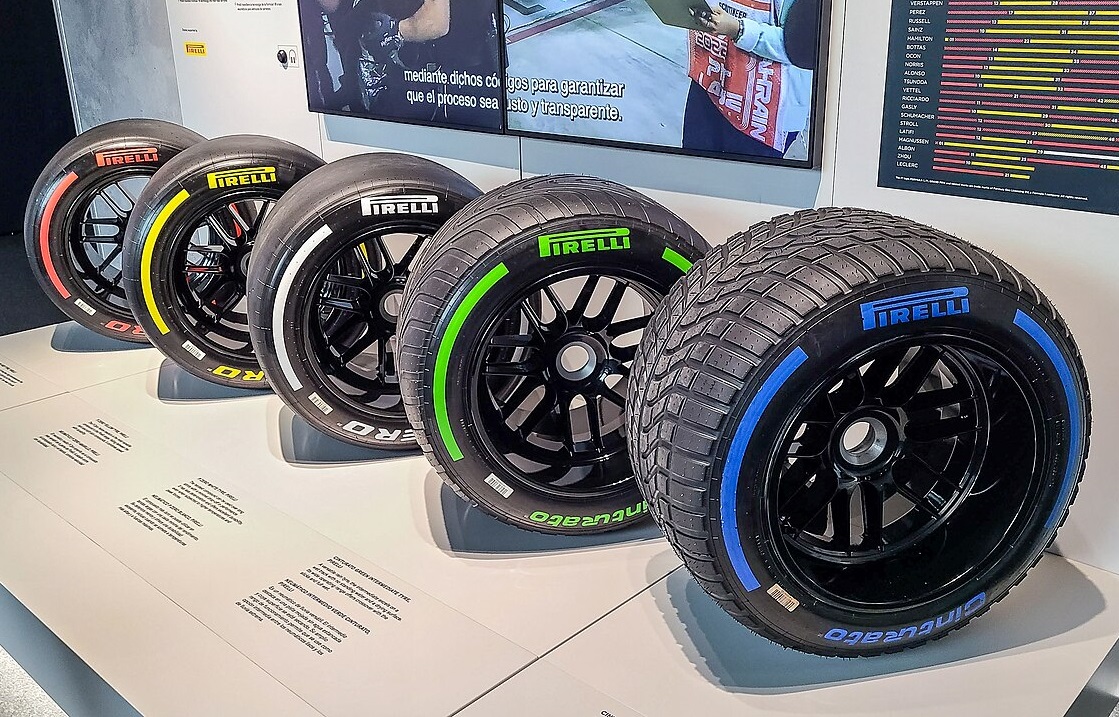
The FIA does try to help teams out though—by organizing package deals with the manufacturer, Pirelli.
 Steve, CC BY-SA 2.0, Wikimedia Commons
Brakes
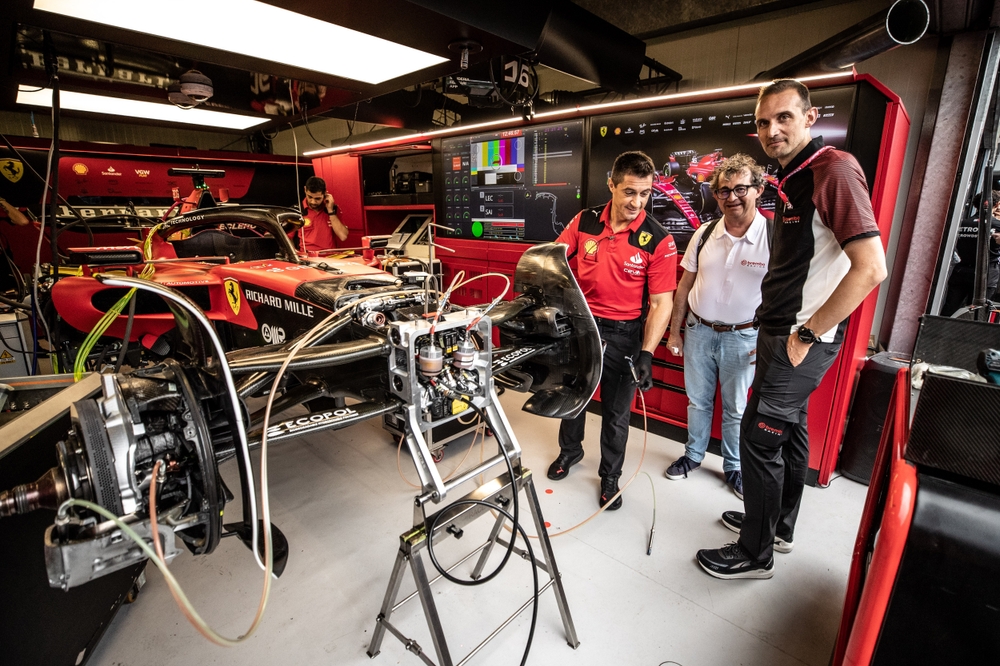
There are multiple components when it comes to brakes. First you have the brake discs which can cost in the $2,000-$3,000 range.
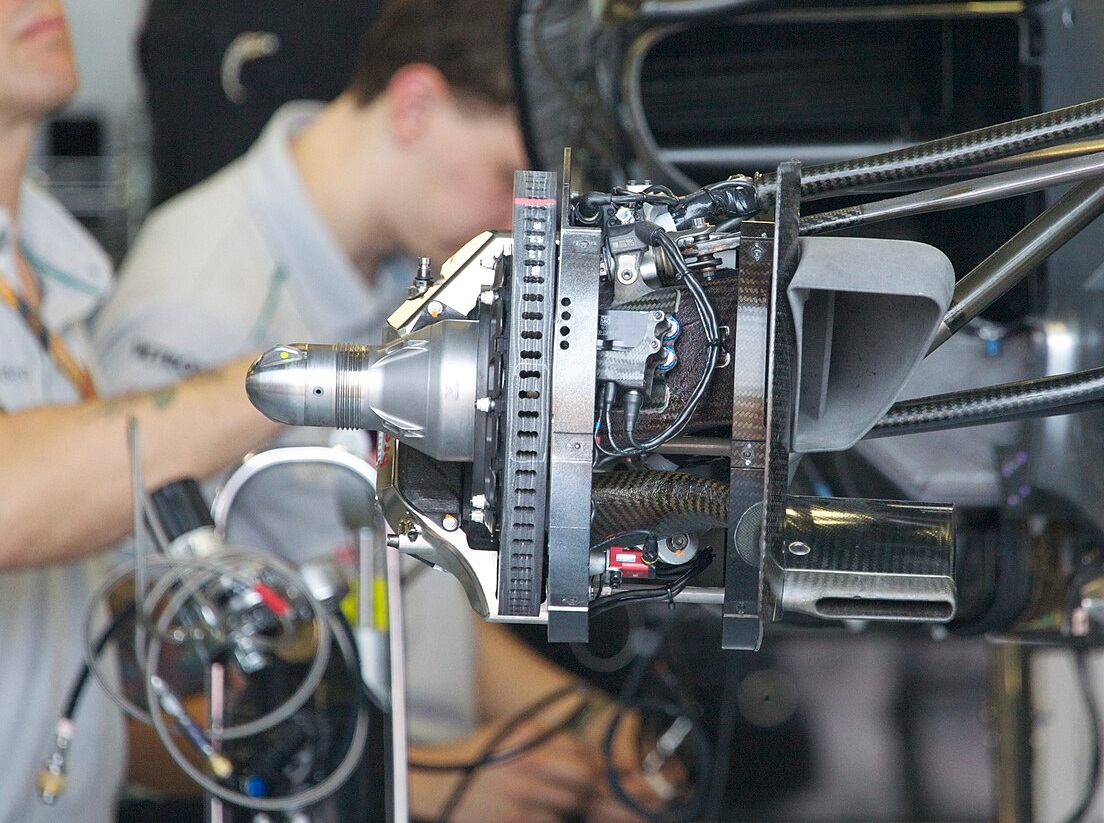 Mark McArdle, CC BY-SA 2.0, Wikimedia Commons
Brakes
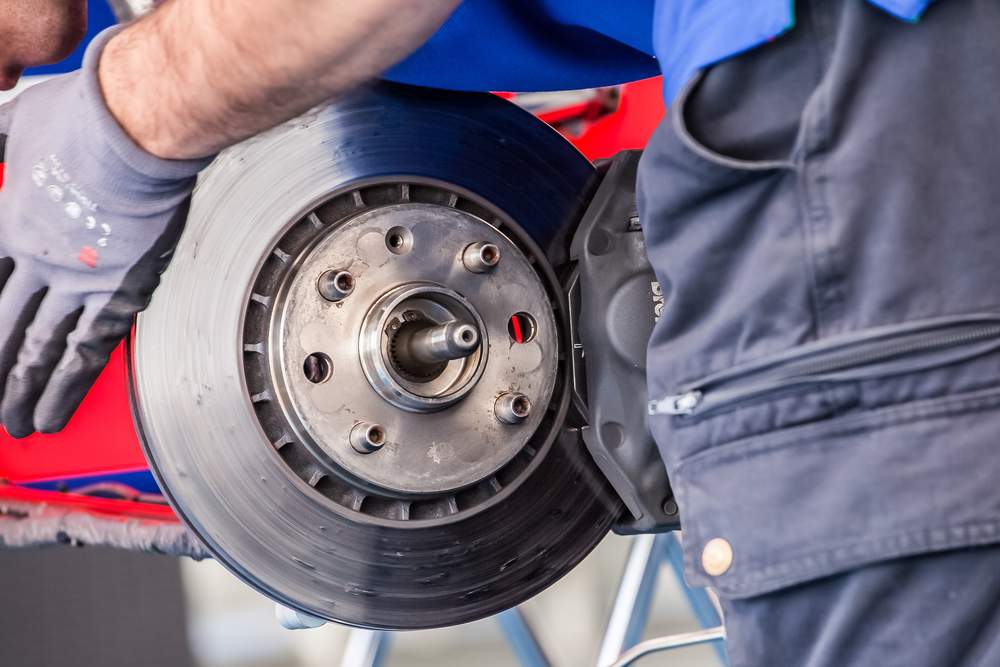
Then you have the brake pads which are much less expensive than the discs but will still cost almost $800 per pad.
Brakes
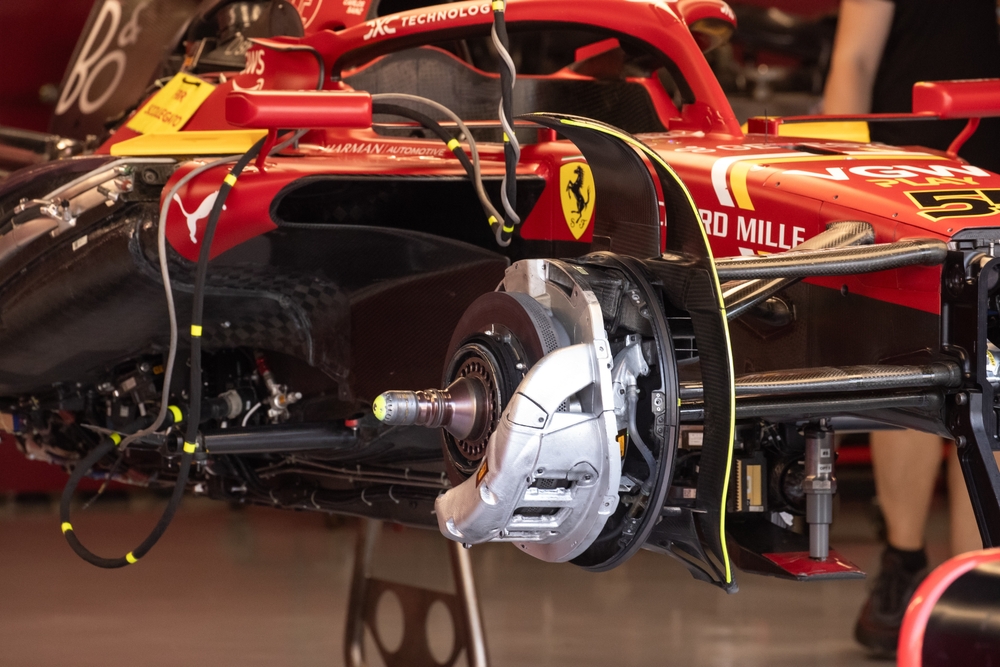
You need calipers of course—and those cost around $5,600 each. And let's not forget about master cylinders either. They'll set you back about $5,400. But we aren't done yet...
Brakes
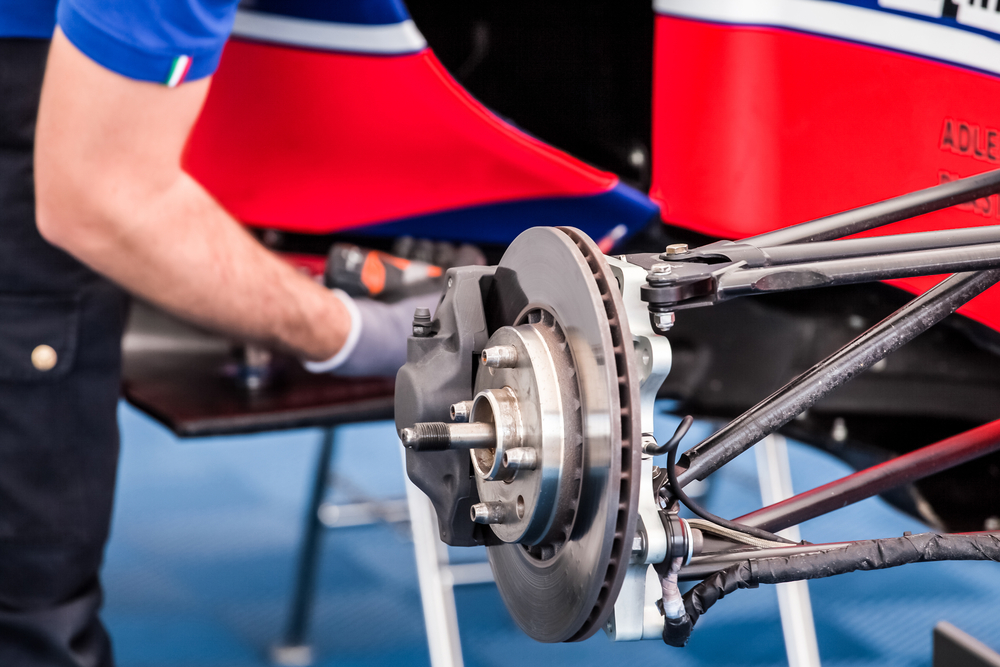
You know disc bells—those things that hold the disc to the axle? Well, they cost $2,800 each. Moving on to the accelerator and brake pedals—they cost close to $9,000.
Brakes
So, what does the whole braking system cost? Well, F1 teams can expect to lighten their wallets by around $70,000 for the car's brakes and related components.
Hydraulics
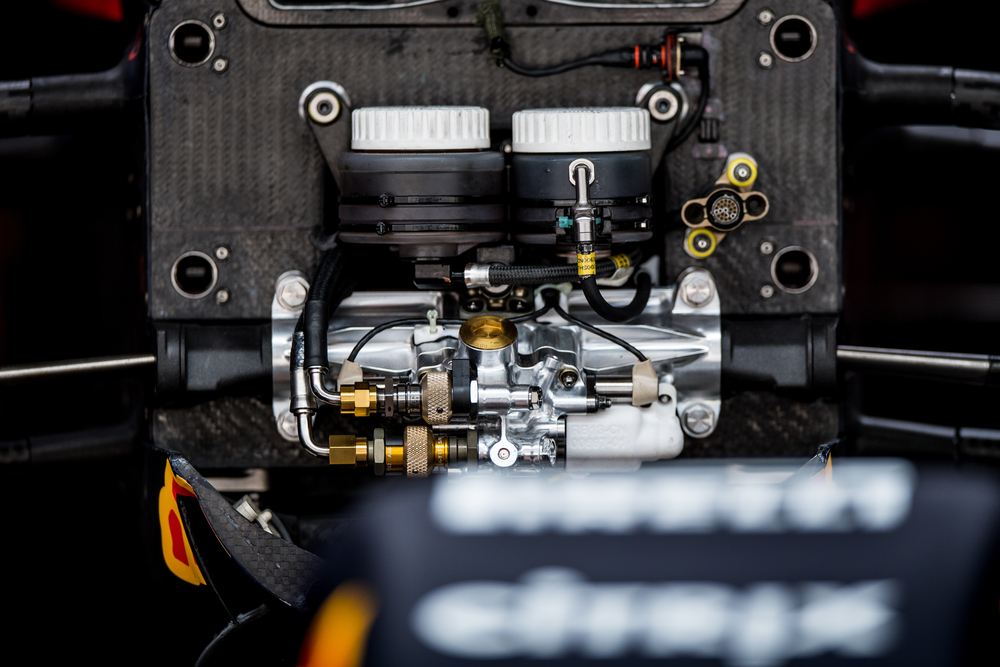
What does the hydraulic system of an F1 car control? It's almost better to ask what it doesn't control, because what it does control is everything from the power steering to the clutch, gearshifts, the DRS system, throttle, and inlet valves (to name a few).
As for the cost: $170,000.
Floor
Did you know that the floor of an F1 car contributes about 60% of its downforce? Yes, even the floor of an F1 car is a complex marvel of engineering.
To quote Pat Symonds: "These days, because F1 car floor designs can incorporate the outer 100mm, which has all these intricate features in it, combined with bargeboards – which are massively expensive – floors are approaching the [$141,000] mark now".
 Morio, CC BY-SA 3.0, Wikimedia Commons
Halo
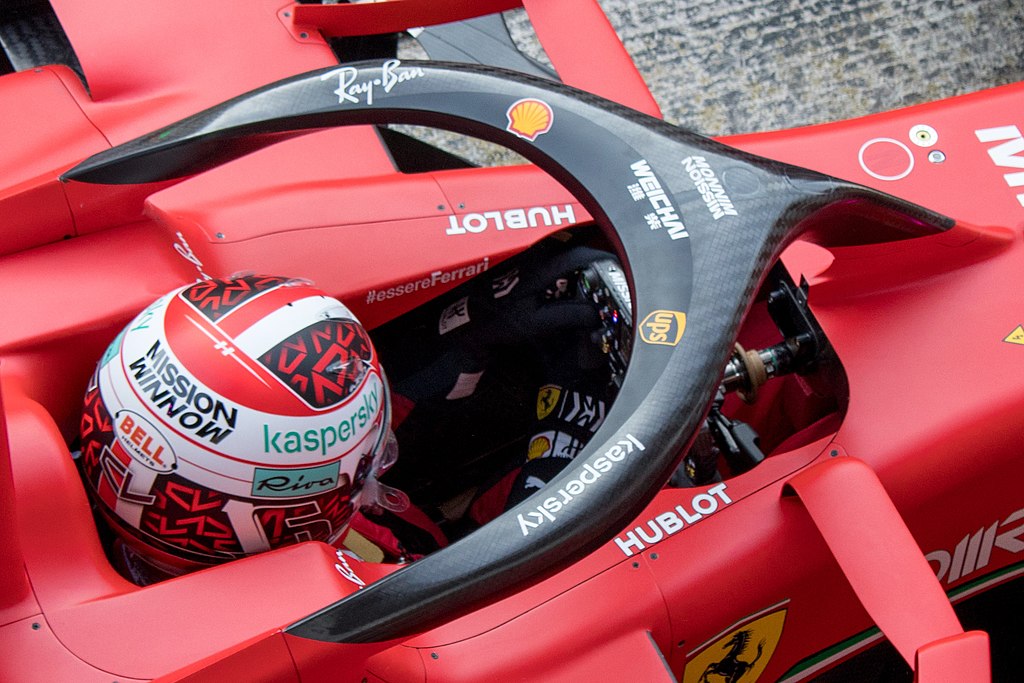
One of the most important features of an F1 car as far as safety is concerned, the halo has certainly saved driver's lives. While expensive, $17,000 is a very small price to pay for a life-saving component. Don't you agree?
 Jen Ross, CC BY 2.5, Wikimedia Commons
Chassis Loom
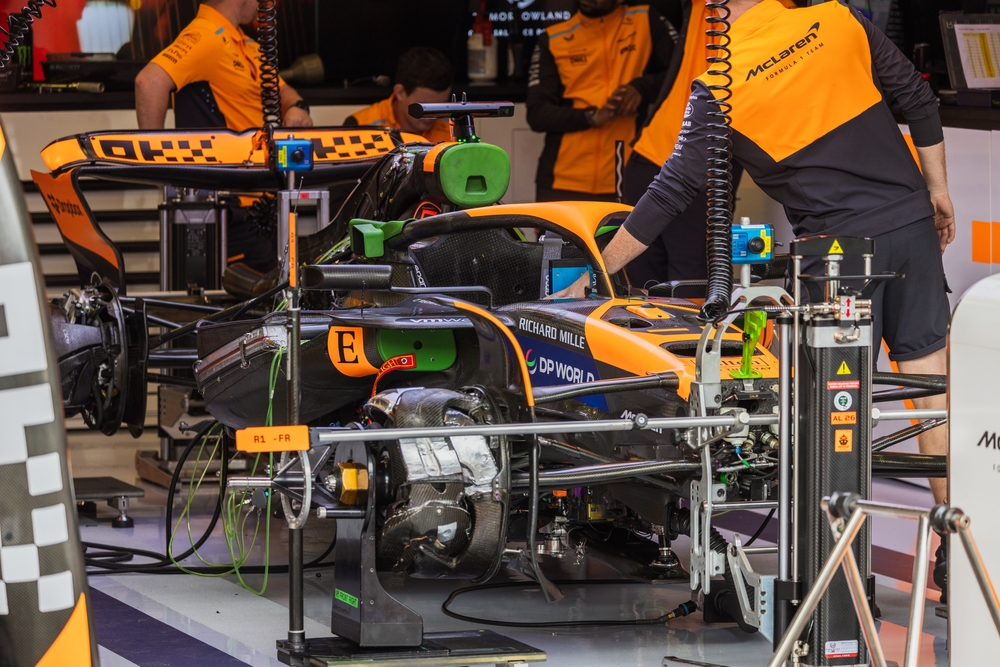
Have you always wondered what a chassis loom for an F1 car costs? Well, according to Pat Symonds, this is "one that might surprise you". They cost $30,000.
Wheel Bearing
How much could a wheel bearing really cost? How about almost $1,400 each? And you know you need more than just one of 'em.
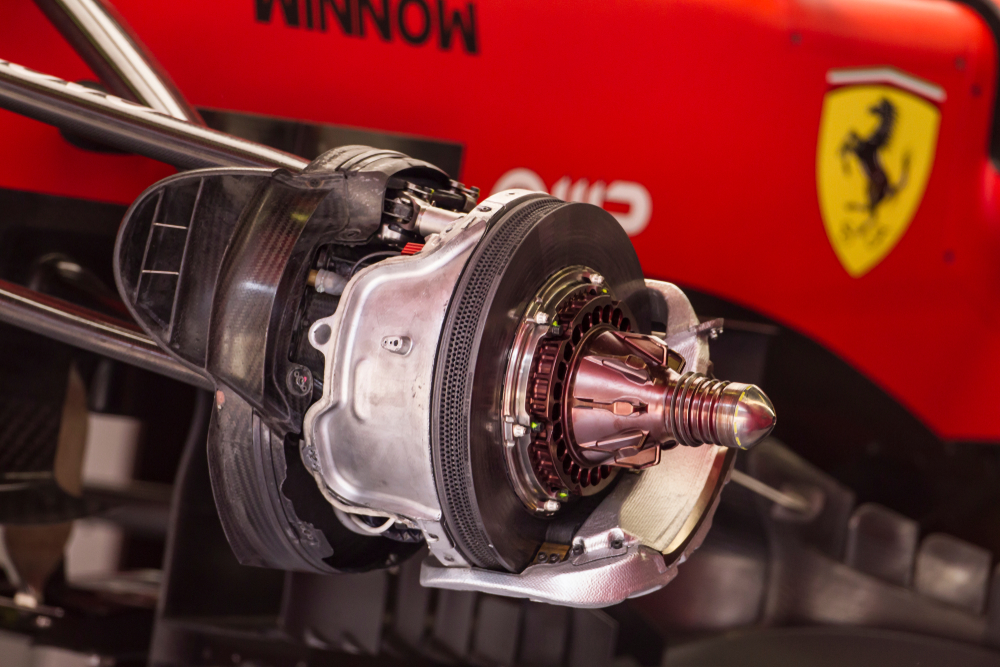
Driveshaft
To replace the driveshaft in your car, it would probably cost you about $1,700 (including labor). For an F1 vehicle, the driveshaft alone costs almost $9,000.
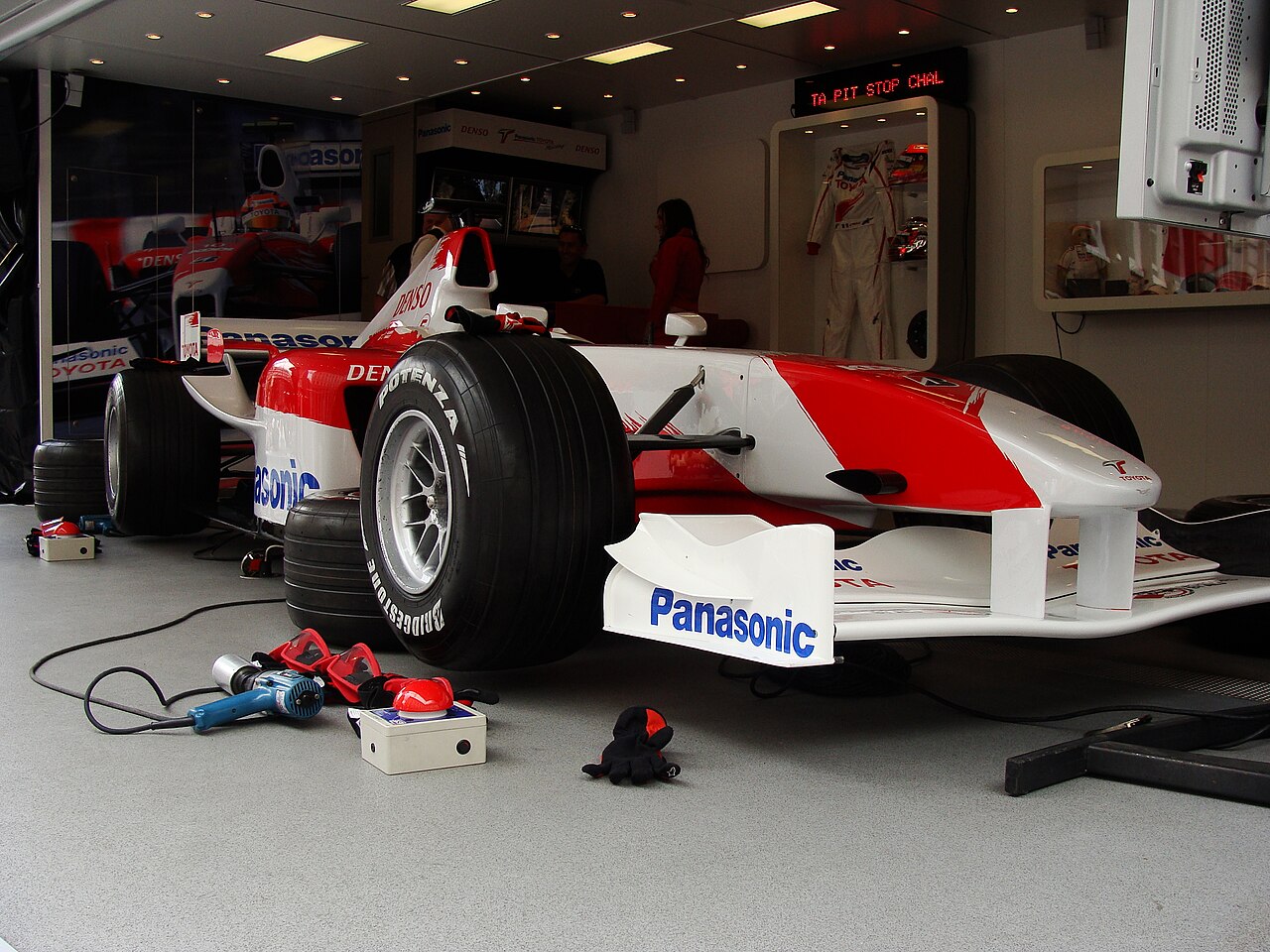 Ben Sutherland, UK, CC BY 2.0, Wikimedia Commons
Fuel Tank
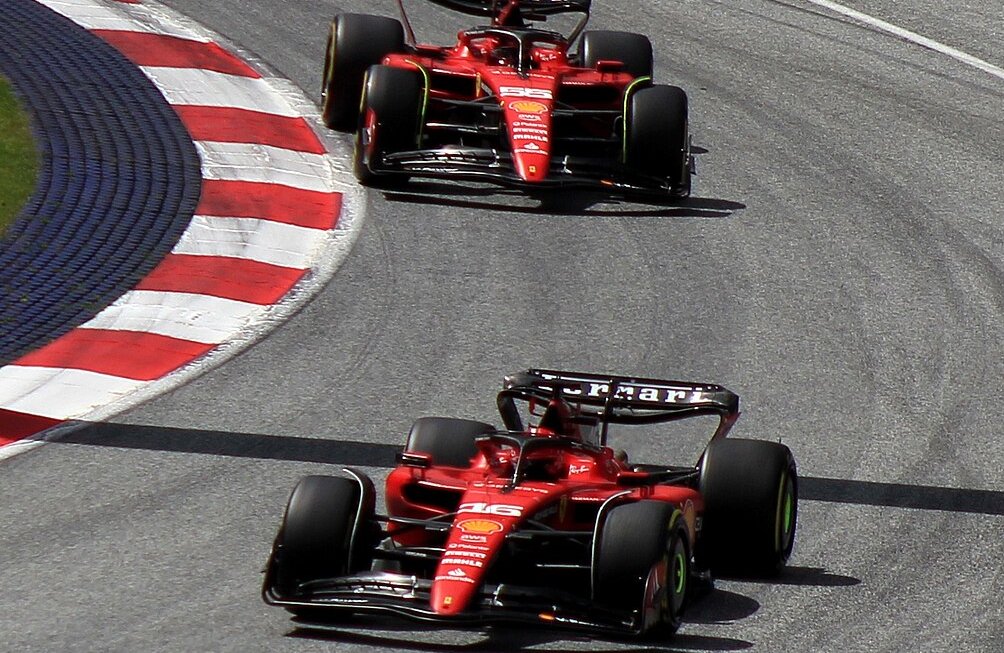
Including training and competition, an F1 car goes through about 200,000 liters of gasoline every season—and all that gasoline starts in the car's fuel tank, which costs $140,000. Although, that's nothing compared to the money they spend on the fuel itself...
 Lukas Raich, CC BY-SA 4.0, Wikimedia Commons
Fuel
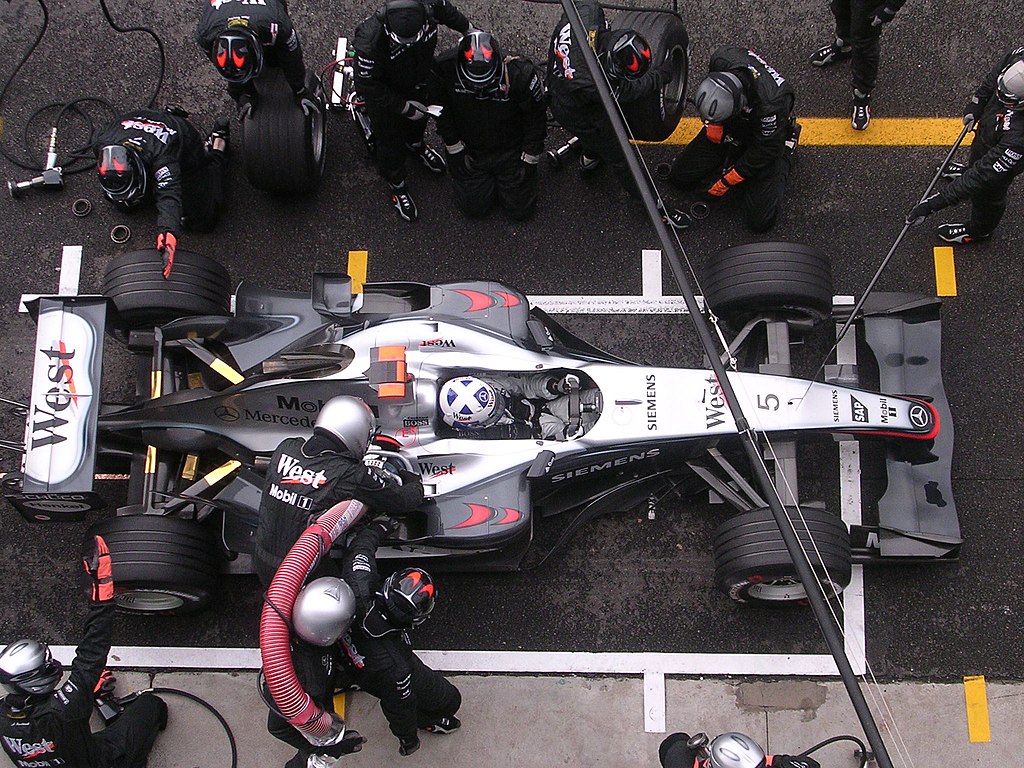
If you can't believe how much you spend on gas every year, just be thankful you aren't driving an F1 car—because those cars burn through about $500,000 worth of fuel every season.
 Fabio Alessandro Locati, CC BY-SA 3.0, Wikimedia Commons
Research And Development
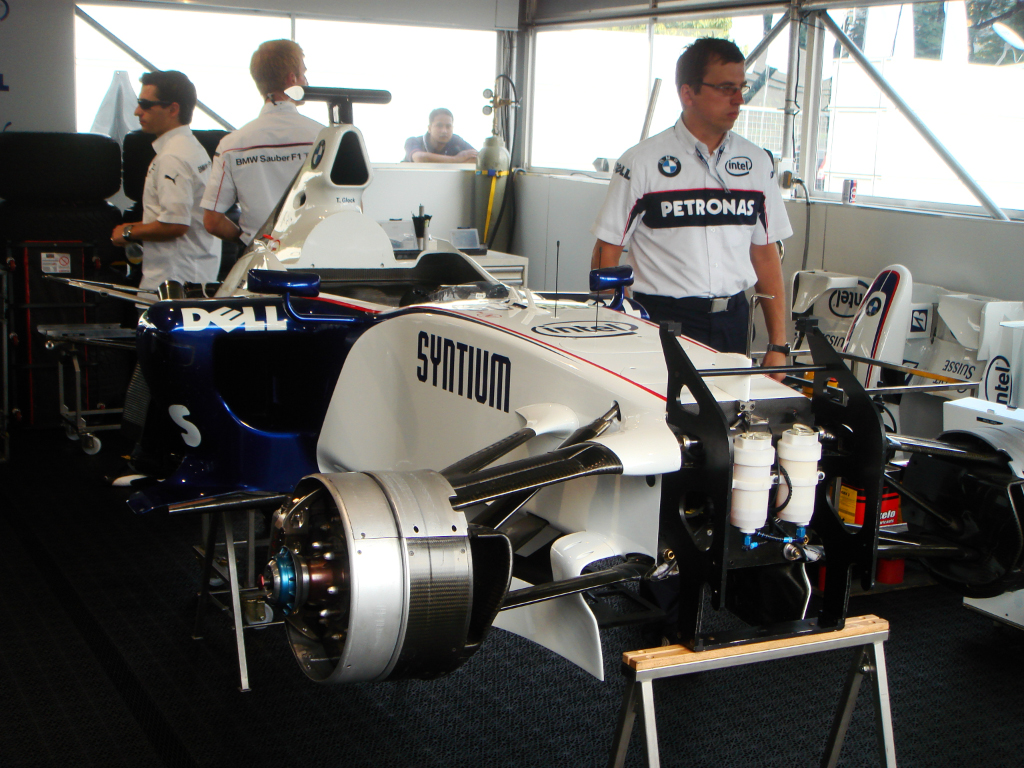
That $20 million or so is just the parts needed to build the car. That doesn't take into account the many millions that each team spends on research and development trying to get a little faster and give their drivers a slight edge.
 MyLifeStory, CC BY 2.0, Wikimedia Commons
Most Expensive F1 Car Ever
What is the most expensive F1 car ever? Well, as far as developing and building, there's no good record of what car was the most expensive in the history of the sport. However, as far as the most expensive F1 car ever sold goes...
 Andromeda2064, CC BY-SA 4.0, Wikimedia Commons
Most Expensive F1 Car Ever
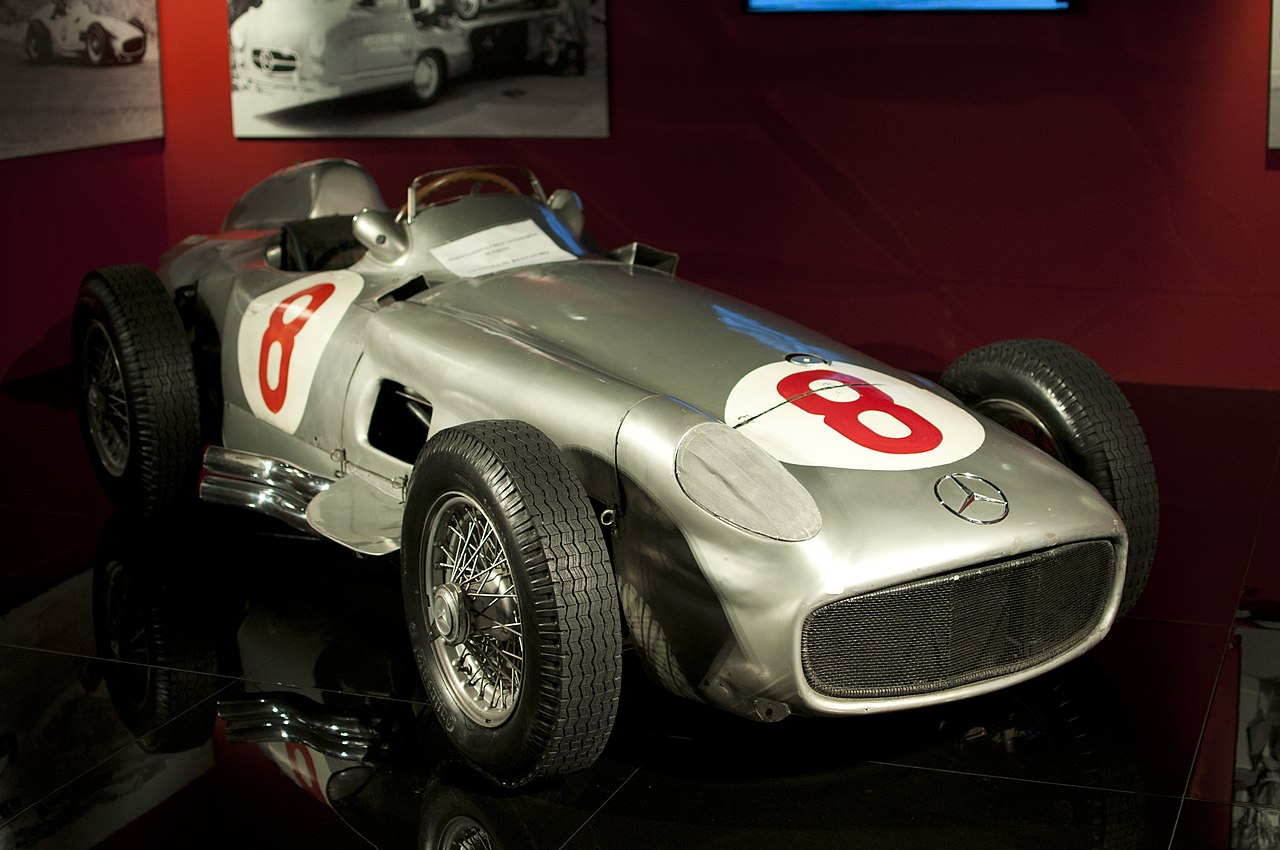
That honor goes to Juan Manuel Fangio's 1954 Mercedes-Benz W196R—which sold at auction in 2013 for almost $30 million.
 Murgatroyd49, CC BY-SA 4.0, Wikimedia Commons
Hamilton's Car
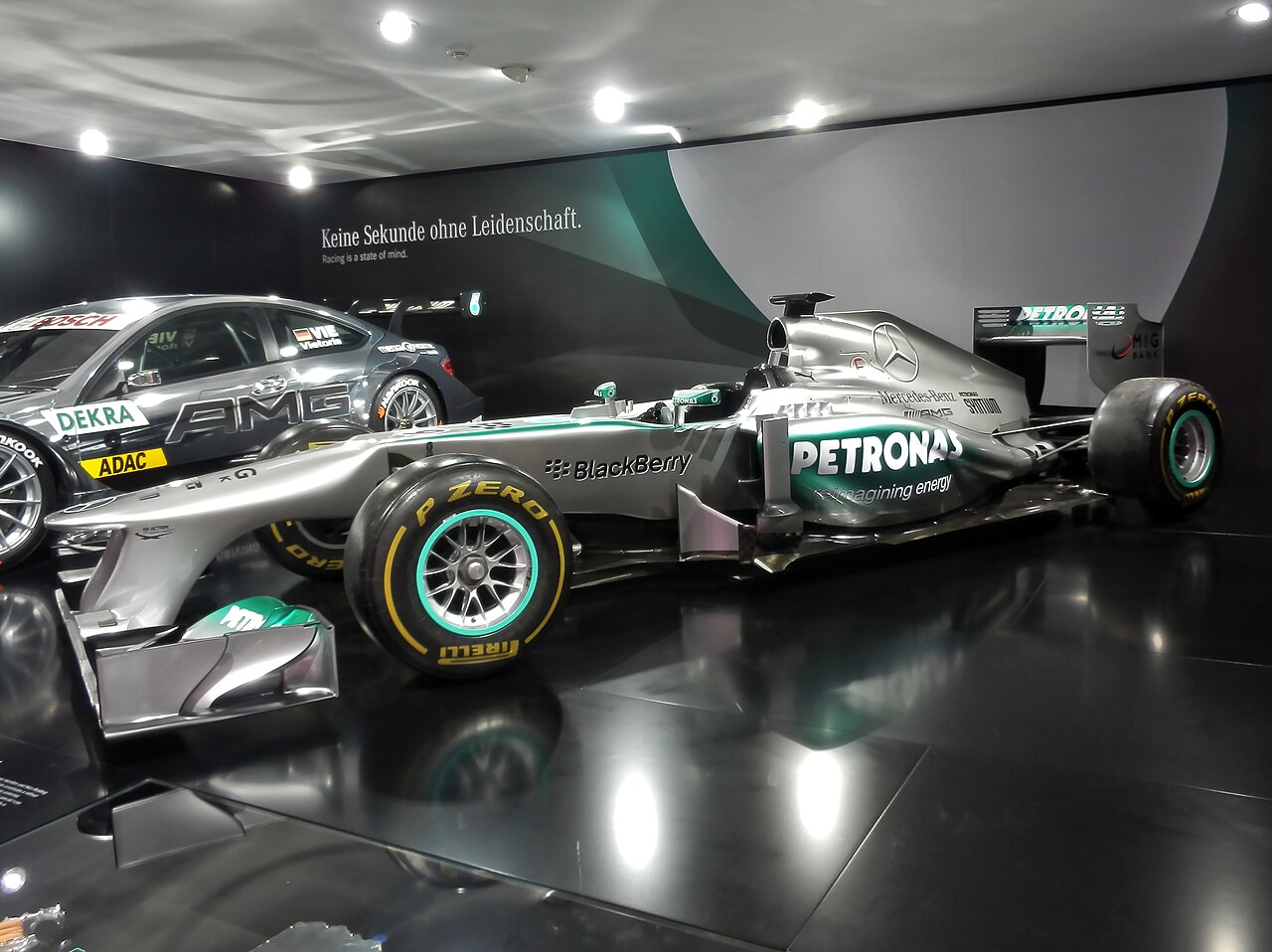
Looking at modern-era F1 cars, the highest price paid was $18.8 million for Lewis Hamilton's 2013 Mercedes-AMG Petronas F1 W04-04.
 Alexander Migl, CC BY-SA 4.0, Wikimedia Commons







.jpg)


.jpg)
_(The_Ferraris).jpg)

.jpg)


