Did They Change How Cars Are Built?
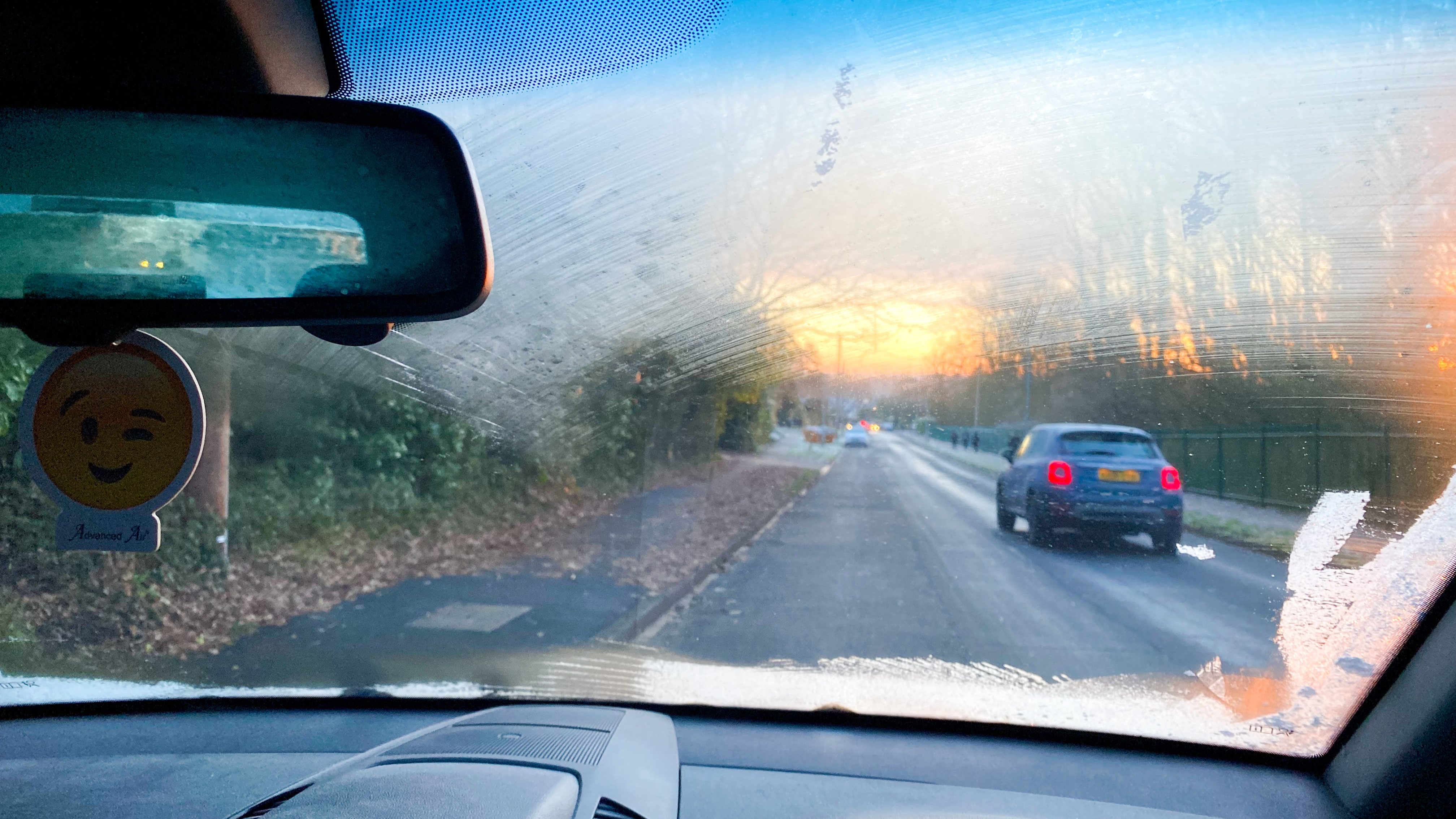
You buy a newer vehicle expecting it to be better in every way. Instead, you notice something strange: the windshield fogs up far more often than your old car ever did. Is it your imagination, or are modern vehicles actually built differently?

You're Definitely Not Imagining It
Many drivers notice differences after switching vehicles. Some newer cars seem to fog up more quickly, while others clear much faster thanks to newer climate-control systems.
So, Are Modern Cars Different?
Yes. Today's vehicles are built with different materials, tighter seals, improved aerodynamics, and more sophisticated heating and air-conditioning systems than many older cars.
Better Seals Mean Less Air Leakage
Modern vehicles are designed to be much more airtight. That's great for reducing road noise and improving fuel economy, but it also means moisture can build up inside more easily.

Moisture Is The Real Culprit
Fog forms when warm, humid air inside the vehicle touches a cold windshield. The moisture in the air condenses into tiny droplets that scatter light and reduce visibility.

Your Own Breath Adds Moisture
Every passenger in the car exhales water vapor. Four people in a vehicle on a cold day can add a surprising amount of humidity in just a short drive.

Wet Shoes Don't Help
Snow, rain, muddy boots, and damp clothing all release moisture into the cabin. That extra humidity has to go somewhere—and your windshield is often the first place it appears.

Modern Interiors Use Different Materials
Today's seats, carpets, insulation, and sound-deadening materials can absorb and release moisture differently than older vehicles, especially when they're new.

Cabin Air Filters Play A Bigger Role
Most modern vehicles have cabin air filters. If the filter becomes dirty or clogged, airflow may decrease, making it harder for the defroster to clear the windshield.

Automatic Climate Control Thinks For You
Many newer cars automatically adjust fan speed, air direction, and air conditioning. Sometimes the system's decisions don't match what drivers expect.
Yes, The Air Conditioner Helps In Winter
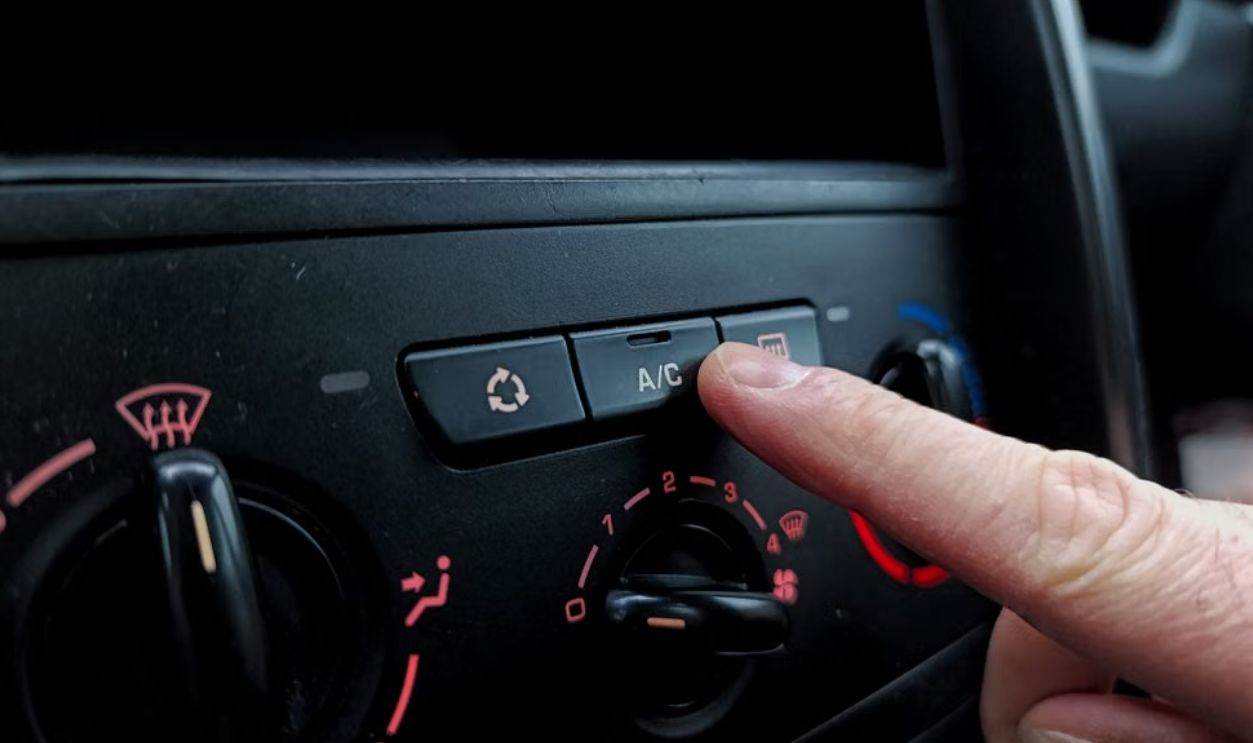
Many people turn off the air conditioner during cold weather. Ironically, the A/C removes moisture from the air and often helps clear fog much faster.

Recirculate Can Make Fog Worse
Using the recirculation setting traps humid cabin air inside the vehicle. Fresh outside air is usually much drier during winter and helps reduce fogging.
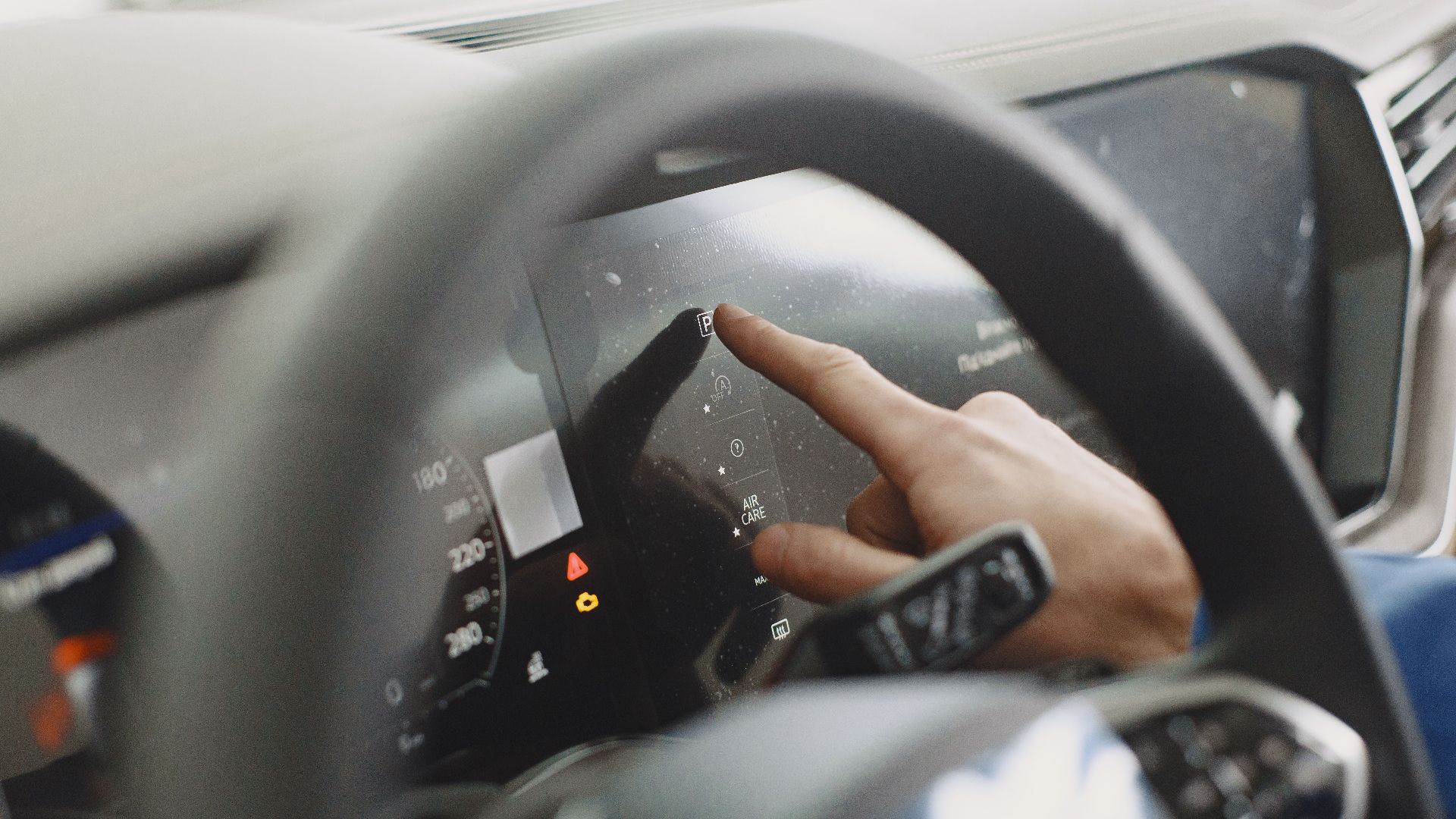
Windshield Shape Has Changed
Many modern windshields are larger and more steeply angled than older designs. That can slightly change how quickly they cool down and collect condensation.

Hybrid And Electric Cars Can Feel Different
Some hybrids and electric vehicles don't produce waste engine heat the same way gasoline vehicles do. As a result, windshield clearing may behave differently, especially during short trips.

Short Drives Are The Worst
If your commute only lasts a few minutes, the vehicle may never fully warm up. That leaves less time for the defroster to remove moisture.

Keep The Glass Clean
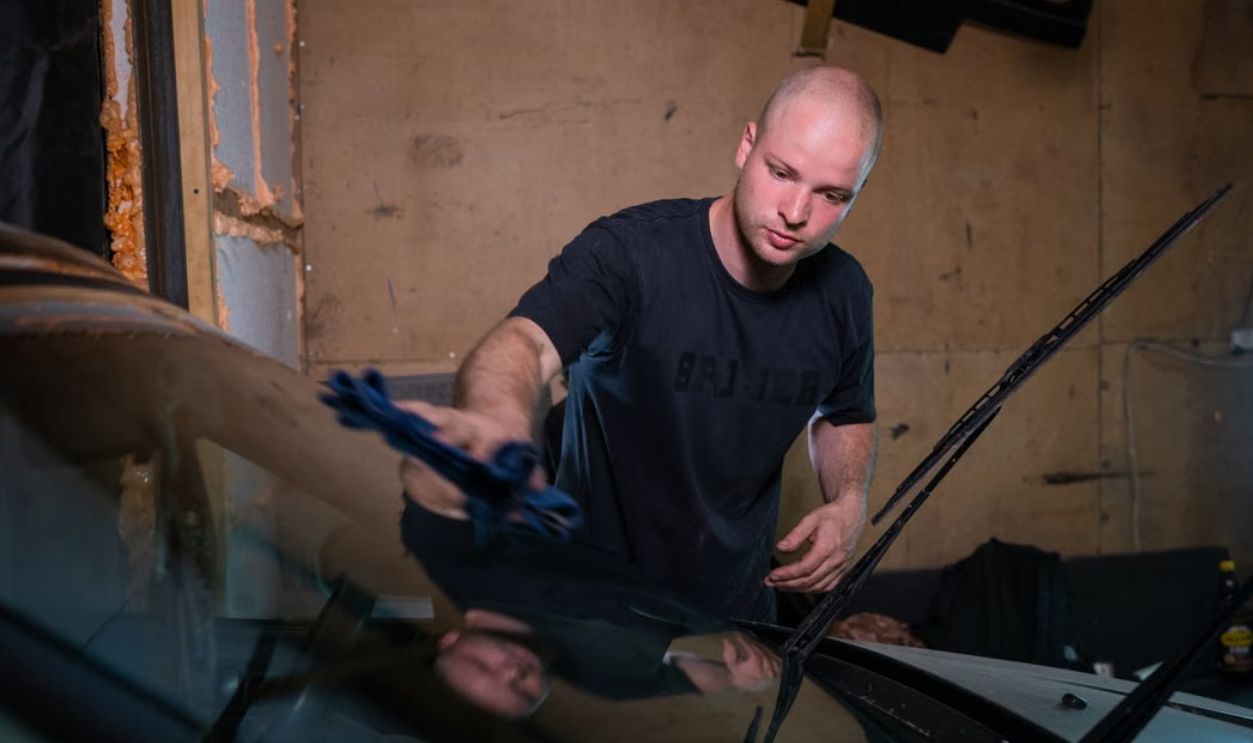
A dirty windshield fogs more easily because dust, oils, and residue give moisture tiny places to cling. Cleaning both the inside and outside of the glass can make a noticeable difference.

Check For Water Leaks
A leaking sunroof, damaged door seal, or wet floor mat can continuously add moisture to the cabin without you realizing it.

Don't Ignore Strange Smells
A sweet smell inside the cabin, combined with constant fogging, could indicate a leaking heater core. That's a repair worth addressing quickly.
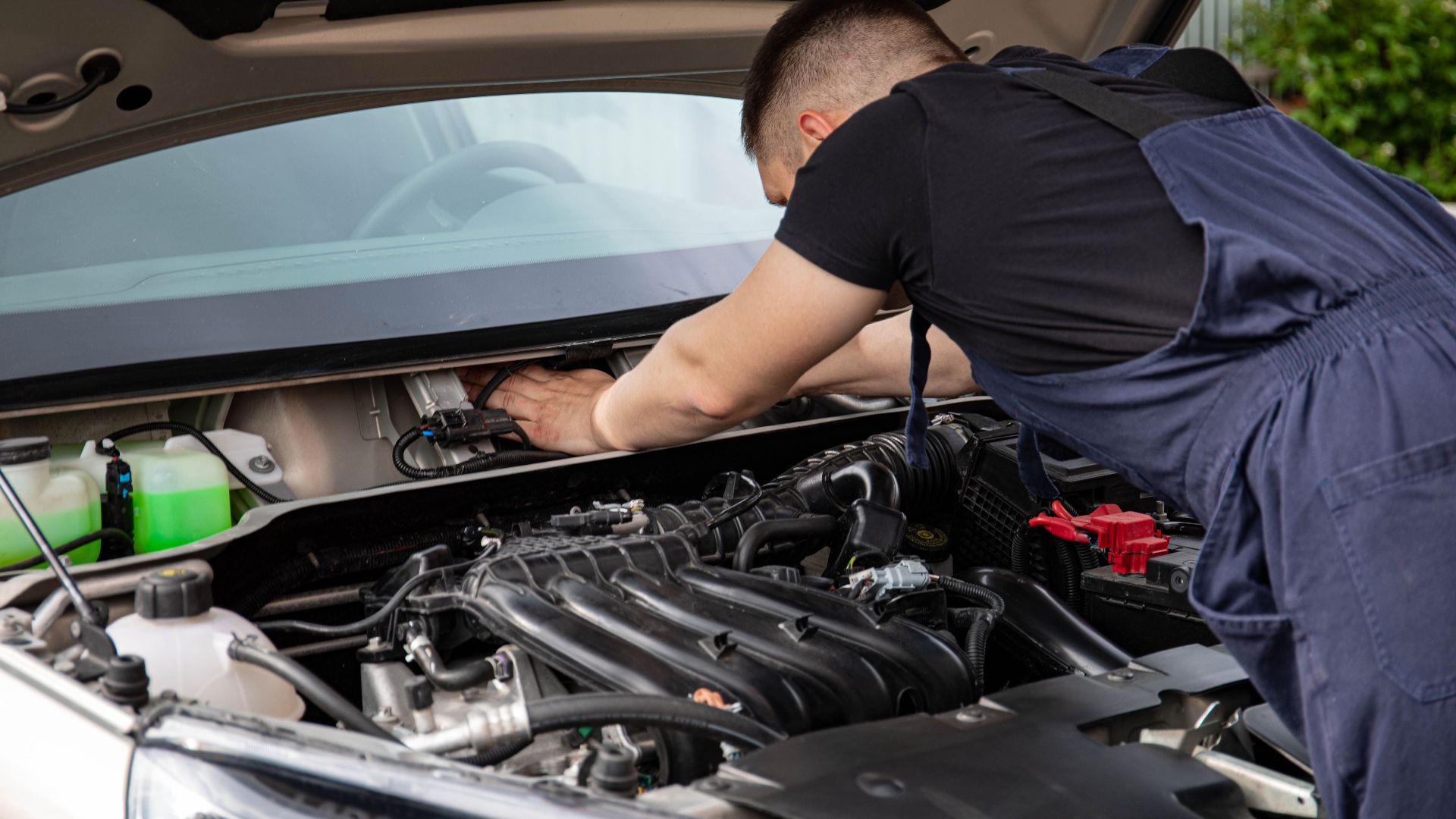
The Defroster Needs Airflow
Blocked dashboard vents or items piled against them reduce airflow exactly where you need it most.
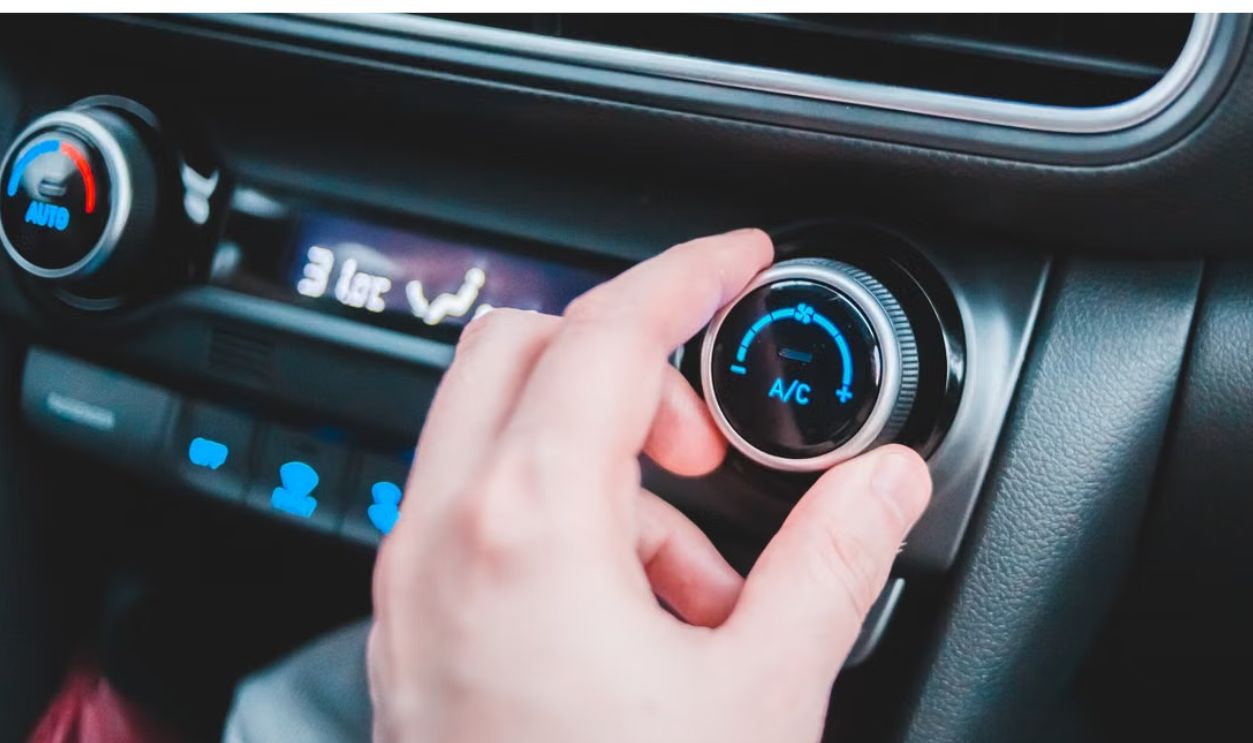
Crack A Window
Opening a window slightly for a minute or two can allow humid air to escape surprisingly quickly.

Replace Old Floor Mats
Rubber mats that trap standing water can slowly release moisture back into the cabin. Emptying or drying them regularly can help.
A Dehumidifier Can Help Too
Some drivers keep reusable moisture-absorbing bags inside the vehicle during winter. They won't solve major problems, but they can reduce excess humidity over time.

Parking Makes A Difference
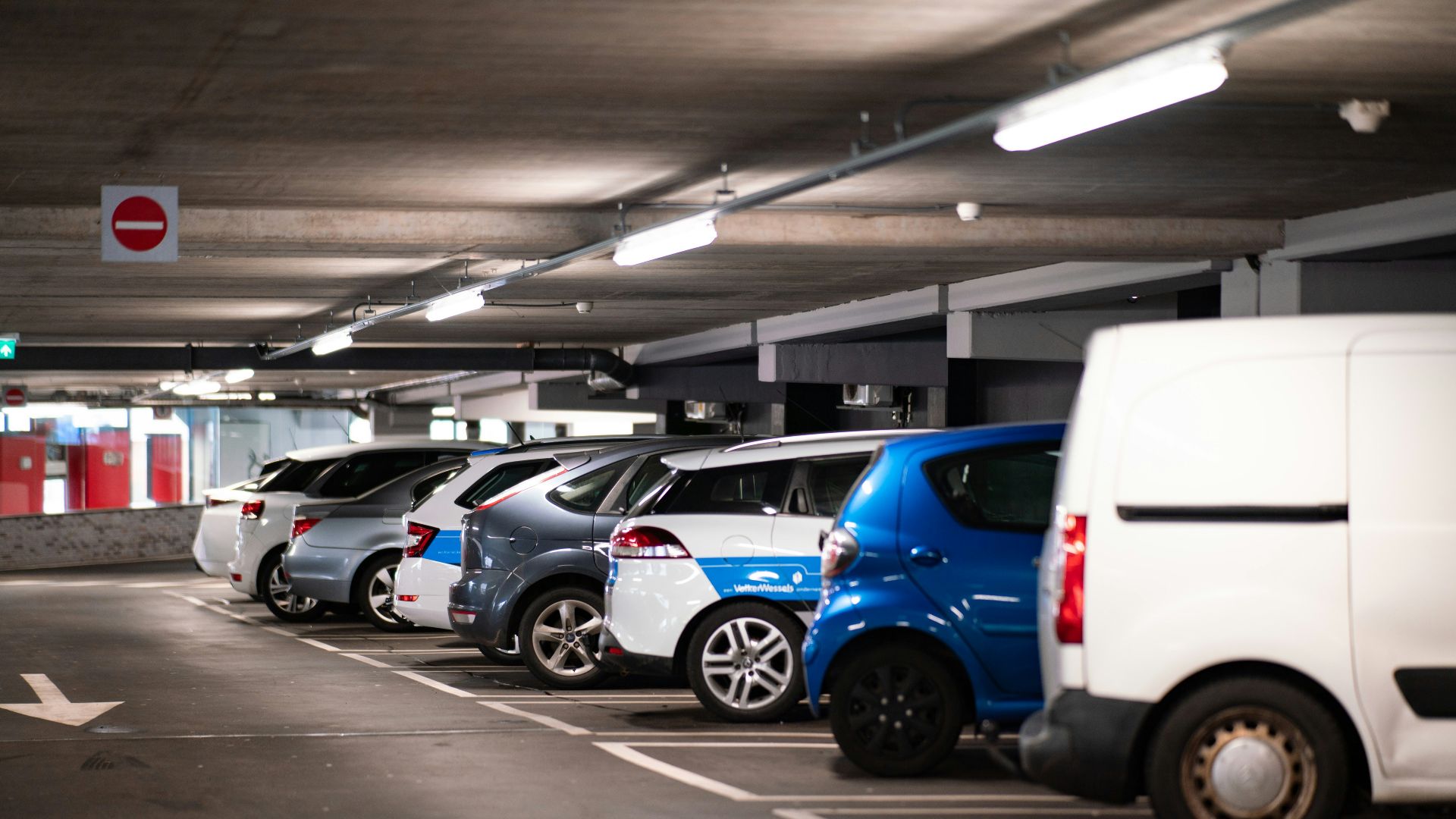
If you park in a garage instead of outside, your windshield often starts out warmer, reducing the amount of condensation that forms.
Technology Isn't Always The Problem
Sometimes two vehicles built in the same year behave completely differently. Small differences in ventilation systems, interior volume, and climate control can have a surprisingly large effect.

Don't Assume Something Is Broken
Occasional fogging is completely normal. Persistent fogging that doesn't improve with the defroster may indicate excessive moisture or a mechanical issue that deserves inspection.

The Biggest Mistake Drivers Make
Many people immediately blast the heat at full power. Using the defrost setting with the air conditioner, fresh outside air, and a clean windshield usually works much faster.

So, Are Modern Vehicles Designed Differently?
Yes. Modern cars are generally more airtight and use more advanced climate-control systems, which can change how moisture behaves inside the cabin. That doesn't necessarily mean they're worse—it simply means they sometimes require different habits than older vehicles.
 Karolina Grabowska www.kaboompics.com, Pexels
A Clear Windshield Starts Before You Even Drive
The best way to prevent fog isn't waiting until you can't see the road. Keeping the interior dry, maintaining your HVAC system, and using the correct defrost settings can make every winter drive much less frustrating.
You May Also Like: