When Chrome Was King
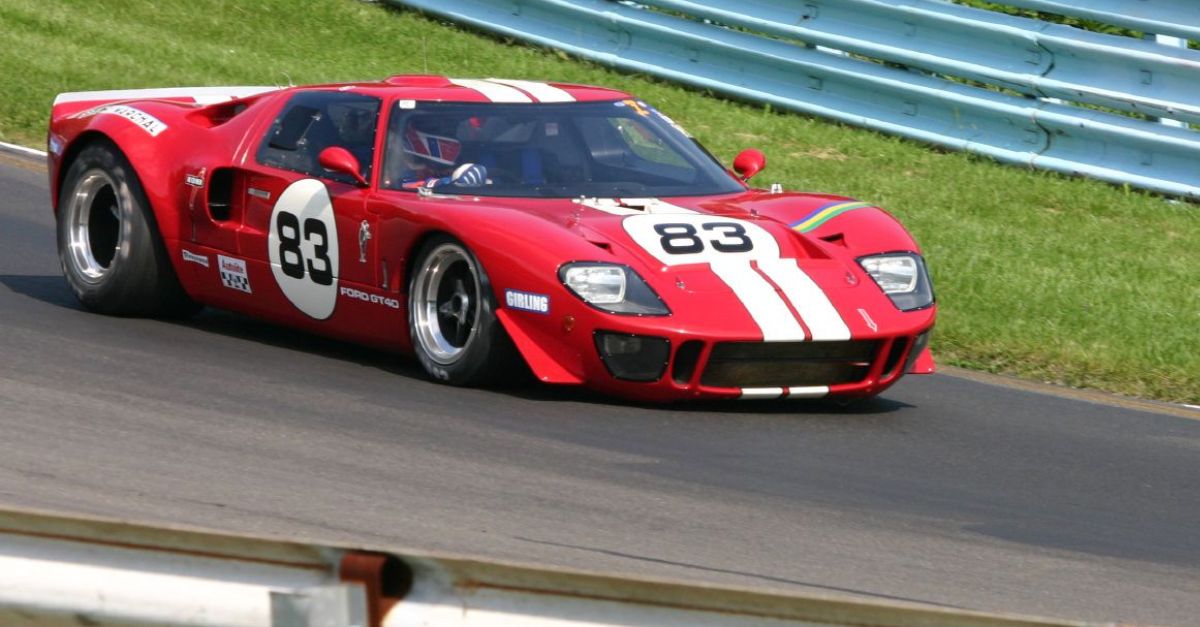
There was a time when American cars wore their chrome bumpers like jewelry. They were shiny, substantial, and practically part of a car's personality. But by the late 1980s, those gleaming metal fixtures were disappearing behind painted plastic. The reasons went well beyond changing fashion.

Chrome Was More Than Just Protection
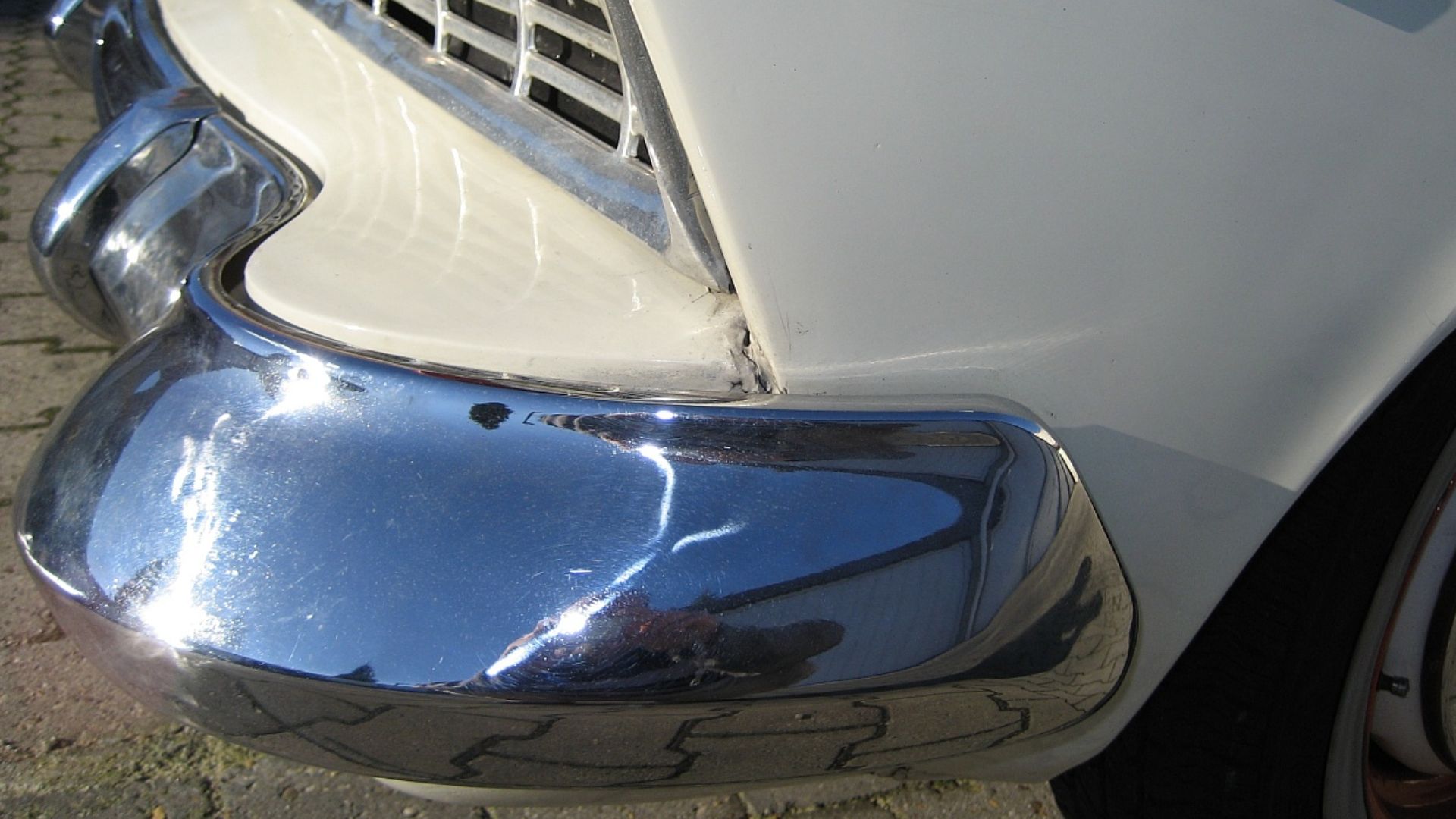
Throughout much of the 20th century, American automakers treated bumpers as important styling elements. Chrome-plated steel could complement elaborate grilles, sweeping body lines, and decorative trim. Bumpers weren't simply protective equipment. They helped establish the distinctive appearance of everything from family sedans to luxury automobiles.
 Yeti.bigfoot, Wikimedia Commons
Looking Tough Didn't Mean Being Tough
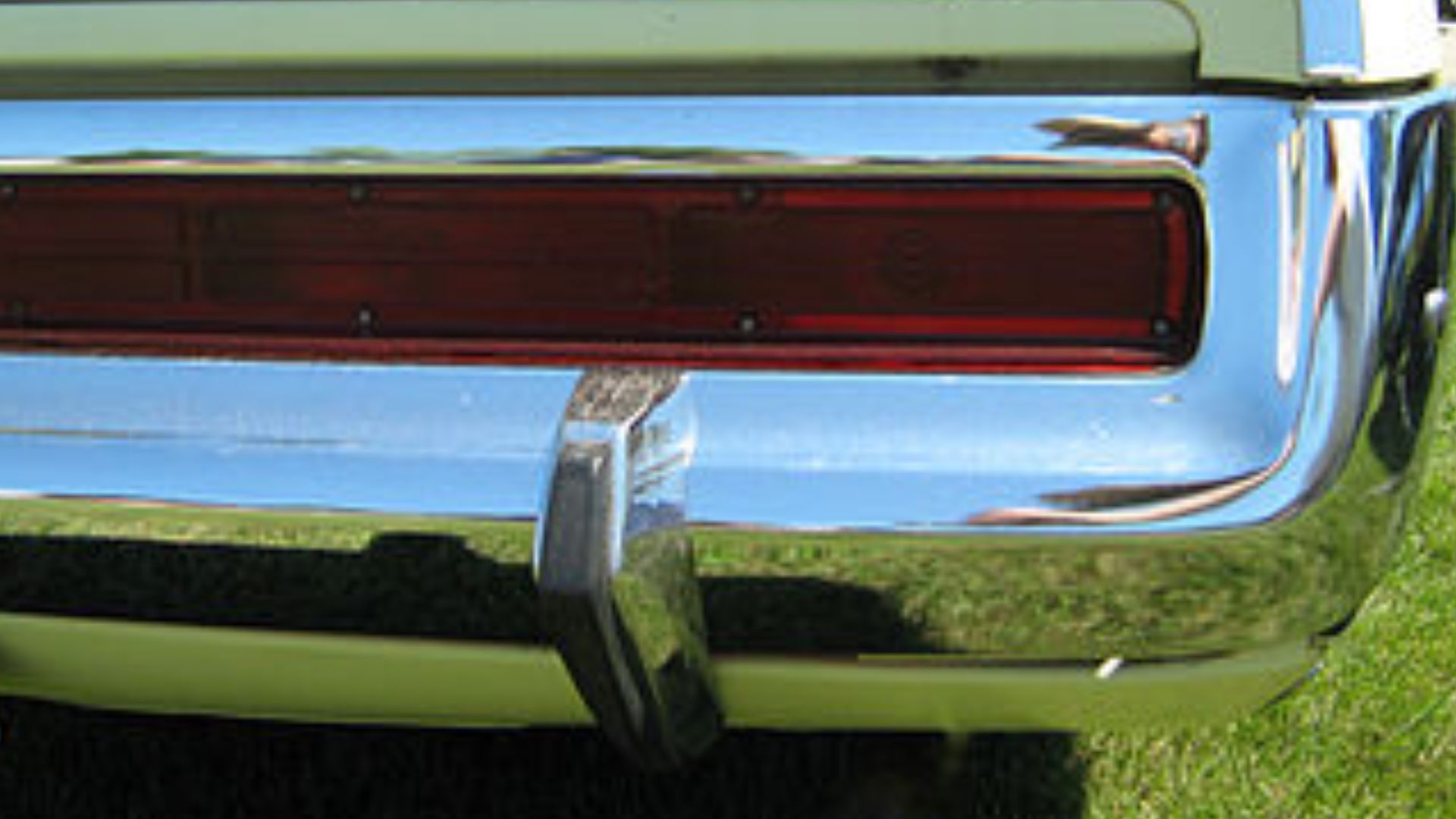
Despite their substantial appearance, older chrome bumpers weren't necessarily effective at preventing expensive damage. Before federal bumper requirements arrived, automakers had considerable freedom over their designs. Some bumpers provided surprisingly little protection during low-speed impacts, leaving nearby vehicle components vulnerable to damage.
Insurance Companies Started Paying Attention
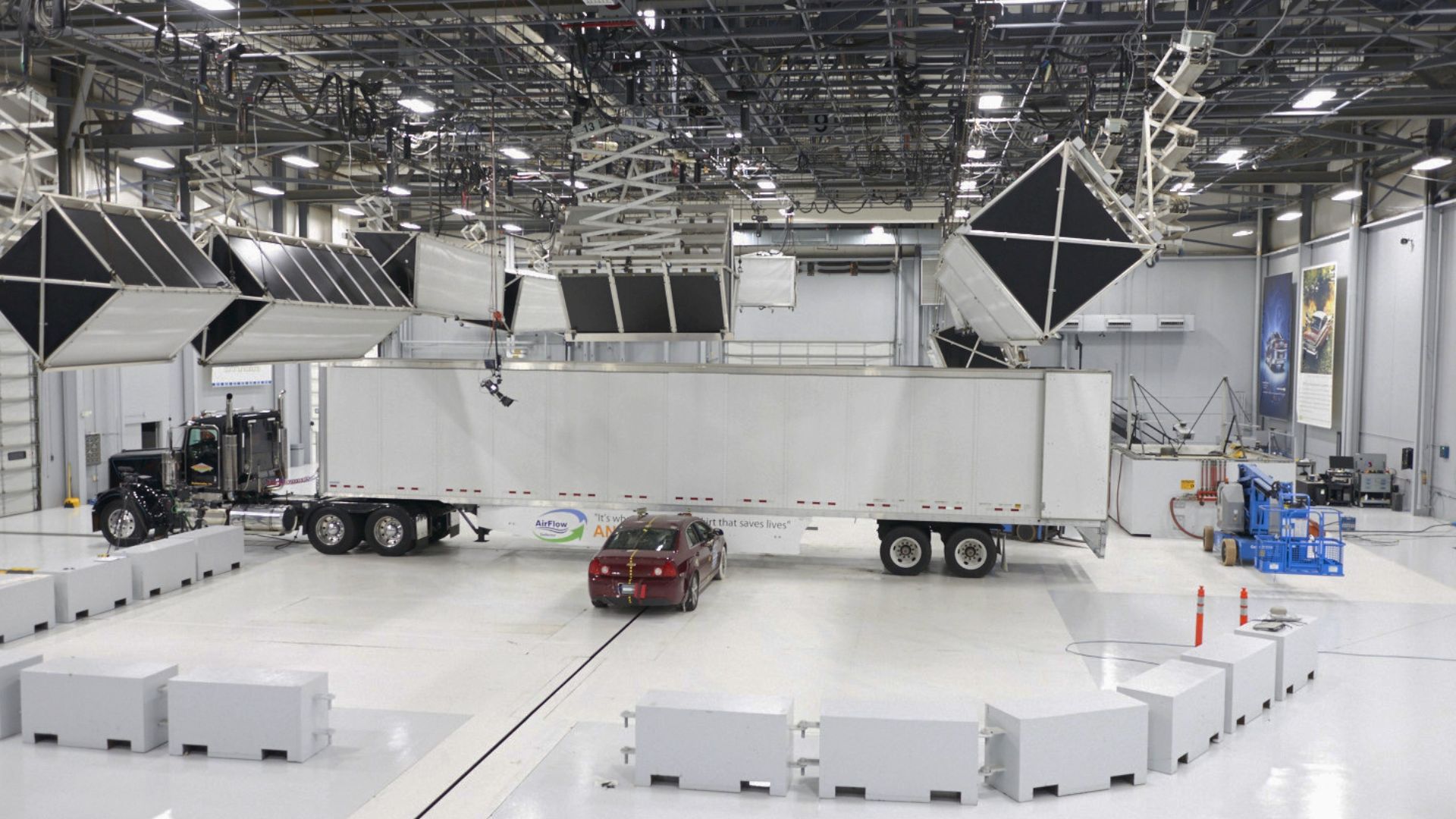
The Insurance Institute for Highway Safety began conducting low-speed bumper tests in 1969. Researchers wanted to understand why relatively minor collisions could produce costly repairs. Their findings helped build support for stronger bumper requirements, eventually changing how American manufacturers approached front-end and rear-end protection.
 Insurance Institute for Highway Safety, Wikimedia Commons
Pontiac Saw The Future In 1968
Pontiac helped challenge the chrome tradition with the 1968 GTO. Its innovative Endura front bumper featured a flexible, body-colored material instead of conventional exposed chrome. The design blended into the surrounding bodywork, demonstrating that a protective bumper didn't need to look like a separate metal attachment.
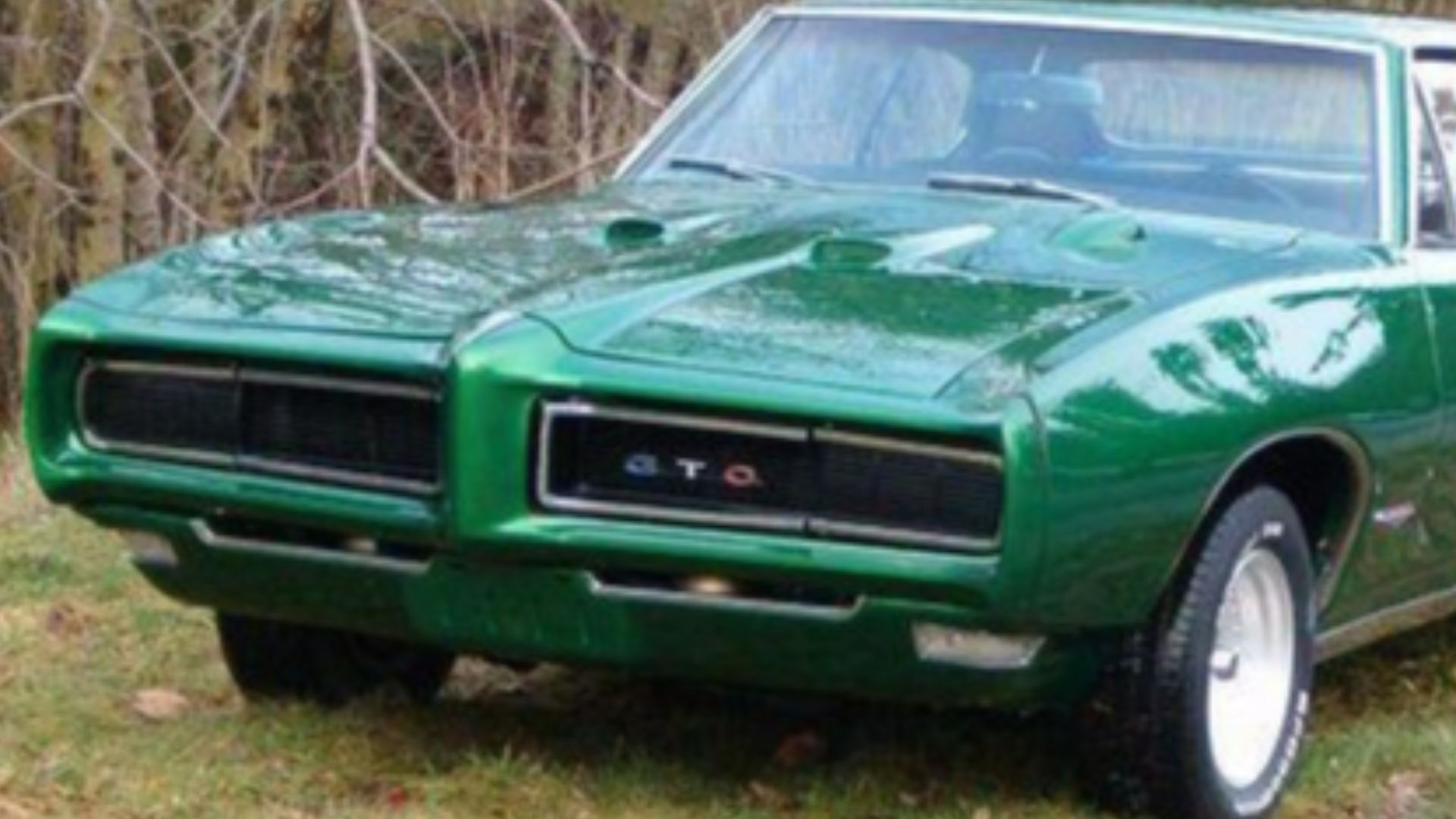 User Geneb1955 on en.wikipedia, Wikimedia Commons
Other Automakers Quickly Took Notice
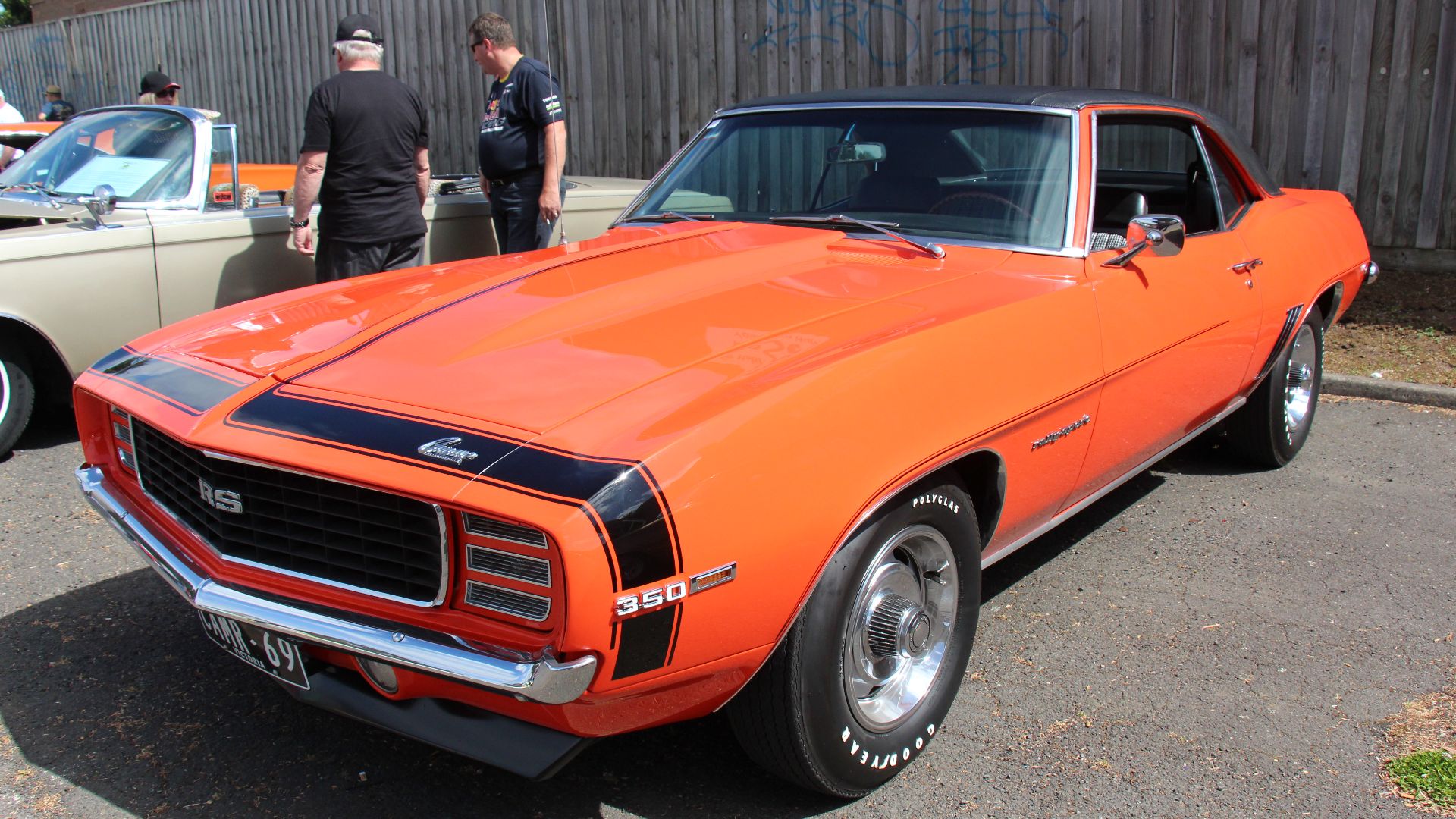
Chevrolet offered a body-colored Endura bumper on the 1969 Camaro, while Plymouth introduced optional elastomeric bumpers on the 1970 Barracuda. These early designs demonstrated different approaches to flexible bumper construction. They also showed that eliminating visible chrome could create a cleaner, more integrated appearance.
Washington Changed The Rules In 1973
Federal regulations dramatically altered bumper engineering for the 1973 model year. Manufacturers now had to protect specific vehicle components during low-speed impact tests. Headlights, fuel systems, and other important equipment received particular attention. Suddenly, bumper performance mattered considerably more than it previously had.
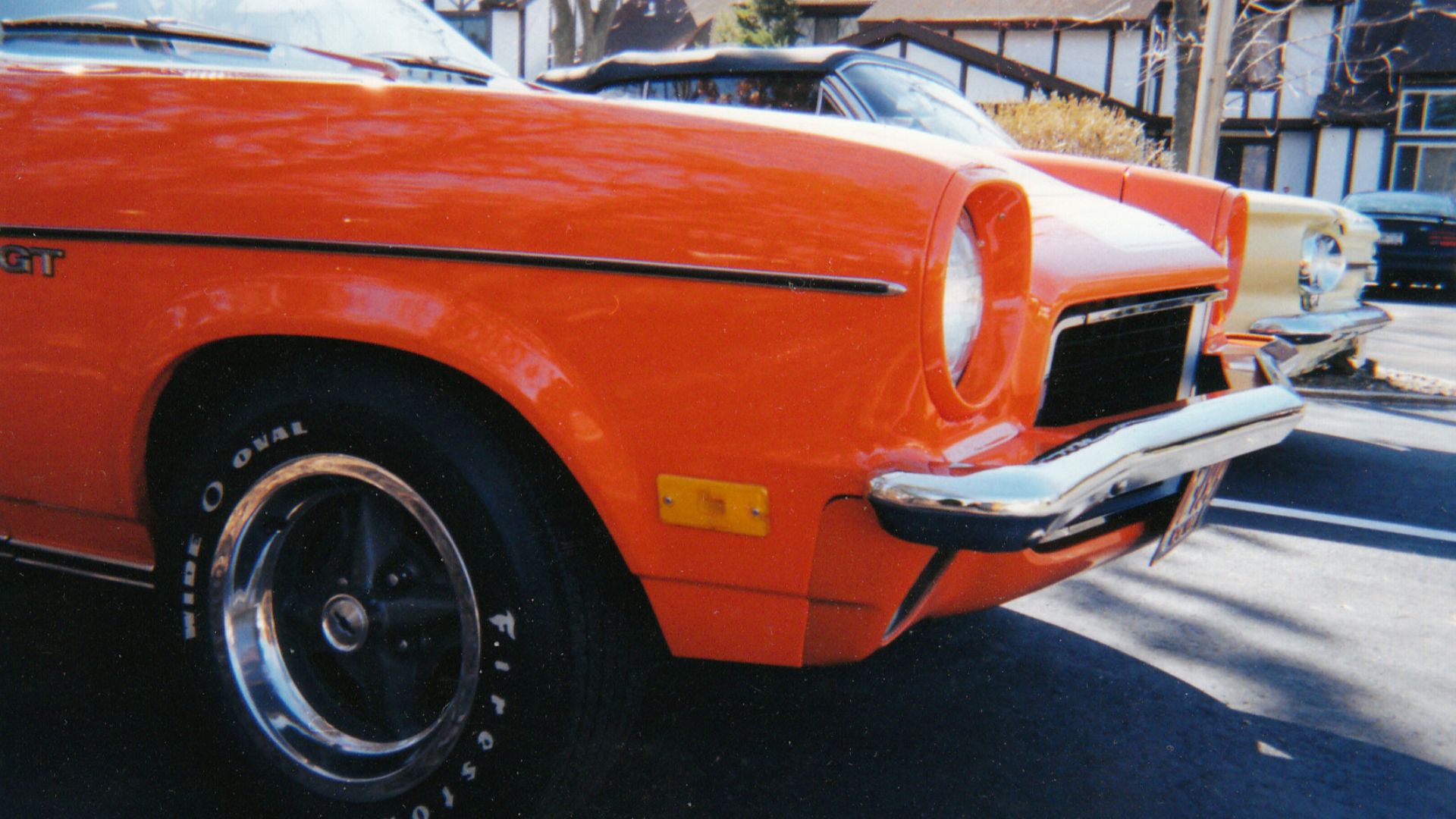 Vegavairbob (talk) 05:28, 26 June 2009 (UTC), Wikimedia Commons
The Front And Rear Had Different Requirements
The initial 1973 standard required protection during five-mph frontal impacts and 2.5-mph rear impacts. This distinction reflected the different requirements established for each end of the vehicle. Automakers consequently had to rethink their bumper structures, mounting systems, and methods of absorbing impact energy.
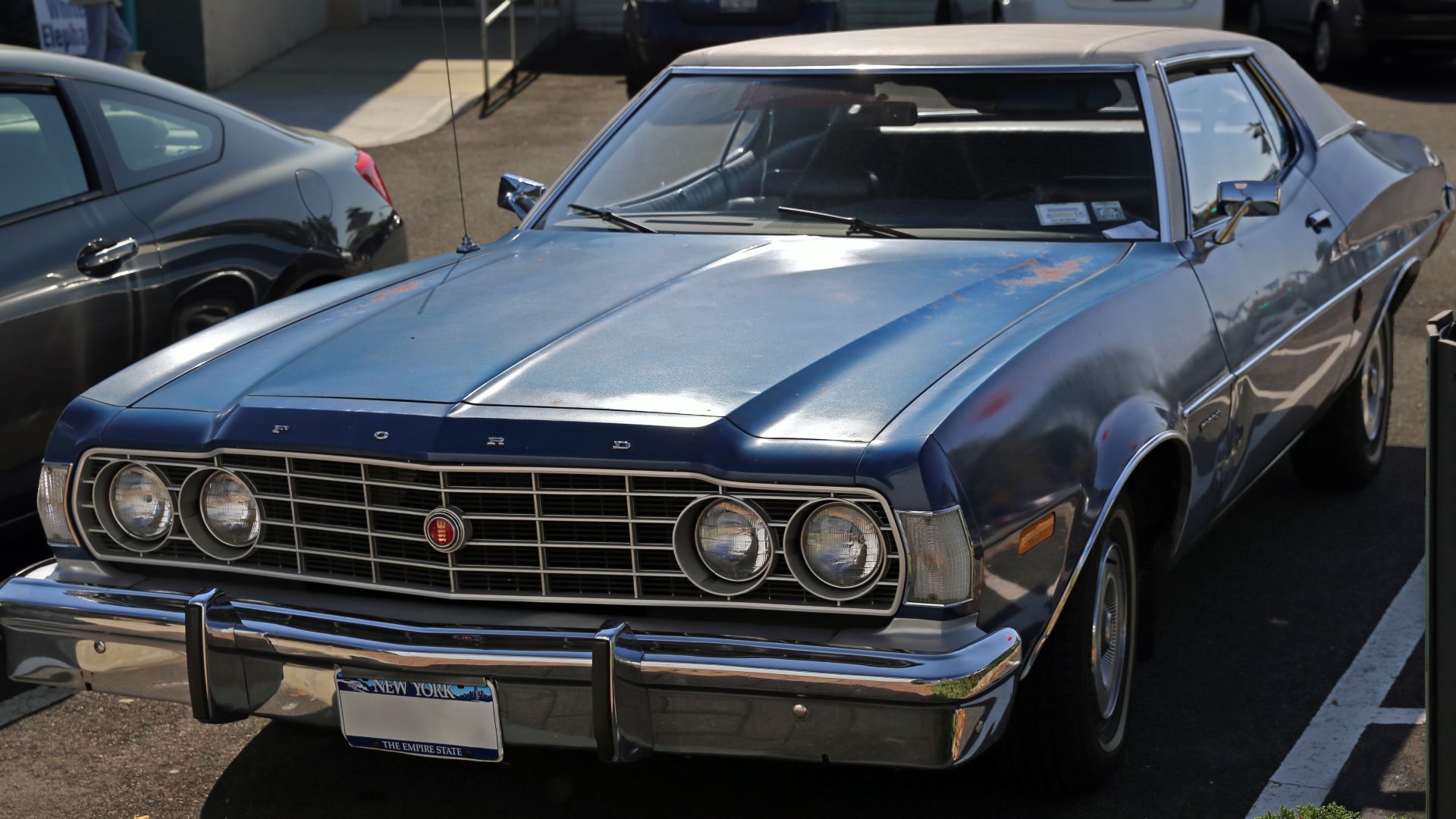 Mr.choppers, Wikimedia Commons
The 1974 Standards Raised The Stakes
The requirements became tougher for 1974 models, with five-mph protection expected at both ends. Additional testing methods examined how bumper systems handled different impacts. These changes encouraged manufacturers to develop stronger structures and more sophisticated energy-management systems rather than relying on decorative metal alone.
Bumper Height Suddenly Mattered
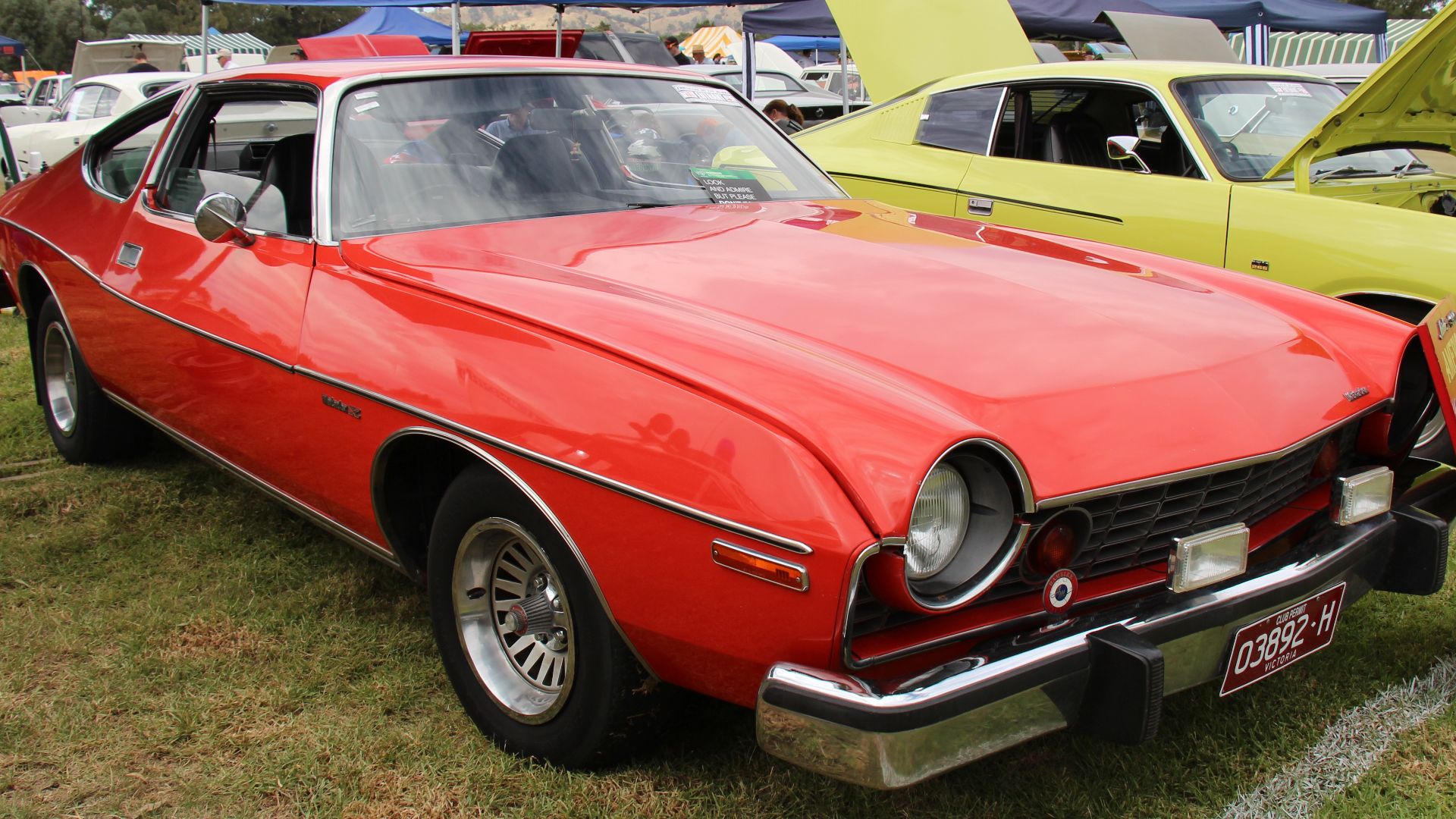
The new testing procedures also encouraged greater consistency in bumper heights. Proper alignment helped reduce the likelihood of one vehicle's bumper sliding above or below another's. That meant manufacturers had to consider bumper positioning alongside appearance, strengthening requirements, and vehicle dimensions.
 Scheinwerfermann, Wikimedia Commons
Engineers Found New Ways To Absorb Impacts
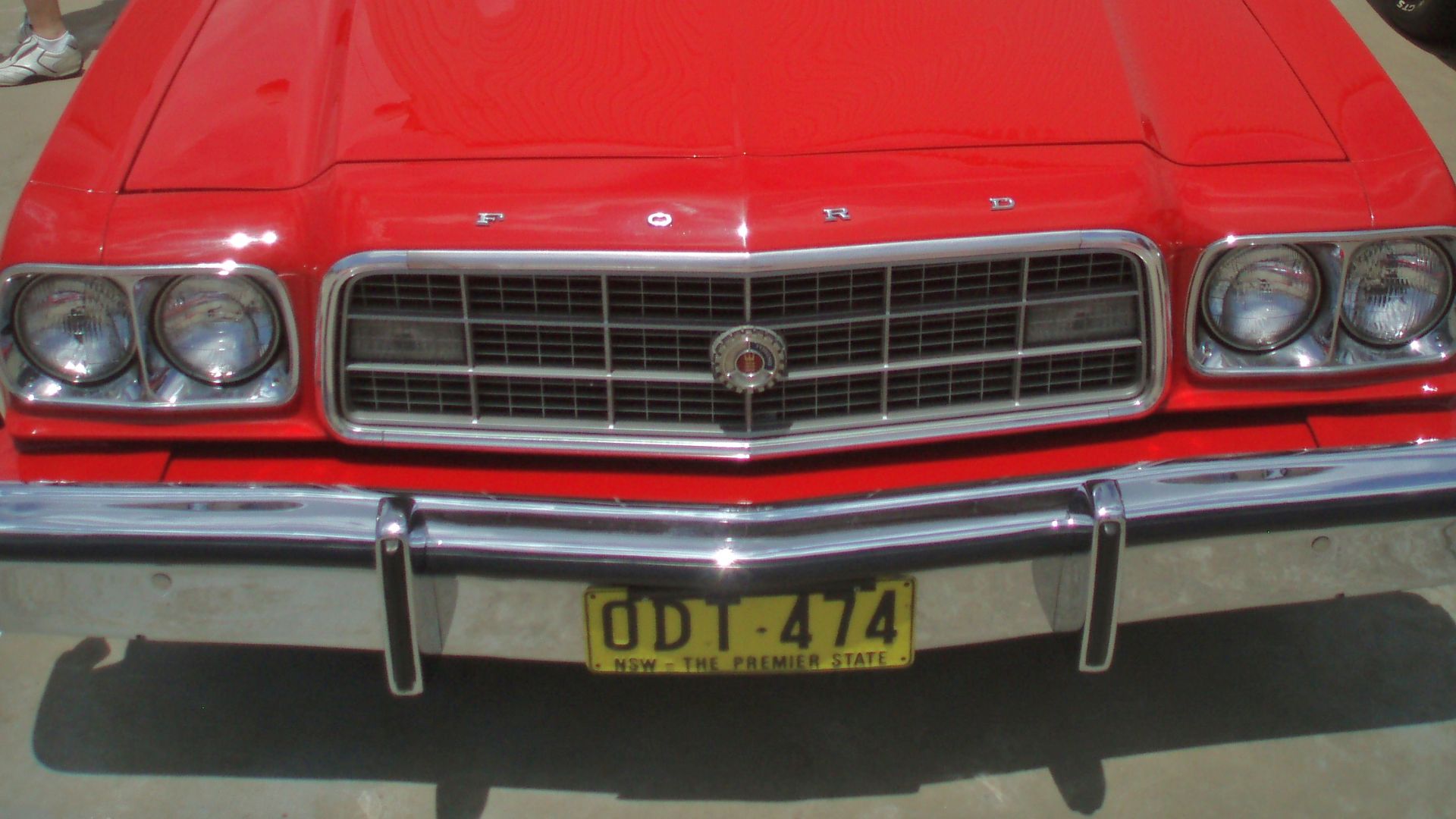
Ford's 1973 bumper system demonstrated how complicated the technology was becoming. Its engineers used specially designed rubber blocks to absorb energy through deformation. Other manufacturers explored hydraulic and mechanical approaches. The bumper was evolving from a metal bar into an engineered protective system.
The Giant Bumper Era Arrived
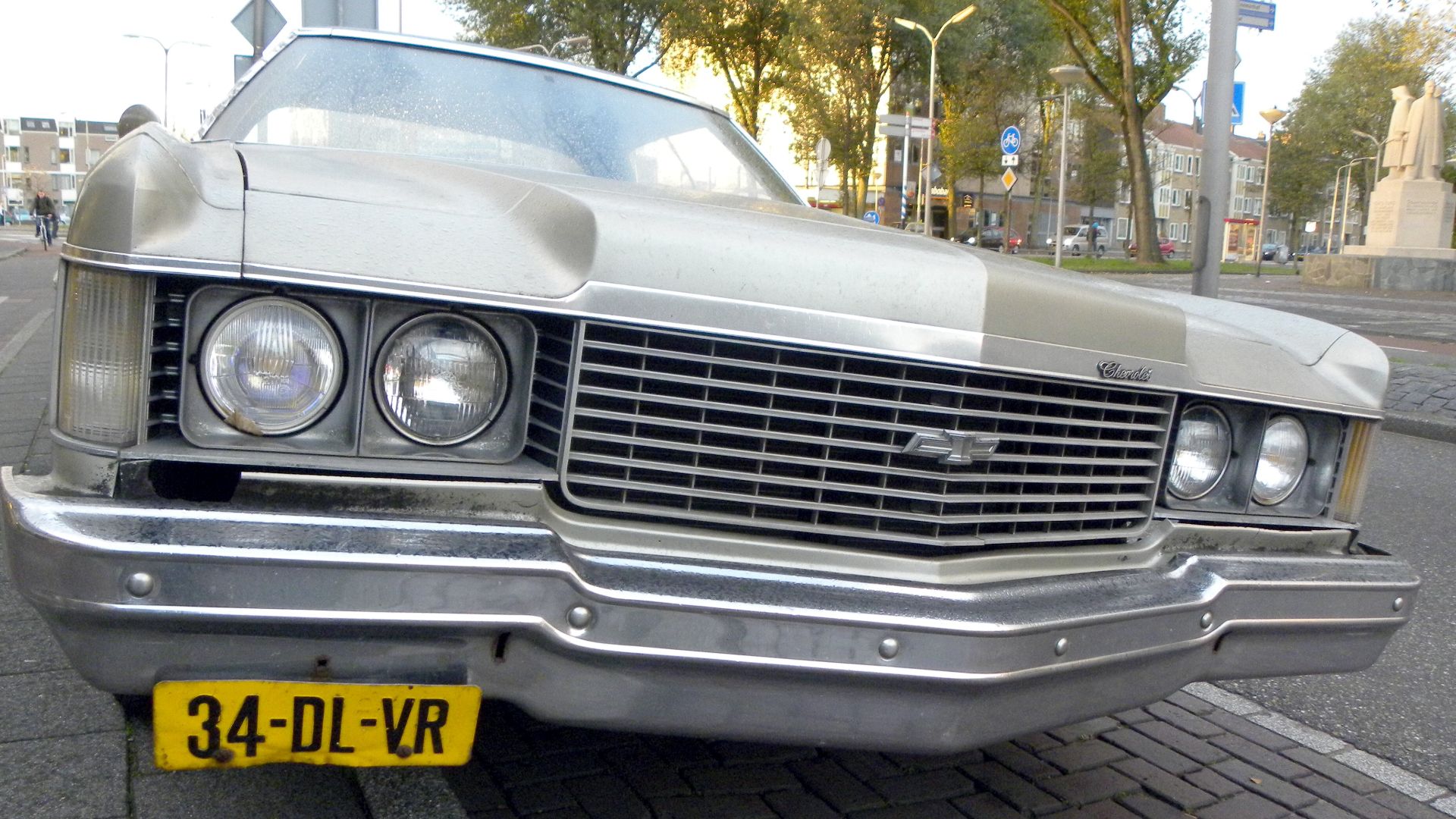
American cars of the 1970s became famous for their oversized, protruding bumpers. Those designs often accommodated reinforced structures and energy-absorbing hardware. Although they helped manufacturers satisfy federal requirements, they sometimes disrupted otherwise elegant styling. Car designers increasingly wanted less conspicuous solutions.
 Joost J. Bakker from IJmuiden, Wikimedia Commons
The Corvette Offered A Different Answer
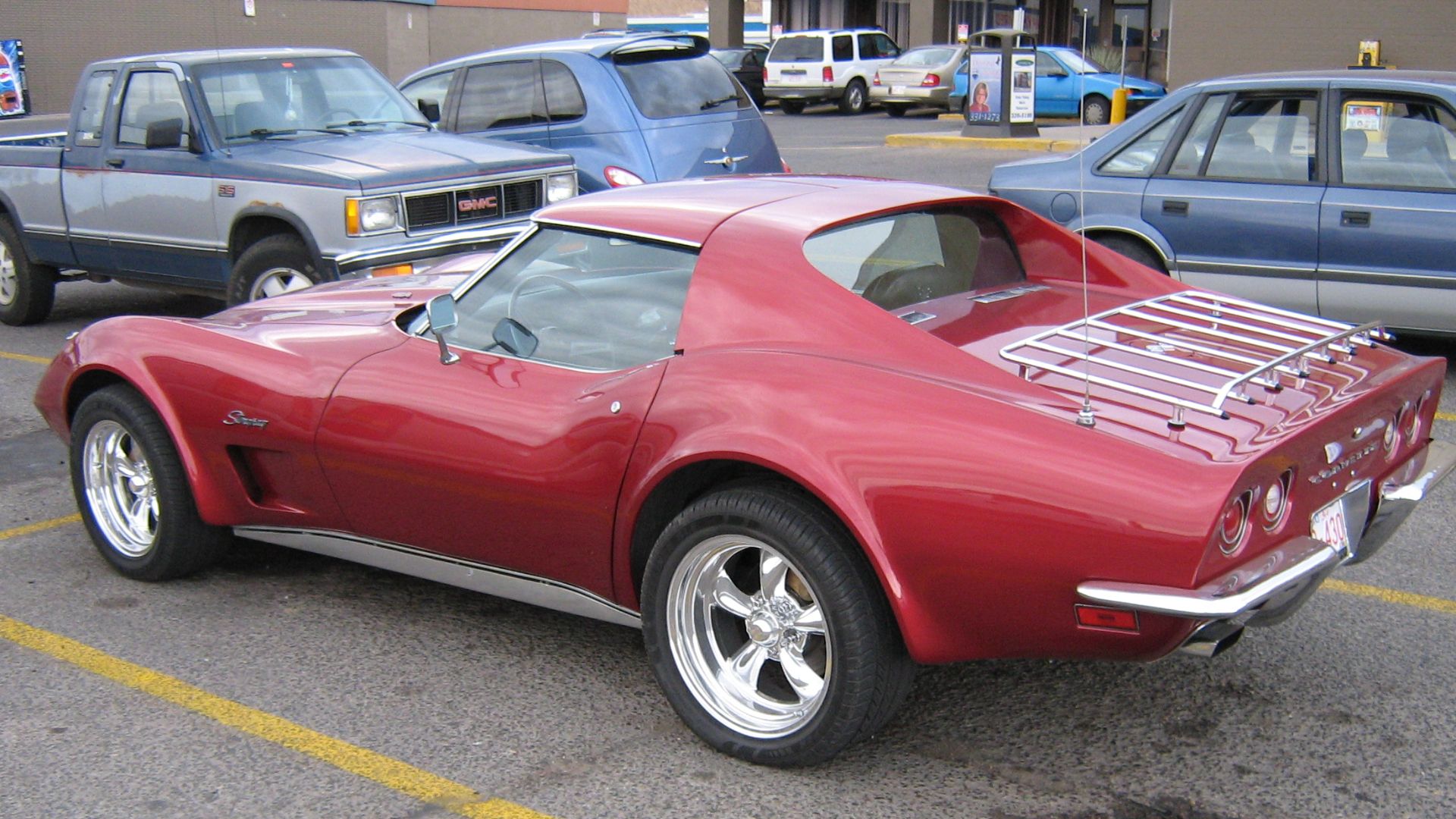
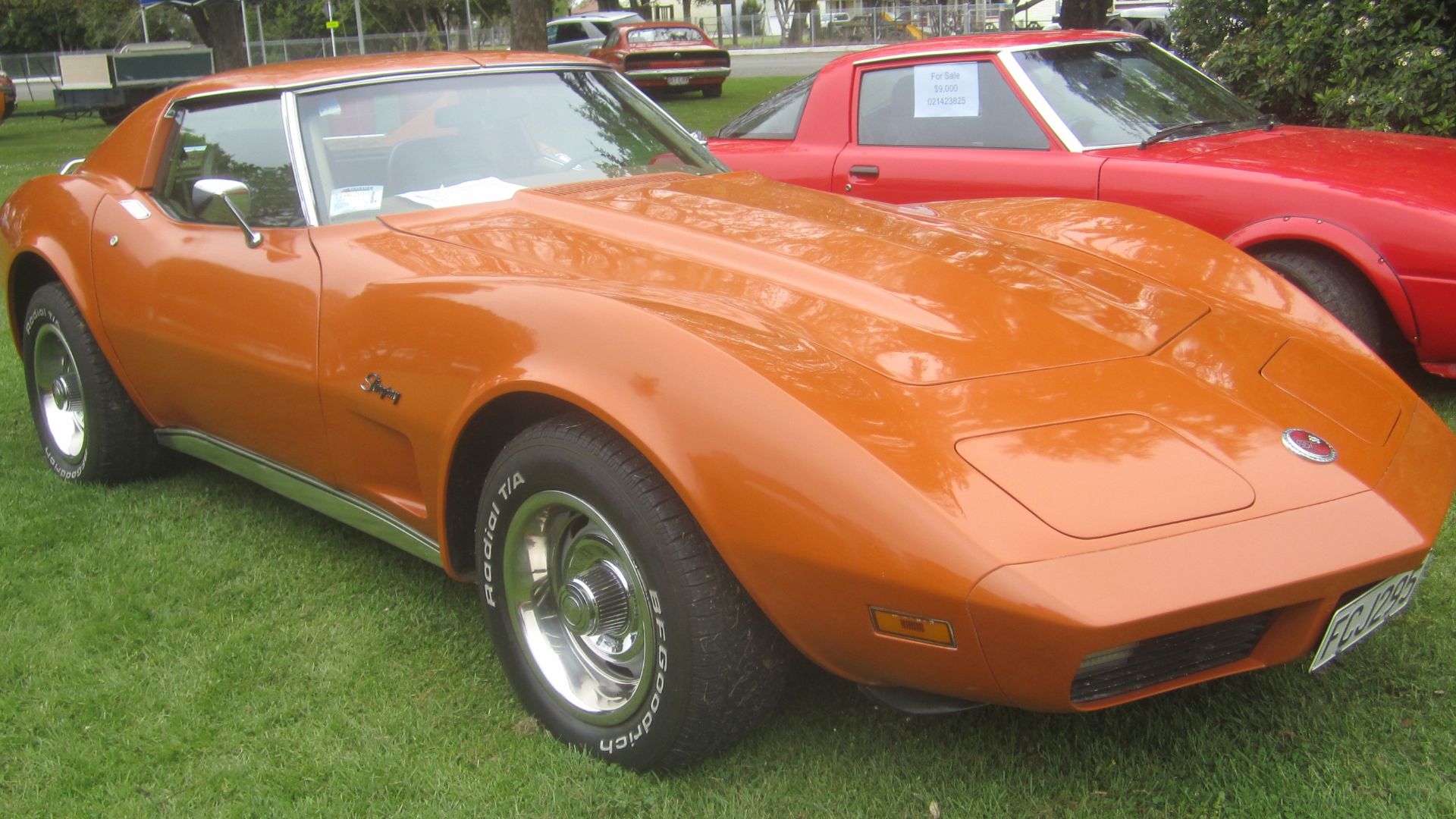
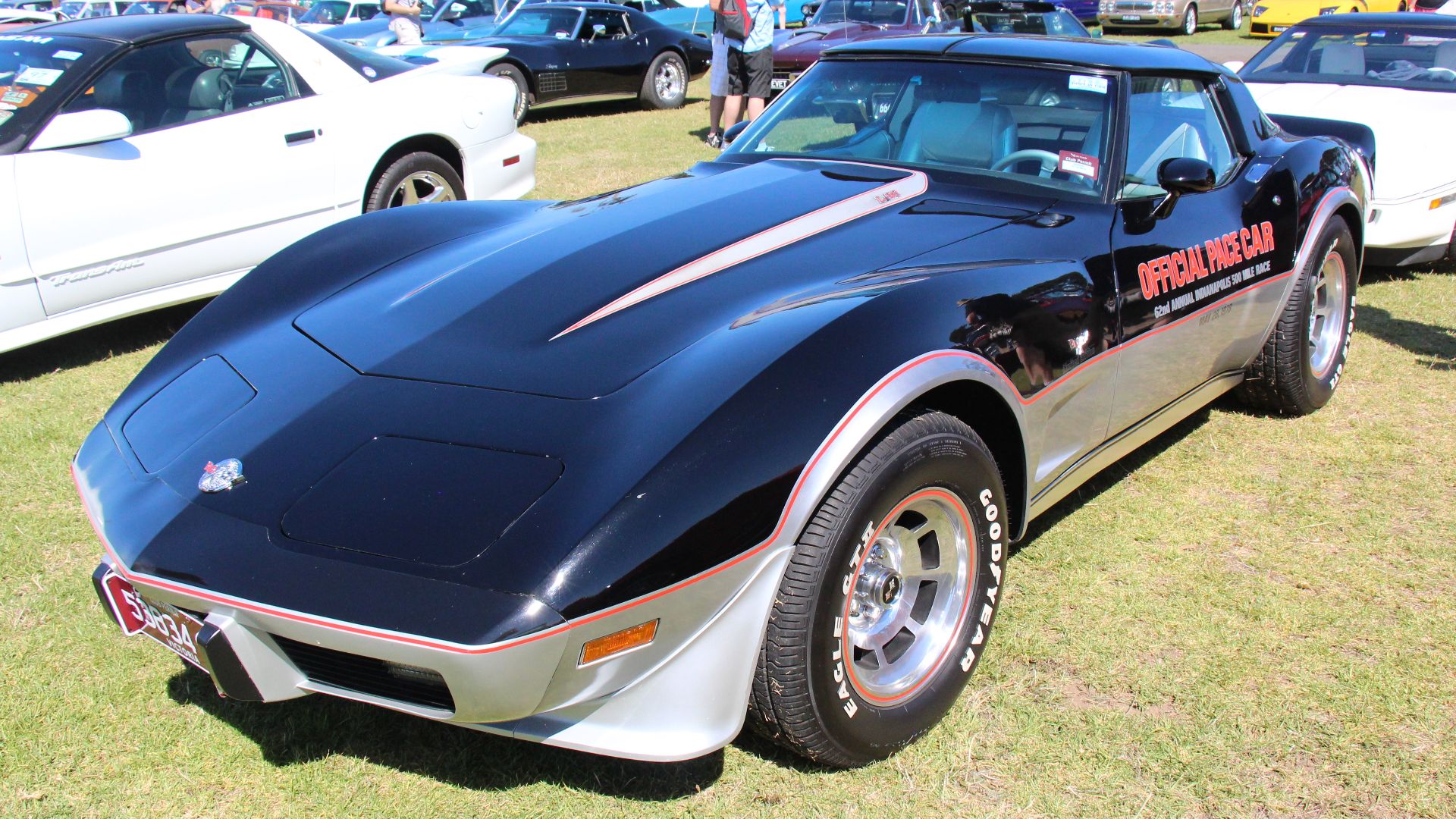
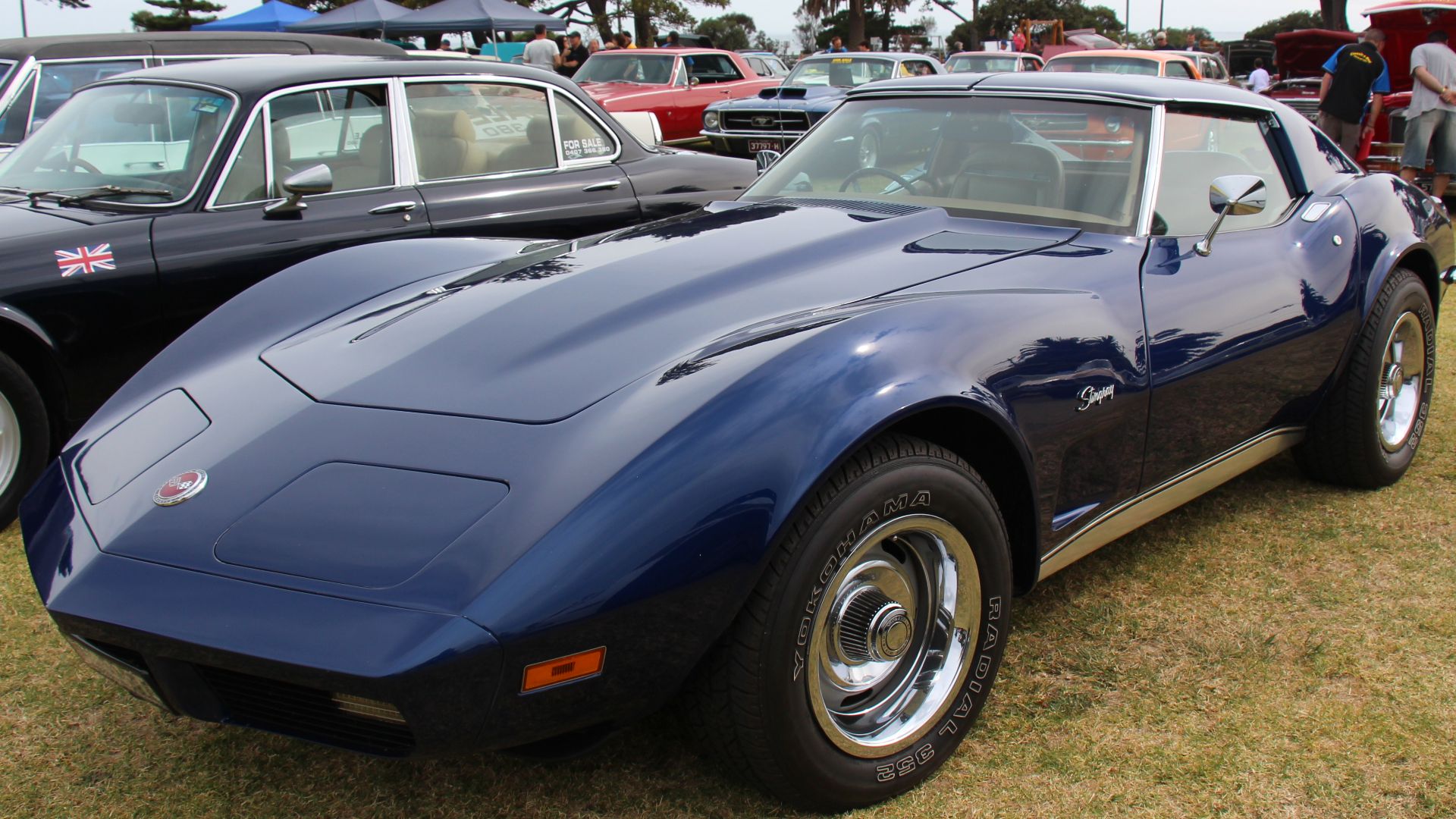
Chevrolet's 1973 Corvette provided an important alternative to bulky exposed bumpers. Its front end featured a molded urethane cover concealing an impact-absorbing structure. The design satisfied the new requirements while preserving much of the sports car's distinctive shape. Chrome was no longer essential.
 dave_7 from Lethbridge, Canada, Wikimedia Commons
By 1974, Corvette Had Made The Full Switch
The following year, Chevrolet introduced a matching flexible rear bumper on the Corvette. Both ends now featured body-colored urethane treatments instead of traditional chrome. This transformation became a defining distinction between early and later third-generation Corvettes, particularly among collectors and restoration enthusiasts.
Plastic Brought Its Own Problems
Early flexible bumpers weren't perfect. Their surfaces could return to shape after minor contact, but conventional paint didn't always stretch with them. Cracking and peeling became concerns. Manufacturers eventually developed improved finishing processes that allowed painted bumper covers to withstand everyday movement more successfully.
The Government Demanded Even Better Protection
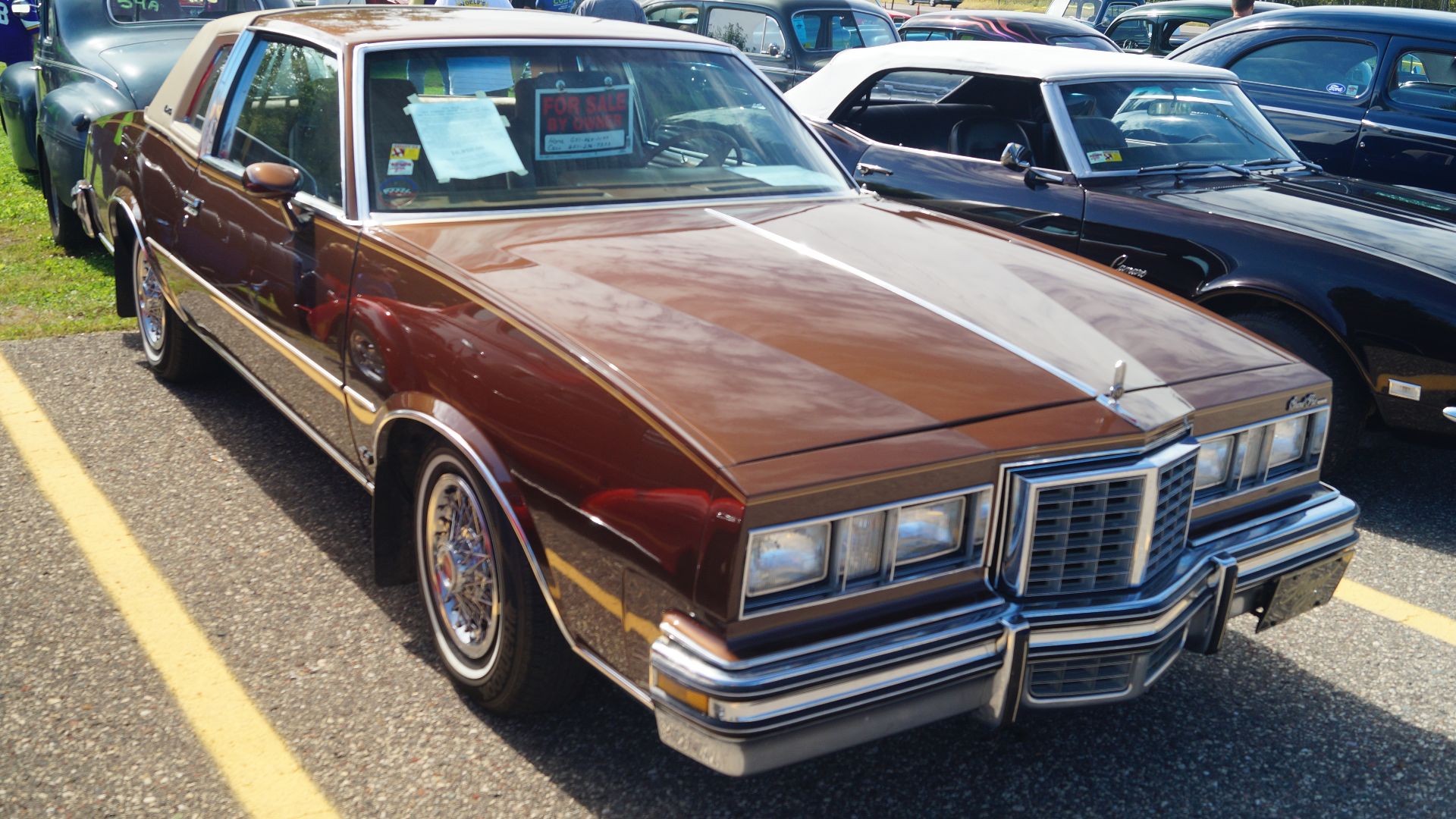
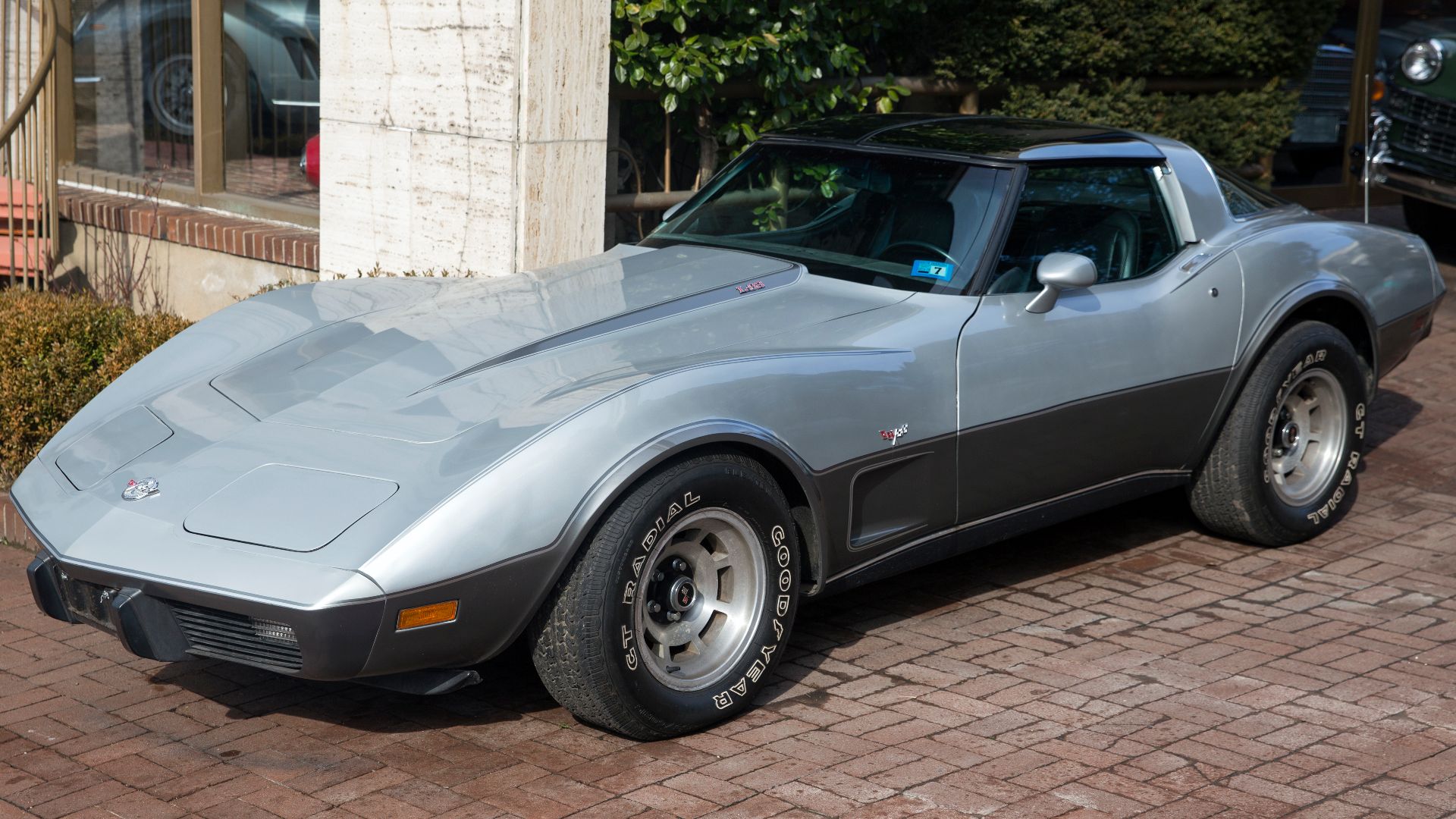
For 1979 models, federal bumper requirements expanded to protect exterior surfaces beyond the bumper itself during specified five-mph impacts. The objective was reducing unnecessary repair costs. Automakers now had stronger incentives to develop systems that protected surrounding bodywork, not merely essential mechanical components.
 Greg Gjerdingen from Willmar, USA, Wikimedia Commons
Even The Bumper Had To Survive
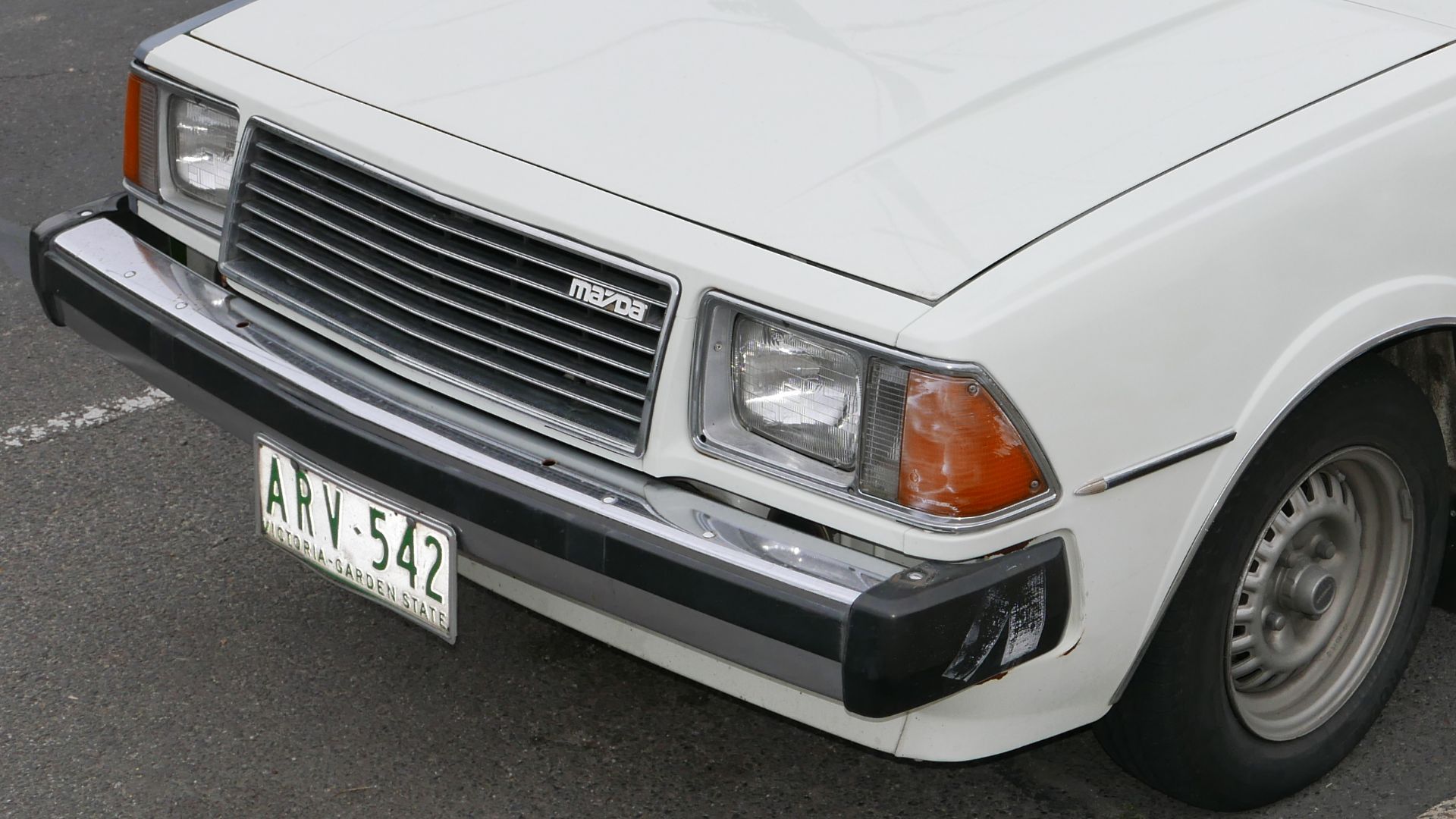
For 1980 models, the tougher requirements extended to the bumper itself. Limited dents and displacement were permitted, but substantial damage was restricted during the prescribed tests. This helped push manufacturers toward more sophisticated combinations of reinforcement, energy absorption, and flexible exterior materials.
Then The Energy Crises Changed Everything
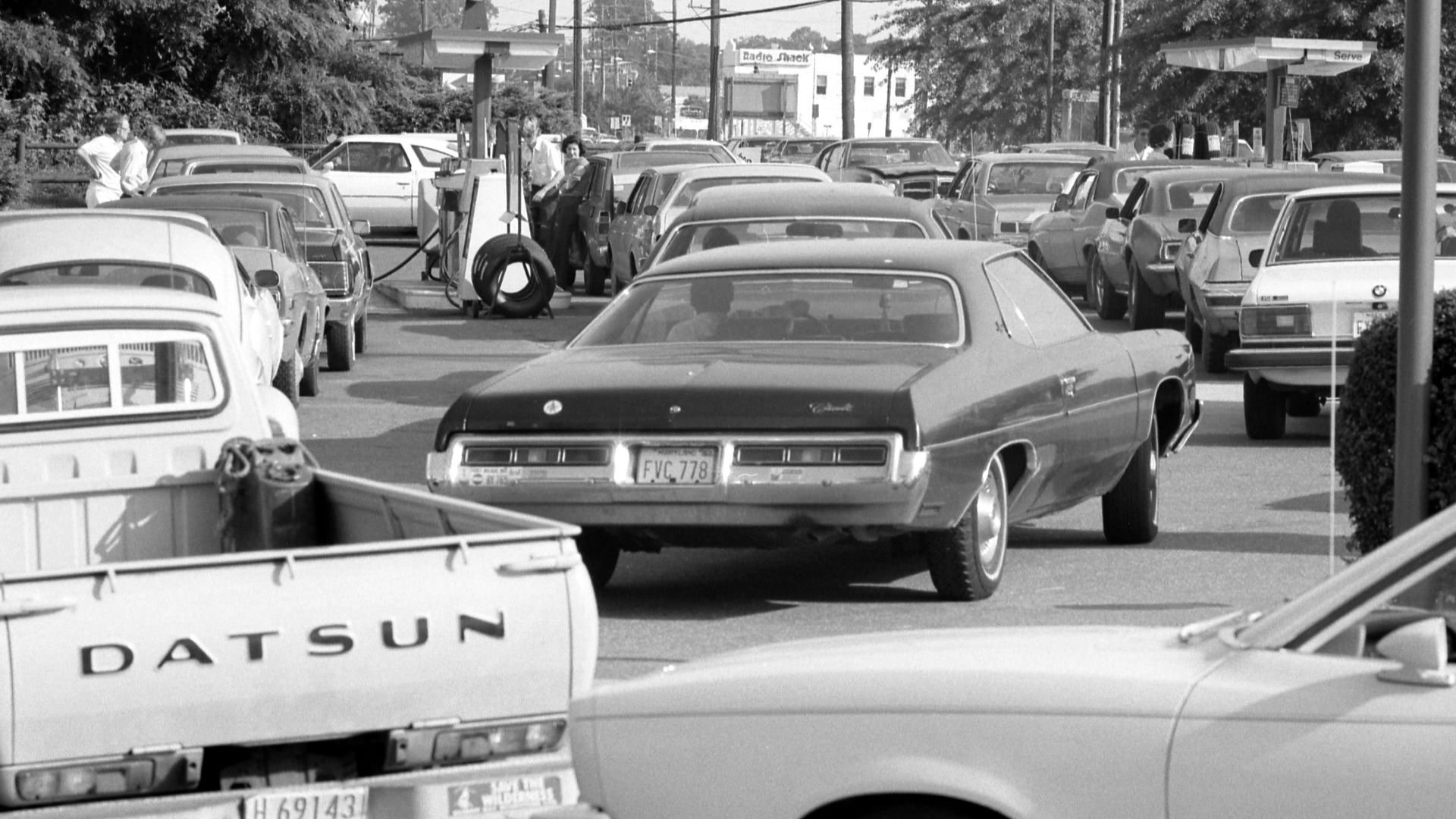
The oil disruptions of 1973 and 1979 placed fuel efficiency under greater scrutiny. Heavy components became less attractive as manufacturers reconsidered vehicle weight. Large chrome-plated steel bumpers weren't automatically compatible with that direction. Lighter materials offered another way to rethink automotive construction.
 Warren K. Leffler, Wikimedia Commons
Fuel Economy Became A Federal Priority
Congress established Corporate Average Fuel Economy standards in 1975, with passenger-car requirements beginning in 1978. Manufacturers faced increasing pressure to improve fleet efficiency. Reducing unnecessary weight became one useful strategy, giving automakers another reason to reconsider traditional steel-heavy bumper designs.
 Holly Cheng, Wikimedia Commons
Plastic Offered A Weight Advantage
Plastic exterior covers could replace substantial visible metal sections while allowing manufacturers to retain necessary reinforcement underneath. The Department of Energy recognizes lightweight materials as an important part of improving vehicle efficiency. Bumper redesigns formed one piece of a much larger industry-wide effort.
Aerodynamics Started Winning The Styling Battle
As manufacturers pursued better fuel economy, smooth exterior shapes became increasingly attractive. Protruding chrome bumpers complicated the streamlined appearance designers wanted. Molded covers offered greater freedom to integrate protective structures into the vehicle's contours, making the bumper less visually separate from the bodywork.
 Mr.choppers, Wikimedia Commons
American Muscle Cars Helped Normalize The Change
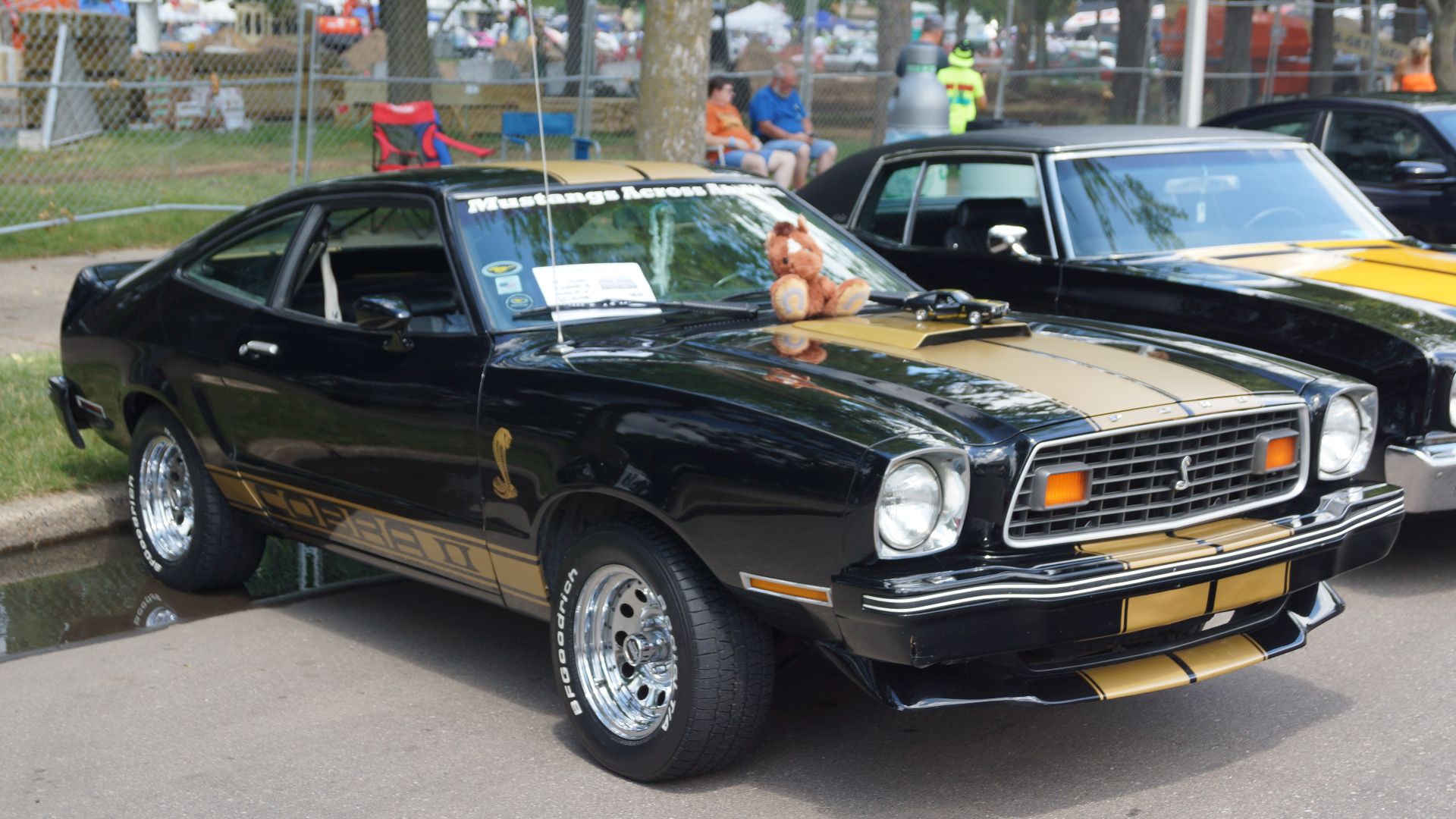
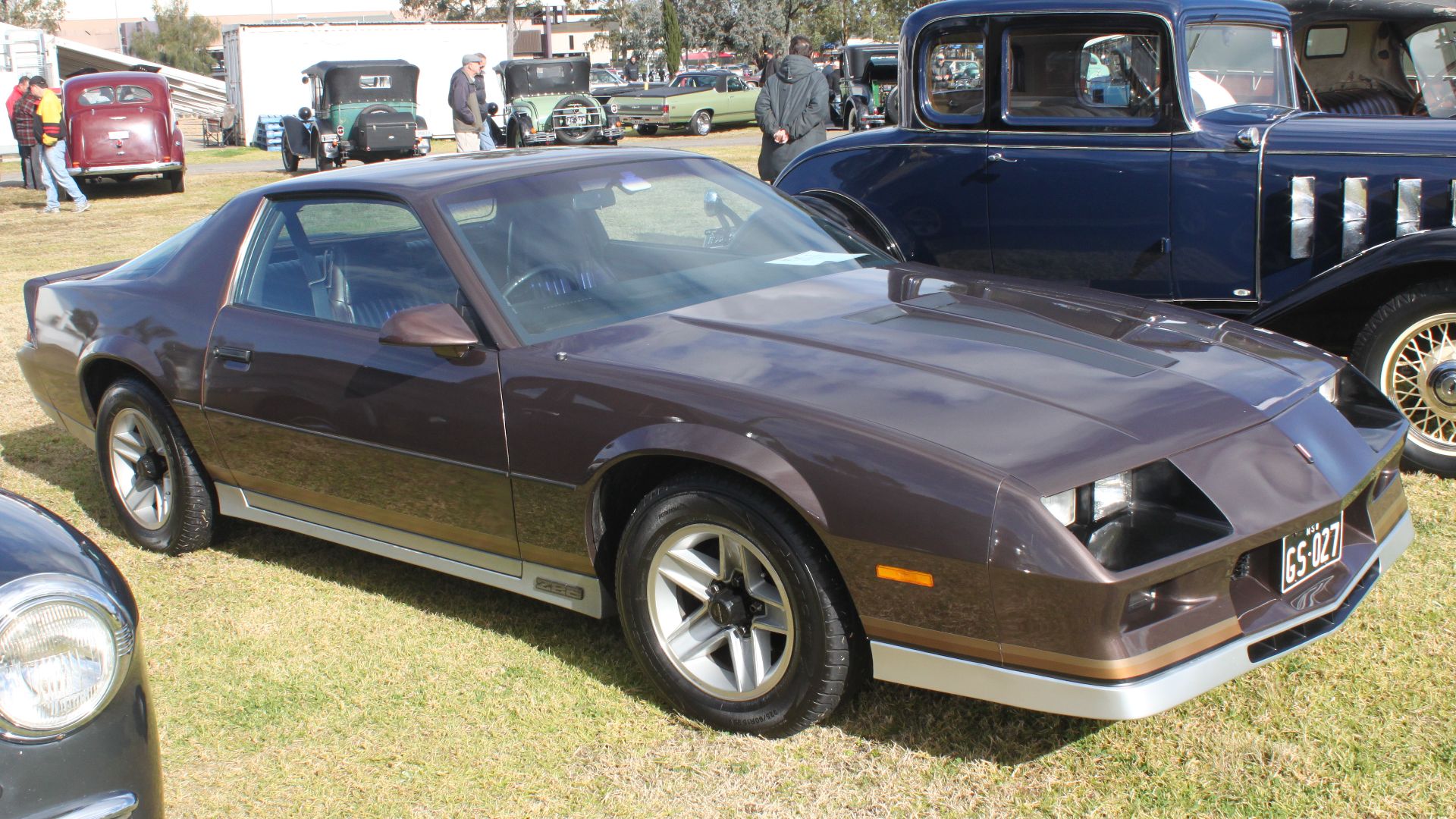
By the late 1970s, Chevrolet Camaros, Pontiac Firebirds, and Ford Mustangs were featuring molded urethane bumper covers. These familiar performance cars helped make flexible, painted front ends increasingly ordinary. What had looked experimental a decade earlier was becoming an established part of American automotive styling.
 Greg Gjerdingen from Willmar, USA, Wikimedia Commons
The Ford Taurus Made The Future Obvious
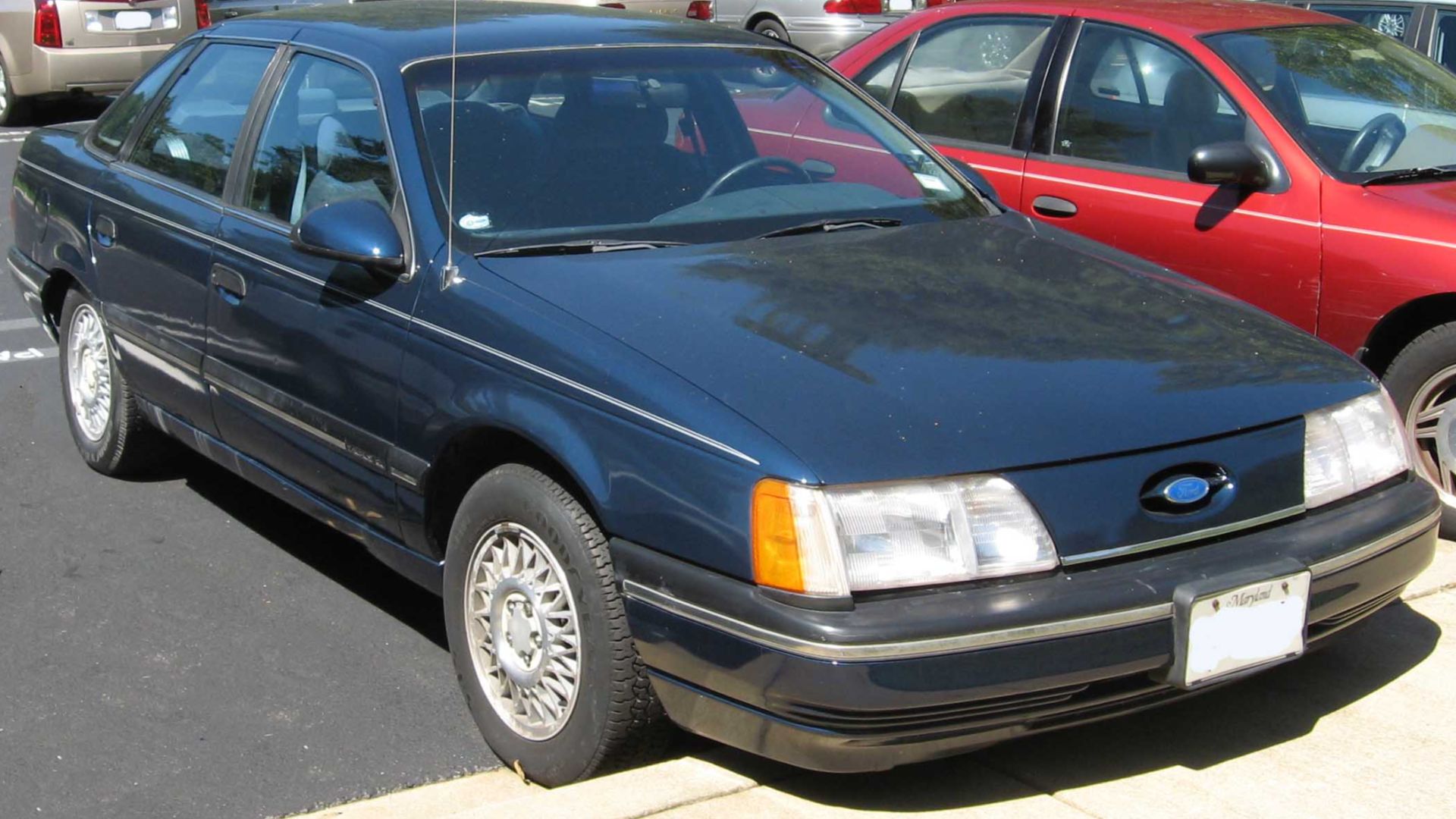
When the Ford Taurus arrived for 1986, its rounded aerodynamic styling represented a dramatic departure from traditional American sedans. Integrated bumpers contributed to its cohesive appearance. The Taurus became commercially successful, and competing manufacturers increasingly adopted similar smooth, flowing design approaches.
New Plastics Made Production More Practical
Automotive materials continued improving throughout the 1980s. A 1984 Society of Automotive Engineers paper documented the introduction of painted thermoplastic olefin bumper covers on a domestic automobile. These materials offered manufacturers additional possibilities involving flexibility, processing, appearance, and production economics.
 Niels de Wit from Lunteren, The Netherlands, Wikimedia Commons
The Rules Were Relaxed In 1982
Federal regulators reduced the bumper impact-test requirement from five mph to 2.5 mph, affecting 1983 models onward. Requirements limiting damage to the bumper itself were also removed. Manufacturers gained greater flexibility to balance protection, weight, cost, and appearance, although the decision remained controversial.
 Jeremy from Sydney, Australia, Wikimedia Commons
Insurance Researchers Questioned The Tradeoff
Not everyone welcomed the relaxed requirements. Research published in 1984 warned that weaker bumper systems could increase damage costs in low-speed collisions. The evidence showed that stronger bumpers had previously reduced unnecessary repairs. A lighter, sleeker design wasn't necessarily cheaper for drivers after an accident.

Pickup Trucks Kept Chrome Around Longer
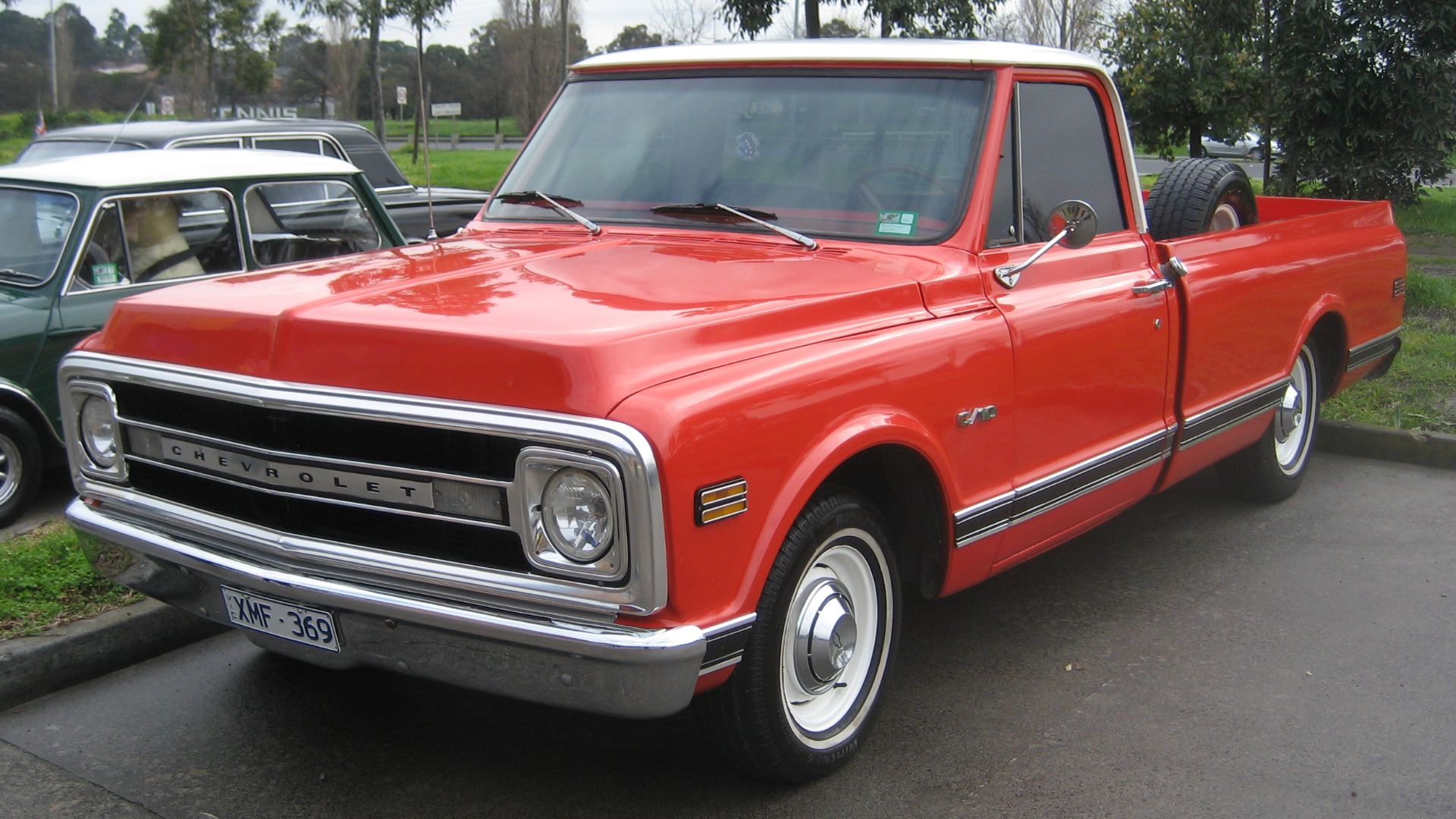
The federal passenger-car bumper standard didn't apply to conventional pickup trucks or multipurpose passenger vehicles. Traditional metal bumpers consequently remained common on trucks long after they disappeared from most sedans. Chrome continued serving as a familiar styling feature, particularly on vehicles emphasizing utility and ruggedness.
Modern Bumpers Have A Different Kind Of Expense
Today's painted plastic covers conceal sophisticated structures and sometimes expensive electronic sensors. AAA research published in 2023 found that repairing certain advanced driver technology could substantially increase collision repair bills. Chrome disappeared because engineering and styling priorities changed, but inexpensive bumper repairs never became guaranteed.

You May Also Like:
Quick Guide To the Costs Of Car Ownership
How To Extend The Life Of Your Vehicle's Engine
Keep Your Car In Mint Condition With These Simple Tips And Tricks
Sources: 1, 2, 3, 4, 5, 6, 7, 8, 9, 10, 11, 12, 13, 14, 15, 16