The Scary Upsell You Might Actually Need
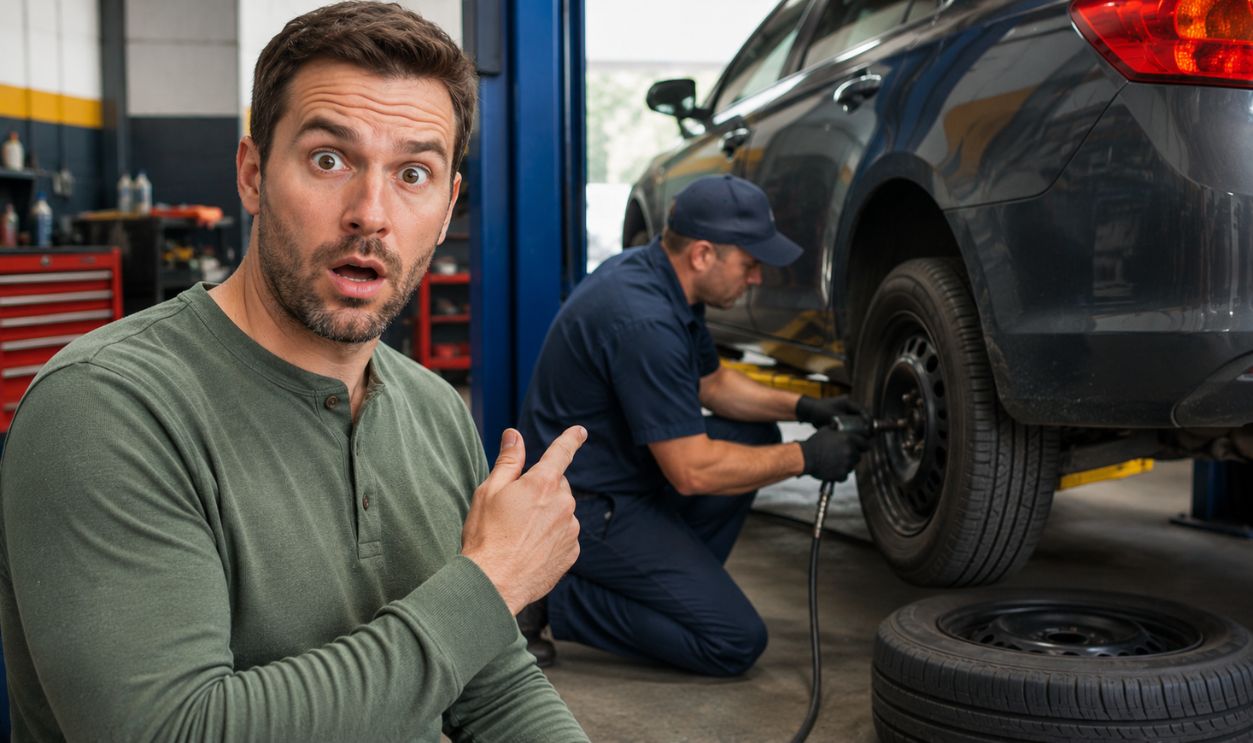
You bring your AWD car in for one damaged tire, and the shop comes back with a painful verdict: replace all four or risk hurting the all-wheel-drive system. It sounds like an easy way for the tire store to make money. Sometimes, though, there is a real mechanical reason behind the warning.
Why This Question Comes Up So Often
AWD vehicles are everywhere now, and they do not all react to tire differences the same way. That is what makes this so frustrating. One shop may say a single replacement is fine, while another pushes for a full set. The real answer usually comes down to tread depth, the carmaker's limit, and whether a matching tire can be shaved to fit.

Here Is The Short Answer
Yes, one damaged tire can sometimes mean replacing all four on an AWD vehicle. That is not always a sales pitch, because some AWD systems can be stressed by tires with different rolling circumferences. But no, it is not always necessary. The right answer should come from your owner's manual and actual tire measurements, not a blanket warning.
What Tread Depth Has To Do With Anything
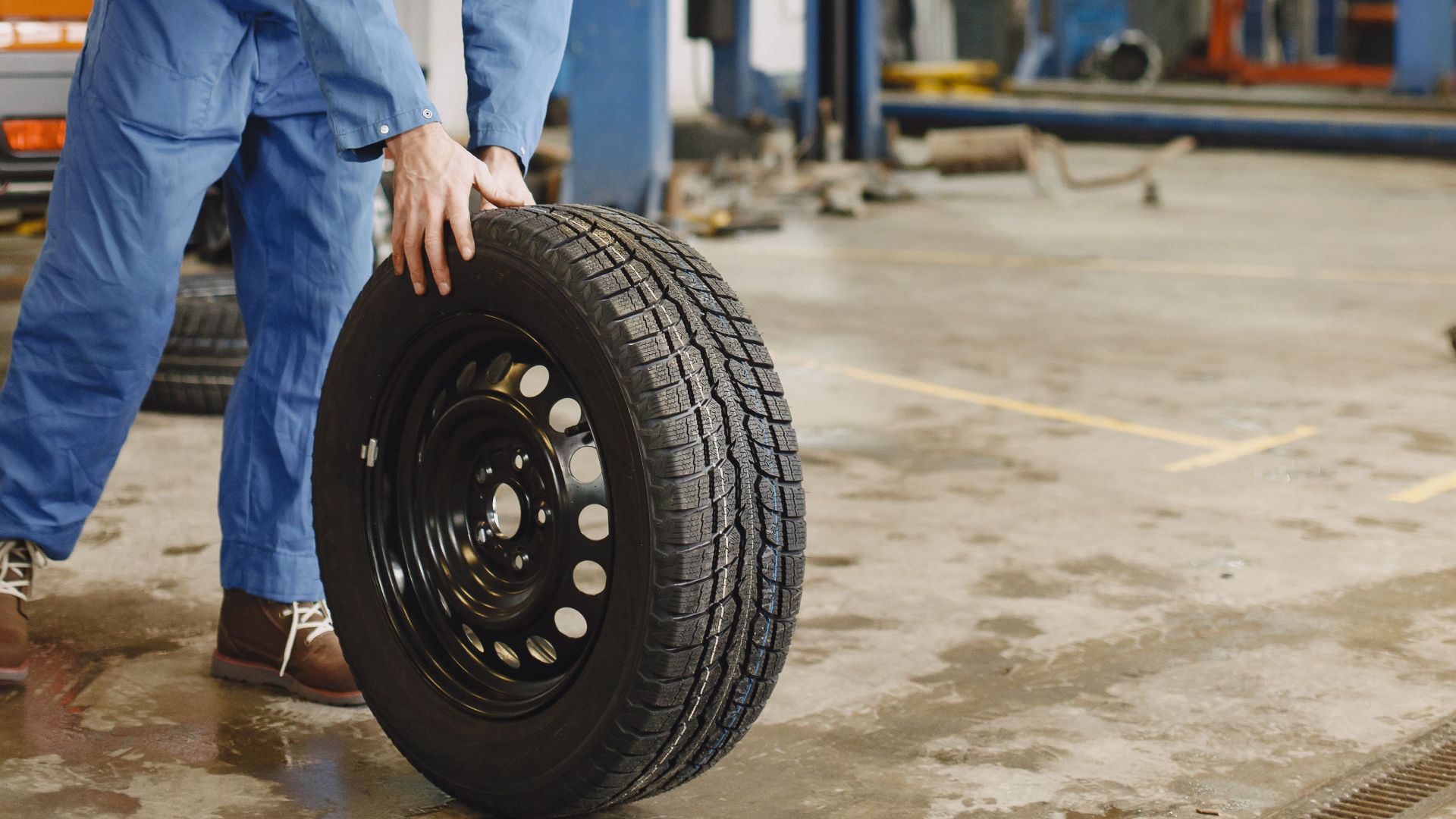
As a tire wears down, its overall diameter gets smaller. A smaller tire turns a little faster than a new one over the same distance. On an AWD vehicle, that can force the center differential, transfer case, clutch pack, or other driveline parts to keep working just to deal with the mismatch.
Rolling Circumference Is The Real Problem
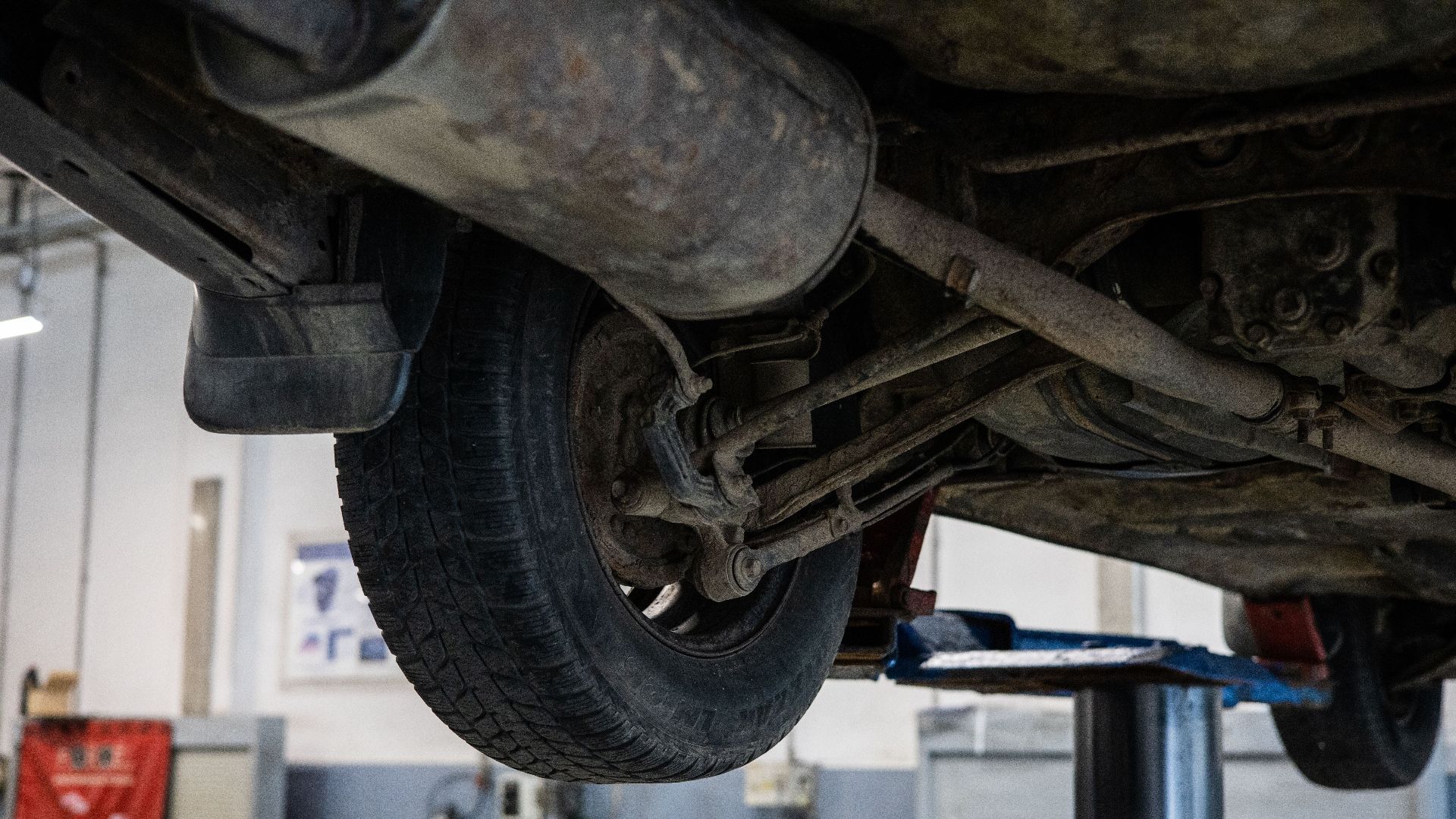
The issue is not just that one tire looks newer than the others. The real concern is rolling circumference, or how far a tire travels in one full turn. If one tire's circumference is meaningfully different, the AWD system may read that as wheel slip and keep trying to fix a traction problem that is not actually there.
Subaru Helped Make This Warning Famous
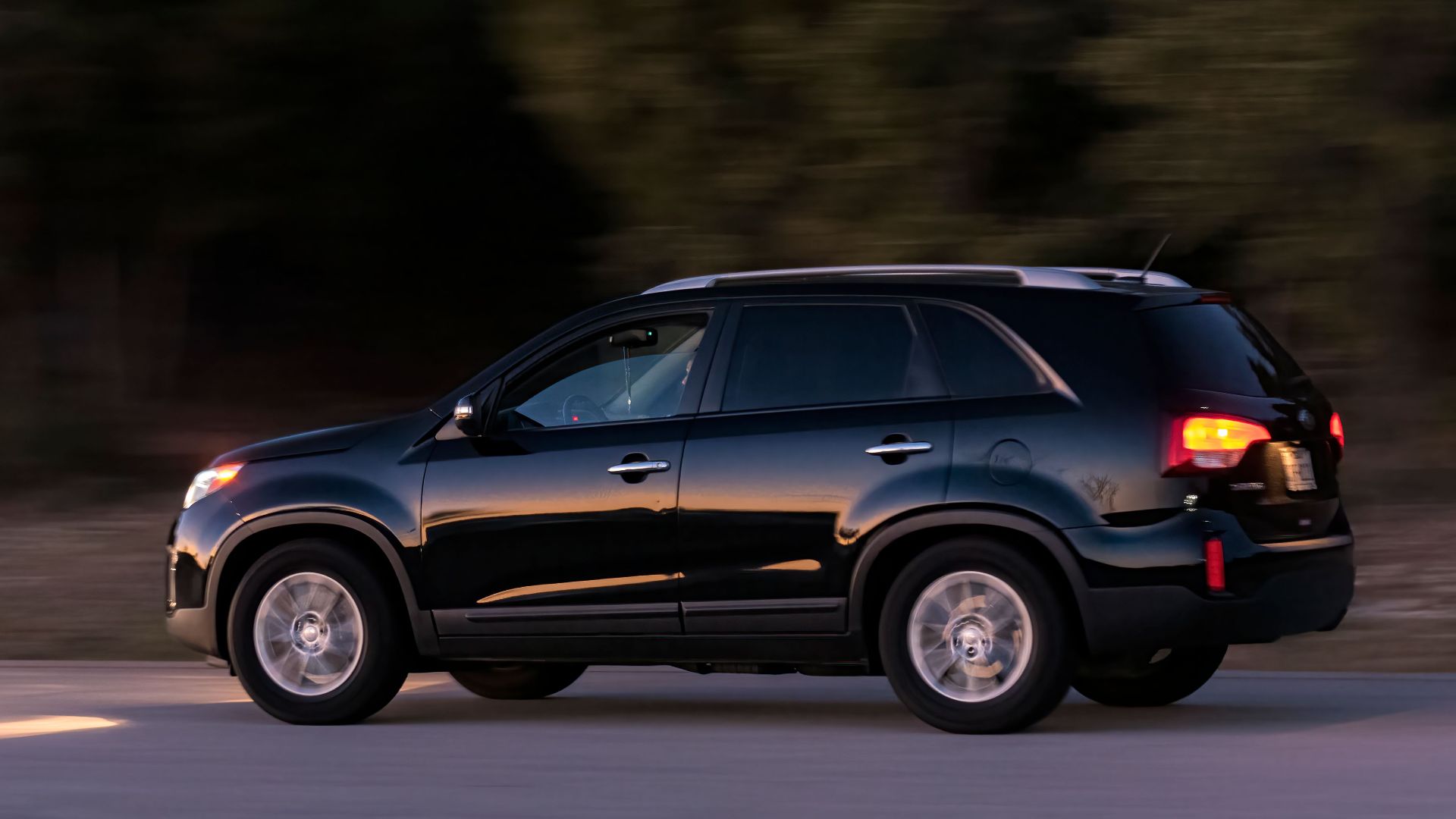
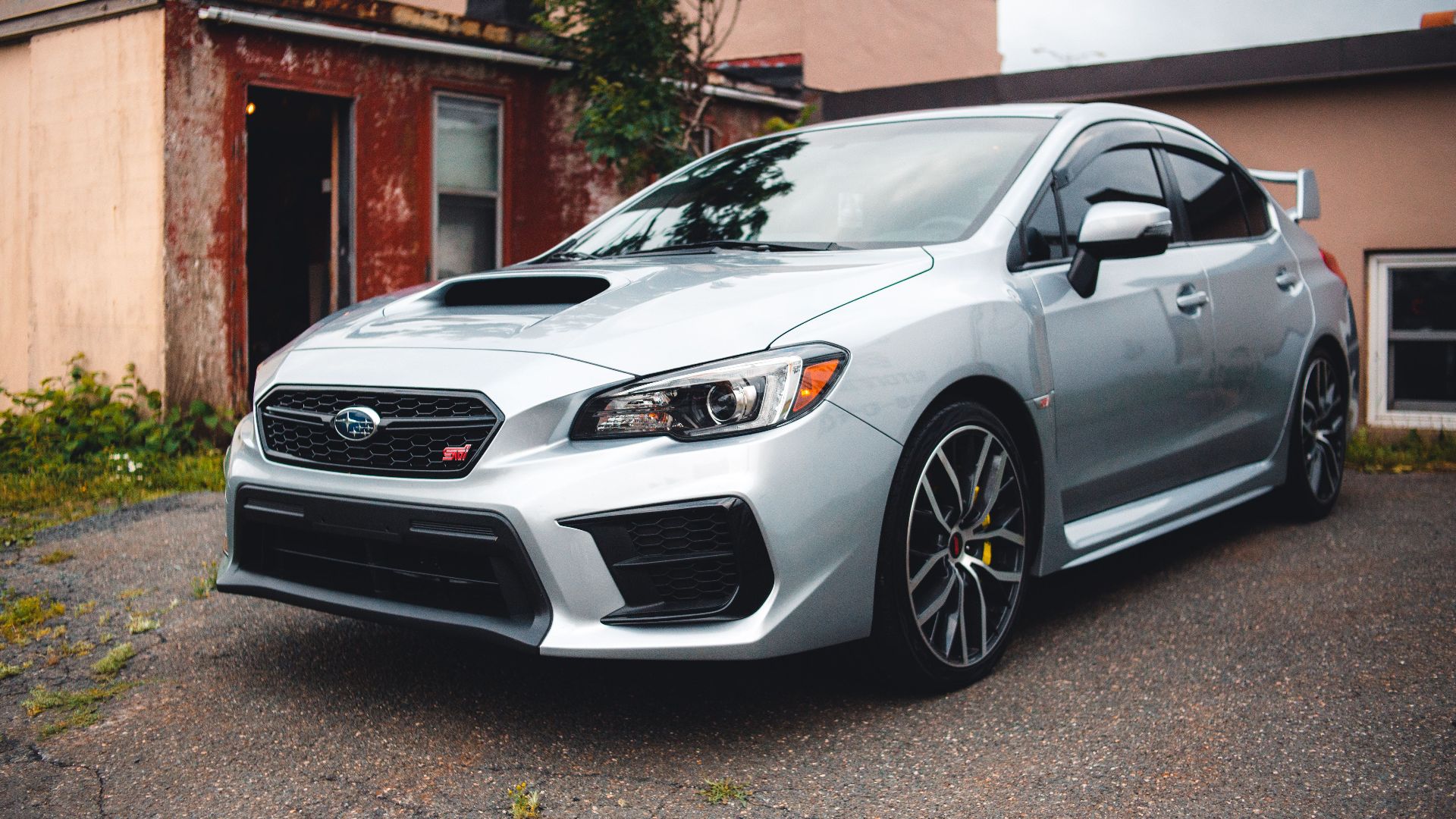
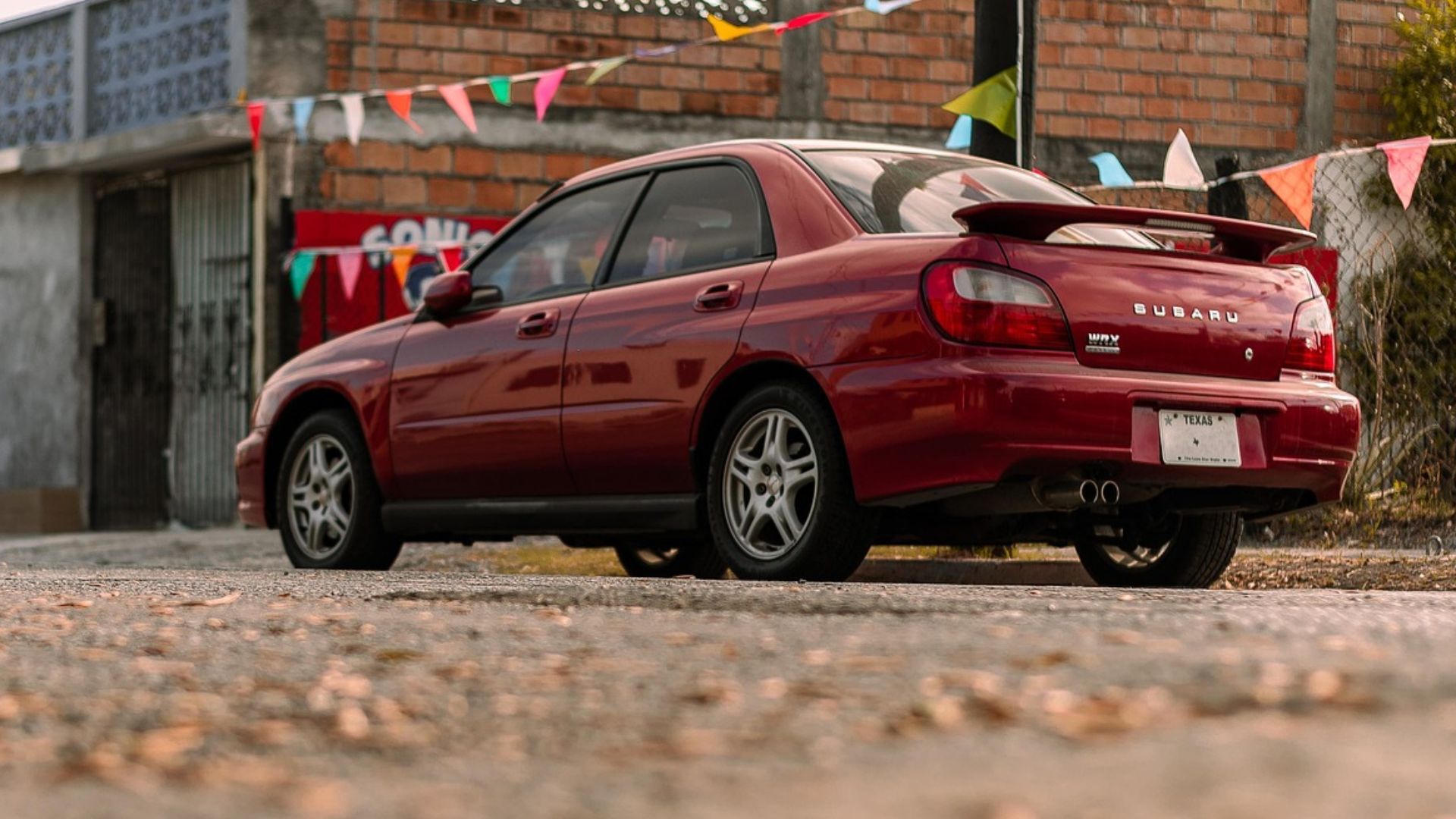
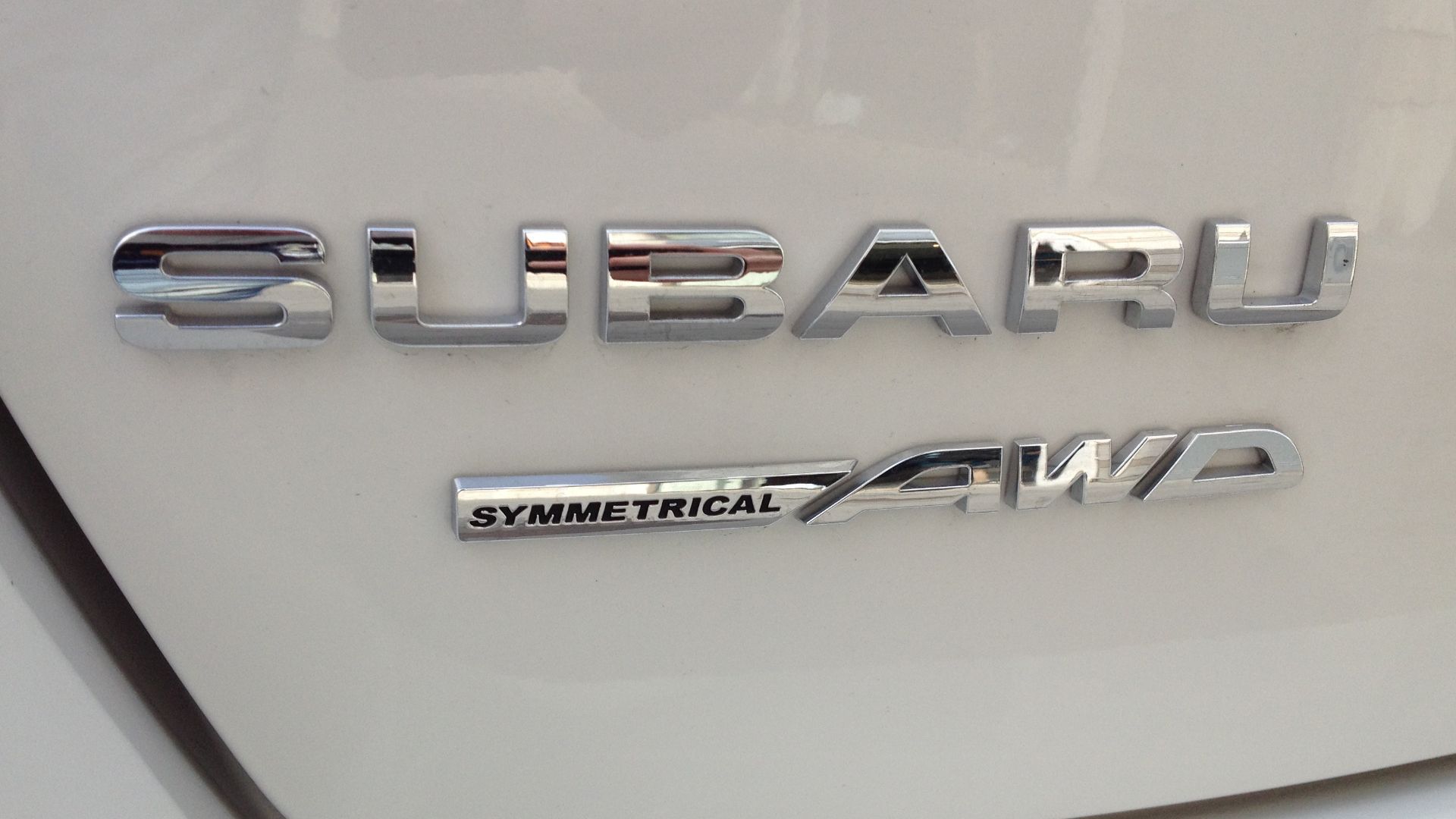
Subaru has been one of the clearest automakers on this issue for years. In its owner guidance, Subaru says all four tires should match in brand, model, size, and roughly the same amount of wear. It also warns that too much difference in circumference can lead to constant AWD operation and possible drivetrain damage.
Subaru's Specific Limit Matters
Subaru has long said the difference in circumference between tires should be no more than one quarter of an inch. That is a very small margin, and it helps explain why Subaru owners so often hear the advice to replace all four after one tire fails. This is not forum gossip. It comes from Subaru's own tire guidance.
 Cristhian_Adame_Photo, Pixabay
Audi Says Something Similar
Audi also warns owners not to mix tires with different tread depths on quattro vehicles. In Audi's guidance, tires with different wear levels can make the AWD system compensate all the time. The company says that can increase wear on drivetrain parts, which is exactly what many tire shops are talking about.

BMW Has Issued Its Own Warning Too
BMW has also published owner and service guidance saying tires on xDrive vehicles should match in size, construction, and wear. The idea is the same across brands. If the system sees different wheel speeds caused by tire diameter differences, it may keep working when it should not have to.
 Aleksandar Malivuk, Shutterstock
Not Every AWD System Is Equally Sensitive
This is where the issue gets more complicated than a simple sales pitch. Full-time mechanical AWD systems, electronically controlled clutch-based systems, and older viscous-coupling setups do not all react the same way to mismatched tires. Some are more forgiving. Others are known for being picky even with small tread-depth differences.
 Corvettec6r, Wikimedia Commons
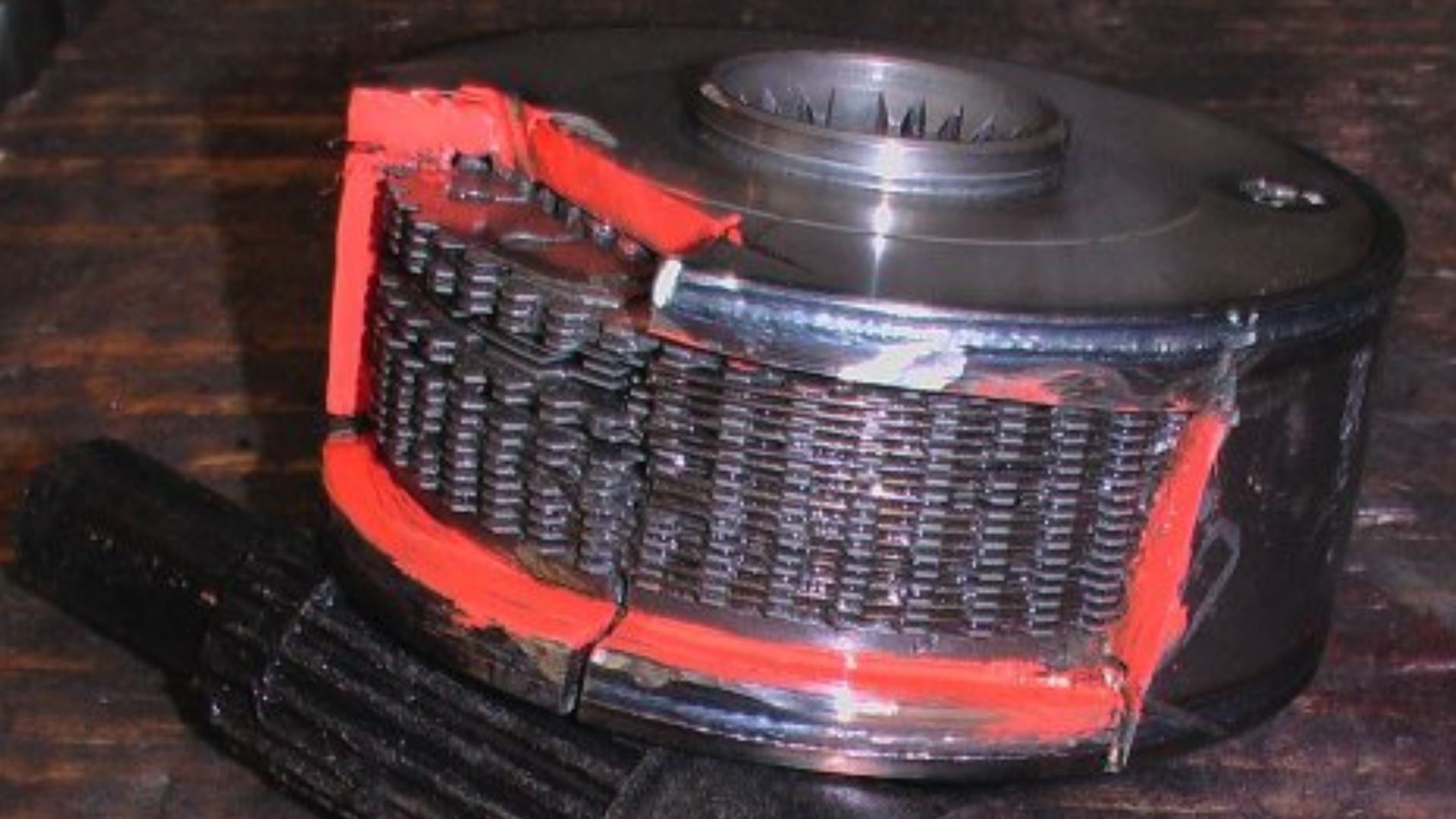
Older Viscous Coupling Systems Were Especially Vulnerable
Viscous couplings were built to handle short-term speed differences between axles, not permanent ones caused by mismatched tires. If that mismatch is there every mile, the coupling can stay engaged and build extra heat. That is one reason tire matching became such a big deal on earlier AWD vehicles.
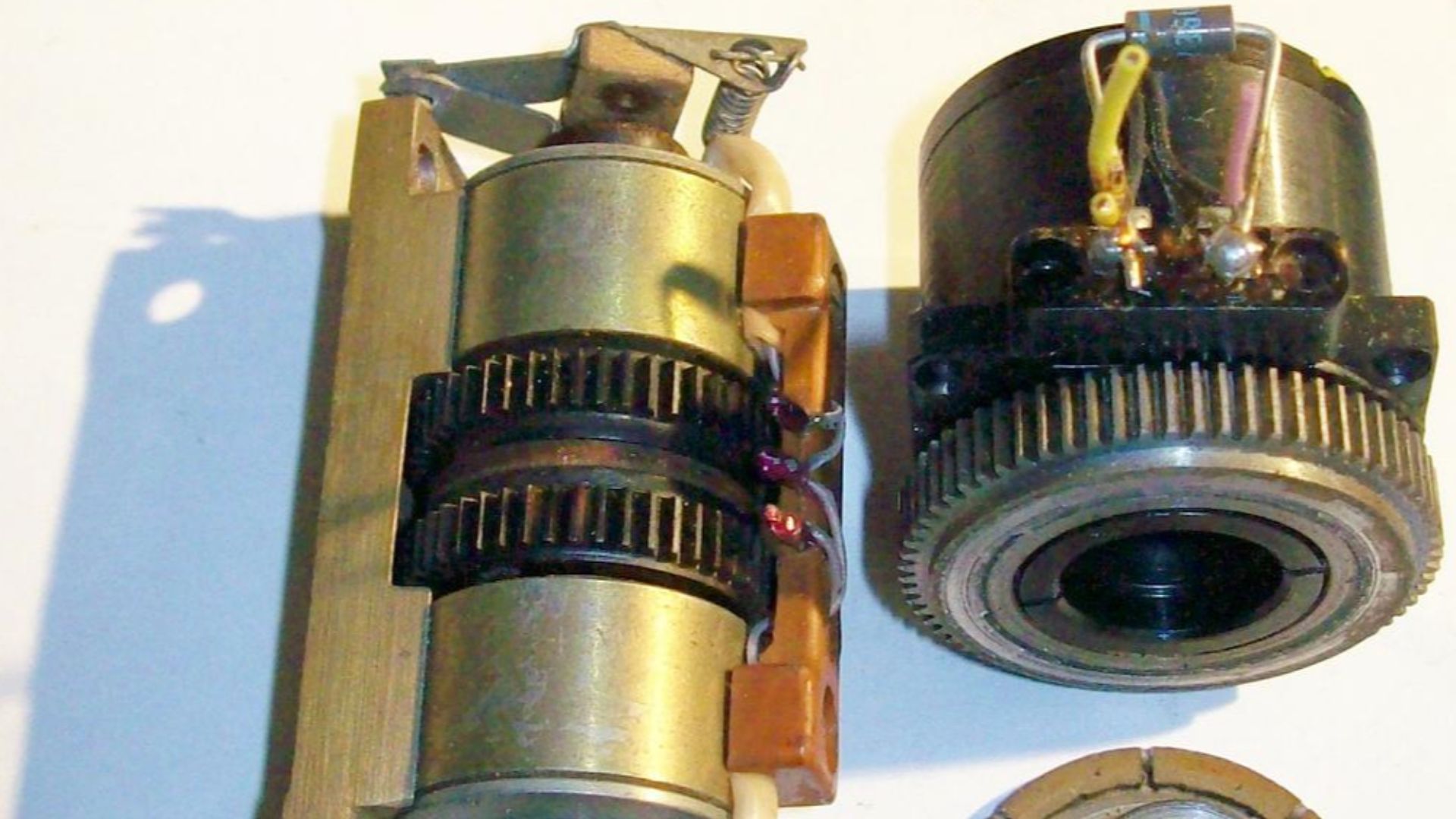
Center Differentials And Clutch Packs Hate Extra Work
A center differential or electronically controlled multi-plate clutch is supposed to react when traction changes. It is not supposed to spend every highway drive smoothing over a tire-size mismatch. Constant compensation creates heat and wear, and that is the expensive part owners are trying to avoid.
How Much Difference Is Too Much
There is no one number that works for every make and model. Some automakers publish a limit for circumference or tread-depth difference, while others tell owners to replace tires as a set or check with a dealer. Tire Rack, which has long offered practical guidance on this topic, notes that many AWD vehicles can handle only small tread-depth differences, often around 2/32 inch to 4/32 inch depending on the manufacturer.
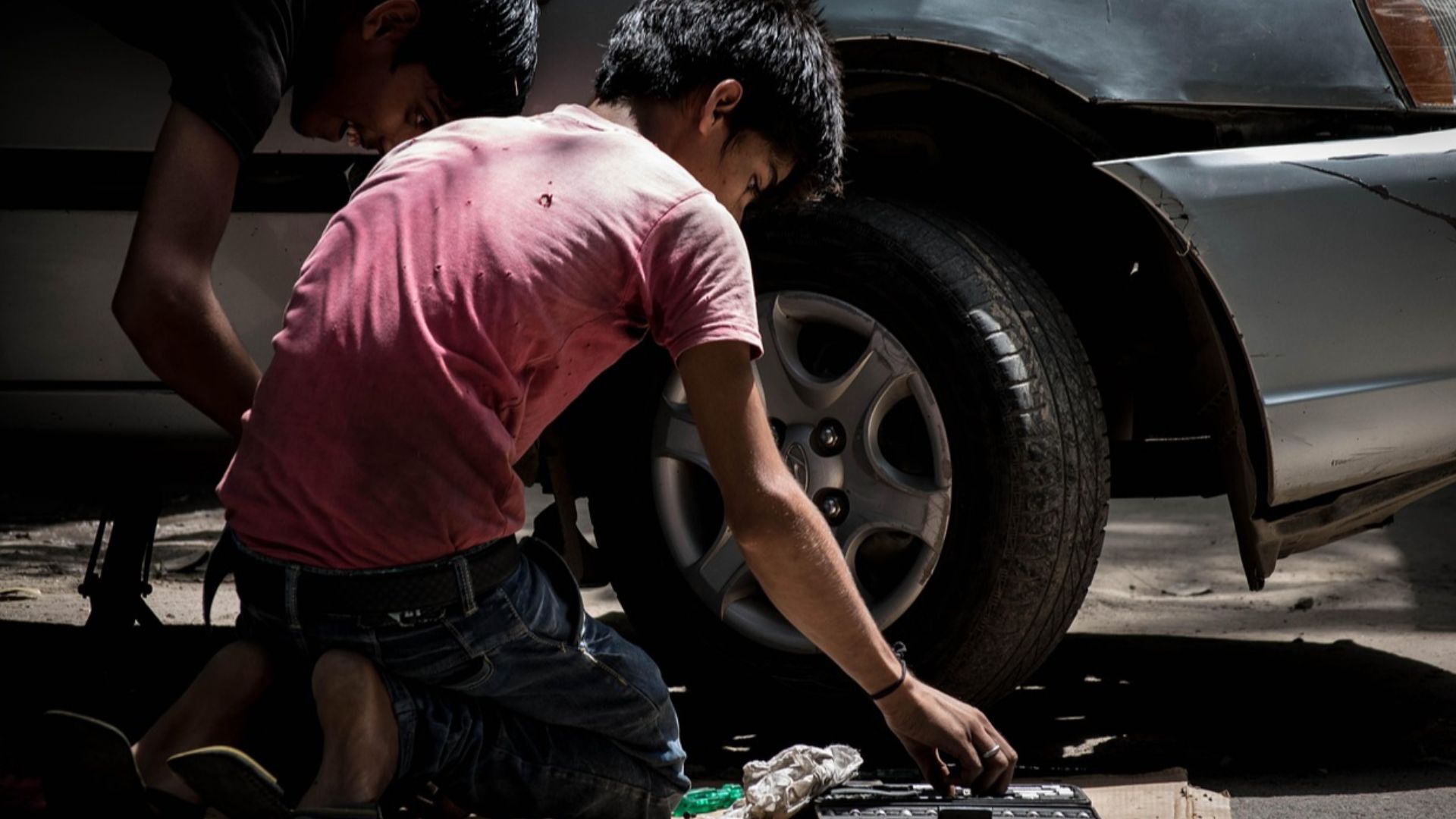
The Shop Should Measure, Not Guess
If a tire store tells you all four have to go, ask for the actual tread-depth readings from every tire. This should be a measured discussion in 32nds of an inch, not a vague claim that the others are too worn. A solid shop should also compare those numbers with the vehicle maker's spec.

One New Tire Is Sometimes Fine
If your other three tires are still very close in wear to a new replacement, one tire may be all you need. That is especially true when the remaining tires have only light wear and still fall within the automaker's allowed difference. In that case, replacing all four would be unnecessary, and a good shop should say so.

Two Tires Can Sometimes Solve The Problem
On some AWD vehicles, replacing a pair can work if the new tires go on the correct axle and the final difference still stays within spec. But this is not a universal rule. The owner's manual or manufacturer service guidance decides the answer, not habit.
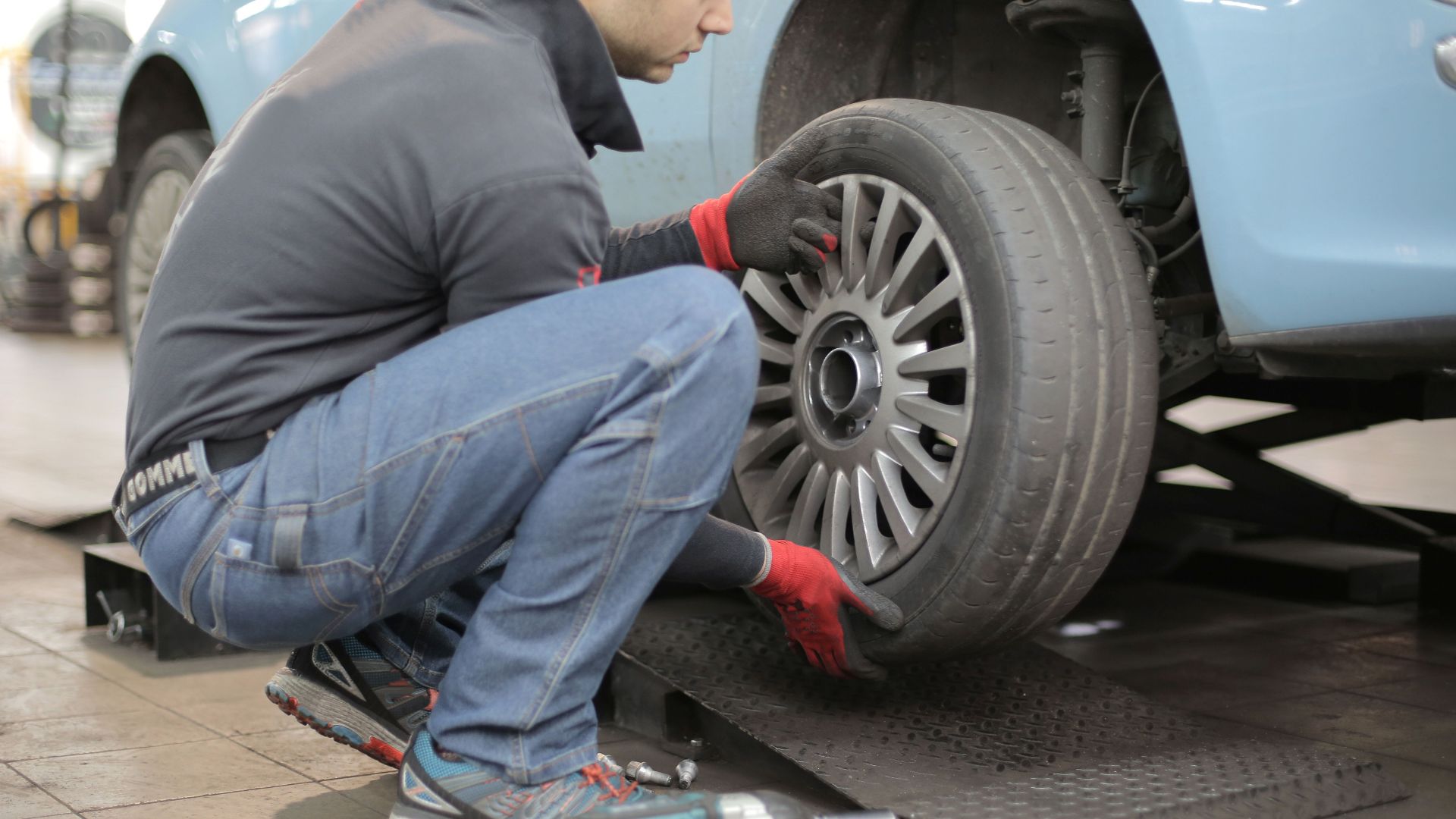
Tire Shaving Is The Lesser-Known Escape Hatch
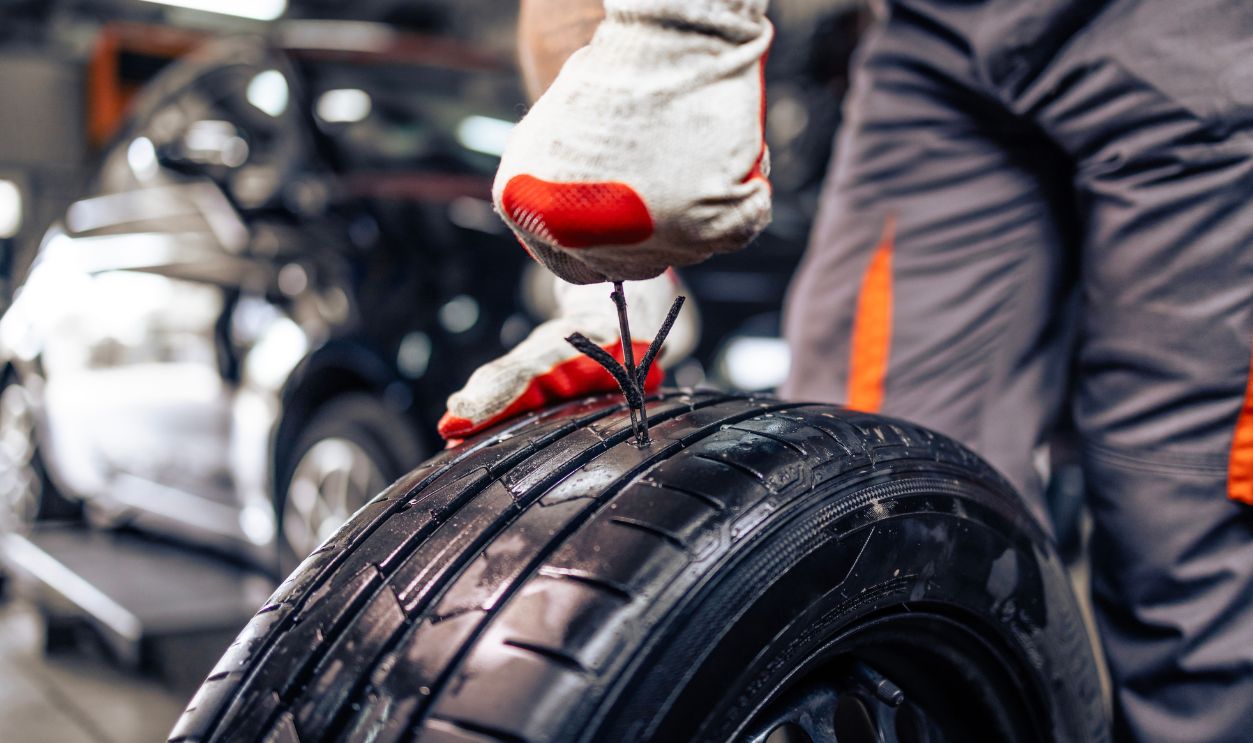
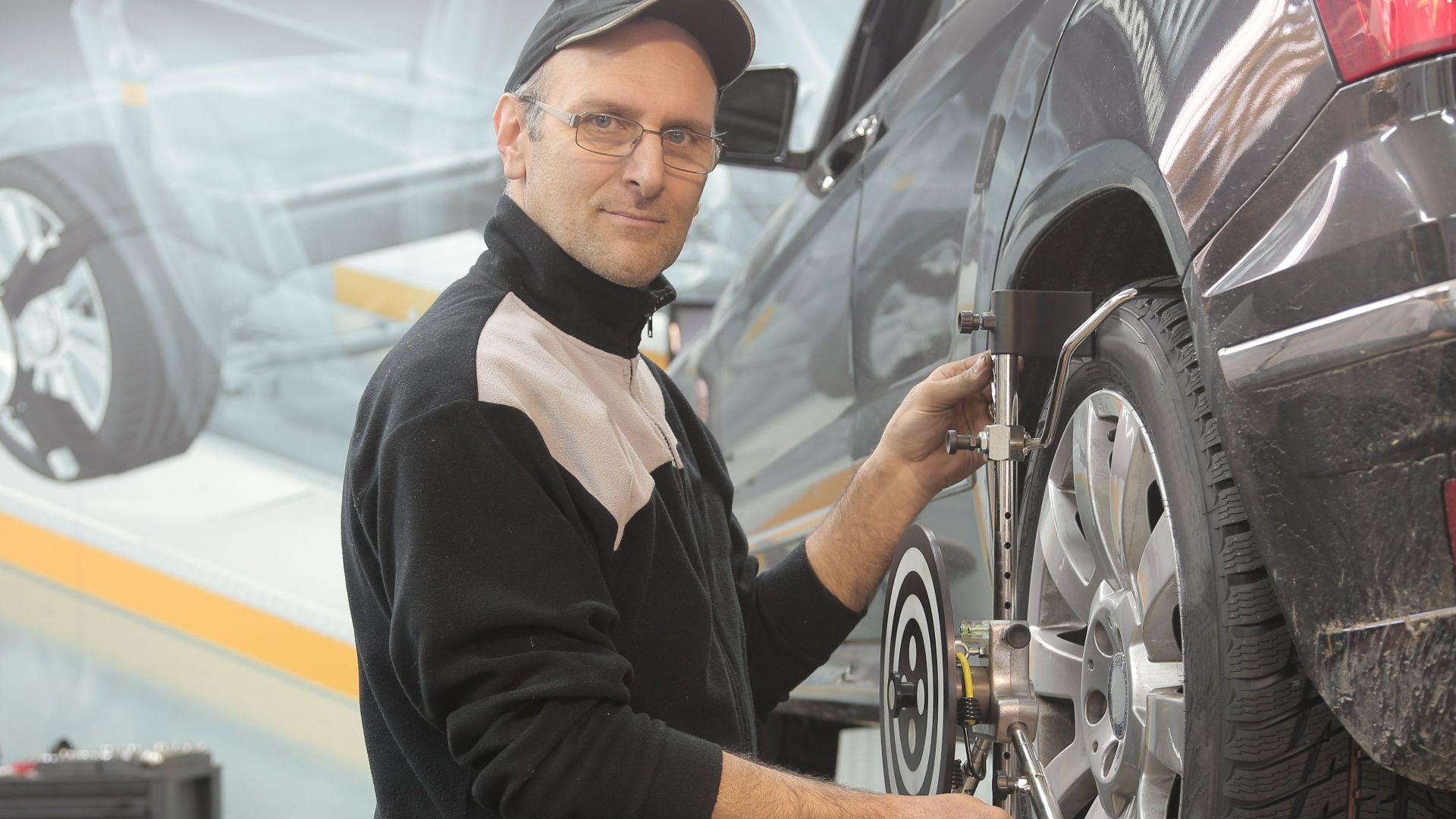
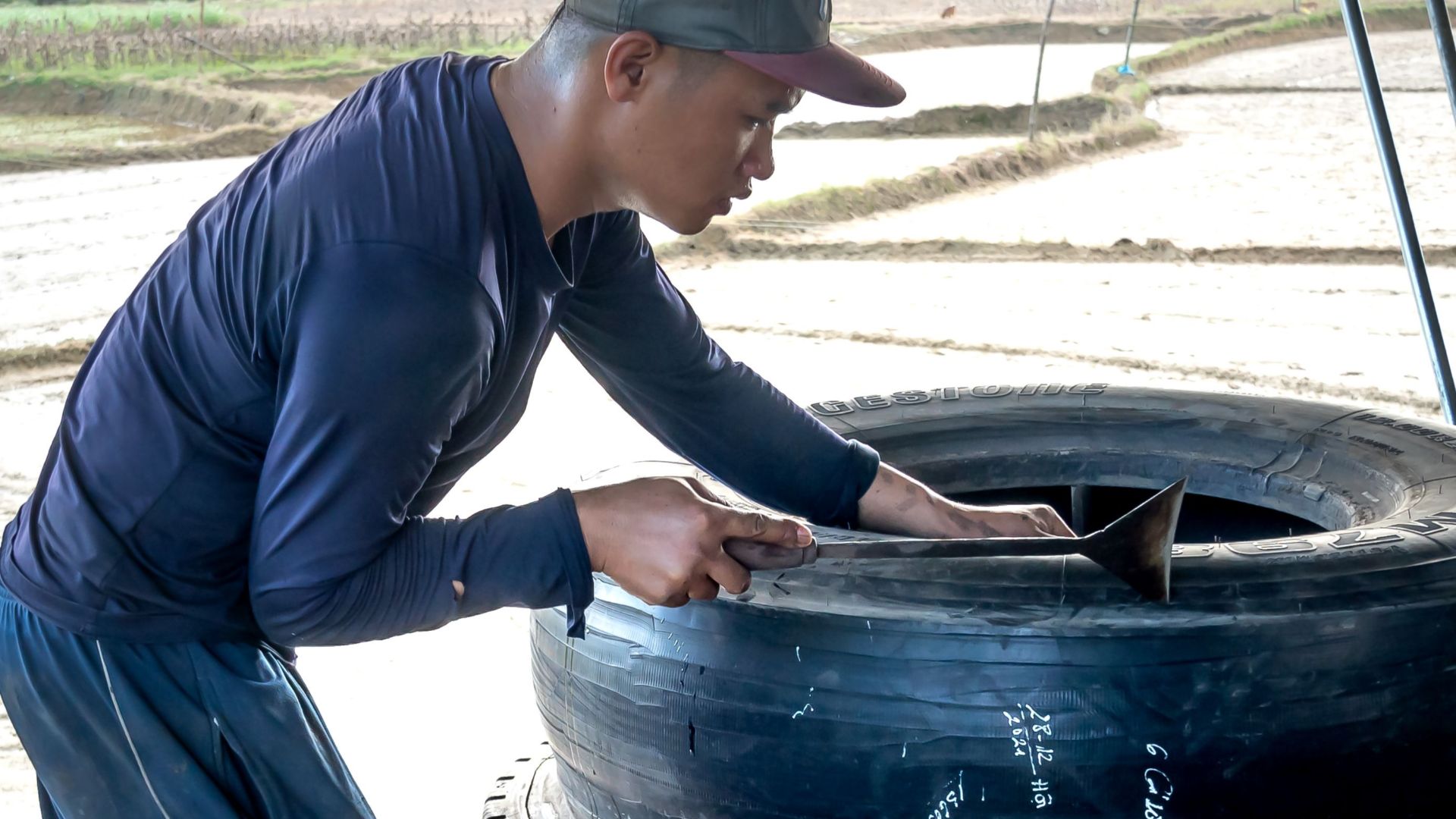
There is another option many drivers have never heard of. A new tire can sometimes be shaved down so its tread depth closely matches the other three. Tire Rack has offered shaved tires for years to help AWD owners avoid buying a whole set after a single non-repairable tire failure.
Why Shaving Can Be Perfectly Legitimate
Tire shaving sounds a little sketchy until you know the point of it. The goal is to match the rolling circumference of the replacement tire to the partly worn tires already on the car. If it is done correctly on the right tire, it can meet the vehicle's mismatch limit and save a lot of money.
There Are Limits To The Shaving Trick
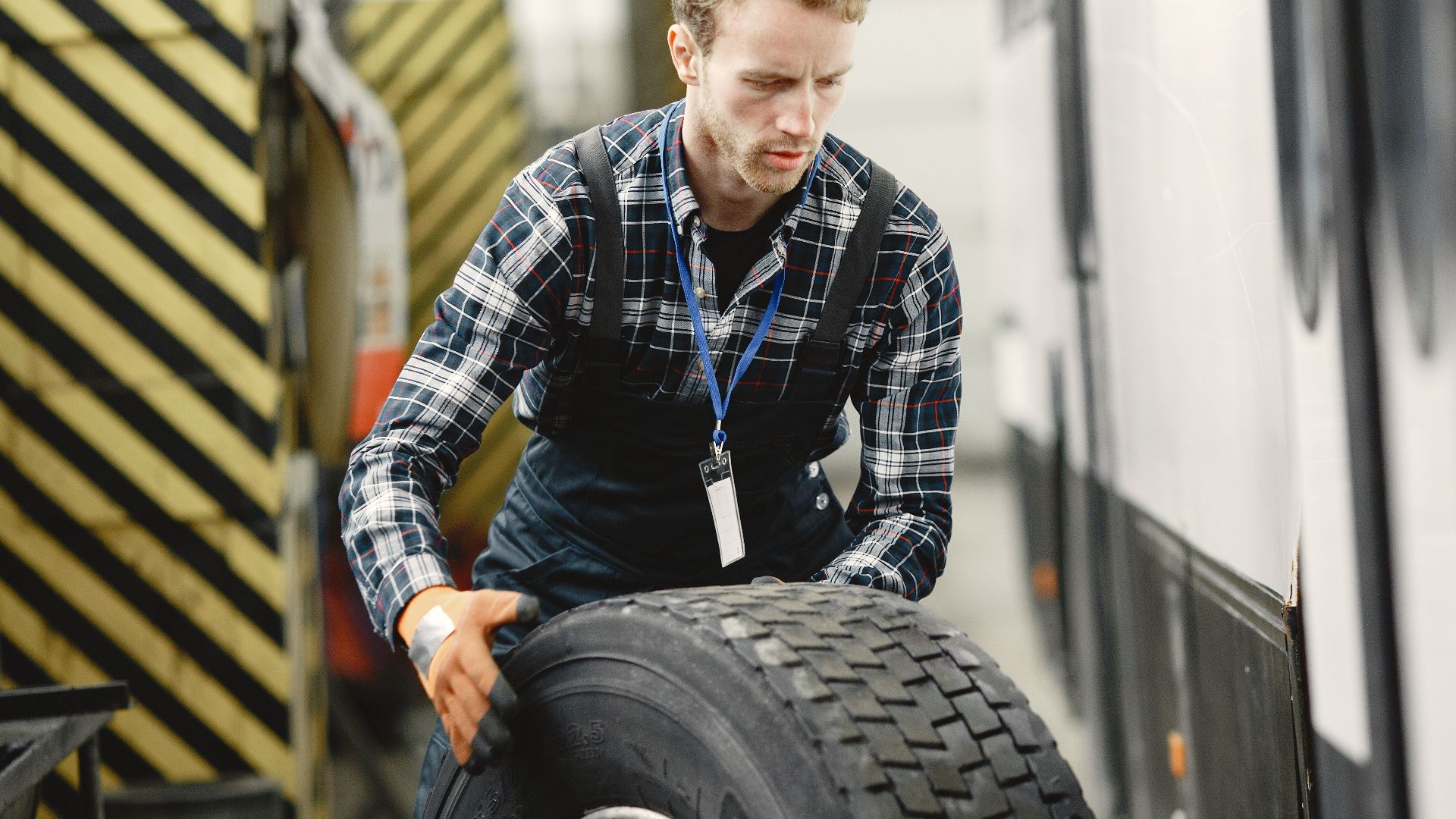
Shaving is not always available, and it only makes sense when the other three tires still have plenty of life left. If those tires are already heavily worn, paying for a shaved tire may not be worth it. At that point, a full set may make more sense for safety and long-term value.
Brand And Model Matching Matter Too
This is not only about tread depth. Many automakers, including Subaru, say all four tires should be the same brand, model, size, and construction. Two tires with the same printed size can still have slightly different real-world dimensions, and that is another reason experts push for an exact match.
Used Tire Shortcuts Can Backfire
Some drivers try to solve the problem with one used tire that looks close enough. That can work only if it is truly the same model and its tread depth is measured and confirmed to be compatible. Judging by appearance alone is risky, because even a small size mismatch can upset a sensitive AWD system.

This Is Not Just About Mechanical Damage
Mismatched tires can also affect handling, braking, and the way stability and traction control systems work. Those systems rely on accurate wheel-speed comparisons. If one tire is effectively a different size, the electronics may react in ways that are subtle at first but still not ideal.

How To Tell If A Shop Is Being Honest
A trustworthy shop will explain the vehicle maker's limit, measure all four tires, and give you options. Those options might include one tire, a shaved tire, two tires, or a full set depending on the numbers. A shop that jumps straight to replacing all four without measurements or manufacturer guidance deserves a closer look.

What To Ask Before You Approve The Work
Ask for the tread depth of each tire in 32nds. Ask what your vehicle manufacturer allows for tread-depth or circumference variation. Then ask whether a matching shaved tire is available, because that one question can save you hundreds of dollars.

Your Owner's Manual Is More Important Than Forum Advice
Online stories can be helpful, but they are not the final word. The guidance that matters most is the one written for your exact vehicle by the company that designed its AWD system. If the manual is vague, a dealership service department should be able to provide the manufacturer's tire mismatch policy.

When Replacing All Four Really Is The Smart Move
If the remaining tires are noticeably worn, if the vehicle is known to be very sensitive, or if no shaved match is available, replacing all four can be the safest and cheapest long-term move. It stings in the moment, but it may save you from a much more expensive transfer case or differential repair later. That is the part the scary sales pitch sometimes gets right.
When It Is Probably An Upsell
If your three good tires are nearly new, the tread-depth difference is tiny, and the shop cannot point to a manufacturer limit, the demand to replace all four may be too much. The same goes if a compatible shaved tire is available but never mentioned. Facts, measurements, and the owner's manual should drive the decision, not fear.
The Bottom Line For AWD Owners
Your tire shop is not automatically wrong, but it is not automatically right either. One damaged tire really can mean replacing all four on some AWD vehicles, because driveline parts can be sensitive to even small differences in tire circumference. The smart move is to ask for measurements, check the manufacturer's limit, and ask about a shaved replacement before one bad tire turns into a four-tire bill.