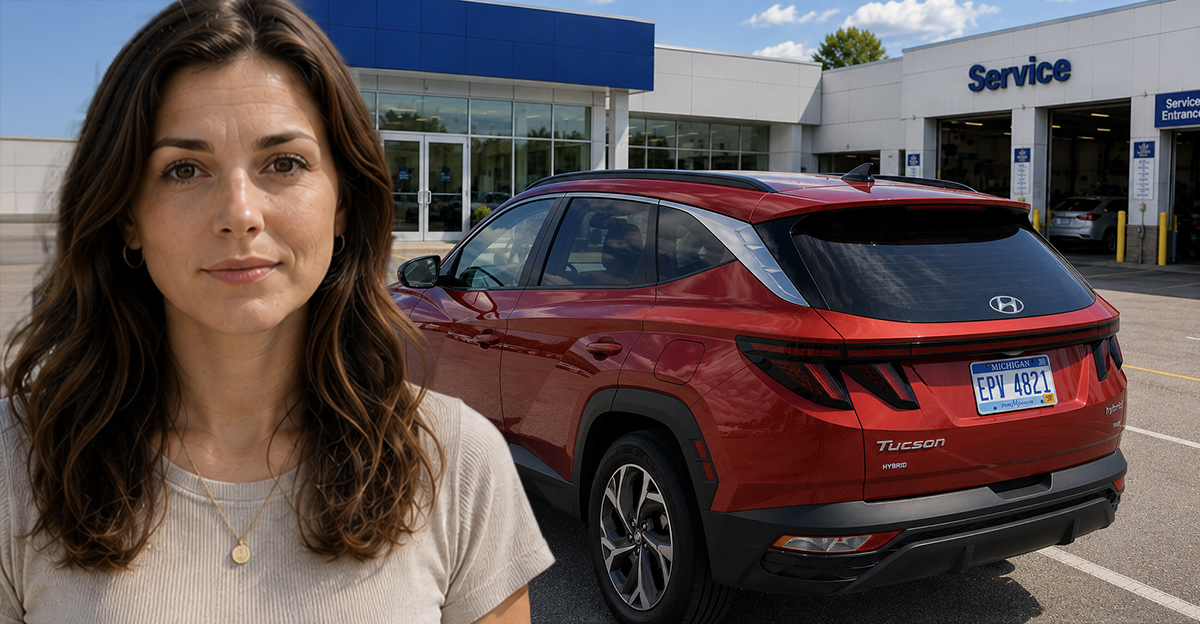
An Unexpected Knock At The Door
Imagine answering your front door only to find police officers asking about your car's involvement in an illegal street race. You know you were nowhere near the scene, yet the officers insist your license plate was captured. That shocking moment is how many victims first learn that someone has cloned or swapped their plates.

Plate Cloning Is A Real Crime
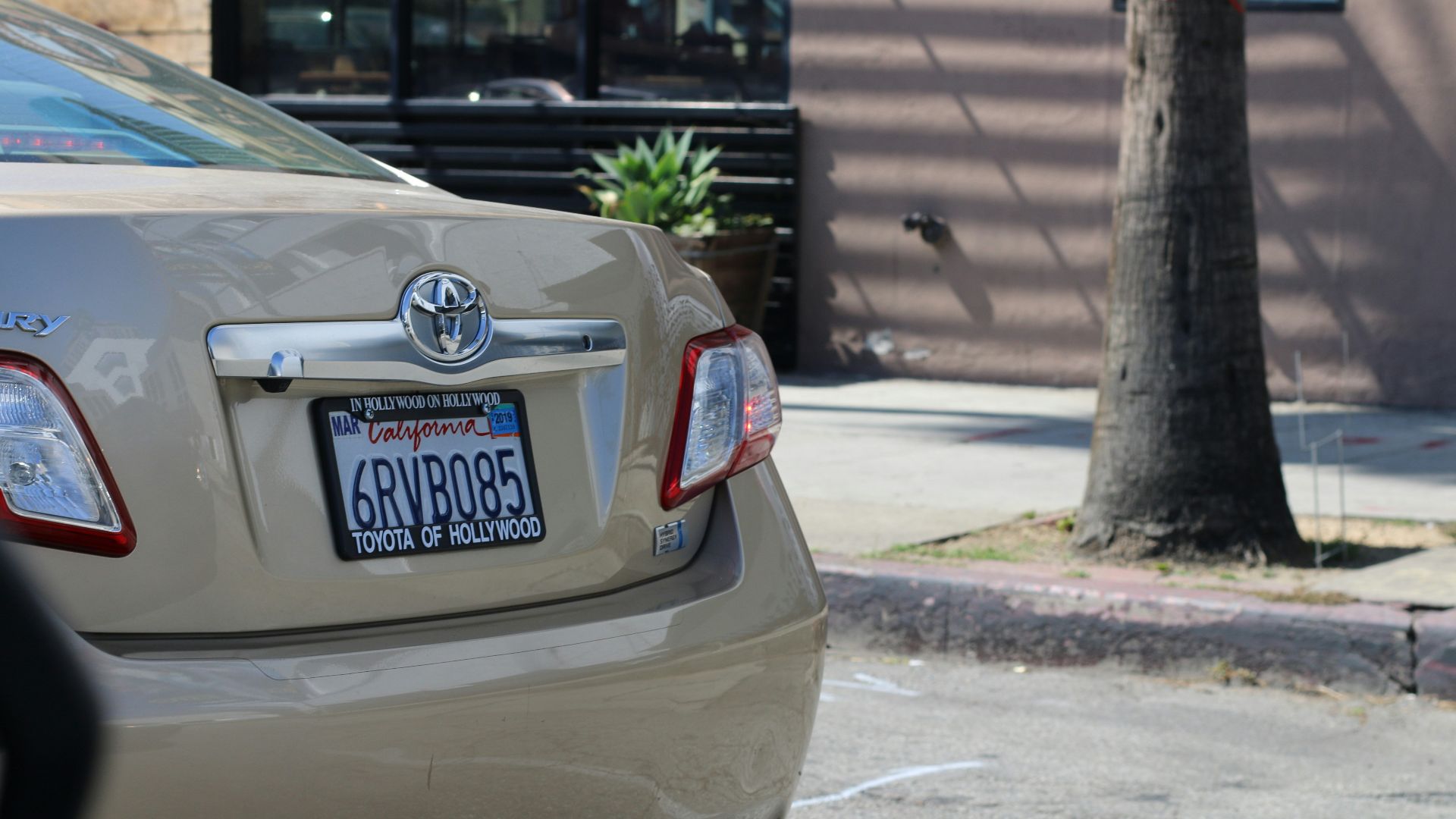
License plate cloning happens when criminals copy a legitimate plate number and attach counterfeit plates to another vehicle. They use the fake plates to hide the identity of stolen cars or avoid responsibility for traffic violations and crimes. Law enforcement agencies and insurance investigators have warned that this type of fraud is becoming increasingly common.

Why Criminals Do It
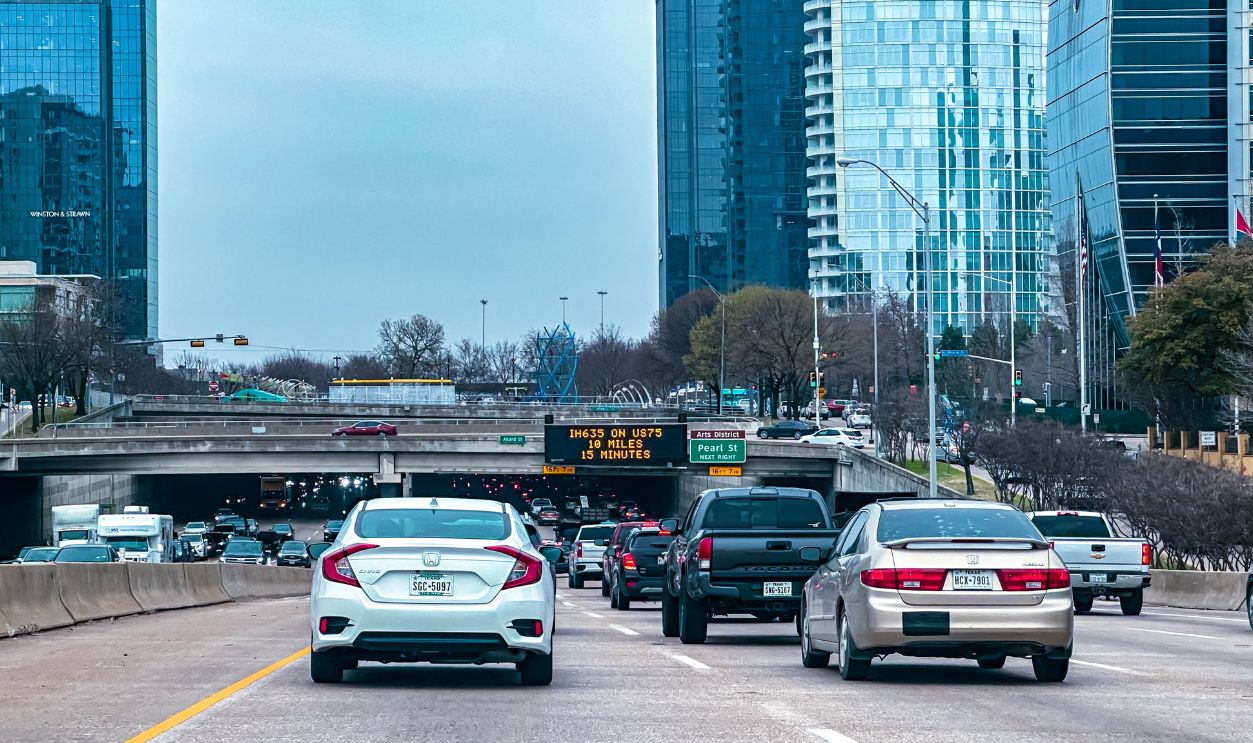
A cloned plate lets offenders pass through toll roads, speed cameras, and red light cameras while someone else receives the tickets. Criminals have also used cloned plates on stolen vehicles and getaway cars. The legitimate vehicle owner often becomes the first person police contact.
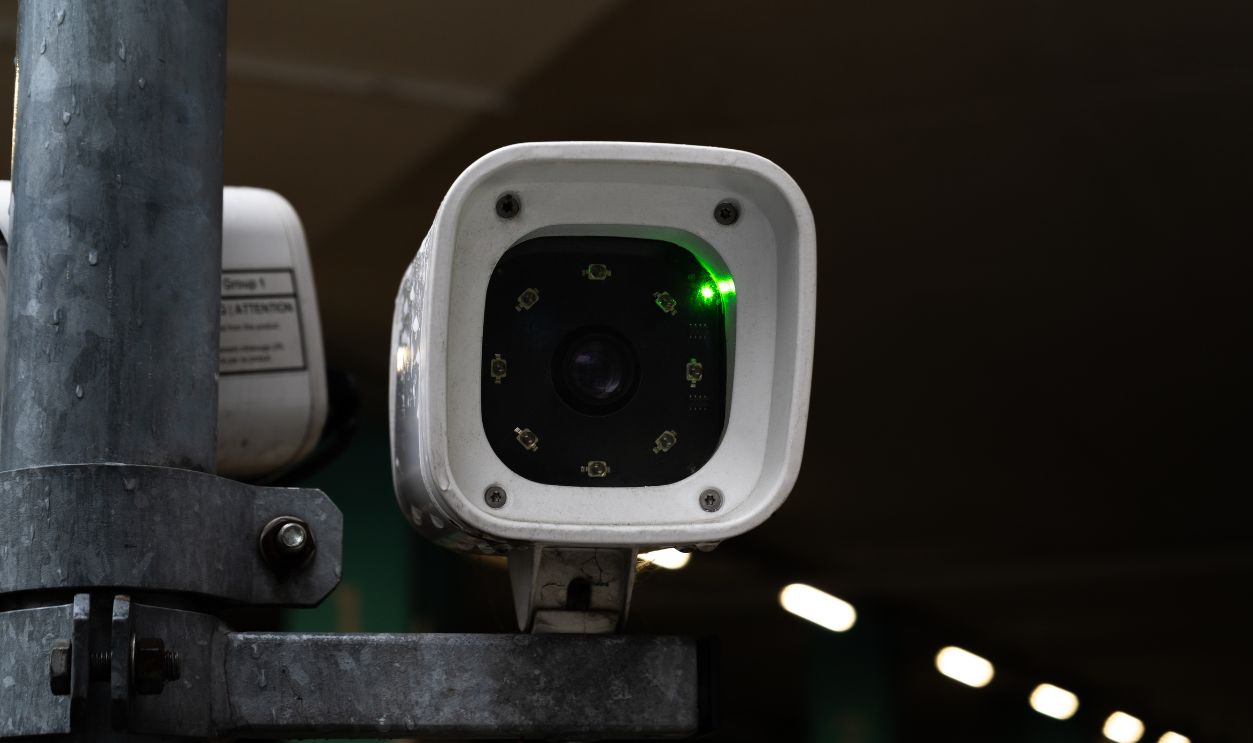
Street Racing Can Trigger An Investigation
Illegal street racing frequently generates photographs, witness statements, and automated license plate reader hits. If your cloned plate appears in that evidence, investigators naturally begin by locating the registered owner. That explains why innocent drivers sometimes receive an unexpected visit from police.

Stay Calm During The Conversation
Finding officers at your home can be frightening, but remaining calm is important. Explain where your vehicle was at the time of the alleged incident if you know. Provide truthful information and avoid guessing about events you cannot verify.

Your Car Is Not Automatically Guilty
A license plate alone is not proof that your actual vehicle committed an offense. Police investigators routinely compare vehicle make, model, color, and other identifying features. Additional evidence often helps distinguish the real car from the cloned one.

Look Closely At Your Vehicle
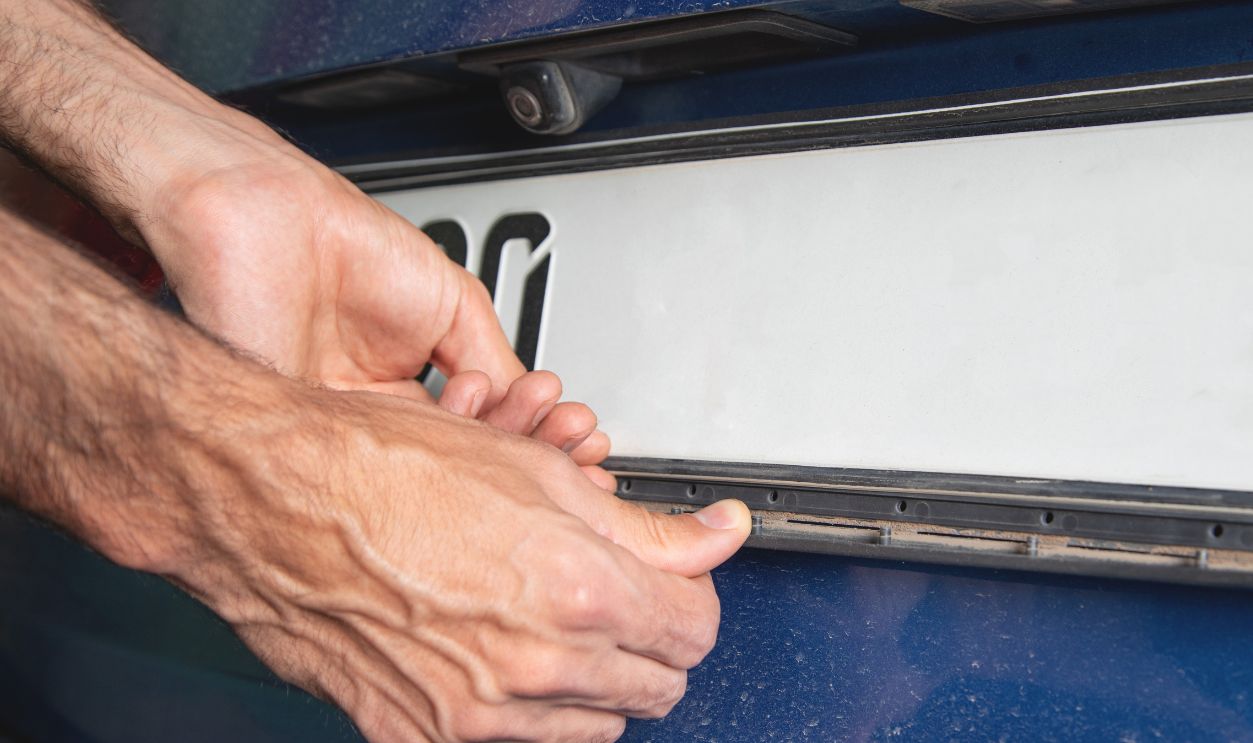
After speaking with police, inspect your own vehicle. Confirm that your plates are still attached and that they match your registration paperwork. Also look for signs that someone may have removed and reinstalled the plates.

File A Police Report Quickly
If you believe your plates have been cloned or switched, file a police report as soon as possible. An official report creates a record showing you reported the problem promptly. That documentation can become important if more violations appear later.
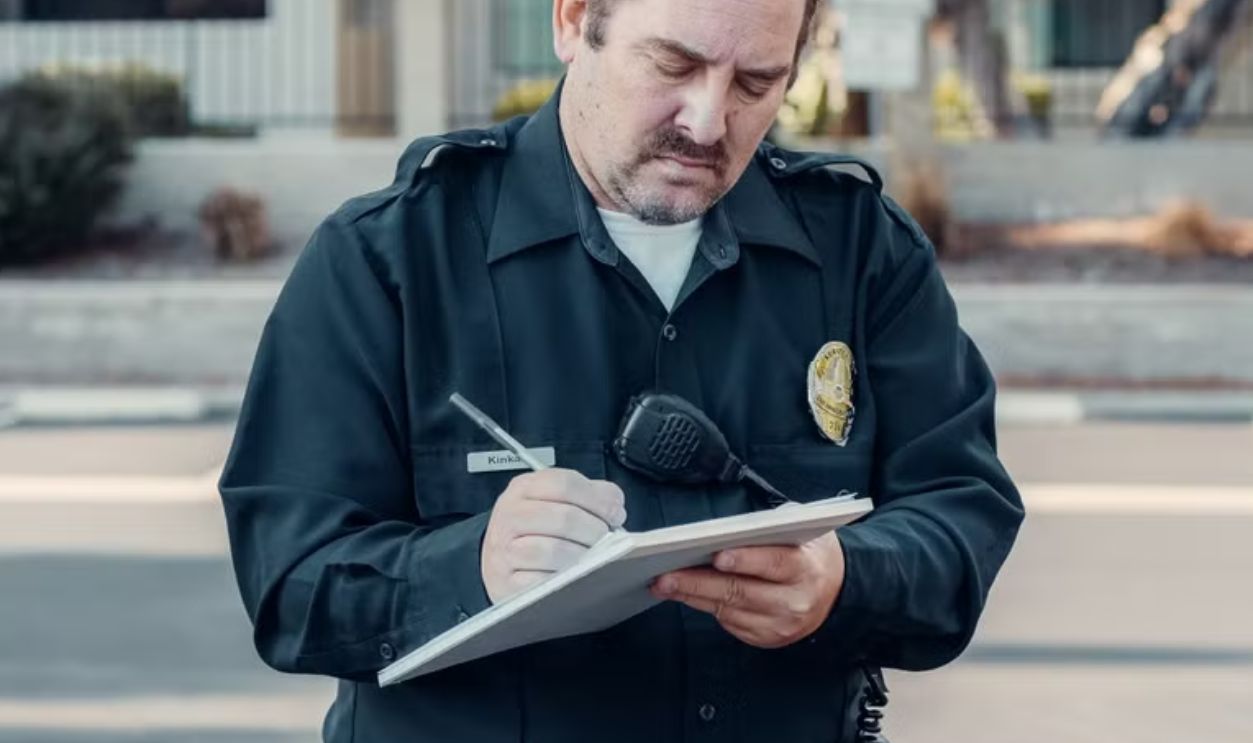
Gather Proof Of Your Location
Evidence showing where your vehicle actually was can strengthen your case. Security camera footage, parking receipts, GPS records, toll records, and time-stamped photographs may all help. Even smartphone location history can sometimes support your timeline.

Save Every Piece Of Paper
Keep copies of police reports, warning notices, citations, emails, and registration documents together. Create a dedicated folder for anything related to the case. Organized records make future conversations with authorities much easier.

Respond To Tickets Promptly
Never ignore a ticket simply because you know you were innocent. Most jurisdictions have deadlines for contesting citations. Missing those deadlines can create additional legal complications.
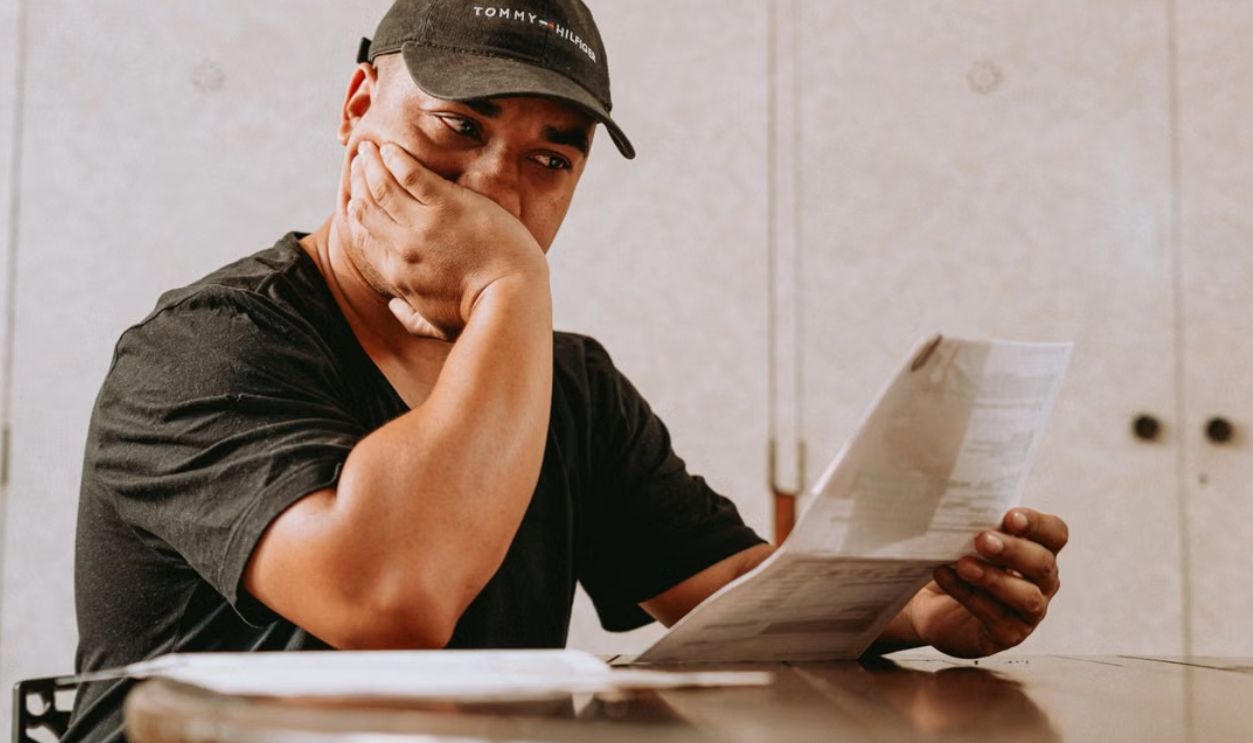
Contact The Issuing Agency
Reach out to whichever police department, court, or traffic authority issued the citation. Explain that you believe your license plate has been cloned. Ask about the evidence they have, including photographs of the vehicle involved.

Compare The Evidence Carefully
Many cloned vehicles are similar but not identical to the legitimate one. Look for differences in trim level, bumper stickers, wheels, roof racks, dents, or accessories. Small details can prove the photographed vehicle is not yours.

Notify Your Motor Vehicle Agency
Your state's or province's motor vehicle agency may have procedures for suspected plate cloning. Officials can explain whether replacement plates are appropriate in your situation. Requirements vary depending on where you live.

Consider Requesting New Plates
Many victims eventually replace their license plates entirely. A new plate number reduces the chance that future violations will continue appearing under the old registration. Ask your licensing authority about the process and applicable fees.
 ANDRANIK HAKOBYAN, Shutterstock
Tell Your Insurance Company
While plate cloning does not always result in an insurance claim, informing your insurer is often wise. They can document the issue in your file and explain whether additional steps are recommended. Early communication may prevent confusion later.

Watch For Additional Violations
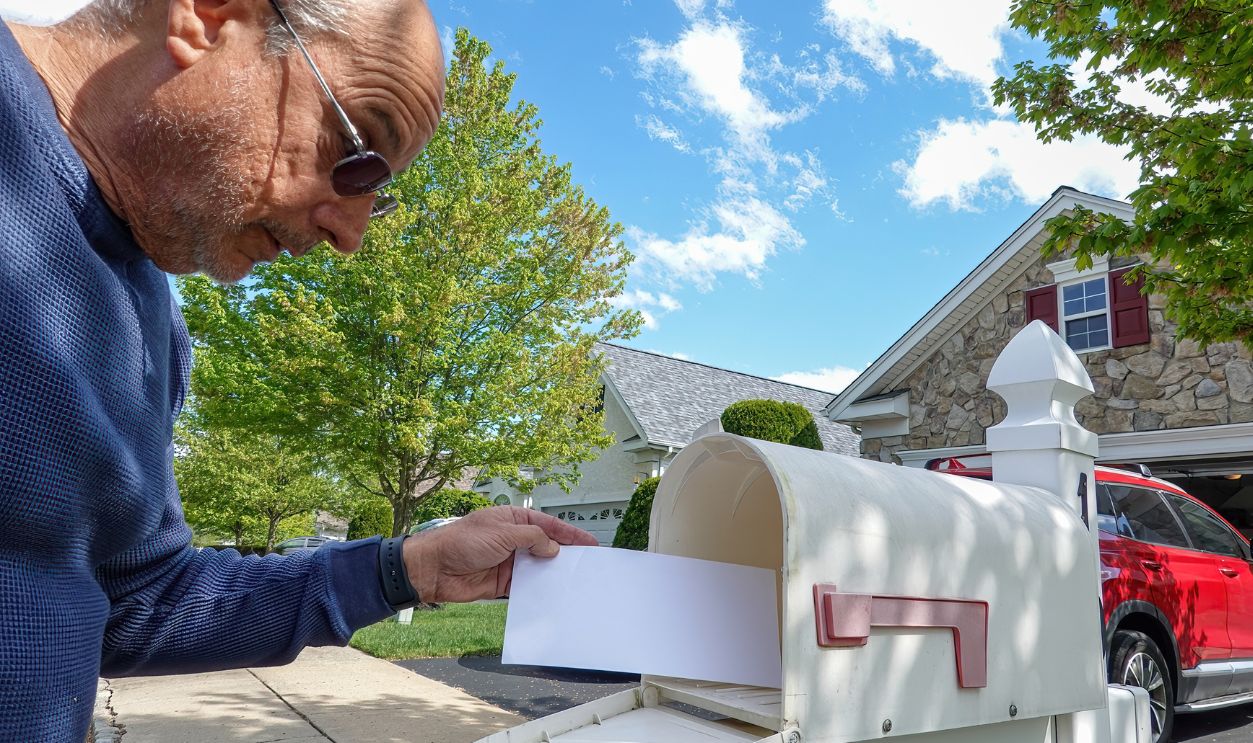
Unfortunately, cloned plates may continue generating tickets until the problem is resolved. Monitor your mail carefully over the following weeks and months. Report any new incidents immediately rather than assuming they will disappear on their own.
Protect Your Plates From Theft
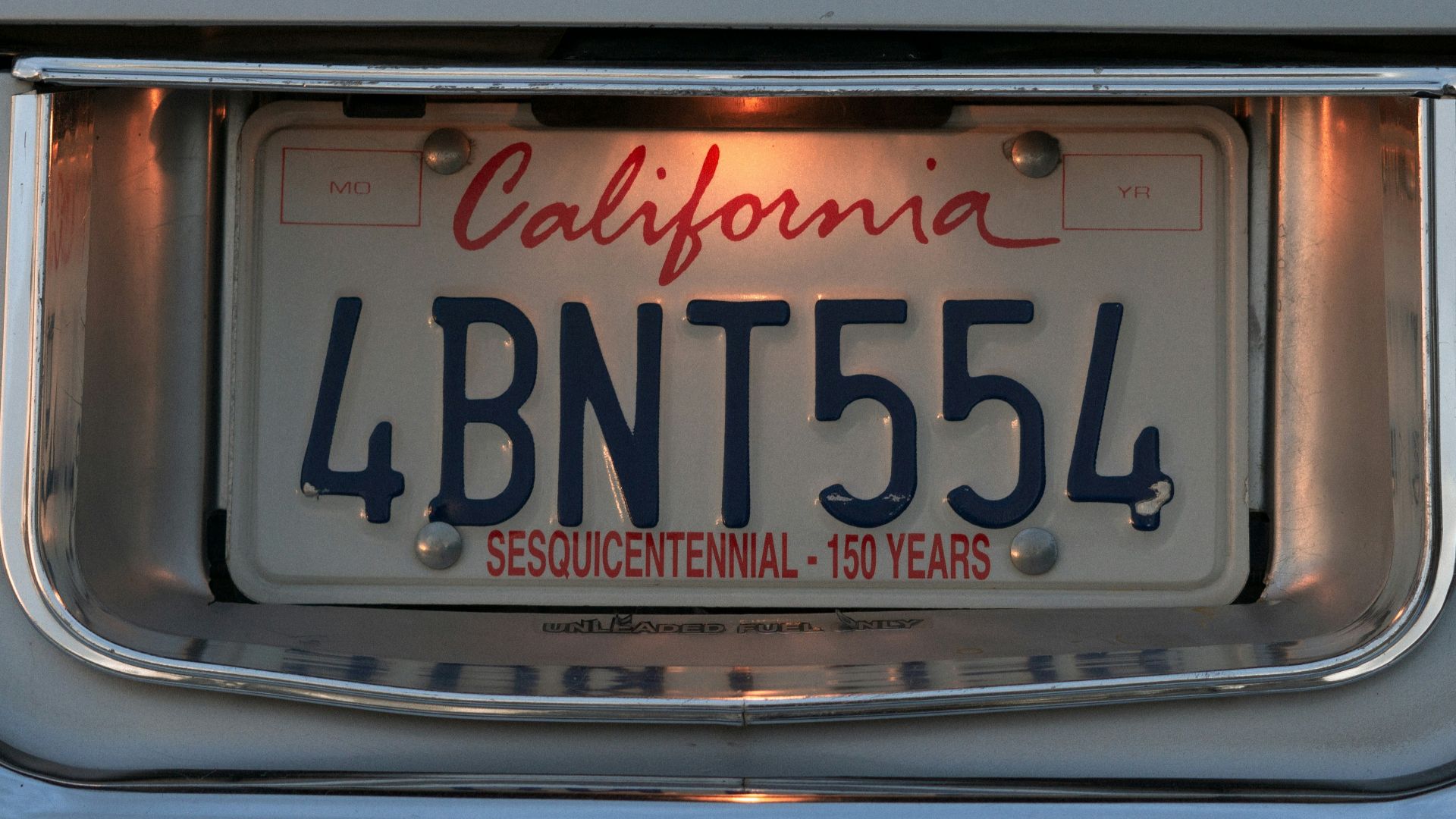
Standard license plate screws are easy to remove with common tools. Anti-theft screws or specialized fasteners can make stealing your physical plates more difficult. They cannot prevent every crime, but they may discourage opportunistic thieves.
Be Careful Where You Park
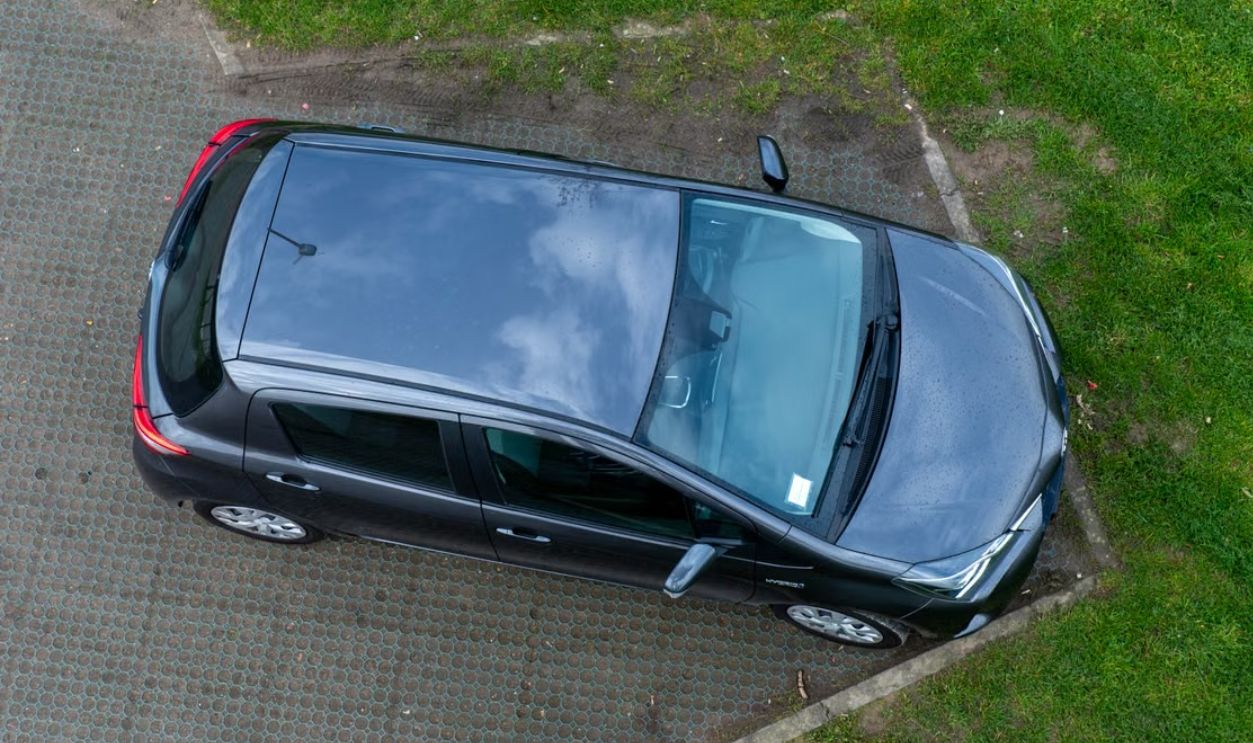
Vehicles left for long periods in isolated locations may be easier targets for plate theft. Whenever possible, park in well-lit areas or monitored parking facilities. Visible security cameras may also discourage criminals.
Know The Difference Between Plate Theft And Plate Cloning
Sometimes criminals physically steal someone's plates and install them on another vehicle. In other cases, they simply manufacture counterfeit copies while leaving the original plates untouched. Both situations can lead to innocent owners receiving citations.
VIN Cloning Is A Different Scam
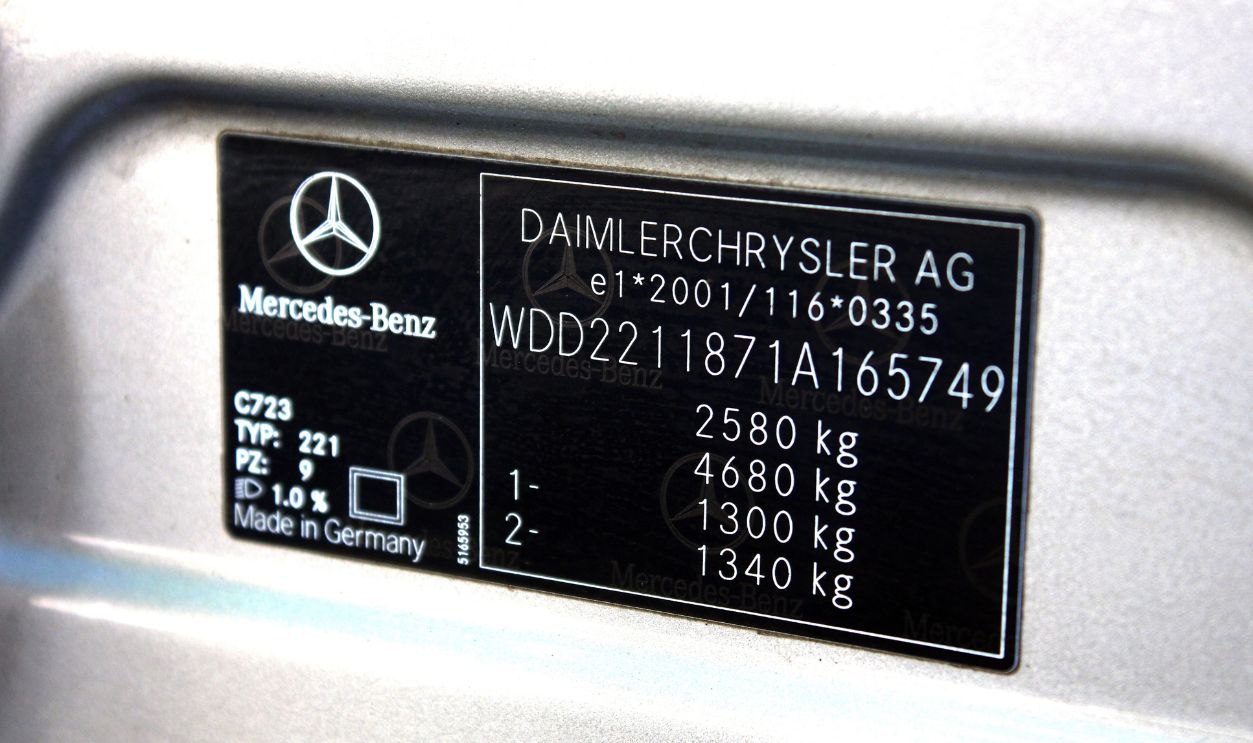
License plate cloning is separate from VIN cloning, although organized criminals sometimes use both schemes together. VIN cloning involves replacing a stolen vehicle's identification number with one copied from a legitimate vehicle. The National Insurance Crime Bureau warns buyers to verify vehicle identities carefully before purchasing used cars.
Why Investigators Need Your Help
Police cannot always identify the cloned vehicle immediately. Information you provide about your own vehicle's appearance, location, and travel history helps eliminate your car from suspicion. Cooperation can speed up the investigation.

Keep Driving Legally
Being a victim does not exempt you from normal traffic laws. Continue carrying your registration, insurance documents, and driver's license whenever you drive. If an officer stops you because of the cloned plate, calmly explain the situation and provide your police report number if available.
Do Not Ignore Future Contact
Investigations involving cloned plates sometimes continue for months. Respond promptly if investigators request additional information. Keeping communication open helps demonstrate your willingness to resolve the matter.

Prevention Is Better Than Cleanup
No one can completely prevent criminals from copying a plate number they see in public. Still, promptly reporting suspicious activity, securing your plates, and acting quickly after discovering fraud can significantly reduce the headaches that follow. Fast action gives investigators the best chance of separating your legitimate vehicle from the criminal's copy.

You May Also Like:
The Cars That Are The Most Frequently Targeted In America Today