My Friend Says Long Car Loans Are A Debt Trap
That warning sounds dramatic, but it is not completely wrong. A loan longer than 60 months can make a car feel affordable while quietly raising the odds that you owe more than the vehicle is worth. The key point is that a long term is not automatically a disaster, but it can absolutely become one if the numbers are tight from the start.
 Gustavo Fring, Pexels, Modified
Why This Question Keeps Coming Up
Car prices have stayed high, and many shoppers have responded by stretching payments over more months. Experian’s auto finance reports have shown that 72 month and 84 month loans still make up a meaningful share of the market. That matters because a lower monthly payment can hide a much higher total cost.

The Monthly Payment Trick
The biggest draw of a long loan is simple. Spreading the balance over six or seven years can shrink the payment enough to fit a strained budget. The problem is that a smaller payment can push buyers to focus on the monthly number instead of the full price of the car, the interest rate, and how long they will be paying.

What The Data Shows About Loan Length
Experian has tracked average new-car loan terms above five years for a long time. In recent reports, the average new-car loan term has landed around 68 months, which means loans beyond five years are not unusual. They are normal, and that is why this issue keeps coming up.

When Longer Terms Became Normal
This did not happen overnight. As vehicle prices climbed and monthly payment pressure got worse, lenders and dealers leaned harder on 72 month and even 84 month terms to keep deals moving. The Consumer Financial Protection Bureau has warned that longer loans can cut monthly payments while increasing the chance of negative equity for more of the loan’s life.

Negative Equity Is The Real Danger
If there is one phrase to remember, it is negative equity. That means you owe more on the loan than the car is worth. The CFPB has specifically pointed out how long loan terms can leave borrowers upside down for a longer stretch, which becomes a problem if you need to sell, trade in, or if the car is totaled.

Cars Depreciate Faster Than Most Loans Shrink
Cars lose value quickly, especially in the first few years. Your loan balance, meanwhile, falls at the pace set by your payment schedule and interest charges. Put those two facts together and a long term can leave you underwater for years, even if you never miss a payment.
Interest Is The Quiet Budget Killer
A longer loan term usually means paying more interest overall, even if the rate stays the same. The CFPB’s auto loan guidance makes this point clearly. You may get a lower monthly payment, but you often end up spending more over time.

A Six Or Seven Year Loan Does Not Always Mean Trouble
Your friend’s claim goes too far if he says everyone who finances longer than five years is doomed. Some buyers put a large down payment on a reasonably priced car, get a low rate, and keep the vehicle for many years. In that case, a long term can be manageable, though it still deserves a careful look.

Where Long Loans Usually Go Wrong
The trouble starts when several risky ingredients get mixed together. A small down payment, a high interest rate, an expensive vehicle, and a long term can create a shaky deal fast. Add a trade-in with old negative equity rolled into the new loan, and the borrower can be buried before the first oil change.

Rolling Old Debt Into A New Car
This is one of the riskiest moves in auto finance. The Federal Trade Commission warns buyers to watch for situations where debt from an old vehicle gets folded into a new loan. That can push the amount financed far above the new car’s value and make it much harder to escape the cycle.

The Seven-Year Loan Warning Sign
An 84 month loan should make you stop and think. It exists because modern vehicles cost so much that some buyers cannot reach a tolerable payment any other way. But the longer the term, the longer life has to interfere through job changes, repairs, accidents, or the simple urge to replace the car before the loan is gone.

Repairs Can Collide With Payments
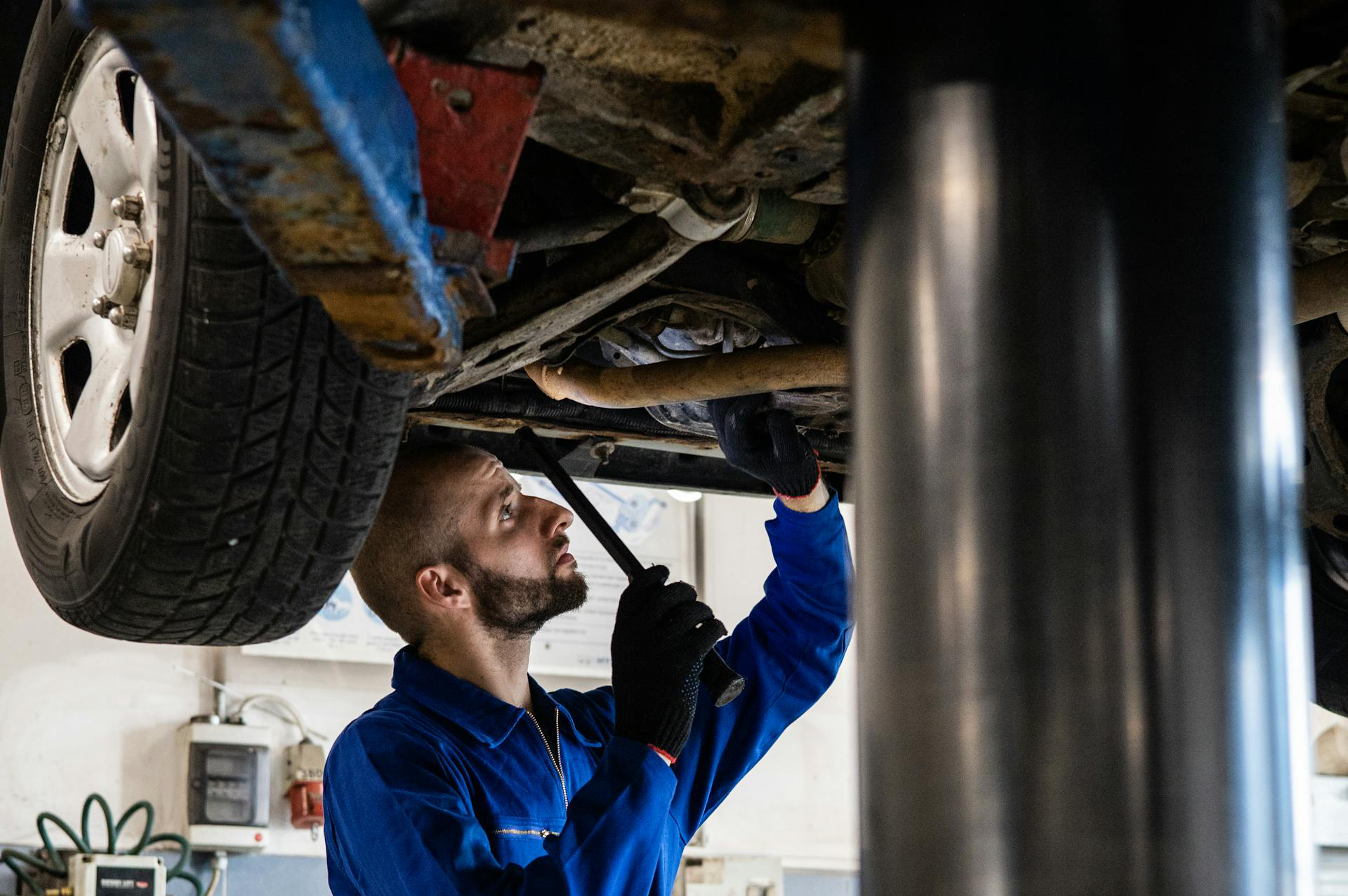
One ugly possibility with very long loans is paying for repairs while still making monthly payments. If you keep a car into years six and seven of a loan, age-related maintenance may start stacking up. That means you can end up paying interest on an aging asset while also paying for tires, brakes, suspension work, or bigger fixes.
Why GAP Insurance Even Enters The Conversation
GAP coverage exists for a reason. If your car is stolen or totaled, standard insurance usually pays the vehicle’s market value, not your full loan balance. When a long loan leaves you upside down, GAP can be what keeps an accident from turning into a debt bill for a car you no longer own.
How Lenders Look At The Deal
Lenders do not approve loans based on vibes. They look at credit, income, debt obligations, the vehicle, and loan-to-value risk. The CFPB has noted that longer terms can make approvals easier by lowering monthly payments, but that does not mean the deal is healthier for the borrower.

Used Cars Can Be Even Trickier
Long financing on a used car can be especially risky if the vehicle is already several years old. You might still owe money when the car is deep into high-maintenance territory. That can leave you deciding whether to pour more cash into a fading vehicle or replace it while still carrying debt.
There Is A Difference Between Affordable And Available
This is where many shoppers get trapped. A dealer may be able to structure a loan that gets the payment into your comfort zone, but that does not make the car truly affordable. Available financing is not the same thing as sound budgeting.

What A Safer Deal Usually Looks Like
A safer setup usually includes a modestly priced vehicle, a meaningful down payment, a competitive interest rate, and a term short enough to build equity at a reasonable pace. Many personal finance experts treat 60 months as a practical upper limit for most buyers, not because month 61 is cursed, but because risk tends to rise beyond that point. The shorter term also cuts total interest paid.

Why A Bigger Down Payment Changes Everything
Cash upfront can protect you from the worst part of long loans. A stronger down payment lowers the amount financed and can help you avoid immediate negative equity. It also gives you more flexibility if you need to sell or trade before the loan is over.

The APR Matters As Much As The Term
A long term with a very low rate may be less harmful than a shorter term with a terrible rate, but both numbers matter. The Federal Reserve’s consumer credit data and the broader rate environment help explain why this has become more painful as borrowing costs rose. When rates climb, extending the term gets even more expensive.

Watch The Total Cost, Not Just The Payment
The FTC and CFPB both urge buyers to review the full contract carefully. You want to know the total amount financed, the APR, the total of payments, and whether extras were added. A low monthly number can distract from thousands of dollars in added cost.

How To Tell If You Are Stretching Too Far
If the only way to afford the car is to finance it for 72 or 84 months, that is a flashing warning light. If you need to skip the down payment, accept a high APR, or count on future raises to make the budget work, the deal is probably too aggressive. A car should support your life, not hold your finances hostage.

There Are Cases Where Longer Can Be Rational
Sometimes the math works. A buyer with excellent credit might qualify for a low promotional rate and choose a longer term while making extra principal payments and keeping cash reserves intact. That is very different from using a long term to force an overpriced vehicle into a budget that cannot really support it.

What Extra Payments Can Do
Making extra principal payments can turn a long loan into a more flexible tool instead of a trap. You keep the lower required payment for emergencies, but you aim to pay the balance down faster in normal months. Just make sure the lender applies the extra amount to principal and does not impose a prepayment penalty.

The Trade-In Timeline Matters More Than People Think
Many people do not keep cars as long as their loans. If you take a 72 month loan but expect to trade the vehicle in after three or four years, you raise the odds that negative equity follows you into the next purchase. That is one of the clearest ways long loans turn into rolling debt.
So Is Your Friend Right
He is directionally right, but too absolute. Financing a car for more than five years can trap people in debt, especially when paired with high prices, weak down payments, high rates, or frequent trading. But a long loan is not automatically a financial prison if the buyer keeps the vehicle for a long time, gets a good rate, puts money down, and avoids buying too much car.

The Best Rule To Follow Before You Sign
Ignore the sales pitch and test the deal with a simple question. Are you choosing the longer term as a strategy, or because it is the only way the payment looks survivable? If it is the second one, your friend’s warning is probably worth taking seriously.