The Road To Safer Driving
Cars were once little more than engines, wheels, and optimism. Early drivers had plenty of style, but not much protection. Over the decades, engineers turned the automobile from a beautiful hazard into a rolling survival cell packed with sensors, clever structures, and split-second electronic helpers. Here are 25 safety innovations that genuinely changed how we drive.

Laminated Safety Glass
Before laminated glass, a shattered windshield could become a glittering storm of danger. Laminated safety glass sandwiches plastic between layers of glass, helping the windshield hold together in a crash. It also keeps occupants from being thrown through the screen, which is a fairly big improvement over “good luck.”
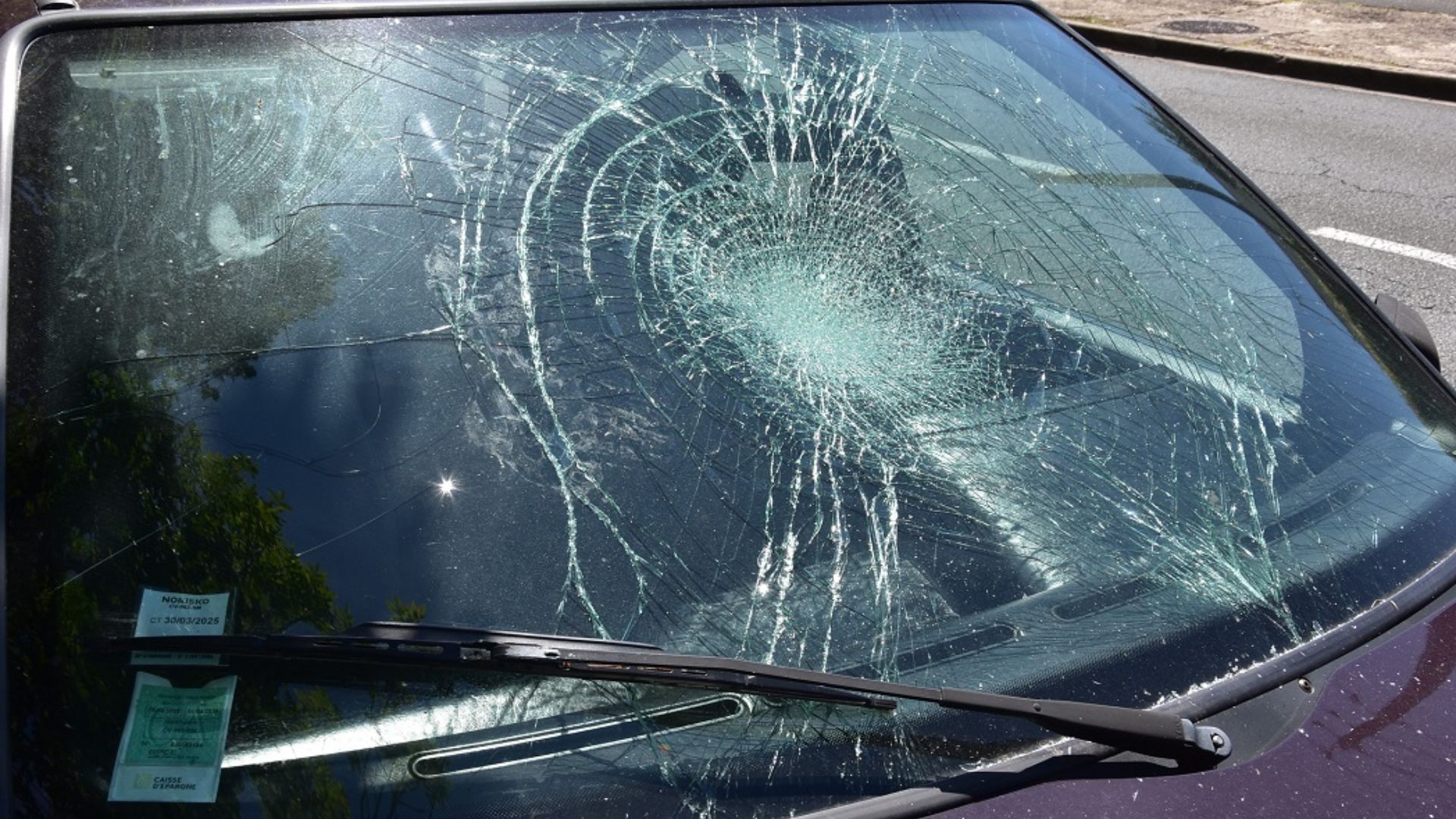 Dacia 1410 Sport, Wikimedia Commons
Hydraulic Brakes
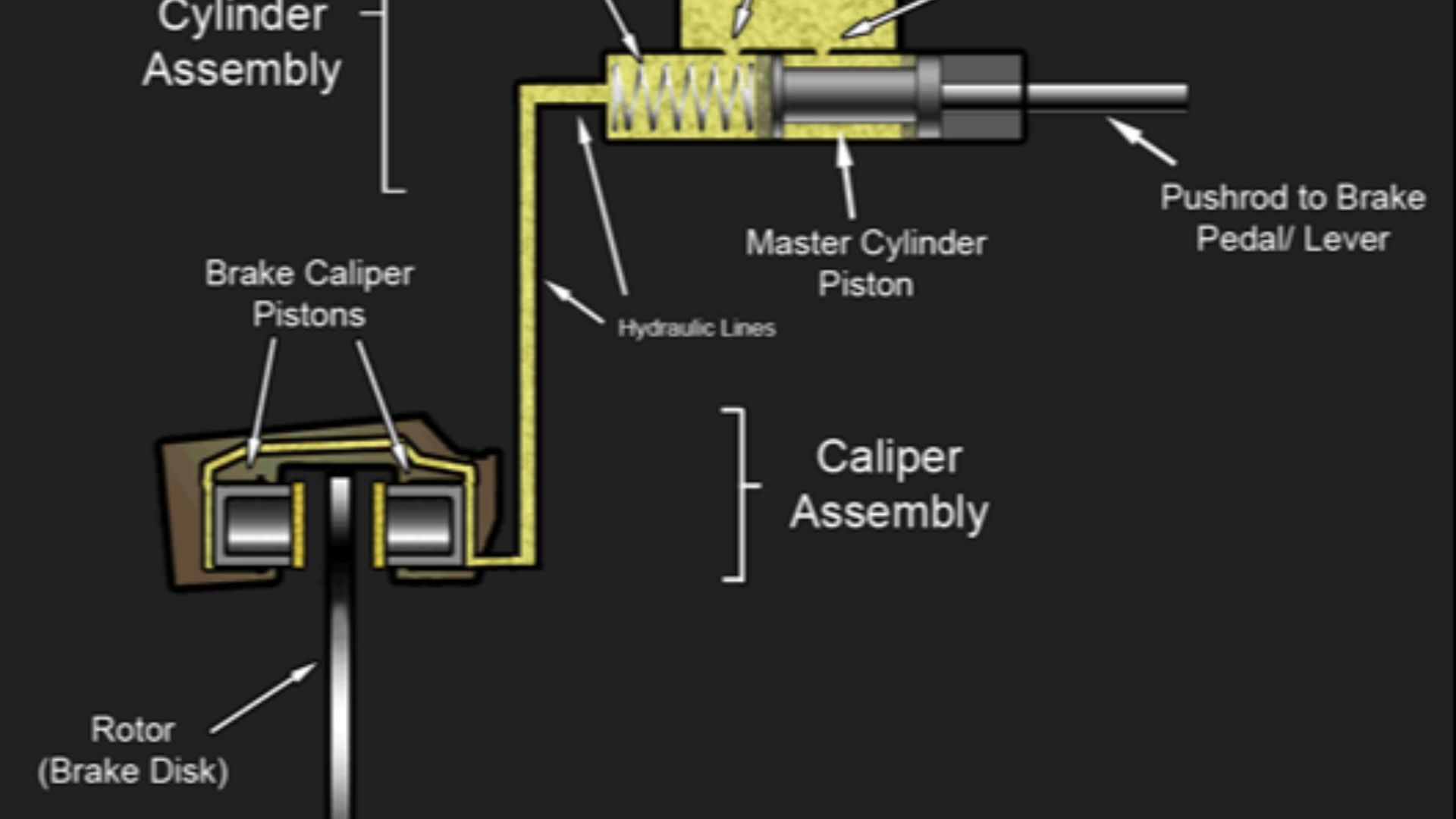
Hydraulic brakes made stopping smoother, stronger, and more predictable. Instead of relying on purely mechanical linkages, hydraulic pressure helped distribute braking force more evenly. That meant drivers could slow heavy cars with more confidence, especially as vehicles became faster, larger, and more common on busy roads.
Turn Signals
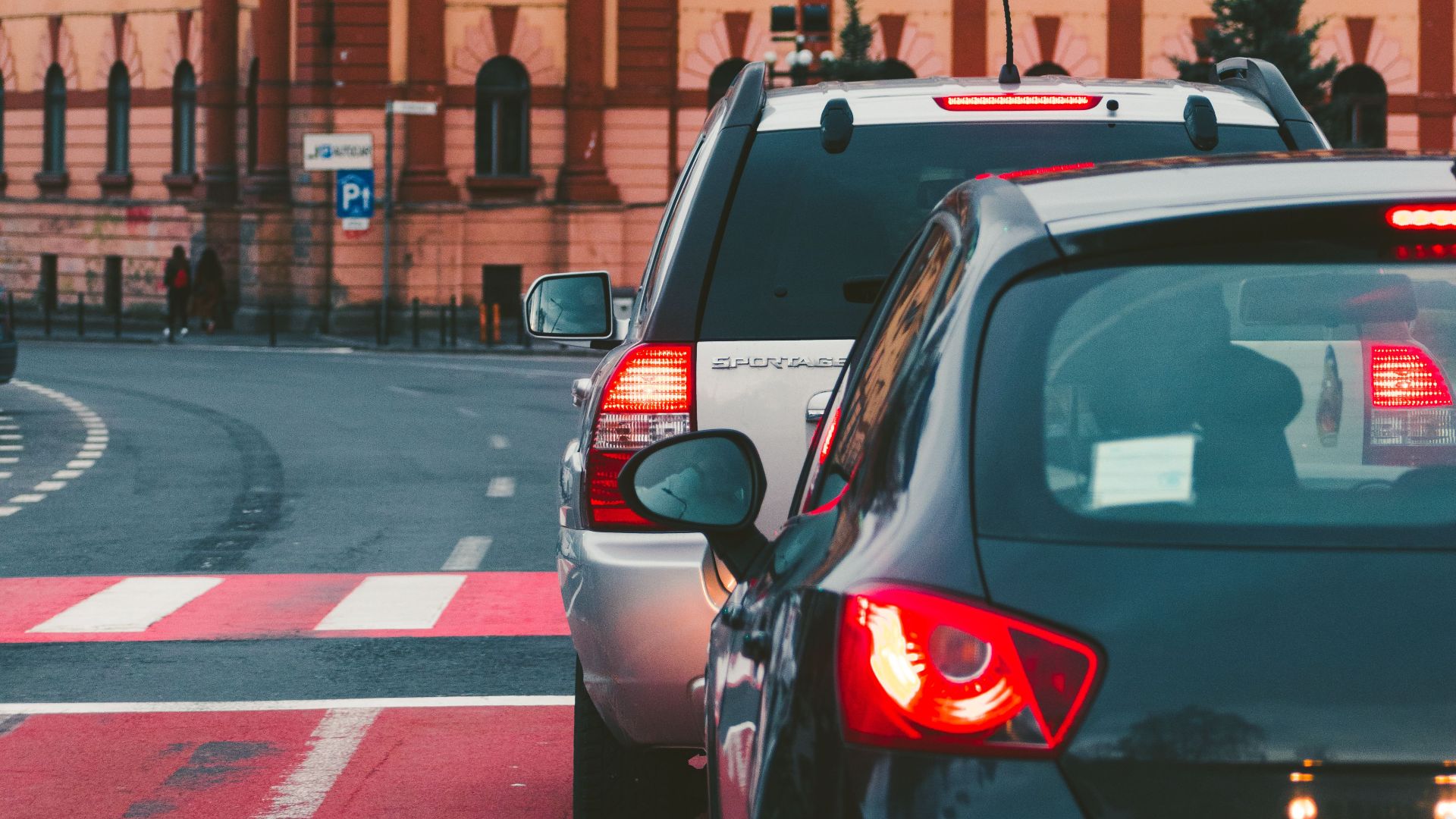
Hand signals had charm, but they also required drivers to stick an arm into weather, traffic, and uncertainty. Electric turn signals made intentions clearer and quicker. A blinking light may seem simple, but it transformed road communication and helped drivers stop guessing what everyone else was about to do.
Padded Dashboards
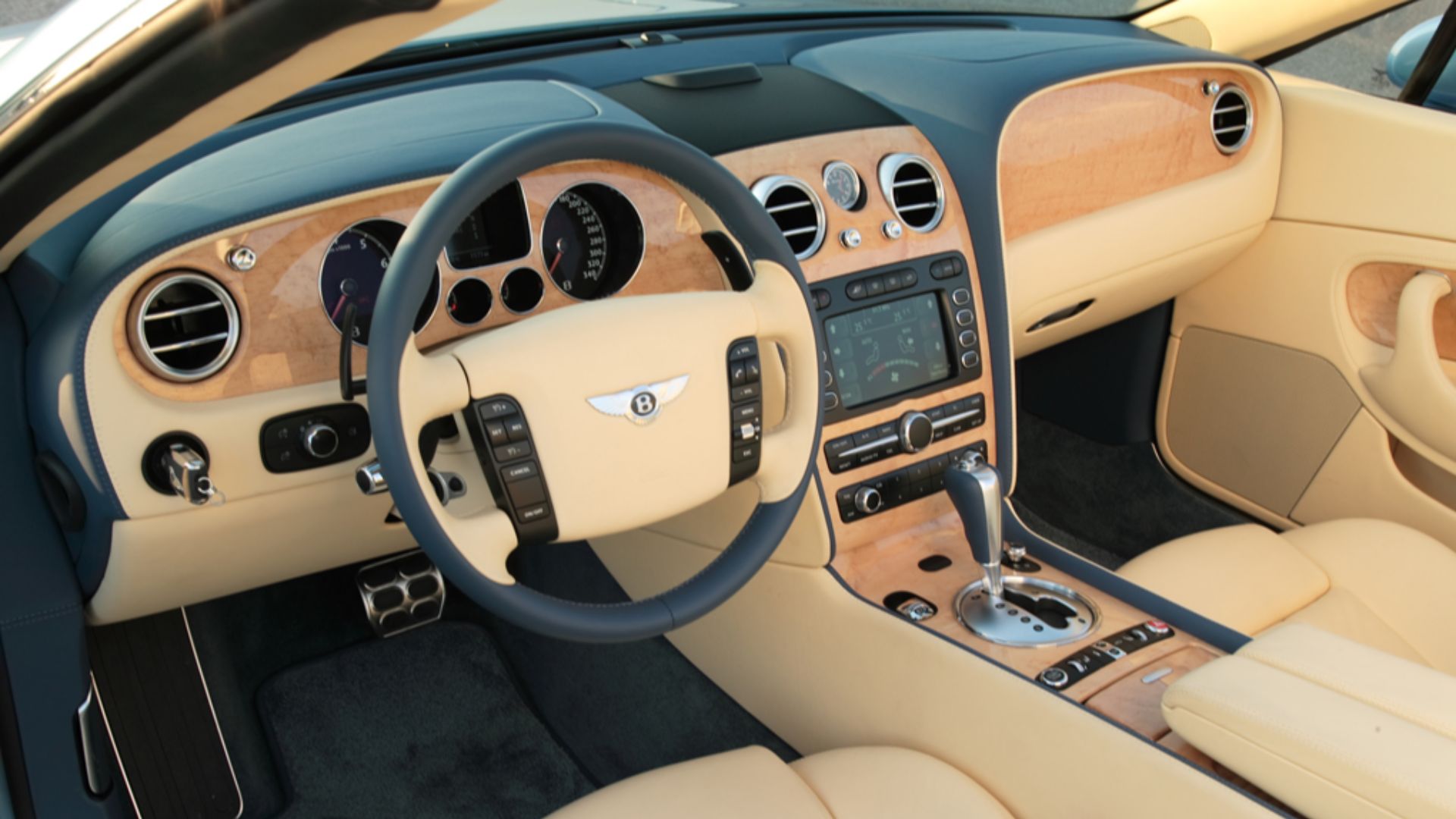
Old dashboards could be hard, shiny, and about as forgiving as a kitchen counter. Padded dashboards softened one of the main impact zones inside the cabin. This was a quiet kind of progress: not flashy, not glamorous, but very welcome when things went wrong.
Collapsible Steering Columns
Rigid steering columns were once terrifying in frontal crashes, because the column could be driven backward toward the driver. Collapsible steering columns were designed to absorb energy and reduce that danger. It was a major step toward making the cabin less hostile during an impact.
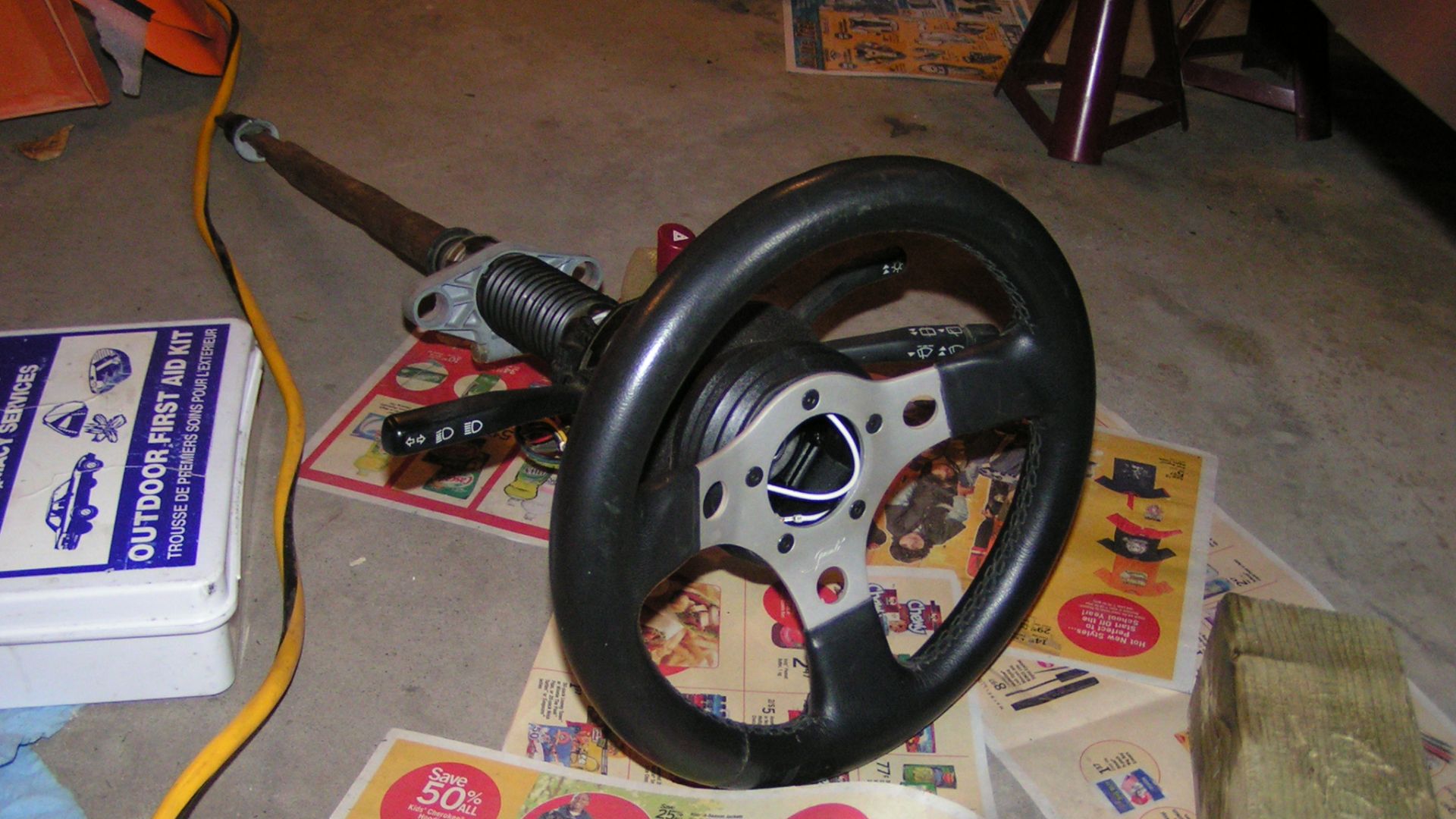 dave_7 from Lethbridge, Canada, Wikimedia Commons
Crumple Zones
For years, people thought a safer car had to be stronger and stiffer everywhere. Crumple zones flipped that logic. By letting the front and rear of the car deform in a controlled way, they help absorb crash energy while the passenger compartment stays protected.
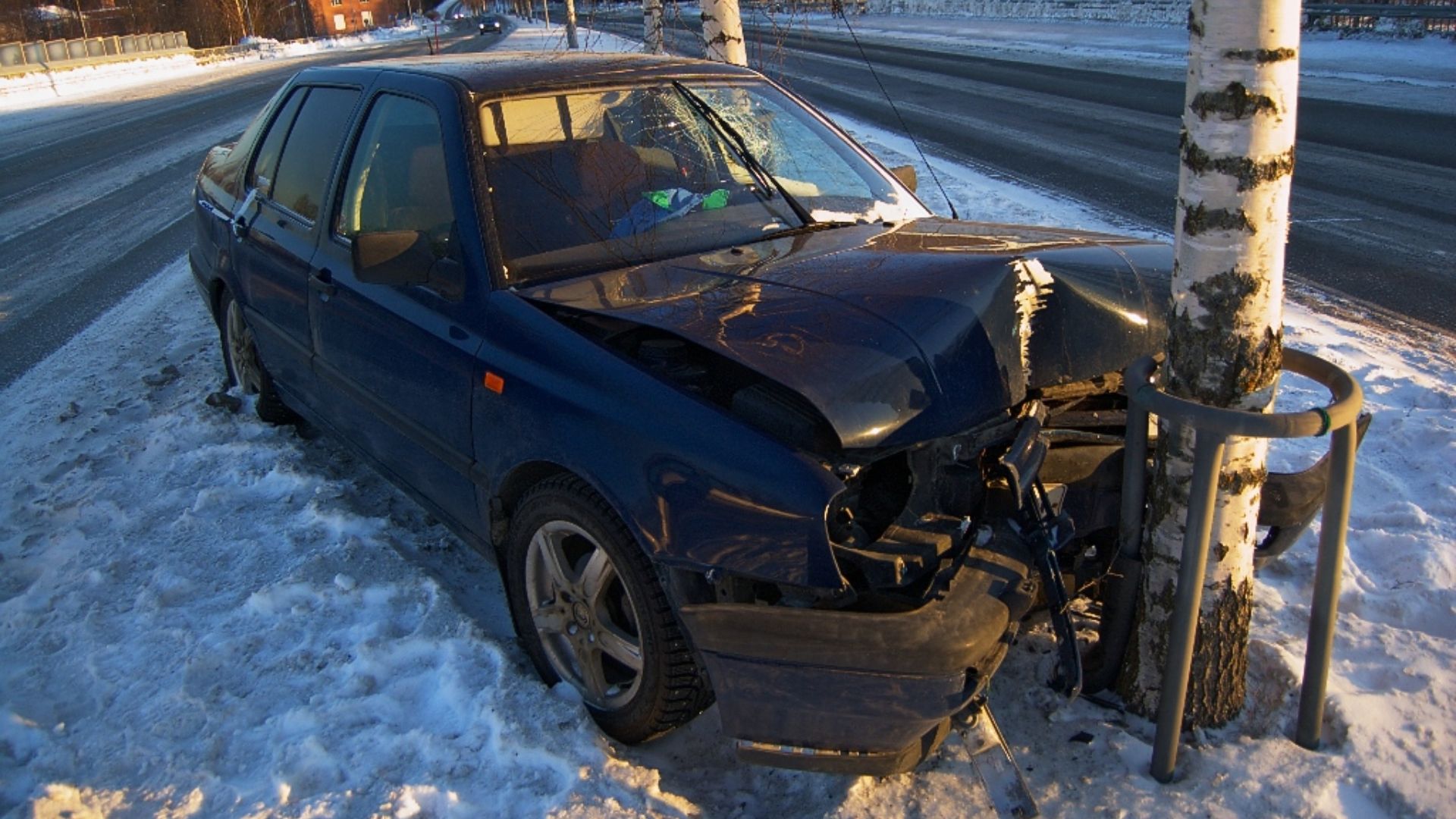 Janne. from Finland, Wikimedia Commons
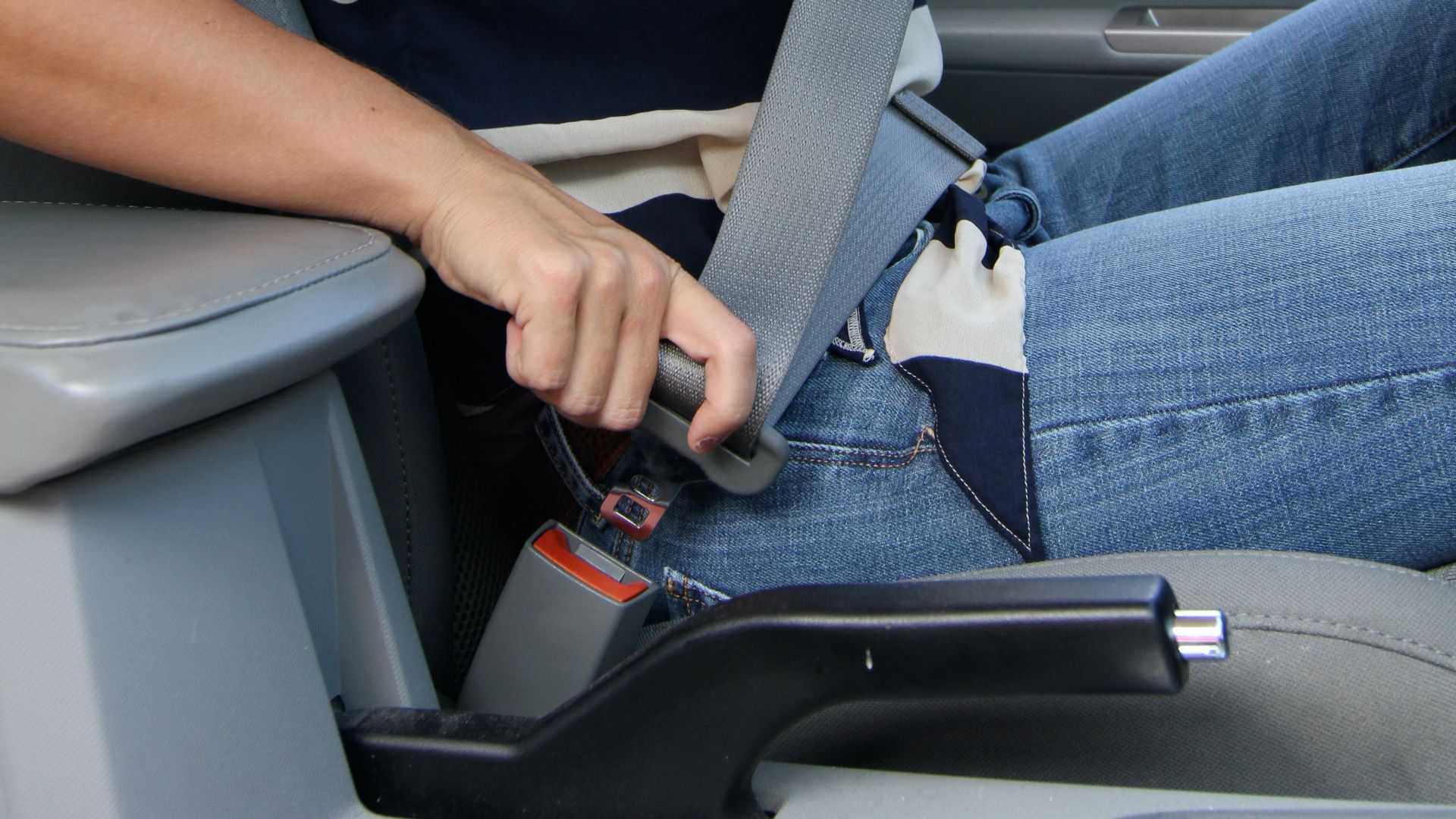
Three-Point Seat Belts
The three-point seat belt is the superhero of safety equipment wearing ordinary fabric. Introduced by Volvo in 1959, it spread across the industry and became one of the most important safety devices ever fitted to cars. Simple, cheap, and brilliant, it still saves lives every day.
Seat Belt Pretensioners
A seat belt works best when it is snug. Pretensioners tighten the belt almost instantly during a crash, pulling occupants into a safer position before the worst forces arrive. It is a tiny moment of choreography that can make a huge difference.
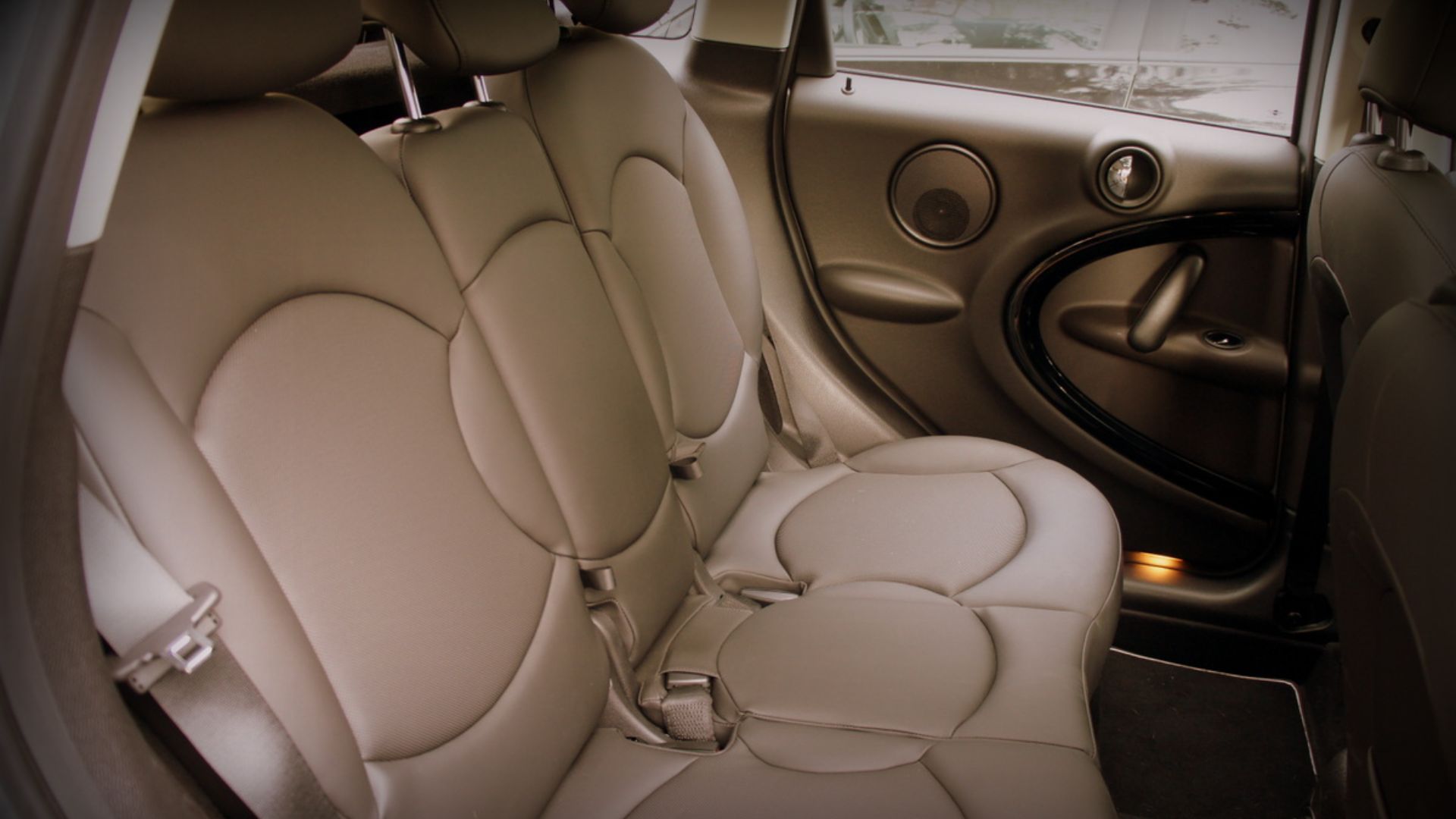 Michael Sheehan, Wikimedia Commons
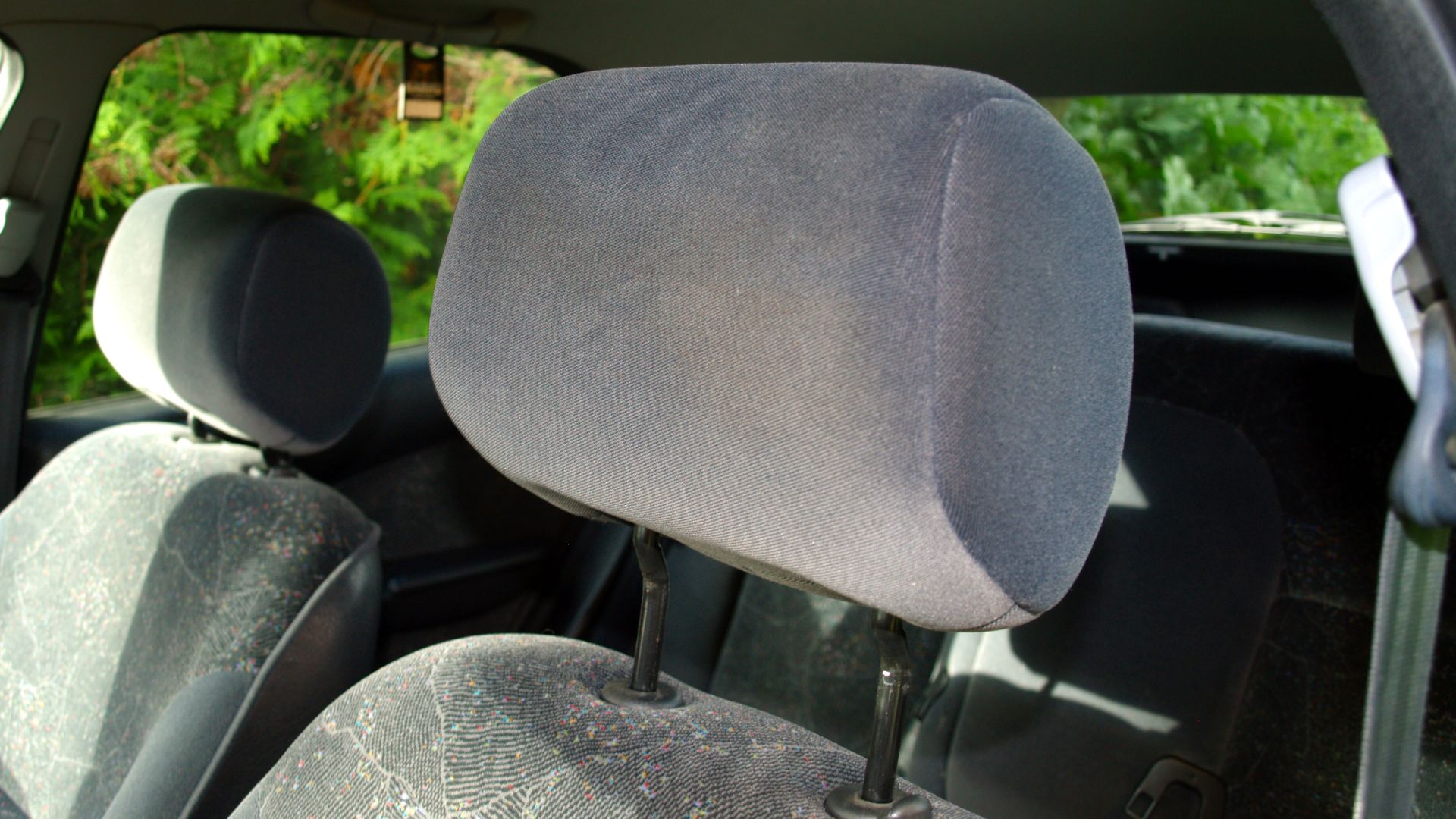
Head Restraints
Head restraints are not just pillows for bored passengers. They help reduce whiplash by limiting how far the head snaps backward in a rear-end collision. Properly adjusted, they are one of the simplest pieces of safety equipment drivers often forget they even have.
 Santeri Viinamäki, Wikimedia Commons
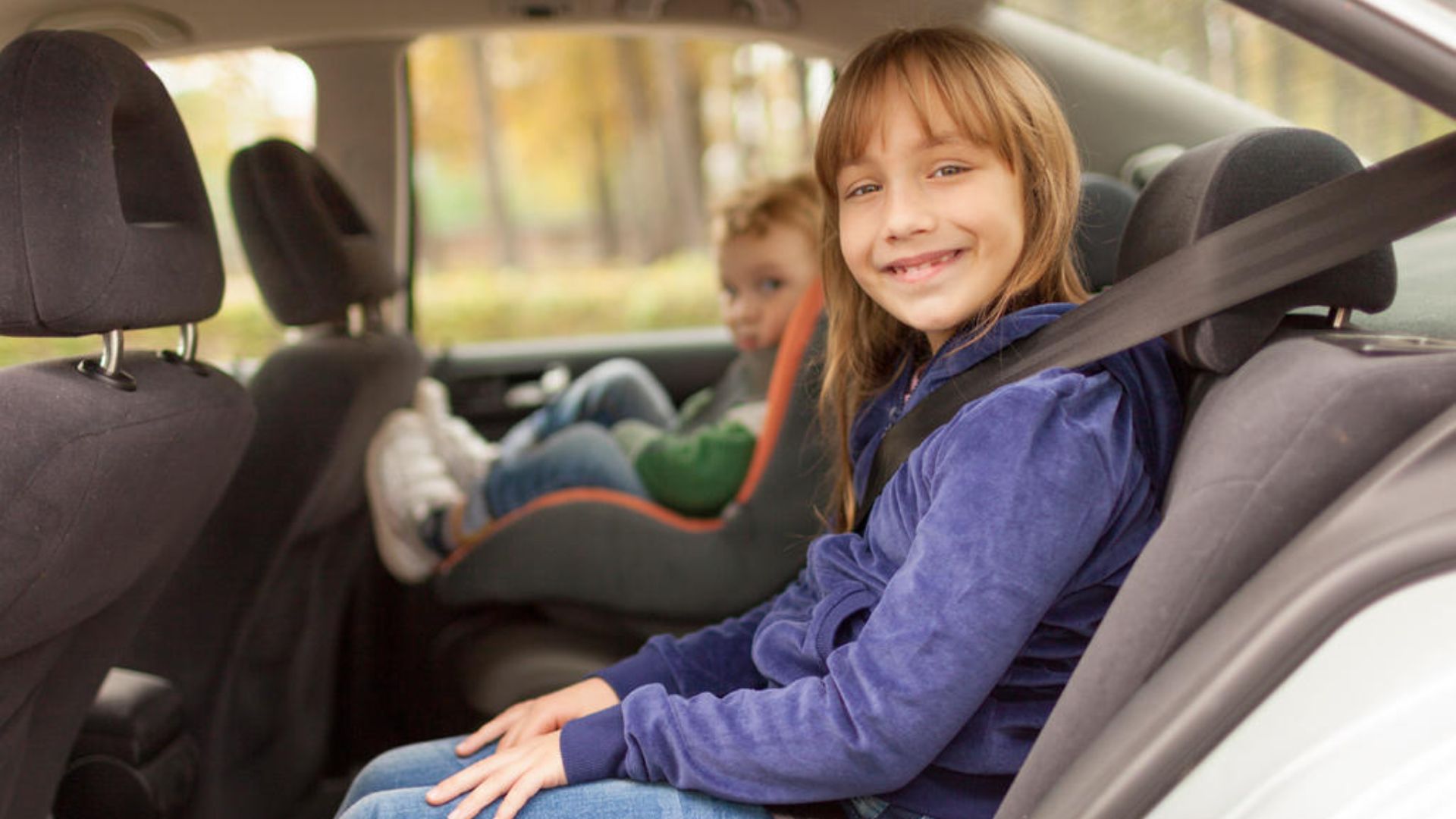
Child Safety Seats
Children are not just smaller adults, especially in a crash. Child safety seats use size-appropriate shells, harnesses, and positioning to protect young passengers properly. Rear-facing seats, boosters, and modern anchors have all helped make family travel far safer than it used to be.
Anti-Lock Braking Systems
ABS helps prevent wheels from locking during hard braking. Instead of skidding helplessly, the tires can keep gripping and steering. The result is a car that remains more controllable in panic stops, especially on slippery roads where old-school braking could turn dramatic very quickly.
 AlexanderFPbusse, Wikimedia Commons
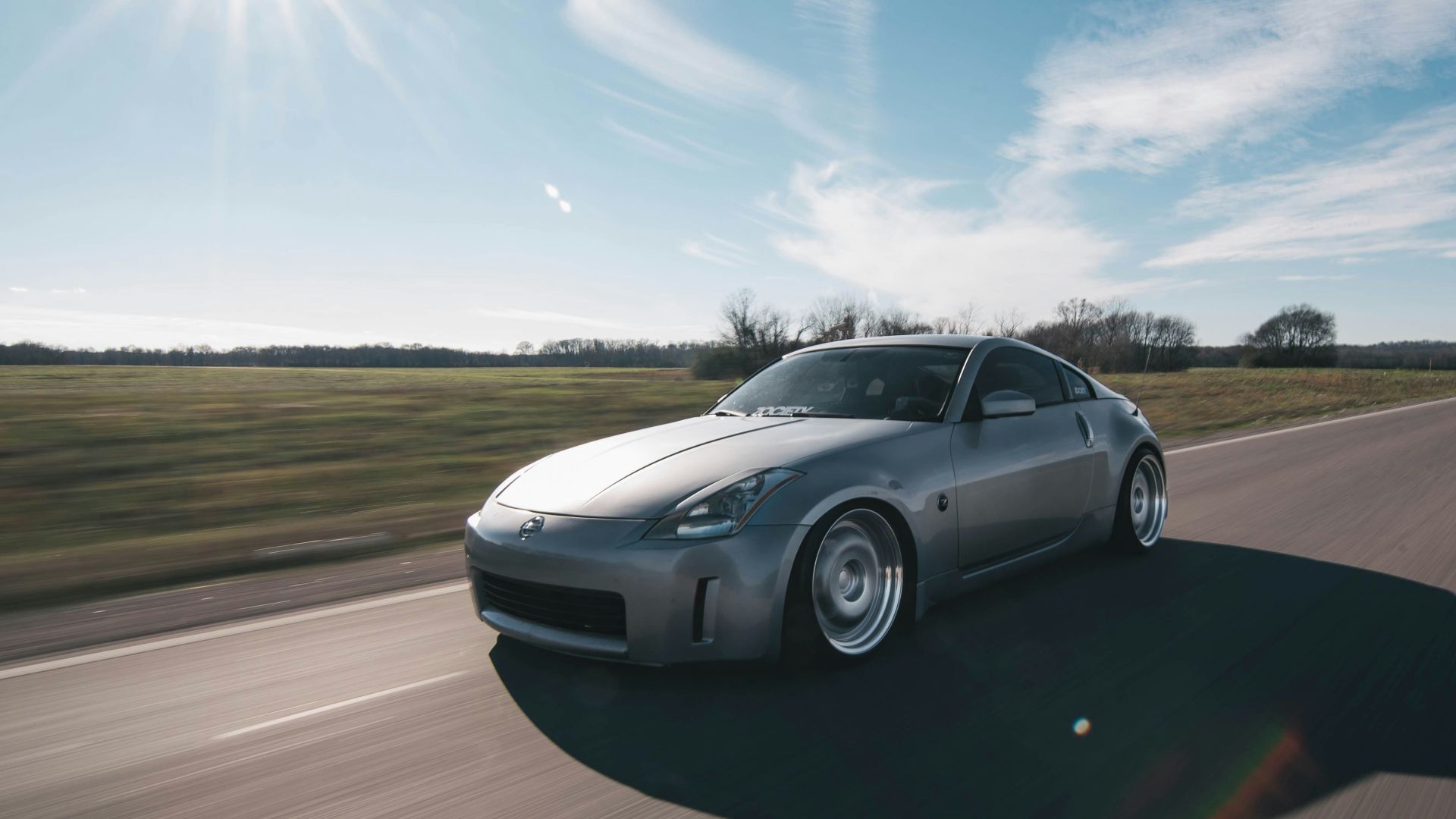
Traction Control
Traction control is the calm friend who stops you from doing something silly with the throttle. When wheels begin spinning, the system can reduce engine power or apply braking to regain grip. It made wet roads, snow, and overenthusiastic launches less eventful.
Driver Airbags
Airbags brought a new layer of protection to the steering wheel area. In a serious frontal crash, they inflate in milliseconds to cushion the driver. They are not a replacement for seat belts, but together the two became one of the great safety partnerships.
![The airbag of a SEAT Ibiza automobile, photographed about an hour after the car had been severely damaged in a road crash.
By 0.3 seconds after inflation, the bag is supposed to be empty.[1]
The driver crashed into the back of a Mercedes in a queue of tra](https://www.factinate.com/storage/app/media/driversdaily/2026/6/30/178278370011f657094320e6ec5f7d54cb379ec146f3285fde.jpg) Users Lupin, Arpingstone on en.wikipedia, Wikimedia Commons
Users Lupin, Arpingstone on en.wikipedia, Wikimedia Commons
Passenger Airbags
Once drivers had airbags, front passengers needed protection too. Passenger airbags helped extend frontal crash cushioning across the cabin. Their arrival also forced automakers to think more carefully about occupant size, seat position, and how airbags interact with children and smaller passengers.
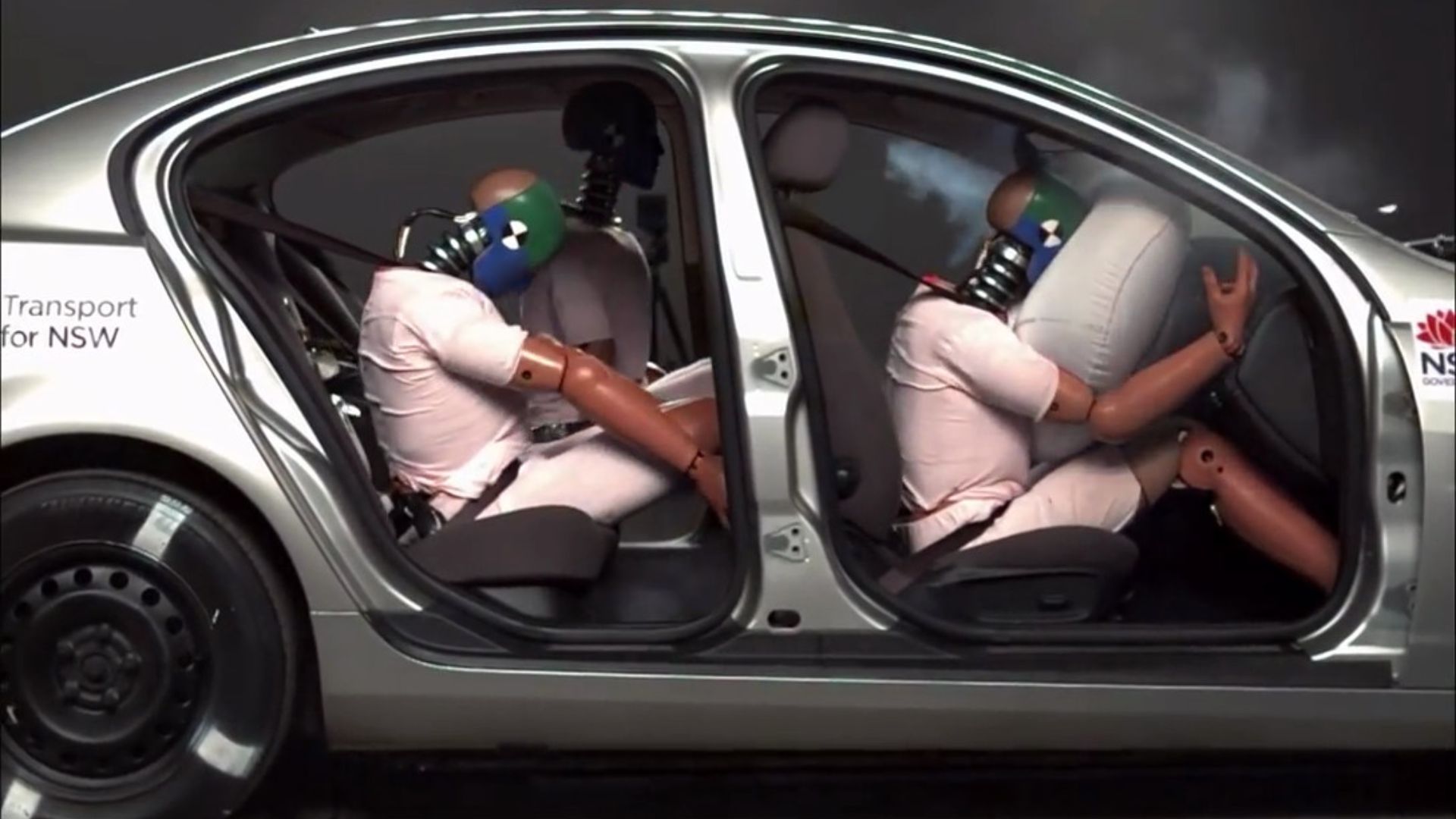 Transport For NSW (https://www.transport.nsw.gov.au/), Wikimedia Commons
Side-Impact Airbags
Side crashes leave very little metal between occupants and the outside world. Side-impact airbags help cushion the torso and pelvis when another vehicle comes calling from the wrong direction. They turned the side of the cabin into a more active line of defense.
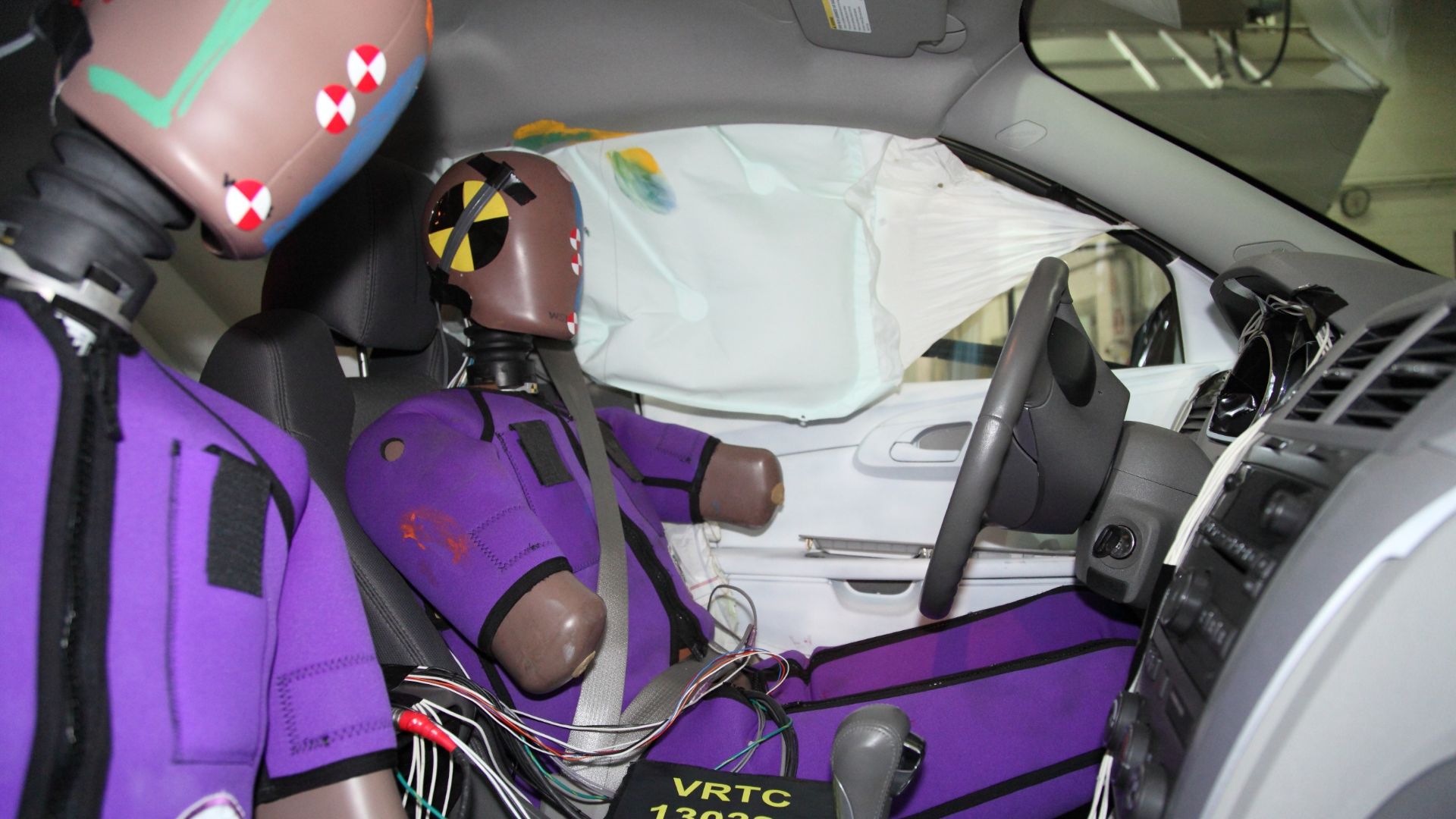 Vehicle Research & Testing Center, National Highway Traffic Safety Administration, Wikimedia Commons
Curtain Airbags
Curtain airbags drop down from above the side windows like emergency theatre drapes. They help protect heads in side impacts and rollovers, and they can reduce the chance of ejection. They are easy to ignore until the moment they matter enormously.
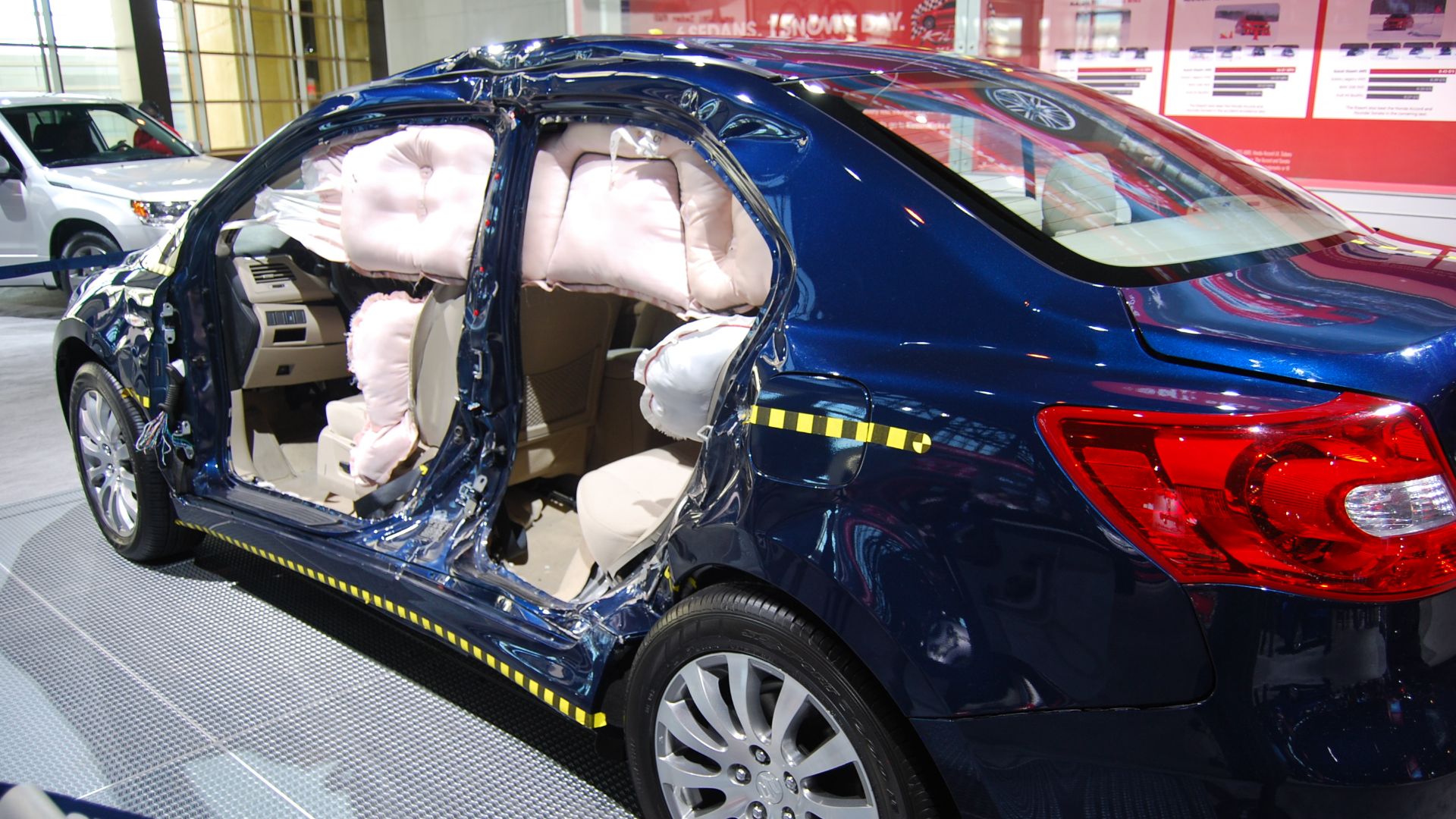
Electronic Stability Control
Electronic stability control watches where the driver wants the car to go and where the car is actually going. When those two ideas disagree, ESC can brake individual wheels and reduce engine power. It is especially valuable in skids, sudden swerves, and rollover-prone situations.

Rollover Protection
Rollovers are violent, messy, and especially dangerous. Stronger roof structures, curtain airbags, stability systems, and rollover sensors all help reduce the risk or consequences. Convertibles also gained pop-up roll bars, proving that open-air motoring and survival planning can coexist nicely.
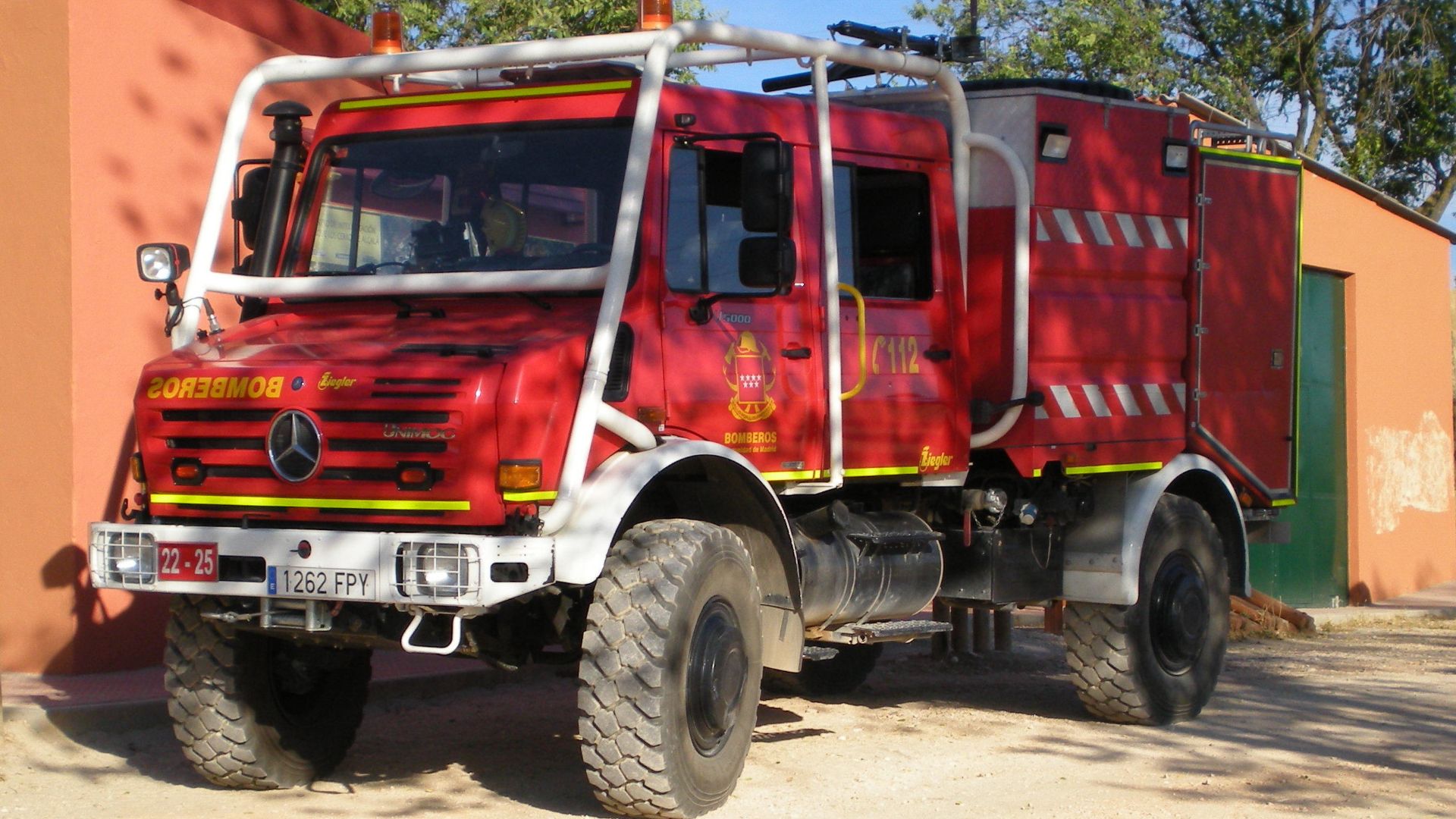
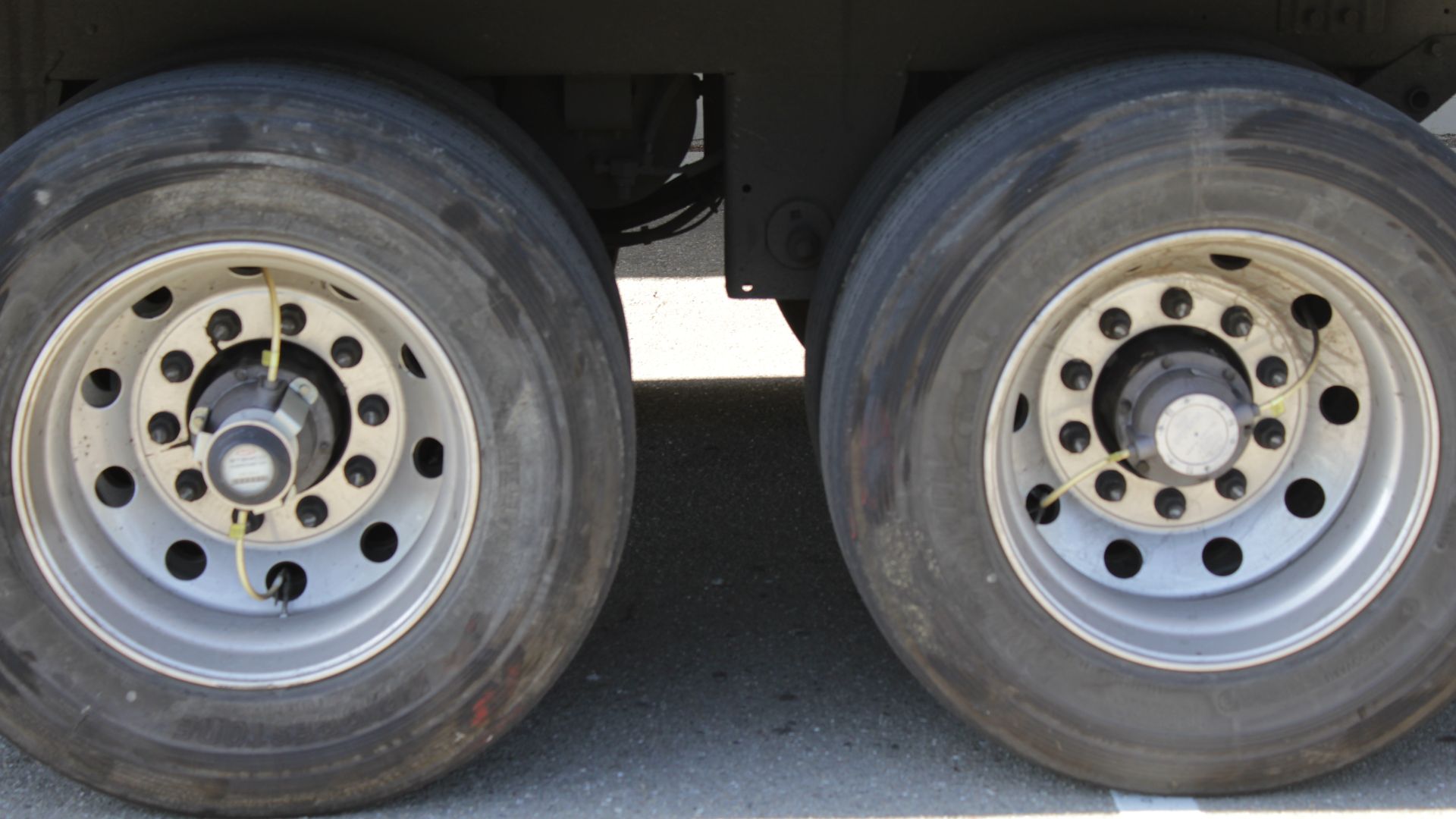
Tire Pressure Monitoring Systems
A soft tire can overheat, wear badly, and fail at the worst possible time. Tire pressure monitoring systems warn drivers when pressure drops too low. It is the dashboard’s way of saying, “Please deal with this before physics gets involved.”
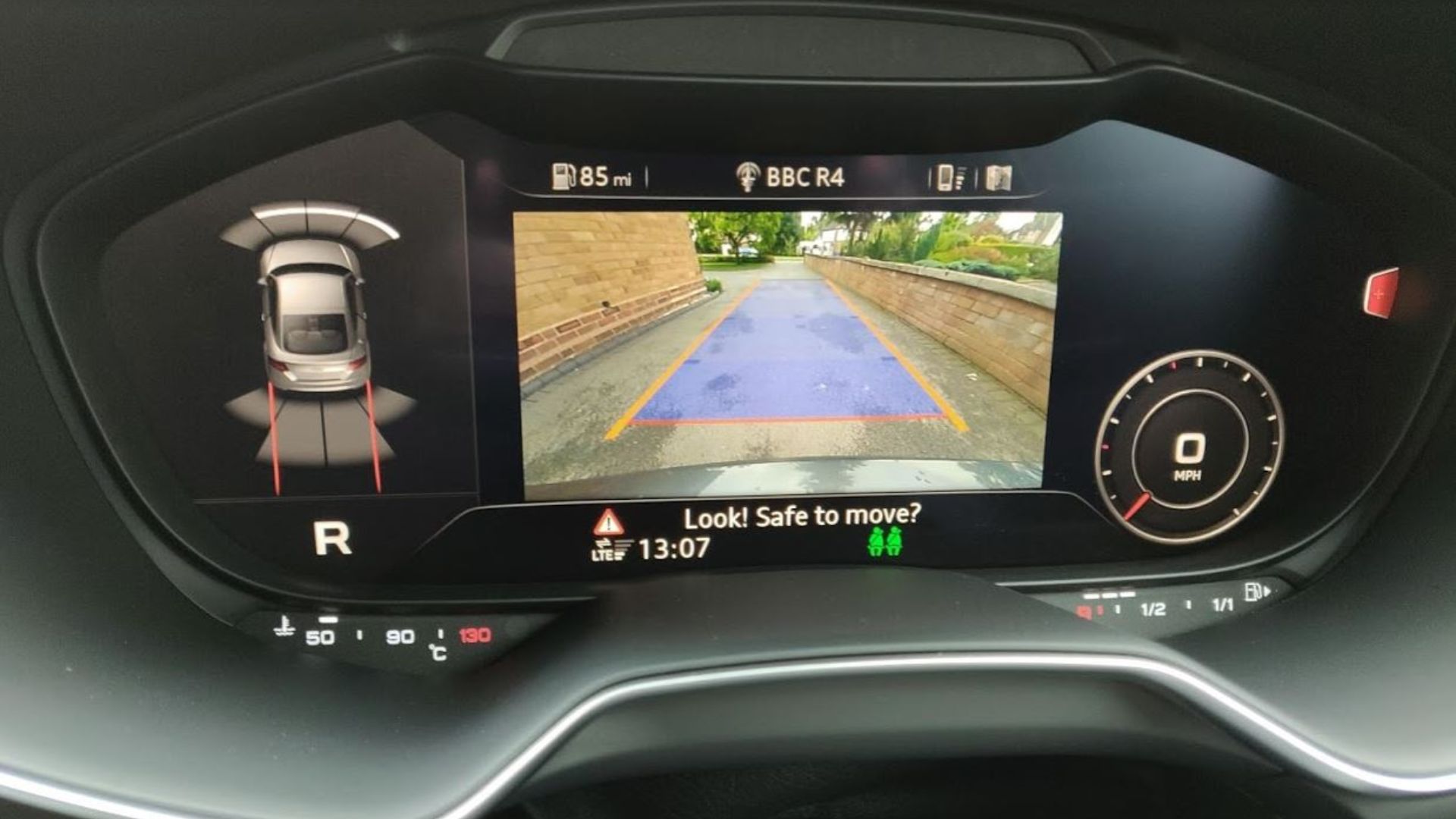
Backup Cameras
Backup cameras changed parking lots forever. They help drivers see children, pedestrians, pets, poles, and shopping carts hiding behind the vehicle. Once considered a luxury gadget, rear visibility technology became a mainstream safety feature because reversing should not involve blind faith.
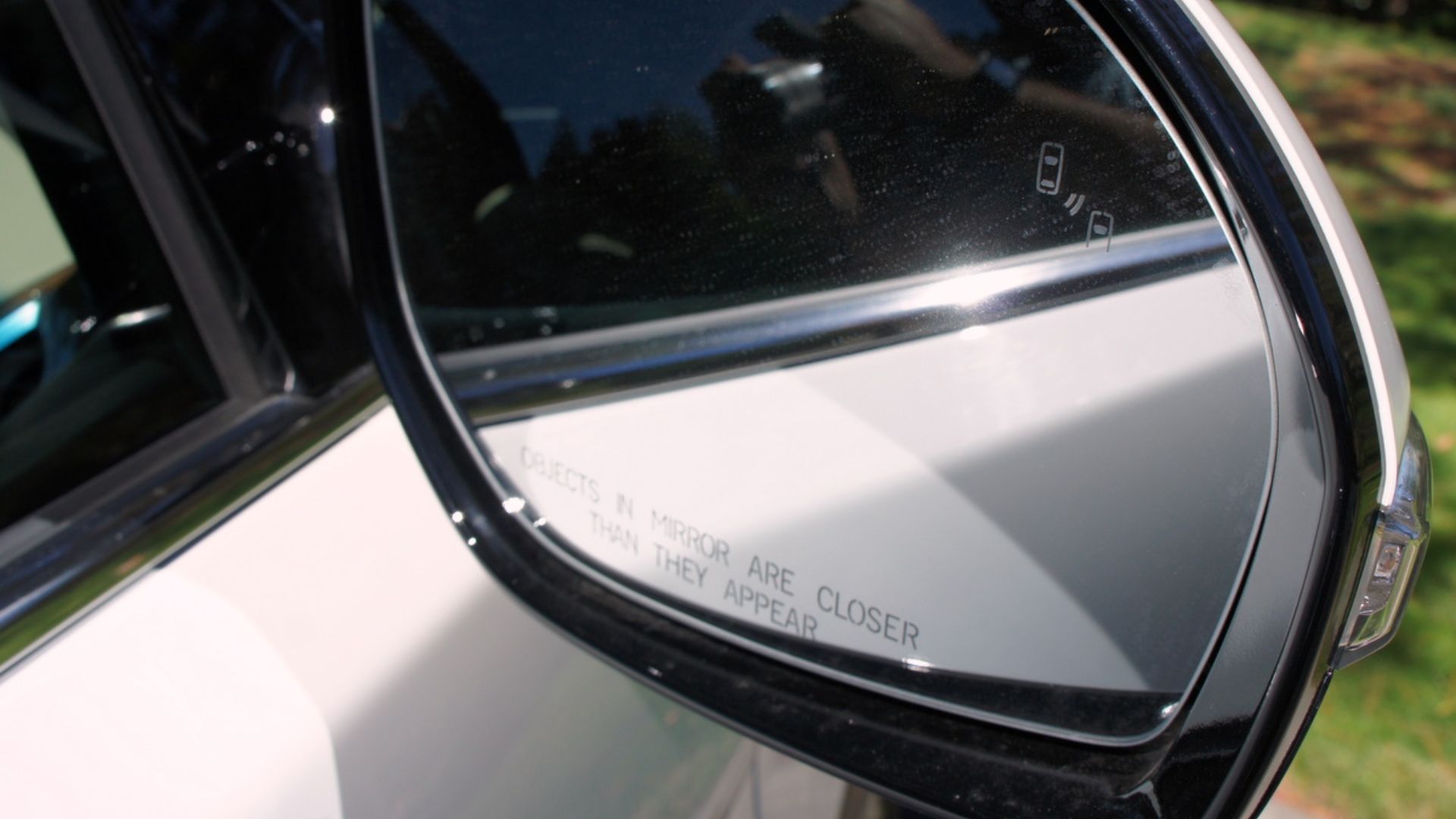
Blind-Spot Monitoring
Mirrors are useful, but they do not catch everything. Blind-spot monitoring uses sensors to warn when another vehicle is lurking where your mirror glance might miss it. It does not replace checking over your shoulder, but it is a valuable second set of eyes.
 Michael Sheehan, Wikimedia Commons
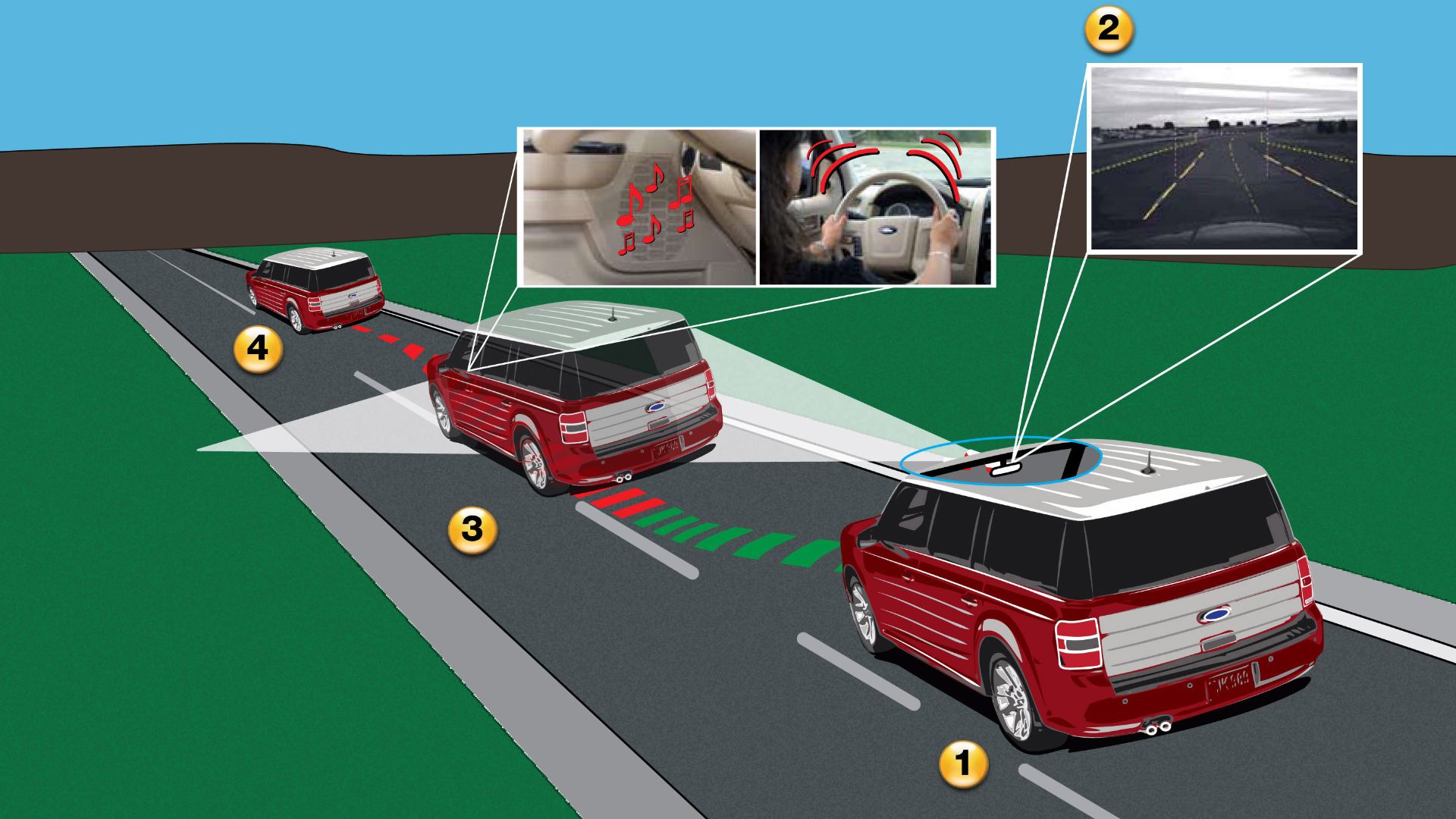
Lane Departure Warning
Lane departure warning systems notice when a vehicle drifts out of its lane without signaling. Some beep, some vibrate the steering wheel, and some feel like the car is clearing its throat politely. Either way, the message is simple: wake up, refocus, and steer.
 Ford Motor Company from USA, Wikimedia Commons
Lane Keeping Assist
Lane keeping assist goes one step beyond warning. It can gently steer the vehicle back toward the center of the lane. It is not self-driving, but it helps reduce the consequences of distraction, fatigue, or that one moment when the road markings wander away from your attention.
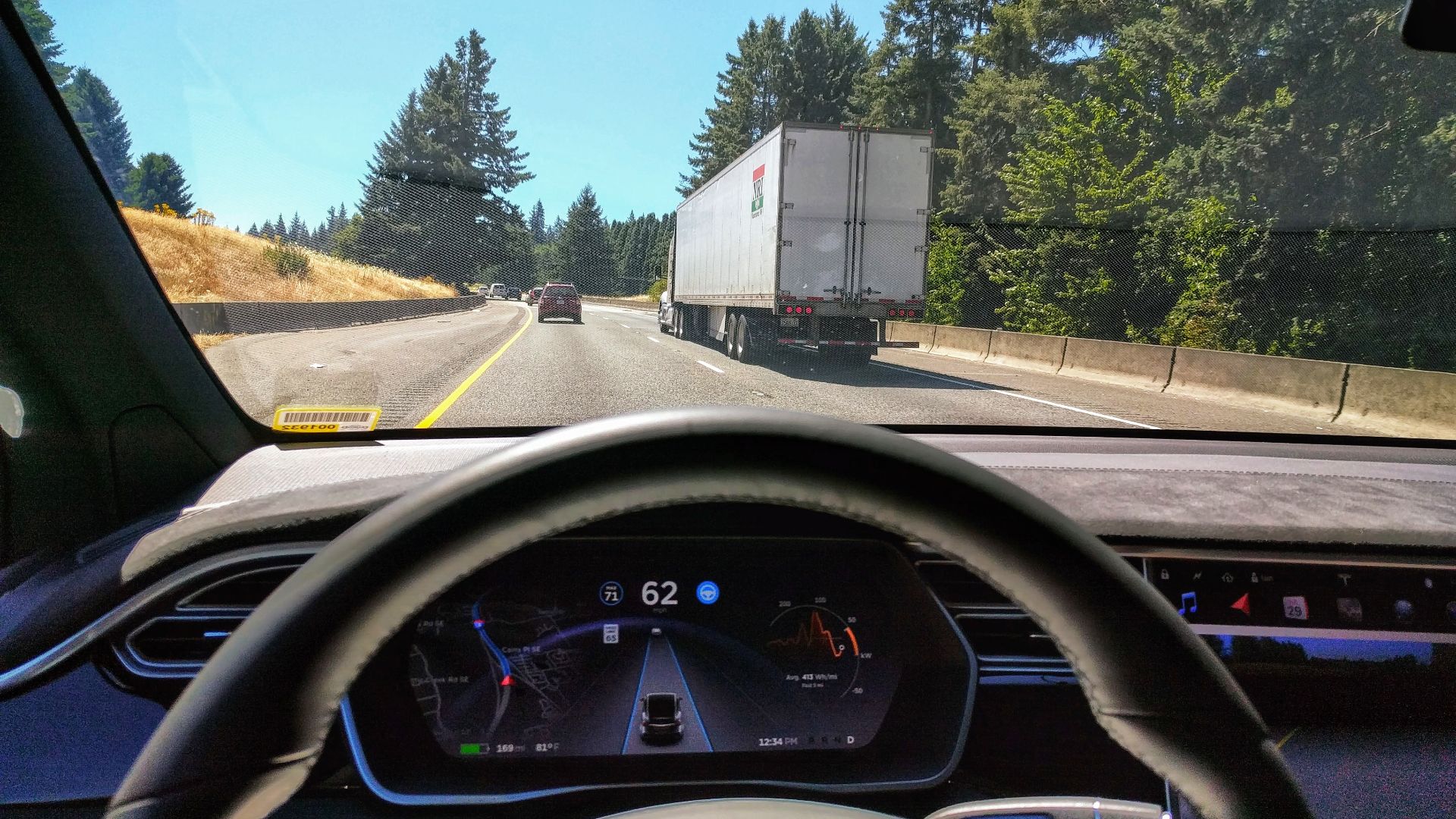 Ian Maddox , Wikimedia Commons
Forward Collision Warning
Forward collision warning looks ahead for rapidly closing traffic and alerts the driver before impact. It is basically the nervous passenger who shouts “Brake!” except it uses sensors and never spills coffee. That extra second of warning can be priceless.
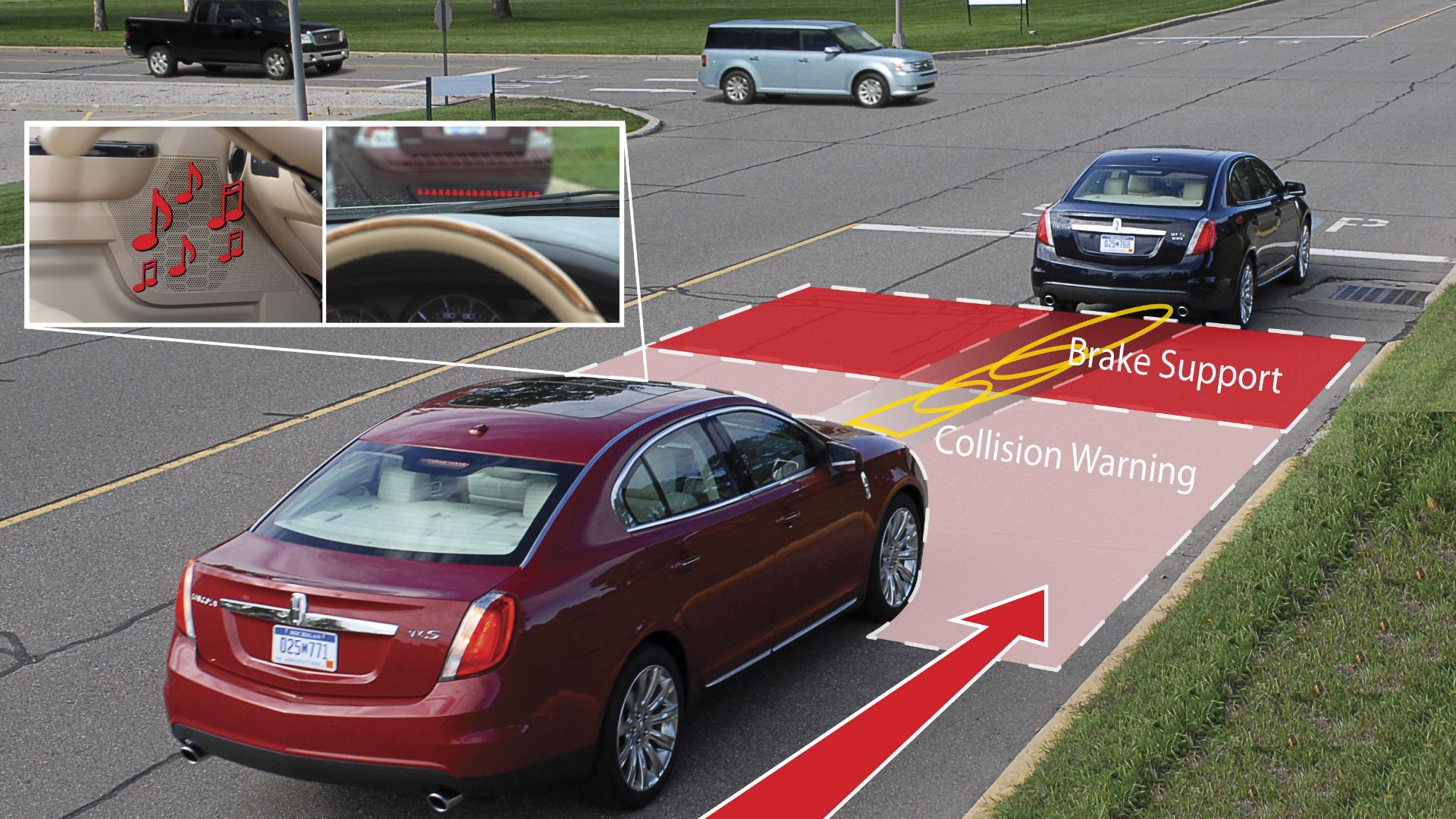 Ford Motor Company from USA, Wikimedia Commons
Automatic Emergency Braking
Automatic emergency braking can apply the brakes if the driver does not react in time. Modern systems can detect vehicles, pedestrians, and sometimes cyclists. It represents a major shift from cars that merely protected people in crashes to cars that actively try to avoid them.
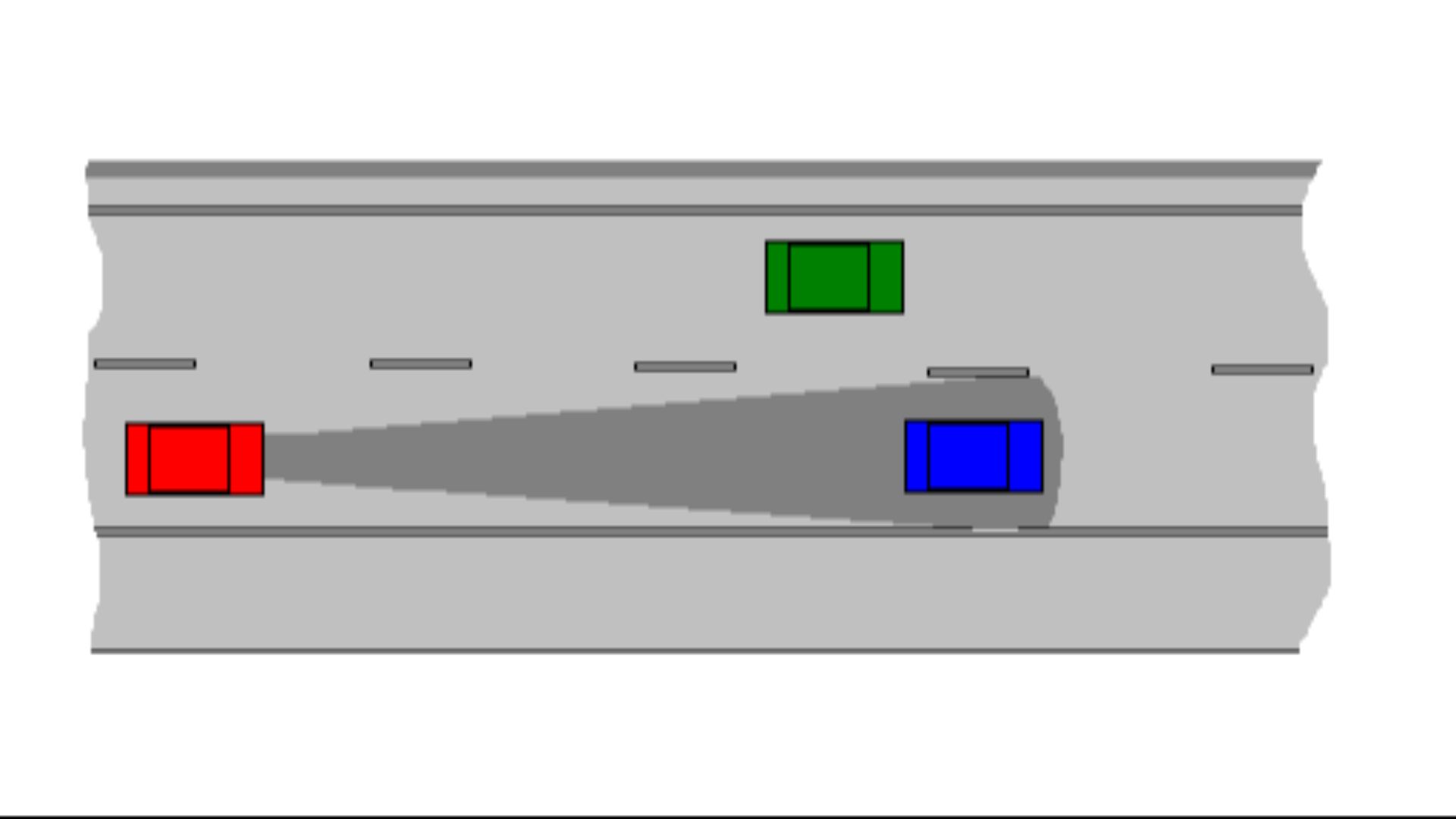 M.Minderhoud, Wikimedia Commons
Adaptive Cruise Control
Cruise control once meant holding a speed and hoping traffic cooperated. Adaptive cruise control uses radar or cameras to maintain distance from the car ahead. It makes highway driving less tiring and helps smooth out the accordion effect of constant braking and accelerating.
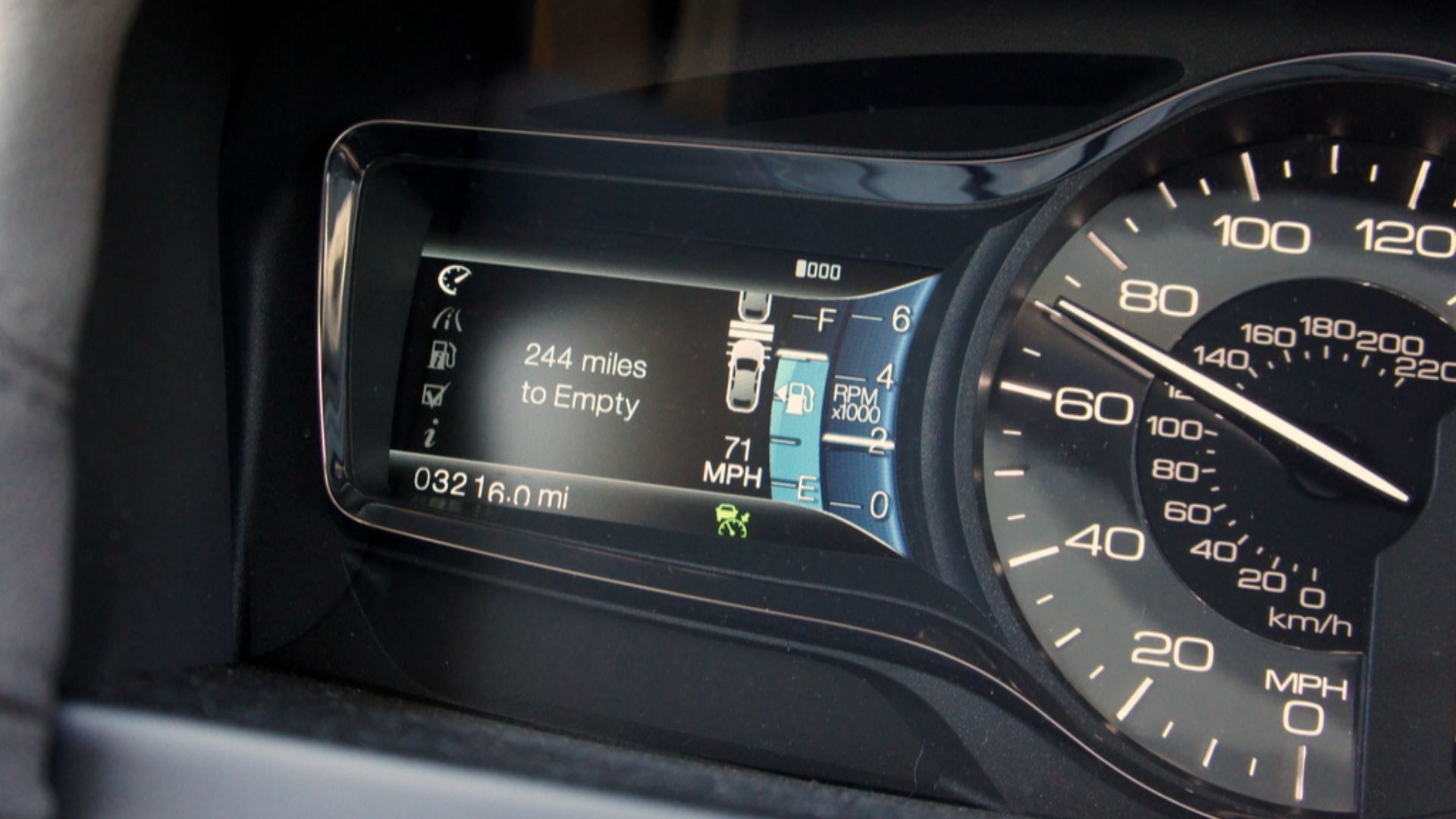 Michael Sheehan, Wikimedia Commons
The Safer Future Ahead
The history of car safety is really the history of admitting humans are wonderfully imperfect. We get tired, distracted, surprised, and occasionally overconfident. The best innovations do not remove the driver from the story; they give us better odds when the story suddenly changes lanes.
You May Also Like: