A Frustrating Mystery
Your mechanic tested the battery and declared it healthy, yet every morning your car barely starts or will not start at all. That frustrating combination often points to a problem somewhere else in the electrical system, not necessarily a defective battery.
Start With The Battery
Even if a battery passes a basic load test, it should still be inspected carefully. Loose terminals, internal damage, or age-related deterioration can affect performance under certain conditions without immediately causing the battery to fail standard testing.
Battery Age Matters
Most automotive batteries last between three and five years under normal conditions. Extreme temperatures, frequent short trips, and repeated deep discharges can shorten that lifespan considerably, even if the battery still appears serviceable.

Check The Alternator
A healthy battery cannot stay charged if the alternator is failing. The alternator replenishes the battery while the engine runs. If it produces insufficient voltage, the battery gradually loses charge until the vehicle refuses to start.
Watch The Warning Light
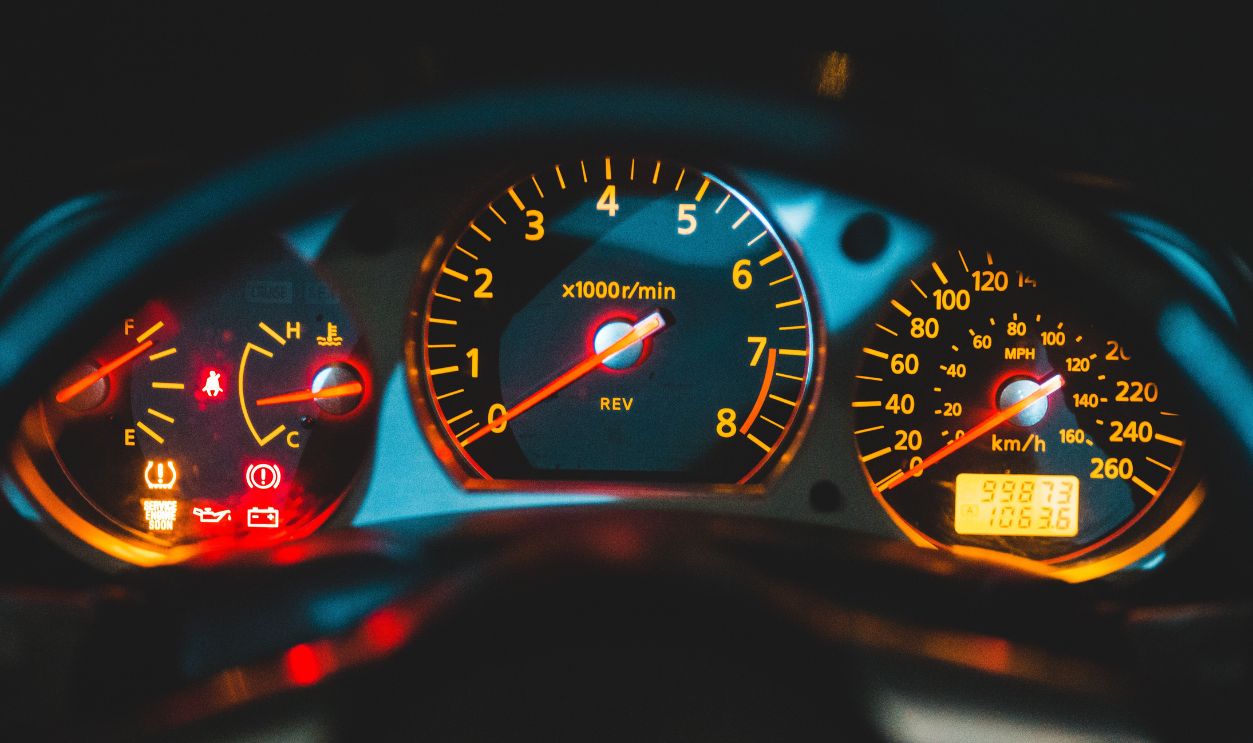
A battery-shaped warning light on your dashboard often indicates a charging system problem rather than a bad battery. Ignoring that warning could leave you stranded once the battery's remaining charge is completely exhausted.
Test Charging Voltage
A technician can quickly measure charging voltage with a multimeter. Most modern vehicles should produce roughly 13.5 to 14.8 volts while running. Readings significantly outside that range may indicate alternator or voltage regulator problems.

Look For Parasitic Drain
One common cause of overnight battery failure is a parasitic electrical draw. Even with the ignition off, an electrical component may continue consuming power, slowly draining an otherwise healthy battery while the vehicle sits parked.

Common Electrical Culprits
Faulty glove box lights, trunk lights, aftermarket stereos, alarm systems, dash cameras, GPS trackers, and malfunctioning electronic modules are among the most common sources of excessive battery drain after the vehicle is turned off.

Modern Cars Draw Power
Every modern vehicle consumes a small amount of electricity while parked. Security systems, computers, clocks, and memory functions all require minimal power. The problem arises only when that normal draw becomes excessive.

Diagnosing The Drain
Technicians diagnose parasitic drains by connecting an ammeter between the battery and vehicle electrical system. They then remove fuses one at a time until the excessive current disappears, identifying the circuit causing the unwanted power consumption.
Corroded Connections
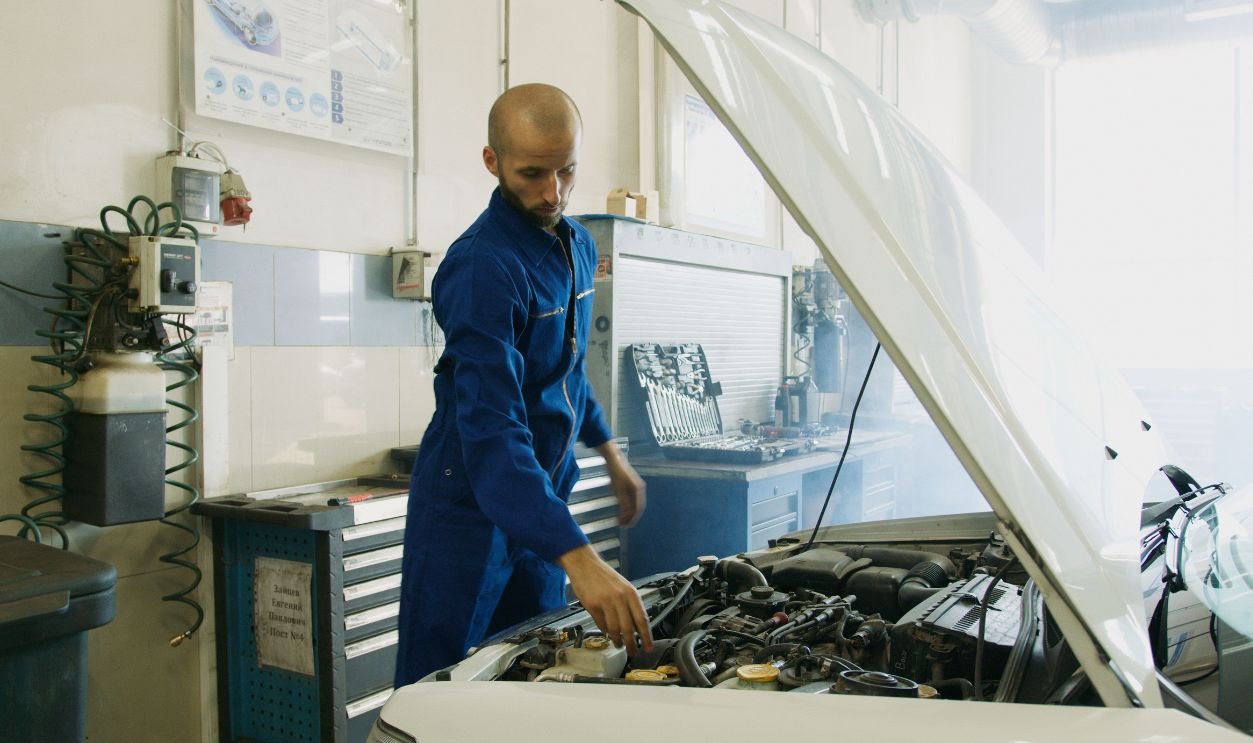
Battery terminals covered in corrosion can prevent proper charging and starting even when the battery itself is healthy. Cleaning corrosion and ensuring tight cable connections often solves intermittent electrical problems surprisingly quickly.
Inspect Battery Cables
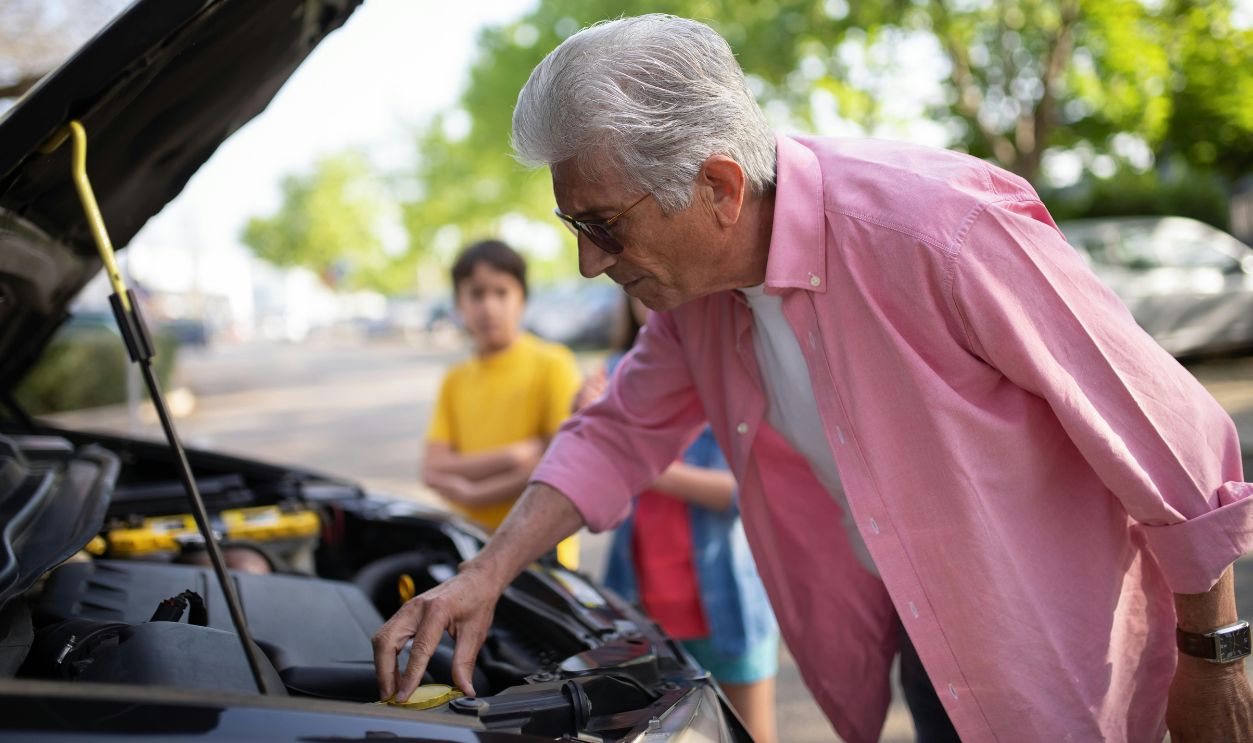
Battery cables can corrode internally where damage is difficult to see. Broken wire strands, loose connections, or deteriorated insulation increase electrical resistance and reduce charging efficiency despite appearing normal from the outside.

Short Trips Hurt
Frequently driving only a few miles may never give the alternator enough time to fully recharge the battery after each engine start. Over time, repeated short trips gradually reduce the battery's state of charge.

Cold Weather Challenges
Low temperatures reduce a battery's available power while simultaneously making engines harder to crank. A battery that performs adequately during summer may struggle once winter arrives, revealing weaknesses that previously went unnoticed.

Choosing A Replacement
When shopping for a replacement battery, follow your owner's manual recommendations for group size, cold cranking amps, and reserve capacity. Buying the correct battery ensures proper fitment and reliable starting performance under demanding conditions.

Premium Battery Options
Absorbent Glass Mat, or AGM, batteries offer improved durability for vehicles equipped with start-stop systems or numerous electronic accessories. Although more expensive, they often tolerate repeated cycling better than traditional flooded lead-acid batteries.

Consider A Battery Charger
A smart battery charger or battery maintainer can help preserve battery health if your vehicle sits unused for extended periods. These devices automatically monitor voltage and provide only the charge needed without overcharging the battery.
Portable Jump Starters
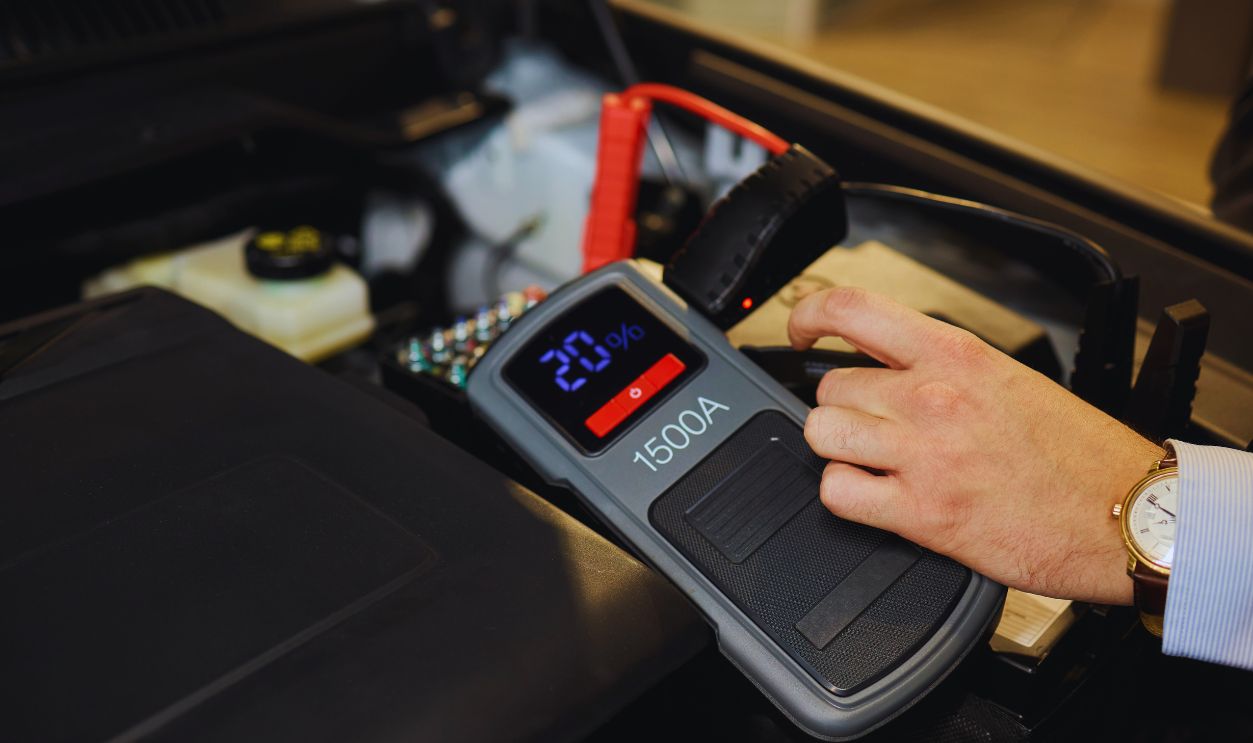
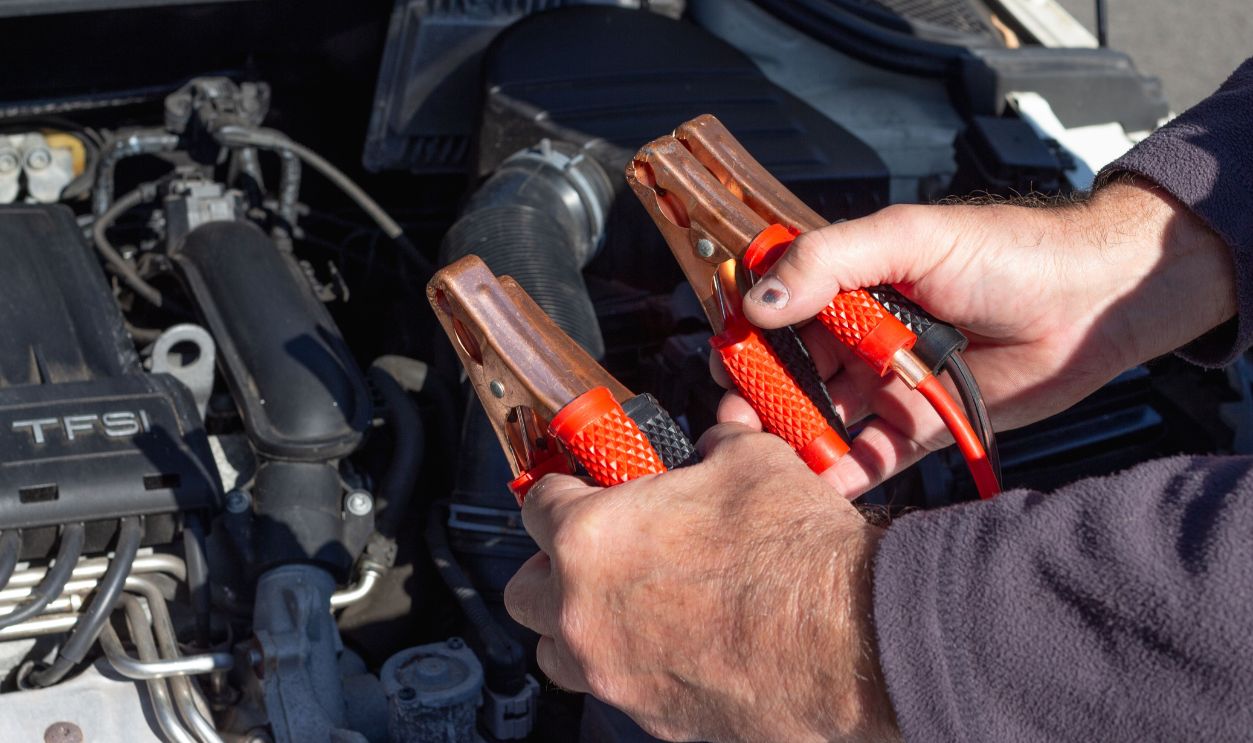
Compact lithium jump starters have become valuable emergency tools. Unlike traditional jumper cables, they allow you to restart your vehicle without needing another car, making them especially useful during road trips or winter weather.
 Daniel @ bestjumpstarterreview.com, Pexels
Avoid Guesswork
Replacing batteries, alternators, or starters without proper testing can become expensive quickly. A systematic diagnosis often identifies the real problem before unnecessary parts are purchased, saving both money and frustration.

Warranty Considerations
Many replacement batteries include warranties lasting several years. Keep your purchase receipt and understand whether coverage is prorated or provides full replacement. A warranty may reduce costs if the battery fails prematurely.

Preventive Maintenance
Inspect battery terminals regularly, secure loose cables, keep the battery clean, and have the charging system tested during routine maintenance. Small preventive steps often catch developing electrical problems before they leave you stranded.

The Bottom Line
A battery that dies overnight despite testing good usually points toward an underlying charging problem or parasitic electrical drain. Careful diagnosis, rather than immediately replacing parts, offers the fastest path to reliable starting and can prevent unnecessary repair expenses.

You May Also Like: