
The Estimate Was Just The Beginning
Most drivers expect a repair estimate to stay close to the original number. But that's not always how things play out once the mechanic starts digging into the car. Hidden damage, seized parts, and additional labor can push the final bill much higher than expected. The important question is whether the shop followed the law while doing it.

What A Repair Estimate Actually Means
An estimate is not always a fixed price contract. In many states, it is simply the shop’s best prediction before work begins. Mechanics often uncover additional problems after taking components apart. That is why repair orders usually include language about supplemental charges.

Your Rights Depend On State Law
Auto repair laws vary widely across the United States. Some states require written authorization before extra repairs can begin. Others allow more flexibility if the customer signed broad approval forms. California, New York, and Florida all have different consumer protection rules for repair shops.

The Shop Cannot Usually Charge Whatever It Wants
Repair shops cannot legally invent random charges after the fact. Most states require mechanics to justify added labor, parts, or diagnostic work. If a bill suddenly doubles without explanation, that can become a consumer protection issue. Documentation matters in these disputes.
Written Approval Is Often The Key
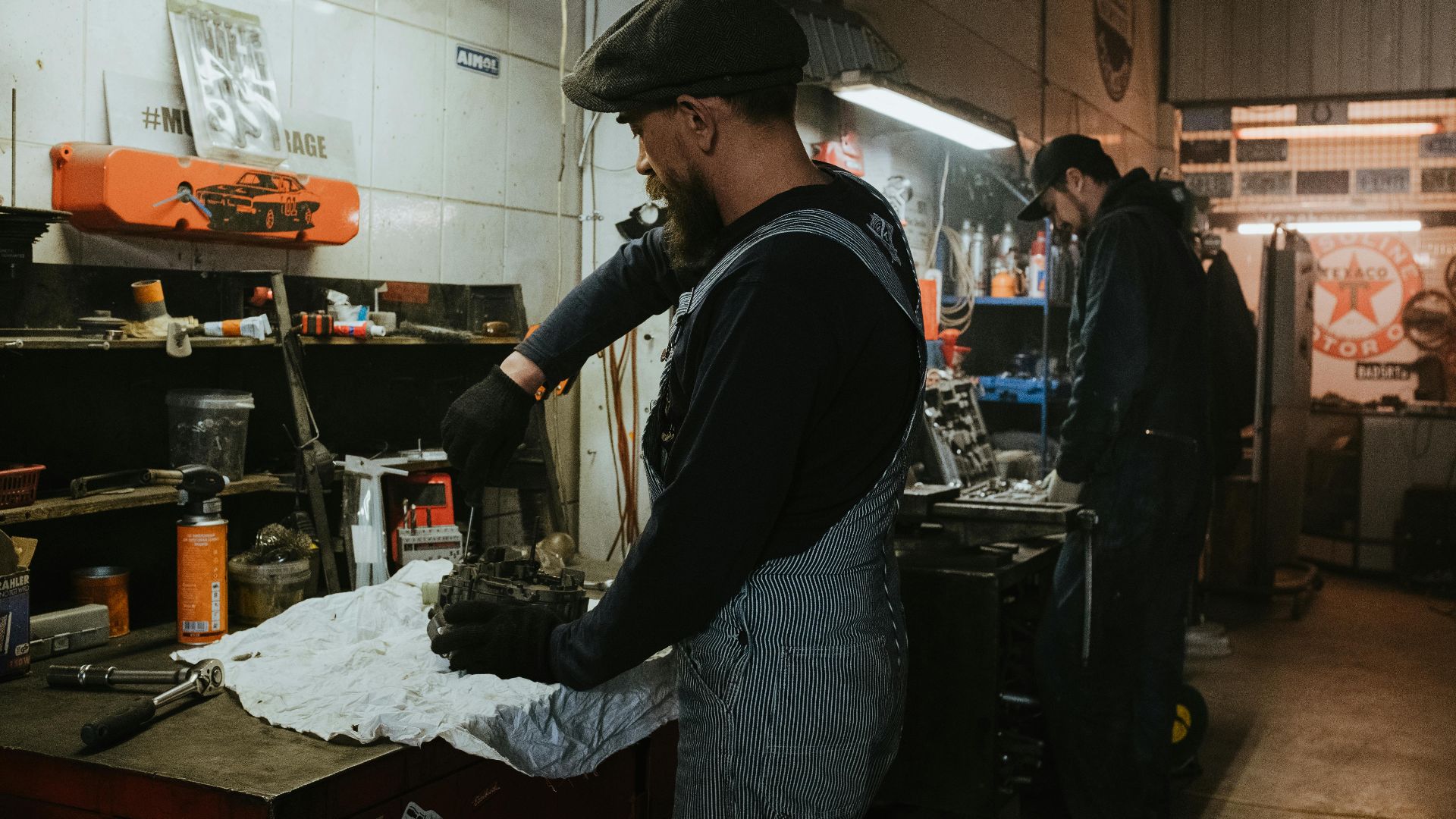
Many state laws require shops to get your permission before exceeding the estimate by a certain percentage. In California, for example, shops generally must contact the customer for authorization before adding charges. Verbal approval may count in some places, but written approval is much safer for both sides. Text messages and emails can also serve as proof.

Delays Can Be Legitimate Or Suspicious
Keeping a vehicle for weeks does not automatically mean the shop is doing something illegal. Supply chain delays still affect many repair parts, especially electronics and imported components. Some replacement parts take weeks to arrive, especially for newer vehicles. Insurance approvals can also slow the process. Still, repeated vague excuses may signal poor management or worse.

Labor Costs Add Up Quickly
Repair bills often climb because labor times increase during difficult jobs. Rusted bolts, broken connectors, or hidden damage can add hours of work. Most shops charge labor by published flat-rate manuals or hourly rates. That extra labor can dramatically raise the final total.

Diagnostic Fees Surprise Many Drivers
Many customers assume diagnostics are free if repairs are completed. That is not always true. Shops may charge separately for computer scans, electrical tracing, or advanced troubleshooting. Modern vehicles can require several hours just to identify the root problem.

Storage Fees Can Also Appear
Some repair facilities charge daily storage fees once repairs are completed or abandoned. These fees are usually disclosed in the paperwork you signed. Drivers sometimes overlook this section entirely. A delayed dispute can cause the balance to grow quickly.

Mechanics Liens Give Shops Serious Power
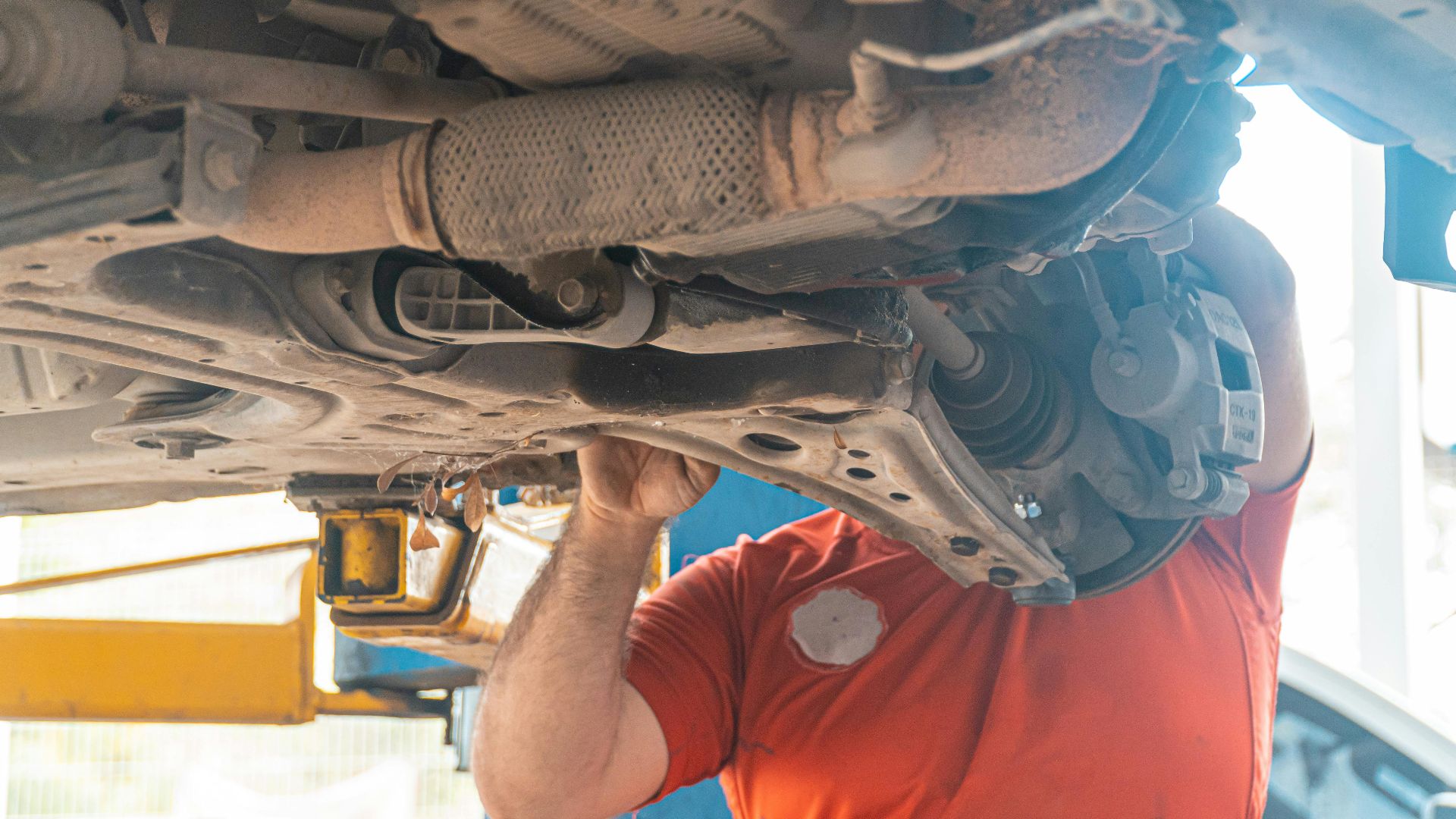
Repair shops in many states can place a mechanic’s lien on your vehicle if you refuse to pay. This legal tool allows the business to hold the car until the debt is resolved. In extreme cases, the shop may even sell the vehicle through a legal process. State laws control how and when that can happen.
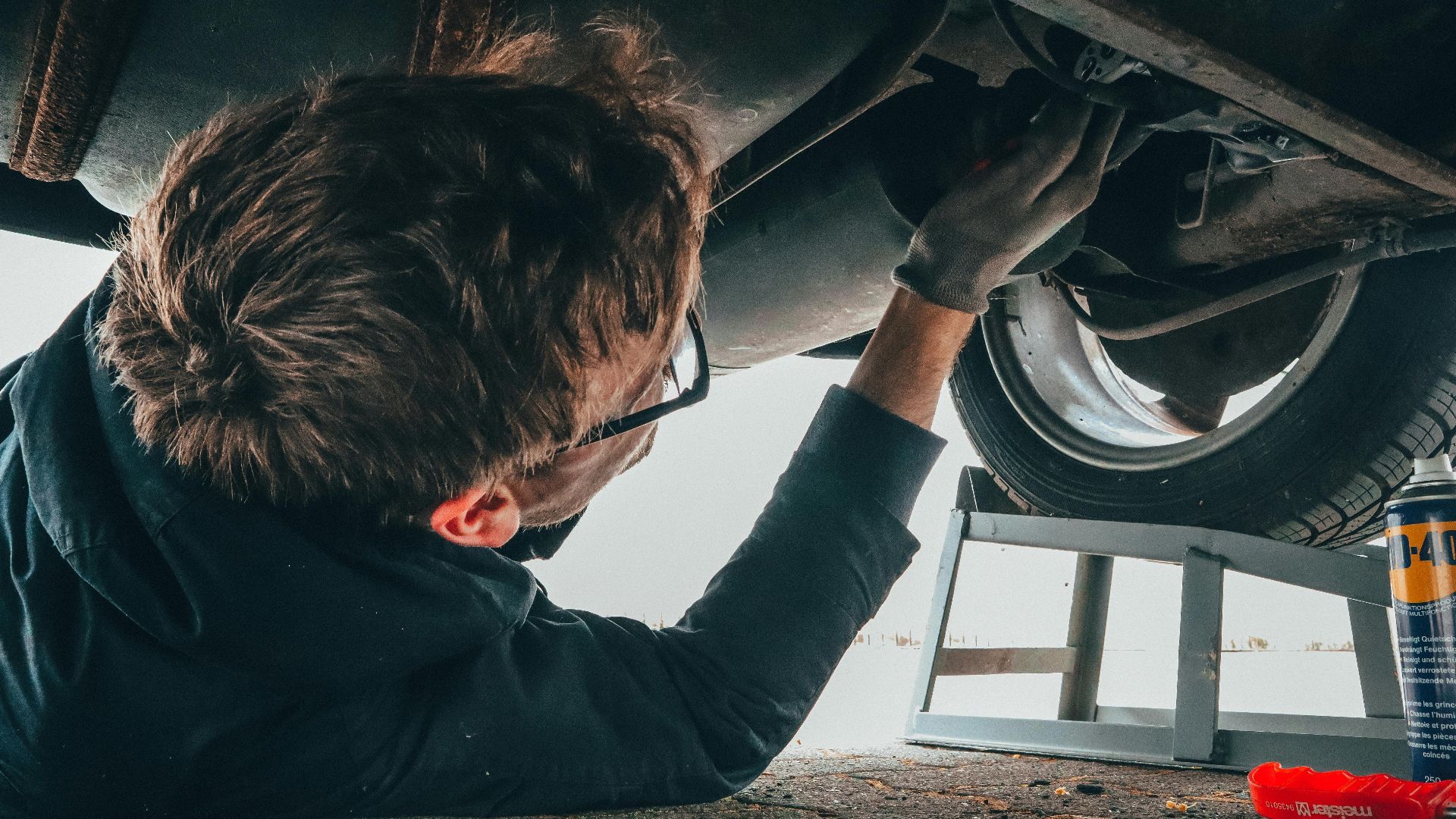
 Jose Ricardo Barraza Morachis, Pexels
You Still Have Consumer Protections
A mechanic’s lien does not give shops unlimited authority. They must follow strict procedures and provide notice requirements. Improper liens can be challenged in court. Consumers often have stronger rights than they realize.

Poor Communication Creates Most Problems
Many repair disputes begin because the shop stopped updating the customer. Drivers become frustrated when nobody returns calls or explains delays. A professional repair facility should document approvals and communicate clearly. Silence often creates distrust faster than the actual repair cost.

Get Everything In Writing
One of the smartest things a customer can do is request written records of every approval. Save emails, invoices, and text messages. Keep notes about phone conversations, including dates and names. Documentation becomes extremely important if a dispute escalates.

Credit Card Payments Offer Extra Protection
Paying with a credit card can provide additional leverage during billing disputes. Credit card companies sometimes allow chargebacks for unauthorized charges or fraudulent business practices. Debit cards generally offer fewer protections. Experts often recommend using a credit card for expensive repairs.

Signs The Shop May Be Acting Improperly
Some warning signs deserve immediate attention. These include refusing to provide invoices, demanding cash only, or refusing to return old parts when requested. Constantly changing explanations can also be a red flag. Legitimate shops usually explain repairs in detail.
Independent Shops And Dealers Work Differently
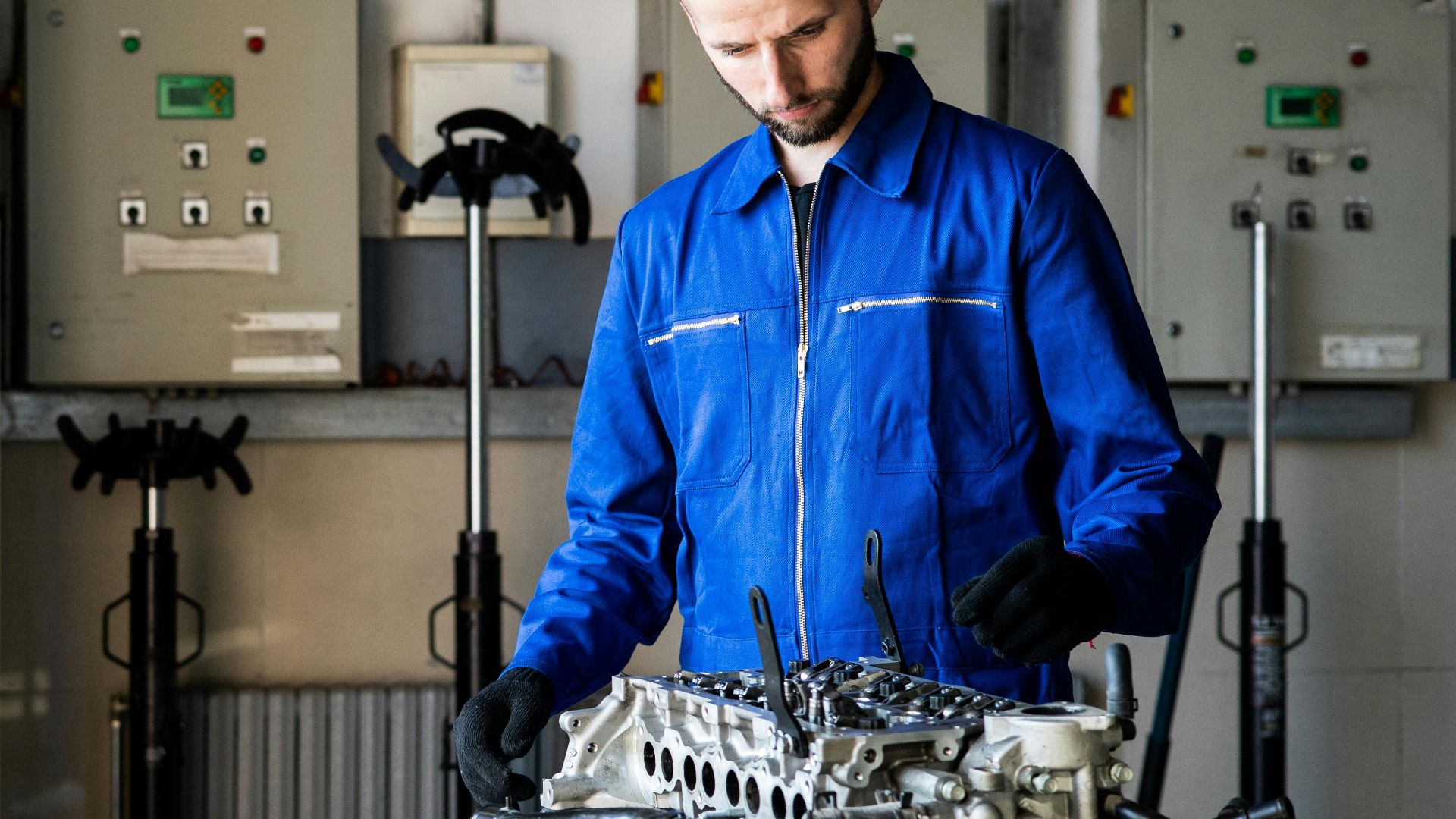
Dealership service departments often follow stricter manufacturer procedures. Independent repair shops may offer lower prices and more flexibility. However, policies can vary dramatically between businesses. Neither type is automatically better in every situation.

Extended Warranties Complicate Repairs
Third-party warranty companies can create major delays during repairs. Shops often must wait for inspections and authorization before continuing work. Warranty providers may reject portions of the repair entirely. Customers sometimes blame the mechanic for delays caused by the warranty company.
Insurance Repairs Have Their Own Rules
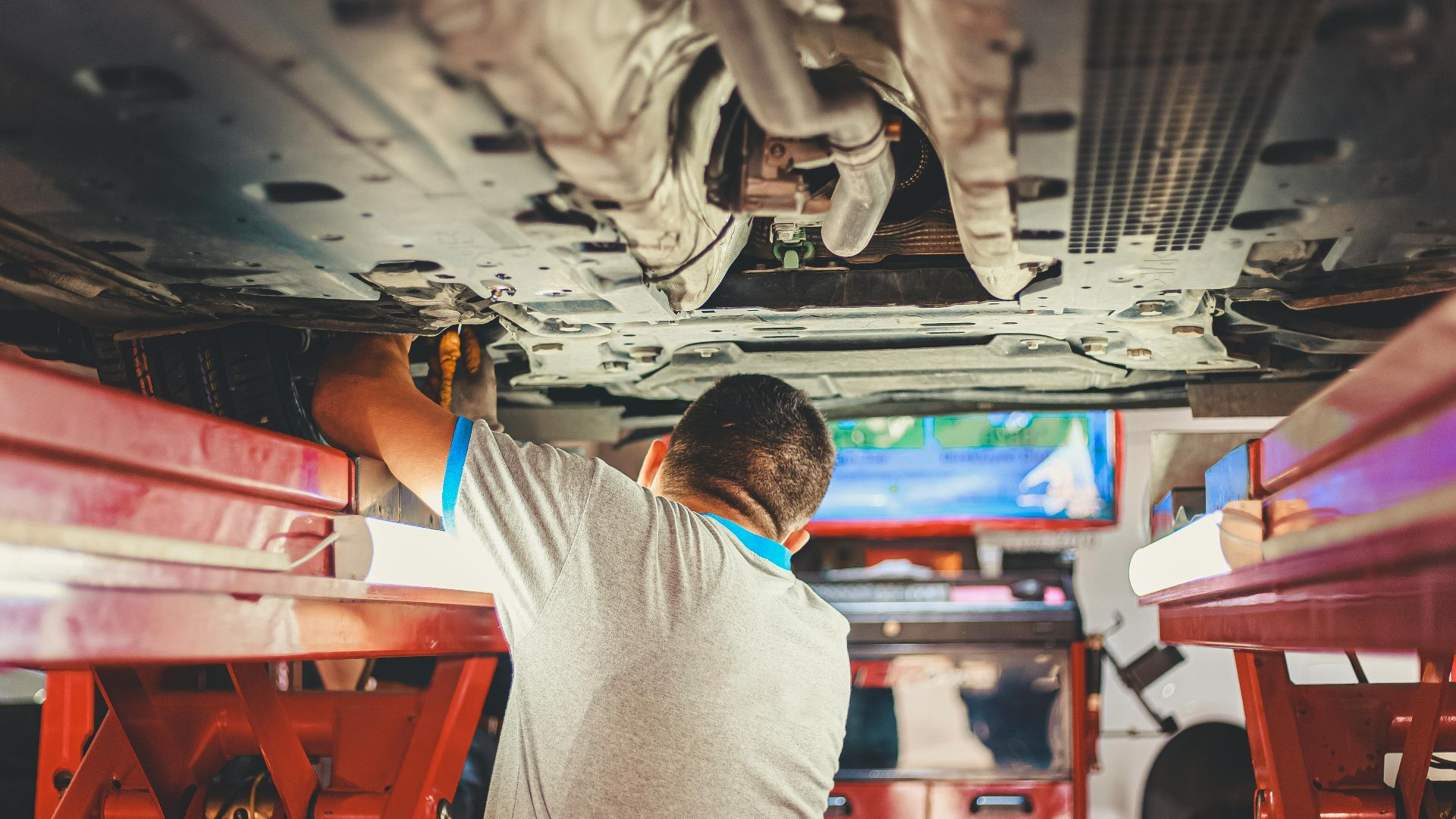
Collision repairs involve another layer of complexity. Insurance adjusters may approve partial repairs before hidden damage is discovered. Supplemental estimates are extremely common in body shops. That can extend repair timelines significantly.

Lemon Laws Usually Do Not Apply Here
Many drivers assume lemon laws protect them from bad repair experiences. In most cases, lemon laws apply to defective vehicles, not repair billing disputes. However, repeated failed repairs under warranty may still trigger legal protections. State laws determine the exact rules.

Small Claims Court Is Often An Option
Customers who believe they were overcharged can often sue in small claims court. These courts handle lower-dollar disputes without requiring full legal representation. Judges typically review invoices, estimates, and communication records. Strong documentation usually makes the biggest difference.

State Agencies May Investigate Complaints
Many states regulate repair shops through consumer affairs offices or motor vehicle departments. Filing a formal complaint can sometimes pressure a shop to negotiate. Regulators may investigate patterns of misconduct. Repeat offenders can face fines or license problems.

Reviews And Reputation Matter
Online reviews can reveal patterns before you choose a repair shop. Consistent complaints about surprise charges or delays deserve attention. Strong shops usually explain repairs clearly and communicate often. Reputation still matters heavily in the repair industry.

Ask Questions Before Authorizing Work
Drivers should ask exactly how the shop handles added charges before repairs begin. Request the hourly labor rate and ask whether the estimate includes taxes and shop fees. Clarify how approvals will be handled if additional problems appear. A five-minute conversation upfront can prevent major frustration later.

Old Cars Often Create Bigger Surprises
Older vehicles frequently develop additional problems during repairs. Plastic connectors crack with age, rust damages hardware, and aftermarket modifications complicate labor. Mechanics sometimes discover multiple failures after opening things up. That can turn a small repair into a much larger project.
EVs And Hybrids Bring New Challenges
Electric and hybrid vehicles require specialized training and equipment. Battery systems and high-voltage components increase diagnostic complexity. Some shops send these vehicles to specialized facilities for certain repairs. That can extend timelines and increase costs.

Arbitration Clauses Can Limit Your Options
Some repair invoices include arbitration agreements. These clauses may require disputes to be handled outside traditional court systems. Consumers often sign these forms without noticing them. Reading the paperwork carefully matters more than most people realize.

Trust But Verify
Most repair shops are legitimate businesses trying to solve difficult mechanical problems. At the same time, customers should never feel pressured to approve vague or unexplained charges. Asking questions and demanding documentation is completely reasonable. A trustworthy mechanic should welcome transparency.

The Bottom Line For Drivers
A repair shop can legally increase your bill in many situations, but there are limits. Laws usually require disclosure, authorization, and accurate documentation. Keeping your car for weeks may also be legitimate if parts or approvals are delayed. The best protection is staying informed, documenting everything, and knowing your state’s consumer rights.

You May Also Like:
My mechanic wants to replace parts before diagnosing the problem. Is that normal or lazy?