The Premium Parts Pitch Can Feel Personal
You normally like your mechanic, but suddenly their estimate includes “premium” parts that cost much more than the cheaper options you saw online. That can sound like a straight-up upsell, especially when nobody explains the difference clearly. But the real answer is a little more complicated. Sometimes the pricier part is worth it, and sometimes it is not.
Start With One Key Fact
Your mechanic is not automatically ripping you off just because a more expensive part shows up on the estimate. In many cases, shops prefer original equipment or higher-end aftermarket parts because they cut down on repeat repairs, warranty issues, and extra labor. Consumer Reports has noted that replacement parts can vary a lot in quality, fit, and durability, which is why two parts that seem similar can have very different prices.

What “Premium” Usually Means
In practice, “premium” can mean original equipment manufacturer parts, parts made by the original supplier, or high-quality aftermarket parts from established brands. It can also mean better warranty coverage, tighter build standards, or coatings that help a part last longer. The problem is that the word itself does not have one fixed meaning, so it is worth asking exactly what your mechanic means.

OEM, OES, And Aftermarket Are Not The Same Thing
Original equipment manufacturer, or OEM, parts are sold through the automaker’s official parts network. Original equipment supplier, sometimes called OES, usually means the company that made the part for the automaker but also sells it under its own name. Aftermarket parts come from other companies, and the quality can range from excellent to disappointing, which is why broad claims do not tell you much.
Why Shops Often Favor Better Parts
Repair shops depend on repeat business, good reviews, and avoiding warranty comebacks. If a cheap part fails early or does not fit right, the shop may have to do the job again and eat some of the labor cost. That gives mechanics a real reason to recommend parts that are less likely to cause problems a few weeks later.
Fitment Is A Bigger Deal Than Many Drivers Realize
One of the most common issues with low-cost parts is poor fitment. Consumer Reports has specifically warned that some replacement body parts, including certain aftermarket ones, may not fit properly or offer the same corrosion protection as original parts. A cheap part stops being cheap if extra labor is needed just to make it work.
Safety Parts Deserve Extra Scrutiny
Brakes, suspension parts, steering components, airbags, and tires are not the best places to roll the dice on the absolute cheapest option. The Car Care Council has long stressed that replacement parts should meet the vehicle maker’s specs for proper performance and safety. If your mechanic is pushing a better part in one of these categories, the recommendation may have more to do with risk than profit.
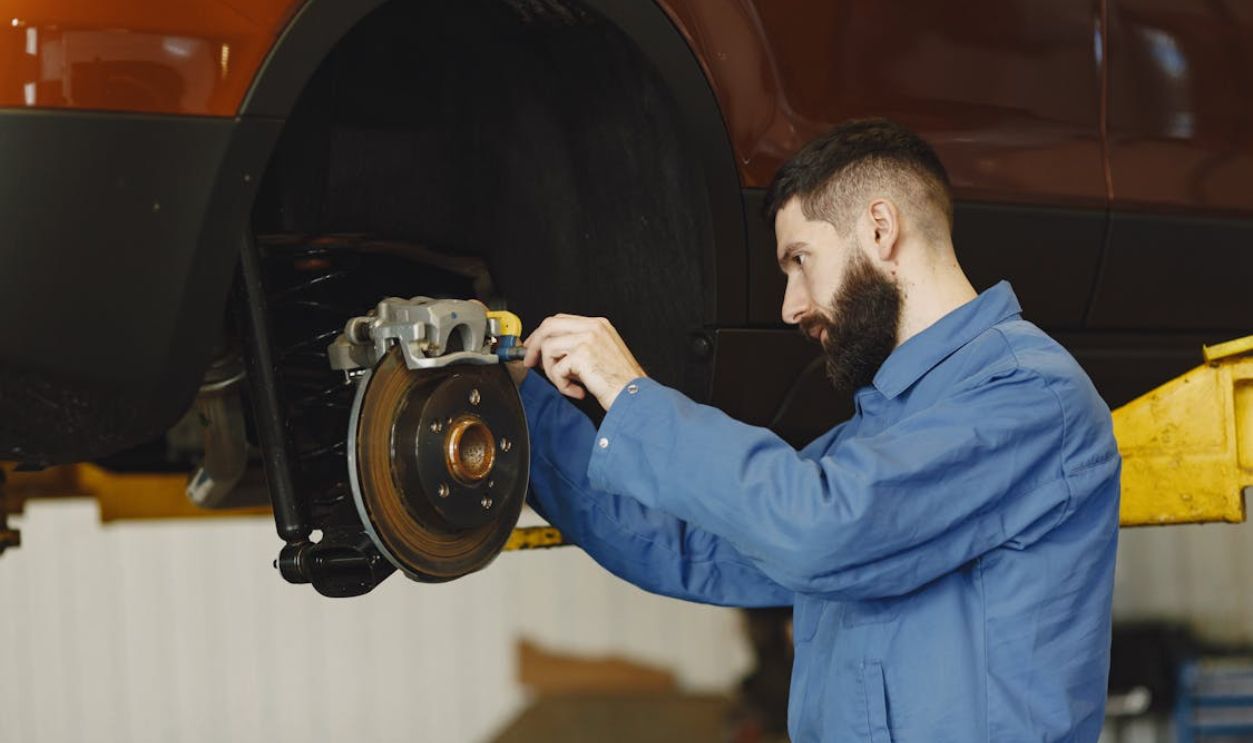
Brake Parts Are A Classic Example
Premium brake pads and rotors often cost more because of the materials used, how they handle heat, how much noise they make, and how evenly they wear. Cheaper pads can still work, but they may be noisier, create more dust, wear out faster, or feel less consistent during hard braking. That does not mean every expensive brake part is the best choice, but this is one area where quality differences are often easy to notice.
Electronics Can Be Even Trickier
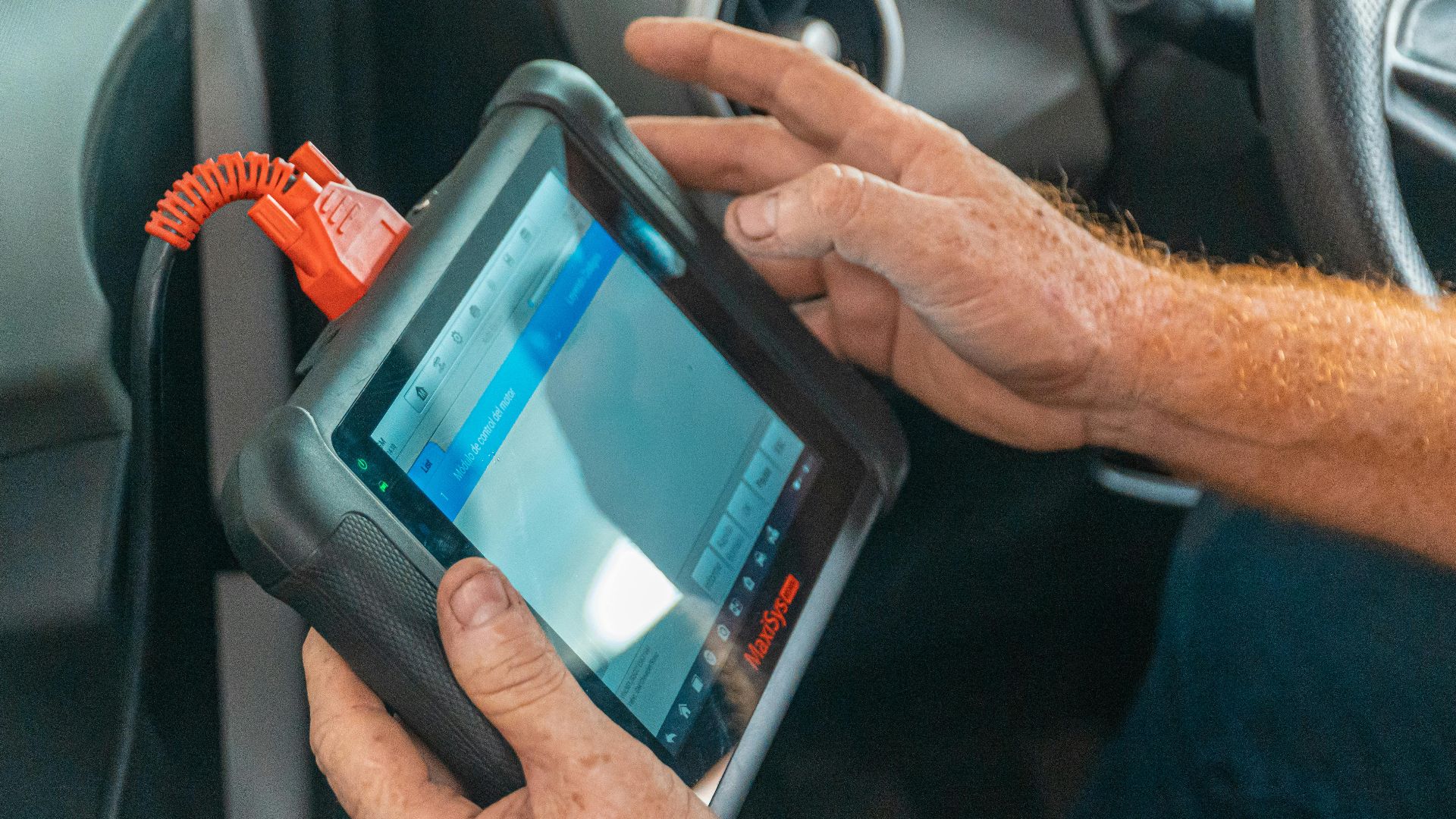
Sensors, modules, ignition components, and advanced driver assistance system parts can be especially sensitive to quality differences. Modern vehicles depend on tight calibration and reliable electrical performance, so a cheaper sensor that is even slightly off can trigger warning lights or drivability problems. That is one reason many shops lean toward OEM or trusted name-brand electronic parts.
 Jose Ricardo Barraza Morachis, Pexels
Warranty Changes The Math
A higher-priced part sometimes comes with a better warranty, and that matters more than many people realize. If the part fails, the real question is whether the warranty covers labor or just the part itself. Ask whether the shop is also backing the repair with its own labor warranty, because that can help explain why they do not want to use the cheapest option available.

Labor Often Costs More Than The Part Difference
This is where the sales pitch can actually make sense. If a water pump, starter, or wheel bearing is buried behind other components, replacing it twice because a bargain part failed can cost much more than what you saved upfront. A mechanic who has seen repeat failures on cheap versions may be steering you toward the better part for a practical reason.
Not Every Premium Recommendation Is Noble
Now for the other side of it. Yes, upselling happens, and some shops absolutely mark up parts heavily or push top-tier options when a mid-range part would be fine. The Federal Trade Commission advises consumers to ask for a written estimate and understand what is being replaced before authorizing work. That is a smart way to separate solid advice from a pure money grab.

Ask For The Brand And Part Number
If your mechanic says you need the premium version, ask for the exact brand, part number, and warranty terms. That one step can tell you a lot. A recommendation backed by specifics is usually more believable than one built on vague lines like “trust me, this is better.”
 Butterflystring, Wikimedia Commons
Request Options, Not Just One Price
A good shop should usually be able to explain at least two levels of parts when they are available. They may offer OEM, a solid aftermarket option, and a budget choice, along with the pros and cons of each. If a mechanic refuses to discuss alternatives at all, that is when the upsell alarm should start going off.

Cheaper Parts Are Not Always “Bad” Parts
Some lower-cost parts come from reputable manufacturers and work perfectly well for many repairs. In fact, some aftermarket companies make excellent parts that meet or even exceed original specs in certain categories. The issue is not simply cheap versus expensive. It is whether that specific part is well made and right for your vehicle and driving habits.

Older Cars Often Change The Equation
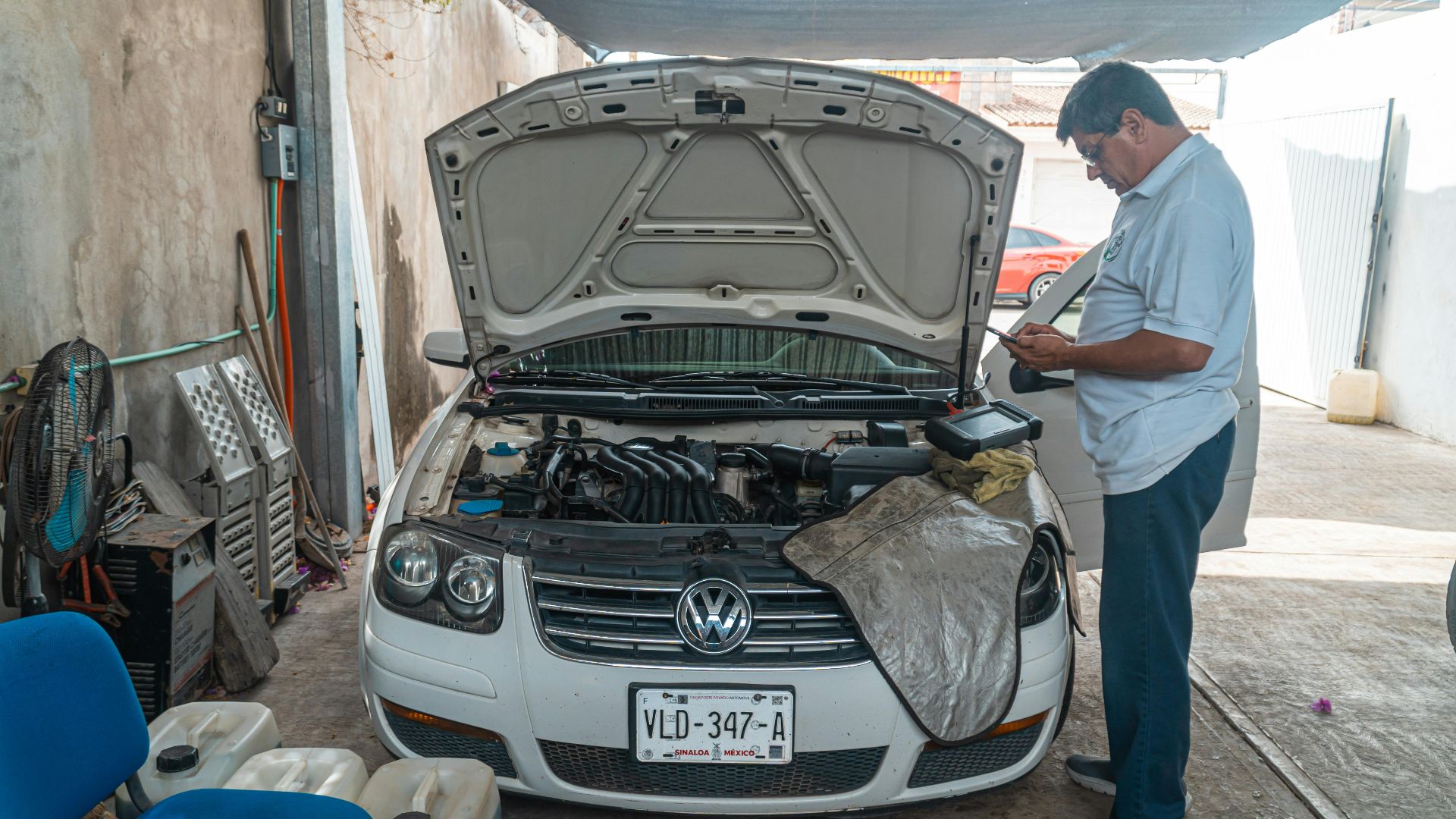
If you drive an older, high-mileage vehicle, a premium part may not always make financial sense. Spending top dollar on every repair can go beyond the practical value of the car, especially if you are planning to sell it soon. In those cases, a solid mid-grade aftermarket part may be the smarter middle ground.
 Jose Ricardo Barraza Morachis, Pexels
Your Driving Habits Matter More Than Sales Talk
A commuter who drives gently in mild weather may not need the same parts as someone who tows, drives in the mountains, or deals with salty winter roads. Premium coatings, heavy-duty designs, and high-heat materials matter more in tough conditions. The best estimate should match how you actually use the car, not just the shop’s highest-margin option.

Body Parts Are A Separate Battlefield
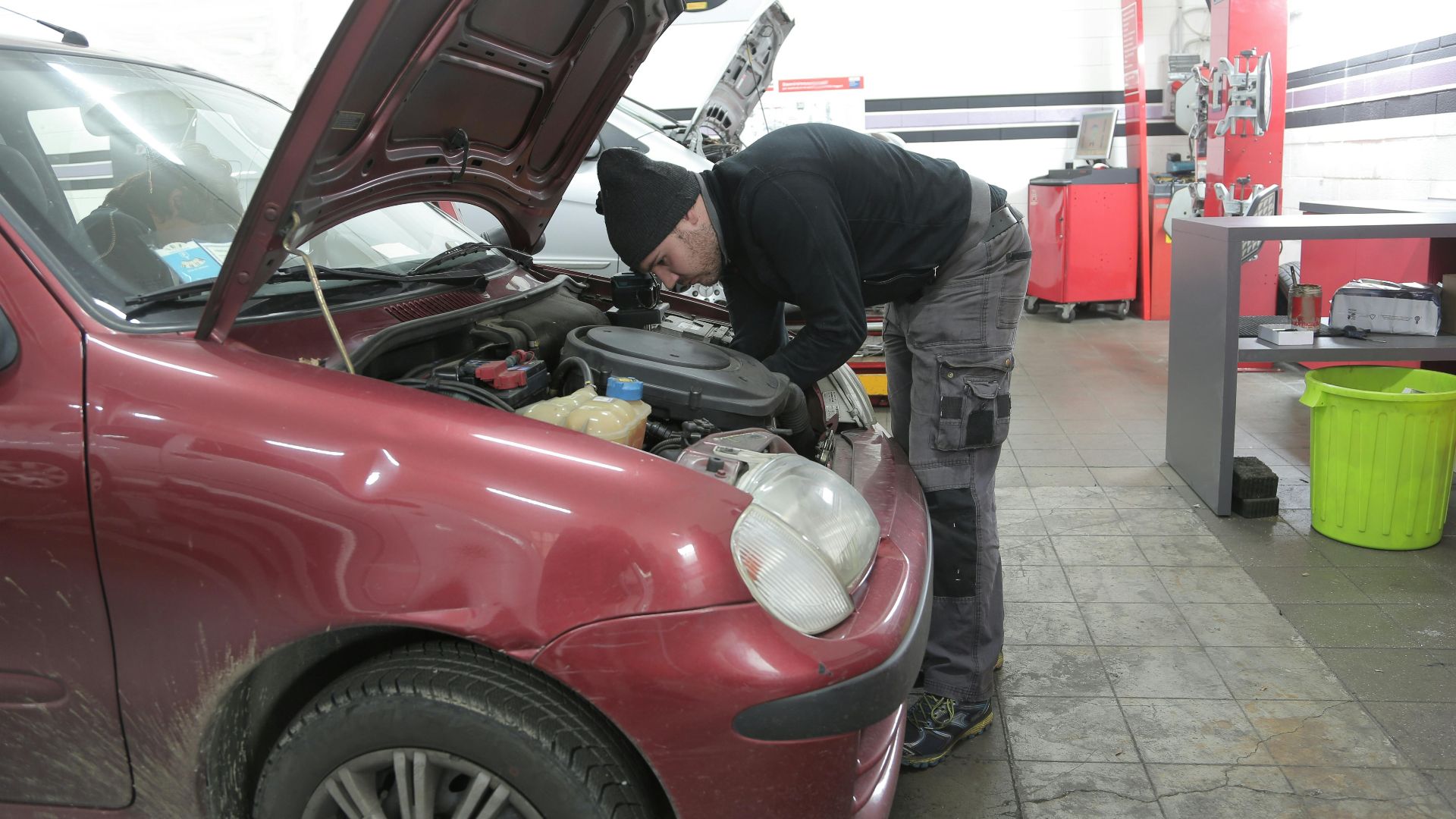
When collision repairs are involved, the OEM versus aftermarket debate gets even more intense. The Insurance Institute for Highway Safety has raised concerns that poor repairs can affect crash performance and the way driver-assistance systems work, which makes proper part choice and correct installation especially important. A cheap fender is one thing. Structural or sensor-related parts are a different story.
Certified Parts Can Offer Reassurance
For some replacement body parts, certification programs exist to check fit, material standards, and corrosion resistance. The Certified Automotive Parts Association has long promoted testing standards for certain aftermarket crash parts. That does not mean every certified part matches OEM in every way, but it does give consumers more information than a no-name bargain listing.

Why Markup Alone Does Not Prove An Upsell
Shops usually mark up parts, just like restaurants mark up food and pharmacies mark up over-the-counter products. That markup helps cover sourcing, warranty handling, admin work, and the risk of defective parts. What matters is whether the final recommendation is reasonable and clearly explained, not whether the part costs more at the shop than it does on some random website.

Online Prices Can Be Misleading
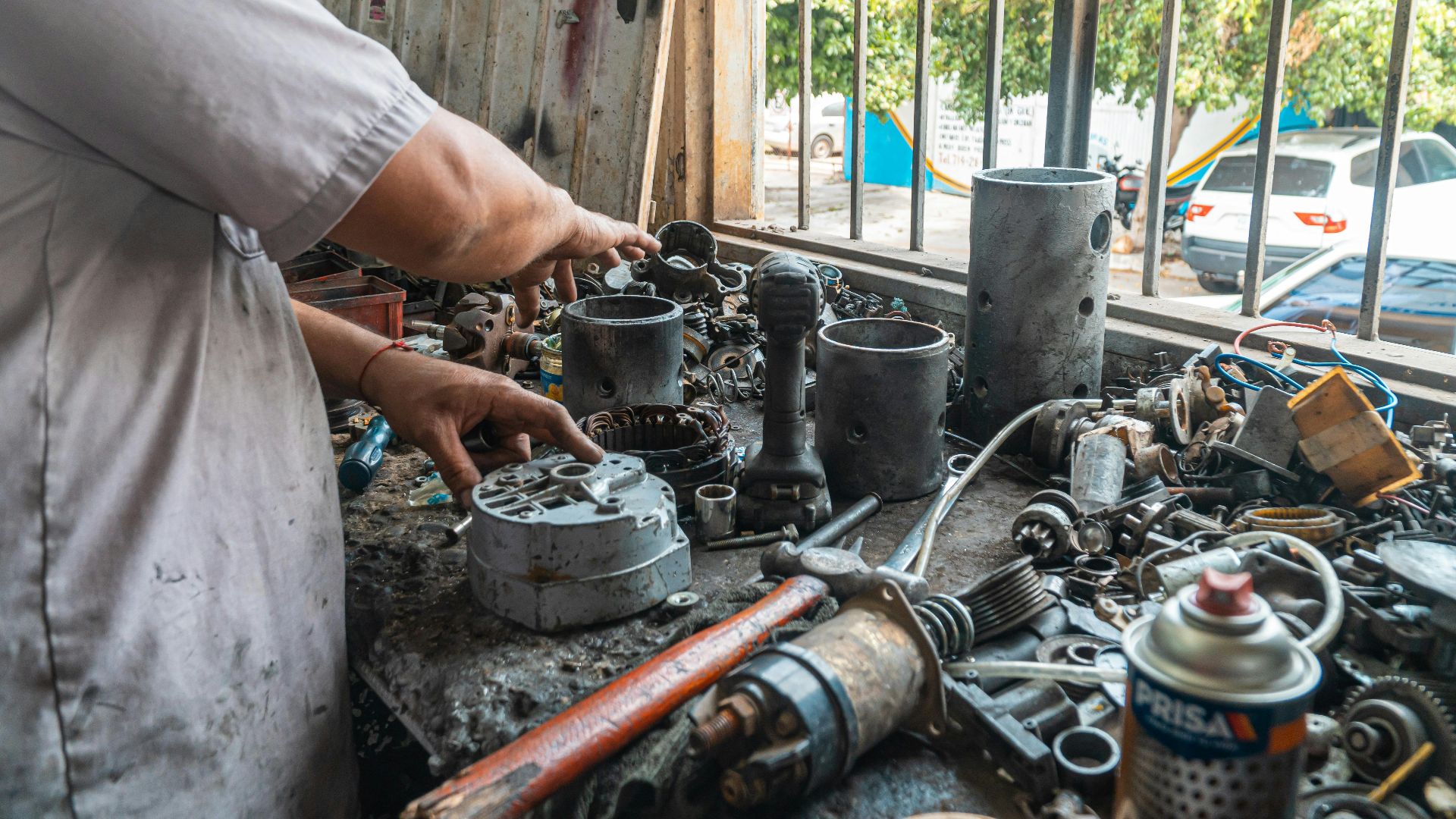
The cheap part you found online may leave out shipping costs, may not come with a real warranty process, or may even be counterfeit. The National Highway Traffic Safety Administration has warned consumers about counterfeit and noncompliant vehicle equipment, especially in safety-related categories. If your mechanic refuses your internet bargain, it may be because they do not want to stake their reputation on an unknown part.
 Jose Ricardo Barraza Morachis, Pexels
Counterfeit Parts Are A Real Risk
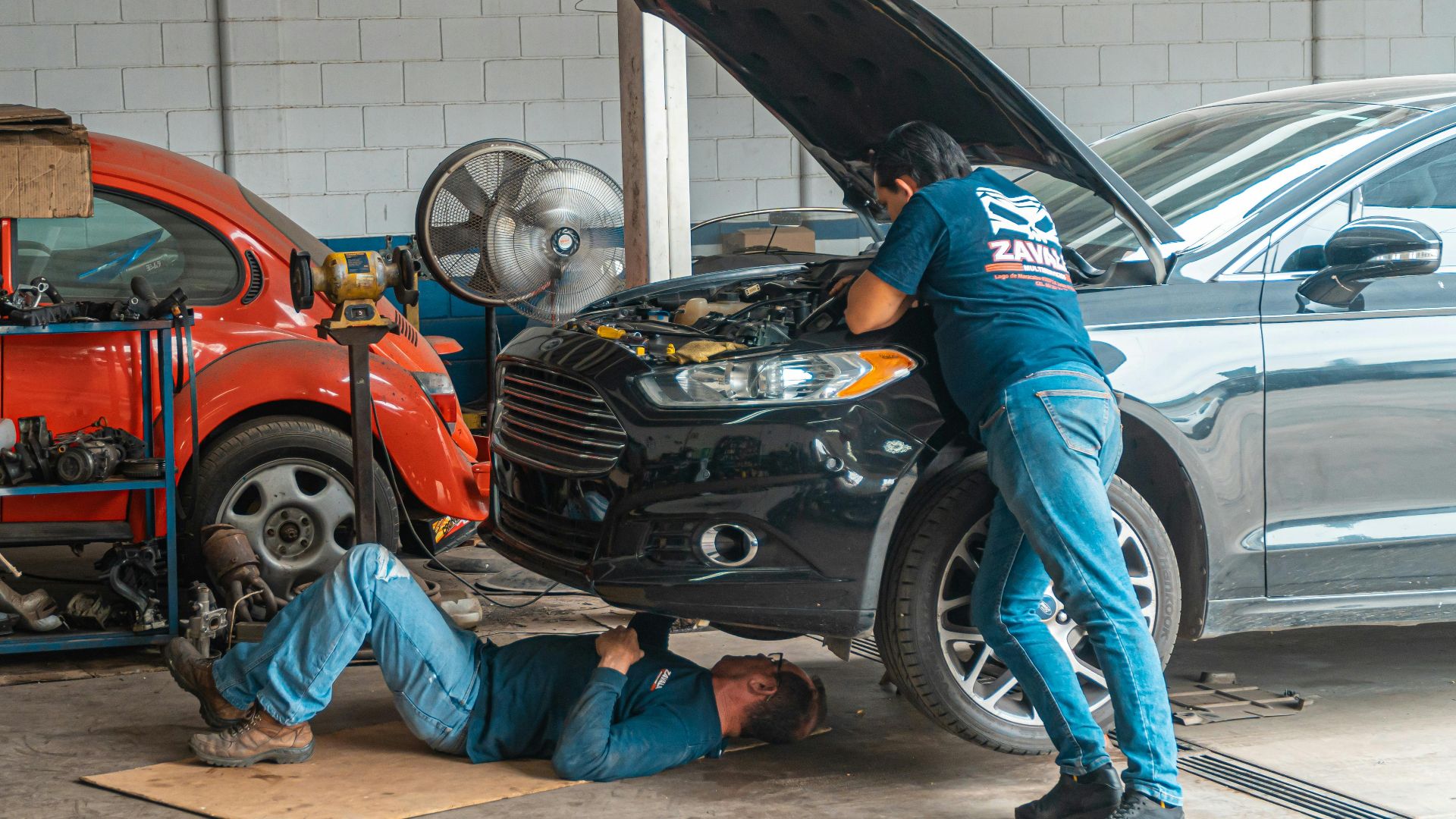
Counterfeit parts are not just an industry scare story. NHTSA has published consumer warnings that fake airbags and other counterfeit safety products can fail to protect passengers and may even be dangerous themselves. If a part is dramatically cheaper than every legitimate source, that is a good reason to slow down and look closer.
 Jose Ricardo Barraza Morachis, Pexels
How To Tell If The Recommendation Is Reasonable
Ask four simple questions. What brand is the part, why is it better for this repair, what warranty comes with it, and what cheaper alternatives are available. If the answers are clear and specific, the recommendation is probably based on experience rather than pressure.

Red Flags That Suggest Upselling
Be careful if the shop uses scare tactics, refuses to provide a written estimate, cannot name the brand, or insists that every repair needs the most expensive option. Another bad sign is when they cannot explain how the premium part differs in materials, fit, lifespan, or warranty. Vague pressure is the language of upselling, not professional advice.

Green Flags That Suggest Honest Advice
A trustworthy mechanic will explain tradeoffs, not just prices. They will tell you when OEM matters, when a good aftermarket part is perfectly fine, and when a budget option could work if you understand the downside. That kind of transparency usually means the shop is trying to earn a long-term customer, not just one expensive invoice.

The Smartest Move Is A Second Estimate
If the price gap is big and the explanation feels thin, get a second opinion before approving the repair. AAA’s car repair guidance encourages consumers to compare estimates and ask questions about parts and labor. A second estimate can quickly show whether the first shop is being careful or simply aiming high.

So, Is Your Mechanic Upselling You
Maybe, but not always. Premium parts are sometimes the smartest move, especially for safety-related repairs, labor-heavy jobs, and electronics where fit and reliability matter. The real test is whether your mechanic can explain the recommendation with specifics, options, and evidence instead of pressure and jargon.