
The Road Changed Overnight—And Suddenly Driving Felt Much Harder
You drive the same route home every night, so you know every curve by heart. Then one week, your municipality removes the painted lane lines and replaces them with reflective pavement markers. Instead of making the road easier to follow, you find yourself squinting, second-guessing the lanes, and wondering why anyone thought this was an improvement.
Is there anything you can do?

You're Not The Only One
Many drivers have strong opinions about reflective pavement markers. Some people love the added visibility, while others find them distracting, especially at night or in bad weather.

So, Can You Make Them Change It Back?
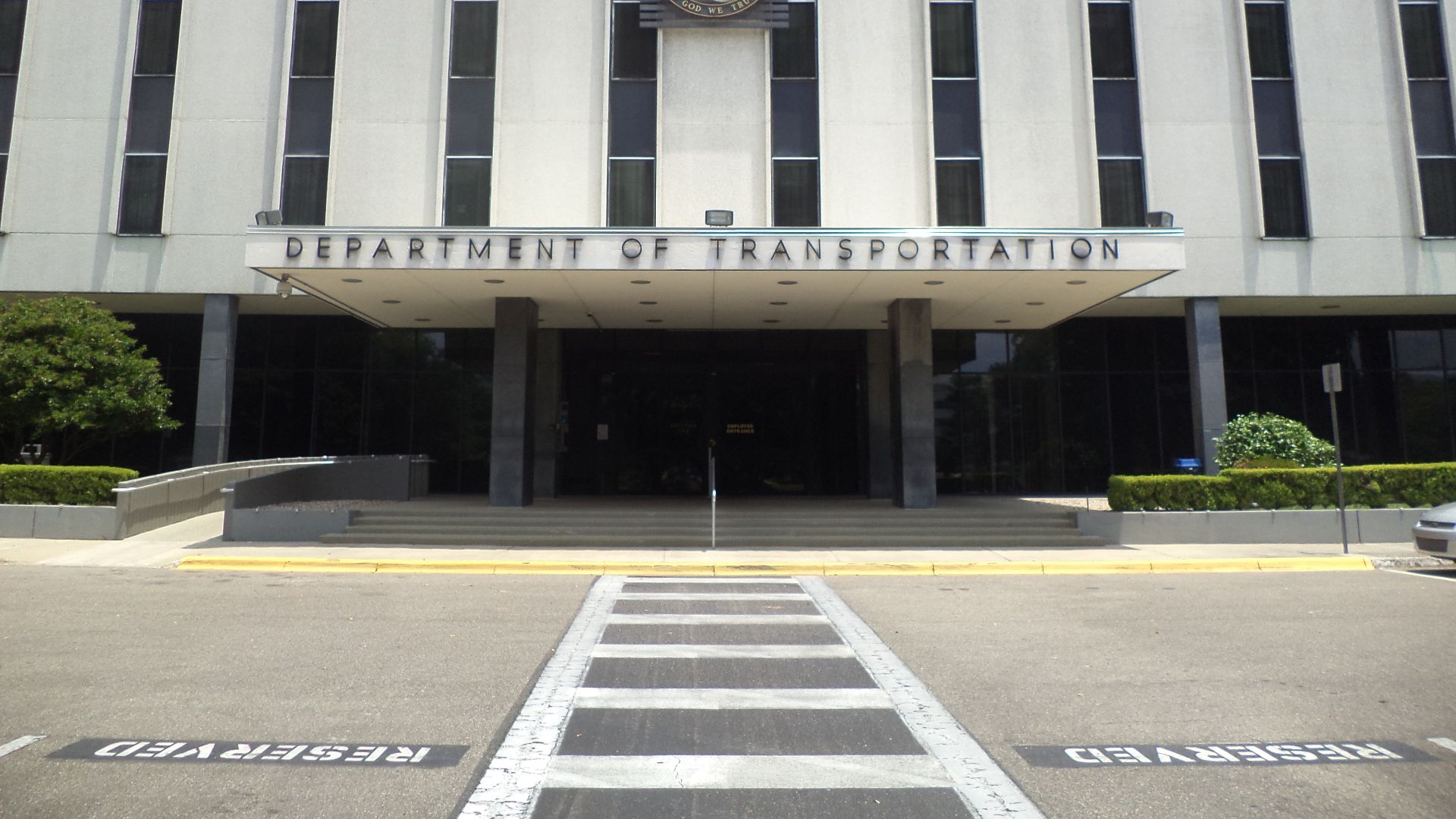
Probably not by yourself. Road markings are chosen by transportation departments based on engineering standards, safety studies, and maintenance needs—not individual driver preferences.
 Michael Rivera, Wikimedia Commons
Why Replace Painted Lines?
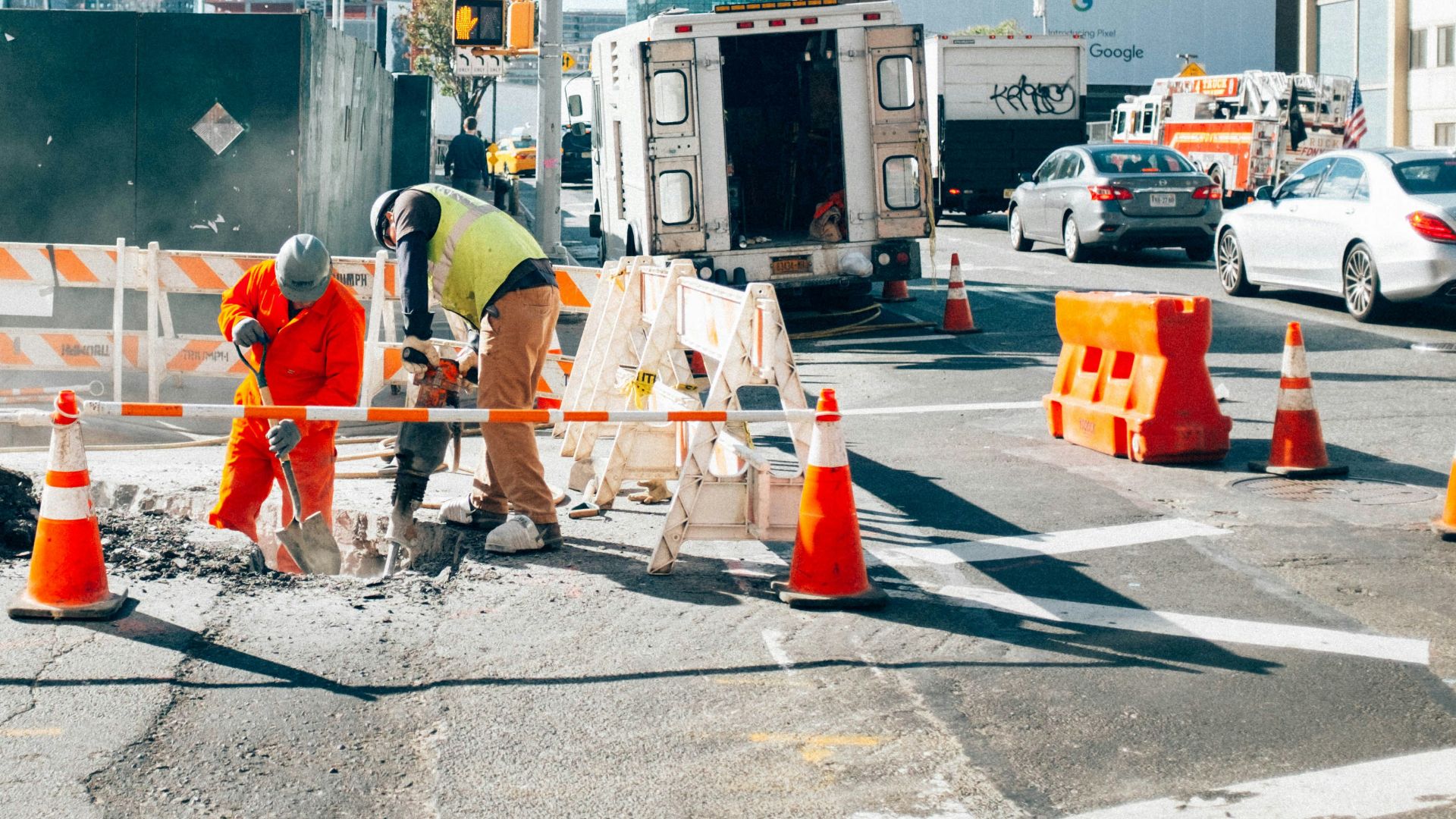
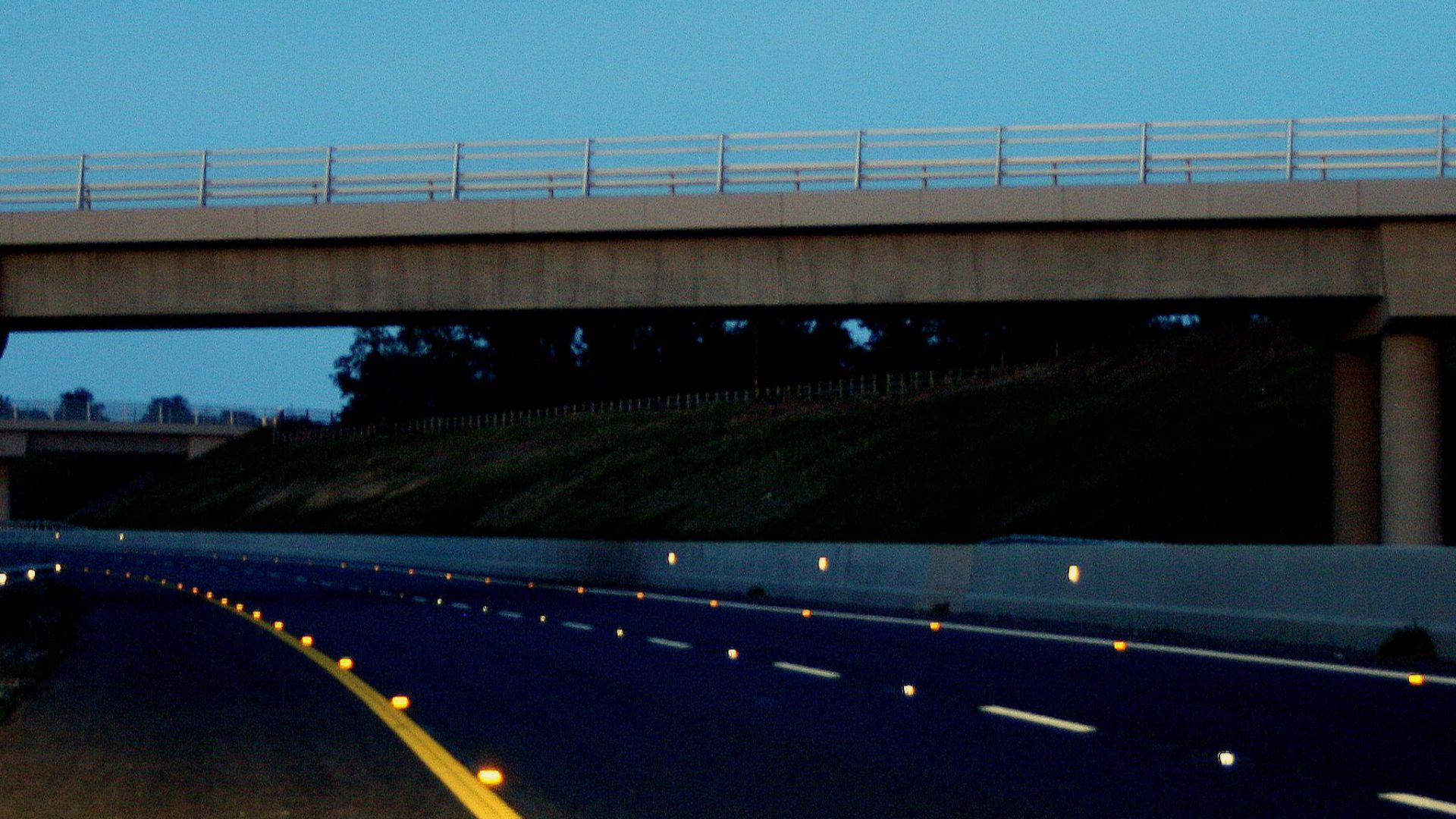
Reflective pavement markers are often installed because they stay visible when headlights hit them directly. They can also remain easier to see after painted lines begin fading.
They Aren't New Technology
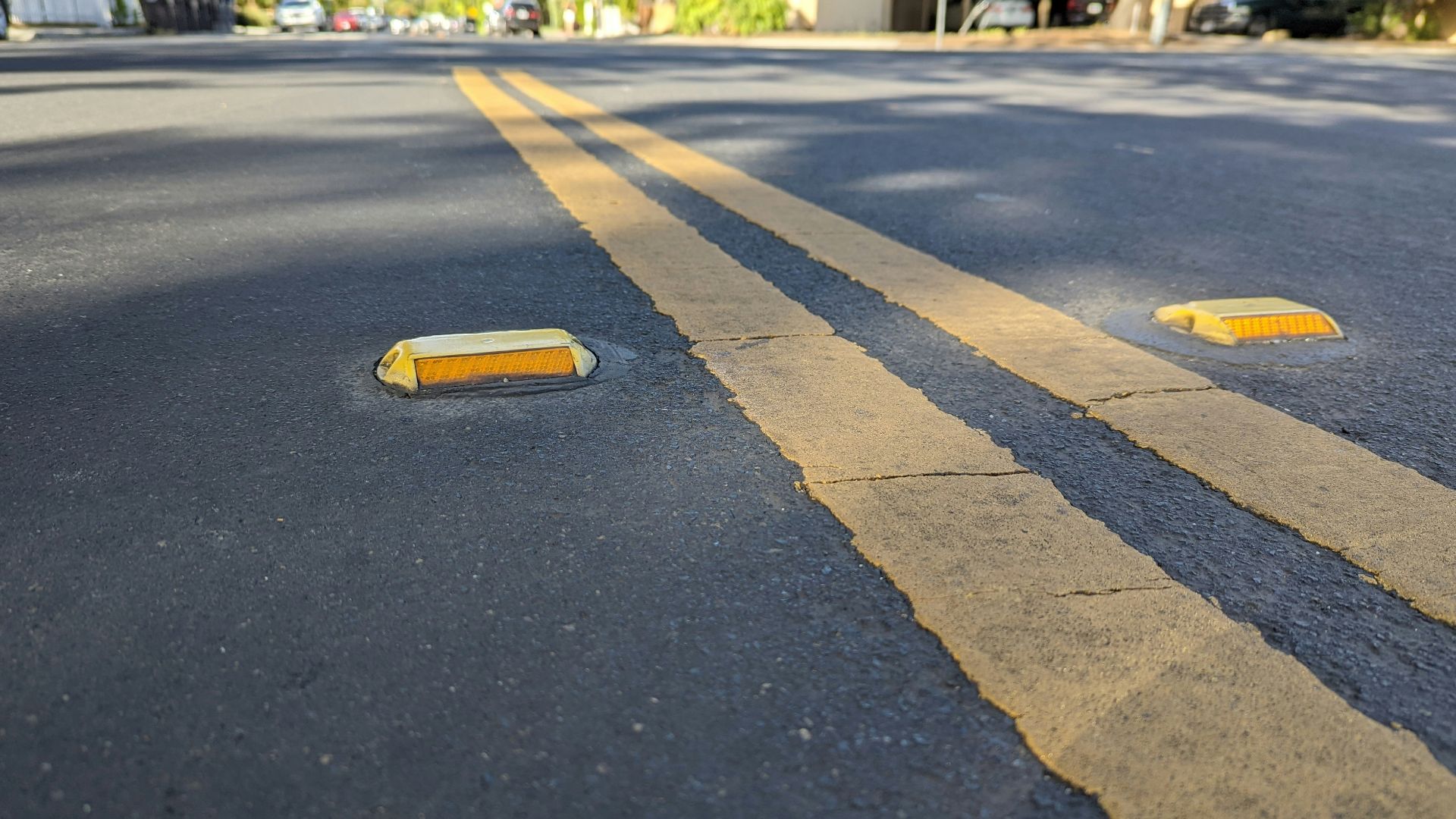
Reflective markers, often called 'Botts' dots' or raised pavement markers, have been used on North American roads for decades. Many municipalities use them alongside painted lines, while others rely on them more heavily.
They Can Feel Strange At First
If you've driven on painted lines for years, switching to raised markers can feel surprisingly uncomfortable. Your eyes suddenly have a different visual guide to follow.

Night Driving Is Different For Everyone
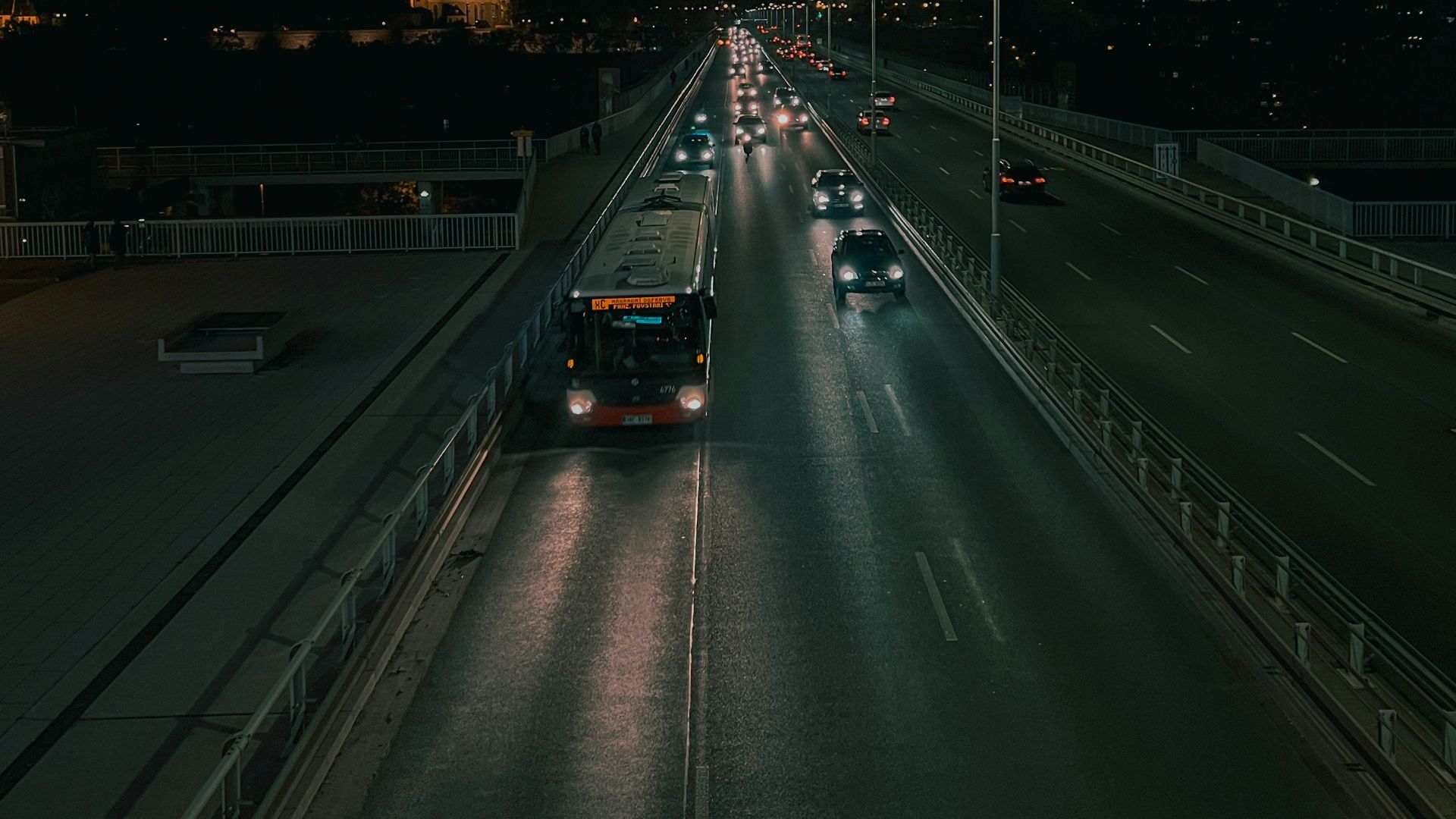
Age, eyesight, glare sensitivity, and weather conditions all affect how easily drivers see road markings. A setup that works well for one person may frustrate another.
Rain Can Make Things Worse
During rain, reflections from headlights and wet pavement sometimes make raised markers seem brighter or harder to judge than traditional painted lines.

Older Drivers Often Notice The Difference
Many older adults report increased difficulty driving at night due to glare and reduced contrast sensitivity. Changes to road markings can make those challenges even more noticeable.

The Markers May Not Be The Only Change
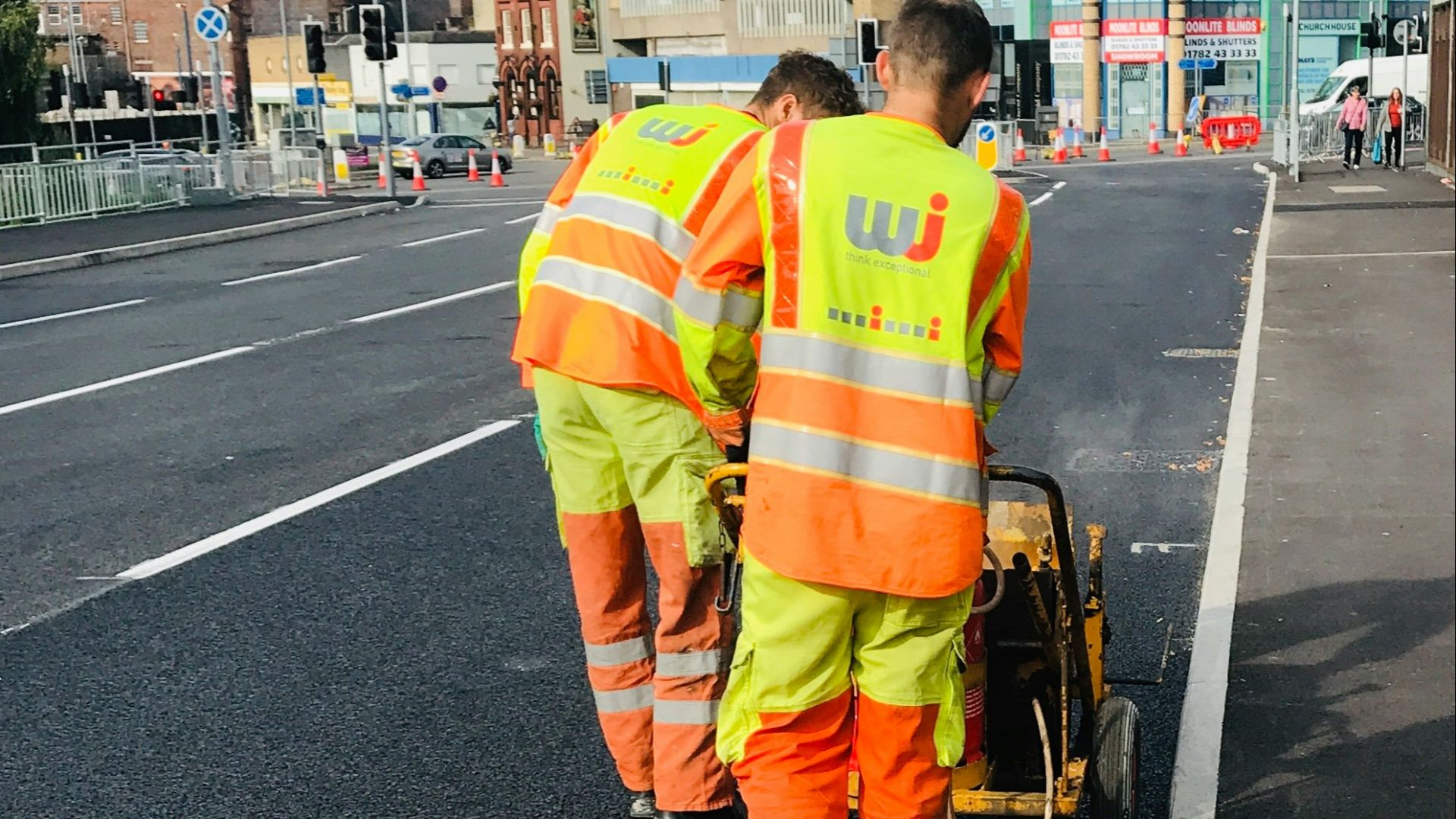
Sometimes municipalities replace lane markings as part of larger resurfacing or road safety projects. Other traffic changes may also affect how familiar the road feels.
Give Yourself Time To Adjust
Many drivers find that the discomfort fades after several weeks. Your brain gradually adapts to using different visual cues.

Slow Down A Little
Driving a few miles or kilometers per hour below your usual speed—while staying with the flow of traffic—may make nighttime driving feel much less stressful.

Increase Your Following Distance
Leaving more room between you and the vehicle ahead gives you extra time to react if you're having trouble judging the lane.
Make Sure Your Windshield Is Clean
Even a thin film of dirt inside the windshield can increase glare from reflective markers at night. A thorough cleaning often helps more than people expect.

Check Your Headlights
Cloudy headlight lenses or poorly aimed headlights reduce nighttime visibility. Keeping them clean and properly adjusted can improve your view of the road.

Have Your Eyes Checked
If nighttime driving suddenly feels much harder, it may be worth scheduling an eye exam. Sometimes a small prescription change makes a big difference.

Anti-Reflective Glasses May Help
Some prescription lenses include anti-reflective coatings that reduce glare from headlights and reflective road surfaces.

Can You File A Complaint?
Yes. Most municipalities have public works or transportation departments that accept comments from residents about road design and maintenance.

One Complaint Probably Won't Change Things
Road agencies rarely remove safety features because of a single complaint. They usually look for broader patterns, engineering data, and documented safety concerns.

Numbers Matter
If many residents report the same issue, transportation officials are more likely to review the design and determine whether improvements are needed.

Ask Whether More Paint Is Planned
In some areas, reflective markers are only one part of the final design. Fresh painted lane lines may be scheduled for a later phase of the project.

Attend Public Meetings
Municipal councils and transportation committees often discuss road projects during public meetings. Residents usually have opportunities to provide feedback.

Report Legitimate Safety Problems
If markers are missing, damaged, poorly installed, or creating a genuine hazard, report those issues promptly to your municipality.

Don't Remove Them Yourself
It may sound obvious, but never attempt to remove or damage pavement markers. Tampering with traffic control devices can result in fines and create dangerous conditions.
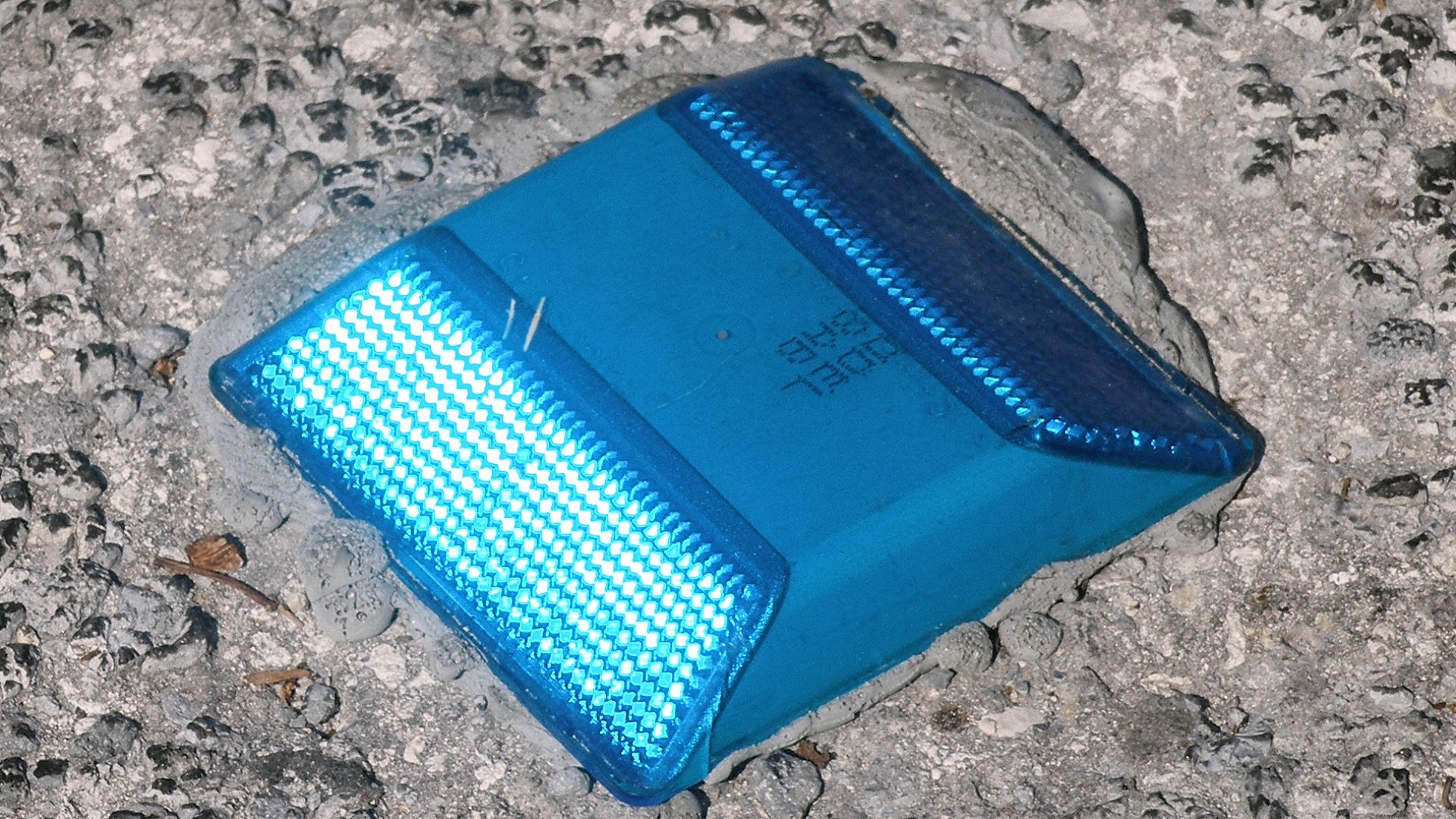 Coolcaesar at English Wikipedia, Wikimedia Commons
Remember The Goal
Municipalities usually install reflective markers because they believe they'll improve safety for most drivers—not because they're trying to make anyone's commute more frustrating.
The Biggest Mistake Drivers Make
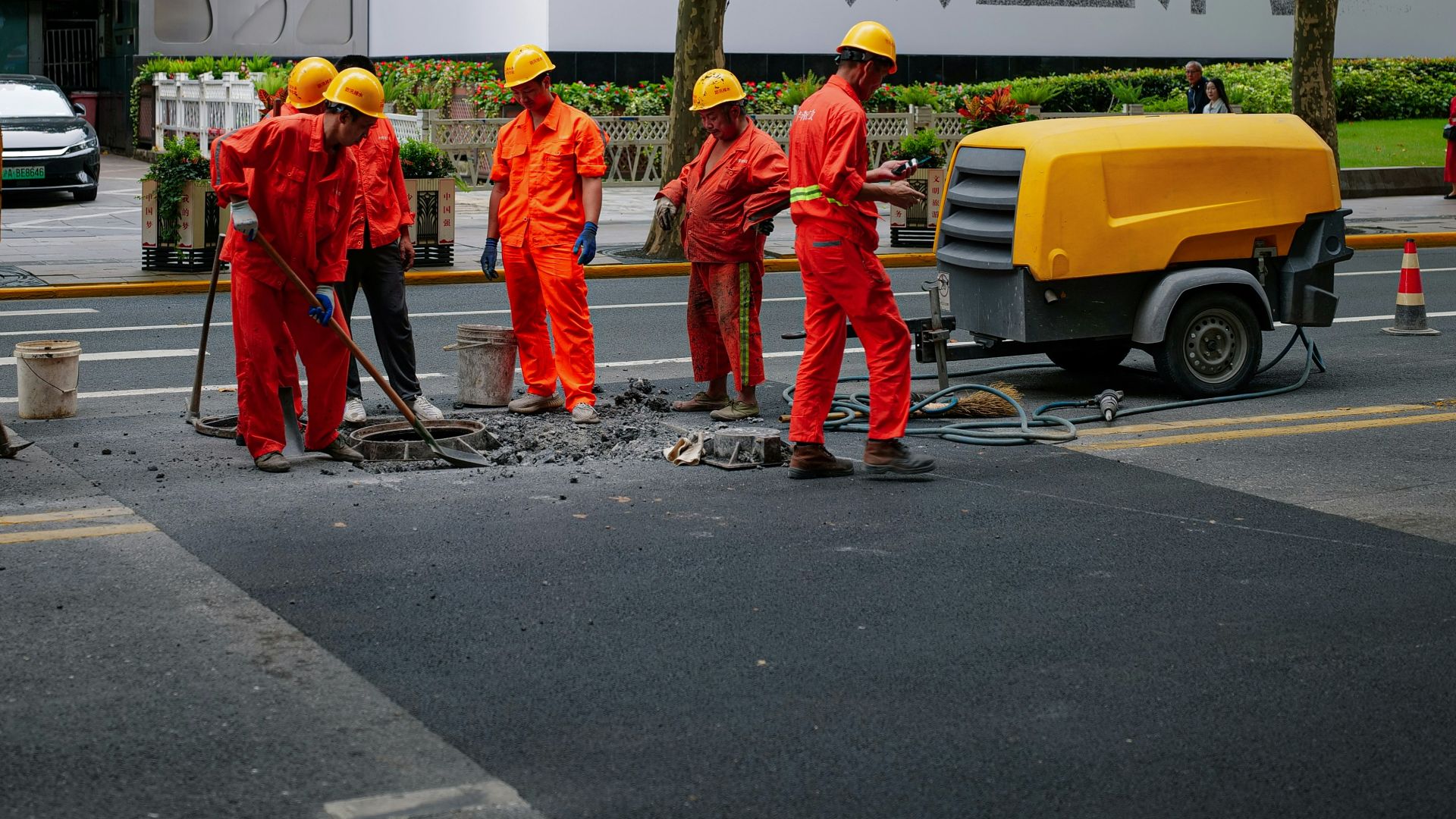
Many people assume a new road design is permanent from day one. In reality, transportation departments sometimes adjust markings after monitoring traffic patterns and public feedback.
So, Is There Anything You Can Do?
Yes. While you probably can't demand that reflective markers be removed, you can report your concerns, attend public meetings, ask whether additional painted lines are planned, and make small adjustments that may make nighttime driving much easier.

Sometimes The Best Solution Takes Time
Road changes often feel awkward at first, especially on routes you've driven for years. With a little time—and constructive feedback if problems persist—you may find the road becomes much easier to navigate than it first seemed.

You May Also Like: