When “Recommended” Starts Feeling Expensive
Premium fuel can feel like cheap insurance for an expensive car, especially when a dealership tells you it is the better choice. But after years of paying more at the pump, it is reasonable to wonder whether you were protecting your engine or just overpaying. The real answer starts with one important distinction: recommended versus required.
What kind of gas is best?
Premium Fuel Is Mostly About Octane
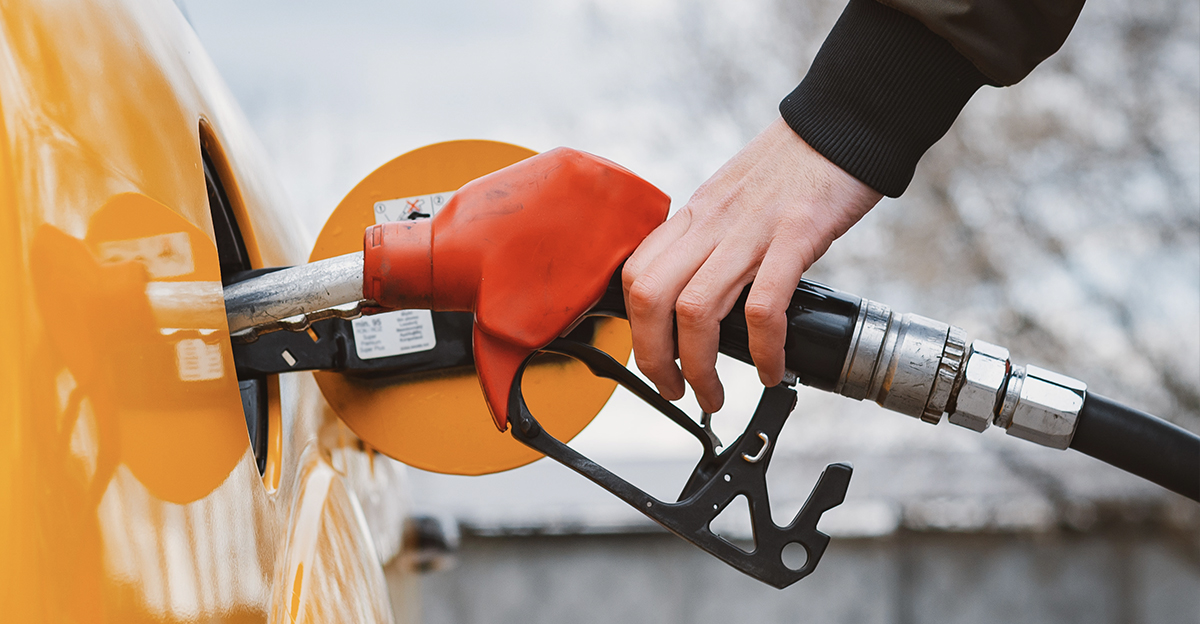
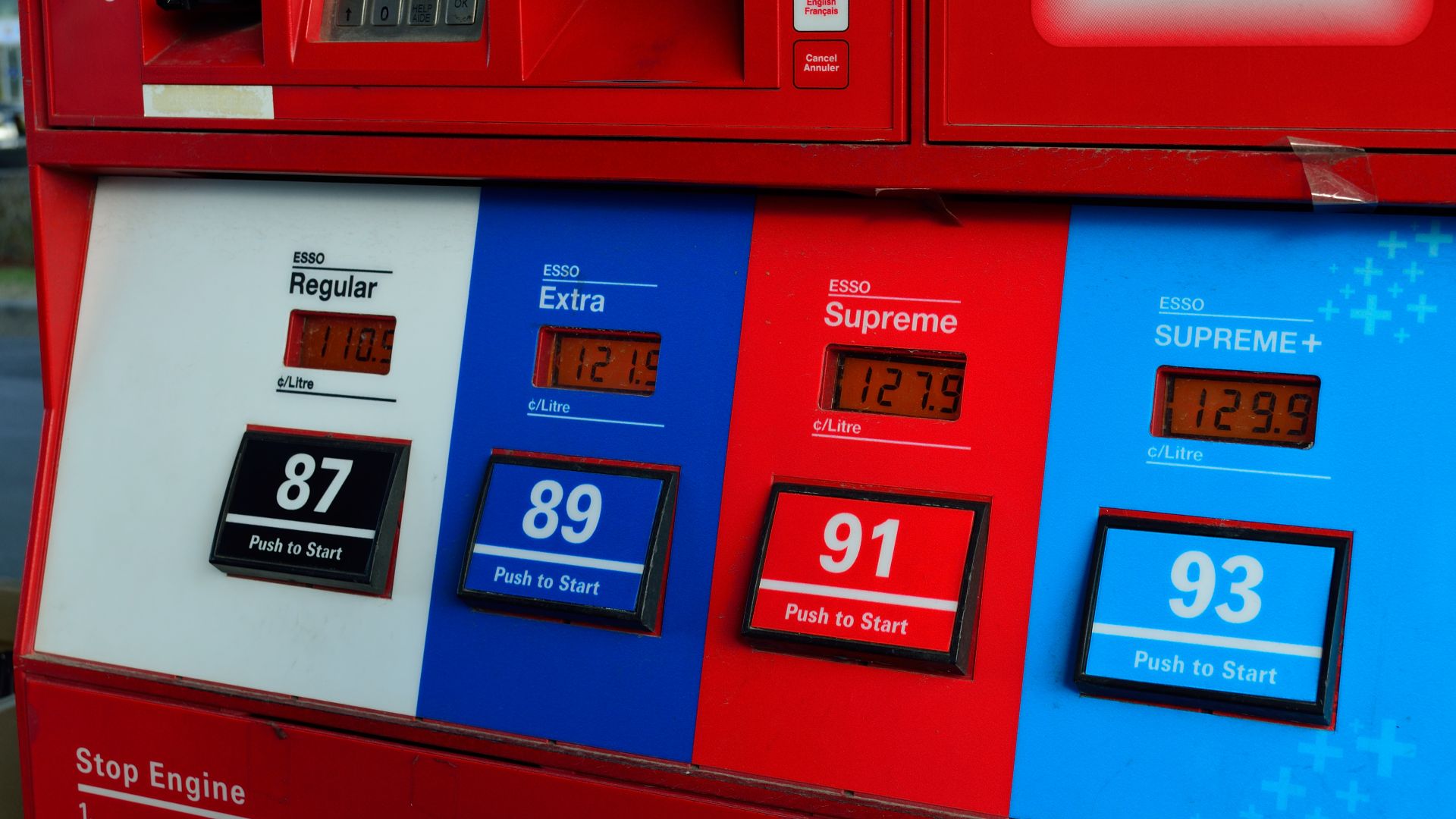
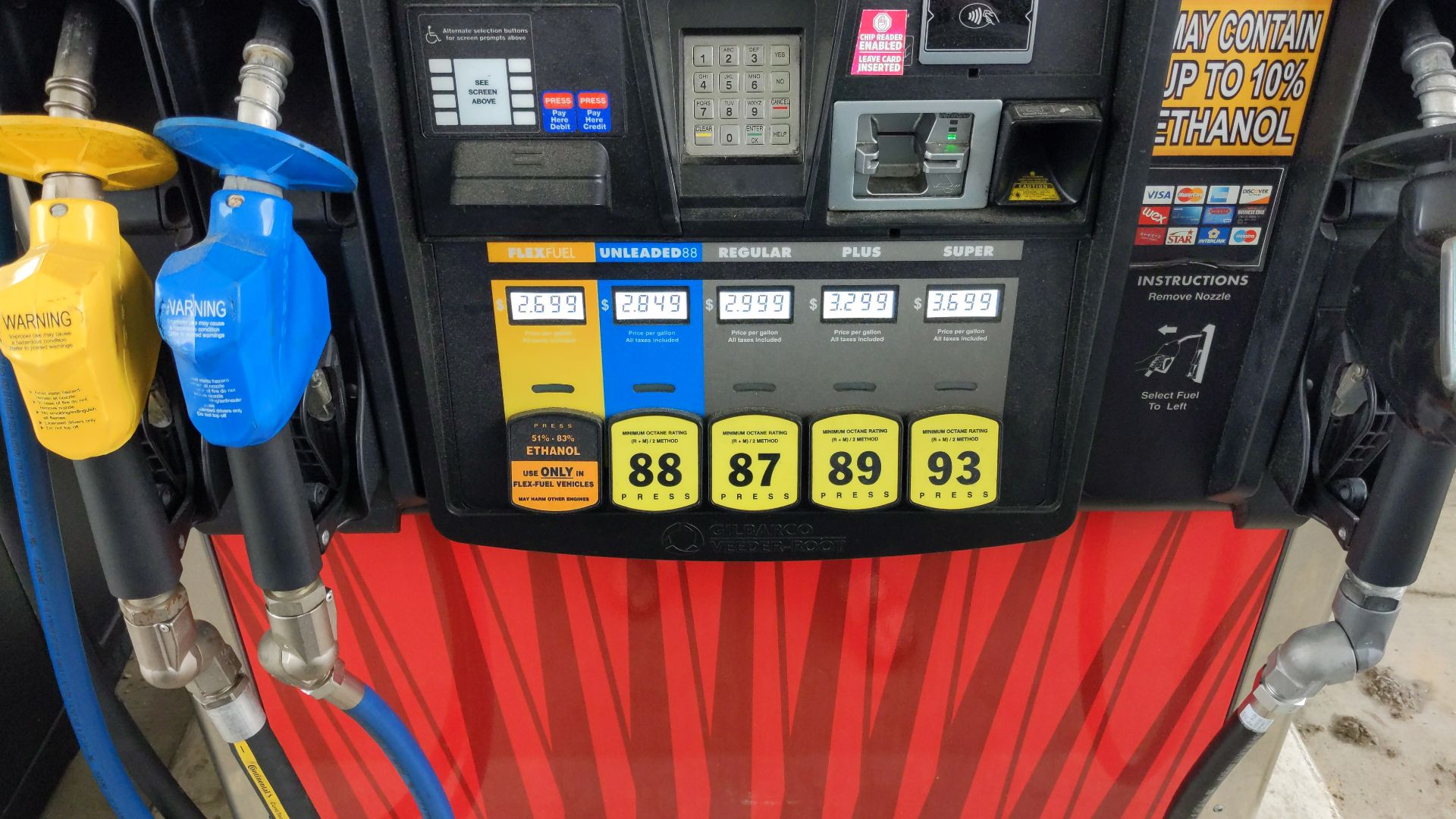
Premium gas is not automatically cleaner, stronger, or more luxurious than regular gas. Its key difference is octane rating, which measures a fuel’s ability to resist engine knock, or premature combustion. In the United States, regular is typically 87 octane, midgrade is 88 to 90, and premium is usually 91 to 94.
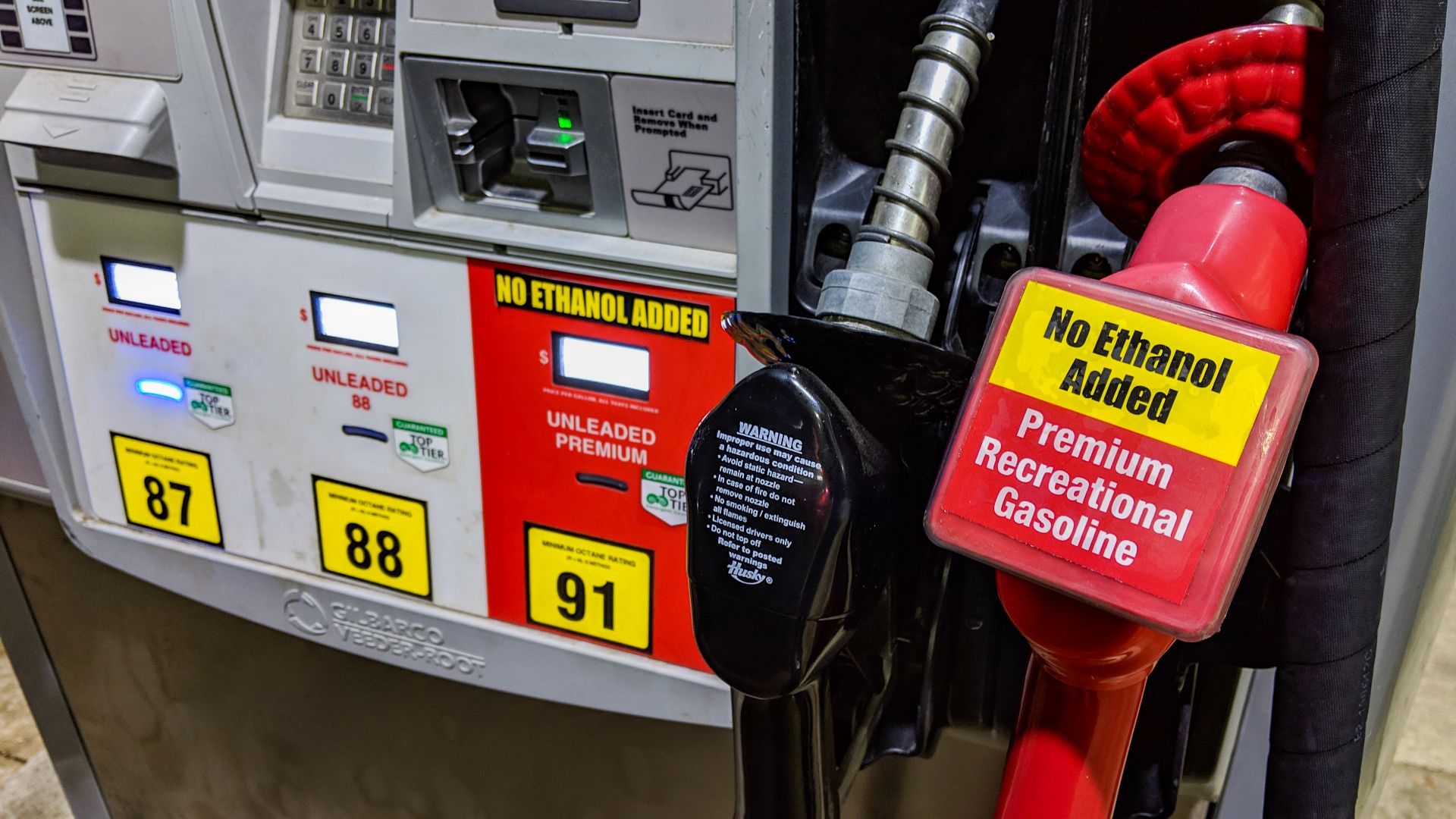 Tony Webster from Minneapolis, Minnesota, United States, Wikimedia Commons
Octane Is Not The Same As Quality
Many drivers assume premium means better fuel, but octane is not a general quality score. A higher octane fuel is designed for engines that need greater knock resistance, often because of higher compression or turbocharging. If your engine does not need that resistance, premium may not deliver meaningful everyday benefits.
 Raysonho @ Open Grid Scheduler / Grid Engine, Wikimedia Commons
The Owner’s Manual Matters More Than The Dealership
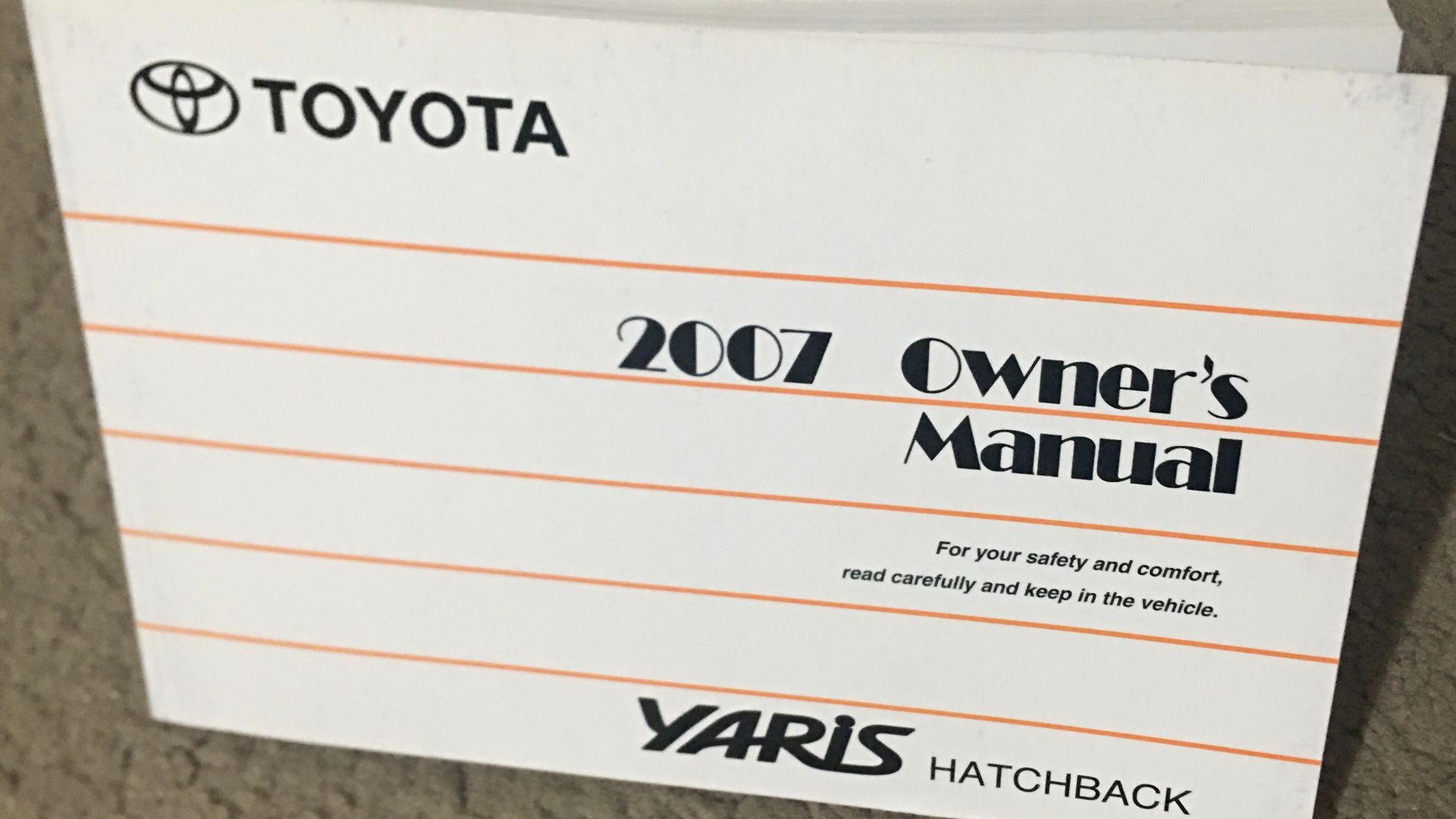
A salesperson, service advisor, or previous owner may give advice, but the most reliable source is your owner’s manual or fuel door label. Manufacturers usually use specific language such as “premium required,” “premium recommended,” or “regular unleaded acceptable". Those phrases are not interchangeable.
 Mrbeastmodeallday, Wikimedia Commons
“Required” Means You Should Take It Seriously
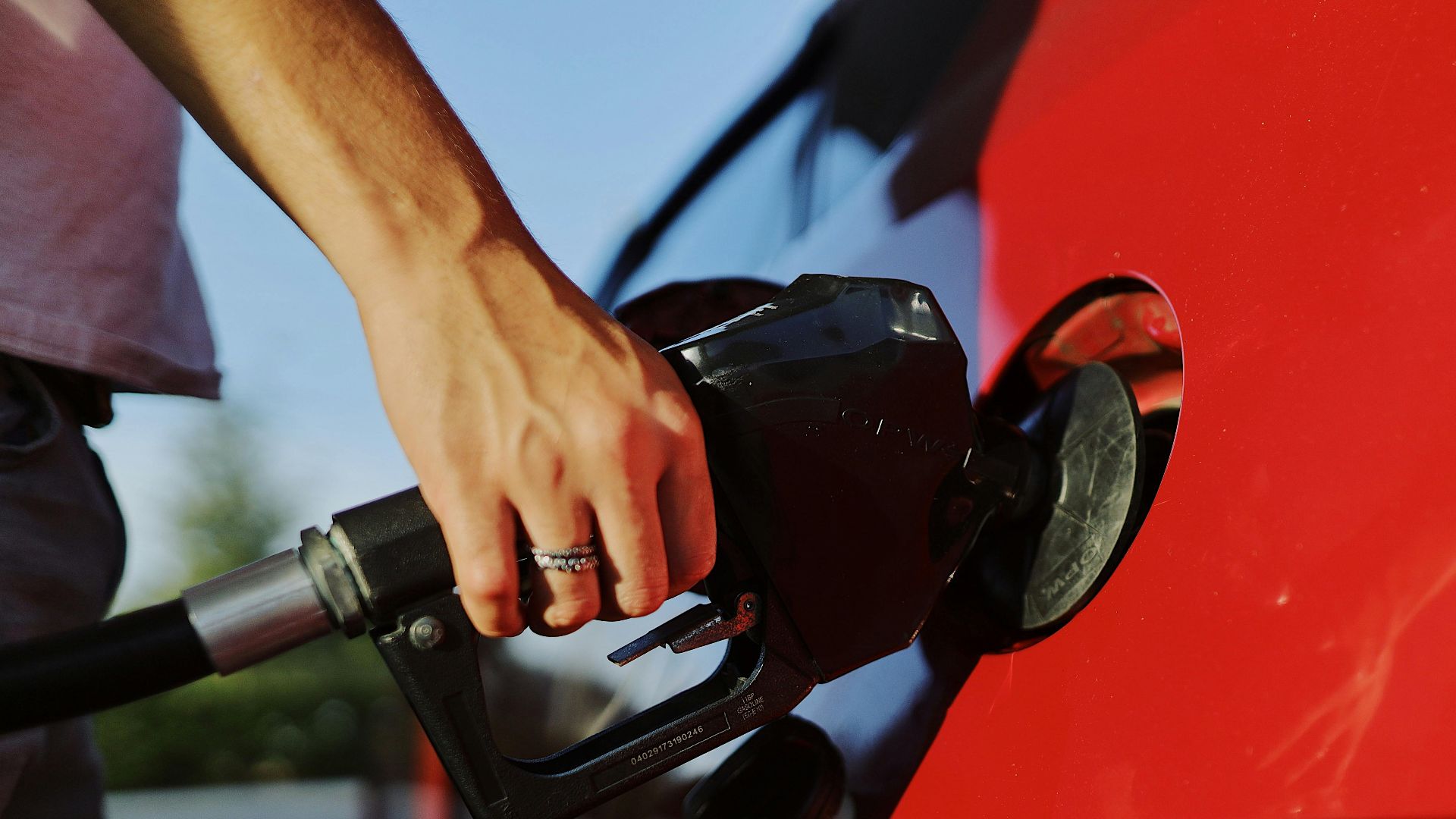
If your vehicle requires premium fuel, using regular could cause knocking, reduced performance, poorer fuel economy, or possible long-term engine stress. Modern engine computers can adjust timing to reduce damage, but that does not mean regular is ideal. In a premium-required vehicle, paying more is usually part of ownership.
“Recommended” Leaves More Room
If premium is only recommended, the vehicle can usually run safely on regular fuel, though performance may be slightly reduced under certain conditions. Some manufacturers recommend premium to achieve advertised horsepower or towing performance, but they still allow regular fuel for normal use. That difference matters for your wallet.

Some Drivers Notice No Difference At All
If you commute gently, drive mostly in the city, or rarely push the engine hard, you may not feel any meaningful difference between regular and premium in a premium-recommended car. The benefit, if it exists, may show up only during hard acceleration, hot weather, steep climbs, towing, or heavy loads.

AAA Found Premium Often Offers No Benefit When Regular Is Allowed
AAA tested vehicles designed to run on regular fuel and found no significant improvement in horsepower, fuel economy, or emissions from using premium instead. The takeaway is simple: if the manufacturer does not require or recommend premium, buying it is usually wasted money.
Premium-Recommended Vehicles Are A Gray Area
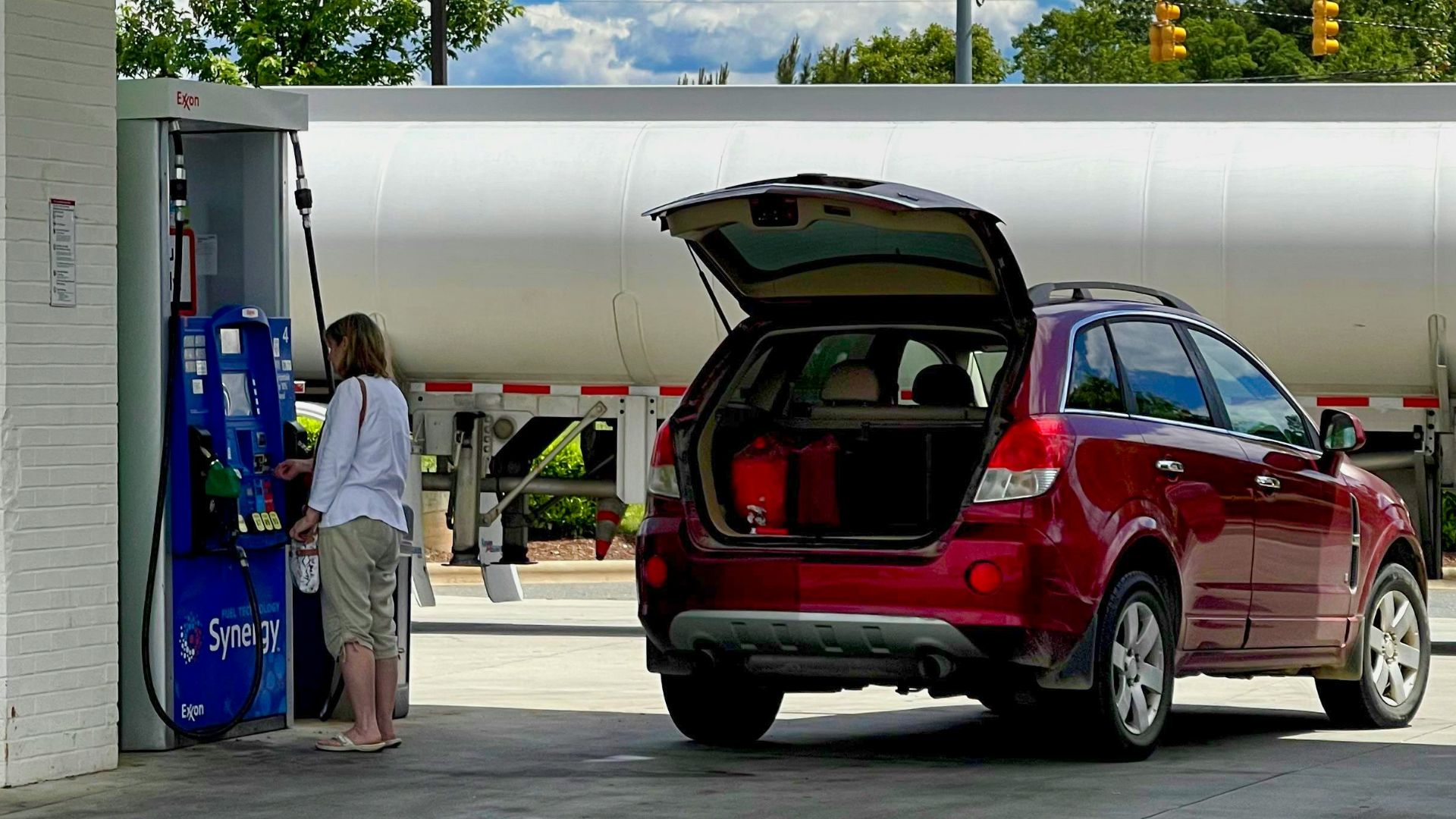
The gray area is the vehicle that recommends premium but allows regular. In those cases, premium may provide modest performance benefits, but not always enough to justify the cost. The smartest approach is not loyalty to the dealership’s advice, but a practical comparison using your own vehicle and driving habits.
Your Engine Computer Is Constantly Adjusting
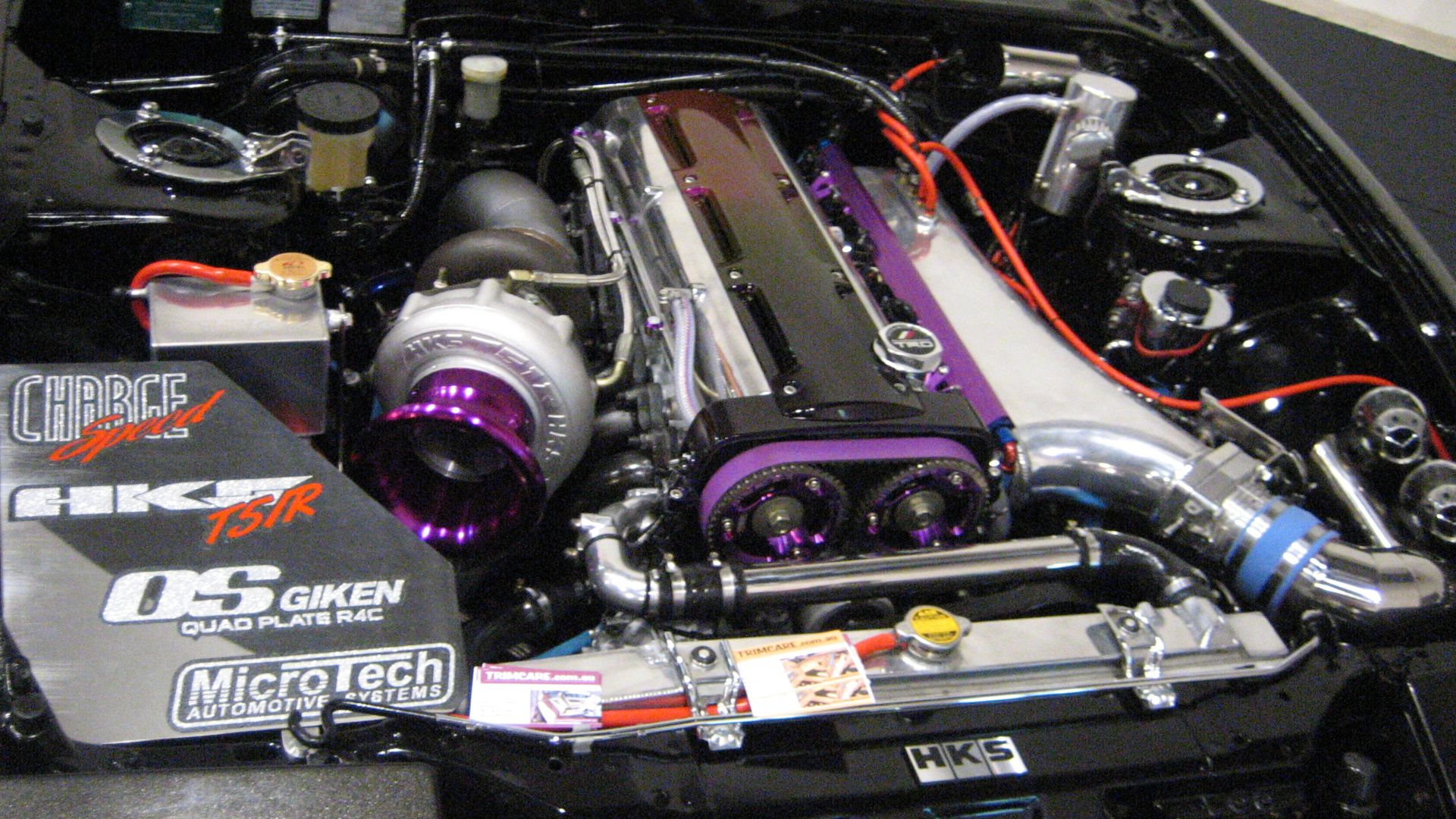
Modern vehicles use sensors and computer controls to manage combustion. If the engine detects knock risk, it can adjust timing to protect itself. That flexibility is why many premium-recommended vehicles can tolerate regular fuel. However, those adjustments may slightly reduce power or efficiency in some situations.
Fuel Economy Gains May Not Cover The Price Gap
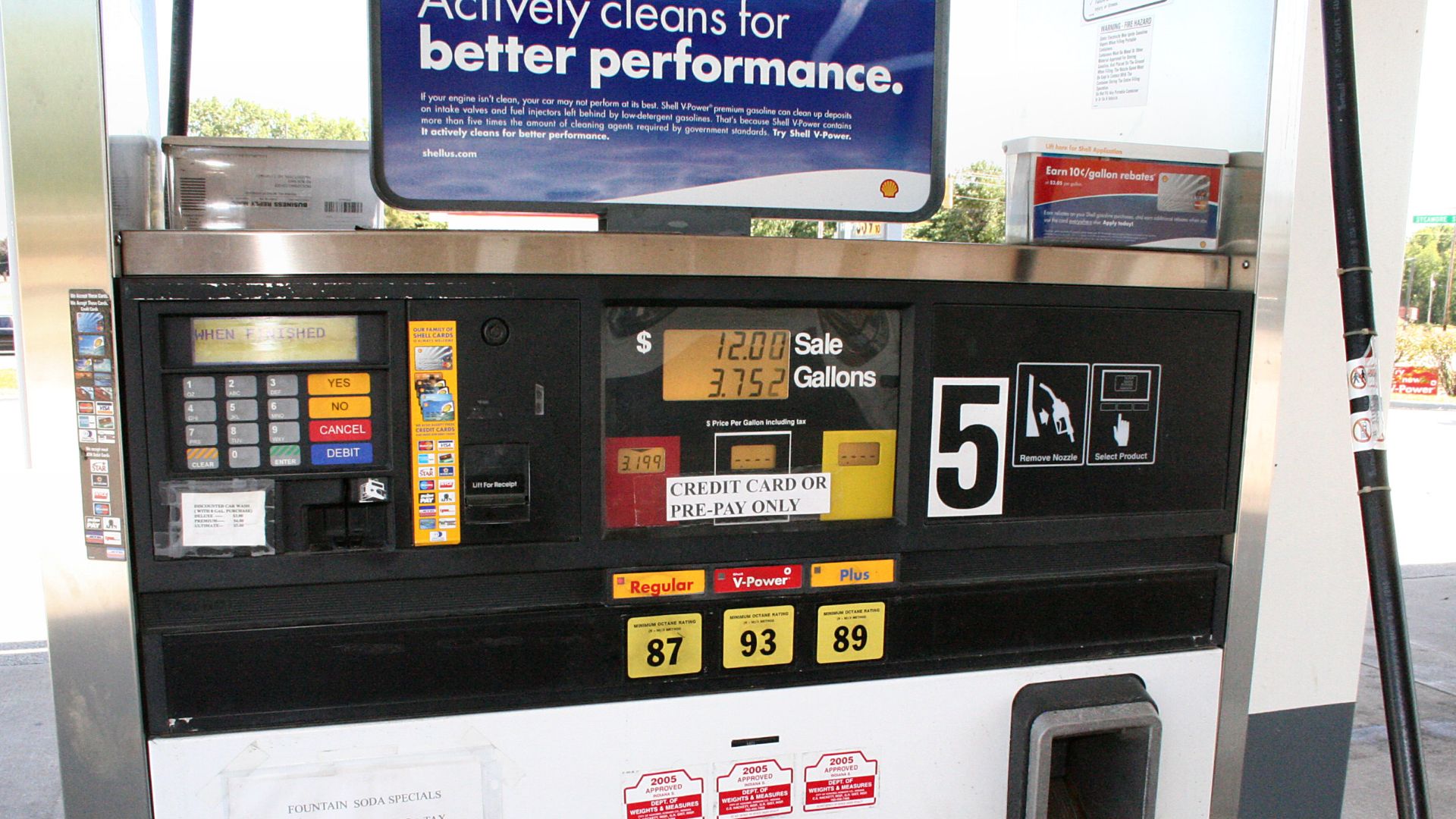
Even if premium gives a small mileage improvement, it may not save money. If premium costs much more per litre or gallon, the fuel economy gain would need to be large enough to offset the price difference. In many real-world cases, the math simply does not work in premium’s favor.
Check The Exact Wording On The Fuel Door
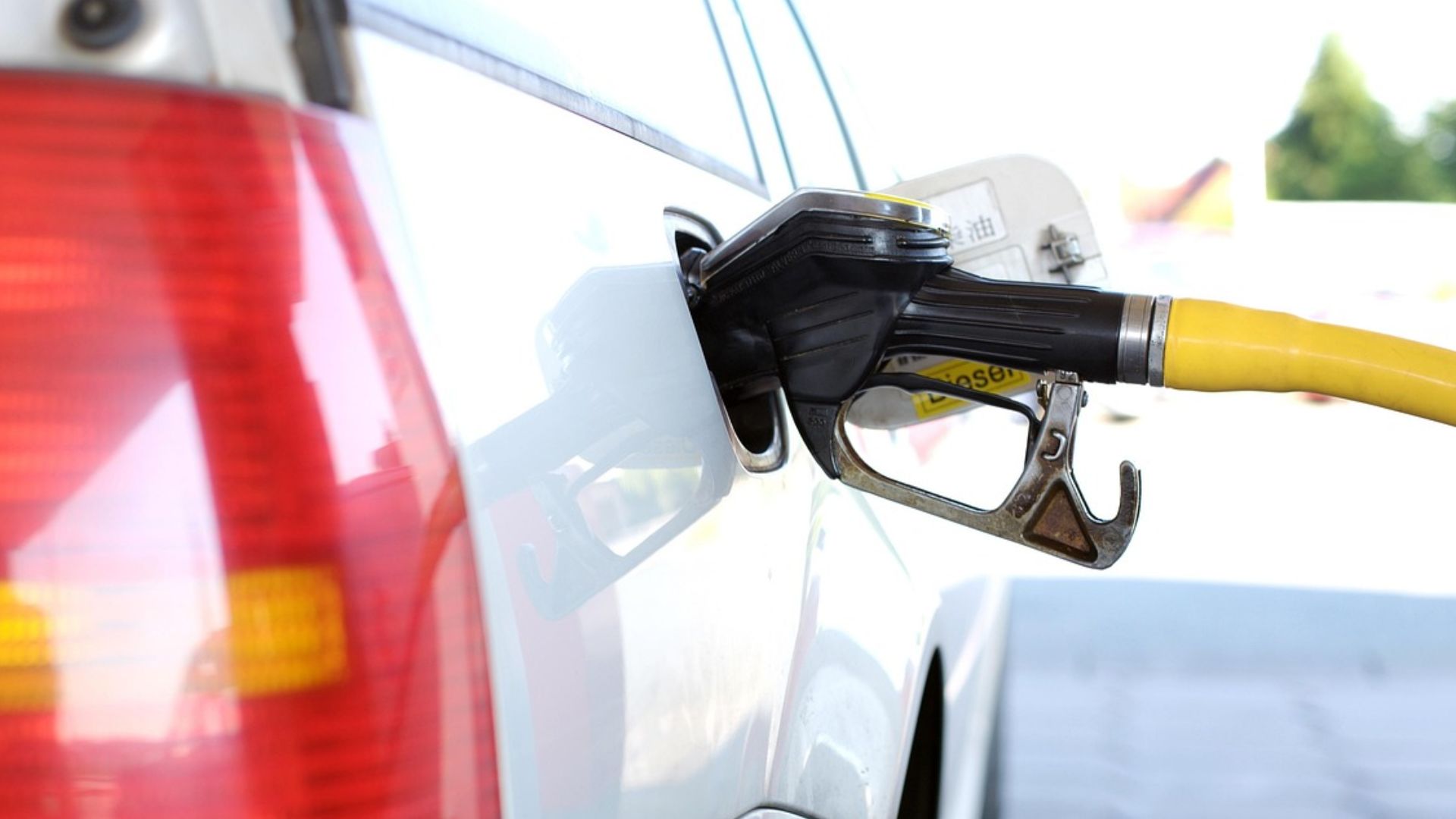
Some vehicles make this easier by printing fuel guidance near the gas cap. If the label says premium fuel required, do not treat that casually. If it says premium recommended or 87 octane minimum, you have more flexibility. When the label and dealership advice conflict, check the manual.
Turbocharged Engines Are More Likely To Benefit
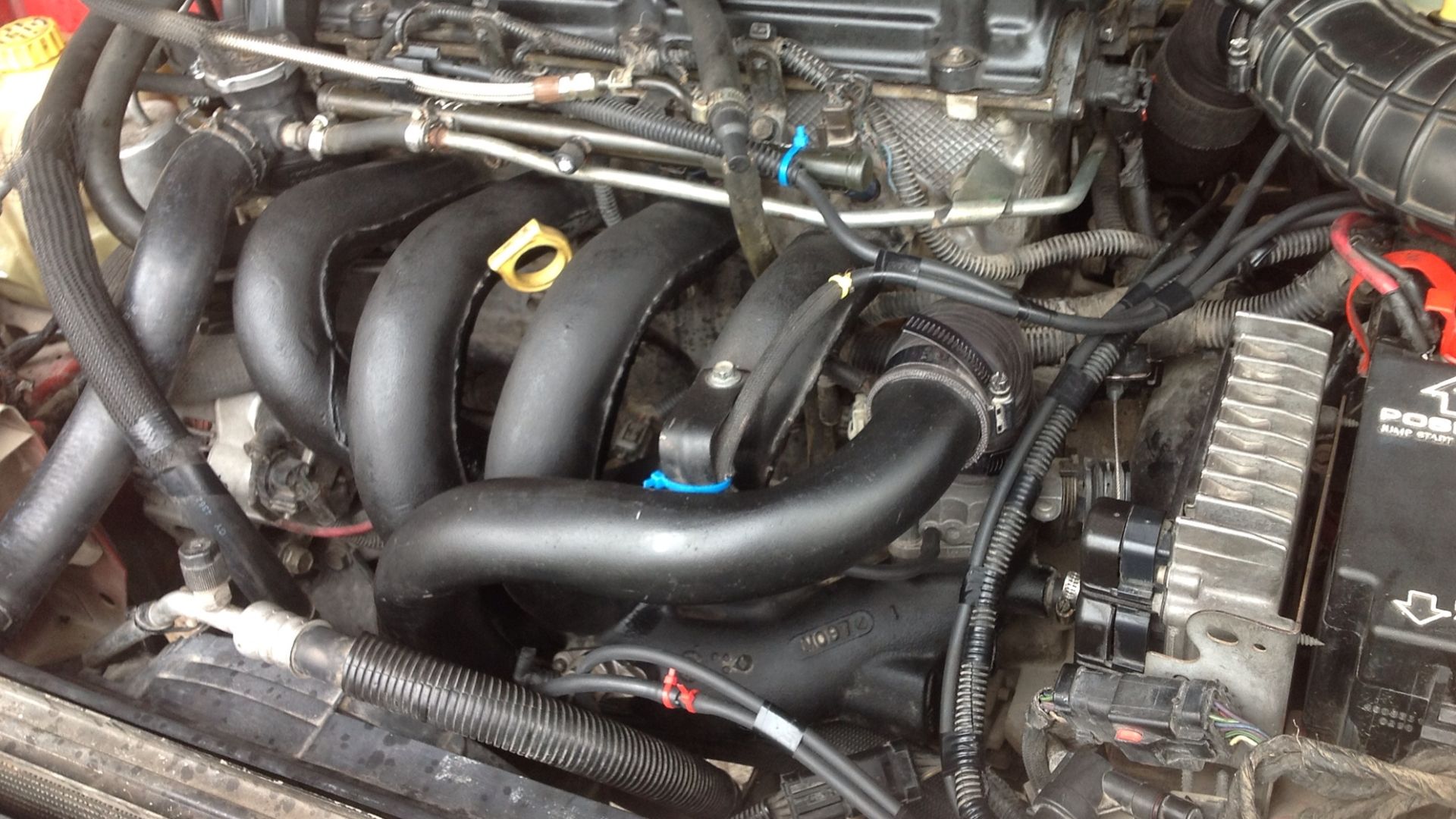
Turbocharged and high-compression engines are more likely to recommend or require premium because they operate under higher pressure. That does not mean every turbo engine needs premium, though. Many modern turbo vehicles are designed for regular fuel, so the manufacturer’s specific guidance still matters most.
 Black Wolf DPCMX, Wikimedia Commons
Using Regular Once Usually Is Not A Disaster
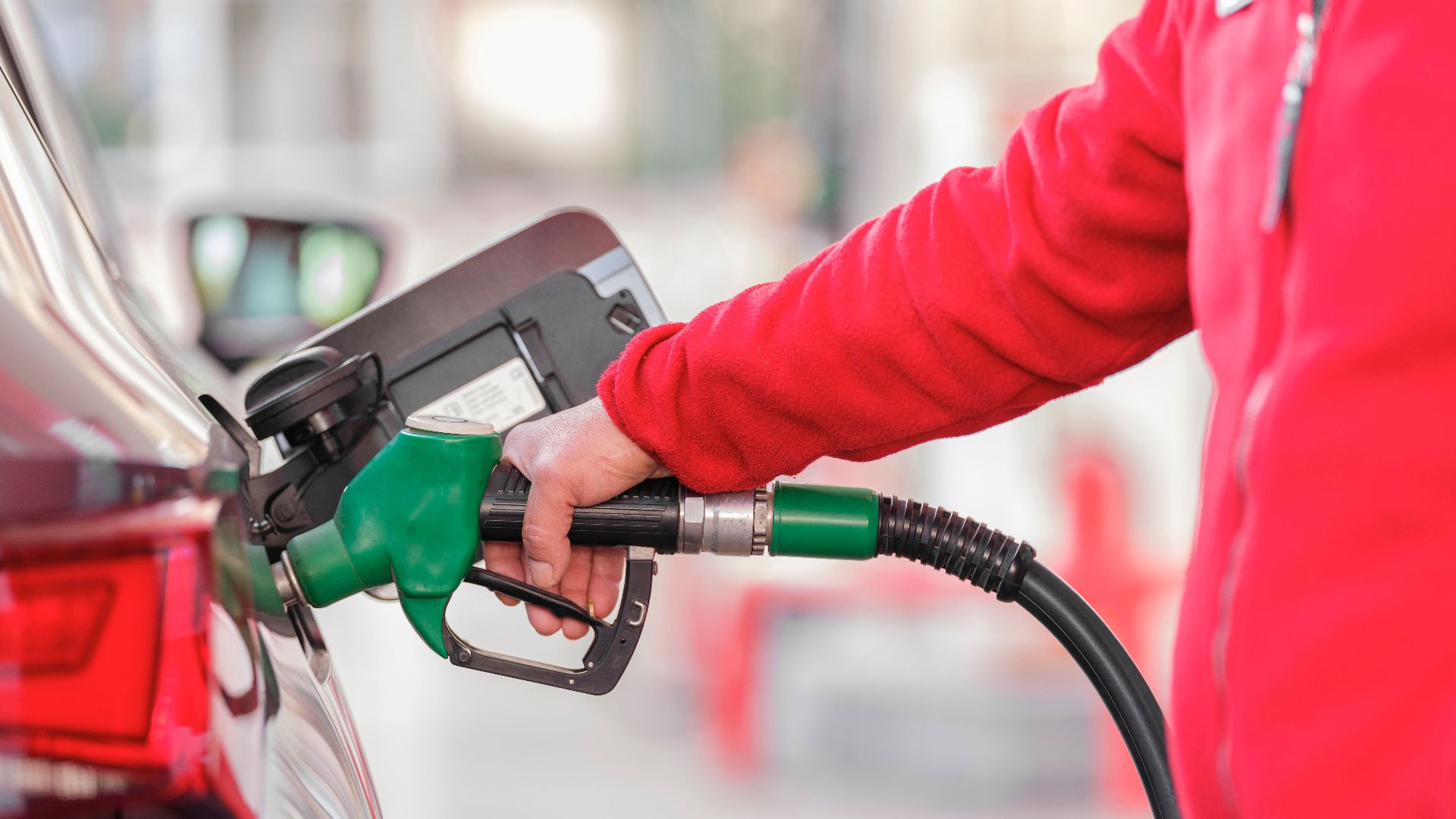
If your car recommends premium and you accidentally fill with regular, you probably do not need to panic. Drive normally, avoid heavy loads or aggressive acceleration, and return to your preferred grade next time. If the car requires premium and you hear knocking or warning signs, consult the manual or a mechanic.
Persistent Knocking Is A Warning Sign
If you switch to regular and hear pinging, knocking, or rough performance, do not ignore it. That may mean your engine is not happy with the lower octane under your driving conditions. In that case, premium may be worth using, or there may be another maintenance issue that needs attention.
Top Tier Fuel May Matter More Than Premium
If your goal is engine cleanliness, octane may not be the most important factor. AAA has pointed to Top Tier gasoline standards as a better way to reduce engine deposits than simply buying premium when your car does not need it. Many regular-grade fuels meet Top Tier detergent standards.
Dealership Advice Can Be Overly Cautious
A dealership may recommend premium because it avoids complaints about performance, aligns with the car’s best possible specifications, or sounds safer. That advice is not necessarily malicious, but it may be conservative. The legal and mechanical question is what the manufacturer requires, not what the dealership casually suggested.

You Can Test It Carefully
If your manual allows regular, you can try a few tanks while tracking fuel economy, performance, and engine behavior. Use the same driving routes if possible and avoid judging from one tank alone. If the car feels the same and mileage barely changes, premium may not be worth the ongoing cost.
Don’t Mix This Up With Old Or Poor Fuel
If your car runs badly after switching grades, the issue may not be octane alone. Bad fuel, dirty injectors, worn spark plugs, carbon buildup, or sensor problems can all affect performance. A healthy engine should generally follow the fuel guidance in the manual without drama.

The Money Can Add Up Quickly
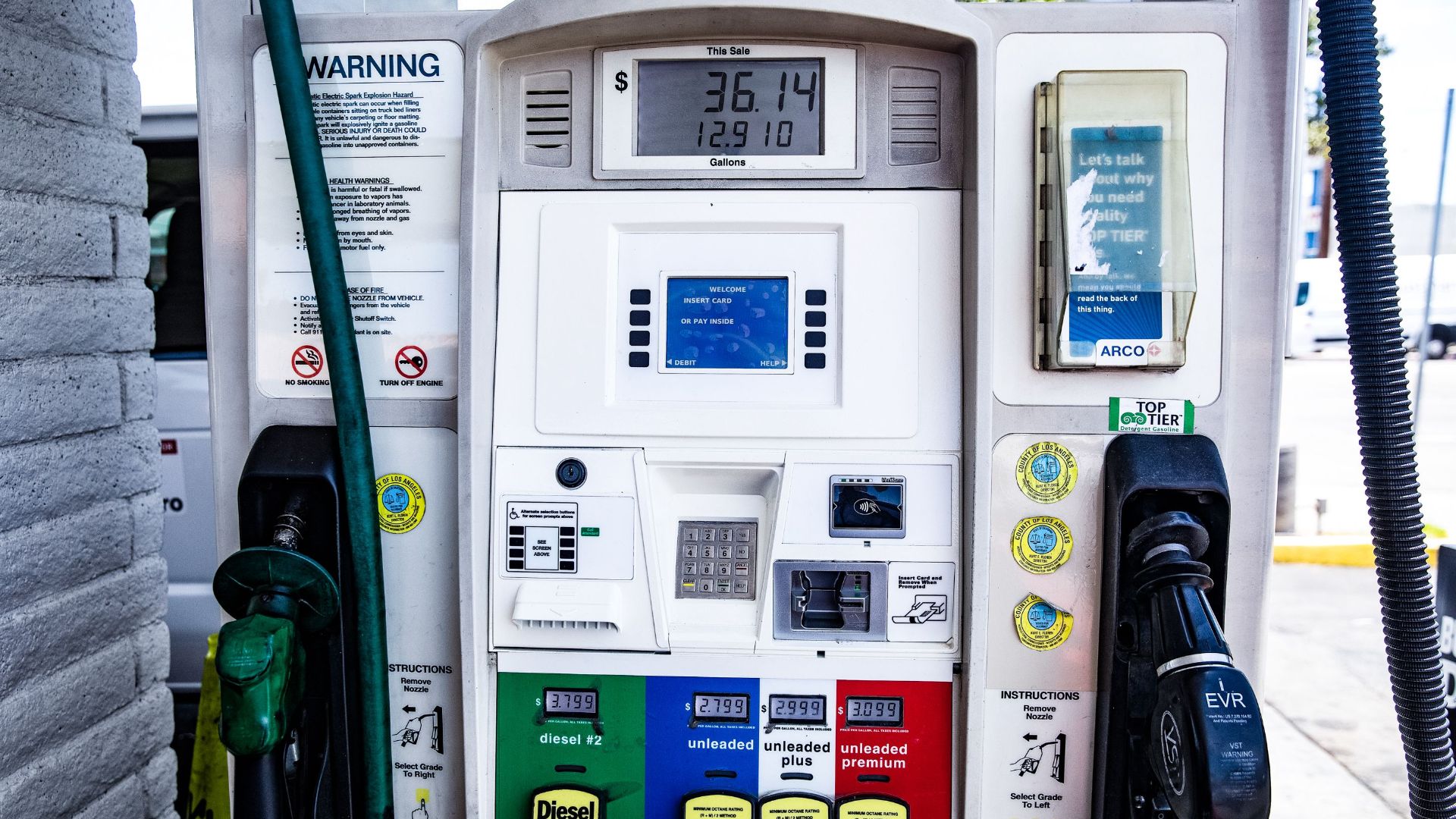
Premium often costs noticeably more than regular, and the gap has widened in some markets. Even a modest difference at every fill-up can become hundreds of dollars a year. Over several years, paying for unnecessary premium can quietly become one of the more expensive car habits.
So What's The Verdict?
If your car truly requires premium, you probably have not wasted money. You have been following the fuel your engine was designed to use. But if premium was only recommended, or if the manual says regular is acceptable, you may have been paying extra for benefits you rarely needed. The best next step is simple: read the manual, check the fuel door, and make the choice based on the manufacturer’s wording rather than dealership habit.

You May Also Like:
Cars That Were Supposed To Be “The Next Corvette”—But They Never Took The Crown
10 Mistakes To Avoid When Shopping For A New Vehicle