Recovery Comes With A Bill
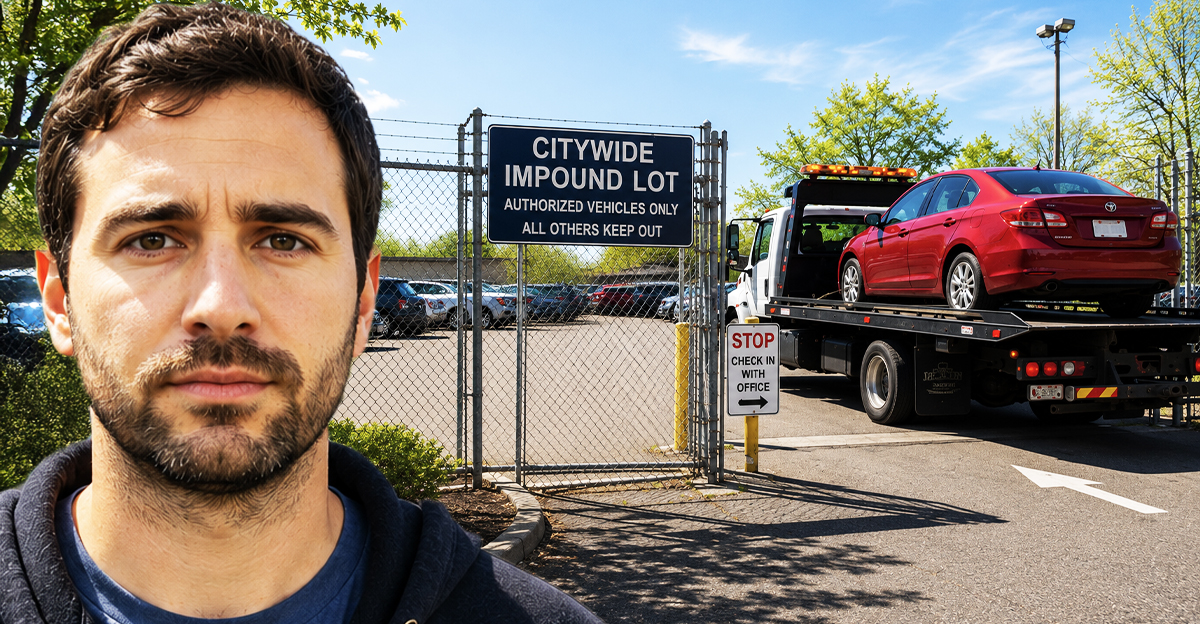
Your stolen car has finally been found, but the good news comes with a nasty surprise. Police had it towed to an impound lot, and now you are expected to pay towing and storage charges. In many places, that frustrating outcome is entirely possible.
Start With The Theft
When you discover your vehicle missing, report the theft to police promptly and obtain the report information. You will also want to contact your insurer quickly. A formal theft report creates the documentation needed for the investigation and for any comprehensive insurance claim.

Police Control The Recovery
When police locate a stolen vehicle, their first concern is not necessarily getting it into your driveway. Depending on the circumstances, officers may need to secure the vehicle, document its condition, investigate how it was stolen, or preserve potential evidence before releasing it.

Why Cars Get Towed
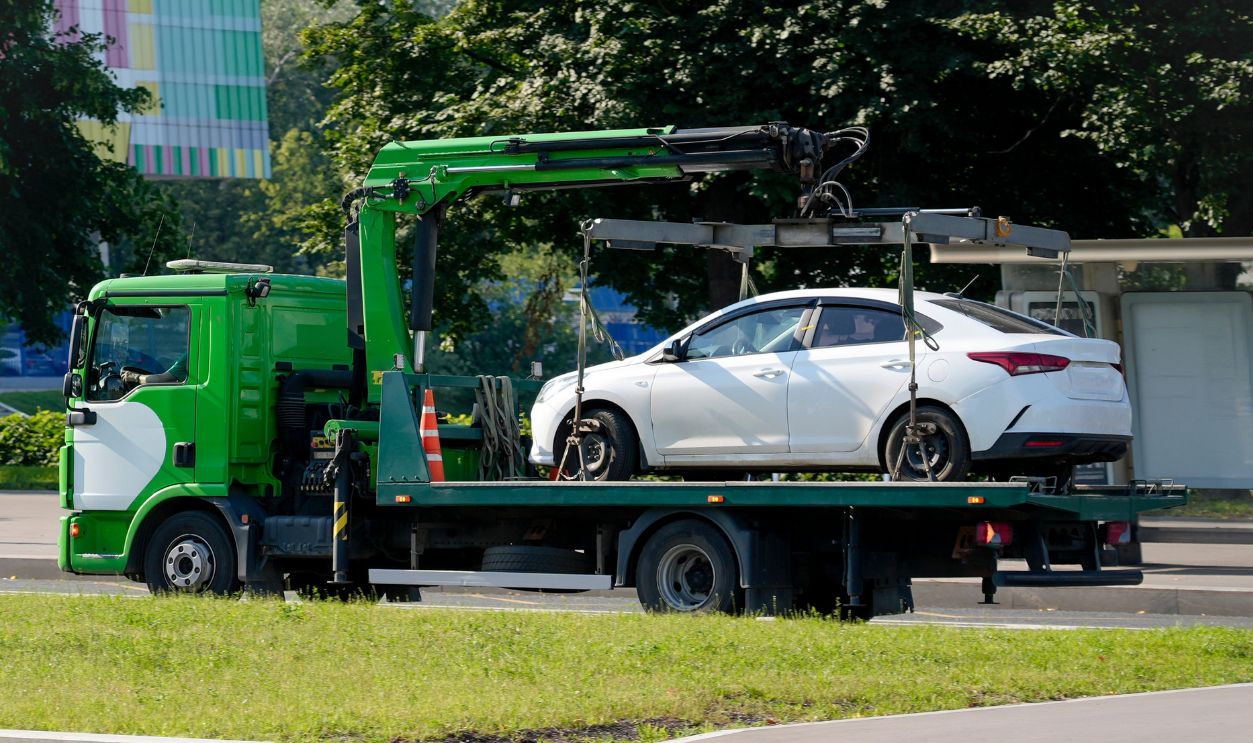
A recovered car might be abandoned on a highway, parked illegally, damaged, unsafe to drive, or located far from its owner. Police may arrange towing because leaving it where it was discovered could create safety, theft, vandalism, or traffic problems while the recovery is processed.
The Owner Often Pays
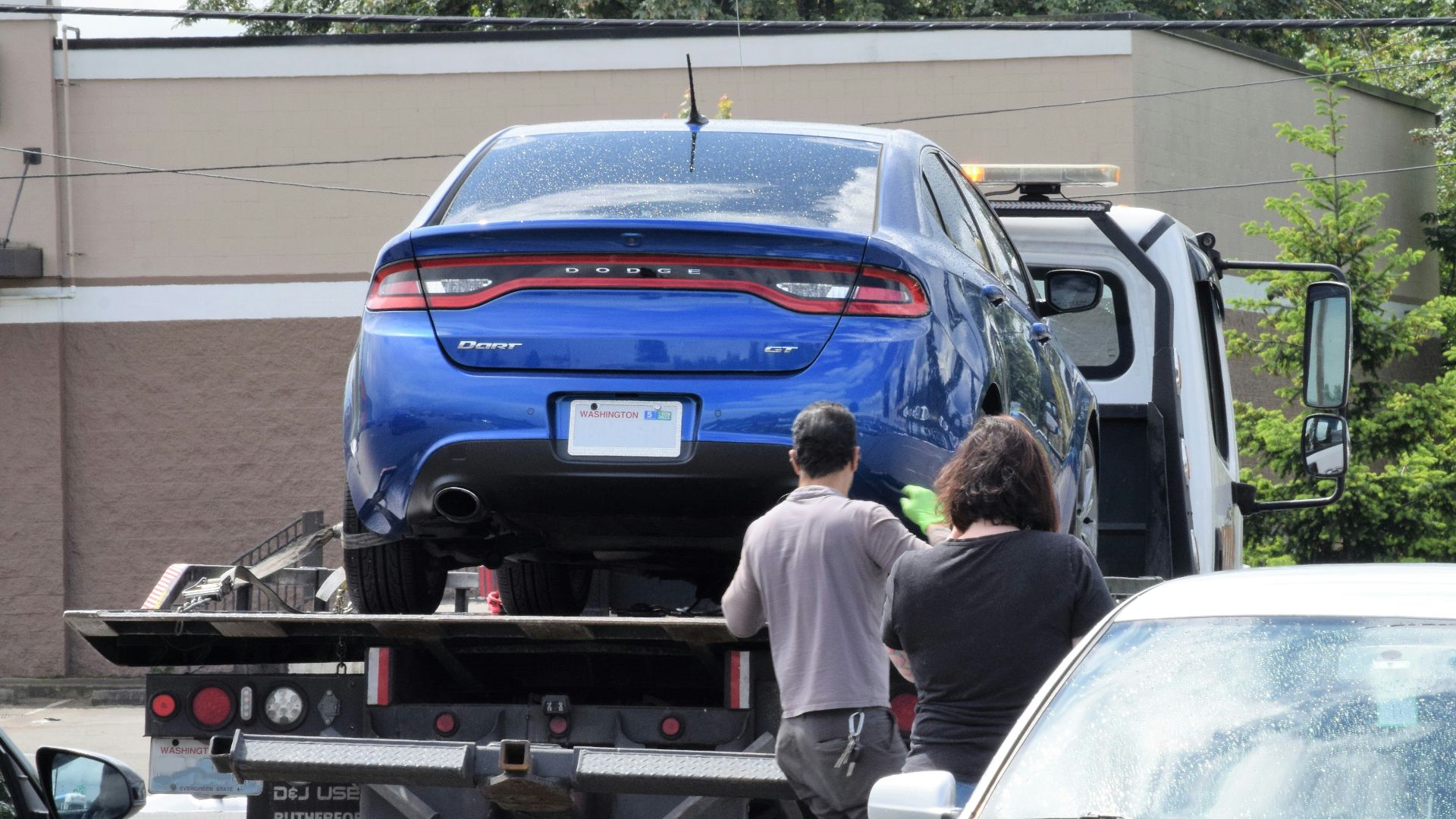
The frustrating reality is that towing and storage charges may still fall on the registered owner, even though the owner did not request the tow and was the victim of a crime. Rules differ considerably by state, city, and the circumstances surrounding the recovery.
Local Rules Really Matter
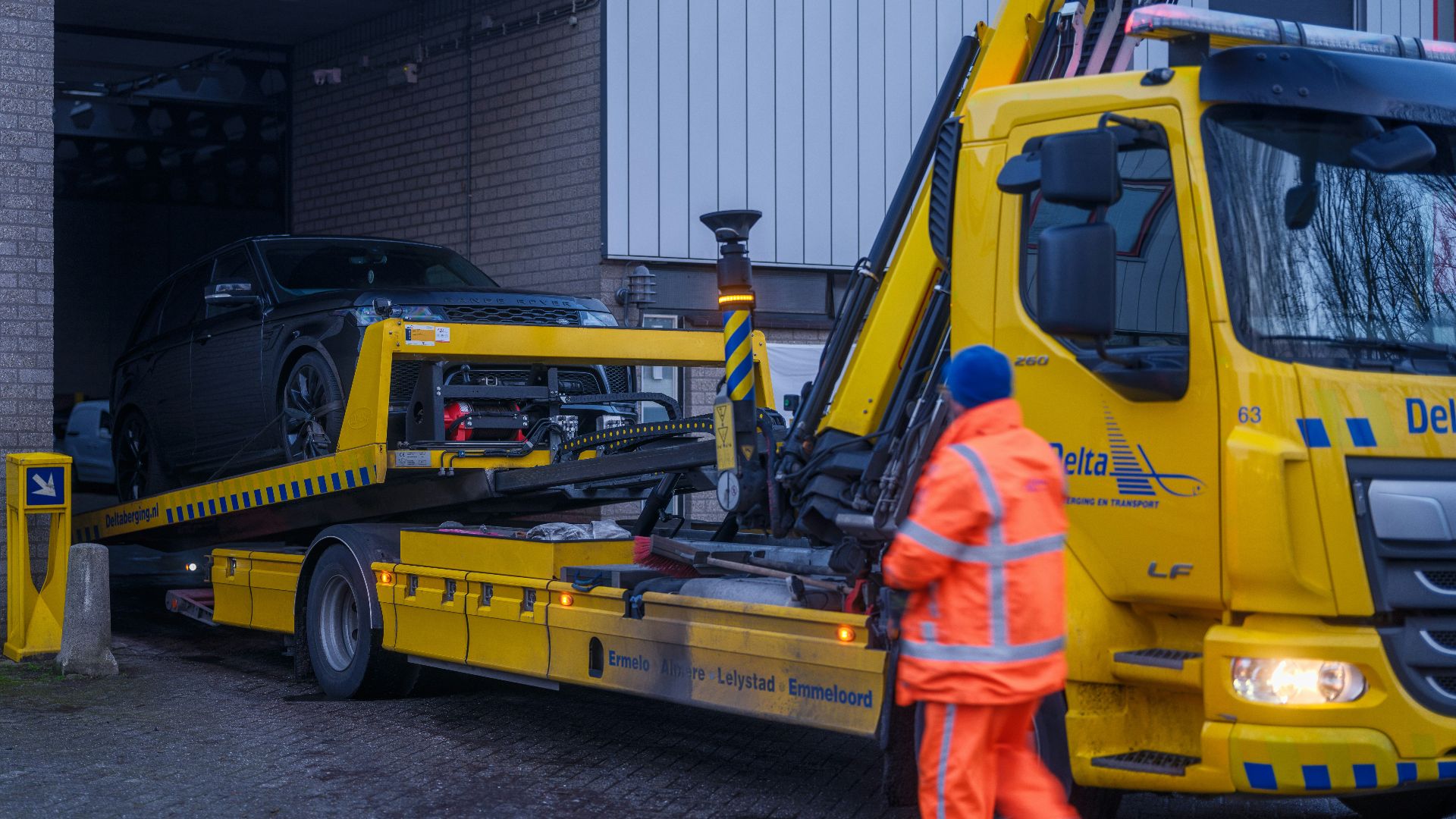
There is no single nationwide rule governing every stolen-car recovery fee. For example, St. Louis has an ordinance protecting auto-theft victims from certain towing, storage, and administrative charges, while San Bernardino says it does not charge its city vehicle-release fee for recovered stolen vehicles.

Ask Who Ordered It
Before paying blindly, ask which police agency ordered the tow, why the vehicle was towed, when it arrived, and whether the agency has a stolen-vehicle fee waiver. The towing company may simply be applying a contract or local fee schedule rather than making the underlying policy.

Notification Can Be Critical
Find out when authorities attempted to notify you that the vehicle had been recovered. Storage fees can accumulate while a car sits in a lot, making delays expensive. Keep records of calls, texts, letters, and voicemails in case the timing of notification later becomes disputed.

Call Your Insurer Quickly
If you have comprehensive coverage, call your insurer as soon as the vehicle is stolen and again when it is recovered. Comprehensive insurance commonly covers vehicle theft, while state-minimum liability coverage generally does not. The exact handling of recovery expenses depends on your policy.

Ask About Tow Coverage
Do not assume the insurer automatically knows where the recovered car is located. Give the adjuster the impound information and ask specifically about towing, storage, inspection, and transportation charges. Confirm whether the insurer will pay the yard directly or reimburse you afterward.
Deductibles Still Matter
Insurance assistance does not necessarily mean every dollar disappears. Comprehensive claims can involve a deductible, and policy terms vary. If the recovered vehicle is badly damaged, the insurer may inspect it and determine whether repairs make financial sense or whether it should be declared a total loss.

Inspect Before Driving
A recovered vehicle may have hidden problems. Thieves can damage locks, ignition systems, steering columns, windows, wheels, wiring, and interior components. Before driving away, inspect the car carefully and photograph its condition, especially if an insurance claim is already open.

Evidence May Delay Release
Sometimes a recovered car remains connected to an active criminal investigation. Police may need to process the vehicle before authorizing its release. Ask whether there is an investigative hold, who can remove it, and whether charges continue accumulating while the vehicle remains unavailable to you.

Bring Ownership Documents
Before traveling to the impound lot, ask exactly what documents are required. You may need government identification, current registration, proof of ownership, insurance information, or written authorization if someone else is collecting the vehicle. Confirm acceptable payment methods before making the trip.

Storage Charges Move Fast
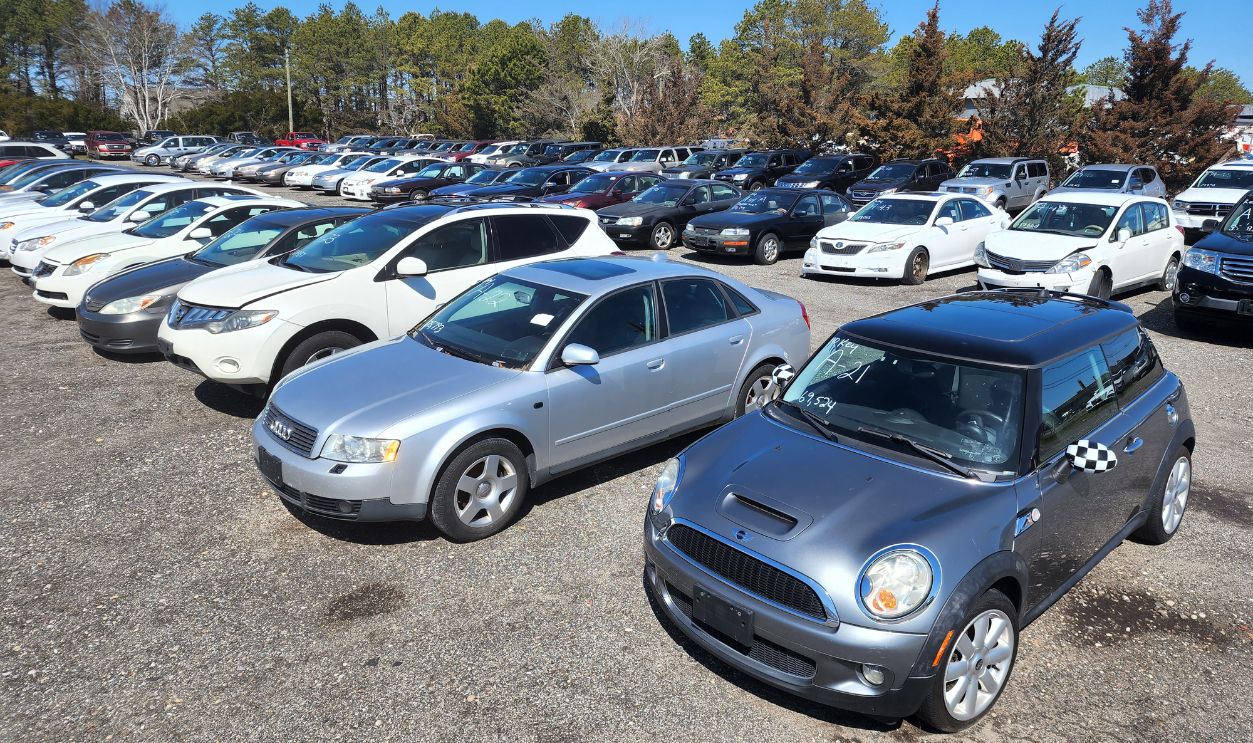
Once you learn where the car is located and police have authorized its release, act quickly. Storage charges can grow with time. Even if you plan to dispute the bill or seek insurance reimbursement, delaying retrieval can make the financial problem considerably worse.
Damage Changes The Calculation
A recovered car may cost more to repair than it is worth. If you carry comprehensive coverage, let the insurer assess the damage before making major decisions. A theft claim for an unrecovered vehicle is typically based on actual cash value, subject to policy terms and deductibles.

Personal Property Is Different
Auto insurance coverage for the vehicle does not necessarily cover laptops, luggage, tools, or other personal possessions that disappeared with it. Homeowners or renters insurance may provide coverage for stolen personal property, depending on the policy and applicable deductible.

Keep Every Receipt
Save the towing invoice, storage bill, release paperwork, repair estimates, photographs, police information, and correspondence with the insurer. If you seek reimbursement, challenge improper charges, or pursue restitution through a criminal case, organized documentation will make the process much easier to explain.

Ask About Restitution
If a thief is identified and prosecuted, ask the prosecutor or victim-services office whether financial losses can be included in a restitution request. Availability and collection vary, so do not rely on restitution as an immediate solution for getting a car out of storage.

Challenge Questionable Charges
If the bill appears inconsistent with local rules, request an itemized invoice and check the towing agency’s complaint or hearing procedures. A charge can be disputed without leaving the car in storage indefinitely. In some situations, paying promptly and pursuing reimbursement afterward may limit further losses.

Prevention Includes Insurance
Nobody buys insurance hoping to use it after a theft, but this situation shows why coverage details matter. Review whether your policy includes comprehensive coverage, rental reimbursement, towing expenses, and reasonable storage costs. Liability-only coverage can leave a theft victim facing substantial expenses.

Recovery Can Still Hurt
So, can you really be charged to recover your own stolen car? Depending on local law and your insurance, yes. The best response is to act quickly, document everything, investigate local exemptions, and involve your insurer immediately before storage charges turn a successful recovery into another financial loss.

You May Also Like:
My catalytic converter got stolen and my insurance says it’s not covered. What now?