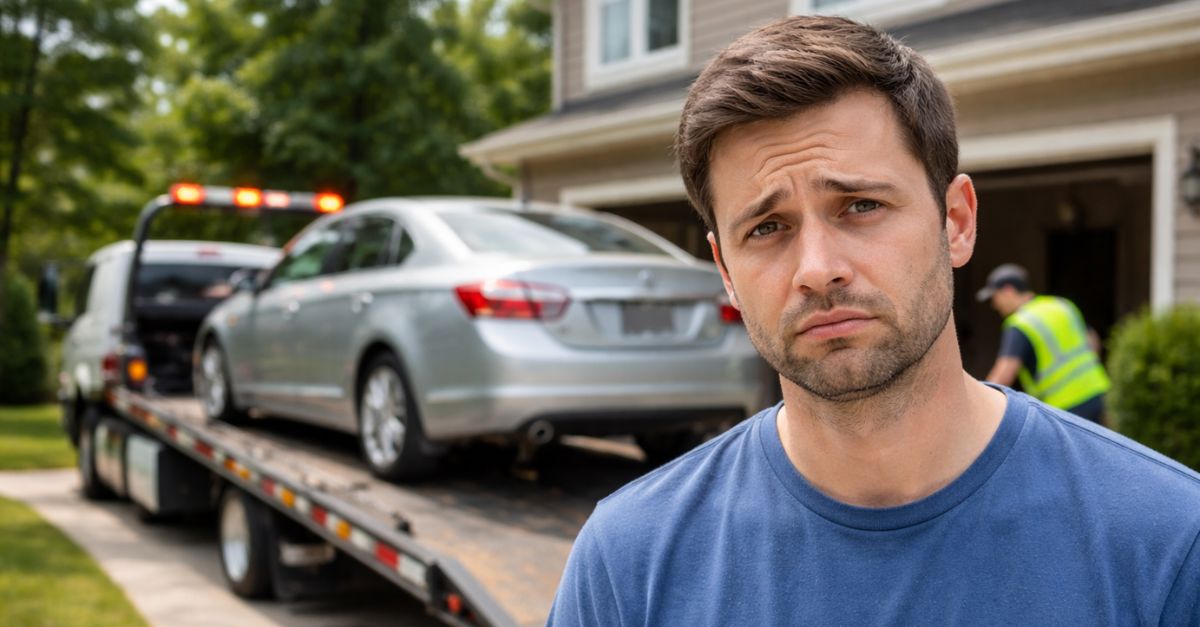
That Orange Warning Sticker Can Feel Personal
You've got a street parking permit and you drive it once a week, but your worst neighbor keeps reporting your car as "abandoned." The annoying part is that a complaint by itself usually does not let a private citizen get your car towed. In most places, it comes down to local parking rules, how long the car sits, and whether police, code enforcement, or a property owner can show an actual violation.
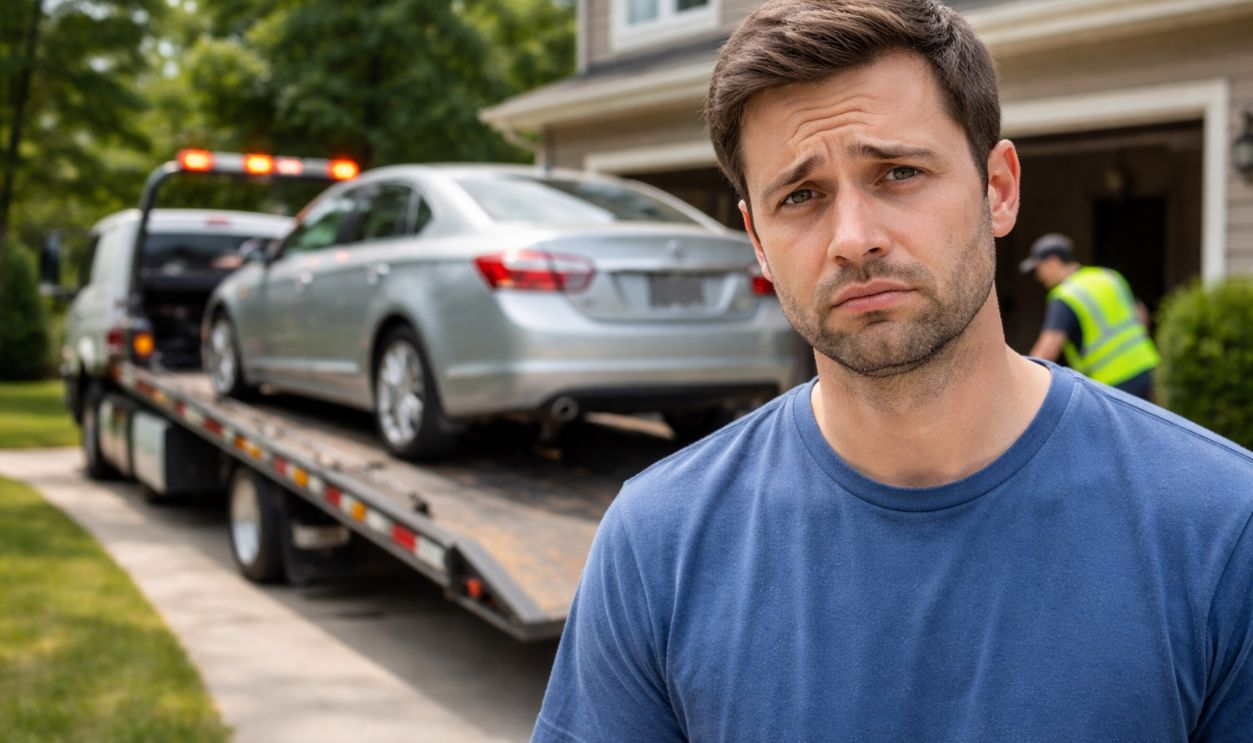
Driving It Once A Week Does Not Automatically Solve It
Driving your car once a week may seem like proof that it is not abandoned. But a lot of local rules do not care much about your own idea of “regular use.” They often focus on whether the car stayed in one spot too long, has expired plates, looks inoperable, or breaks private-property parking rules.

Abandoned Is A Legal Term, Not Just A Neighbor’s Opinion
The key point is that an “abandoned vehicle” usually has a legal definition in state law or city code. States and cities often spell out exact time limits and conditions that can trigger enforcement. So a neighbor can report the car, but officials usually still need facts that fit the law before a tow can happen.
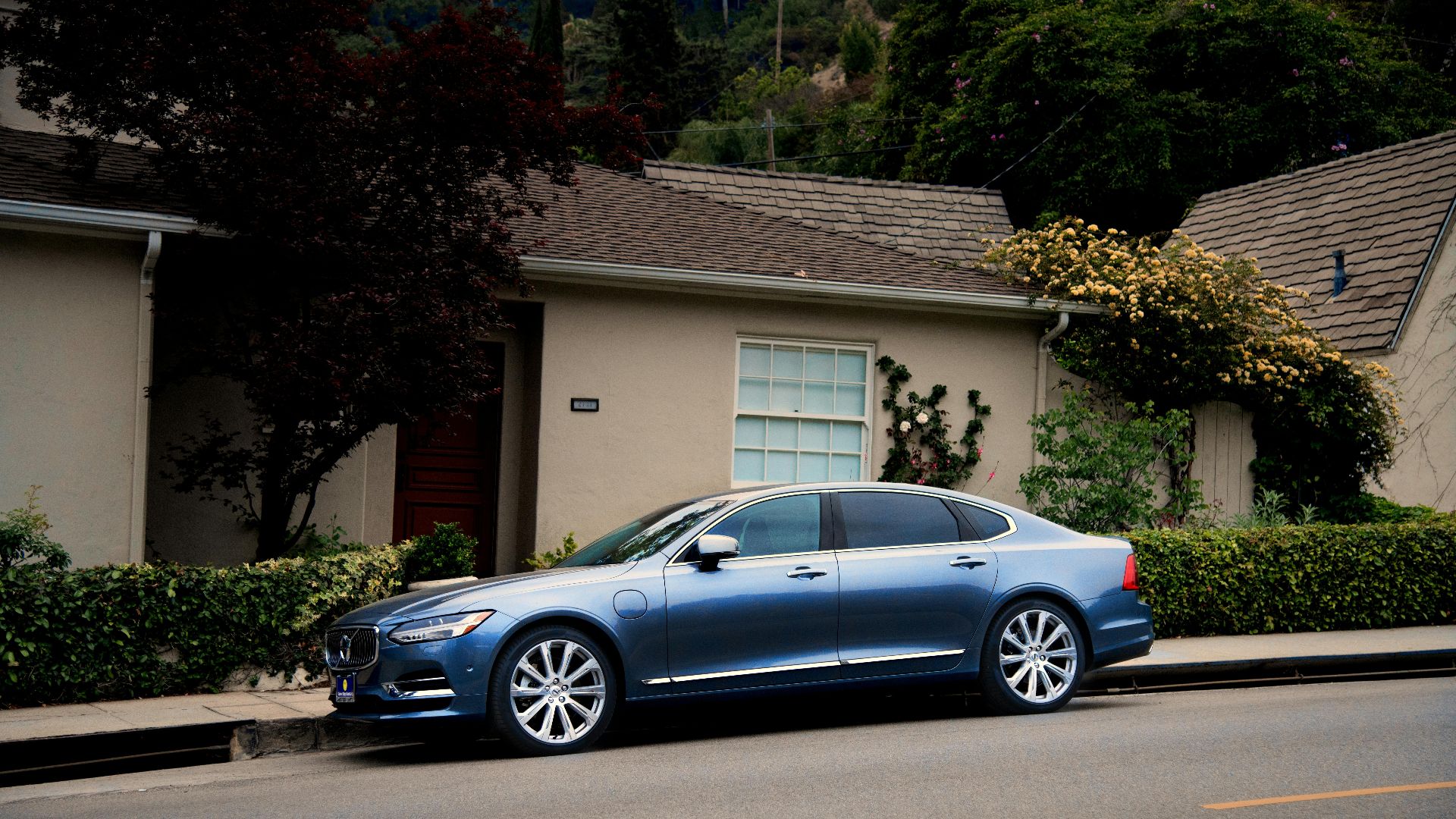
On Public Streets, Time Limits Matter
Many cities treat a car as abandoned or illegally parked if it stays on a public street for a set number of hours or days without moving. Some places use 72 hours, though the rule changes by city and state. If your car sits in the same curbside spot all week, that can create a problem even if you do drive it from time to time.
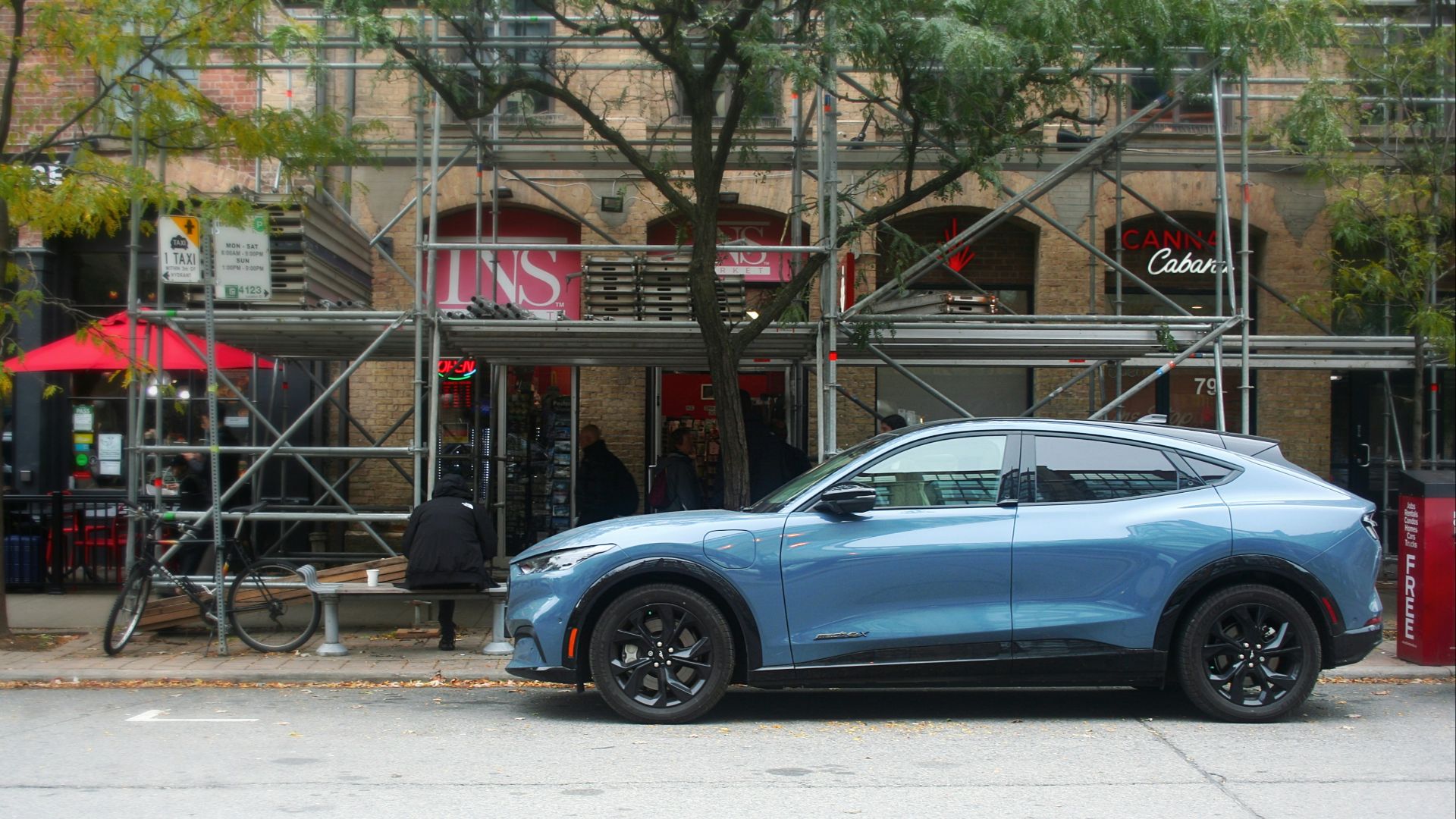
New York City Shows How Detailed These Rules Can Be
New York City’s Department of Sanitation says a vehicle may be considered abandoned if it is parked on a public street for more than seven straight days, among other conditions. The city also points to signs like missing plates, major damage, or evidence that the vehicle does not run. It is a good example of how specific one city’s rules can get.
California Uses A Shorter Clock
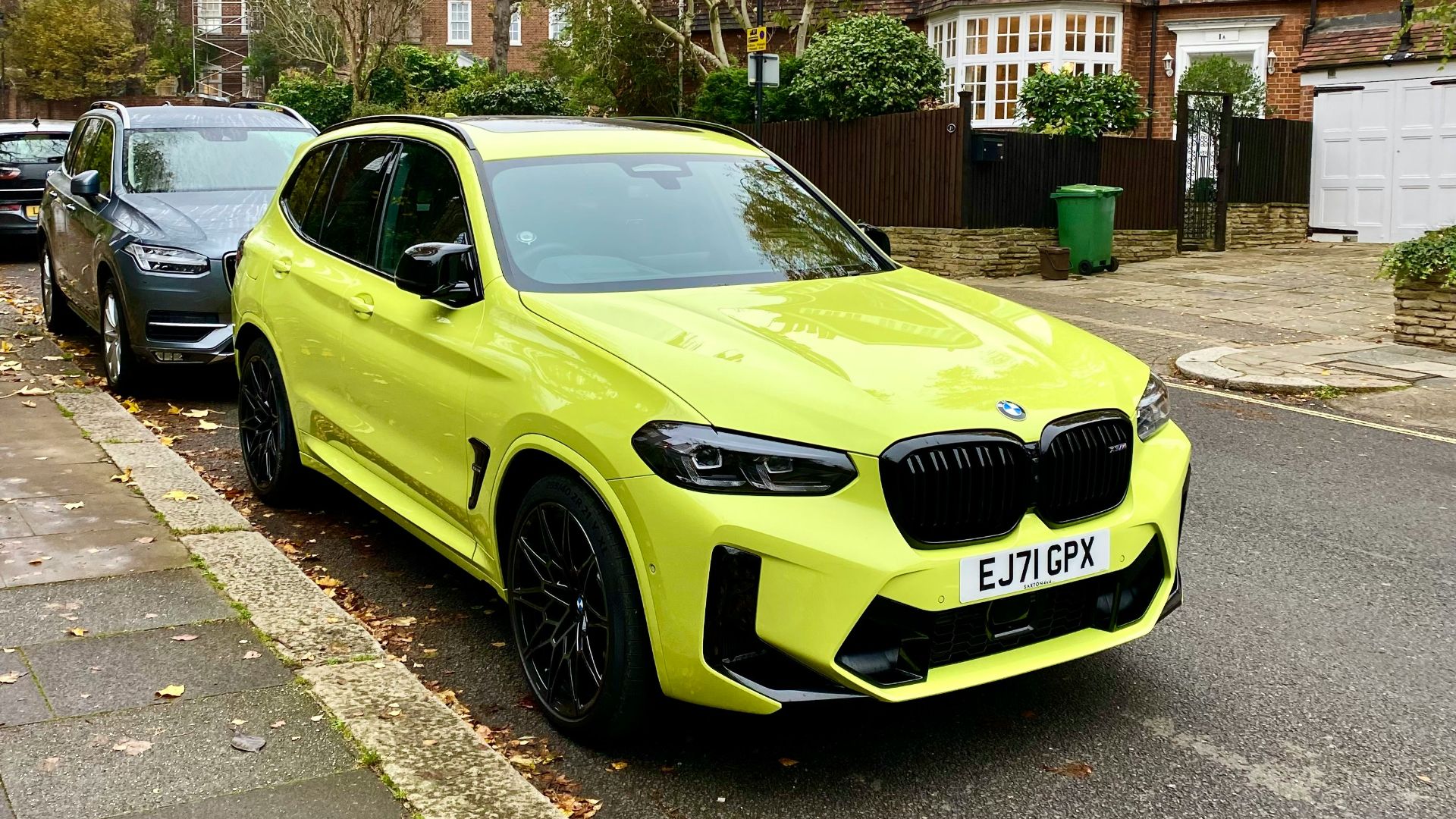
California law allows removal of a vehicle left parked on a highway or public land for 72 or more straight hours in certain situations. That means the window can be much shorter than a full week. It is a good reminder that local enforcement timelines matter a lot.
Texas Adds Another Twist
Texas law defines abandoned motor vehicles in several ways, including a vehicle left in a public place for more than 48 hours in some cases. It also covers vehicles left on private property without consent for certain periods. The basic point is simple: the answer depends a lot on where the car is parked and which law applies there.

Private Property Changes The Whole Situation
If the car is parked in your own driveway at a single-family home, a random neighbor usually cannot just call a towing company and have it hauled away. But if the car is in an apartment complex, HOA lot, condo garage, or another managed property, the owner or association may have broader power to enforce parking rules. In that setting, a neighbor’s complaint can set things in motion if management decides your car breaks the rules.

HOA And Apartment Lots Are Where Trouble Starts Fast
Private communities often ban expired tags, flat tires, missing parts, or vehicles that do not move for a certain period. Those rules can be stricter than city abandoned-vehicle laws. So yes, a neighbor can sometimes get the issue rolling, but usually only because the landlord, HOA, or property manager already has the power to tow for rule violations.

Expired Registration Is A Big Red Flag
One of the fastest ways for a complaint to gain traction is expired registration. Cities, police, and property managers often see expired plates as a sign that a car may be unlawfully stored or not running. If your tags are current, you take away one of the easiest arguments a complaining neighbor can make.

Flat Tires And Dusty Windows Catch Attention
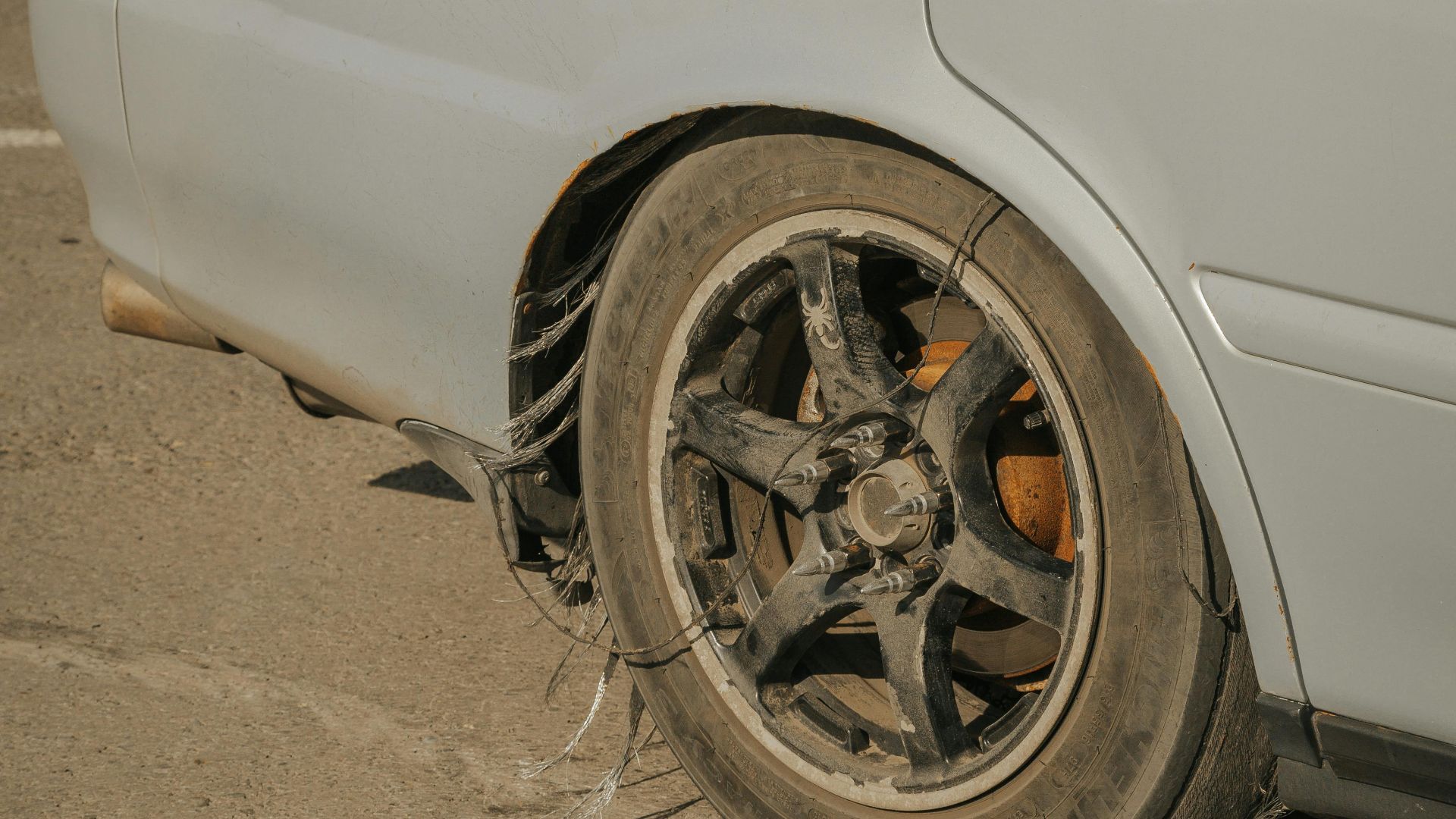
Abandoned-vehicle enforcement often starts with what people can see. Flat tires, broken windows, heavy dust, missing parts, or weeds growing around the car can make a complaint seem more believable. Even if the vehicle runs fine, the way it looks can bring extra scrutiny.
Inoperable Vehicles Are Often Treated Separately
Some local codes target “inoperable” or “junked” vehicles even when they are on private property. If your car cannot legally or safely move under its own power, that can be a separate issue from abandonment. A neighbor who cannot prove the car is abandoned might still cause trouble if the vehicle clearly does not run.

A Neighbor Usually Cannot Do It Alone
In most normal situations, your neighbor cannot single-handedly order a legal tow from a public street or from your private driveway. Tows usually require action by police, code enforcement, a city department, or the owner or manager of the property where the car is parked. A complaint is often just the starting point, not the final decision.

But Bad Tows Still Happen
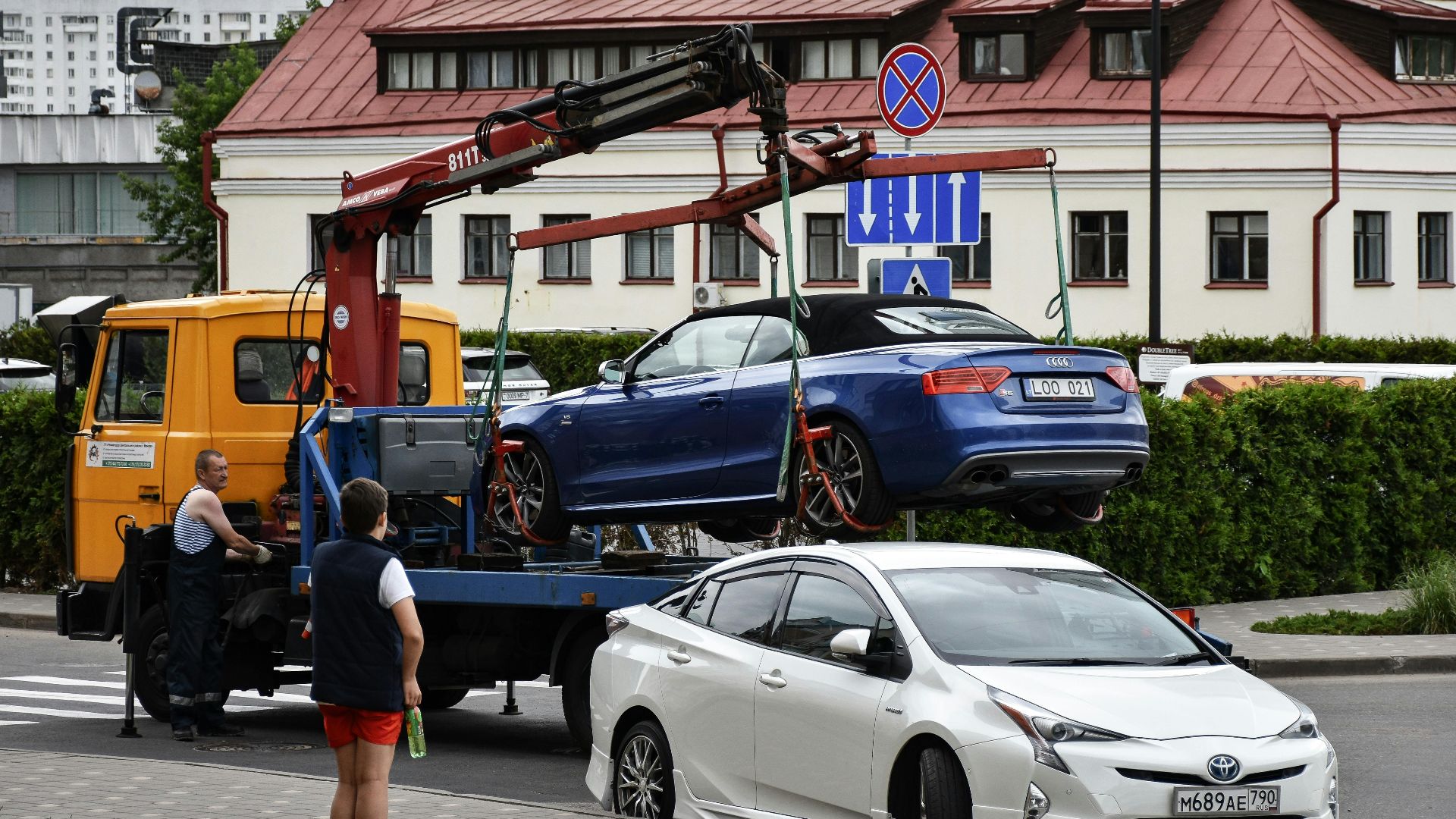
There is a difference between a legal tow and a tow that happens anyway. Mistakes and aggressive towing do happen, especially in private lots with strict enforcement. If your car disappears, the real fight may be over whether the tow was legal after the fact.
Notice Rules Can Save You
Many places require notice before a vehicle is removed or before it is processed as abandoned. On private property, signs, lease terms, or HOA rules may count as part of that notice. On public streets, officers may tag the vehicle first, though the exact steps vary a lot.

Documentation Beats Arguing
If this has turned into a recurring fight, start keeping records now. Take date-stamped photos showing the car’s condition, plates, and parking spot. Keep repair receipts, insurance cards, registration records, and a quick log of when you move or use the vehicle.

Move It In A Way That Actually Counts
If your city uses a 48-hour, 72-hour, or seven-day rule, moving the car in a real and obvious way can matter more than just starting it. In some places, rolling it a few feet may not be enough in practice. Moving it to a clearly different legal parking spot is usually safer if street-parking time limits are the issue.
Your Driveway Is Usually Safer Than The Street
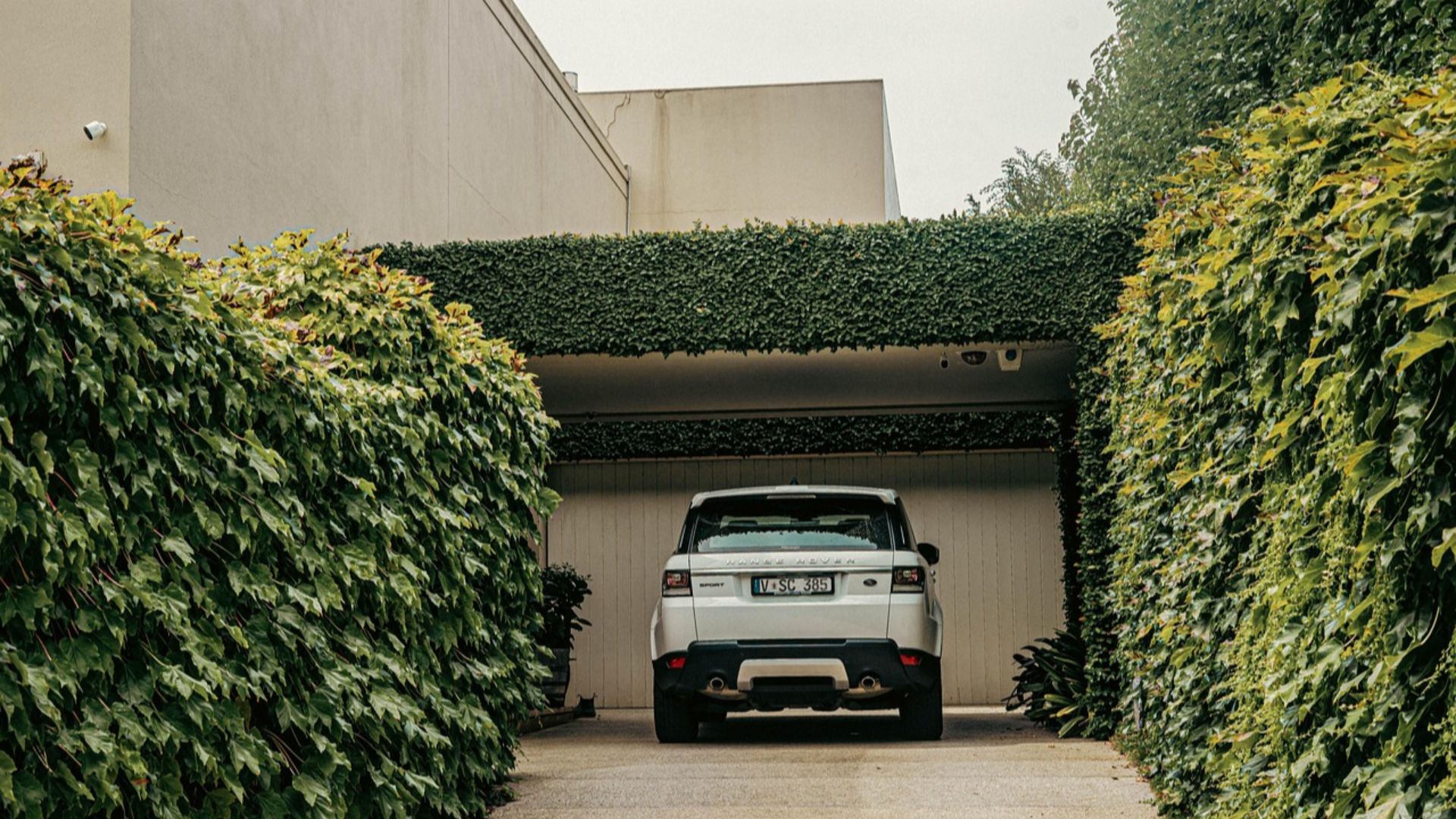
A legally registered, working car parked in your own driveway is usually less exposed to abandoned-vehicle complaints than one left on a public street. That does not make it untouchable everywhere, especially if local codes regulate junk or inoperable vehicles. But it usually removes the easiest public-street tow argument.
Do Not Ignore Warning Tags Or Letters
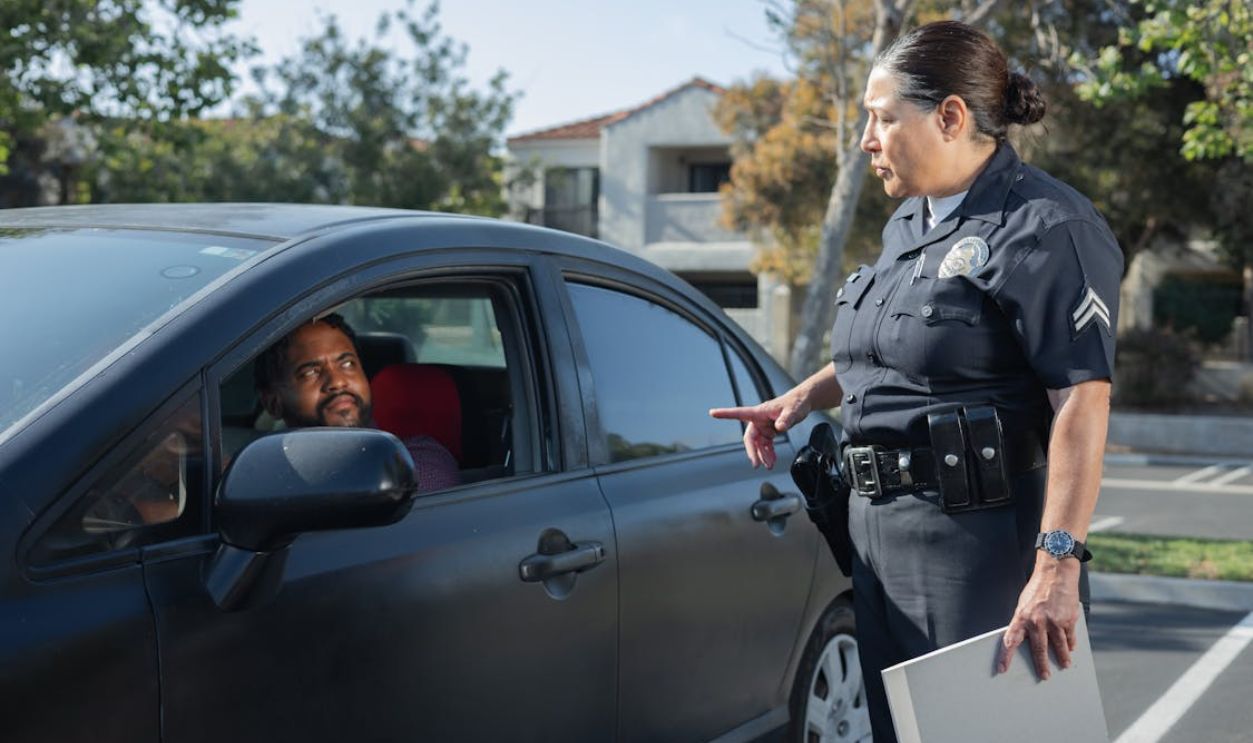
If police or code enforcement puts a warning on the vehicle, take it seriously and act quickly. Those notices often spell out the exact deadline that matters in your area. Miss that deadline, and a weak complaint can turn into a legally supported tow.
Ask The City Which Rule They Are Using
If an officer or city department contacts you, politely ask which law or ordinance applies. Get the section number, the deadline, and the reason the car was flagged. That turns the issue from a neighbor’s opinion into a factual question you can check for yourself.

If You Live In An HOA, Read The Rules Carefully
HOA and condo disputes can seem petty until the tow truck shows up. Check your governing documents for parking rules, vehicle-condition standards, registration requirements, and enforcement steps. A lot of people lose these fights simply because they never read the rules that controlled the lot.

Landlords And Property Managers Have To Follow Their Own Rules Too
Even in private lots, management usually has procedures for notice, authorization, signage, and towing. If your neighbor is pushing for action, ask management for the exact rule they say was broken and whether they have documented it. Calm, written communication can cut through a lot of needless drama.

Police Reports And Complaint Records Can Help
Some cities let you request records tied to abandoned-vehicle complaints or parking enforcement. If the same neighbor has reported you more than once, those records may show a pattern. That can help if you need to challenge a tow, report harassment, or explain the dispute to management.
If The Tow Happens, Move Fast
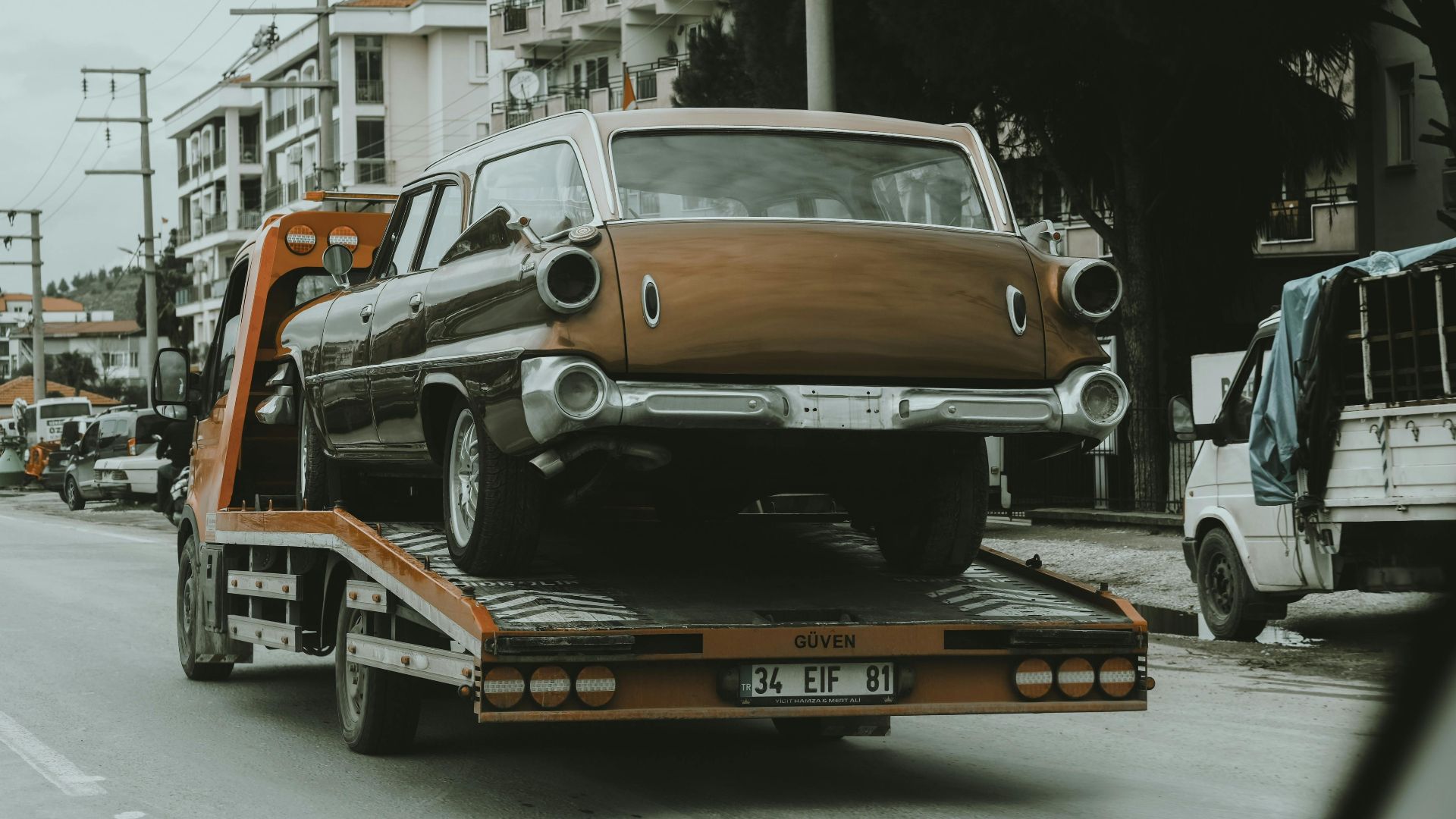
First, find out whether police, code enforcement, or property management approved the tow. Then ask for the legal basis, the tow company’s details, storage fees, and the process for challenging the removal. Waiting too long can make the fees pile up and hurt your chances of getting money back.
Harassment Is Separate From A Parking Violation
Your neighbor may be wrong about the car and still keep filing complaints. Repeated false reports can become harassment in some situations, especially when mixed with other behavior. But the practical first step usually is not making legal threats. It is gathering records and making sure your car clearly follows the rules.

The Best Defense Is Simple Compliance
Keep the registration current, the tires inflated, the car visibly operable, and the parking location legal. If you can, do not leave it in the same street spot beyond the local time limit. That may not satisfy a difficult neighbor, but it gives officials much less to work with.
So Can He Actually Get It Towed
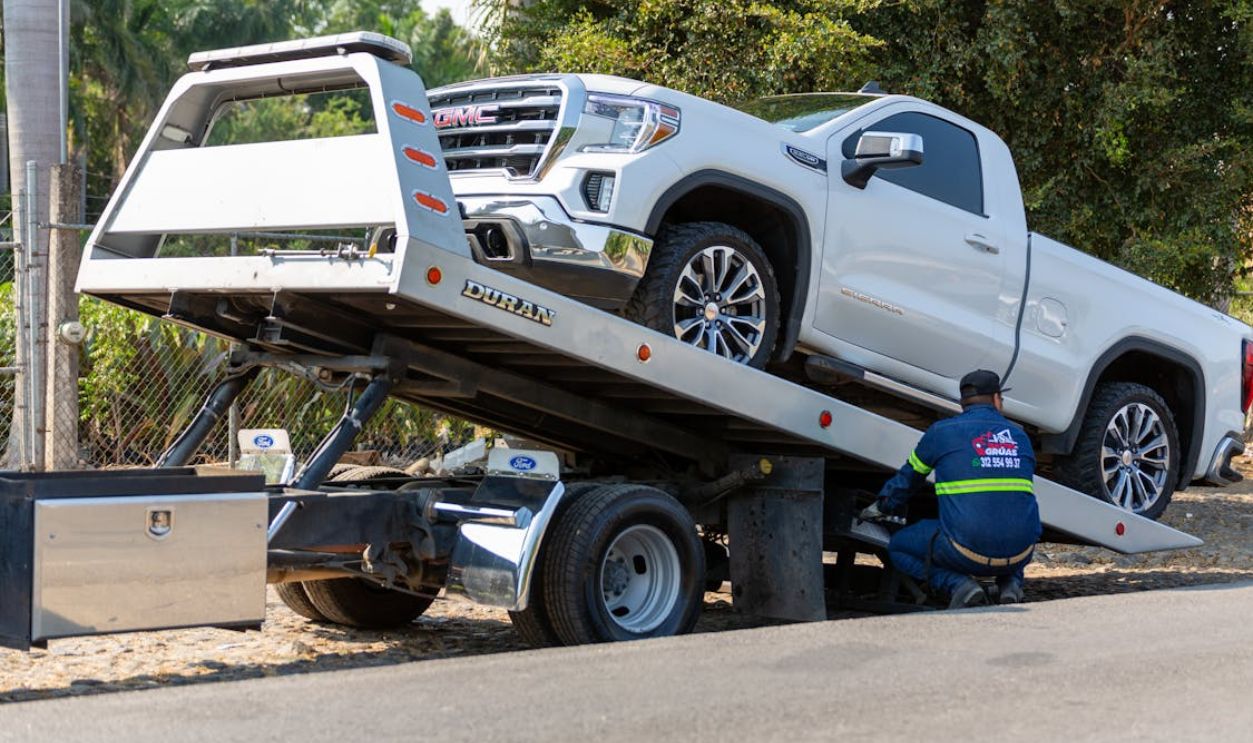
Usually not on his own. But he can absolutely trigger attention, and in the wrong place under the wrong rule, that can lead to a real tow by officials or a property manager. The outcome depends on where the car is parked, how long it sits, whether it is registered and operable, and what your local law or private parking rules say.
The Bottom Line For Drivers
If you drive the car weekly, you still may be at risk if local rules say it cannot stay in one public-street spot for 48 hours, 72 hours, or seven days. The safest move is to check your city’s ordinance, read any HOA or lease parking rules, and document the vehicle’s use and condition. In neighborhood disputes, facts, photos, and current tags usually matter more than anything else.