
The Price Tag That Suddenly Comes With Strings
You spot a car advertised at a tempting price, then the dealer drops the catch. That price, they say, only applies if you finance through them at a sky-high interest rate. If that feels shady, your instincts are not off, and in some cases regulators have treated similar tactics as illegal or deceptive—though in many cases, this is within a dealer's rights.
 Anatoliy Cherkas, Shutterstock, Modified
Why This Feels Like A Trap
The advertised number gets you in the door, but the real deal changes once you sit down. Dealers sometimes tie the sale price to financing, add-ons, or trade-in conditions that were not clear in the ad. The Federal Trade Commission has repeatedly warned that hiding key conditions can mislead shoppers and distort the true cost of the vehicle.

What Bait-And-Switch Usually Means
In plain English, bait-and-switch is when a seller lures you in with one attractive offer and then pushes a worse one. The FTC describes deceptive pricing and misrepresentations about costs as practices that can violate the law. A dealer does not need to use the exact phrase bait-and-switch for regulators to take issue with a misleading ad.

Not Every Finance Requirement Is Automatically Illegal
Here is the important nuance. A dealer can sometimes offer one price for cash and another price tied to financing or incentives, but the conditions must be clearly and conspicuously disclosed. If the ad buries that requirement in fine print, or only reveals it after you arrive, that is where serious legal trouble can begin.

The FTC Has Been Looking Closely At Car Dealers
In December 2023, the FTC announced the Combating Auto Retail Scams Rule, often called the CARS Rule. The agency said the rule was designed to stop bait-and-switch claims, junk fees, and other deceptive practices in the car-buying process. That announcement mattered because it showed how common and serious these complaints had become.

What The CARS Rule Was Supposed To Do
The FTC said the rule would prohibit dealers from making misrepresentations about pricing, financing terms, and whether add-ons are required. It also targeted deceptive monthly payment claims and surprise charges. In short, it aimed right at the kind of pricing game where the ad looks one way and the paperwork looks another.

Then The Courts Hit Pause
The story did not end with the FTC announcement. In January 2025, the U.S. Court of Appeals for the Fifth Circuit vacated the CARS Rule, meaning the rule was set aside. That does not mean deceptive advertising became legal, but it does mean the FTC lost that specific new rule after the court found procedural problems with how it was issued.

So Are You Still Protected
Yes, just not only by the CARS Rule. The FTC Act still prohibits unfair or deceptive acts or practices, and state consumer protection laws also matter. Dealers also have to follow financing disclosure rules under federal lending laws when credit terms are advertised.

The Truth In Lending Act Still Matters
The Consumer Financial Protection Bureau explains that the Truth in Lending Act and Regulation Z require clear disclosures when lenders advertise certain credit terms. If an ad highlights things like a low monthly payment, down payment, or repayment period, other important terms may also have to be disclosed. Those rules exist so shoppers can compare financing offers without getting ambushed by missing details.

What Clear Disclosure Actually Looks Like
A meaningful disclosure has to be easy to notice and easy to understand. If the dealership says the advertised price includes a financing rebate or only applies when you use its lender, that condition should be upfront and prominent. A tiny footnote, a fast-talking explanation, or a last-minute surprise is exactly the kind of thing regulators dislike.

Finance Rebates Are Part Of The Confusion
Sometimes the lower price is not pure fiction. It may include a manufacturer incentive or dealer discount that is available only if you finance through a captive lender or approved financing source. That can be legitimate if it is disclosed clearly, but if the ad makes the lower number look universal when it is not, shoppers have a real complaint.

Dealer Markups Can Make The Rate Awful
One reason the rate can feel terrible is that dealers may be allowed to mark up the interest rate above the buy rate offered by the lender. The CFPB has discussed how dealer compensation can be tied to that markup, which can raise the consumer's costs. That means the financing condition may not just be annoying, it may be the mechanism that creates extra profit for the dealership.

Why The Monthly Payment Pitch Can Be Misleading
Dealers know many buyers focus on the monthly payment instead of the total price. A high rate can be masked by stretching the loan over a longer term or reshuffling the numbers elsewhere in the deal. That is why an advertised sale price tied to bad financing can cost you far more than paying a slightly higher honest price with a lower-rate loan.
 LinkedIn Sales Navigator, Pexels
The FTC Has Already Brought Cases Over Car Sales Tactics
The FTC has announced enforcement actions against dealerships for deceptive advertising, hidden charges, and misleading financing claims. Those cases show regulators are not treating this as theoretical. When agencies can show shoppers were lured in by one promise and hit with worse terms later, dealers can face refunds, penalties, and court orders.
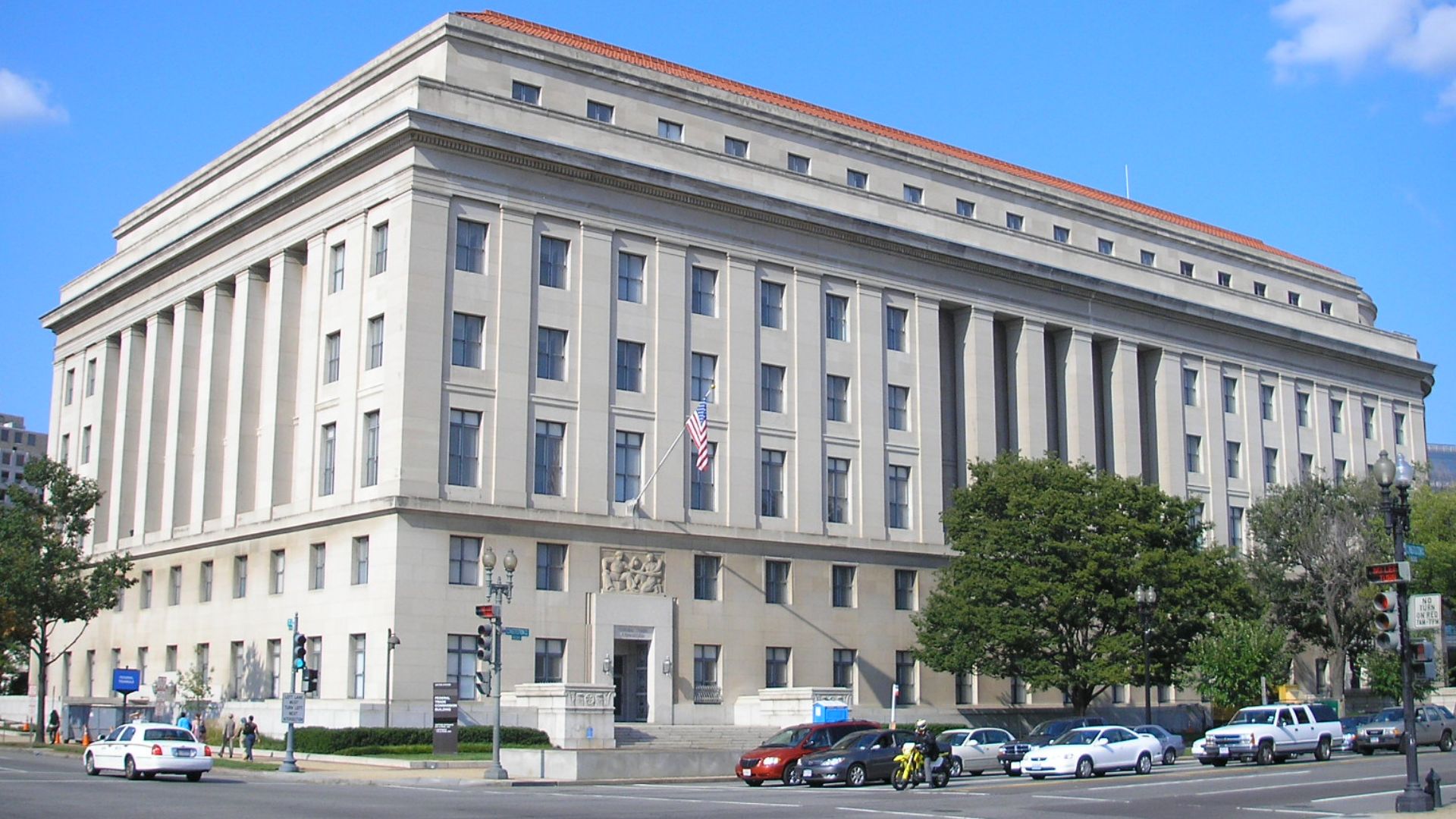
State Attorneys General Have Been Busy Too
This is not just a Washington issue. State enforcers around the country have brought actions over misleading car ads, fake discounts, and undisclosed conditions. That matters because your state's attorney general or motor vehicle regulator may be one of the fastest places to file a complaint if a local dealer played games with price.

What To Ask Before You Even Visit
Call or email and ask a direct question. Is the advertised price available without dealer-arranged financing, and are there any rebates, trade-in requirements, or add-ons built into it. Get the answer in writing if you can, because a screenshot and email chain are much more useful than a memory of a phone call.

How To Read The Ad Like A Skeptic
Slow down and scan for asterisks, footnotes, and phrases like with approved credit or includes all incentives. Those phrases are not automatically bad, but they signal that the headline number may not be the real all-in story. If the ad does not clearly explain the conditions, that itself is a warning sign.

Bring Your Own Financing Anyway
One of the easiest ways to protect yourself is to walk in with a preapproval from your bank or credit union. That gives you a real benchmark on the rate and terms you qualify for. If the dealer's special price only works with financing that is much worse than your preapproved offer, you can calculate the true cost instead of guessing.

Compare Total Cost, Not Just Sticker Price
A lower sale price can be wiped out by a bad loan in a hurry. Compare the out-the-door price, annual percentage rate, loan term, total of payments, and any prepayment penalties or add-ons. The right question is not just what is the price, but what will this car cost me over the life of the deal.

Watch For Add-Ons That Sneak Into The Deal
Even if you win the price argument, the finance office may try to recover profit through extras. Service contracts, GAP coverage, theft products, wheel protection, and other add-ons can be useful in some cases, but they should be optional unless the law or lender truly requires them. The FTC has repeatedly warned dealers against telling buyers optional products are mandatory.

If The Dealer Says Financing Is Required
Ask whether the financing must be kept for a minimum number of months to preserve the sale price. Some buyers consider taking the dealer financing to get the discount, then refinancing or paying it off quickly, but you need to check for prepayment penalties and whether any rebate could be clawed back. Read the contract carefully before assuming you can escape the bad rate right after delivery.

Get The Out-The-Door Numbers In Writing
Ask for a buyer's order or written worksheet that shows the sale price, fees, taxes, trade value, and financing terms. If the dealer refuses to put numbers in writing until you are in the showroom, that is useful information by itself. Transparent stores usually understand why informed buyers want the figures spelled out.

When It Crosses Into Deception
The line gets crossed when the dealership's ad or sales pitch creates a false impression about who qualifies for the price or what the real financing terms are. The FTC and CFPB both focus on whether consumers are misled in a material way. If an average buyer would reasonably think the advertised price is broadly available, but the dealer knows it depends on a hidden, expensive financing condition, that is a serious problem.

How To Document What Happened
Take screenshots of the ad, including the full page and any fine print. Save texts, emails, worksheets, and the names of the employees you spoke with. If the deal changed at the dealership, write down exactly when it happened and what you were told, because detailed notes make complaints far more credible.

Where To File A Complaint
If you think the ad was deceptive, you can report it to the FTC at ReportFraud.ftc.gov and to your state attorney general or consumer protection office. You can also file complaints with the CFPB if the issue involves auto financing or credit disclosures. If the conduct was especially blatant, a consultation with a consumer law attorney may be worth it.

When Walking Away Is The Best Move
Sometimes the strongest response is simply to leave. A dealer that changes the rules after you arrive may keep changing them all the way to the contract. There are plenty of stores that will sell a car without turning the deal into a shell game.

The Practical Bottom Line
If a dealership says the advertised price only applies if you finance at an awful rate, it might be a lawful conditional offer, or it might be deceptive advertising dressed up as fine print. The key questions are whether the condition was disclosed clearly and early, and whether the financing terms make the advertised deal misleading in real-world dollars. If the answer feels slippery, treat it as a red flag, bring your own financing, and be ready to walk.