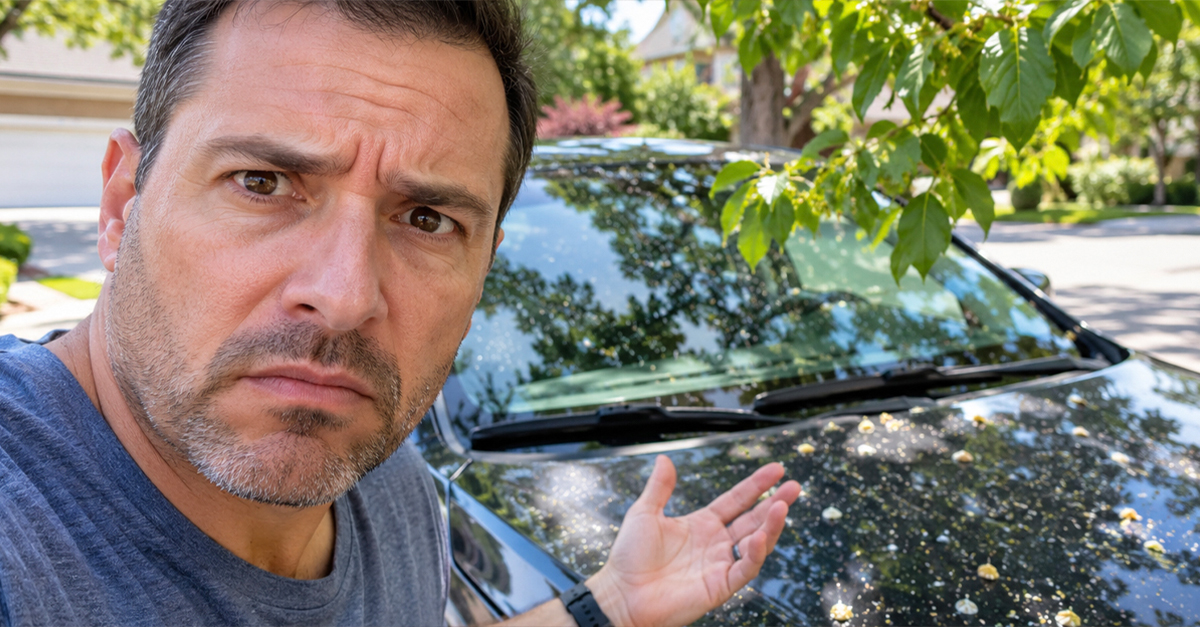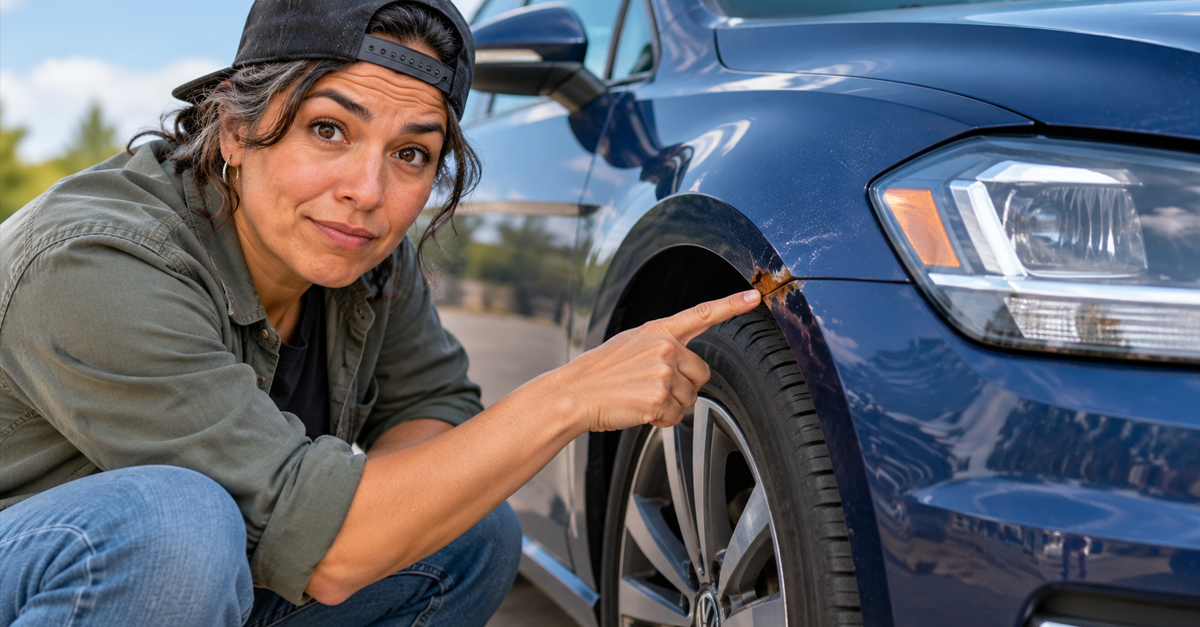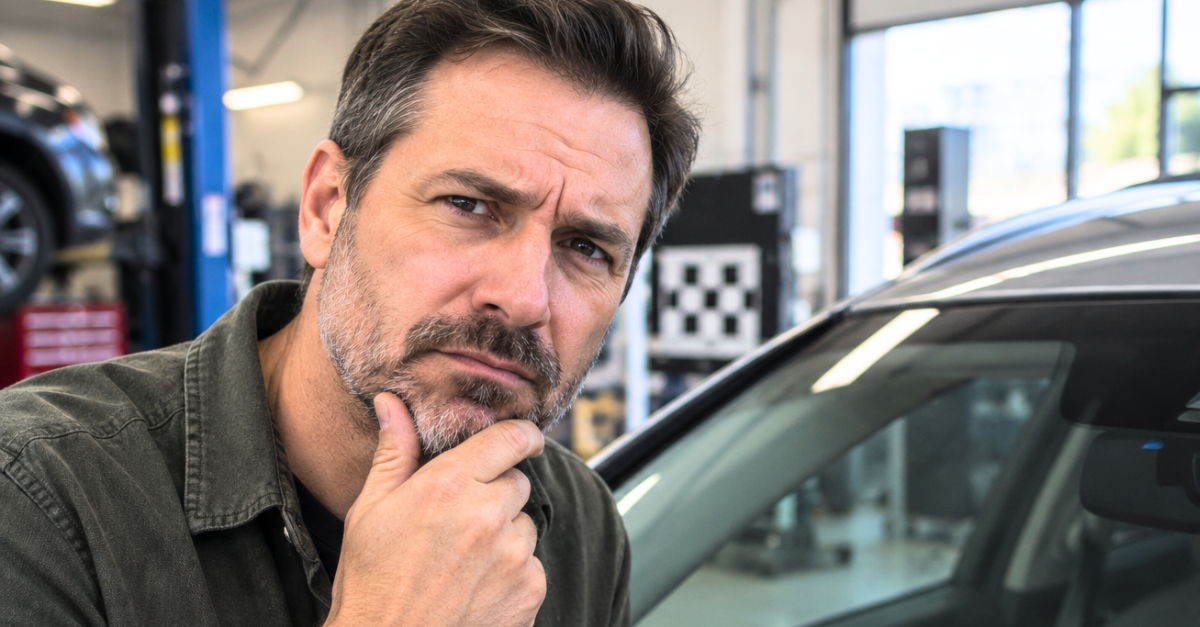
Small Repair, Big Complication.
A windshield chip that once meant a quick resin fill can now involve cameras tied to automatic braking, lane keeping, adaptive cruise control, and other safety systems. Recalibration after a simple chip repair is not universally required, but modern cars have undeniably turned some formerly cheap fixes into much more technical jobs.
The Camera Changed What A Windshield Does
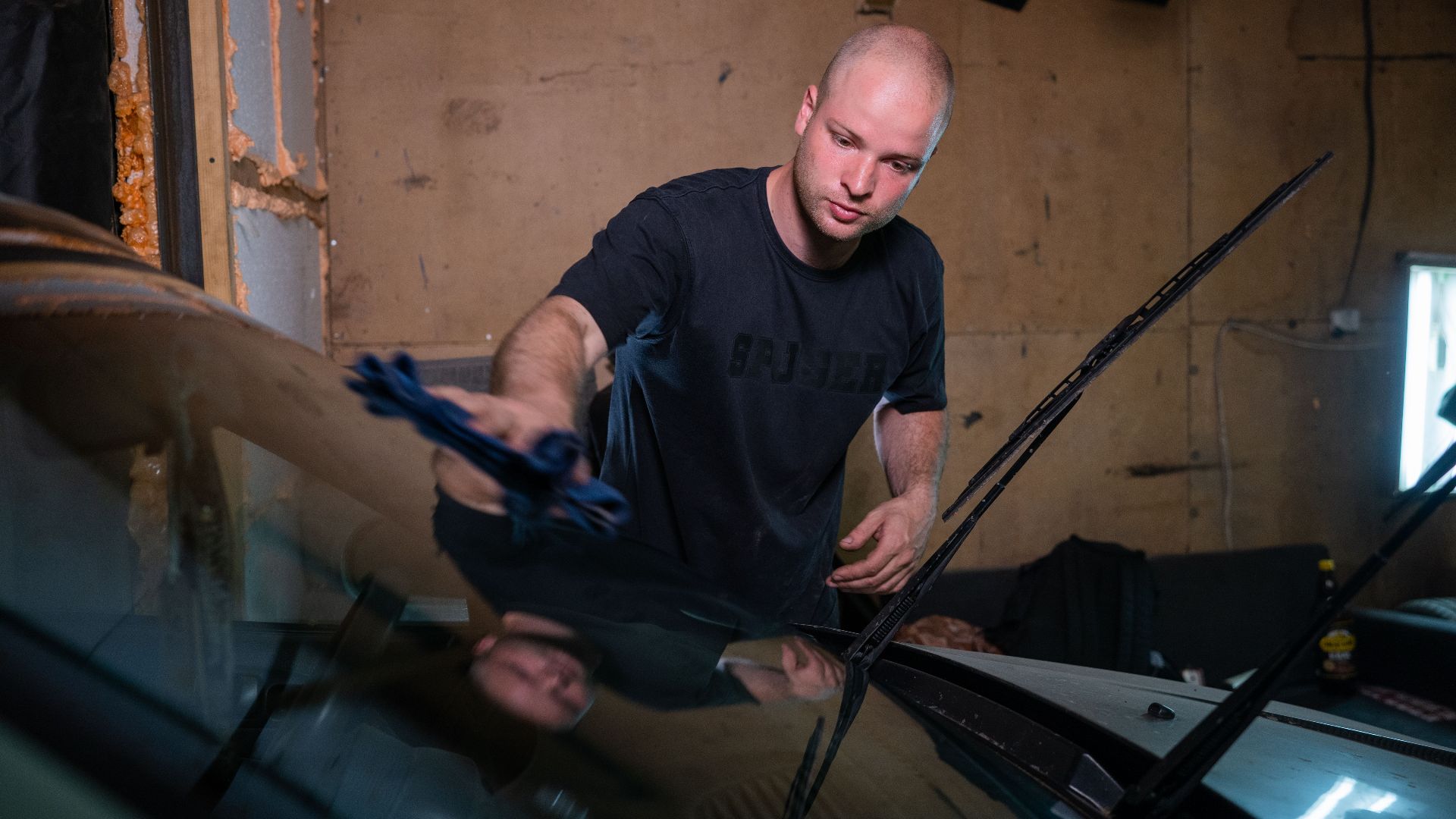
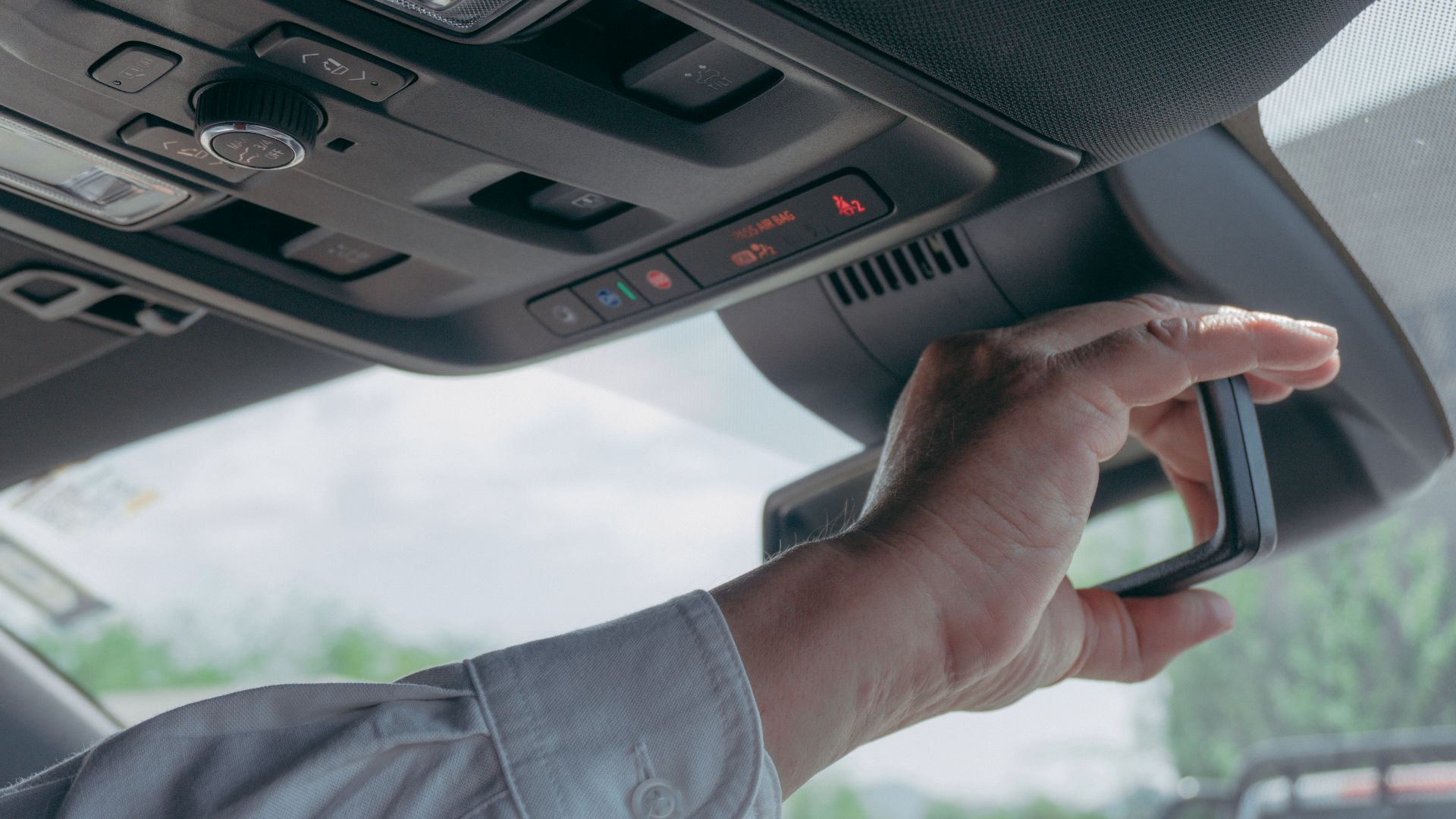
A windshield is no longer just a transparent barrier between you and the weather. Many vehicles now position a forward-facing camera behind the glass near the rearview mirror. NHTSA says cameras like these help operate systems including lane departure warning, lane keeping assistance, adaptive cruise control, and automatic emergency braking.
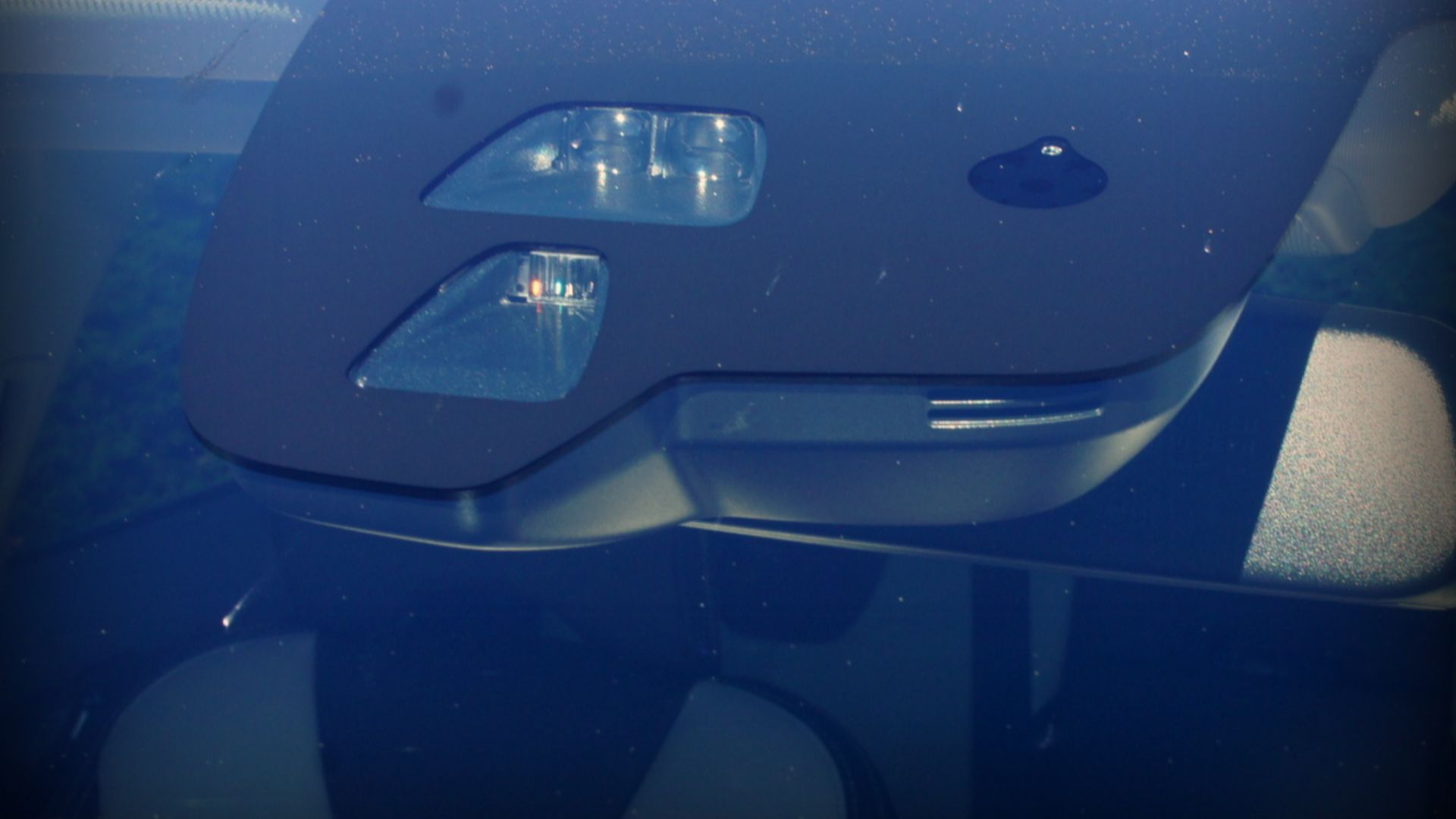 Michael Sheehan, Wikimedia Commons
A Tiny Chip Does Not Always Require Calibration
This is the first thing worth clarifying. Most windshield chip repairs do not move or replace the windshield, so recalibration is not automatically necessary on every vehicle. NOVUS Glass, for example, says ordinary repairs typically leave camera alignment undisturbed, while recalibration is much more commonly required after windshield replacement.
Location Of The Chip Can Change Everything
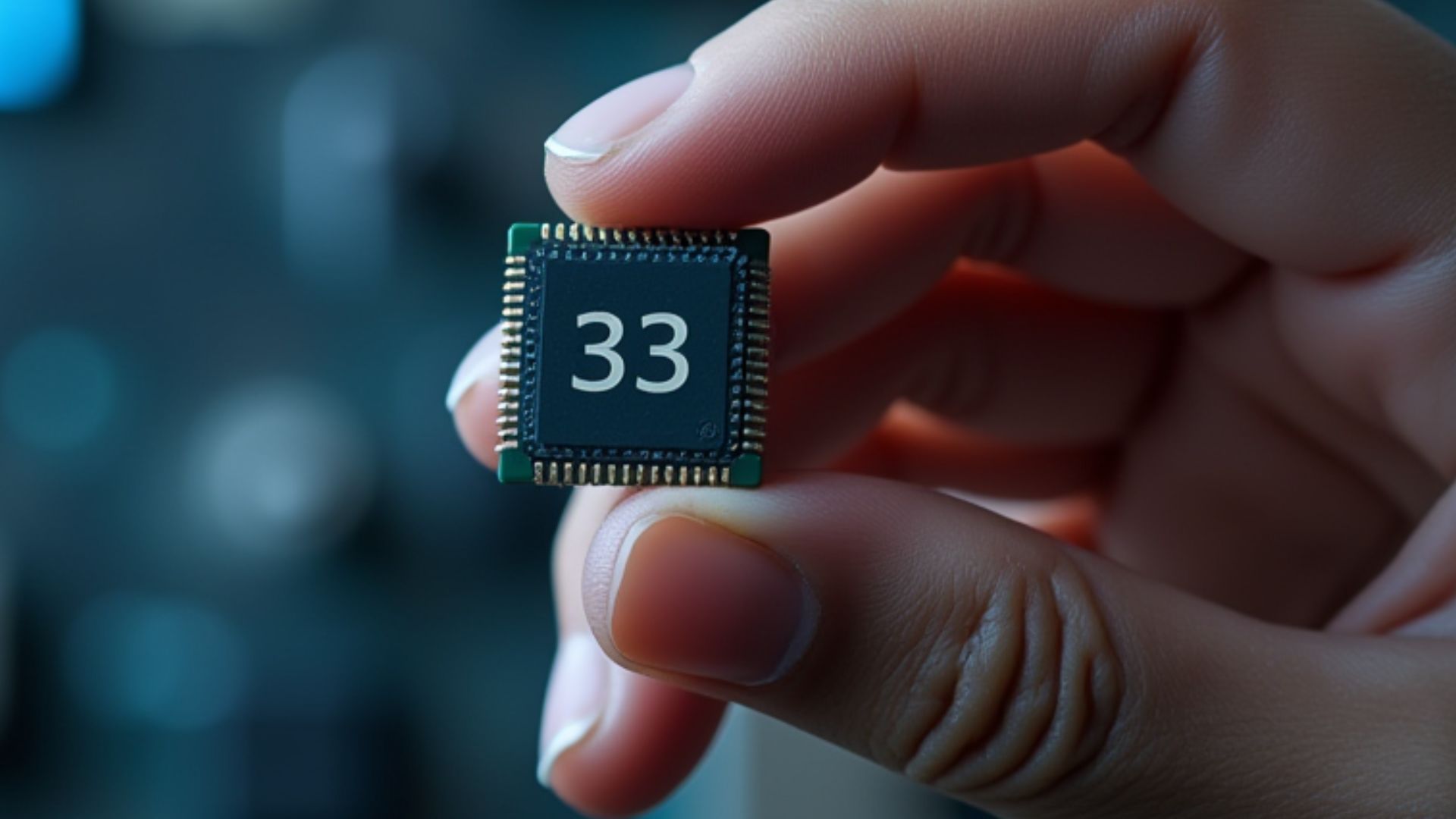
Where the damage sits matters more than its physical size. Honda warns that scratches, nicks, and even minor repairs within the forward camera's field of vision can cause some driver-assistance systems to operate abnormally. A tiny chip directly in front of the camera can therefore be more concerning than a larger chip near the edge of the glass.
 Shixart1985, Wikimedia Commons
Honda Is Surprisingly Strict About Minor Repairs
Honda's current owner guidance specifically warns against making even minor repairs inside certain camera viewing areas. It recommends windshield replacement when damage in that zone could interfere with the camera and requires camera recalibration after replacement. That is a very different world from simply injecting resin and sending the customer home.
Subaru Treats The Windshield As Part Of EyeSight
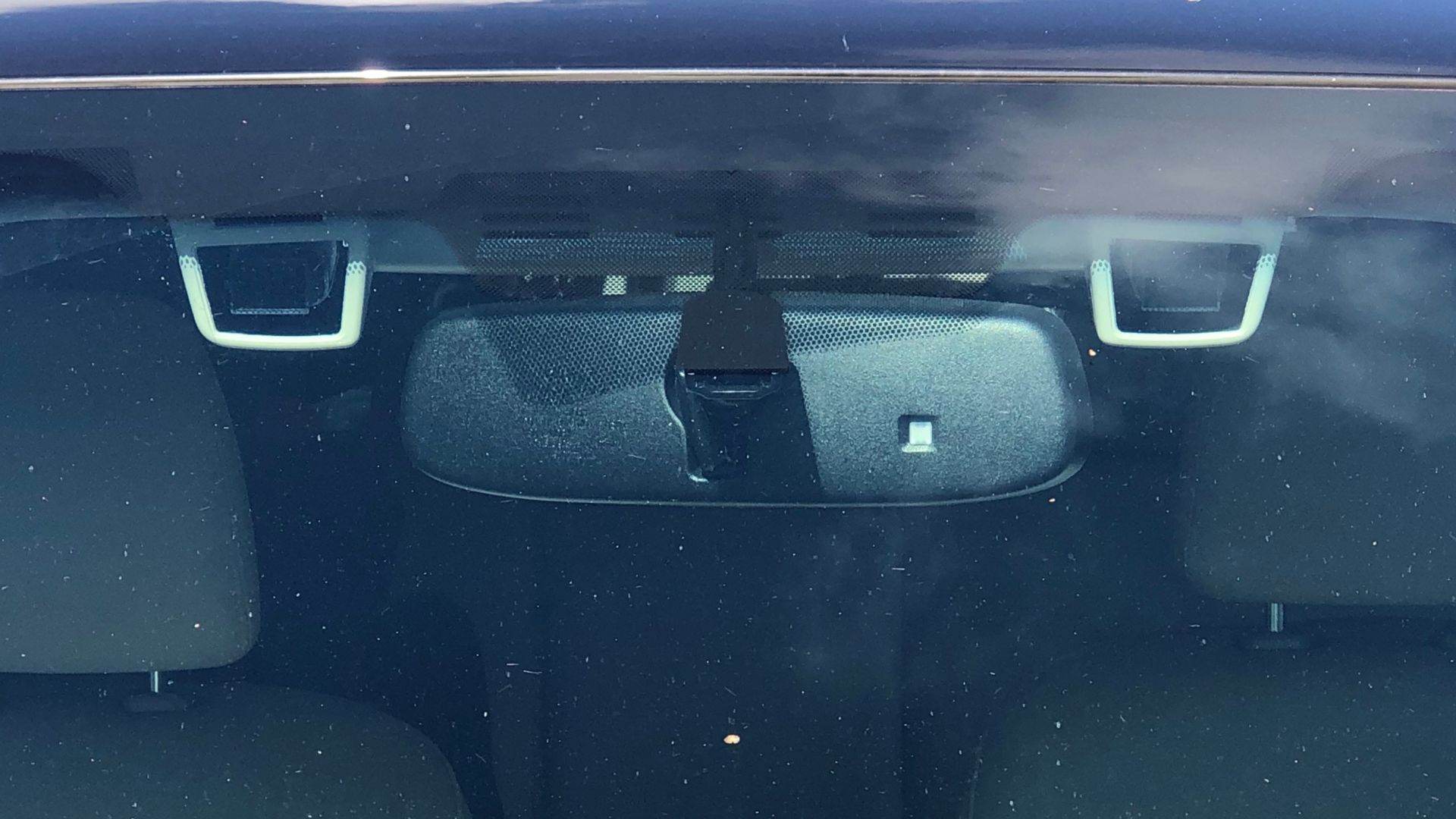
Subaru gives similarly cautious instructions for vehicles equipped with EyeSight. Its manuals tell owners to contact a Subaru dealer when the windshield is scratched or cracked and to consult the dealer for windshield replacement or repair. Subaru warns that damage or improper glass can interfere with the stereo cameras' ability to recognize objects accurately.
 Omar Nordsve, Wikimedia Commons
Mazda Also Protects The Camera's View
Mazda tells owners to consult a dealer before repairs around the Forward Sensing Camera. Current Mazda manuals warn that cracks or damage from road debris can affect the system and may require windshield replacement. Even transparent objects or films near the camera can cause incorrect operation.
So Your Shop May Have Had A Real Reason
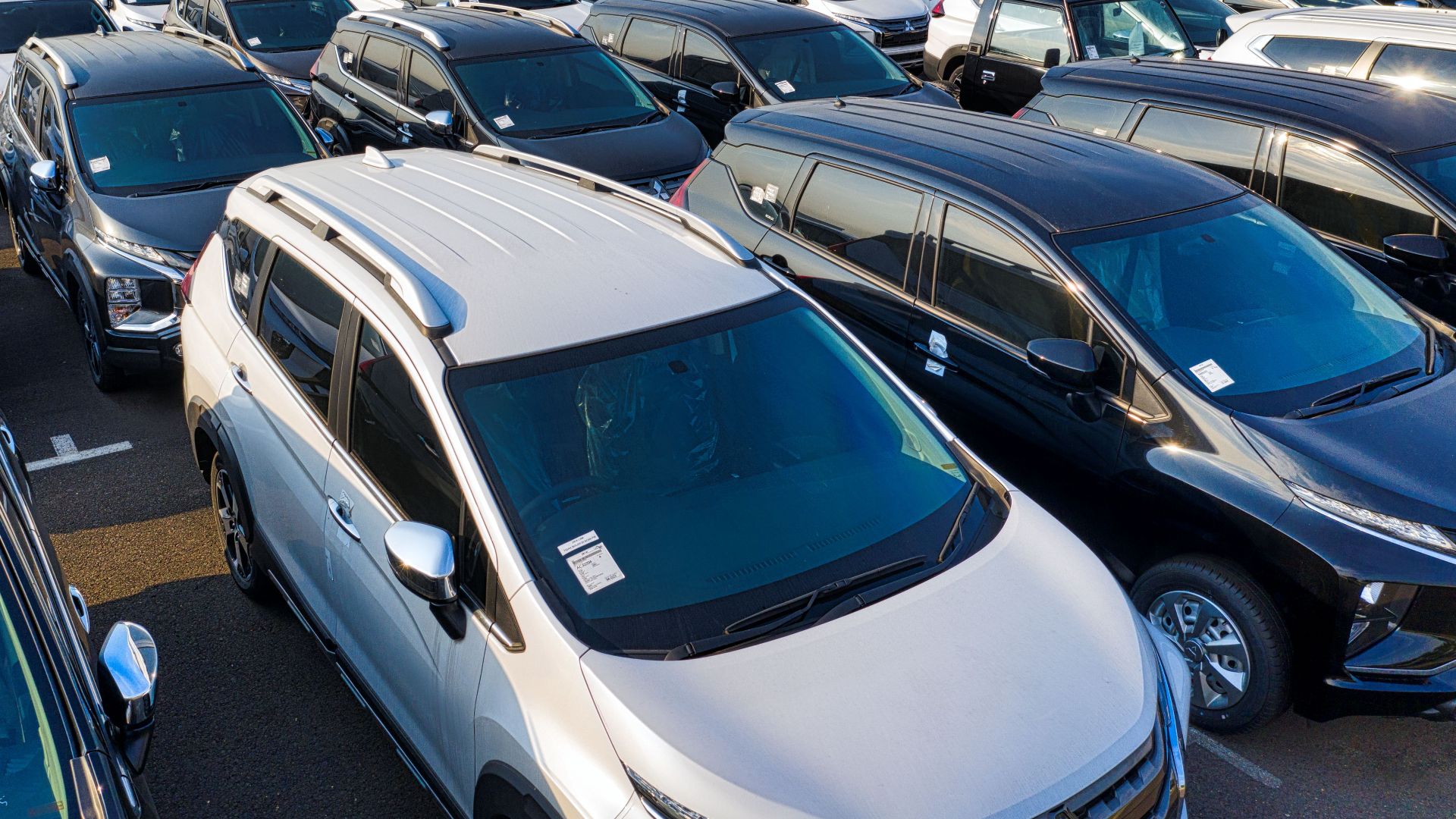
If the chip was close to the camera's viewing area, the shop may have been following manufacturer-specific procedures rather than inventing extra work. Calibration requirements vary enormously by make, model, year, camera design, and repair location. That is why a blanket rule saying chip repairs never require ADAS attention would be just as misleading as saying they always do.
Ask Which Factory Procedure Required It
You should still ask for documentation. I-CAR maintains manufacturer-specific calibration information precisely because different automakers trigger recalibration after different repairs. A reputable shop should be able to explain the OEM procedure behind the charge rather than simply saying, “new cars need calibration.”
Replacement Is Much Clearer Than Repair
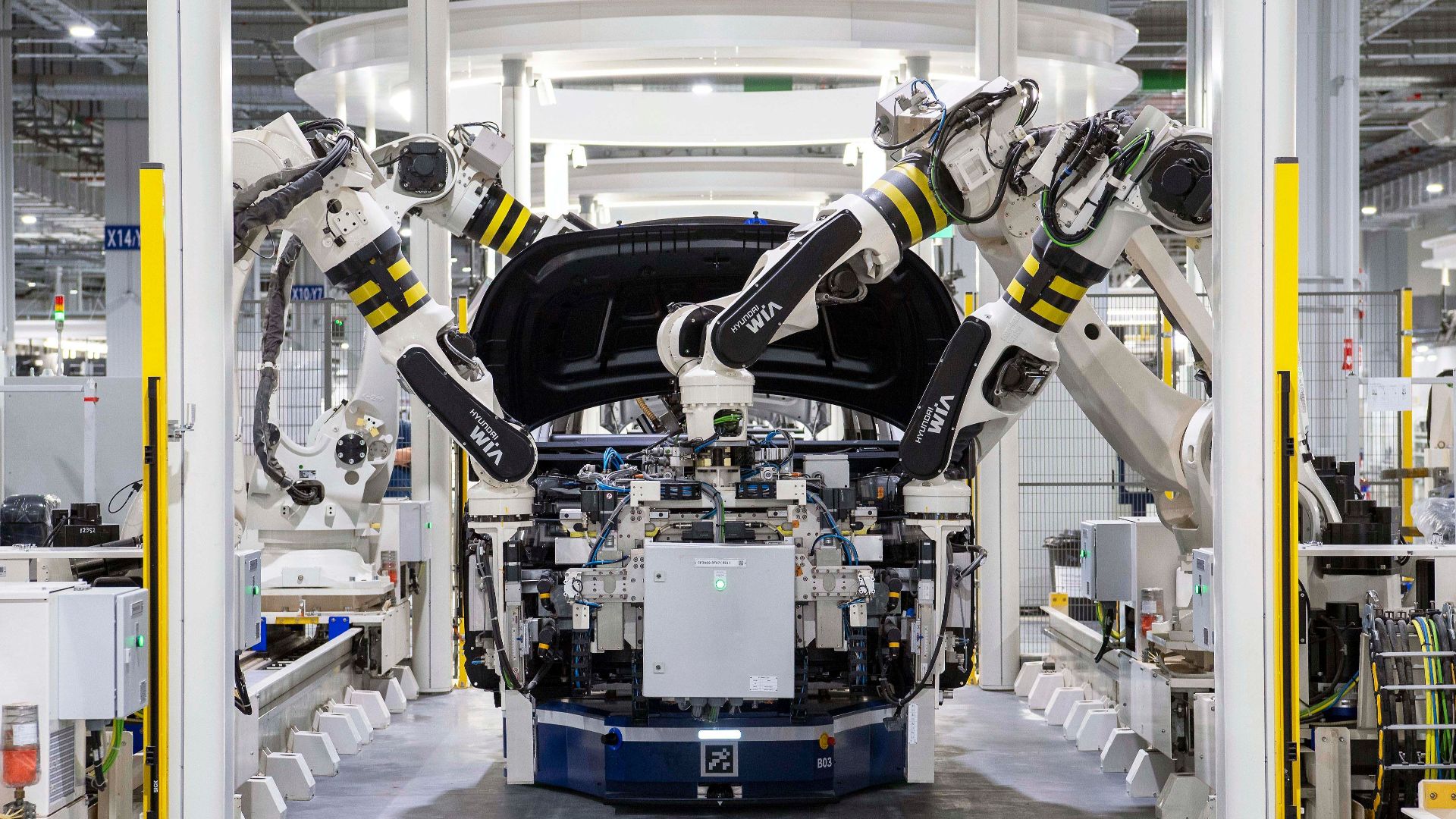
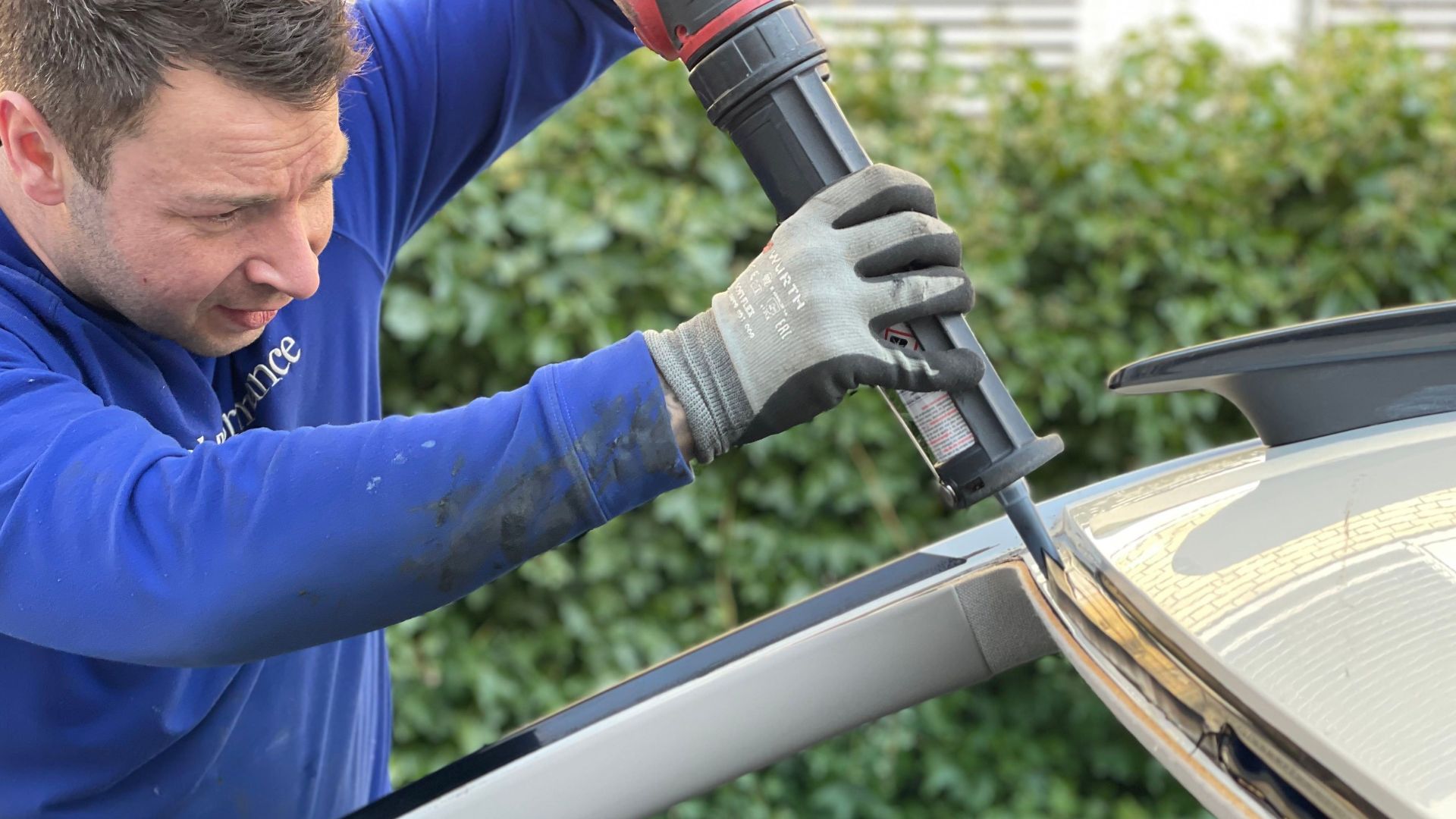
The industry is far more consistent about full windshield replacement. Honda requires recalibration after windshield replacement on camera-equipped models, Subaru requires camera adjustment after windshield removal and installation on specified EyeSight vehicles, and Ford warns that cameras and sensors must be calibrated after changing the windshield. Replacement physically disturbs the camera's relationship to the glass.
Millimeters Matter To A Camera
ADAS cameras evaluate distant lane markings, vehicles, pedestrians, and signs through a narrow optical reference. AAA explains that even a sensor misaligned by a fraction of an inch or a single degree can be aimed substantially off target farther down the road. That is why calibration equipment measures positions that would look insignificant to the human eye.
The Camera May Still Look Perfectly Straight
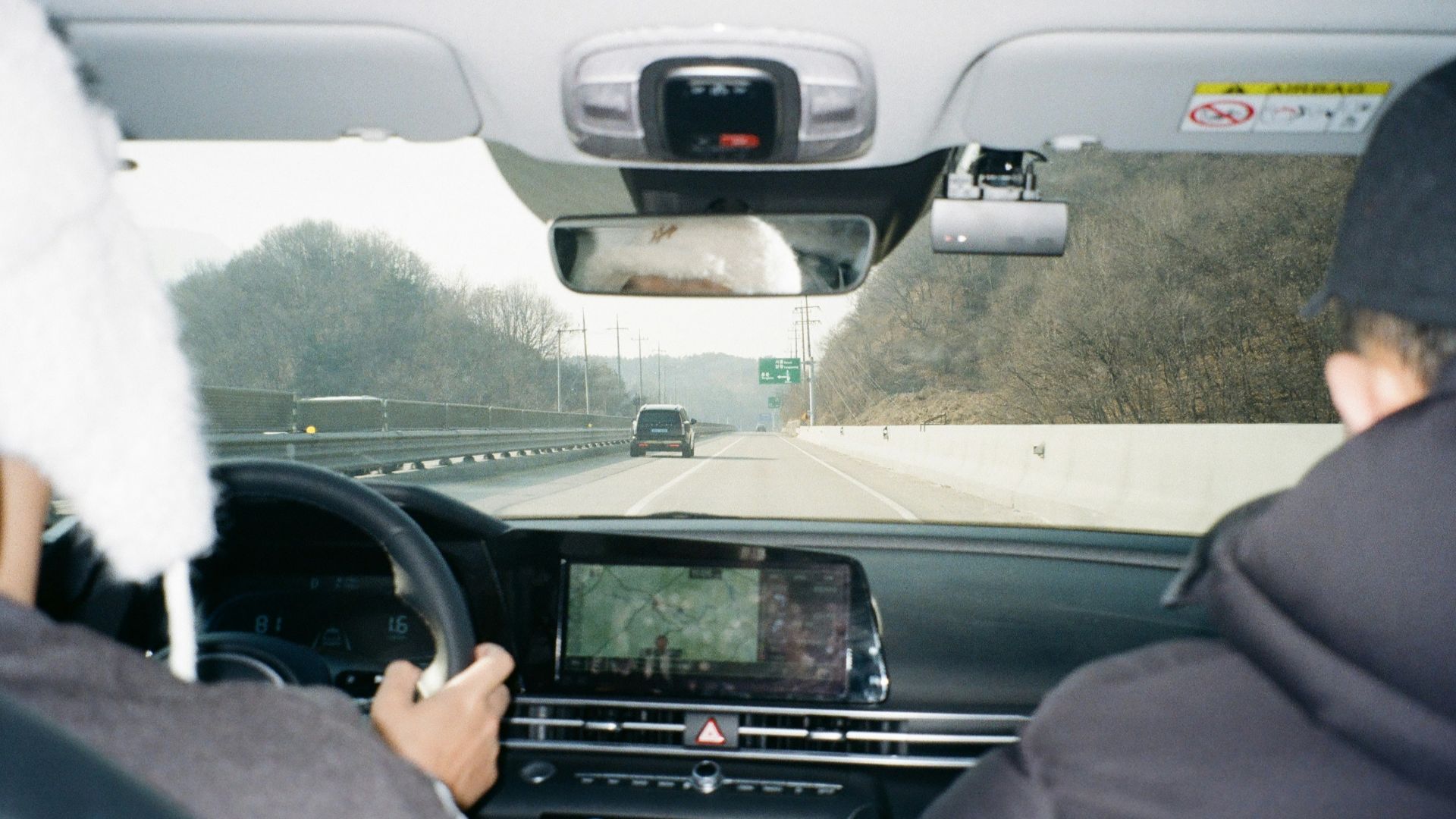
A misaligned camera does not necessarily hang crooked behind the mirror. Its mounting position can be only slightly different from the reference values expected by the software. You may not be able to identify that error visually, which is why professional calibration uses diagnostic tools, measured targets, controlled positioning, or prescribed road procedures.
Warning Lights Do Not Tell The Whole Story
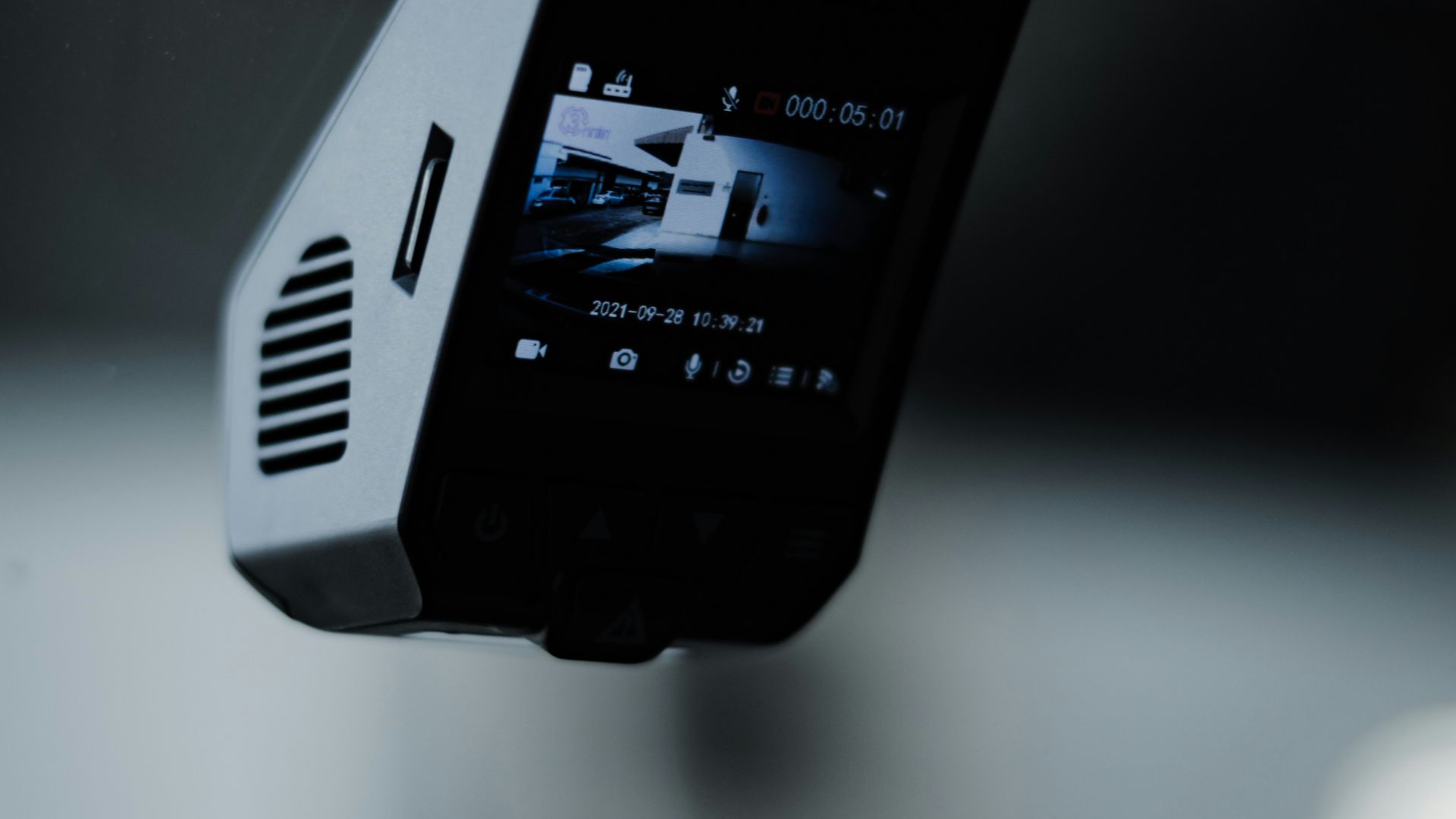
Drivers naturally assume the dashboard will announce any camera problem. That is not always a safe assumption. Calibration verifies where the sensor is actually looking, while diagnostic codes generally confirm electronic faults or conditions the vehicle has been programmed to detect.
Static Calibration Happens In The Shop
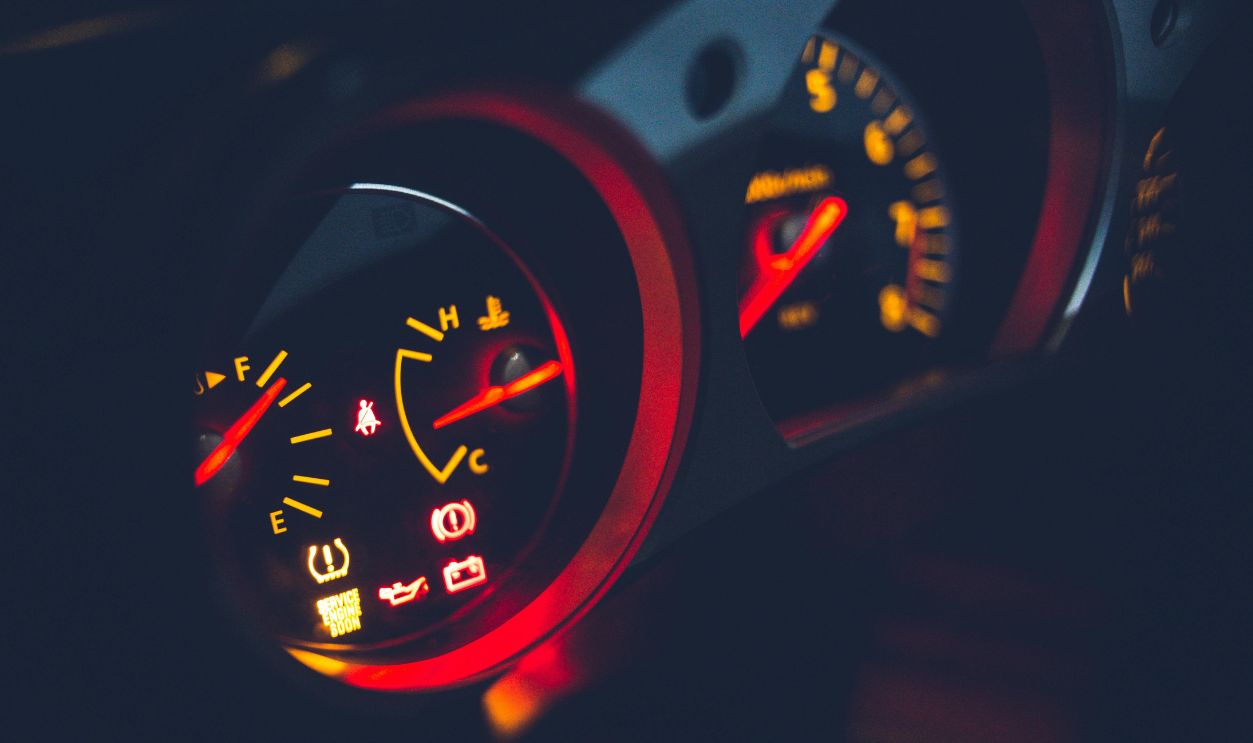
Some vehicles use a static calibration procedure. Technicians position specially designed targets at exact distances and heights around the vehicle, then use diagnostic software to teach the camera where those references are. Floor level, lighting, tire pressure, vehicle loading, and target placement can all matter depending on the OEM procedure.
Dynamic Calibration Happens On The Road
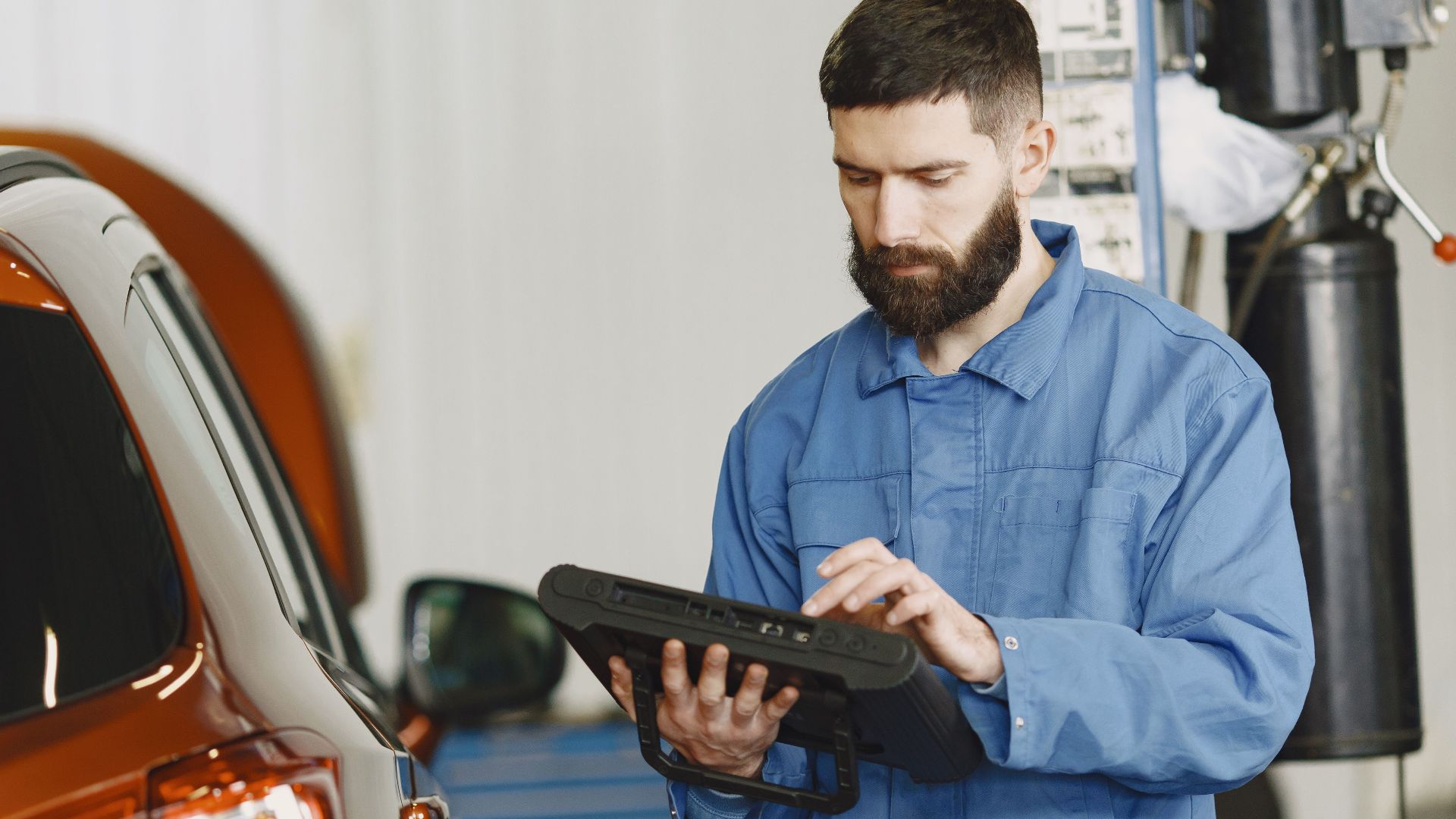
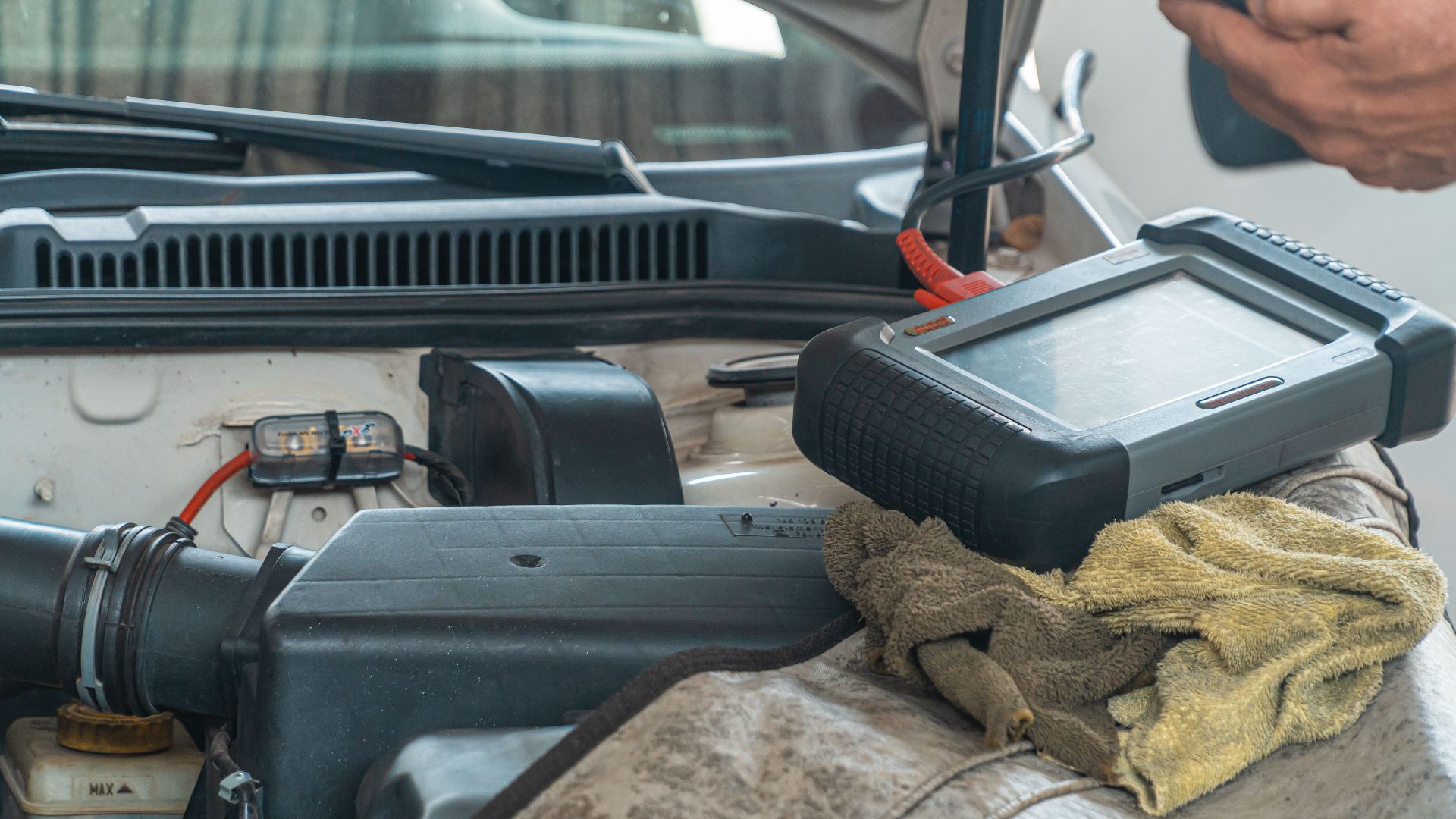
Other systems calibrate while the vehicle is driven. A scan tool puts the camera into a calibration mode while the technician follows manufacturer requirements involving road speed, lane markings, weather, traffic, and driving time. Poor road conditions can make the procedure take longer or prevent it from completing.
 Jose Ricardo Barraza Morachis, Pexels
Some Cars Need Both Procedures
Calibration is not always a choice between static and dynamic methods. Some manufacturers require both for specific systems or repair situations. That explains why a seemingly simple windshield job can sometimes occupy substantially more shop time than customers expect.
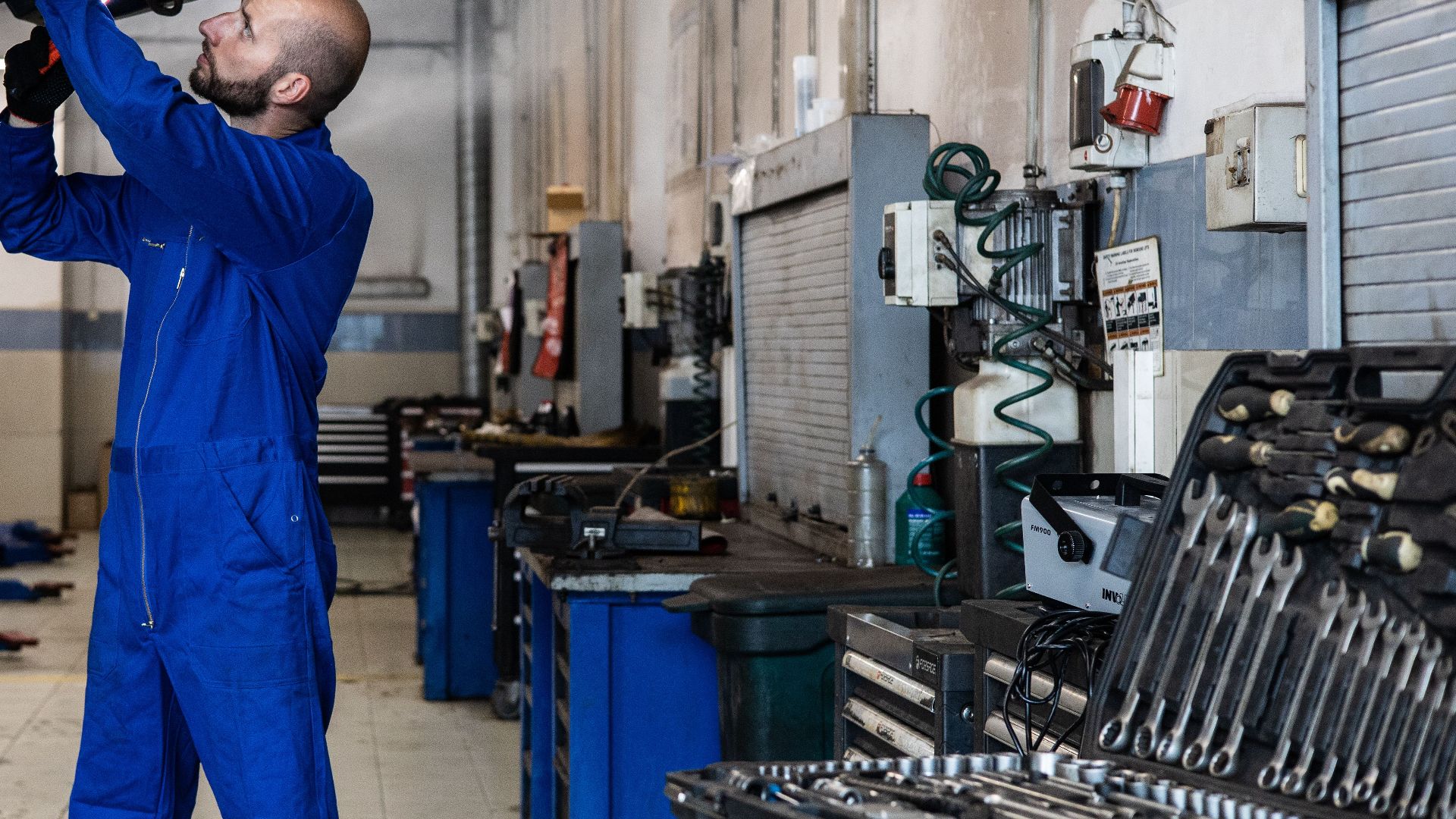
Specialized Equipment Adds To The Bill
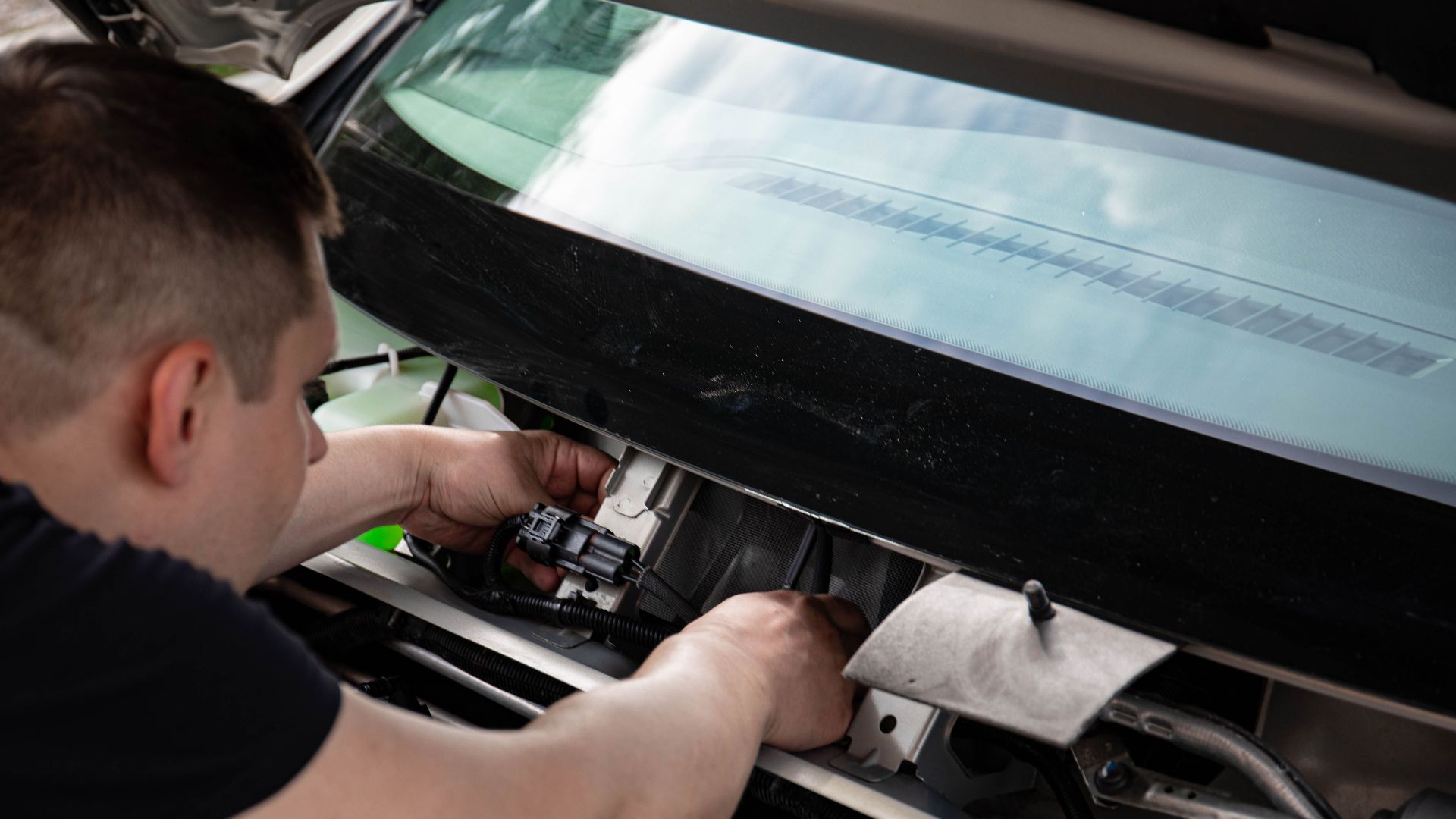
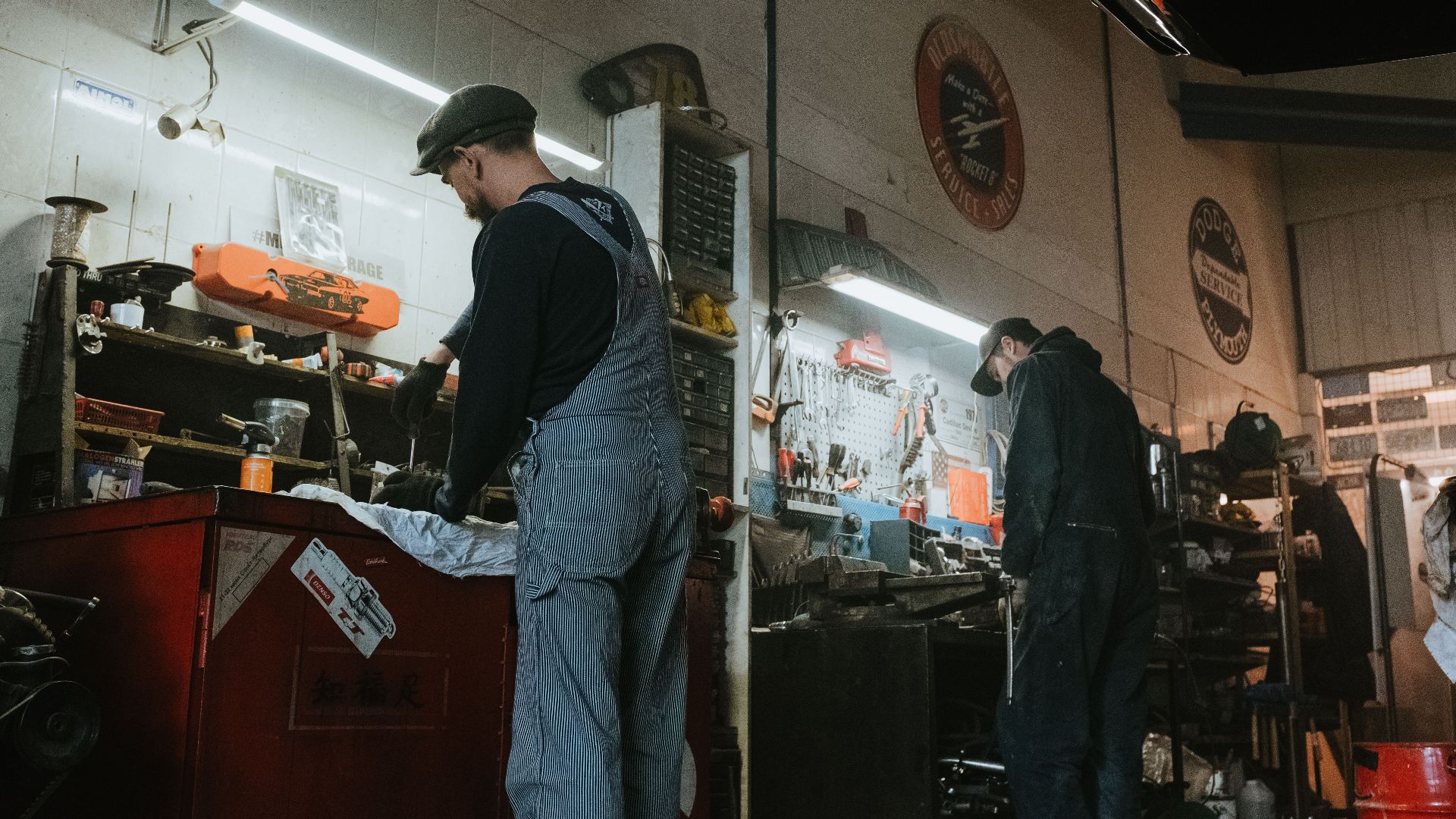
The technician may need manufacturer service information, scan tools, target boards, measurement systems, a controlled work area, and trained staff. AAA says shops that perform ADAS calibration make a significant investment in specialized equipment and repair information. The extra charge is partly paying for that infrastructure.
AAA Found Hundreds In Added Windshield Cost
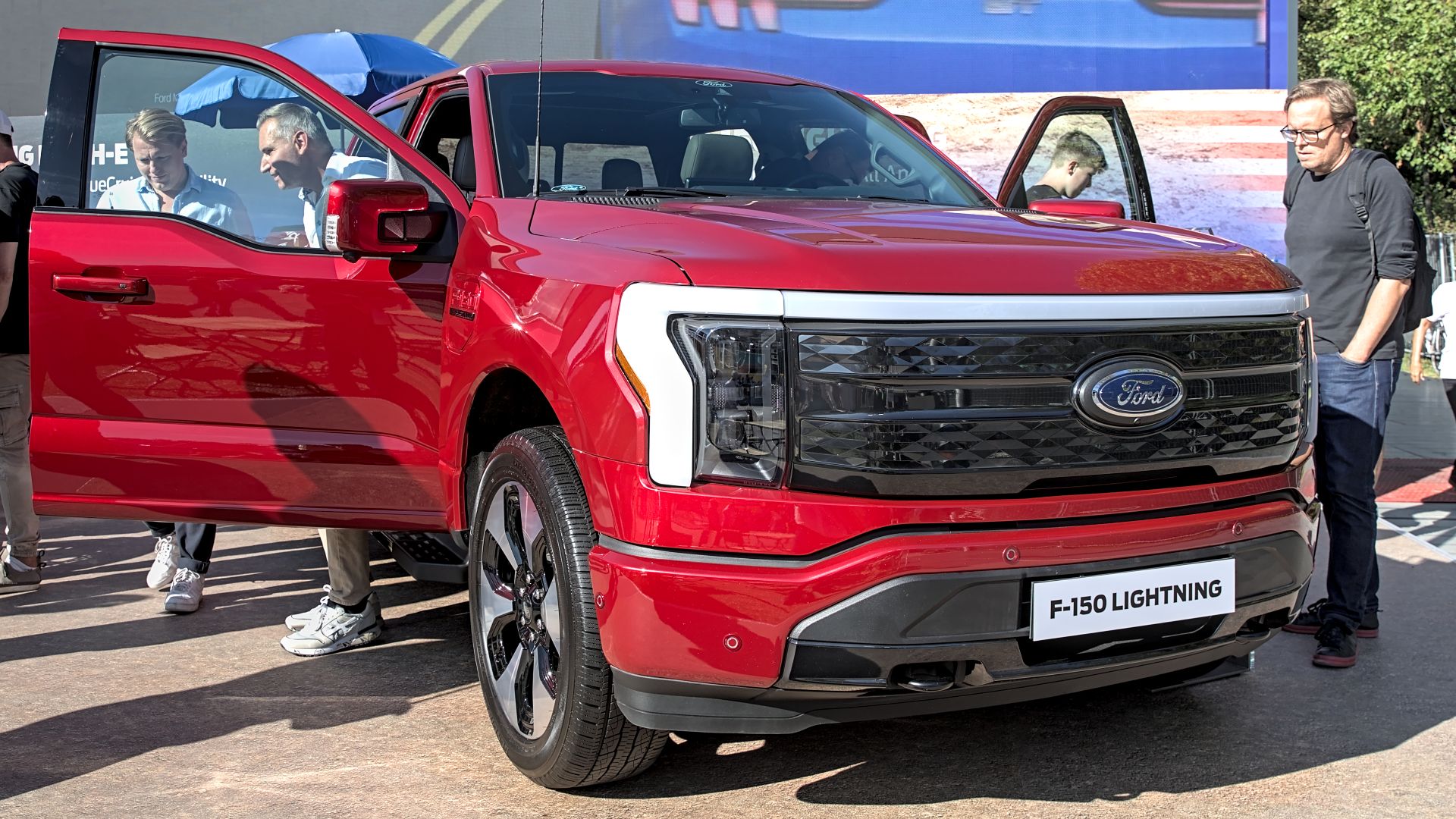
AAA's 2023 study examined modern vehicles including a Toyota Camry, Nissan Rogue, and Ford F-150. The organization estimated an average of about $360 specifically for transferring and calibrating windshield-mounted camera equipment during replacement. That amount was on top of the glass and ordinary installation work.
 Alexander-93, Wikimedia Commons
Modern Windshields Can Already Cost Much More
AAA currently estimates that a small chip repair commonly costs around $60 to $100, while full windshield replacement can range from roughly $250 to more than $1,500 depending on the vehicle. ADAS calibration can add hundreds more. The jump from “repairable chip” to “replacement plus calibration” can therefore become painfully expensive.

The Glass Itself Has Become More Specialized
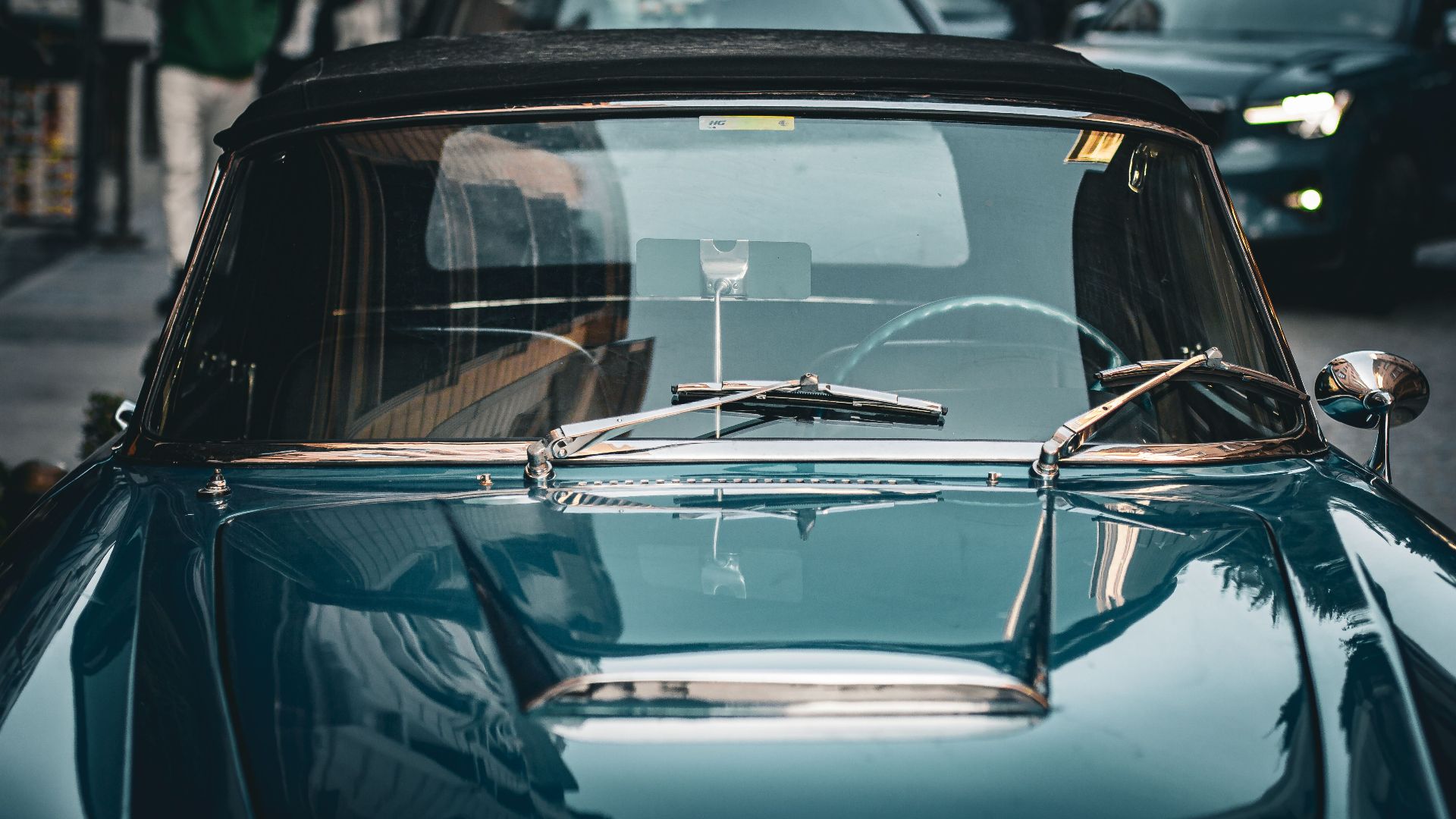
ADAS cameras look through the windshield rather than around it. AAA's repair research notes that replacement glass must meet demanding optical requirements because distortion can interfere with what the camera sees. Brackets, tinting, ceramic patterns, and optical clarity can all matter.
Some Automakers Prefer Genuine Glass
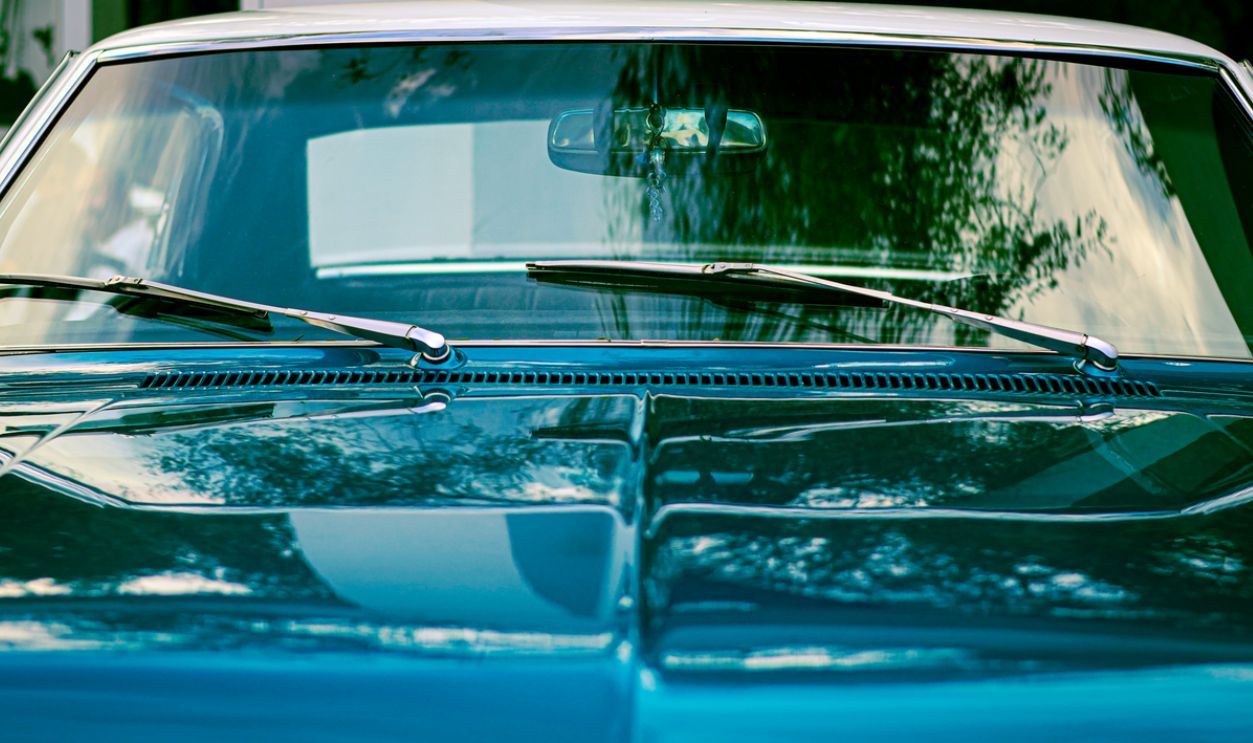
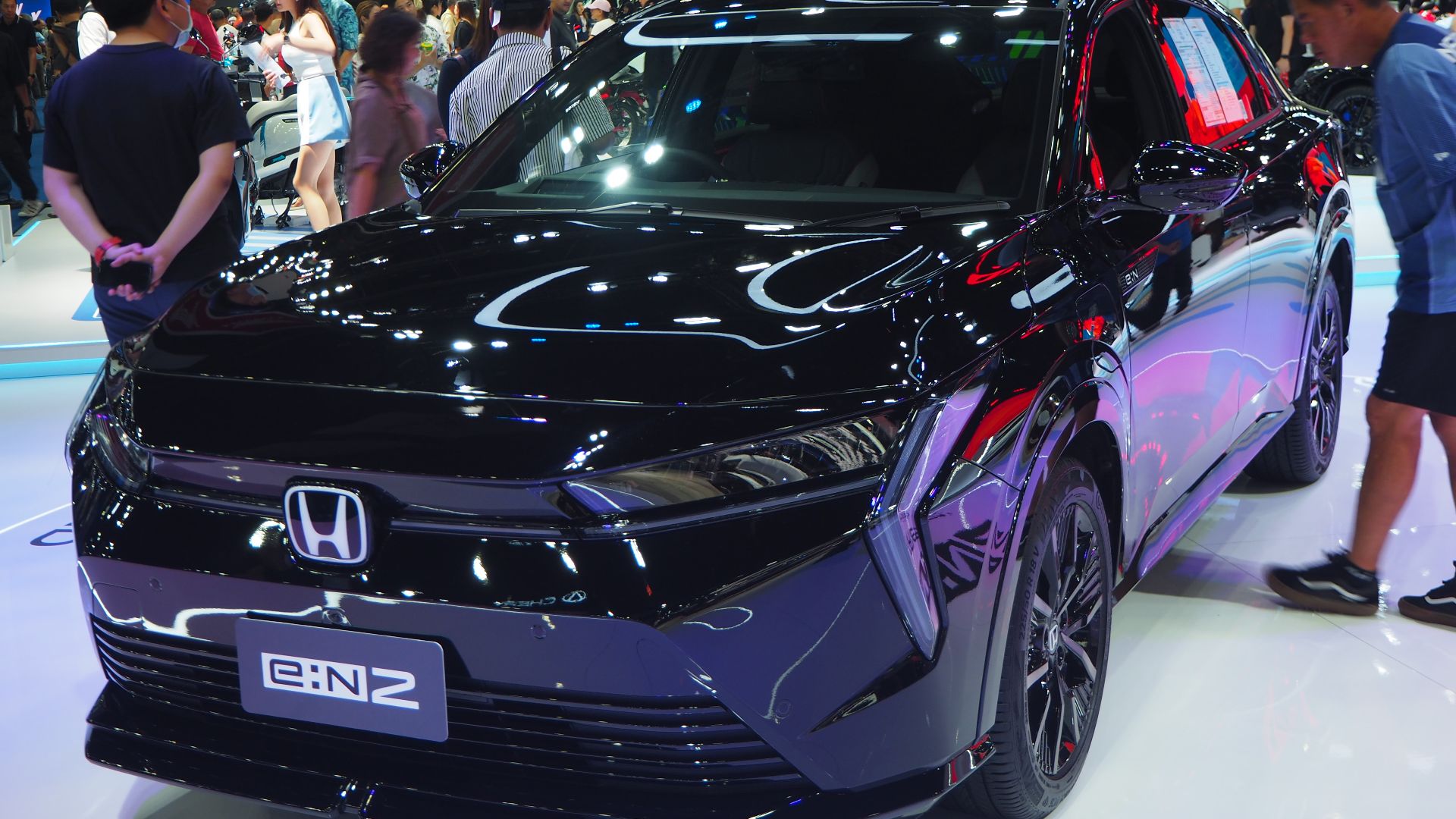
Honda explicitly recommends genuine replacement windshields for some camera-equipped vehicles and warns that aftermarket glass can cause aiming failure or abnormal operation. AAA similarly reports that some manufacturers require or strongly recommend OEM glass for ADAS applications. That can make replacement more expensive before calibration even begins.
Aftermarket Glass Is Not Automatically Bad
There are high-quality aftermarket windshields designed to meet appropriate specifications. The important question is whether the particular glass is approved or suitable for the camera system on your vehicle. A cheap piece of glass with optical distortion or incorrect mounting provisions can turn a saving into another repair visit.
These Cameras Control Serious Safety Functions
The added complexity would be harder to defend if the camera only recognized speed-limit signs. In reality, NHTSA says forward sensors support technologies including automatic emergency braking, pedestrian braking, lane keeping, and adaptive cruise control. Those systems can actively brake or steer the vehicle.
The Safety Benefits Are Real
IIHS says several crash-avoidance technologies produce measurable reductions in real-world crashes. Automatic emergency braking has been associated with roughly a 50 percent reduction in front-to-rear crashes, while lane departure technologies have also reduced certain crash types. Preserving accurate sensor operation therefore serves a genuine safety purpose.

Recalibration Is Not Just A Dealership Upsell
AAA recommends calibration whenever a sensor's aiming has been disturbed and warns that an incorrectly aimed sensor can feed inaccurate information to the vehicle. Subaru, Honda, Ford, Mazda, and other manufacturers publish their own restrictions and procedures. That does not mean every calibration quote is justified, but the underlying procedure is legitimate.
Minor Body Repairs Have The Same Problem
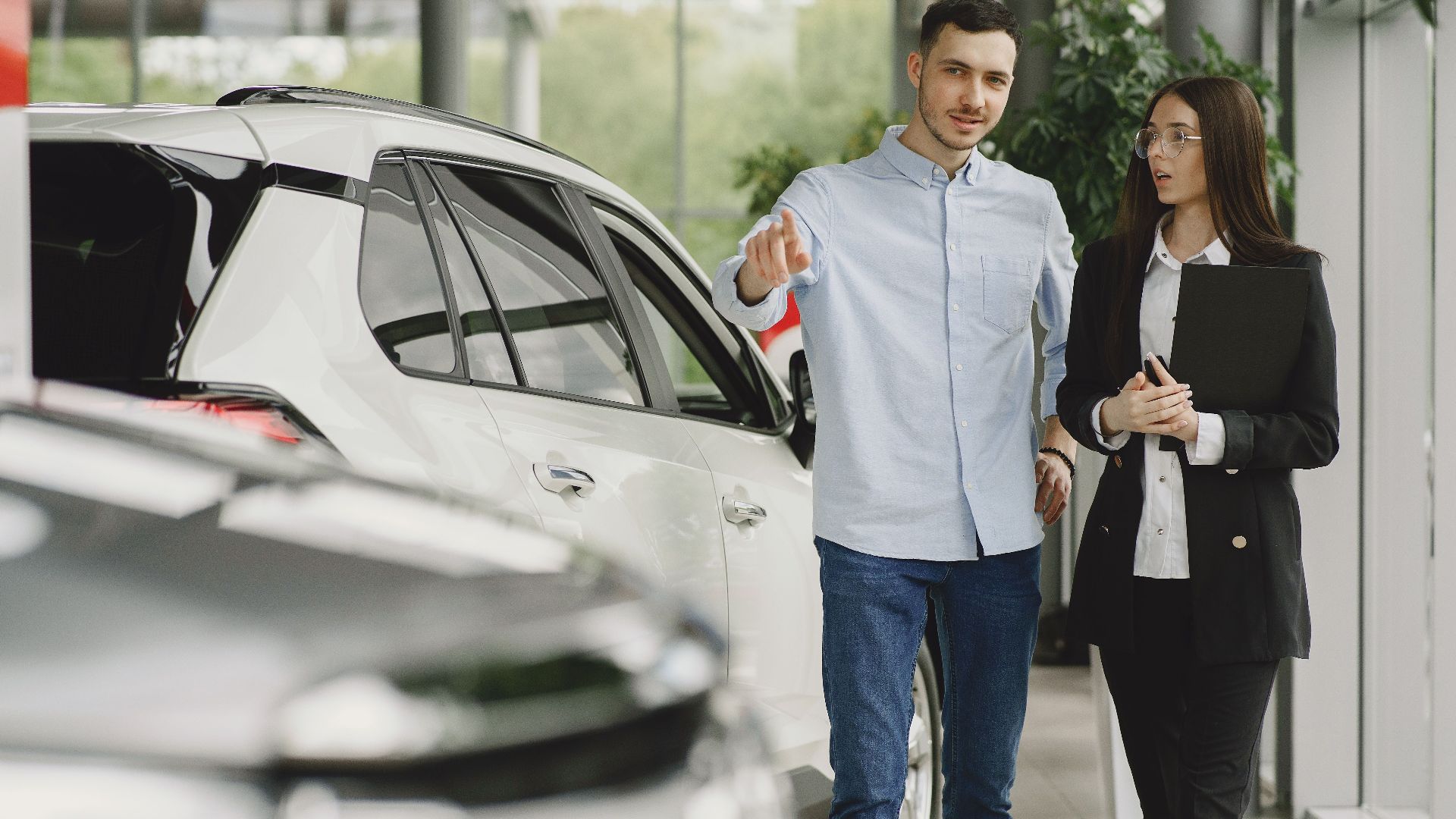
Windshields are only one example of technology increasing repair complexity. Cameras can live in mirrors, radar units behind bumpers, and ultrasonic sensors inside bumper covers. Consumer Reports has documented cases where repairs that once involved simple cosmetic work now require sensor checks or recalibration.
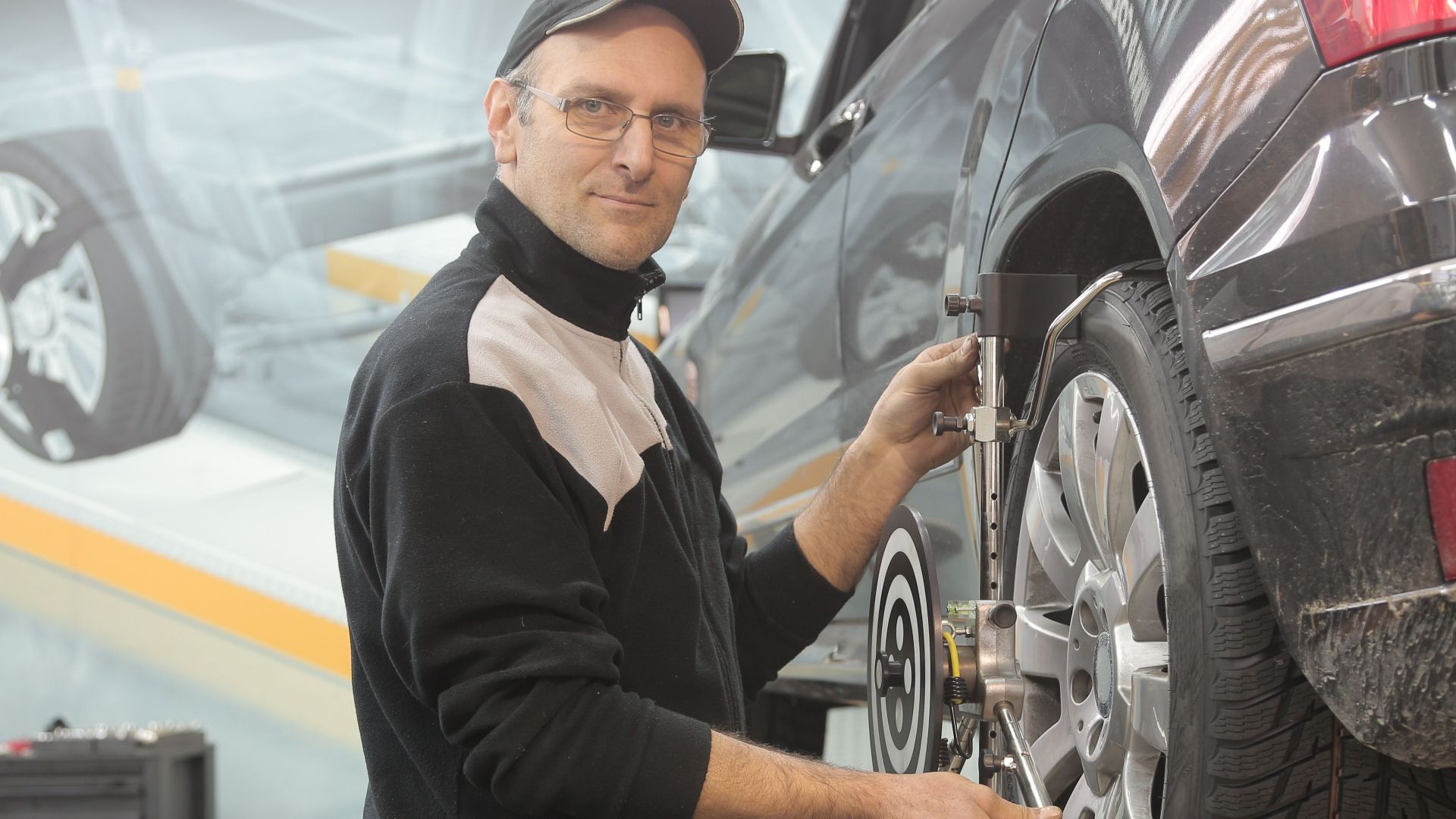
Wheel Alignments Can Trigger Calibration Too
AAA notes that calibration requirements can arise after suspension work or wheel alignment because ADAS systems depend on the vehicle's geometric reference points. A camera can be securely mounted while the vehicle itself now sits or points differently relative to the road. Modern repair procedures increasingly treat the whole vehicle as one connected measurement system.
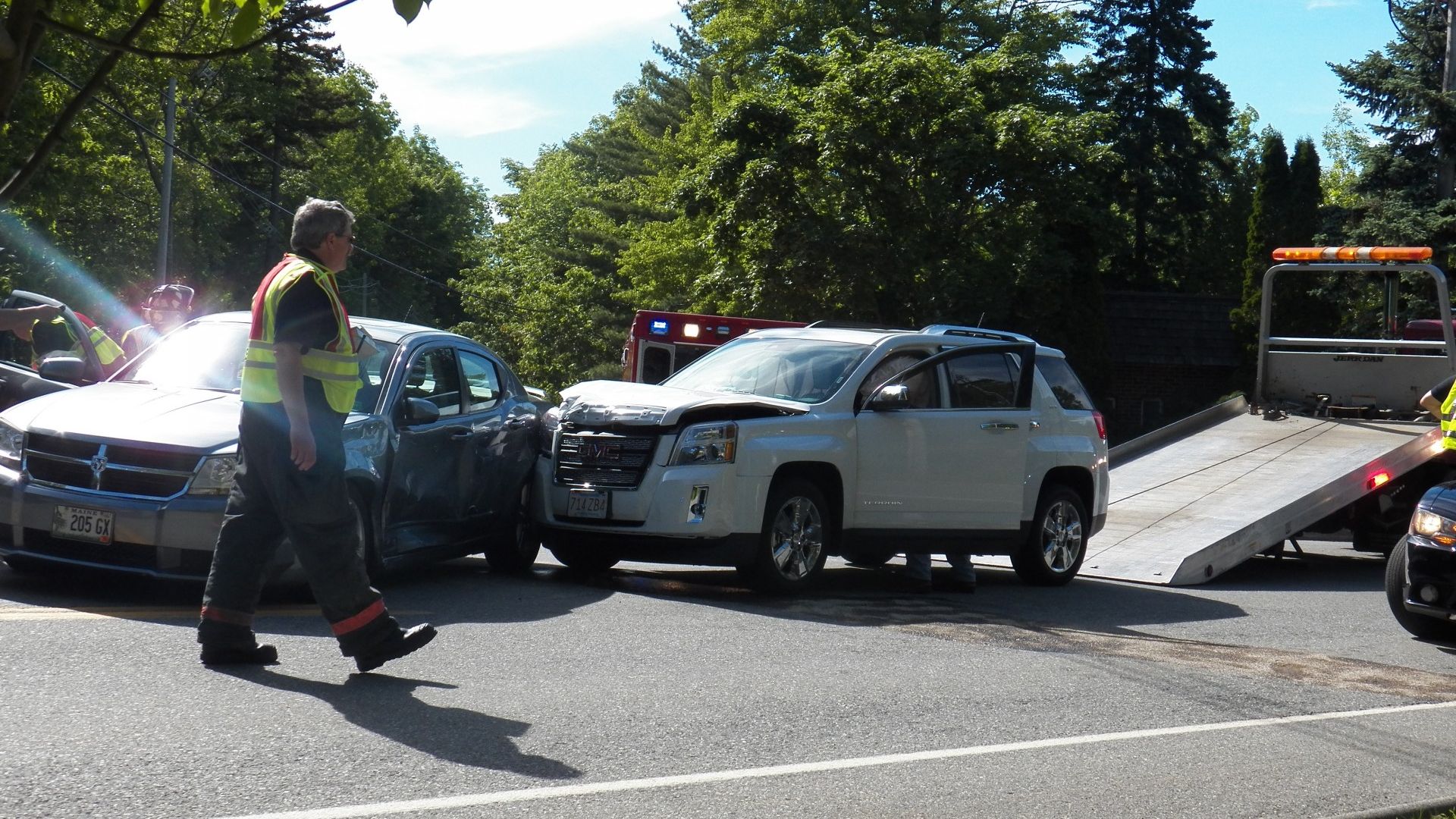
Even A Small Collision Can Start The Process
A minor parking impact may not look serious from outside. AAA says even small collisions can change sensor alignment enough to require checking or calibration. Ford likewise warns that seemingly minor damage can affect cameras and sensors used by driver-assistance systems.
 Junior Libby, Wikimedia Commons
This Complexity Is Not Going Away
NHTSA is adding more advanced driver-assistance technologies to its New Car Assessment Program, including lane keeping assistance and pedestrian automatic emergency braking. IIHS also continues to document increasing real-world safety benefits as these systems become more sophisticated. Cameras and sensors are becoming more central to vehicle design rather than less.
Insurance Coverage Is Worth Checking
If calibration is legitimately required as part of a covered windshield replacement, comprehensive insurance may cover some or all of it after the applicable deductible. Coverage varies by policy, state, insurer, and circumstances. Ask before the work begins rather than assuming the calibration charge will disappear automatically.

Ask For The Calibration Report
A proper calibration procedure should produce evidence that the system completed successfully. Ask the shop for the before-and-after scan results or calibration documentation when available. That record can be useful for your files, insurance claim, warranty discussions, and the next owner of the vehicle.
 Hryshchyshen Serhii, Shutterstock
Small Repairs Really Have Become Bigger Jobs
Yes, modern safety technology has made some previously minor repairs considerably more complicated and expensive. But your tiny chip should not automatically trigger an expensive calibration simply because the vehicle has a camera. The shop should be able to show that the chip's location, the manufacturer's repair instructions, or the work performed actually requires it.
You May Also Like:
Classic Cars That Were Found In Barns, Then Set Auction Records
Electric Cars With The Fastest 0–60 Times
Three Cars On The Verge Of Extinction
Sources: 1, 2, 3, 4, 5, 6, 7, 8, 9, 10, 11, 12, 13, 14, 15, 16, 17, 18, 19, 20, 21