The Missing Spare Is Not A Fluke
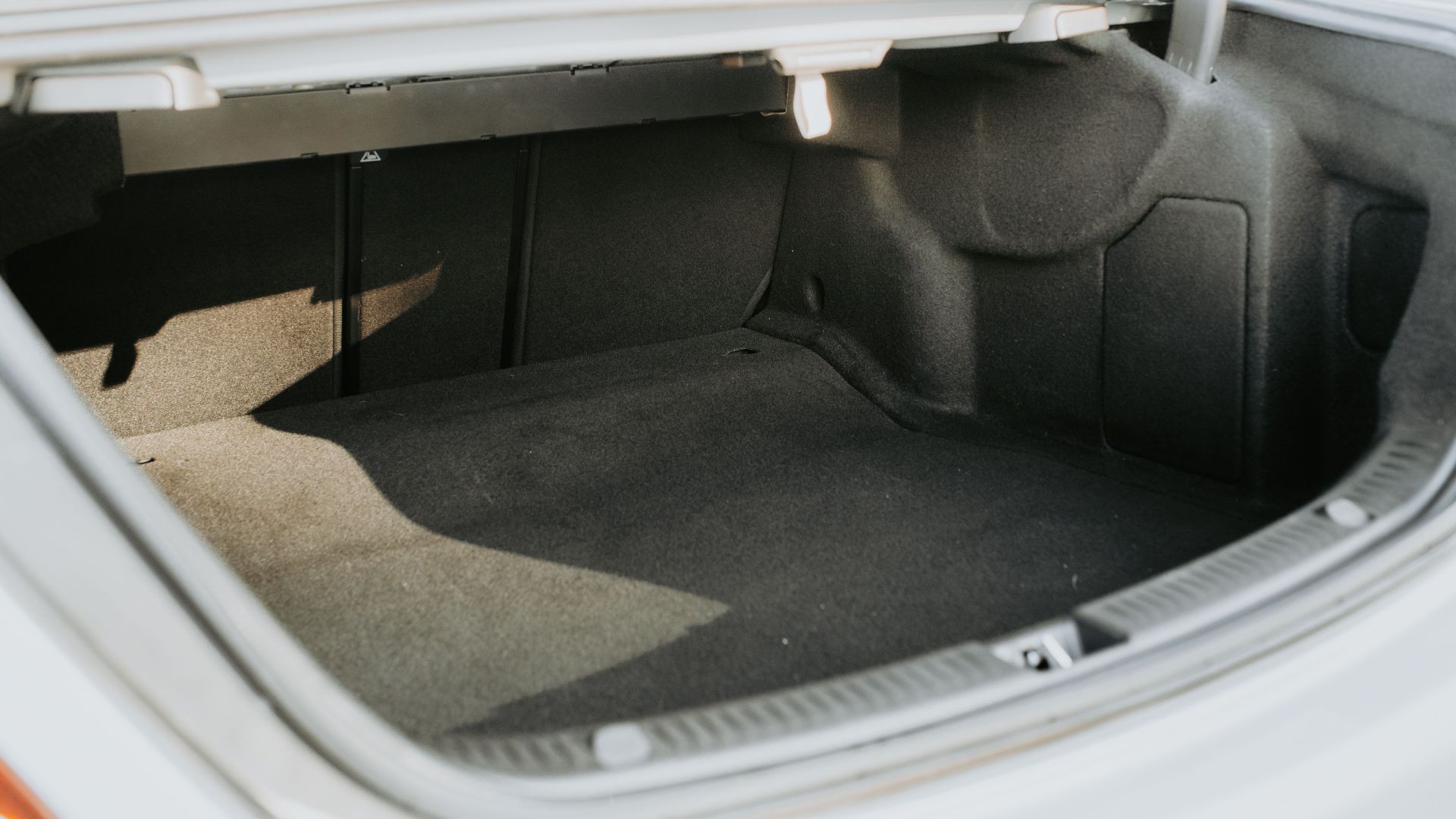
If you have shopped for a new car lately, you may have noticed something missing in the trunk. A lot of new vehicles no longer come with a full-size or even temporary spare tire. Instead, many automakers include a tire repair kit with sealant and a small air compressor.

Why Carmakers Started Ditching Spares
Carmakers moved away from spare tires to cut weight, improve fuel economy, and free up cargo space. A spare wheel, jack, and tools add weight and take up room. That mattered even more as efficiency rules got tighter over the past two decades and crossovers started competing on cargo space.
Repair Kits Became Mainstream
By the 2010s, inflator kits had become common in both mainstream and luxury models. AAA said in 2017 that nearly one in three new vehicles sold in the United States did not come with a spare tire. That was a major change from earlier years, when a spare was just expected.
What A Repair Kit Usually Includes
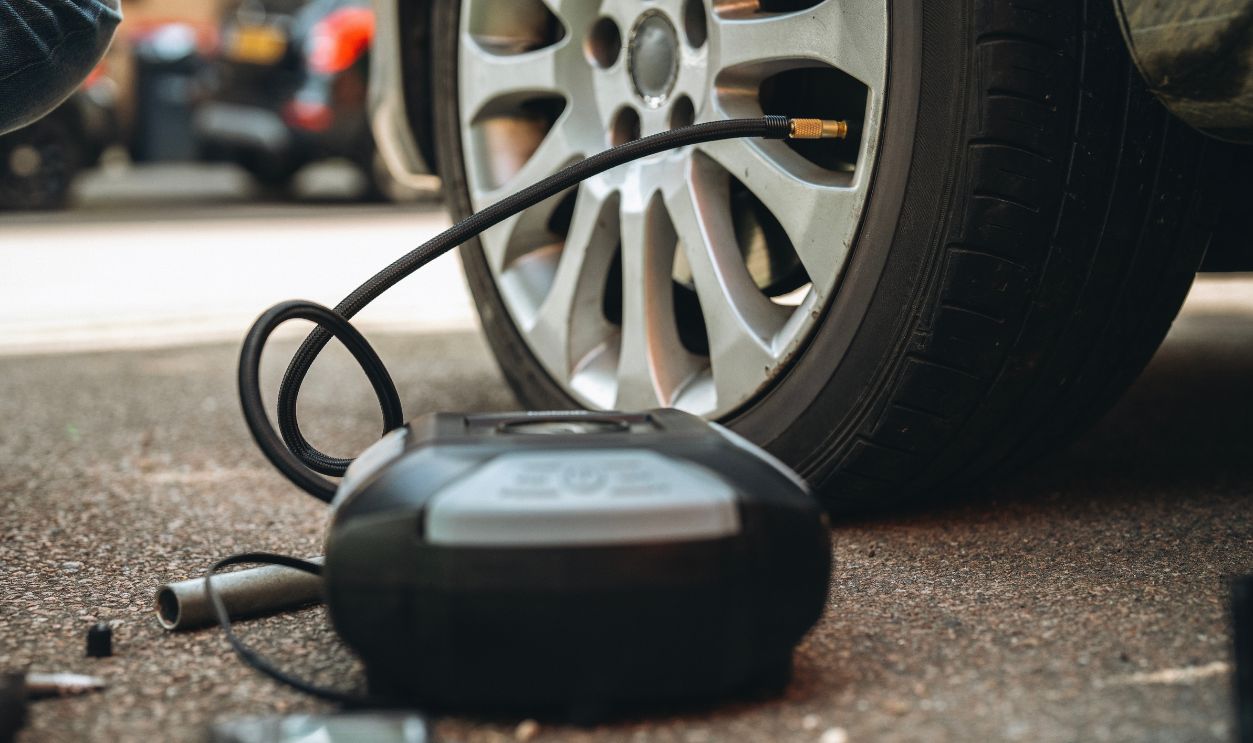
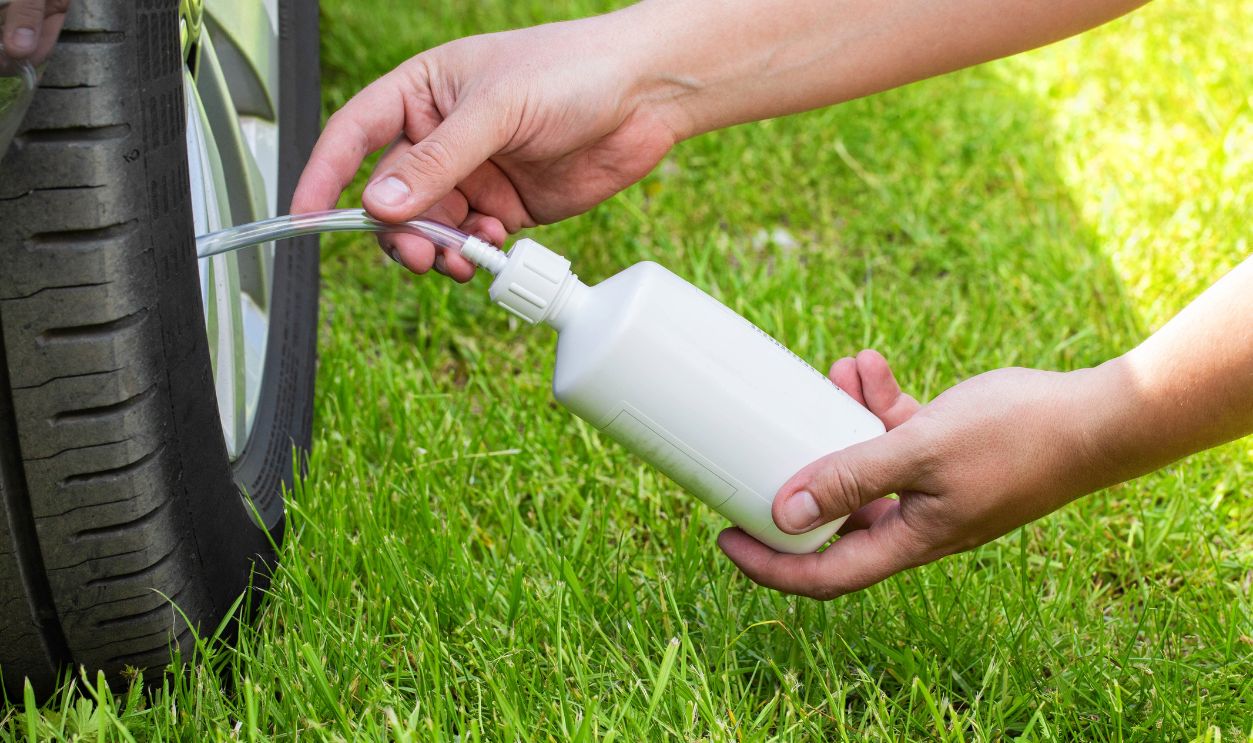
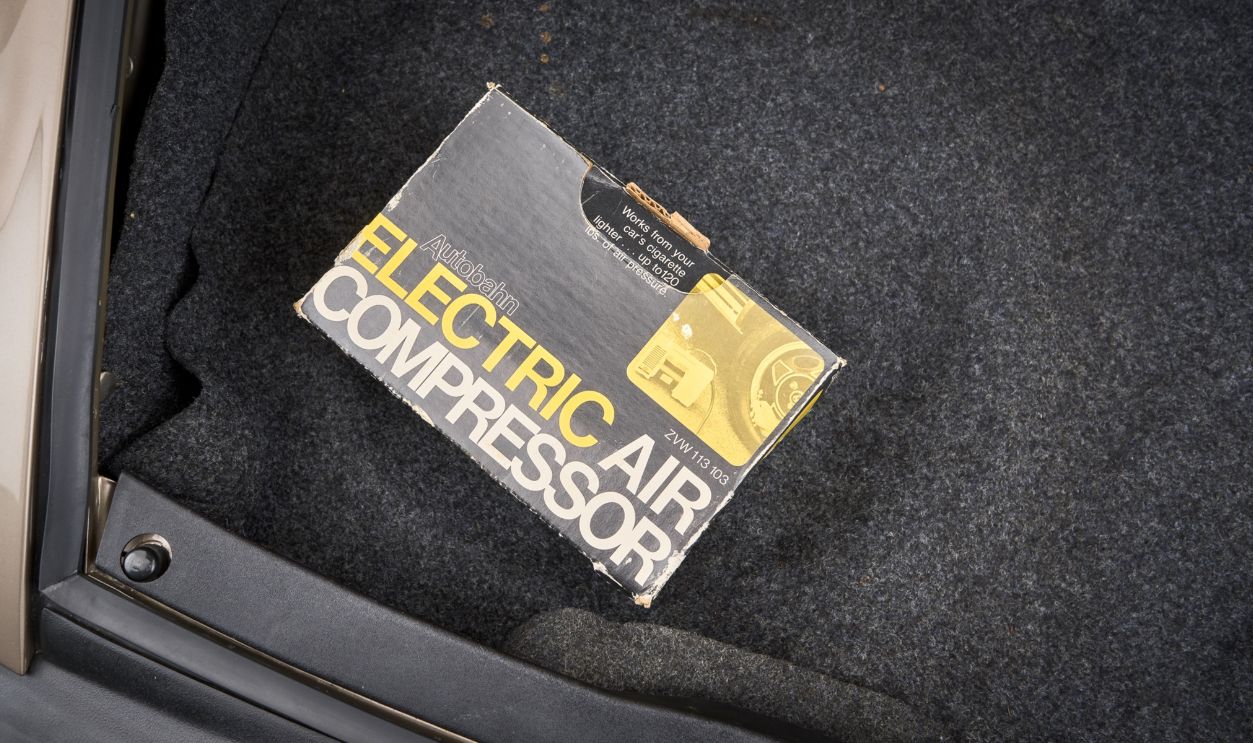
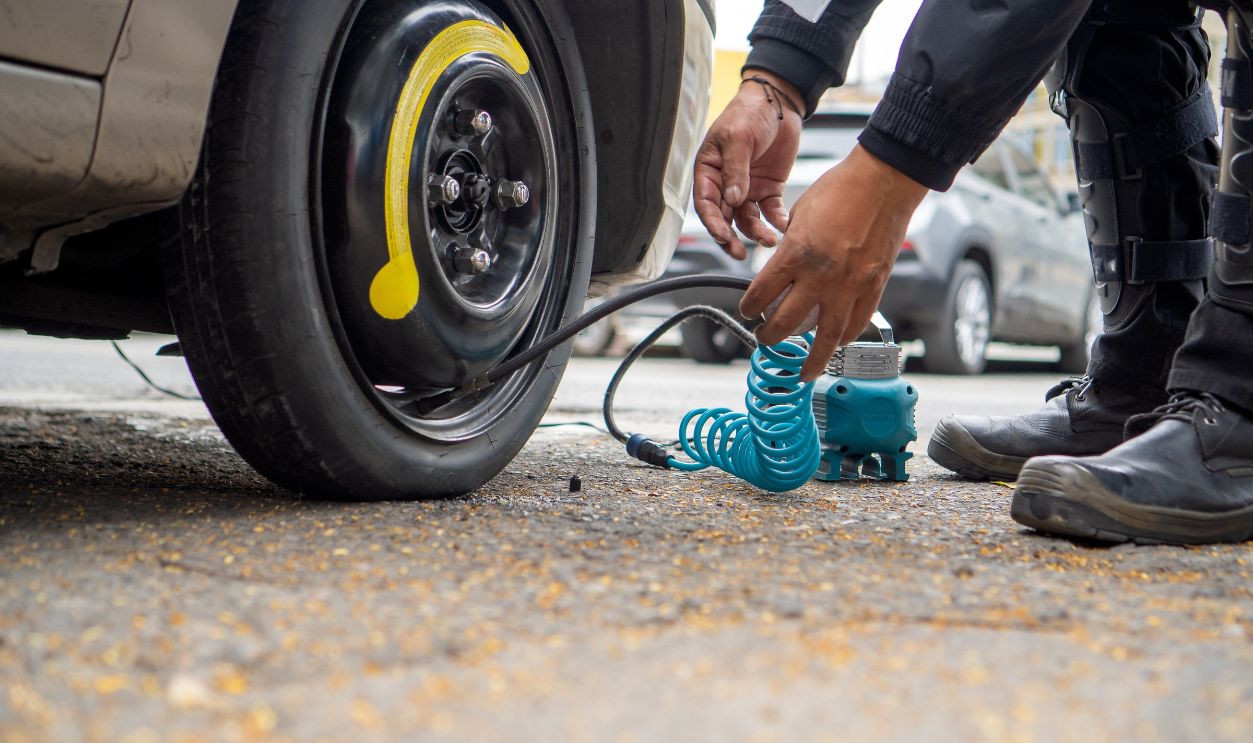
Most factory repair kits are pretty simple. You usually get a bottle of tire sealant and a 12-volt air compressor that plugs into the car’s power outlet. The idea is to send sealant into the puncture, pump the tire back up, and drive a short distance to a repair shop.
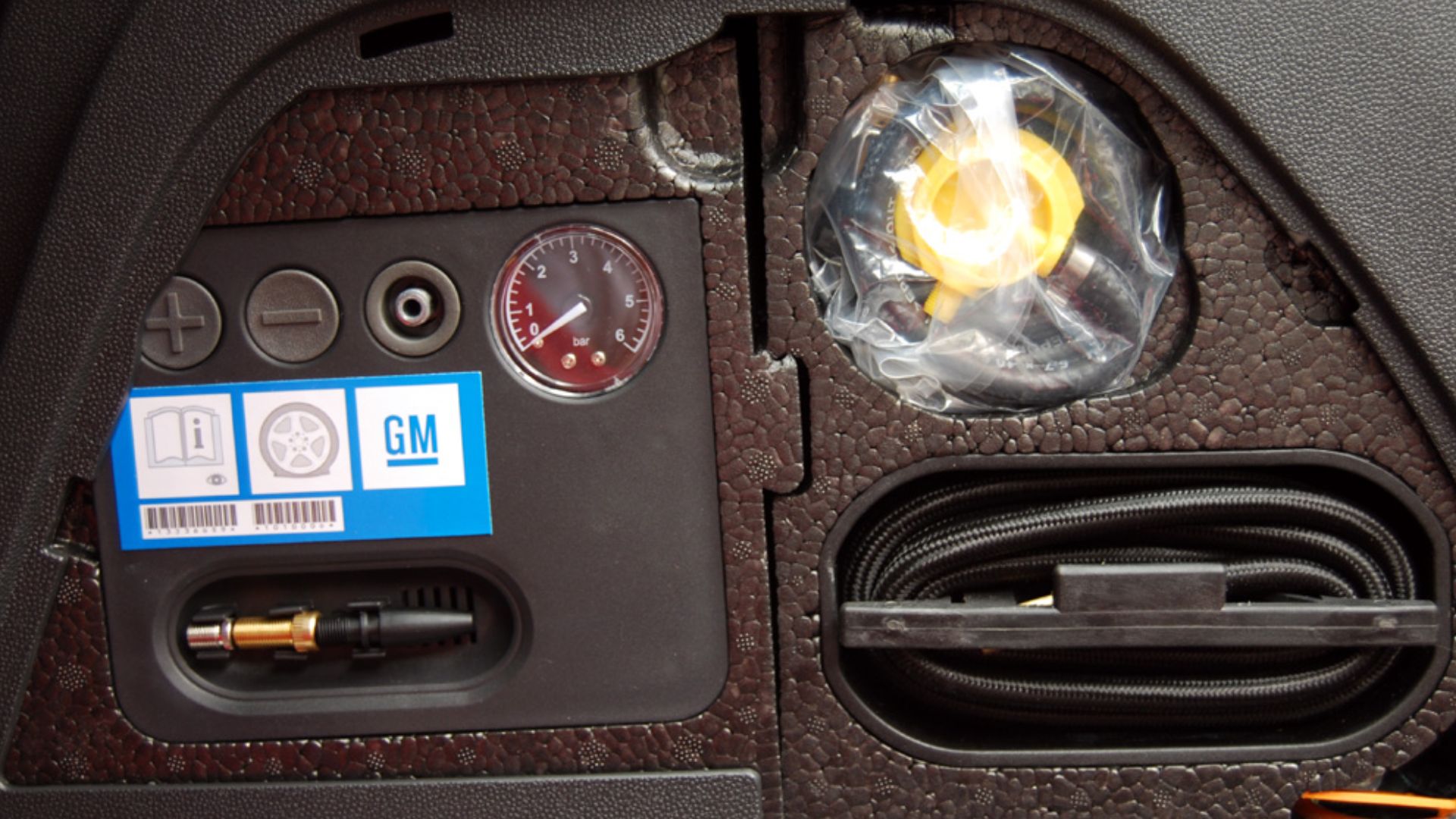 -- Gohnarch░░░░ 18:02, 18. Aug. 2008 (CEST), Wikimedia Commons
When A Repair Kit Can Actually Save The Day
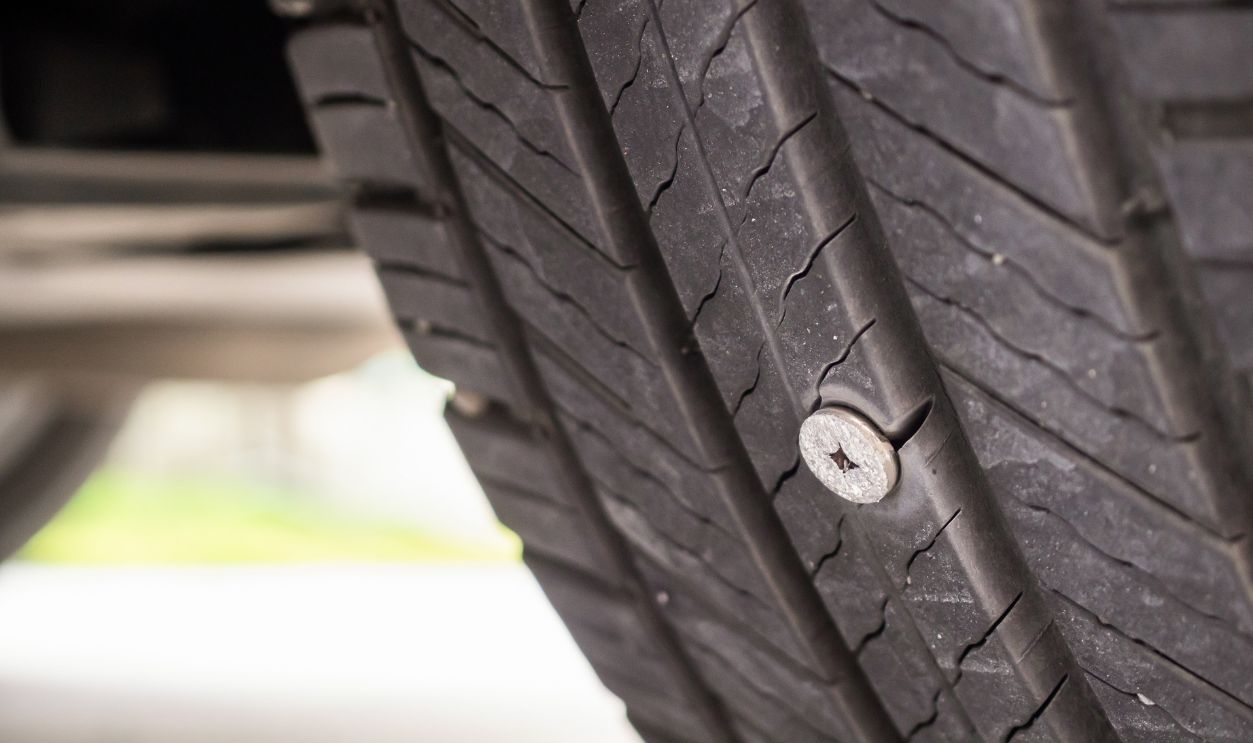
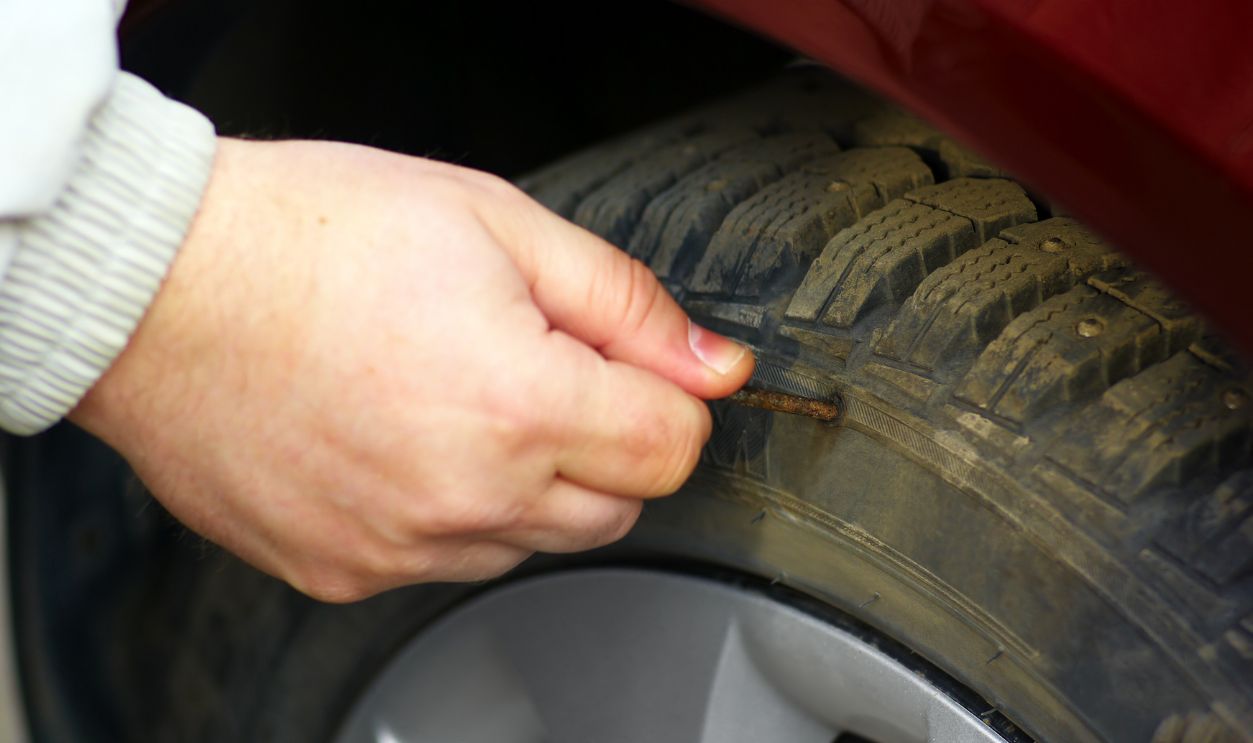
If you pick up a small puncture in the tread from a nail or screw, a repair kit can work well enough to get you moving again. That is exactly what these kits are made for. On a normal commute or close to a service station, that may be enough to get through the situation.
When The Kit Is Basically Useless
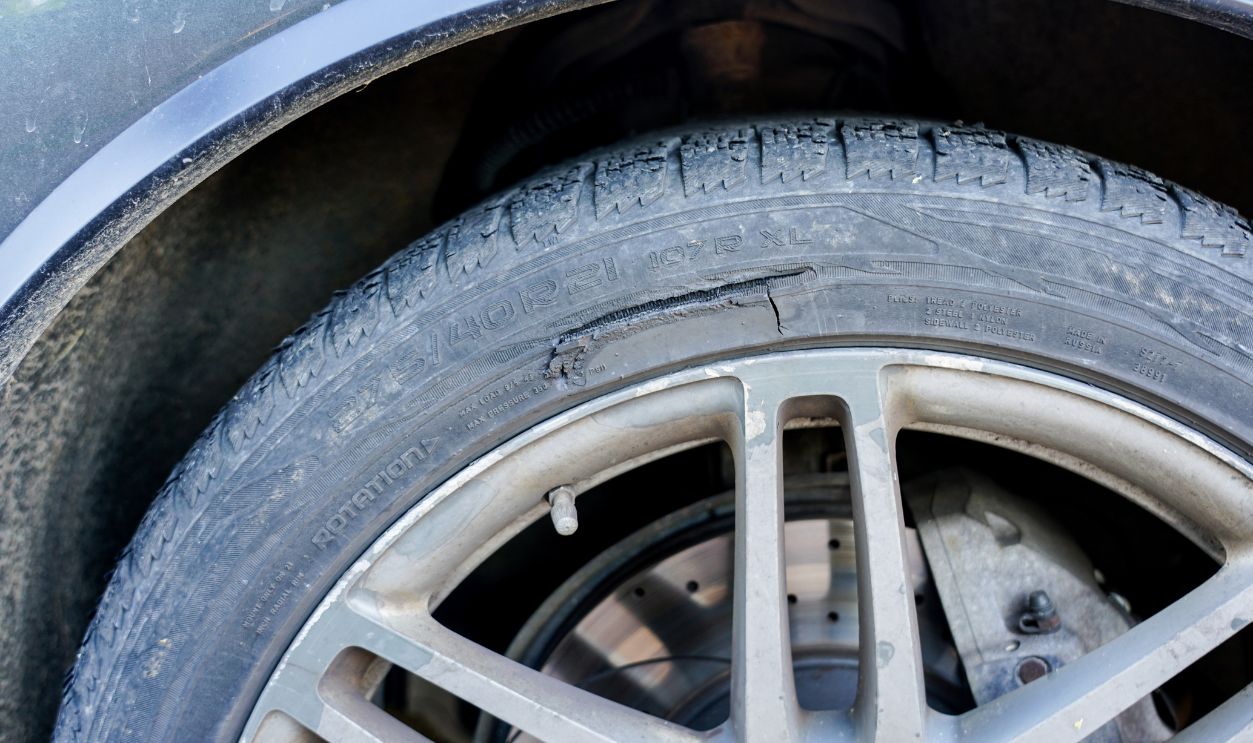
This is the part that really matters. A repair kit usually will not help with a sidewall cut, a blowout, a large hole, or damage caused by driving on a flat tire. If the tire has come off the wheel or the wheel itself is bent, the kit will not do anything.
 Zigmunds Dizgalvis, Shutterstock
AAA Has Been Warning Drivers For Years
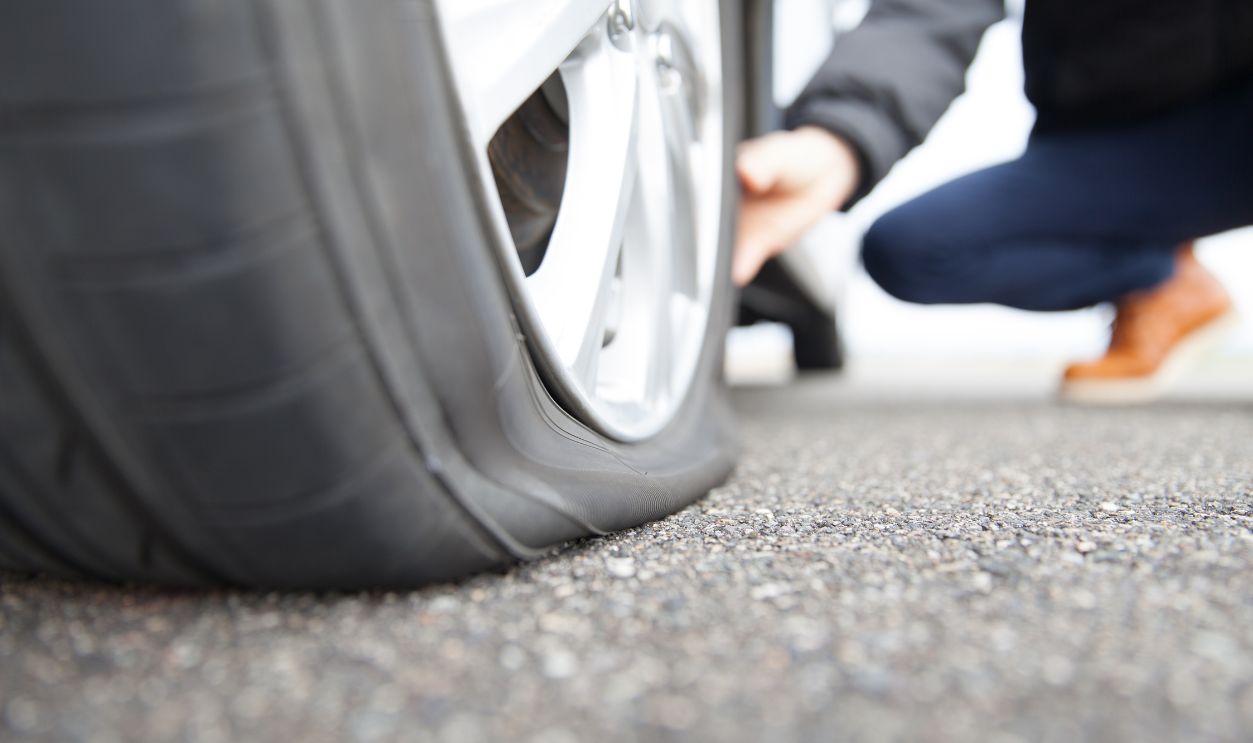
AAA has been very clear about this. In 2017, the group said the growing number of spare-less cars can leave drivers stranded because inflator kits only work for certain kinds of punctures. AAA also noted that many drivers do not even know what is in the trunk until they have a roadside emergency.
 Alexander Knyazhinsky, Shutterstock
Sealant Has Strings Attached
Sealant sounds handy, but it can create problems afterward. Some tire makers and repair shops warn that sealant can make a permanent repair harder, especially if too much is used or if the tire was driven too far while low on air. It can also leave a mess inside the tire and on tire pressure monitoring hardware.
Tire Rack Draws A Clear Line
Tire Rack has made the limits pretty clear. Sealant kits are only meant for certain punctures in the tread area. They are not a fix for every flat. The company also stresses that the speed and distance limits in your owner’s manual matter, because the tire is only being nursed along.
There Are Strict Driving Limits After Using One
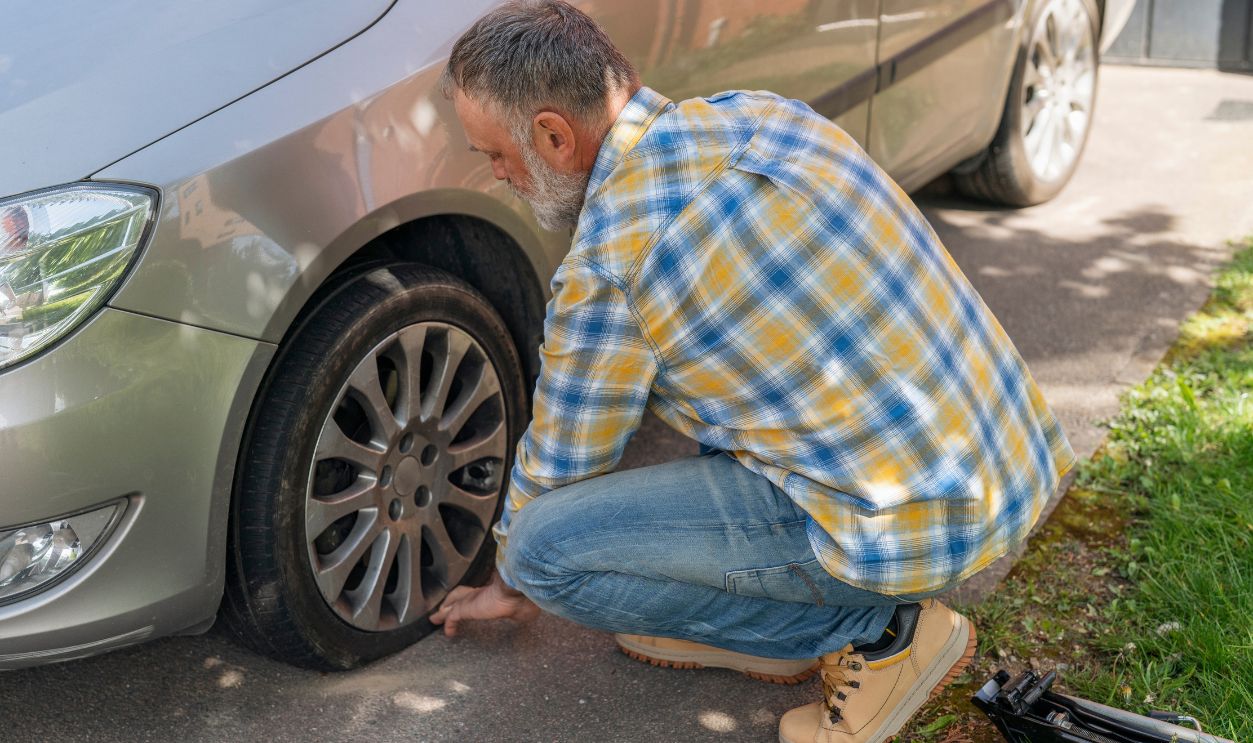
After a sealant-and-air repair, you are not supposed to drive like nothing happened. Many automakers and kit makers limit speed to about 50 mph and distance to roughly 50 to 100 miles, though the exact number depends on the brand. Those limits exist because the tire may still fail or lose pressure again.

Heat, Age, And Expiration Matter More Than People Realize
The repair kit in your trunk is not something you can forget about forever. Tire sealant bottles usually have expiration dates, and the compressor should be checked once in a while to make sure it still works. If the sealant expired years ago, your backup plan may not be much of a plan at all.
Run-Flat Tires Change The Conversation A Bit
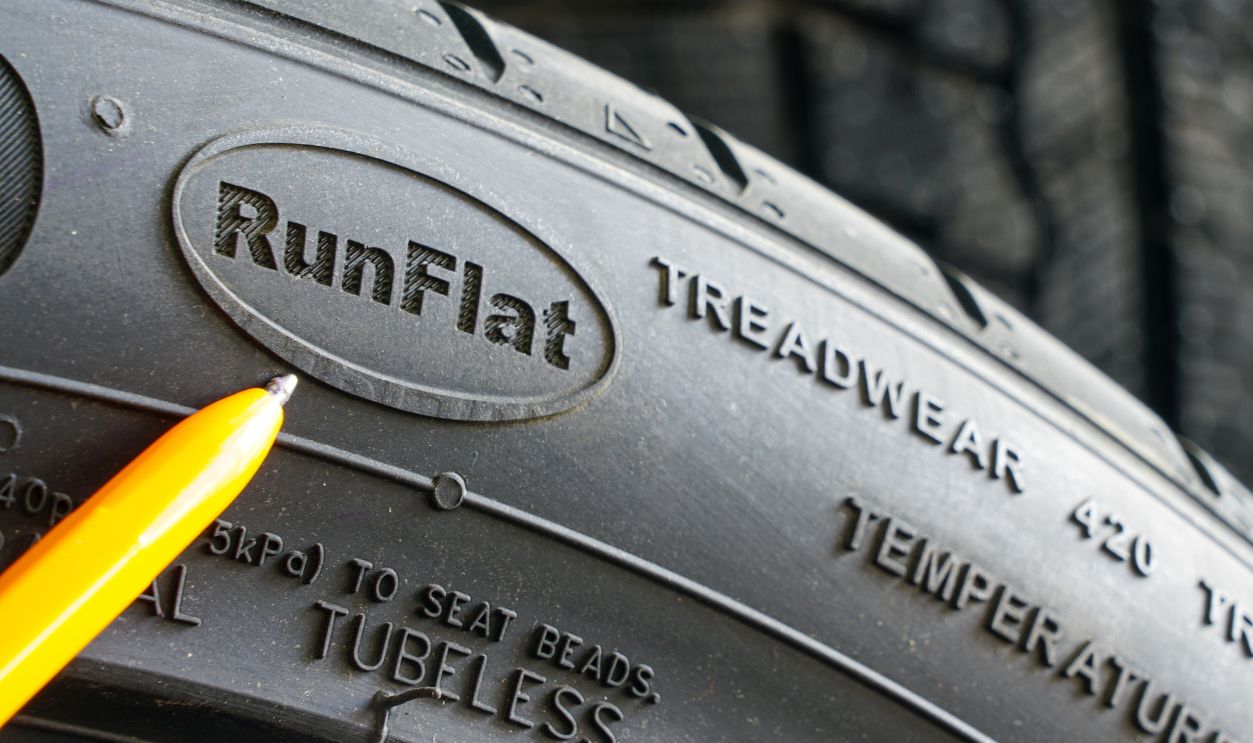
Some cars without spares use run-flat tires instead of sealant kits. Run-flats are built so the car can often keep moving for a limited distance after losing air, commonly around 50 miles at reduced speed. That can be easier than standing on the shoulder with a compressor, but replacing them often costs more.
 Zigmunds Dizgalvis, Shutterstock
There Is A Comfort Tradeoff With Run-Flats
Run-flat tires come with tradeoffs. Because they use reinforced sidewalls, they can ride more harshly than regular tires. Consumer Reports has also noted that run-flats can cost more and are not repairable in every case, so you are still giving something up.

Roadside Reality Is The Big Decider
Whether a repair kit is enough depends a lot on where and how you drive. If most of your trips are in city or suburban areas with solid roadside assistance coverage, the risk is easier to live with. If you often drive at night, in bad weather, or far from town, not having a spare becomes a much bigger issue.

Families Should Think Beyond The Best-Case Scenario
It is easy to picture the ideal flat tire: a tiny nail, a safe parking lot, and plenty of daylight. Real life is usually messier. Flats happen on road trips, in freezing rain, with kids in the back seat, or on narrow shoulders where you do not want to spend twenty minutes figuring out a compressor.

There Is Also The Question Of Personal Confidence
Some drivers are totally fine using a repair kit. Others have never touched one, and that matters. A compact spare may seem old-school, but its job is easy to understand, and a lot of people find that simpler setup more reassuring.
 Guillermo Spelucin R, Shutterstock
The Insurance Policy You May Already Have
Before deciding that no spare is no big deal, check your roadside assistance coverage. AAA membership, new-car roadside programs, and some insurance policies can pay for towing or mobile tire service. That lowers the risk of being stranded, but it is still not as immediate as having a usable spare with you.
 Natallia Ustsinava, Shutterstock
What The Owner’s Manual Usually Says
This is where the fine print matters. Automakers usually say the sealant kit is only for temporary use and may not work for every puncture. They also spell out speed limits, distance limits, and situations where the car should not be driven at all.

Not Every Puncture Can Be Repaired Anyway
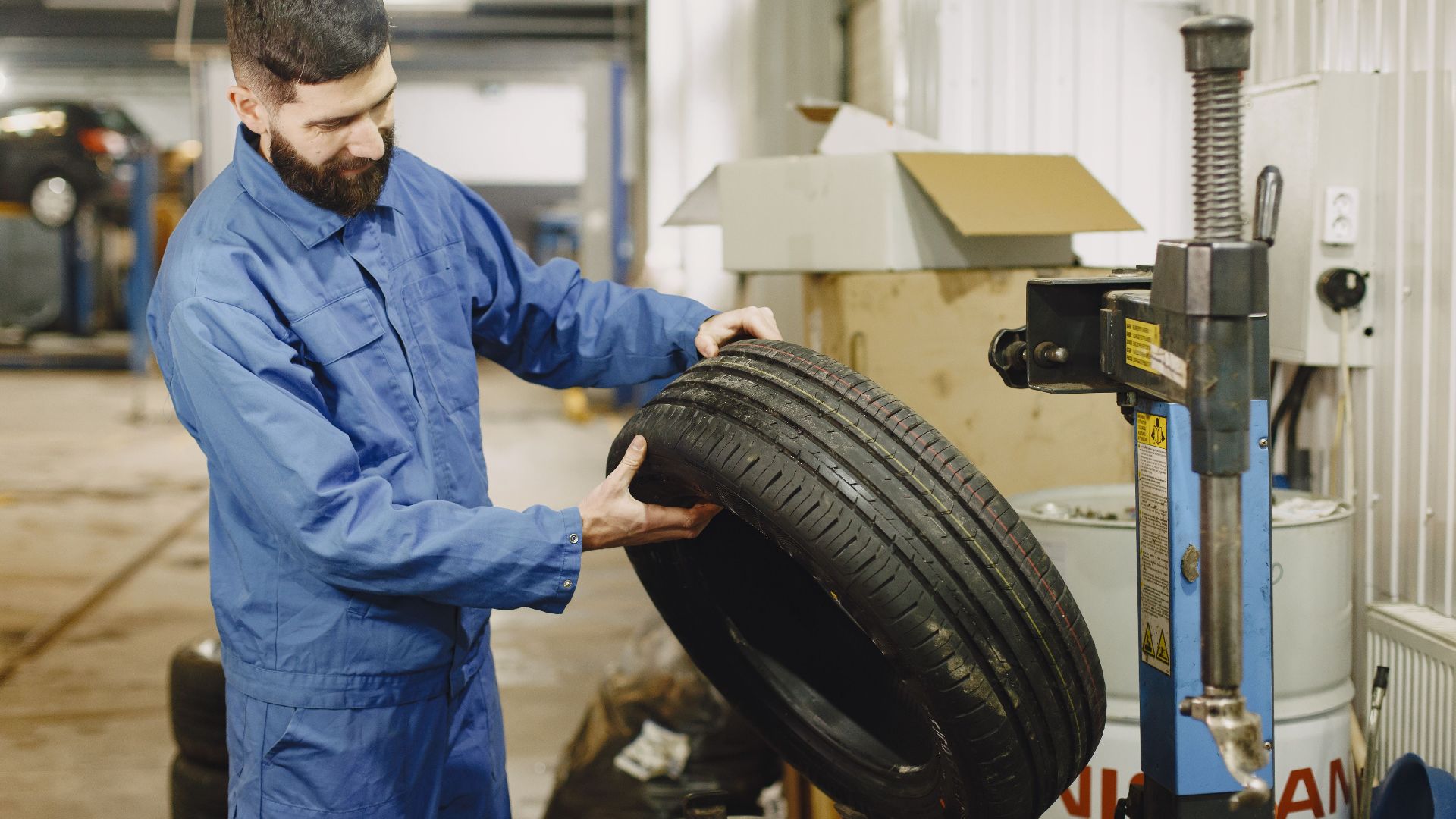
Even if the kit gets the tire reinflated, a shop may later decide the tire cannot be permanently repaired. The U.S. Tire Manufacturers Association says repairs are generally limited to the tread area and should not be done in the shoulder or sidewall. So the kit may get you rolling again, but it does not mean the tire is saved.
The Trunk Space Argument Is Real But Limited
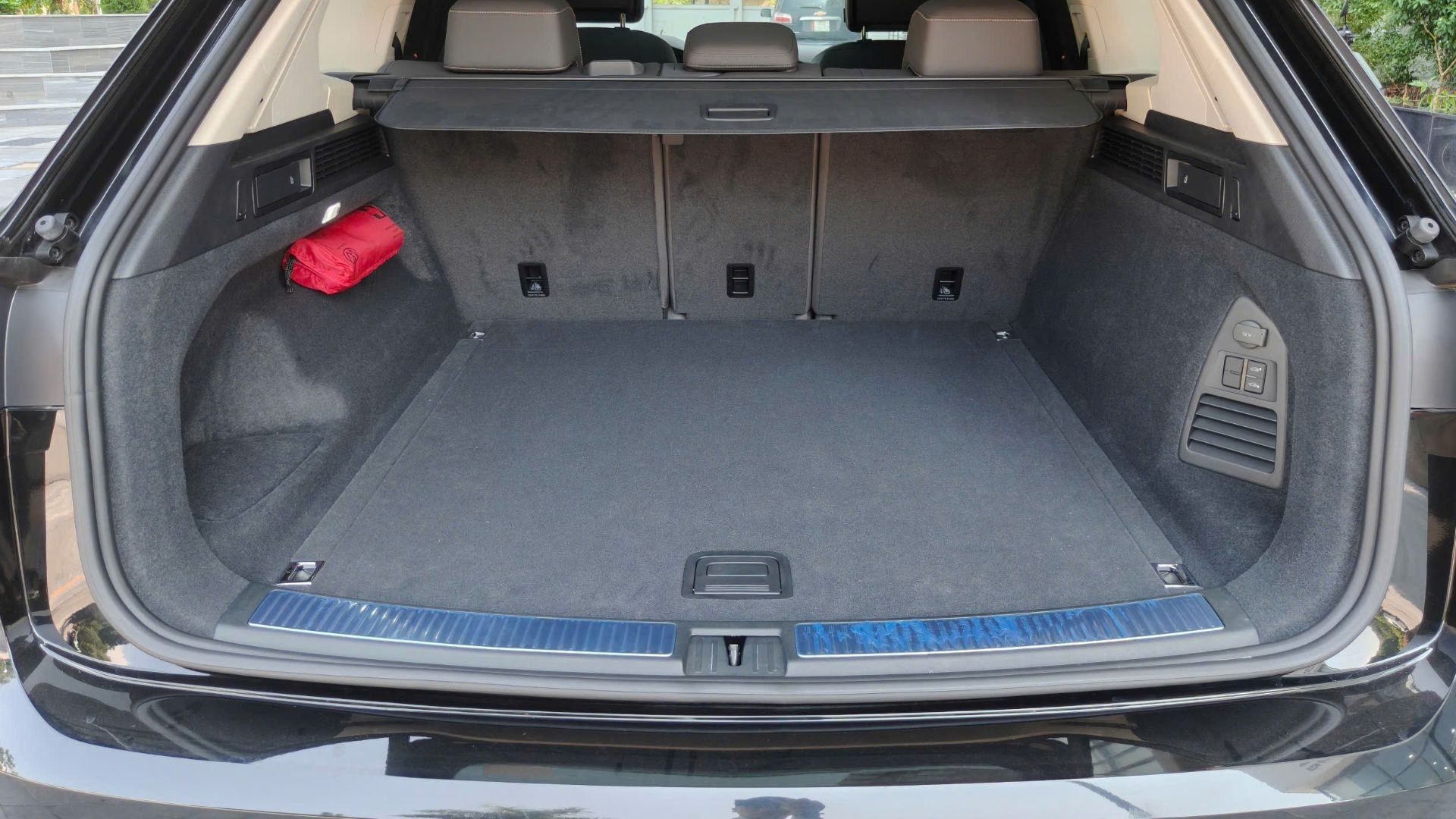
The space savings are real. Removing a spare can free up some cargo room and trim a little weight. But in many vehicles, the difference is not as dramatic as buyers expect, especially when the underfloor storage area is still shaped around emergency gear.
The Better Question Is How Often You Travel Far From Help
If the car will mostly be used for school runs, errands, and commuting close to home, a repair kit plus roadside assistance may be a fair compromise. If it will be used for long highway drives, rural roads, or family vacations, a spare becomes a lot more valuable. The farther you are from quick help, the less comforting a sealant kit looks.

There May Be A Middle Ground
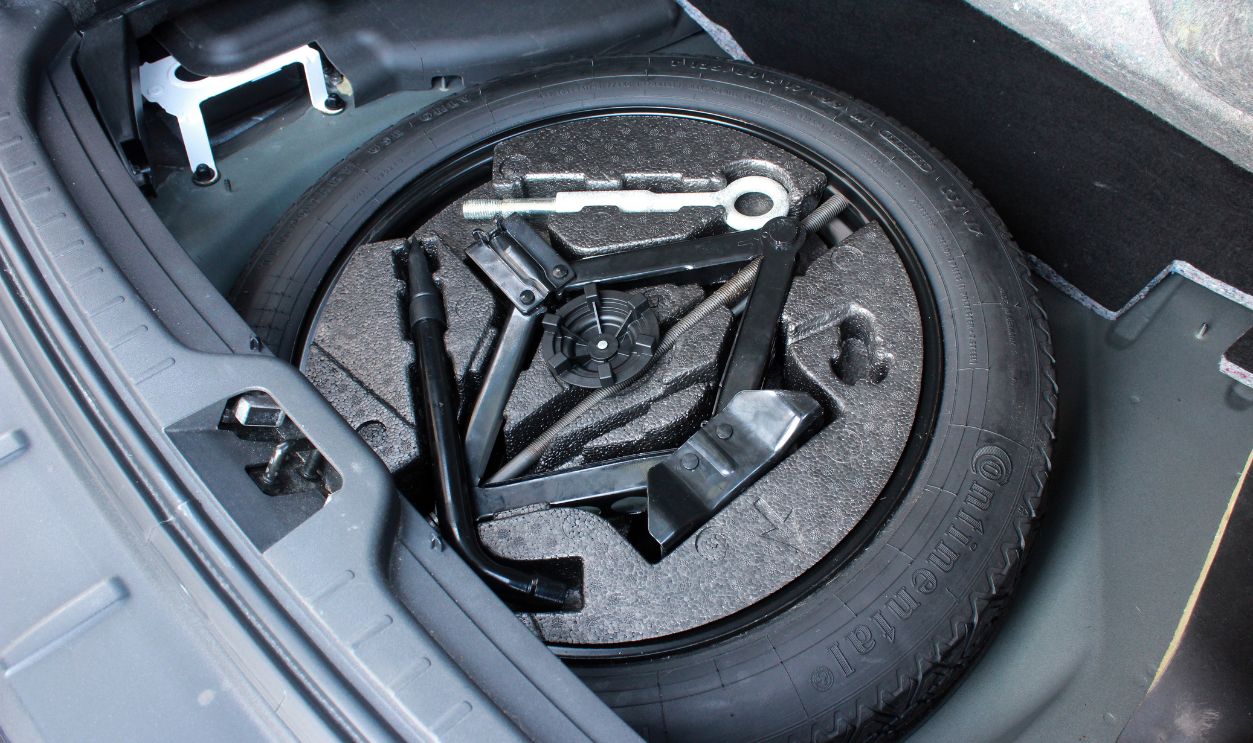
Some owners buy an aftermarket spare tire kit even if the car did not come with one. Companies and dealers sometimes sell a wheel, tire, jack, and hold-down hardware made for specific models. That gives you the space savings most of the time while still letting you carry a spare on longer trips.
Check Whether The Car Can Even Store One
Not every modern vehicle makes that easy. Some models without spares have no dedicated well for one, especially hybrids and EVs where the floor space may be taken up by batteries or other hardware. In those vehicles, carrying a spare can mean giving up cargo room in a much more obvious way.
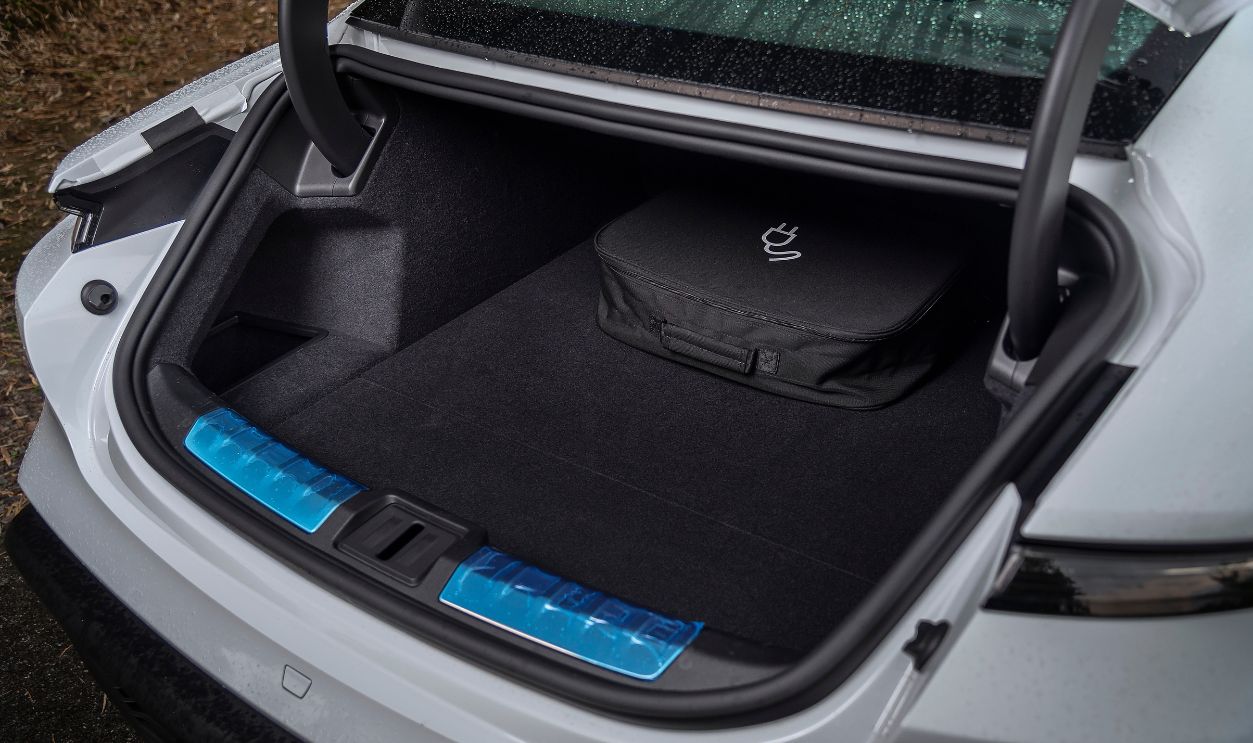
EVs And Hybrids Make The Tradeoff Tougher
Electrified vehicles are especially likely to skip the spare because packaging is tight and curb weight is already high. That makes repair kits more common in this part of the market. It also means buyers need to think carefully about how they drive, because these vehicles are often used for long, quiet highway trips where a flat can turn into a real disruption.
 Hryshchyshen Serhii, Shutterstock
So Is A Repair Kit Enough
The honest answer is yes in some situations and no in others. A repair kit is enough for a small tread puncture when you are fairly close to help and know the kit’s limits. It is not a true replacement for the peace of mind of a spare if you want protection against blowouts, sidewall damage, or remote travel.
 Oshchepkov Dmitry, Shutterstock
The Practical Advice I Would Give
If saving trunk space is the main goal, a car with only a repair kit can make sense for drivers who stay near populated areas and keep roadside assistance active. But if your household values self-reliance, takes long trips, or simply wants the least stressful answer to a flat tire, a spare is still the better choice. The smart move is to base the decision on how you actually drive, not on the hope that every flat will be the easy kind.

One Last Thing To Do Before You Buy
Open the trunk before you sign anything. Check whether the car has a sealant kit, run-flat tires, or any spare at all, and ask how the speed and distance limits work for that exact model. A few minutes of checking now can save you a long wait on the side of the road later.
 Andrii Medvednikov, Shutterstock