
That Highway-Speed Shake Needs Another Look
If your steering wheel shakes more as your speed goes up, do not shrug it off. Sometimes the cause is simple, like a wheel that is out of balance. But a vibration that gets worse at highway speed can also point to tire, wheel, suspension, or brake trouble. Your mechanic may be right that it is not an emergency this second, but calling it harmless is too broad if the symptom changes with speed.

Why Speed Matters So Much
The way the vibration changes with speed is one of the biggest clues. The National Highway Traffic Safety Administration says tire problems can show up as vibration or shaking, especially at higher speeds. In plain terms, if the shake builds as you go faster, the wheels and tires move to the top of the list.

Not Every Vibration Means Big Trouble
There is some good news. A shaking steering wheel does not always mean a major safety failure is around the corner. Groups like AAA and major tire makers have long said that common causes include wheel imbalance, uneven tire wear, or alignment problems. Those are all fixable, especially if you catch them early.
But You Still Should Not Brush It Off
The part that matters here is that the vibration is getting worse, not staying the same. That can mean wear is getting worse, a tire defect is becoming more obvious, or a suspension part has developed more looseness. When a symptom changes over time, your car is telling you something. That usually means it is time for another inspection, not a wave-off.
Wheel Balance Is Usually The First Suspect
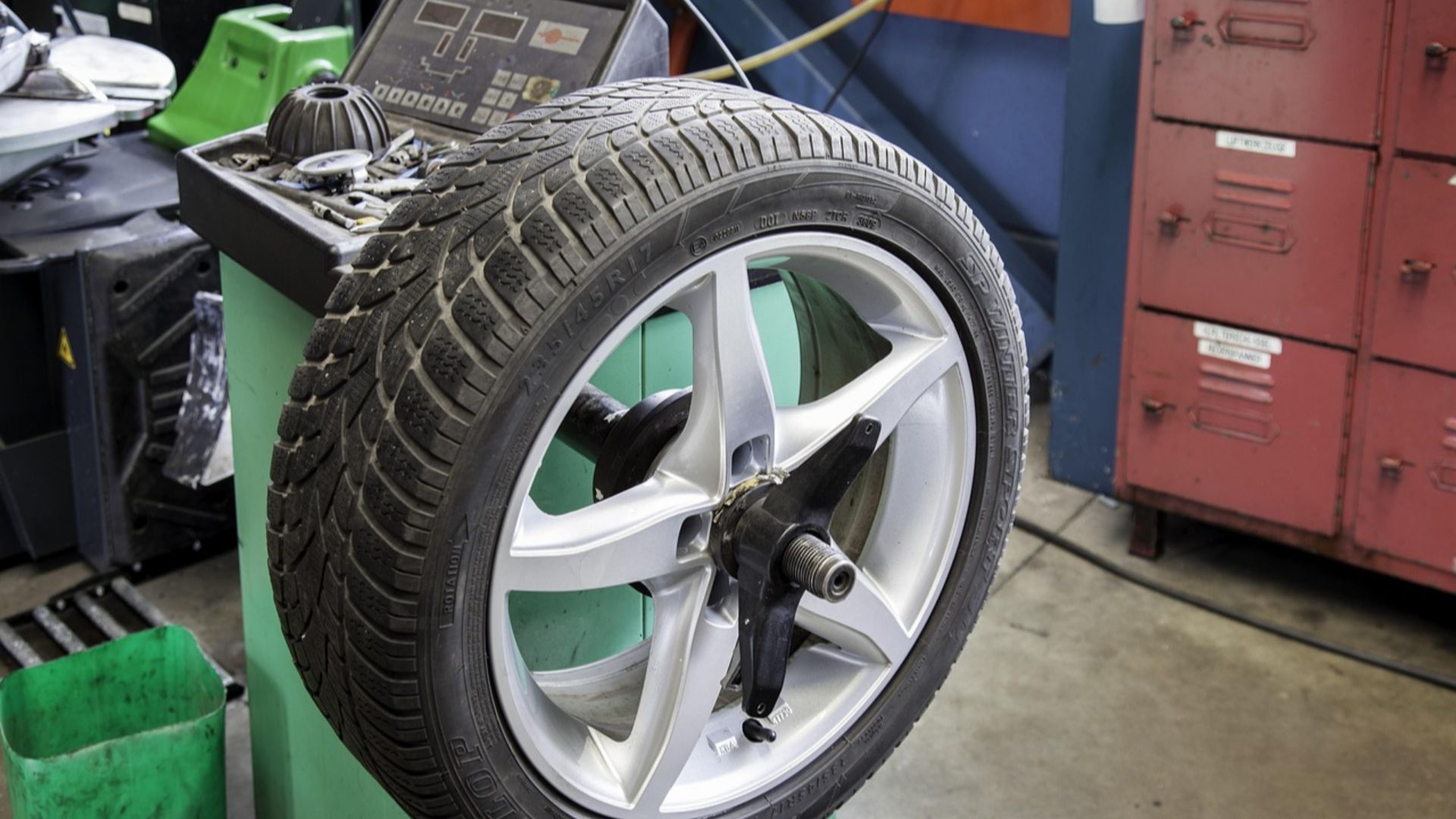
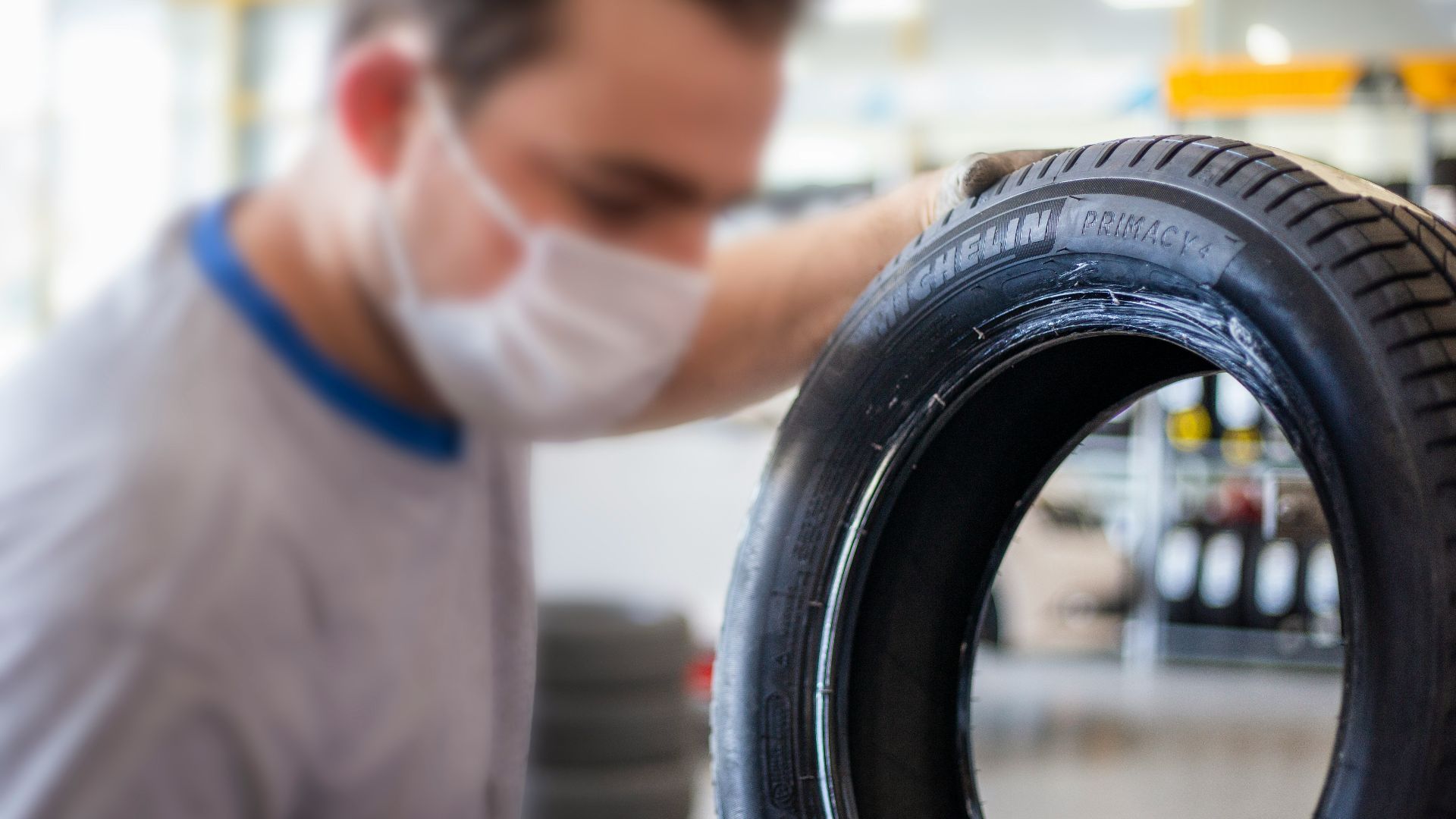
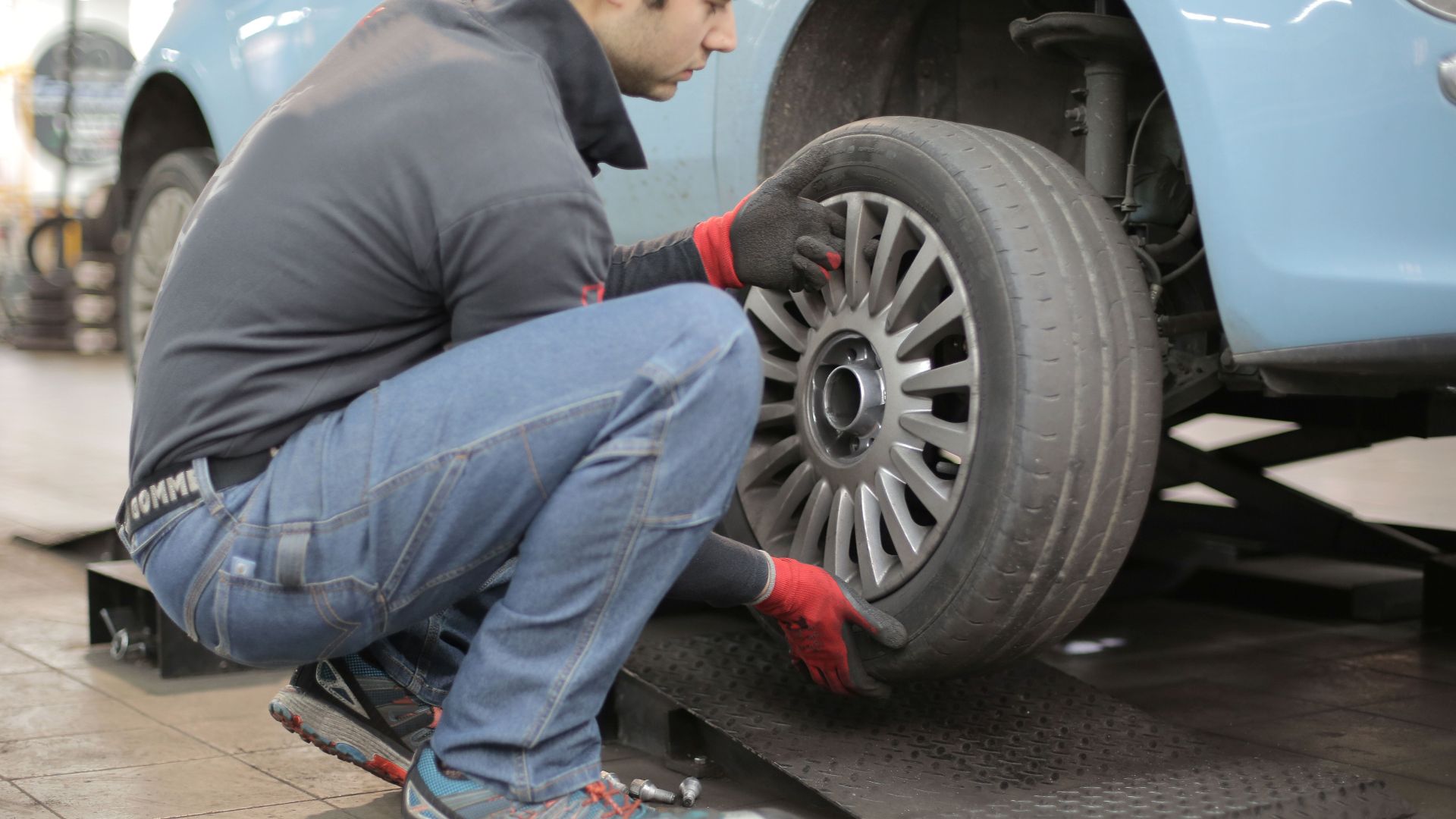
The most common cause of steering wheel vibration at highway speed is a wheel and tire assembly that is out of balance. Michelin says imbalance often shows up in a certain speed range and can get stronger as speed climbs. It is one of the first things a good shop should check because it is routine, measurable, and often not very expensive to fix.
Tires Can Be The Problem Even If They Look Normal
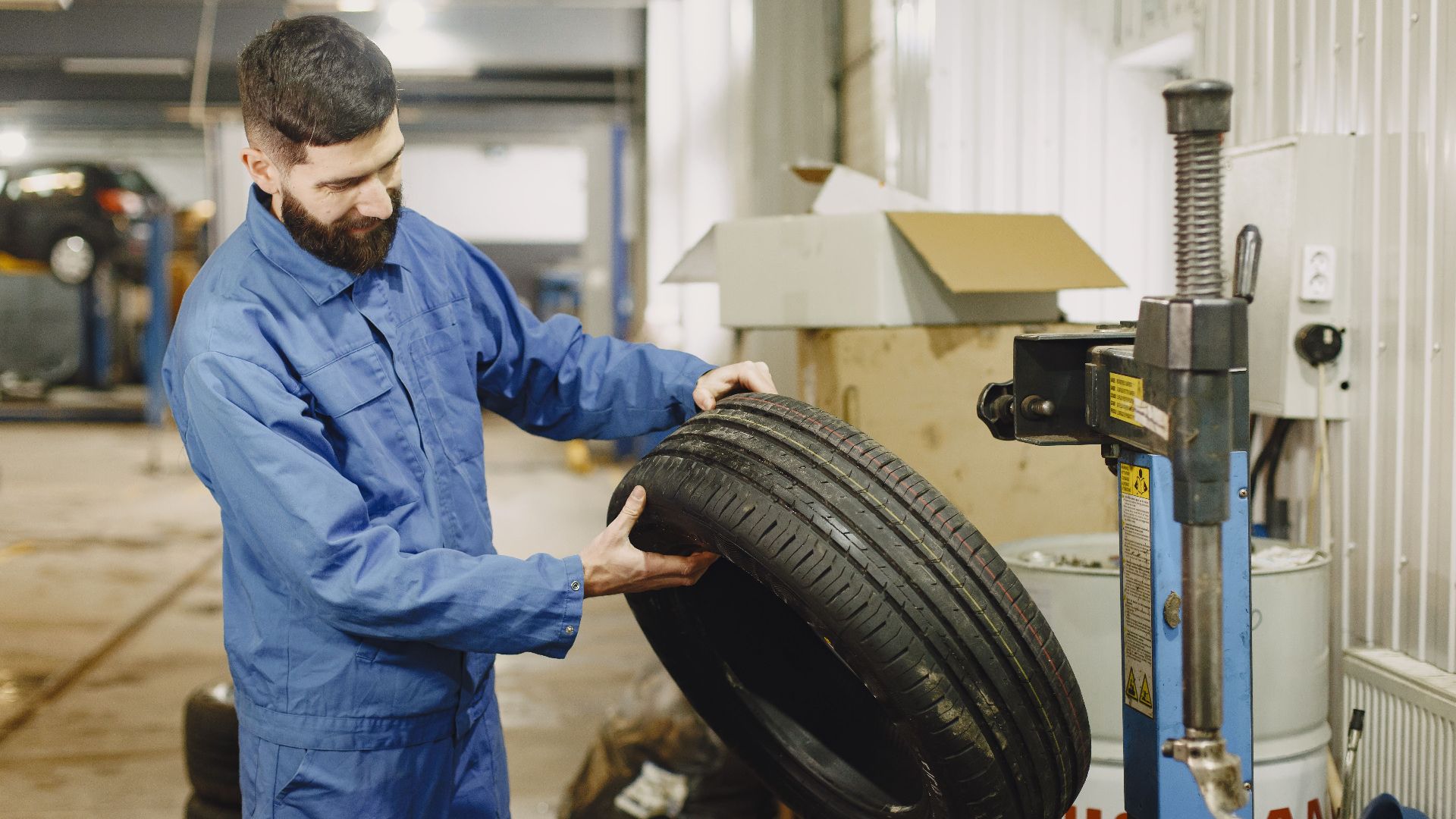
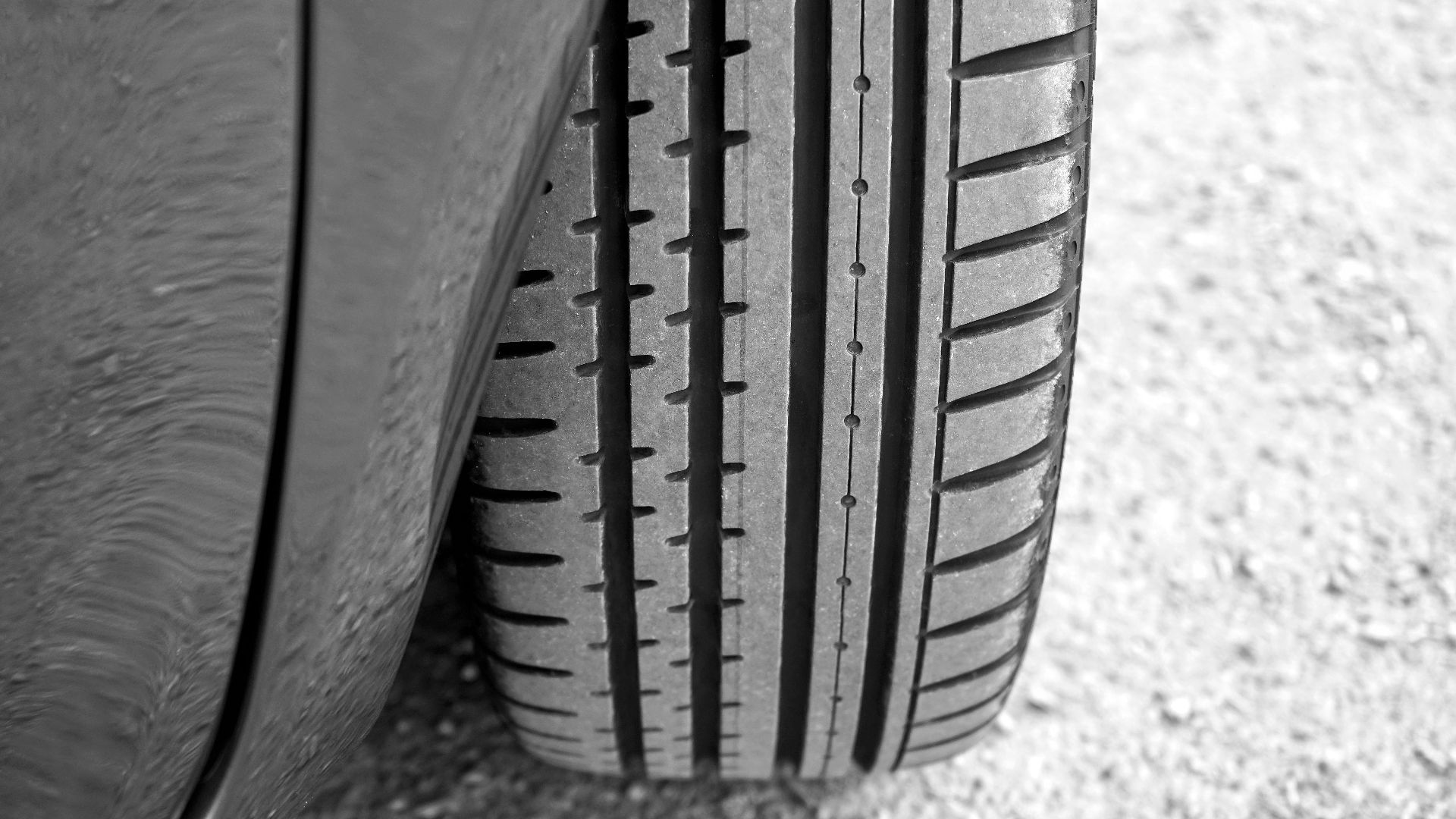
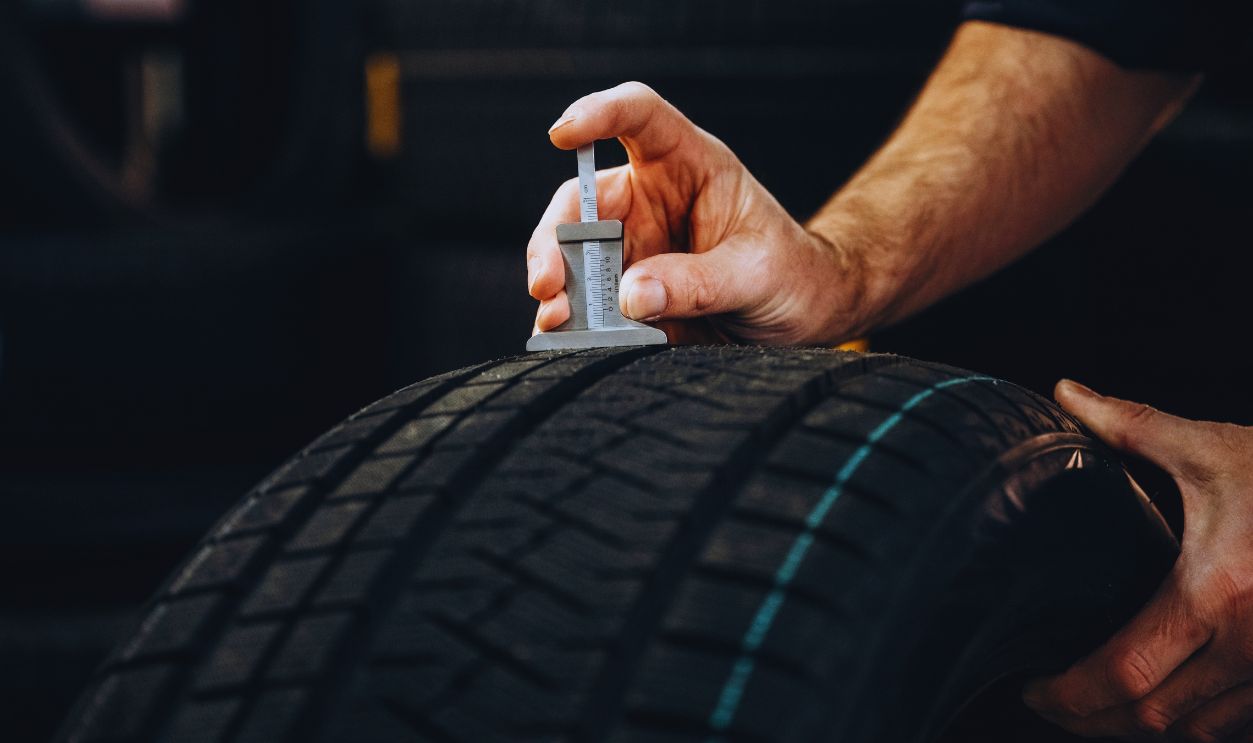
A tire does not have to be flat or obviously damaged to cause a serious shake. Internal belt separation, uneven wear, flat spotting, and out-of-round tires can all send vibration into the steering wheel. NHTSA and major tire makers have long warned that vibration can be an early sign of a tire problem, even before you see clear visual damage.
If You Feel It In The Steering Wheel, Look Up Front
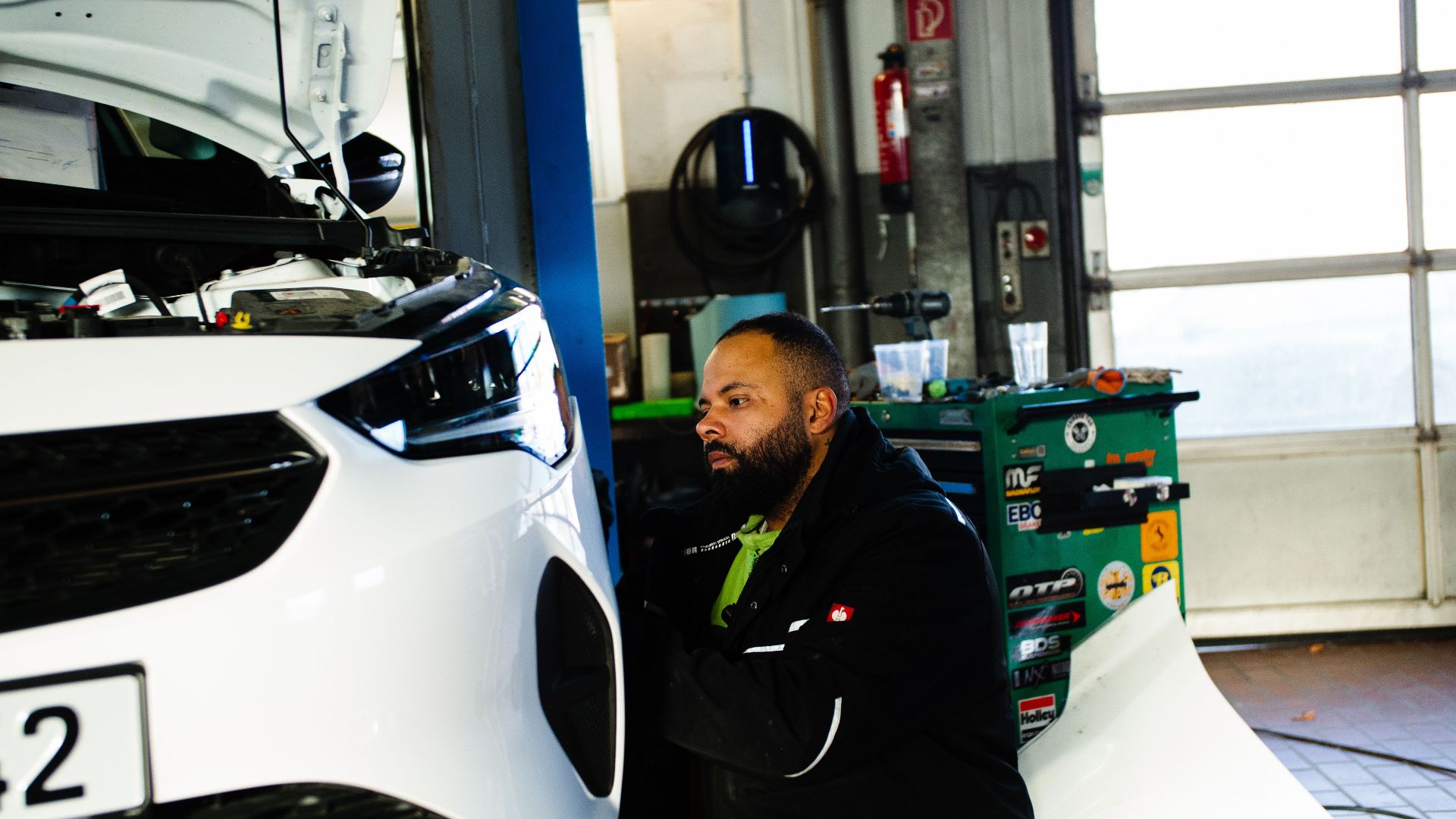
Where you feel the vibration matters. If the steering wheel is shaking, the issue often traces back to the front wheels, front tires, or front suspension parts. It is not a hard rule every time, but it is a useful clue that many service guides and tire experts point to.
A Seat Vibration Can Point Somewhere Else
If the shake is stronger in the seat or floor than in the wheel, some techs start looking harder at the rear tires or the driveline. That can help narrow things down, although a bad front tire can still send vibration through the whole cabin. The key point is simple: where you feel the shake helps sort the likely causes.
Alignment Is Not Always The Whole Story
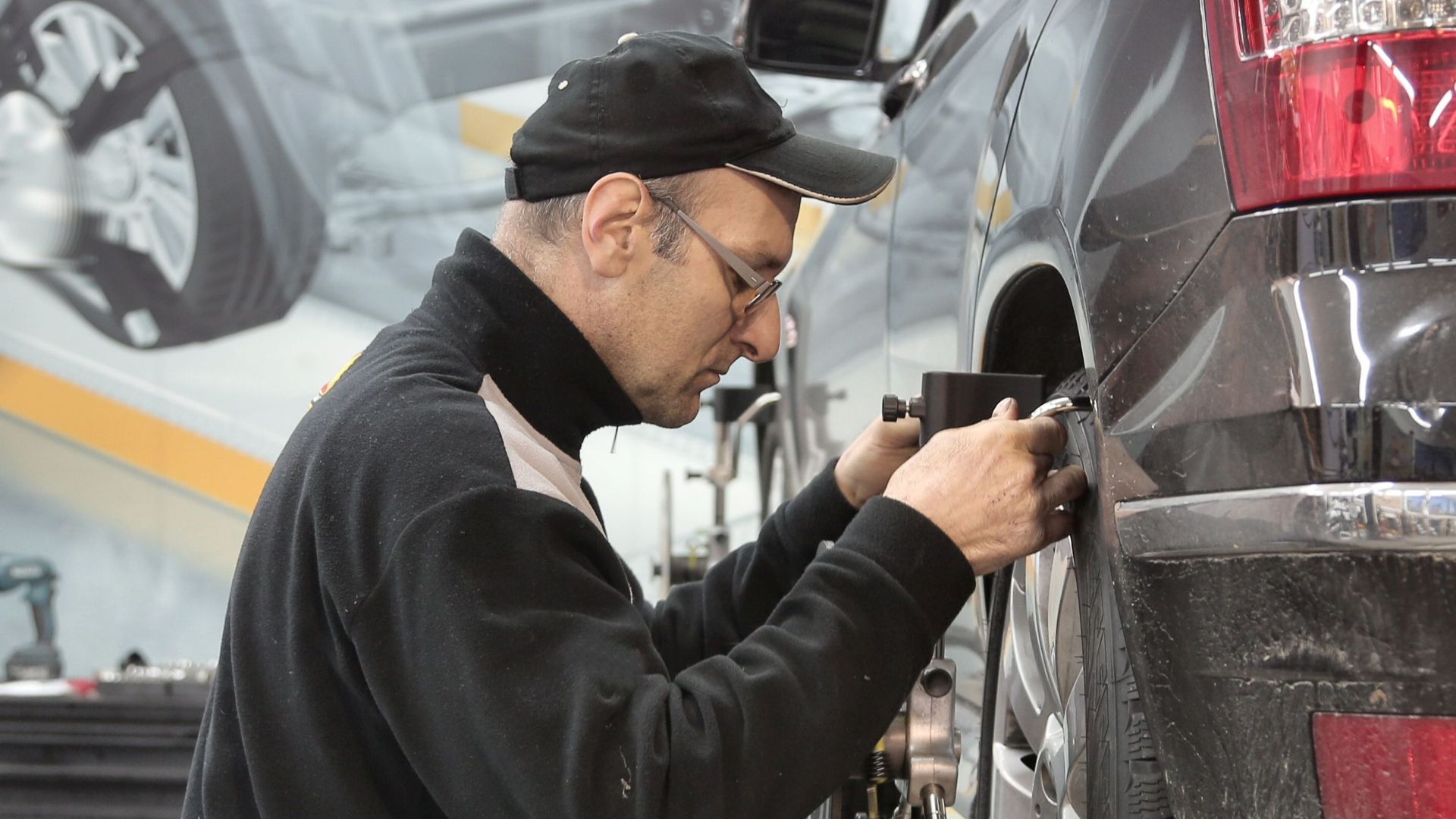
Many drivers assume alignment is the main cause, but alignment problems usually cause pulling and uneven tire wear more than a pure high-speed shake. That said, poor alignment can wear tires in a way that later causes vibration. That is why a real diagnosis should include both an alignment check and a close tire inspection instead of guessing.
Bent Wheels Are Easy To Miss
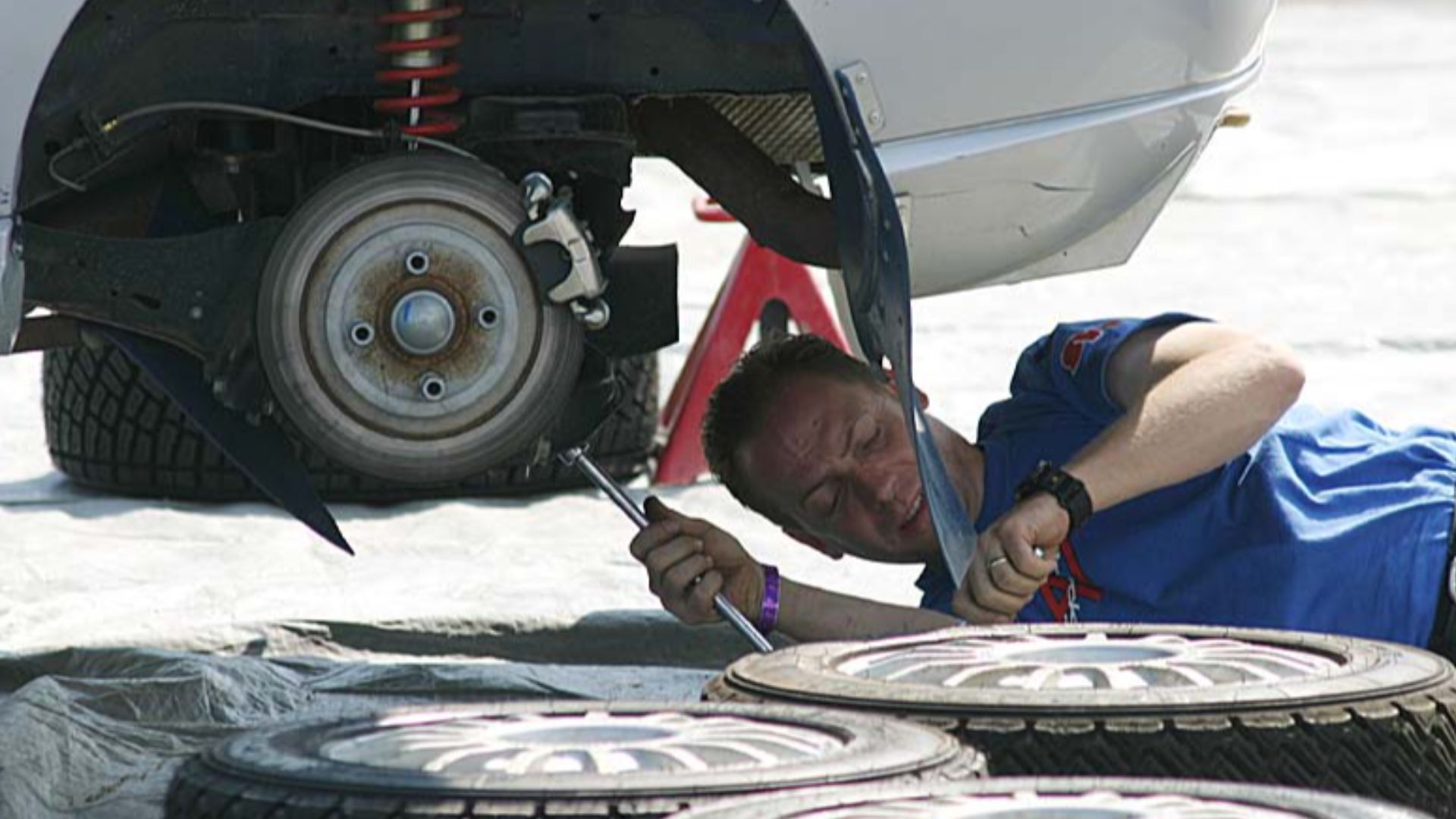
A wheel can get bent by a pothole or curb and still hold air with no obvious problem. At lower speeds, you might barely notice it. At highway speed, the wobble can become much clearer. A tire shop can measure wheel runout to see whether the wheel itself is part of the problem.
Worn Suspension Parts Can Make A Small Shake Feel Bigger
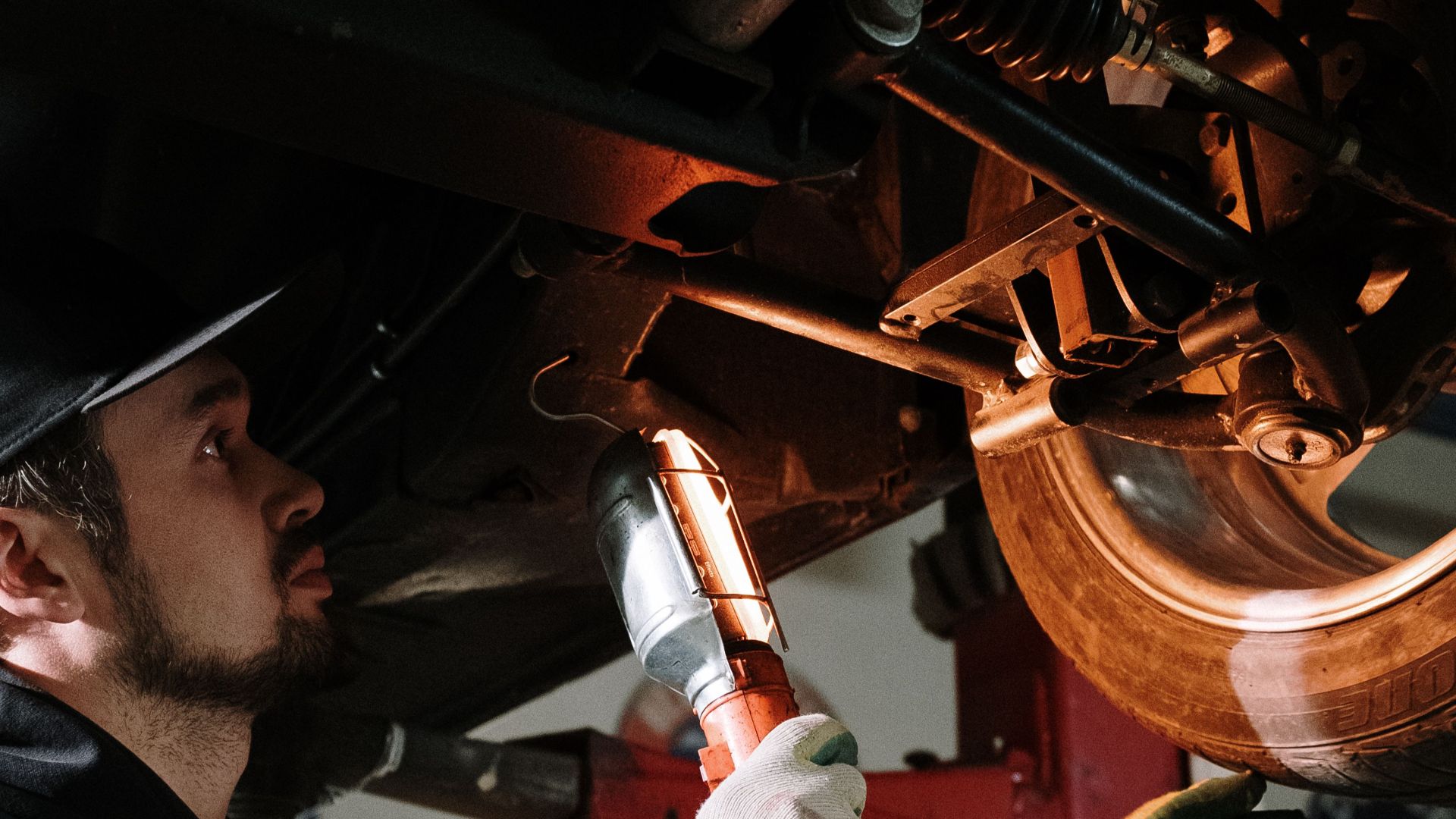
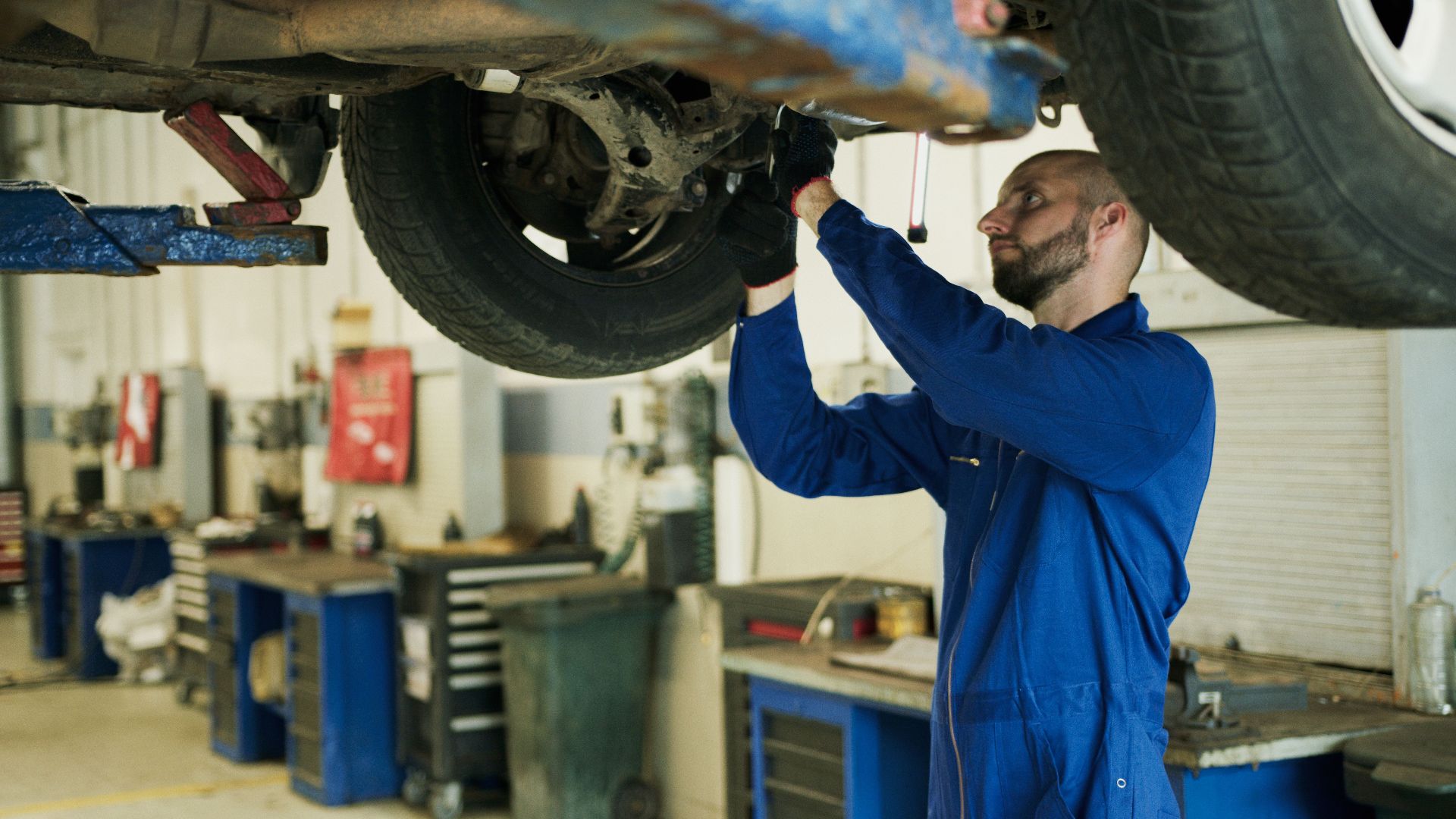
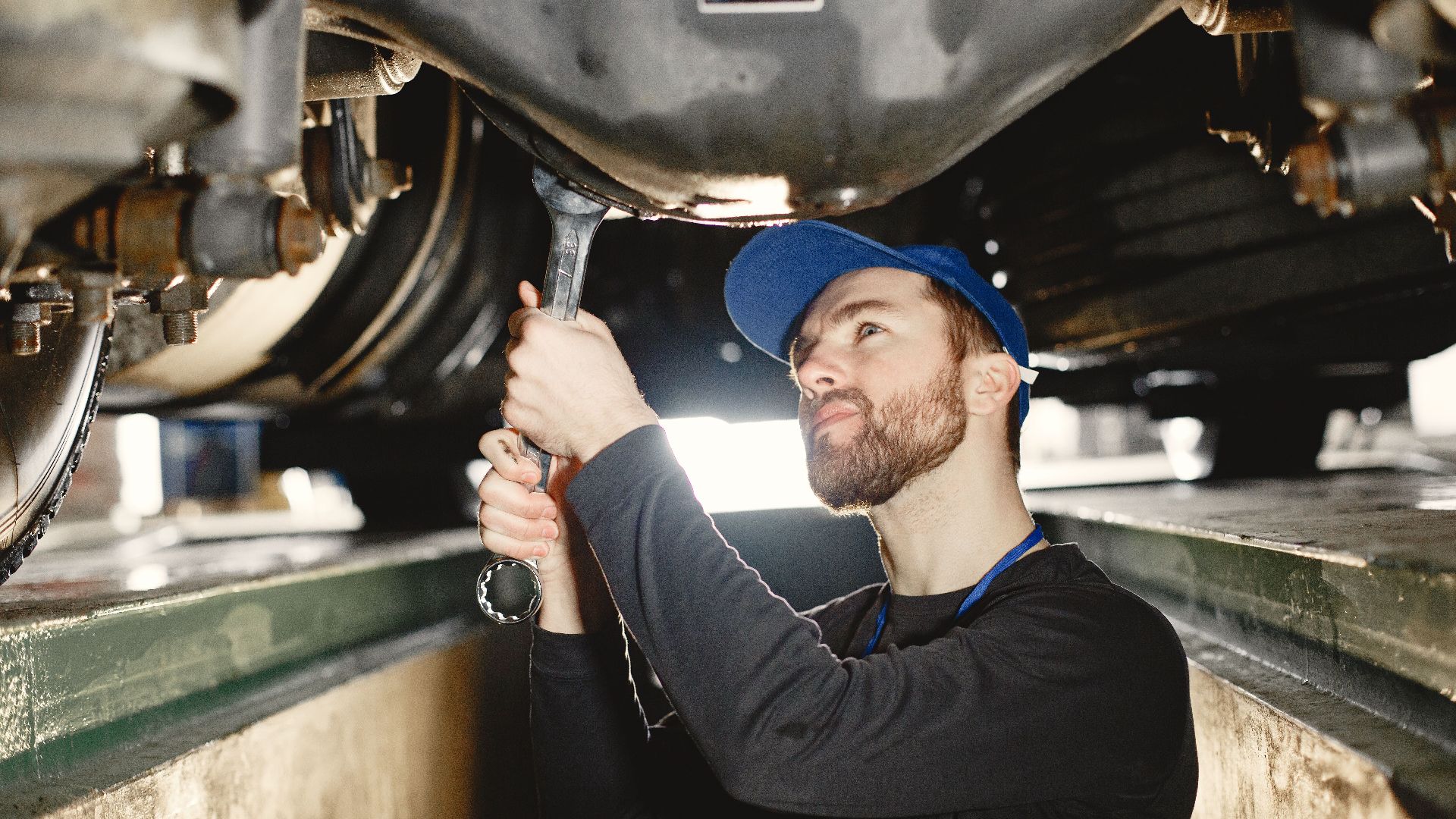
Loose tie rods, worn ball joints, tired control arm bushings, or weak shocks can make vibration feel worse and make the car less stable. The original problem may start with a tire, then get amplified by worn front-end parts that no longer control movement as well as they should. NHTSA has long warned that worn steering and suspension parts can affect control and tire wear, which is why they should not be ignored.
Brake Problems Usually Follow A Different Pattern
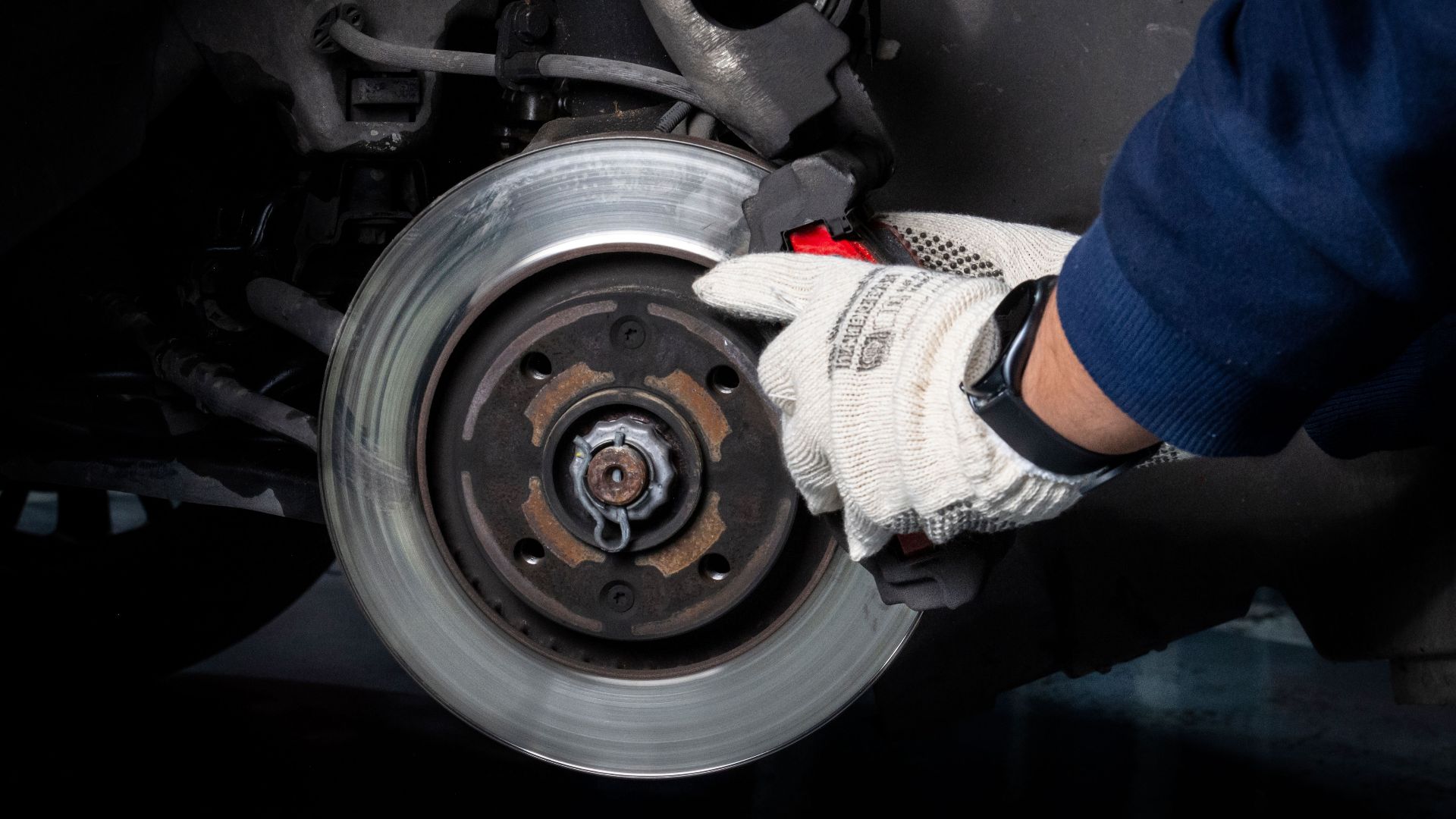
If the vibration shows up mostly when you press the brake pedal, warped rotors or uneven brake deposits move higher on the list. If the shake happens while cruising and gets worse with speed, brakes are less likely to be the main cause, though they still deserve a check. When the shake happens matters almost as much as the shake itself.
Driveline Issues Are Less Common, But They Happen
Some highway-speed vibrations come from axle shafts, CV joints, driveshafts, or related parts, depending on whether the vehicle is front-wheel drive, rear-wheel drive, or all-wheel drive. These problems may show up more under acceleration than during steady cruising. If the vibration changes when you get on or off the gas, tell the shop. That detail can speed up the diagnosis.
 User Interiot on en.wikipedia, Wikimedia Commons
What Your Mechanic May Have Meant By Harmless
Sometimes a mechanic means the car is not likely to break down immediately on your next short trip. That is very different from saying it is safe to put off forever. A small imbalance may not leave you stranded, but if the real cause is a damaged tire or a worn suspension part, waiting can raise both the cost and the risk.

Waiting Can Make It More Expensive
Even when the problem starts small, vibration can set off a chain reaction. An unbalanced wheel can wear out a tire faster. Worn suspension parts can let a tire cup or feather. A bad tire can put extra stress on bearings and other parts. What starts as a basic service visit can turn into a much bigger repair bill.
Tire Makers Have Been Saying This For Years
Major tire companies have long told drivers that vibration is not normal and should be checked. Michelin, for example, says unusual vibration can point to imbalance, irregular tire wear, or mechanical trouble that needs attention. This is standard car safety advice, not some fringe opinion.

NHTSA Has Long Treated Tire Symptoms As Safety Issues
NHTSA has spent years telling drivers to take tire symptoms seriously because tires are one of the car’s main safety systems. Its consumer materials and recall database show how problems like tread separation, low inflation, and damage can raise crash risk. A shaking steering wheel does not automatically mean a tire is about to fail, but it is definitely the kind of symptom worth checking soon.
AAA Also Treats Vibration As A Warning Sign
AAA advice for drivers has long grouped vibration with other signs that something in the tire or suspension system needs inspection. That matters because AAA guidance is meant for everyday drivers, not just mechanics. When a mainstream safety group says a symptom deserves attention, it is smart to take it seriously.
 YAKOBCHUK VIACHESLAV, Shutterstock
Your Next Step Should Be More Specific Than Just Get It Checked
If a basic balance did not fix the problem, ask for a road force balance. A road force machine can spot stiff spots, tire uniformity problems, and other issues a normal spin balance can miss. You should also ask for an inspection of tread wear patterns, wheel runout, tie rods, ball joints, and control arm bushings.

Bring Better Notes To The Shop
You can make diagnosis easier by writing down exactly when the vibration happens. Note the speed range, whether it changes during braking or acceleration, whether it is worse on smooth pavement, and whether the steering wheel or the seat shakes more. Good notes can save time and help the shop avoid swapping parts based on guesswork.

Think About When The Problem Started
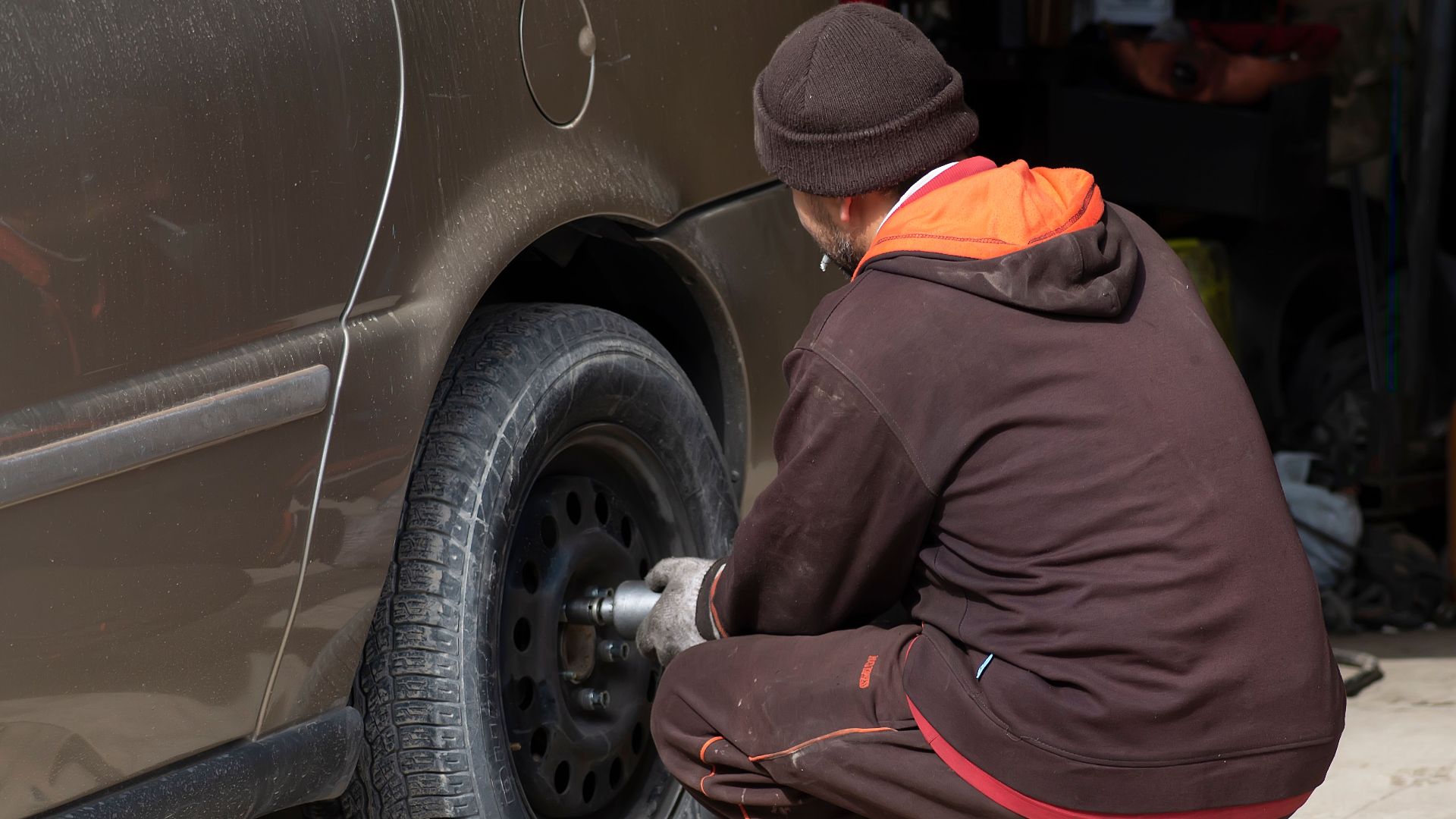
If the vibration began soon after a tire rotation, new tire installation, or a pothole hit, mention that right away. A missing wheel weight, wrong lug torque, a shifted belt, or impact damage can all create a shake that seems to come out of nowhere. The timeline often points straight at the cause.

Do Not Skip The Basic Checks
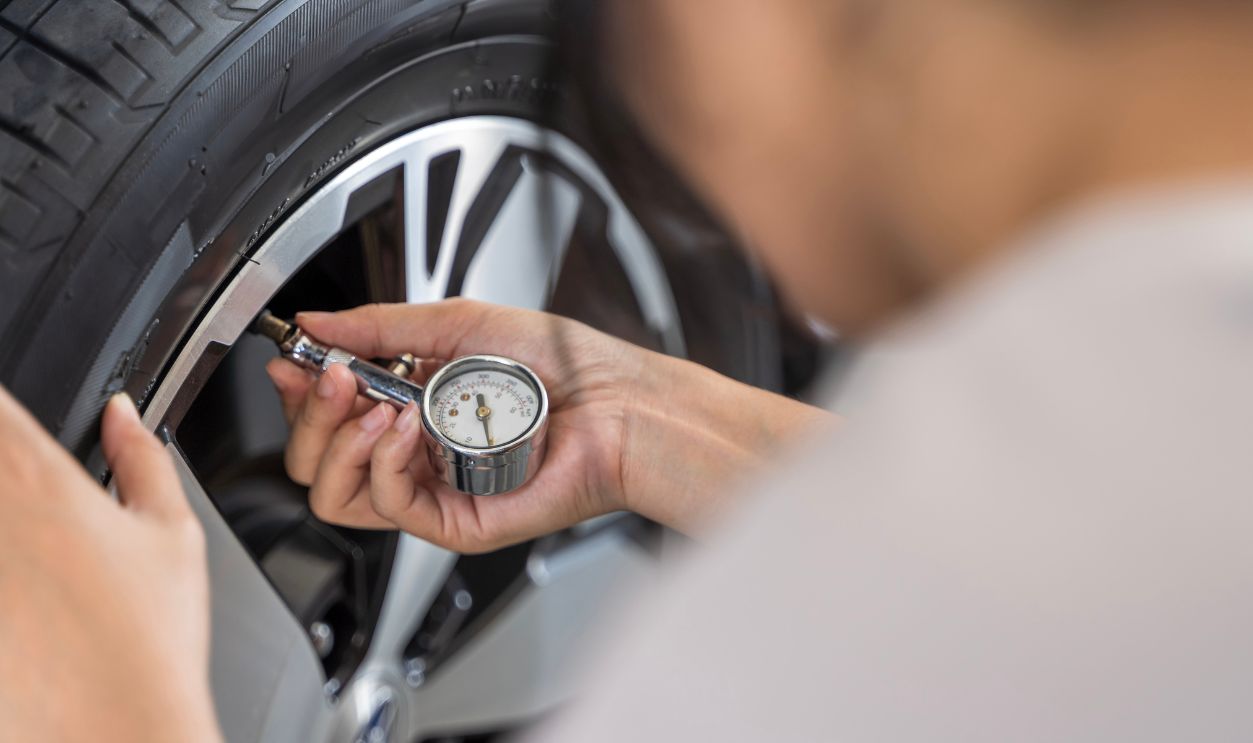
Tire pressure, lug nut torque, and visible sidewall or tread damage should be checked before anyone goes hunting for exotic problems. Low tire pressure can make handling and tire wear worse, while incorrect lug torque can create wheel mounting issues. These are quick checks, but they can reveal a lot.
When It Makes Sense To Stop Driving
If the vibration suddenly gets severe, if the car pulls sharply, if you hear thumping or grinding, or if you see bulges, cords, or damage on a tire, stop driving and have the vehicle towed. At that point, the issue may no longer be minor. The risk is not just annoyance. It is loss of control or tire failure.

When A Short Drive Is Probably Fine
If the vibration is mild and steady, and there are no other signs like noise, pulling, or visible tire damage, a careful drive to a good tire or alignment shop is often reasonable. Even then, keep speeds down if you can and avoid long highway trips until you know what is causing it. The big difference is whether the shake is mild and unchanged or clearly getting worse and coming with other warning signs.

Getting A Second Opinion Is Just Common Sense
If one mechanic brushed it off and the vibration is still there, getting a second opinion is practical. Look for a shop that can do tire road force measurement and a front-end inspection. That is especially important if the first visit did not include a detailed tire check, wheel runout measurement, or suspension inspection.
 Anastasija Vujic, Shutterstock
The Bottom Line
Yes, you should be at least somewhat concerned, because a steering wheel vibration that gets worse at highway speed is not something to ignore. It might turn out to be a routine balance issue, but it can also point to a damaged tire, a bent wheel, or worn steering and suspension parts. Treat it as something that needs a prompt inspection, not as harmless background noise.
Best Case Or Worst Case, The Advice Is The Same
In the best case, you pay for balancing, a tire replacement, or an alignment and move on. In the worst case, you catch a safety problem before it turns dangerous or expensive. Either way, the smart move is the same: get it diagnosed soon, especially since it gets worse at highway speed.
 Hryshchyshen Serhii, Shutterstock