The Three-Year Trade-In Trap
This can be a common argument in a lot of homes. One person wants the latest car, the newest green tech, and a clean break from repair worries. The other sees a car that still runs just fine in the driveway and doesn't want the headache and the expense of a new one. So the real question is simple: Does replacing a car every three years actually have an upside?
The Short Answer Most Drivers Need
For most people, replacing a car every three years is definitely not cheaper than keeping a reliable one longer. The biggest reason is depreciation. A new car usually loses value fastest in its first few years, so if you keep trading in early, you keep paying for the most expensive stretch of ownership over and over.

Why The Idea Sounds So Reasonable
At first, the case for frequent upgrades sounds solid. Newer cars are less likely to need big repairs, they often come with better safety features, and warranty coverage can cut down on surprise bills. That makes a three-year cycle feel organized and safe, even if the math usually points the other way.

Depreciation Does Most Of The Damage
Kelley Blue Book notes that depreciation is often one of the biggest costs of owning a car, and it hits hardest when the vehicle is new. A car can lose a lot of value in the first few years, which matters if you sell or trade often. That means frequent upgraders keep stepping right into the costliest part of ownership.
 Hryshchyshen Serhii, Shutterstock
What Happens Right After You Buy
According to Experian, a new car starts losing value as soon as it leaves the lot, and that decline continues quickly in the early years. That is not just a saying people throw around. It is one of the biggest financial facts in car ownership, and it is the main reason why replacing a perfectly good car every three years usually costs more.

Keeping A Car Longer Changes The Math
When you keep a car for six, eight, or ten years, you spread that early value loss over a much longer time. Once the loan is gone and the worst depreciation is behind you, the monthly cost of ownership often drops in a big way. That is where frequent upgrading starts to look hard to justify.

AAA Has Tracked The Real Costs
AAA’s annual Your Driving Costs study looks at major ownership expenses like depreciation, finance charges, fuel, insurance, maintenance, and tires. Year after year, depreciation remains one of the biggest costs for new vehicles. If you trade in every three years, you stay stuck in that high-cost zone.

Maintenance Usually Does Not Spike That Early
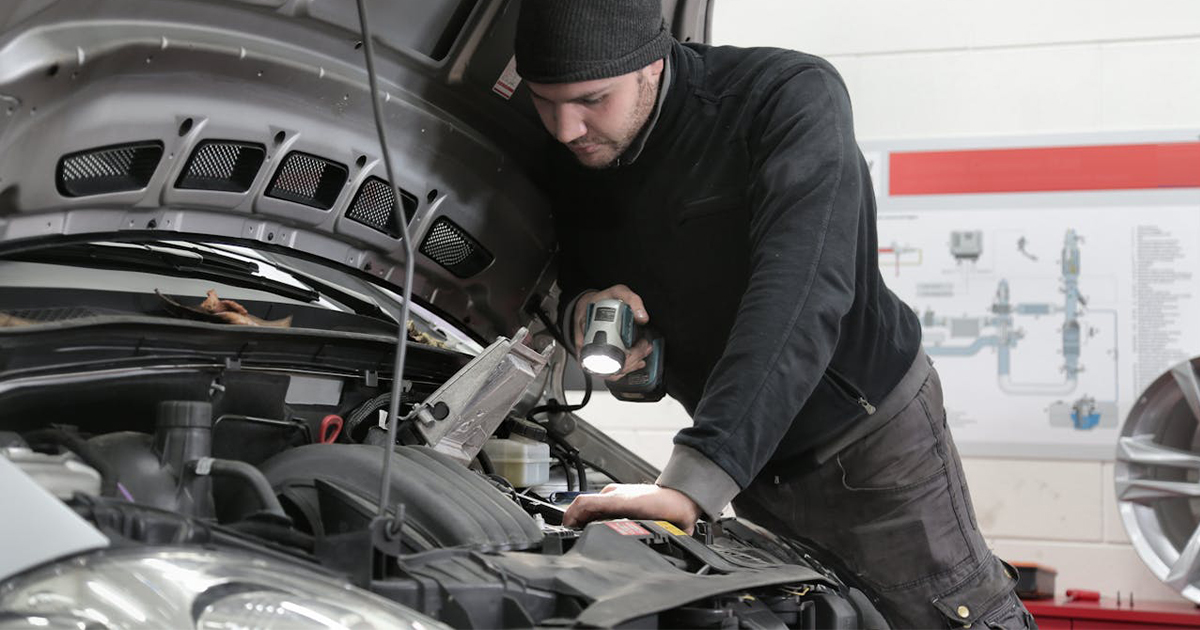
The usual argument for upgrading often is avoiding repair costs. There is some truth to that, but most modern cars do not suddenly become money pits right after year three. Many major wear items show up later, which means a healthy vehicle often still has several good-value years left.
Repairs Have To Get Bad Before Replacement Wins
To outweigh repeated depreciation, your current car usually has to become seriously expensive to keep on the road. Routine service, tires, brakes, and even the occasional repair are often still cheaper than starting over with another new-car payment cycle. In plain terms, one painful repair bill can still cost less than replacing the whole car too soon.

Warranty Coverage Still Has A Real Appeal
There is a reason people like the three-year rhythm. New-car warranties are often strongest in those early years, and that can lower stress and limit surprise costs. If peace of mind matters most, upgrading often can make emotional sense. It is just usually not the cheapest option.

Interest Rates Can Make It Even Worse
When rates are high, borrowing gets more expensive. The Consumer Financial Protection Bureau says buyers should pay attention to the full loan terms, not just the monthly payment, because financing costs add up fast. If you keep replacing a car every three years and financing each time, the numbers can get ugly fast.

Monthly Payment Thinking Gets A Lot Of Buyers In Trouble
Many people shop by monthly payment alone. Dealers know that, which is why longer loan terms and trade-in rollovers can make a new car seem affordable even when the total cost climbs. The CFPB has warned that stretching out loans or rolling old debt into a new one can leave buyers paying far more than they expected.

Negative Equity Is Where Things Really Go Sideways
If you trade too often, you can end up owing more than the car is worth. That is called negative equity. When that leftover debt gets rolled into the next loan, you are still paying for the last car while buying the next one. Experian has shown how easily this can happen, especially with long loan terms and early trade-ins.

Insurance Usually Favors The Older Car
Newer vehicles often cost more to insure because they are worth more and can be more expensive to repair. Rates vary a lot by driver and location, but in general, a paid-off older car often comes with a lighter insurance bill than a brand-new replacement. That is one more point in favor of keeping a car longer.

Registration And Taxes Add Up Too
In many states, a newer or more expensive car also means higher registration fees or taxes. These costs are easy to overlook because they do not always show up in the monthly payment. But if you keep upgrading, you keep resetting those costs as well.
Better MPG Usually Is Not Enough
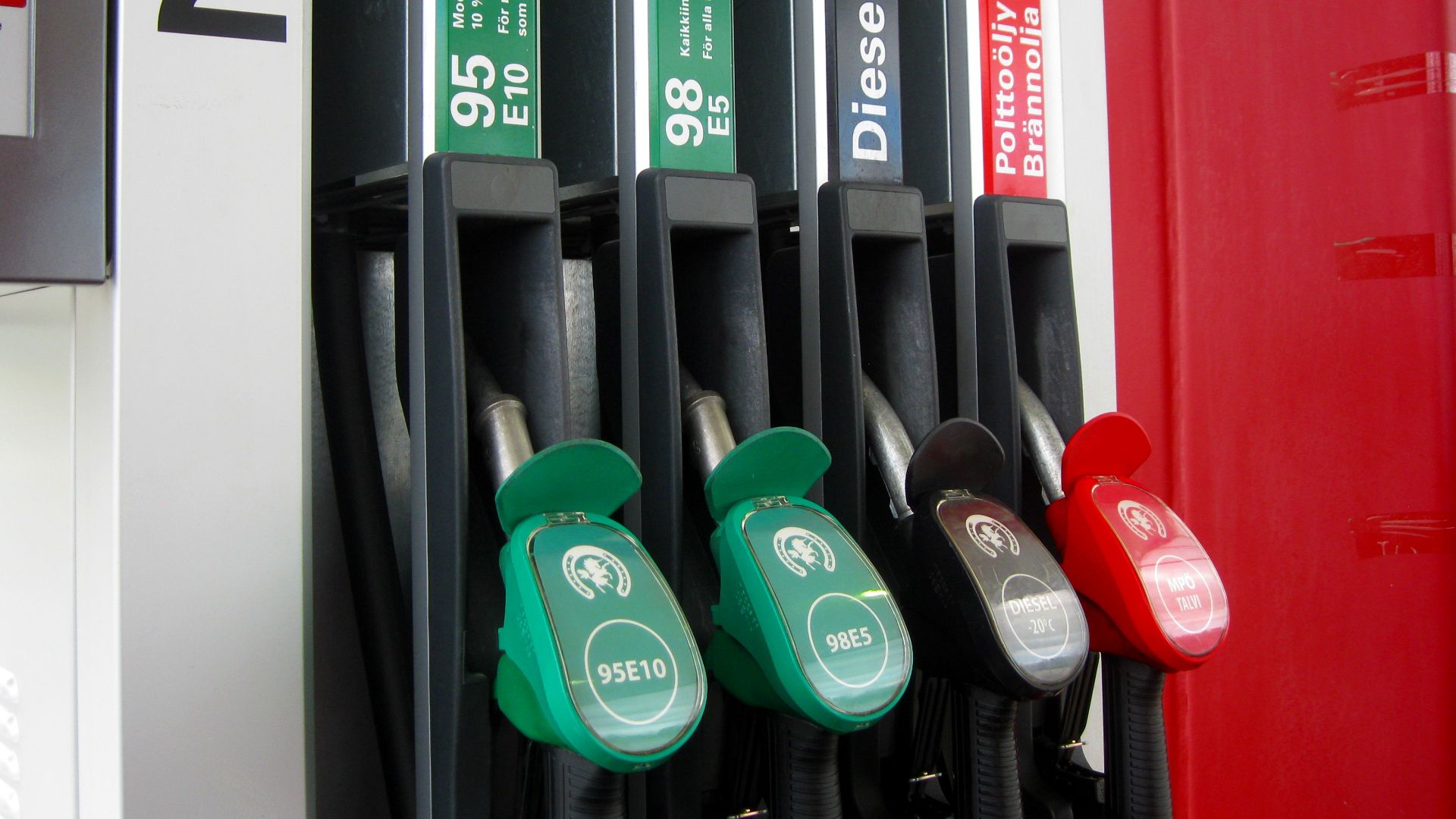
Some people try to justify frequent replacement with better fuel economy. That can help, especially if you drive a lot or move from a gas-hungry SUV to a hybrid. But if you are swapping one reasonably efficient car for another similar one, fuel savings alone usually are not enough to overcome depreciation and financing costs.
 Santeri Viinamäki, Wikimedia Commons
Safety Is A Better Reason Than Savings
If your current car is missing important crash protection or driver-assistance features, upgrading can make sense for reasons that have nothing to do with saving money. The Insurance Institute for Highway Safety and NHTSA have both documented how safety tech has improved over time. That does not make a three-year trade cycle cheaper, but it can make the decision easier to understand.

Modern Cars Usually Last Longer
The old idea that a car becomes unreliable after just a few years does not fit many modern vehicles. Better engineering, stronger drivetrains, and improved rust protection have helped many cars stay dependable well past the early warranty years. That is another reason the money case for keeping a car longer has only gotten stronger.

The Sweet Spot Often Comes Later
A lot of value-minded drivers aim for the middle years of a car’s life. That is when the first owner has already taken the biggest depreciation hit, but the vehicle has not yet reached the point where age-related repairs pile up. It may not be flashy, but it is often where the best balance of value and reliability shows up.

Why Three Years Feels So Normal
Leases often run about three years, and that has trained a lot of shoppers to think in three-year chunks. The car stays fresh, the warranty is usually still active, and the routine feels clean and simple. But simple does not mean cheap. Lease payments still reflect depreciation, fees, and financing costs.

The Hidden Cost People Miss
Money spent on constant upgrades is money that cannot go somewhere else. If you keep a paid-off car for a few extra years, the money you are not sending to a lender can go into savings, retirement, an emergency fund, or your next car fund. That trade-off is easy to miss, but it matters a lot.

When Replacing Every Three Years Can Make Sense
There are cases where this habit is reasonable. If your income is strong, you care a lot about having the latest safety and convenience features, and you really value warranty-backed predictability, the extra cost may be worth it to you. But that is a lifestyle choice, not a money-saving strategy for most drivers.

When Keeping The Car Is Usually Smarter
If your car is reliable, paid off or close to it, and not facing major repeat repairs, keeping it longer is usually the cheaper move. That is especially true if you stay on top of routine maintenance and avoid high-interest financing. Financially, a perfectly good car is often at its best right when people get tempted to trade it in.

A Better Way To Think About Repairs
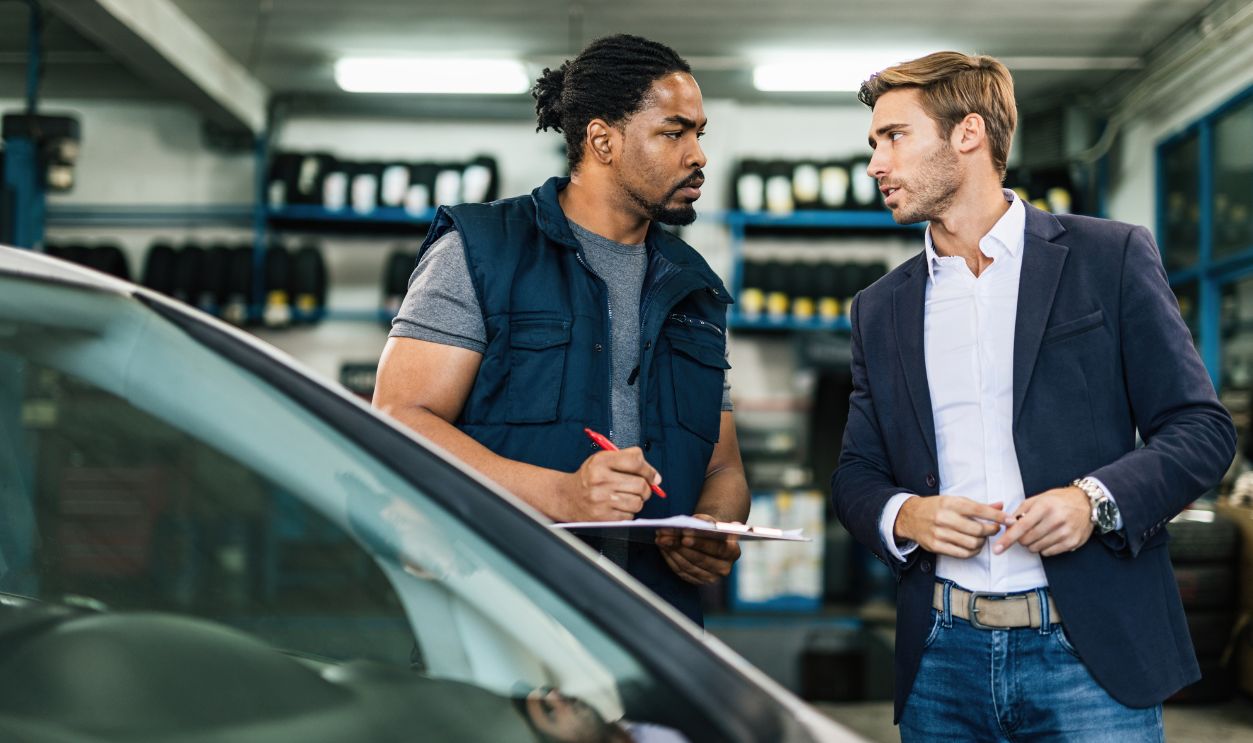
One useful rule is to compare a full year of expected repair costs with a full year of replacement costs, not just one repair bill with one down payment. A $1,500 repair can feel brutal until you remember that a newer car might bring several hundred dollars more each month, plus higher insurance and taxes. The bigger picture matters.
Run The Numbers Before Making The Swap
This argument gets much easier when you use real numbers from your own situation. Look at the trade-in value, loan payoff amount, interest rate, insurance quotes, expected maintenance, registration costs, and fuel use. Once everything is on paper, the appeal of constant upgrading often loses a lot of its shine.

The Bottom Line For Most Households
If the car is still in good shape, replacing it every three years is usually not the cheaper plan. You are paying for newer styling, fresher features, warranty coverage, and less hassle, but you are also taking the biggest depreciation hit again and again. For most households, the smarter financial move is to keep a reliable car longer and upgrade only when safety, repair costs, or real life needs make it necessary.

The Middle Ground Might Be The Best Answer
If one person wants something new and the other wants to save money, there is a workable middle ground. Keep cars longer than three years, but set clear checkpoints for safety, reliability, and repair costs, maybe around years six, eight, and ten. That approach can lower stress without pretending that constant upgrading is somehow the budget option.