The Surprise Waiting At Lease Return
When I leased my first vehicle, I assumed a few small scratches and everyday use would be expected. Instead, I found pages of wear-and-tear standards that seemed surprisingly detailed. That experience made me wonder whether every lease works this way or if my agreement was unusually strict.

Why Lease Standards Exist At All
A leased vehicle still belongs to the leasing company throughout the contract. The monthly payment is based largely on the vehicle's expected depreciation during the lease period. Because the company expects to resell the vehicle later, its condition directly affects its value.

Normal Wear Is Not The Same As Damage
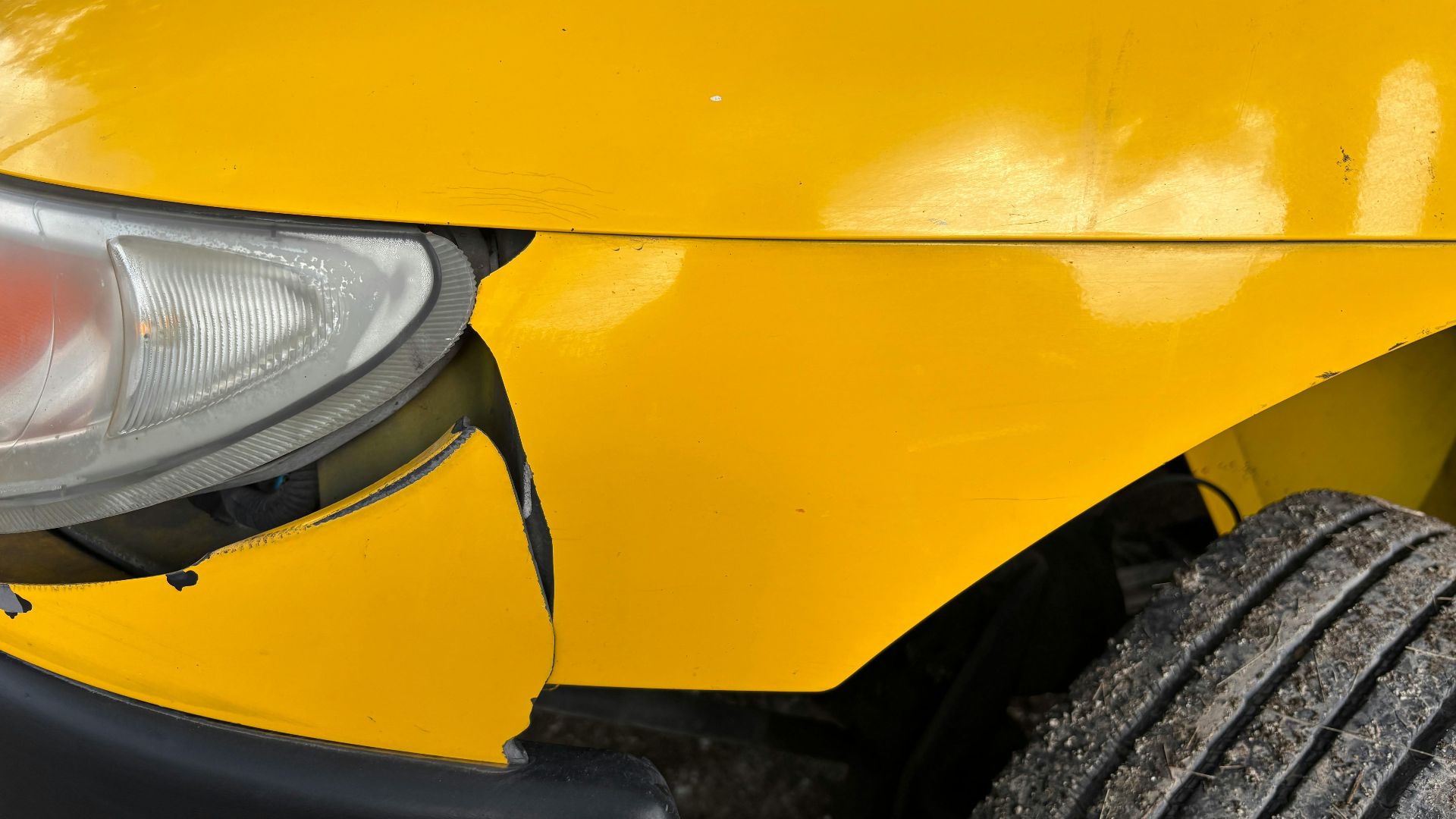
Every lease distinguishes between normal wear and excessive wear. Small signs of everyday use are generally expected. Larger dents, broken parts, damaged interiors, or poor-quality repairs often trigger additional charges.
 Karlis Dambrans, Wikimedia Commons
Every Leasing Company Sets Its Own Rules
There is no single industry-wide checklist that every company follows. Manufacturers and finance companies publish their own wear-and-tear guides. That means one lease may seem much stricter than another even for similar vehicles.

The Contract Matters More Than The Sales Pitch
Many drivers focus on monthly payments while signing lease paperwork. The wear-and-tear section often receives far less attention. Those few pages can determine hundreds or even thousands of dollars in end-of-lease costs.

Federal Rules Require Reasonable Standards
In the United States, federal leasing regulations require wear-and-use standards to be reasonable if a lessor imposes them. Leasing companies must also disclose those standards in the lease agreement. Consumers should receive enough information to understand their responsibilities before signing.

Mileage Limits Often Cause More Problems
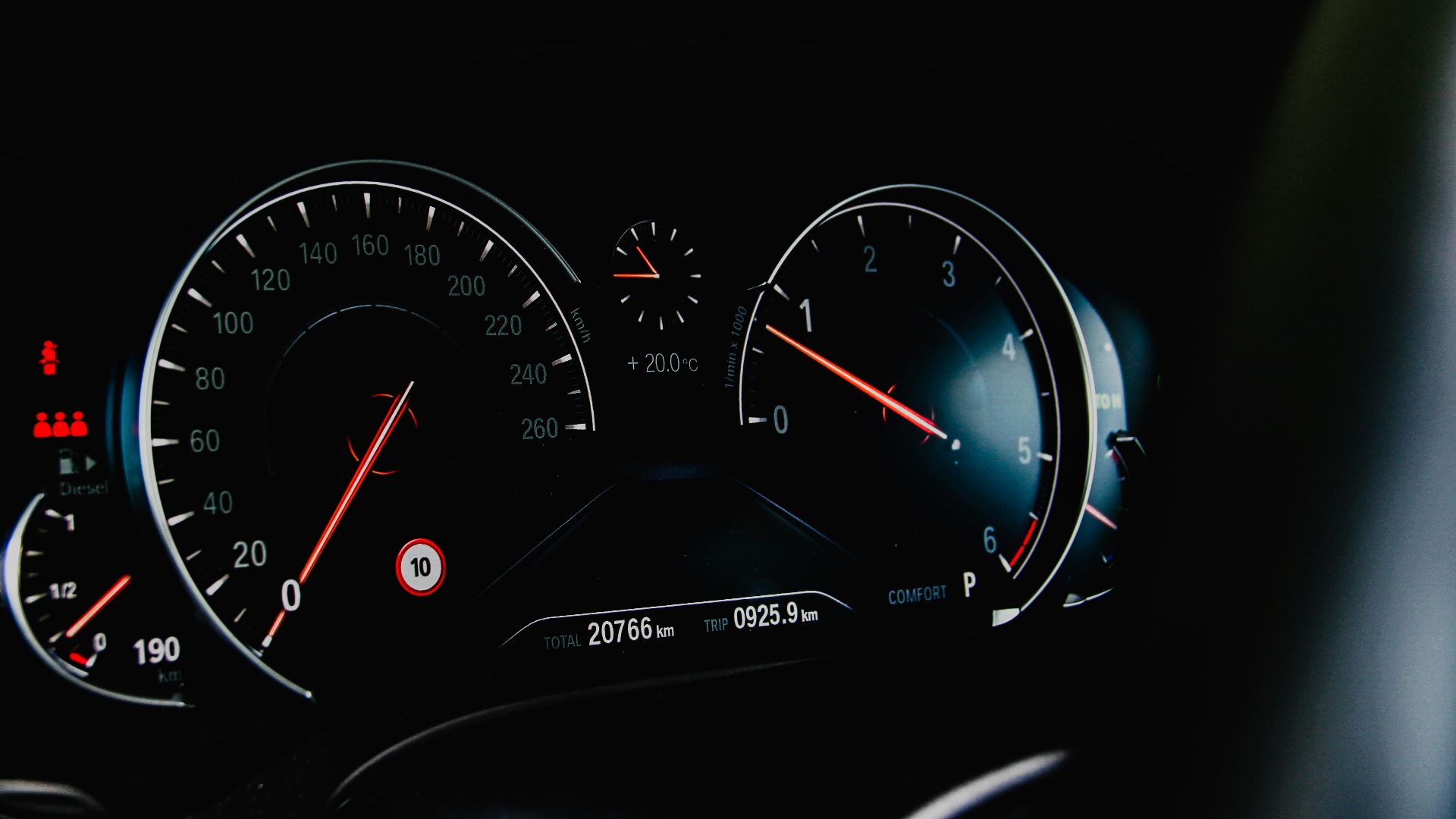
Wear-and-tear charges are only one part of lease-end expenses. Most leases also include annual mileage limits. Going over those limits usually results in per-mile charges that can add up quickly.
Maintenance Records Can Become Important
Many lease agreements require drivers to follow the manufacturer's maintenance schedule. Keeping receipts and service records can become valuable if questions arise later. Proper documentation may help demonstrate that the vehicle was maintained correctly.

Tires Receive More Attention Than Many Drivers Expect
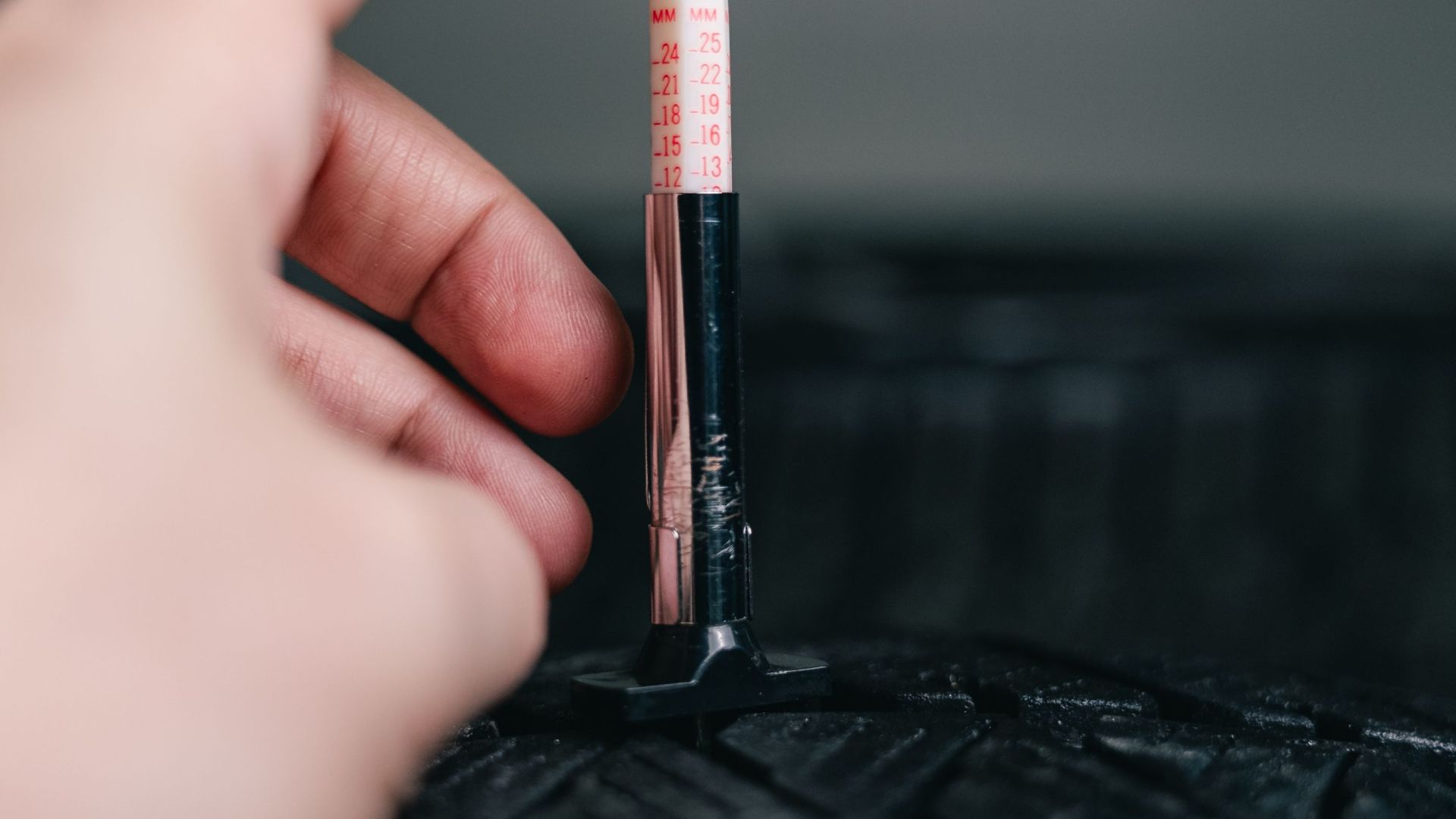
Tire condition is commonly inspected during lease returns. Excessively worn tires may require replacement before the vehicle is accepted without extra charges. Lease agreements sometimes specify minimum tread depth requirements.
Interior Damage Counts Too
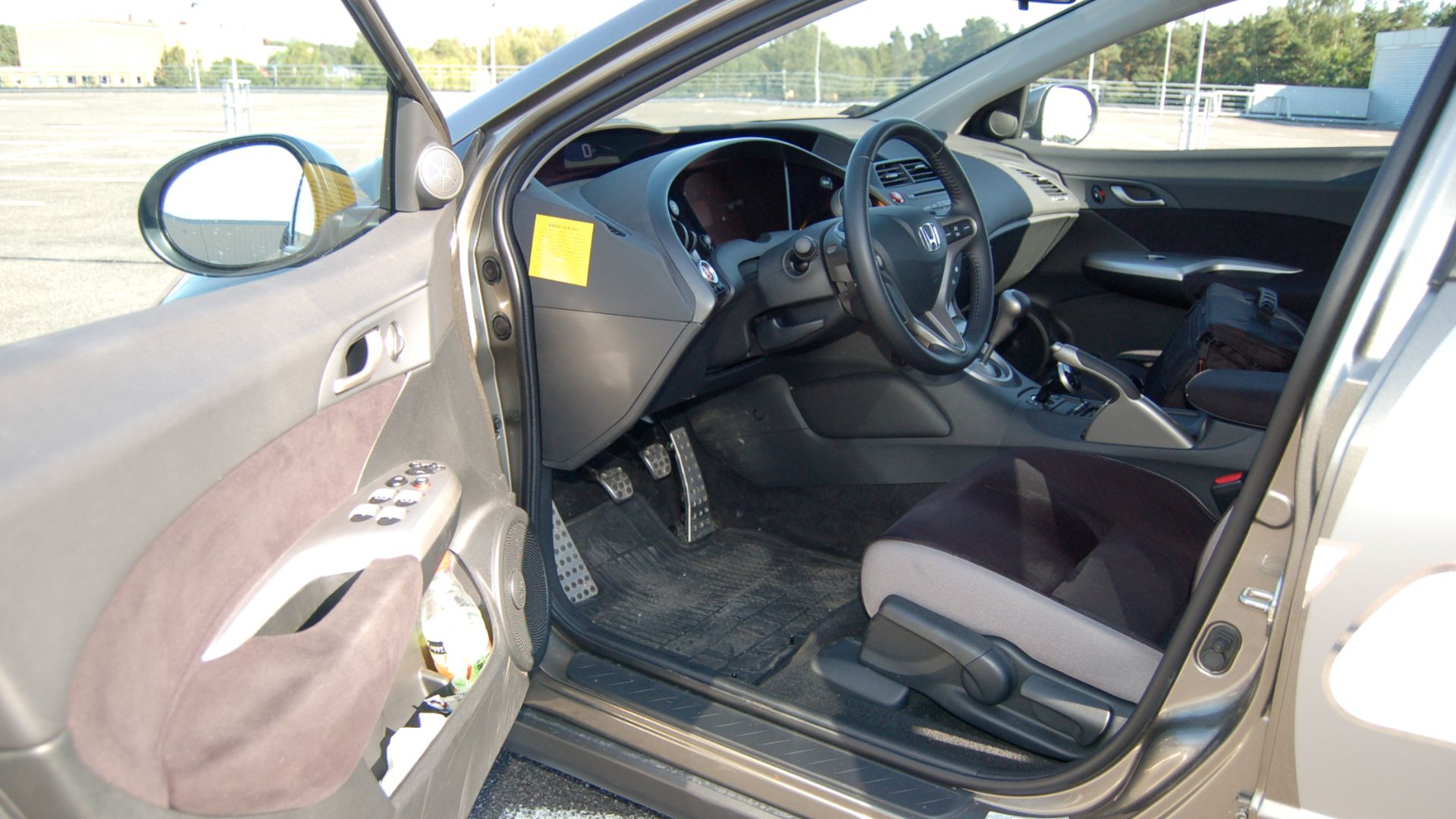
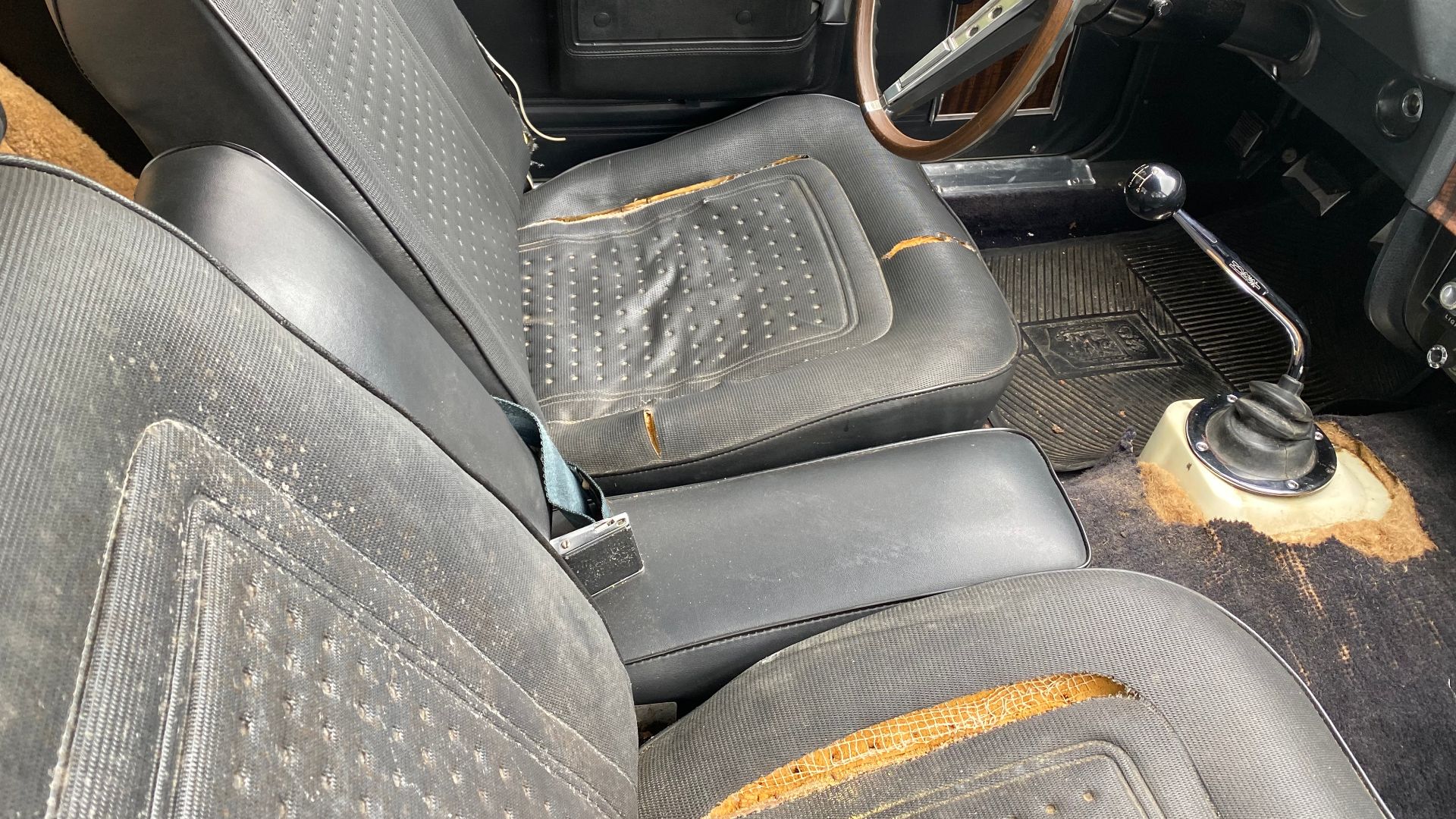
Exterior scratches are only part of the inspection. Torn upholstery, burns, permanent stains, cracked trim, or missing accessories may all be considered excessive wear. Keeping the interior clean throughout the lease can reduce unexpected costs.
Windshields And Glass Are Carefully Inspected
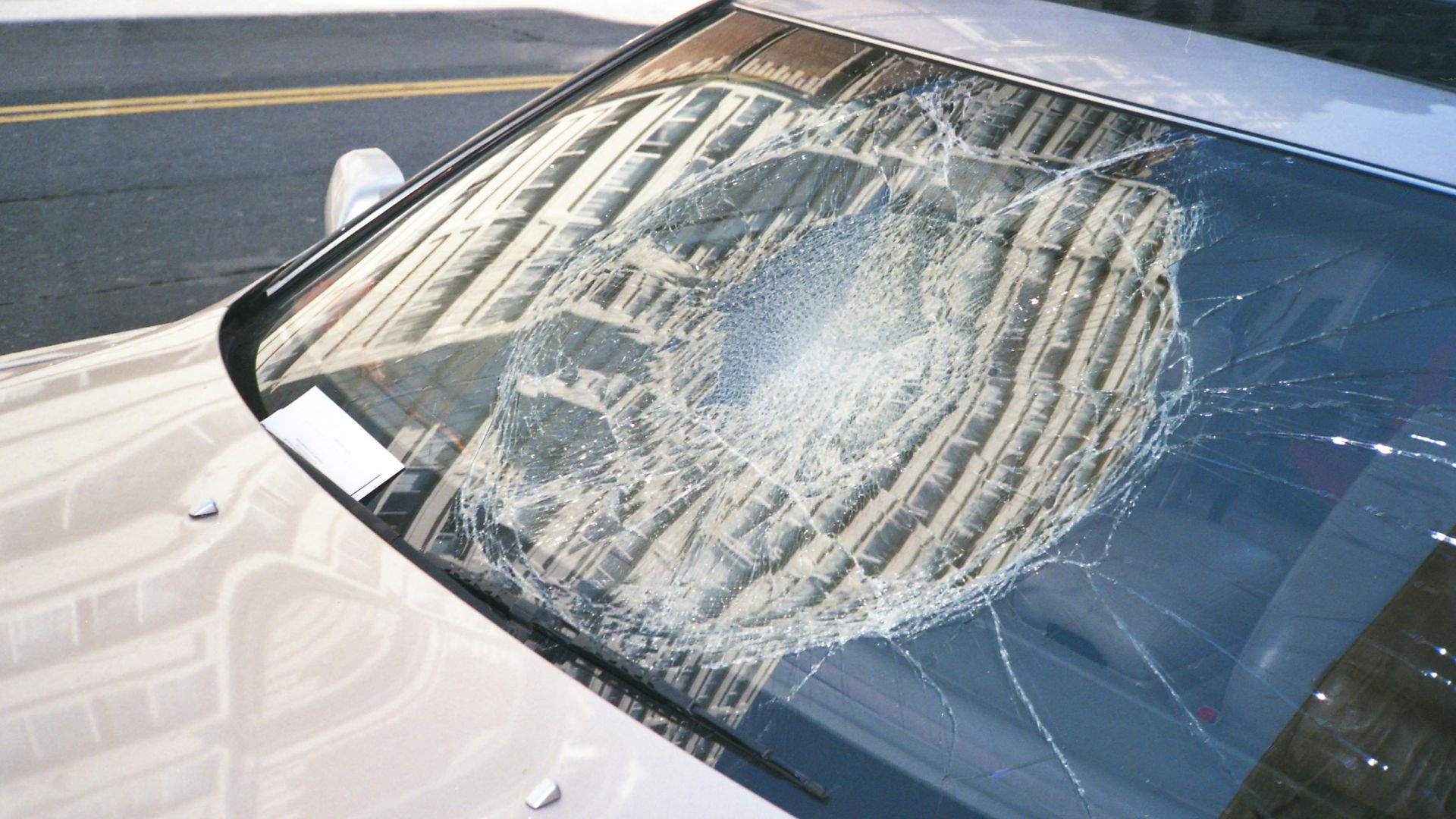
Cracked windshields rarely qualify as normal wear. Chips that have spread into larger cracks often require replacement before lease return. Broken mirrors or damaged windows may also result in additional fees.
Poor Repairs Can Become Expensive
Repairing damage before returning the vehicle often makes financial sense. However, low-quality repairs may still fail inspection. Many leasing companies expect repairs to restore the vehicle properly rather than simply hide damage.
Pre-Inspection Can Prevent Surprises
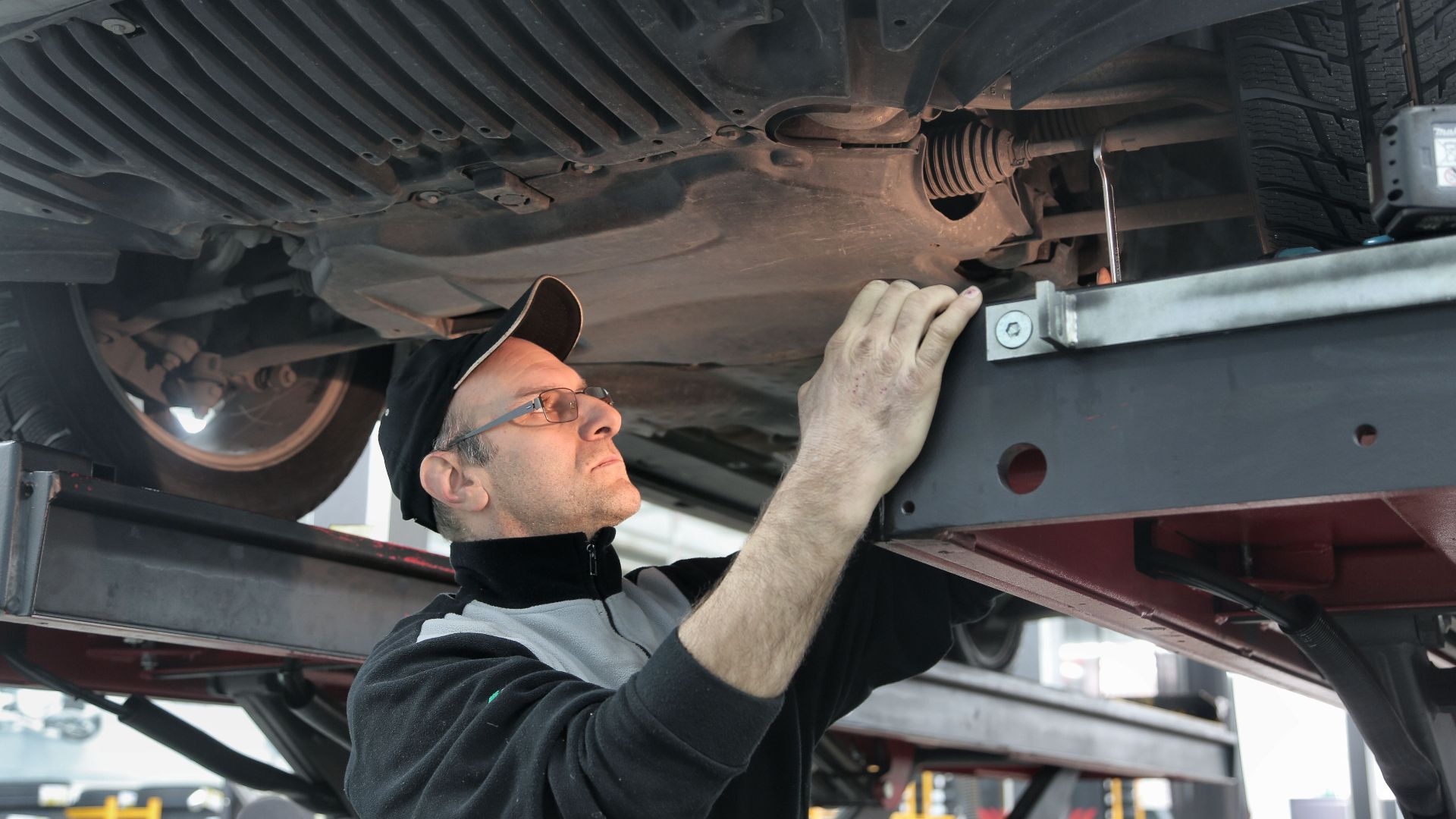
Many leasing companies offer a complimentary inspection before the lease officially ends. This gives drivers time to fix issues themselves instead of paying the leasing company's repair charges. Scheduling one early provides more options.
Buying The Car Can Change The Decision
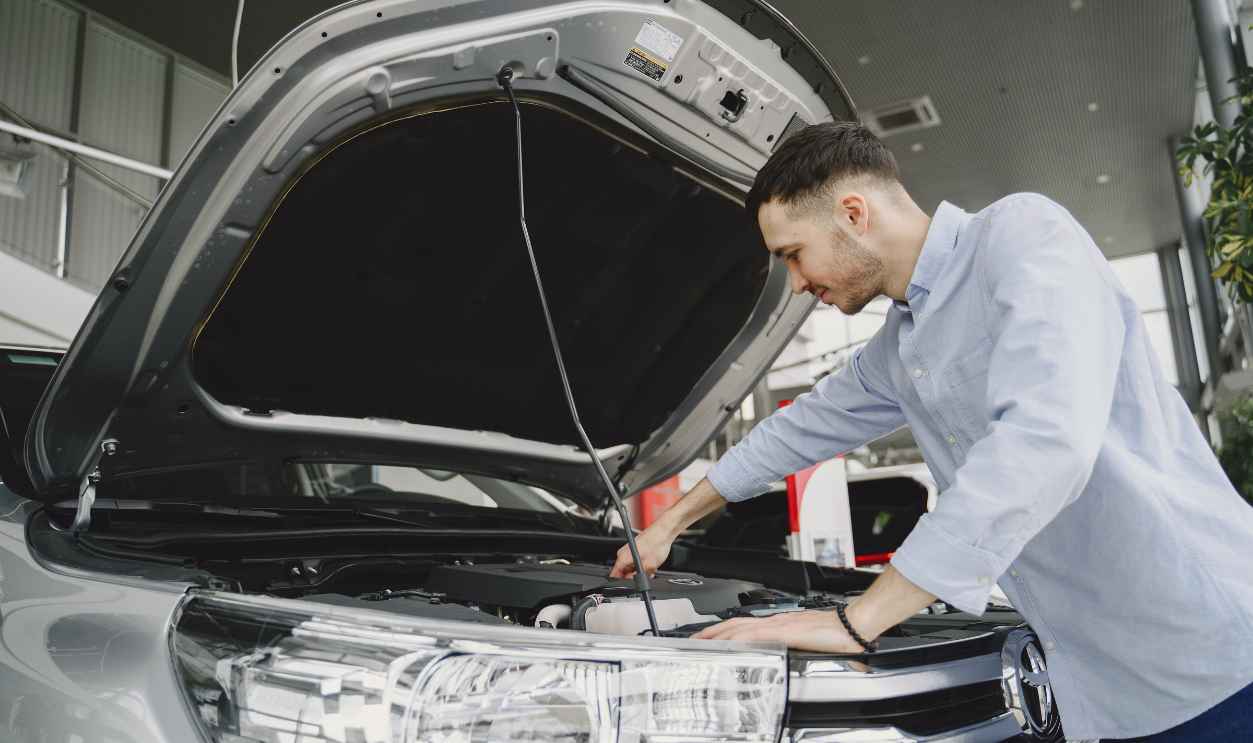
Sometimes drivers discover significant wear-and-tear charges near the end of the lease. In certain situations, purchasing the vehicle instead of returning it becomes financially attractive. Whether that makes sense depends on the purchase price and the vehicle's market value.

Excess Wear Is Different From Mechanical Problems
Normal mechanical failures covered under the manufacturer's warranty are generally separate from wear-and-tear charges. Cosmetic damage and neglect are usually the driver's responsibility. Understanding that distinction helps avoid confusion at lease return.
Lease-End Fees Add Up Quickly
Disposition fees, excess mileage, unpaid maintenance, and wear-and-tear charges can all appear at the end of a lease. Individually they may seem manageable. Combined together, they can significantly increase the overall cost of leasing.

Shopping For A Lease Means Comparing More Than Payments
A lower monthly payment does not automatically make one lease a better deal. Mileage allowances, disposition fees, purchase options, and wear-and-tear policies all affect the true cost. Comparing complete lease terms is much smarter than comparing payments alone.

Luxury Brands May Have Different Expectations
Luxury vehicles often use premium materials that cost more to repair or replace. Some luxury finance companies also provide detailed inspection guides for lease returns. Drivers should review those documents before signing.

Ask For The Wear Guide Before Signing
Consumers are free to ask for the wear-and-tear guide before agreeing to a lease. Reviewing it in advance removes many surprises later. A reputable dealer should be willing to explain the standards.

Document The Vehicle Early
Taking detailed photos when the vehicle is new establishes its starting condition. Doing the same before returning it creates another useful record. These images can help resolve disagreements if questions arise.

Consider Lease Protection Carefully
Some dealerships sell optional excess wear protection plans. These products may cover certain dents, scratches, wheels, tires, or interior damage. Buyers should compare the coverage limits with the cost before deciding whether the protection is worthwhile.

State Laws Can Offer Additional Protection
Federal regulations establish certain disclosure requirements, but state laws may provide additional consumer protections. Some states limit how certain lease-end charges are calculated. Consumers with disputes should review their state's consumer protection resources.

If You Disagree With Charges
Drivers who believe charges are incorrect should request a detailed explanation. Photos, inspection reports, repair invoices, and maintenance records can all support their position. If necessary, state consumer protection agencies or the Federal Trade Commission provide additional guidance.

So Was My Lease Unusually Strict?
After learning more, I realized my experience was not entirely unusual. Most vehicle leases include detailed wear-and-tear standards because the leasing company expects to resell the vehicle later. The biggest difference is how clearly those expectations are explained before signing.

The Best Defense Is Reading Everything First
Leasing is not inherently unreasonable, but it requires careful attention to details that many buyers overlook. Understanding wear-and-tear standards before driving off the lot can prevent unpleasant surprises years later. Reading the contract carefully is often the easiest way to save money and frustration.

You May Also Like:
The Most Overrated Cars Today, According To Car Enthusiasts
People With The Largest Car Collections In The World