
The Exhaust Upgrade Got Expensive Fast
A loud exhaust can seem like harmless car enthusiasm right up until flashing lights appear in the mirror. Now your son has a traffic stop, a possible inspection problem, and maybe another repair bill coming. That raises the bigger question: are aftermarket parts actually worth all this trouble?
Why Loud Exhausts Are So Tempting
For younger enthusiasts especially, an exhaust is one of the easiest ways to make a car feel different. The sound changes immediately, the modification is obvious, and it costs less than serious engine work. Unfortunately, being noticeable is also exactly what can attract unwanted attention.
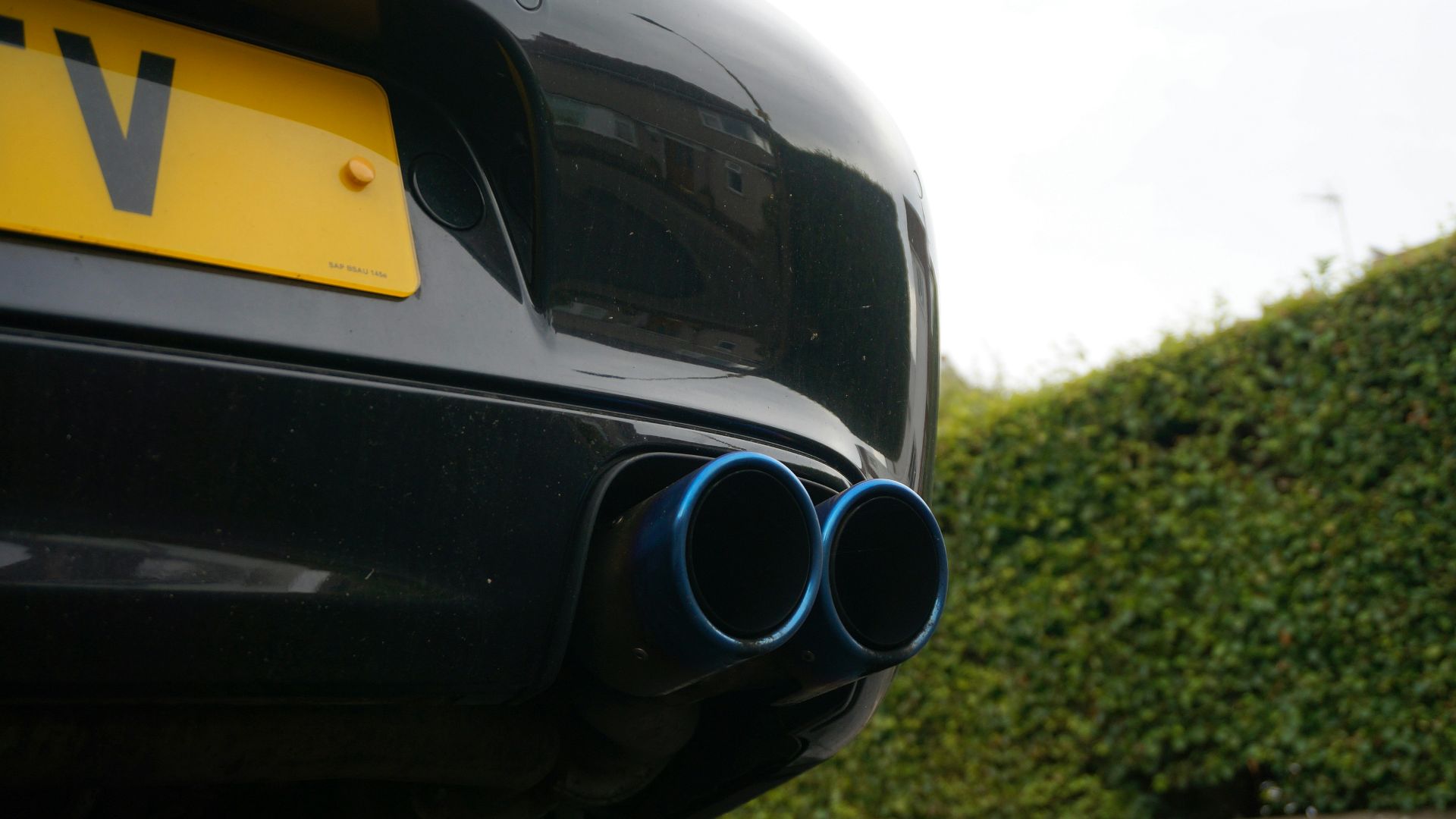
The Sound Is Part Of The Appeal
Nobody buys a performance exhaust because they want their car to sound exactly the same afterward. A deeper tone can make an ordinary commute more entertaining. The problem begins when “sporty” turns into “everyone on the next block knows you just started the car.”

Noise Does Not Automatically Mean Power
One of the oldest myths in car culture is that louder automatically means faster. A carefully designed exhaust can improve airflow on certain cars, but simply removing mufflers or installing oversized piping doesn't guarantee meaningful horsepower. Sometimes the biggest performance gain is happening entirely inside the driver's imagination.
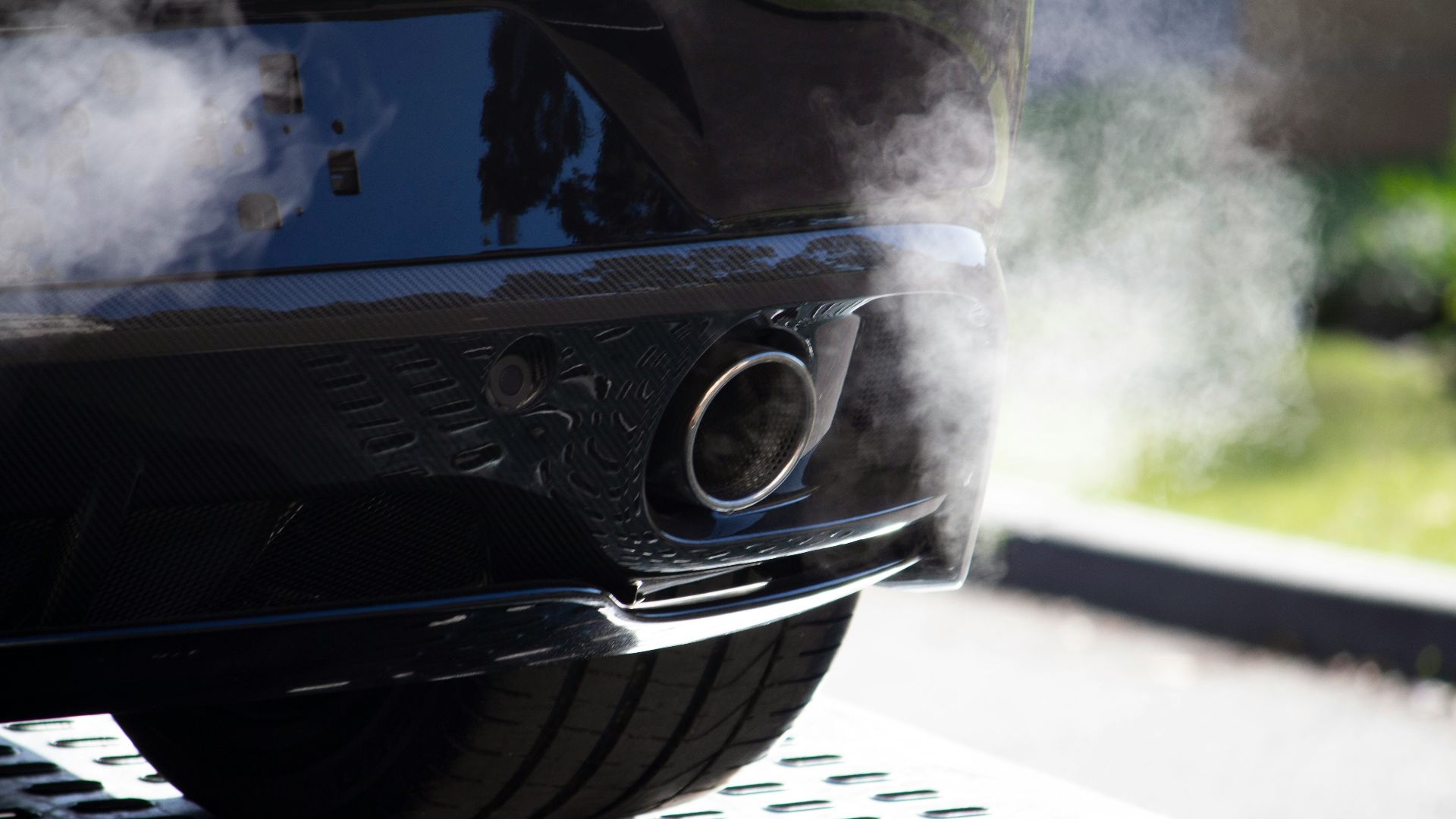
The Traffic Stop Is A Warning
Being pulled over once doesn't necessarily mean disaster, but it tells you something important: the modification is attracting attention. If an officer noticed the exhaust today, another may notice it next week. That can turn one exciting modification into a recurring and expensive headache.

Exhaust Laws Depend On Where You Live
There is no single nationwide rule telling every driver exactly how loud an exhaust may be. States and municipalities regulate vehicle noise differently, and some rules focus on excessive or unusual noise rather than one universal decibel number. That makes local research essential before modifying anything.

Inspection Can Be A Separate Problem
Passing a roadside noise check and passing an inspection are not always the same thing. New York, for example, allows inspectors to reject vehicles with missing or altered mufflers and exhaust noise that is appreciably excessive. Other jurisdictions inspect exhaust systems differently.
 picture alliance, Getty Images
Emissions Equipment Is The Bigger Red Line
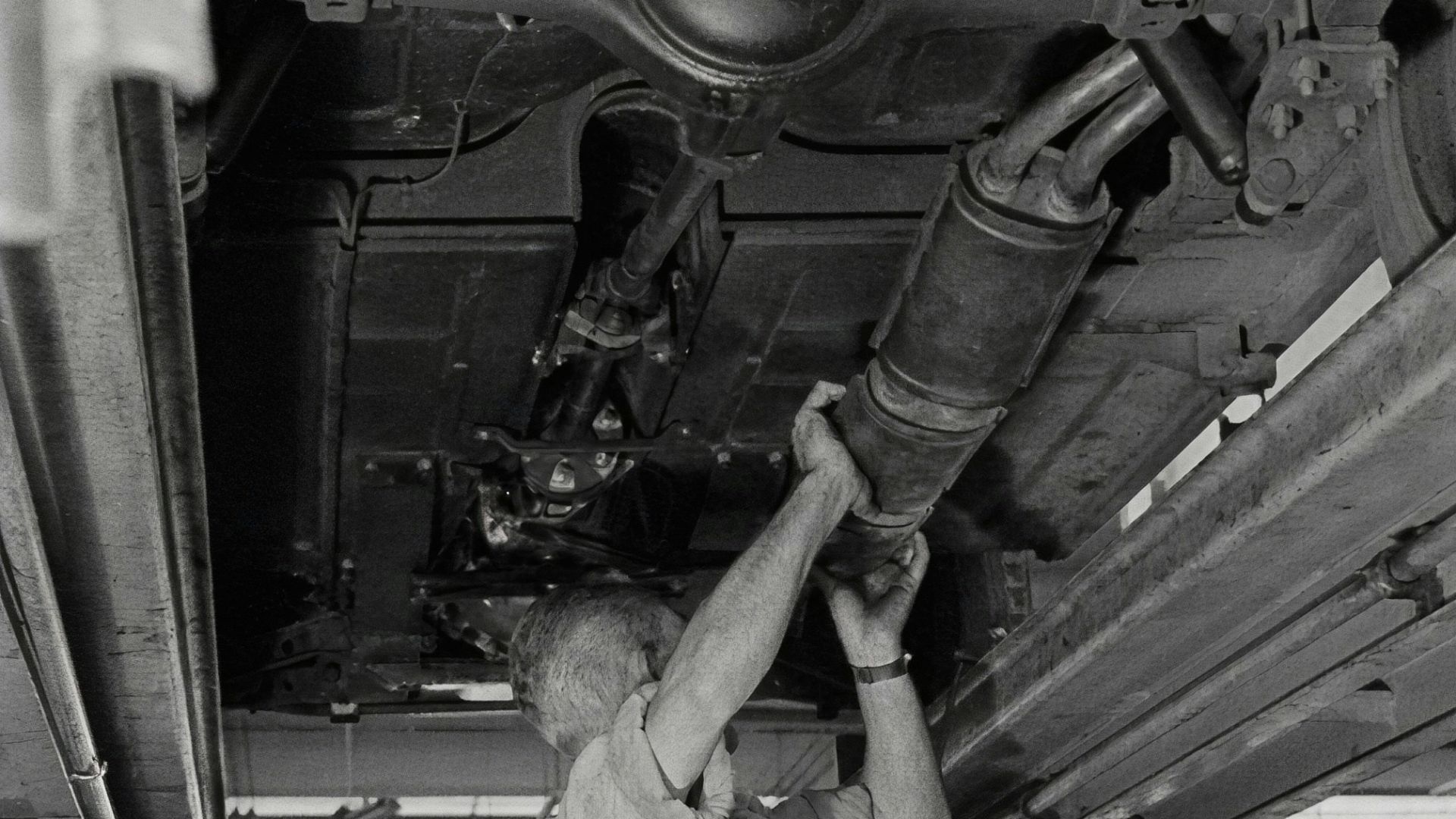
A loud muffler is one issue. Tampering with federally required emissions equipment is much more serious. The EPA prohibits removing or defeating required emissions controls, including equipment in the exhaust system. A modification that interferes with those systems can create far bigger problems than noise alone.
 Austrian National Library, Unsplash
Cat-Back Systems Are Usually The Smarter Route
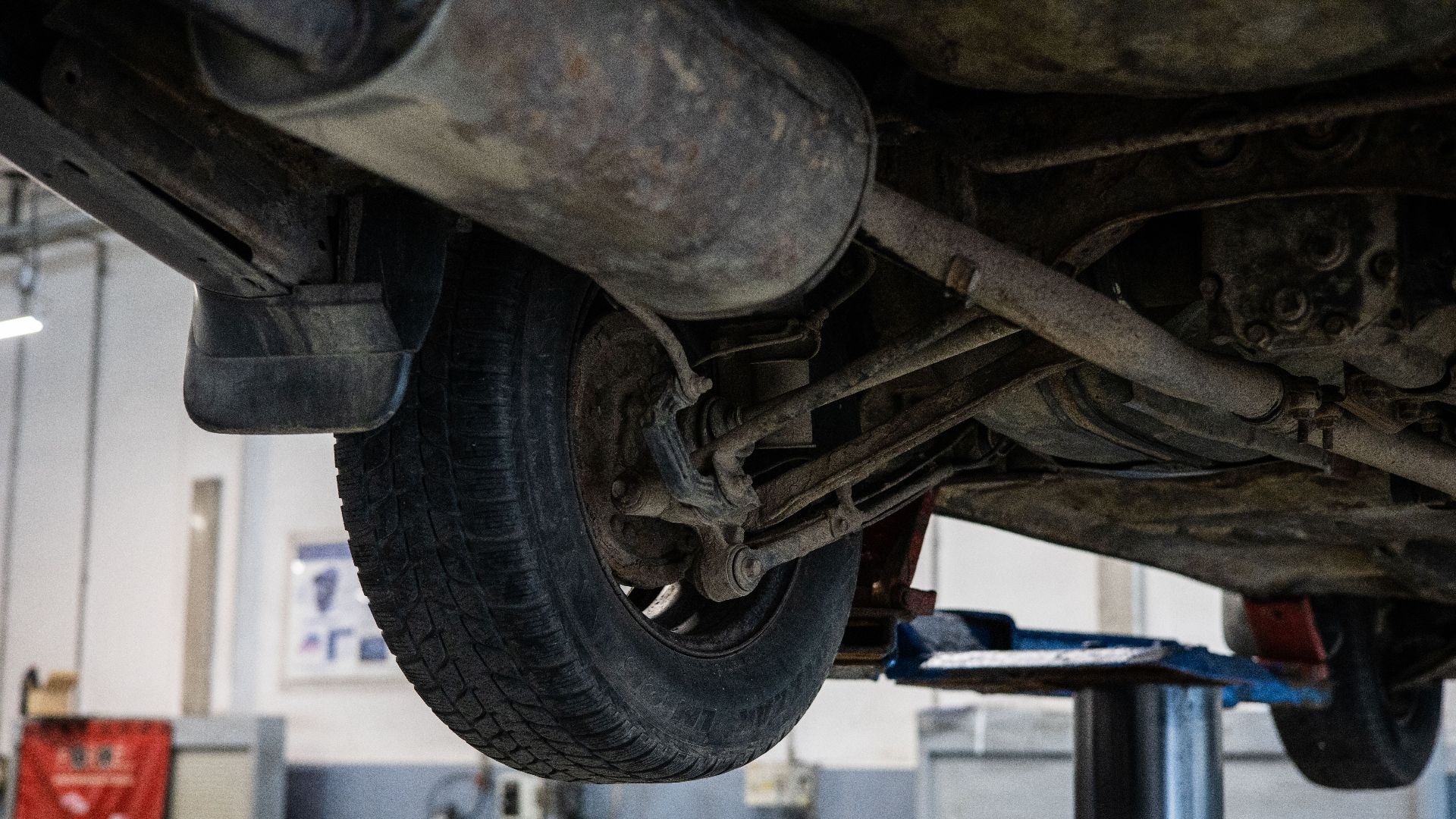
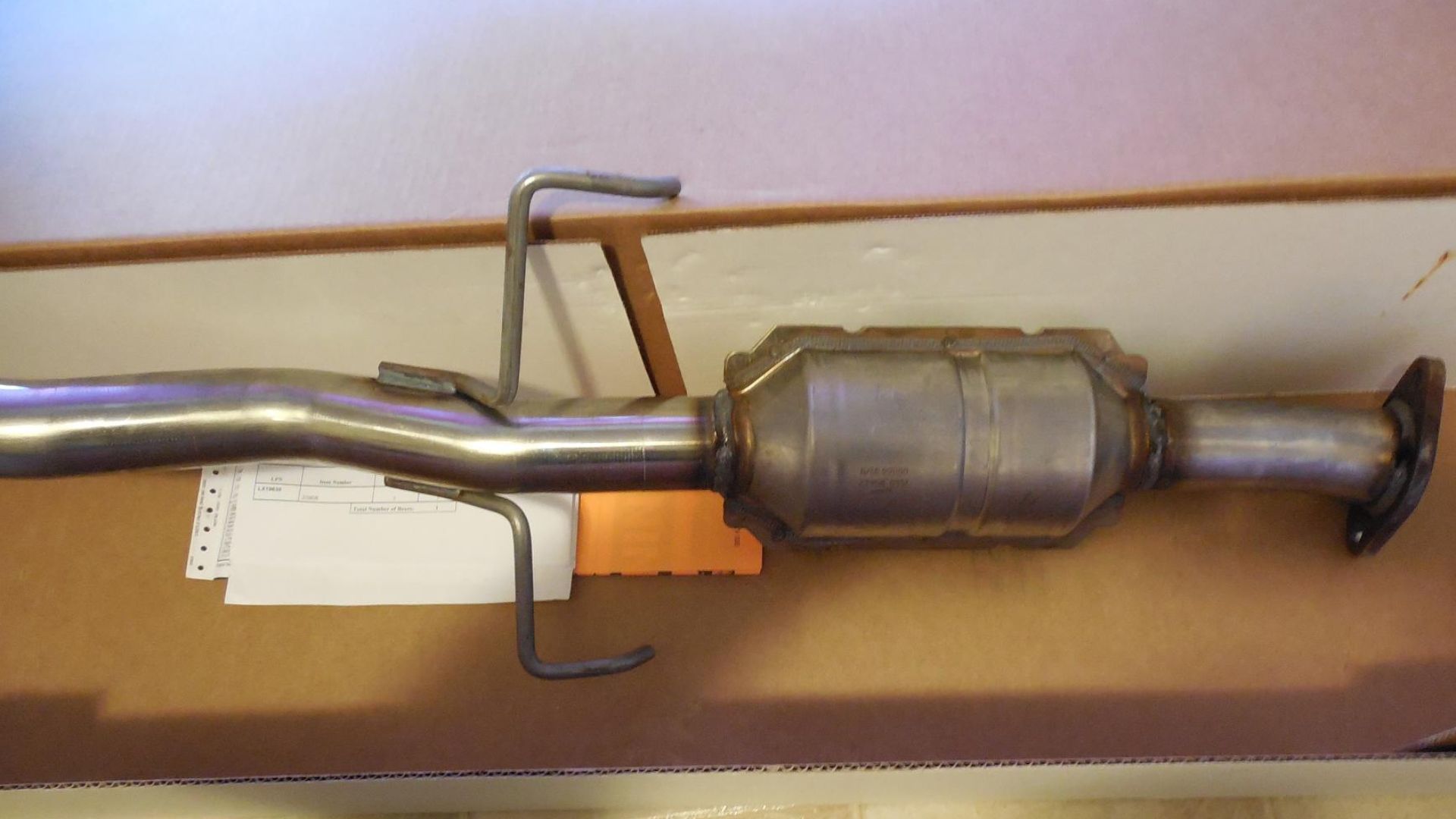
A properly designed cat-back exhaust replaces components downstream of the catalytic converter. That can provide a sportier sound without deliberately removing emissions equipment. It still needs to meet local noise and inspection requirements, but it is generally a much more sensible starting point than hacking apart the entire system.
Removing Catalytic Converters Is Another Story
Some owners chase louder sound or more power by removing catalytic converters or installing equipment designed to bypass emissions controls. For a street-driven car, that can create serious legal and inspection problems. The EPA continues to prohibit aftermarket equipment that defeats required vehicle emissions controls.
“Street Legal” Deserves A Closer Look
Aftermarket companies love phrases such as “street friendly” and “race inspired.” Neither necessarily tells you whether the part complies with the rules where you live. Before buying, look for actual documentation showing that the component is appropriate for the exact vehicle and intended for legal road use.

Cheap Parts Can Create Expensive Problems
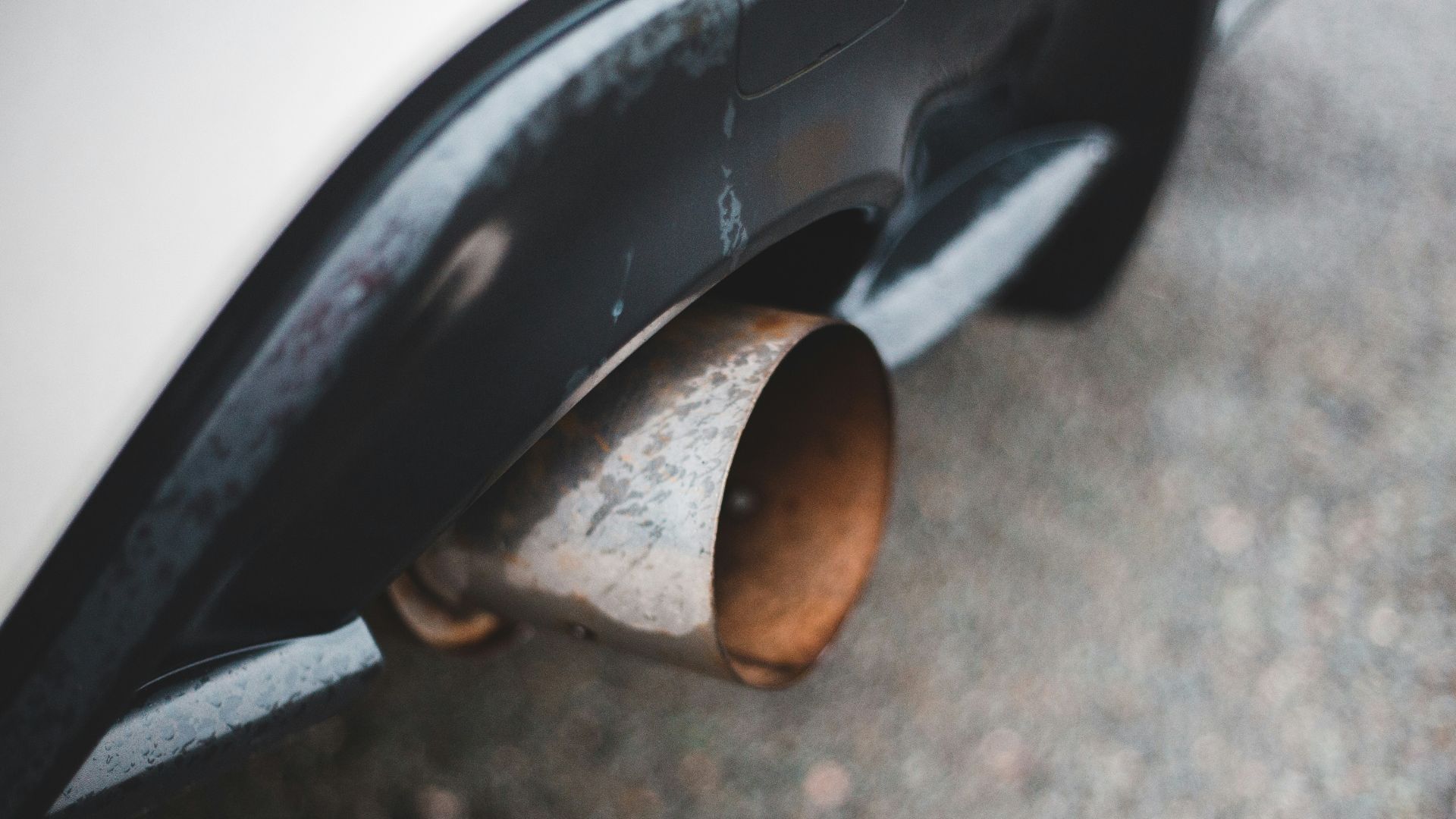
That bargain exhaust from an unfamiliar online seller may look like a great deal until the welds crack, hangers break, or the system develops leaks. Saving a few hundred dollars up front feels less impressive when the car has to visit an exhaust shop three times afterward.
Installation Matters Just As Much
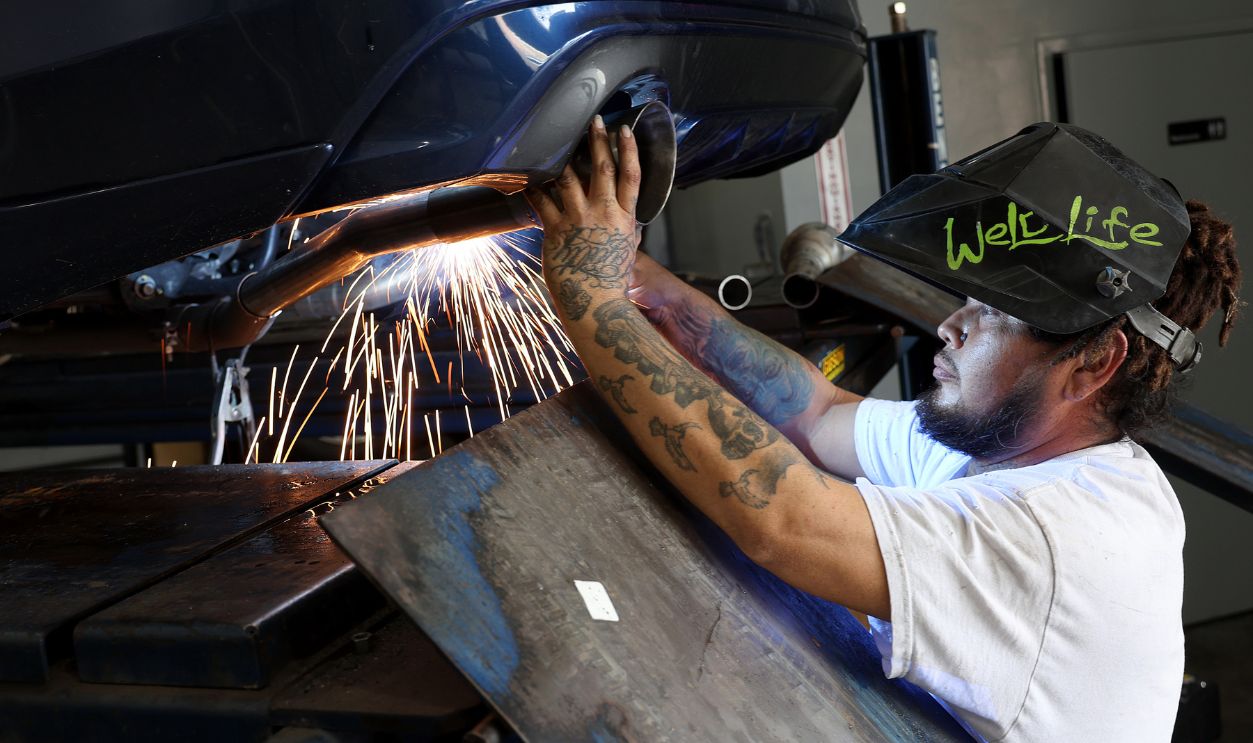
Even a good exhaust can cause trouble when installed badly. Pipes can rattle against the body, clamps can leak, and poorly positioned components can create vibration. Professional installation costs more, but so does fixing a modification that someone installed in the driveway without quite knowing what they were doing.
Watch The Check-Engine Light
After a modification, a glowing check-engine light deserves attention rather than electrical tape over the dashboard. Exhaust and emissions changes can sometimes trigger fault codes. Before an inspection, have the codes properly diagnosed instead of repeatedly clearing them and hoping the warning light stays away long enough.

Exhaust Drone Gets Old Quickly
A roaring exhaust sounds wonderful during a 20-second acceleration video. Living with it during a three-hour highway drive is another matter. Some systems produce a low-frequency drone at cruising speed that can make passengers miserable and leave the owner wondering why silence suddenly feels luxurious.

The Neighbors Get A Vote Too
Your son may love hearing his car start at 6:30 every morning. The person next door may have a slightly different opinion. Extremely loud modifications can turn a hobby into a neighborhood dispute, particularly when drivers repeatedly rev engines or make unnecessary noise in residential areas.

Resale Value Can Take A Hit
Enthusiasts sometimes assume modifications automatically make a car more valuable because money was spent on them. Most ordinary buyers disagree. A heavily modified exhaust may suggest hard driving, possible emissions trouble, or future inspection headaches. A stock car often appeals to a much larger group of shoppers.
A Modification Does Not Automatically Kill The Warranty
Using an aftermarket part does not automatically void an entire vehicle warranty. Federal warranty rules generally prevent manufacturers from denying coverage simply because a third-party part was used. However, damage actually caused by a modification can still create a legitimate warranty dispute.

Some Aftermarket Parts Are Absolutely Worth It
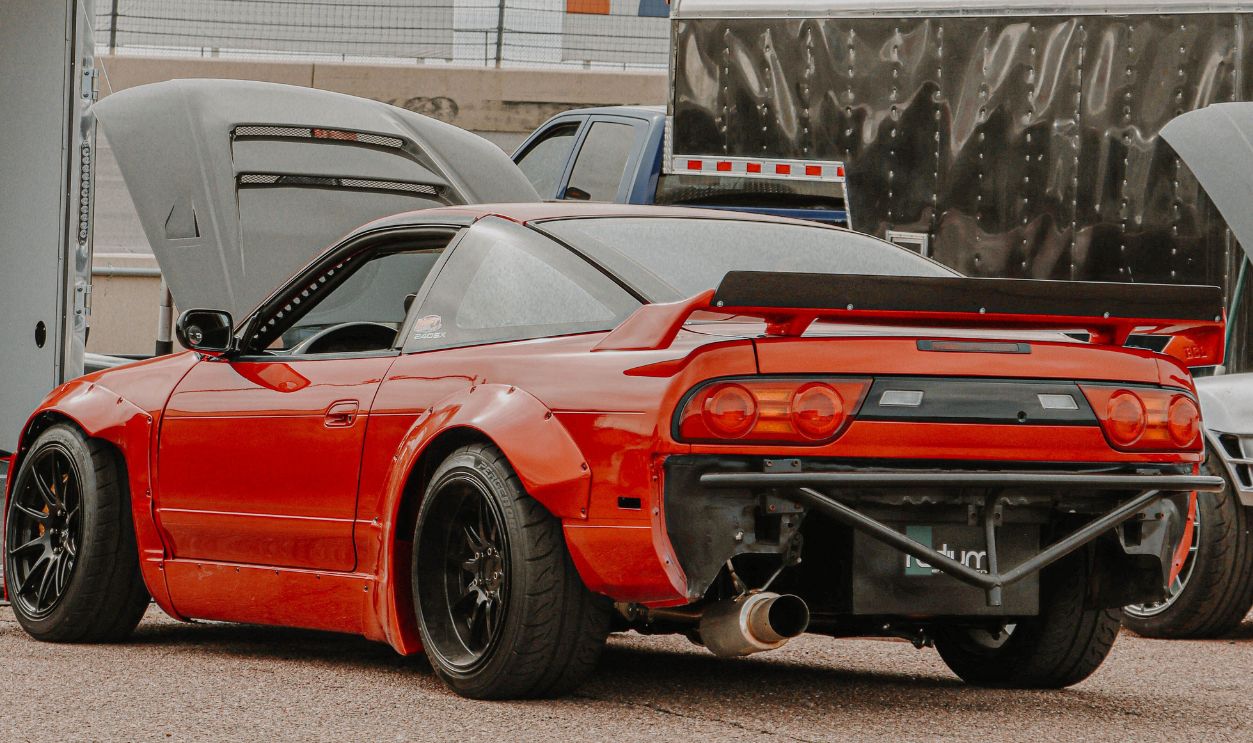
None of this means aftermarket parts are a bad idea. Quality tires, brake components, suspension upgrades, wheels, lighting, and carefully chosen performance parts can genuinely improve a vehicle. The smart approach is modifying with a purpose instead of buying whatever makes the biggest noise in a parking lot.
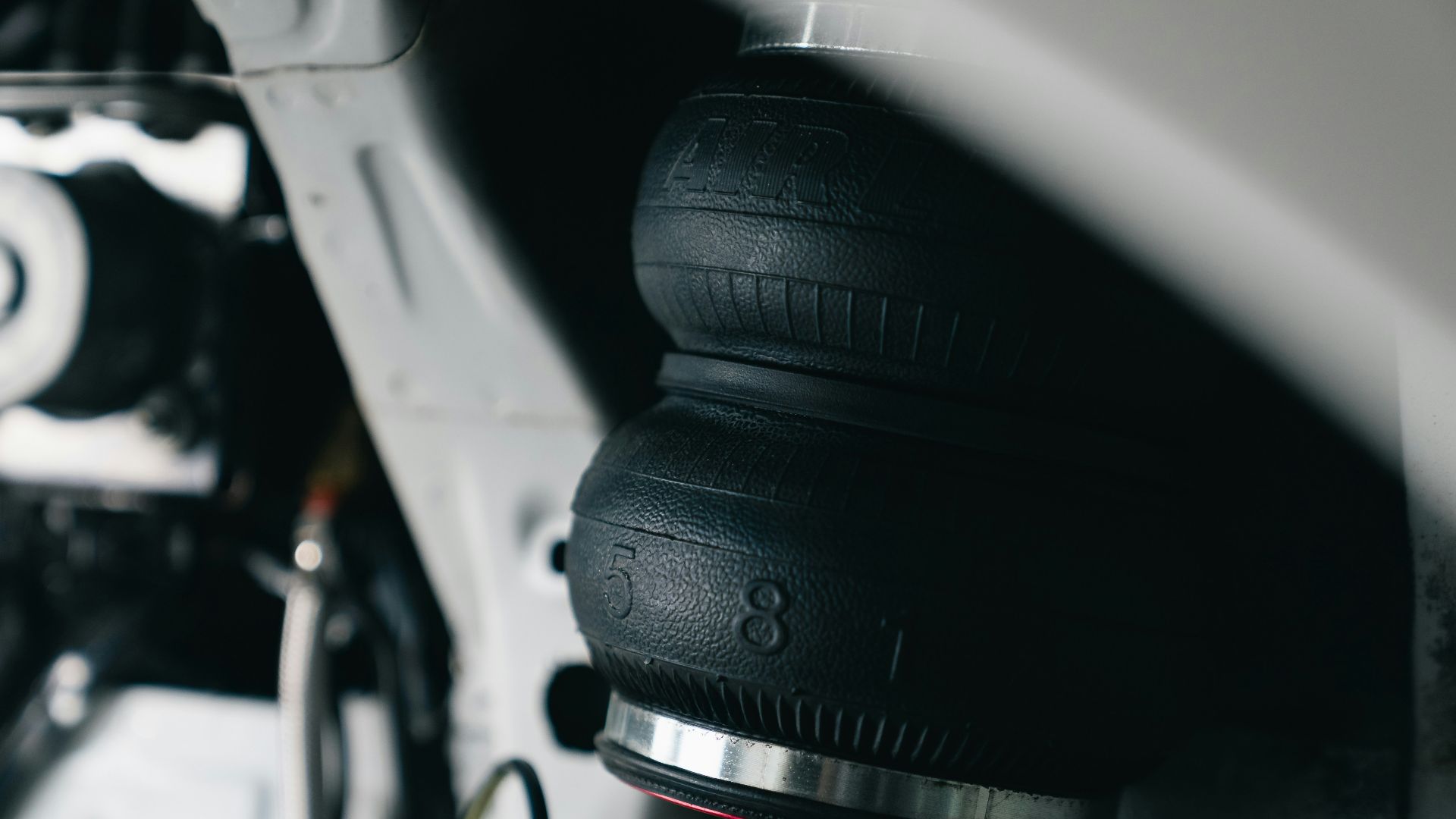
Start With Reversible Modifications
For a young enthusiast, reversible upgrades are a great place to start. Wheels, certain suspension components, interior changes, and bolt-on exhaust systems can often be returned to stock. That's useful when inspection day arrives—or when the owner eventually decides the modification wasn't nearly as cool as expected.
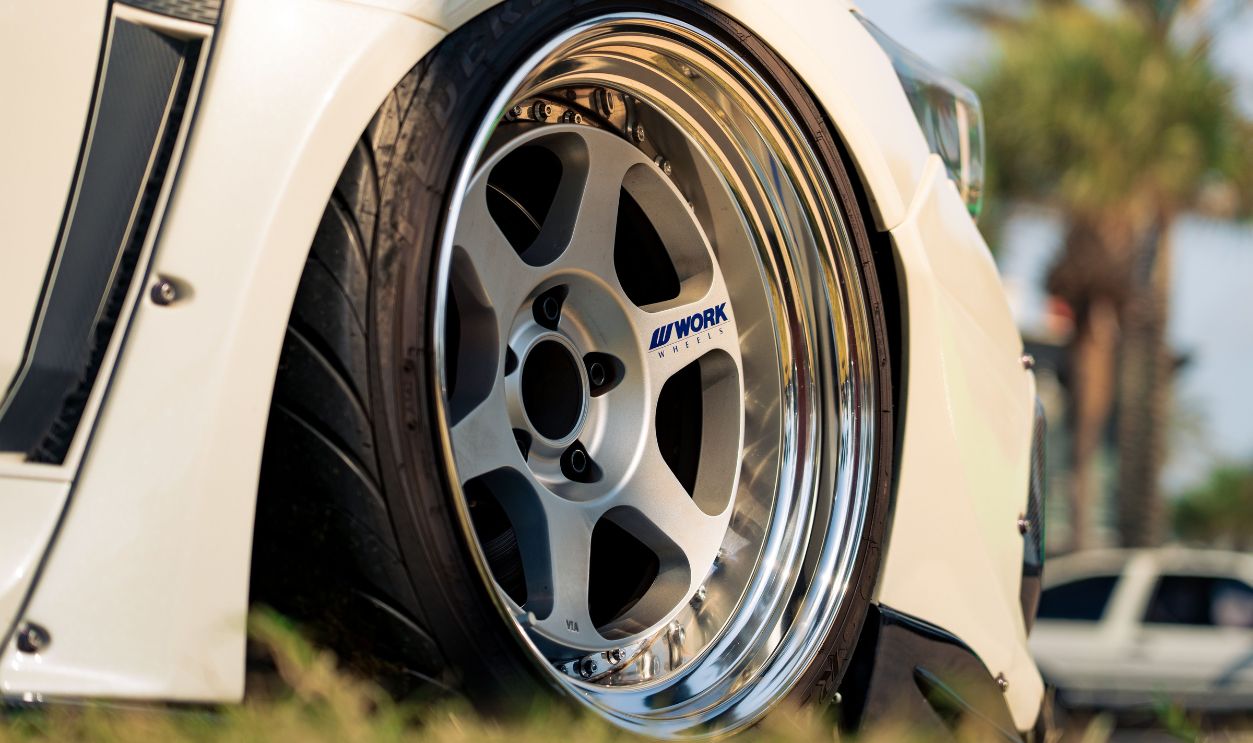
Buy Parts For The Exact Car
Fitment matters. A part that works beautifully on one model year, engine, or trim level may cause problems on another. Good manufacturers provide detailed application information. If the product description basically says “fits almost anything,” that should inspire caution rather than confidence.
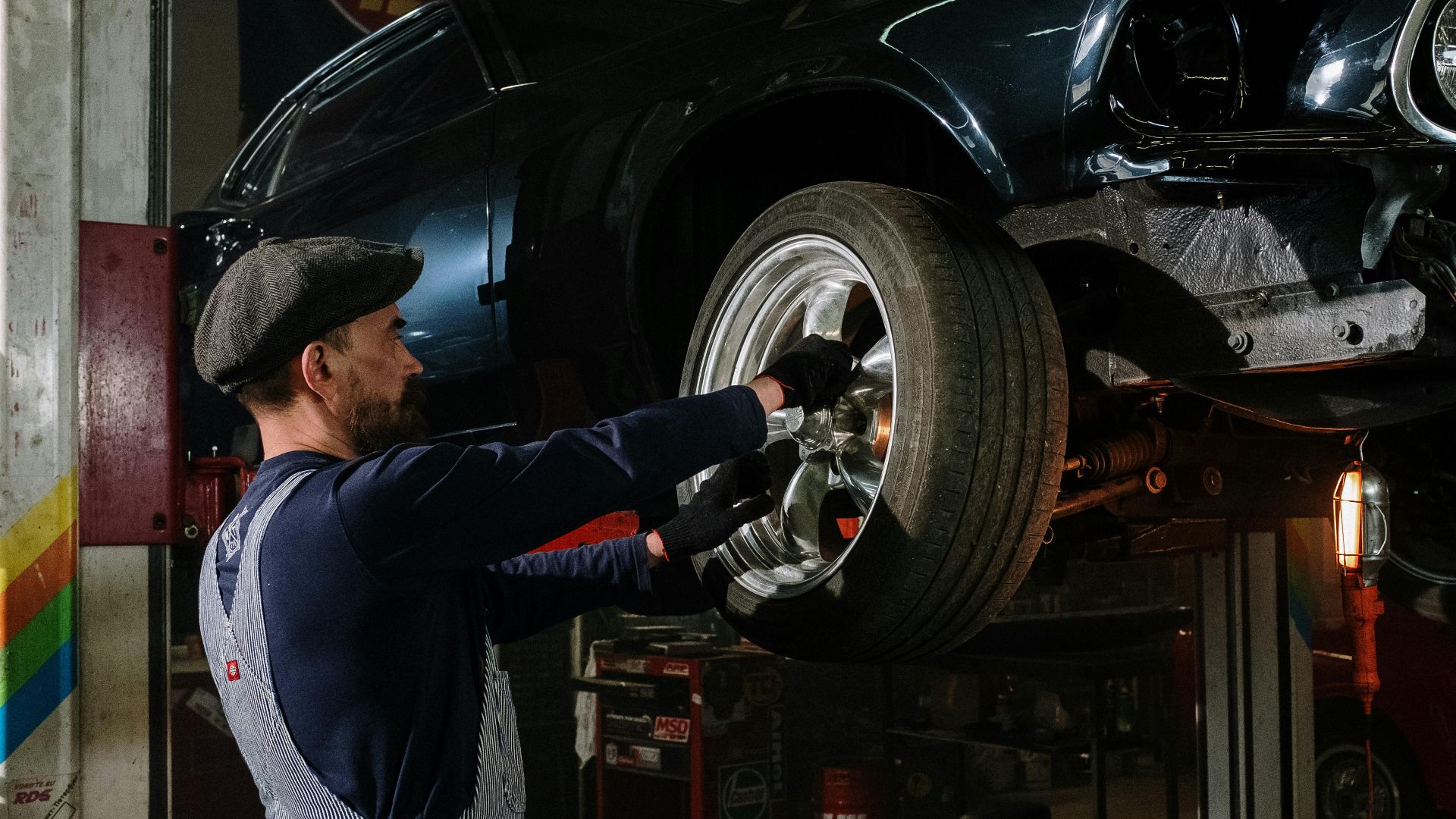
Keep Every Factory Part
One of the smartest habits in car modification is surprisingly simple: don't throw the original parts away. Keep the stock exhaust, intake, suspension pieces, and other removable components whenever possible. Returning the vehicle to factory specification can solve inspection problems and make the car easier to sell later.
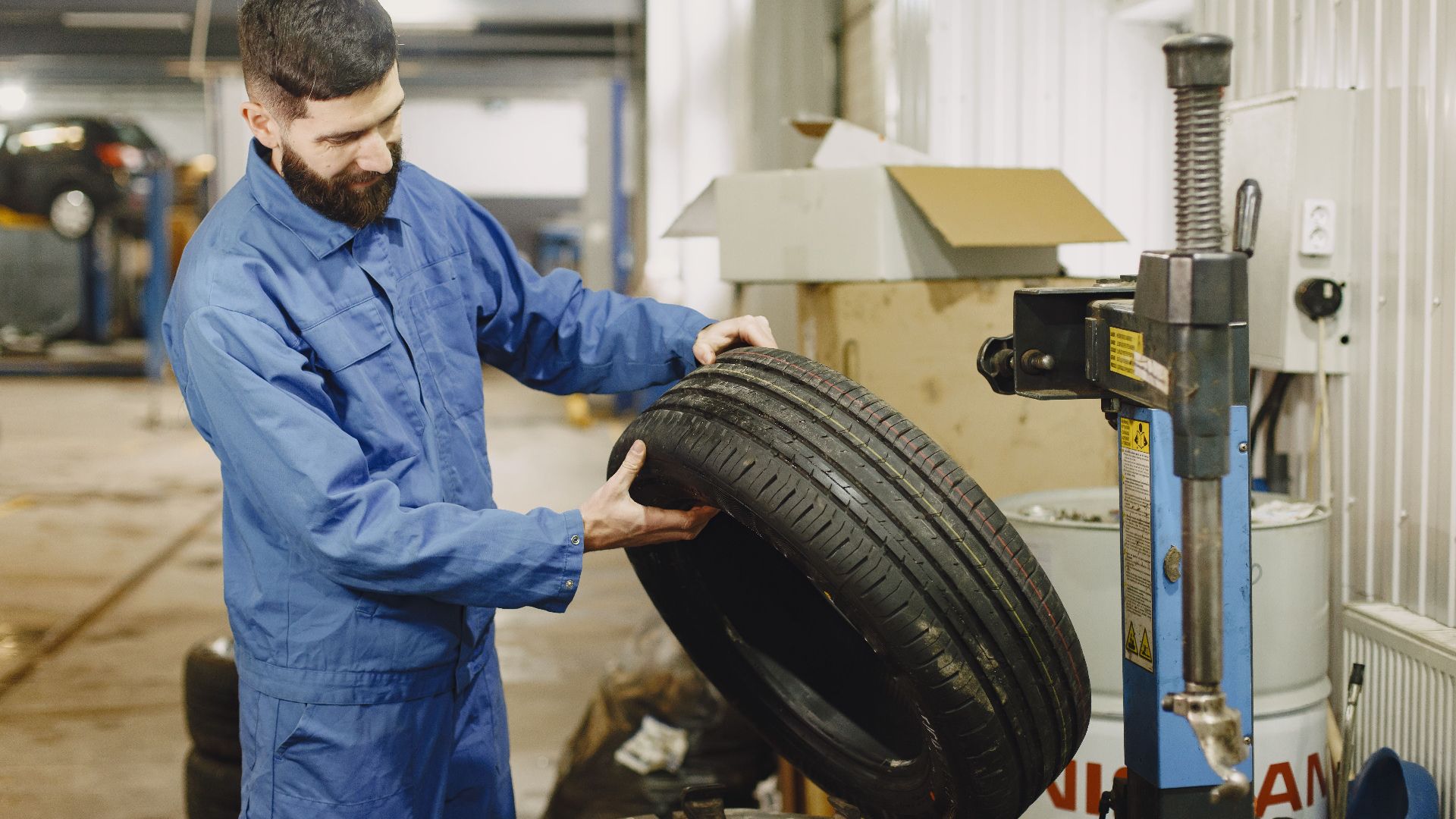
Save The Receipts And Documentation
Keep receipts, installation records, part numbers, instruction sheets, and any compliance documentation supplied by the manufacturer. That paperwork can be useful during inspections, warranty discussions, or resale. A folder full of records looks much better than telling someone, “My buddy said this exhaust was legal.”

Let A Reputable Shop Inspect It
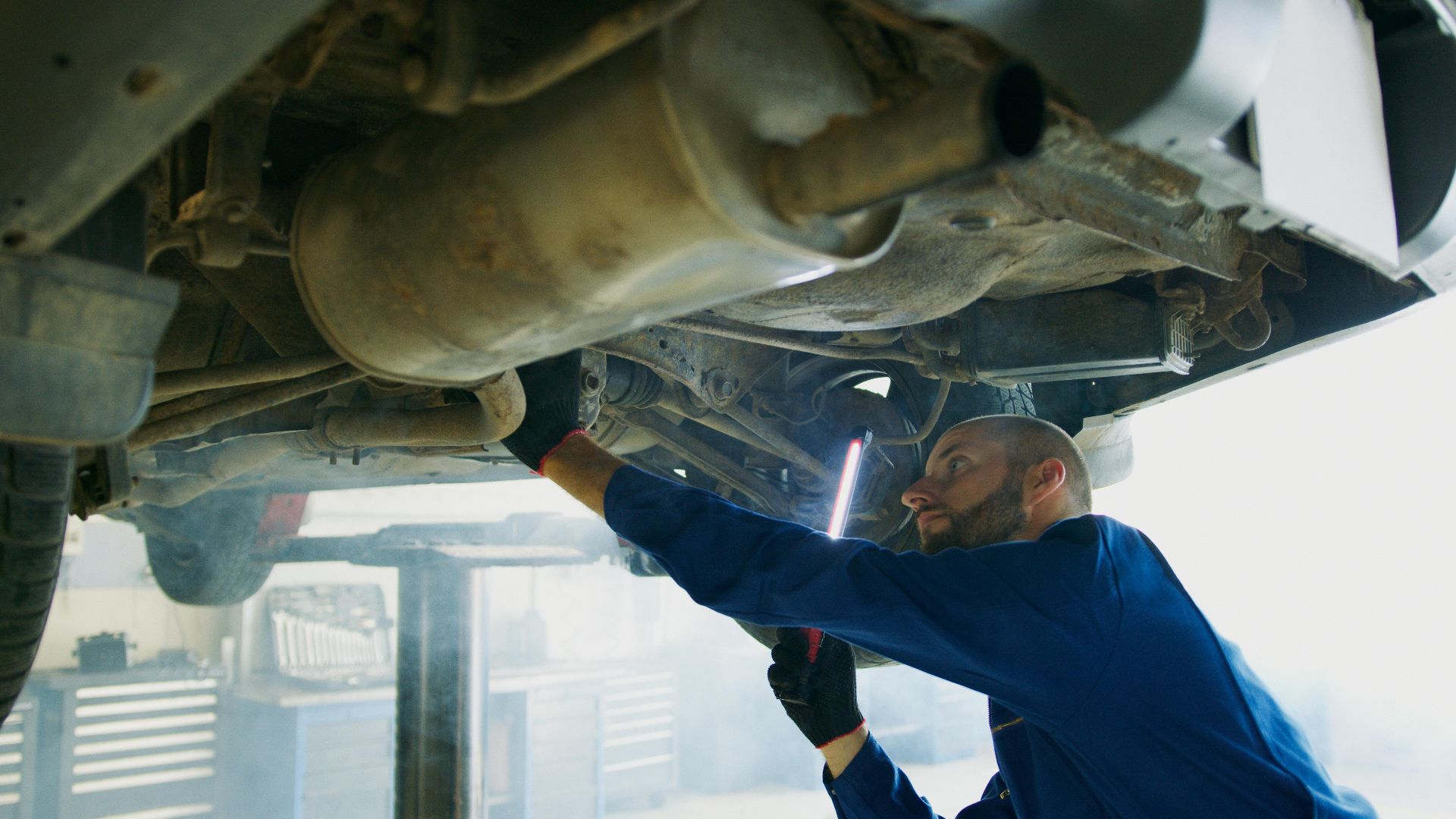
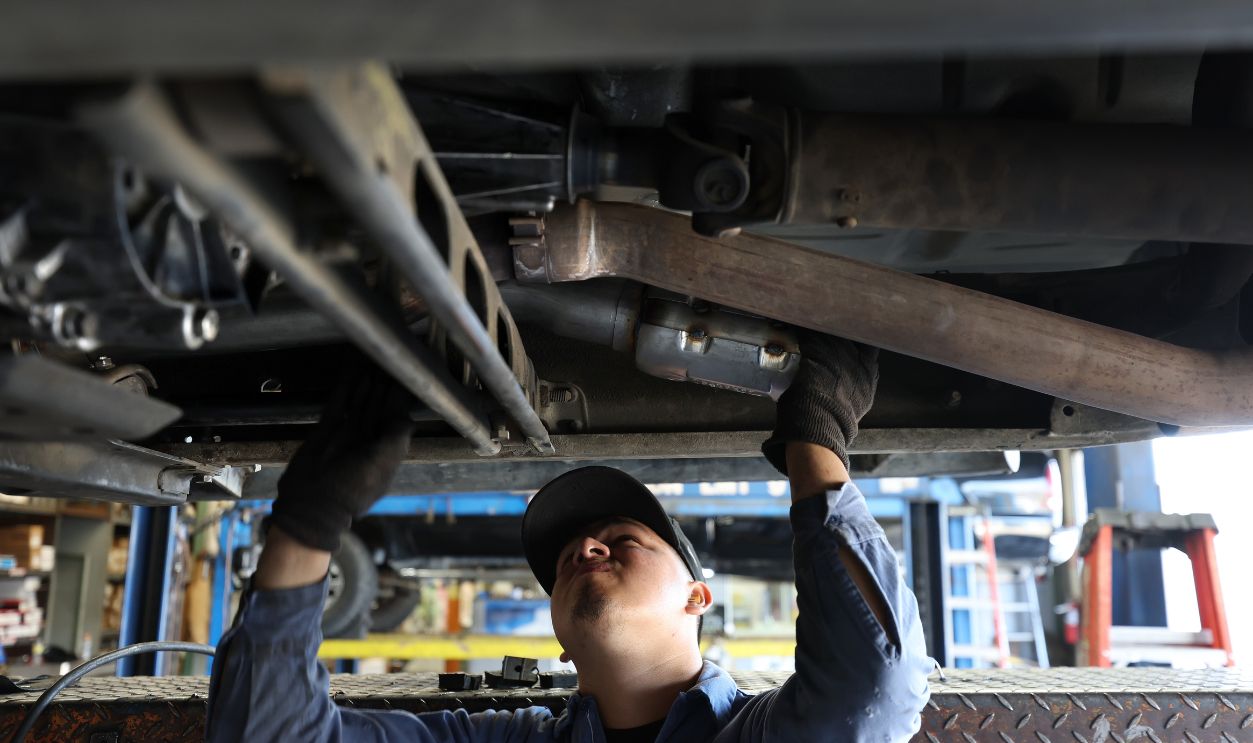
Since your son's car has already attracted police attention and may fail inspection, this is a good time for a professional opinion. Ask a reputable exhaust or repair shop to check the system, identify exactly what was changed, and determine what needs to happen before inspection.
Fix The Current Problem Before Modifying More
The worst response would be adding another part and hoping everything somehow sorts itself out. First determine why the existing system may fail inspection. It might need a quieter muffler, a missing component restored, a leak repaired, or the factory exhaust put back on entirely.
Set A Better Rule For Future Mods
Future modifications should pass three questions before anyone reaches for a credit card: Is it legal where the car is registered? Will it pass the required inspection? Can the owner comfortably afford to reverse it? If the answer to any of those is unclear, investigate before buying.

Aftermarket Parts Can Be Worth The Risk
Aftermarket parts aren't inherently bad, and modifying cars is part of what makes automotive enthusiasm fun. But the best modifications improve the car without making ownership miserable. If a part repeatedly attracts tickets, threatens inspections, or requires expensive fixes, the coolest upgrade may be putting something quieter back on.

You May Also Like: