That Number On The Sticker Looked Pretty Convincing
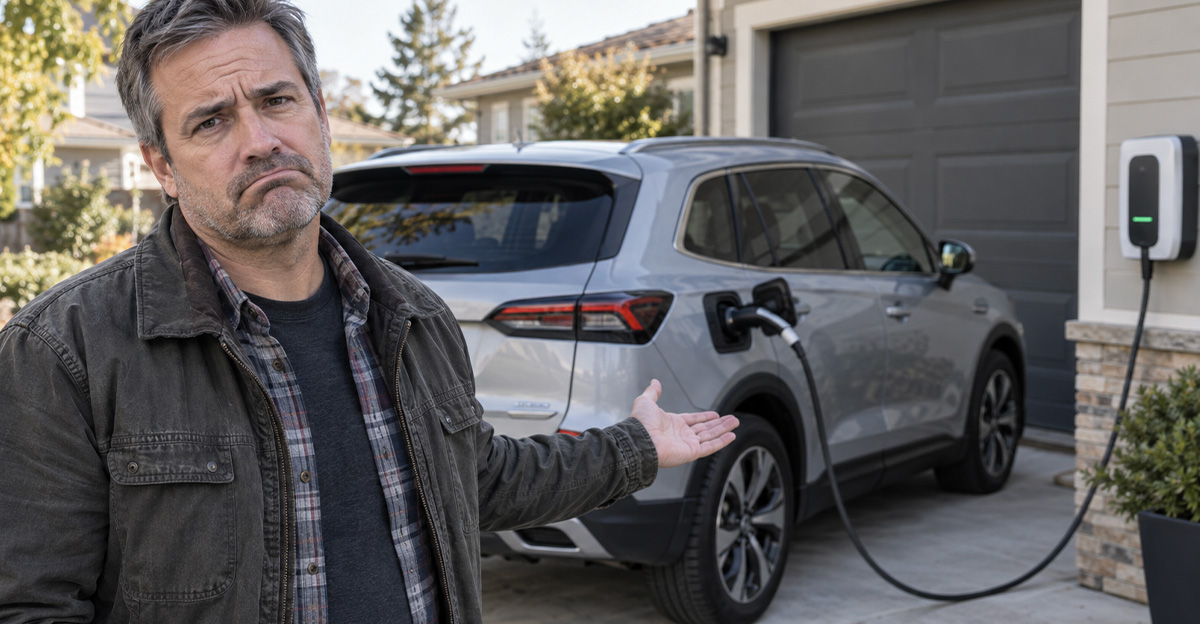
You bought a plug-in hybrid because the math seemed wonderfully simple. Charge it overnight, handle most daily errands on electricity, and let the gasoline engine handle longer trips. Then reality arrived. Your supposedly 40-mile electric range disappears after 30 miles. Was the sticker stretching the truth, or is something wrong?
The Sticker Is An Estimate, Not A Guarantee
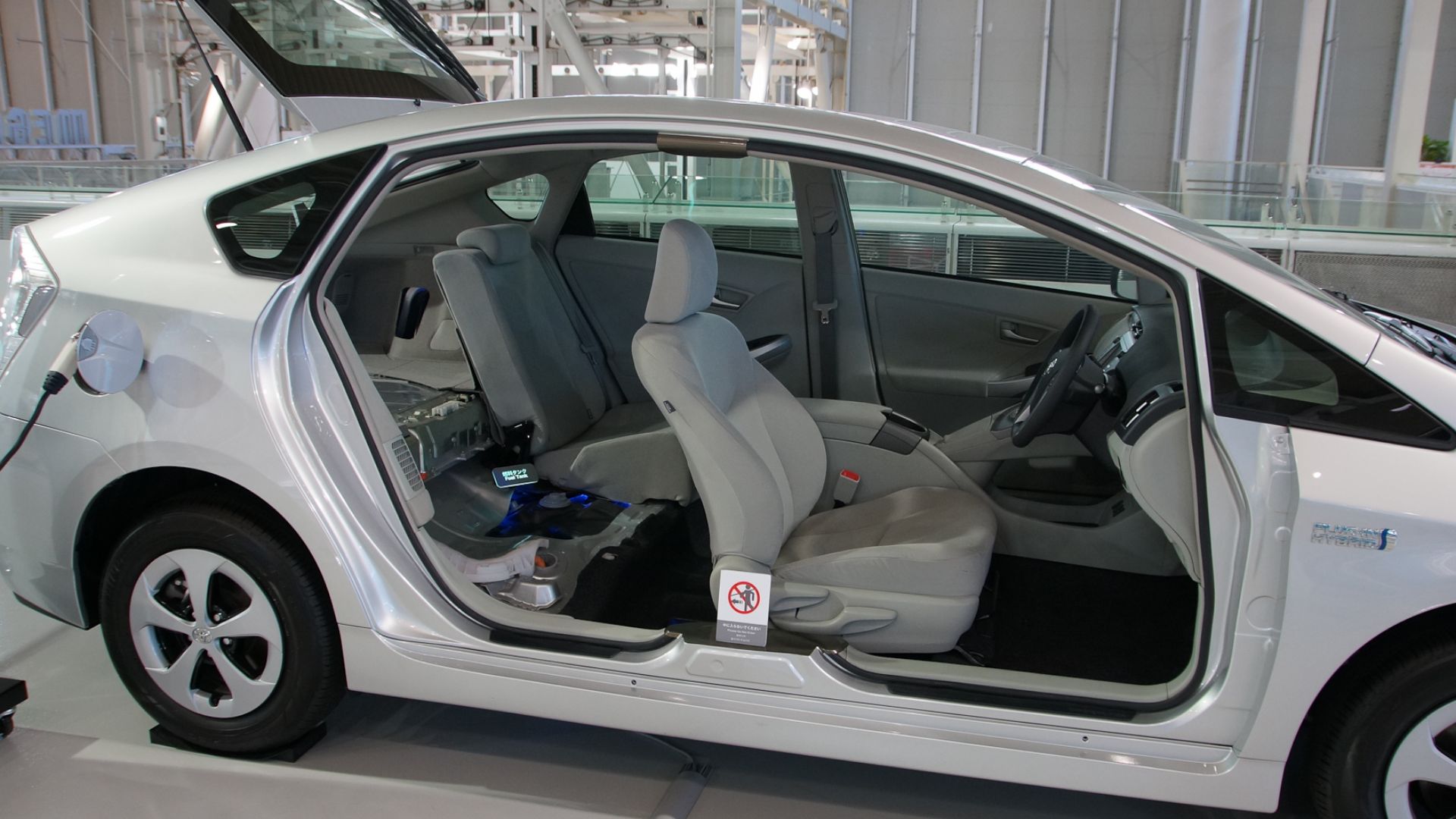
That electric-range figure is not a promise that your PHEV will travel exactly that distance every morning. The EPA describes the range as the approximate distance a fully charged vehicle can travel under combined city and highway conditions. Like traditional MPG ratings, it is primarily a standardized comparison tool.
Think Of It Like The Old MPG Number
Baby Boomers have seen this movie before. A sedan advertised at 28 MPG did not magically produce 28 MPG while towing a trailer uphill with the air conditioner blasting. Electric range works much the same way. Laboratory testing provides a consistent benchmark, while your driveway introduces the messy realities of actual driving.
EPA Testing Is More Sophisticated Than You Might Think
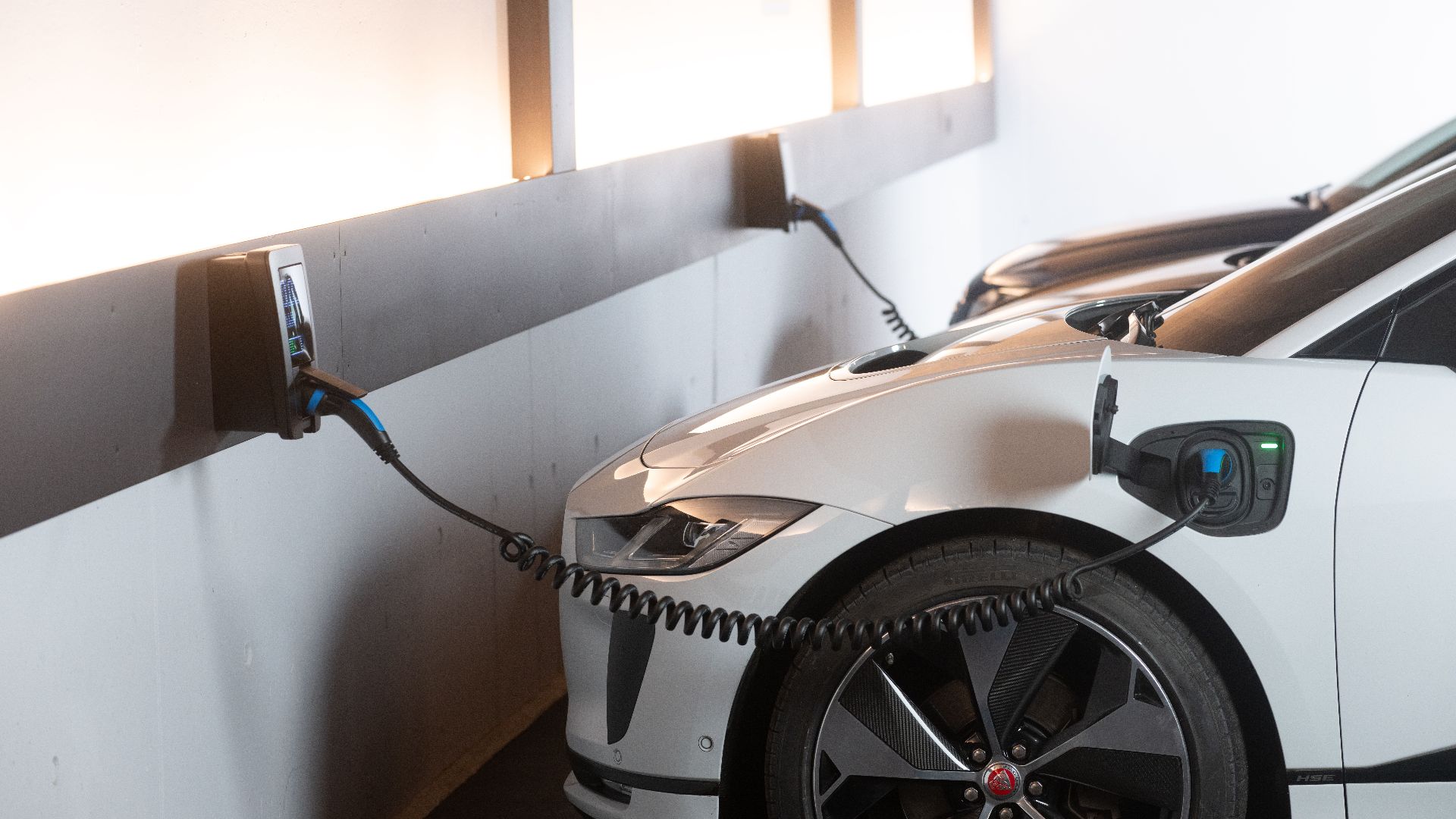
These ratings are not created by driving slowly around a parking lot until the battery quits. EPA fuel-economy procedures account for city driving, highway speeds, cold weather, air-conditioning use, faster acceleration, and higher-speed operation. The goal is repeatable testing that allows shoppers to compare vehicles fairly.

Real Life Refuses To Be Repeatable
Unfortunately, your commute never received the EPA testing manual. Traffic changes. Temperatures change. You take different roads. Someone borrows the car and drives like they're auditioning for NASCAR. All those variables affect energy consumption, meaning two owners of identical PHEVs can routinely see noticeably different electric ranges.

Cold Weather Can Be Brutal
Winter is one of the biggest reasons owners suddenly think their battery has gone bad. Batteries generally deliver less usable performance when cold, while the vehicle must also spend energy heating the cabin and sometimes conditioning the battery itself. That combination can noticeably shorten electric driving distance during freezing weather.

Cabin Heat Is Not Free
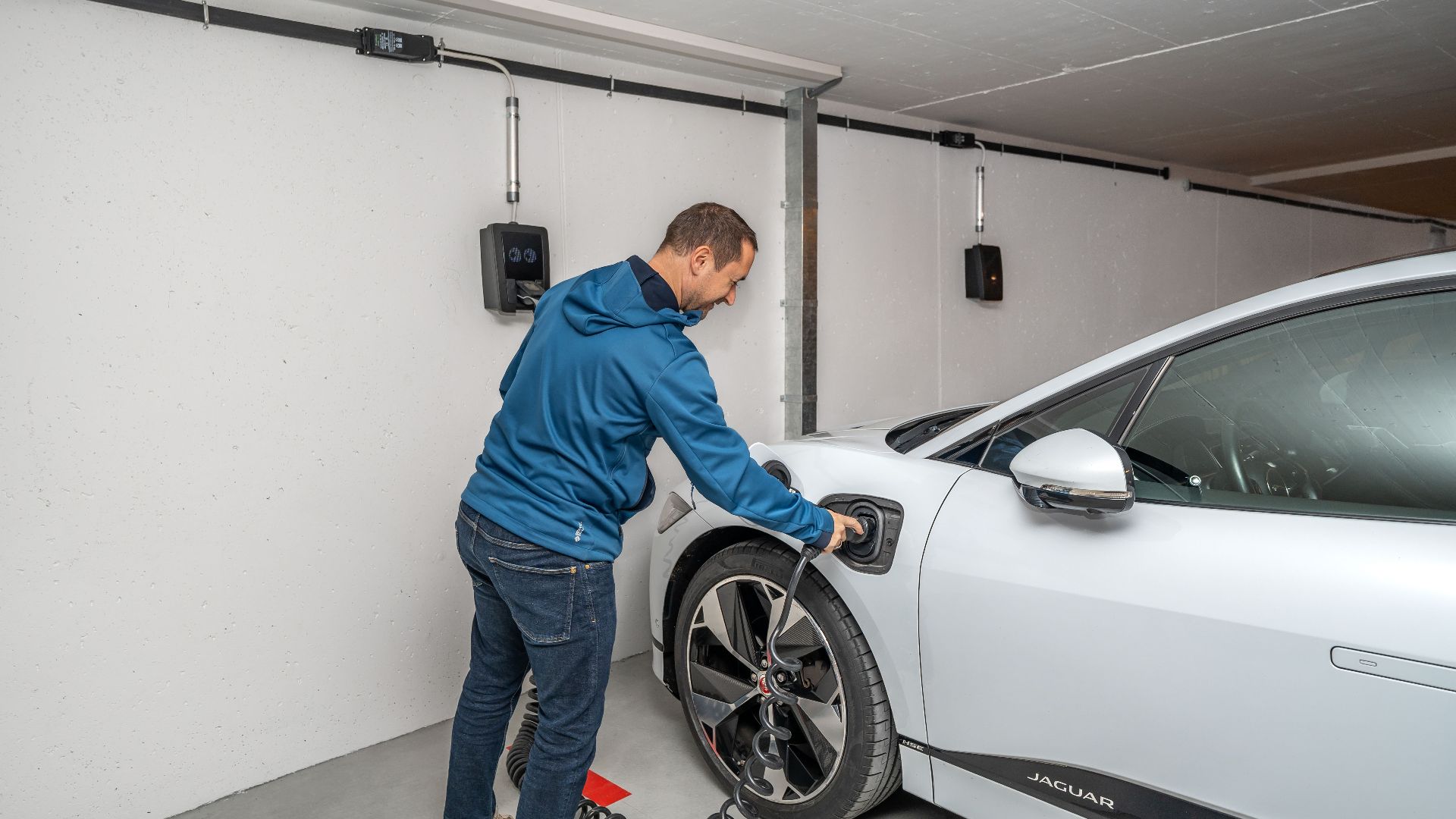
In an old gasoline car, cabin heat largely came from waste heat produced by the engine. In electric driving, warming the cabin requires energy that could otherwise move the car. Cranking the heat on a bitter morning therefore places another demand on the battery and may reduce the distance available.
Summer Has Its Own Range Thief
Hot weather is usually less punishing than deep winter, but air conditioning still consumes electricity. EPA itself notes that climate-control use and other accessories can influence real-world efficiency. So that comfortable 70-degree cabin during a sweltering afternoon comes with an energy bill, even if you never visit a gas pump.
Highway Driving Can Surprise New PHEV Owners
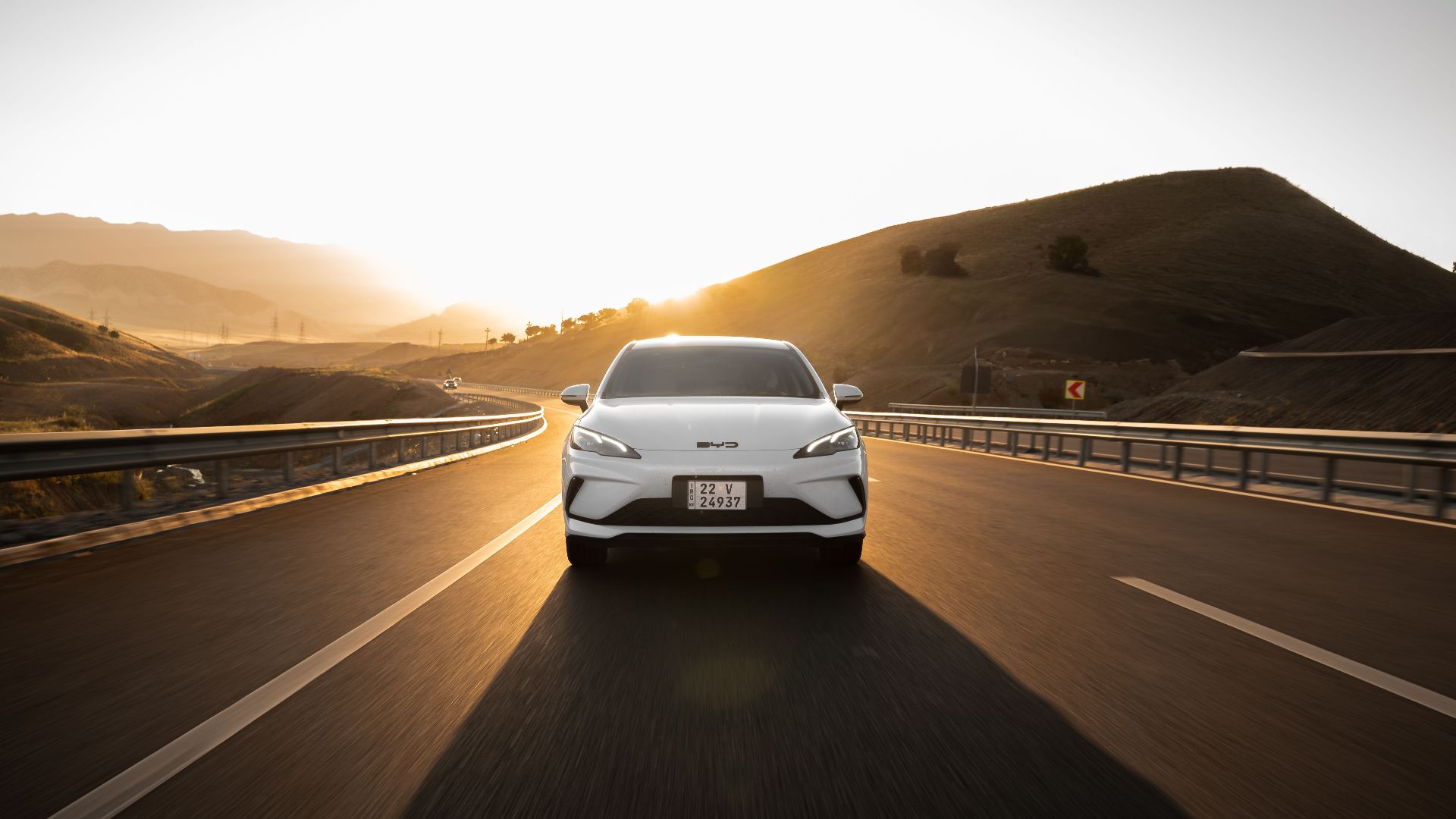
Electric motors are wonderfully efficient around town, particularly because regenerative braking can recover some energy during slowing. Sustained highway speeds require considerable power to overcome aerodynamic drag. If most of your commute happens at 70 mph rather than 35 mph, your electric range may disappear substantially faster than expected.
Speed Matters More Than Many Drivers Realize
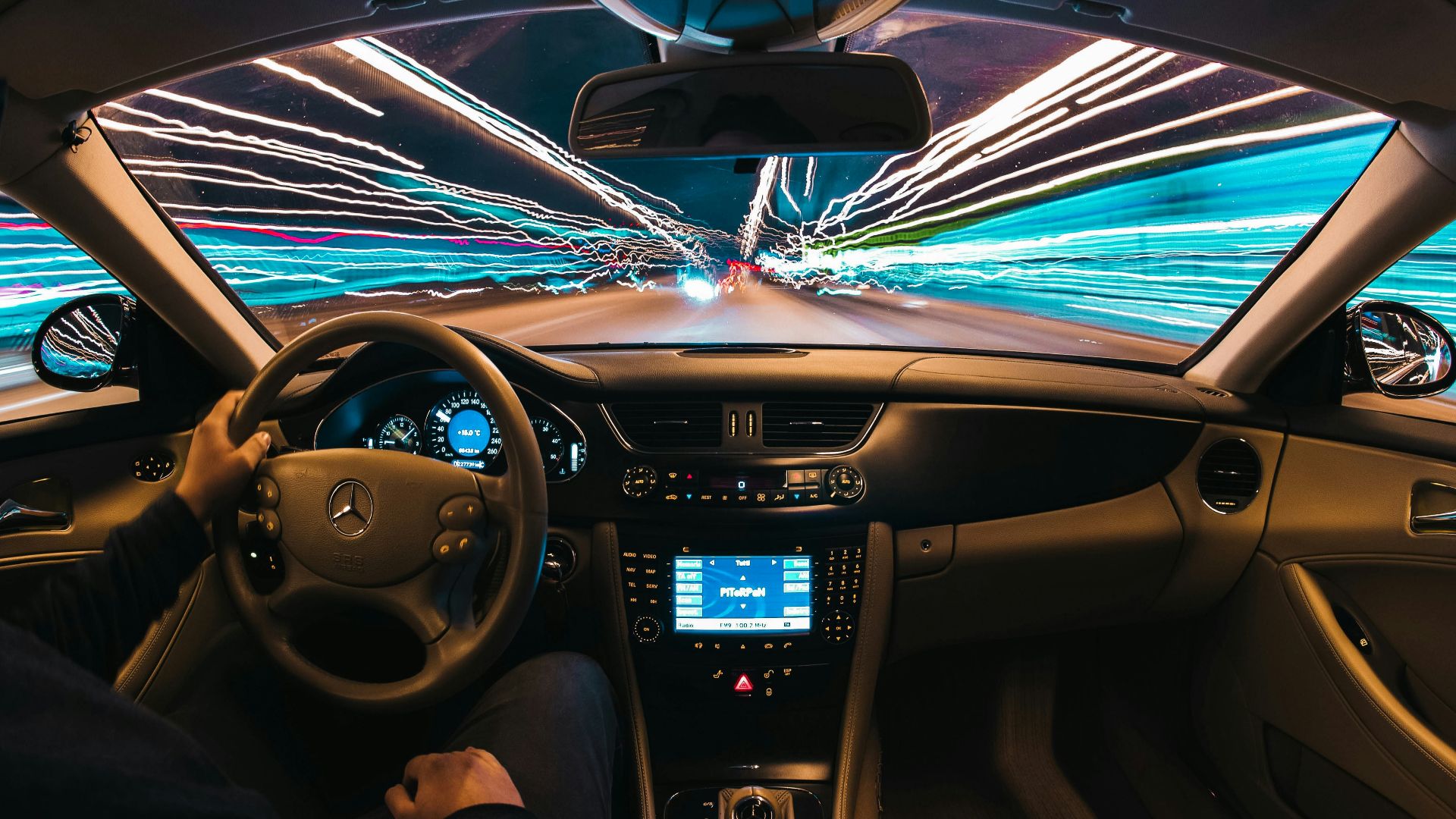
Aerodynamic resistance rises quickly as speed increases. That means moving from a relaxed highway cruise to the left-lane grand prix can demand noticeably more energy. The difference may not have felt dramatic in your old Buick because gasoline hid the penalty inside a large tank. A smaller PHEV battery makes it obvious.
 Samuele Errico Piccarini, Unsplash
Acceleration Also Has A Price
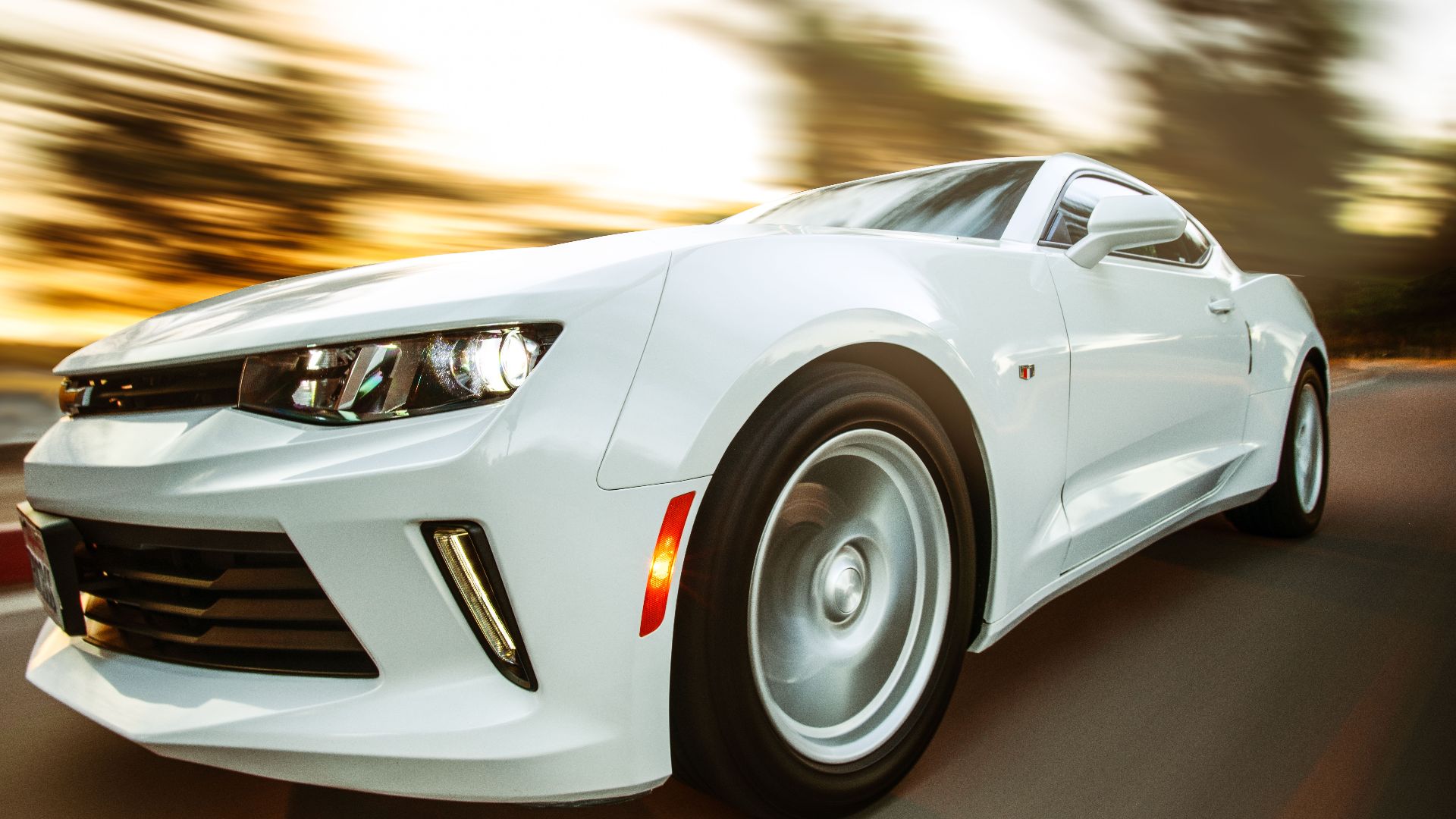
Nobody expects you to drive like there's a bowl of soup balanced on the dashboard. Still, repeated hard acceleration consumes energy quickly. Smooth starts and sensible anticipation of traffic can stretch electric range. The goal is not painfully slow driving. It is simply avoiding unnecessary bursts of power whenever possible.
Hills Can Empty The Battery Quickly
If your morning commute resembles a roller coaster, compare your experience carefully with someone driving across Kansas. Climbing requires substantial energy, and although regenerative braking can recover some of it on the descent, you never get everything back. A hilly route can therefore make the dashboard range estimate look unusually pessimistic.

Your Dashboard Number Is Also Guessing
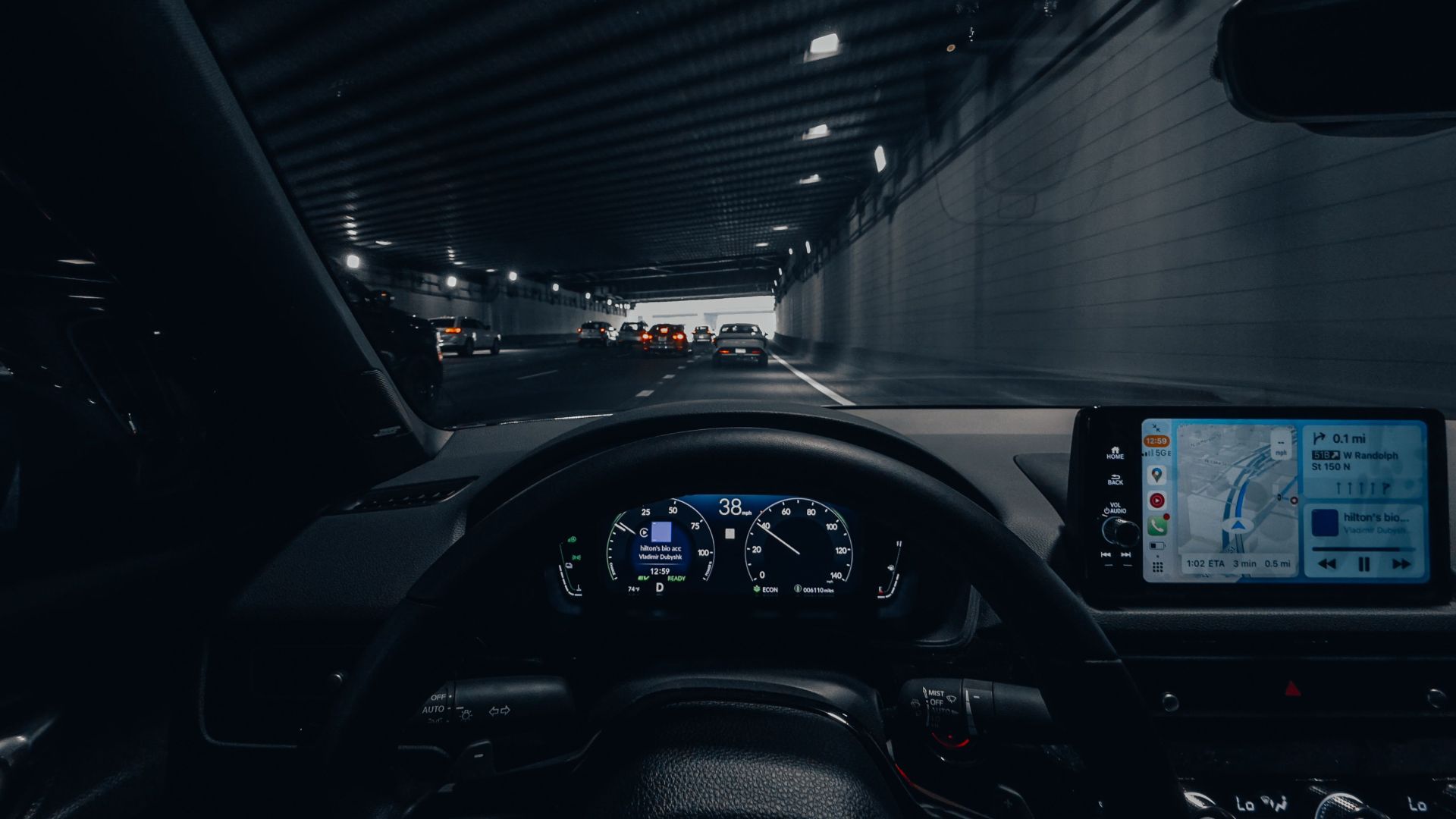
The remaining-range display is not a crystal ball. It generally estimates future consumption using recent driving behavior, environmental conditions, and vehicle data. Drive aggressively one day and the predicted range may shrink. Drive gently afterward and it may climb again, even though the physical battery has not suddenly changed size.
A Full Battery May Not Mean What You Think
When the dashboard says 100 percent, manufacturers usually are not letting drivers access every last bit of the battery's physical capacity. Battery-management systems normally maintain protective buffers at the upper and lower ends. That helps preserve durability and keeps the hybrid system operating properly rather than completely exhausting the battery pack.
Some PHEVs Are More “Hybrid” Than Others
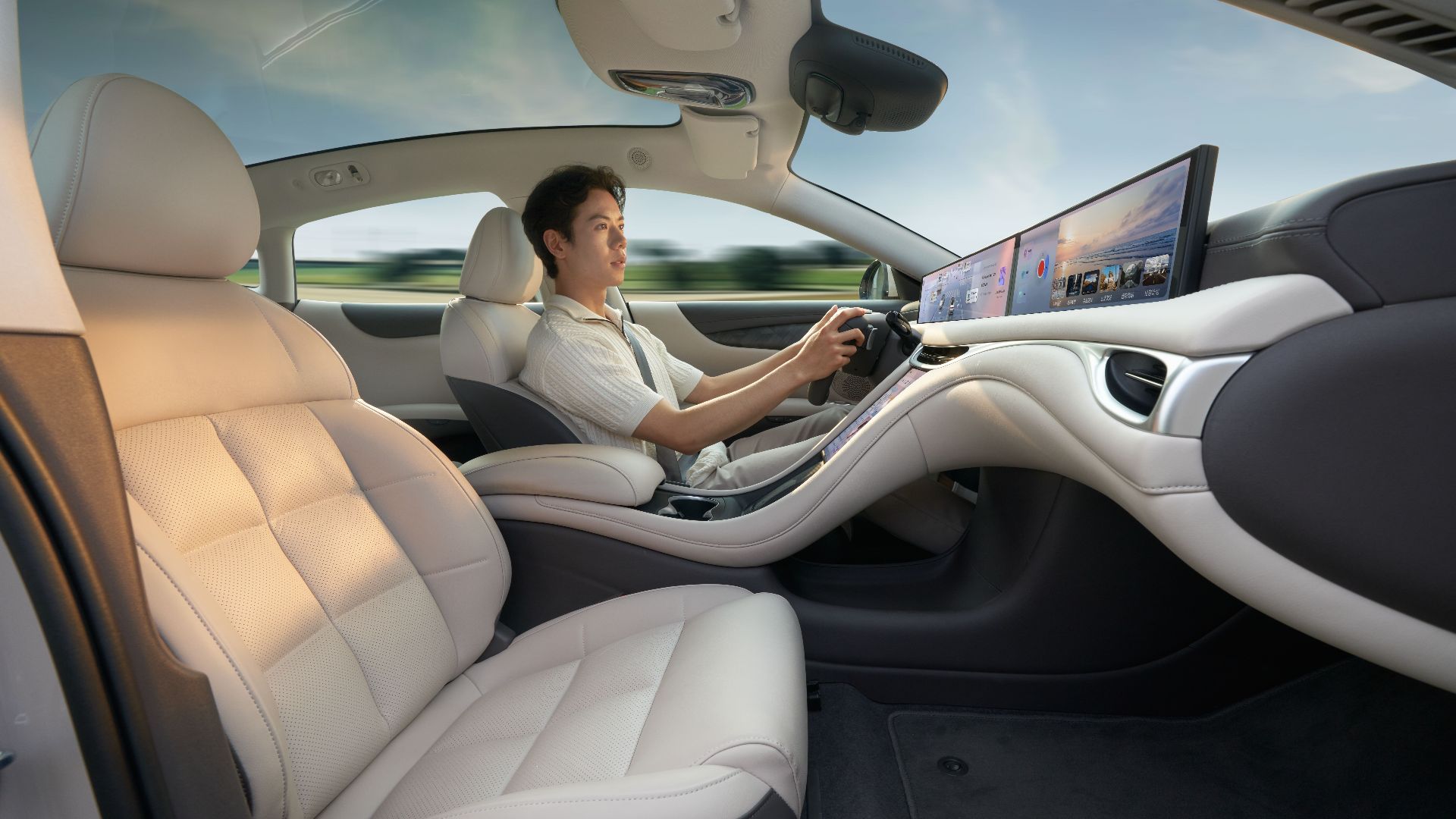
Here is another wrinkle. Not every plug-in hybrid behaves exactly the same way. Some can remain electric through most normal driving. Others may start the gasoline engine during hard acceleration, extreme temperatures, windshield defrosting, or other conditions. So “fully charged” does not necessarily mean the engine will remain silent until zero electric miles.

Read The Sticker Carefully
PHEV labels can show several different numbers, including MPGe, gasoline MPG, electric range, and total driving range. Those figures are easy to confuse on a busy dealership lot. MPGe measures energy efficiency rather than literal miles traveled on electricity. The electric driving-range figure is the number most directly relevant to your question.

MPGe Is Particularly Easy To Misread
MPGe sounds suspiciously like regular MPG, but it is not telling you how far the battery will carry you. It compares electricity consumption with the energy contained in a gallon of gasoline. EPA uses it so consumers can compare the efficiency of vehicles powered by different energy sources.

Tires Can Quietly Steal Miles
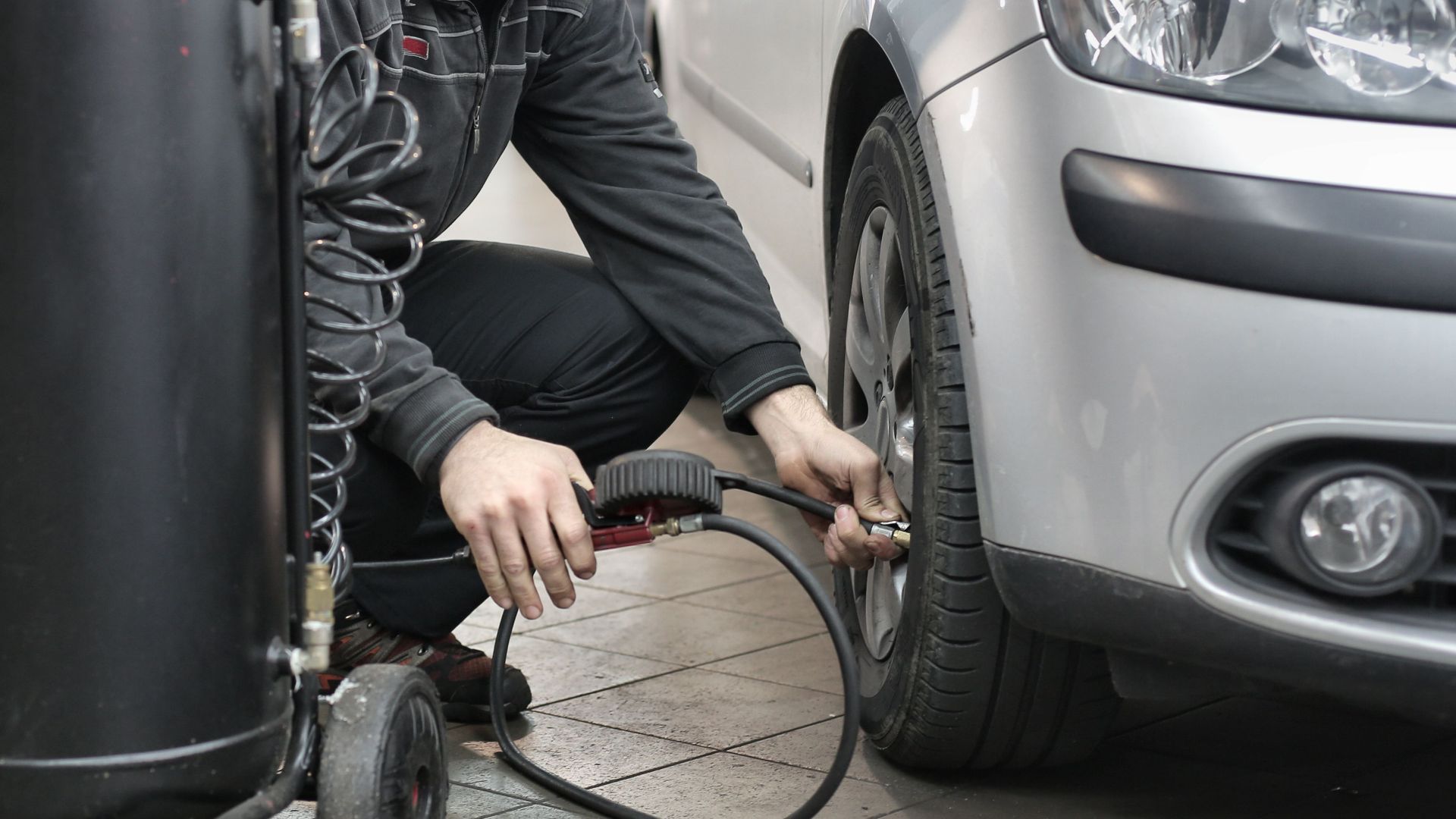
Low tire pressure increases rolling resistance, forcing the vehicle to work harder. Incorrect replacement tires can also affect efficiency, particularly if they have greater rolling resistance than the originals. Keeping the factory-recommended pressures is therefore one of the simplest ways to prevent unnecessary range loss without changing how you drive.
Extra Weight Does Not Help Either
Golf clubs, tools, luggage, and assorted treasures that have lived in the trunk since 2019 all have to move every time the car accelerates. A few pounds will not destroy your range, but consistently carrying heavy cargo increases energy use. Roof boxes and racks can hurt efficiency further by adding aerodynamic drag.

Short Trips Can Look Especially Bad
A collection of five-mile winter errands may produce worse electric efficiency than one continuous 25-mile trip. The vehicle repeatedly has to warm the cabin and manage temperatures from a cold start. Owners who mainly make brief trips can therefore experience surprisingly disappointing winter range despite driving relatively few total miles.

Charging Habits Matter Too
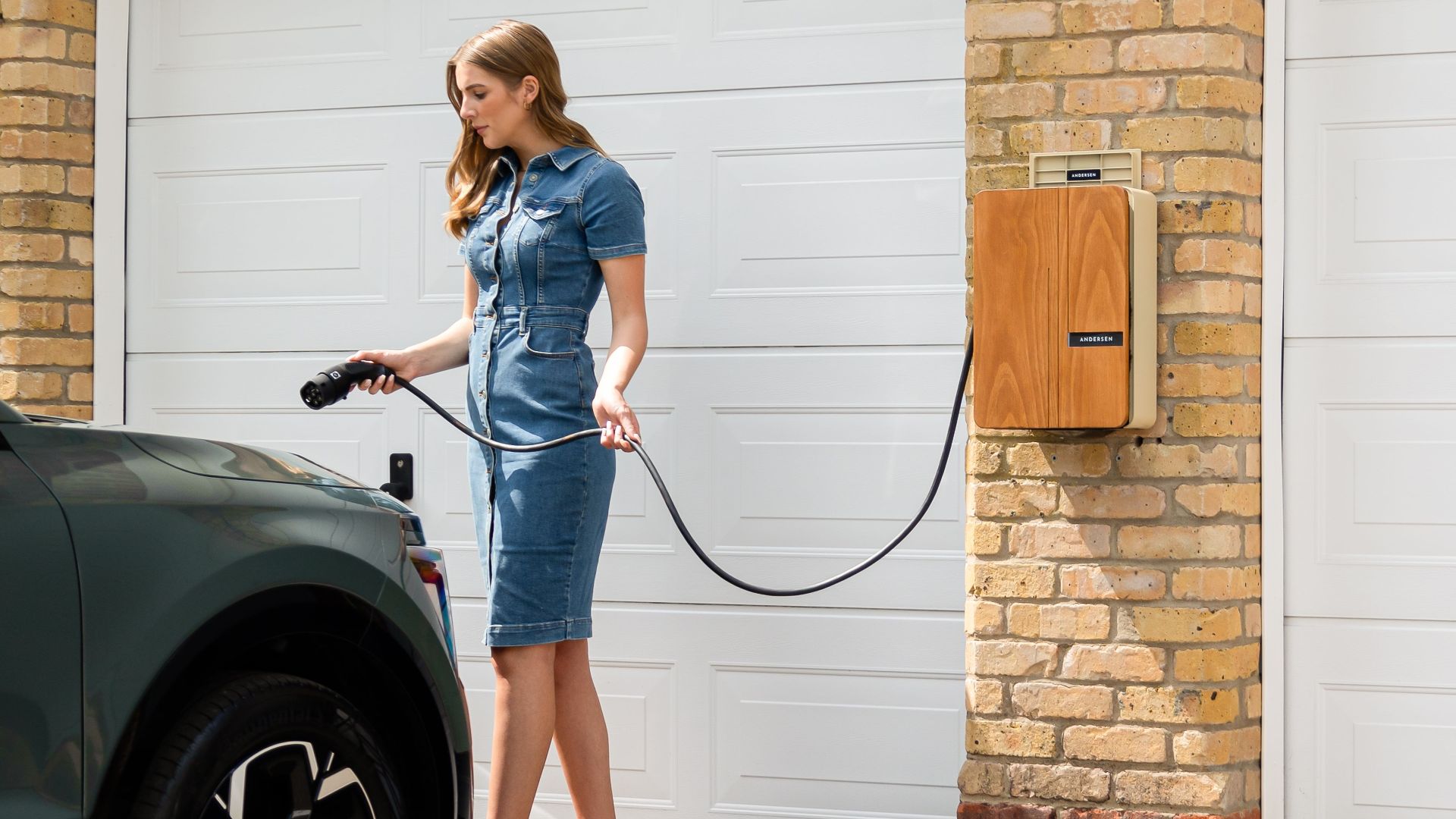
Make sure the car is genuinely reaching its intended charge level. Scheduled charging settings, charging limits, interrupted household power, charger faults, or misunderstood dashboard menus can leave the battery below the level you expected. Before blaming battery degradation, verify that the vehicle actually completes its normal charging session consistently.

Preconditioning Can Be Your Friend
Many plug-in hybrids allow owners to warm or cool the cabin while the vehicle remains connected to external power. When available, this can reduce the amount of stored battery energy required immediately after departure. It is especially useful during winter, when heating a freezing cabin can otherwise consume valuable electric range right away.

Battery Aging Is Real, But Usually Gradual
Lithium-ion batteries do lose usable capacity over time. However, a modest difference between advertised range and everyday range does not automatically mean your battery is failing. Temperature, speed, accessory use, terrain, and driving style should be examined first, particularly if the vehicle still performs consistently from one comparable day to another.
 Alexander-93, Wikimedia Commons
Compare Apples With Apples
Instead of obsessing over one disappointing trip, conduct your own simple test. Start with a full charge, note the temperature, use a familiar route, and drive normally. Repeat the test several times under similar conditions. Consistent results will tell you far more about your PHEV than one dashboard prediction after an unusual journey.
 Alexander Migl, Wikimedia Commons
When The Shortfall Deserves Attention
A sudden, substantial drop is different from routinely missing the sticker estimate by a modest amount. If your car once delivered roughly 35 electric miles under familiar conditions and now struggles to manage 20, something may deserve inspection. Warning lights, charging problems, or abrupt changes make professional diagnosis even more appropriate.

Check Your Warranty Before Panicking
PHEV batteries and high-voltage components commonly carry separate warranty coverage from the rest of the vehicle, although terms vary considerably by manufacturer, model year, mileage, and location. If you suspect abnormal degradation, read the warranty booklet rather than relying on dealership folklore. Documentation can matter if a capacity concern develops.

So Did The Manufacturer Oversell It?
Probably not simply because you fail to hit the advertised number every day. The EPA itself says vehicle range varies with driving style, maintenance, weather, road conditions, accessories, and vehicle load. The sticker is designed primarily to give consumers a standardized yardstick, not to predict every owner's exact commute.
 Hryshchyshen Serhii, Shutterstock
The Sticker Is A Starting Point, Not A Finish Line
Plug-in hybrids work beautifully when their electric capability matches your routine, but understanding the rating prevents disappointment. Treat the sticker range the way experienced drivers treated MPG numbers for decades: useful for comparison, but never sacred. If your results remain dramatically lower under mild, ordinary conditions, then it is worth investigating.
You May Also Like:
The $3.3 Million Plymouth Is One Of Just Five Ever Made—And They Called It “The White Elephant”