Yes, They Can.
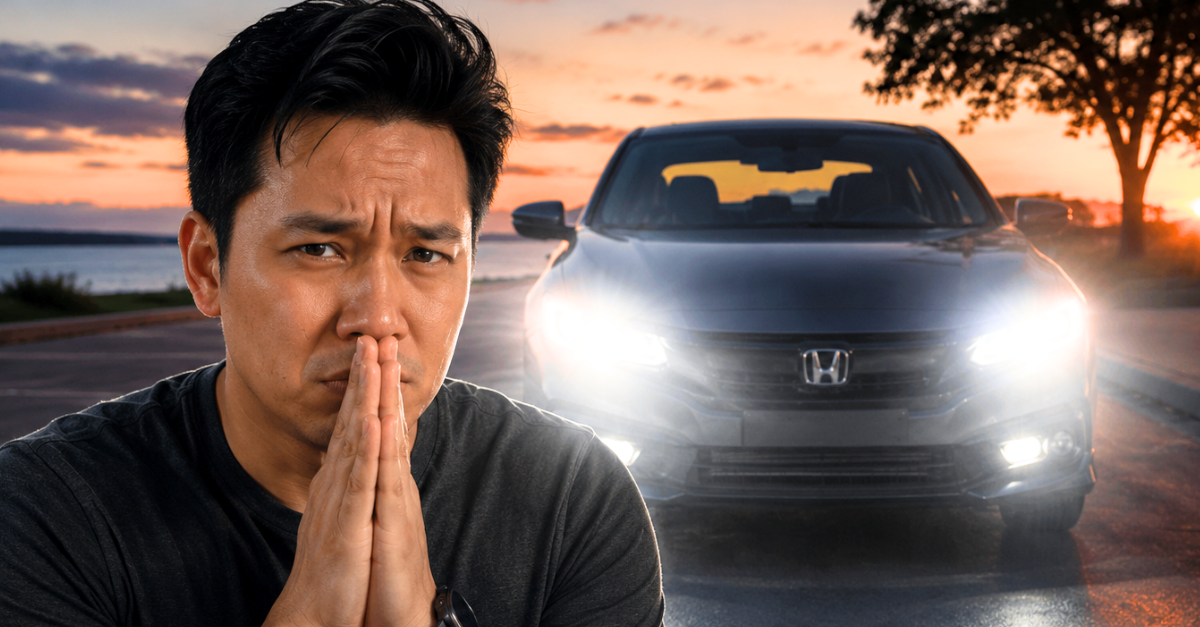
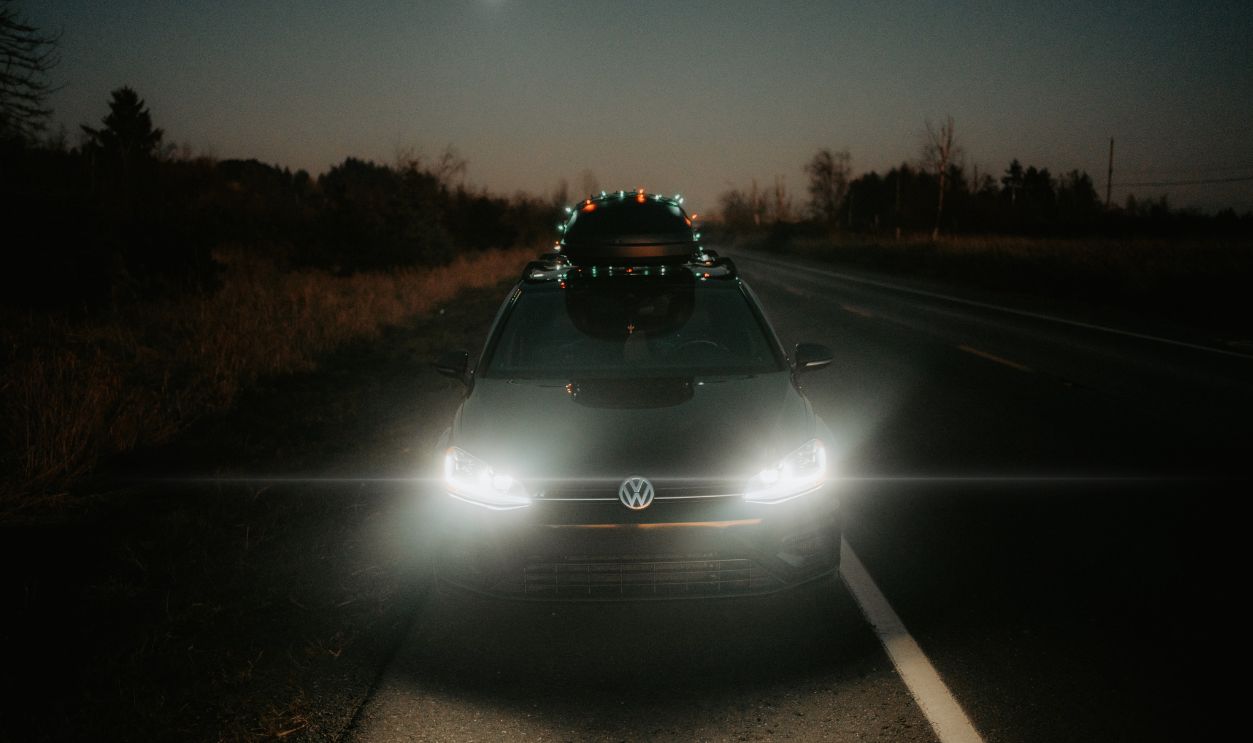
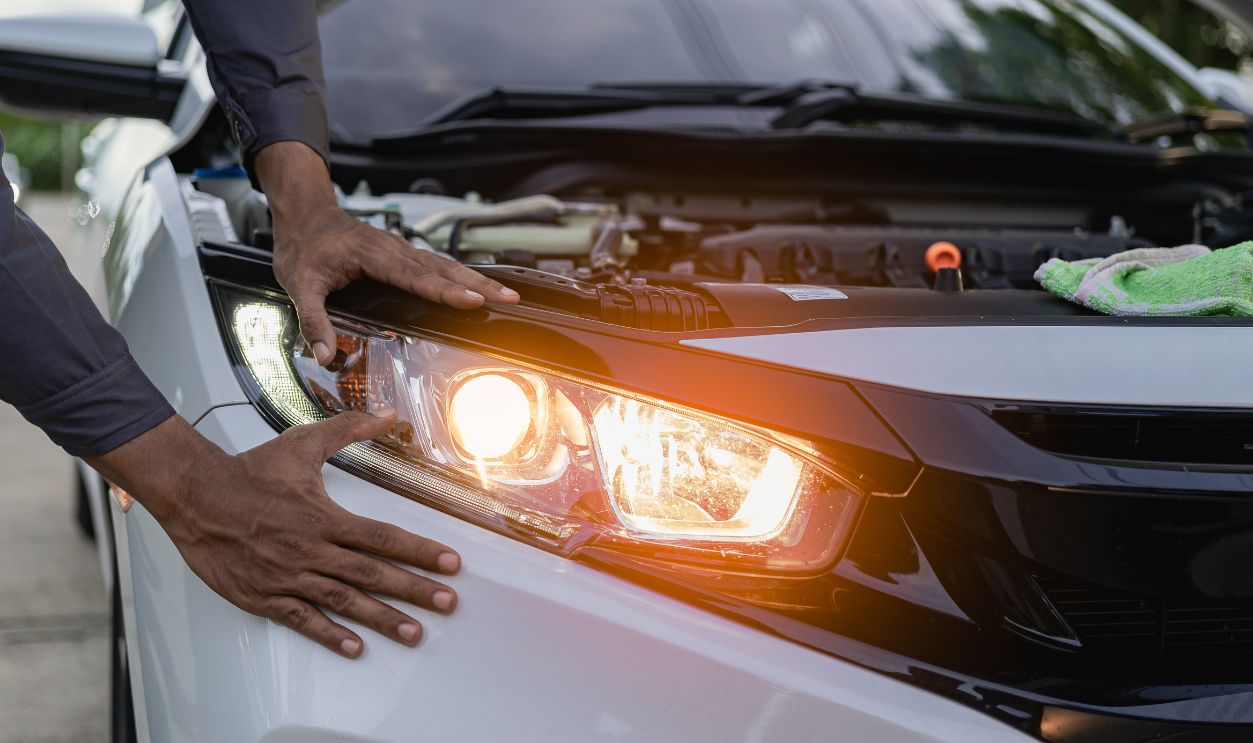
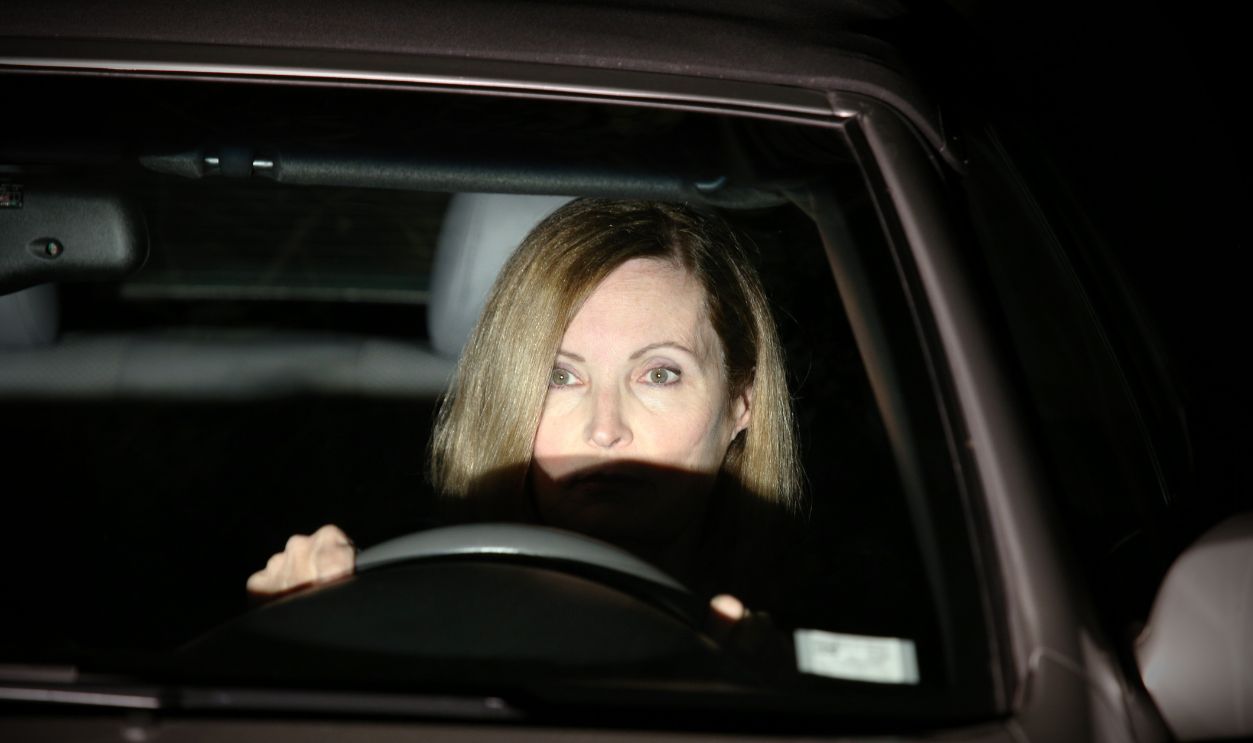
Factory headlights must satisfy federal requirements, but real-world glare also depends on beam aim, mounting height, road geometry, vehicle loading, and the design of the individual headlamp. If strangers repeatedly flash their high beams at you while yours are definitely on low, the pattern is worth investigating.
The Other Drivers May Not Be Imagining It
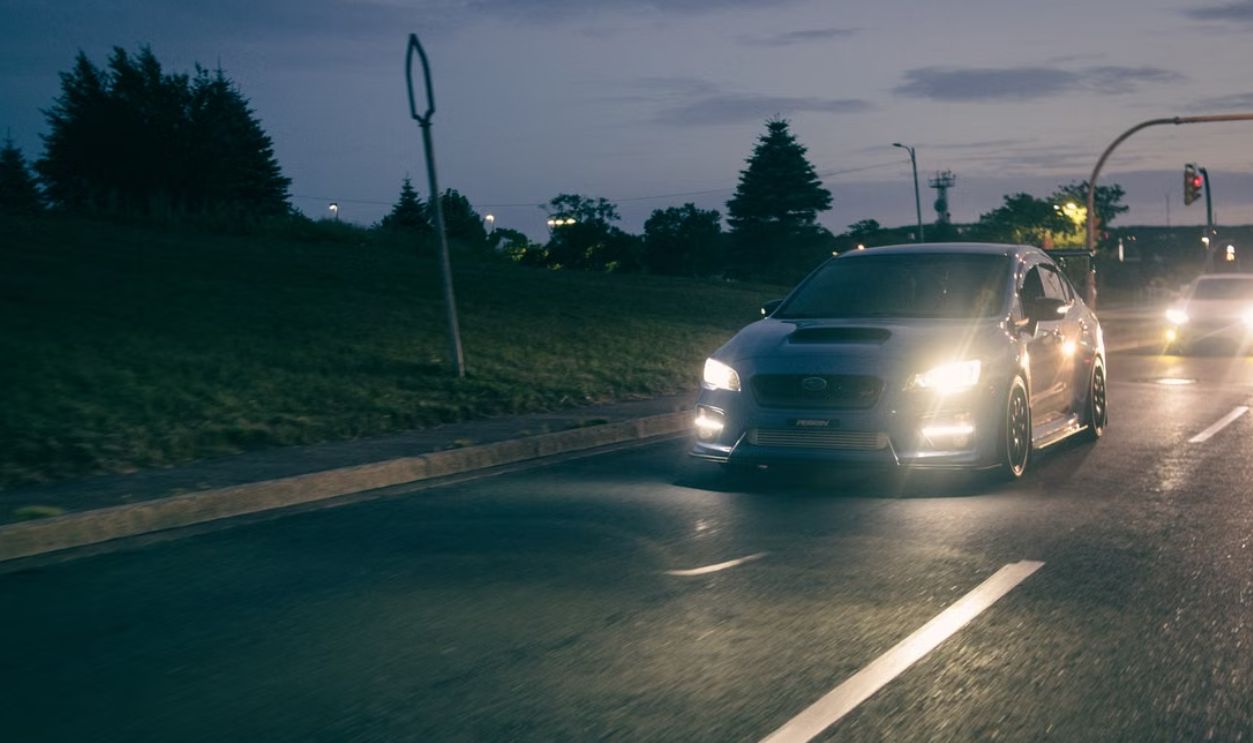
Modern low beams can look extremely intense from an approaching vehicle, especially when they use bright white LEDs. AAA reported in 2026 that six in ten surveyed drivers considered headlight glare a problem after dark. Among people bothered by glare, nearly three-quarters believed it had worsened over the previous decade.
Factory Equipment Can Still Produce Glare
Being original equipment does not guarantee that a headlight will perform perfectly in every independent evaluation. IIHS tests production vehicles exactly as they arrive from dealerships and measures both useful illumination and glare. Some factory systems still exceed the institute's glare limits.
Federal Compliance And Perfect Performance Are Different
Federal Motor Vehicle Safety Standard 108 establishes detailed requirements covering headlamps, beam patterns, aimability, and light output. Manufacturers certify vehicles to those legal requirements before sale. IIHS uses its own real-world-oriented rating protocol, so meeting federal requirements does not automatically produce the best possible IIHS result.
 Anastasija Vujic, Shutterstock
IIHS Still Finds Problem Headlights
For model year 2026 vehicles, IIHS says about 17 percent of the headlight systems it tested received marginal or poor ratings because of inadequate visibility, excessive low-beam glare, or both. That is a meaningful minority of new-vehicle lighting systems. Headlight technology has improved dramatically without becoming universally excellent.
The Good News Is Glare Is Improving
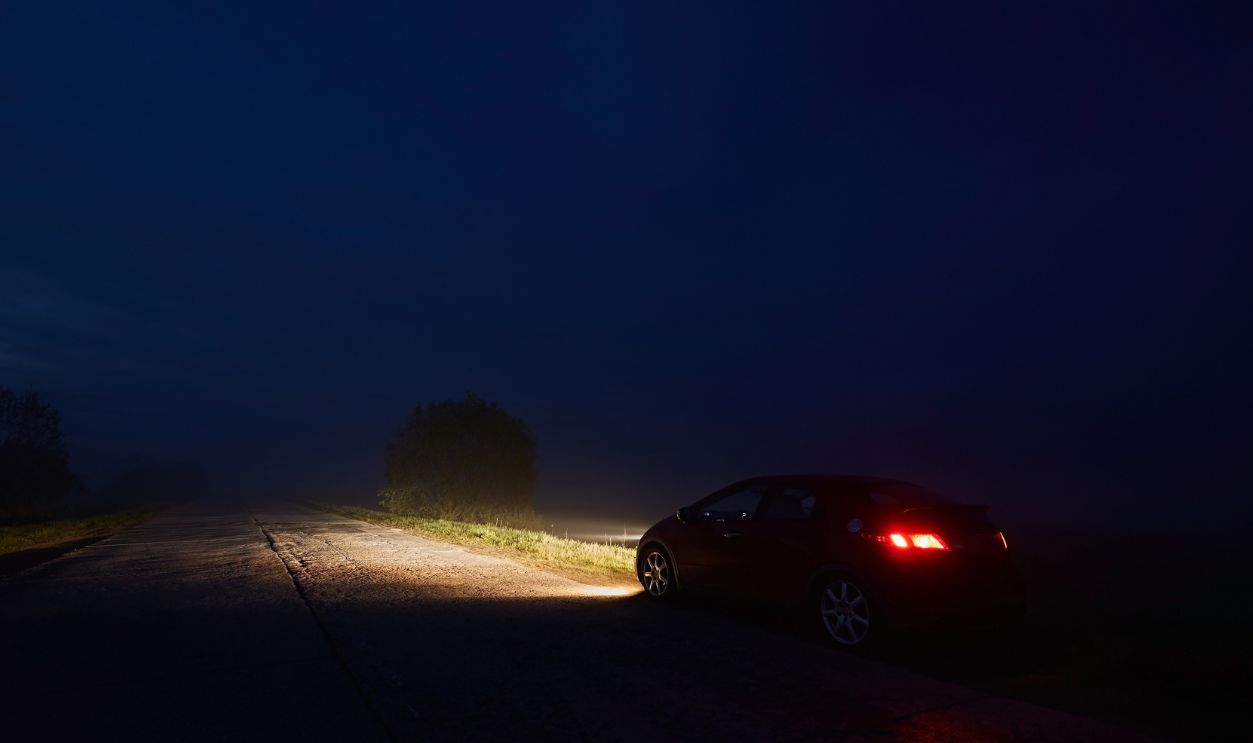
IIHS says only about 5 percent of the model year 2026 headlight systems it tested produced excessive glare. In the 2017 model year, that figure was 21 percent. Automakers have clearly improved, but the remaining percentage shows that a brand-new factory system can still be problematic.
Aim May Matter More Than Raw Brightness
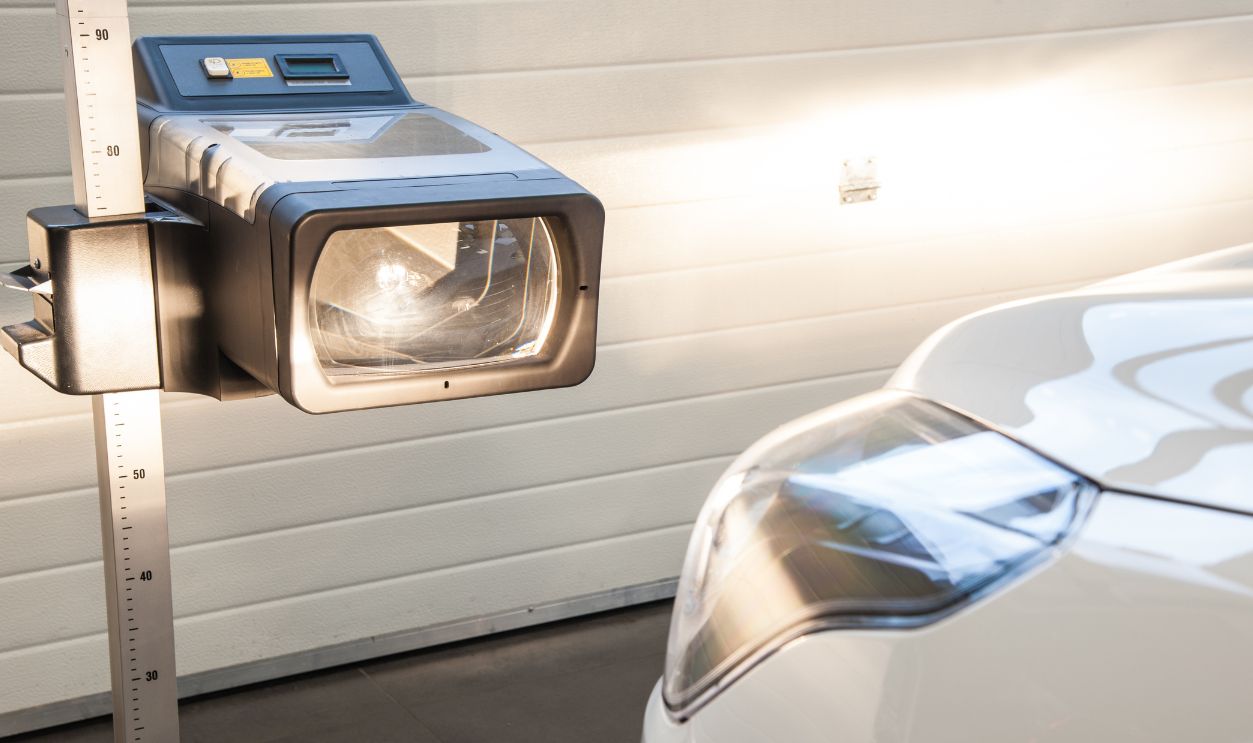
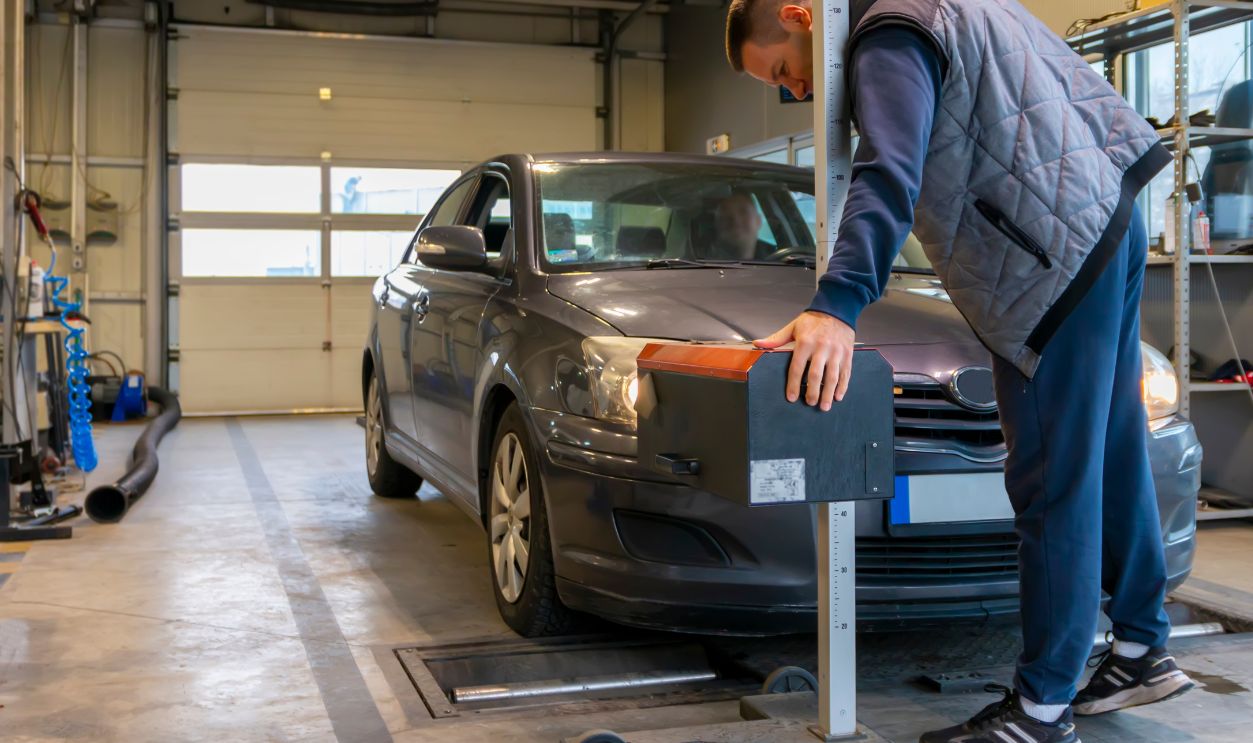
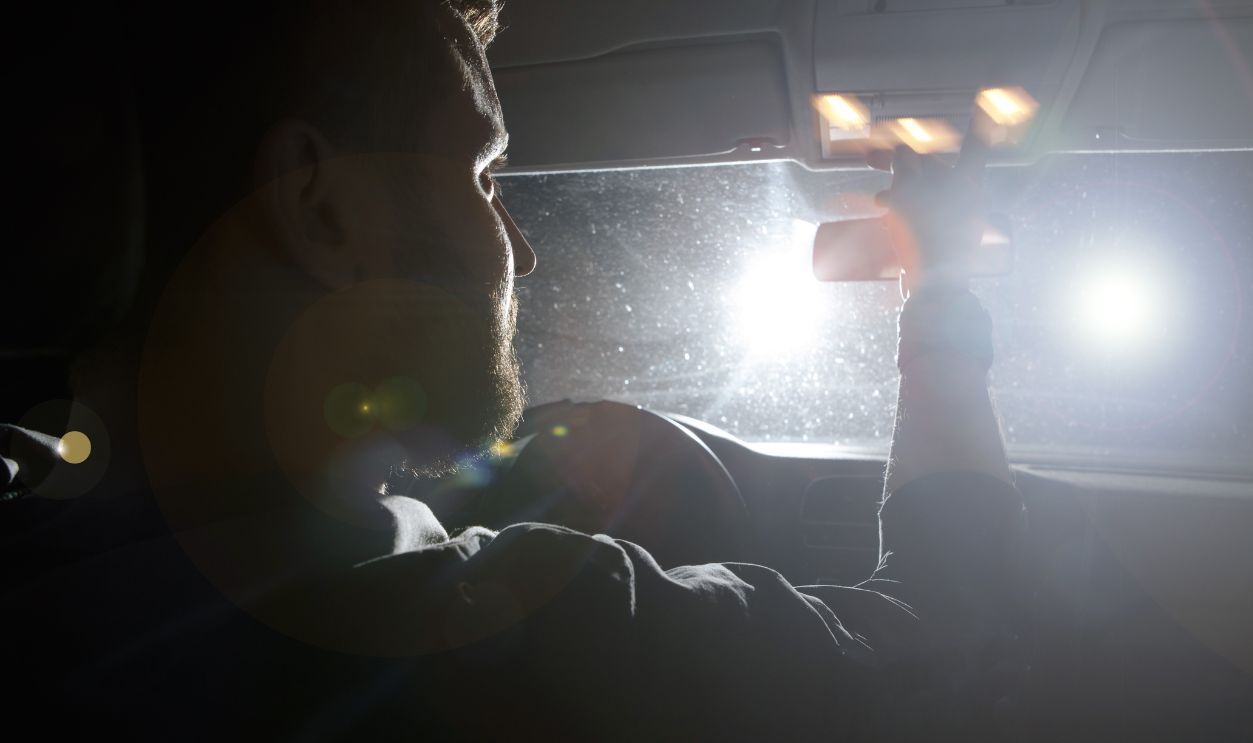
A headlight can generate plenty of useful illumination without blinding approaching traffic when the beam is aimed correctly. Raise the beam slightly, however, and more of its intense portion may enter another driver's eyes. IIHS has repeatedly emphasized that correct aim is fundamental to balancing visibility and glare.

New Cars Can Leave The Factory Mis-Aimed
Headlight aim problems are not restricted to old vehicles that have been repaired badly. A NHTSA literature review cited measurements in which roughly 30 percent of the new vehicles examined had at least one lamp outside specified aiming tolerances. The research is older, but it demonstrates why factory origin alone cannot rule out an aim problem.
IIHS Deliberately Does Not Correct The Aim
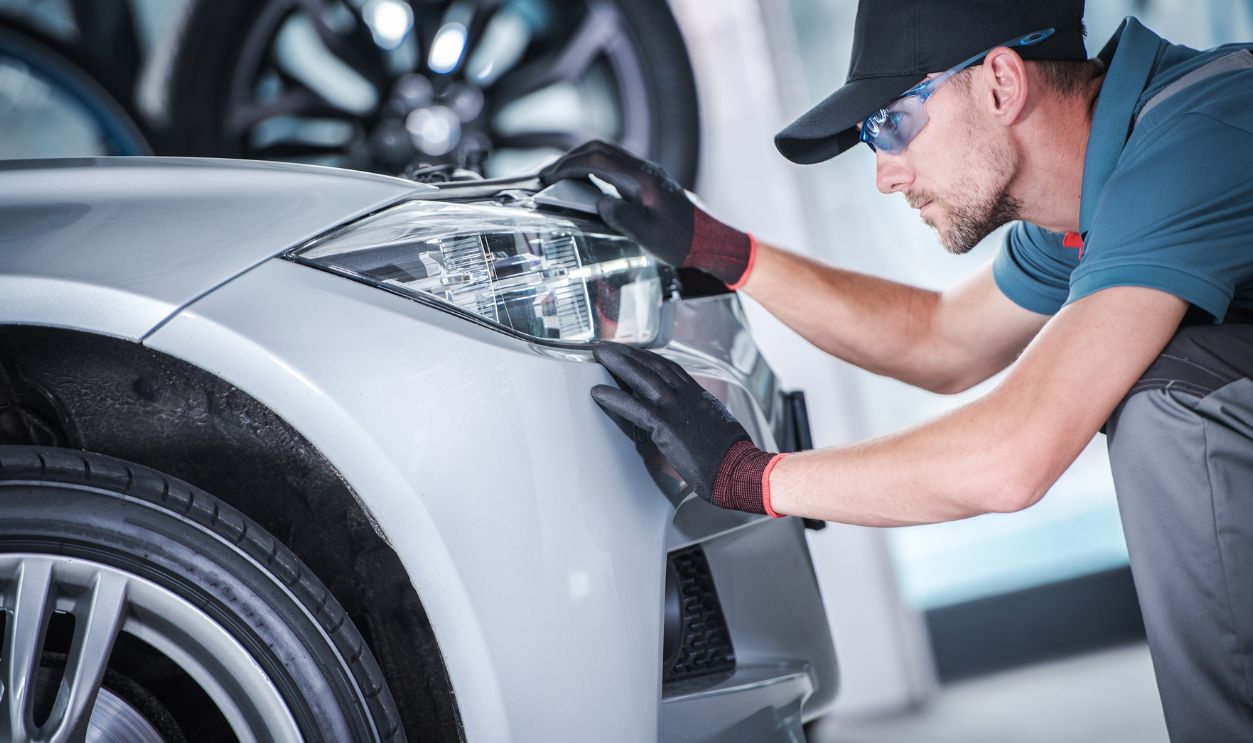
When IIHS conducts its ratings, technicians record the factory aim but do not improve it before testing. The institute's reasoning is that most owners will never adjust their headlights after buying the vehicle. That makes the test particularly relevant when a new-car owner wonders whether the as-delivered setup could be responsible.
LEDs Look Different To The Human Eye
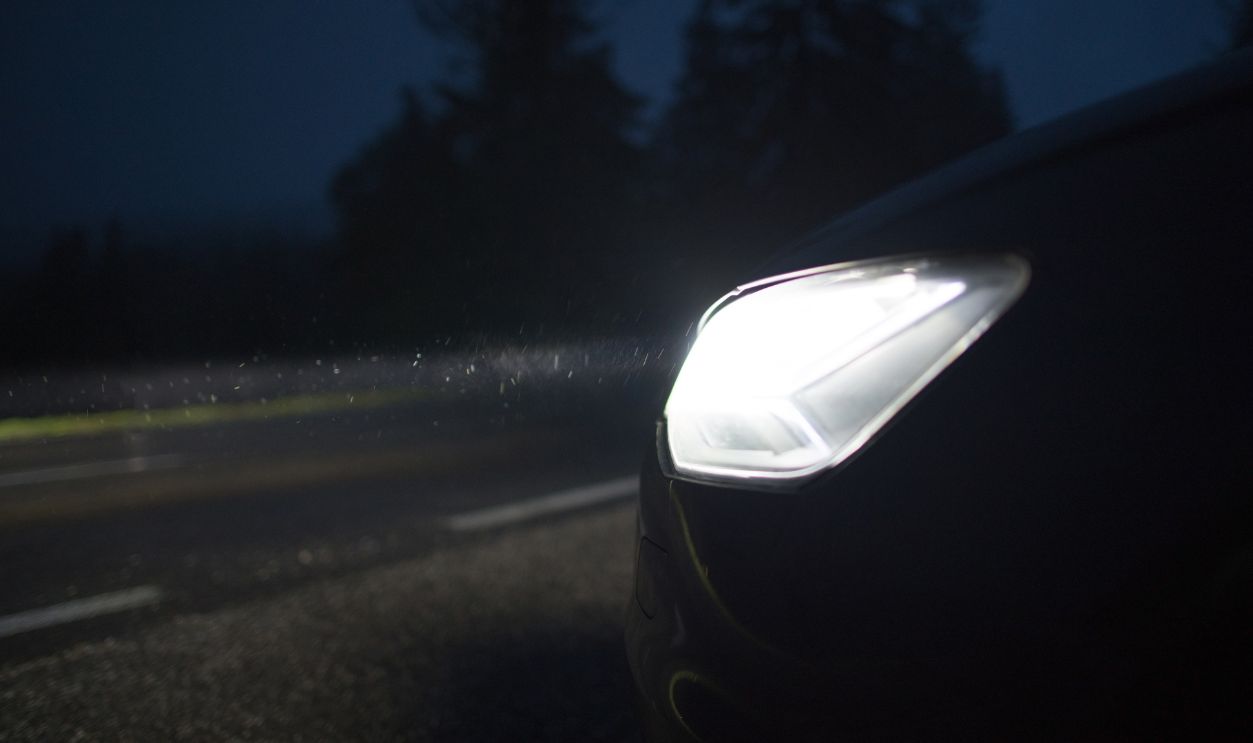
LED headlights tend to produce a whiter light than traditional halogen systems. Consumer Reports notes that drivers can perceive modern LED and HID lamps as brighter and sometimes mistake properly operating low beams for high beams. That means flashing from other motorists is evidence worth noticing, but not absolute proof that your headlights are defective.
LED Does Not Automatically Mean Better
Consumer Reports found that LEDs do not consistently illuminate farther down the road than halogen or HID systems. IIHS similarly evaluates headlight performance without favoring any particular light-source technology. Optics, beam pattern, output, and aim matter more than whether the sales brochure says LED.
High-Riding Vehicles Complicate The Situation
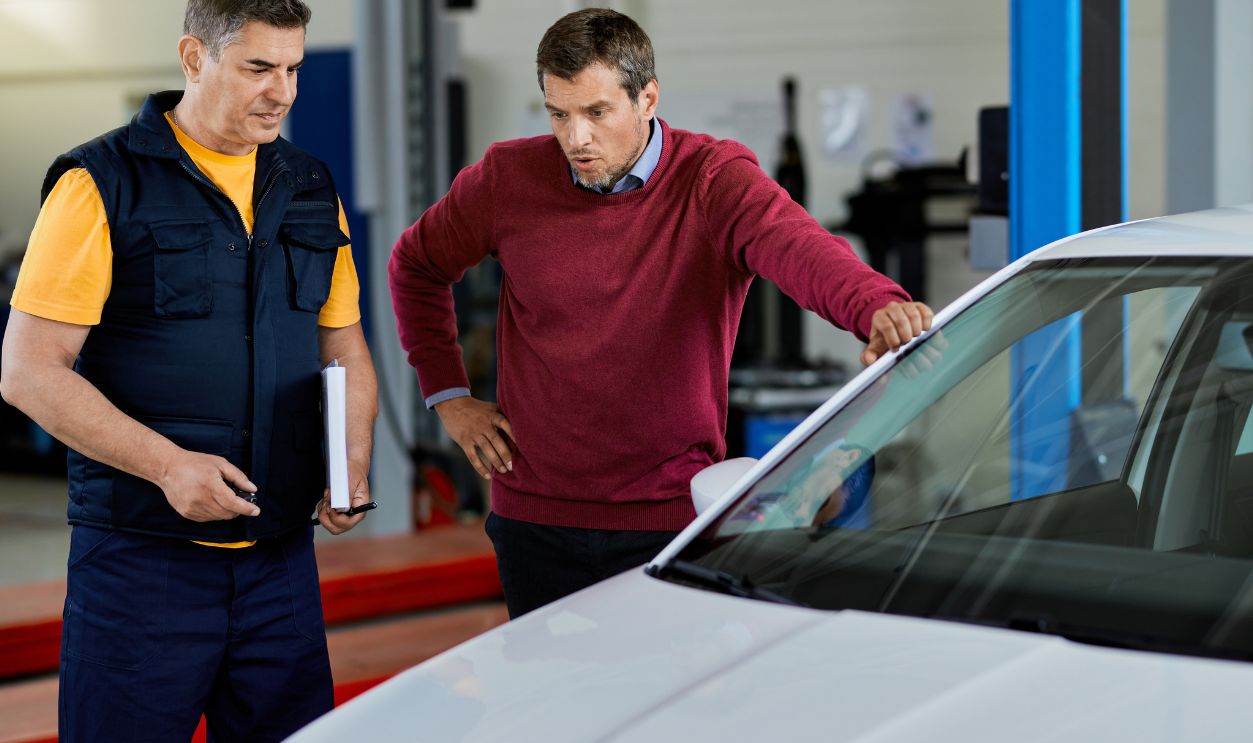
A taller SUV or pickup can position its headlights closer to the eye level of someone sitting in a lower car. NHTSA has long recognized that mounting height can influence glare complaints even when a headlamp itself meets photometric requirements. Consumer Reports has also identified taller vehicles as a particular concern for approaching drivers.
A Hill Can Temporarily Turn Low Beams Into Eye-Level Beams
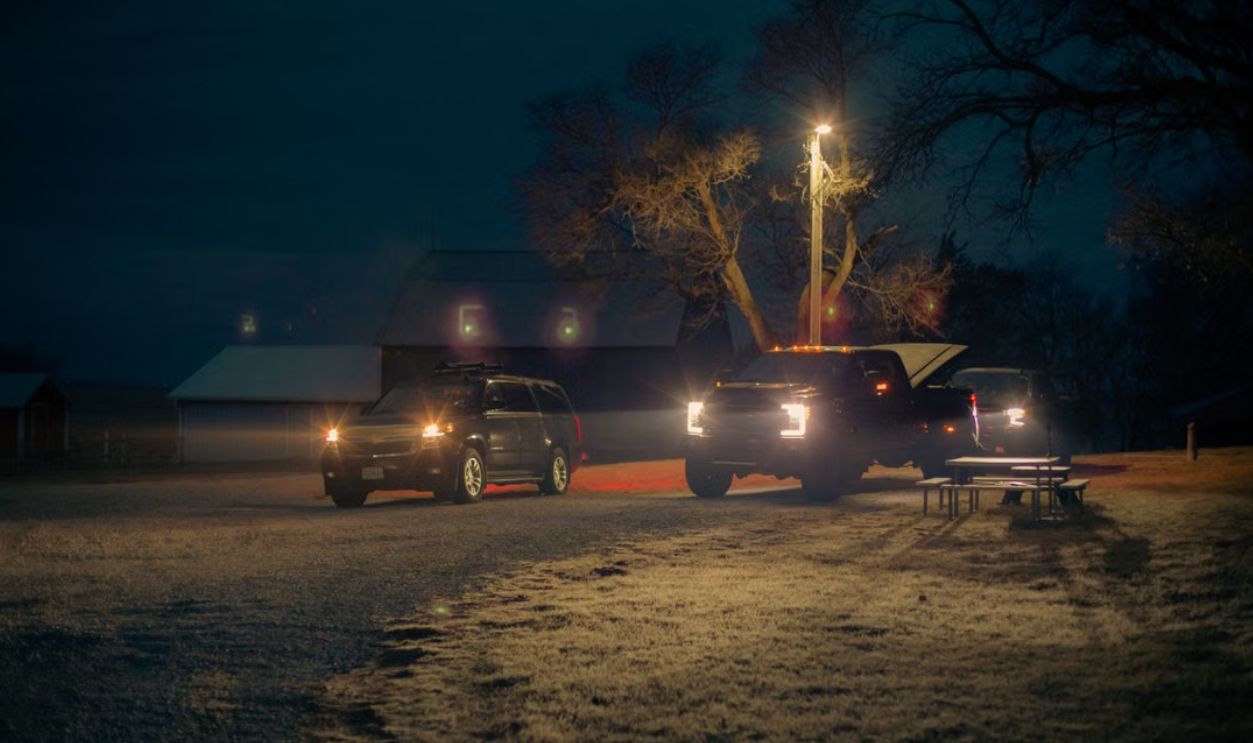
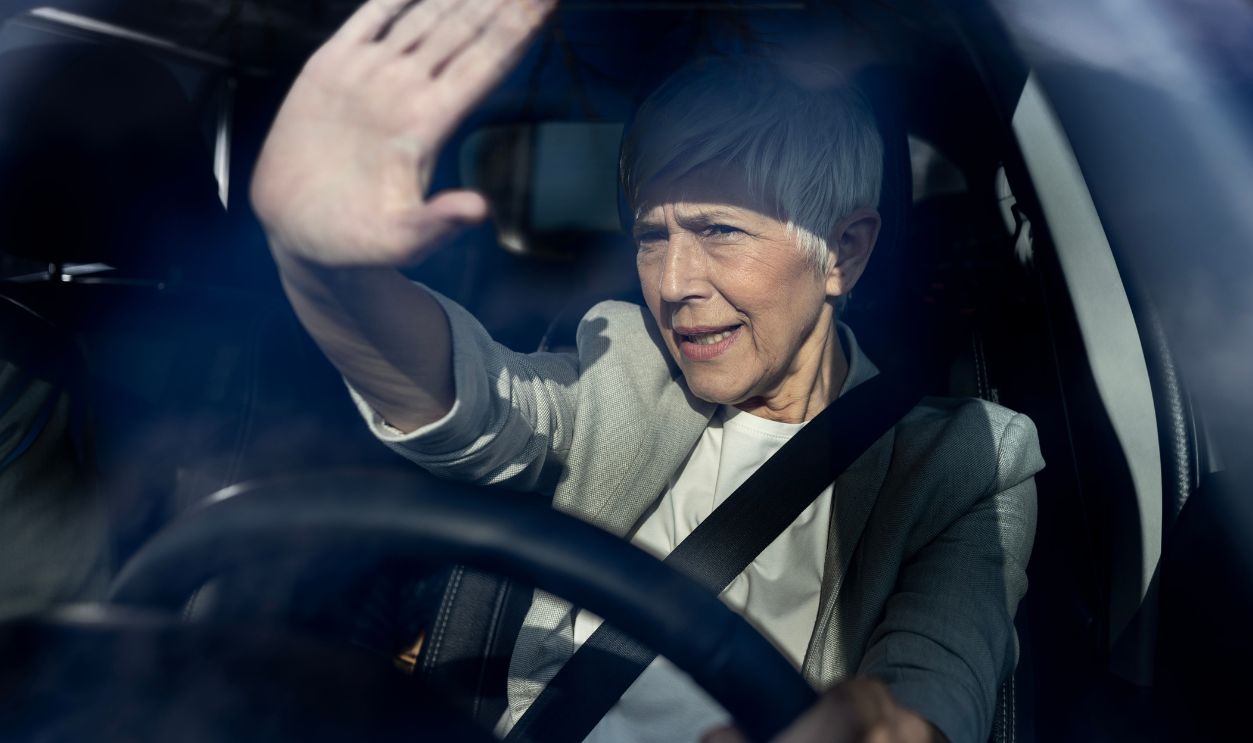
Beam aim is defined relative to the vehicle, but roads are rarely perfectly level. When your car crests a hill, climbs an incline, or pitches upward, the low-beam cutoff can temporarily rise relative to an approaching driver's eyes. Someone coming toward you may therefore experience a blast of light even when the system is functioning normally.
Bumps Create The Same Brief Effect
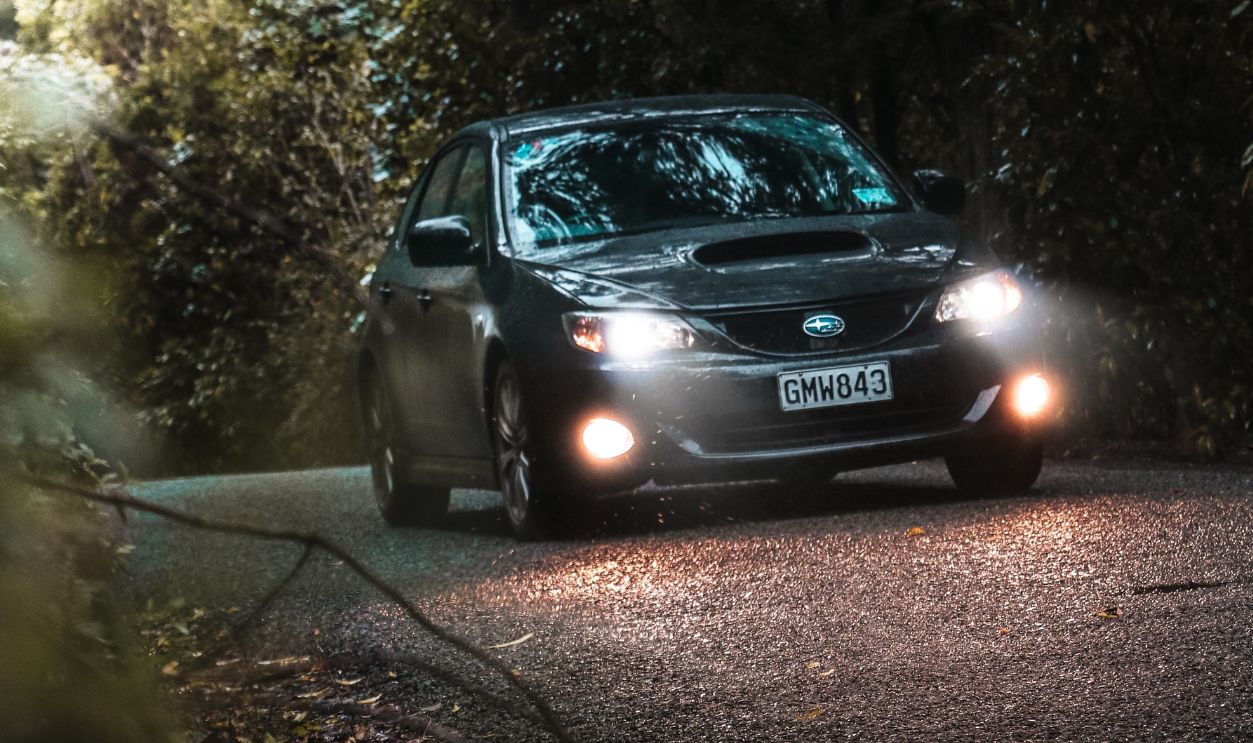
Suspension movement changes the angle between the vehicle and road. Hit a rise or bump and the nose may pitch upward momentarily, sending the brightest portion of the low-beam pattern higher. IIHS specifically accounts for vehicle pitch when conducting precise headlight measurements because even small angular changes affect where the light lands.
Cargo Can Change The Beam Angle
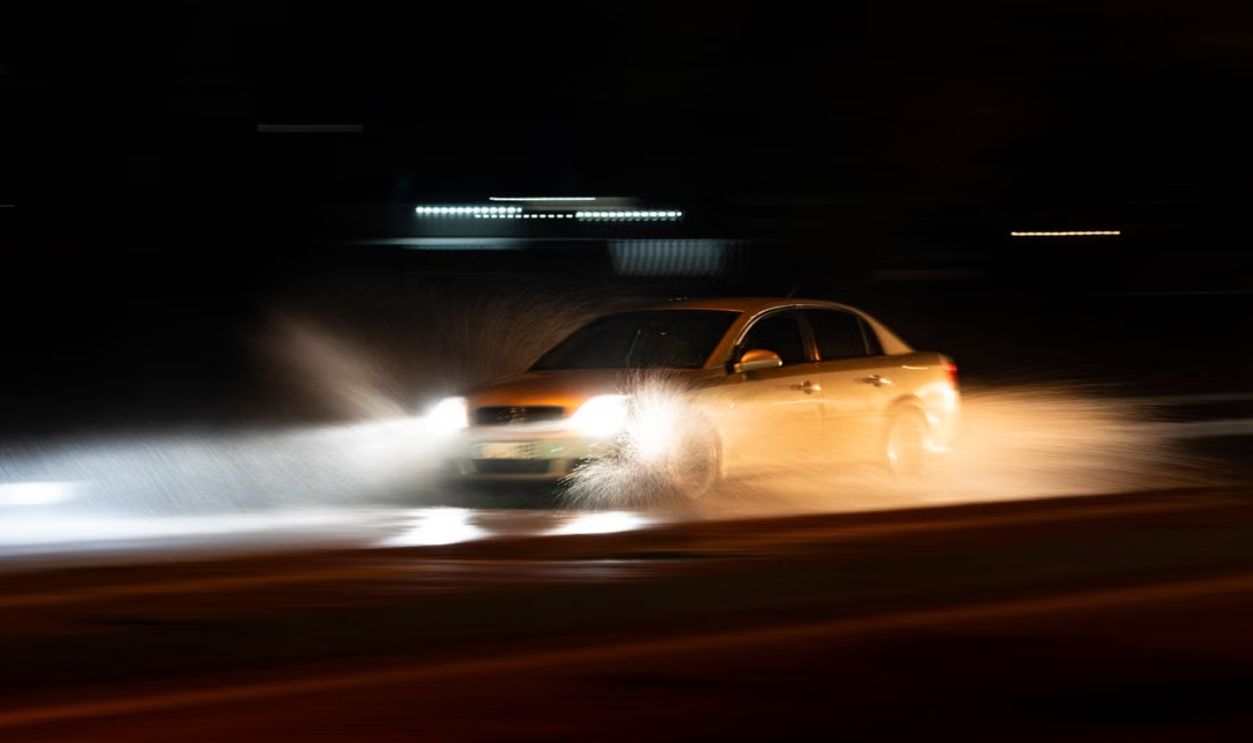
Loading the rear of a vehicle can make the nose rise. NHTSA has identified vehicle loading as one factor capable of altering headlamp aim and contributing to glare complaints. If the flashing becomes worse with passengers, luggage, towing tongue weight, or heavy cargo aboard, that pattern is useful diagnostic information.
Tire And Suspension Changes Can Matter Too
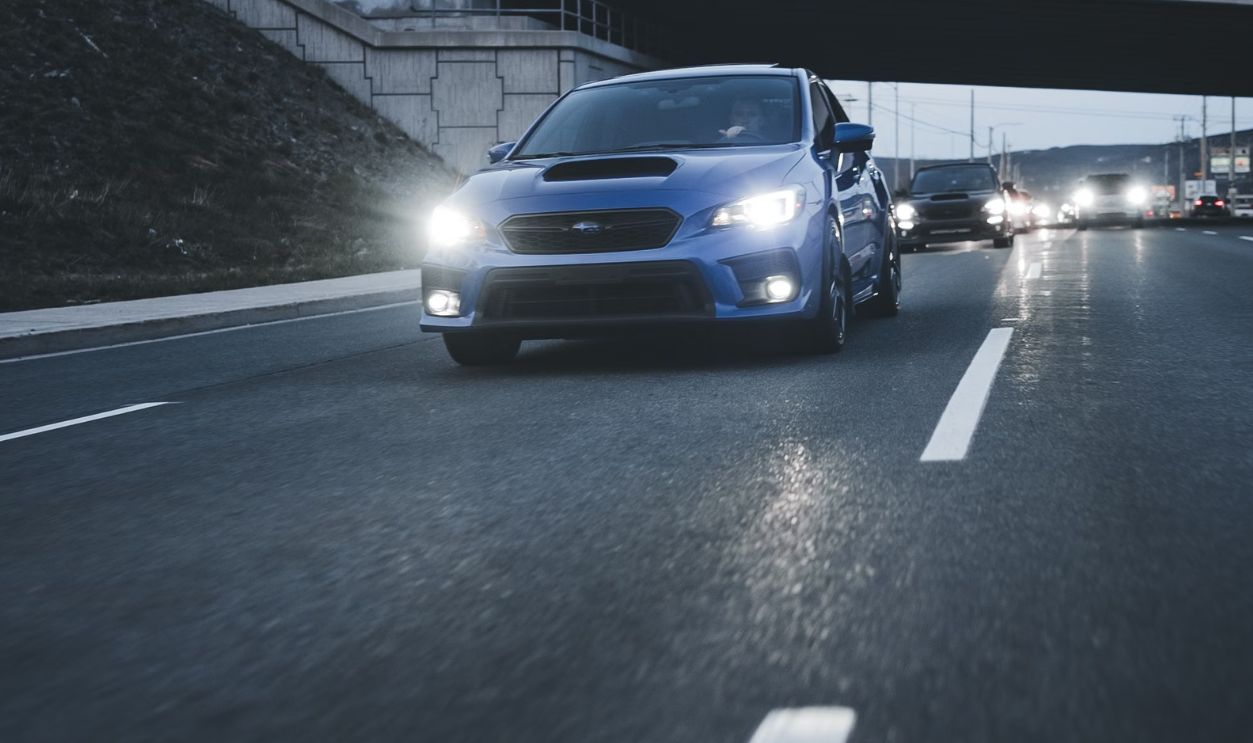
Headlight aim is calibrated for a particular vehicle geometry. Altering ride height through suspension modifications or significantly different tire dimensions can change that geometry. Even an unmodified vehicle with a suspension problem deserves inspection if the body no longer sits at its intended attitude.
Accident Repairs Can Disturb Headlight Aim
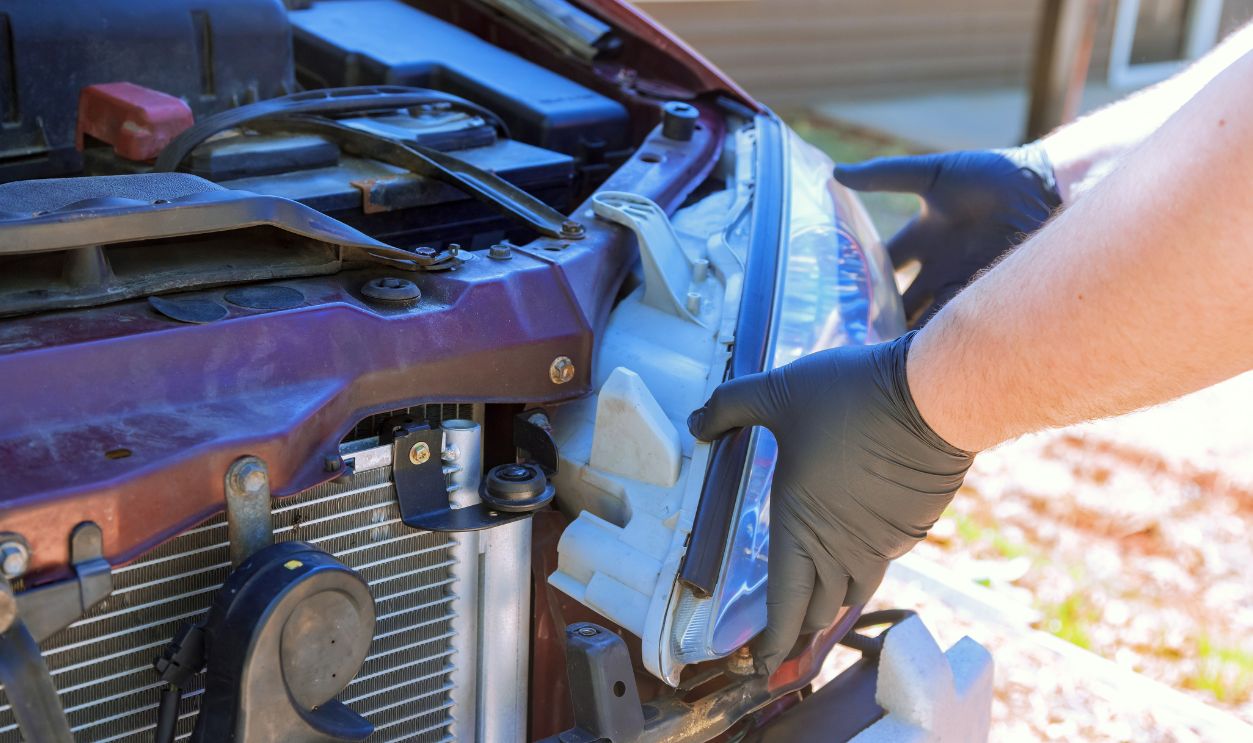
A minor front-end collision does not need to destroy a lamp to change where it points. Mounting tabs, brackets, body panels, and aiming mechanisms can shift during an impact or subsequent repair. Federal regulations specifically require headlamps to include means for inspecting and adjusting aim.
Replacement Headlamps Need Correct Alignment
Installing a new headlamp assembly is not always the end of the repair. The replacement still needs to be positioned and aimed according to the manufacturer's procedure. FMVSS 108 contains extensive provisions for headlamp aimability precisely because optical alignment is part of proper headlight performance.
One Factory SUV Shows The Problem Clearly
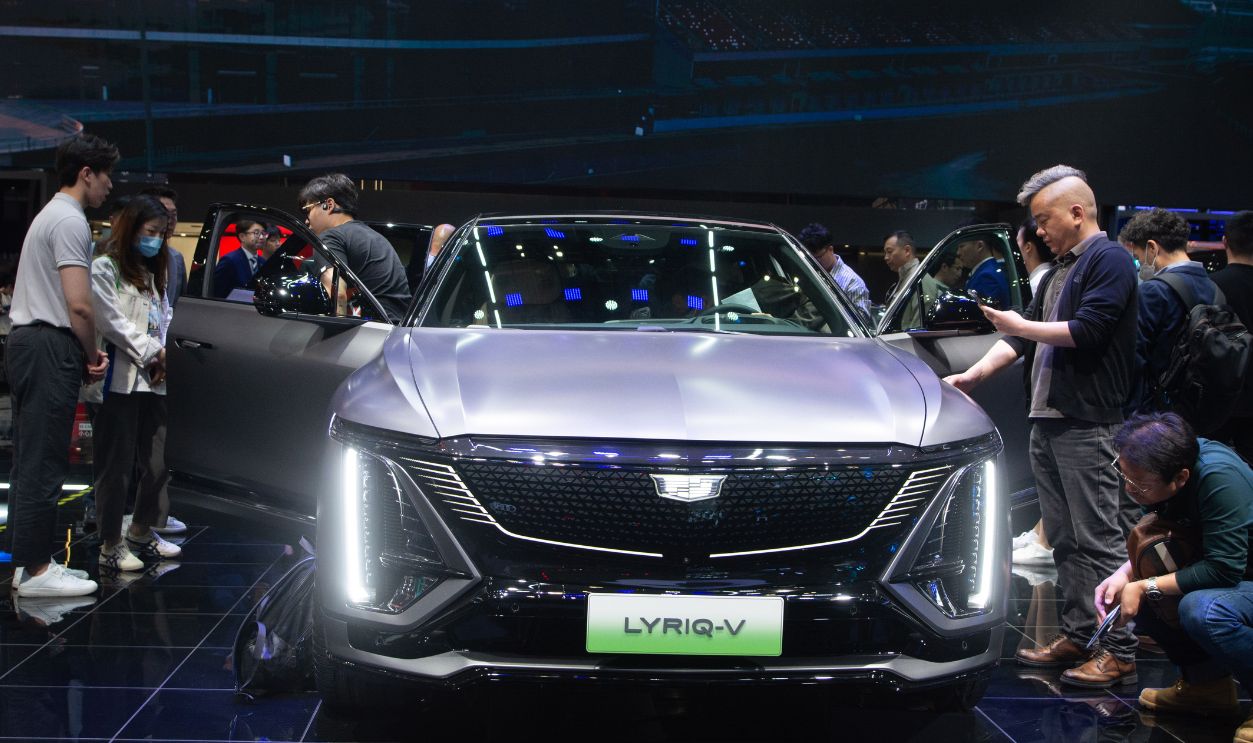
IIHS rates the 2025-26 Cadillac Lyriq's standard LED projector headlights poor. Its testing found excessive low-beam glare on the straightaway and several curves, even while forward visibility was good in many scenarios. That is a concrete example of a recent factory-equipped vehicle whose lights can provide strong illumination while still receiving substantial glare demerits.
Another Factory System Produces Some Glare
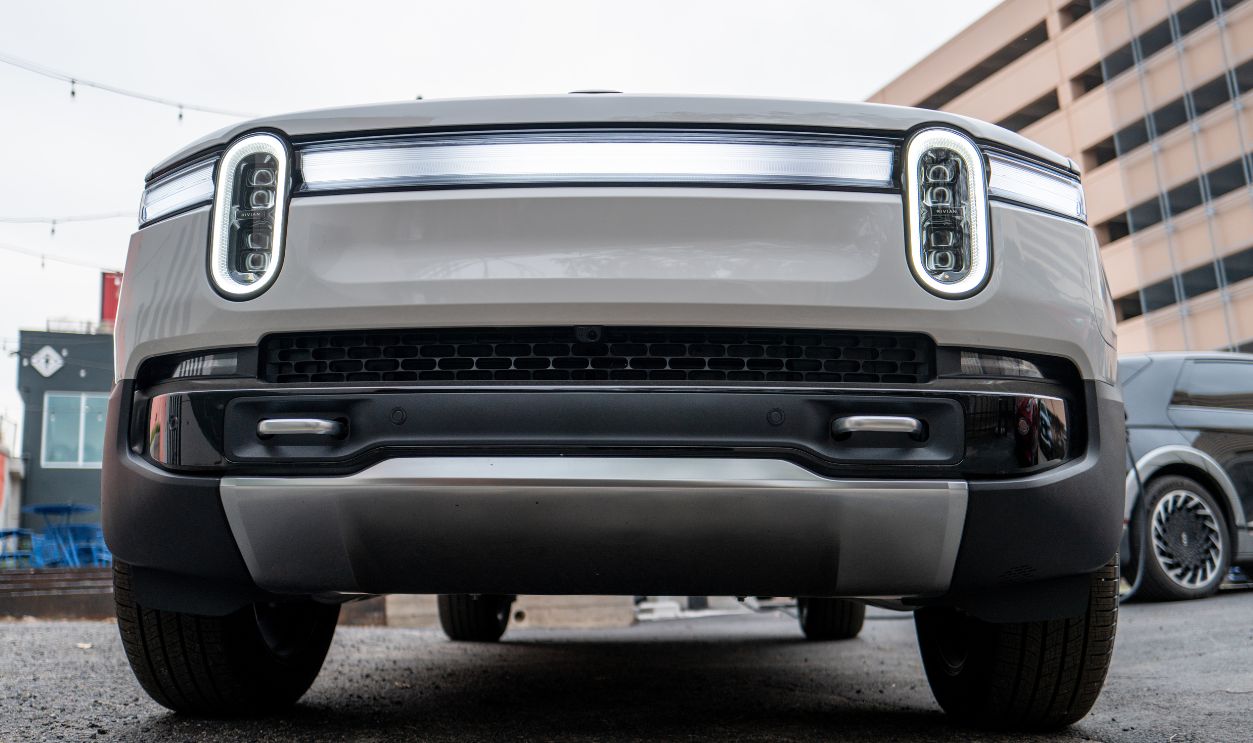
IIHS's 2026 Rivian R1T evaluation found good visibility in many situations but also measured low-beam glare above its limits on two right-hand curves. The truck still earned an acceptable overall headlight rating. Glare therefore is not necessarily an all-or-nothing characteristic.
Even A Good Rating Can Include Glare
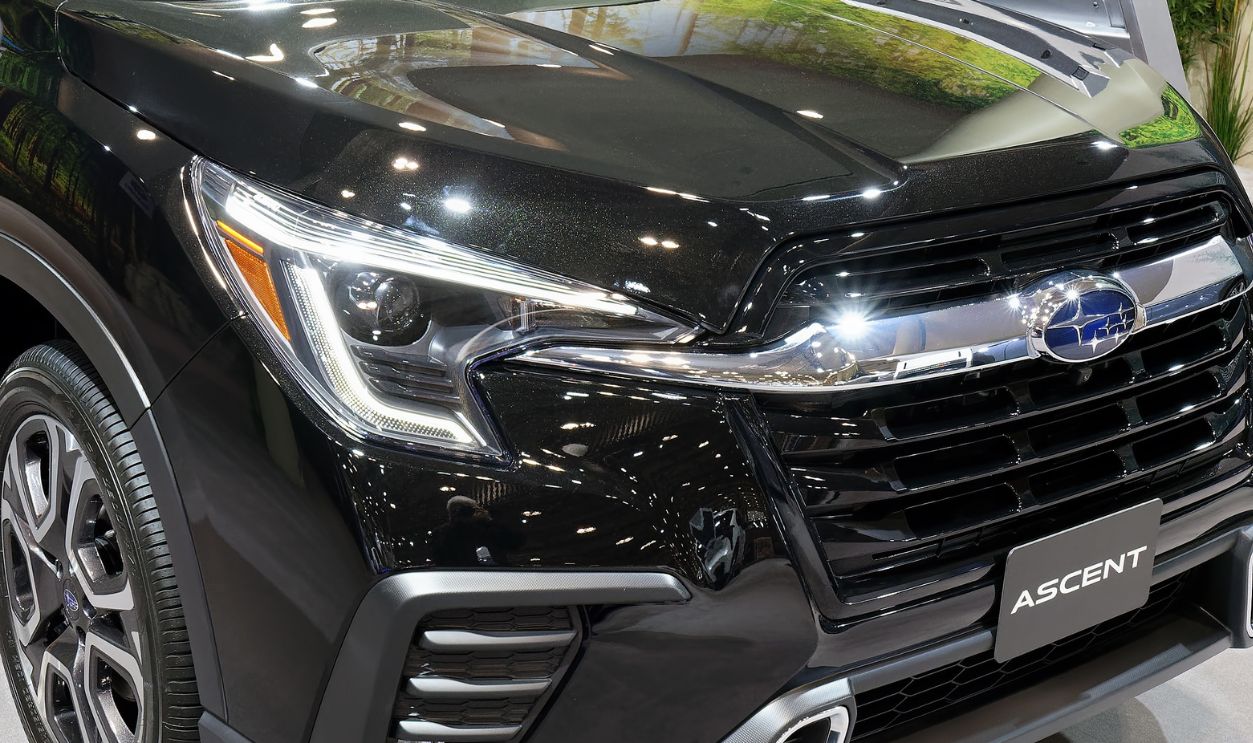
The 2026 Subaru Ascent earns a good overall IIHS headlight rating. Yet its low beams exceeded the institute's glare threshold on two left curves. IIHS balances visibility and glare when determining the final grade, which means a high overall rating does not necessarily mean zero glare under every test condition.
 Zoran Karapancev, Shutterstock
The Opposite Problem Exists Too
Aiming headlights downward to prevent every possible complaint can reduce how far the driver can see. IIHS changed its rating method after finding that some manufacturers appeared to be aiming lamps conservatively enough to sacrifice useful visibility. Safe lighting requires a balance rather than simply making every low beam dimmer or lower.

Bright Headlights Also Prevent Crashes
There is an important reason automakers want effective forward lighting. IIHS found that vehicles with good headlight ratings experienced fewer nighttime single-vehicle and pedestrian crashes than vehicles with poor-rated systems. The goal should therefore be better-controlled light, not a return to inadequate illumination.

Glare Complaints And Crash Data Tell Different Stories
Drivers complain frequently about glare, but IIHS research published in 2025 found little evidence of a corresponding increase in crashes officially attributed to headlight glare. The institute says glare appears in only a small fraction of nighttime crash reports. That does not make the discomfort imaginary, but it puts the safety problem in context.
Prescription Glasses Can Make Glare Feel Worse
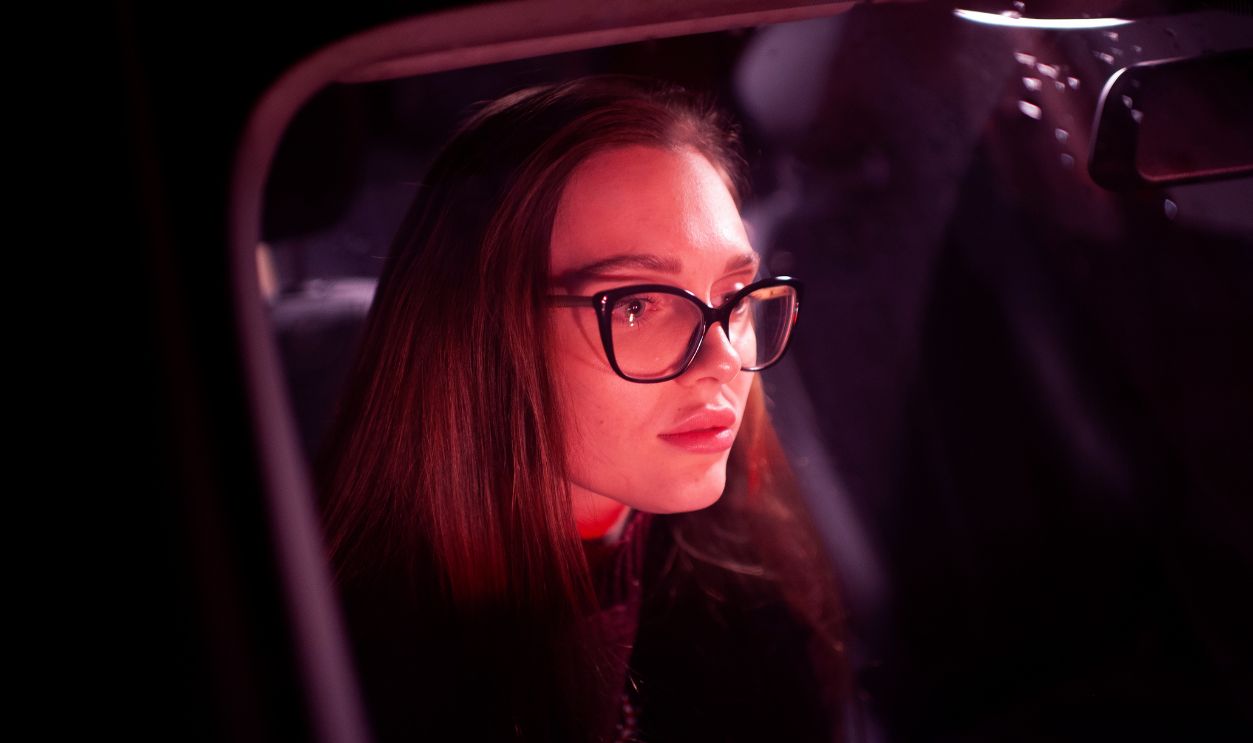
AAA's 2026 survey found that 70 percent of respondents who wore prescription glasses reported problems with glare, compared with 56 percent of drivers who did not. That helps explain why two motorists can encounter the same headlight and describe it very differently. Human vision is part of the glare equation too.
 Catherine.Things, Shutterstock
Adaptive Beams Are Designed To Help
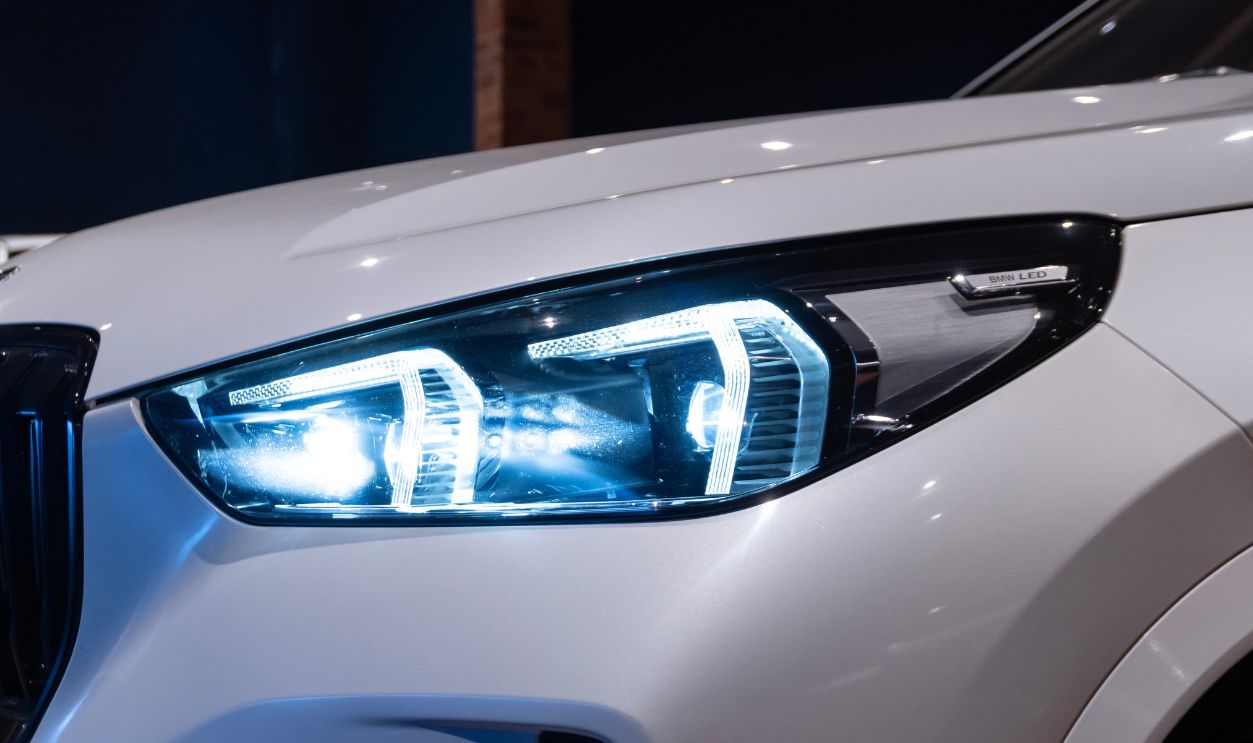
Adaptive driving beam technology continually reshapes the projected light pattern around other vehicles. Instead of dropping the entire system to conventional low beams, it can reduce illumination specifically where another road user is detected. NHTSA authorized these systems for U.S. vehicles in 2022.
The Technology Tries To Preserve Both Sides
NHTSA describes adaptive driving beams as a way to provide more useful illumination while reducing light directed toward other road users. The regulation includes requirements intended to control glare as those patterns change dynamically. It represents a more sophisticated answer than simply choosing between bright high beams and shorter-reaching low beams.
High-Beam Assist Is Not The Same Thing
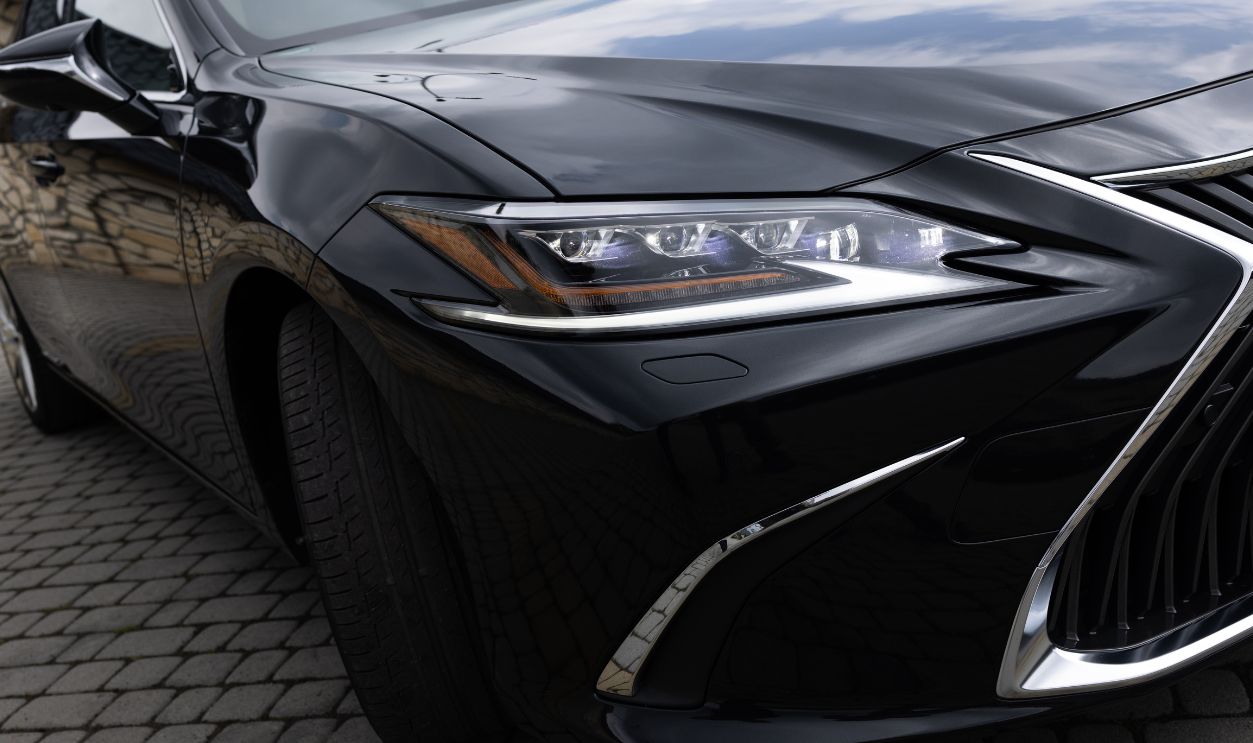
Automatic high-beam assist generally switches between traditional high and low beams when it detects other traffic. Adaptive driving beams instead reshape portions of the beam continuously. Both can reduce unnecessary glare from high-beam misuse, but they accomplish the job differently.
Make Sure Your High Beams Really Are Off
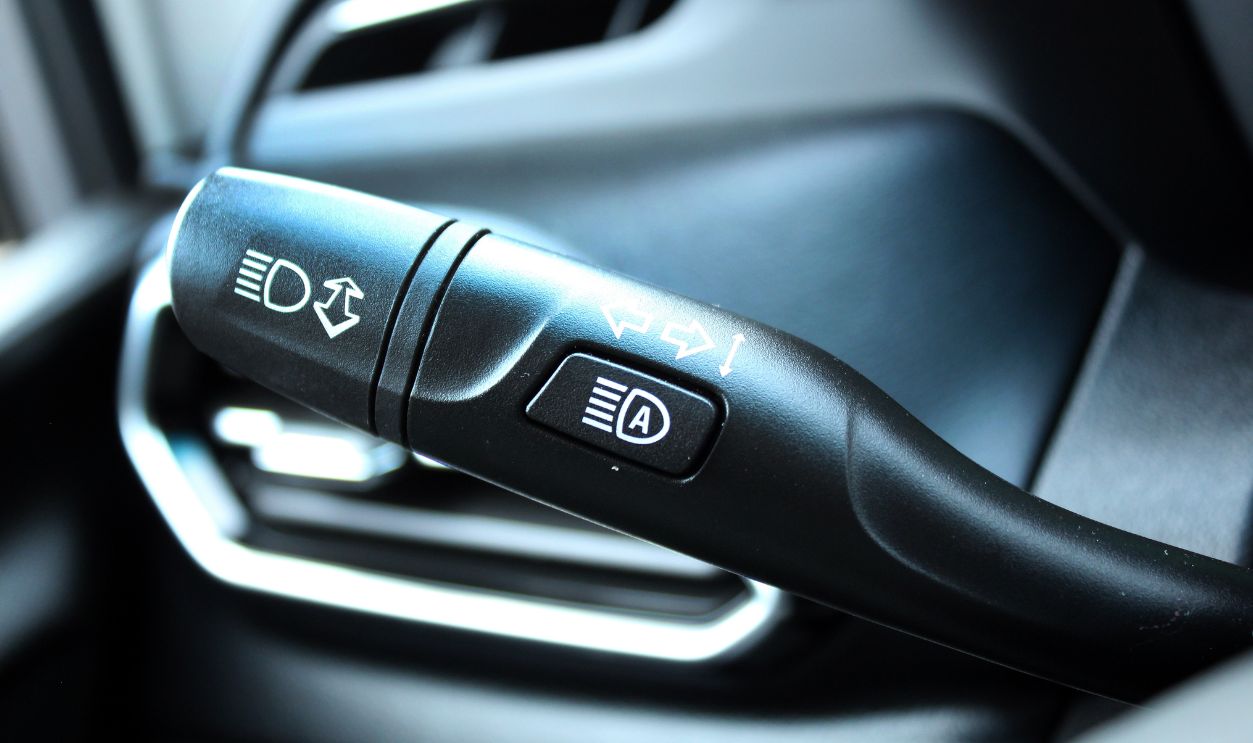
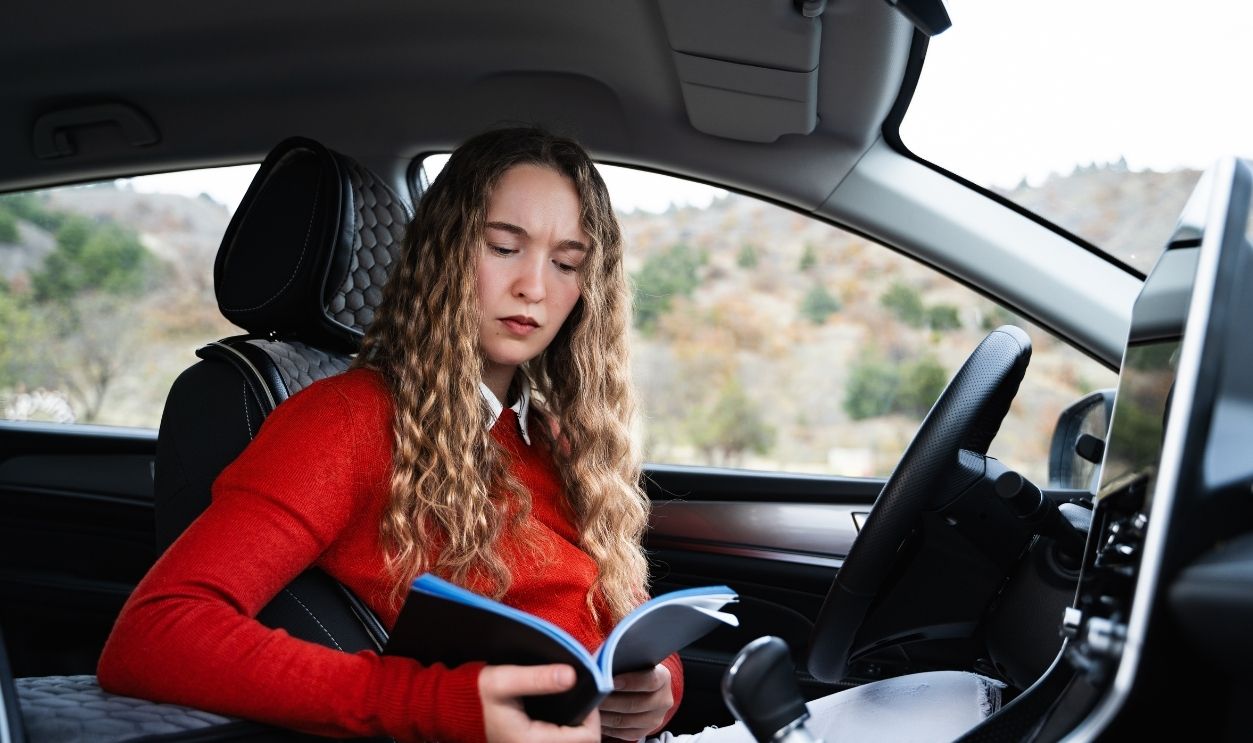
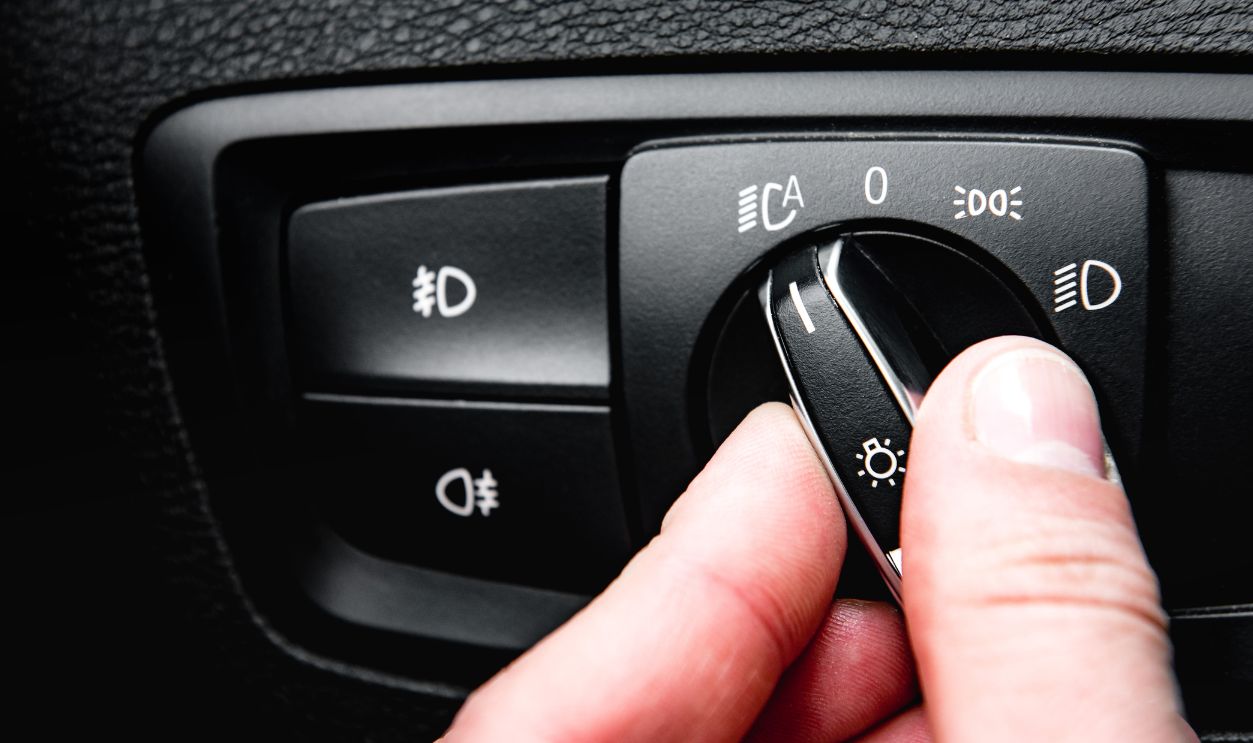
Before arranging service, verify that you understand your vehicle's headlight indicators and automatic-lighting modes. High-beam assist can activate and deactivate the high beams automatically, while adaptive systems may operate differently again. Check the owner's manual and instrument-cluster telltales rather than judging solely from how bright the roadway appears.
Have The Dealer Check Aim Properly
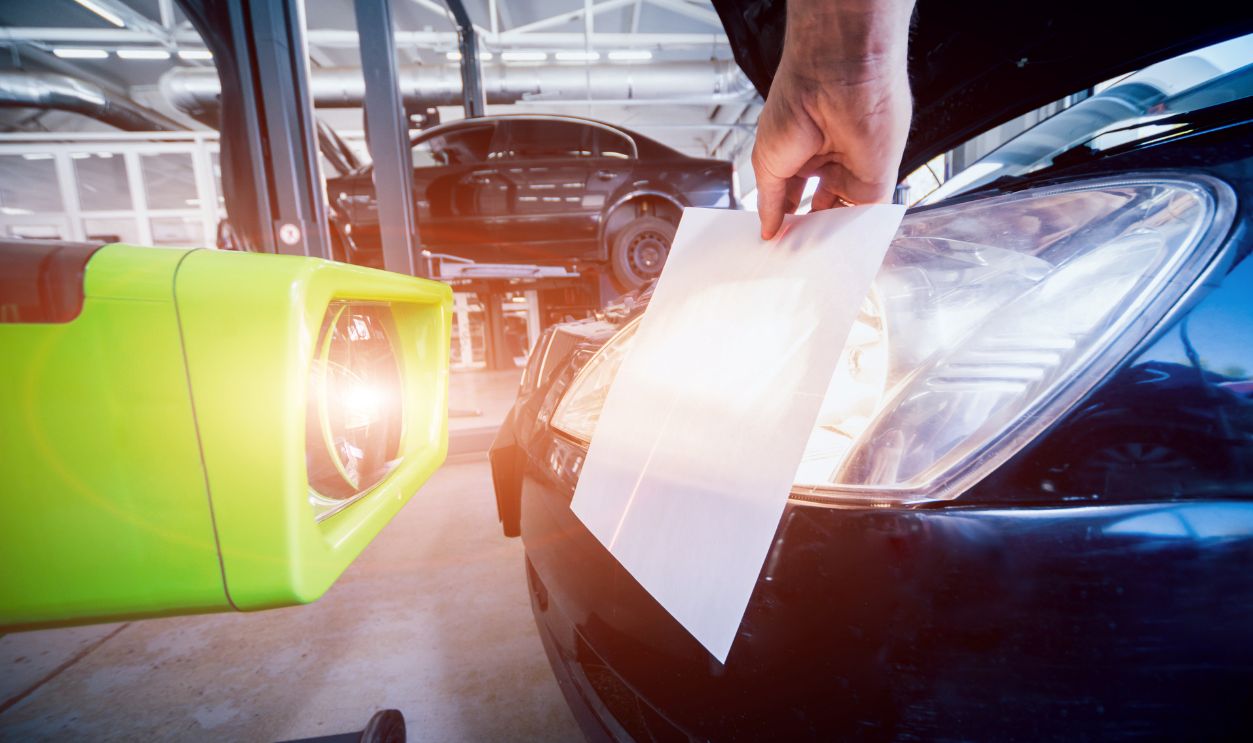
If other drivers flash you repeatedly on level roads while your low beams are selected, ask the dealership to measure headlamp aim using the manufacturer's procedure. Do not settle for someone standing in front of the car and saying the lights look normal. Federal requirements specifically contemplate inspectable and adjustable headlamp aim.
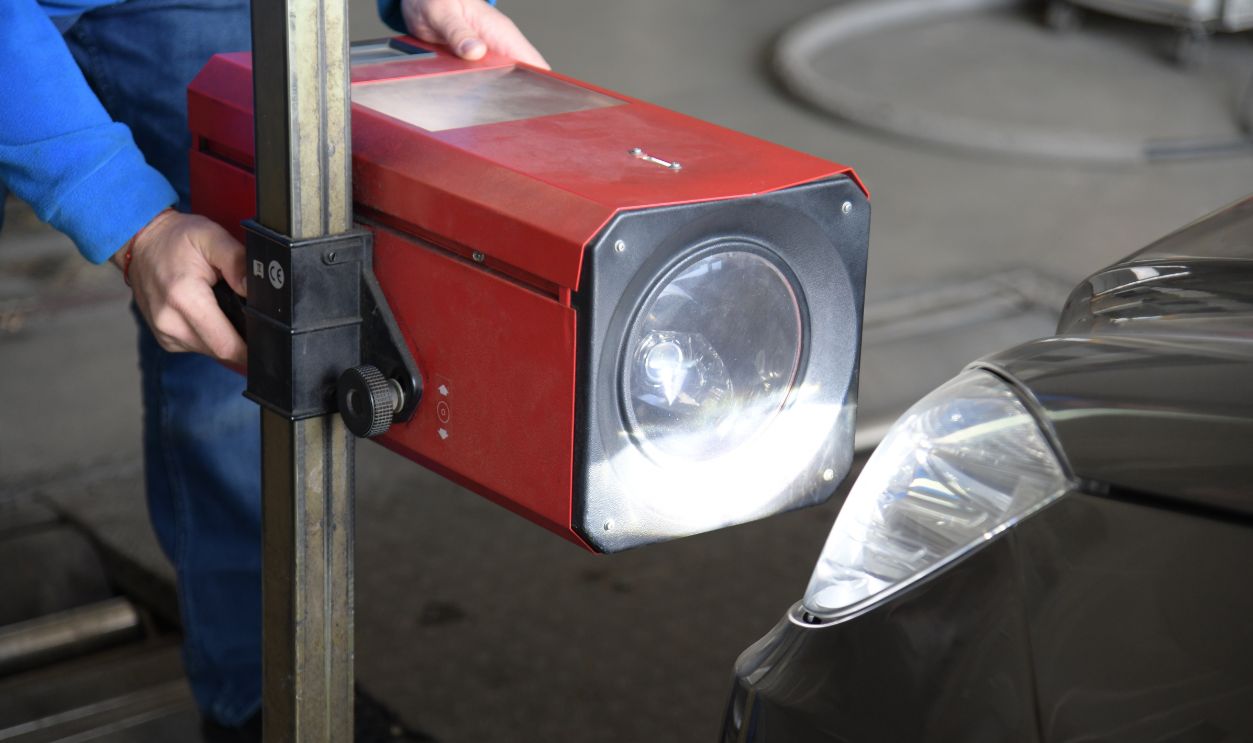
Do Not Randomly Turn The Adjustment Screws Yourself
Lowering a beam until nobody flashes you might feel like an easy solution. It can also reduce seeing distance and create a different nighttime safety problem. IIHS's experience shows why glare reduction and forward visibility have to be balanced rather than adjusted by guesswork.
 Natallia Ploskaya, Shutterstock
Check Your Exact Headlight Rating
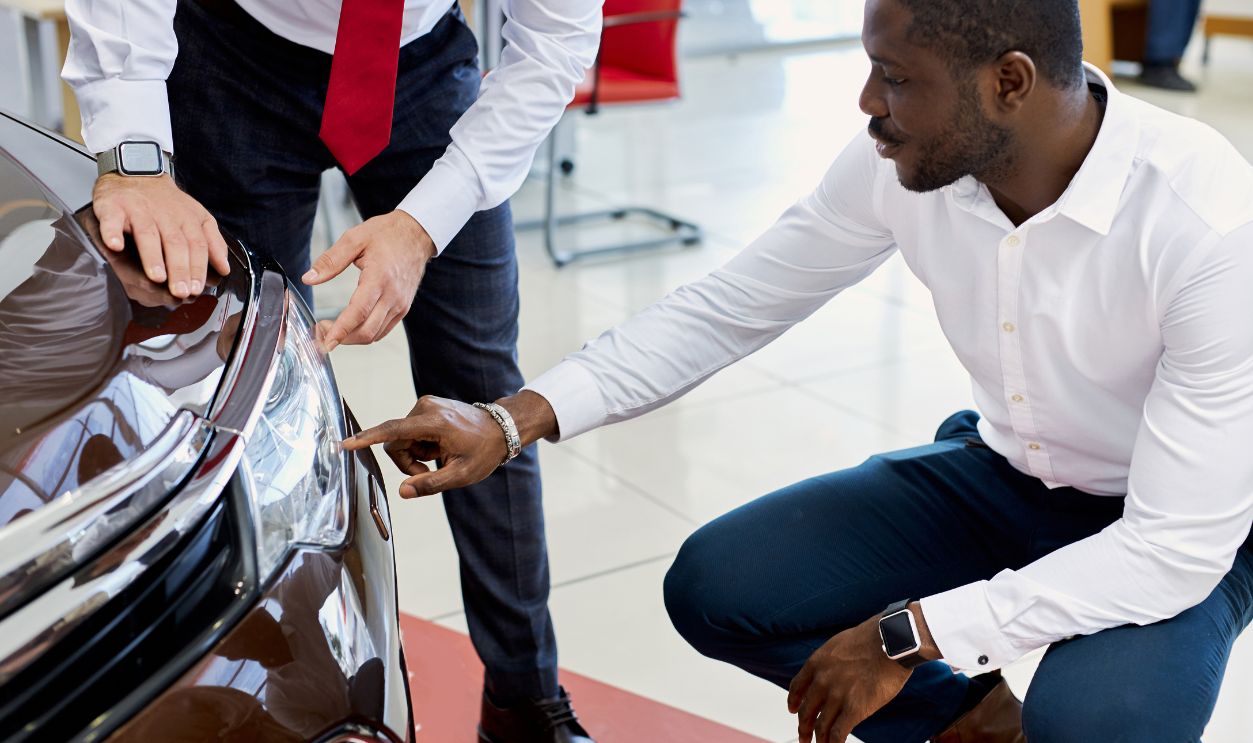
IIHS publishes headlight evaluations by vehicle, model year, trim, and sometimes individual lighting package. Two versions of the same model can perform very differently. Checking the exact system fitted to your car can reveal whether independent testing already identified excessive glare.
Repeated Flashing Is Worth Investigating
Your factory headlights may be completely legal and still appear harsh to some oncoming drivers, especially because of vehicle height, road pitch, or the white appearance of LEDs. They can also genuinely be aimed incorrectly or belong to one of the remaining new-car systems that independent testing finds overly glaring. Confirm the high beams are off, look up the exact IIHS result, and have the dealer verify aim before accepting that constant flashing is simply something modern-car owners have to tolerate.
 Katherine Welles, Shutterstock
You May Also Like:
The Five Most Stolen Cars In North America
Electric Cars With The Fastest 0–60 Times
Sources: 1, 2, 3, 4, 5, 6, 7, 8, 9, 10, 11, 12, 13, 14, 15, 16, 17