My Brand New Car Would Not Let Me In
Buying a new car often feels like a reward after years of saving. I expected modern technology to make daily driving easier. Instead, one icy morning left me standing outside while the door handles refused to cooperate. That frustrating experience made me wonder whether stylish features sometimes create new problems instead of solving old ones.

Flush Door Handles Are Suddenly Everywhere
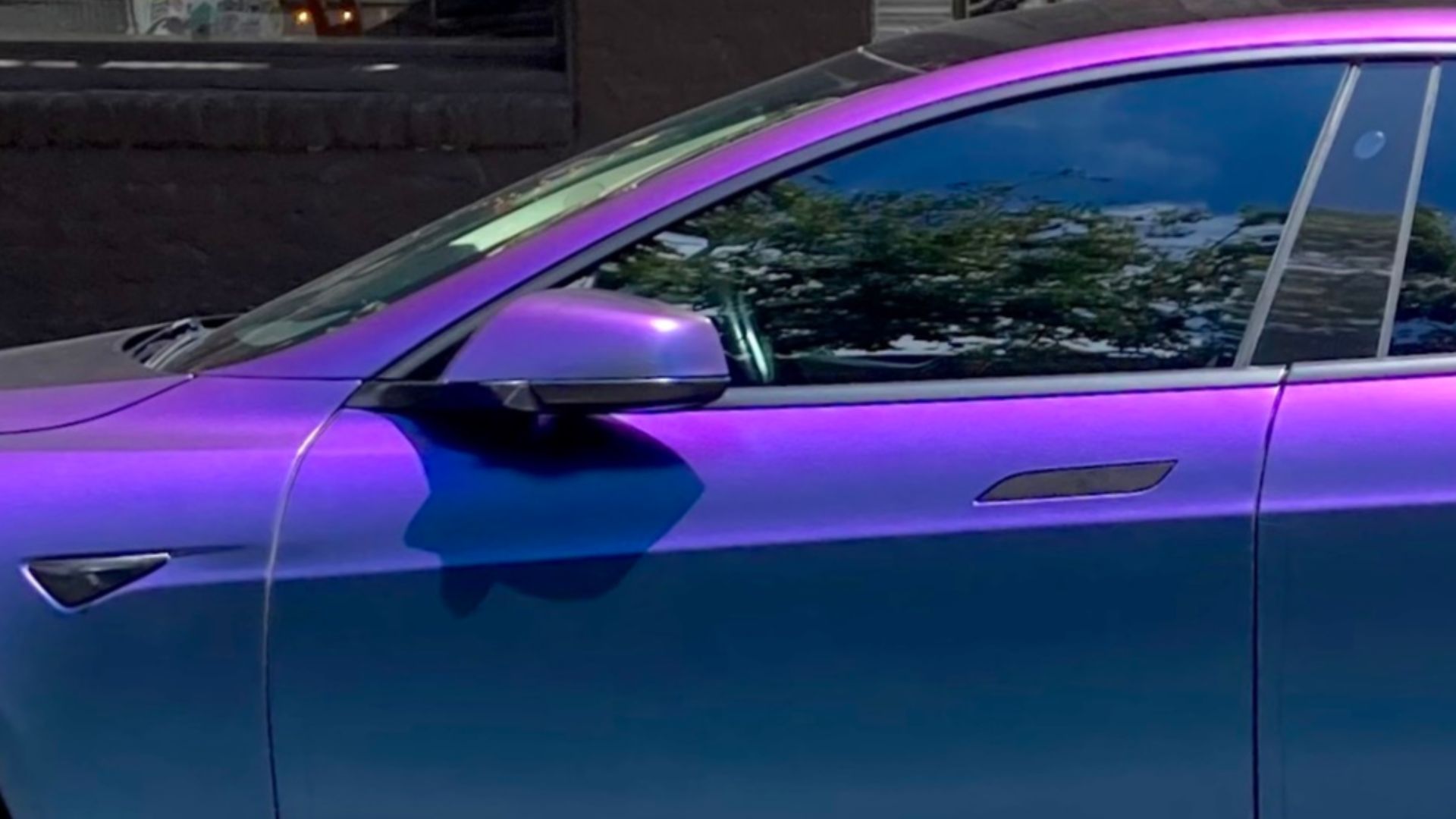
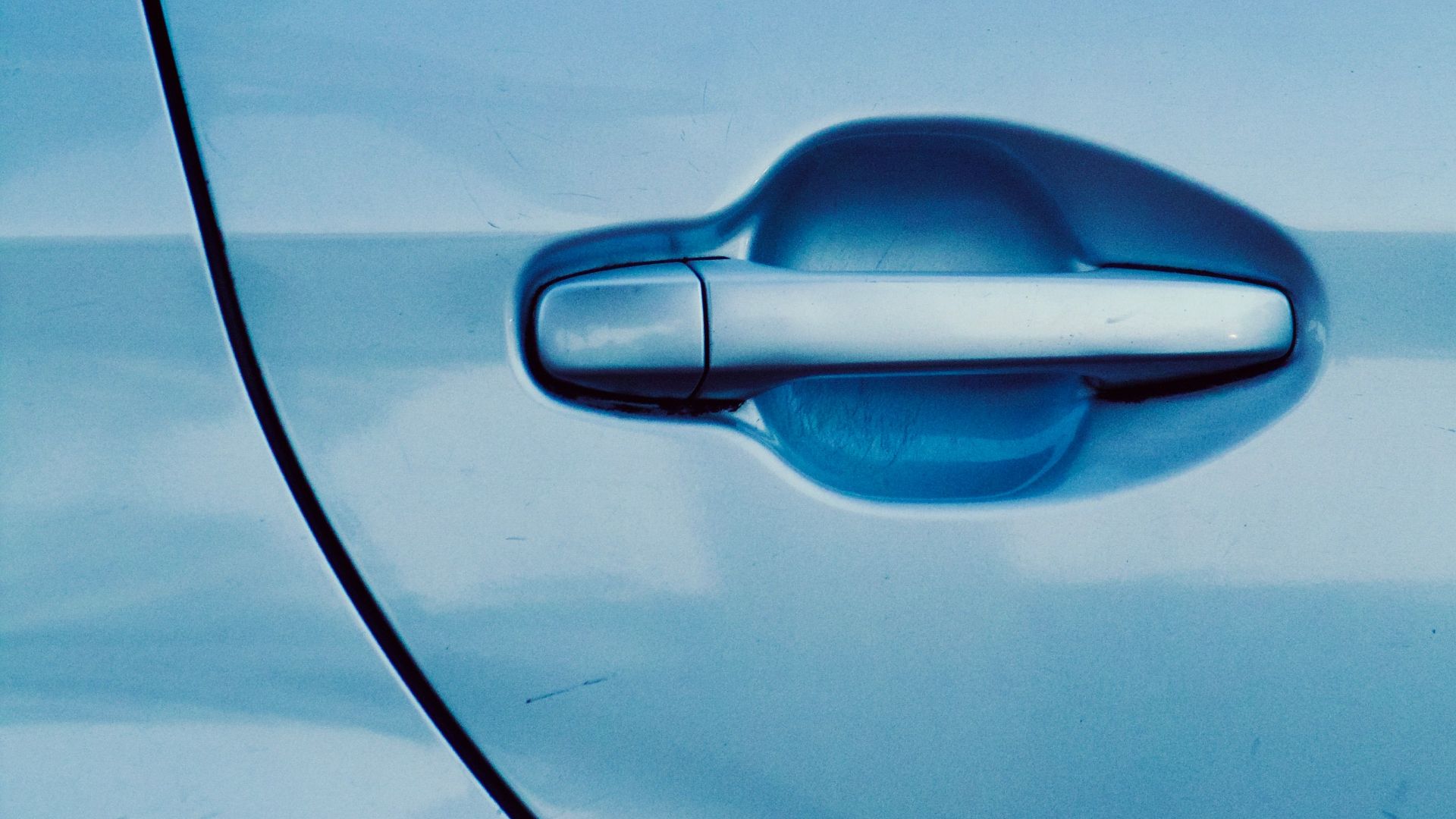
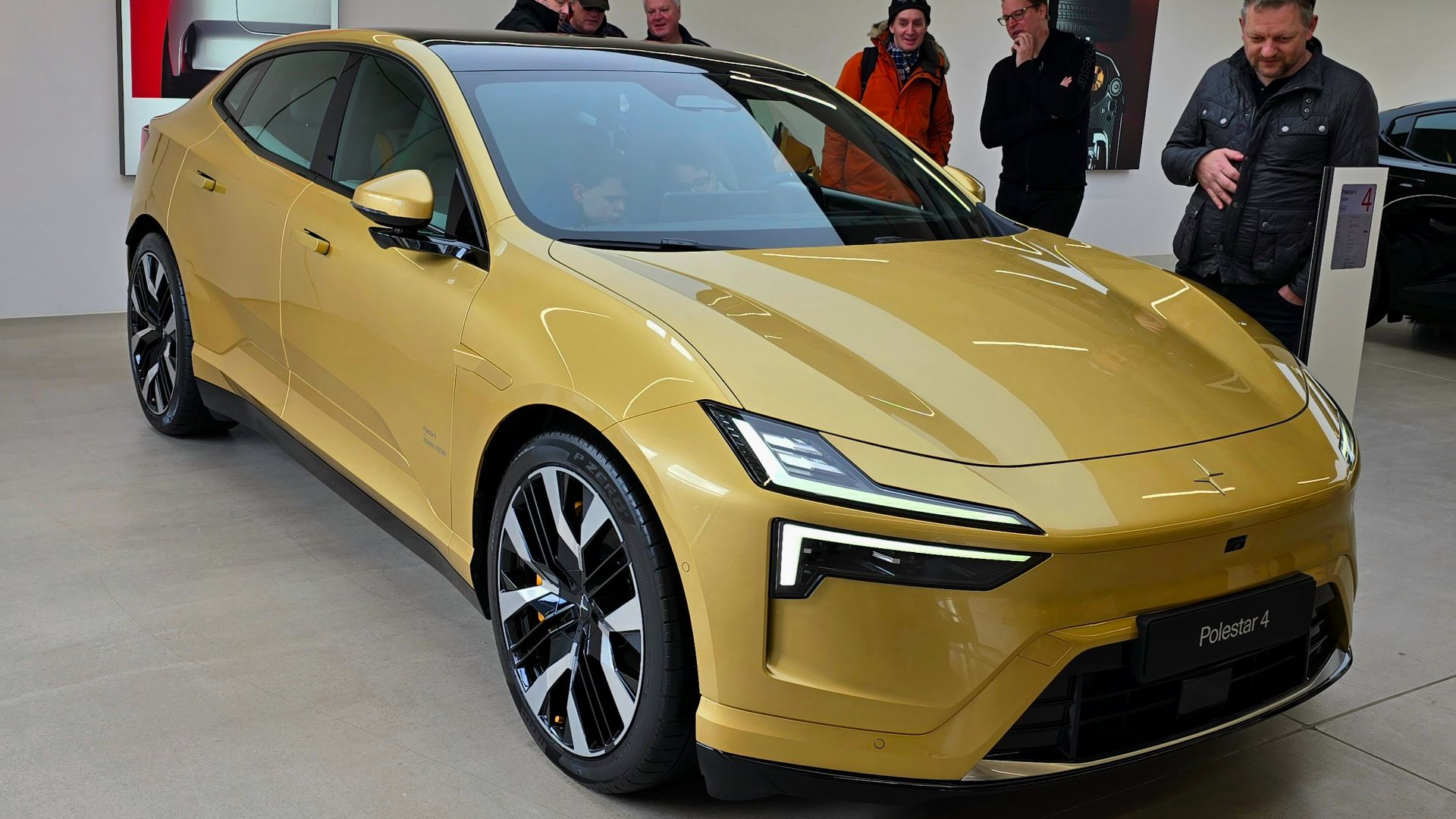
Many modern vehicles now use flush-mounted or electronically operated door handles. They sit nearly flat against the body to create a cleaner appearance and reduce aerodynamic drag. Electric vehicles especially have embraced this design because even small aerodynamic improvements can help maximize driving range.
 Bill Abbott, Wikimedia Commons
Aerodynamics Became A Major Selling Point
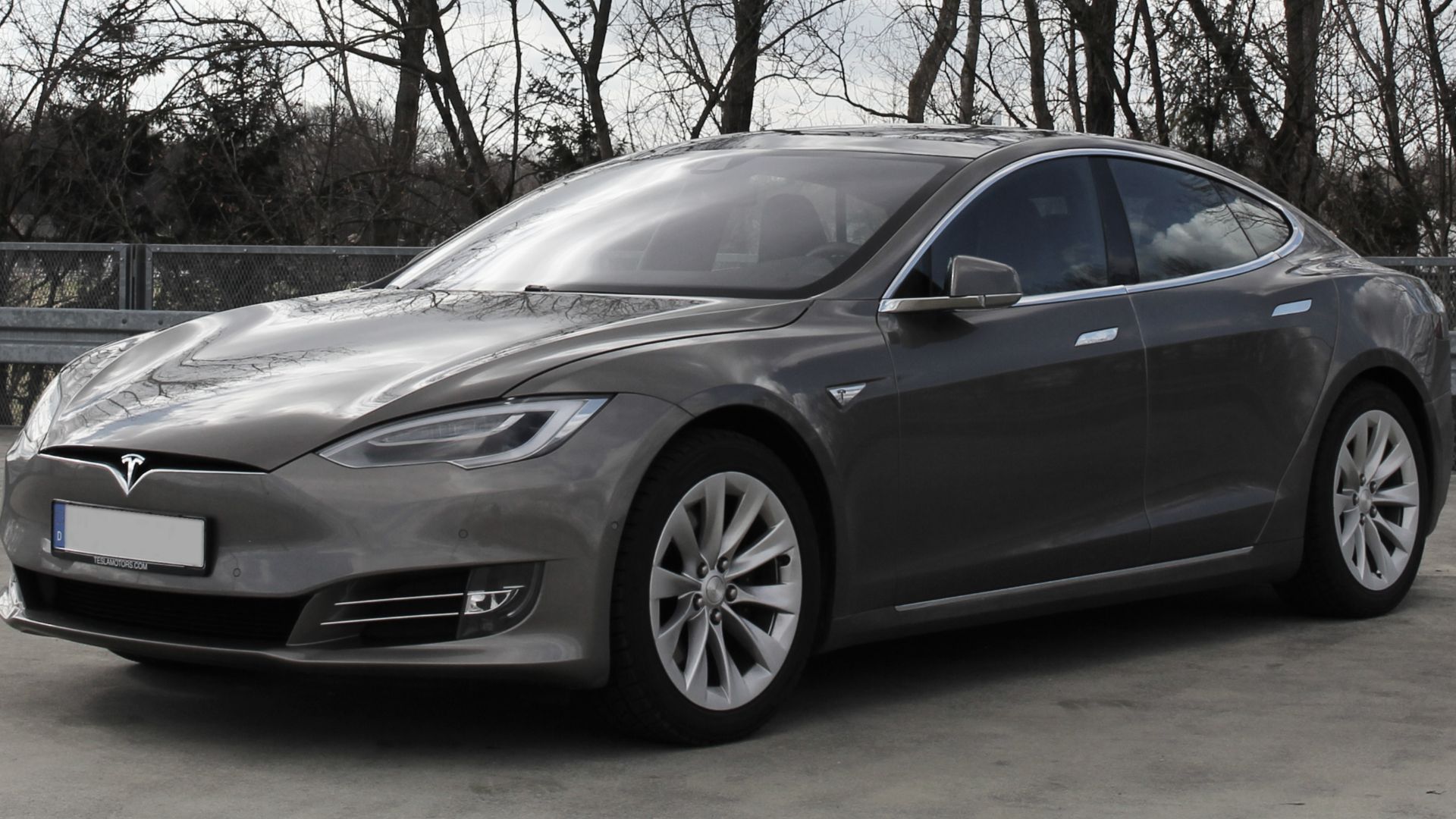
Automakers spend enormous effort reducing wind resistance because improved aerodynamics can increase efficiency. Flush handles create slightly smoother airflow compared with traditional pull handles. While the gains are relatively small by themselves, manufacturers combine many tiny improvements to achieve meaningful efficiency gains.
 Peteratkins, Wikimedia Commons
Winter Does Not Care About Beautiful Design
Snow, freezing rain, and ice create challenges that engineers cannot ignore. Moisture can collect around moving parts before freezing solid overnight. Even a well-designed mechanism may become difficult to operate when ice locks components into place.

Frozen Handles Are A Known Issue
Manufacturers acknowledge that ice buildup can prevent certain flush door handles from opening normally. Tesla, for example, publishes official instructions explaining how owners should free frozen handles during severe winter weather. The company even provides separate procedures for different handle designs.
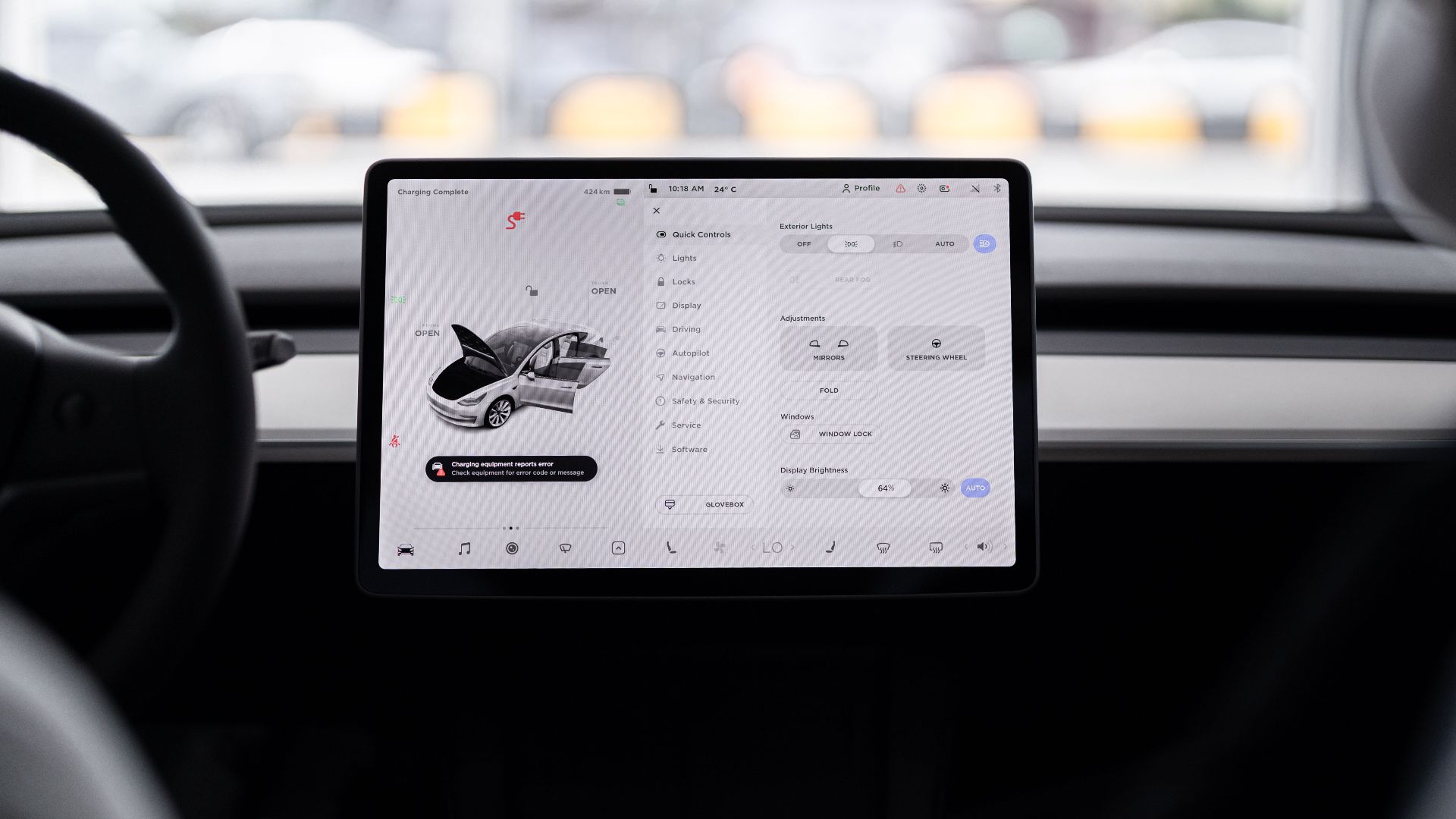
Some Cars Offer Backup Solutions
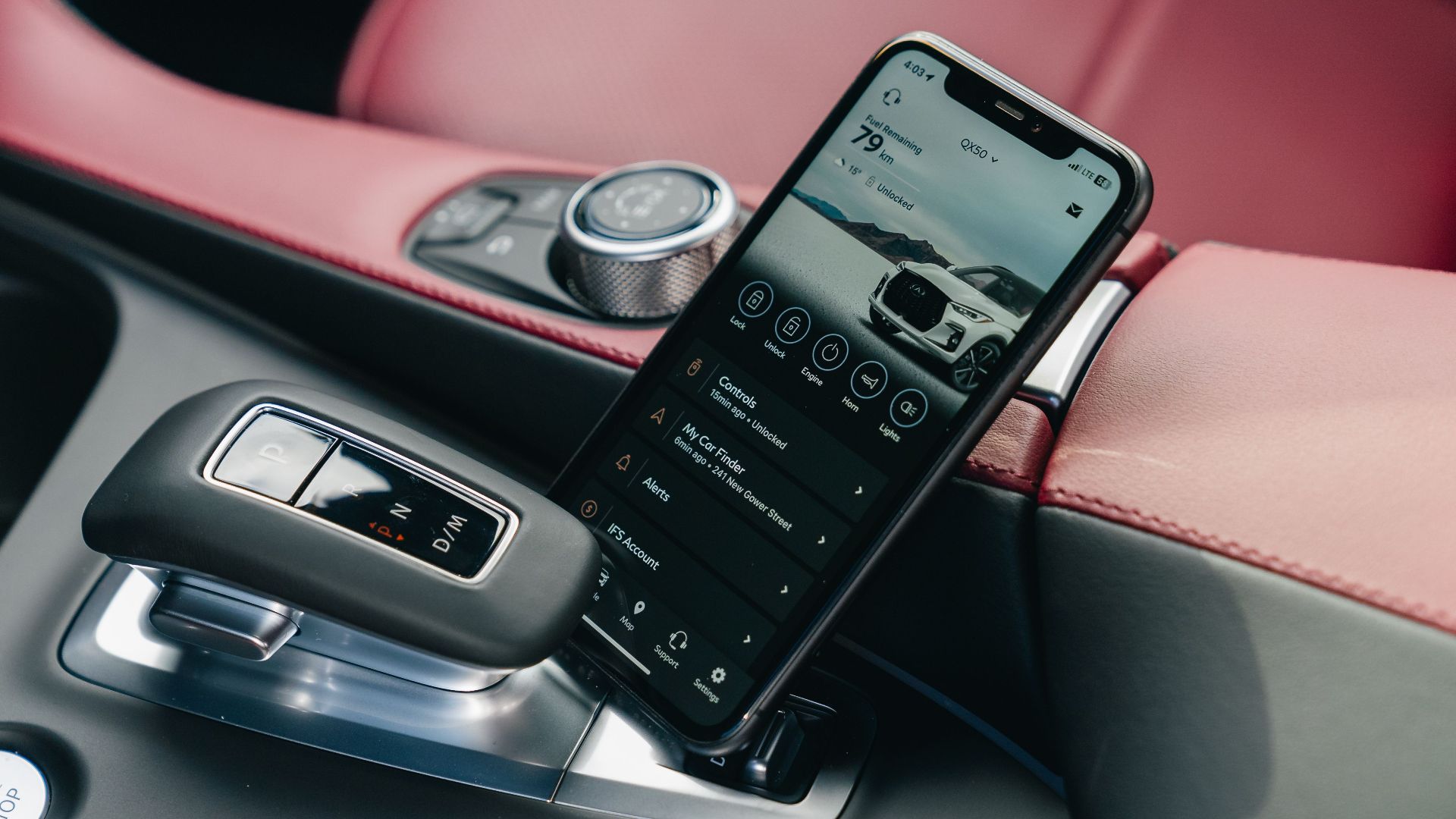
Modern vehicles often include alternative ways to unlock or unlatch doors. Smartphone apps can sometimes release a driver's door remotely. Some models also include hidden mechanical keys or emergency releases for specific situations.
Electronic Handles Add More Complexity
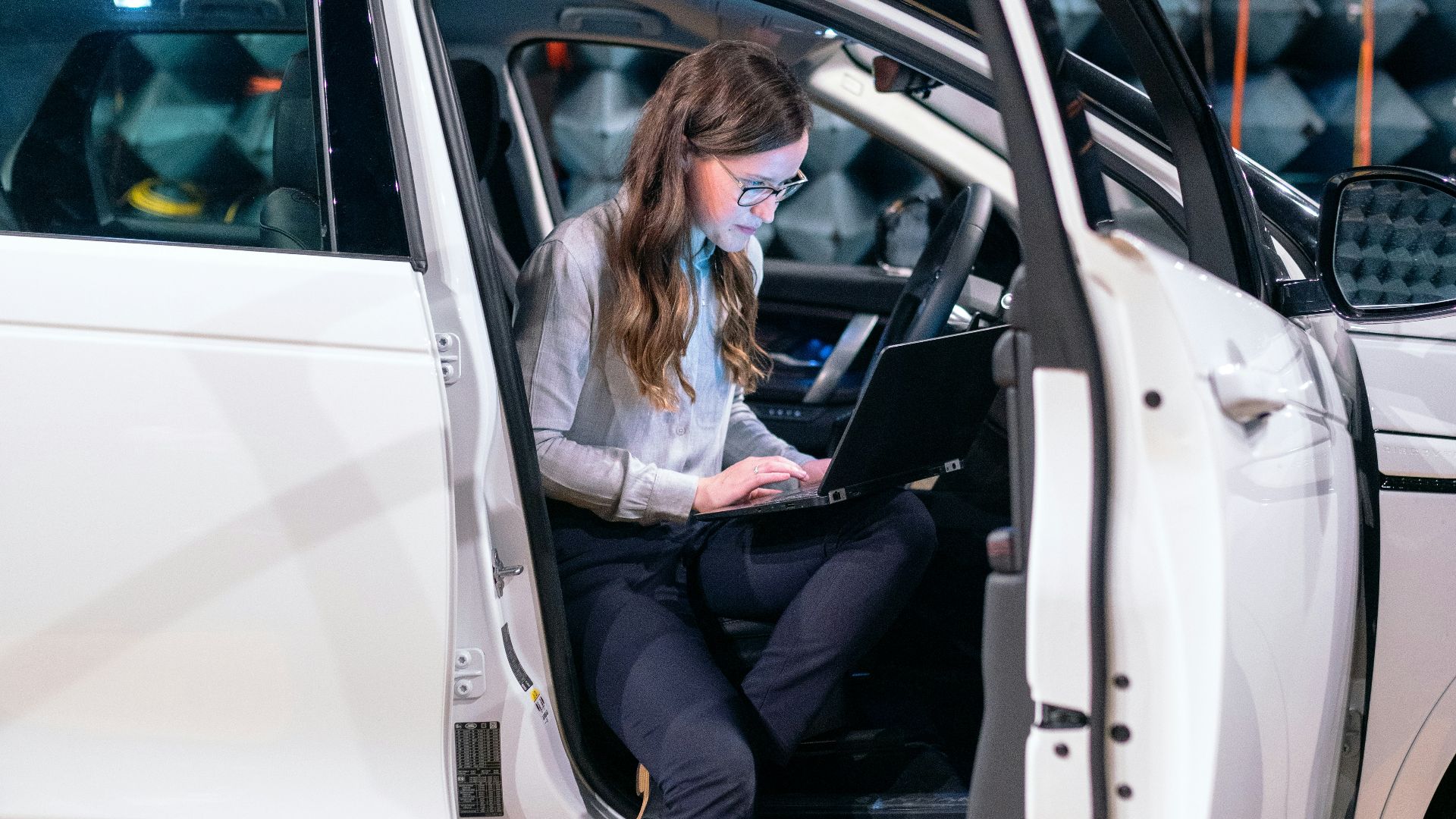
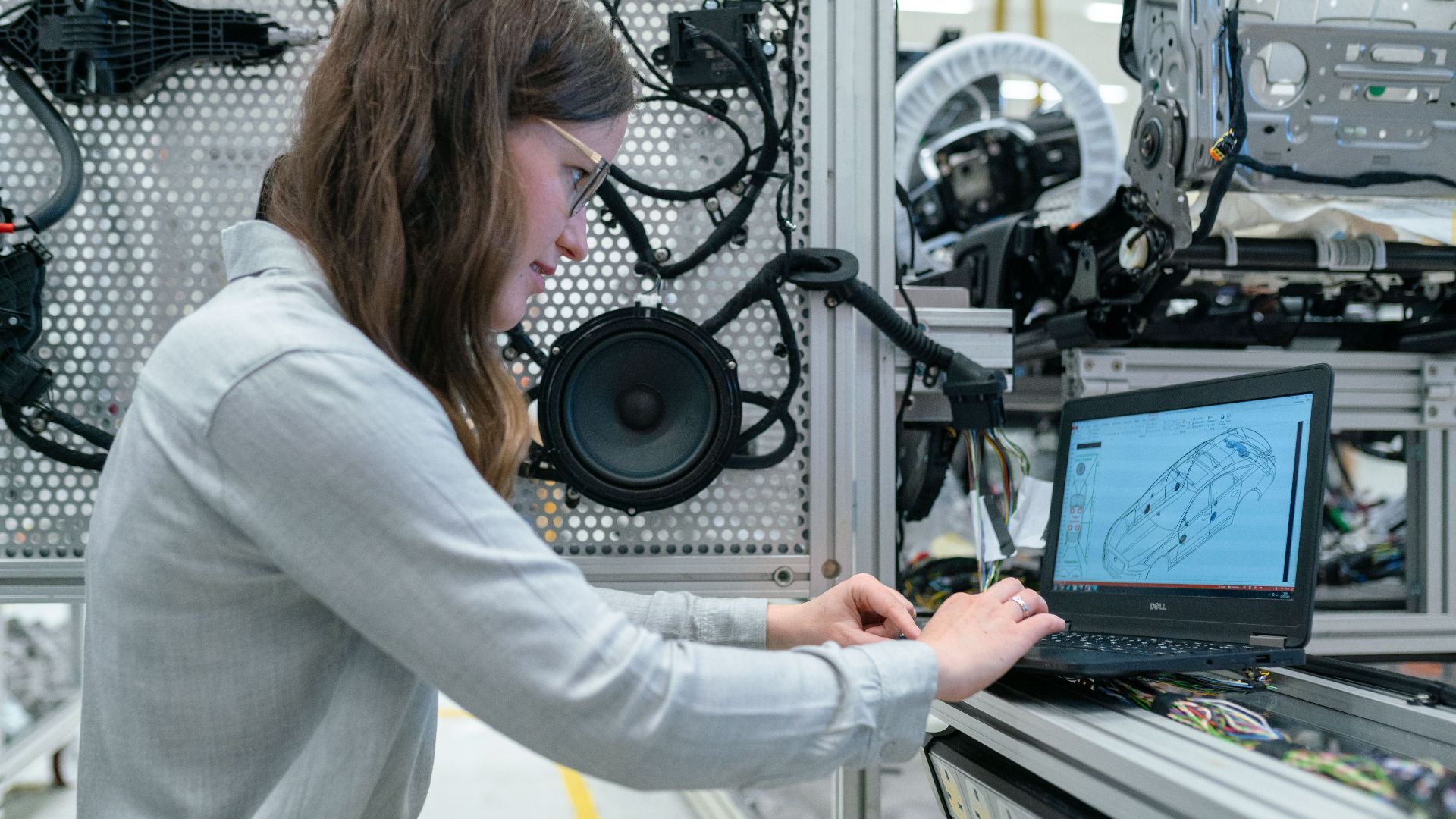
Traditional mechanical handles rely mostly on cables and linkages. Electronic systems may involve sensors, motors, software, and power supplies. Every additional component creates another potential point of failure, particularly during harsh weather or after electrical damage.
Emergency Situations Raise Bigger Questions
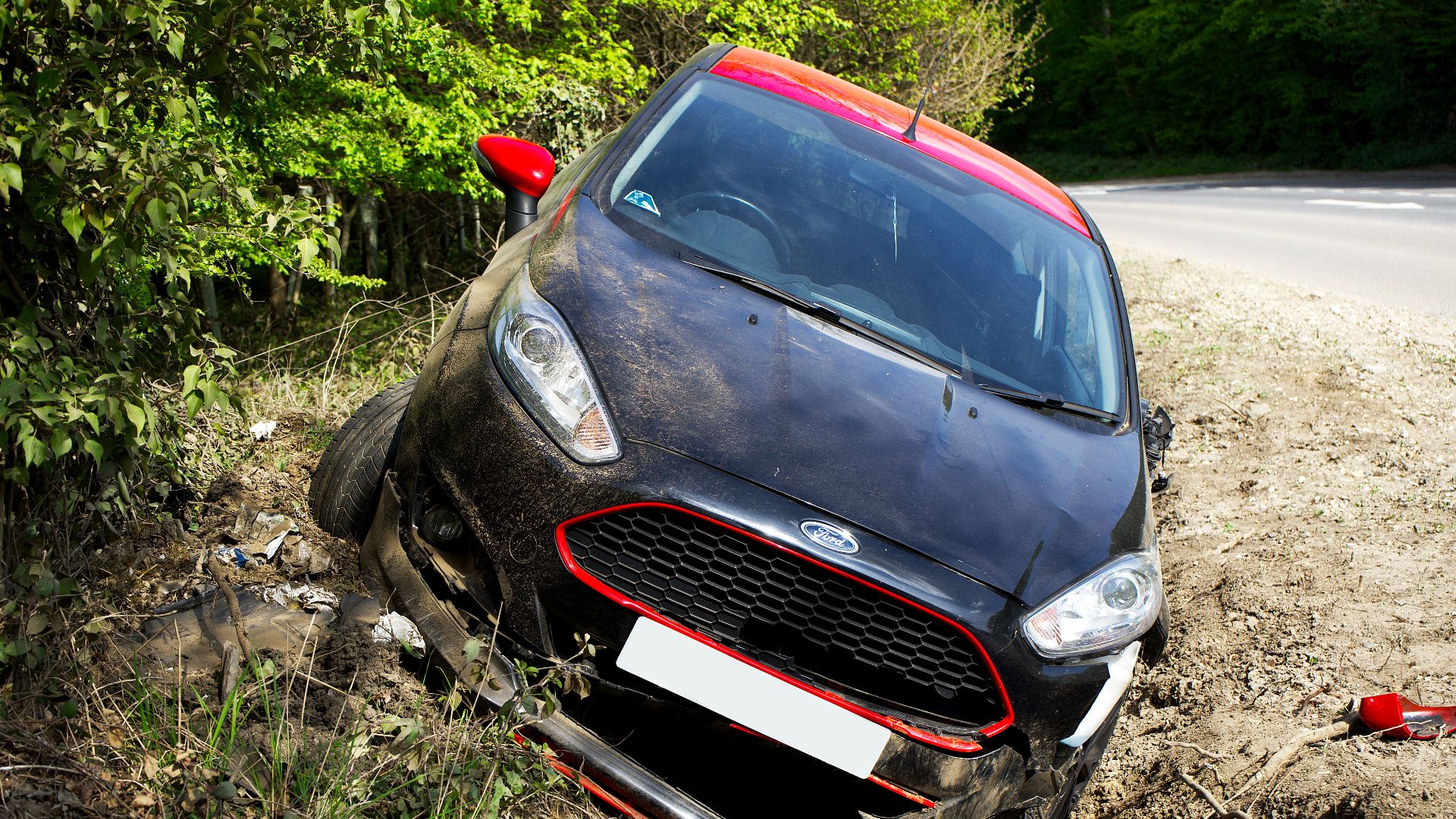
Cold weather is inconvenient, but crashes present much higher stakes. Safety experts have expressed concern that electronic door releases may become difficult to use if a vehicle loses electrical power. These concerns have drawn increasing attention from regulators and consumer advocates.
Regulators Are Paying Close Attention
The National Highway Traffic Safety Administration has announced plans to develop broader safety rules covering vehicle door release systems. The agency wants future standards to make emergency exits more intuitive and reliable regardless of vehicle design.

Consumer Advocates Want Simpler Escapes
Consumer Reports has urged automakers to make manual emergency releases easier to locate and operate. The organization argues that unfamiliar controls may confuse occupants during stressful emergencies. It has also supported proposed legislation aimed at improving emergency exits.
 Consumer Reports, Inc. , Wikimedia Commons
Hidden Handles Can Surprise First Time Users
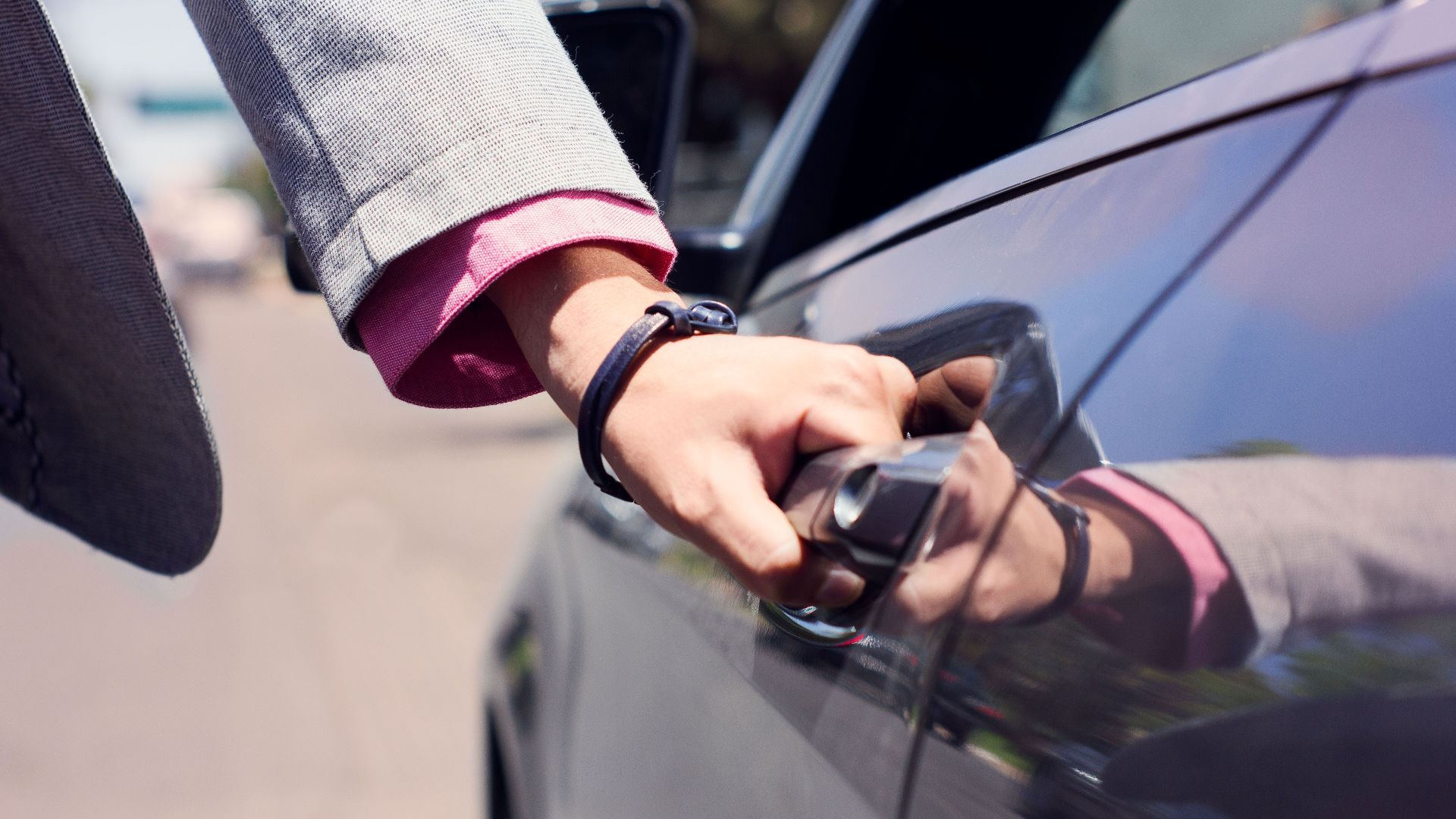
Many drivers instinctively reach for a traditional pull handle. Flush designs often require pressing, pushing, or activating a specific section instead. Visitors riding in an unfamiliar vehicle may not immediately understand how the doors operate.

Every Manufacturer Takes A Different Approach
There is no universal design standard for flush handles. Some extend automatically when unlocked, while others remain recessed until pressed. This variety means drivers frequently need to learn new techniques when switching vehicles.
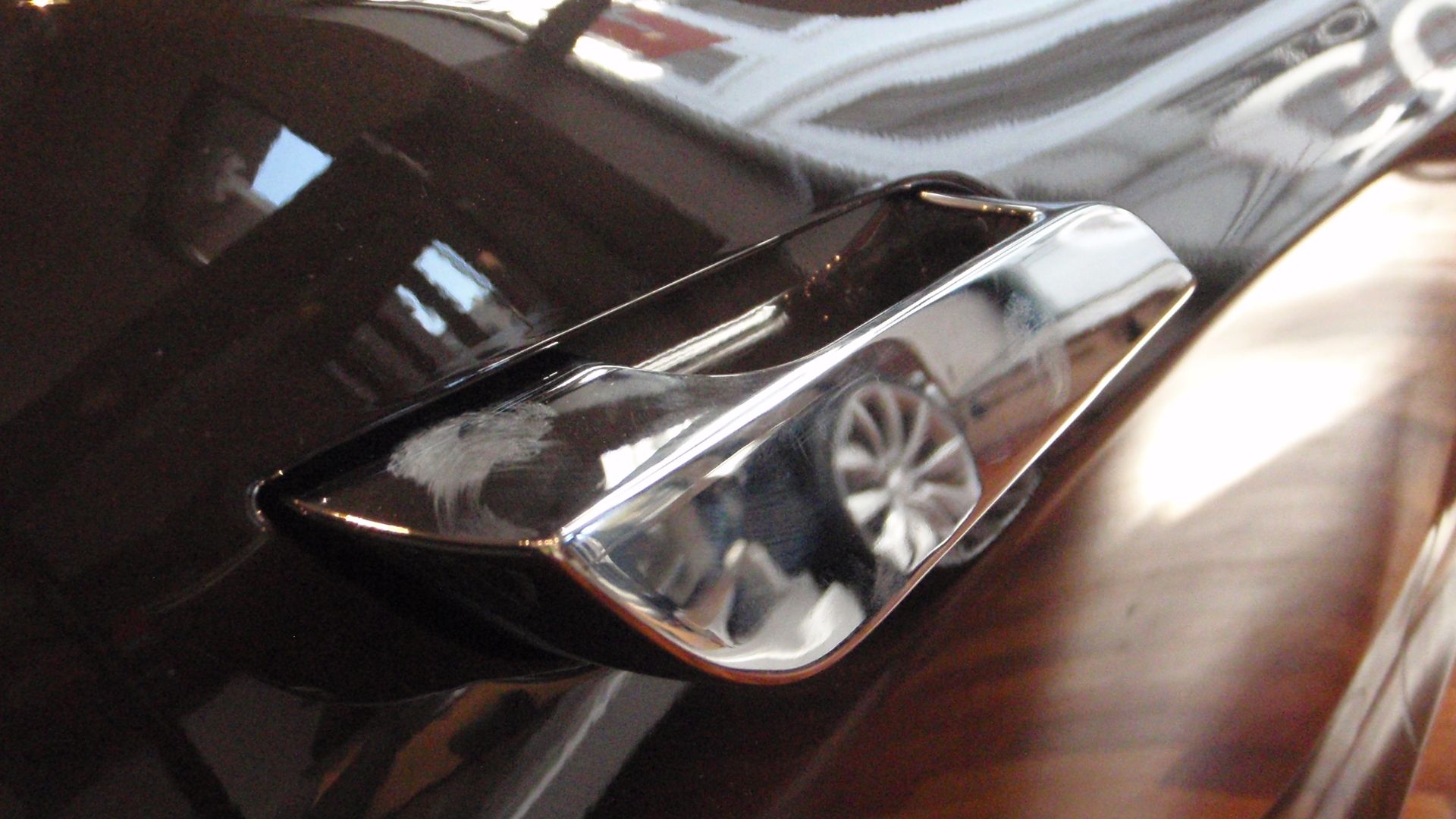 Morten Haagensen, Wikimedia Commons
Winter Testing Matters More Than Ever
Vehicles sold in northern climates must perform through snow, freezing rain, and repeated freeze-thaw cycles. Engineers conduct extensive cold-weather testing to identify weaknesses before production. Even so, unusual weather conditions can still expose unexpected problems.
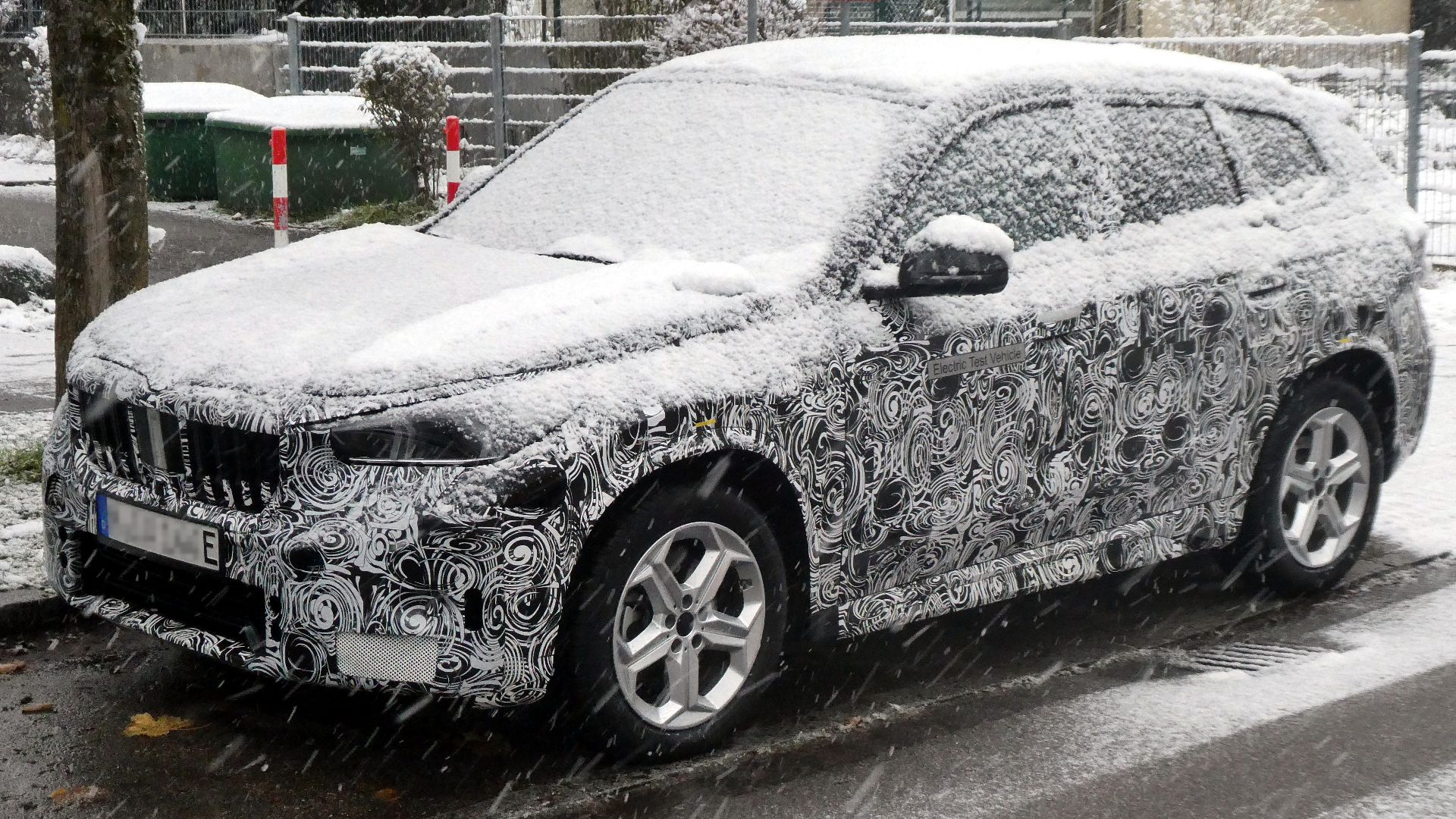 Renardo la vulpo, Wikimedia Commons
Small Features Can Affect Daily Convenience
Most people open their car doors multiple times every day without thinking about it. When a handle freezes or becomes difficult to operate, a simple task suddenly becomes frustrating. Convenience features lose much of their appeal when reliability suffers.

Efficiency Is Still A Legitimate Goal
Automakers are not adding flush handles simply for appearance. Improved aerodynamics contribute to better fuel economy and extended electric driving range. Those efficiency gains matter to buyers who want lower operating costs and fewer charging stops.
Drivers Often Accept Tradeoffs
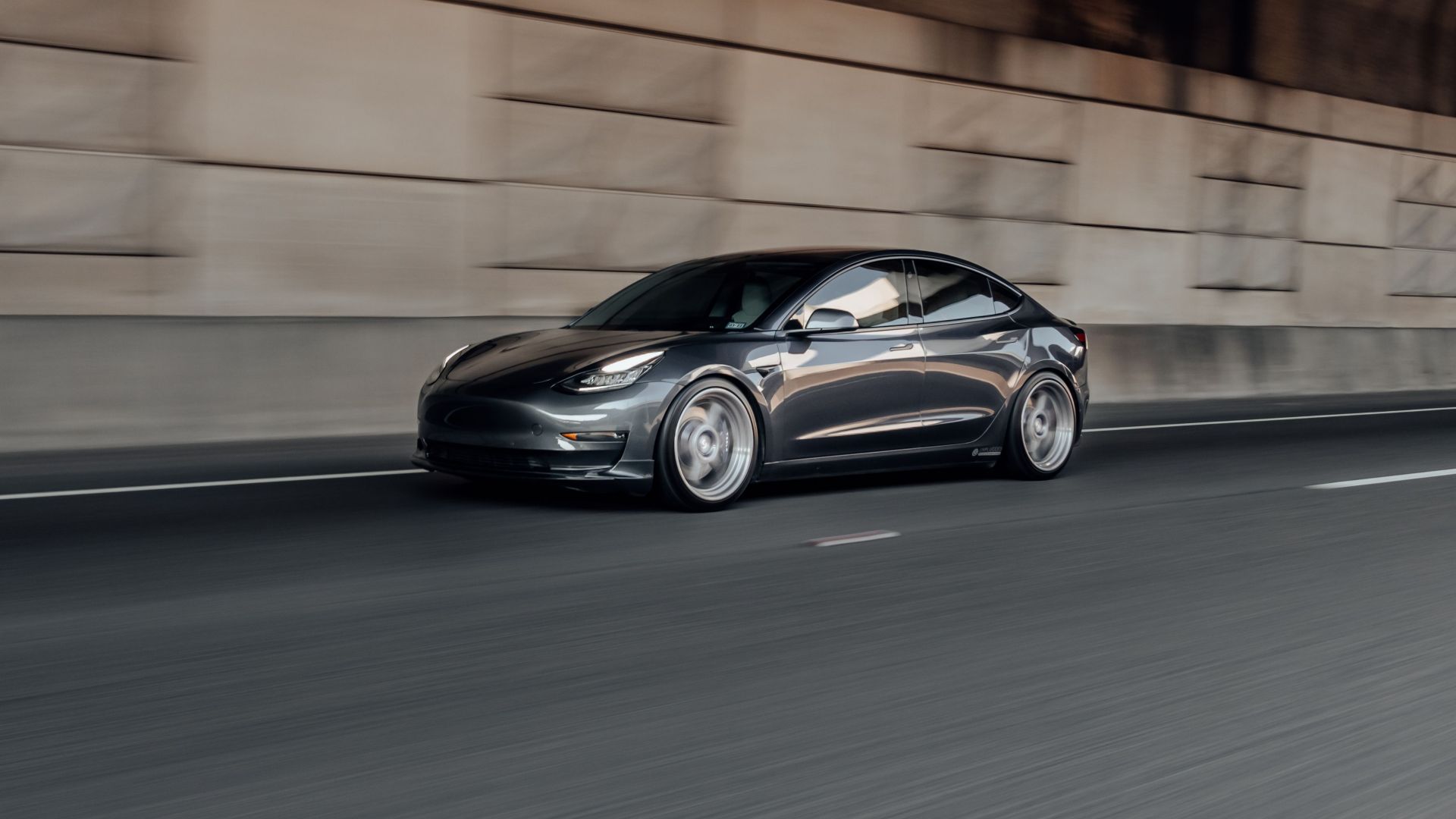
Consumers regularly choose sleek styling over maximum practicality. Large wheels, panoramic roofs, and low-profile tires all involve compromises. Flush handles simply represent another example of balancing appearance, efficiency, and usability.

Technology Can Solve Some Problems
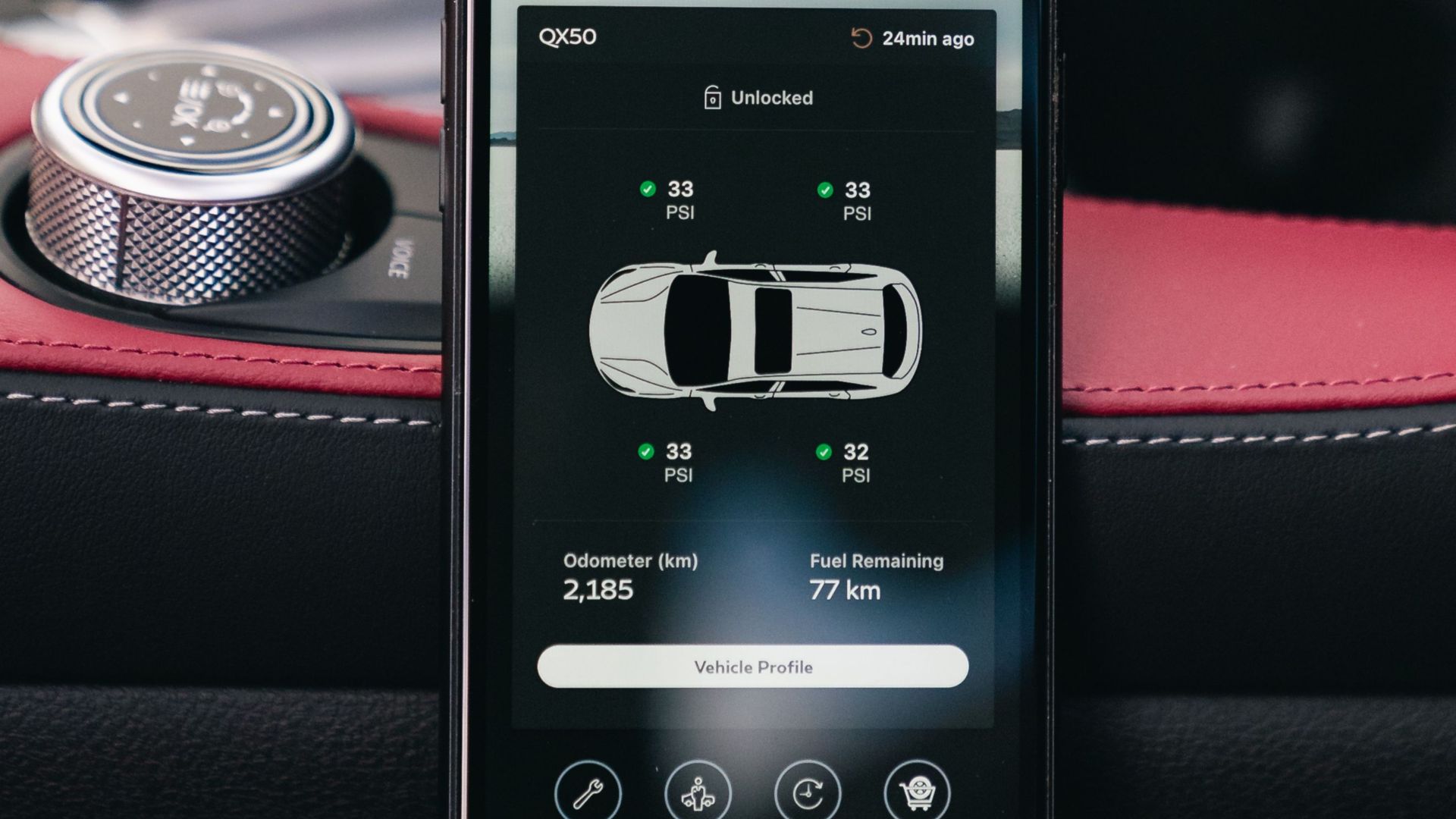
Software updates and mobile apps have become important parts of the ownership experience. Some vehicles allow owners to unlatch doors remotely through their smartphones when exterior handles become difficult to operate. These features provide useful alternatives under certain conditions.
Mechanical Backups Still Matter
Safety experts continue emphasizing the importance of reliable manual releases. Mechanical systems can provide an extra layer of protection when batteries fail or electronics become damaged. Clear labeling also helps passengers locate emergency exits quickly.
Other Countries Are Responding Too
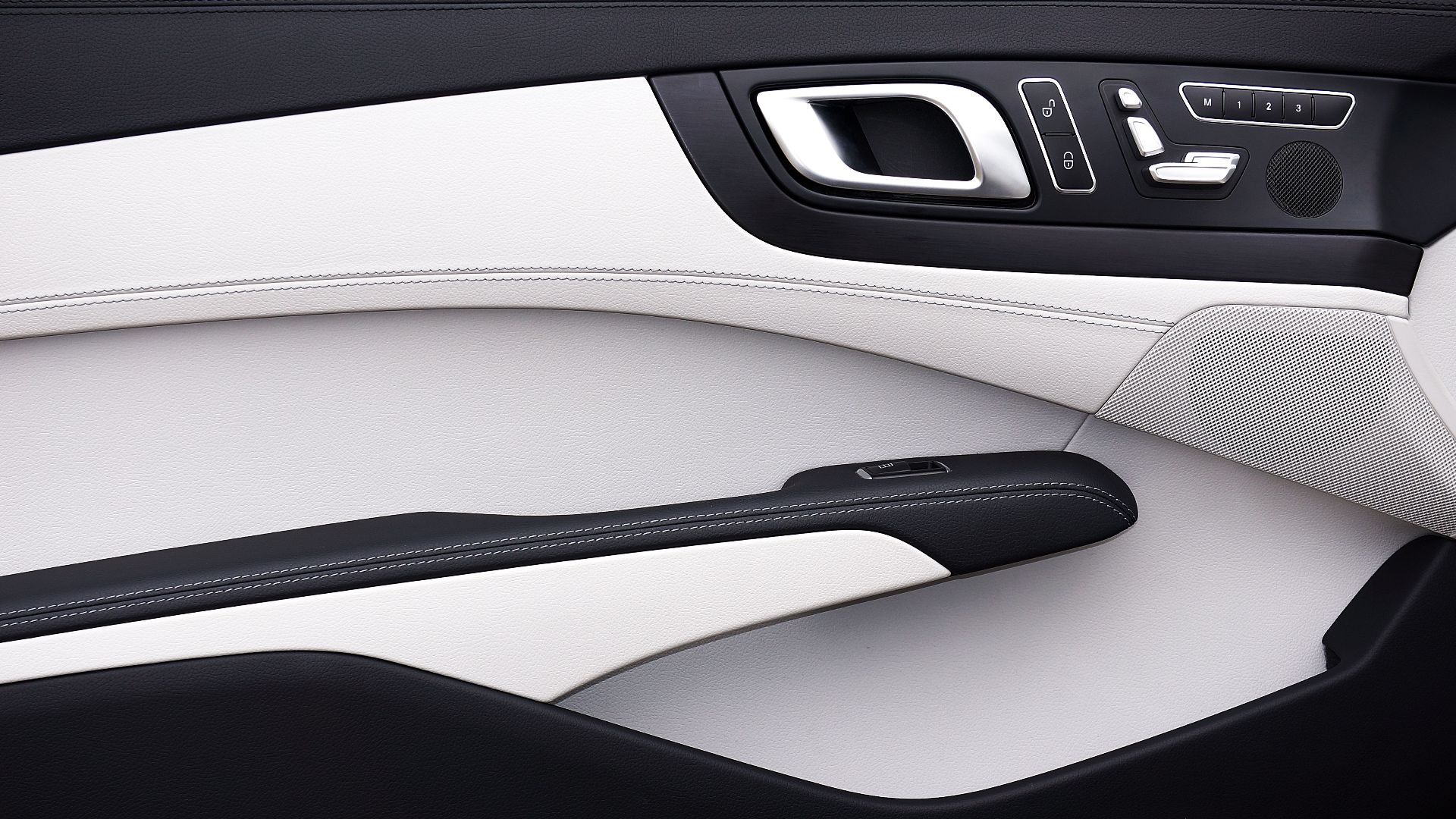
Governments outside North America are also examining electronic door handle safety. China has announced regulations requiring mechanical release functions while restricting electronic-only hidden handle designs on future vehicles.
 Walter Grassroot, Wikimedia Commons
Practical Design Never Goes Out Of Style
Drivers appreciate features that work consistently in every season. Reliable operation often leaves a stronger impression than dramatic styling. A door handle that functions during an ice storm may ultimately be more valuable than one that looks futuristic.
Buyers Should Research Everyday Features
Most shoppers compare horsepower, battery range, and infotainment screens. It is also worth learning how doors operate during power failures or severe winter weather. Reading the owner's manual before problems arise can prevent surprises later.

Cold Climates Reveal Hidden Weaknesses
Vehicles perform differently in Arizona than they do in Alberta or Minnesota. Features that seem effortless in warm weather can become more demanding once temperatures drop below freezing. Real-world winter use often highlights practical concerns that showroom displays never reveal.

The Best Innovations Feel Invisible
Successful technology quietly improves everyday life without requiring extra thought. Drivers rarely notice a dependable mechanical handle because it simply works. Truly great innovation combines convenience with reliability instead of forcing owners to adapt.
The Industry Is Still Learning
Vehicle design continues evolving as manufacturers pursue better efficiency and modern styling. Safety organizations, regulators, and automakers are actively evaluating how electronic door systems should function under difficult conditions. Future models will likely reflect lessons learned from today's experiences.
Style Should Never Replace Usability
Modern cars have become more advanced than ever before. Many new features genuinely improve comfort, efficiency, and safety. Still, something as ordinary as opening a door reminds us that practical design remains just as important as futuristic styling.
You May Also Like:
The Most Overrated Cars Today, According To Car Enthusiasts
People With The Largest Car Collections In The World