Apparently, The Pumpkin Has Right Of Way
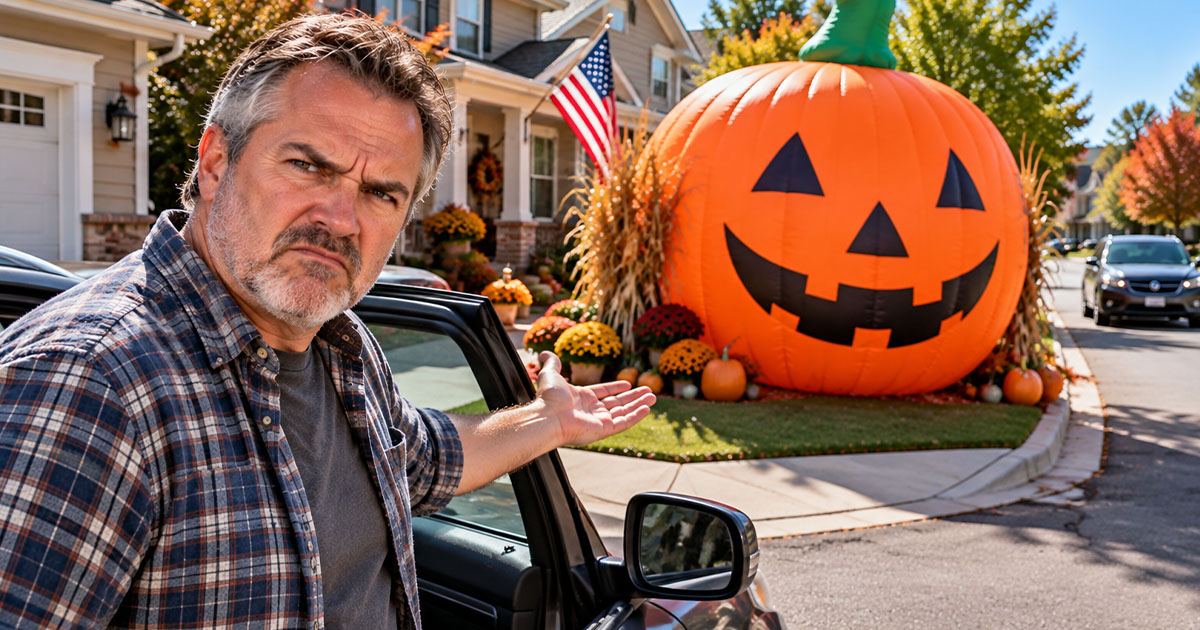
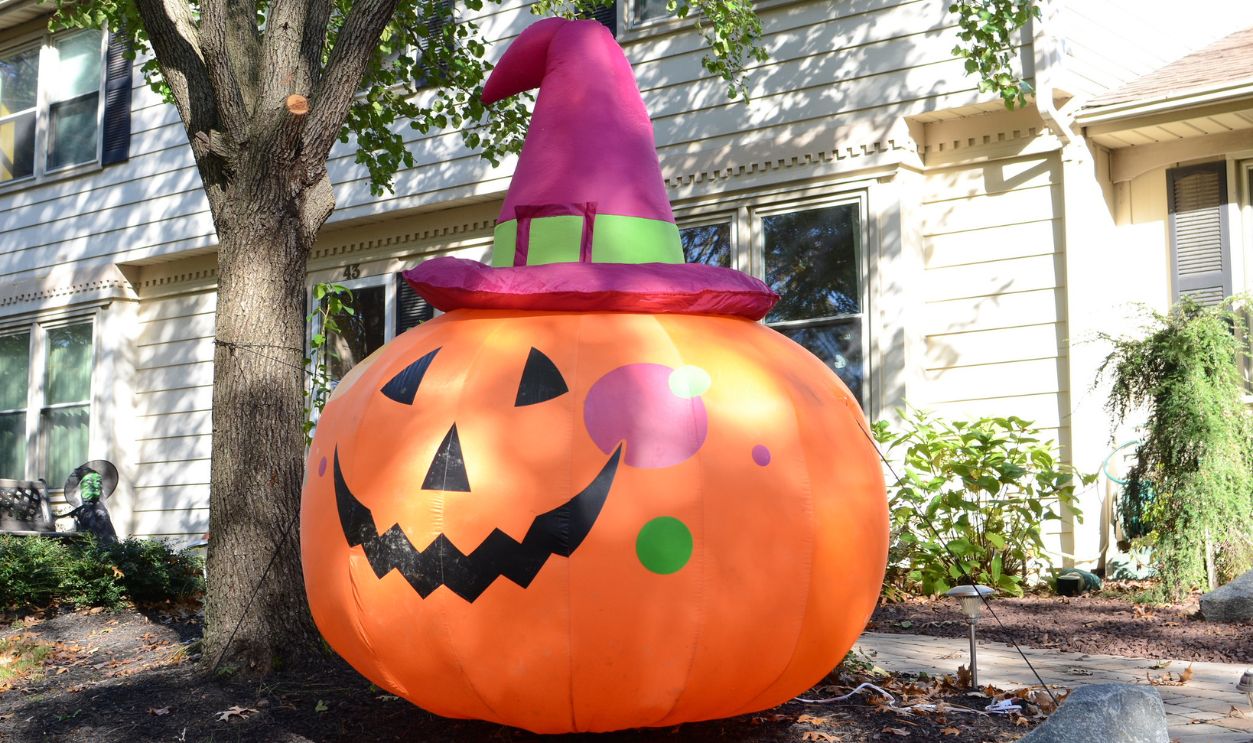
Your neighbor loves Halloween. Unfortunately, he also loves a gigantic inflatable pumpkin positioned near the edge of his front yard. Every time you back out of your driveway, you have to creep toward the street because the enormous orange decoration blocks your view of approaching cars, cyclists, and pedestrians.
Is this a driving hazard? Can you actually ask the city to make him move it?
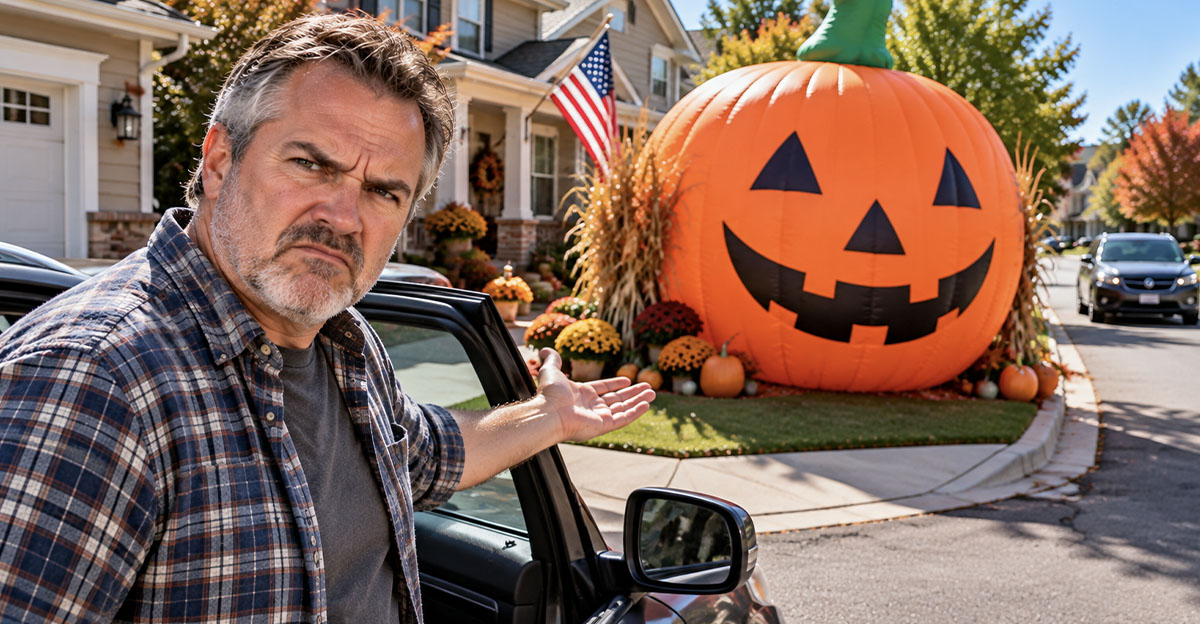
We're Talking About A Seriously Big Pumpkin
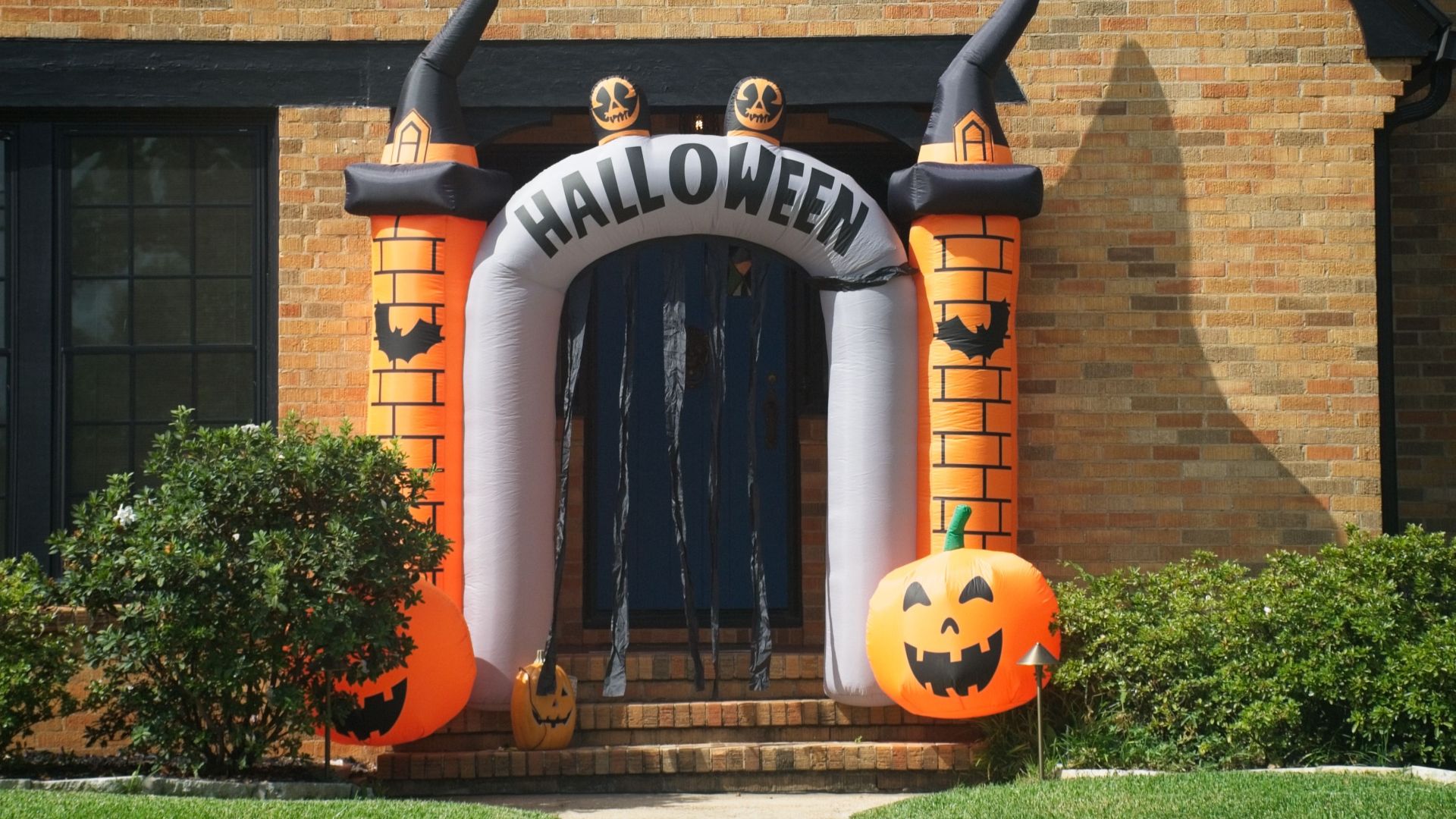
This isn't a normal plastic jack-o'-lantern sitting beside the porch. Imagine a 10- or 12-foot inflatable planted close to the sidewalk or property line. It's tall, wide, opaque, and positioned exactly where you'd normally look when checking for traffic. Suddenly, Halloween decorating has created a surprisingly practical problem.
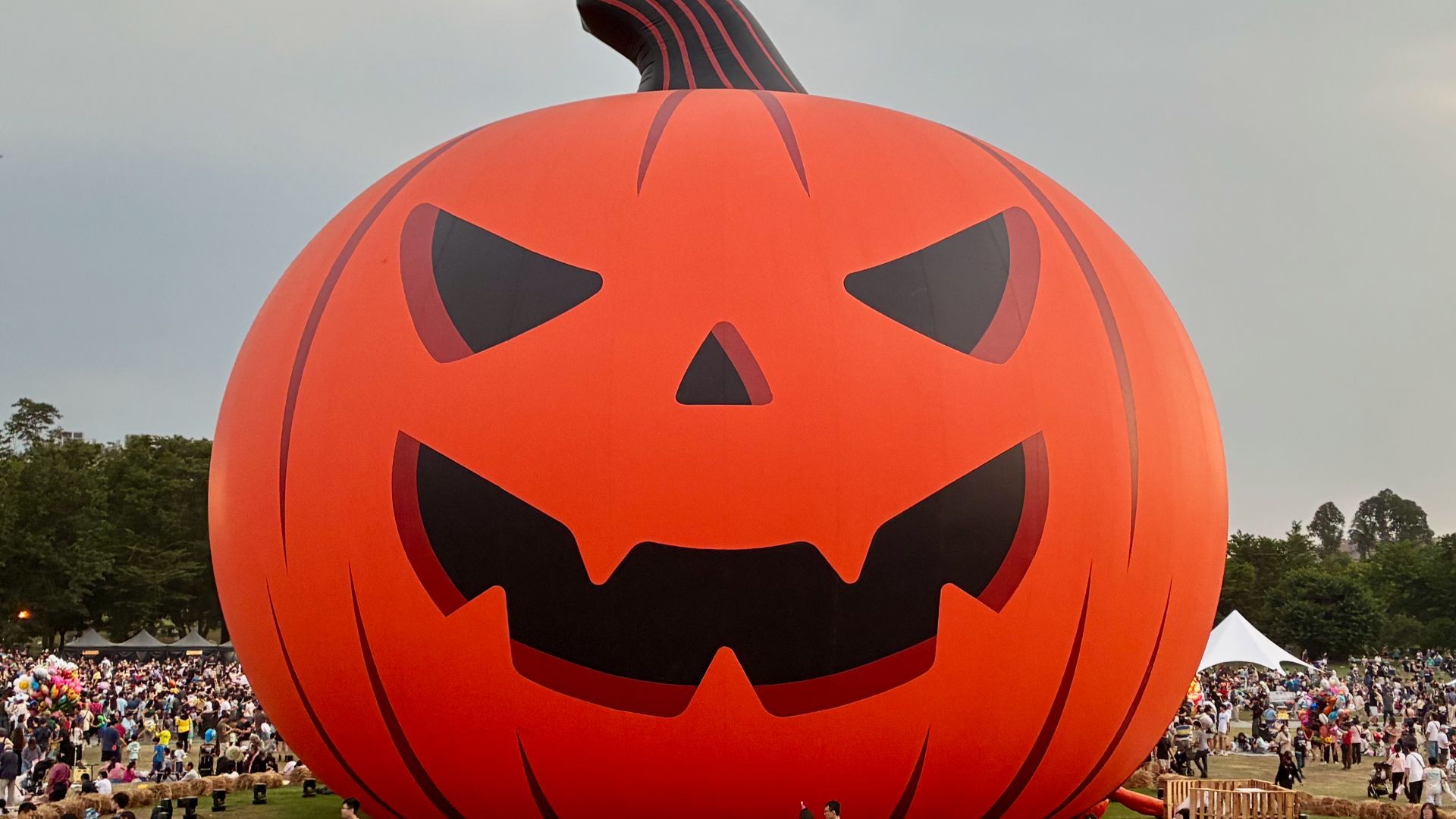
Your Neighbor Is Allowed To Decorate His Yard
Start with the obvious. Americans generally don't need municipal permission to put ordinary seasonal decorations on residential property. A pumpkin being large, orange, ridiculous, or visible from your kitchen window doesn't automatically make it illegal. Cities normally need an actual ordinance or safety rule before ordering someone to change their property.

But This Isn't Really About Halloween
That's the important distinction. If the inflatable is causing a genuine visibility problem, the city doesn't necessarily have to regulate it as a Halloween decoration. Local rules may regulate visual obstructions near streets, intersections, sidewalks, and driveways regardless of whether the obstruction happens to be a hedge, fence, sign, wall, or enormous smiling pumpkin.
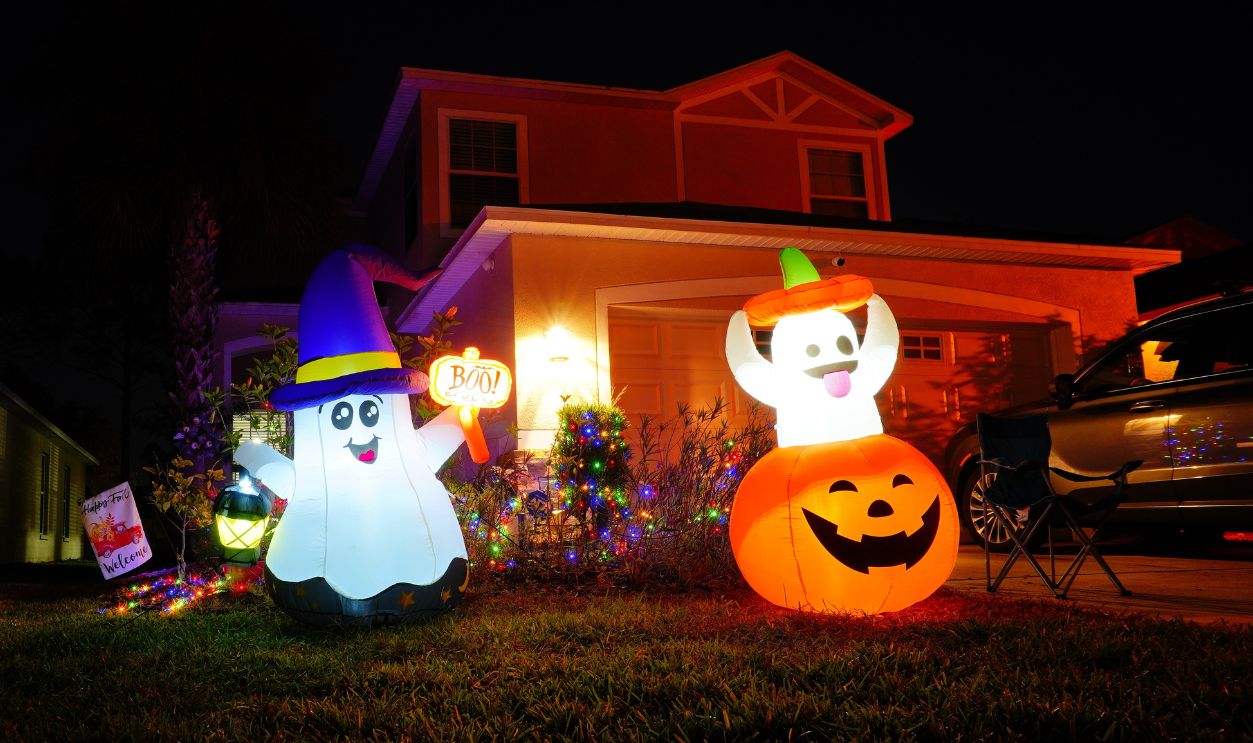
Cities Really Do Protect Sight Lines
Many local governments establish areas that must remain reasonably clear so drivers can see approaching vehicles, cyclists, and pedestrians. These areas are commonly called sight triangles, visibility triangles, clear-vision areas, or sight-distance areas. The exact terminology and dimensions vary considerably from one municipality to another.
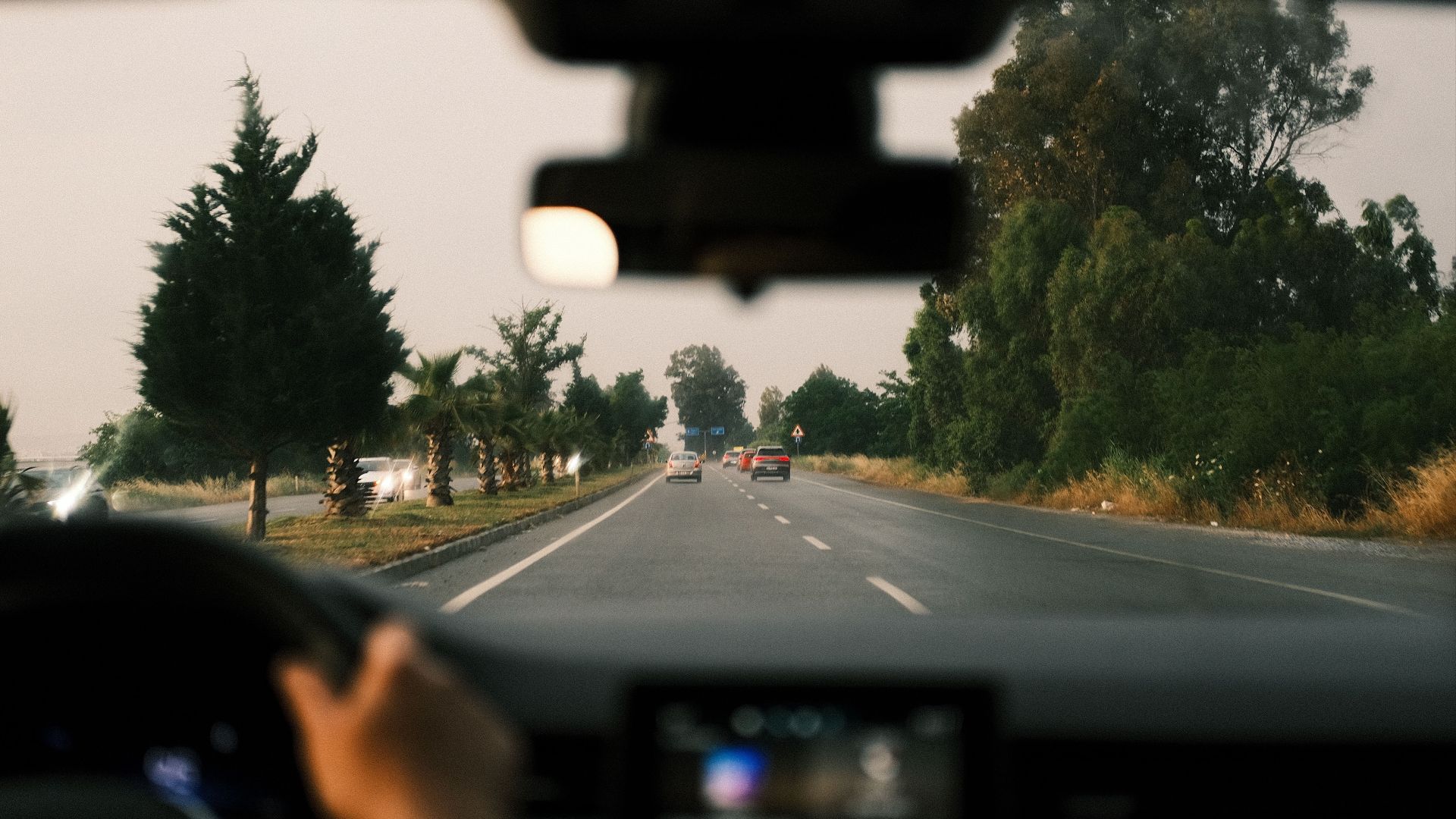
Charlotte Even Covers "Other Objects"
Charlotte, North Carolina's development rules provide a useful example. Within certain established sight triangles, the city restricts structures, signs, landscaping, fences, walls, and other objects that obstruct visibility within a specified height range. Its rules also establish sight triangles at driveway connections so drivers can see pedestrians and cyclists.
That wording is considerably broader than "no tall hedges."
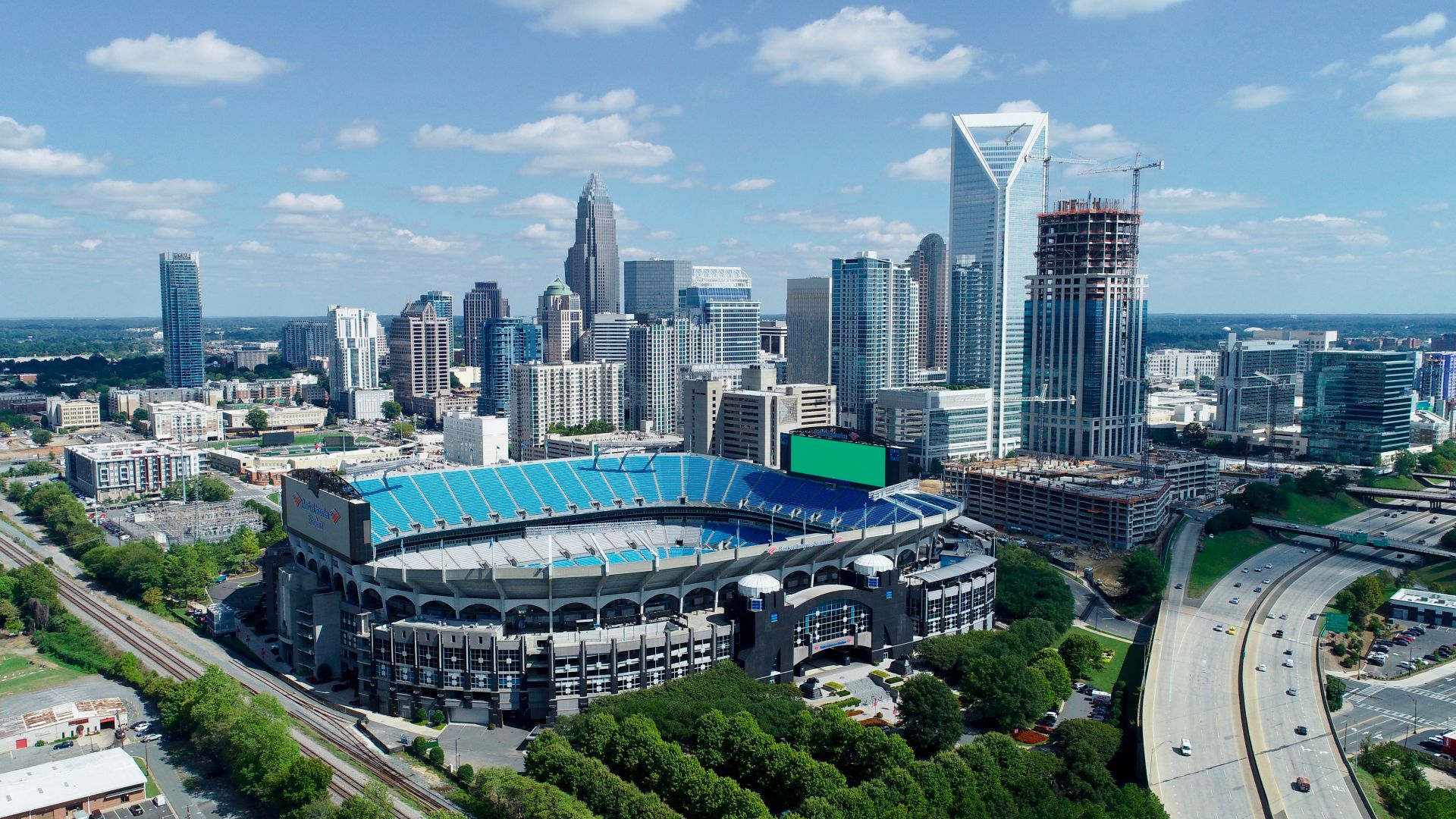 Precisionviews, Wikimedia Commons
Phoenix Has Visibility Rules Too
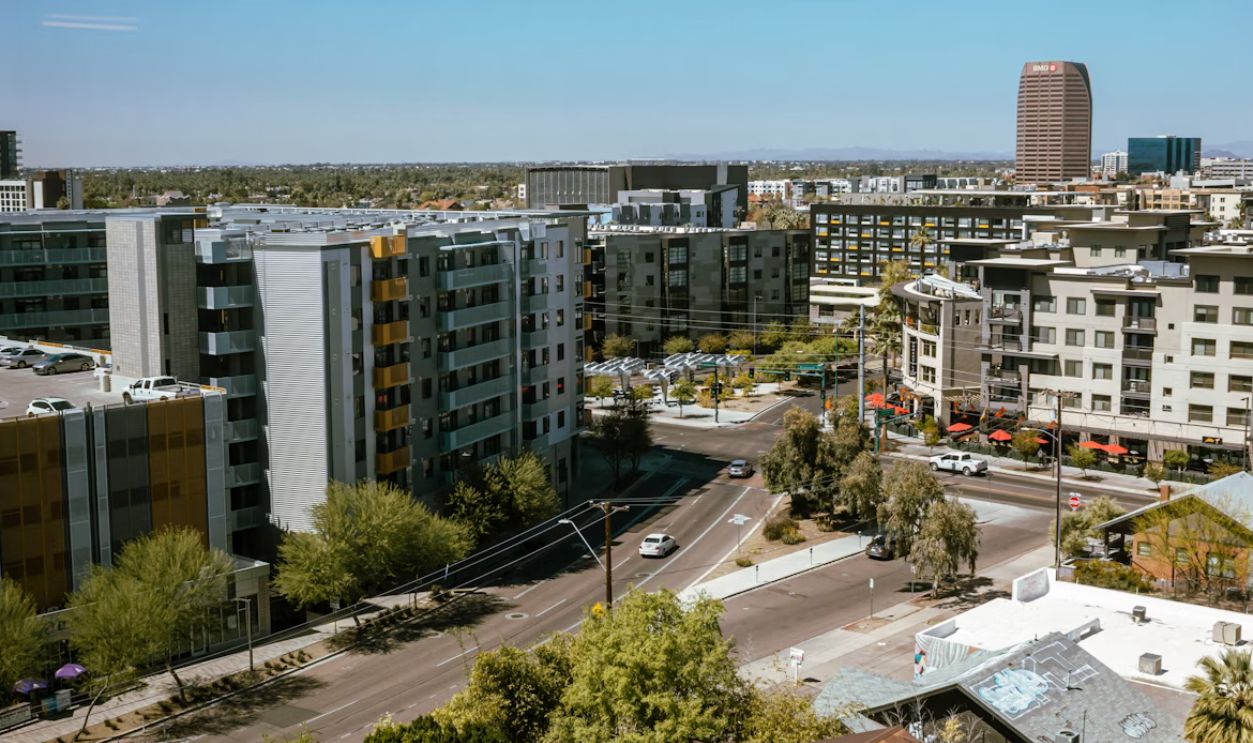
Phoenix restricts visual obstructions within designated areas at public street intersections. Its residential guidance also notes that visibility restrictions can apply around driveways. The precise rules depend on the location and circumstances, but the basic idea is familiar: private property can't always be used in a way that creates a dangerous blind spot for public traffic.
Your Driveway Is The Important Detail
If the pumpkin merely blocks your view of the neighbor's begonias, you probably don't have much of a traffic-safety argument. If it prevents you from seeing people or vehicles while entering a public street, that's different. The issue becomes whether its placement violates an applicable visibility or obstruction requirement.
Backing Out Makes This Particularly Awkward
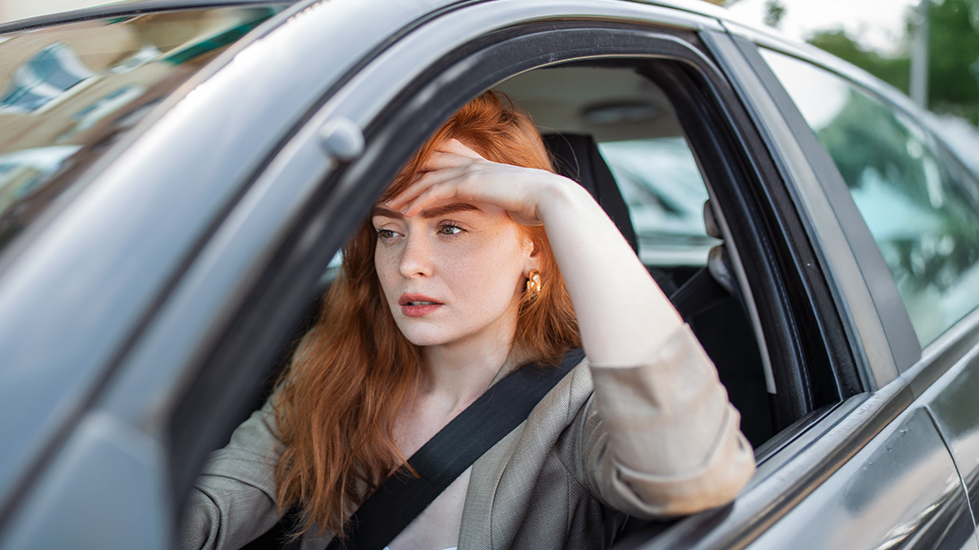
When reversing from a driveway, you're already trying to monitor several directions at once. There may be children on the sidewalk, cyclists approaching from either direction, parked vehicles, and moving traffic on the street. Losing a large portion of your side view makes an ordinary maneuver considerably more difficult.

"I Can Just Back Out Slowly" Isn't A Great Solution
Of course you should back out carefully. But creeping several feet into a sidewalk or roadway before you can finally see around an obstruction can create its own danger. Ideally, you should be able to obtain adequate visibility before placing your vehicle directly in the path of someone you couldn't previously see.

Pedestrians May Be The Bigger Concern
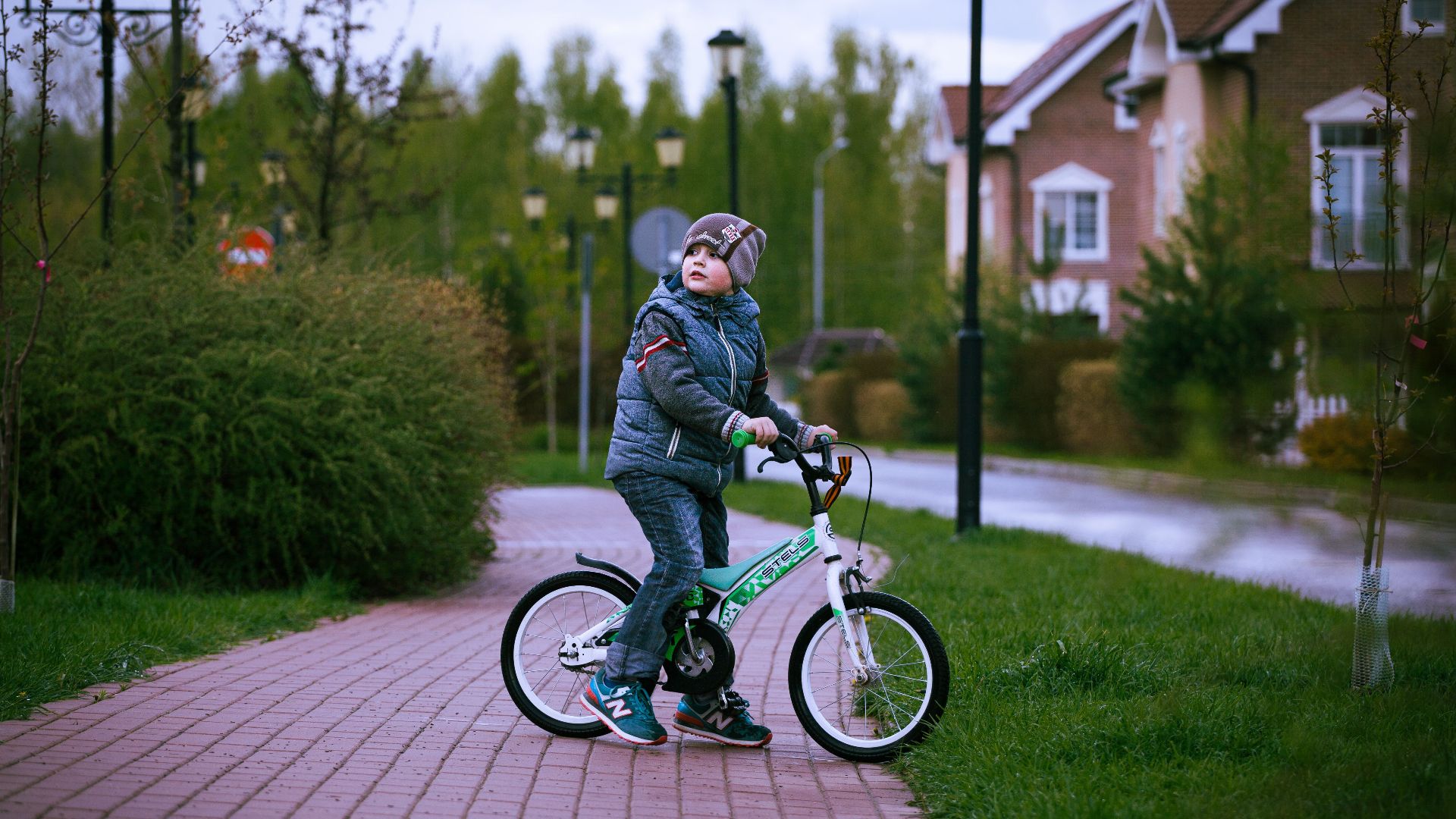
It's easy to focus on cars, but a huge inflatable beside a driveway can conceal much smaller road users especially well. A child on a bicycle or someone walking a dog may disappear completely behind it from the driver's perspective. That's one reason some local driveway sight-line rules specifically consider pedestrians and cyclists.
Charlotte's Rules Illustrate That Point
Charlotte's current transportation guidance describes 10-by-10-foot sight triangles at driveways that are intended to help drivers see pedestrians and cyclists on sidewalks and shared-use paths. That doesn't mean your town uses Charlotte's exact measurements, but it demonstrates that driveway visibility is a recognized planning and traffic-safety issue.
The Pumpkin's Exact Location Matters
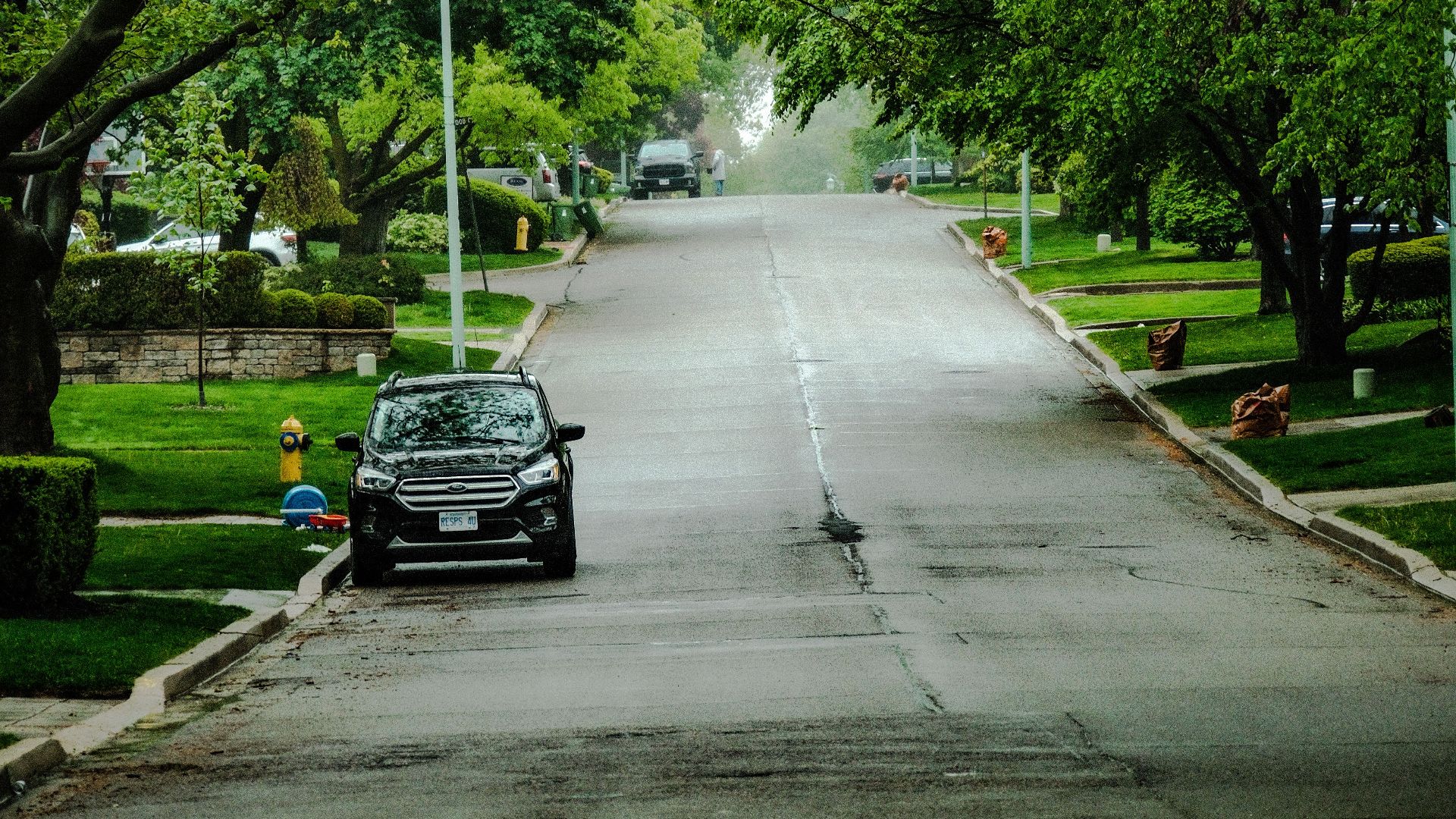
Move the inflatable 30 feet toward the house and your problem might disappear. Put the exact same pumpkin beside the sidewalk at the edge of the neighboring driveway and officials might view it differently. With sight-line regulations, placement can matter far more than what the object actually is.
Property Lines Aren't Always The Whole Story
Your neighbor may respond, "It's on my property." That isn't necessarily the end of the discussion. Zoning, setback, visibility, and right-of-way regulations routinely affect what owners may place on portions of their own property. Owning the dirt doesn't automatically exempt everything sitting on it from municipal rules.

The Public Right-Of-Way Could Matter Too
Sometimes residents assume their property extends all the way to the pavement when part of the area near the road is actually within a public right-of-way. If stakes, ropes, electrical cords, or portions of the display extend into a sidewalk or public area, that could create a separate issue from the sight obstruction itself.

Inflatable Decorations Need A Lot Of Hardware
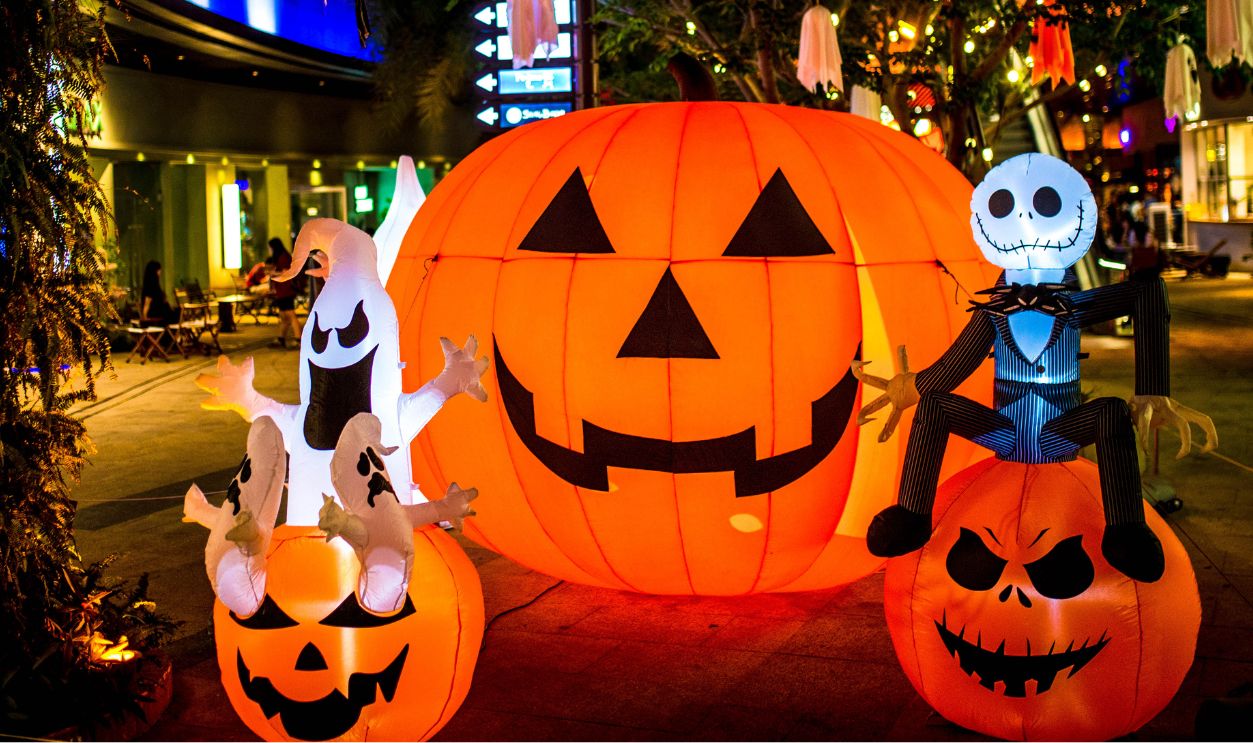
A giant pumpkin usually comes with more than a fan and optimism. There may be stakes, tether lines, extension cords, blowers, and anchors scattered around it. If any of those components cross a sidewalk or other pedestrian route, the display could potentially create a trip or accessibility problem even before anyone considers visibility.
The Extension Cord Could Cause Its Own Problem
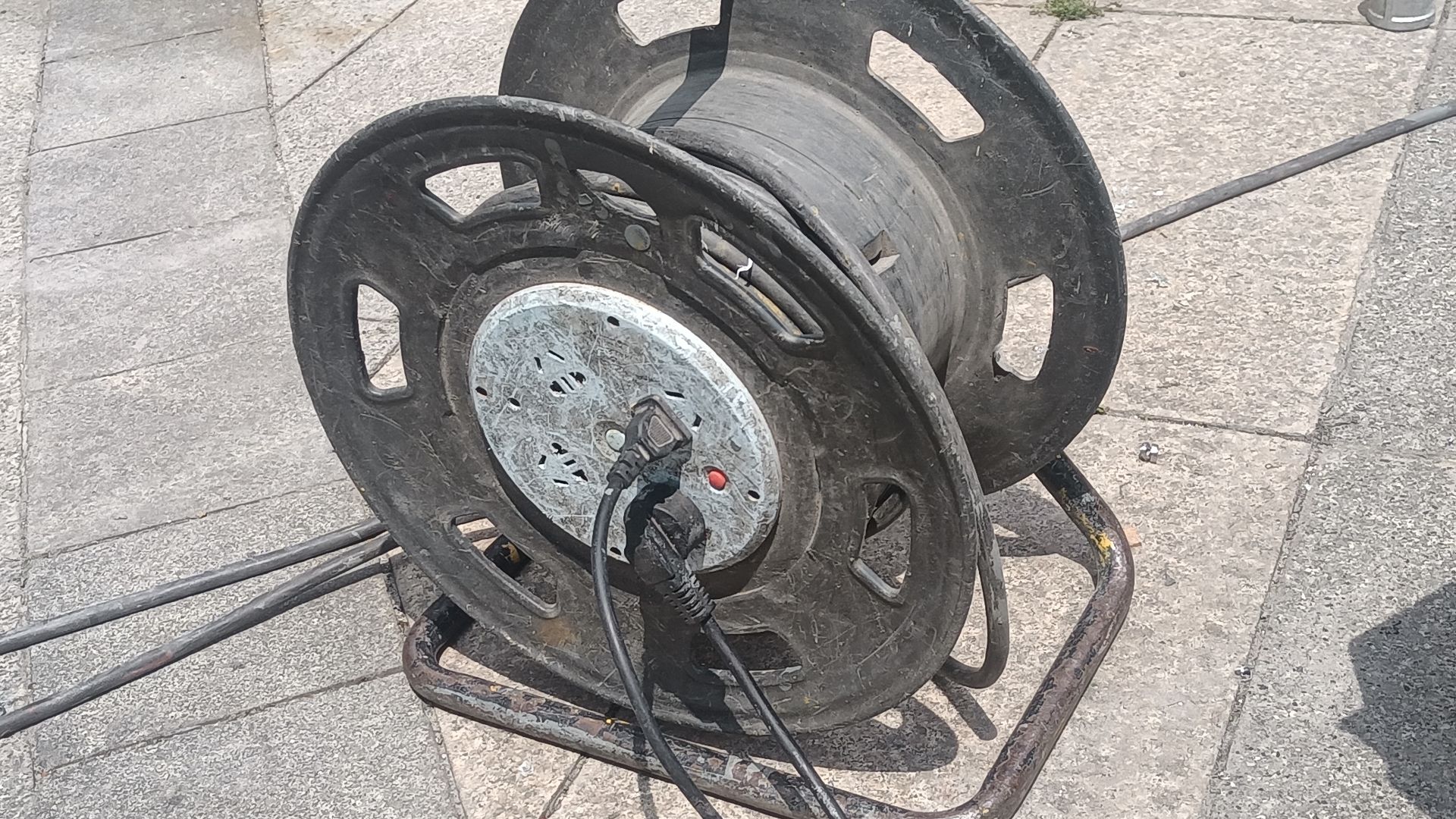
Suppose the pumpkin sits safely inside the yard but its electrical cord runs across the sidewalk. Now you've potentially created a separate pedestrian hazard. Local rules and electrical requirements vary, but complaining about a specific cord stretched across a public walkway is very different from simply telling City Hall that your neighbor's pumpkin is too big.
 Fumikas Sagisavas, Wikimedia Commons
Wind Makes Inflatable Decorations Unpredictable
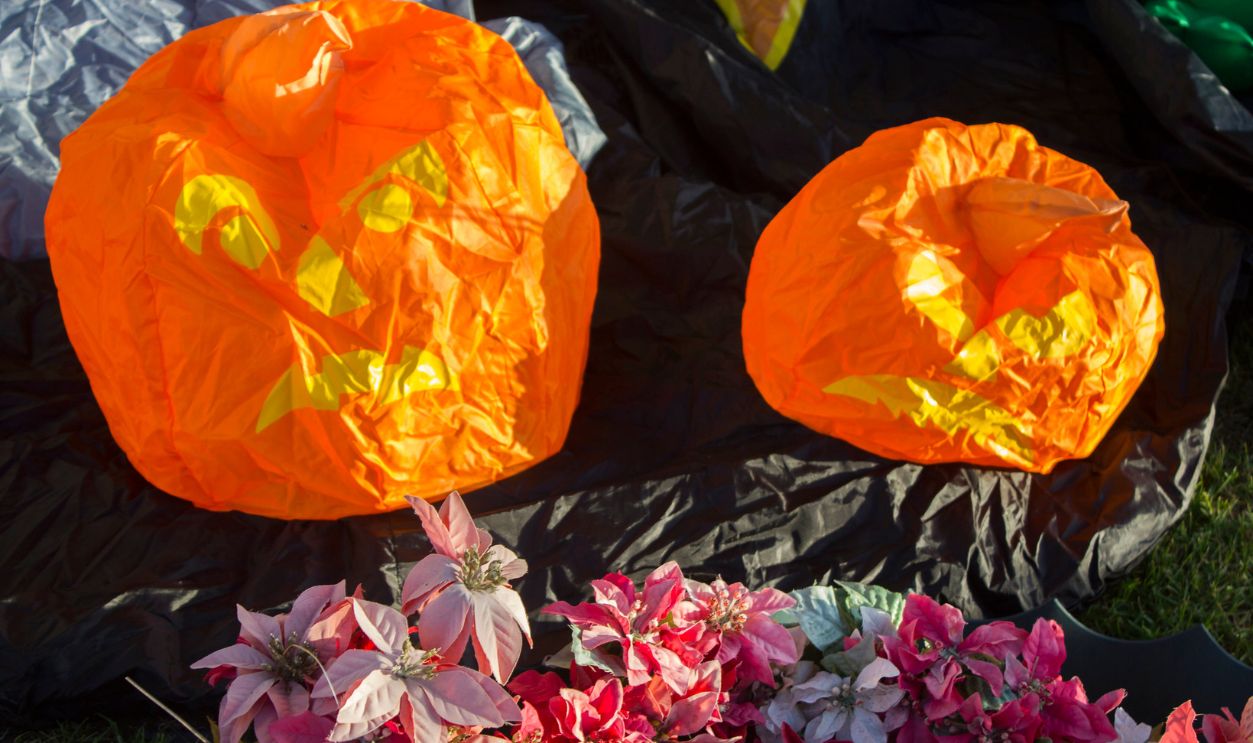
There's another wrinkle: inflatables move. A pumpkin that sits harmlessly upright on a calm afternoon might lean, sag, rotate, or partially collapse during windy weather. Its effective footprint and the amount of visibility it blocks can therefore change throughout the day.

A Deflated Pumpkin Could Be Worse In A Different Way
Imagine the blower switches off and 20 feet of orange fabric collapses onto the sidewalk. Or a tether comes loose and the decoration rolls toward the street. At that point, you're no longer talking only about sight lines. A poorly secured decoration could potentially create an obstruction or safety hazard of another kind.
What About Temporary Decoration Rules?
Some municipalities separately regulate temporary displays, structures, signs, or large inflatable devices. Those rules vary dramatically and may distinguish residential holiday decorations from commercial advertising inflatables. Don't assume a rule you found for a giant inflatable outside a furniture store automatically applies to your neighbor's Halloween pumpkin.
Holiday Decorations Sometimes Get Exceptions
Local codes can expressly exempt ordinary holiday displays from certain regulations, particularly sign rules. That makes it important to identify the correct ordinance. Your neighbor's pumpkin might be exempt from one set of restrictions while still being subject to generally applicable safety or sight-distance requirements.

"It's Temporary" Doesn't Automatically Make It Safe
Suppose the neighbor argues that Halloween decorations are only up for a month. That's relevant to some temporary-use rules, but it doesn't necessarily answer a visibility complaint. An obstruction capable of hiding an approaching cyclist doesn't become harmless simply because it'll be gone by November.

Nor Does "It's Halloween"
Holiday traditions don't generally provide an exemption from ordinary traffic-safety requirements. The city may tolerate decorations that wouldn't make sense as permanent landscaping, but that doesn't necessarily mean residents can block sidewalks, traffic signs, or legally protected sight areas for several weeks.

Your Neighbor Might Not Realize There's A Problem
Before turning this into the Great Pumpkin Property War, consider showing your neighbor what you see. Stand at your driveway and explain that the inflatable blocks approaching traffic from your normal driving position. They may be able to move it several feet and solve the entire problem without involving anyone else.

A Photo From The Driver's Position Can Help
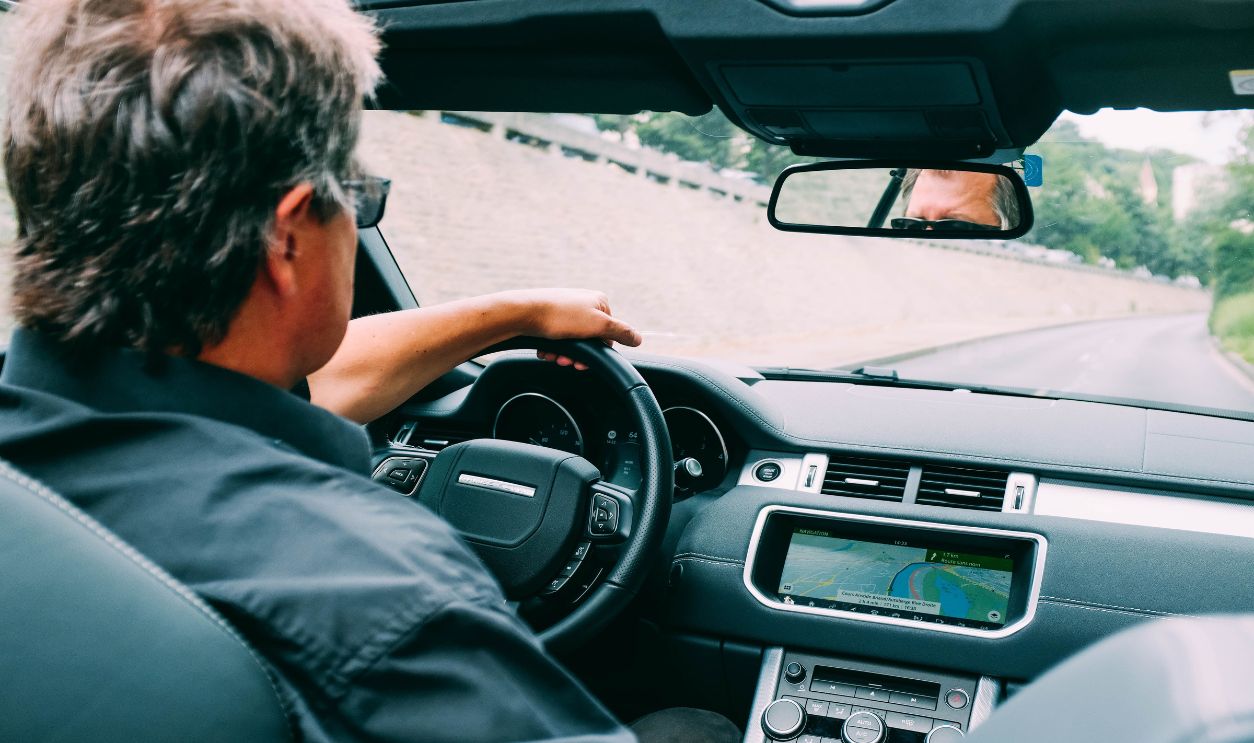
While your vehicle is safely parked, photograph the view from approximately your normal driving position. Show how much of the sidewalk or roadway disappears behind the pumpkin. A photograph demonstrating that an approaching car or pedestrian is hidden is much more informative than saying, "That thing is enormous and annoying."

Don't Photograph While You're Backing Up
Obviously, don't create a distracted-driving problem while trying to document a visibility problem. Park the vehicle first. If necessary, have another person safely photograph the situation from outside the vehicle. You want evidence of a hazard, not evidence that you were holding a phone while reversing.

Try To Separate Safety From Annoyance
This is important if you eventually contact the city. Don't lead with "My neighbor's Halloween decorations are obnoxious." Say that an object near the property line appears to obstruct visibility when vehicles leave your driveway and makes it difficult to see pedestrians or approaching traffic.
Those are facts an inspector can actually evaluate.

The City May Send Someone To Look
Depending on the municipality, the appropriate department might be code enforcement, zoning, transportation, public works, or a 311 service. An inspector or transportation employee may examine the location and determine whether an ordinance or sight-distance requirement applies.
The fact that you complain doesn't guarantee they'll find a violation.

Cities Really Do Investigate Visibility Complaints
Austin's public 311 records provide real examples. In 2026, city personnel investigated reported intersection-view obstructions, observed visibility problems, sent notices to property owners, and later reinspected after vegetation was cleared. Those cases involved landscaping rather than Halloween pumpkins, but they show that visibility complaints can trigger actual inspections and corrective notices.

The Pumpkin Could Be Completely Legal
Here's the frustrating possibility. Your municipality might not have a rule covering this particular driveway configuration, or officials might inspect the property and determine that the pumpkin doesn't violate the applicable standard. Something can make backing out inconvenient without necessarily being legally prohibited.

Your Personal Difficulty Isn't Automatically The Legal Test
Perhaps you drive an unusually low sports car. Maybe your driveway has an odd slope. Maybe parked vehicles create most of the visibility problem and the pumpkin only makes it slightly worse. Officials will generally evaluate the applicable code and actual site conditions rather than automatically treating your individual experience as proof of a violation.

But A Genuine Sight-Triangle Violation Is Different
If the inflatable sits squarely inside an area that local law requires to remain clear and exceeds the permitted obstruction height, the situation becomes much more straightforward. The city may be able to require the property owner to move, reduce, or remove the obstruction.
Whether your pumpkin falls within such an area requires checking your own municipal rules.
The City May Only Require Him To Move It
Even if officials agree with you, don't expect the pumpkin to be ceremonially destroyed. If relocating it farther back on the lawn restores the necessary visibility, that may be all that's required. Enforcement usually focuses on correcting the violation rather than banning pumpkins from the neighborhood.

What If Your Neighbor Refuses?
Municipal enforcement procedures vary. A property owner may initially receive a notice and time to correct the condition. Continued violations can potentially lead to citations, fines, or other enforcement measures depending on local law. Charlotte, for example, states that unresolved zoning violations can result in escalating civil citations.

Don't Move The Pumpkin Yourself
Even if you're convinced the inflatable violates an ordinance, don't walk onto your neighbor's property and drag it somewhere else. It's still their property. Report the concern to the appropriate authority and let the owner or city address it through the proper process.
Trespassing isn't an especially good solution to a visibility dispute.

What If An Accident Happens?
If you genuinely can't see approaching traffic, don't keep reversing blindly simply because you believe the neighbor is responsible. Drivers still have obligations to operate carefully. If necessary, change how you exit, use another person as a spotter when practical, or temporarily back into your driveway so you can leave facing forward while the issue is being resolved.
 LightField Studios, Shutterstock
Backing Into Your Driveway Might Help
It won't solve the underlying dispute, but entering the driveway in reverse and later pulling forward can dramatically improve visibility in some situations. Obviously, only do this where it's lawful and safe. Think of it as a temporary practical workaround, not an admission that the pumpkin gets permanent ownership of your sight line.

So... Can The City Make Him Remove The Pumpkin?
Potentially, yes—but not simply because the pumpkin is enormous or because you dislike it. If its location violates a local sight-triangle, visibility, right-of-way, sidewalk, temporary-display, zoning, or other applicable safety rule, the city may be able to require your neighbor to move or remove it.
If the decoration complies with local rules and officials determine it doesn't create a legally prohibited obstruction, however, the city may have little reason to intervene.

Make It A Visibility Complaint, Not A Halloween Feud
Take a few clear photographs, identify exactly what you can't see, and check your city's rules for "sight triangles," "clear vision areas," "driveway visibility," or "visual obstructions." If the problem appears genuine, report it to the department responsible for traffic visibility or code enforcement and let officials inspect the location.
Your neighbor may still get to celebrate Halloween with a pumpkin large enough to have its own ZIP code. He just might have to move it far enough that you can see the actual traffic coming down the street.

You May Also Like: My neighborhood suddenly changed parking rules, and dozens of residents got tickets in the first week. Shouldn't there be a grace period?