That Project Car Can Turn Into A Real Problem
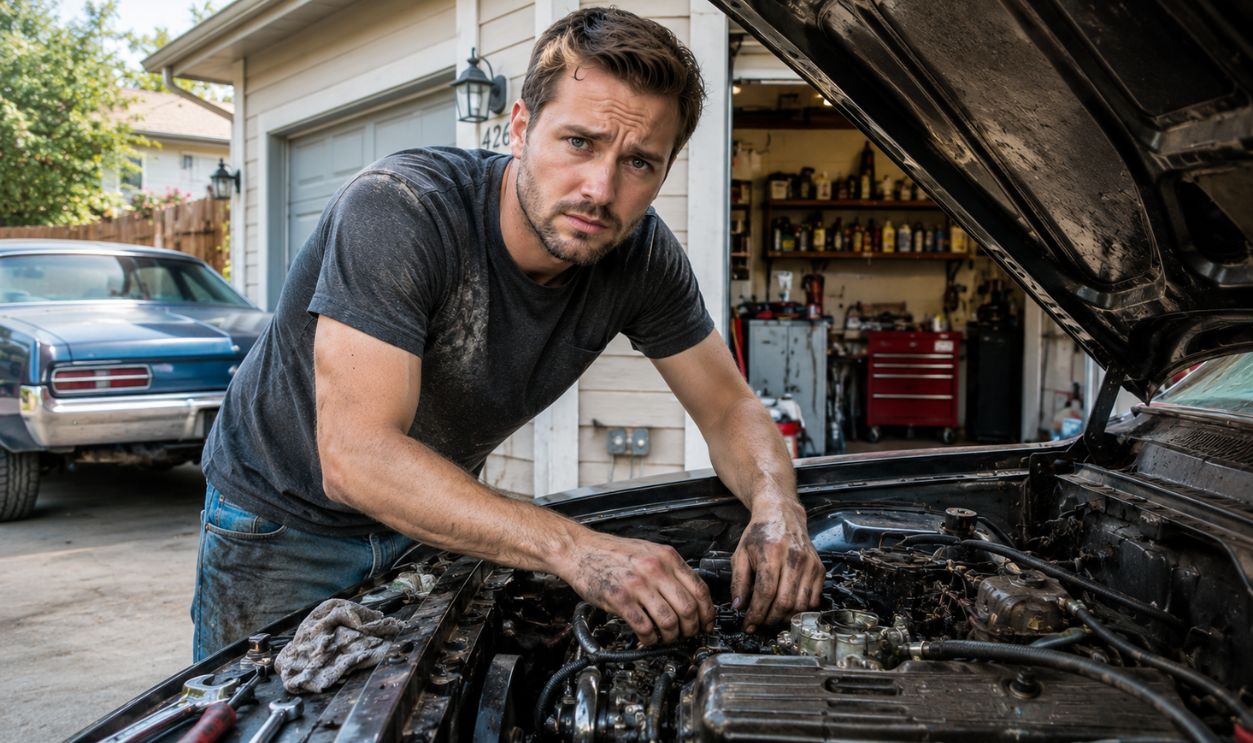
A car that sits for weeks can spark a problem fast, especially if an annoyed neighbor starts calling code enforcement. The big question is whether a city can tow a vehicle from private property just because it looks abandoned or half-finished. The short answer is actually yes, sometimes, but it depends on local law, the car’s condition, and where it is parked.
Private Property Is Not Always A Safe Zone
Many owners assume a car is untouchable if it is in a driveway, side yard, or behind a fence. In reality, cities and counties often have nuisance, zoning, and abandoned-vehicle rules that reach onto private property. Those rules are usually tied to health, safety, blight, and neighborhood upkeep, not just parking enforcement.
California Shows How Far These Rules Can Reach
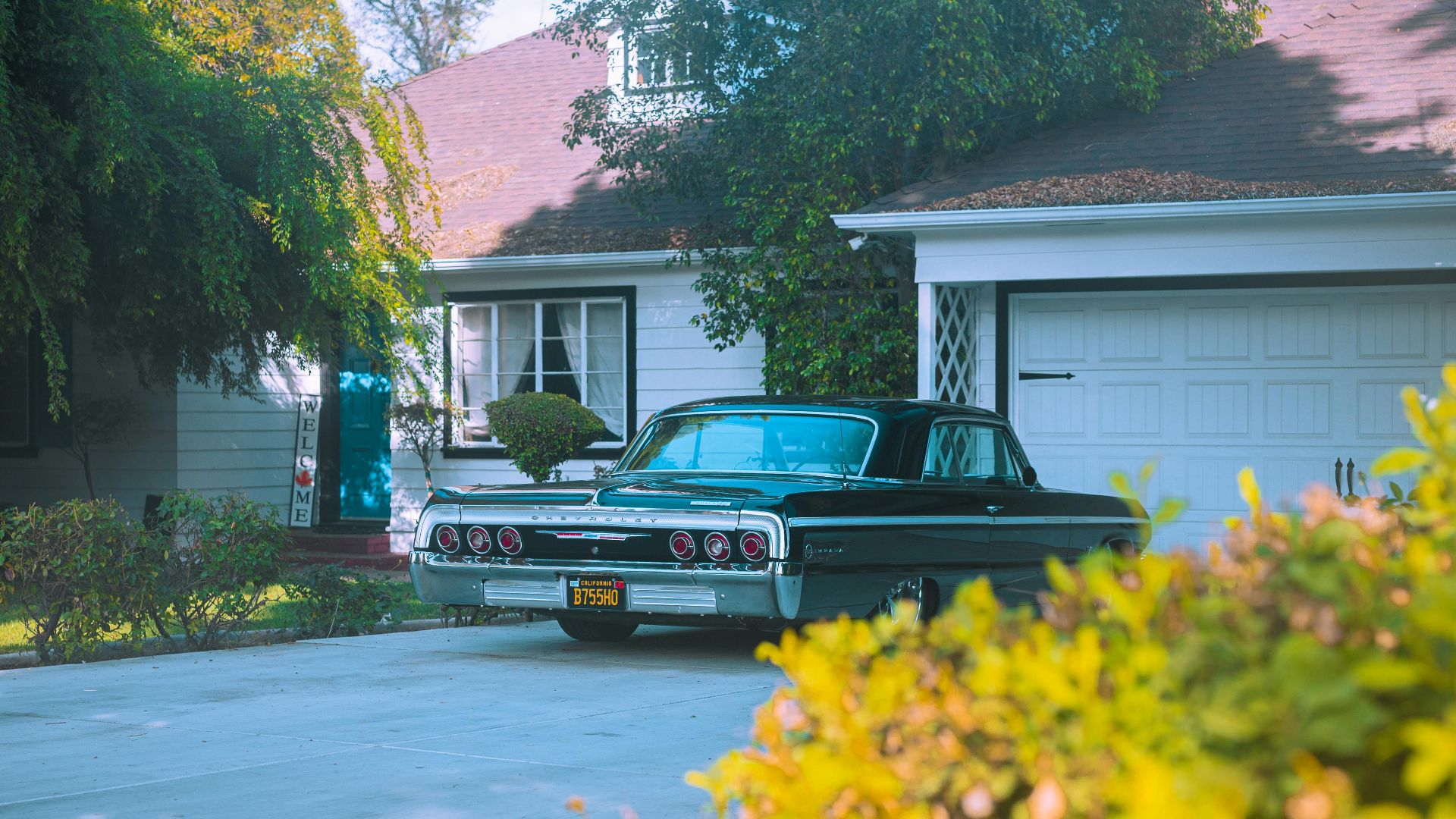
California offers one of the clearest statewide examples. Under California Vehicle Code section 22660, local governments may remove a vehicle from private property if it is considered abandoned, wrecked, dismantled, or inoperative, but only if the local agency has adopted an ordinance that allows it. That matters because it shows towing from private property is not automatically some overreach. State law can specifically allow it.
 Sharon Hahn Darlin, Wikimedia Commons
There Is Usually A Process Before The Tow Truck Shows Up
The nightmare version is a flatbed arriving out of nowhere, but that is not how most of these cases are supposed to work. In California, the statute ties removal to a notice and hearing process unless an exception applies. That means owners usually get written notice and a chance to challenge the action before the vehicle is taken.

Notice Rules Matter A Lot
California Vehicle Code section 22660 requires at least 10 days’ notice before a hearing to the registered owner, legal owner, and the owner or occupant of the property where the vehicle sits, if those people can be identified. That gives a project-car owner time to act. If you get that notice, ignoring it is the worst move you can make.

What Counts As Inoperative Can Be Broader Than You Think
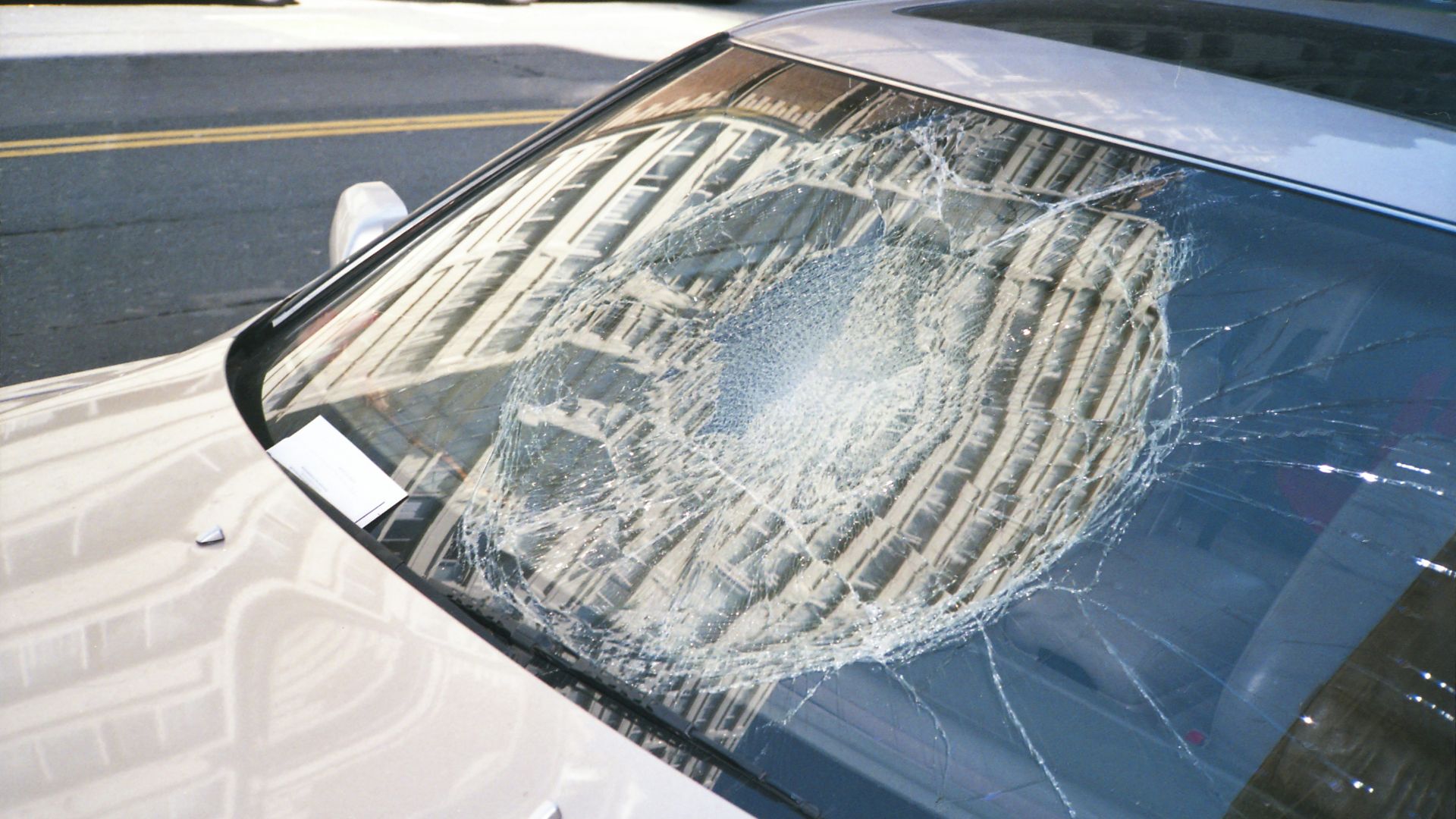
Some owners hear “inoperative” and picture a burned-out shell with no engine. Local rules are often much broader. A missing wheel, expired registration, flat tires, broken windows, obvious dismantling, or clear signs the car cannot be legally or safely driven can all trigger enforcement, depending on the city.
A Backyard Build Can Still Get Flagged
Keeping the car off the street helps, but it does not always solve the problem. If the vehicle is visible from nearby property, parked on an unapproved surface, leaking fluids, or stored in a way that violates local nuisance rules, officials may still step in. Some places care less about visibility and more about whether the car meets the local definition of junked or inoperative.
One Exception Can Protect A Legitimate Restoration
California law includes an important carveout. A vehicle or part vehicle cannot be removed if it is stored in connection with a licensed dismantler, vehicle dealer, junkyard, or if it is on private property as part of the business of a licensed dismantler or licensed vehicle dealer. The exception is narrow, but it shows lawmakers recognized that not every nonrunning car is just trash.
Another California Exception Helps Hidden Storage
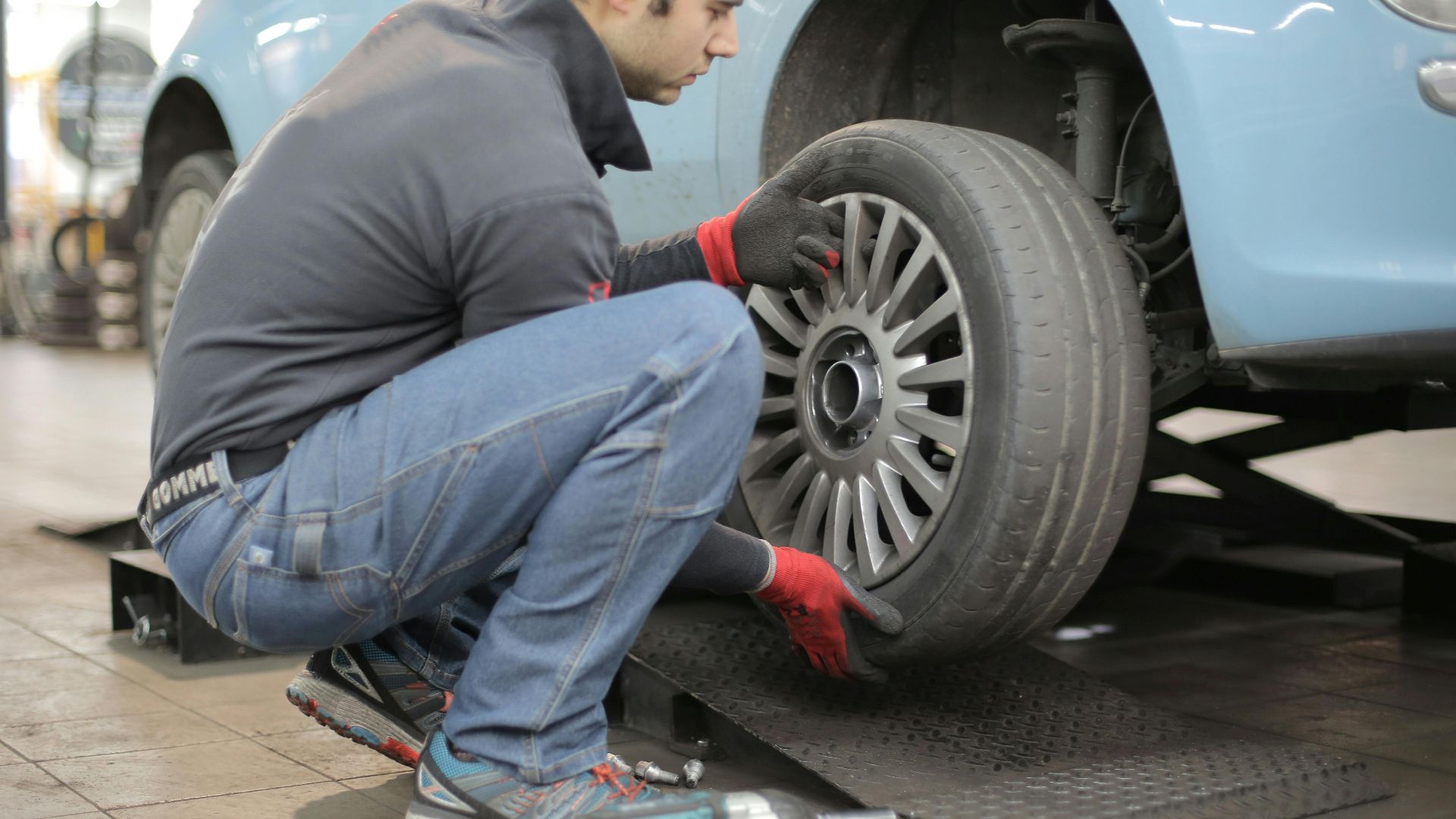
The same law also says a vehicle generally cannot be removed if it is completely enclosed within a building or lawfully stored in a way that is not visible from the street or other public or private property. That is a big deal for hobbyists. A car inside a garage is in a much stronger position than one sitting uncovered in plain view for months.
Florida Takes A Similar Approach Through Local Codes
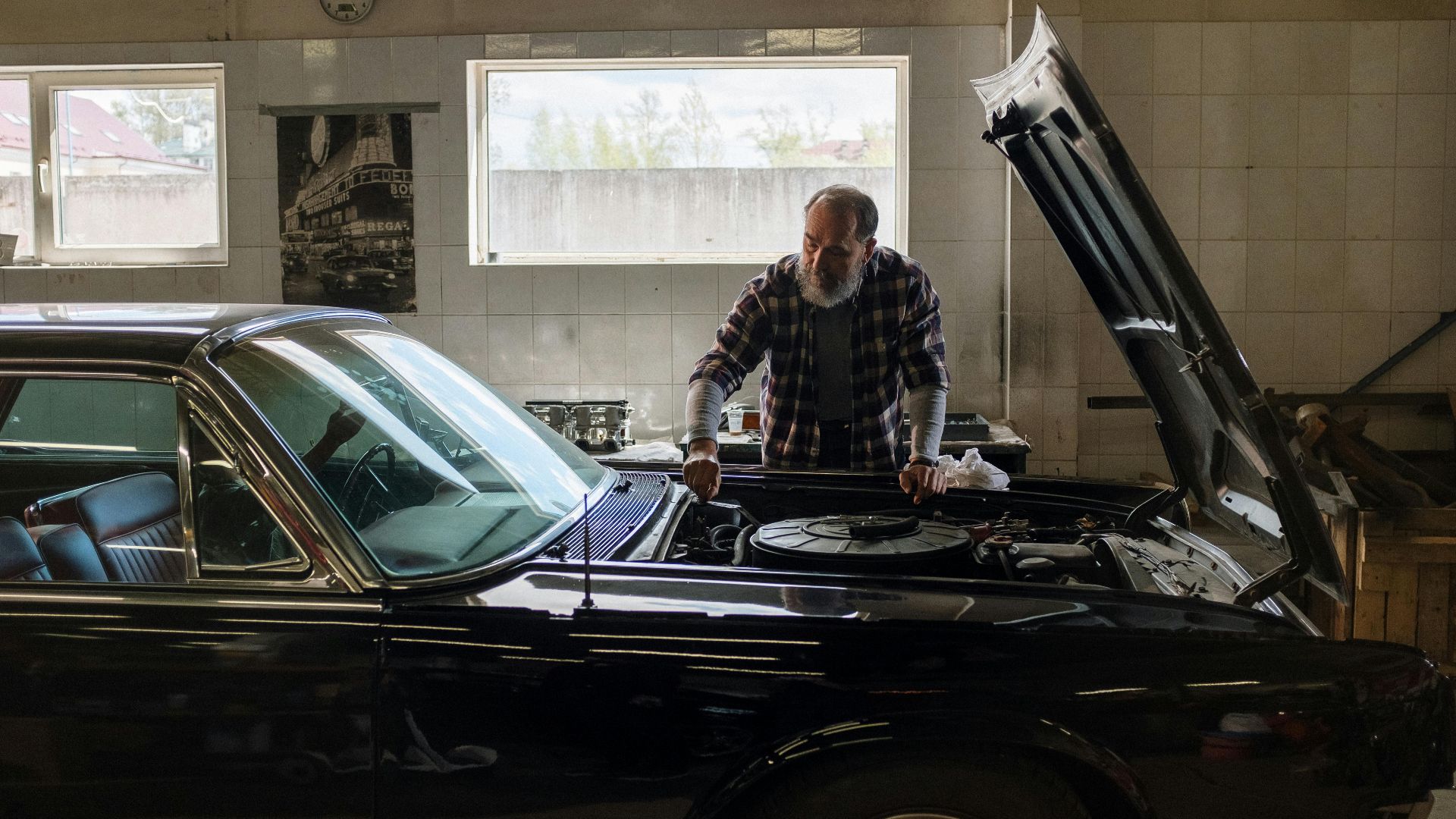
Florida law also lets local governments regulate junked or abandoned vehicles as nuisances. State materials and local code programs commonly define these vehicles by signs like missing parts, lack of current registration, or inability to operate safely. The result is familiar to project-car owners. A car can be on your property and still become a code case.

Orange County, Florida Says It Plainly
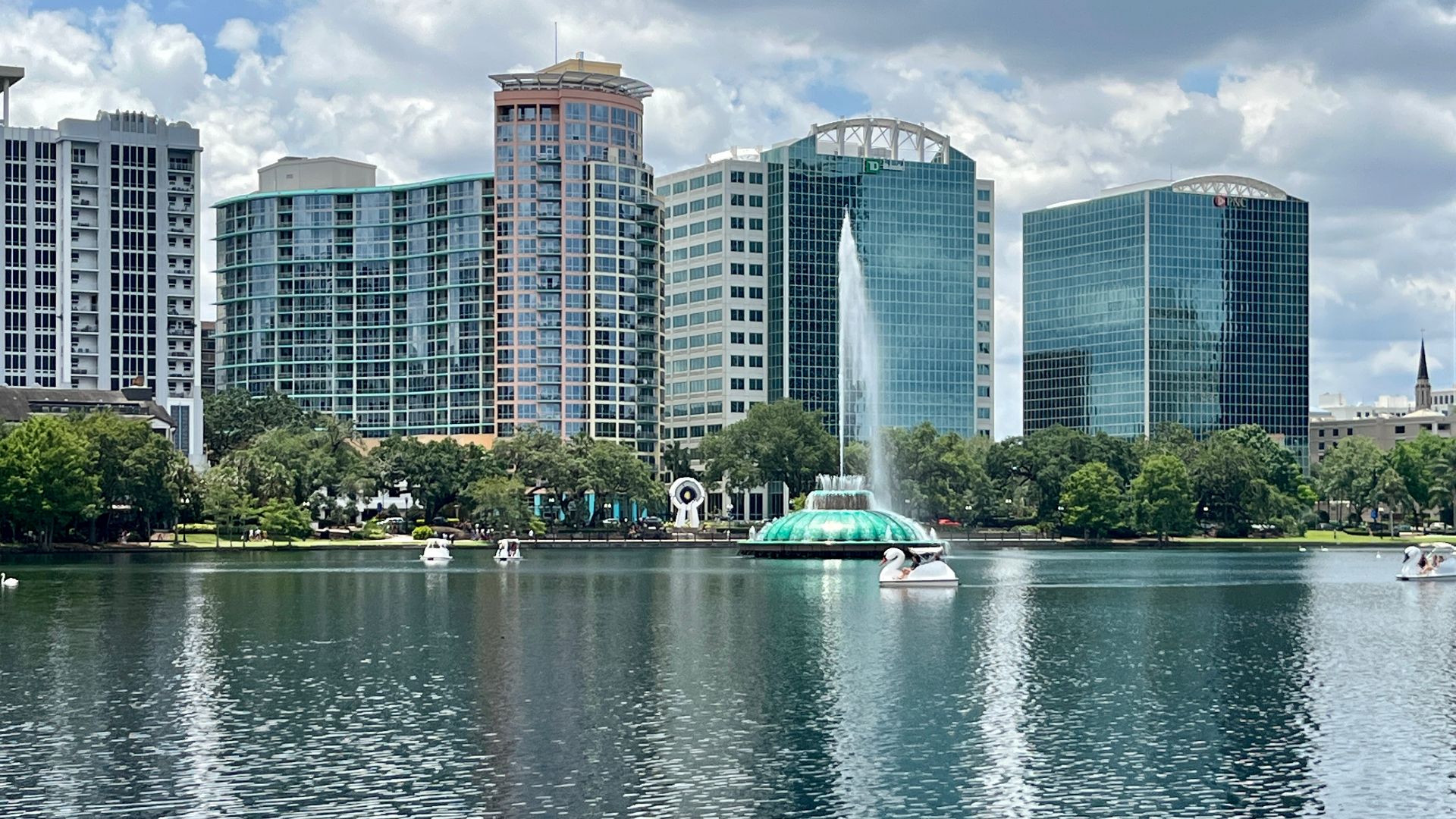
Orange County Code Enforcement says inoperative vehicles are allowed only if they are stored in a garage or other enclosed structure. The county explains that an inoperative vehicle is one that cannot be driven under its own power or is not legally operable because it is unlicensed. That is exactly the kind of rule that can catch a driveway project before the owner sees trouble coming.
 Benoît Prieur, Wikimedia Commons
Houston Offers Another Real-World Example
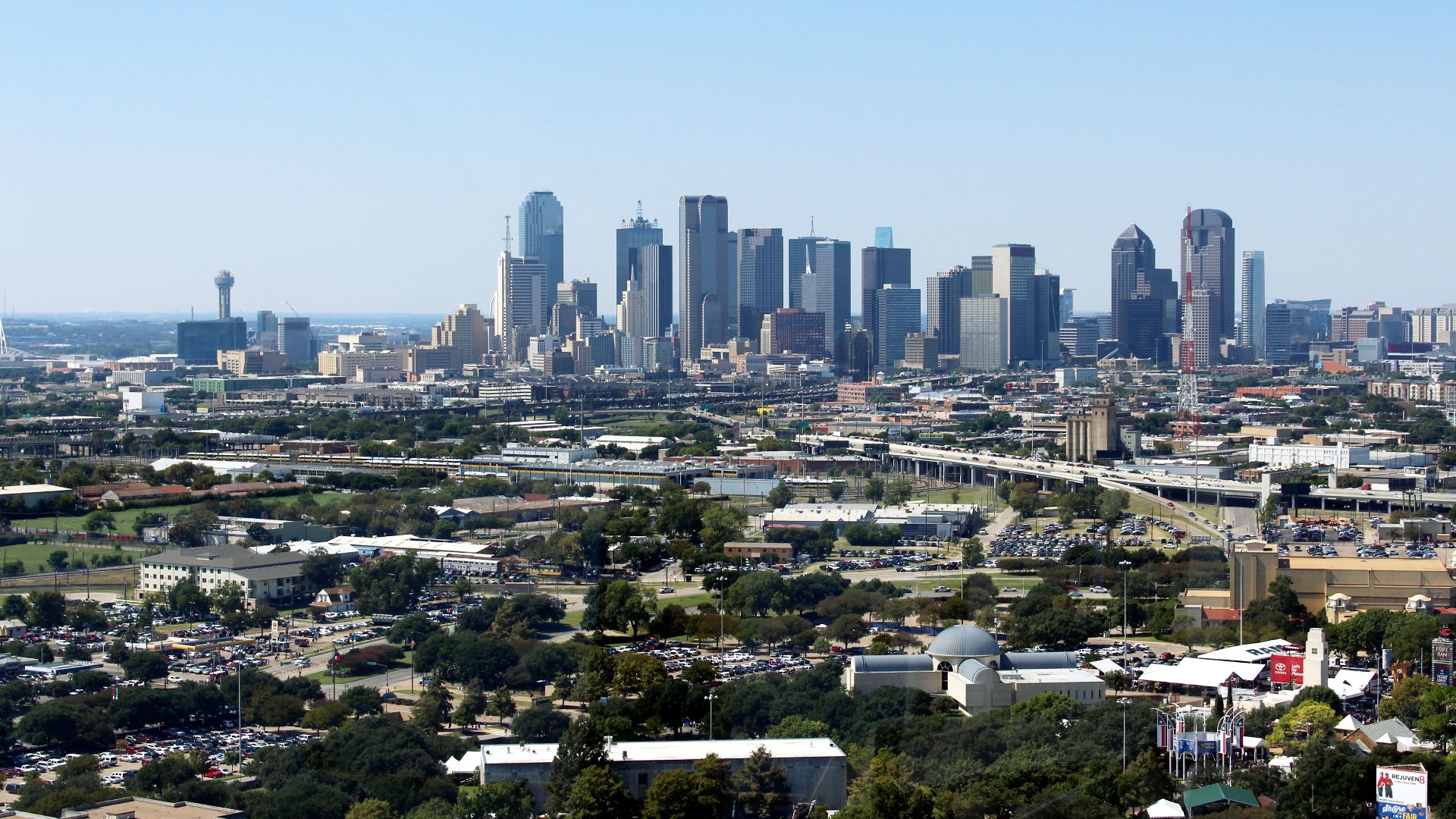
Houston’s municipal rules show how common this issue is across the country. The city treats junk motor vehicles as a public nuisance and gives examples such as vehicles that are wrecked, dismantled, partially dismantled, discarded, or inoperable. Houston also notes that a junk motor vehicle visible from a public place or public right-of-way can be investigated and dealt with.

Texas Adds State Law Behind Local Enforcement
Texas Transportation Code Chapter 683 covers junked vehicles and lets local governments treat them as nuisances. The law applies to self-propelled vehicles that are wrecked, dismantled, partially dismantled, or inoperable, and that meet age and visibility conditions. That state backing is why city action in Texas is not just an ad hoc response to neighbor complaints.
 IcedCowboyCoffee, Wikimedia Commons
Your Neighbor Usually Cannot Force The Tow By Themselves
A noisy neighbor can start the process, but they usually do not get to make the final call. Their complaint often just triggers an inspection by code enforcement or police, who then apply the ordinance and state law. The city still has to follow its own procedures, and that is where an owner can push back with documents, repairs, or compliance steps.

Expired Tags Can Make Things Worse Fast
Registration status is one of the quickest ways a project car starts looking like an abandoned vehicle in the eyes of enforcement. Some local definitions treat an unlicensed or expired vehicle as inoperative even if it could be mechanically sound. If the tags are dead and the car has not moved, the paper trail starts working against you.
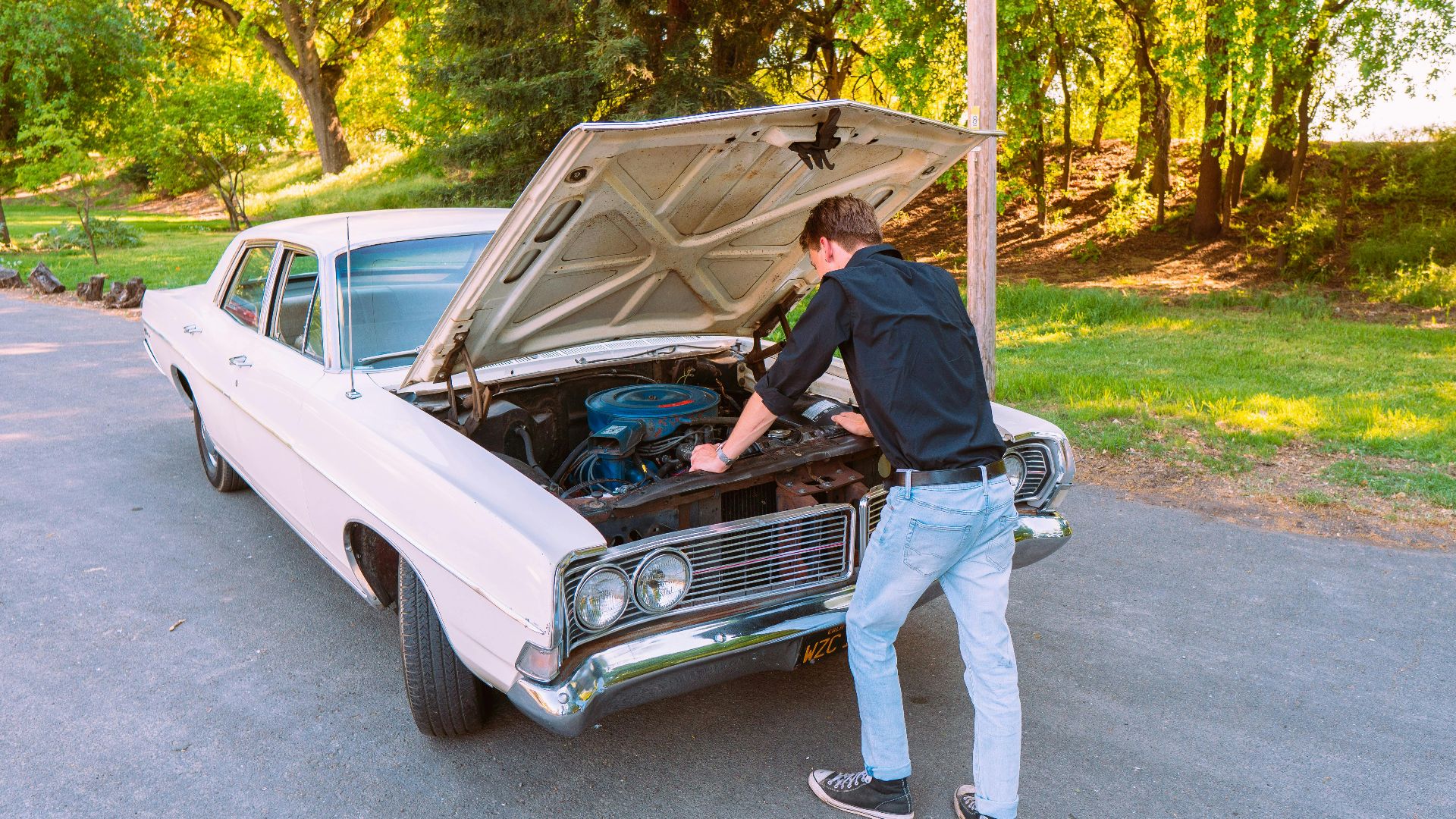
Visible Dismantling Is Another Big Red Flag
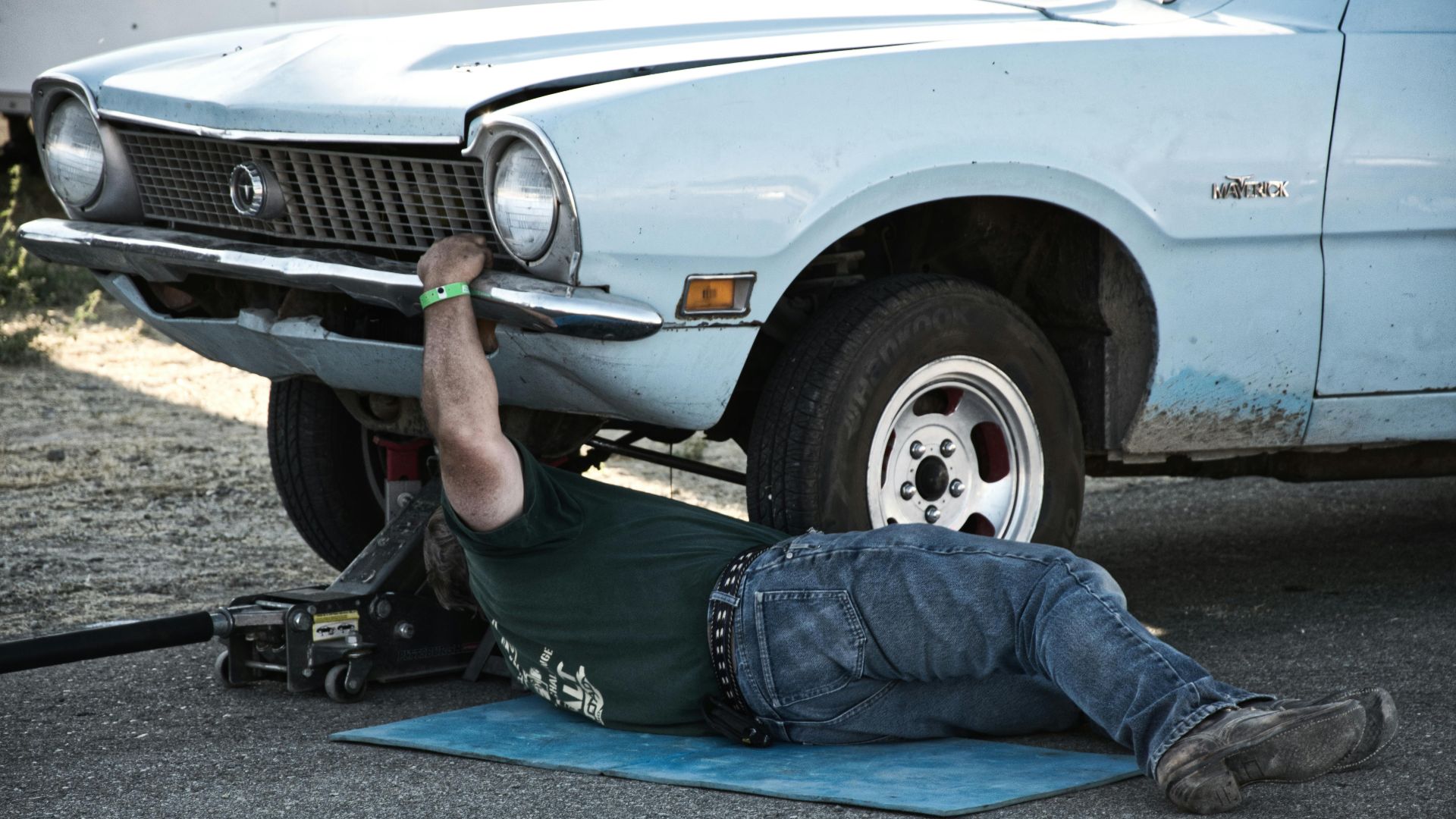
A car on jack stands with parts stacked nearby sends exactly the signal that nuisance codes were written to catch. Local governments often look for missing engines, doors, hoods, wheels, or other major parts. Even a real restoration can look like a dismantled vehicle to an inspector if it sits out in the open long enough.
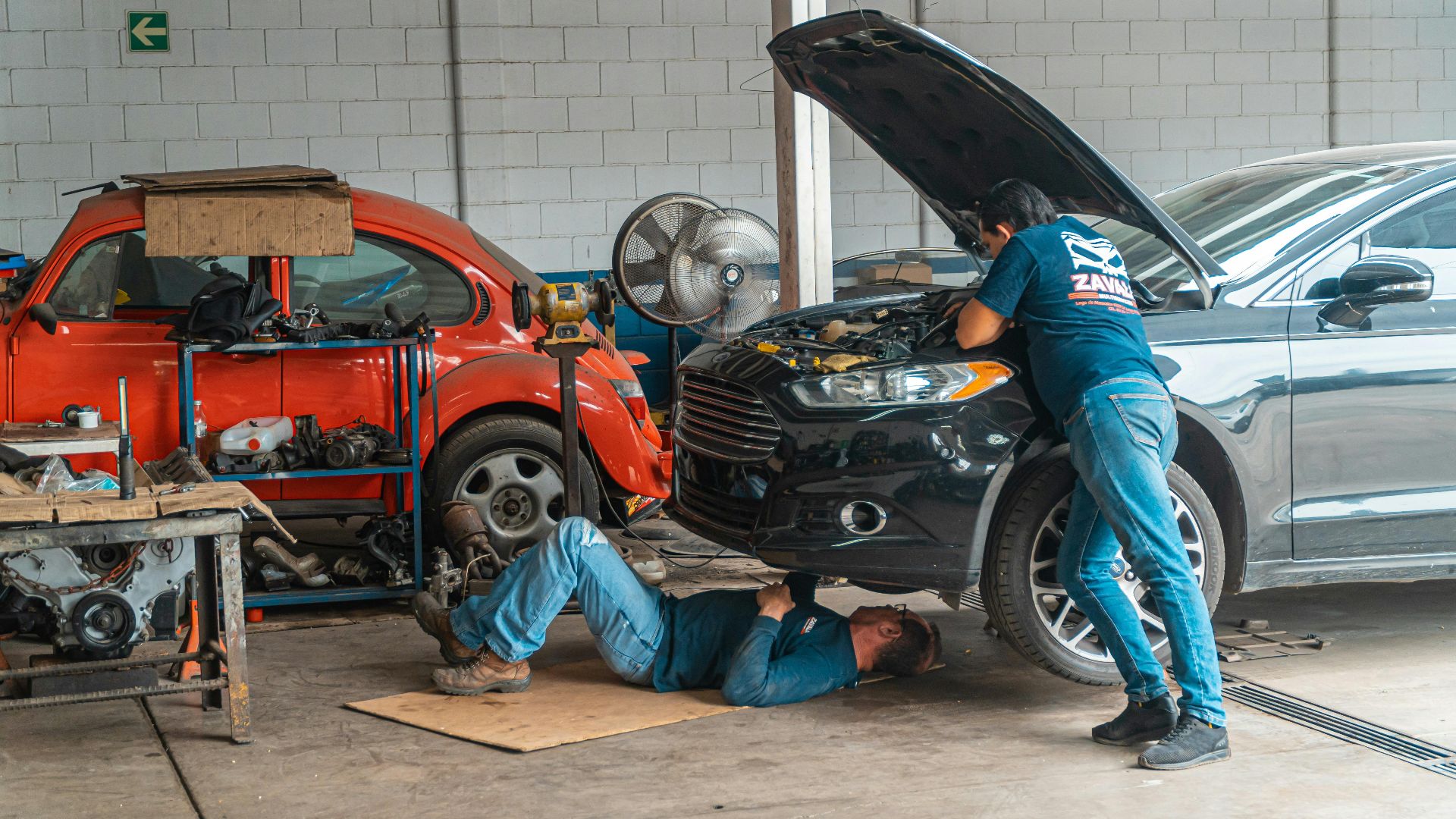 Jose Ricardo Barraza Morachis, Pexels
Fluid Leaks Turn A Weak Complaint Into A Strong Case
Once oil, coolant, brake fluid, or fuel enters the picture, officials have a much easier argument. Code enforcement can frame the issue as environmental, sanitary, or safety-related instead of just cosmetic. That can speed up compliance demands and make an owner’s defense much weaker.
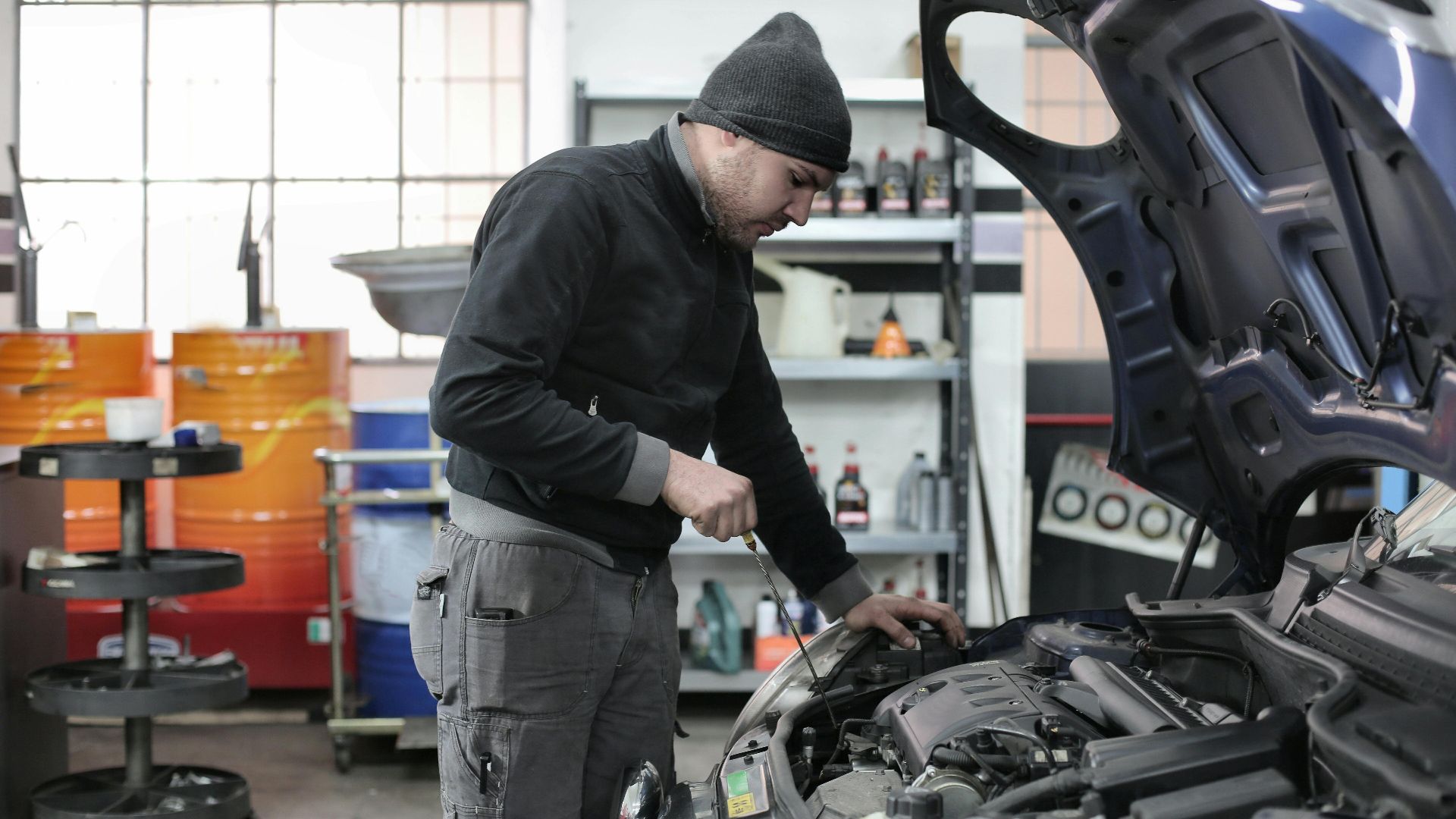
Storage Behind A Fence Helps, But Not Everywhere
Some owners think a fence automatically solves the problem because the car is no longer visible from the street. In some places, screening does matter a lot, and California specifically recognizes nonvisible lawful storage as a major exception. But other local codes still regulate inoperative vehicles on private property even if they are hidden, so the exact city rule matters.
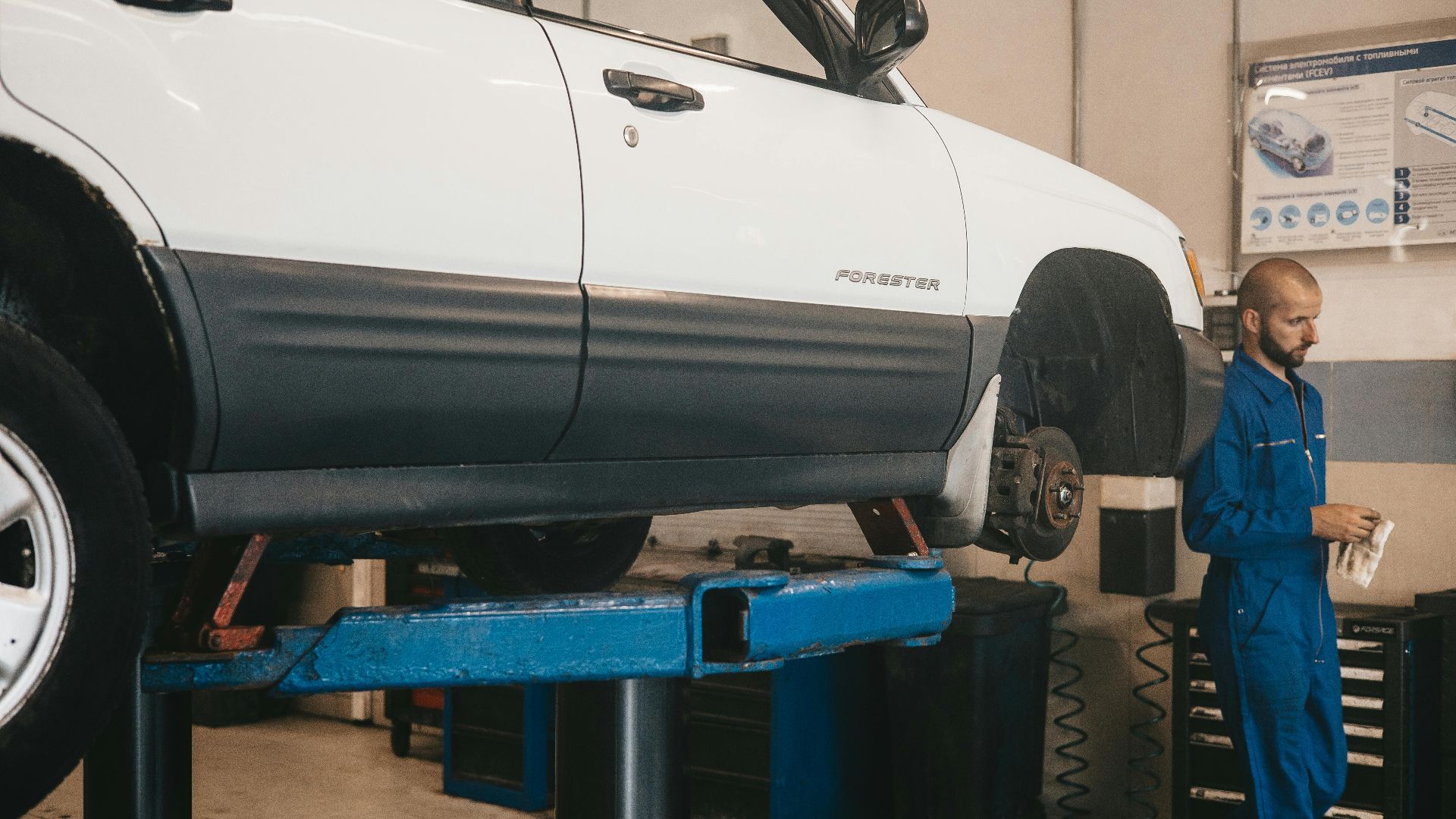
HOA Rules Can Make A Bad Situation Even Worse
Even if the city never gets involved, a homeowners association may have stricter rules about disabled or unregistered vehicles. Those rules are private contract issues, not the same as city law, but they can still lead to fines and pressure to move the car. A project-car owner can end up fighting on two fronts at once.
The Best First Step Is Reading Your Local Ordinance
This is one of those issues where state law tells only part of the story. The real answer often sits in your city or county code under nuisance, abandoned vehicles, junked vehicles, zoning, or code enforcement. If you know the definition the inspector is using, you know what facts you need to change.

Photos Can Be Your Best Defense
Take current, date-stamped photos of the car, where it is parked, and whether it is screened from view. Photograph the tires, windows, body panels, and the area around it to show whether there are leaks or debris. If you move it, register it, cover it lawfully, or put it inside, document that too.

Paperwork Matters More Than Most Owners Expect
Keep the title, registration status, insurance documents, and any repair invoices in one place. If the vehicle is truly under restoration, receipts for parts, shop visits, and recent work can help show it is an active project rather than abandoned junk. That may not erase a clear ordinance violation, but it can matter when you are talking to an inspector or hearing officer.

A Quick Call To Code Enforcement Can Help
If you receive a notice, call the number on it and ask exactly what condition triggered the case. Stay polite and ask what specific steps would bring the vehicle into compliance. In many cases, the fix is simple, such as moving the car into a garage, renewing registration, reinstalling missing parts, or using a lawful screened storage setup.

Do Not Treat A Hearing Like A Formality
If a hearing is offered, show up ready. Bring photos, registration records, receipts, and proof of recent repairs or compliance efforts. A hearing officer is much more likely to work with an owner who can show that the vehicle is being actively restored and that the nuisance conditions have been corrected.

If The Car Really Matters, Protect It Now
Rare or sentimental project cars deserve better than sitting exposed while notices pile up. If local law is not on your side, renting enclosed storage or clearing out garage space can be far cheaper than recovering a towed vehicle and paying fines. The hard truth is that storage strategy can matter just as much as mechanical progress.
So Can Cities Really Tow From Private Property
Yes, they often can, but usually only when state law and local ordinances allow it and the government follows required notice procedures. California, Texas, Florida, and city rules like those in Houston and Orange County all show that private property is not an absolute shield for an inoperative or junked vehicle. If your neighbor keeps reporting your project car, the smartest move is not outrage. It is checking the local code, fixing the visible problems, and getting the car into compliant storage before the tow truck becomes real.