When Being Neighborly Gets Wired
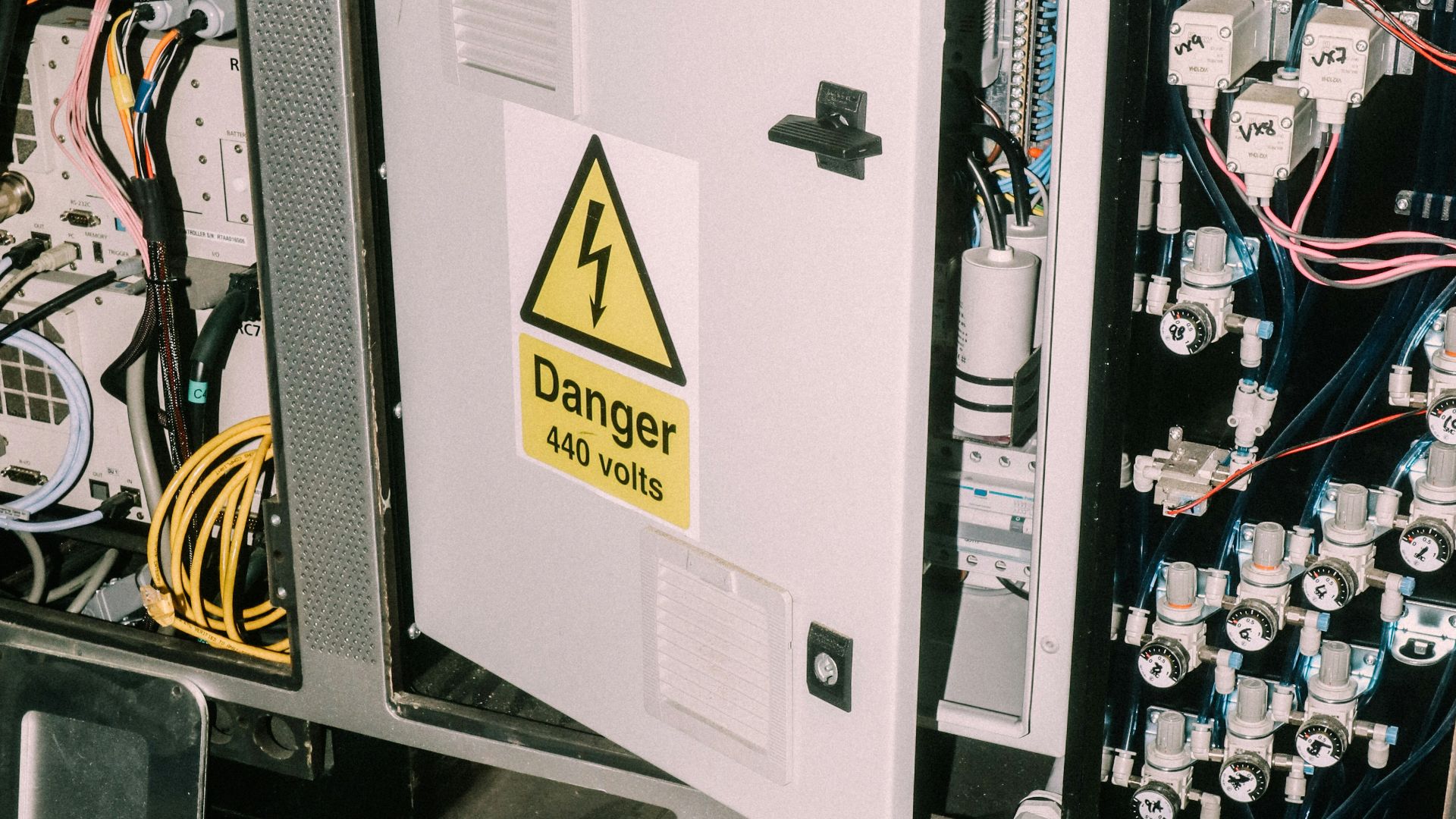
You look outside on a freezing morning and discover an extension cord running from your porch to your neighbor’s diesel truck. Maybe you ignored it once. But if it keeps happening without permission, this is no longer merely an etiquette question. Electricity costs money, outdoor electrical connections carry safety considerations, and the law can treat unauthorized electricity use more seriously than many people expect.
 Rainer Fuhrmann, Shutterstock Images
Yes, Electricity Can Actually Be Stolen
In Canada, electricity is specifically addressed in the Criminal Code. Section 326 says a person commits theft when they fraudulently, maliciously, or without colour of right abstract, consume, use, waste, or divert electricity or gas. That makes this considerably more than a dispute over borrowing an outlet.
Permission Is The Big Question
The circumstances matter. If you previously told your neighbor he could use the outlet whenever temperatures plunged, his continued use may look very different from secretly plugging in after being told not to. Consent can therefore be central to how the situation is understood.

“Without Colour Of Right” Matters
The Code does not say that every mistaken use of somebody else’s electricity automatically becomes theft. Its wording includes the concept of acting “without colour of right,” which is one reason the person’s permission, belief, and circumstances can matter when authorities assess an incident.
The Small Dollar Amount Does Not Create Permission
A block heater probably will not produce an enormous electricity bill after a single night, but cost and authorization are different questions. Something does not become free to use simply because the financial impact on its owner is relatively small.
Block Heaters Really Do Consume Power
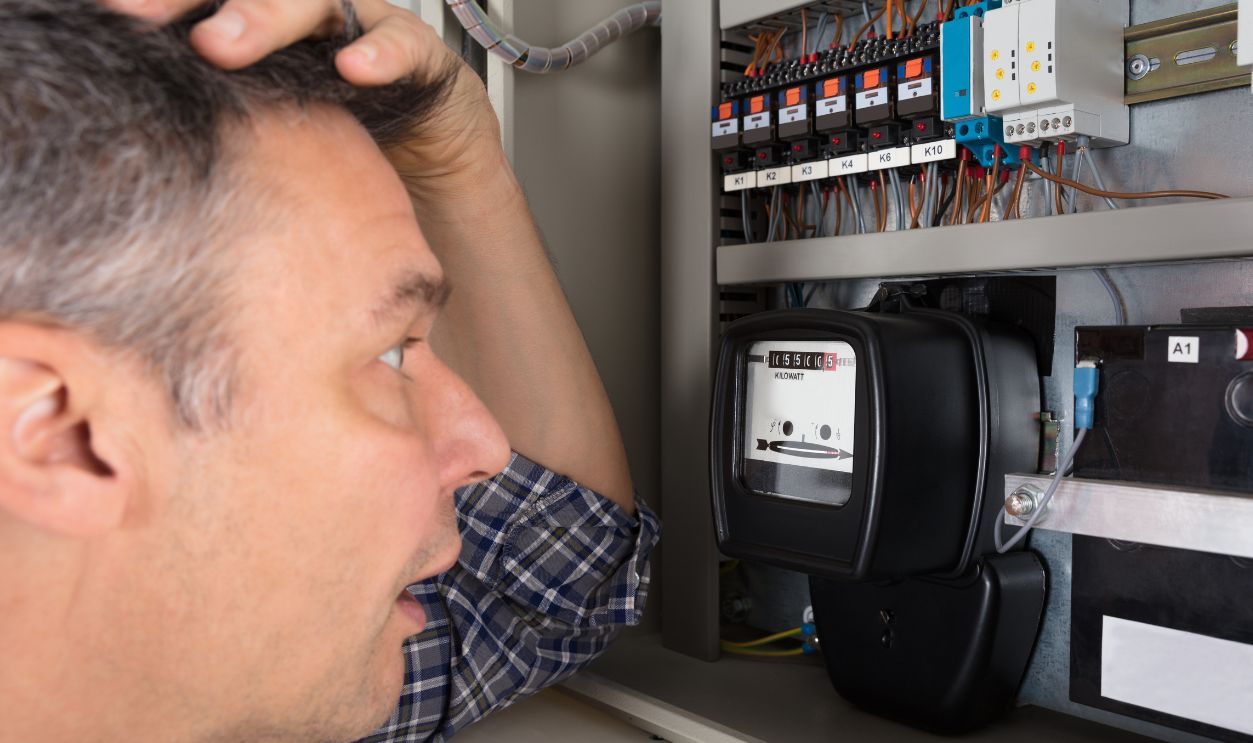
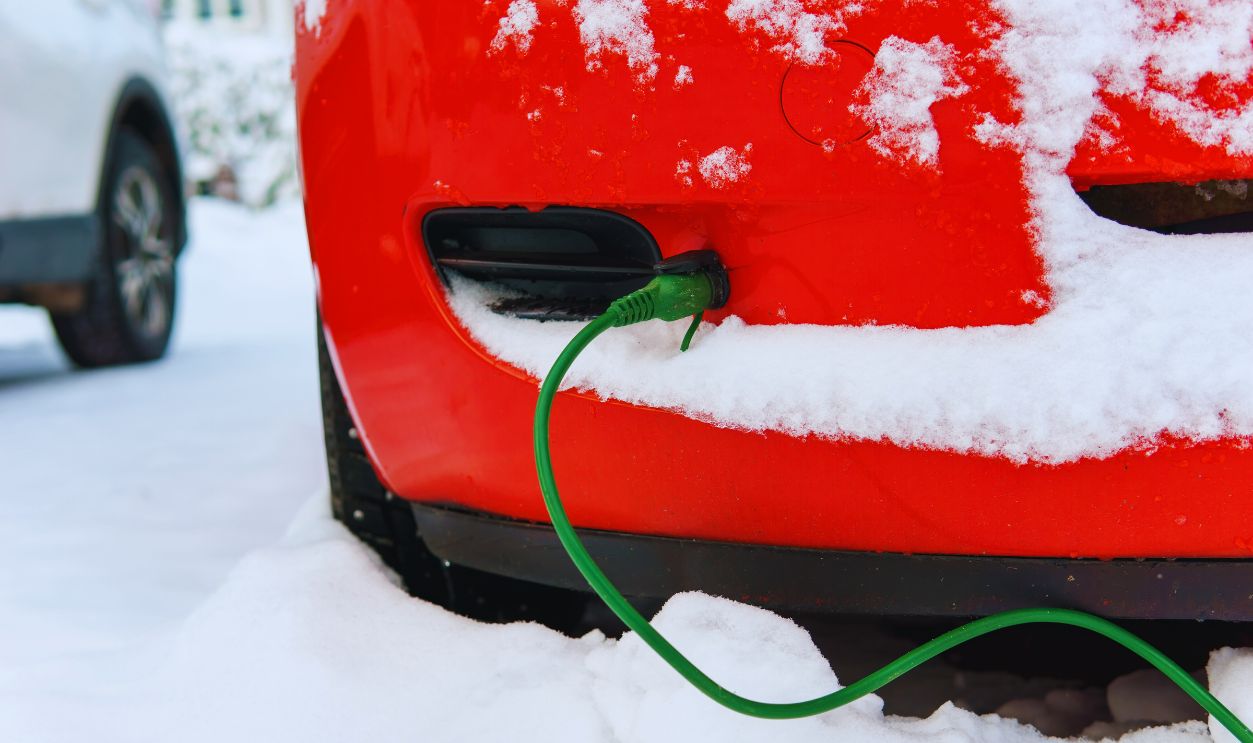
Ford’s 2026 Super Duty owner’s manual says its engine block heater uses approximately 0.4 to 1.0 kilowatt-hours of electricity for every hour it operates. Several hours every night can therefore turn somebody else’s truck into a recurring load on your household meter.

Running It All Night May Be Unnecessary
Modern block heaters generally do not need to run from bedtime until morning. Natural Resources Canada recommends using a timer set to activate a block heater about two hours before starting the engine, reducing unnecessary electricity consumption while still helping with a cold start.
Recommendations Vary By Vehicle
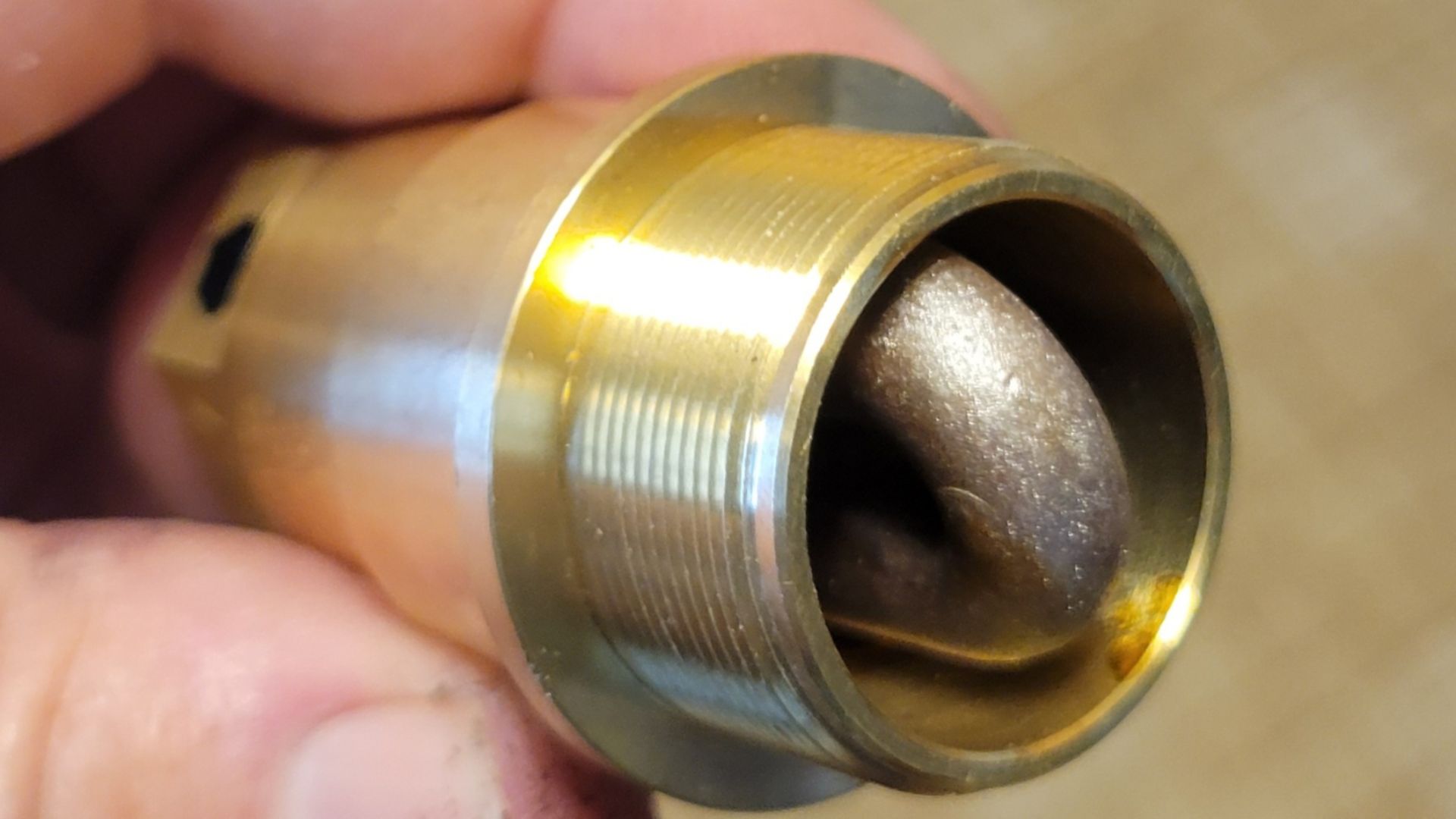
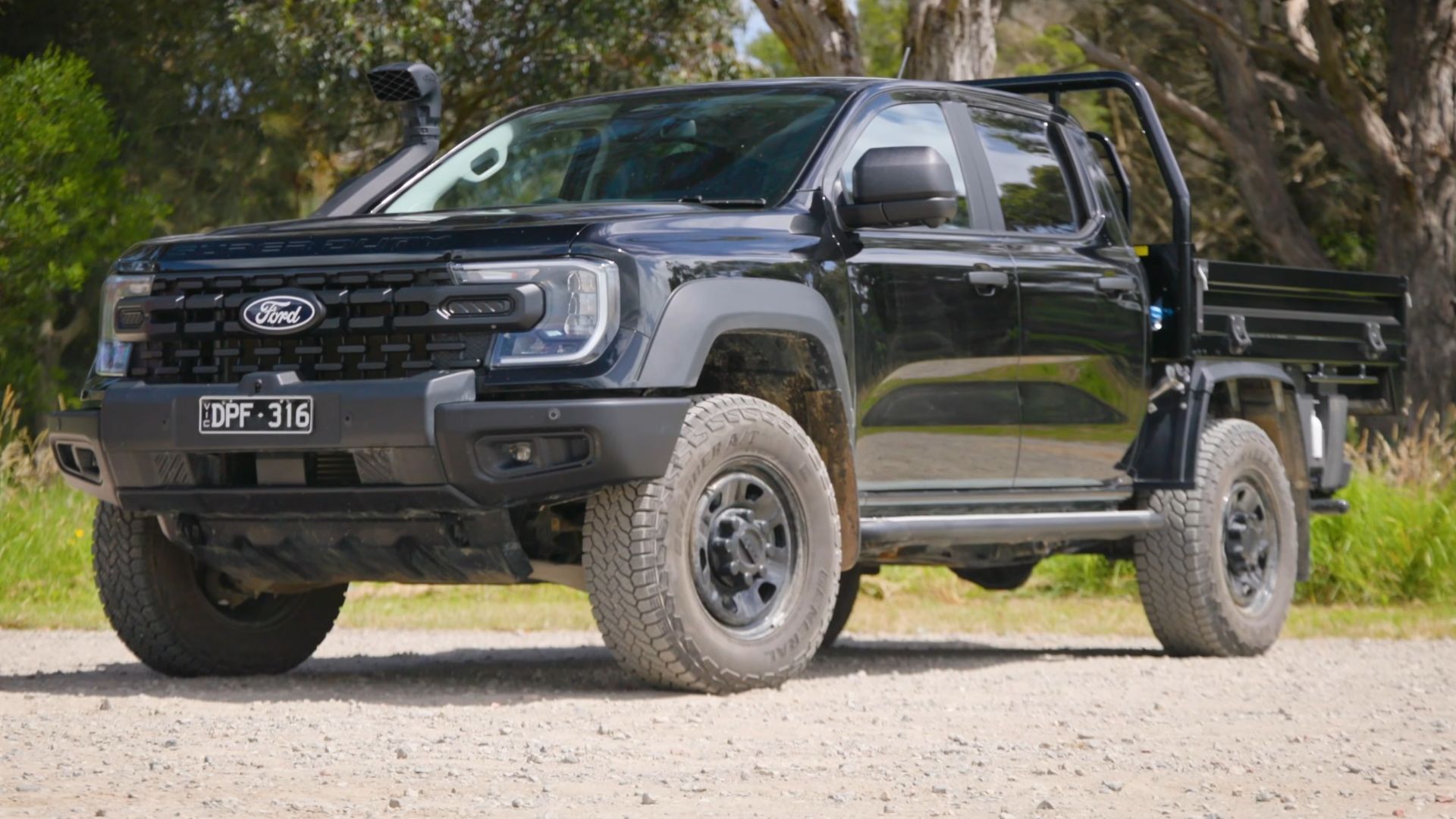
There is no universal plug-in duration for every truck. Ford says its Super Duty block heater reaches maximum temperature after roughly three hours, while SaskPower advises motorists that vehicles generally need about four hours of block-heater operation during sufficiently cold conditions.
 carsales.com.au, Wikimedia Commons
The Truck Owner Should Check The Manual
Because manufacturers can specify different temperatures, procedures, cords, and operating times, the vehicle’s owner should follow the instructions for that particular truck. Your porch outlet should not become the substitute for reading the owner’s manual.

The Outlet Itself Matters Too
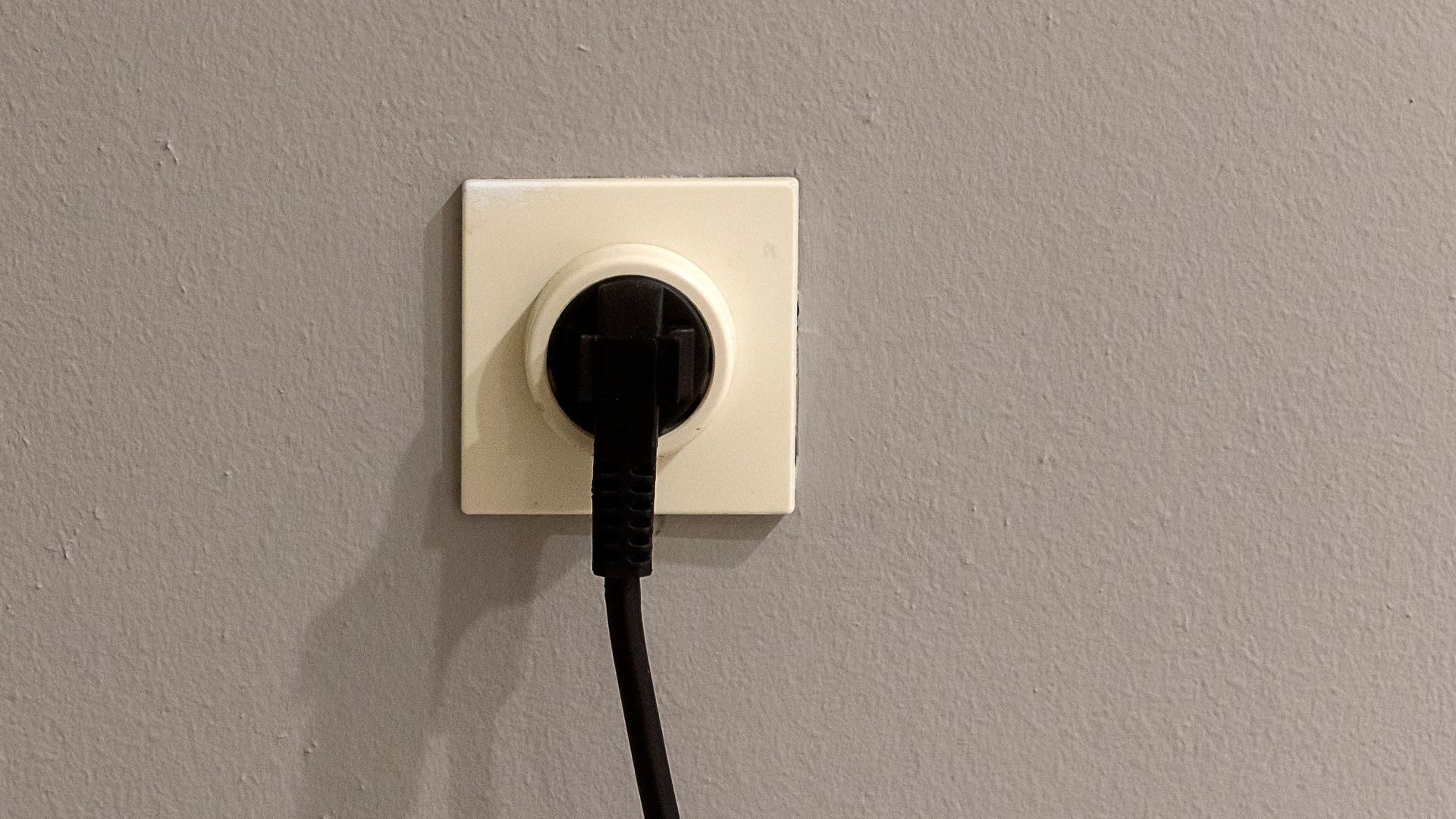
Ford instructs Super Duty owners to connect the block heater to a grounded 110-volt AC outlet with ground-fault protection. That is an important reminder that an outdoor receptacle is part of an electrical system, not simply a convenient hole supplying unlimited winter power.
GFCI Protection Is Important Outdoors
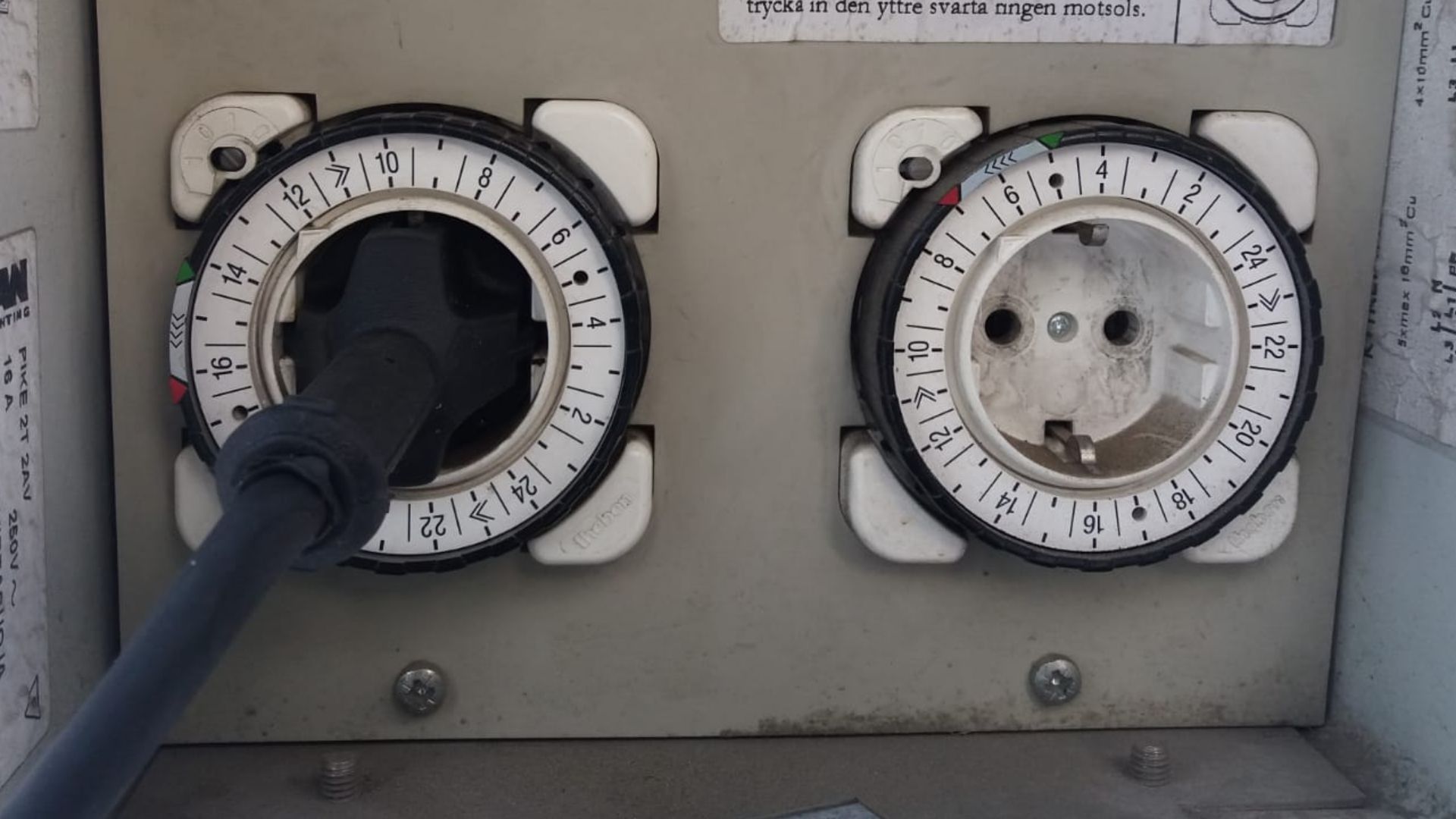
Ontario’s Electrical Safety Authority says the provincial electrical code requires GFCI protection for outdoor receptacles within 2.5 metres of grade. A ground-fault circuit interrupter is designed to reduce shock hazards when electricity is being used in locations where moisture can be present.
Not Every Extension Cord Belongs Outside
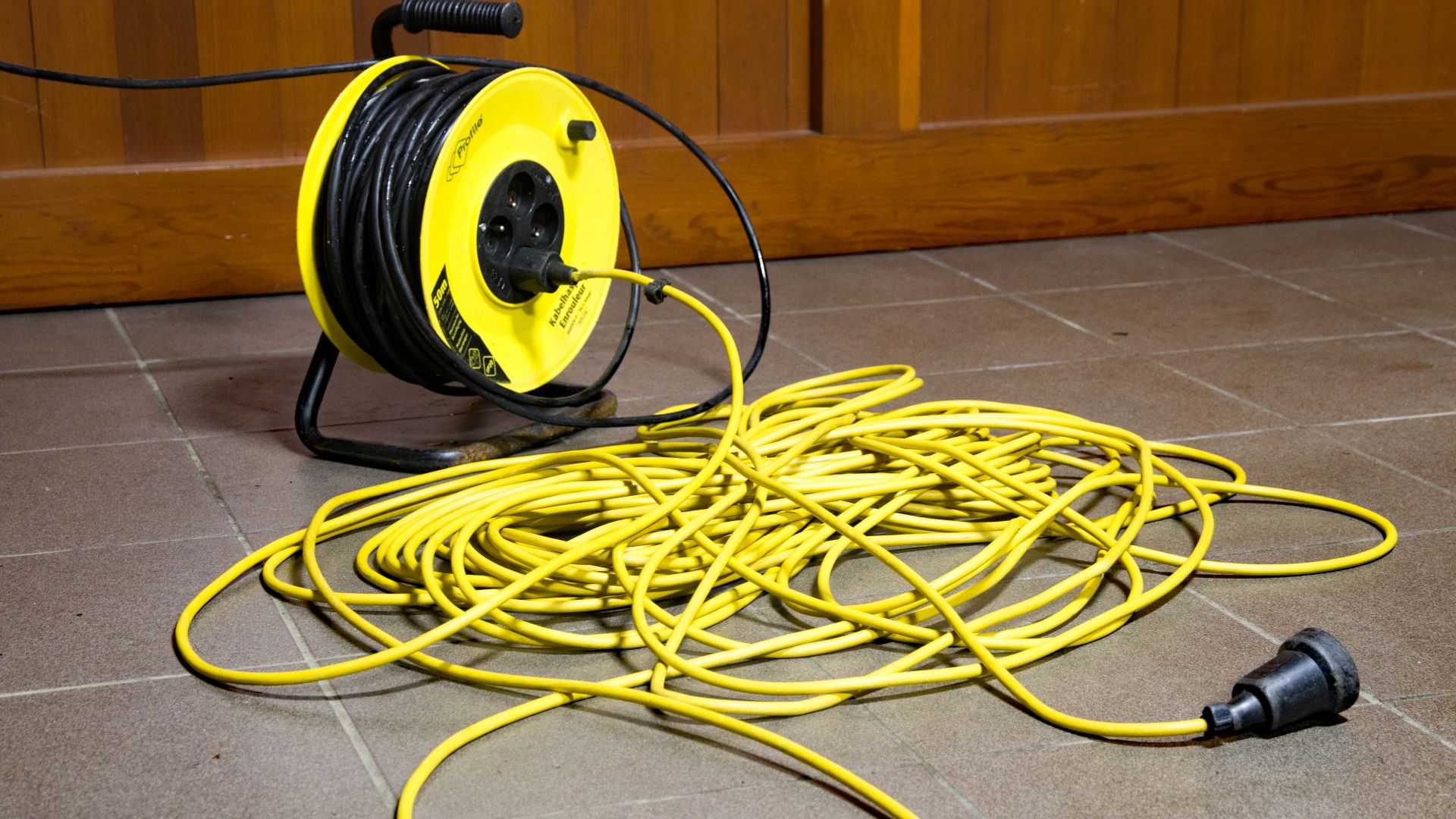
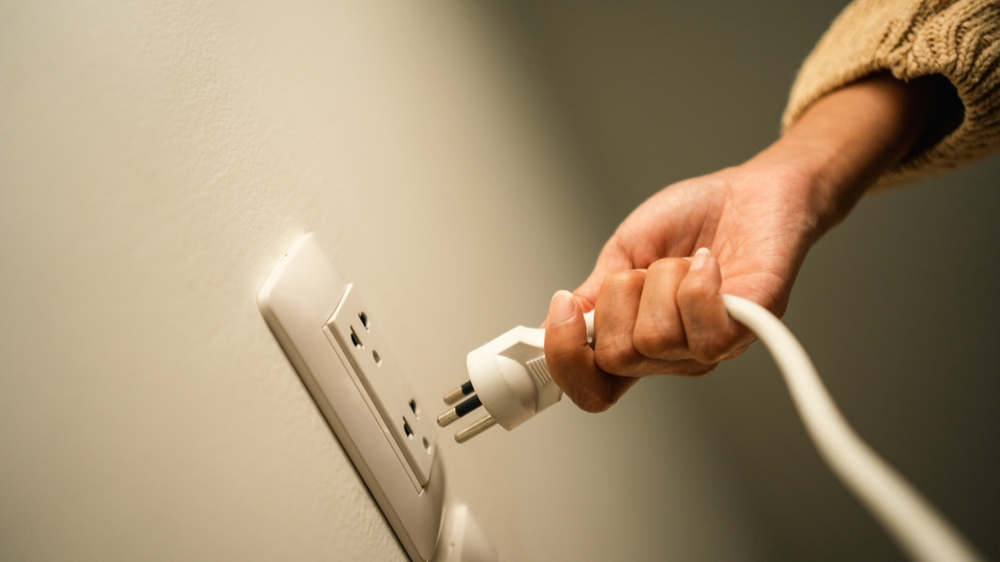
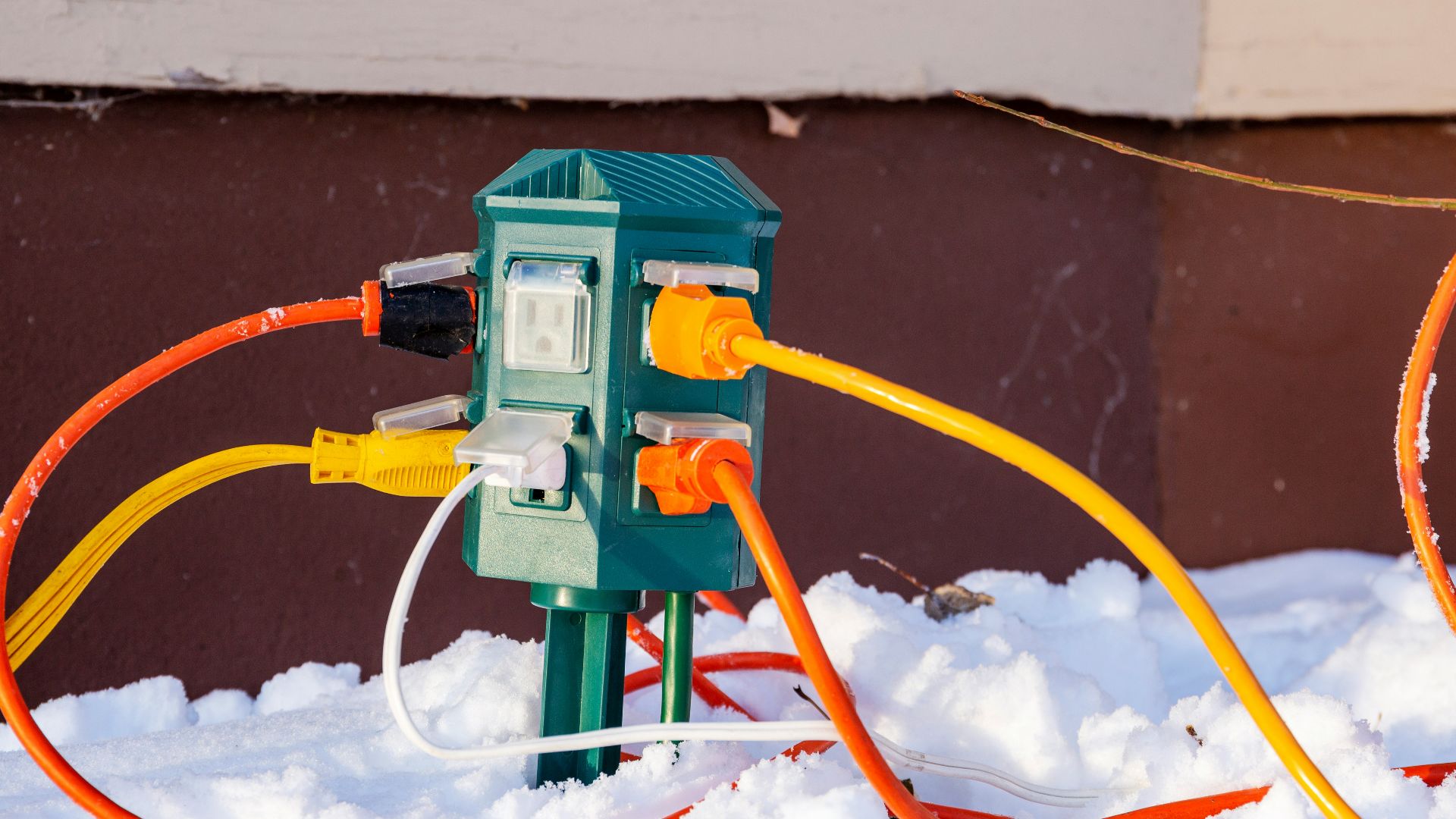
The Electrical Safety Authority warns against using indoor extension cords outdoors because doing so can create shock or fire hazards. Outdoor cords should be specifically rated for outdoor service, where snow, moisture, low temperatures, and physical wear can all become factors.
Cord Capacity Matters As Well
Extension cords have limits on how much electrical load they can safely carry. ESA advises checking a cord’s current or wattage rating and selecting one capable of handling the equipment connected to it. A random lightweight household cord is not automatically appropriate.
Damage Should Stop The Plug-In
Ford specifically tells owners to inspect both the block-heater cord and extension cord and not use them when damaged. A homeowner discovering somebody else’s questionable cord attached to the house therefore has a legitimate safety concern beyond the electricity being consumed.

Block-Heater Problems Have Caused Recalls
The risk is not theoretical. Transport Canada has documented recalls involving block-heater cables on Ford trucks where water and contaminants could cause corrosion, short circuits, overheated wiring, or melted wiring, creating a potential fire hazard.
 Alexander-93, Wikimedia Commons
That Makes Unapproved Use More Complicated
When another person connects equipment to your home, you do not necessarily know its condition. You may not know whether the truck has an outstanding recall, whether the cord is damaged, or whether the extension cord is properly rated for the electrical load.

Your Property Is Another Issue
Reaching a porch outlet may require the neighbor to enter your property. Rules differ by province, state, municipality, and the physical layout involved, so unauthorized electricity use and unauthorized entry should be considered separate issues rather than treated as one universal offence.

Ontario Provides A Useful Example
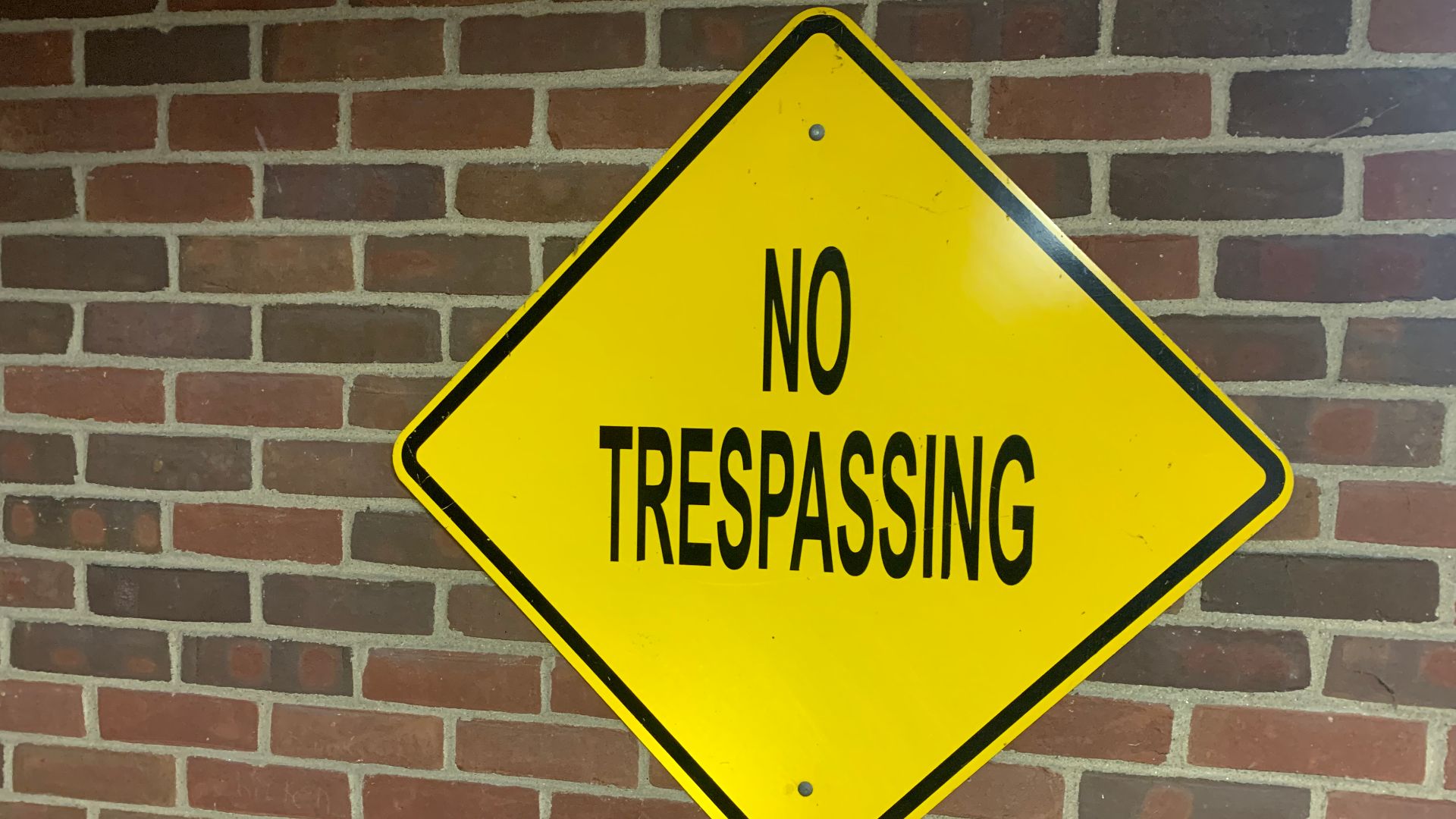
Under Ontario’s Trespass to Property Act, a person can commit an offence by entering premises when entry is prohibited or by failing to leave immediately after being directed to do so by the occupier or an authorized person. Other jurisdictions have their own rules.

Notice Can Be Verbal
Ontario law recognizes several methods of providing notice, including oral or written notice and properly posted signs. Consequently, homeowners do not necessarily need an elaborate fence or custom sign before clearly communicating that a particular activity is prohibited on their property.
Start With A Clear Boundary
For an ordinary neighbor dispute, a straightforward instruction may solve the problem faster than escalating immediately. Tell the neighbor that the outlet is part of your electrical service and that you do not give permission for the truck or its block heater to be connected to it.
 RealPeopleStudio, Shutterstock
Put It In Writing If It Continues
If verbal requests accomplish nothing, a short dated written message can eliminate ambiguity about whether permission exists. Keep the wording factual: identify the outlet, state that you do not authorize its use, and ask the neighbor not to enter your property to connect the truck.
 Kateryna Hliznitsova, Unsplash
Document Repeated Incidents
If the behavior continues, keeping photographs, dates, and copies of messages can establish what actually happened. Documentation is particularly useful when a disagreement develops over whether permission had previously been granted or whether the person knew that permission had been withdrawn.

Do Not Create An Electrical Hazard Yourself
Frustration is not a good reason to tamper with somebody else’s truck, damage an extension cord, or create a dangerous electrical condition. The safer approach is to disconnect equipment only when that can be done safely and deal with the access problem through ordinary property controls.
Consider Securing The Receptacle
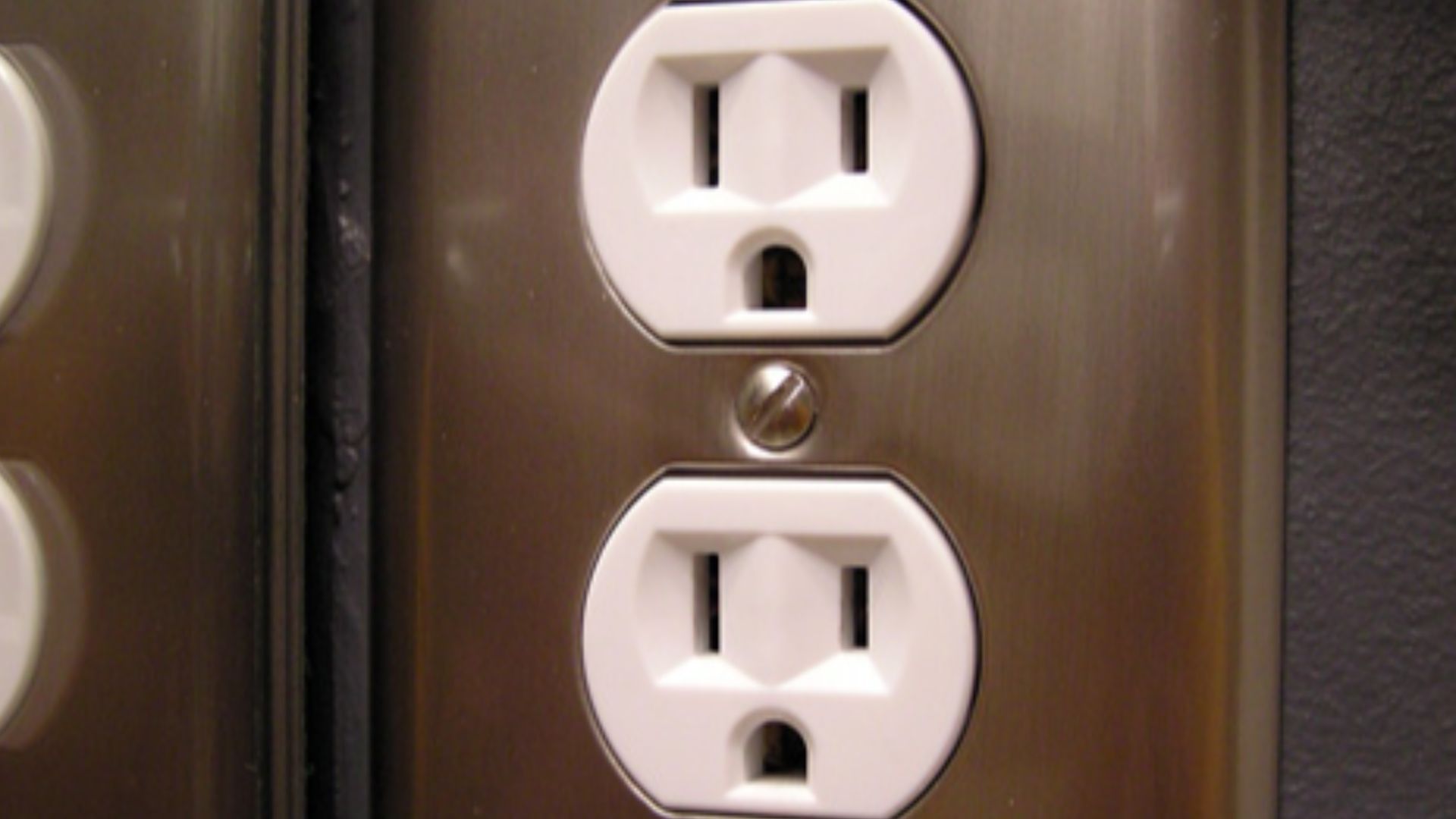
Outdoor receptacle covers and other suitable electrical hardware can help control access, although anything installed should be appropriate for the receptacle and local electrical requirements. If you want to alter wiring or permanently disable an outlet, consult a qualified electrical professional.
 JAK83; transferred to the Wikimedia Commons by BPK., Wikimedia Commons
A Timer Is His Solution, Not Yours
If your neighbor genuinely needs a block heater, energy providers actively recommend timers to limit unnecessary operation. SaskPower says reducing overnight plug-in time can save electricity. The logical solution is for the truck owner to arrange authorized power and manage that consumption himself.

Escalation Depends On What Happens Next
One mistaken plug-in followed by an apology is different from someone repeatedly returning after being explicitly told to stop. If unauthorized use persists, homeowners can contact the appropriate local non-emergency authorities or obtain jurisdiction-specific advice rather than guessing which offence applies.

The Bottom Line: It Can Be More Than Rude
Using another household’s electricity without permission can potentially fall within laws addressing electricity theft, and entering property after clear notice can raise separate trespass issues. The exact outcome depends on jurisdiction and circumstances, but you are entirely justified in withdrawing permission and securing your outlet.
 MarkBuckawicki, Wikimedia Commons
You May Also Like: