Your Mechanic Isn't Making This Up To Scare You
If you've got cold winters and your car spends most of its life on five-minute errands, your mechanic might be noticing a real problem. Short trips can be rough on an engine because the oil, coolant, exhaust, and battery may never get hot enough to work the way they should.
Here and there? Probably not a problem. But regular short trips in the winter will put extra strain on any vehicle, and older engines especially might not be able to handle it.
 Sergey Meshkov, Pexels, Modified
Why Warming Up Matters
Modern engines are built to run within a normal temperature range, not at cold-start temperatures. Until the oil warms up, it flows more slowly and does a worse job protecting moving parts. The U.S. Department of Energy says repeated short trips of less than five miles in cold weather can hurt fuel economy and increase emissions because the engine never fully warms up.
Cold Starts Are The Hardest Part
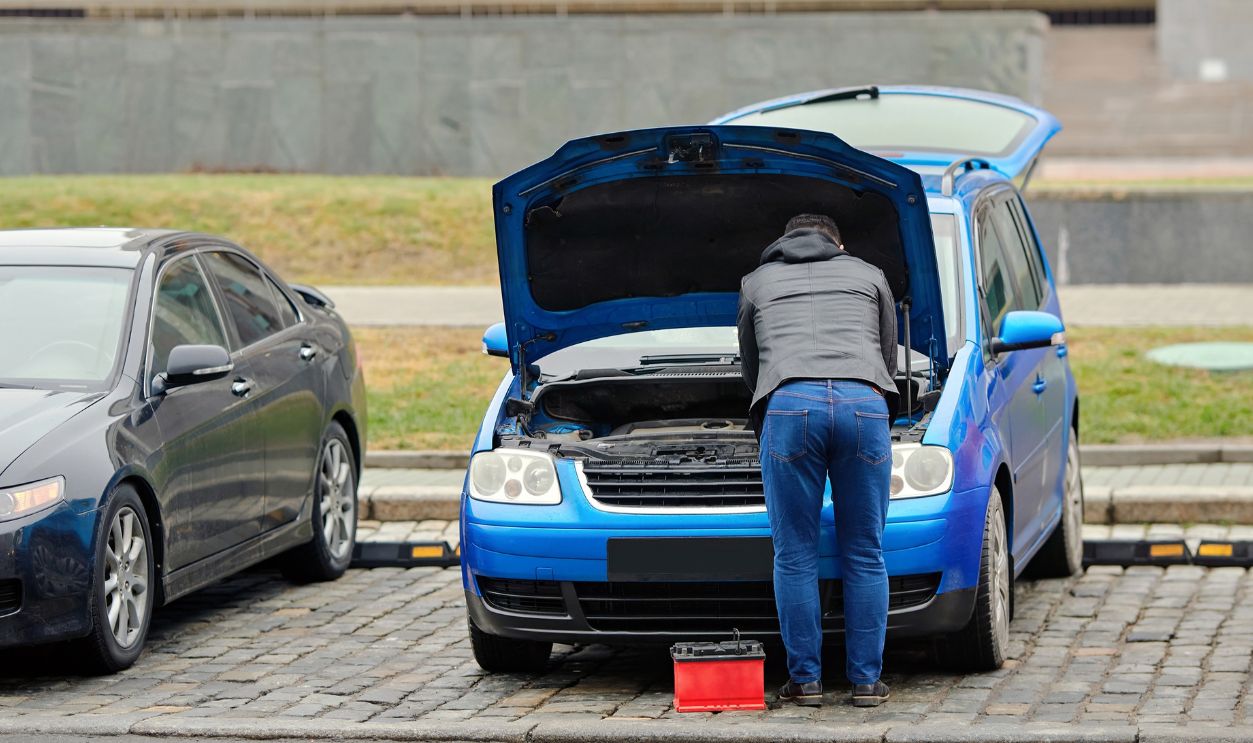
A cold start is when an engine is under the most strain. The oil has settled into the pan, metal parts have tightened up from the cold, and the engine uses a richer fuel mix to keep running smoothly. AAA has also warned that repeated short trips are hard on a vehicle because they may not give the battery enough time to recharge after starting.
Extra Fuel Can Cause Problems
When an engine starts cold, it uses more fuel. That is normal, but if the car is shut off before it reaches operating temperature, some of that extra fuel can slowly dilute the oil. Oil companies and automakers have recognized this for years, which is why many maintenance schedules list repeated short-trip driving as severe service.

Moisture Builds Up Inside The Engine
Combustion creates water vapor, and changing temperatures can also cause condensation inside the crankcase and exhaust. During a fully warmed-up drive, much of that moisture gets burned off and pushed out. On repeated short trips, it can stick around longer than it should, which can lead to sludge and corrosion in the oil and exhaust system.
What Sludge Really Is
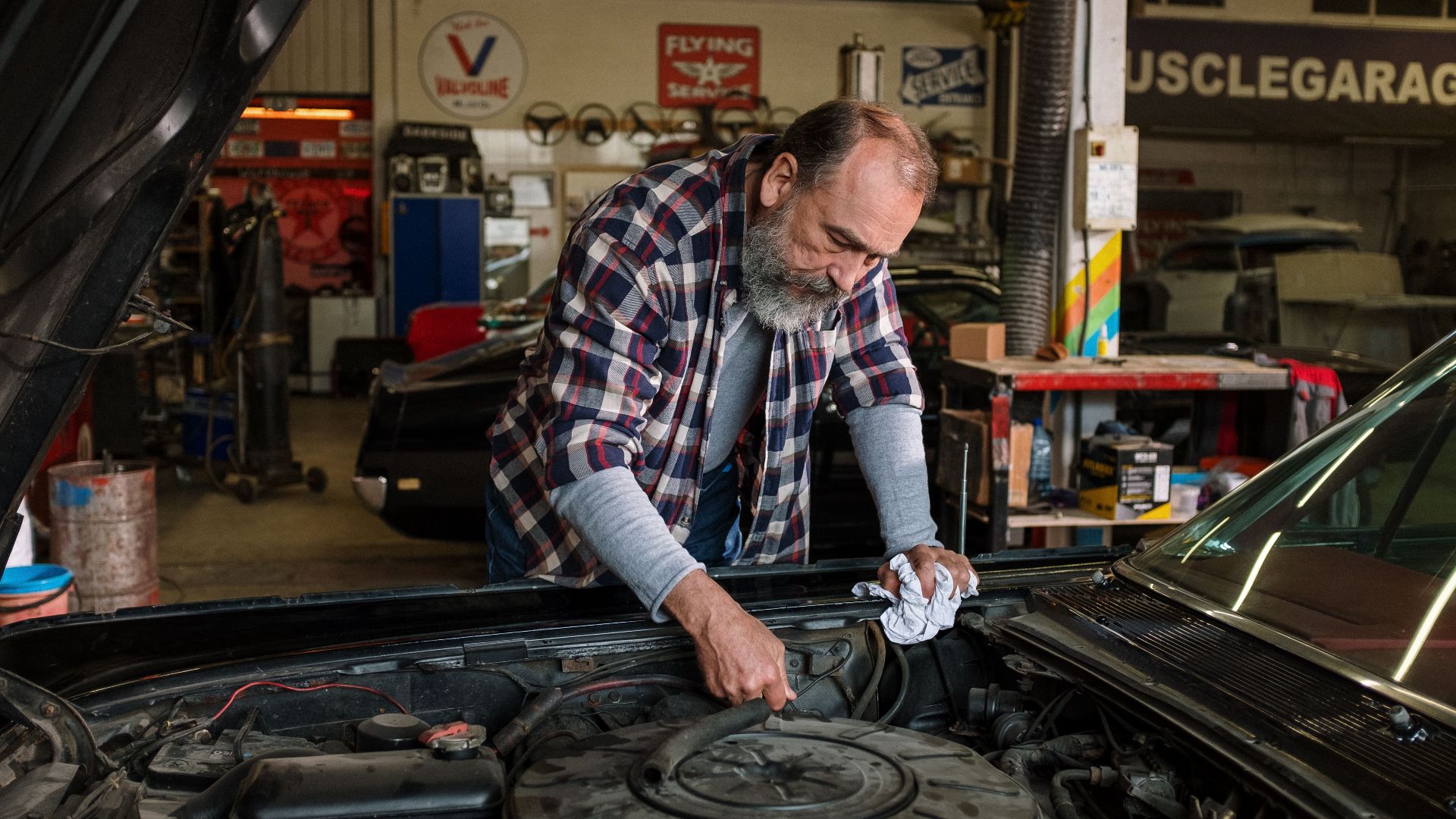
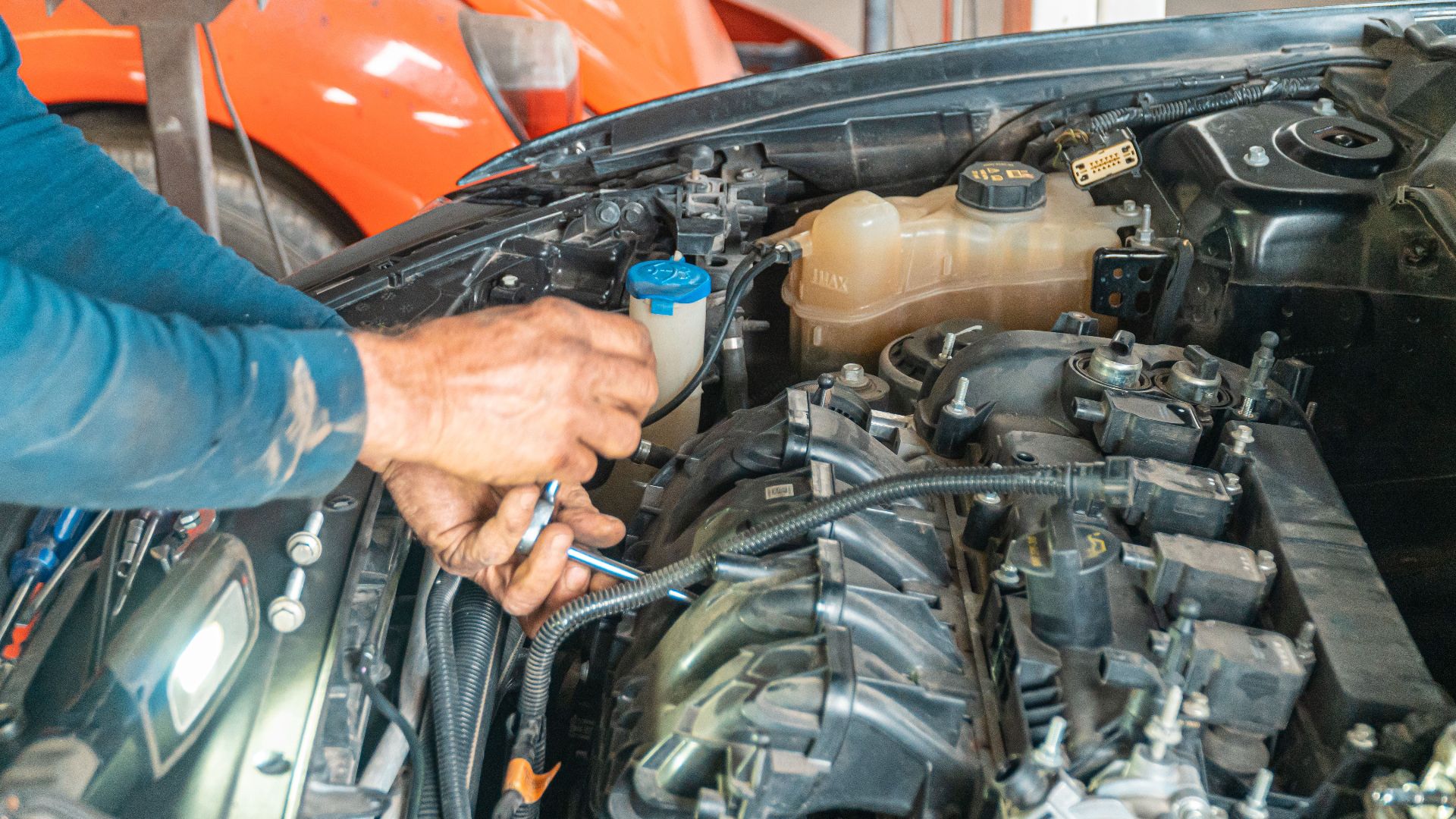
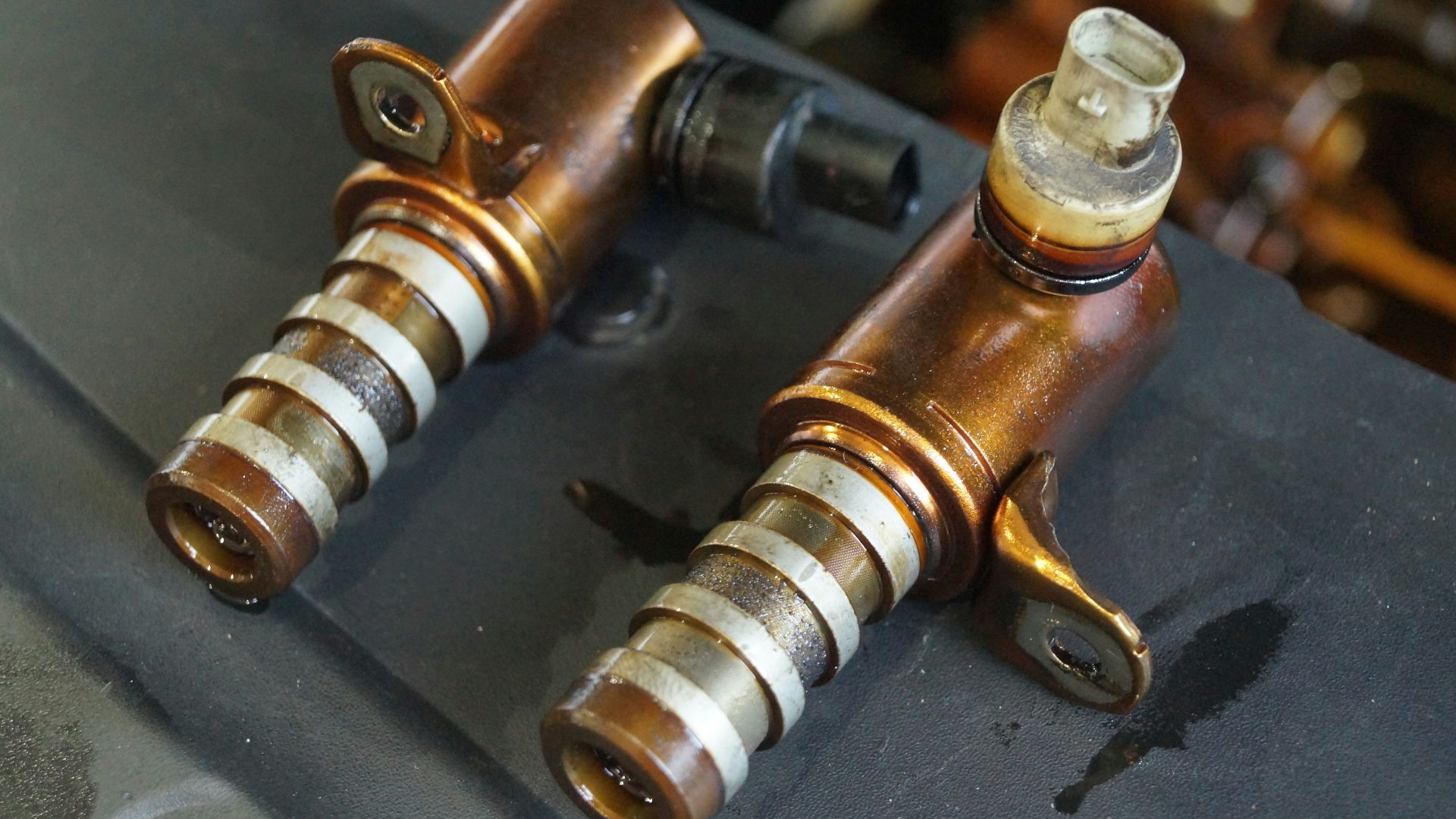
Engine sludge is not just old dirty oil. It can be a mix of broken-down oil, contaminants, moisture, and combustion leftovers that build up when oil degrades or never gets hot enough to clean itself out. Valvoline notes that stop-and-go driving and repeated short trips can add to sludge because the oil keeps picking up moisture and contaminants without enough sustained heat.
 Jose Ricardo Barraza Morachis, Pexels
The Exhaust System Gets Hit Too
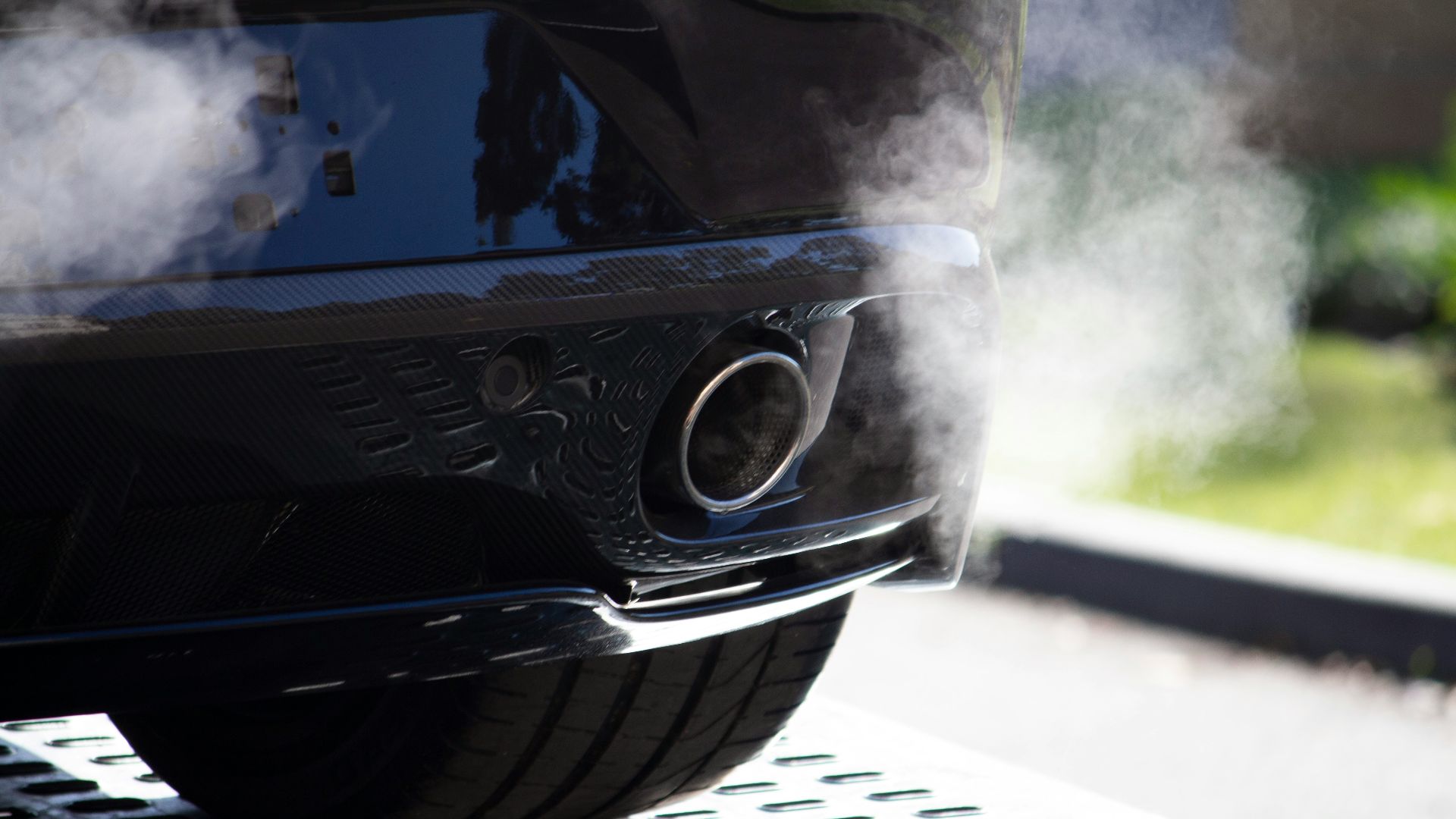
If you only drive a mile or two at a time, the exhaust may never get hot enough to dry out the condensation inside it. That matters because water sitting in the muffler and pipes can speed up rust from the inside out. That is one reason cars used mostly for short hops sometimes need exhaust work sooner than similar cars that regularly get longer drives.
Your Battery May Be Taking The Hit First
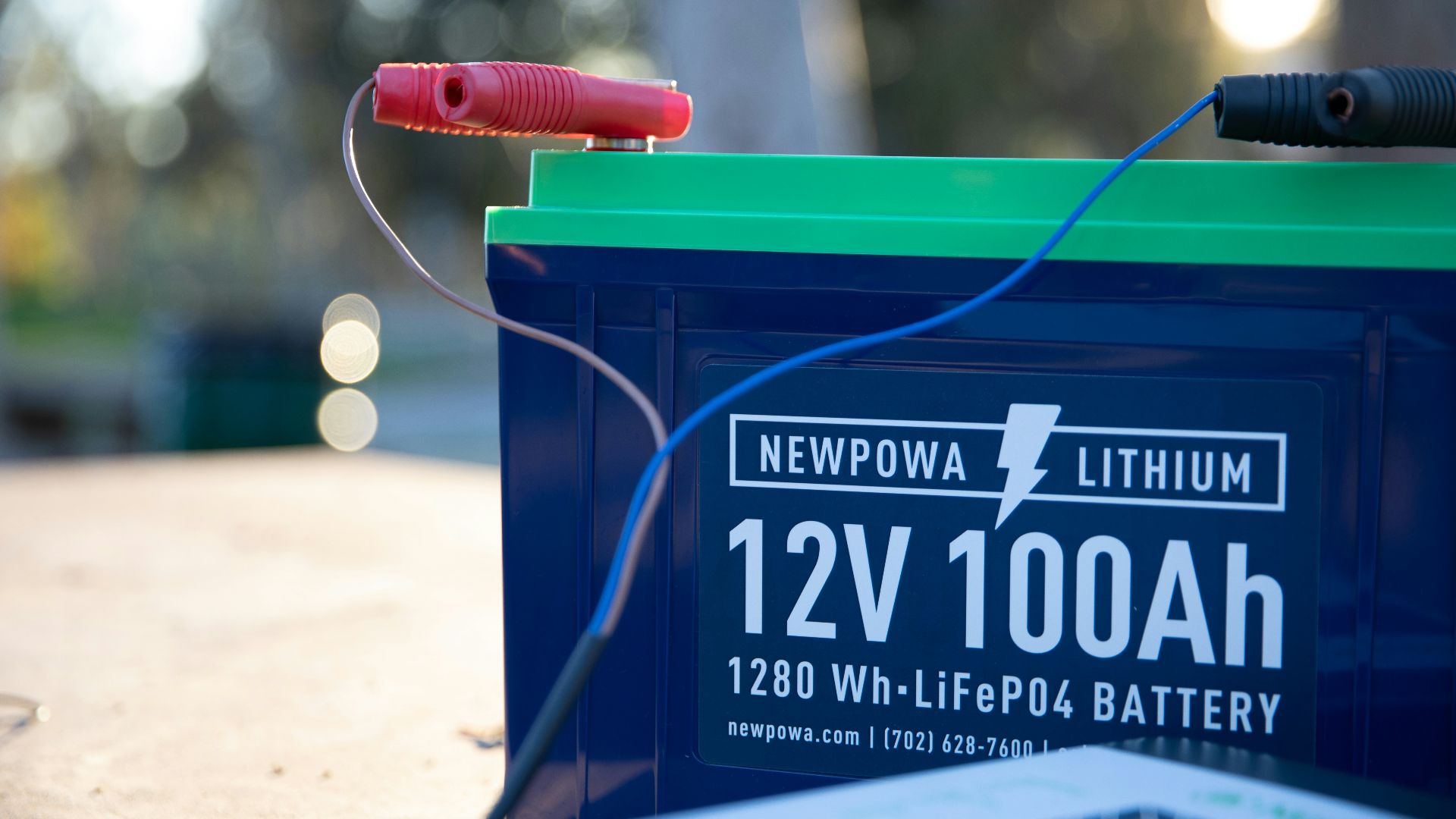
Starting a car takes a big burst of electrical energy. The alternator replaces that energy while you drive, but very short trips may not give it enough time to fully recharge the battery, especially in cold weather when batteries are already under more stress. AAA has repeatedly pointed to short-trip driving as a common reason for drained batteries.
The Problem Gets Worse In Winter
Cold weather makes short trips even tougher on a car. Engine oil thickens, batteries lose cranking power, and heaters, defrosters, and seat warmers all add electrical load. The Department of Energy specifically says that short trips of less than five miles in cold weather can push fuel economy far below a vehicle's rated efficiency.

Summer Short Trips Still Aren't Great
Warm weather takes away some cold-start stress, but it does not make short trips harmless. The engine still starts rich, the battery still loses charge with every restart, and moisture and contaminants can still build up if the oil never gets hot enough for long enough. Frequent stop-and-go use can also be hard on brakes and tires.

Automakers Have Been Saying This For Years
This is not a social media myth or a scare tactic from a repair shop. Owner's manuals have long listed repeated short-distance driving, especially in freezing temperatures, as severe service. Toyota, Ford, Honda, and other automakers use similar language because this kind of driving increases wear and contamination compared with regular longer trips.

What Severe Service Actually Means
Many drivers hear severe service and picture towing a trailer through the desert. In real life, it often includes normal habits like frequent short trips, long idling, dusty roads, or stop-and-go traffic. If that sounds like your driving, the shorter maintenance schedule in your owner's manual is usually the right one to follow.
Oil Changes May Matter More Than Mileage
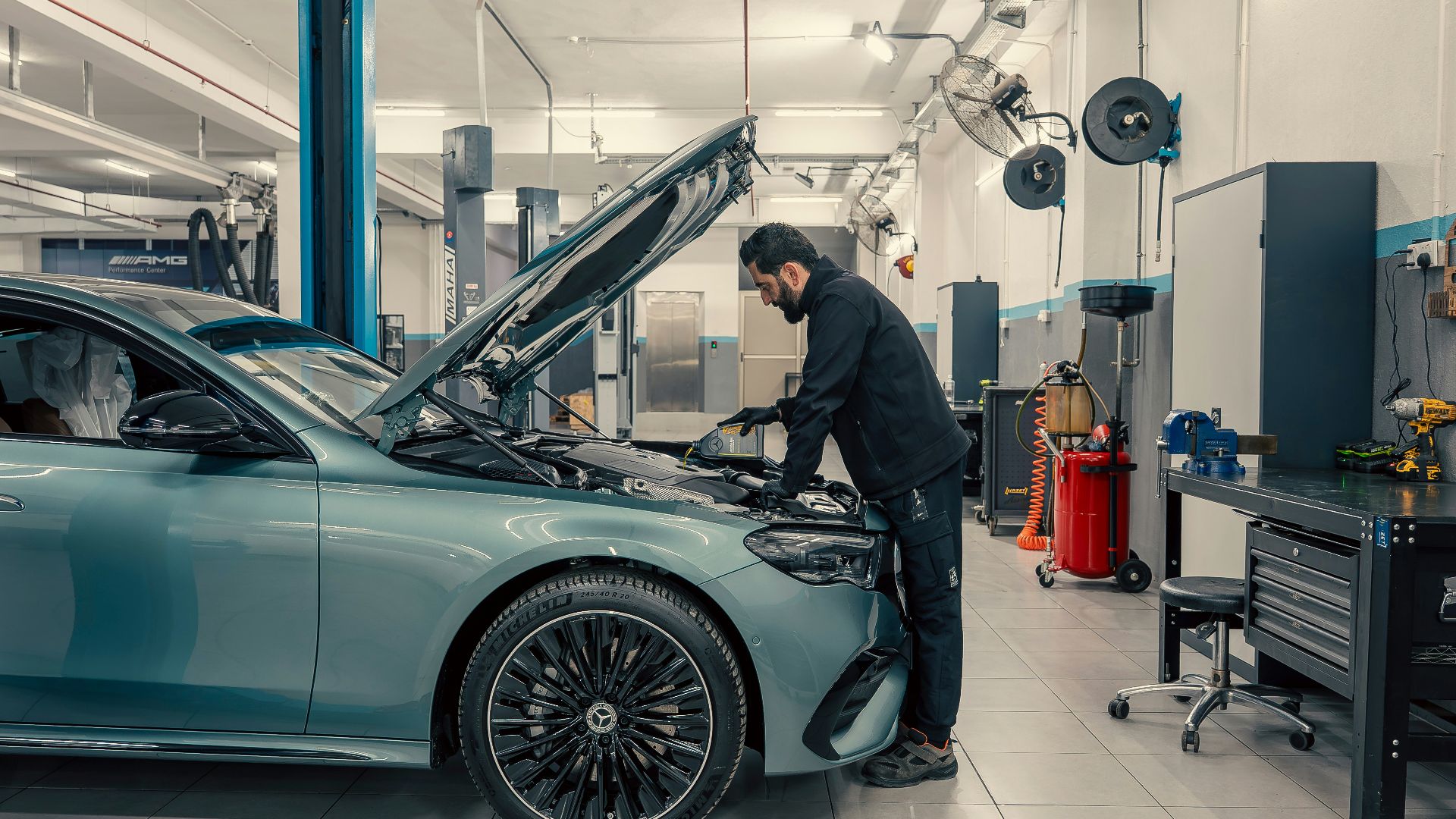
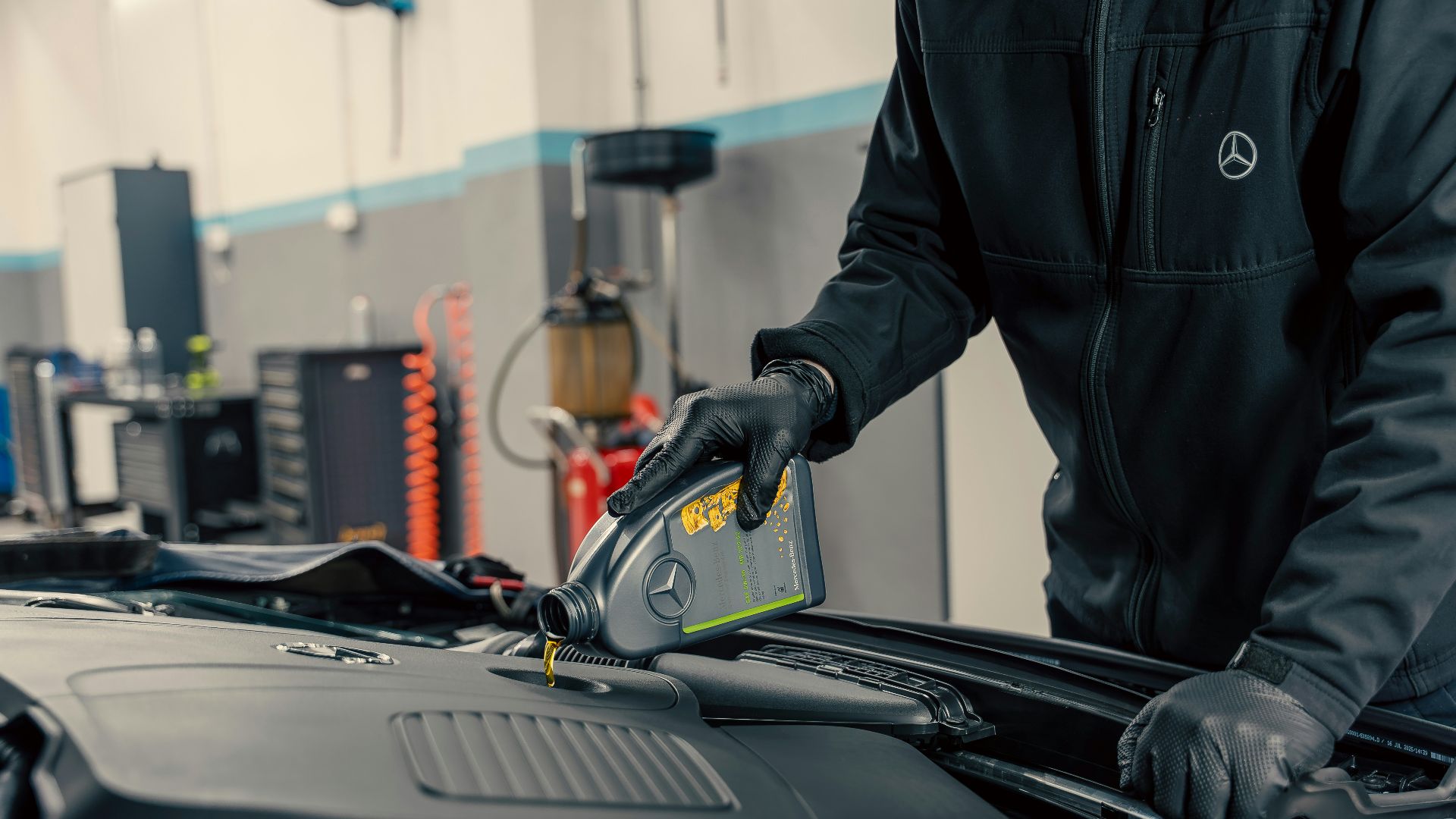
If you barely drive but most of your trips are short, waiting only for the mileage number can be a mistake. Oil can break down with time, condensation, fuel dilution, and contamination even when the odometer hardly moves. That is why many automakers give oil change intervals in both miles and months.
Modern Fuel Injection Helps, But Only So Much
Cars with electronic fuel injection warm up and control fuel much better than old carbureted cars did. That helps reduce some of the old cold-start problems, but it does not change the basic issues of cold oil, condensation, and battery drain. Modern engines are tougher than older ones, but they are not immune.
Hybrids Aren't Completely Exempt
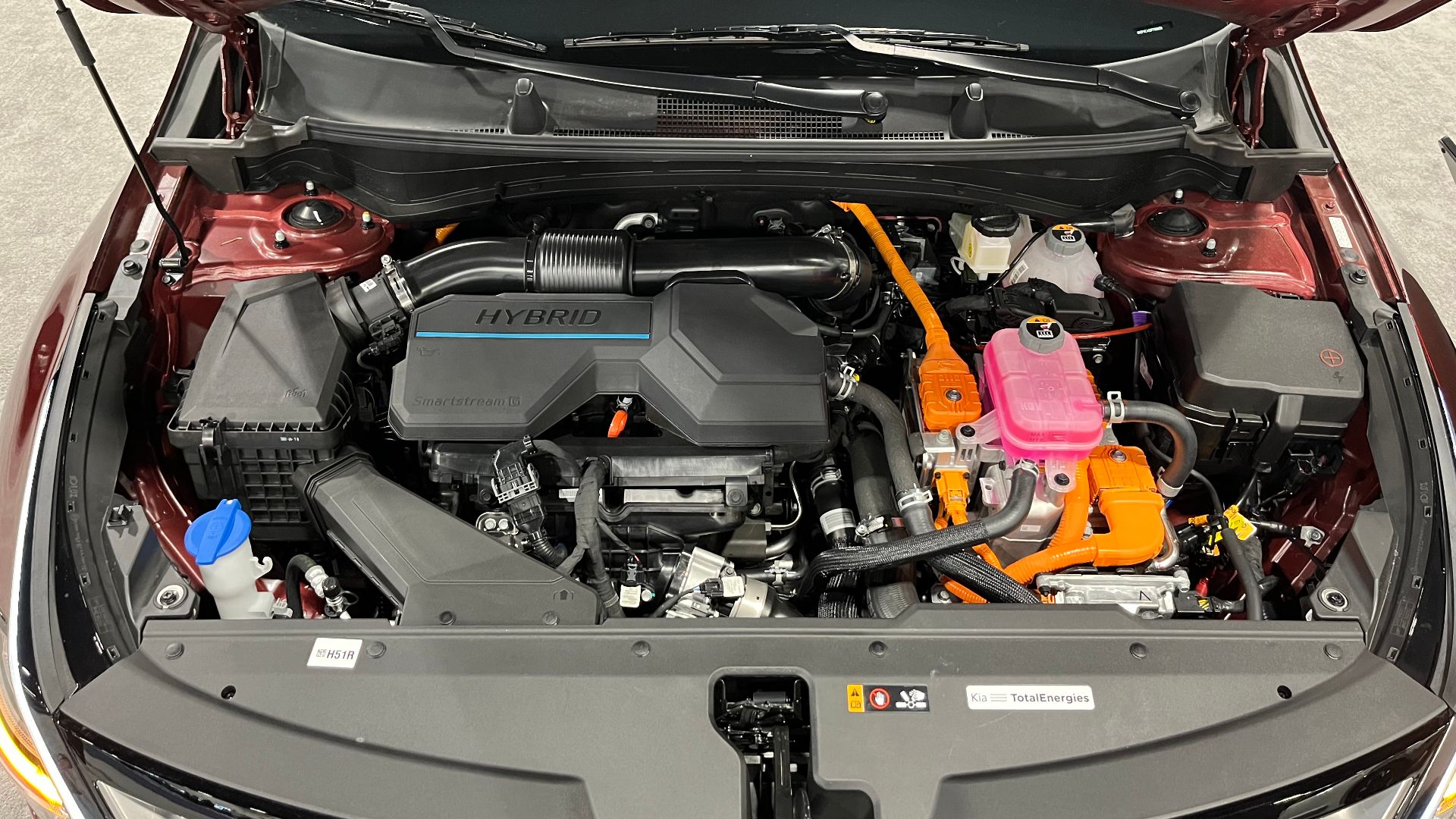
Hybrid drivers may assume the gas engine is protected because it runs less often. But the engine can still cycle on and off before it fully settles at operating temperature, especially in cold weather or during short local trips. Hybrid systems handle this well, but they still need proper maintenance and the occasional full warm-up drive.
Direct Injection Adds Another Layer
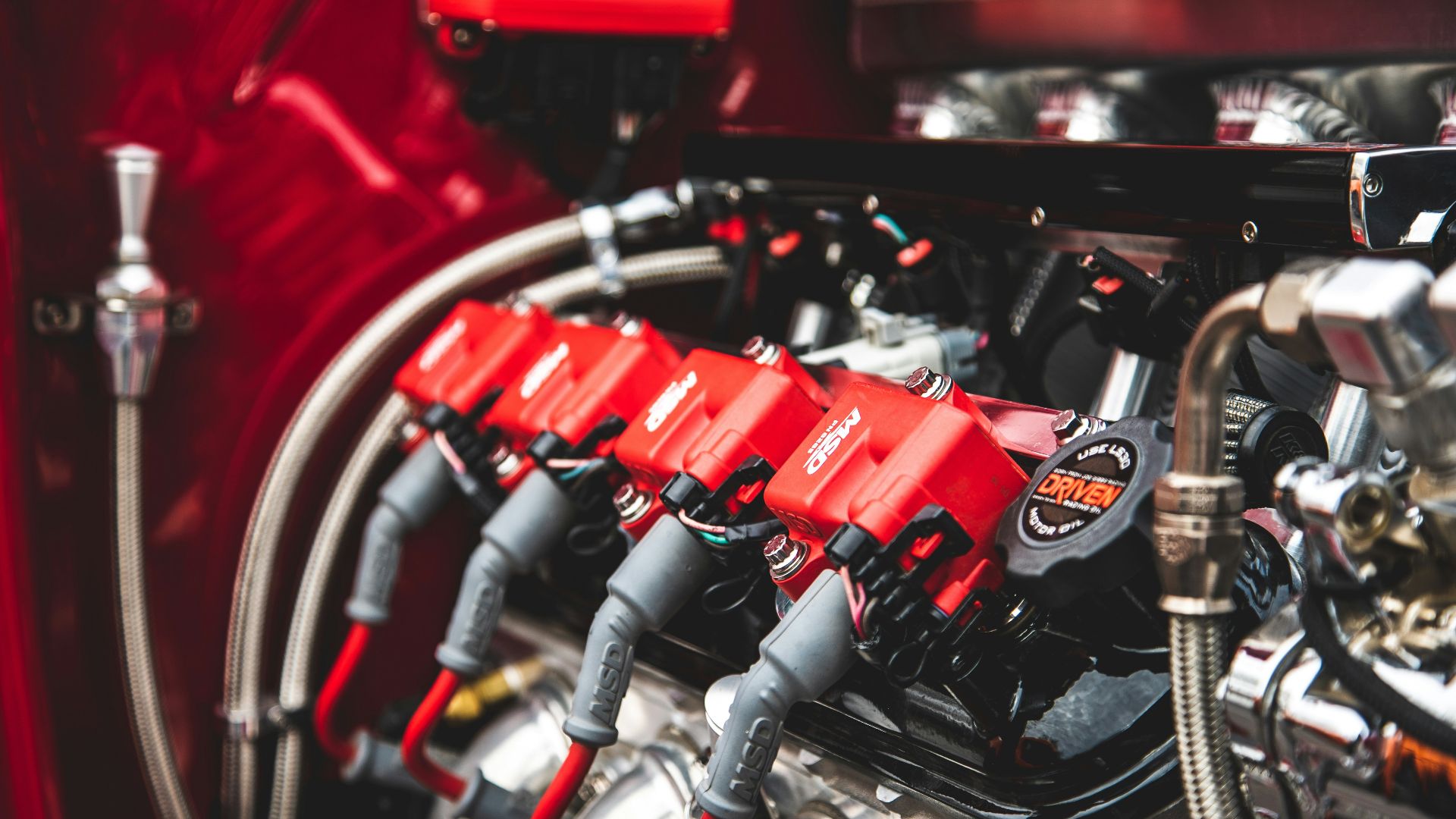
Some modern direct-injection engines can be more sensitive to oil quality and maintenance because fuel dilution may be more noticeable under certain conditions. That does not mean direct injection is flawed, but it does raise the stakes if the car is used mostly for repeated cold starts and quick errands. Following the severe-service schedule matters even more.
Turbo Engines Don't Love Constant Cold Starts Either
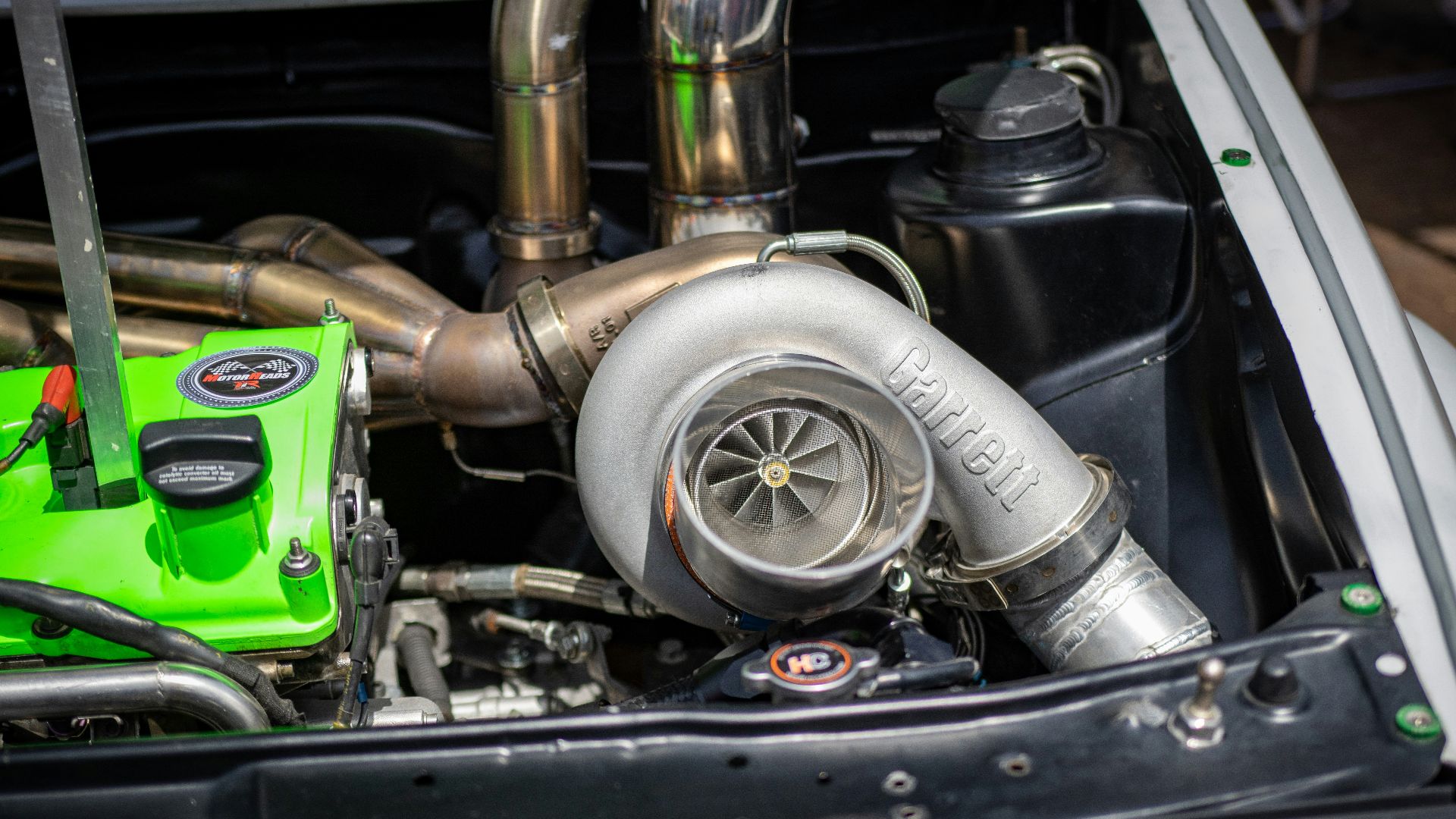
Turbocharged engines depend on clean, healthy oil because the turbo spins at very high speeds and is lubricated by engine oil. If short-trip driving leads to contaminated oil or delayed oil changes, that can be bad for turbo life over time. The issue is not that turbos cannot handle city driving, but that maintenance becomes even more important.
How Long Does It Take To Warm Up
There is no magic number because outside temperature, vehicle design, and driving speed all affect warm-up time. In many cars, the coolant may reach its normal range before the oil is fully warm. So a ten-minute drive may be enough in some conditions, while in deep winter it can take quite a bit longer for the whole system to settle in.

Idling In The Driveway Isn't The Best Fix
It is tempting to let the car idle for a long time before leaving, but modern vehicles usually do better when they are driven gently after a brief start-up period. The Department of Energy says idling is not an effective way to warm up a vehicle and that driving is the fastest way to bring the engine and drivetrain up to operating temperature. Long idling also wastes fuel and can increase engine deposits.

What Gentle Driving Looks Like
After a cold start, the smart move is to drive off smoothly and avoid hard acceleration until the engine has had time to warm up. That lowers stress while helping the oil and coolant come up to temperature under light load. You do not need to baby the car forever, but giving it a few miles before asking for full performance is a good idea.

One Longer Drive A Week Can Help
If your routine is mostly school runs, grocery stops, and a short commute, adding a longer drive now and then can help. A sustained drive can burn off moisture, recharge the battery more fully, and get the exhaust hot enough to dry out condensation. It is not a cure-all, but it can offset some of the wear from constant short-trip use.

Watch The Battery First
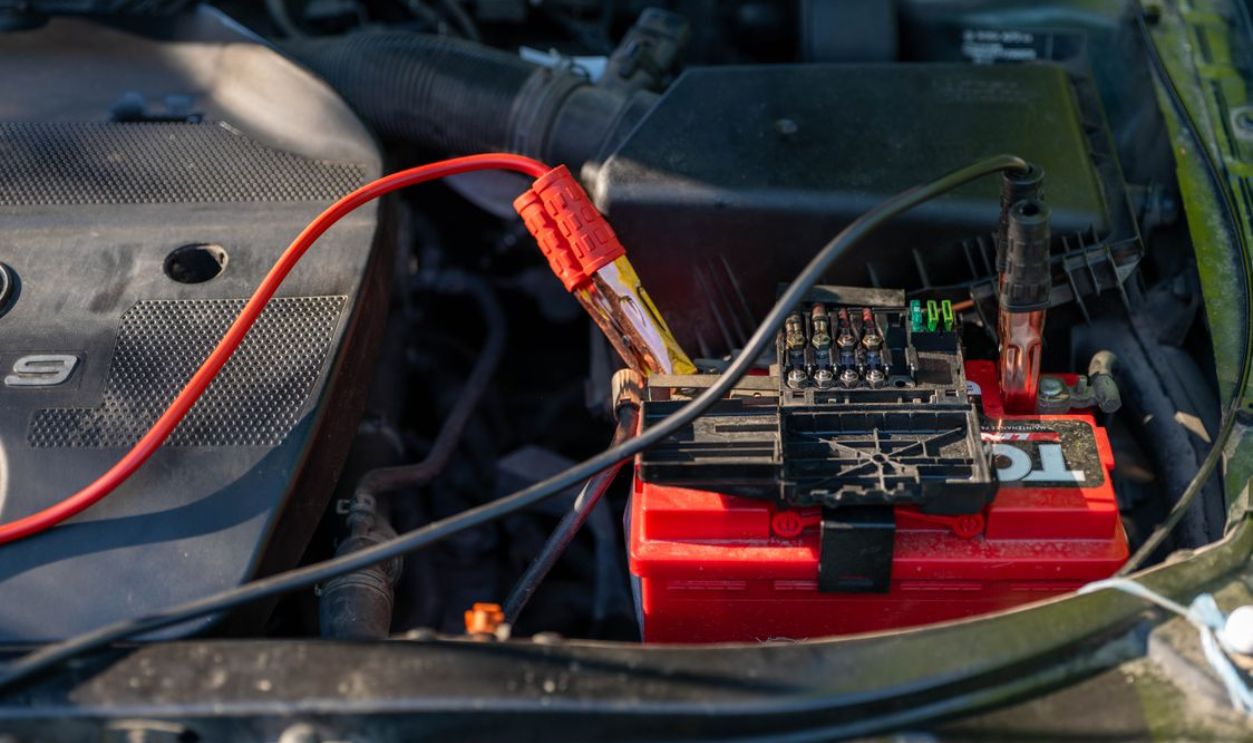
For many short-trip drivers, the first clear sign of trouble is a weak battery, not engine damage. Slow cranking, dim lights at startup, or frequent jump starts are signs that the car may not be replacing what each start uses up. If that sounds familiar, get the battery and charging system tested before winter makes things worse.
Notice Milky Residue Or A Fuel Smell
Not every odd sign means disaster, but some are worth paying attention to. A mayonnaise-like residue under the oil cap can sometimes be a harmless sign of condensation from repeated short trips, though in some cases it can point to a bigger issue. Oil that smells strongly of fuel or a rising oil level can suggest dilution and should be checked by a professional.

Diesels Can Be Even More Sensitive
Short trips are often especially hard on diesel vehicles. Modern diesel emissions systems, including diesel particulate filters, usually need enough heat and driving time to regenerate properly. Cutting trips short again and again can lead to more soot-related problems and higher maintenance costs.
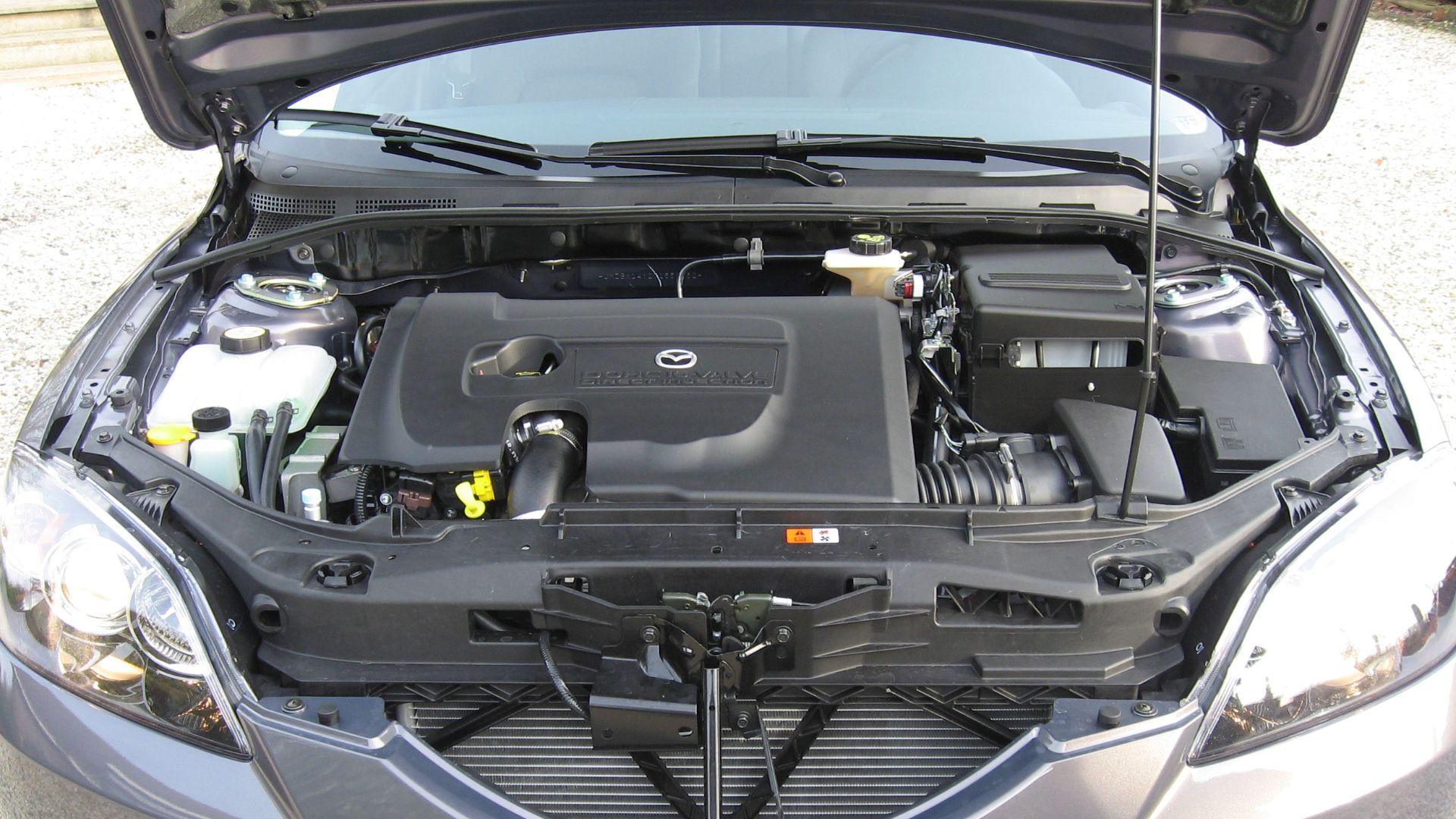 G.M. Kowalewska, Wikimedia Commons
Driving Too Little Creates Similar Problems
A car that is rarely driven can face some of the same issues as one used only for short hops. Batteries lose charge, tires can flat-spot, fuel gets old, and moisture can build up in systems that never get fully warm. Low mileage does not always mean easy life for a car.

So Can Driving Too Little Really Hurt A Car
Yes, especially if driving too little means repeated cold starts followed by trips too short to fully warm the engine and recharge the battery. The damage usually builds slowly through extra wear, more sludge risk, rusty exhaust parts, weak batteries, and more frequent severe-service maintenance. Your mechanic is pointing to a real pattern, not an old myth.

The Good News Is It's Manageable
You do not need to stop running errands or invent road trips just to protect your car. Use the right oil, follow the severe-service maintenance schedule in the owner's manual, combine errands when you can, and give the car an occasional longer drive. Do that, and a short-trip lifestyle becomes much easier on the vehicle.