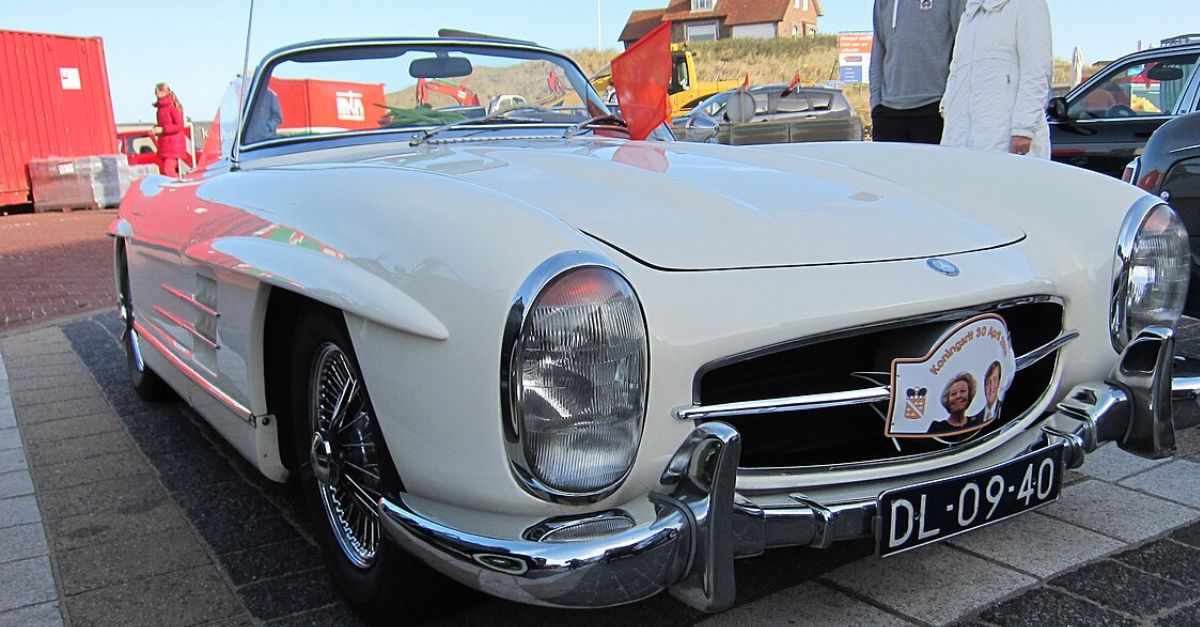
Your Battery Isn’t What It Used To Be
Your mechanic may be right, even if the quote feels surprisingly high. Cars with automatic start-stop systems put their 12-volt batteries through more work than older vehicles, and many require enhanced flooded batteries or absorbent glass mat batteries instead of the cheapest conventional option. The price premium is real, but so are the technical differences.

Start-Stop Changes The Battery’s Job
A traditional battery delivers a large burst of power to start the engine, then the alternator handles much of the electrical load. Start-stop repeatedly shuts the engine off in traffic and restarts it while the battery keeps lights, climate controls, displays, and other electronics running.
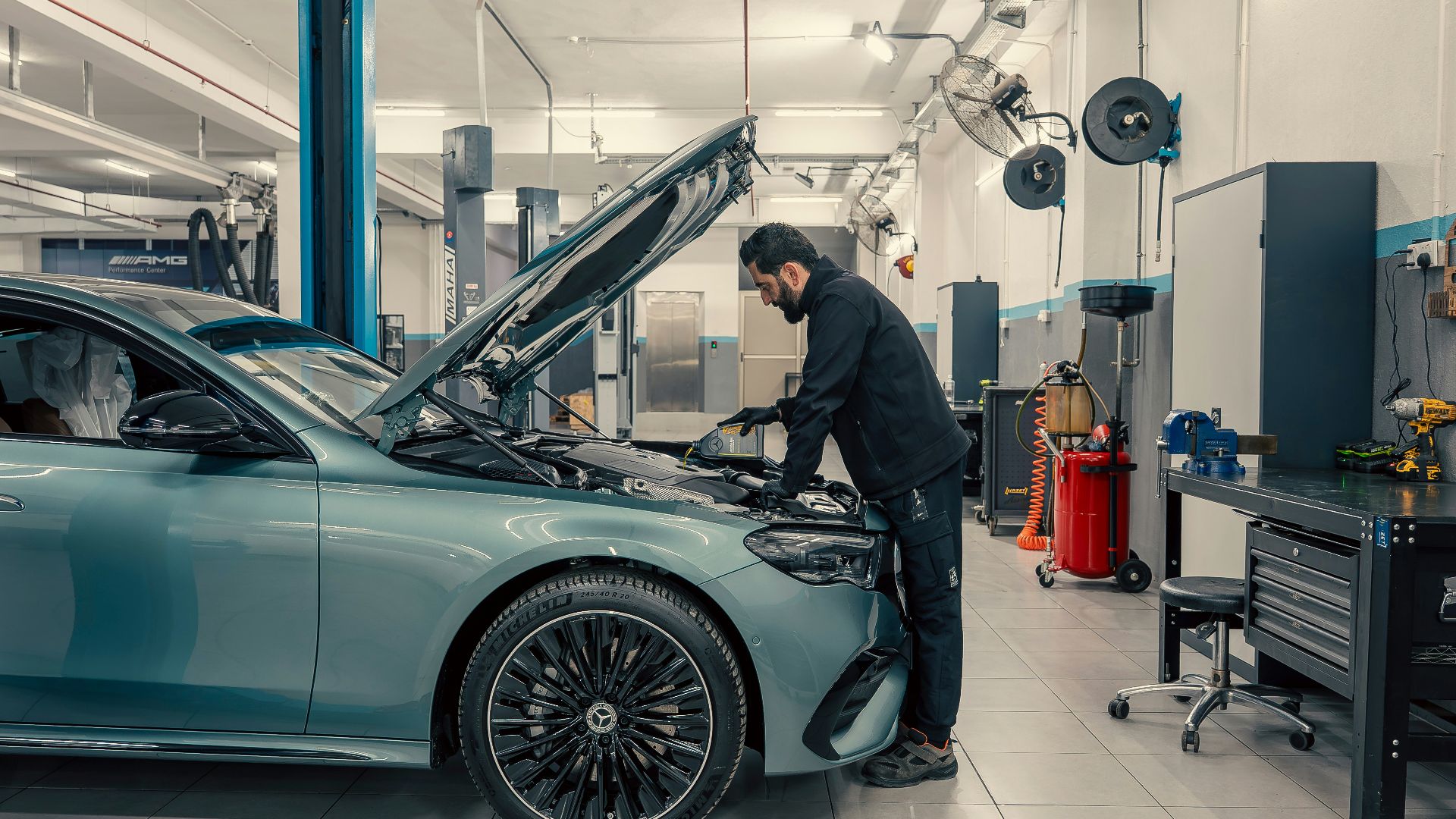
That Means More Starting Cycles
Repeated restarts create a much heavier cycling workload than conventional batteries were designed to handle. EFB and AGM batteries are engineered to tolerate frequent discharge and recharge cycles without wearing out as quickly under start-stop use.
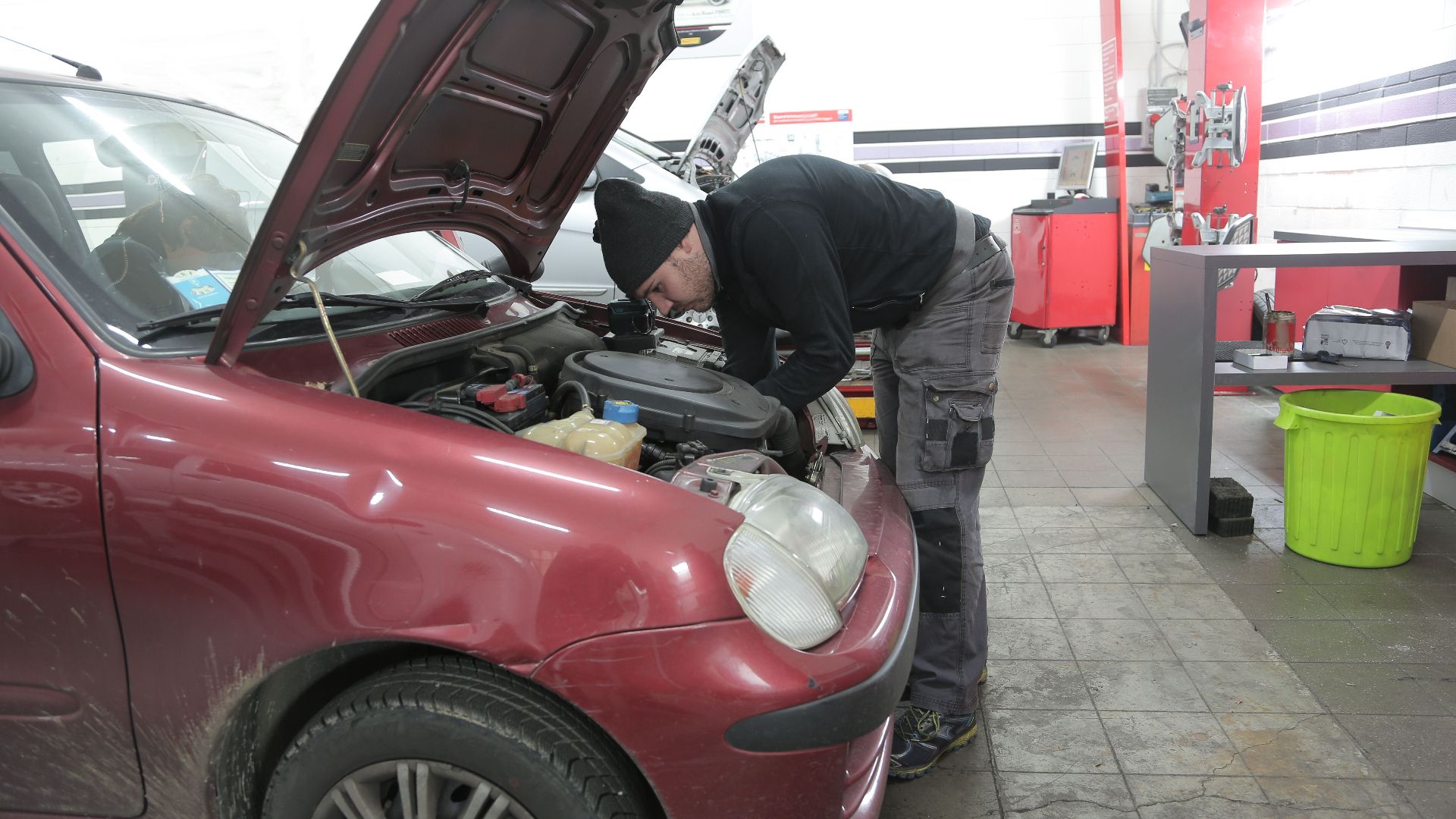
EFB Is The Less Exotic Upgrade
Enhanced flooded batteries, or EFBs, still use liquid electrolyte like traditional flooded batteries, but their construction improves charge acceptance and cycling durability. They are common in simpler start-stop systems and generally cost less than AGM batteries.
 Harrison Keely, Wikimedia Commons
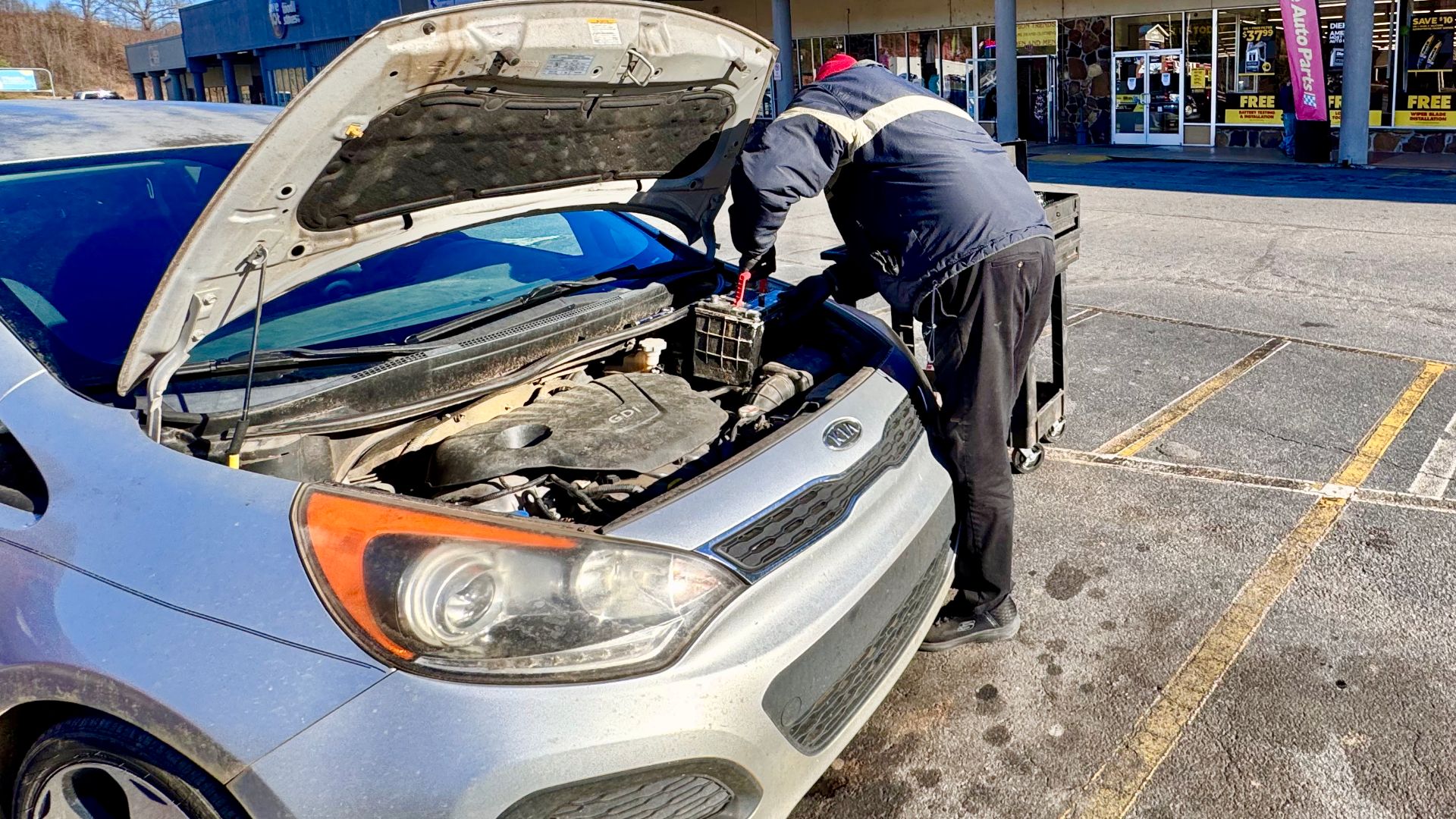
AGM Is The Heavy-Duty Choice
Absorbent glass mat batteries hold electrolyte in fiberglass separators. They are designed for higher electrical demand, deeper cycling, rapid charging, and, in many applications, regenerative braking or sophisticated energy-management systems.
You Usually Cannot Downgrade
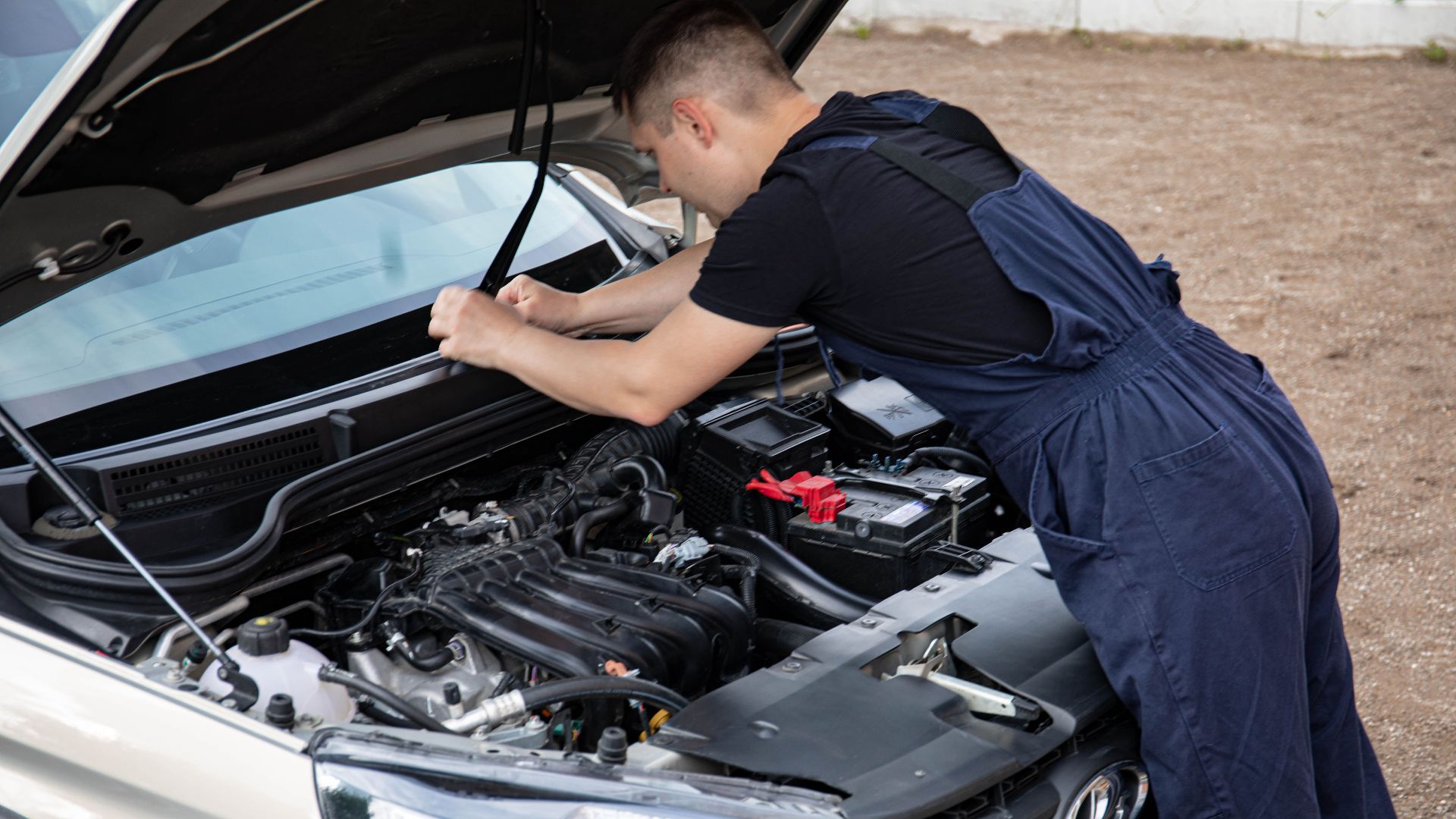
If the vehicle came with an AGM battery, replacing it with an ordinary flooded battery simply because it is cheaper is generally a bad idea. AAA warns that downgrading an AGM-equipped vehicle can cause charging-system or electrical problems.

EFB And AGM Are Not Automatically Interchangeable
An EFB-equipped car does not necessarily accept AGM, and an AGM-equipped car should not be downgraded to EFB. Battery chemistry, size, capacity, and cold-cranking rating should match the vehicle manufacturer’s specification.
 Daniel @ bestjumpstarterreview.com, Pexels
Turning Off Start-Stop Does Not Solve Everything
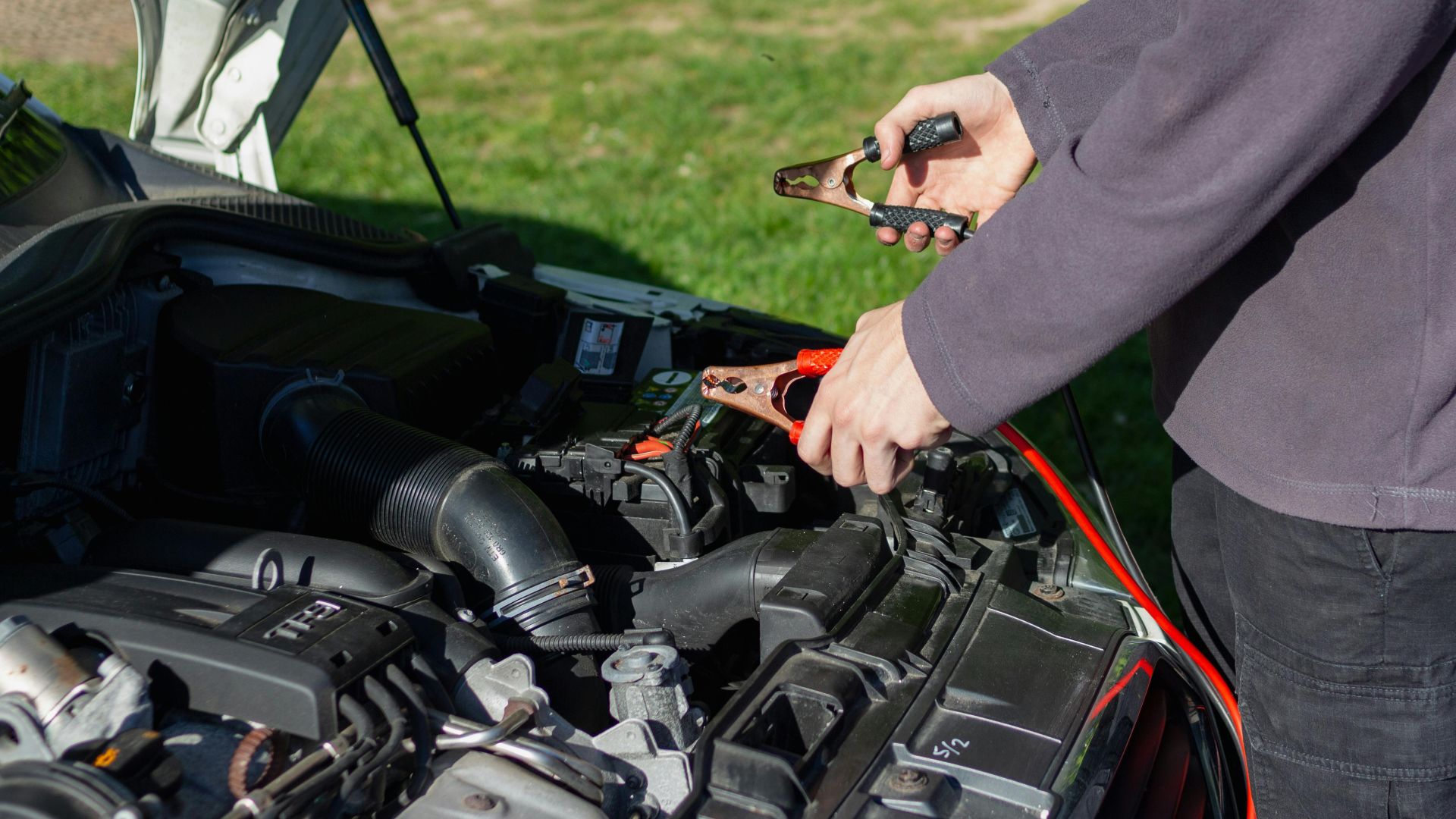
Pressing the start-stop-off button does not necessarily make a conventional battery suitable. Modern charging systems may still use energy-management strategies, recuperation, and battery sensors designed around the original battery technology.

The Price Difference Is Real
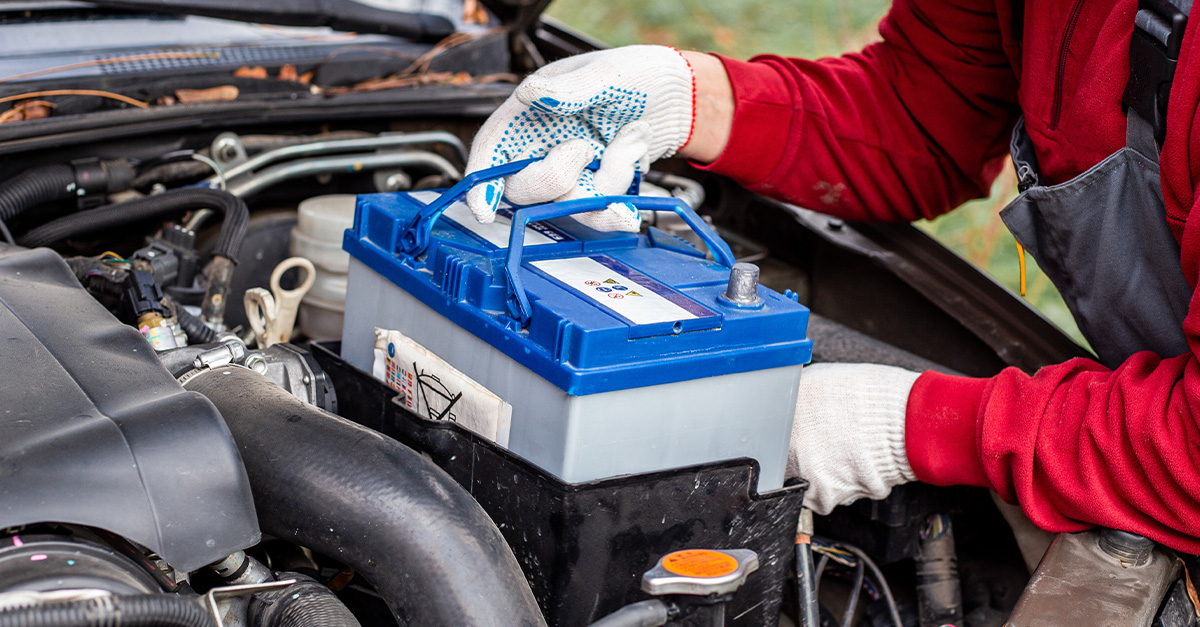
AAA lists conventional flooded batteries at roughly $45 to $150 and AGM batteries at about $150 to $250 before possible labor or other charges. Prices vary by vehicle, size, location, warranty, and retailer, but AGM clearly occupies a more expensive tier.
 Natalia Kokhanova, Shutterstock
EFB Often Lands In The Middle
EFB technology offers more cycling capability and charge acceptance than a standard flooded battery while generally remaining cheaper than AGM. That makes it a common compromise for less demanding start-stop applications.
Modern Cars Need More Electricity Anyway
Start-stop is only part of the story. Heated seats, cameras, infotainment, driver-assistance features, keyless entry, electric pumps, and control modules all add electrical demand, including loads that remain active when the engine is off.

Start-Stop Can Still Save Fuel
The extra battery complexity exists for a reason. The EPA says start-stop can improve fuel economy by roughly 4% to 5%, with the biggest benefit in stop-and-go driving where an engine would otherwise spend more time idling.

The Technology Is No Longer Unusual
EPA data show non-hybrid start-stop appeared on 58% of new gasoline non-hybrid vehicles in model year 2024. Higher-performance 12-volt batteries are therefore becoming a mainstream replacement item rather than a luxury-car oddity.

A Weak Battery May Disable Start-Stop First
If battery charge or health falls too low, the battery-management system may disable start-stop to preserve reliable restarting. A system that suddenly stops activating can sometimes be an early battery warning rather than a failure of the feature itself.

Replacement May Require Battery Registration
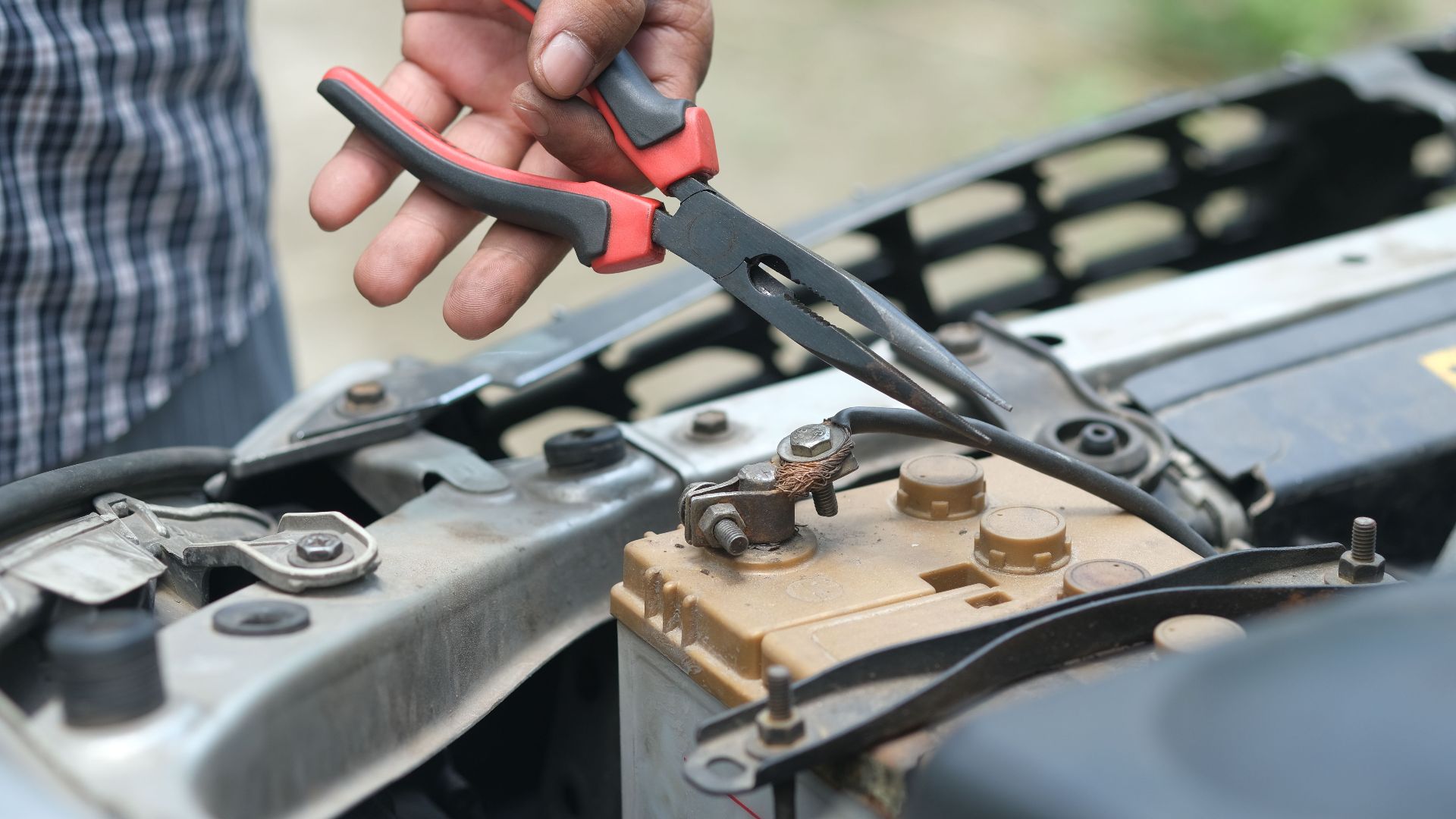
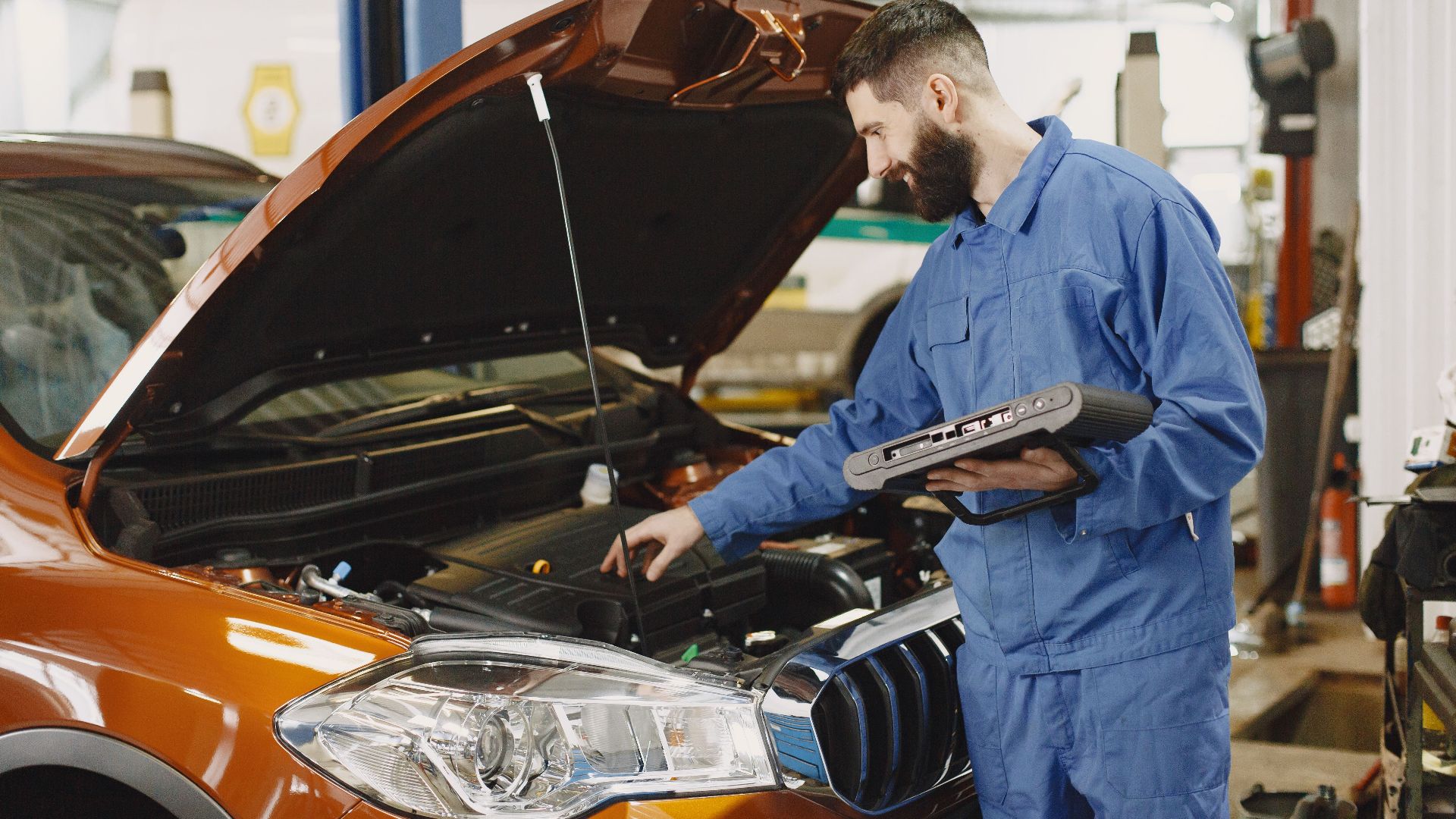
Some vehicles need the new battery registered through a diagnostic tool. This tells the battery-management system that a fresh battery is installed and can reset stored battery-age or charging information.
Registration Can Raise The Labor Bill
A battery change that once meant two terminals and a hold-down clamp may now include scan-tool work. Diagnostic equipment from Hella, for example, specifically includes a vehicle battery-registration function, showing why some modern replacements involve more than physically fitting the battery.

Location Can Make Installation Harder
Modern batteries are not always under the hood. AGM construction gives automakers more flexibility to install batteries in locations such as the trunk or passenger compartment, potentially making some replacements less straightforward than an easily accessible under-hood battery.
 Santeri Viinamäki, Wikimedia Commons
Testing Is More Specialized Too
EFB and AGM batteries should be tested using equipment and settings appropriate to their type. Selecting the wrong battery technology during testing can produce misleading results and potentially lead to unnecessary replacement.

Charging Equipment Matters
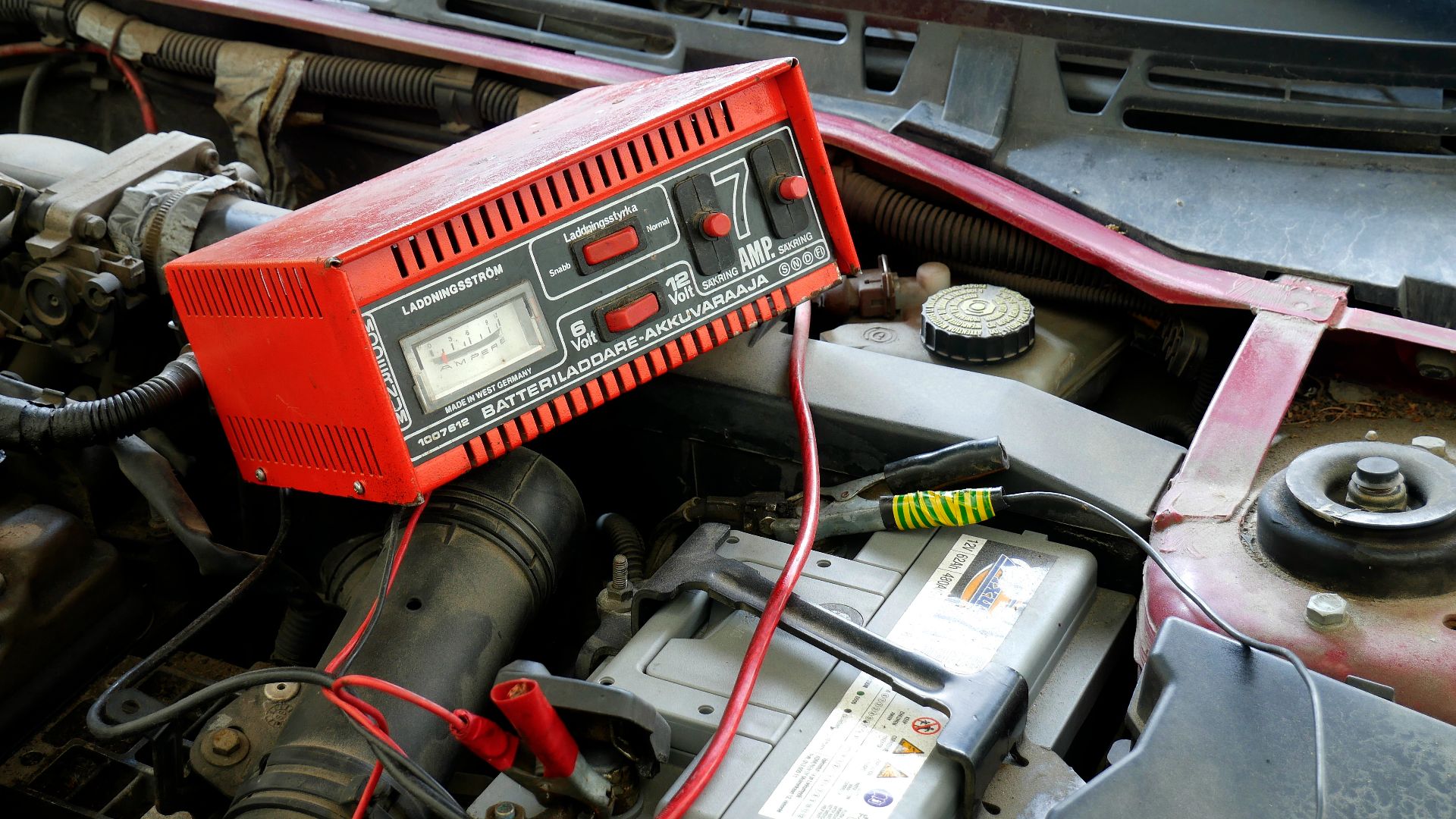
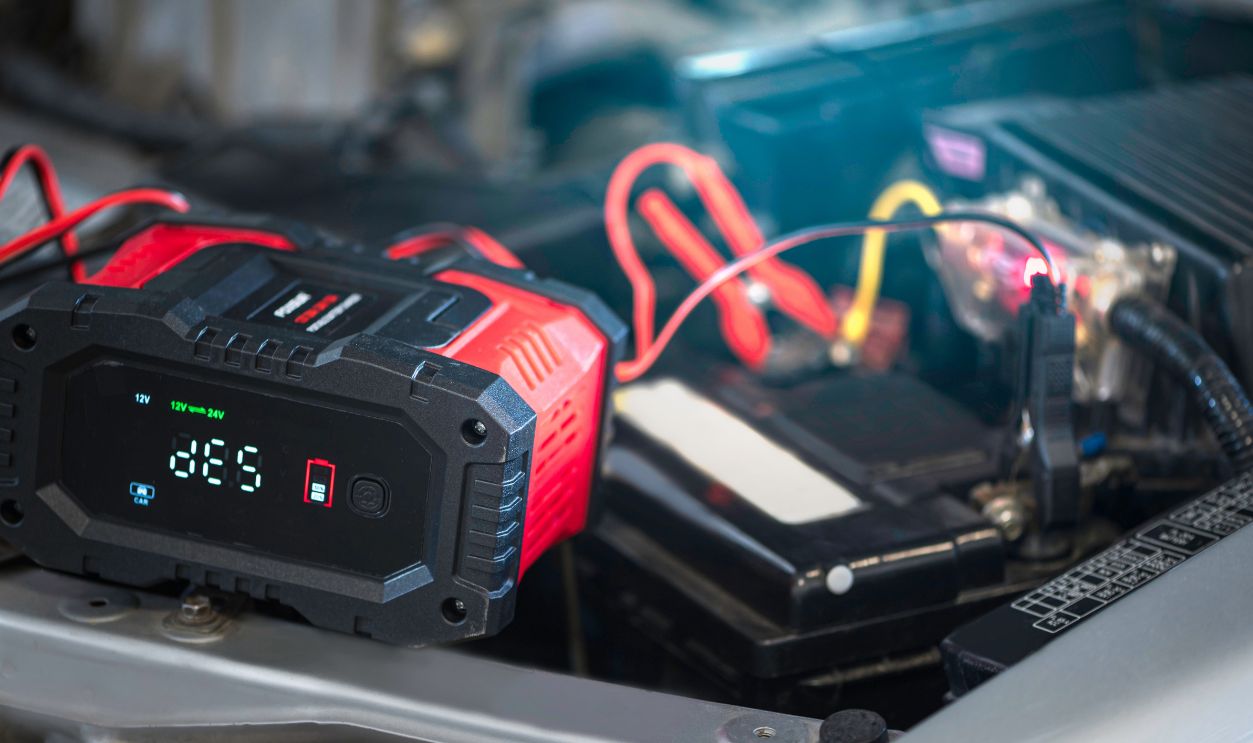
AGM batteries have specific charging requirements, and Interstate warns that unsuitable chargers can damage them. A home charger or maintainer should explicitly support the technology installed in your car.
Battery Life Is Still Finite
AAA says car batteries typically last about three to five years, although climate, driving habits, charging conditions, and usage matter. Paying more for AGM or EFB does not make the battery a lifetime component.

Heat Is Particularly Hard On Batteries
High temperatures accelerate battery degradation even though cold weather is when weakness often becomes obvious. AAA notes that batteries tend to last less time in hotter climates because heat speeds deterioration inside the battery.
Short Trips Can Be Tough
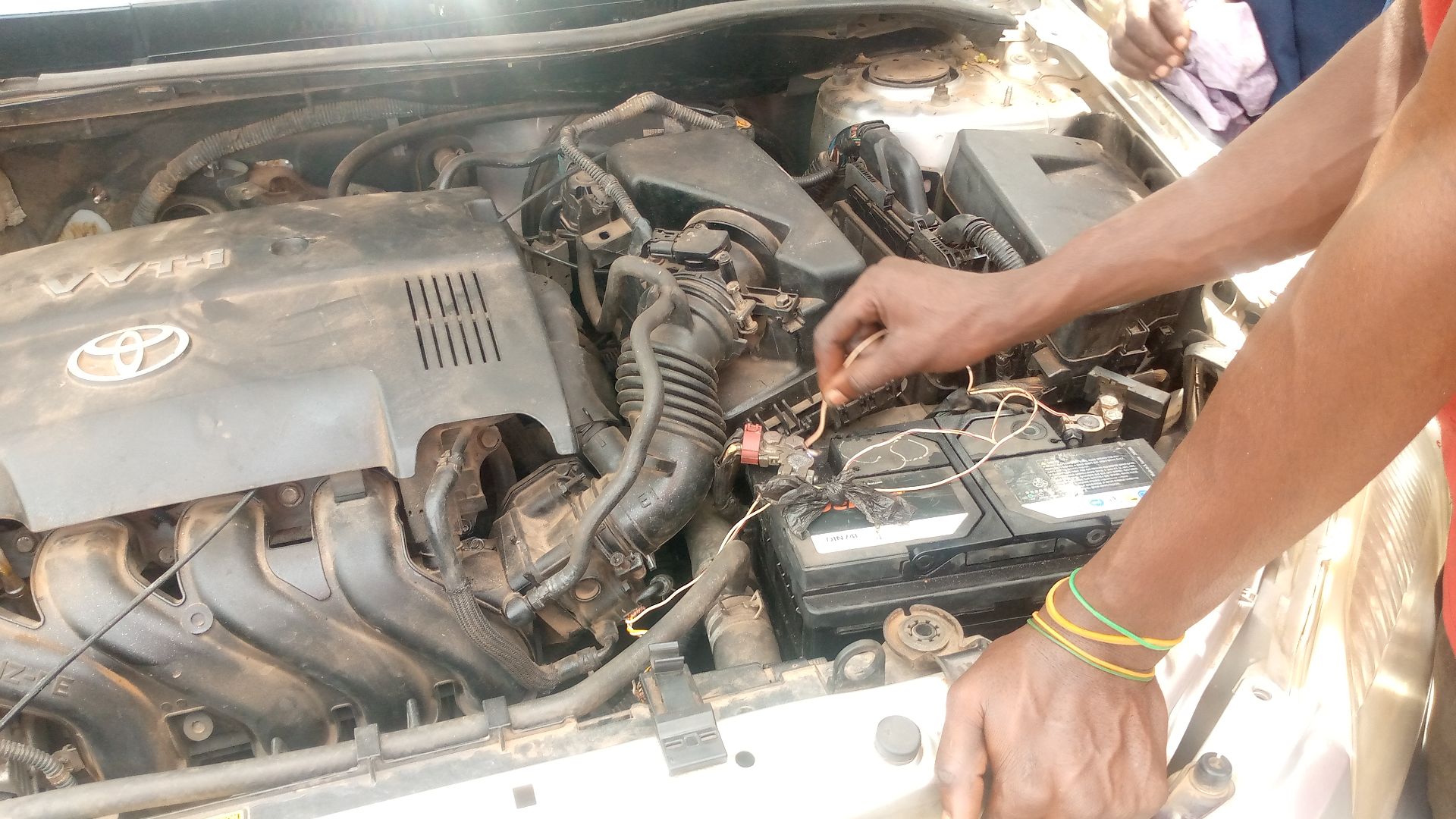
Start-stop repeatedly draws from the battery, while short journeys may not provide enough driving time to restore charge fully. The problem can worsen with an aging battery, cold temperatures, or heavy accessory use.

A Cheap Battery Can Become Expensive Quickly
An underspecified battery may fail early, disable start-stop, or create charging problems. The useful comparison is not simply purchase price but whether the battery can survive the duty cycle the vehicle was designed around.
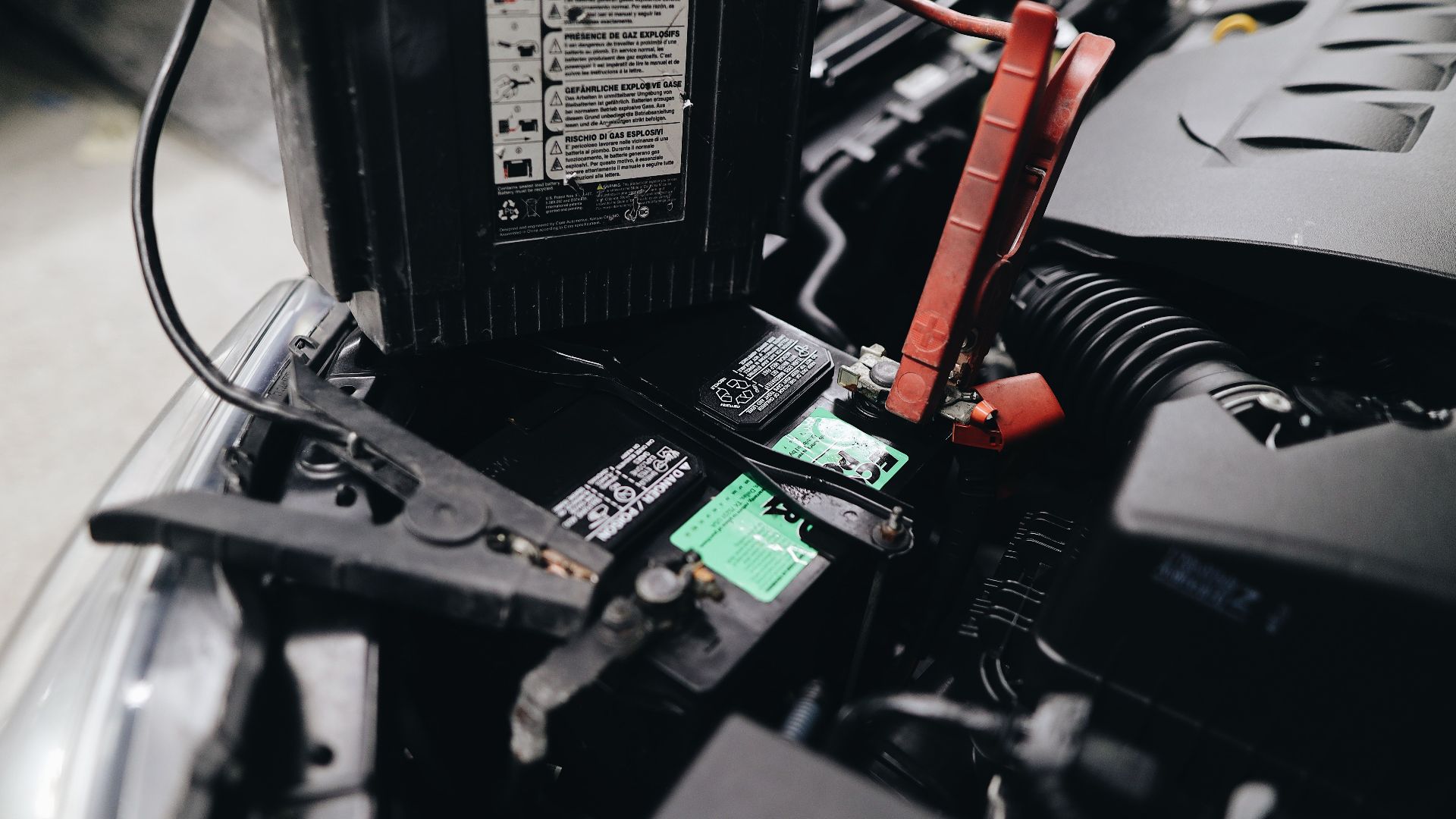
Ask For The Exact Specification
Before approving the repair, ask whether the car requires AGM, EFB, or conventional flooded technology, plus the proper size and performance ratings. The owner’s manual or a reputable application guide can confirm what belongs in the vehicle.

Ask Whether Coding Is Included
If the shop says the battery needs “programming,” ask what procedure is required and whether the quote includes it. Some cars require registration, while others use self-learning battery-management systems, so the service depends on the model.

Expensive, Yes, But Not Pointlessly So
Modern 12-volt batteries cost more because many cars ask them to do far more than crank the engine once per trip. If your vehicle genuinely specifies EFB or AGM, the correct battery is usually the smarter buy than forcing in a conventional substitute that was never designed for the workload.
You May Also Like: